Normal Addition & Subtraction Worksheets for Ages 4-9 - Page 8
171 filtered results
-
From - To
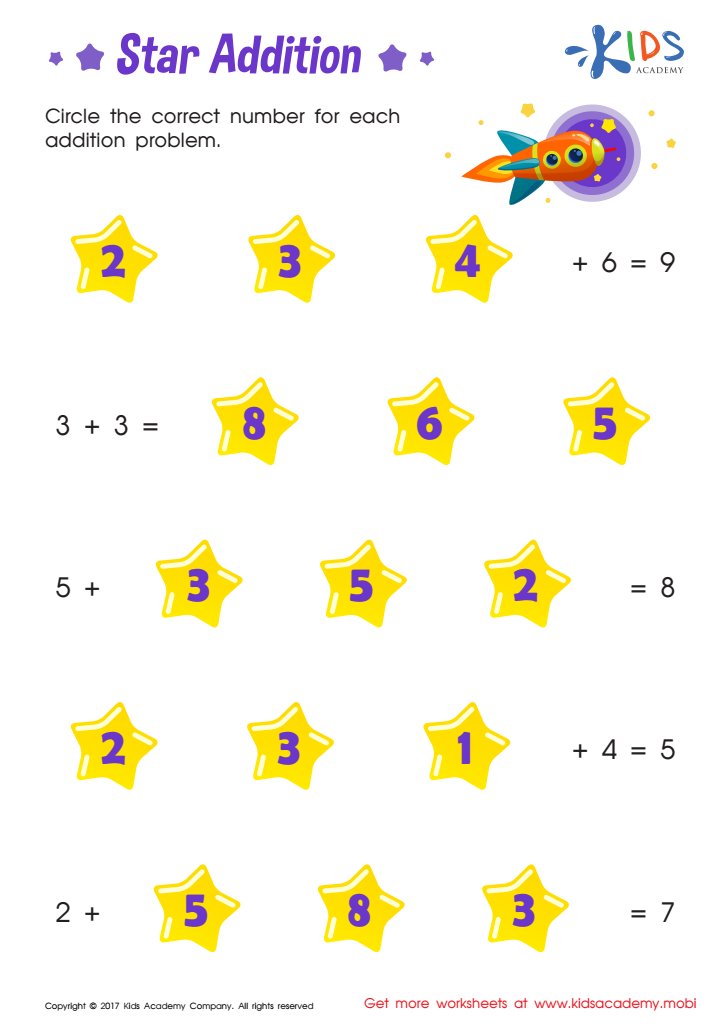
Star Addition Printable
 Assign to My Students
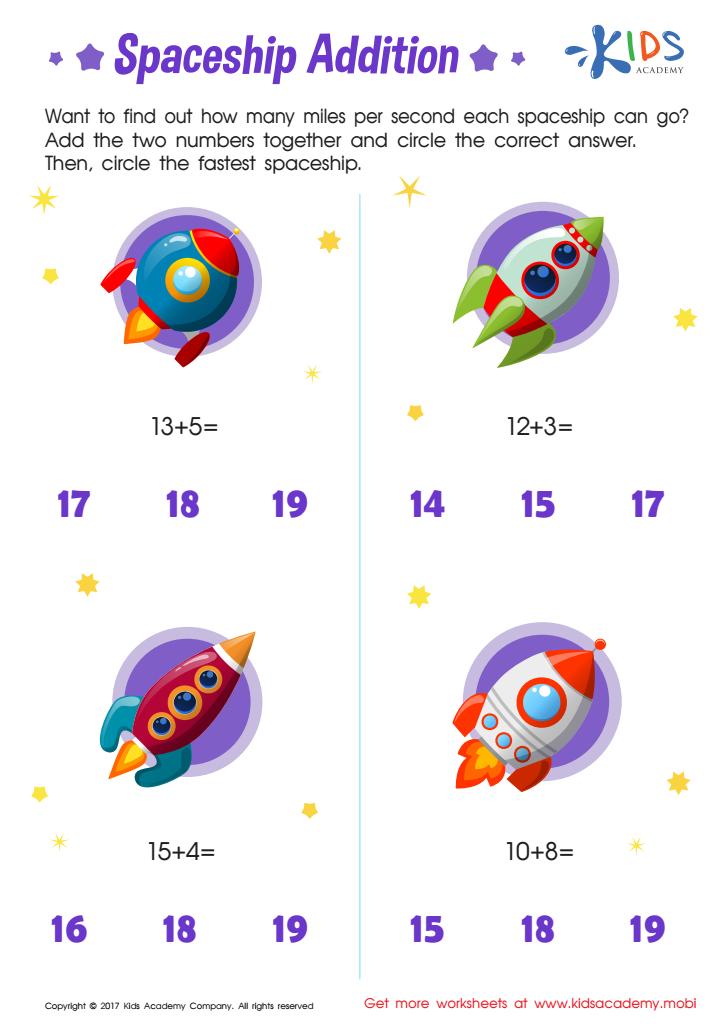
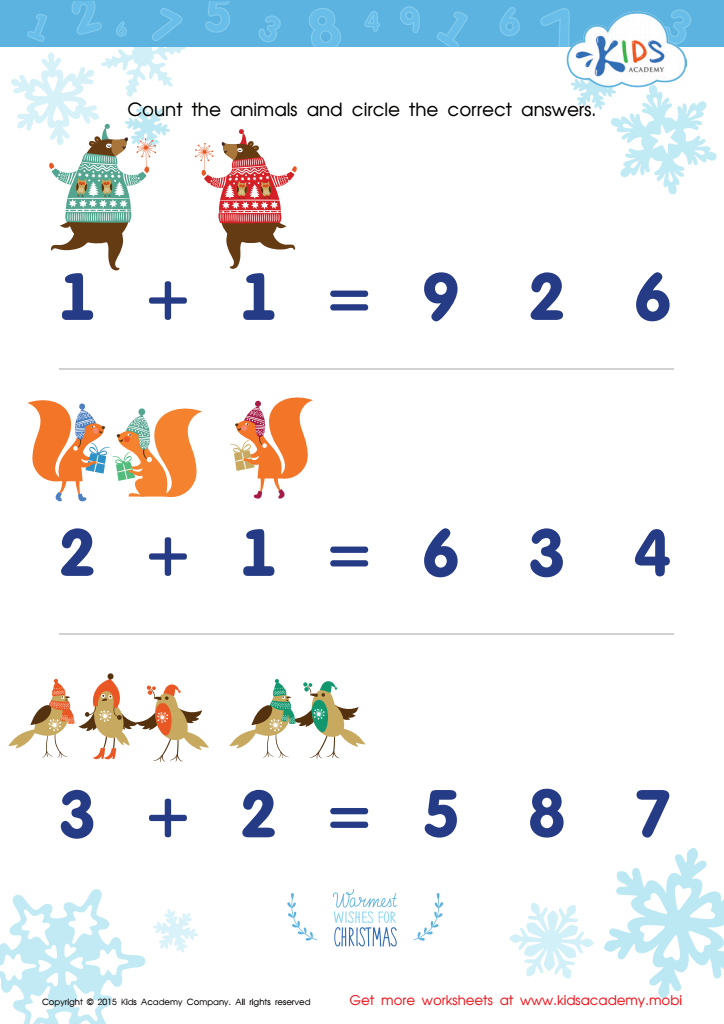
Count Funny Animals Worksheet








Parents and teachers should prioritize teaching normal addition and subtraction to children aged 4-9 because these skills form the foundation for all future math concepts. At this developmental stage, children are naturally curious and eager to explore numbers, making it an ideal time to introduce basic arithmetic. Mastery of addition and subtraction not only enhances children's problem-solving abilities but also builds their confidence in handling math-related tasks.
Furthermore, these skills are essential for daily life applications, such as budgeting, telling time, and measuring ingredients, thus fostering independence and practical competence. Engaging with addition and subtraction through interactive activities—like games and visuals—encourages a love of learning and strengthens critical thinking skills.
Additionally, early mastery of these concepts aids in reducing math anxiety later in life. By ensuring that children understand and can fluently apply basic math operations, educators and parents empower them for academic success. Revisiting these skills in various contexts can also enhance cognitive development and increase readiness for more complex math in later grades. Ultimately, investing time in teaching normal addition and subtraction lays a robust groundwork for a child's educational journey, nurturing not only math skills but also lifelong learning abilities.








