Normal Multiplication Worksheets for Ages 4-9 - Page 2
34 filtered results
-
From - To
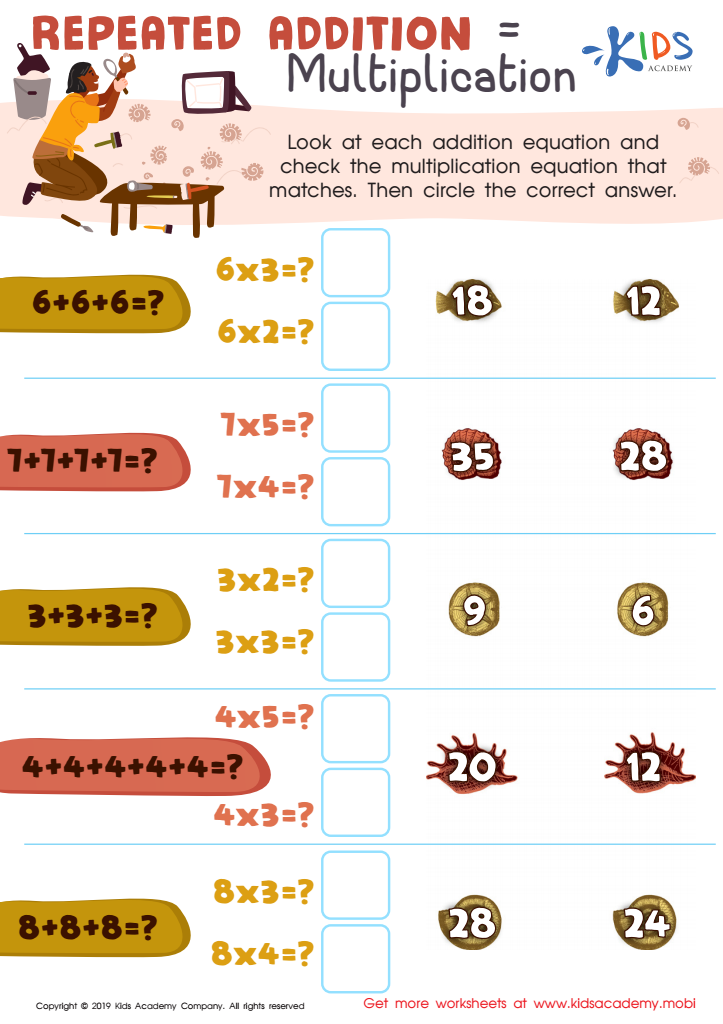
Repeated Addition = Multiplication Worksheet
 Assign to My Students
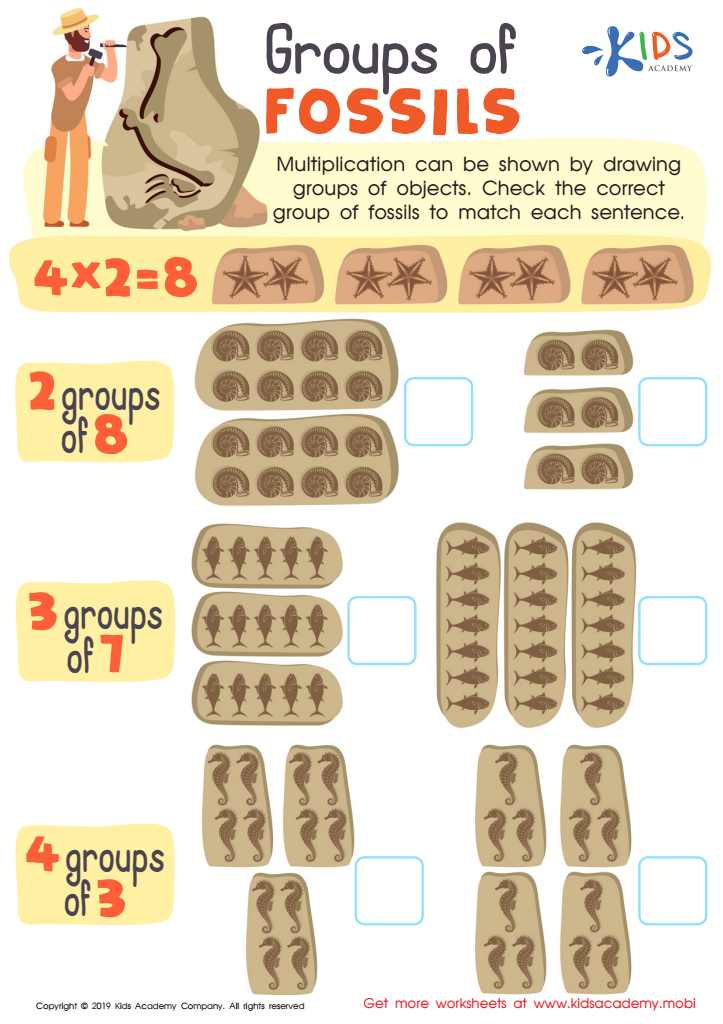
Groups of Fossils Worksheet
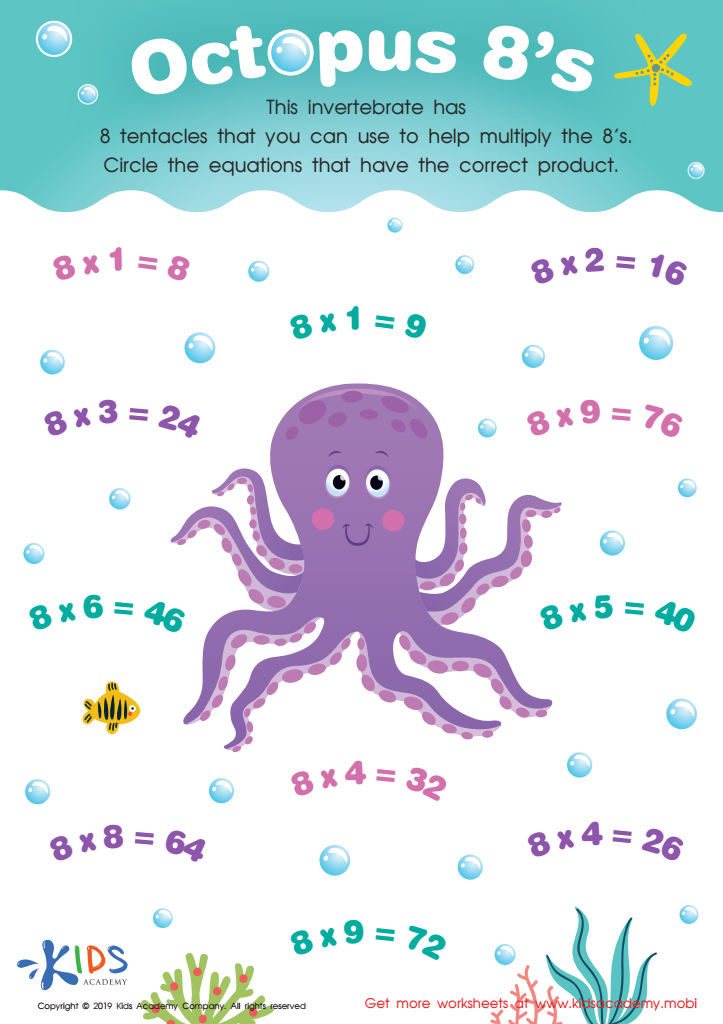
Octopus 8’s Worksheet
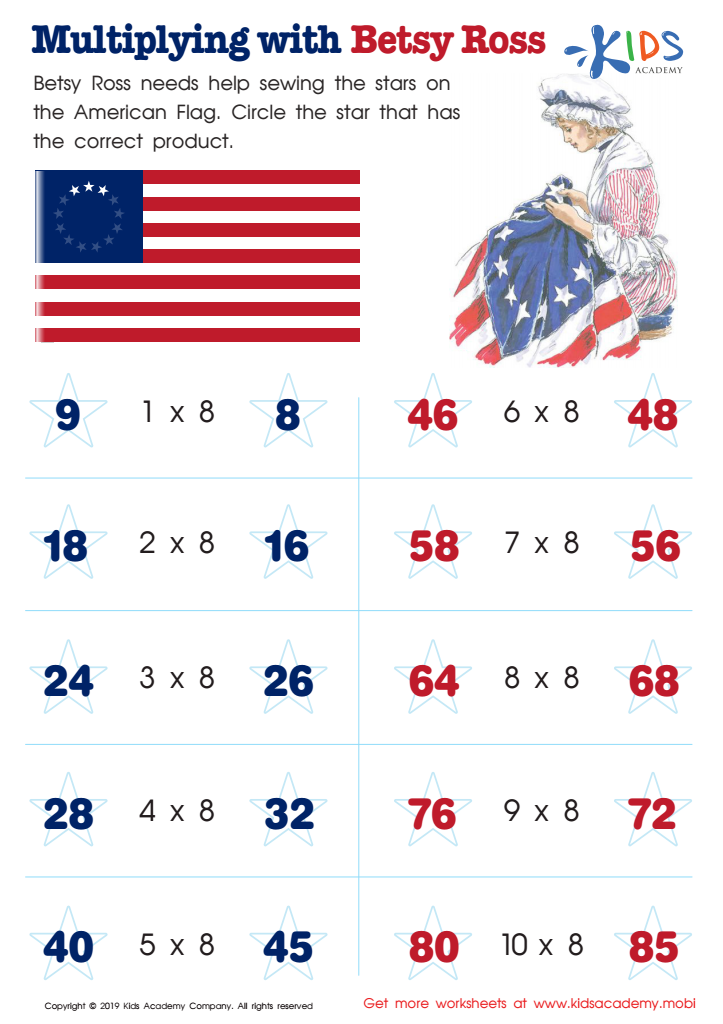
Multiplying with Betsy Ross Worksheet
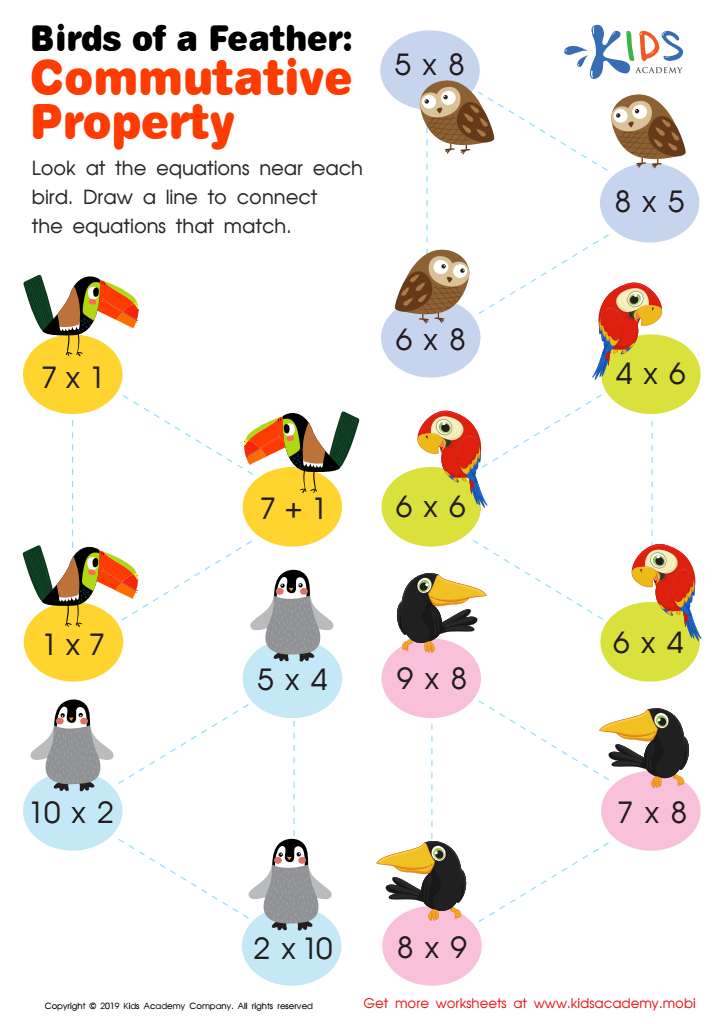
Birds of a Feather: Commutative Property Worksheet
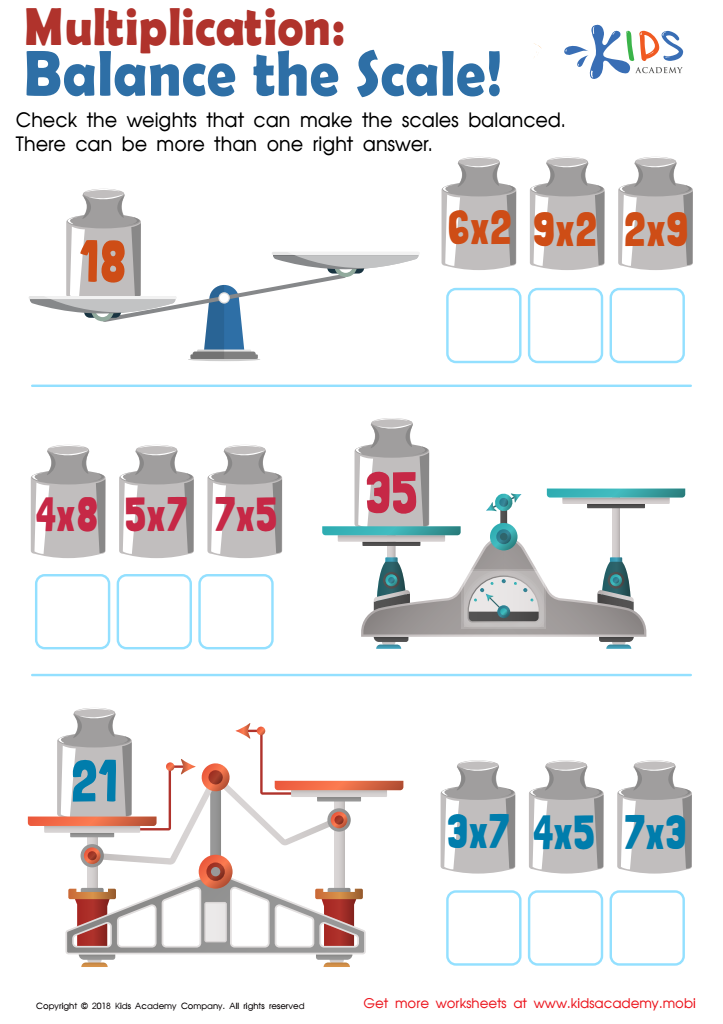
Balance the Scales Multiplication Worksheet
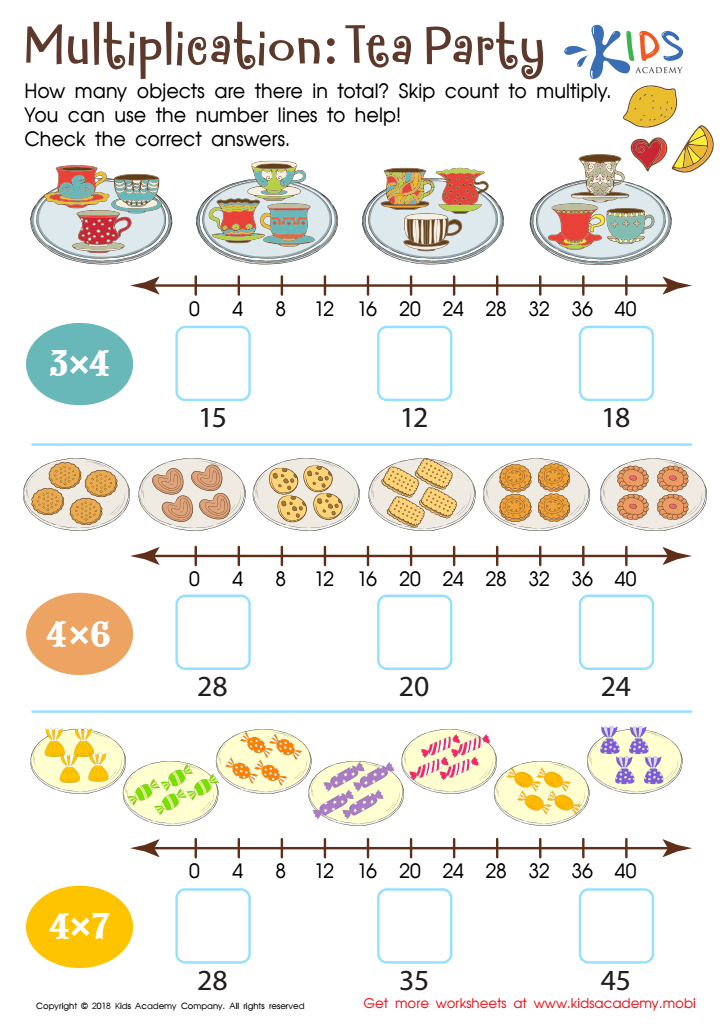
3rd Grade Math Worksheet Multiplication
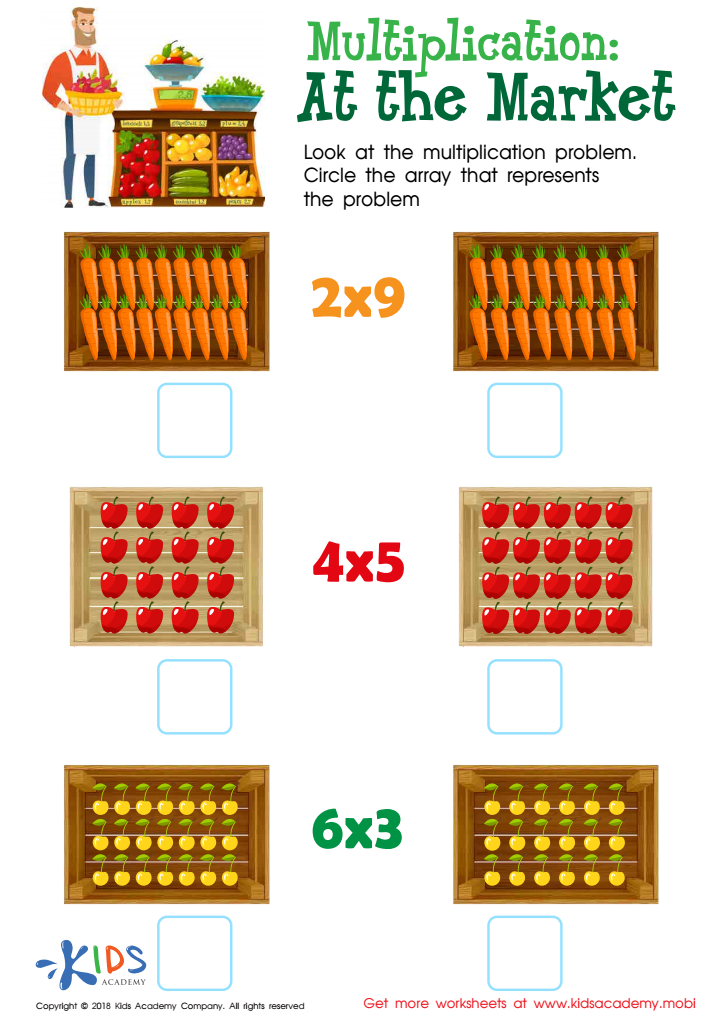
At the Market Worksheet
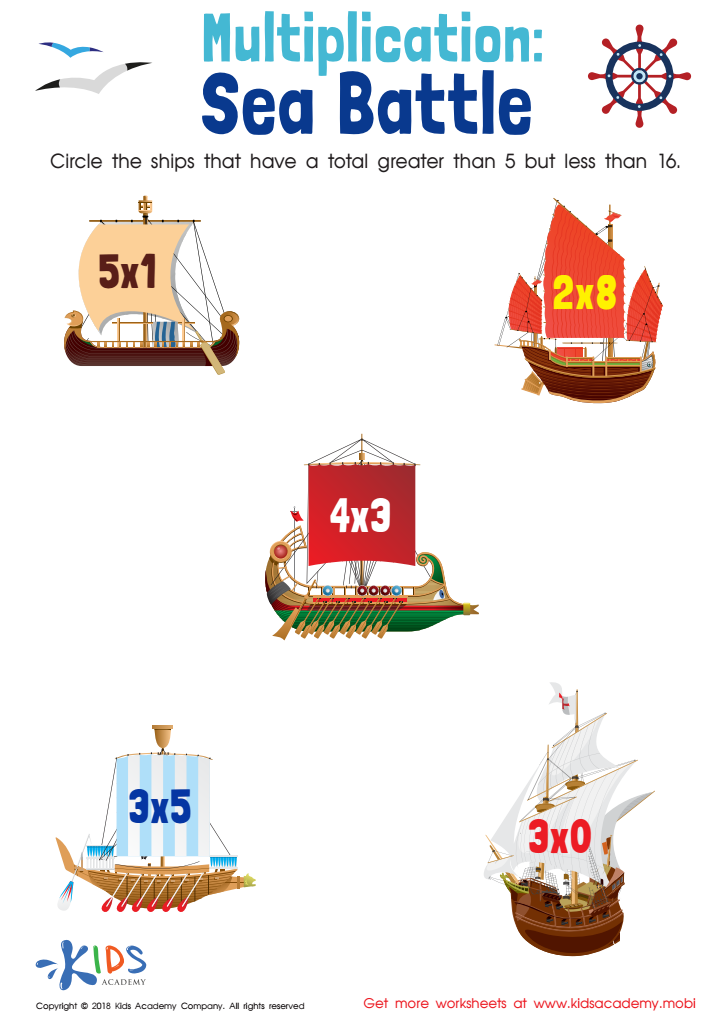
Sea Battle: Multiplication Worksheet
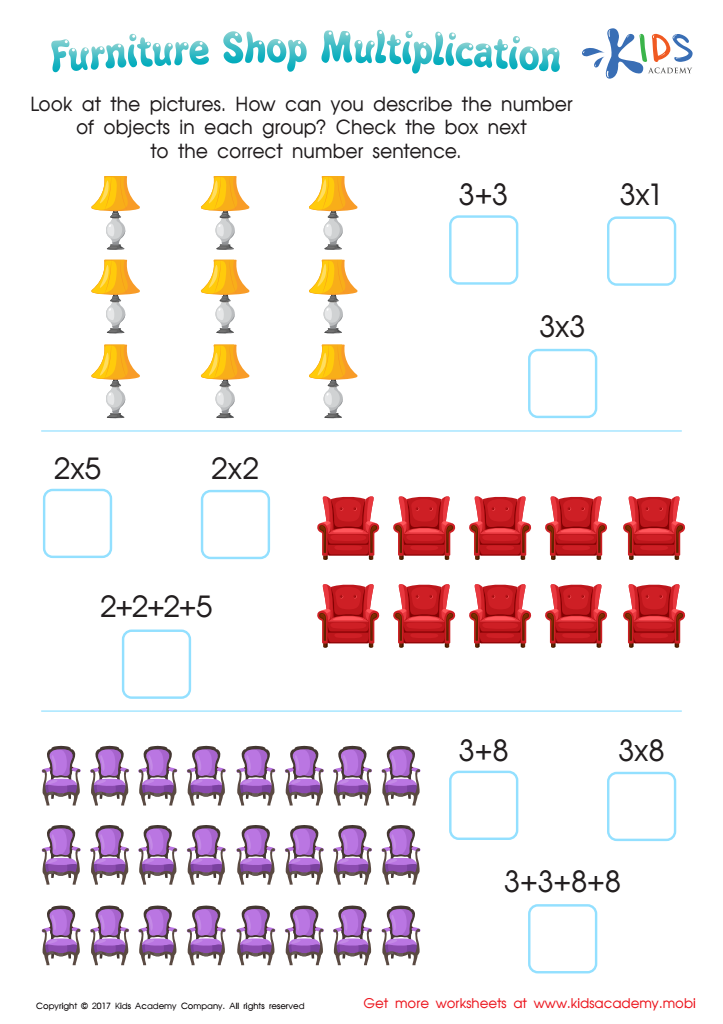
Furniture Shop Worksheet








Introducing normal multiplication to children aged 4-9 is vital for their mathematical foundation and cognitive development. At this stage, children's brains are highly receptive and adaptable, making it the perfect time to introduce basic multiplication concepts. Doing so helps them understand patterns, improve number sense, and build critical thinking skills.
Multiplication is more than just repeated addition; it's a gateway to comprehending more complex math topics like division, fractions, and algebra. By mastering multiplication early, children gain confidence. This confidence manifests in their eagerness to tackle new challenges and engage more deeply with their learning environment.
For parents and teachers, promoting normal multiplication helps identify and support diverse learning styles. By integrating fun, interactive activities such as games, songs, and storytelling, educators can make math enjoyable and accessible. This not only keeps young learners engaged but also helps in reducing math-related anxiety.
Furthermore, early proficiency in multiplication lays the groundwork for real-life applications, from simple tasks like sharing evenly to more complex problem-solving scenarios. Thus, parents and teachers prioritizing the teaching of normal multiplication empower children with essential skills, paving the way for academic success and a lifelong appreciation for math.








