Normal Word Problems Worksheets for Ages 4-9 - Page 2
45 filtered results
-
From - To
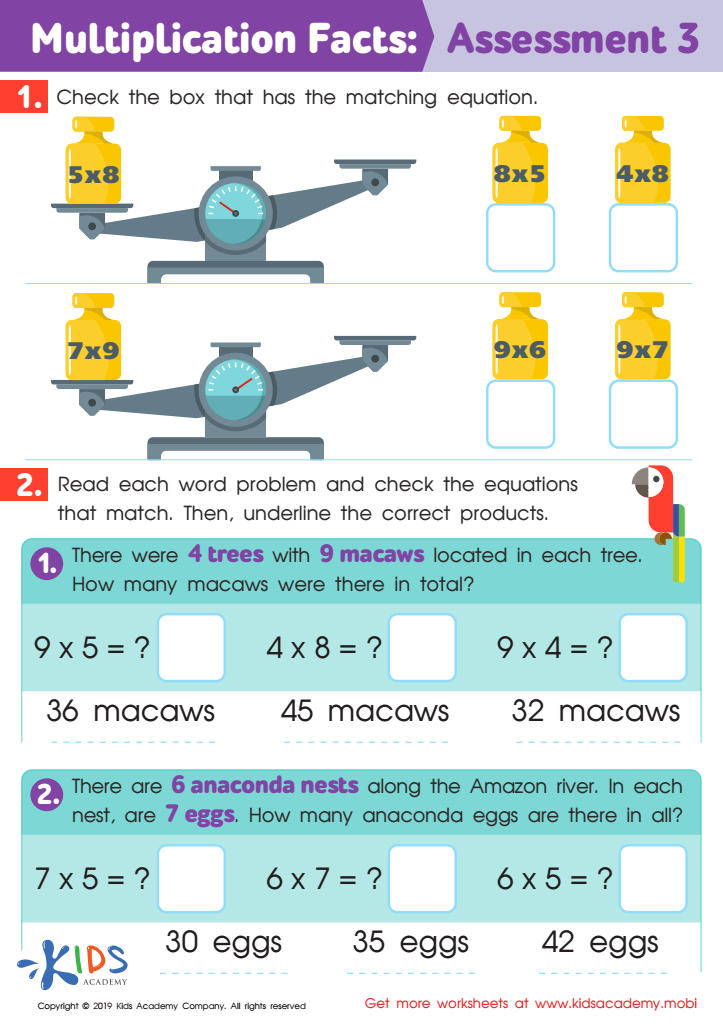
Multiplication Facts: Assessment 3 Worksheet
 Assign to My Students
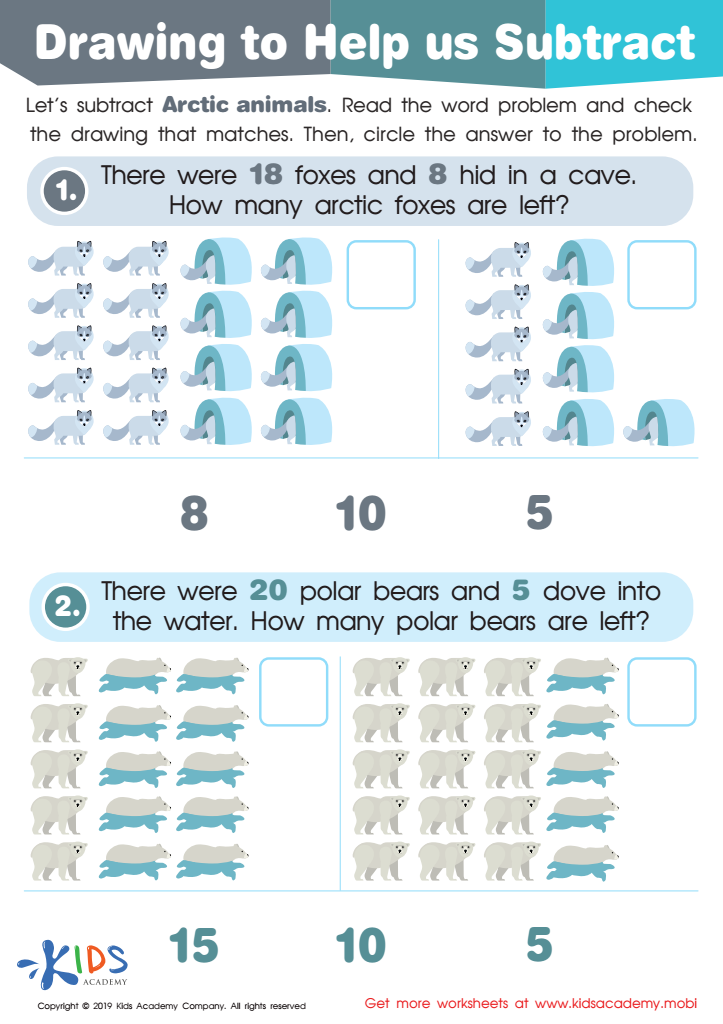
Drawing to Help Us Subtract Worksheet
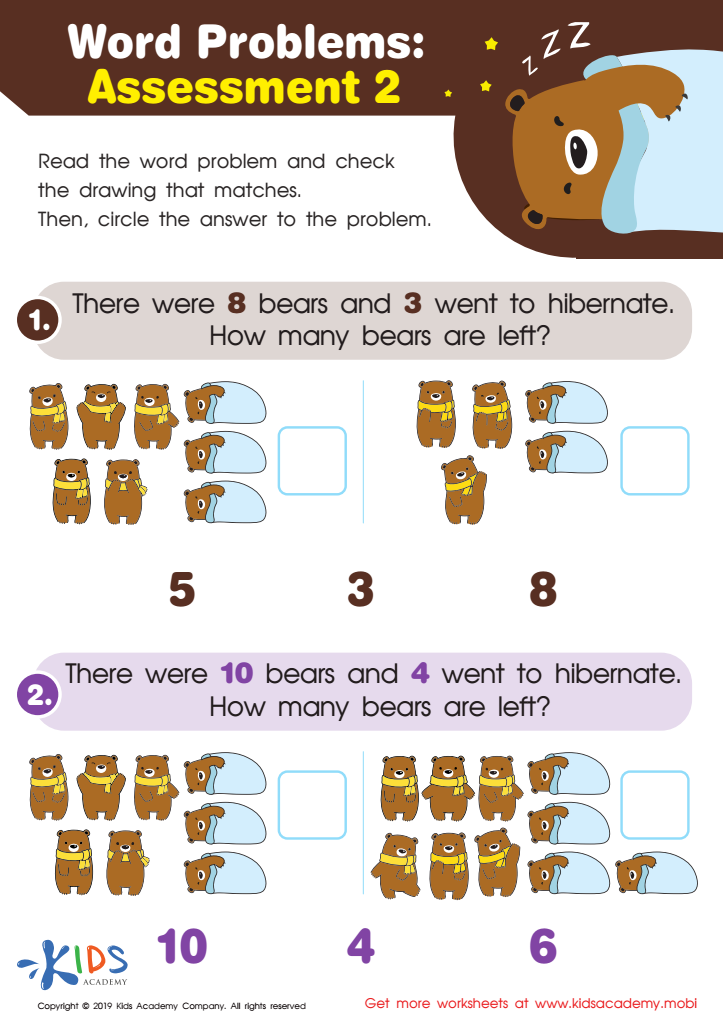
Word Problems: Assessment 2 Worksheet
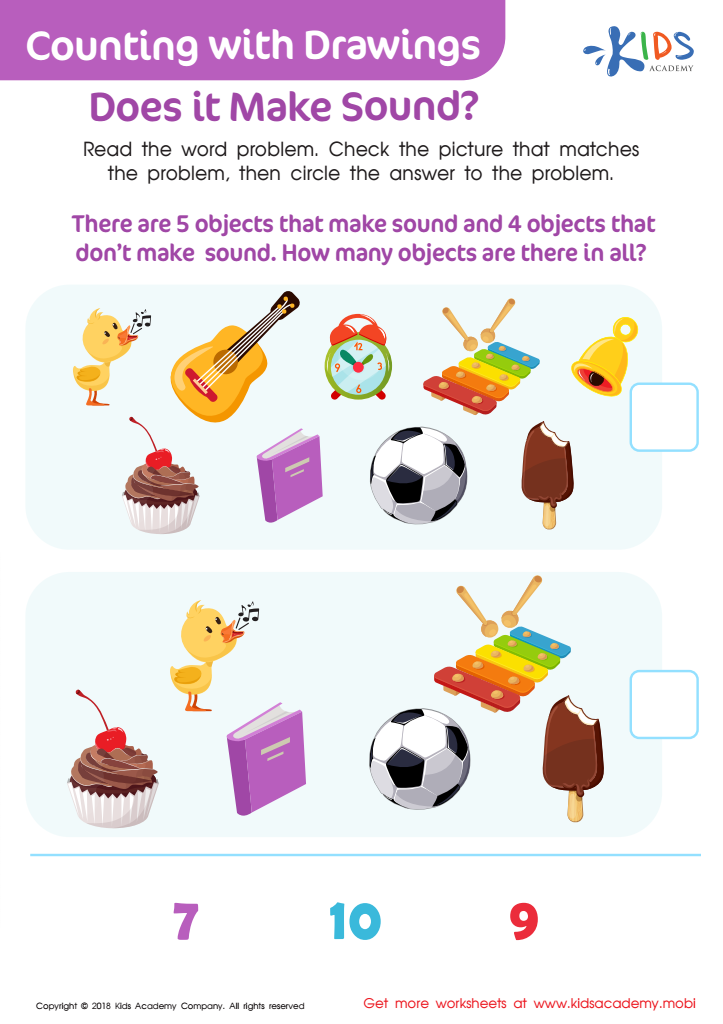
Counting With Drawings. Does It Make Sound? Worksheet
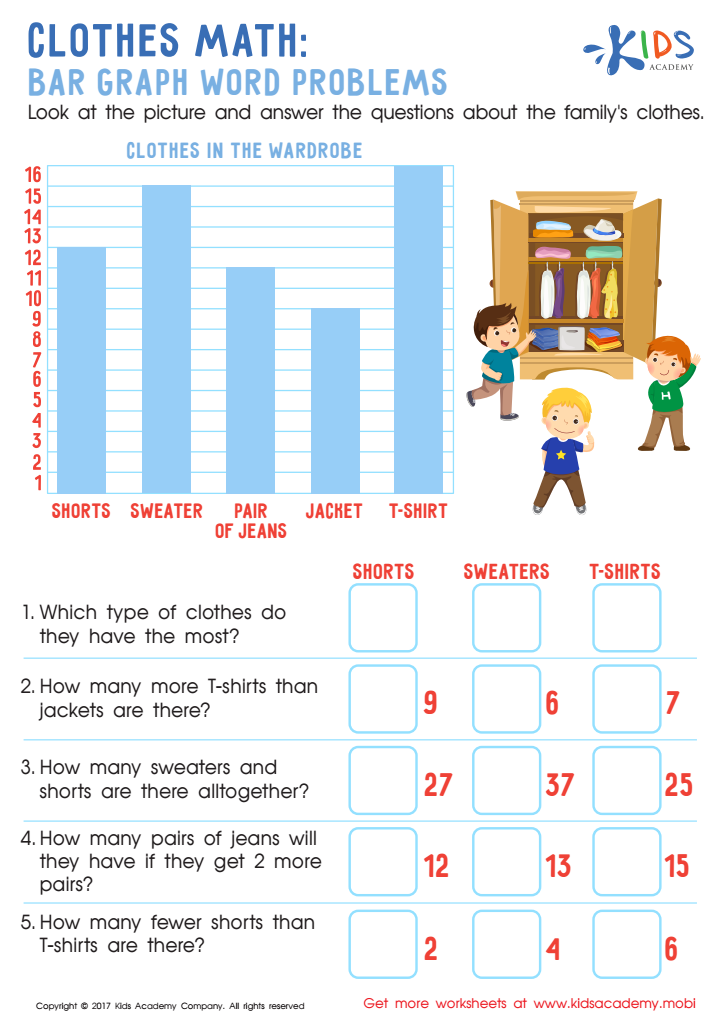
Clothes Math: Bar Graph Word Problems Worksheet
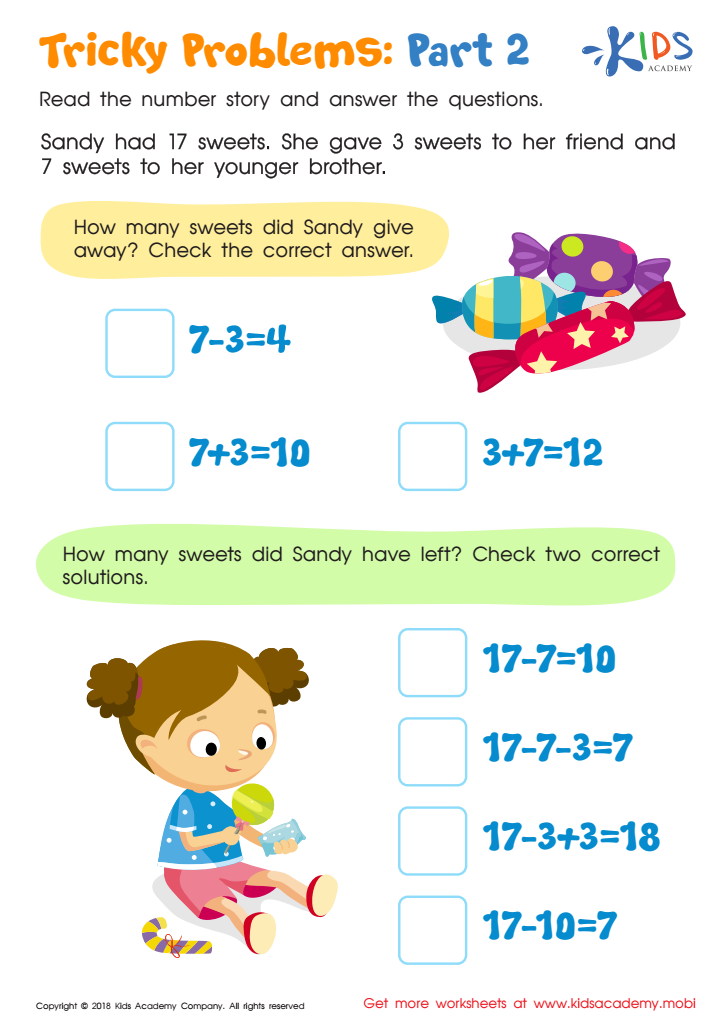
Tricky Problems Worksheet: Part 2
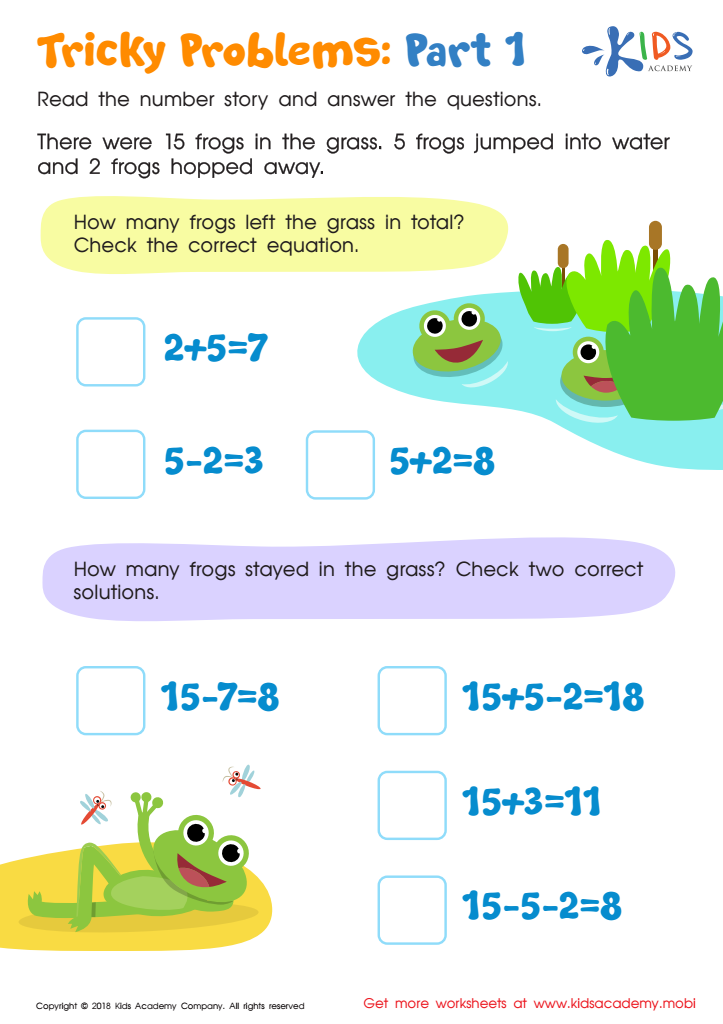
Tricky Problems Worksheet: Part 1
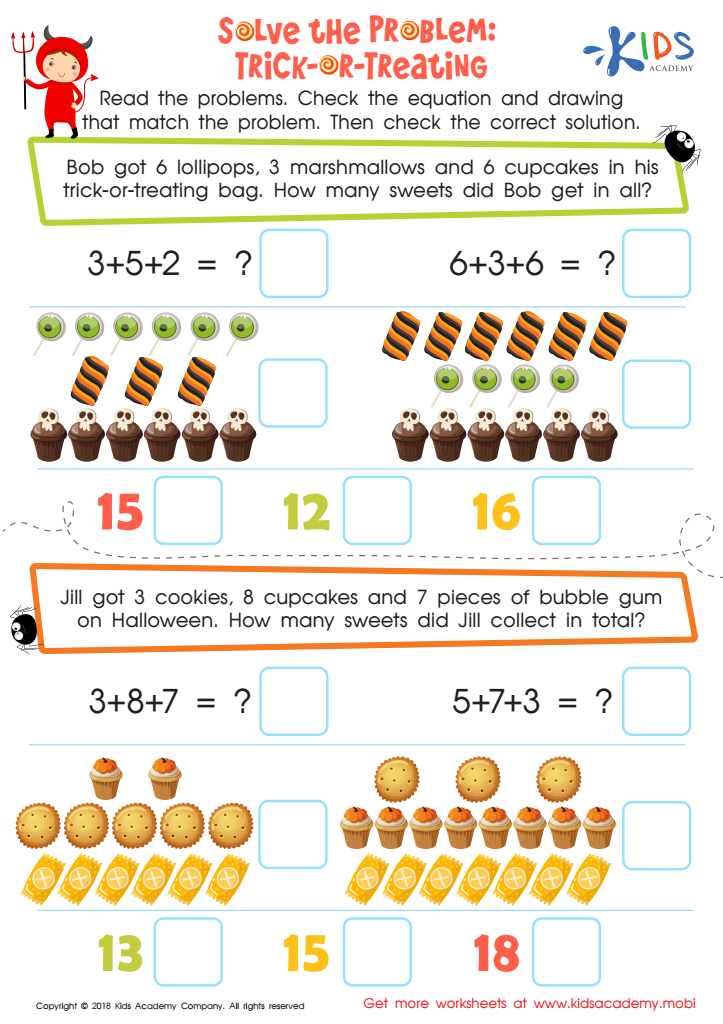
Solve the Problem: Trick–or–treating Worksheet
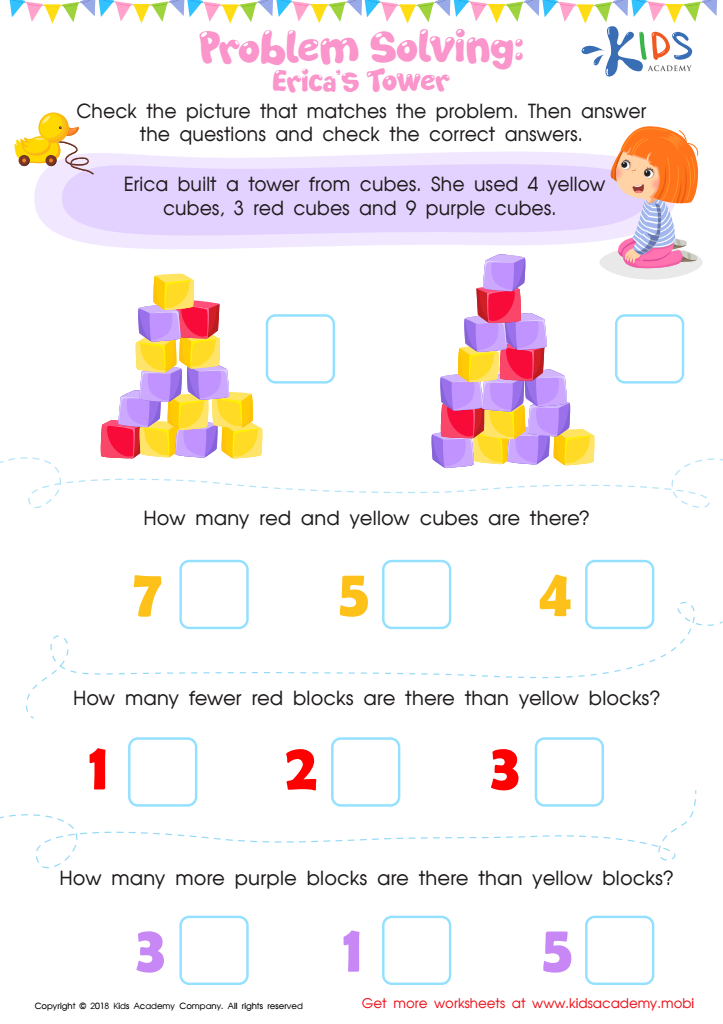
Problem Solving: Erica's Tower Worksheet
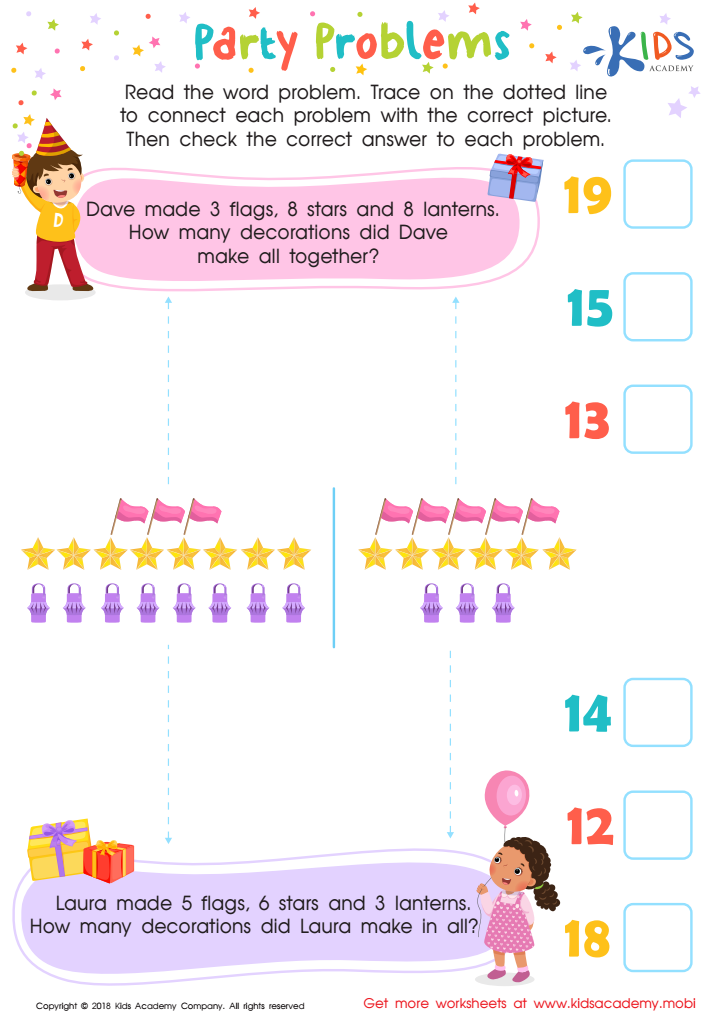
Party Problems Worksheet
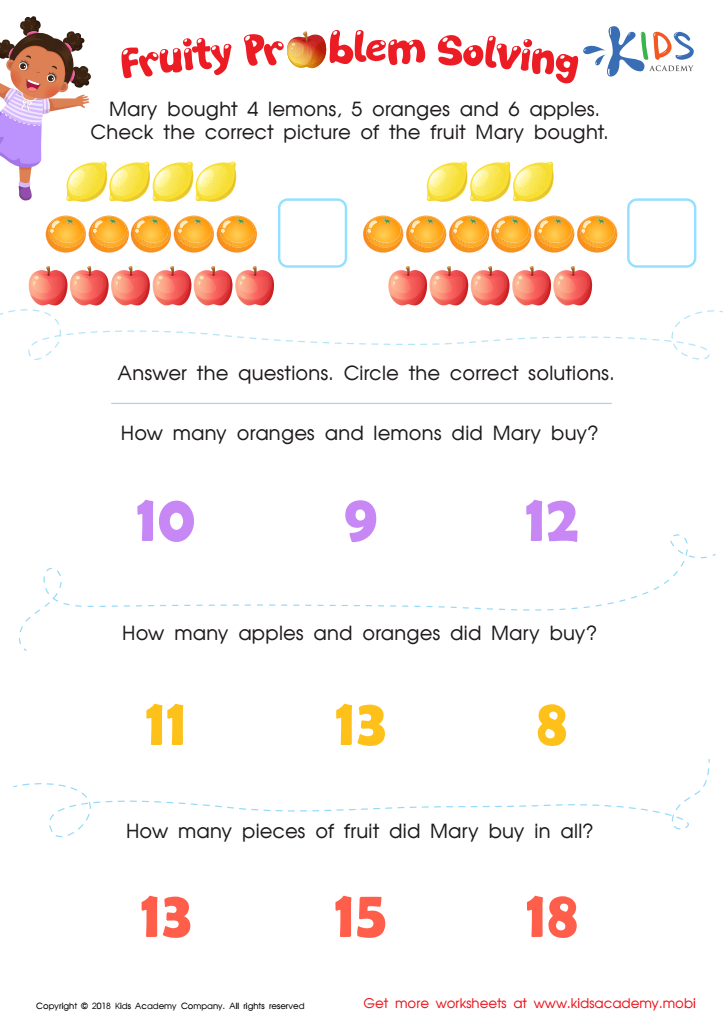
Fruity Problem Solving Worksheet
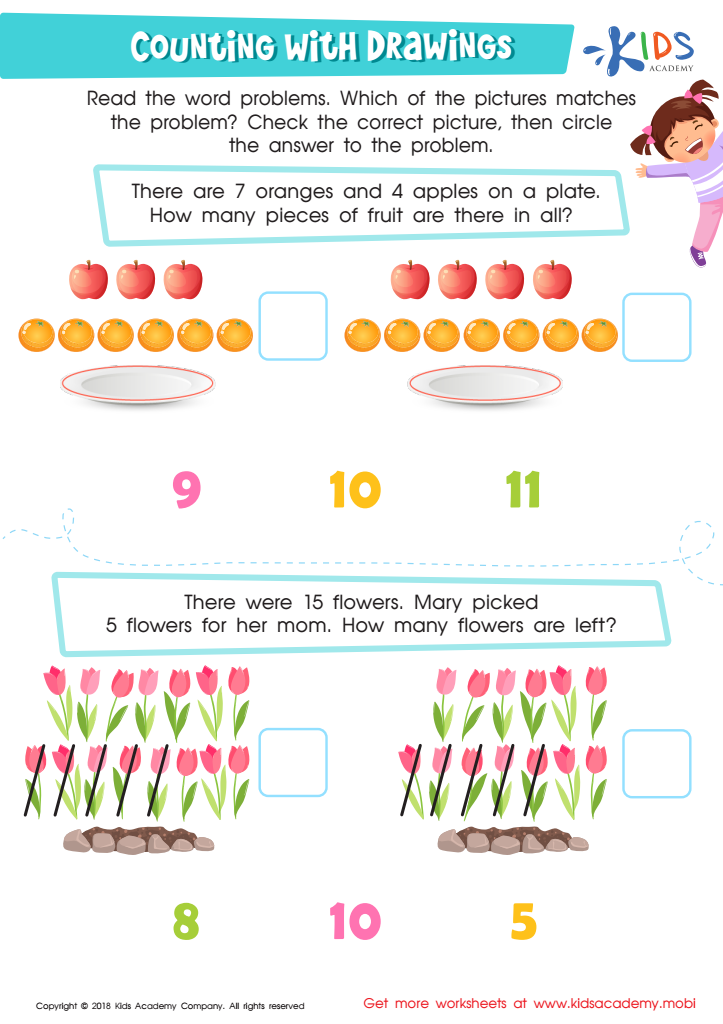
Counting with Drawings: Fruits & Chocolates Worksheet
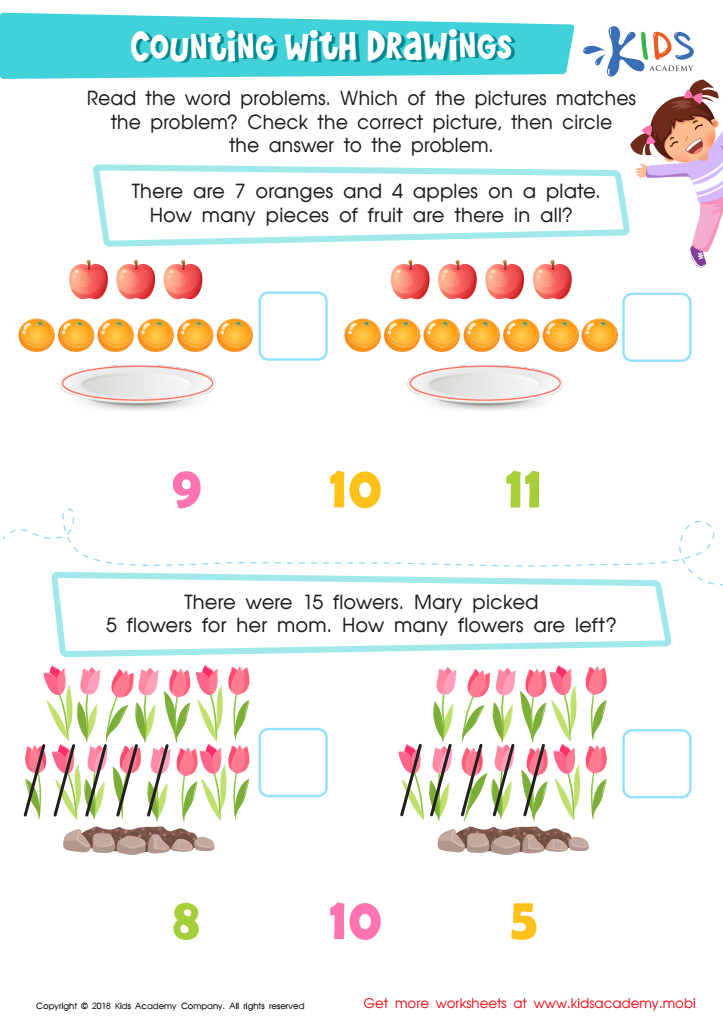
Counting with Drawings:Fruits & Flowers Worksheet
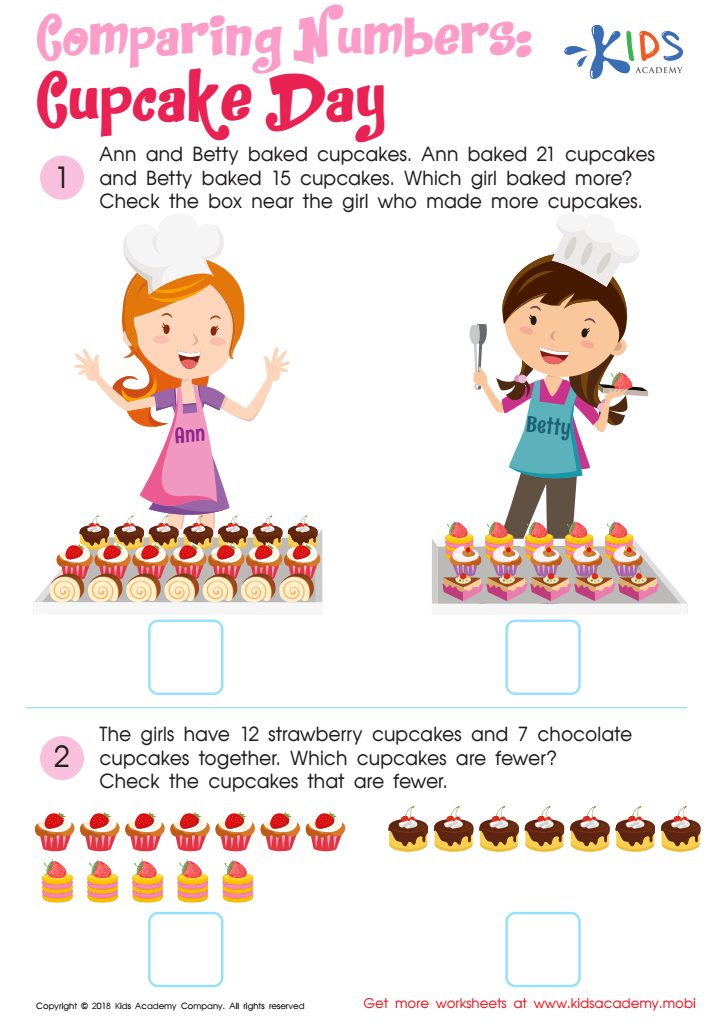
Cupcake Day Worksheet
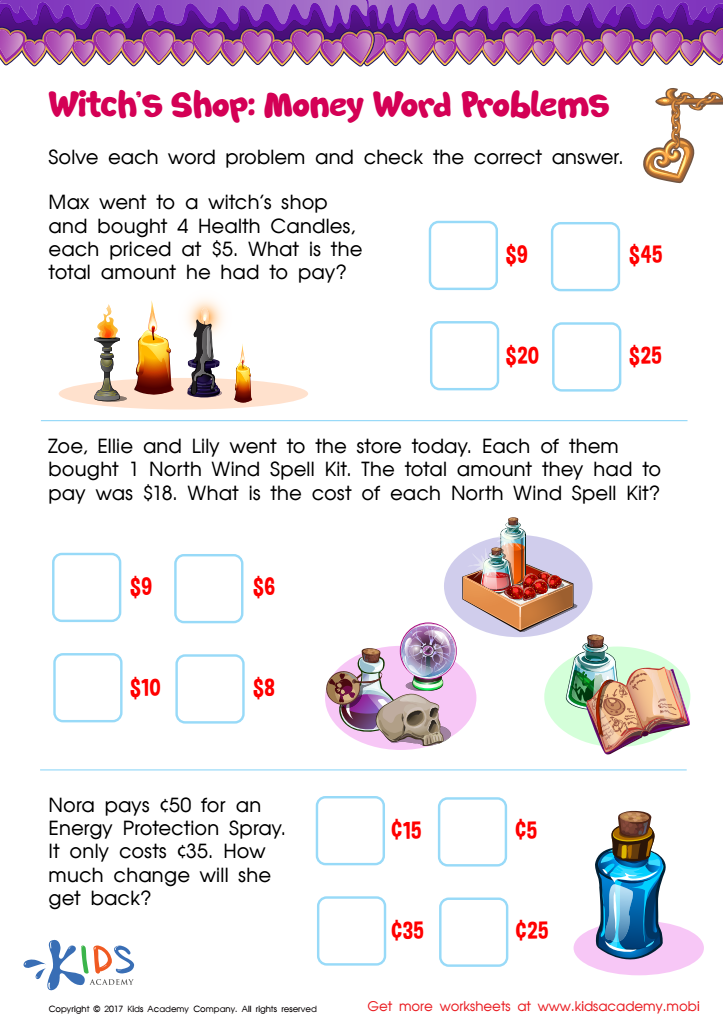
Money Word Problems Printable
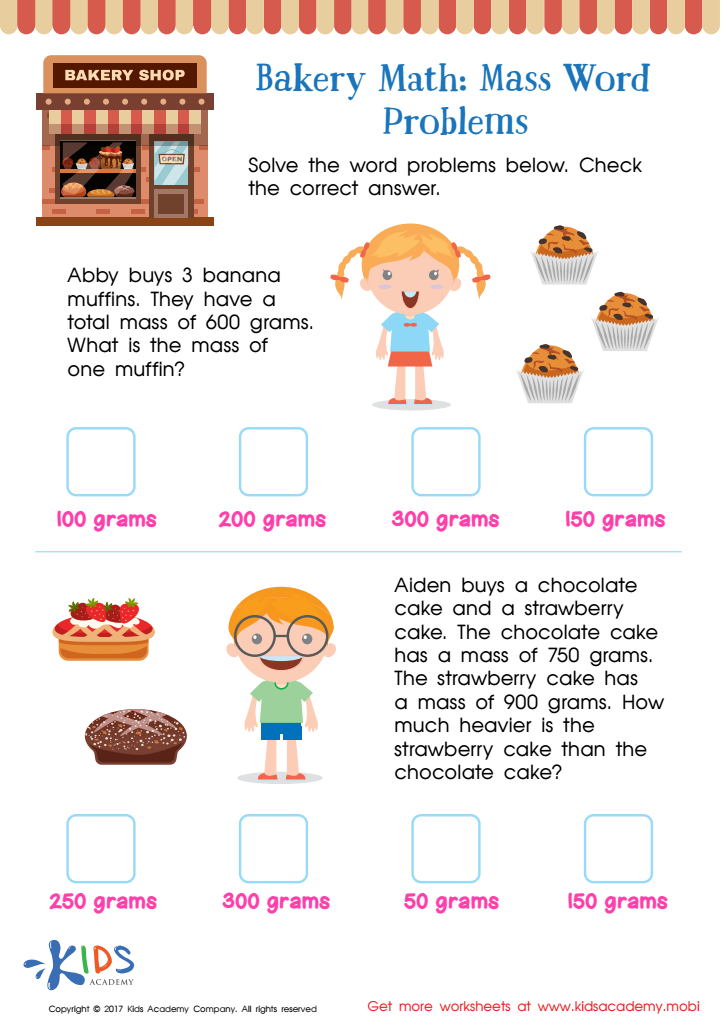
Mass Word Problems Worksheet
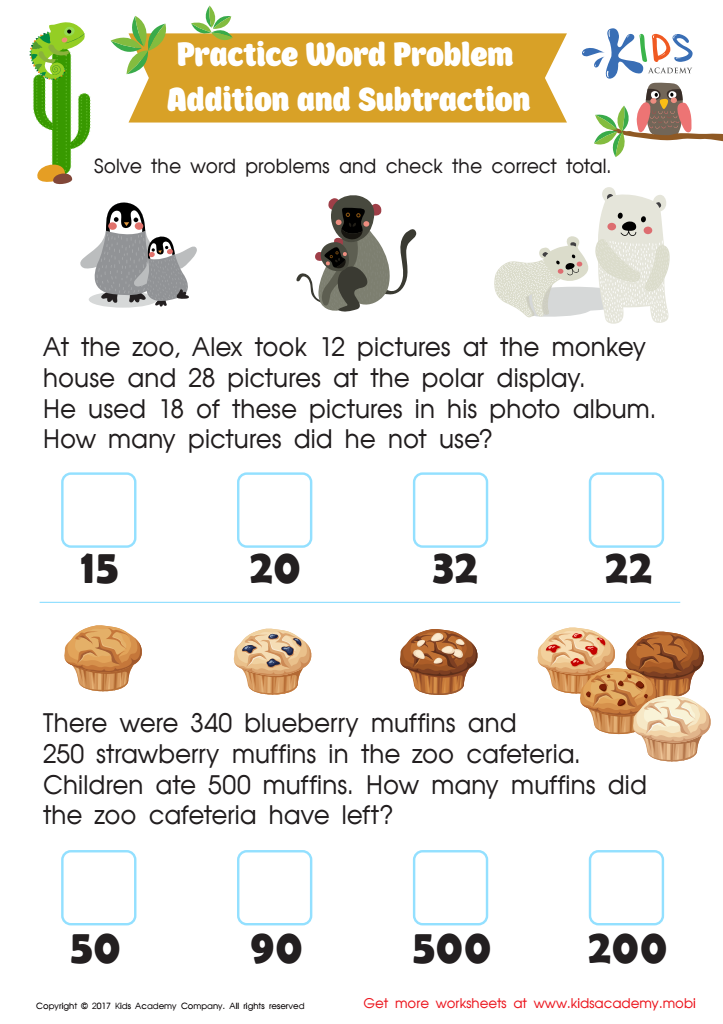
Addition and Subtraction: Word Problems Worksheet
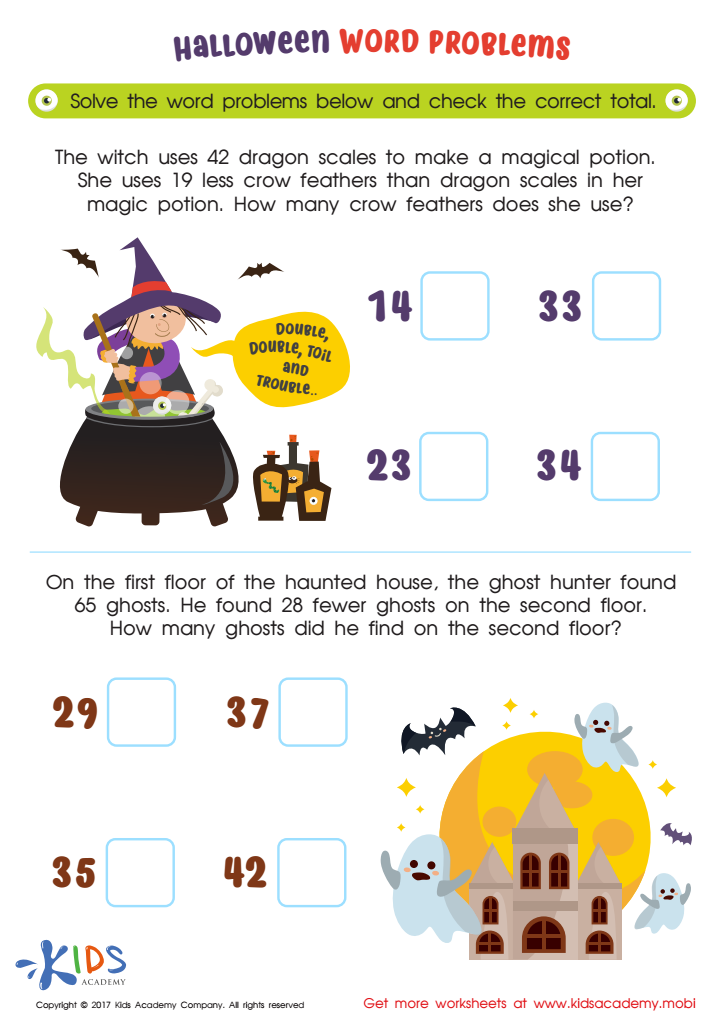
Halloween Word Problems Printable
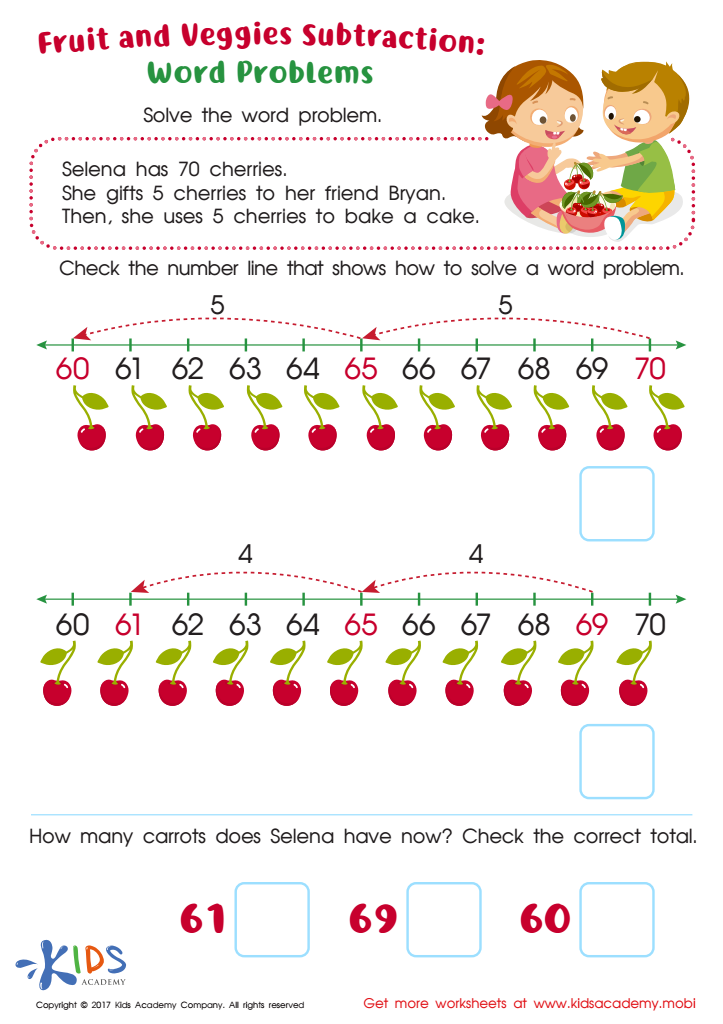
Subtraction Word Problems Free Printable
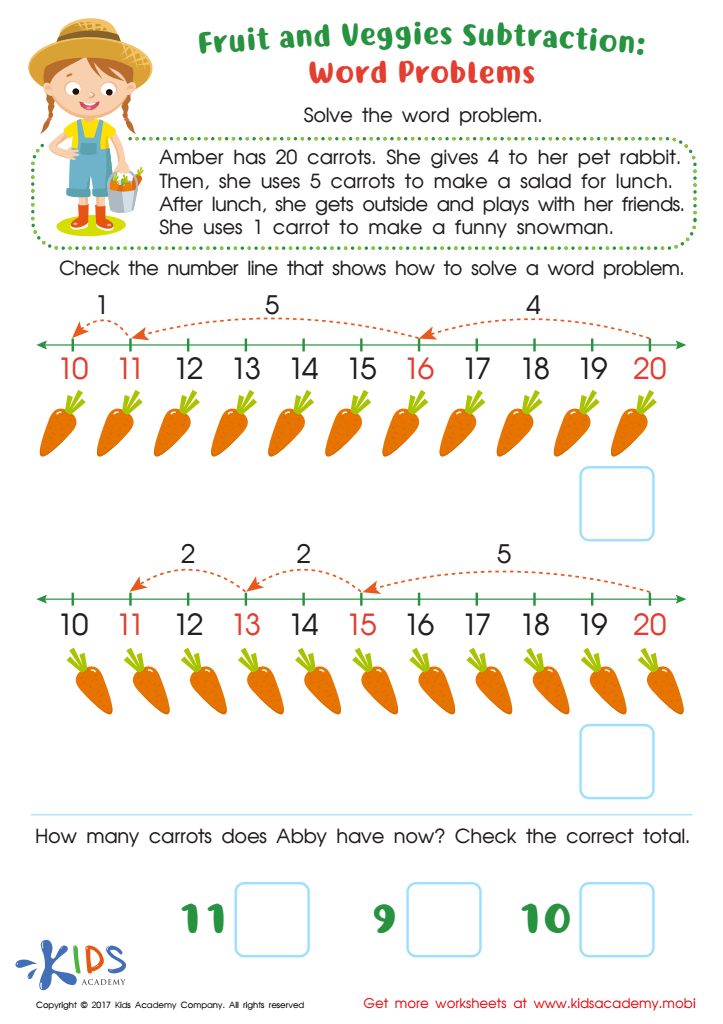
Subtraction Word Problems Printable
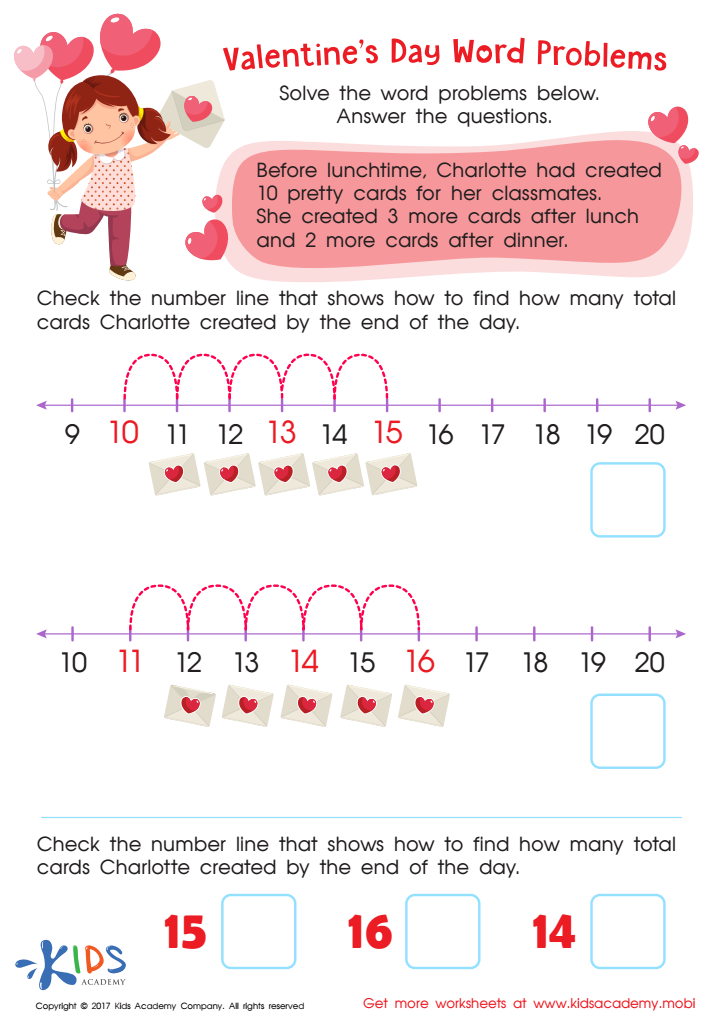
Valentines Day Word Problem Worksheet







Normal word problems play a crucial role in the mathematical development of children aged 4-9, making them essential for both parents and teachers to emphasize. Firstly, these problems help young learners connect real-life situations with mathematical concepts, fostering critical thinking and problem-solving skills. As children interpret and solve word problems, they learn to extract relevant information, discard distractions, and use logical reasoning—abilities crucial not only in math but in everyday life.
Secondly, engaging with normal word problems enhances a child’s vocabulary and comprehension skills. The language used in word problems helps children learn new terms and phrases, embedding math within their language development. This interdisciplinary approach reinforces learning outcomes across subjects.
Additionally, normal word problems can make math more relatable and enjoyable, thus combating math anxiety. When children see the application of mathematics in familiar contexts, they develop a positive attitude toward the subject.
Finally, regular practice of these problems can help identify learning gaps, allowing parents and teachers to provide targeted support. Emphasizing normal word problems nurtures a foundational understanding of mathematics, preparing children for more complex concepts they will encounter in later years.








