Normal Math Worksheets for Ages 5-7 - Page 19
438 filtered results
-
From - To
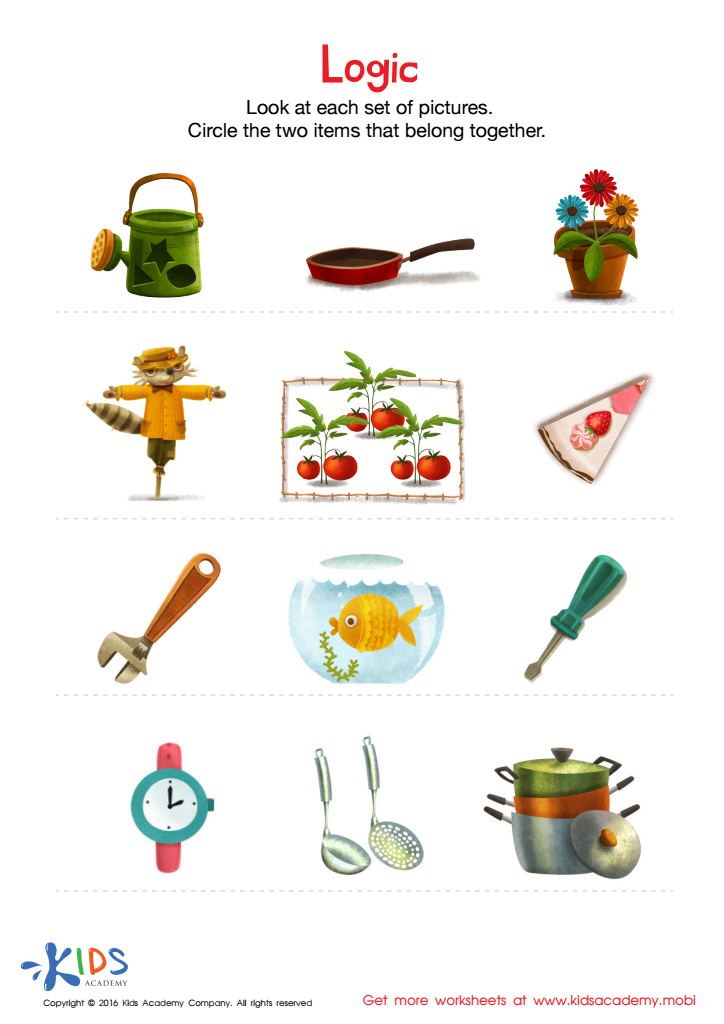
Logic Game Sorting Worksheet
 Assign to My Students
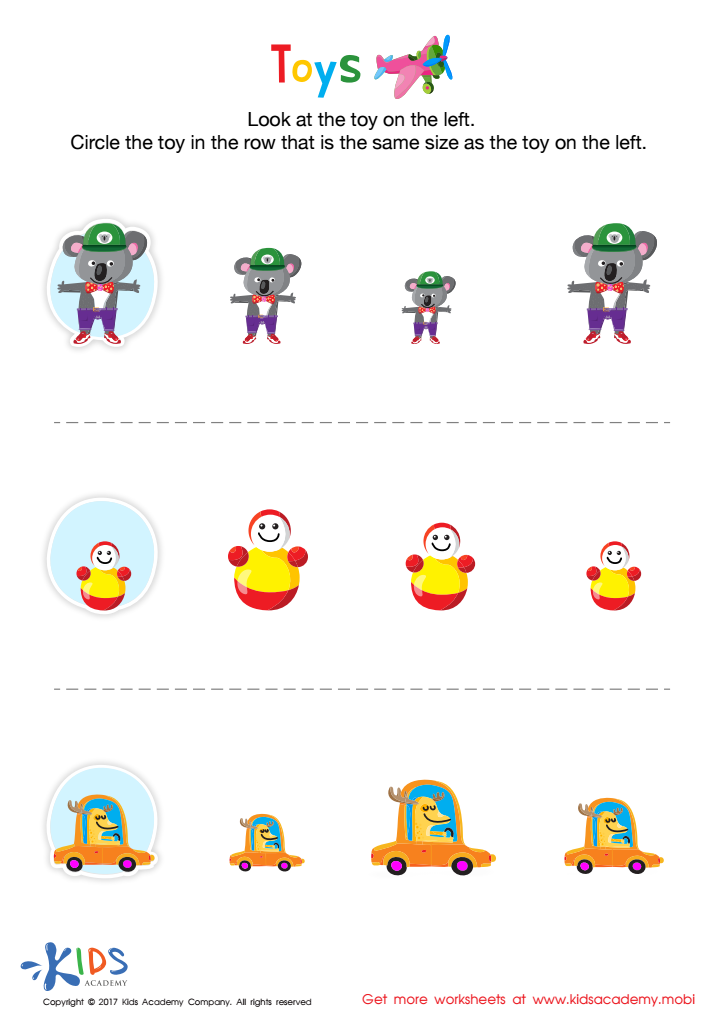
Matching: Classifying Toys by Size Worksheet
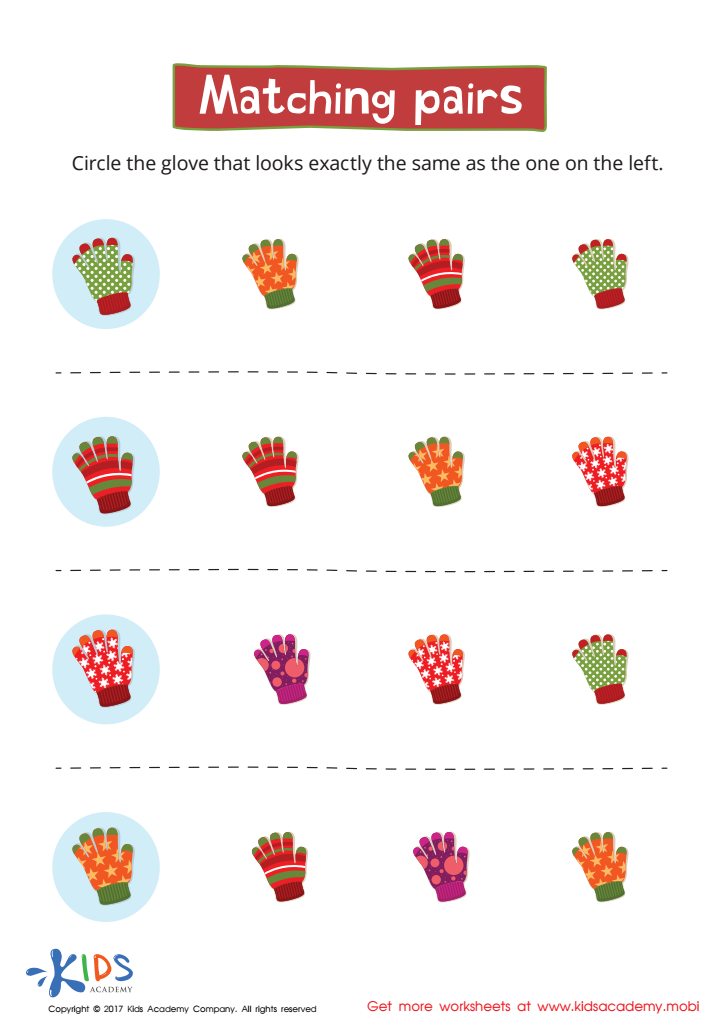
Matching: Matching Pairs Worksheet
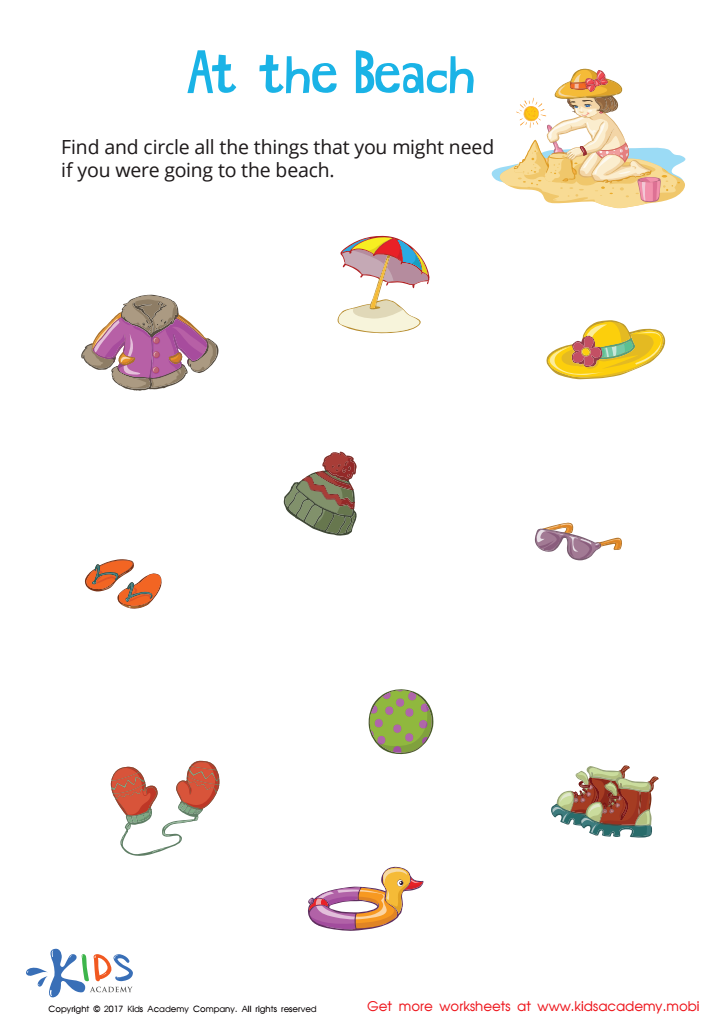
At the Beach Sorting Worksheet
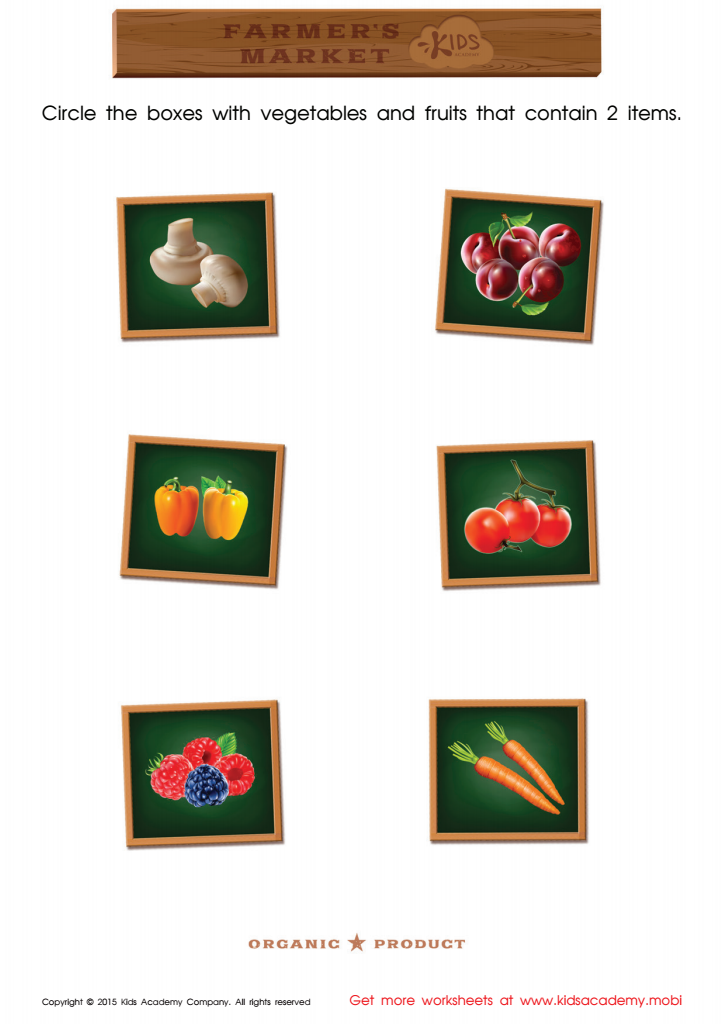
Count and Match Vegetables and Points Math Worksheet




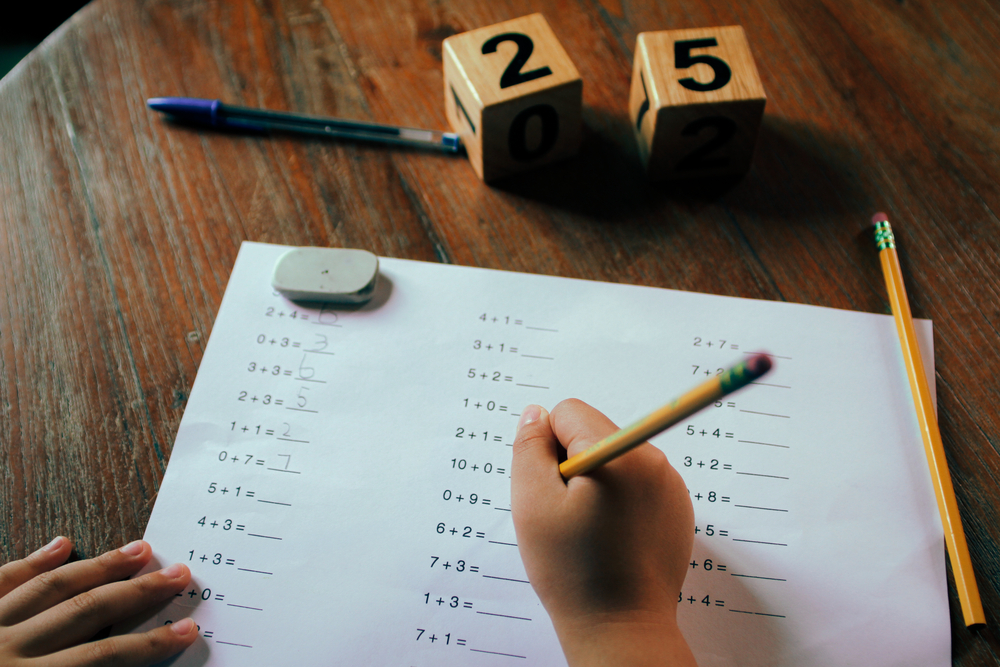



Parents and teachers should care about normal math for children ages 5-7 because it lays the essential foundation for all future learning and cognitive development. At this crucial stage, young learners are highly impressionable and are developing skills that will support their understanding of more complex mathematical concepts in later years.
Normal math practices, which include counting, recognizing numbers, understanding basic shapes, patterns, and simple arithmetic operations like addition and subtraction, are integral to building number sense. Number sense is a key predictor of success in future math learning. When children develop a solid foundation in these basic skills, they are better able to grasp more advanced topics with ease.
Quality math education at this age also fosters critical thinking and problem-solving abilities. For instance, activities like sorting objects, solving puzzles, or identifying patterns require children to analyze situations and make decisions, skills that are necessary for other subjects and real-life scenarios.
Moreover, engaging in math activities helps children develop a positive attitude towards the subject, reducing math anxiety in later years. When math is presented in a fun, engaging manner, children are more likely to enjoy learning and are motivated to explore more.
In summary, investing time and effort in normal math education for young children is crucial for their overall academic growth and future success.








