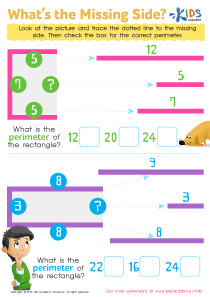
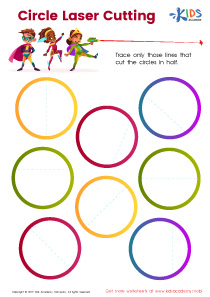
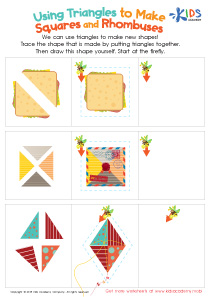
Normal 2D Shapes Worksheets for Ages 5-8 - Page 2
33 filtered results
-
From - To
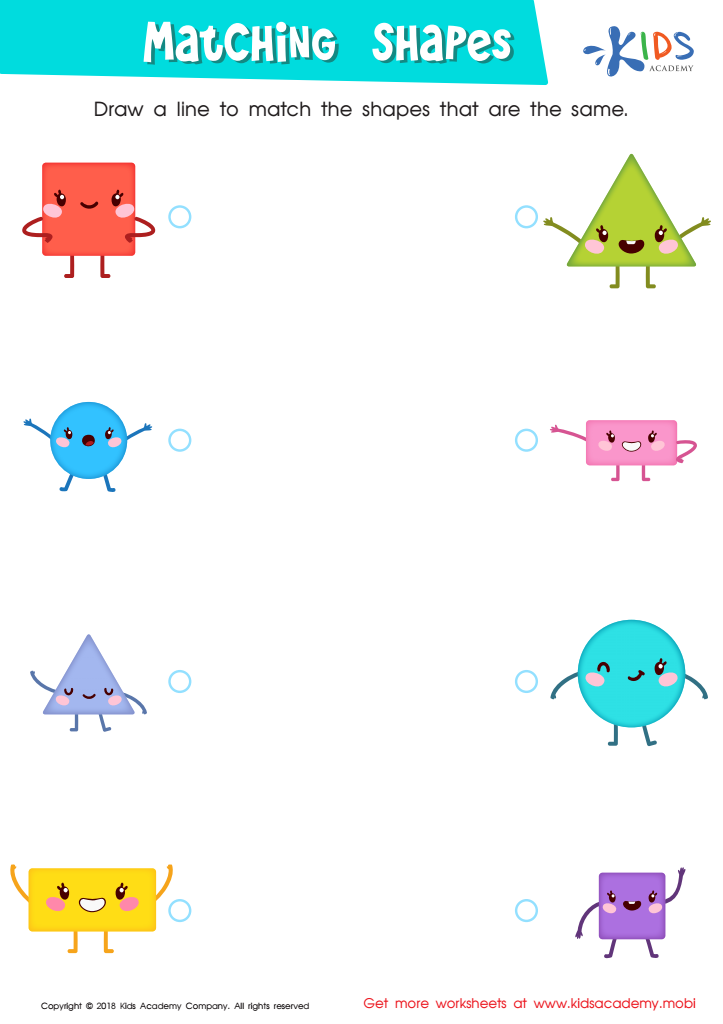
Matching Shapes Worksheet
 Assign to My Students

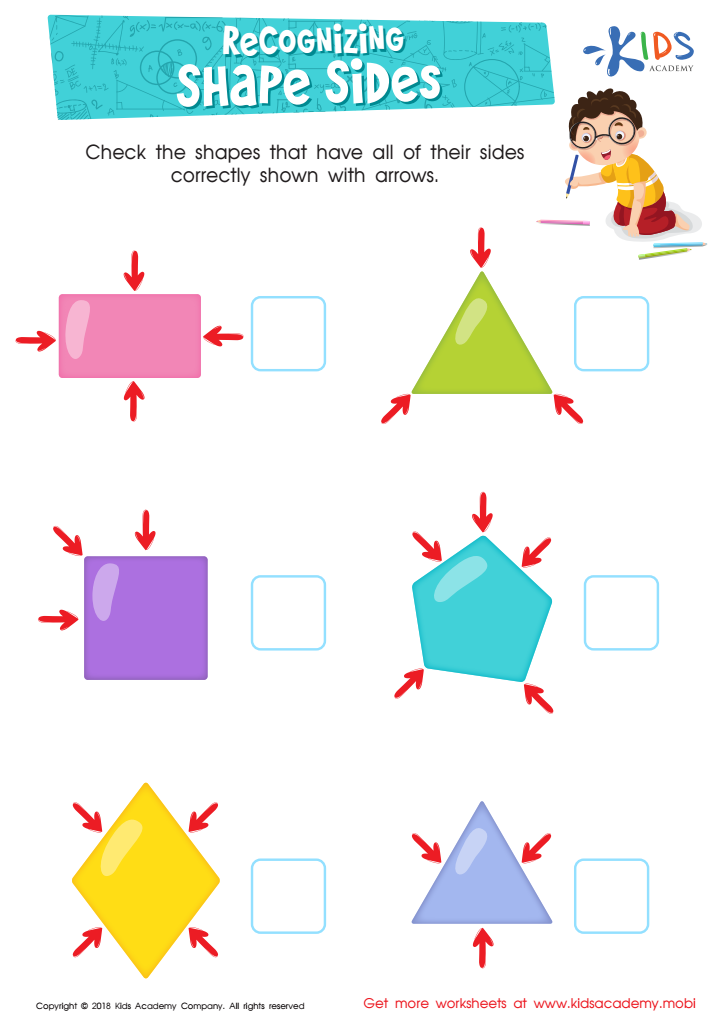
Recognizing Shape Sides Worksheet
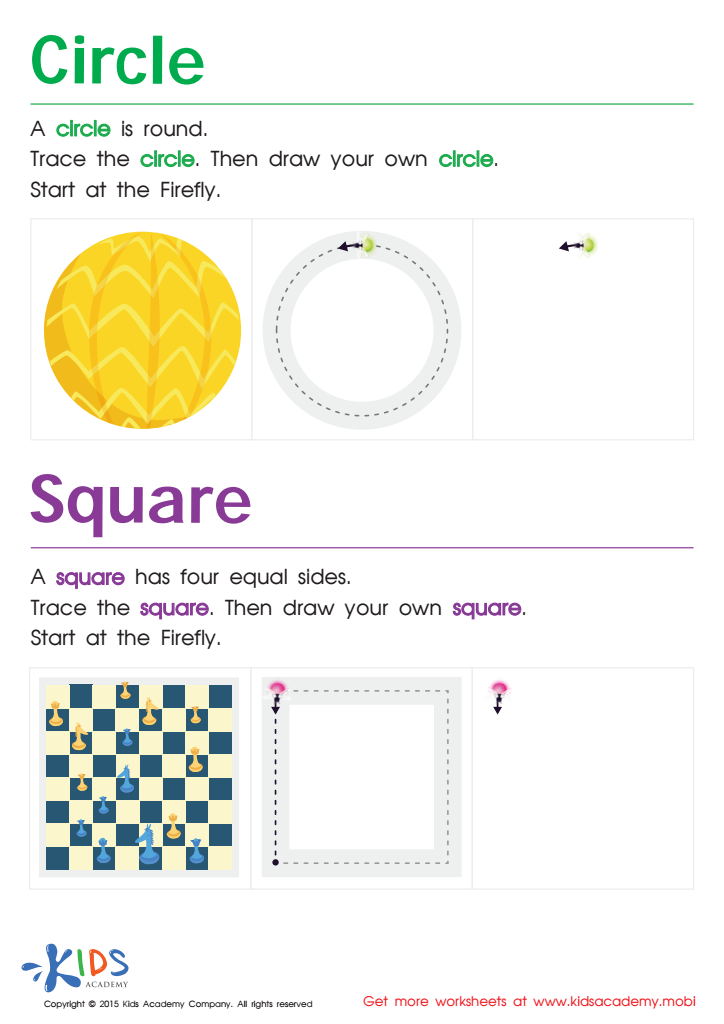
Trace And Draw a Circle And a Square Worksheet
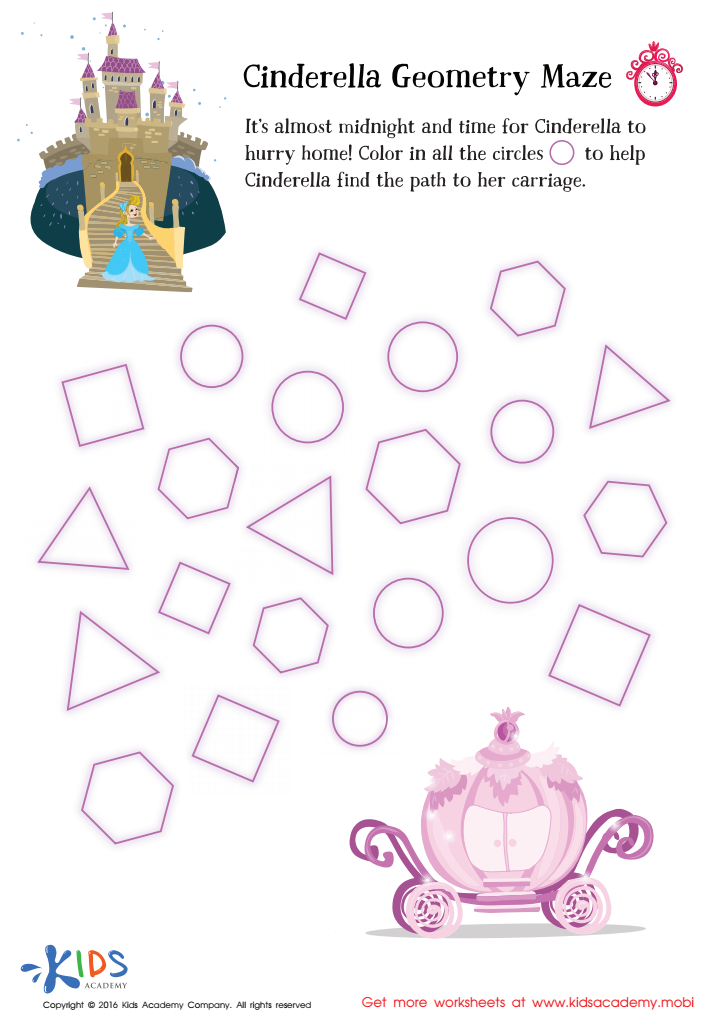
Cinderella Geometry Maze Worksheet
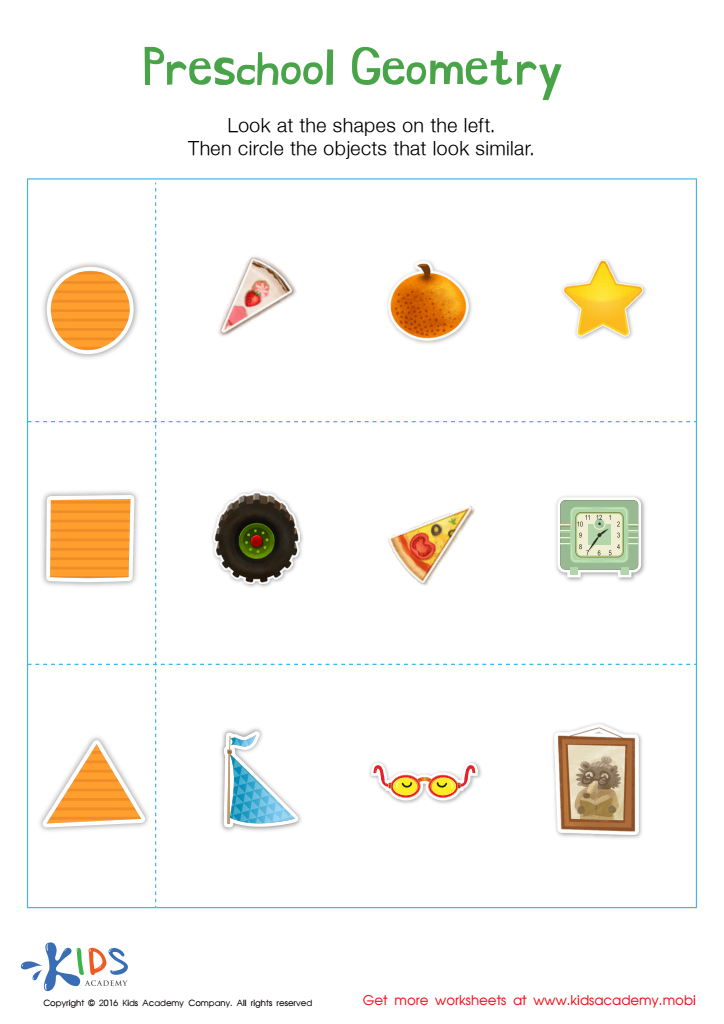
Preschool Geometry Match Up Worksheet
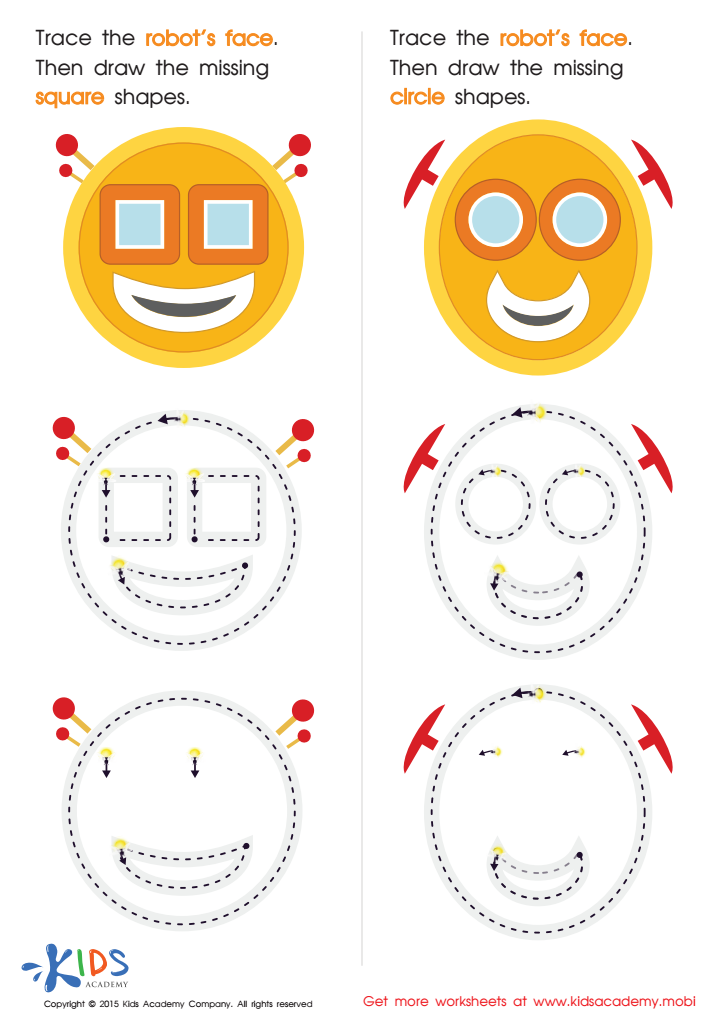
Practicing to Draw Circles And Squares Printable
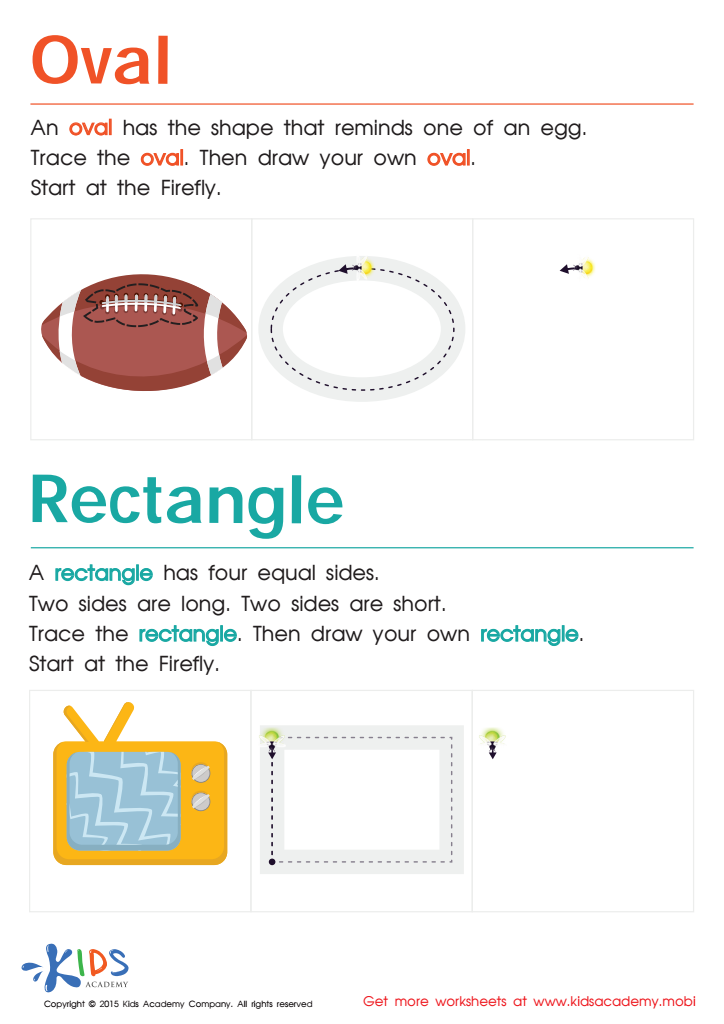
Easy Drawing of Ovals And Rectangles Worksheet
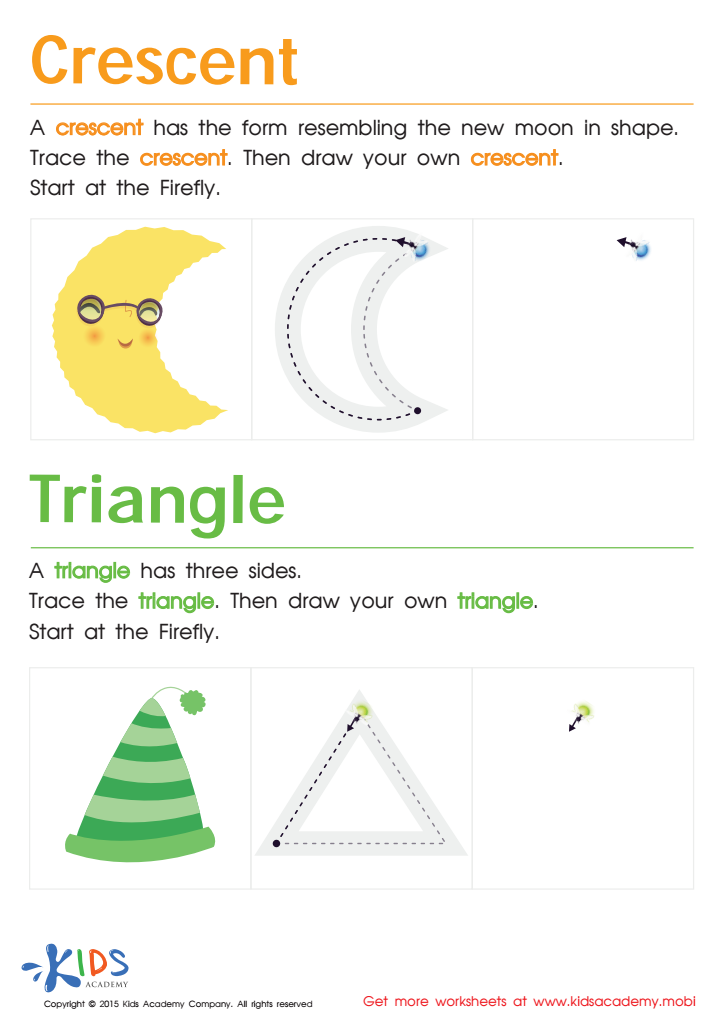
Learning to Draw Crescents And Triangles Worksheet
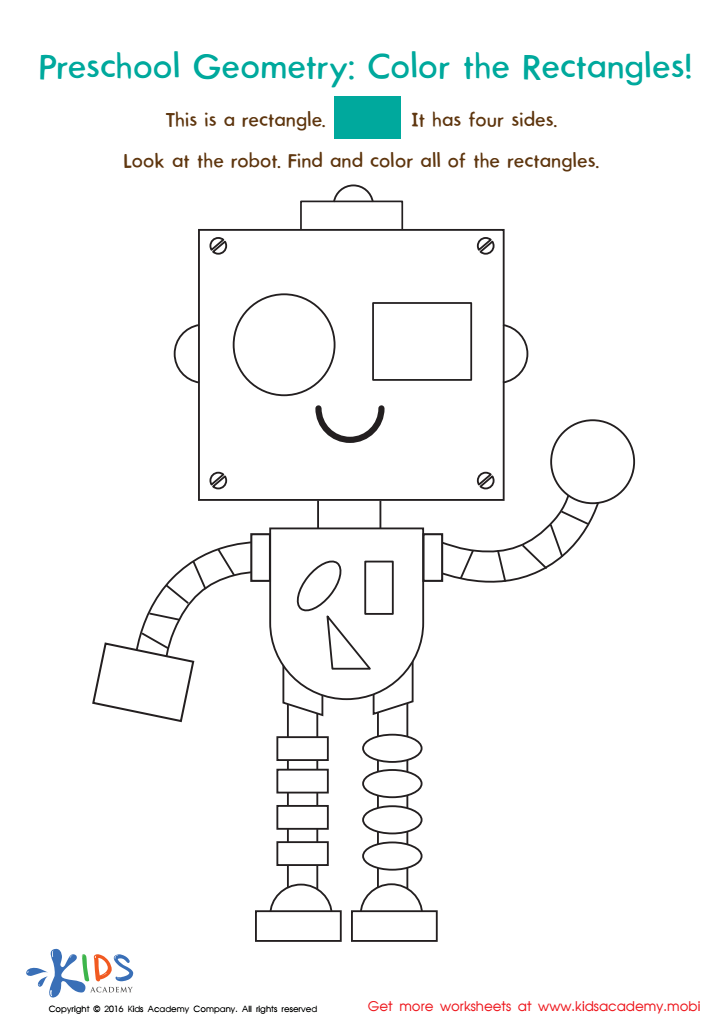
Geometry Worksheet








Parents and teachers should place a strong emphasis on normal 2D shapes for children aged 5-8 because these foundational concepts are integral to developing essential cognitive and academic skills. At this early developmental stage, kids start to recognize and categorize shapes such as circles, squares, triangles, and rectangles. Understanding these shapes not only enhances their visual perception but also lays the groundwork for more advanced mathematical learning, including geometry and basic arithmetic involving areas and perimeters.
Learning about 2D shapes enhances children's spatial awareness, aiding them in comprehending the space around them and in their ability to visualize objects from different perspectives. This skill can benefit them in everyday activities, such as fitting objects into place, drawing, and even in navigation. Moreover, activities using shapes often encourage critical thinking and problem-solving, which are crucial components of cognitive development.
Furthermore, recognizing and manipulating 2D shapes also improve fine motor skills and hand-eye coordination as children learn to trace, draw, and cut these shapes accurately. This prepares them for writing letters and numbers, contributing directly to their literacy and numeracy skills. Overall, a solid grasp of 2D shapes serves as a building block for higher-level thinking and academic success in later years.