Normal Multiplication Worksheets for Ages 6-8
34 filtered results
-
From - To
Discover our engaging Normal Multiplication Worksheets designed specifically for children aged 6-8. These thoughtfully crafted printables help young learners grasp basic multiplication concepts and build a strong foundation for future math skills. Each worksheet offers a variety of exercises, ranging from simple problems to more challenging ones, ensuring kids remain motivated and confident. Fun themes and vibrant illustrations make learning enjoyable, while clear instructions guide parents and teachers in supporting their children's progress. Boost your child's math abilities today with our expertly developed multiplication worksheets. Visit Kids Academy for more educational resources!
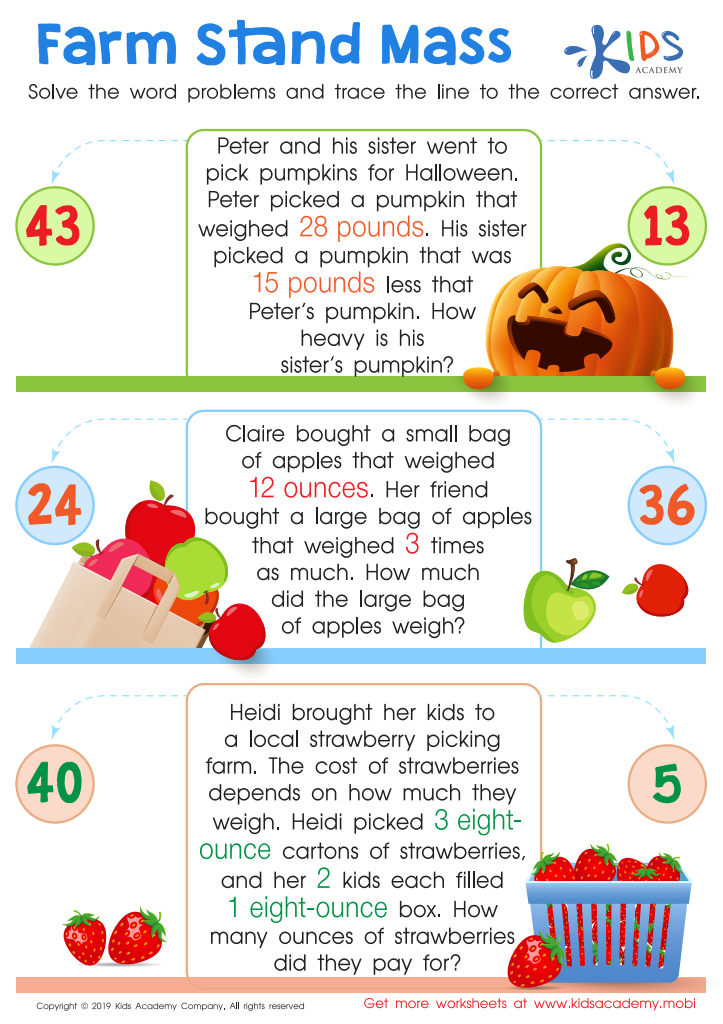
Farm Stand Mass Worksheet
 Assign to My Students
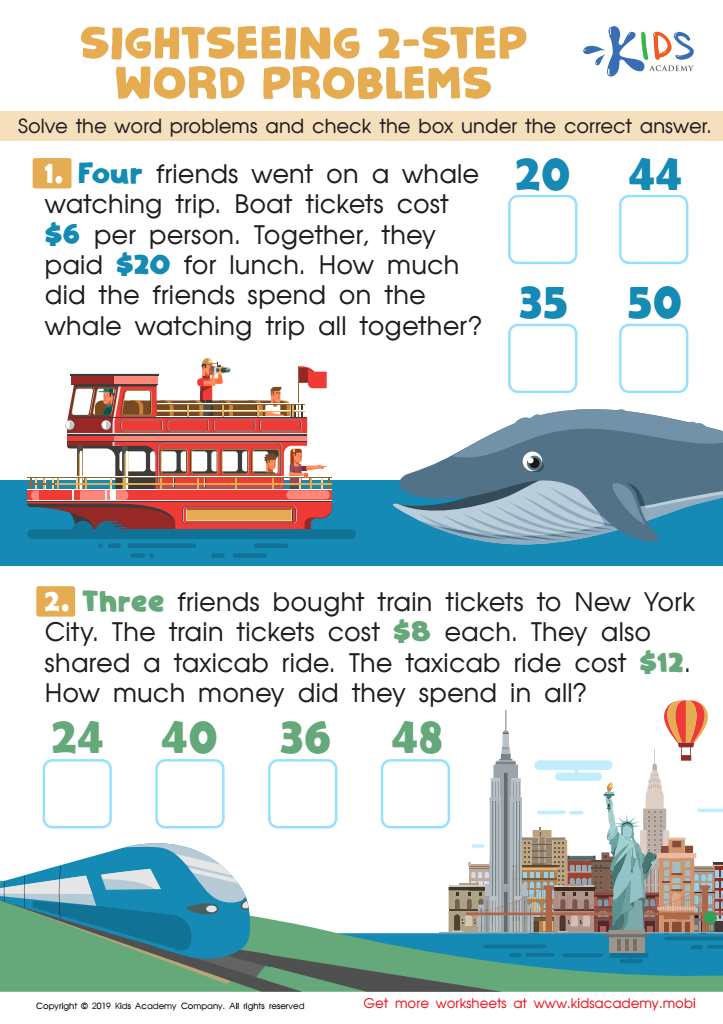
Sightseeing 2-Step Word Problems Worksheet
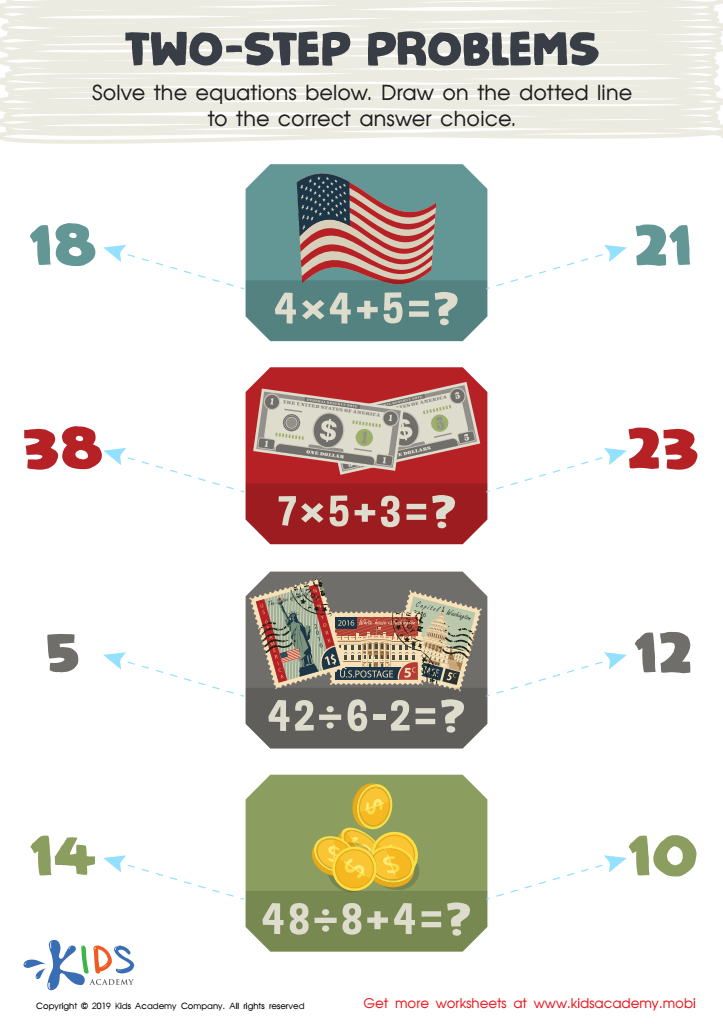
Two-Step Problems Worksheet
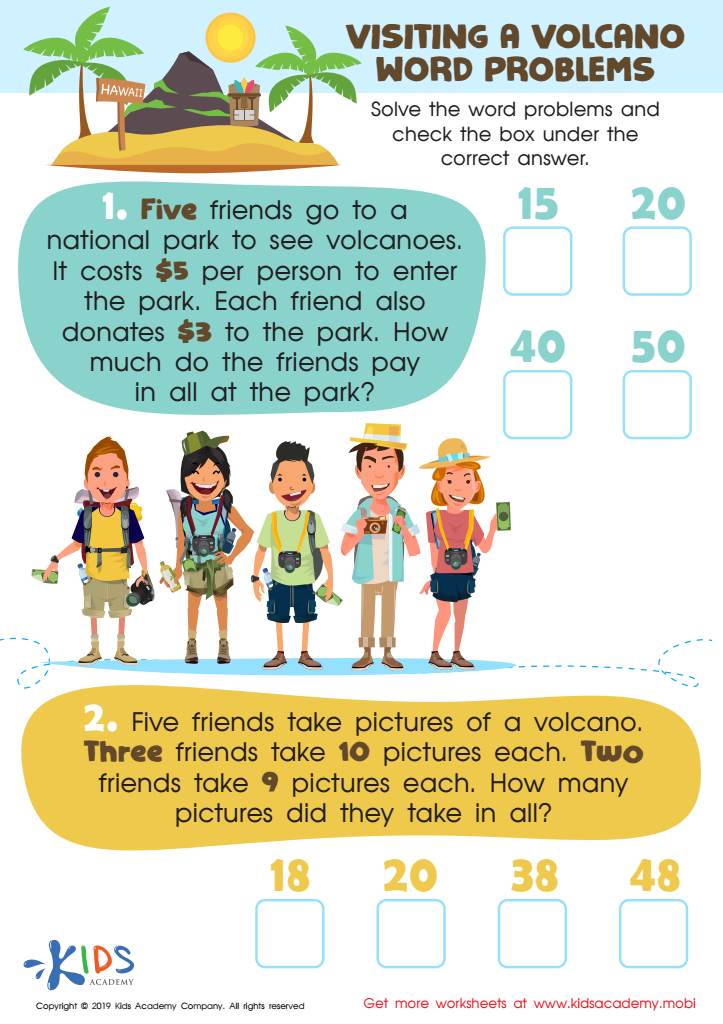
Visiting a Volcano Word Problems Worksheet
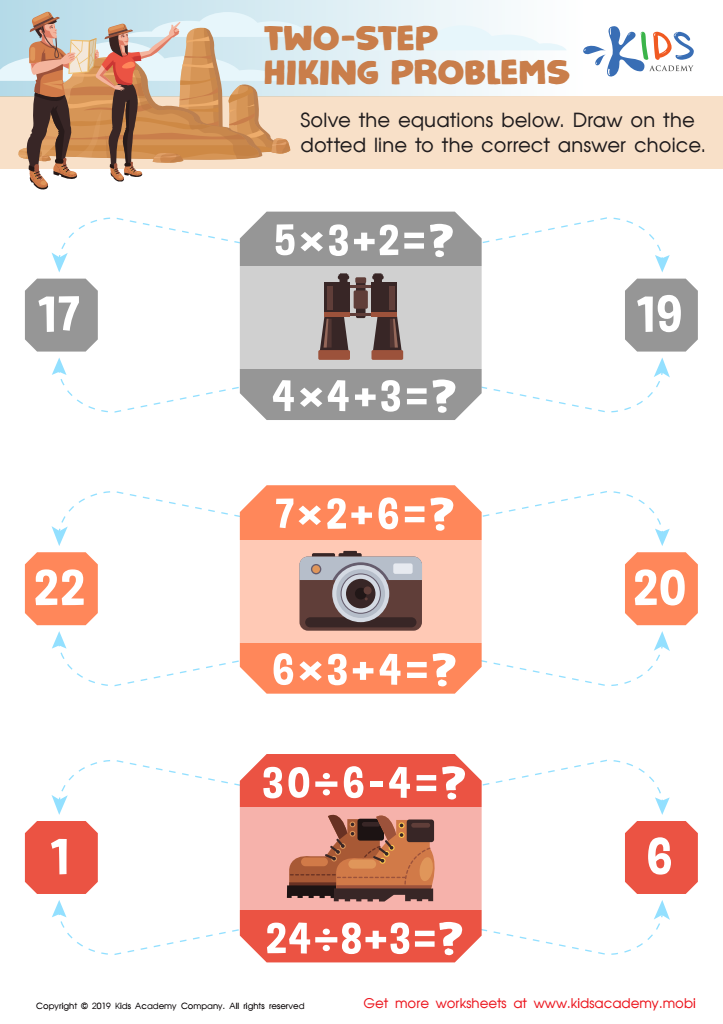
Two-Step Hiking Problems Worksheet
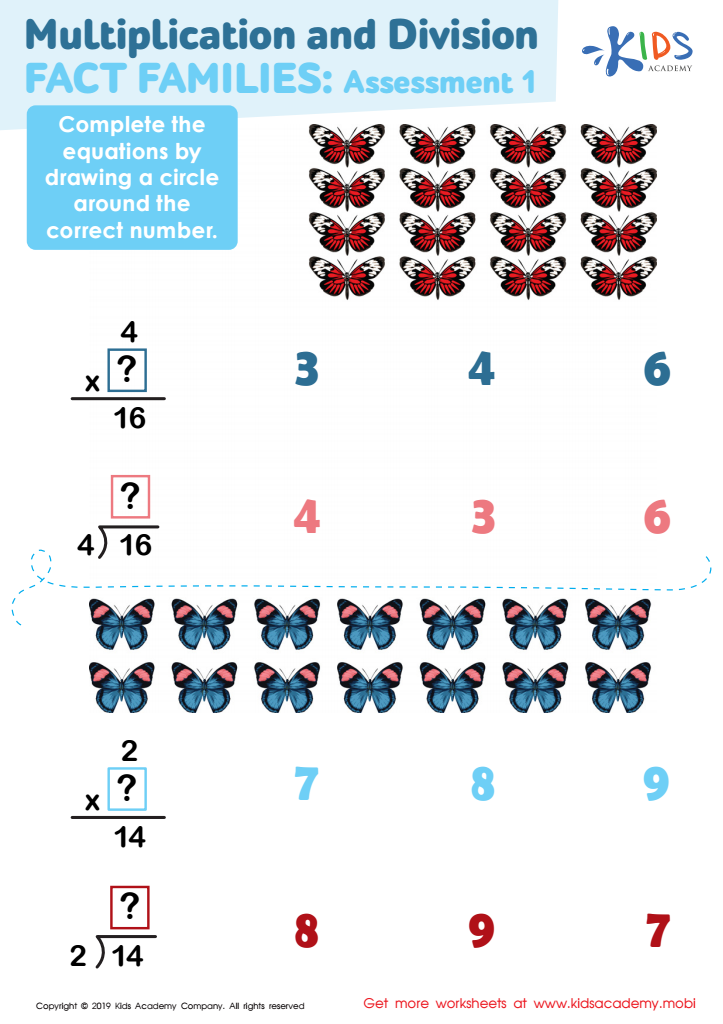
Multiplication and Division Fact Families Assessment 1 Worksheet
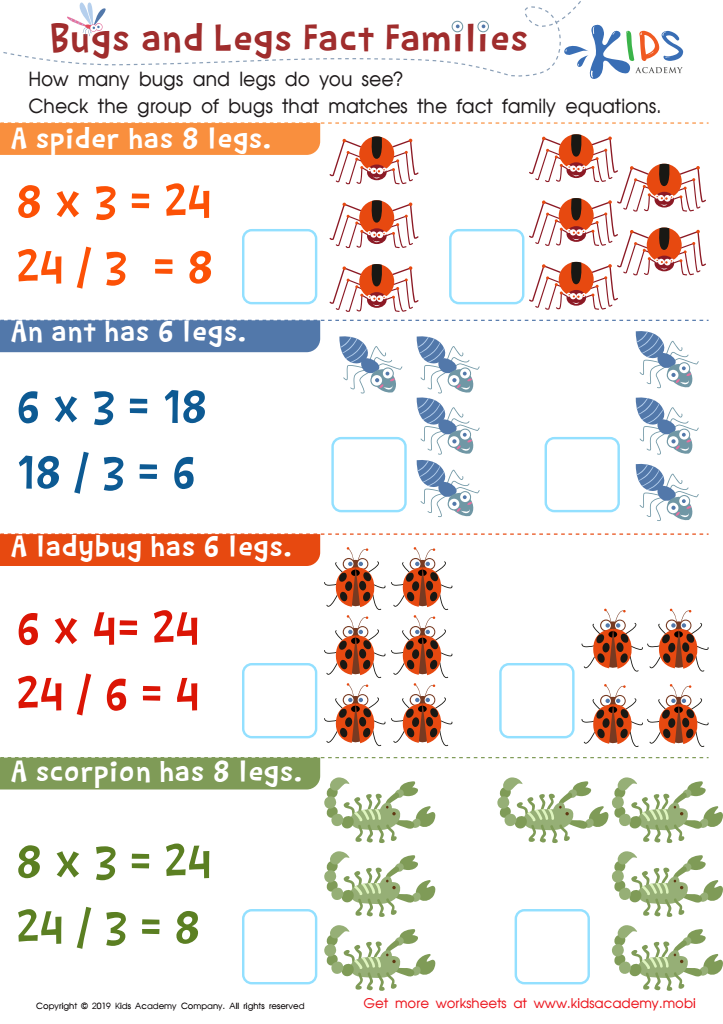
Bugs and Legs Fact Families Worksheet
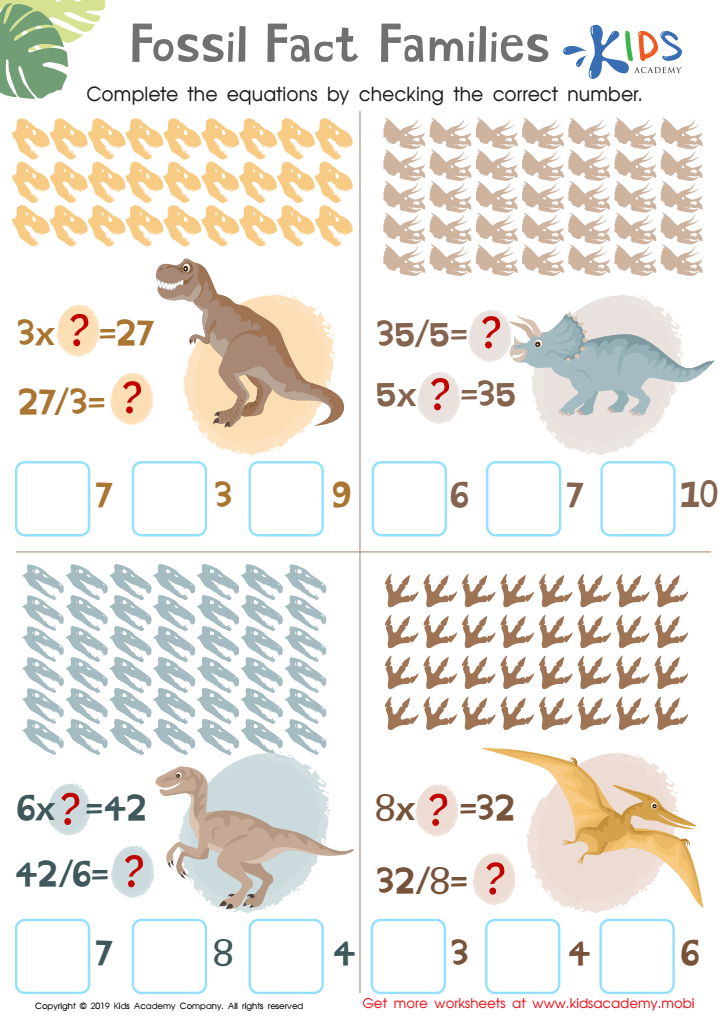
Fossil Fact Families Worksheet
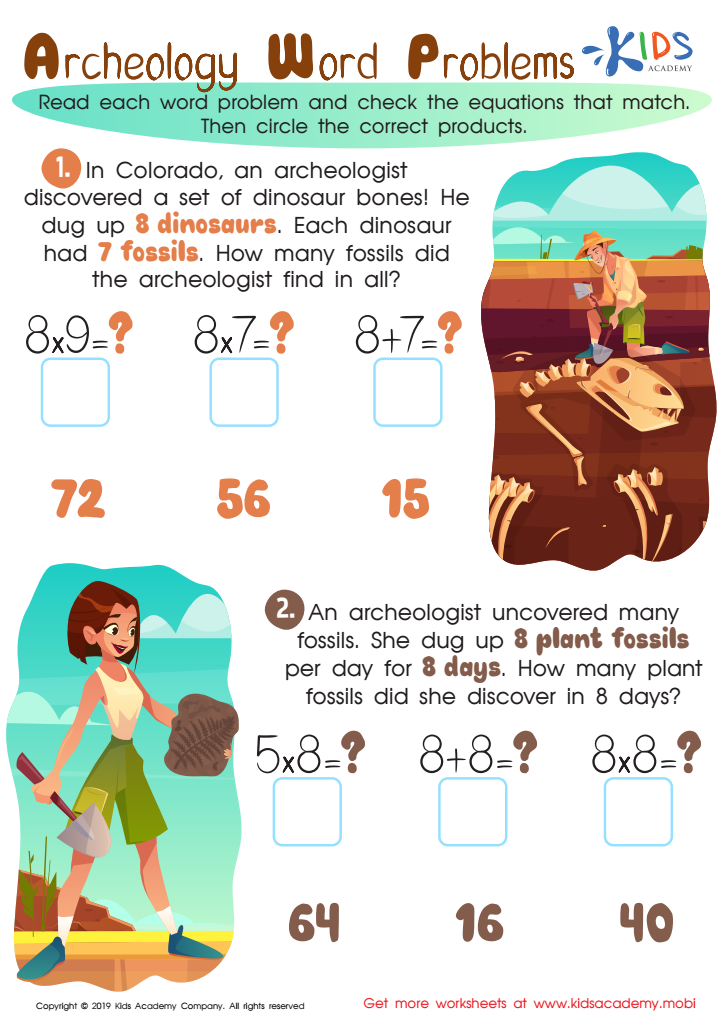
Archeology Word Problems Worksheet
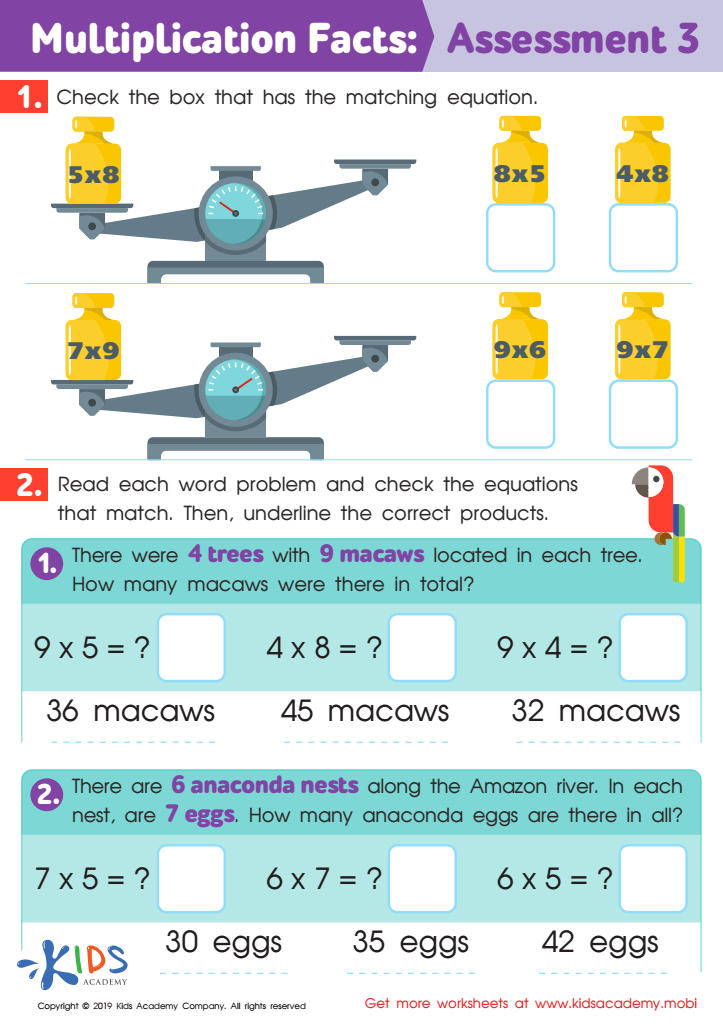
Multiplication Facts: Assessment 3 Worksheet
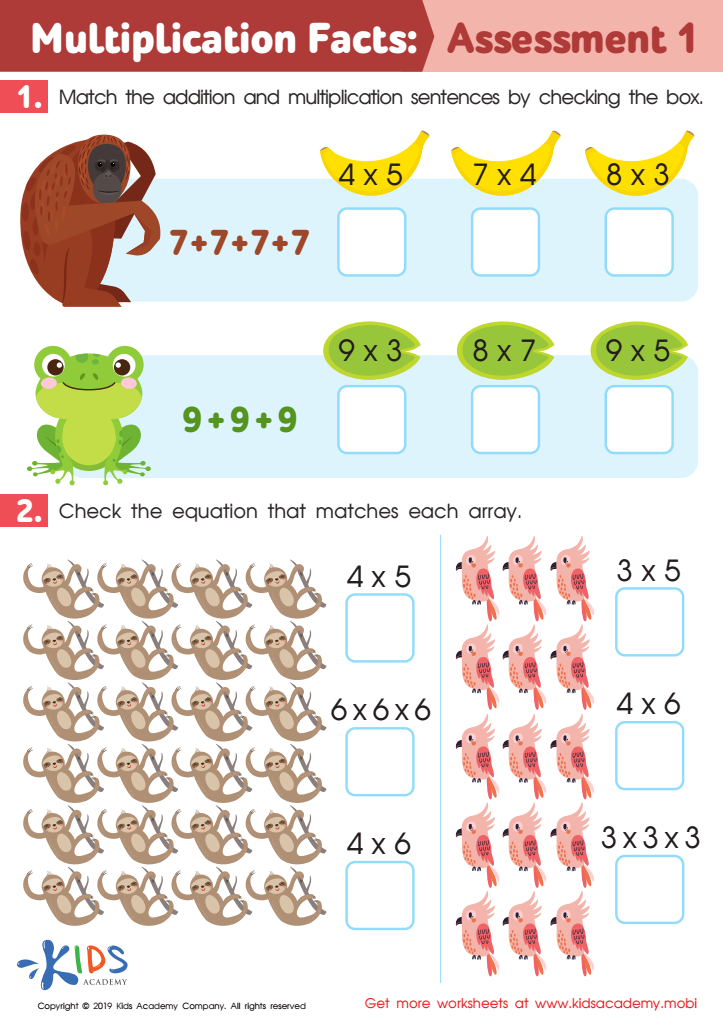
Multiplication Facts: Assessment 1 Worksheet
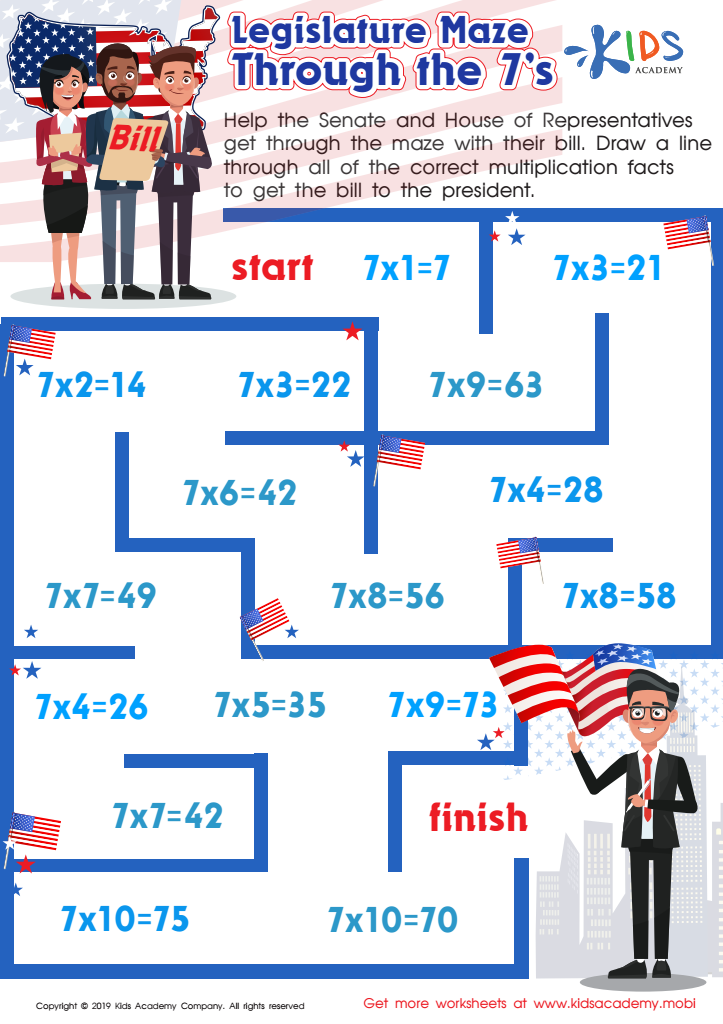
Legislature Maze Through the 7’s Worksheet
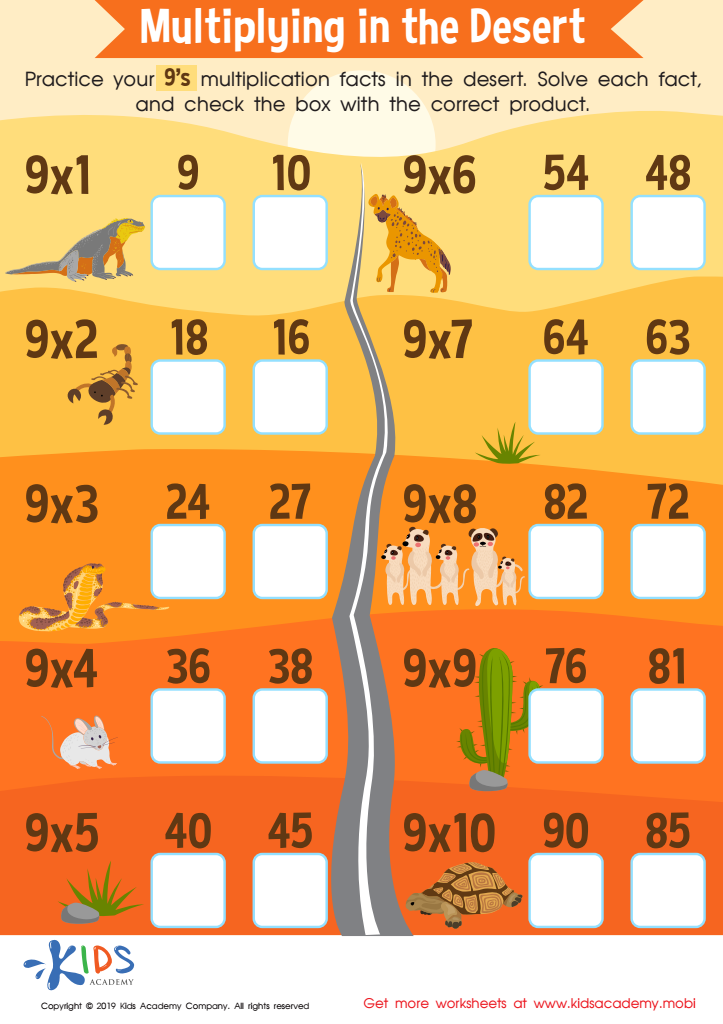
Multiplying in the Desert Worksheet
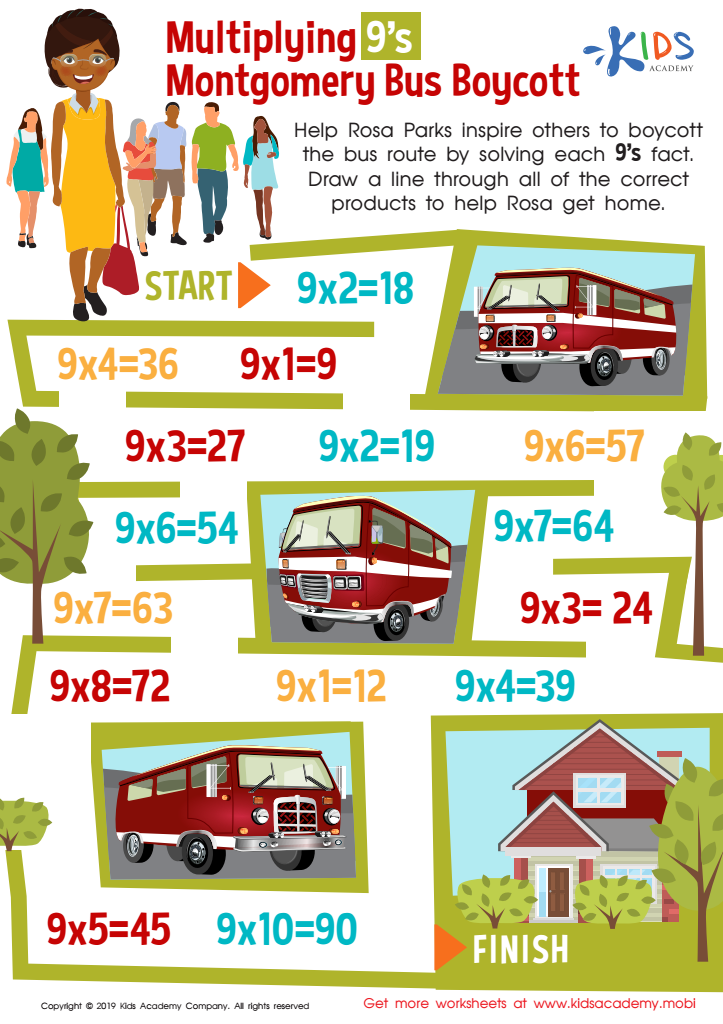
Multiplying 9’s Montgomery Bus Boycott Worksheet
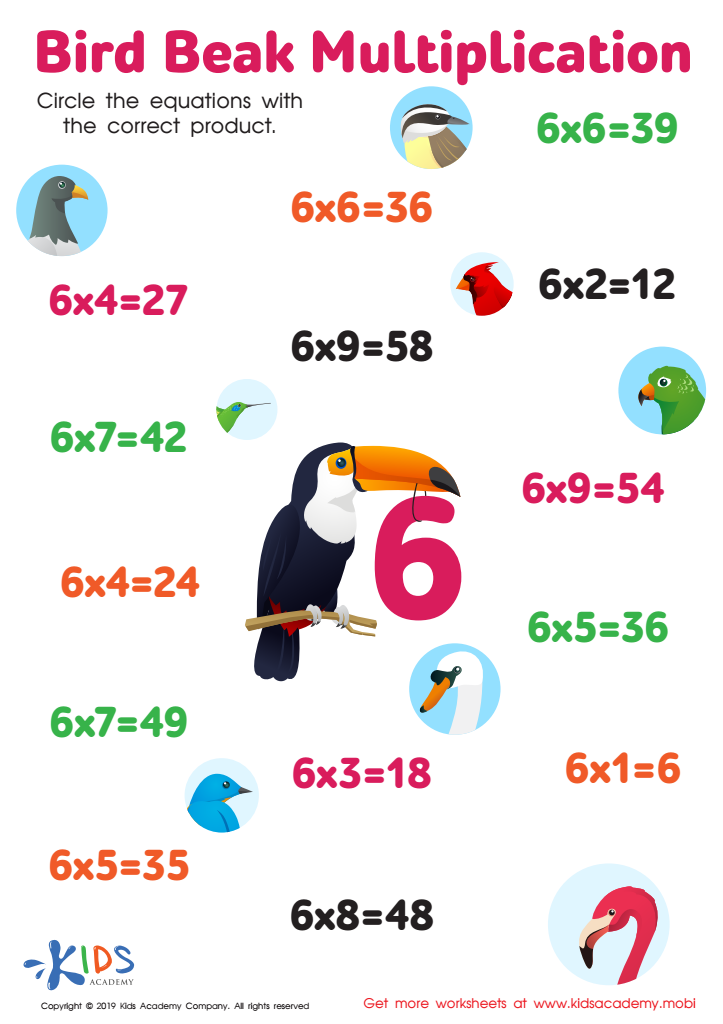
Bird Beak Multiplication Worksheet
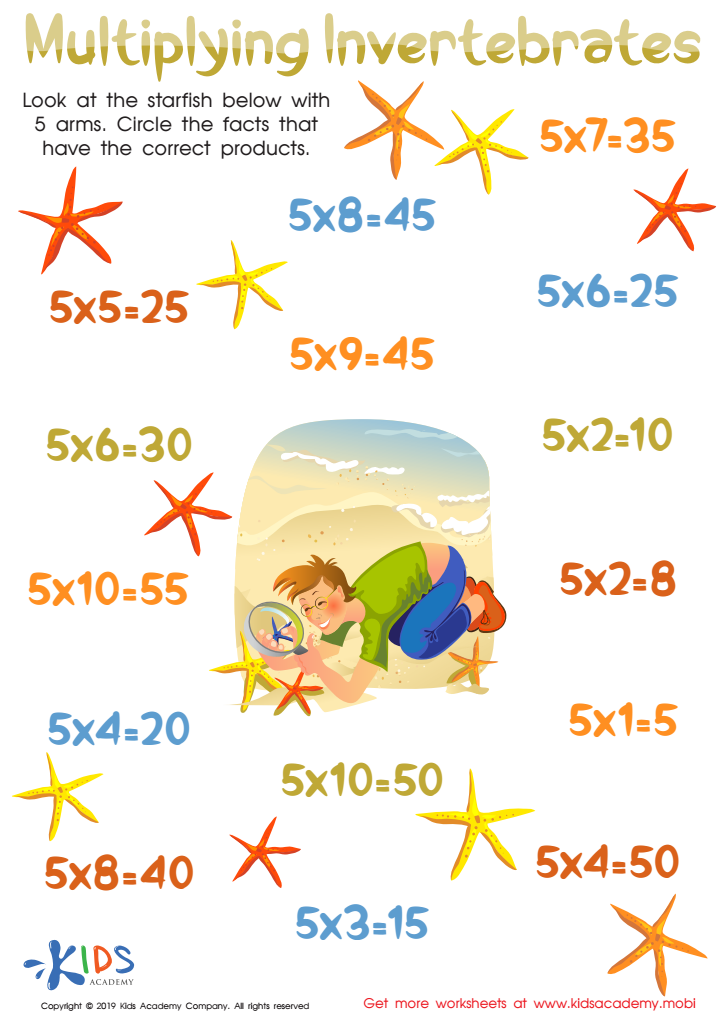
Multiplying Invertebrates Worksheet
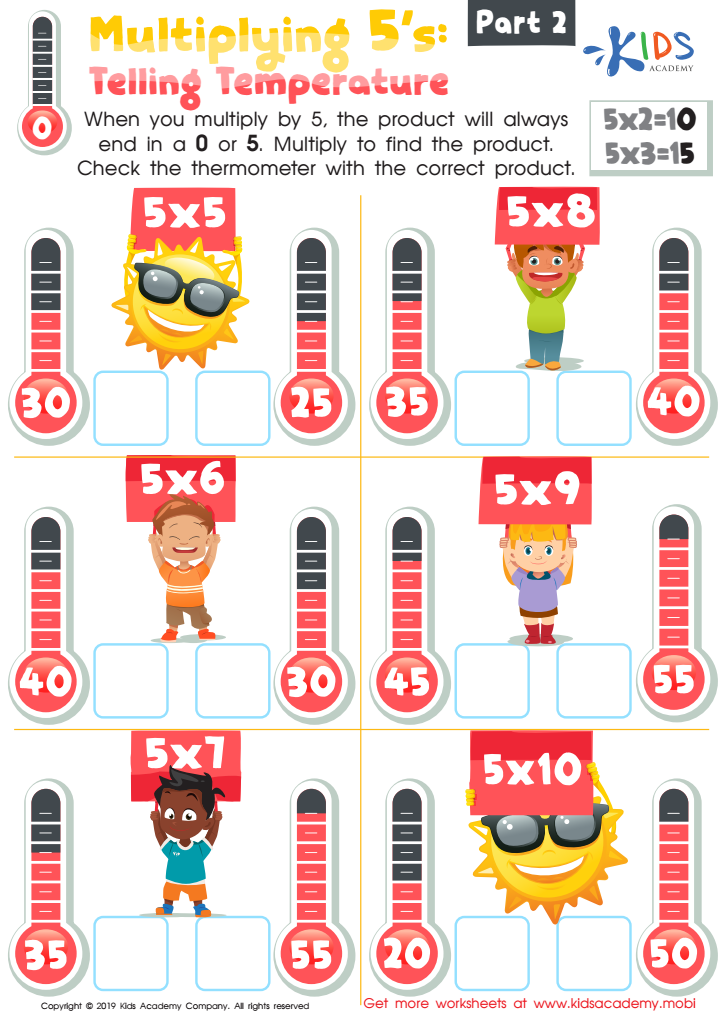
Multiplying 5’s: Telling Temperature Part 2 Worksheet
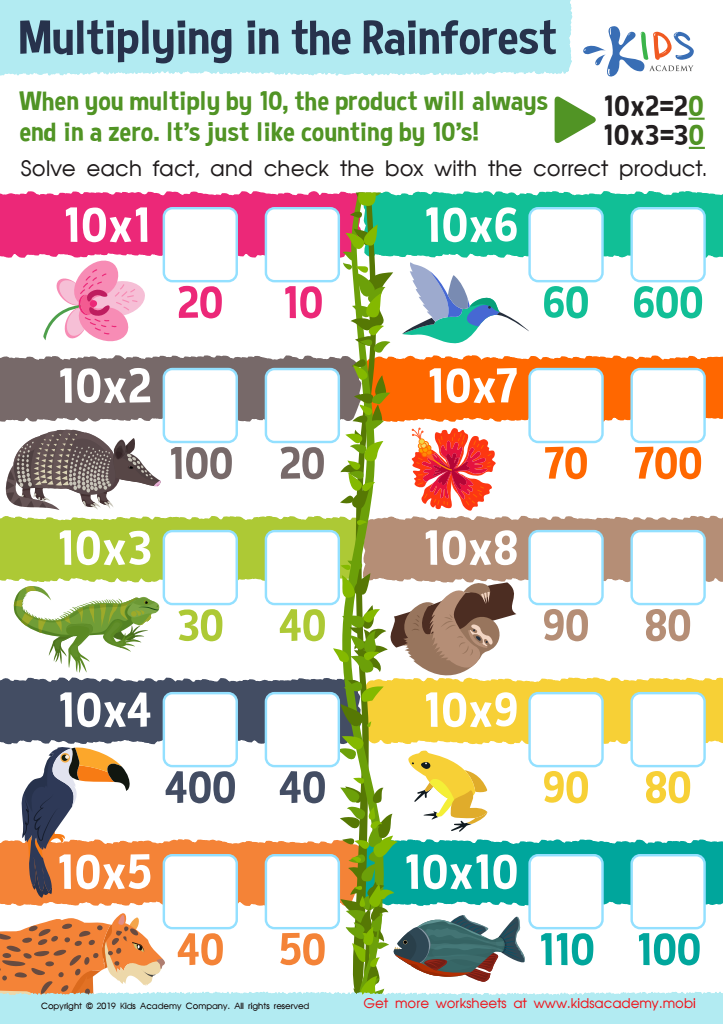
Multiplying in the Rainforest Worksheet
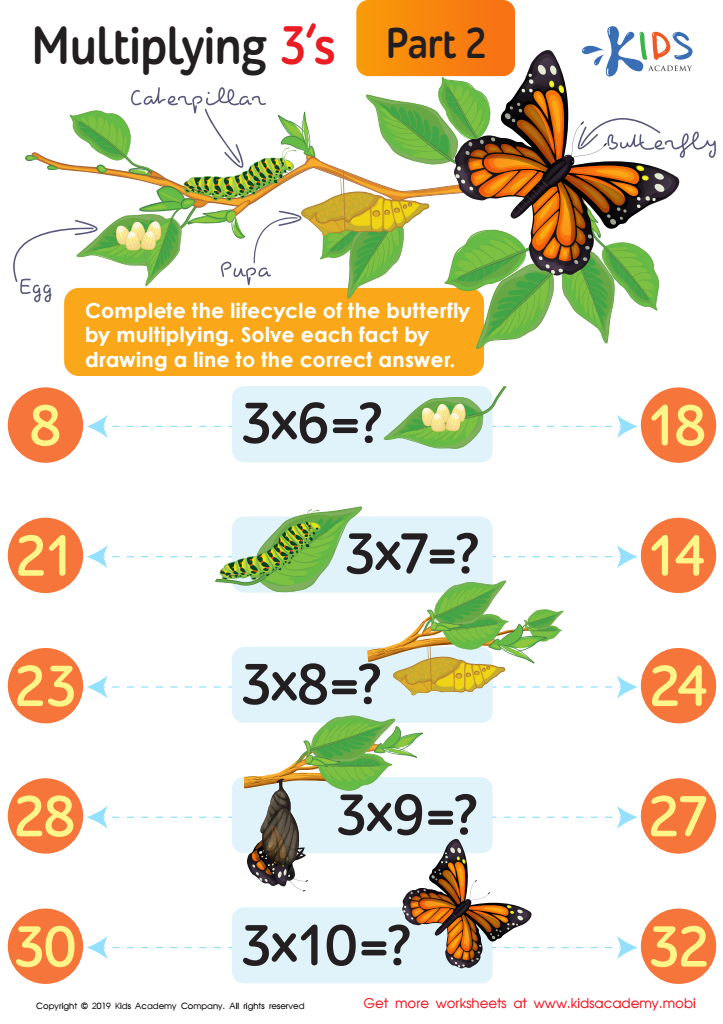
Multiplying 3s Part 2 Worksheet
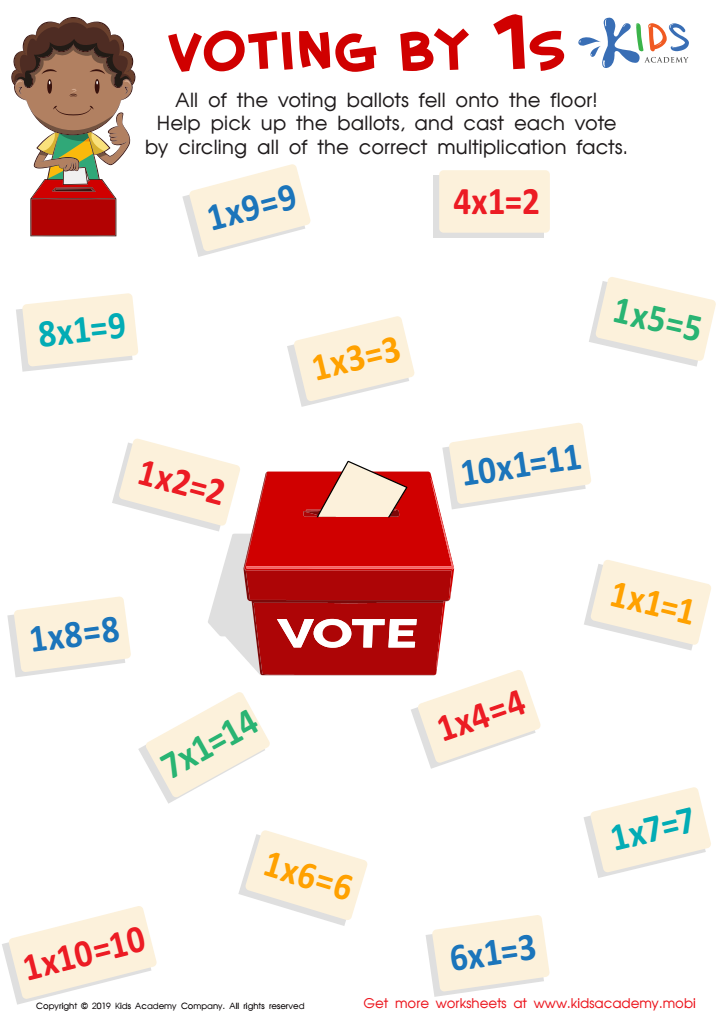
Voting by 1s Worksheet
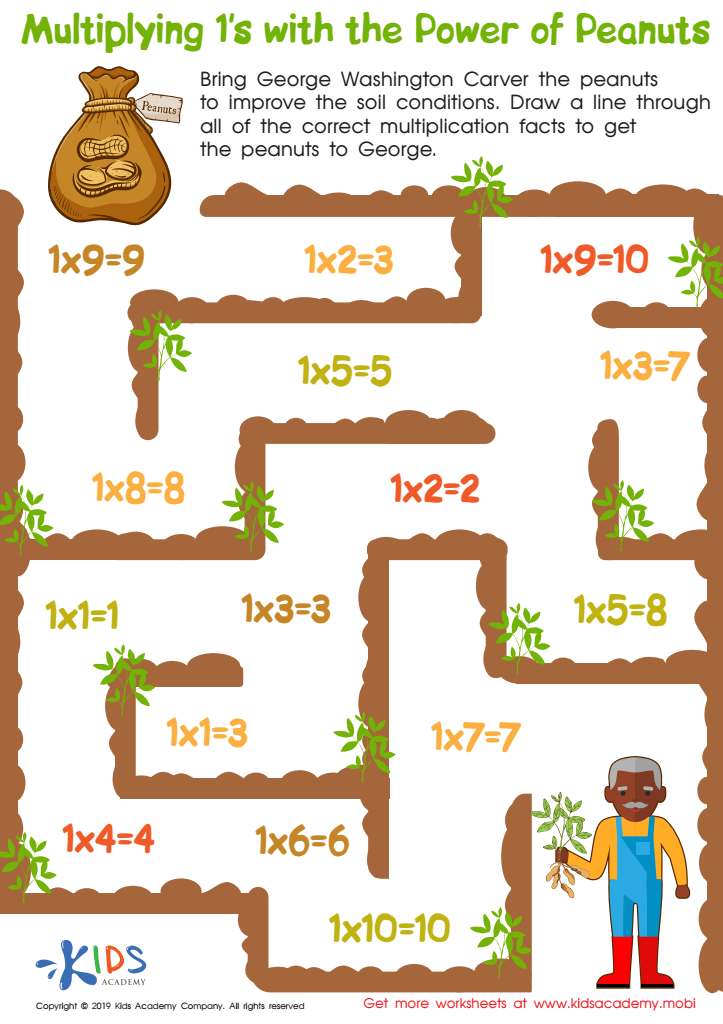
Multiplying 1’s With the Power of Peanuts Worksheet
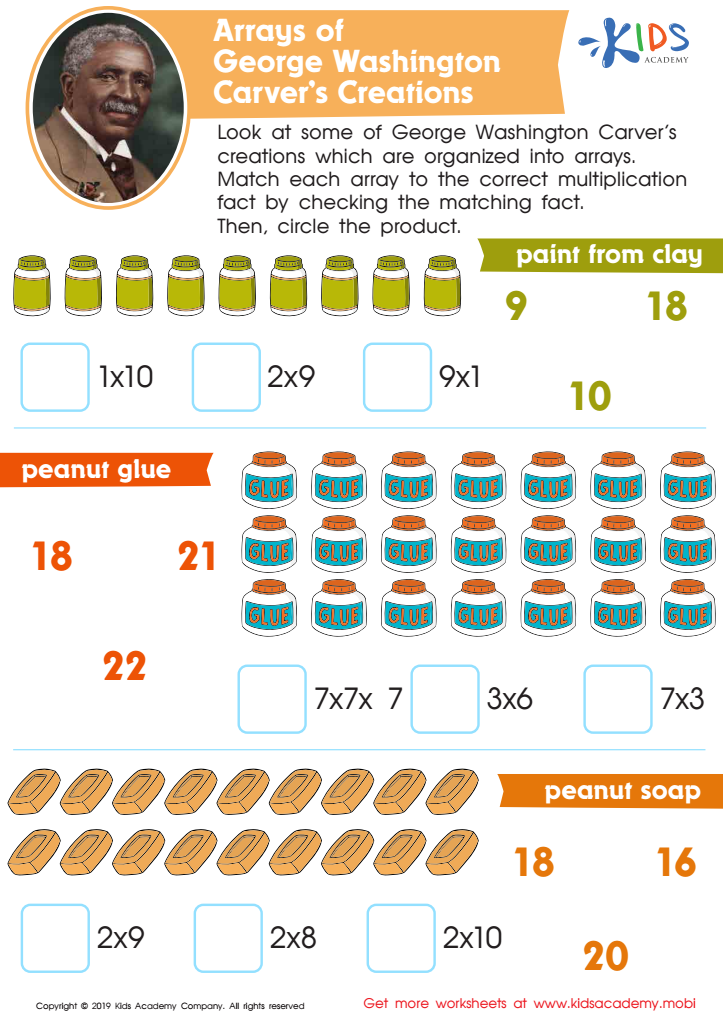
Arrays of George Washington Carver’s Creations Worksheet
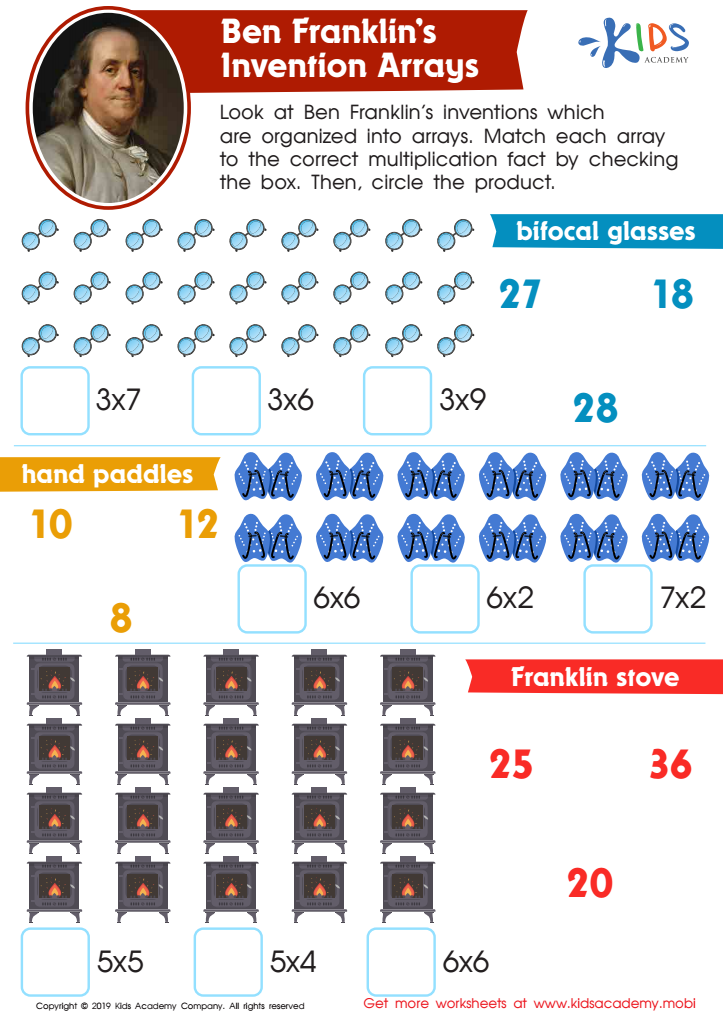
Ben Franklin’s Invention Arrays Worksheet
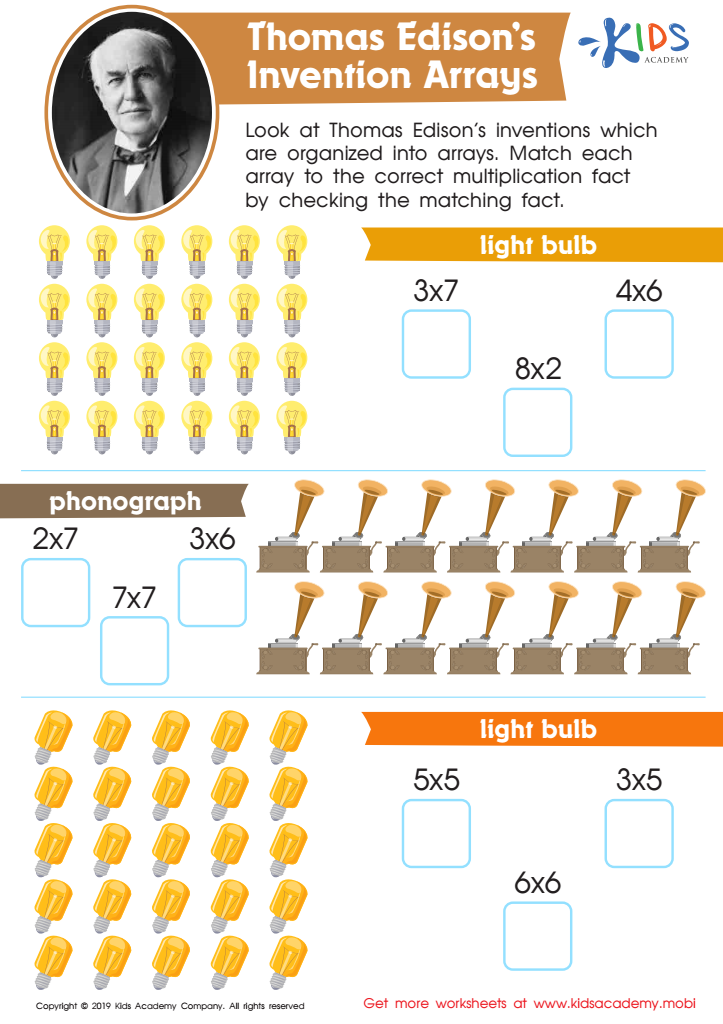
Thomas Edison’s Invention Arrays Worksheet



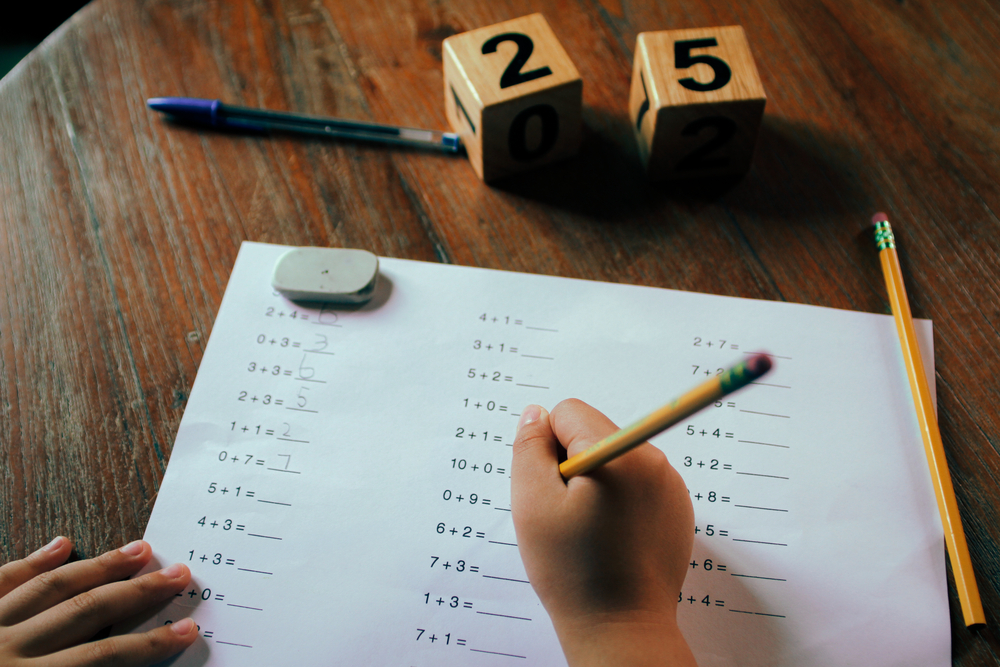




Understanding normal multiplication at an early age is fundamental for children's mathematical development. For ages 6-8, grasping basic multiplication sets the foundation for future learning and problem-solving skills. At this stage, children transition from simple addition and subtraction to recognizing more complex patterns and relationships between numbers, making multiplication an essential building block.
Parents and teachers should care about teaching multiplication not just for academic success but for real-world applications. By mastering multiplication, children enhance their ability to quickly and accurately solve everyday problems, like dividing a pizza or calculating the total cost of multiple items. This competency provides a sense of confidence and independence in managing daily tasks.
Moreover, early proficiency in multiplication contributes significantly to cognitive development. It encourages logical thinking, attention to detail, and memory retention. Through engaging activities and repetitive practice, children can strengthen their mental math skills, positively impacting their overall arithmetic abilities.
Beyond academics, multiplication at an early age fosters a positive attitude towards learning. When children understand early on that they can tackle challenging concepts, they build persistence and resilience. Therefore, both parents and teachers play a crucial role in integrating multiplication into everyday learning, ensuring children are well-equipped with the essential tools for their future educational journey and beyond.








