Normal Reading Worksheets for Ages 6-8 - Page 14
316 filtered results
-
From - To
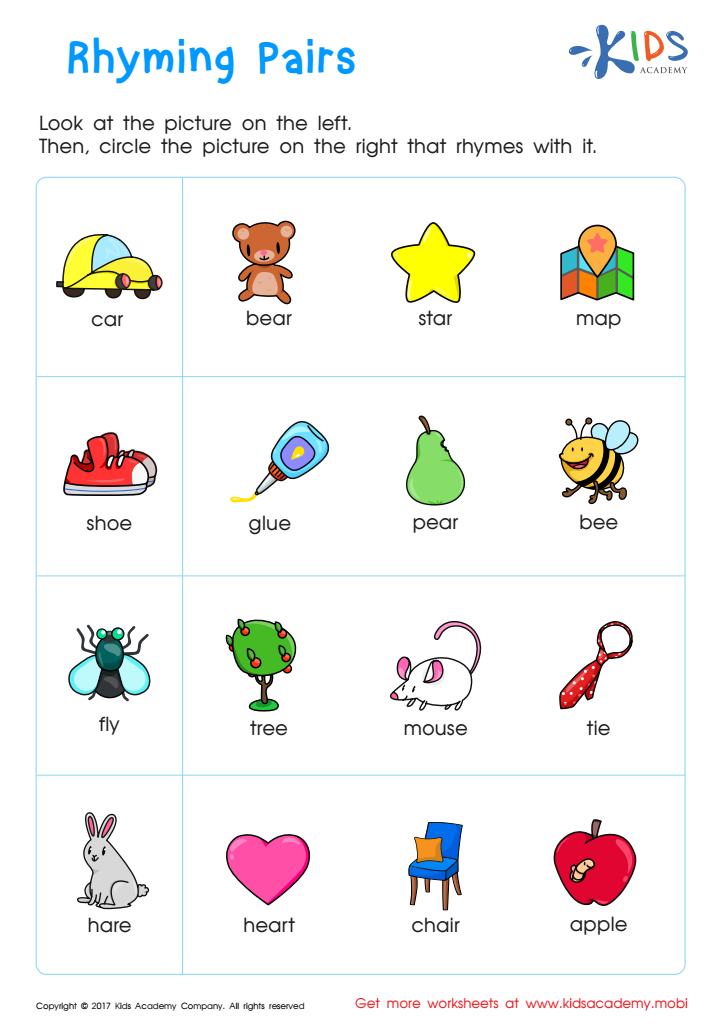
 Assign to My Students
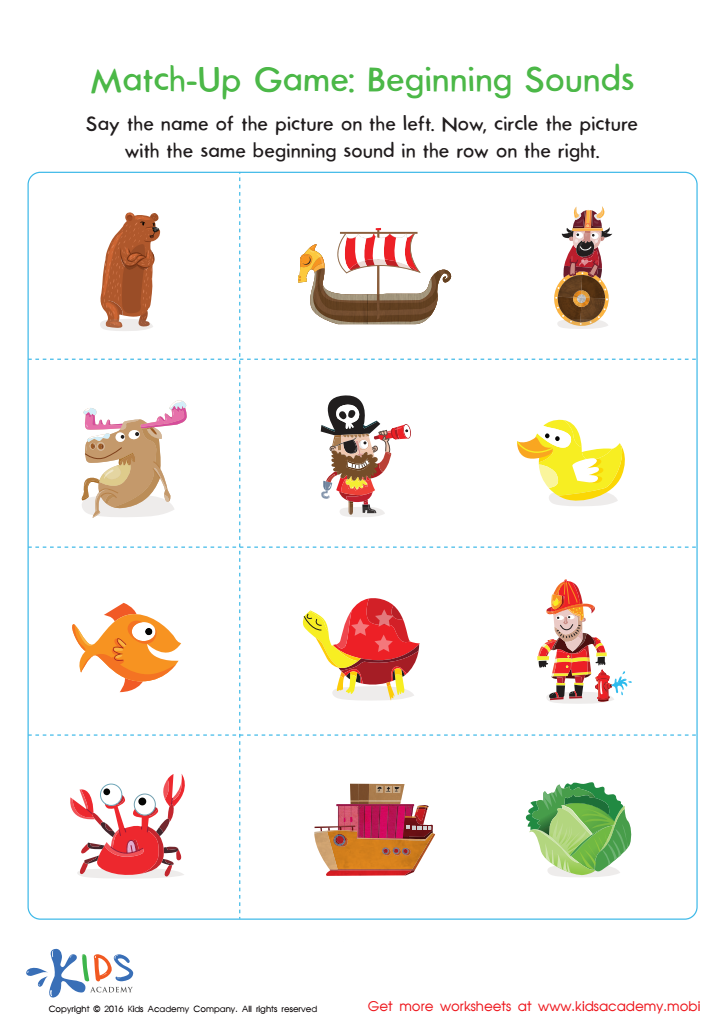
Match–Up Game: Beginning Sounds Worksheet
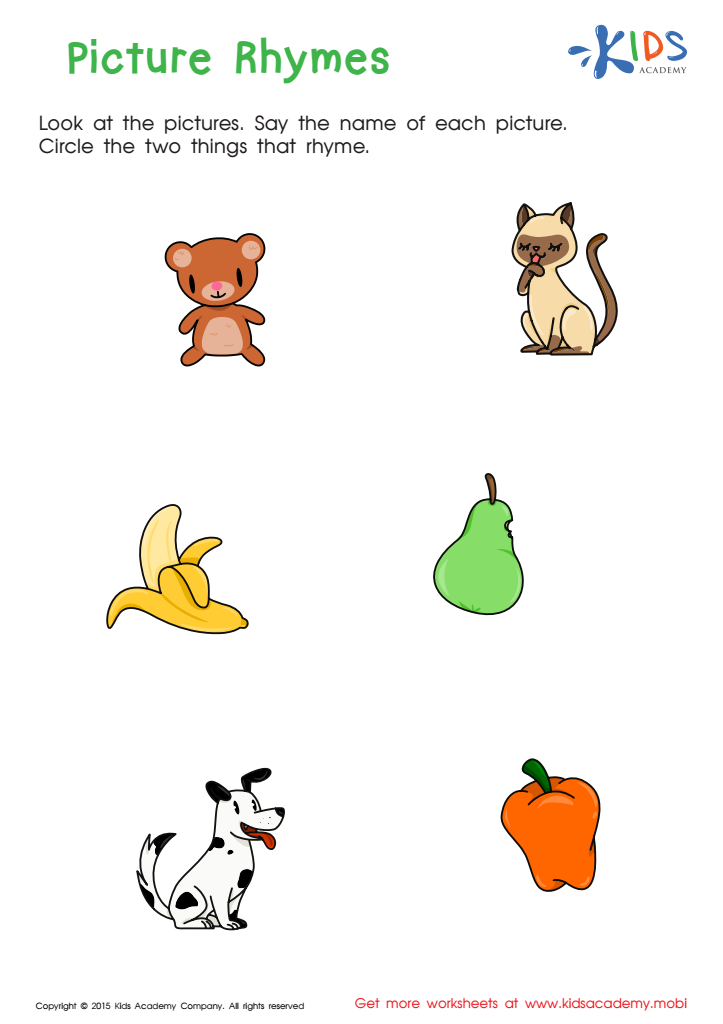
First Words: Picture Rhymes Worksheet
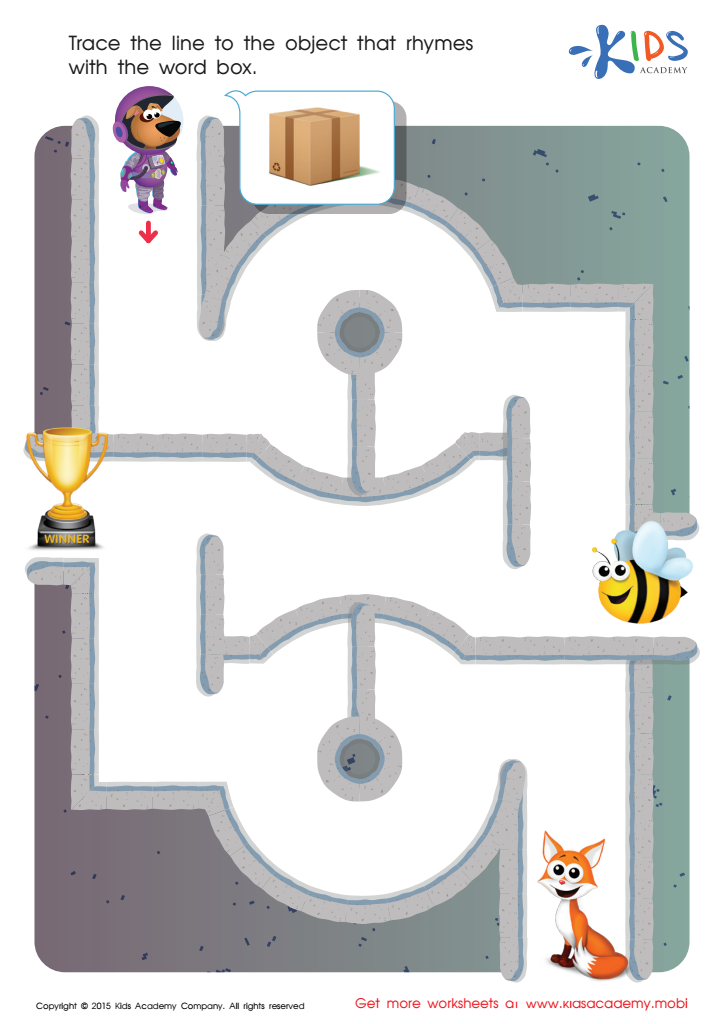
Box Rhyming Words Worksheet



.jpg)

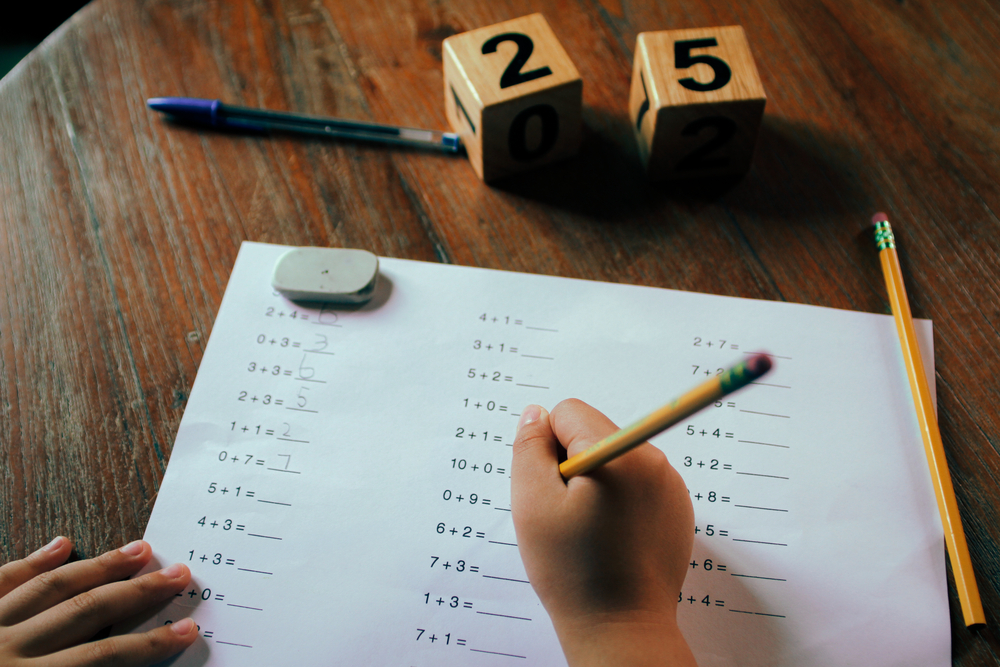


Parents and teachers should prioritize normal reading for ages 6-8 because it lays the foundational skills for lifelong literacy. During this critical developmental stage, children transition from learning to read to reading to learn. Engaging with age-appropriate literature enhances vocabulary, comprehension, and critical thinking skills, which are essential for academic success. Regular reading also stimulates imagination and creativity, promoting emotional and social development.
Moreover, reading together fosters bonding. Shared reading experiences can build a love for books and learning, encouraging children to seek knowledge independently. Teachers play a crucial role in introducing diverse texts that include various cultures and perspectives, thereby broadening children's worldviews.
Understanding normal reading habits enables parents and teachers to identify any reading challenges early on. Early intervention can significantly affect a child's long-term literacy development. By cultivating a nurturing reading environment, adults help children develop strong phonemic awareness, fluency, and the ability to analyze and synthesize information—all critical skills in today's information-driven society. Ultimately, fostering normal reading in young children is not just about academic achievement; it’s about preparing them for a future where literacy is essential for personal and professional growth.








