Normal Matching worksheets activities for Ages 3-9 - Page 2
42 filtered results
-
From - To
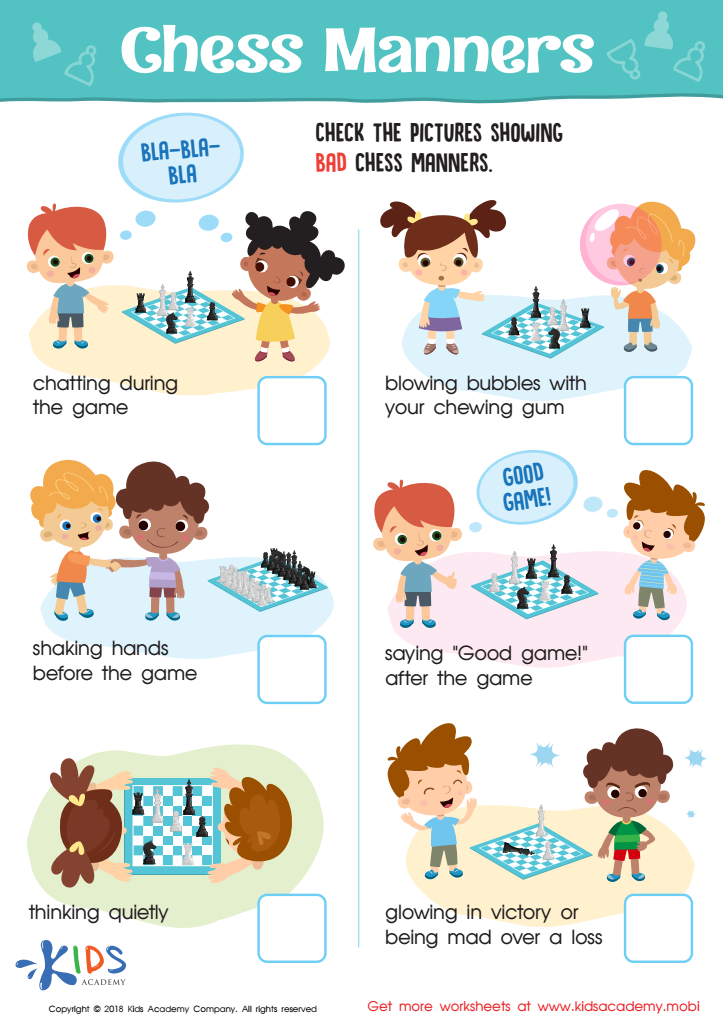
Chess Manners Worksheet
 Assign to My Students
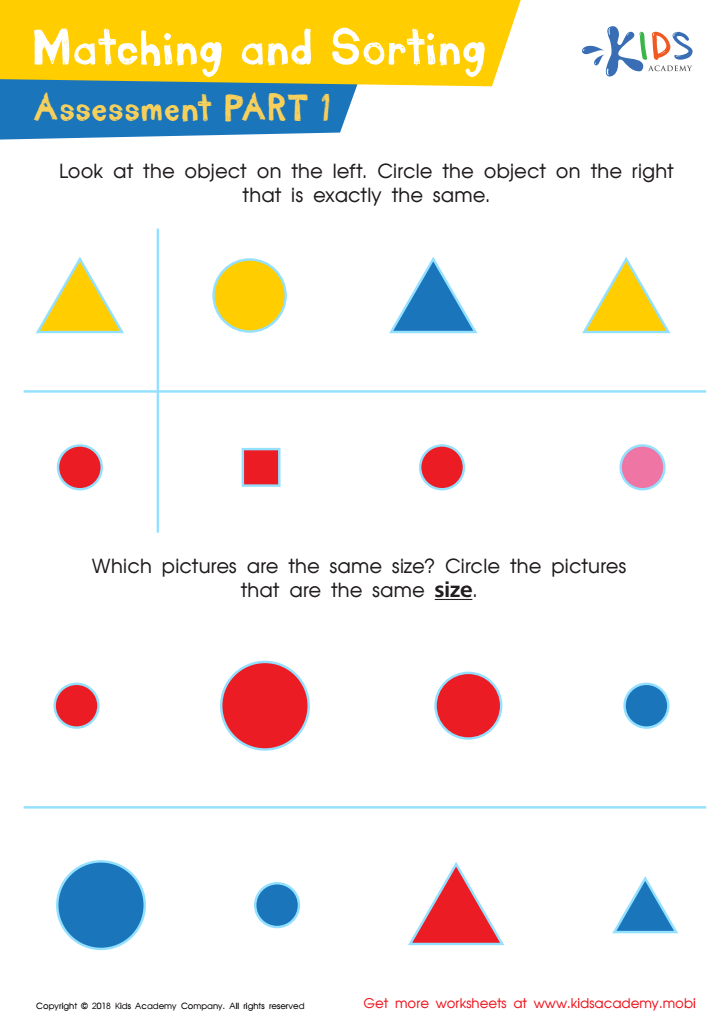
Matching and Sorting for Kindergarten: Assessment 1 Worksheet
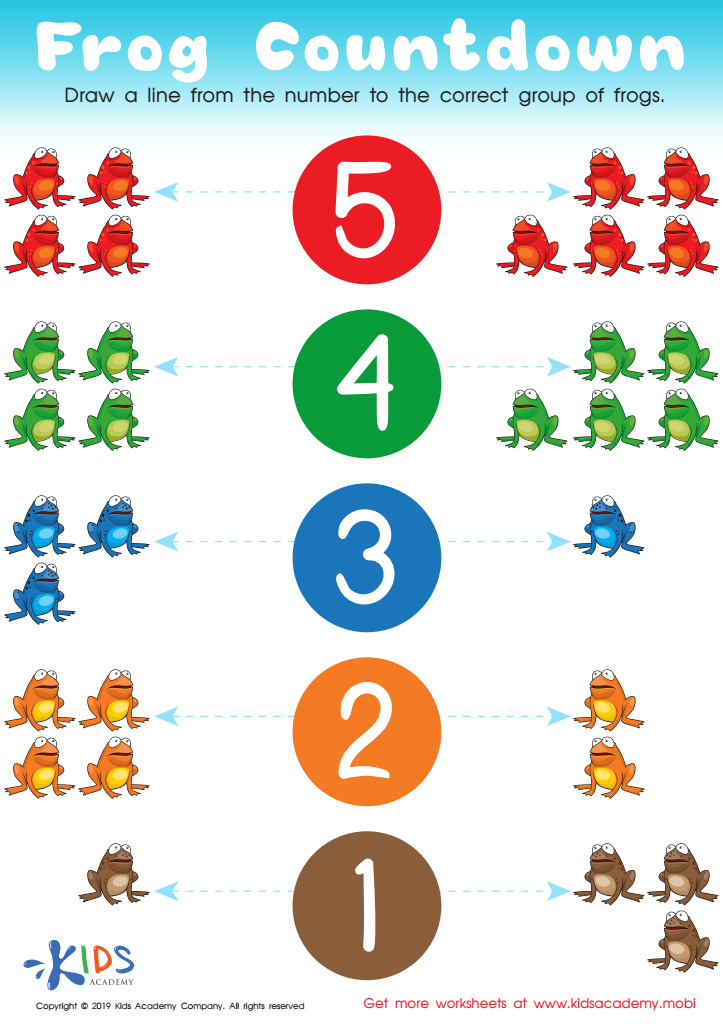
Frog Countdown Worksheet
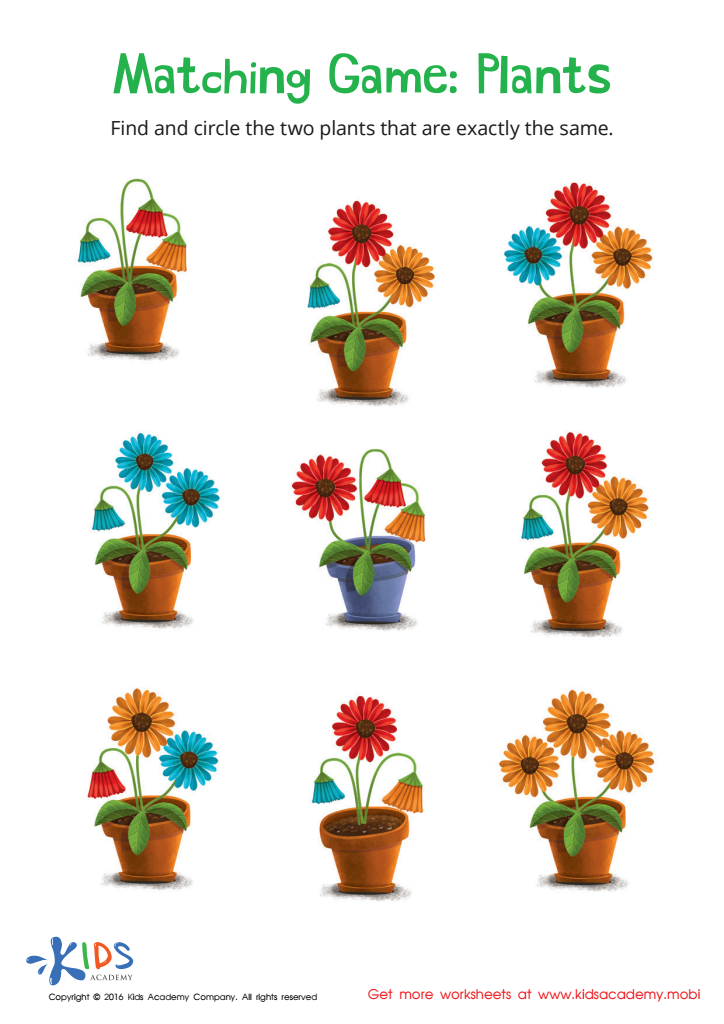
Matching: Plants Worksheet
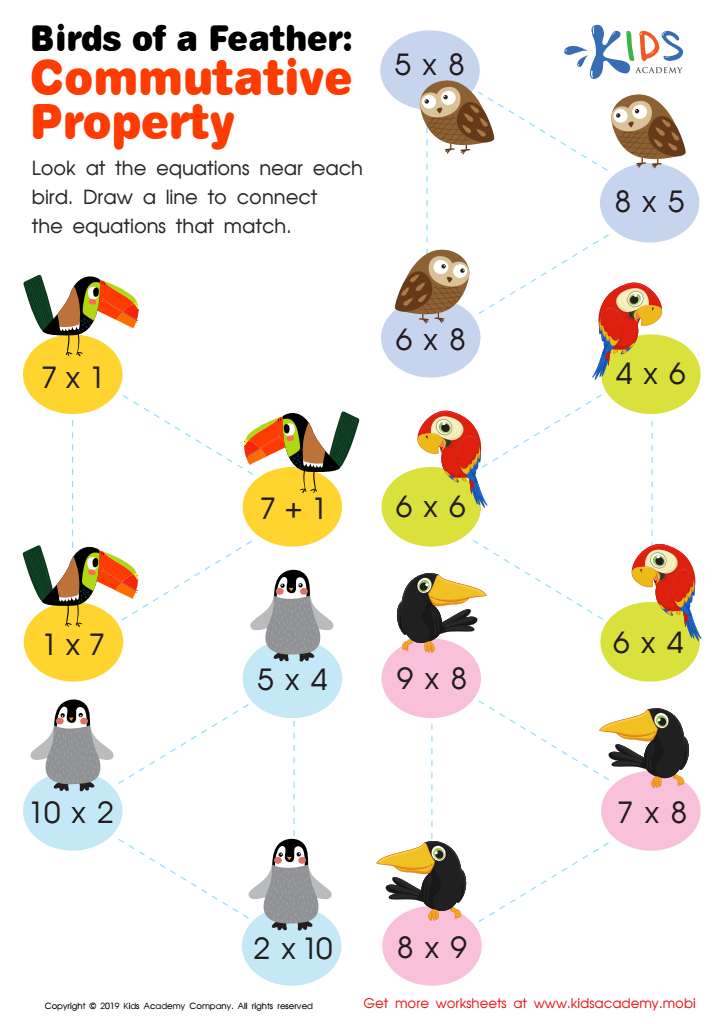
Birds of a Feather: Commutative Property Worksheet
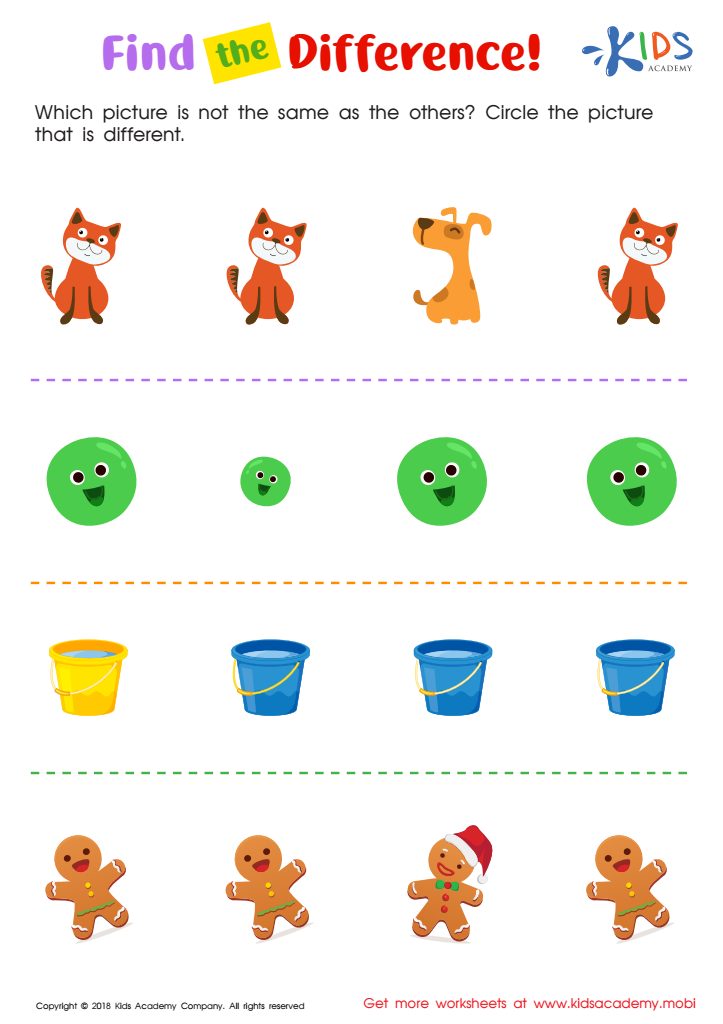
Find the Difference Worksheet
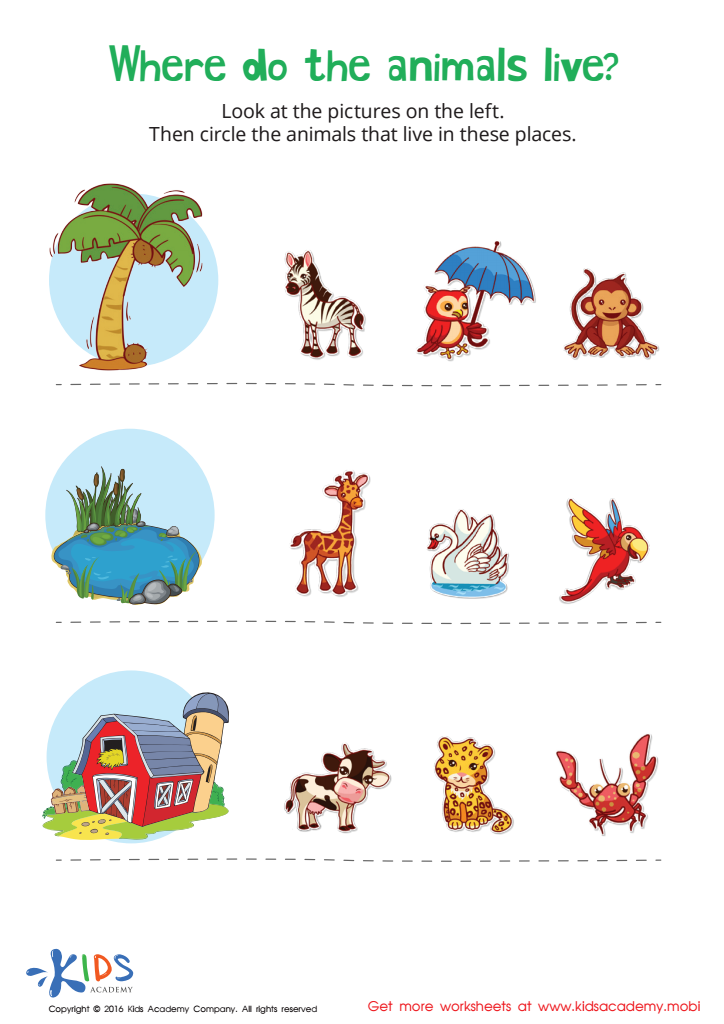
Where Animals Live Worksheet
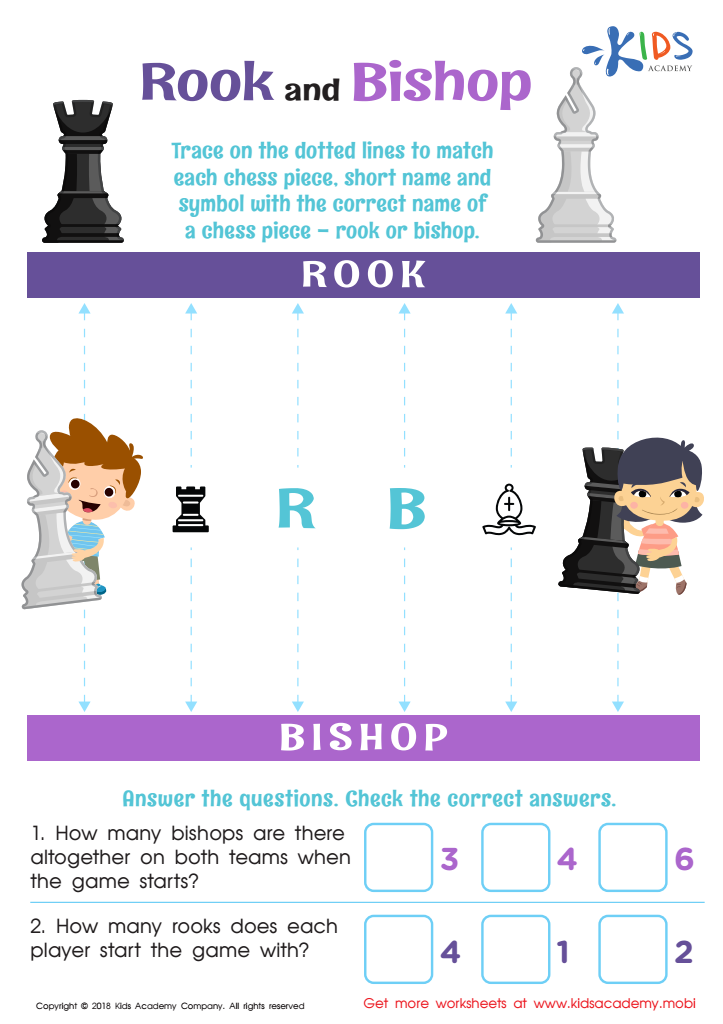
Rook and Bishop Worksheet
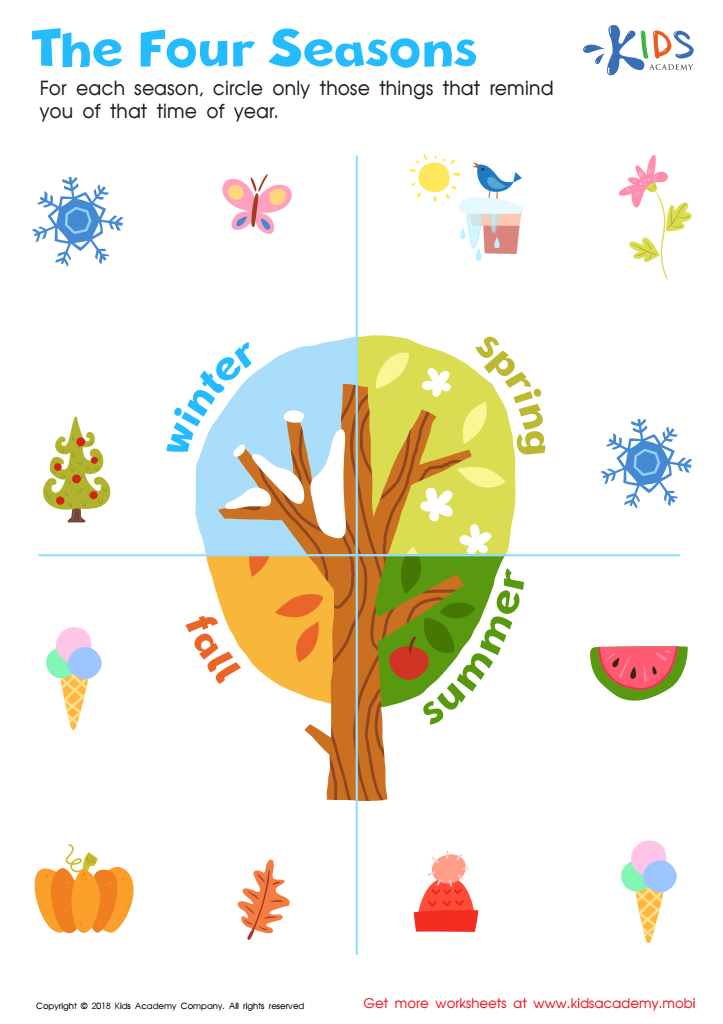
The Four Seasons Worksheet
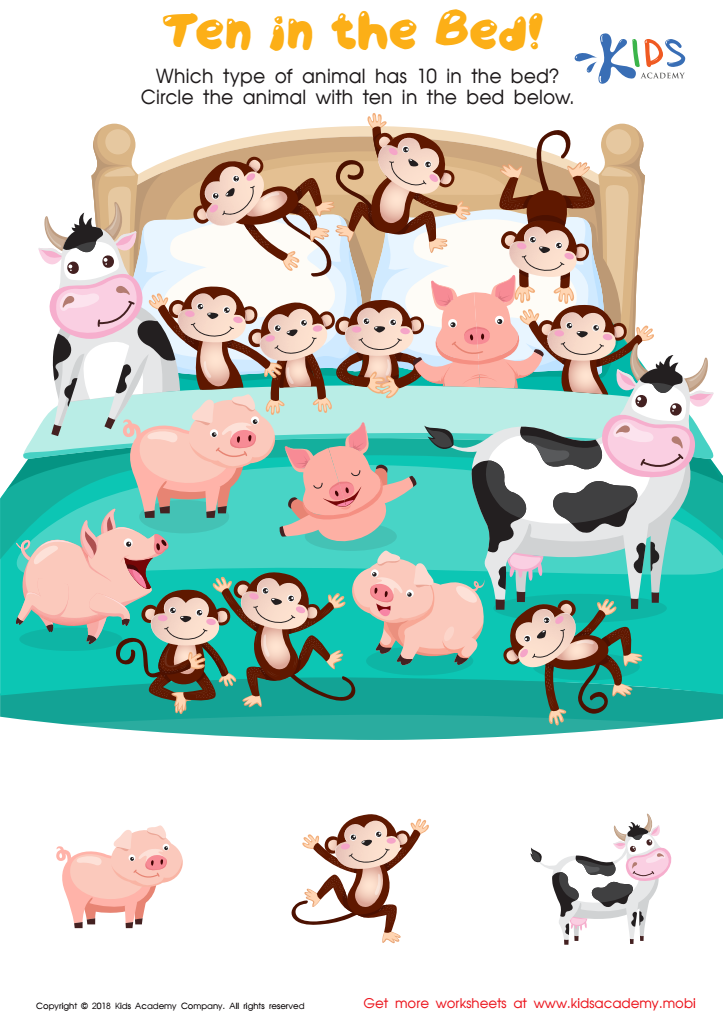
Ten in the Bed Worksheet
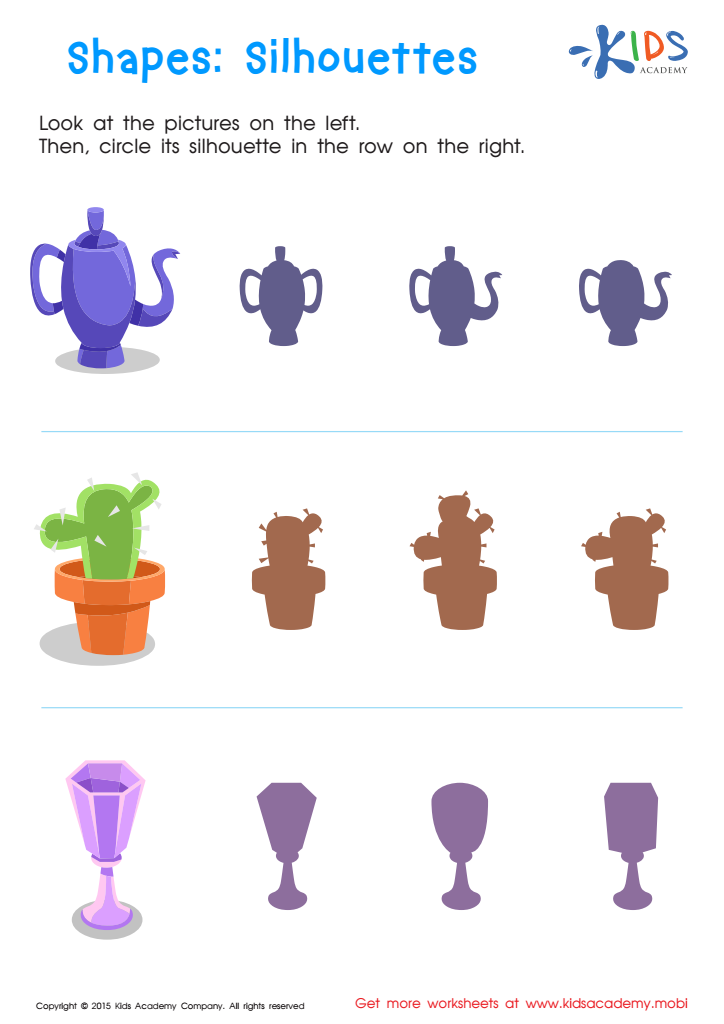
Silhouettes – Shapes Worksheet
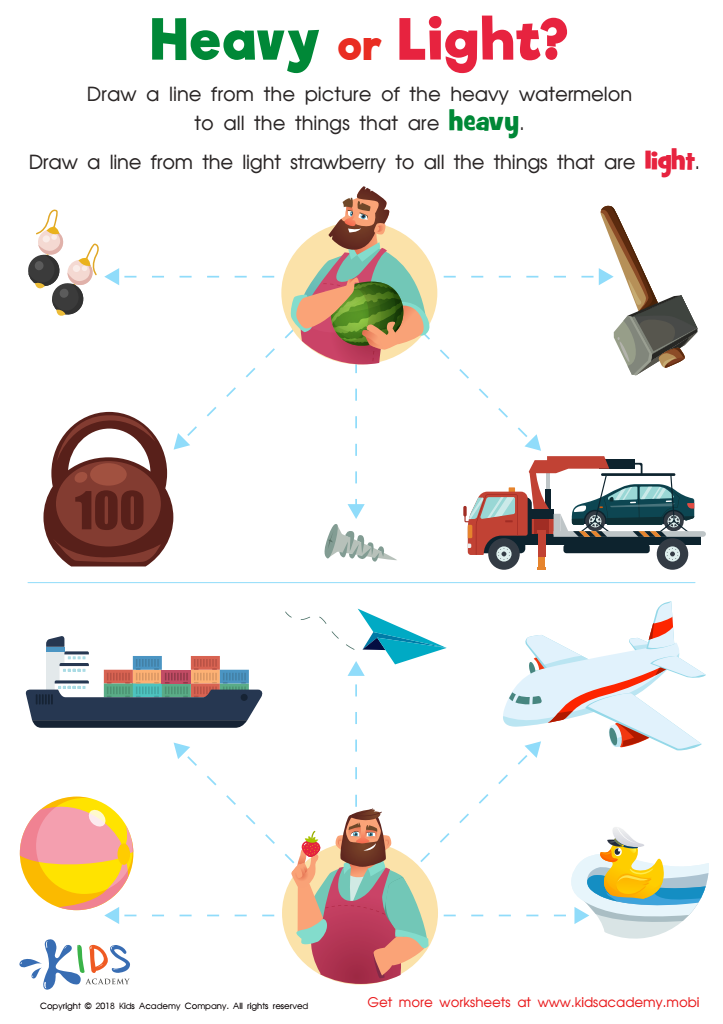
Heavy or Light? Worksheet
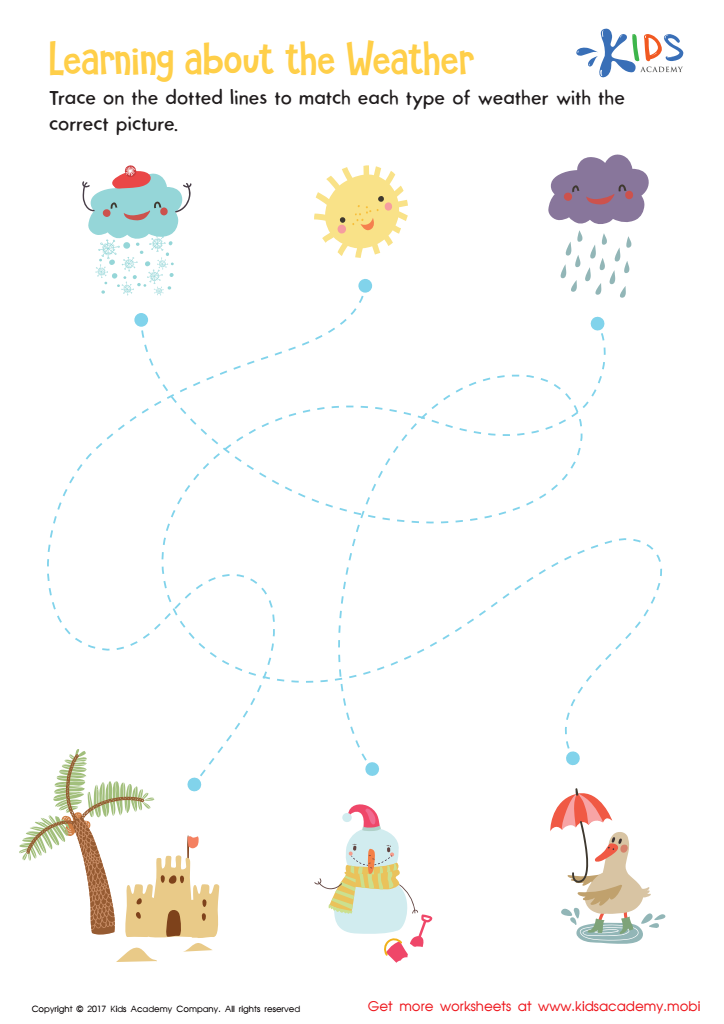
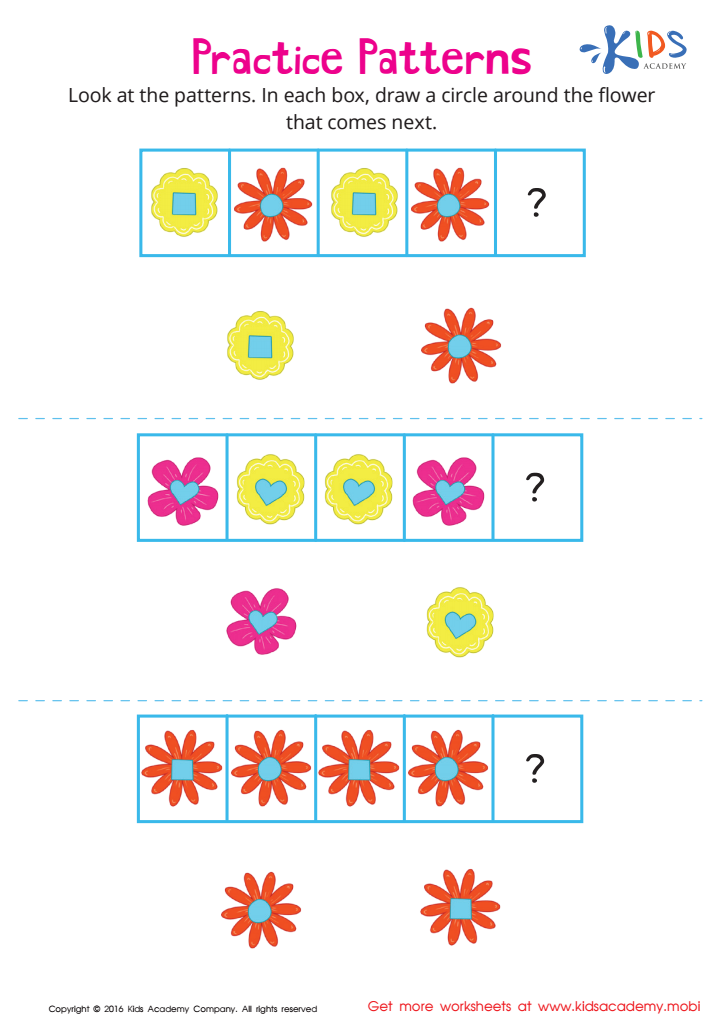
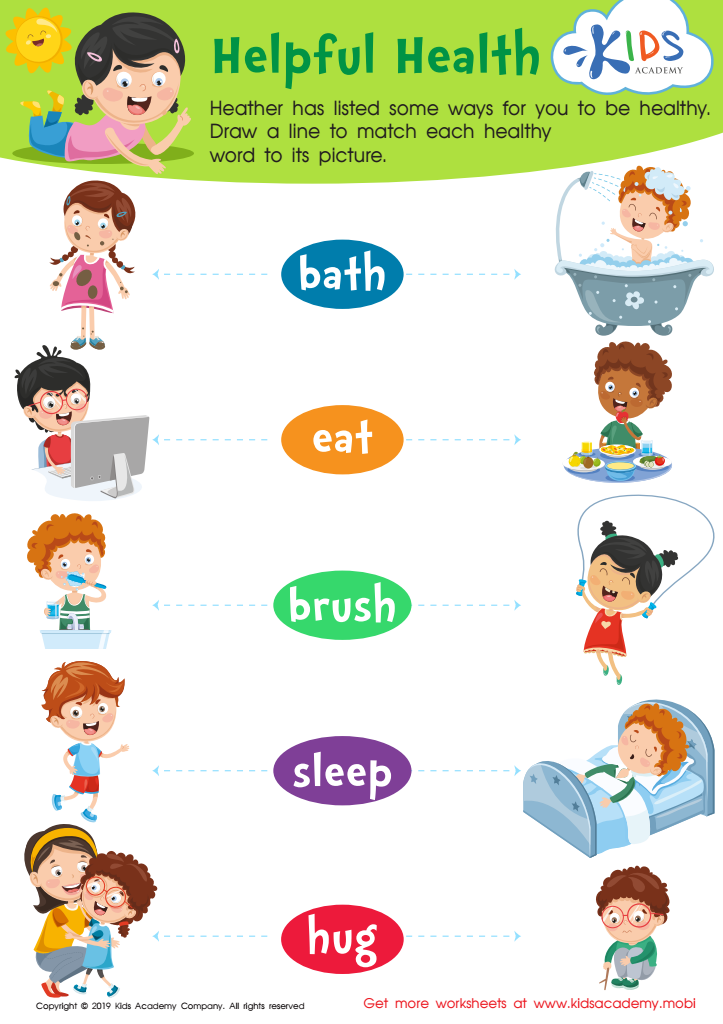
Helpful Health Worksheet
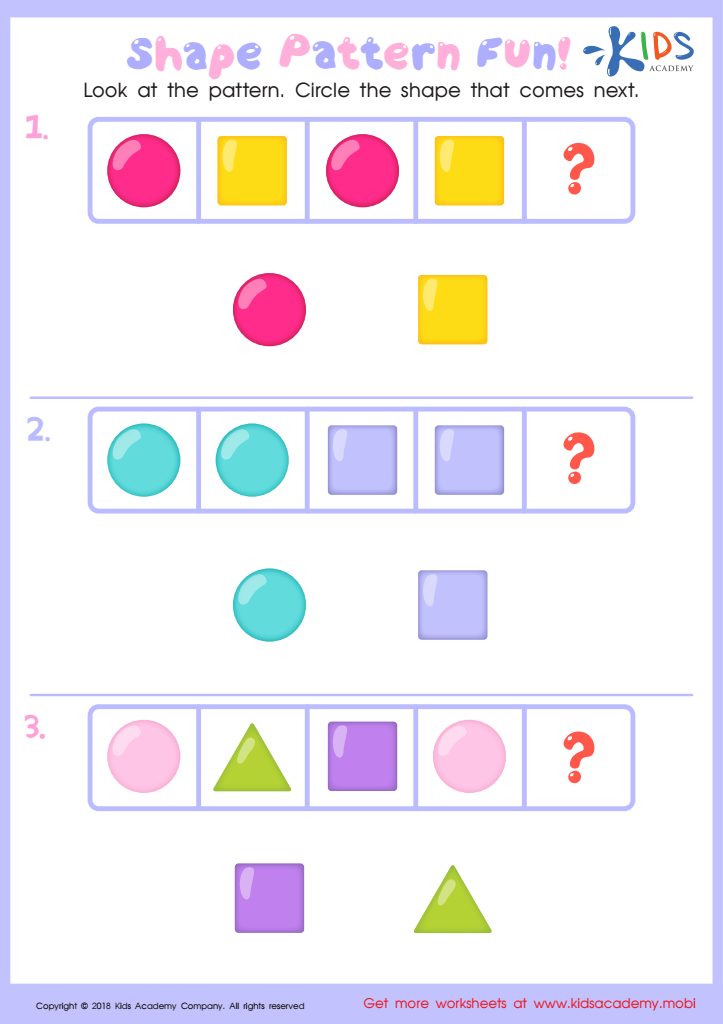
Shape Pattern Fun Worksheet
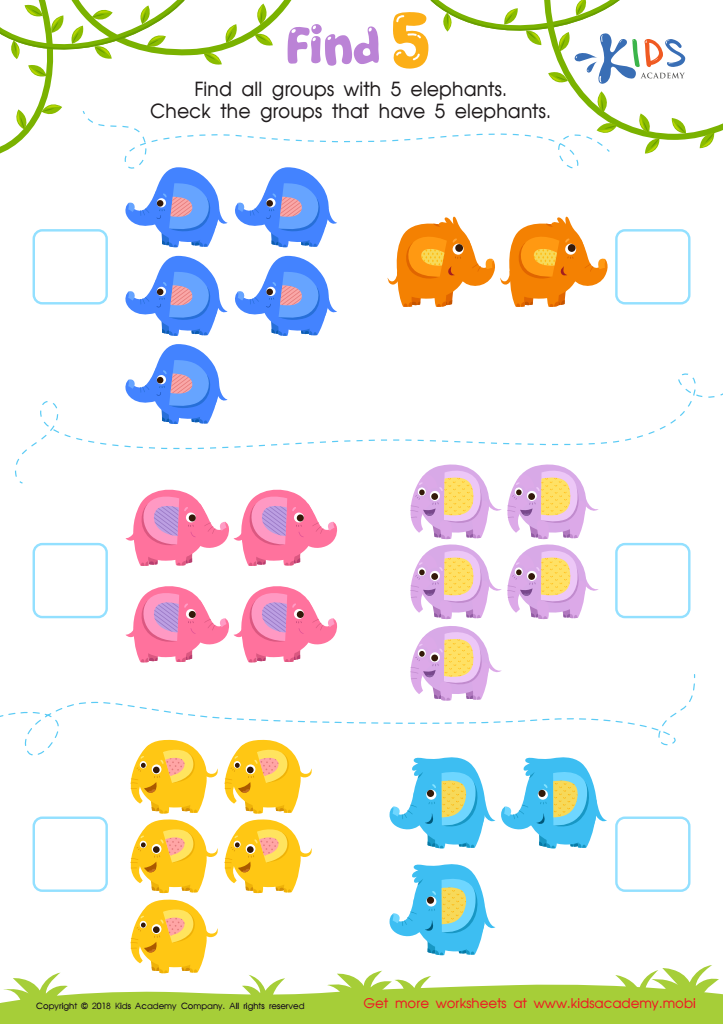
Find 5 Worksheet
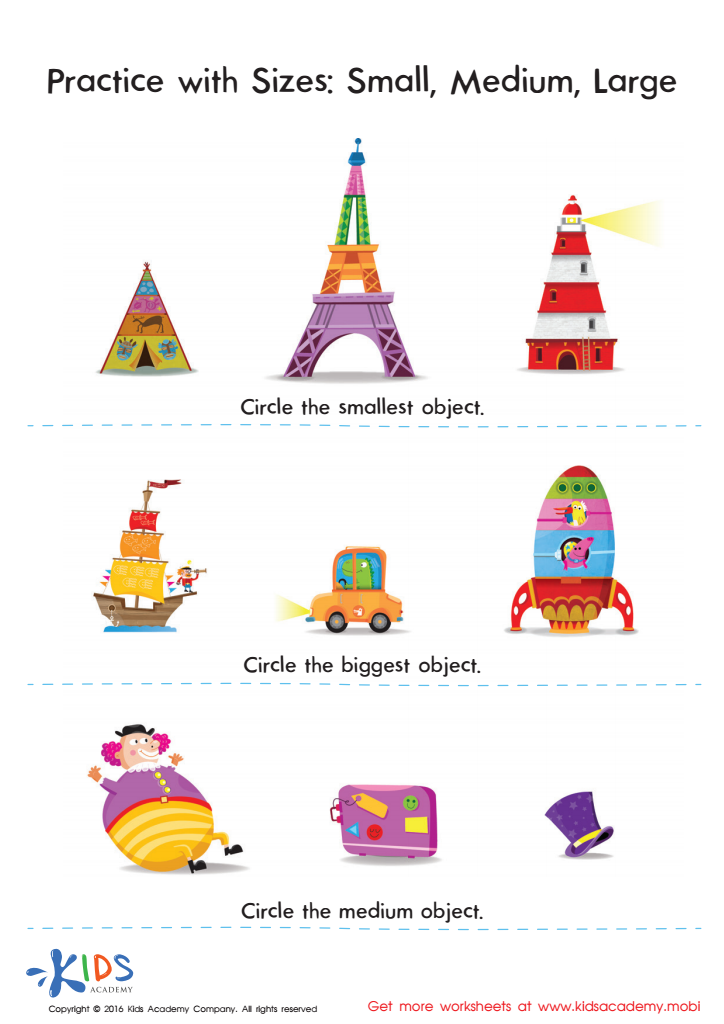



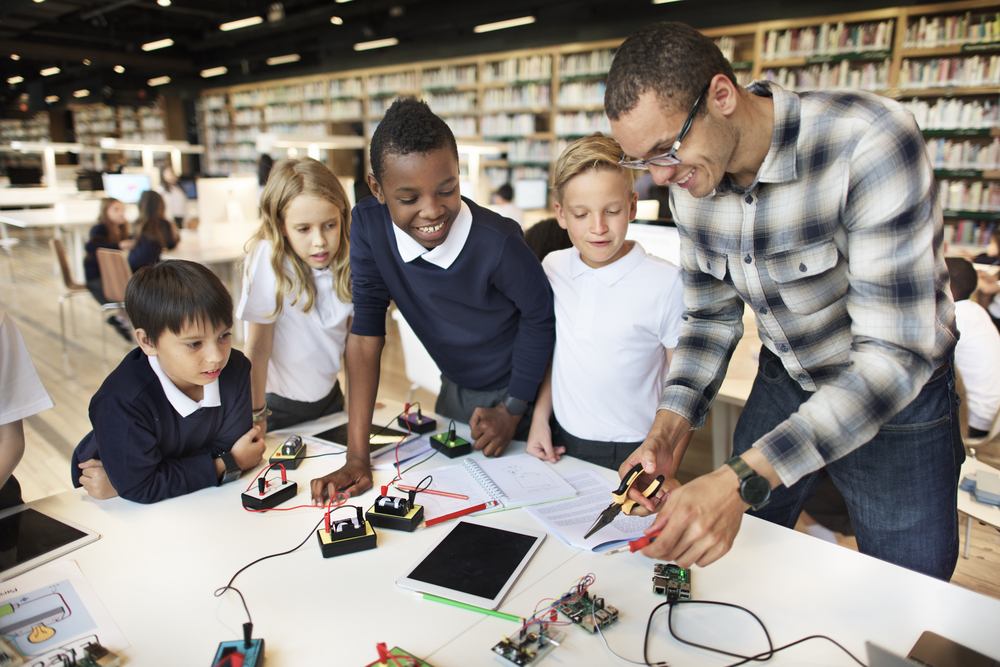


Normal Matching activities are essential for children ages 3-9 as they foster critical cognitive and developmental skills. During this formative period, children are highly receptive to learning and capable of building foundational abilities in recognizing patterns and making connections. These activities enhance memory, attention to detail, and the ability to categorize information, which are pivotal cognitive functions. Engaging in Normal Matching tasks encourages children to analyze similarities and differences, promoting critical thinking and decision-making skills.
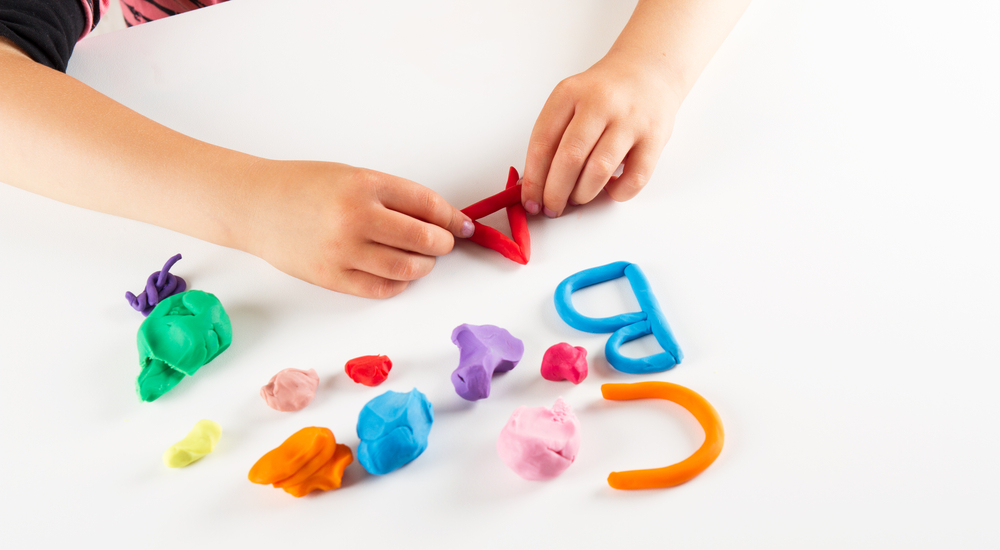
Additionally, these activities support fine motor skills, as children manipulate objects or engage in visual matching exercises. This hands-on approach aids in the development of coordination and dexterity, crucial for later writing and drawing skills. Furthermore, Normal Matching activities provide opportunities for social interaction when conducted in group settings, enhancing communication skills and teamwork.
For parents and teachers, incorporating Normal Matching activities into daily learning can help create a balanced educational environment. Not only do these activities align well with early childhood educational standards, but they also make learning fun, motivating children to explore and engage with their surroundings. In essence, these activities cultivate lifelong learning habits and foster confidence, leading to success in future academic endeavors.








