Numbers up to 100 Worksheets for Ages 3-6 - Page 2
51 filtered results
-
From - To
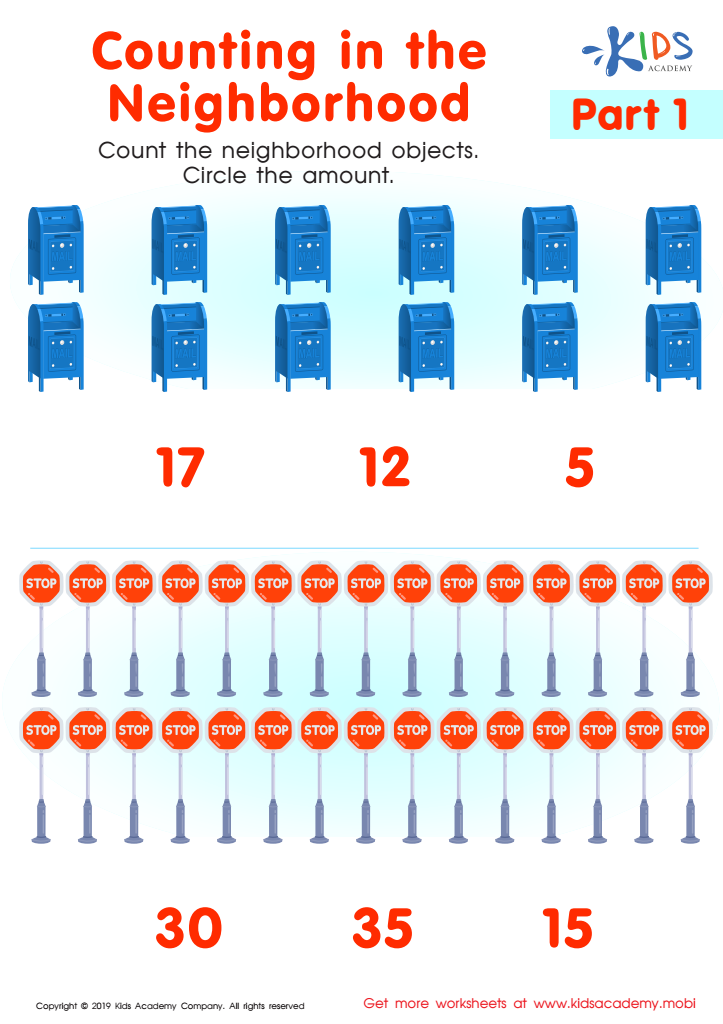
Counting in the Neighborhood Part1 Worksheet
 Assign to My Students
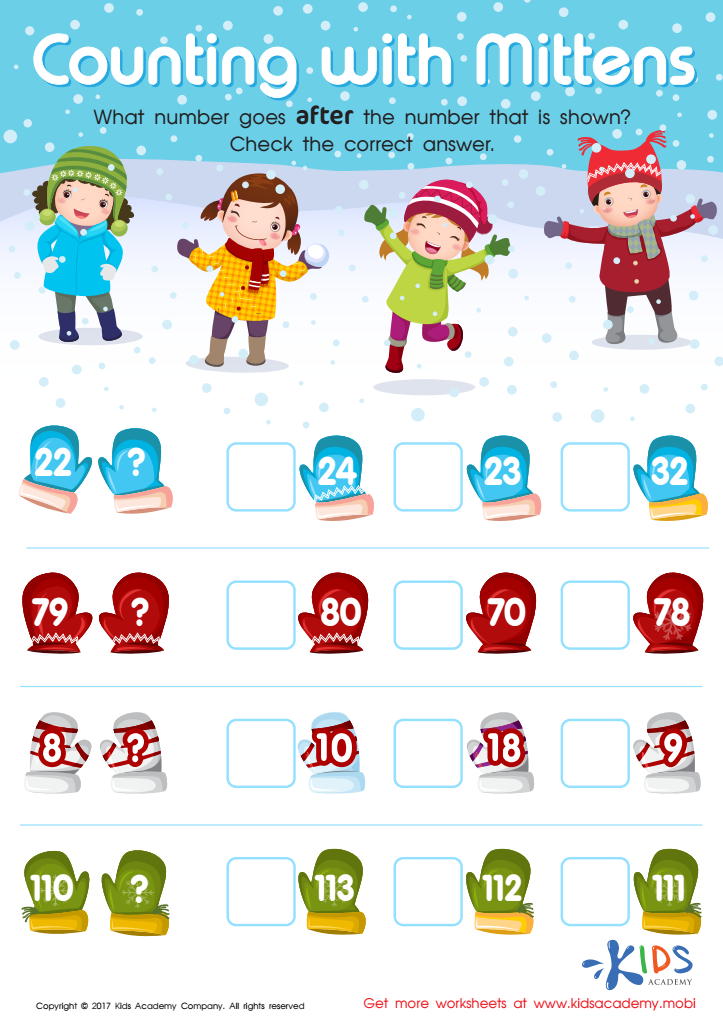
Counting with Mittens Worksheet
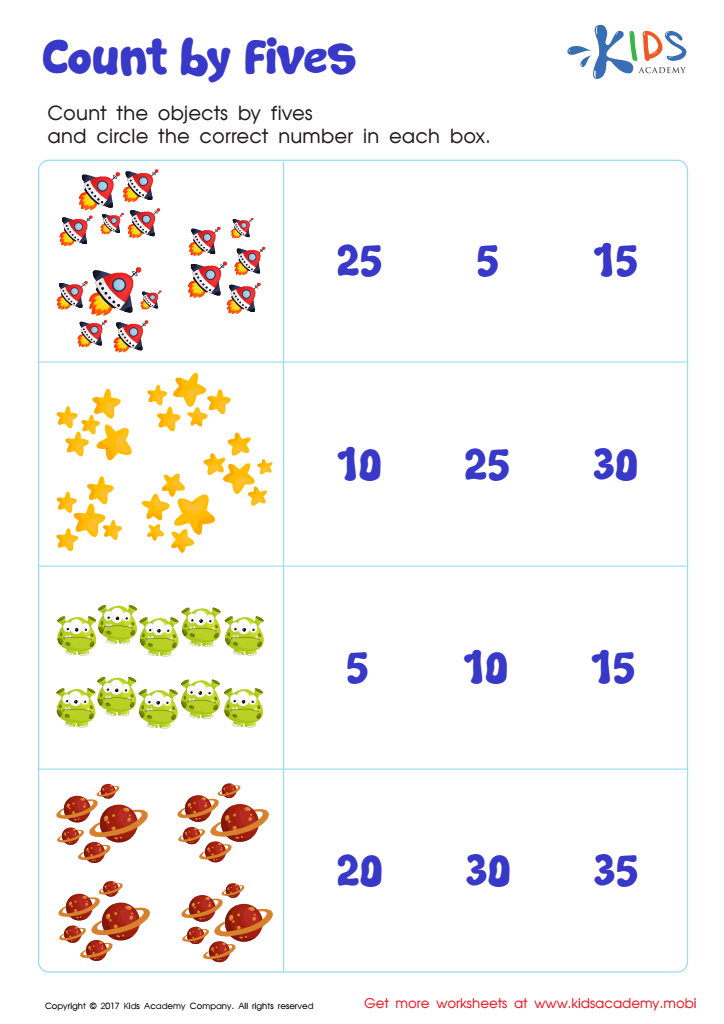
Skip Counting by 5s: Space Math Printable
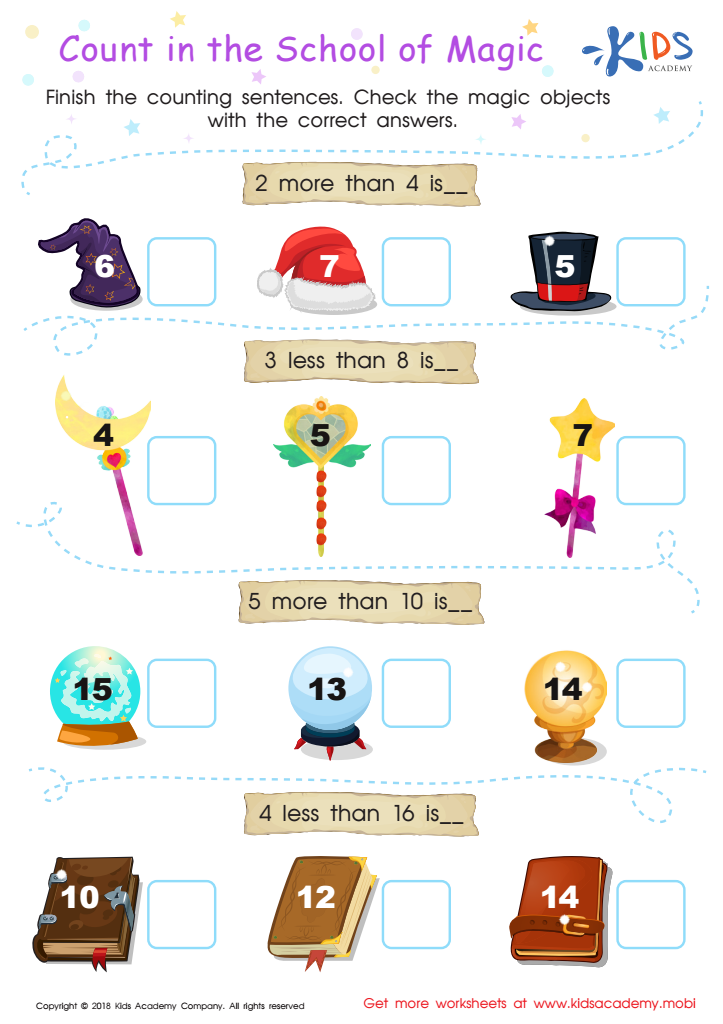
Count in the School of Magic Worksheet
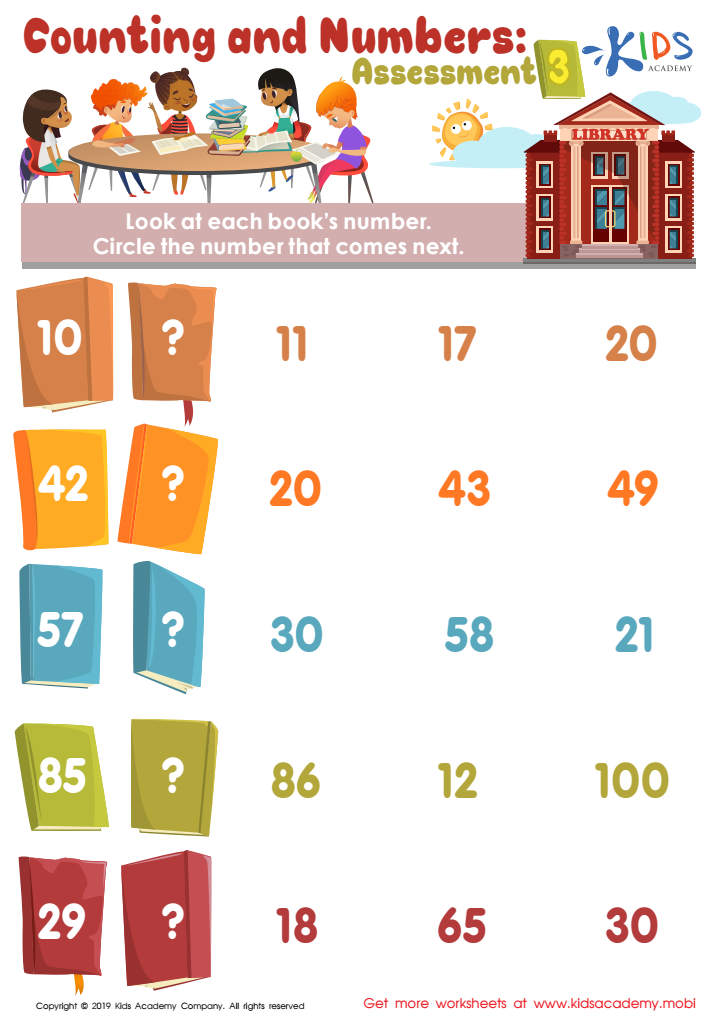
Counting and Numbers: Assessment Worksheet
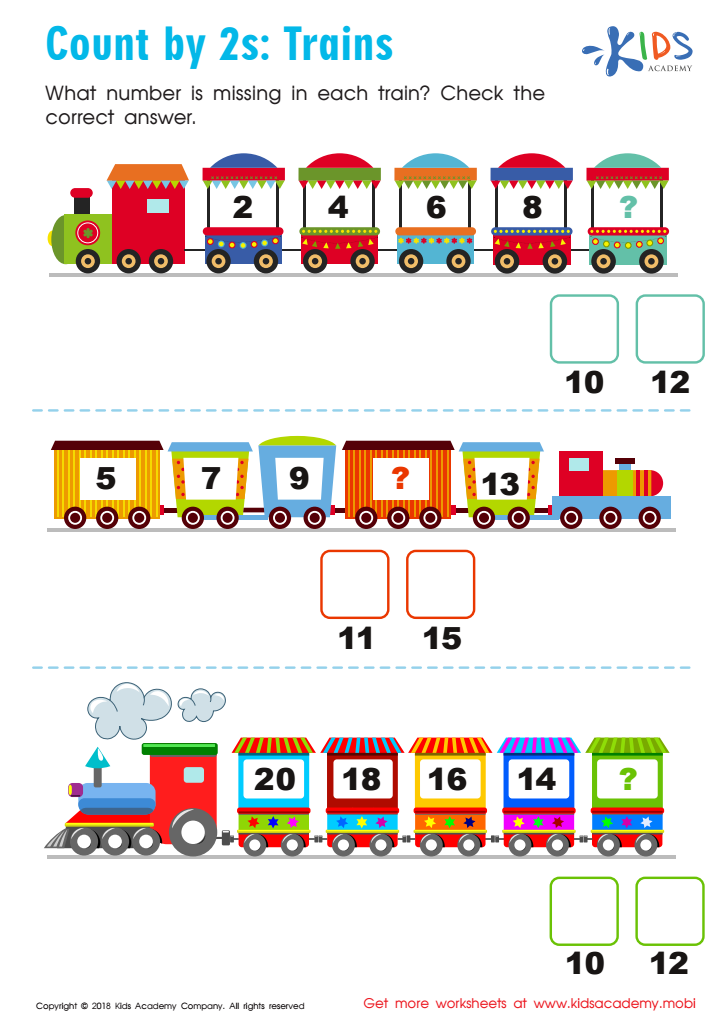
Count by 2's: Trains Worksheet
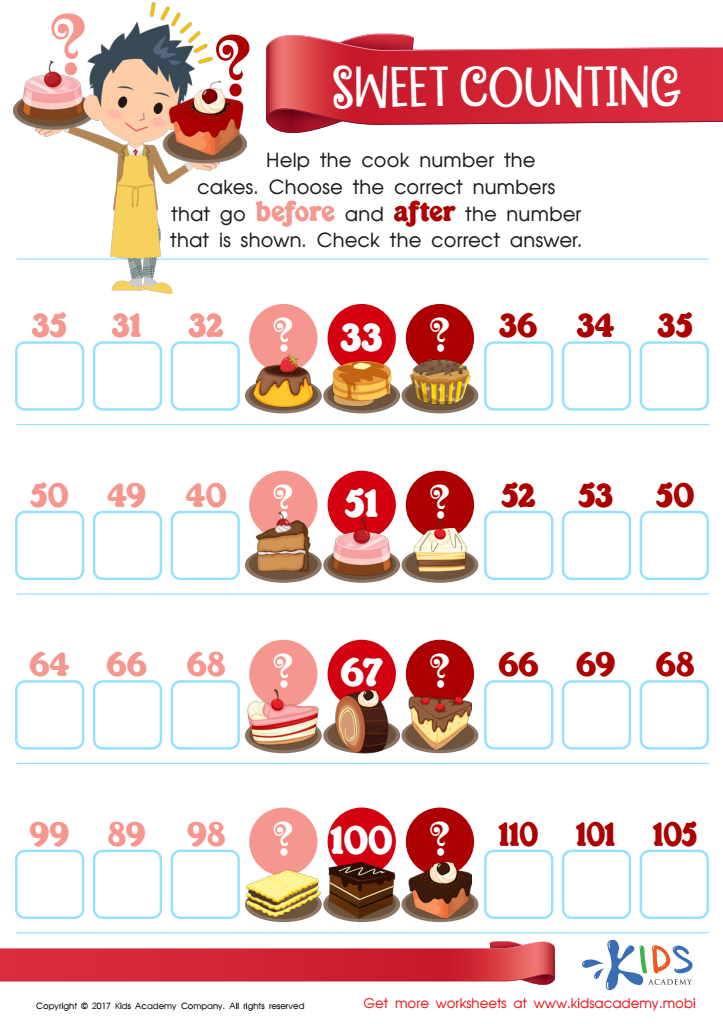
Sweet Counting - Part 1 Worksheet
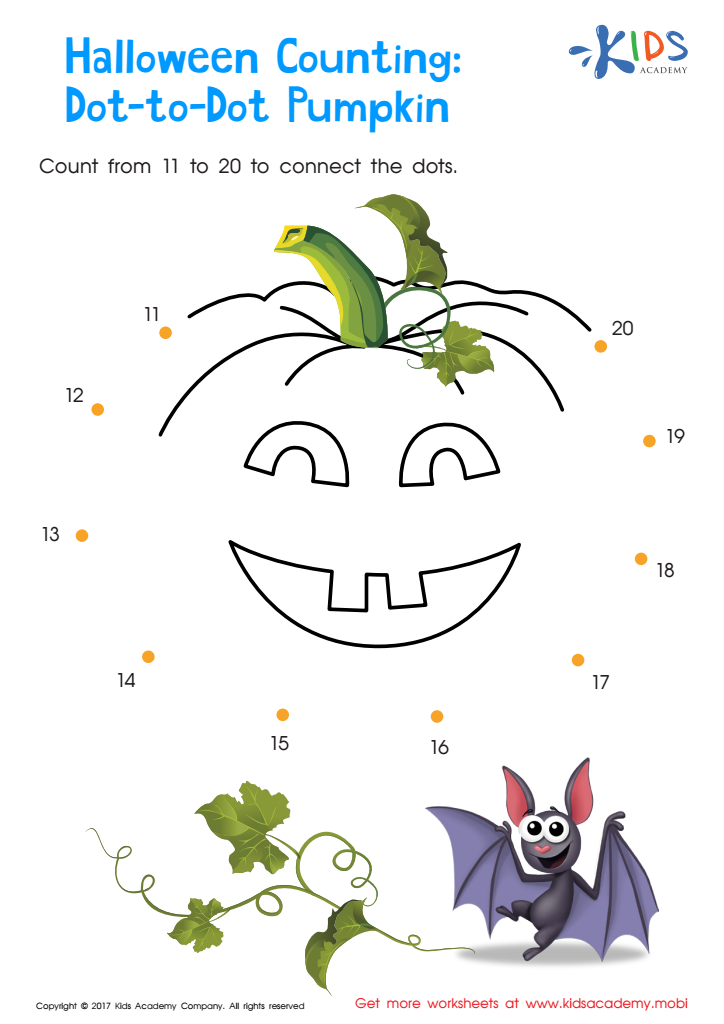
Ordering 11–20: Halloween Counting Worksheet
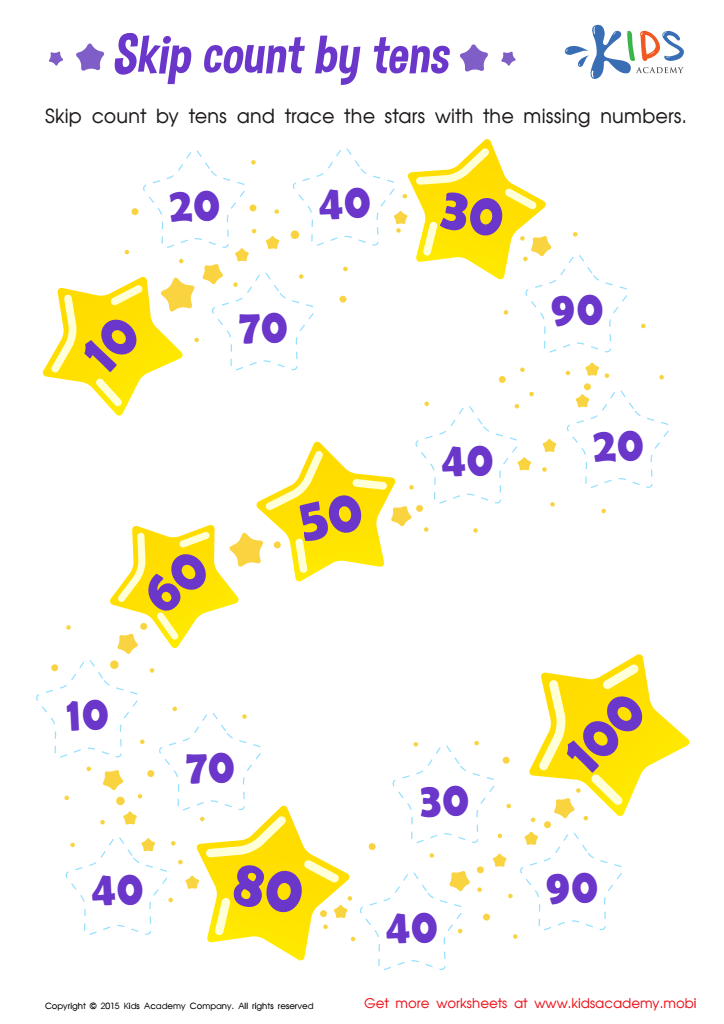
Learn dozens: Skip Count by Tens Printable
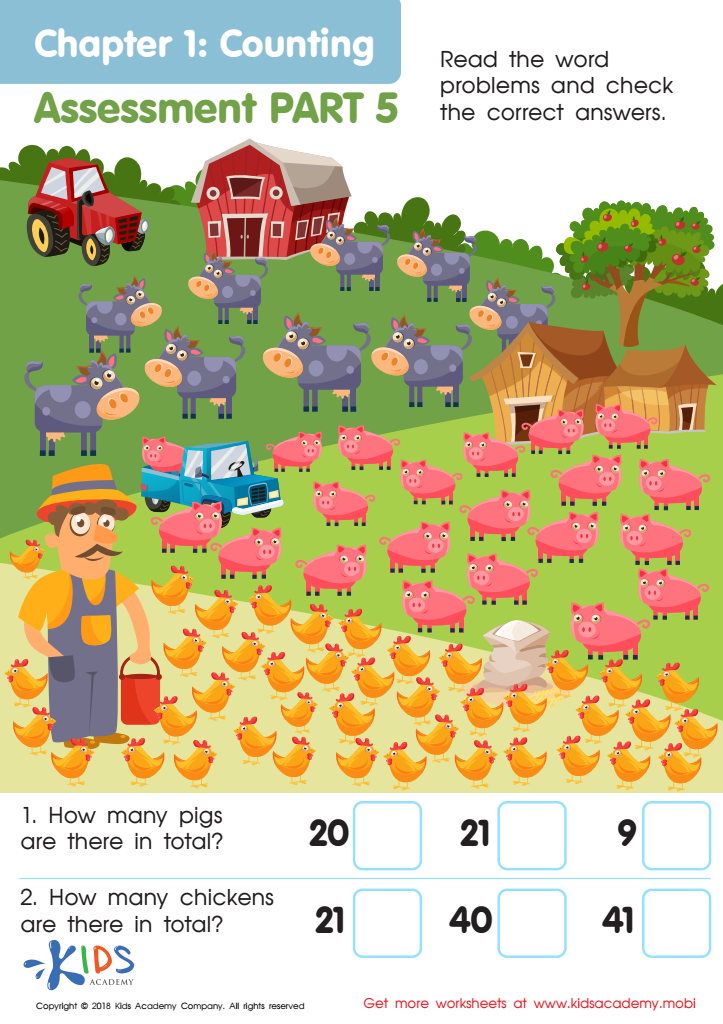
Counting: Assessment 5 Worksheet
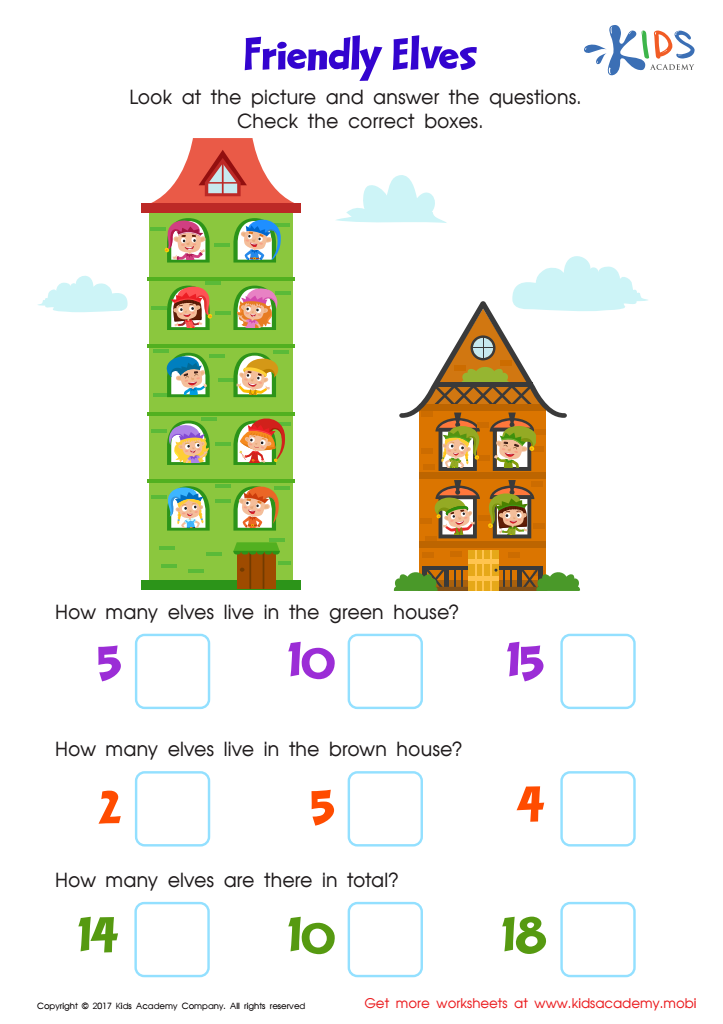
Place Value: Friendly Elves Worksheet
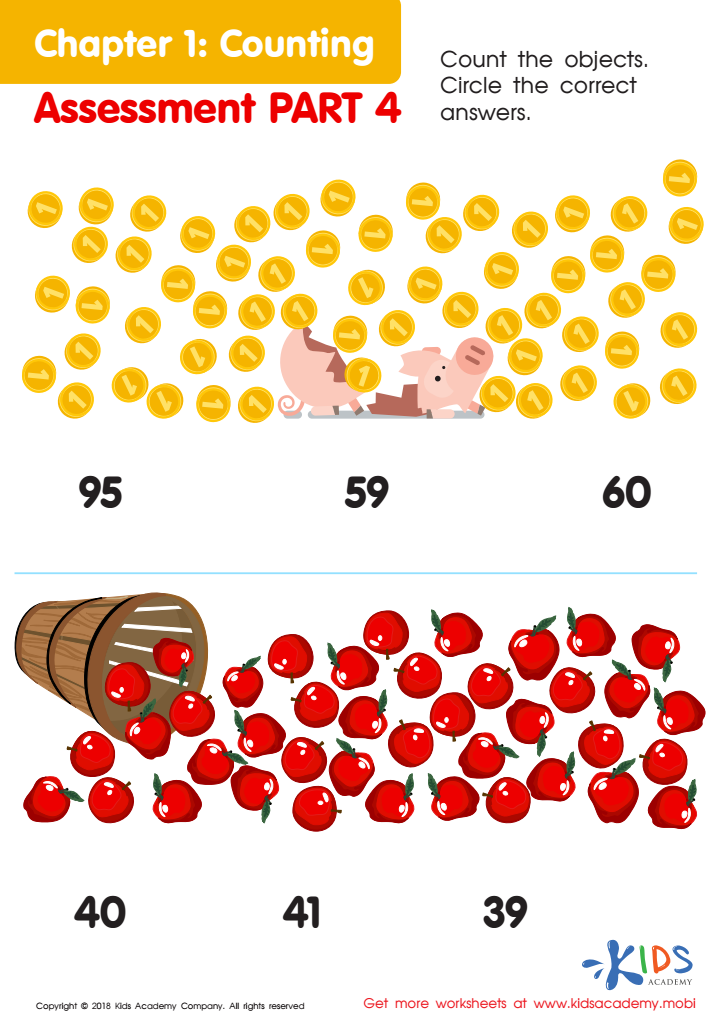
Counting: Assessment 4 Worksheet
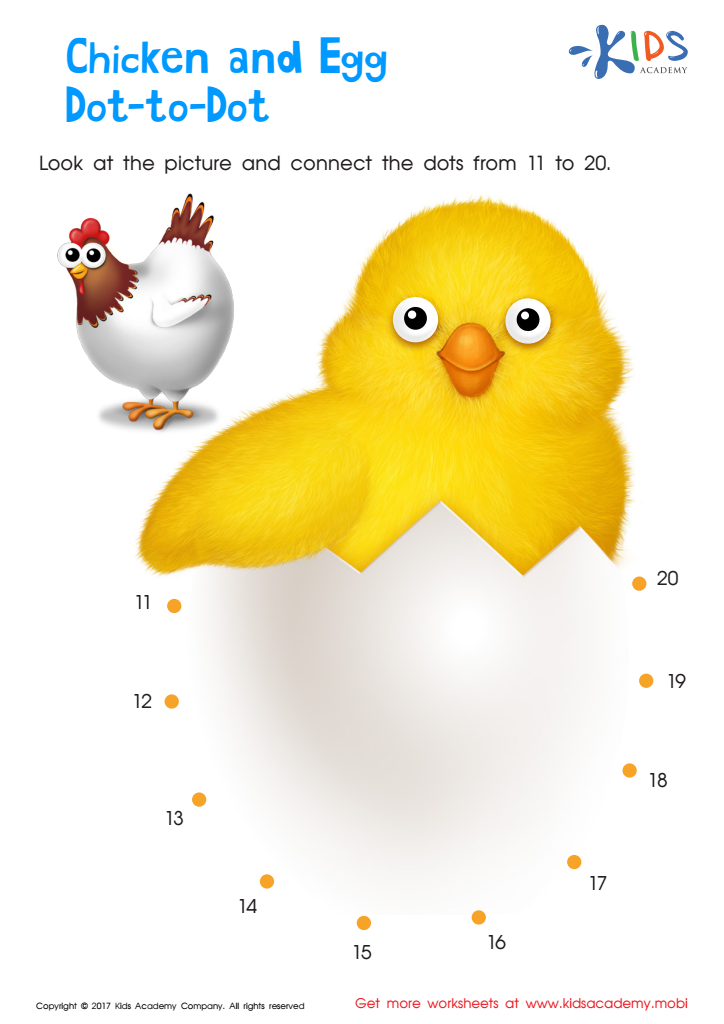
Ordering 11–20: Chicken & Egg Dot–to–dot Worksheet
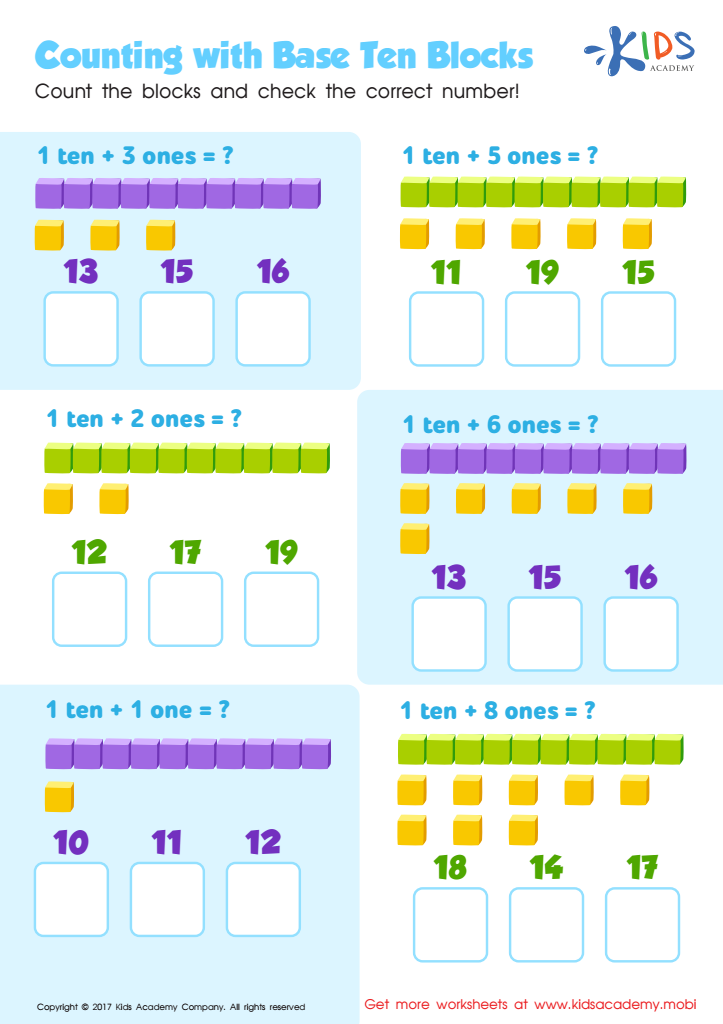
Counting with Base Ten Blocks Worksheet
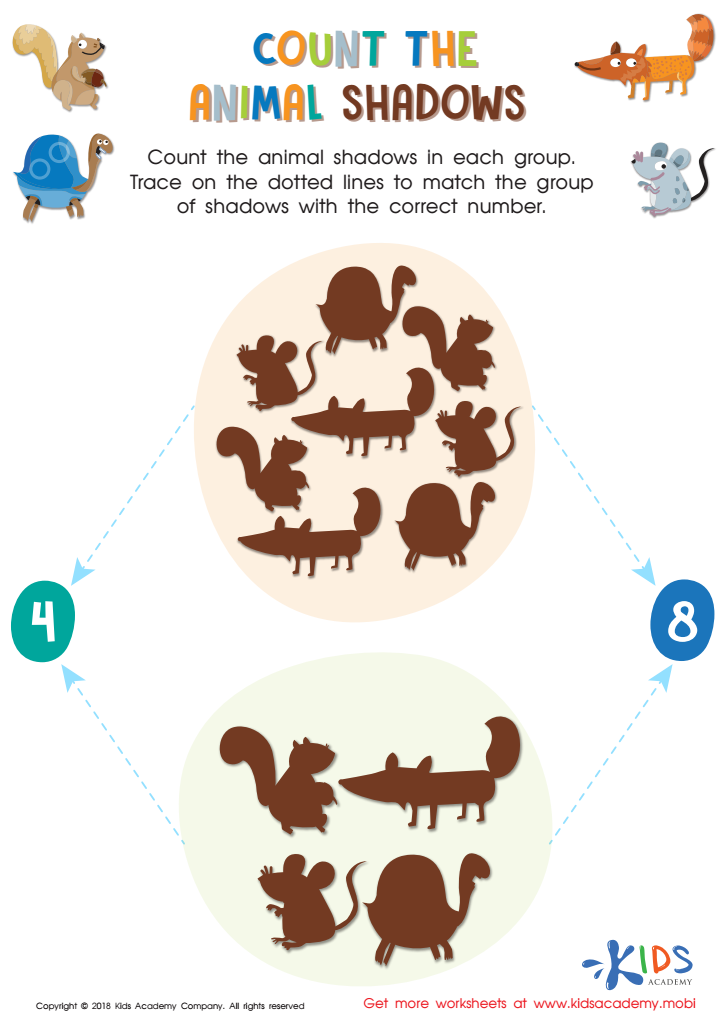
Count the Animal Shadows Worksheet
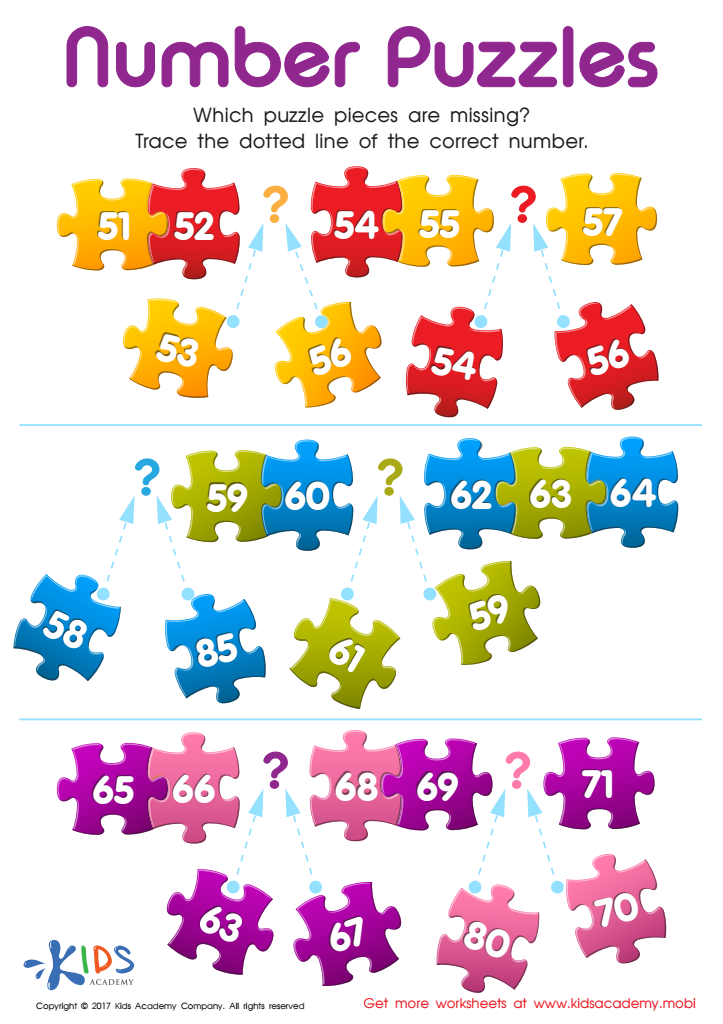
Number Puzzles Worksheet
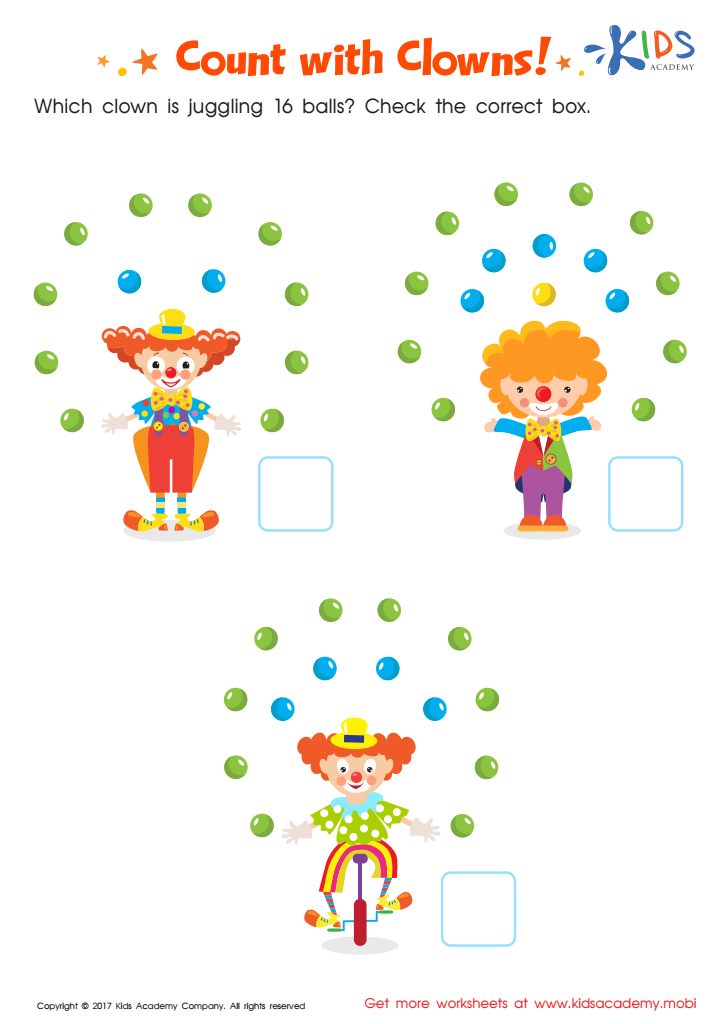
Count with Clowns Worksheet
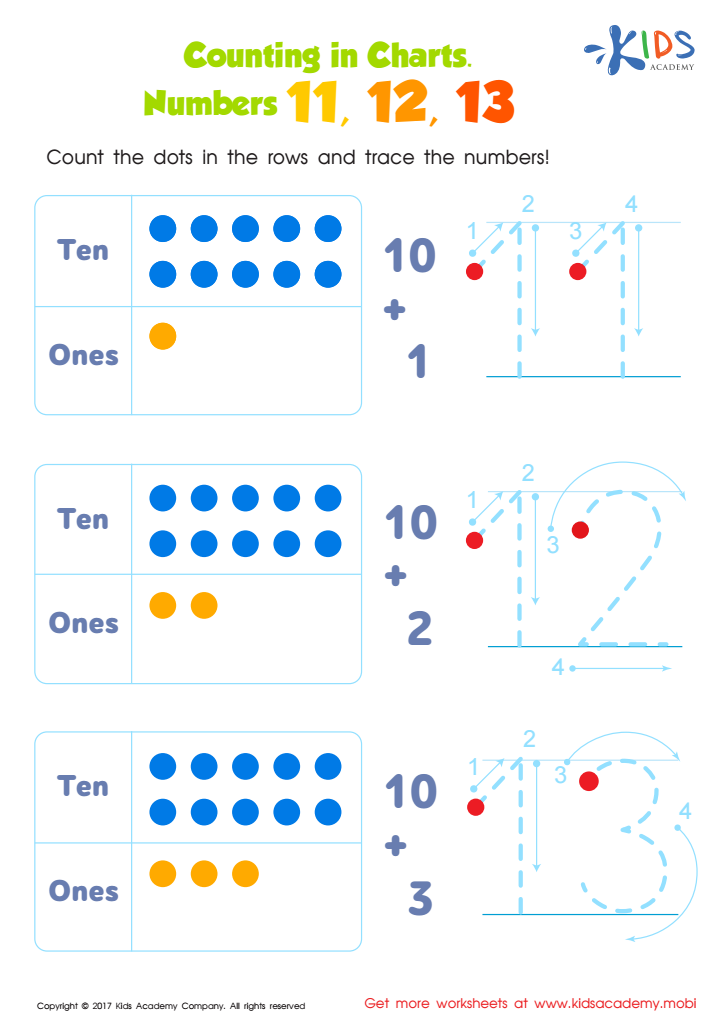
Number Tracing Worksheet For Kindergarten
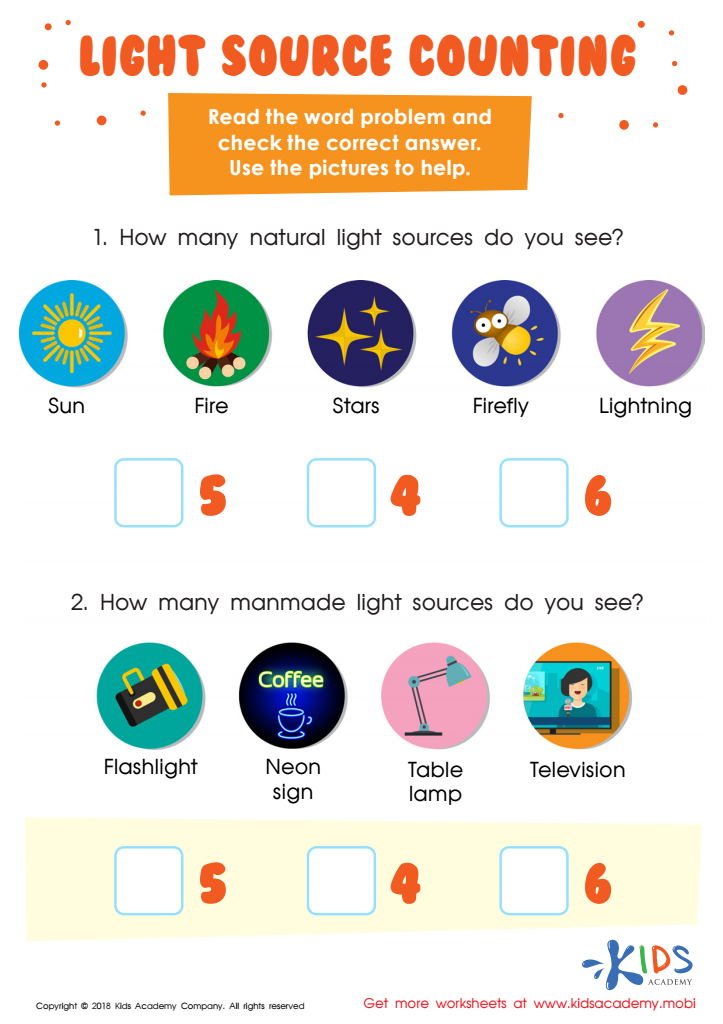
Light Source Counting Worksheet
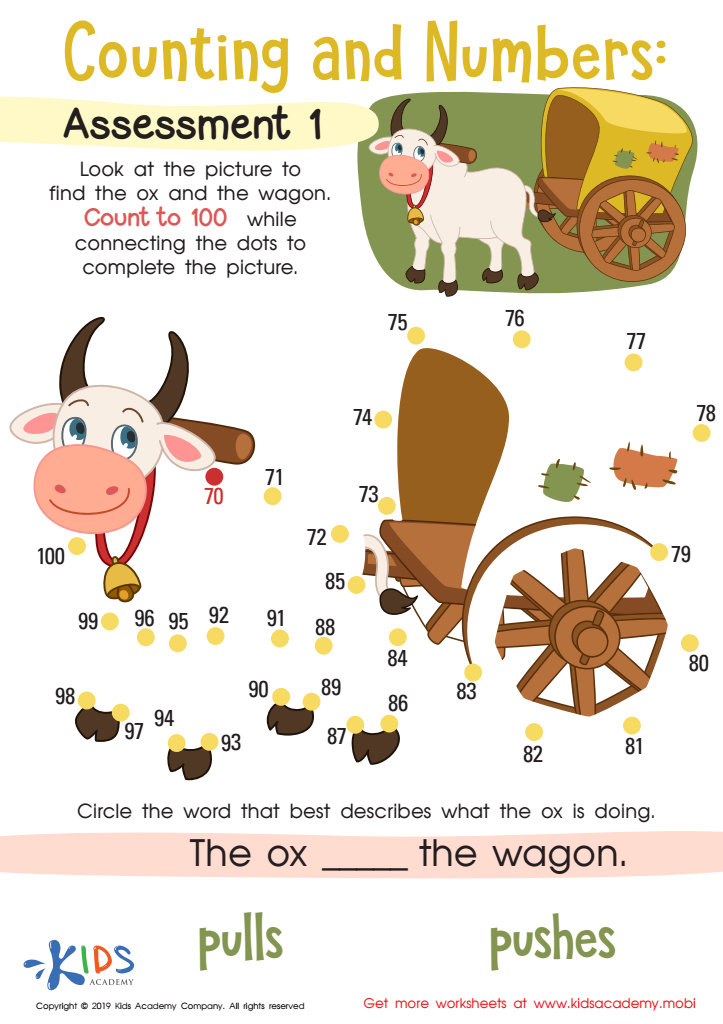
Counting and Numbers: Assessment 1 Worksheet
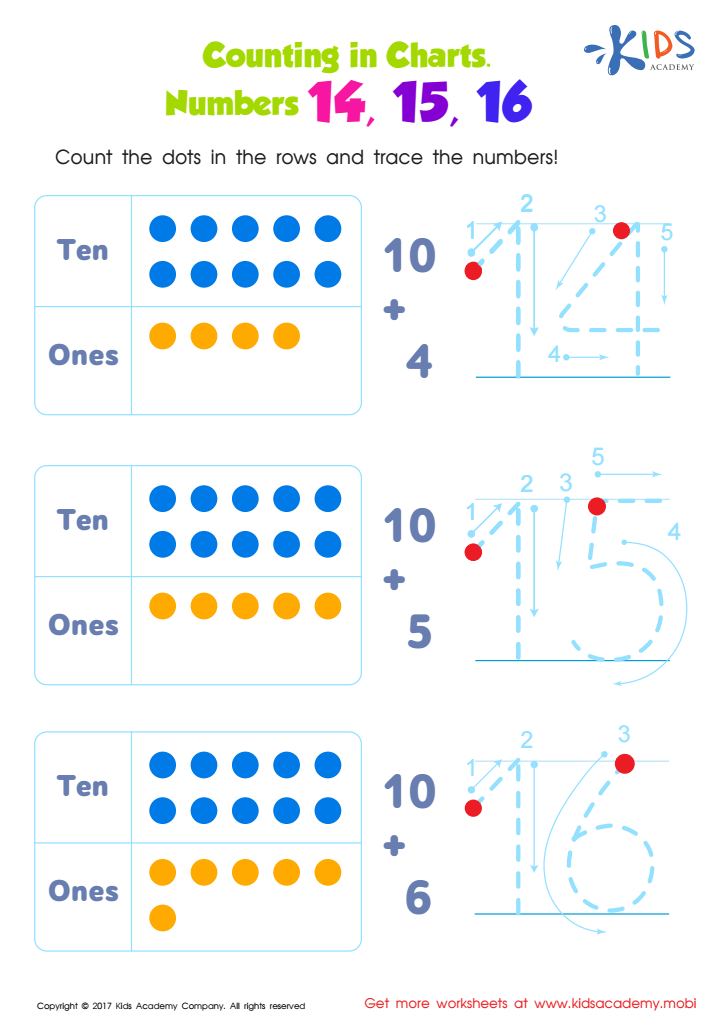
Number Tracing Worksheet
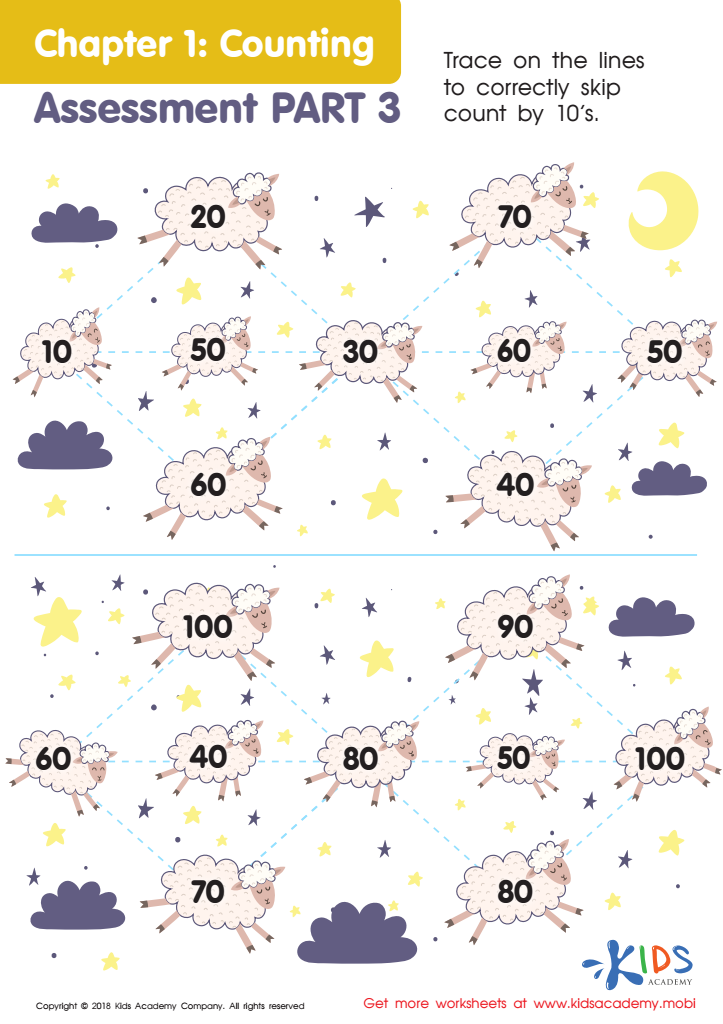
Counting: Assessment 3 Worksheet
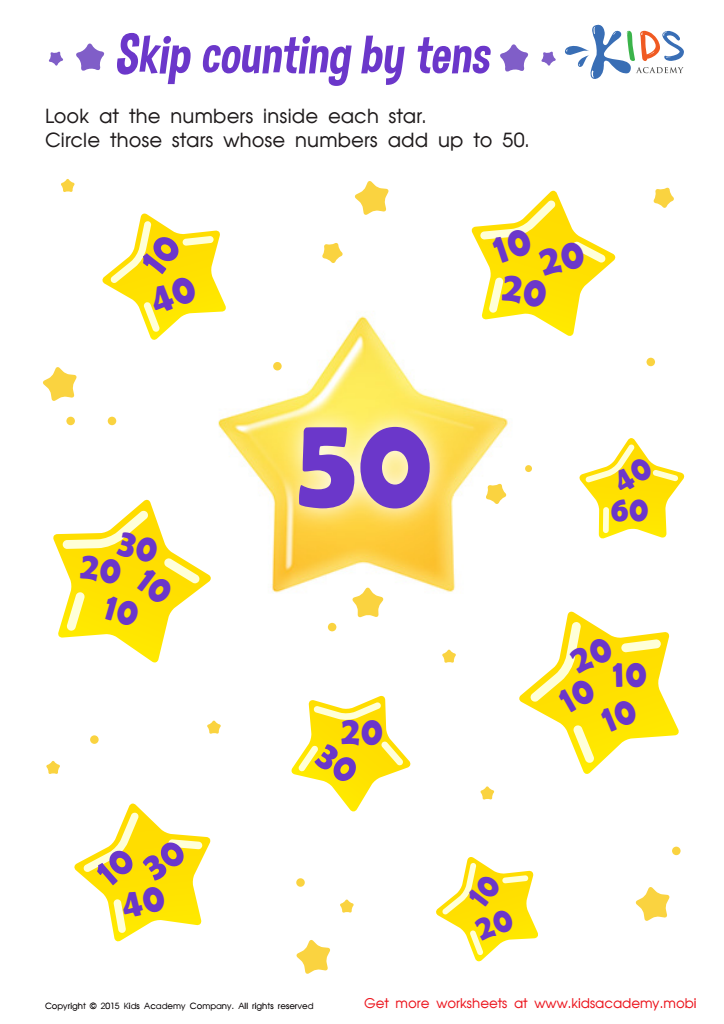
Learn Dozens: Skip Counting by Tens Printable
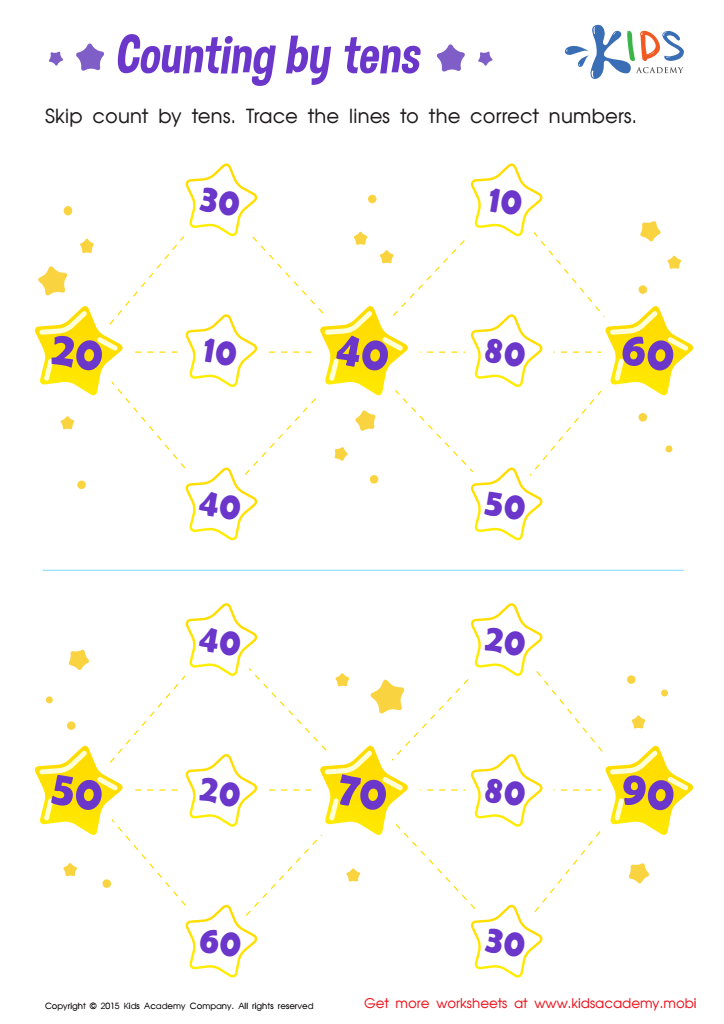
Learn Dozens: Counting by Tens Printable



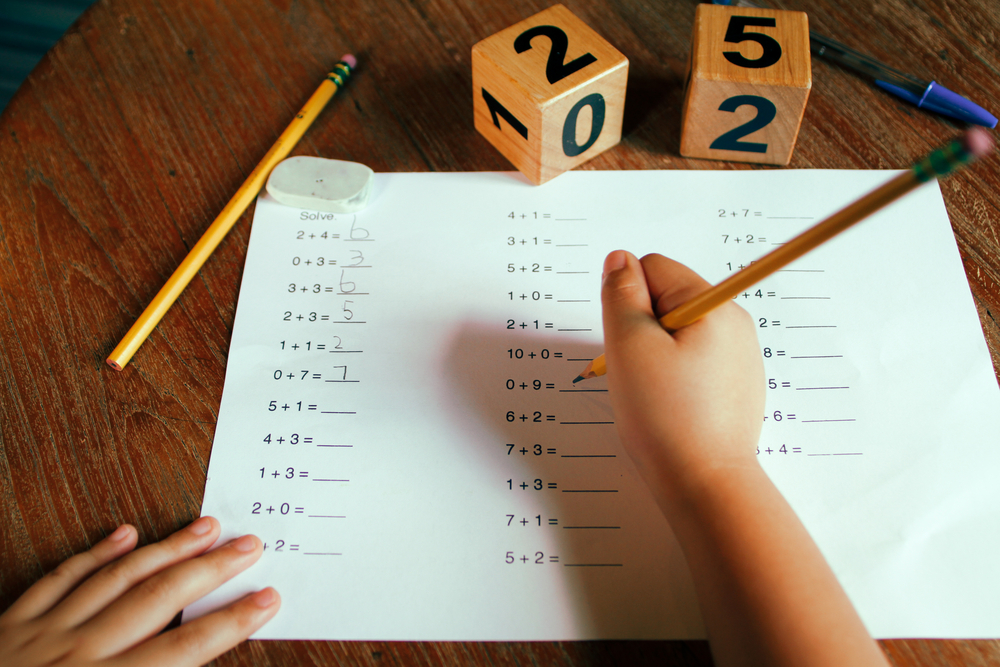




Parents and teachers should prioritize teaching numbers up to 100 for children ages 3-6, as this foundational knowledge is crucial for overall cognitive development and future academic success. During this stage, children are naturally curious and eager to explore their environment, making it an ideal time to introduce numerical concepts. Mastery of numbers up to 100 helps children develop critical skills in counting, basic addition and subtraction, and number recognition.
Understanding numbers lays the groundwork for more complex mathematical concepts they will encounter later in school. Additionally, engaging with numbers boosts children's problem-solving skills and logical thinking, as they learn to group, compare, and categorize quantities. It also encourages fine motor skills through activities such as writing numbers or playing with manipulatives.
Furthermore, implementing numbers into everyday routines fosters practical learning. For instance, counting objects during playtime or using numbers during shopping helps children understand real-world applications. This early exposure enhances their confidence and allows them to find joy in learning math.
Ultimately, laying a solid foundation in numeracy not only prepares children for school but also equips them with essential skills for life, helping them engage with the world in a more informed and organized manner.








