Science Worksheets for Ages 3-7 - Page 13
308 filtered results
-
From - To
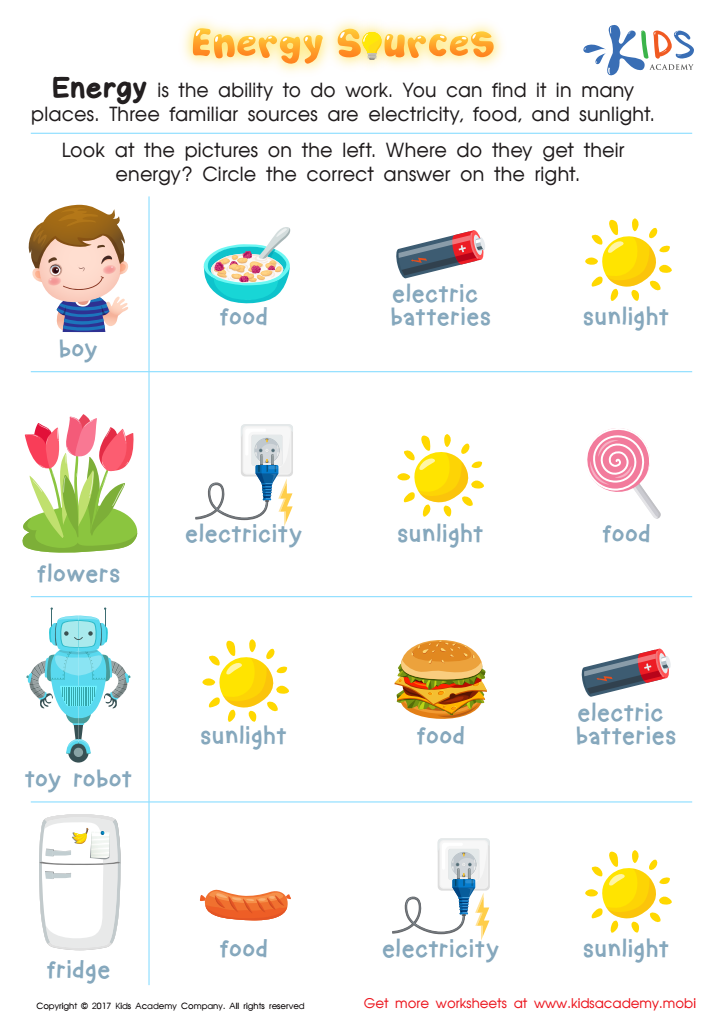
Energy Sources Printable
 Assign to My Students
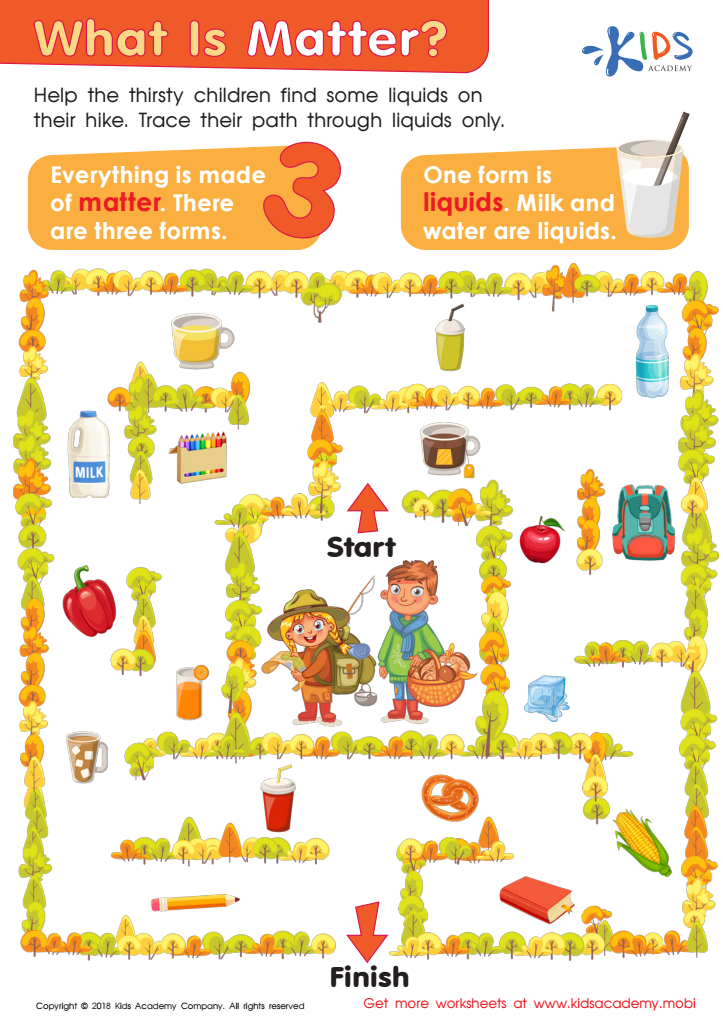
What Is Matter? Worksheet
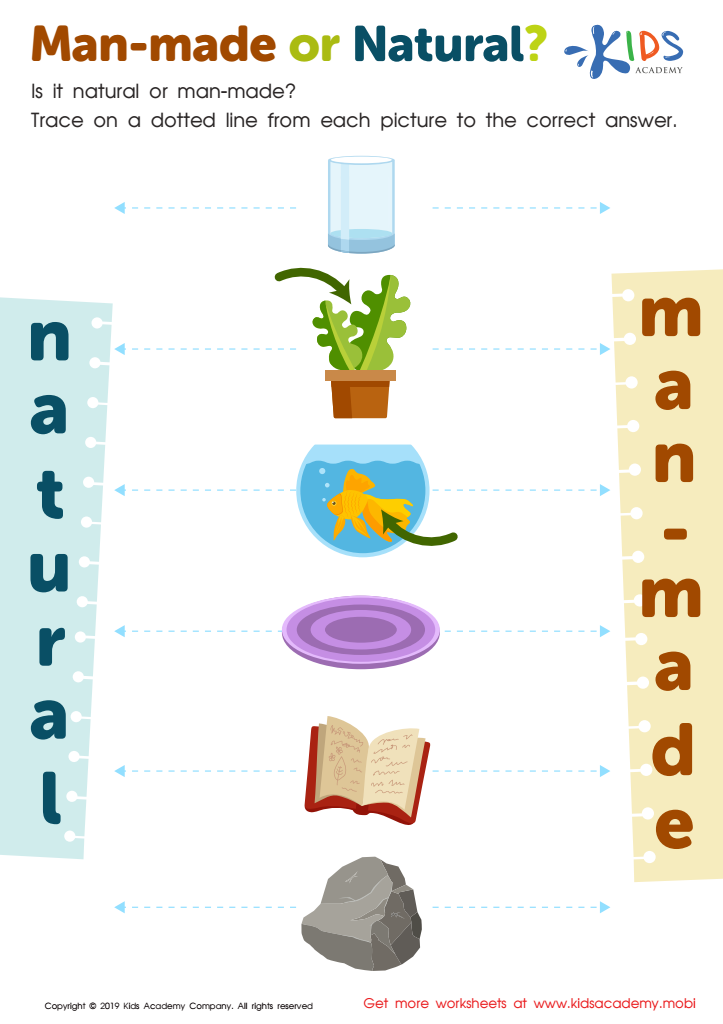
Man-Made or Natural? Worksheet
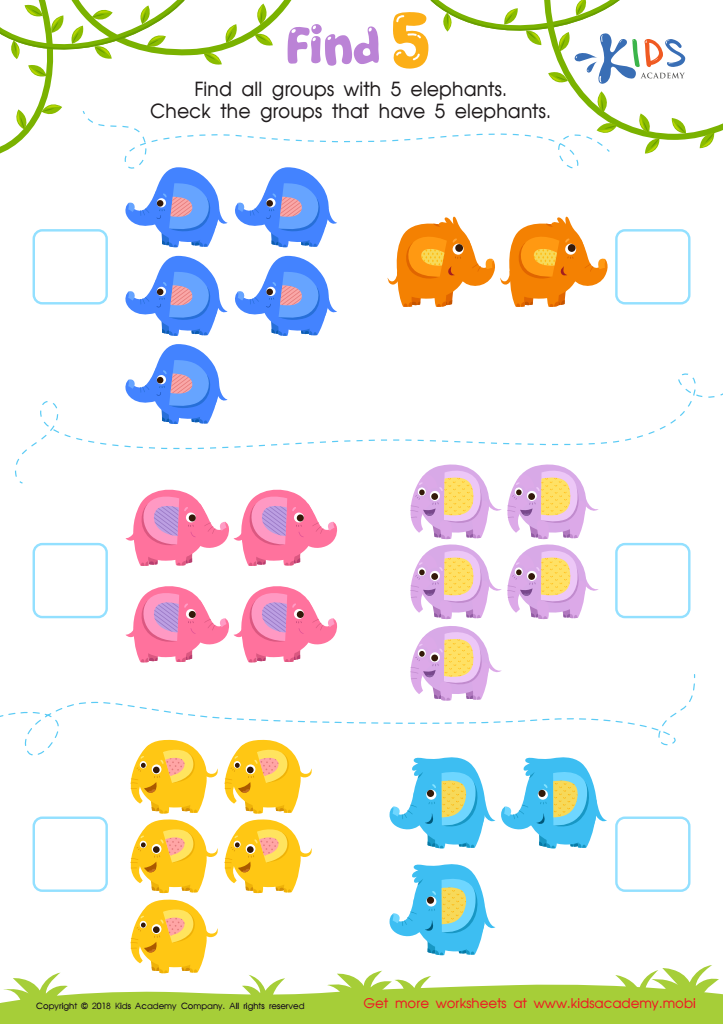
Find 5 Worksheet
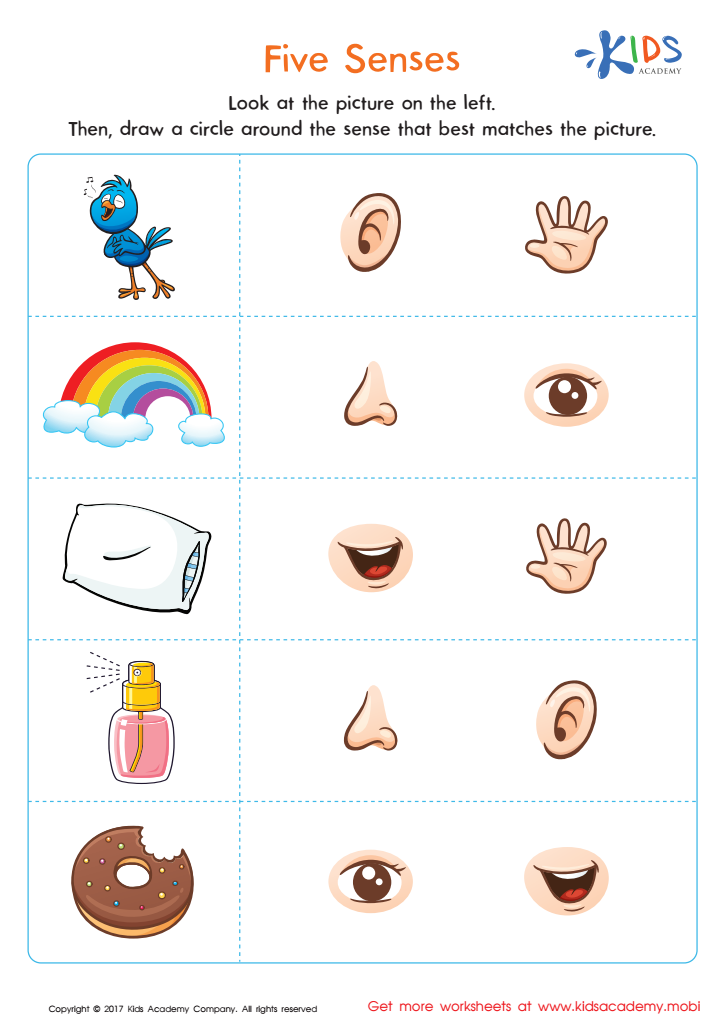
Five Senses Printable
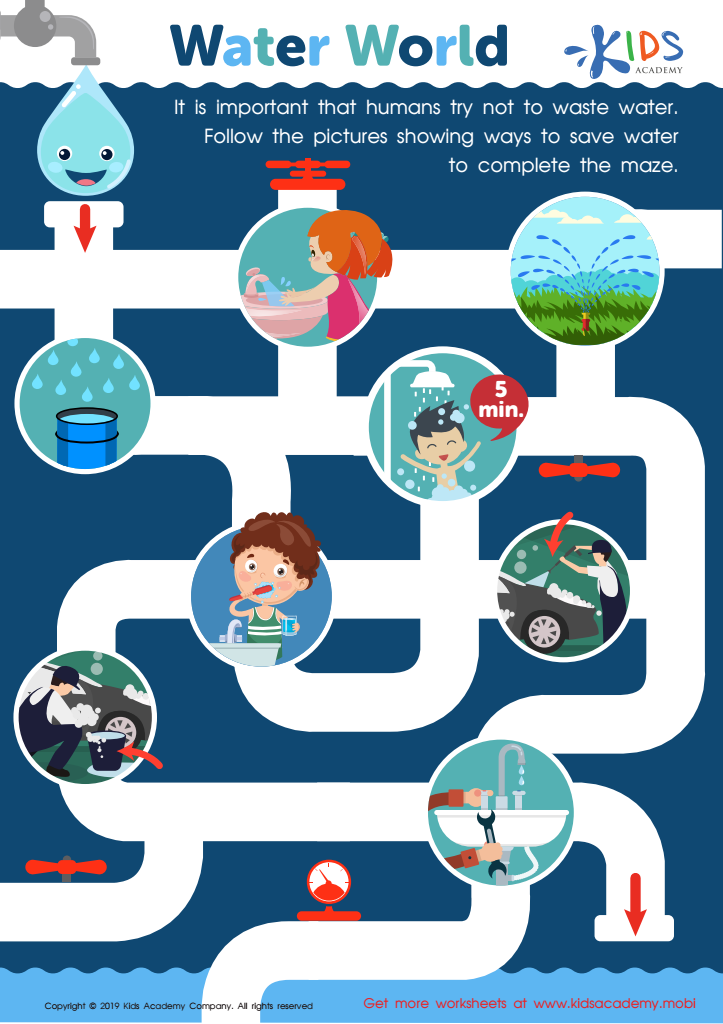
Water World Worksheet
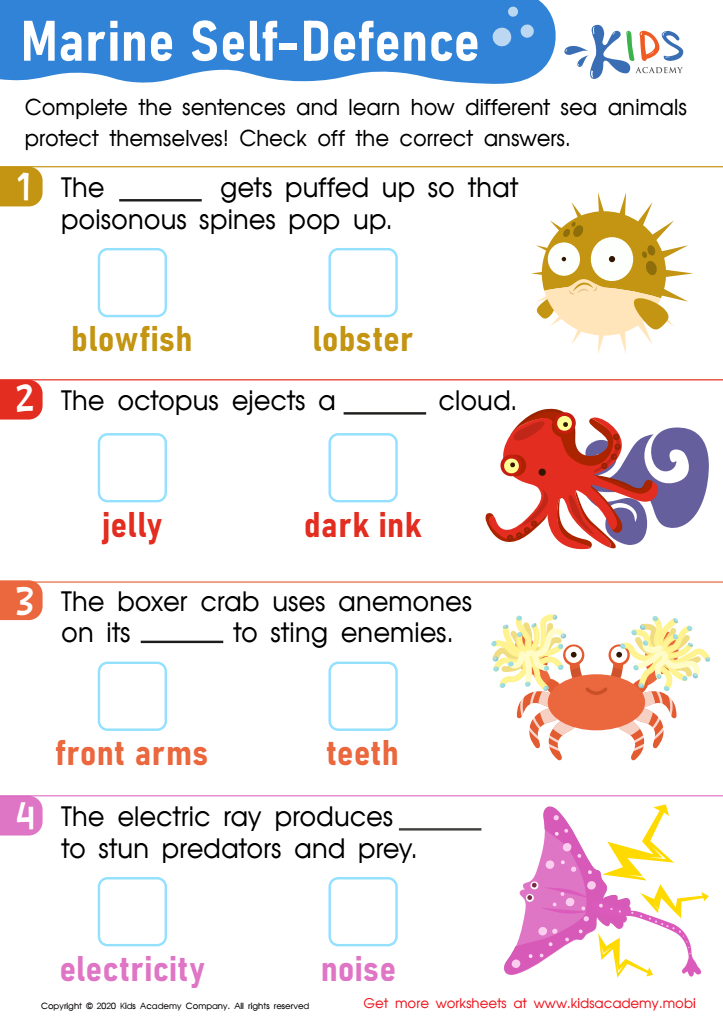
Marine Self-Defence Worksheet
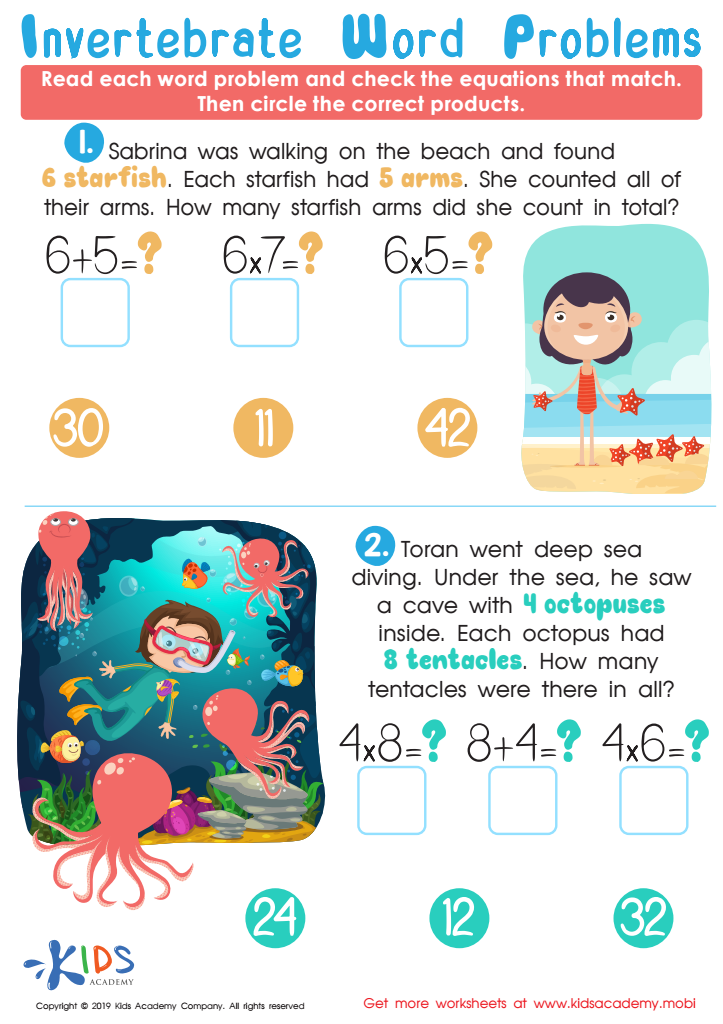
Invertebrate Problems Worksheet
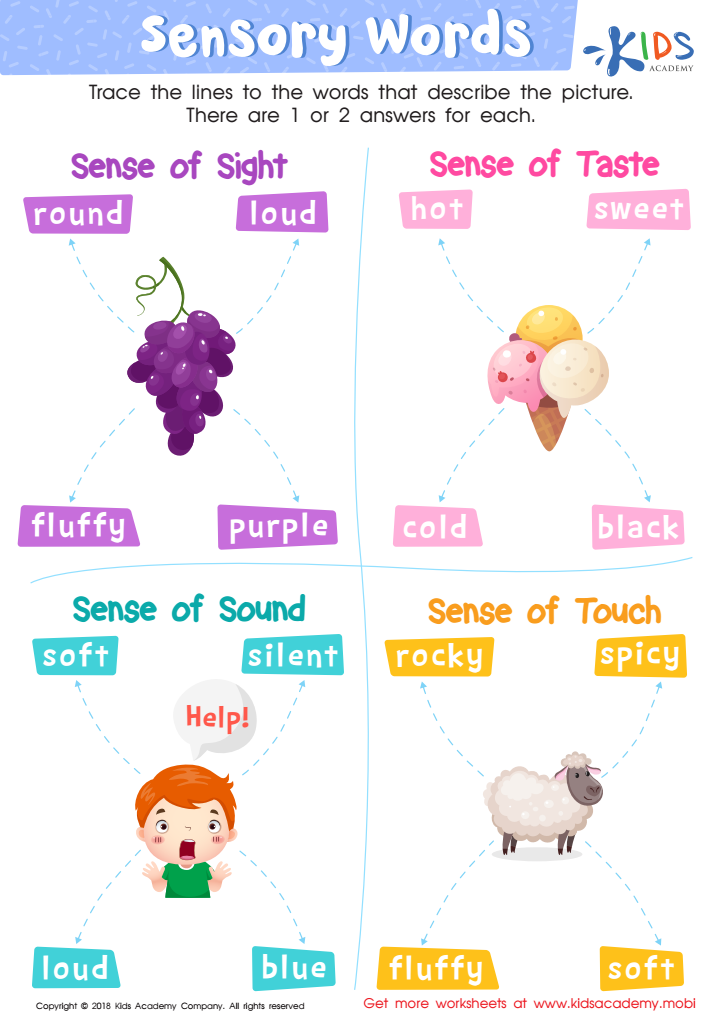
Sensory Words Worksheet
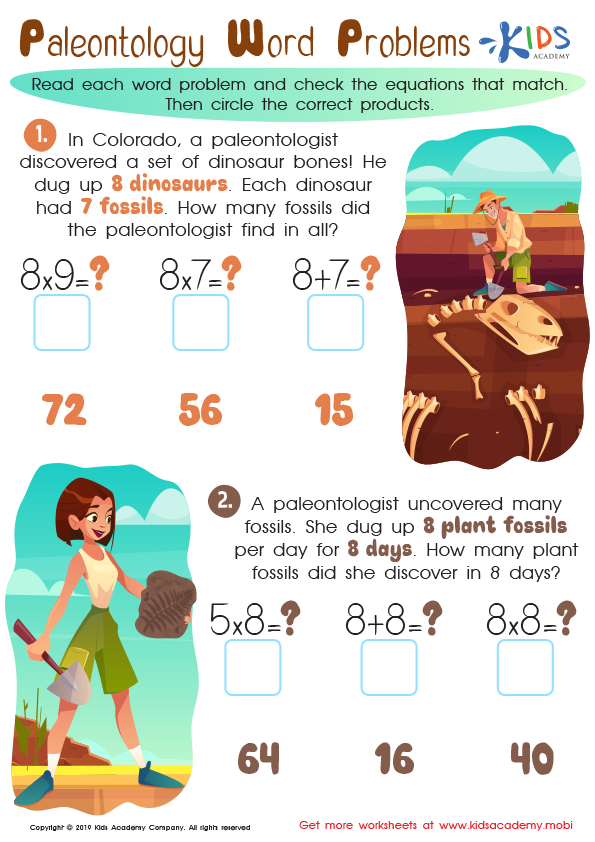
Archeology Word Problems Worksheet
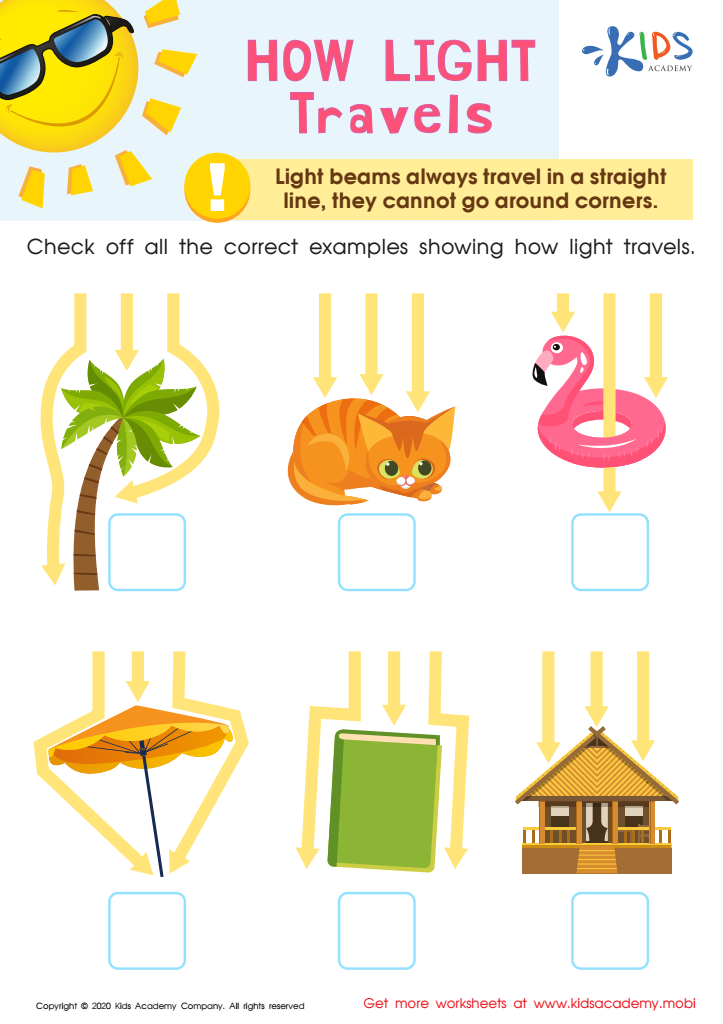
How Light Travels Worksheet
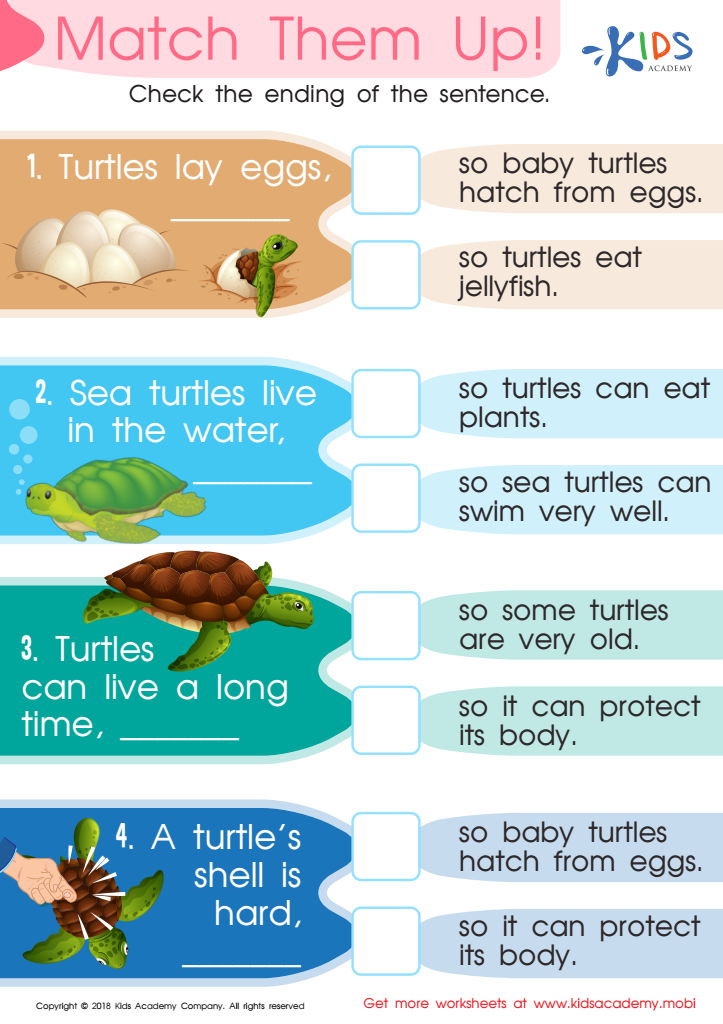
Match Them Up Worksheet
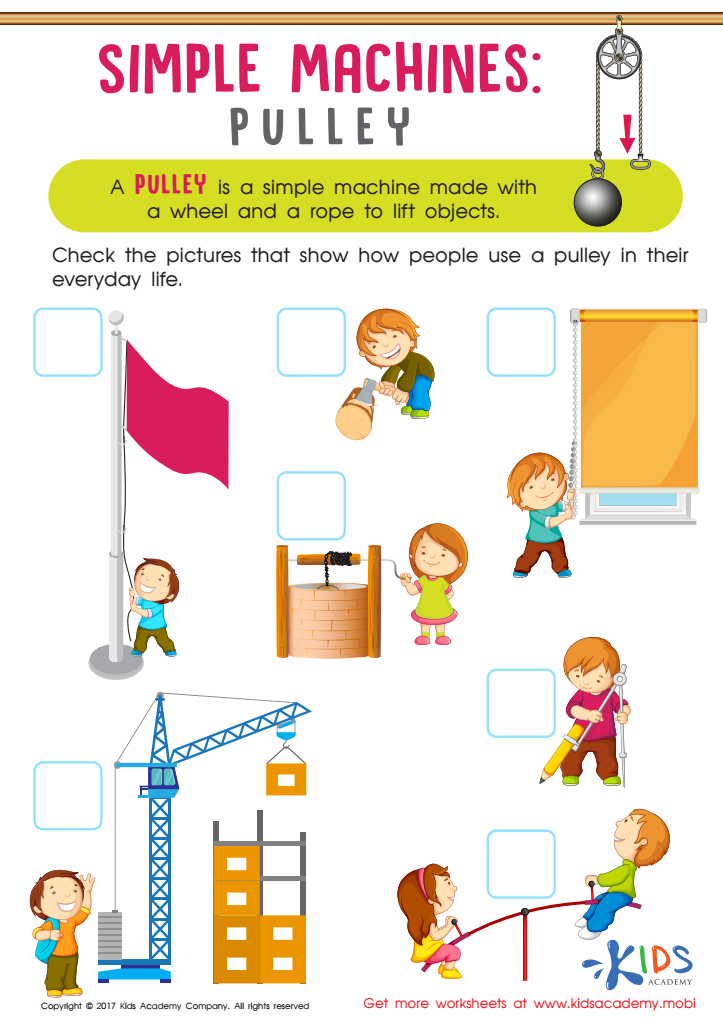
Simple Machines Pulley Worksheet
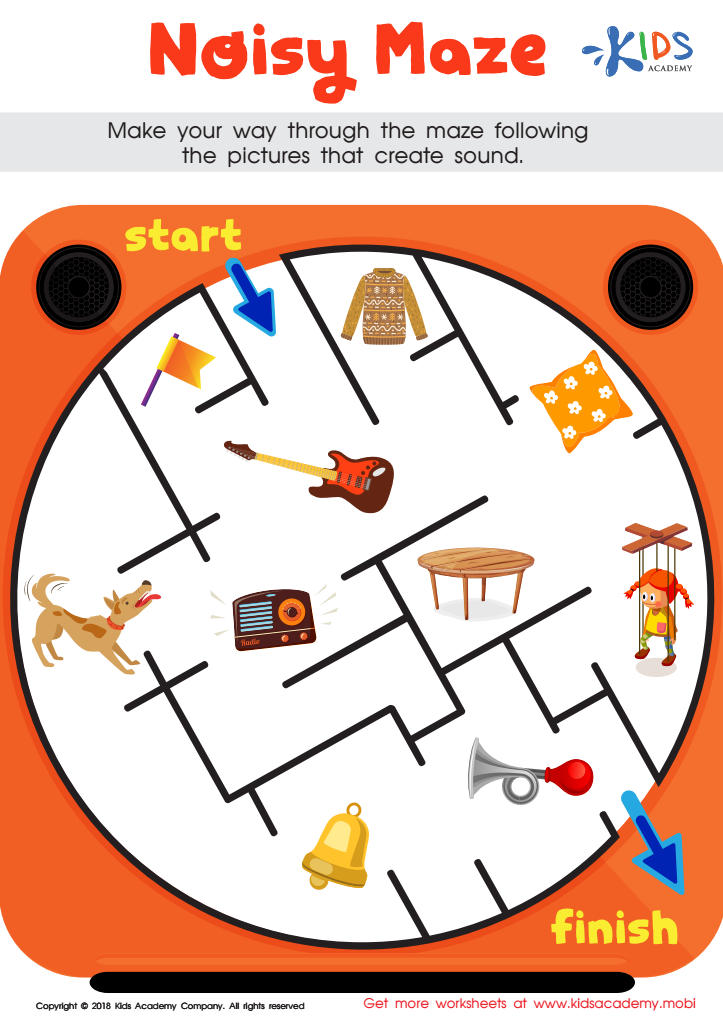
Noisy Maze Worksheet
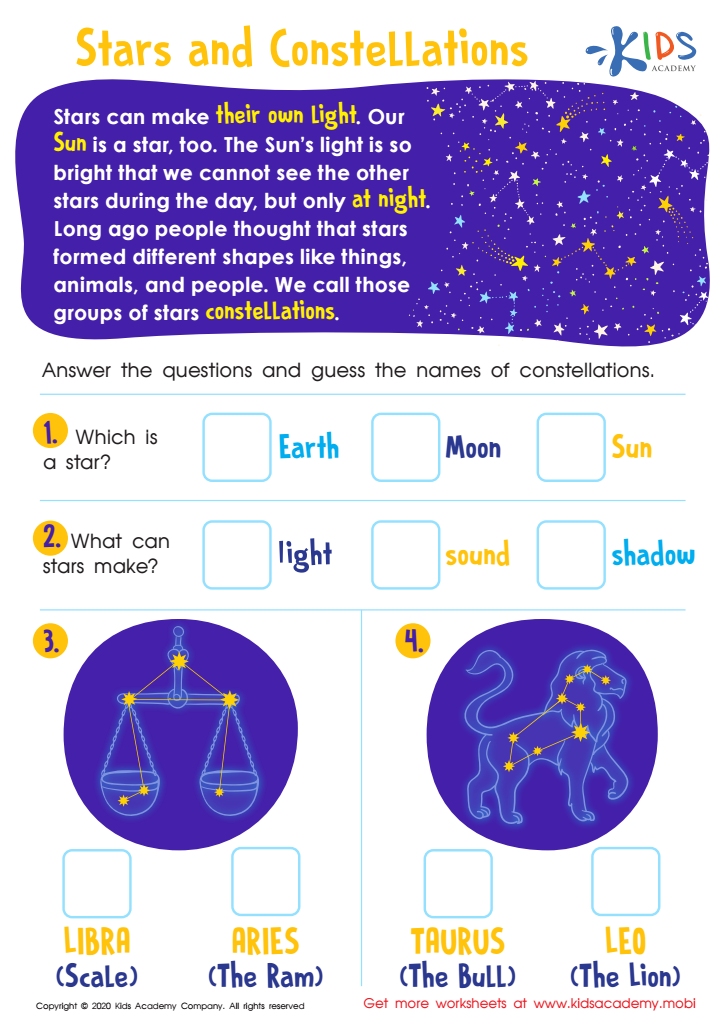
Stars and Constellations Worksheet
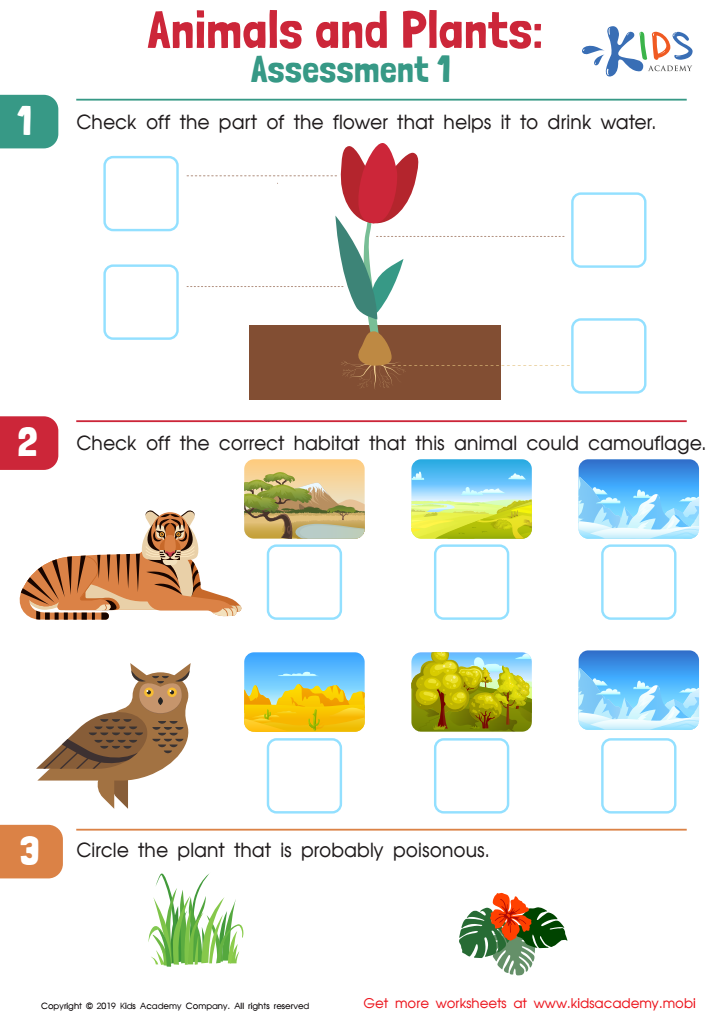
Animals and Plants: Assessment 1 Worksheet
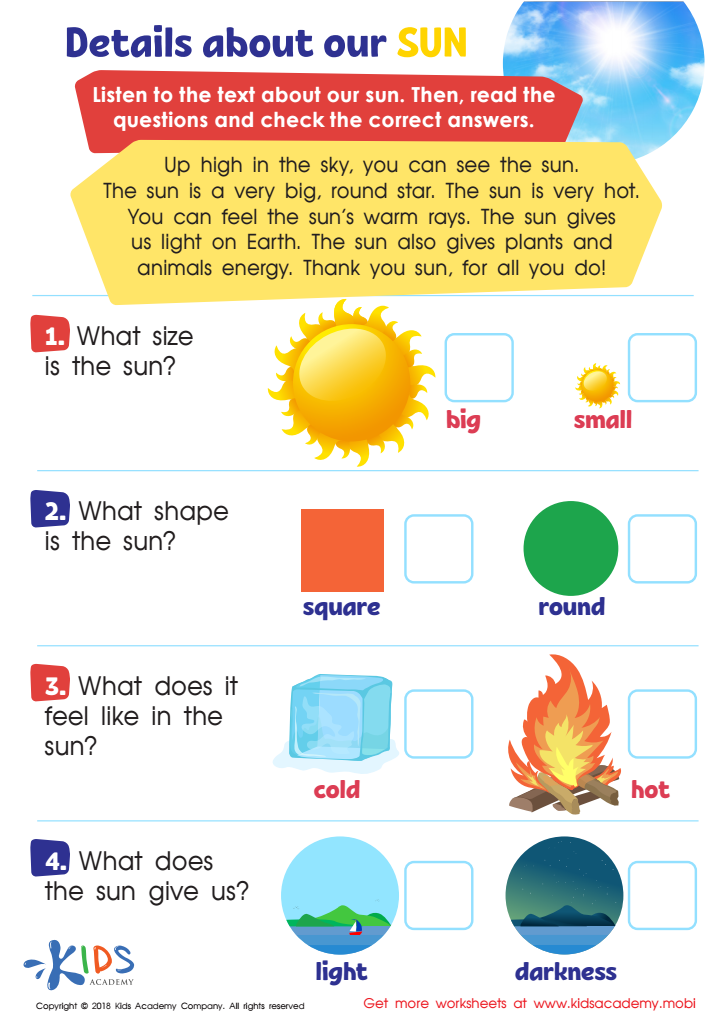
Details About Our Sun Worksheet
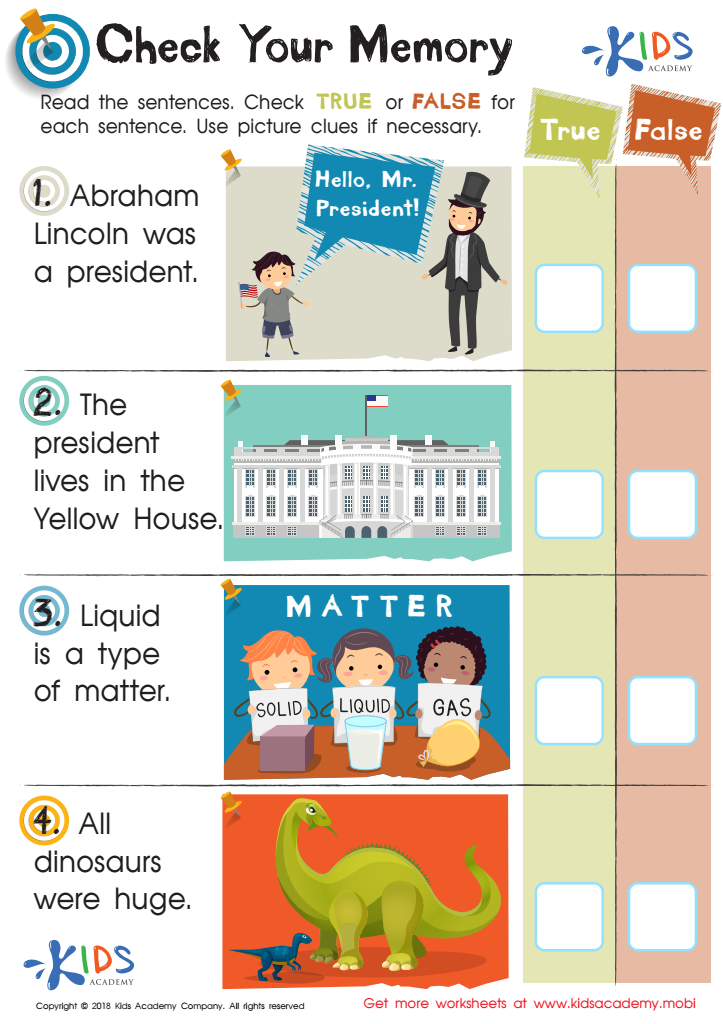
Check Memory Worksheet







Science education for children ages 3-7 is crucial for several reasons. At this developmental stage, young learners are naturally curious about the world around them, and exploring scientific concepts can fuel that curiosity. Engaging in science helps them develop critical thinking and problem-solving skills as they learn to ask questions, make observations, and conduct simple experiments.
Moreover, introducing science early fosters a sense of inquiry and wonder, laying a foundation for lifelong learning. Children develop language skills as they learn to describe their observations and communicate their thoughts. Science also promotes hands-on, experiential learning, which is essential for young children's cognitive development. Through science activities, such as gardening, experimenting with materials, or exploring nature, children gain a better understanding of cause and effect and enhance their motor skills.
Additionally, early exposure to science can help mitigate stereotypes regarding gender roles in STEM fields by providing equal opportunities for all children to engage with science. Parents and teachers should recognize that science is not just about facts; it is about nurturing a mindset that embraces exploration, creativity, and understanding of the natural world. This early emphasis on science will not only enrich children's lives but also prepare them for future academic and career opportunities.







