Science Worksheets for Ages 3-9 - Page 15
400 filtered results
-
From - To
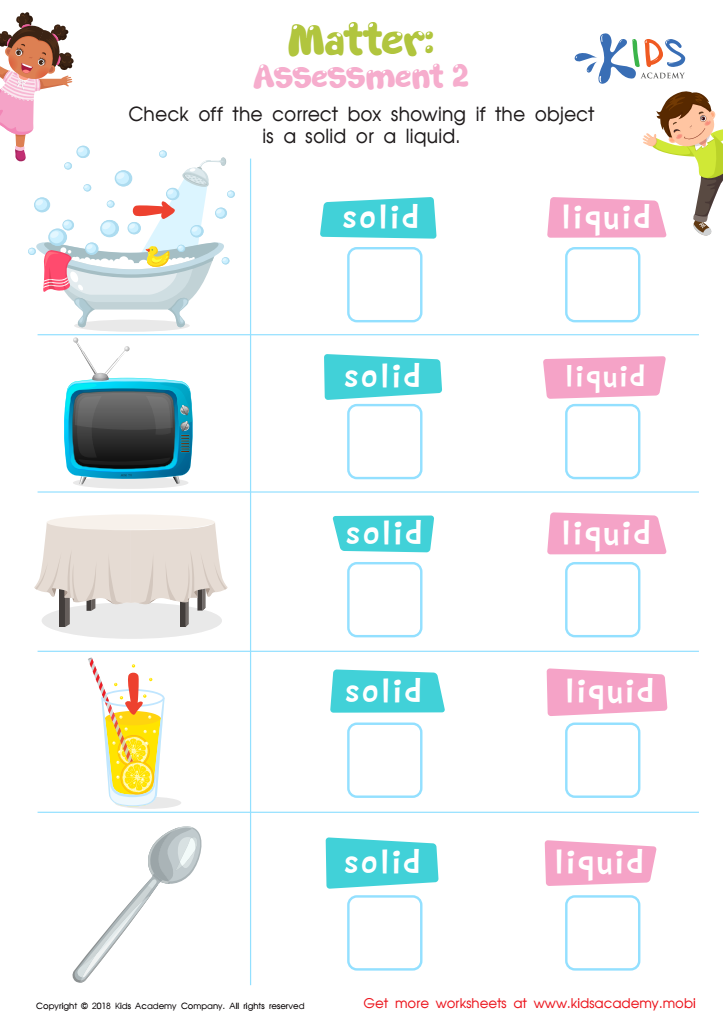
Matter: Assessment 2 Worksheet
 Assign to My Students
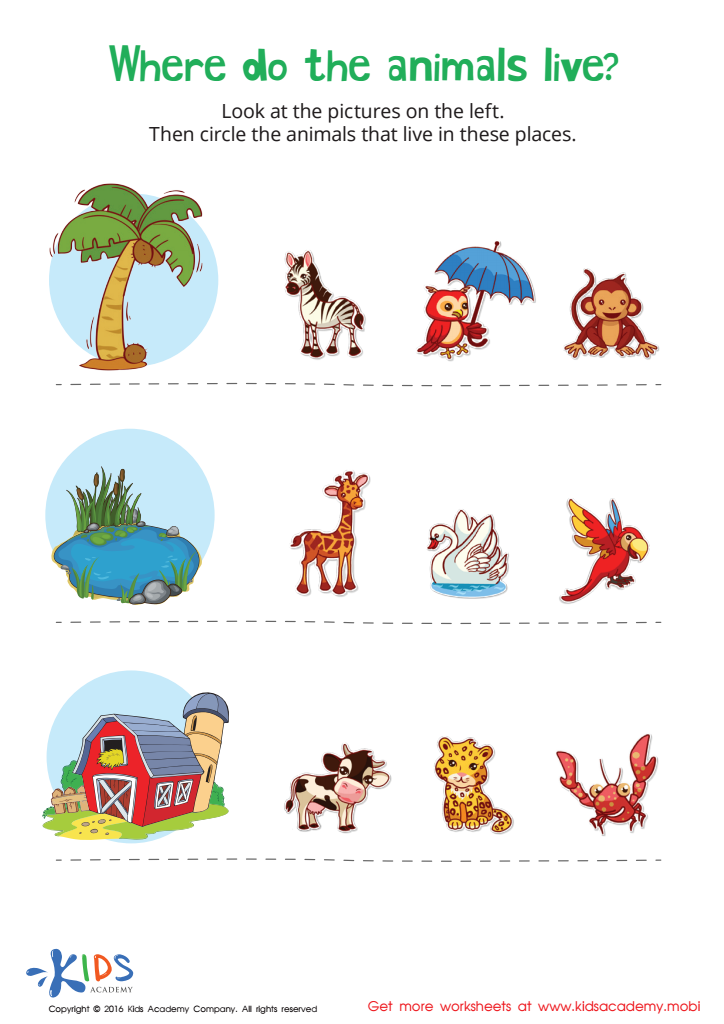
Where Animals Live Worksheet
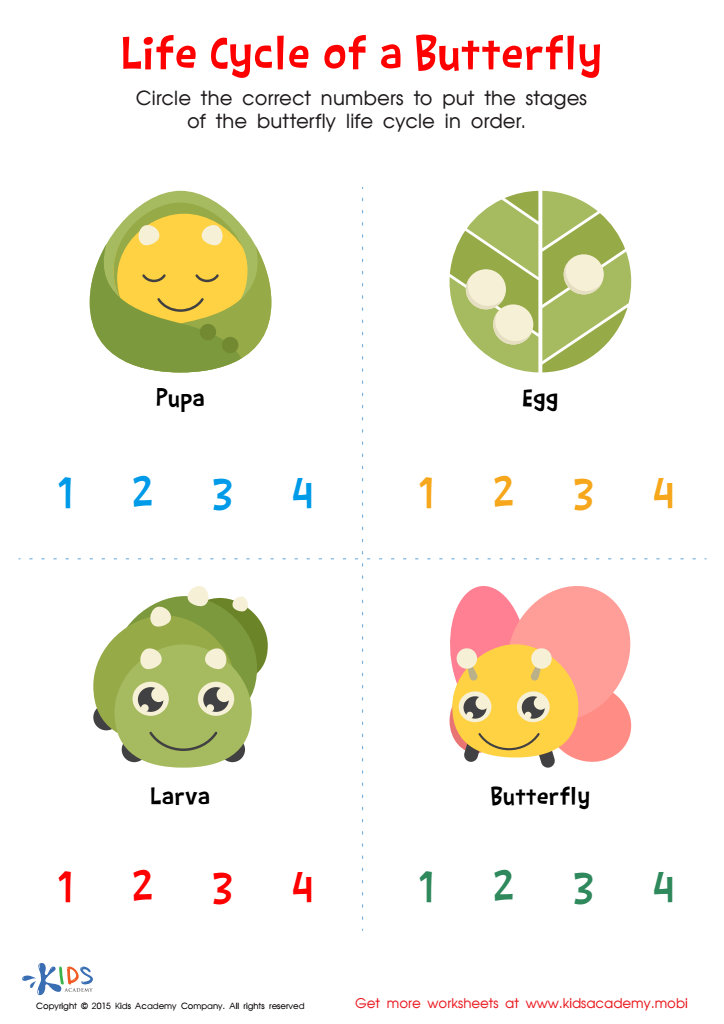
Life Cycle of Butterfly Printable
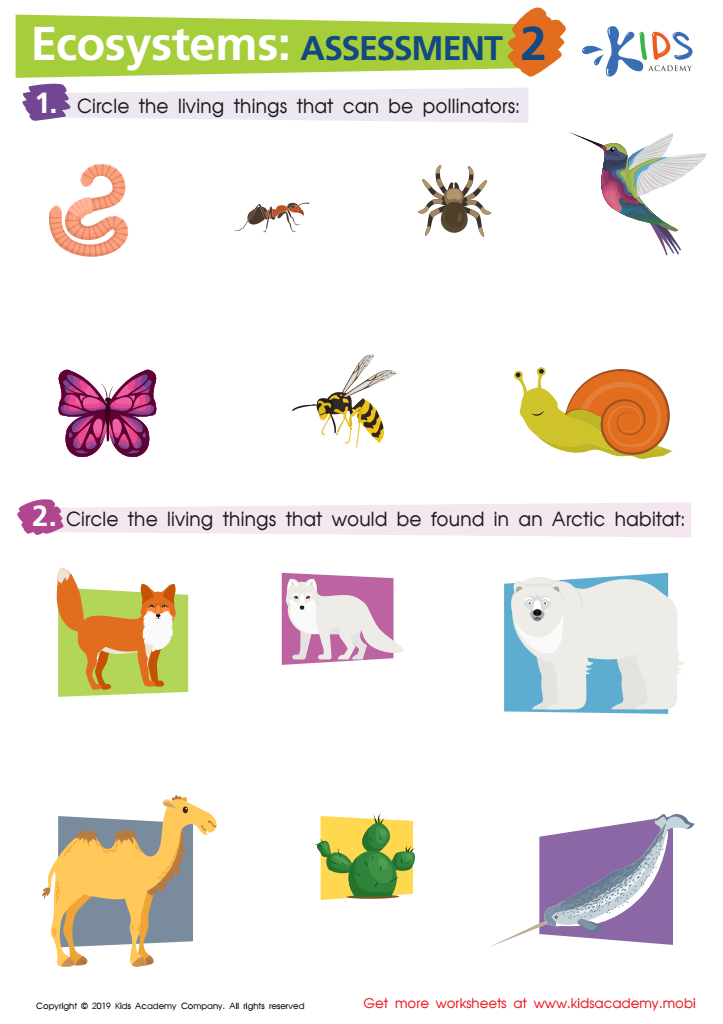
Ecosystems: Assessment 2 Worksheet
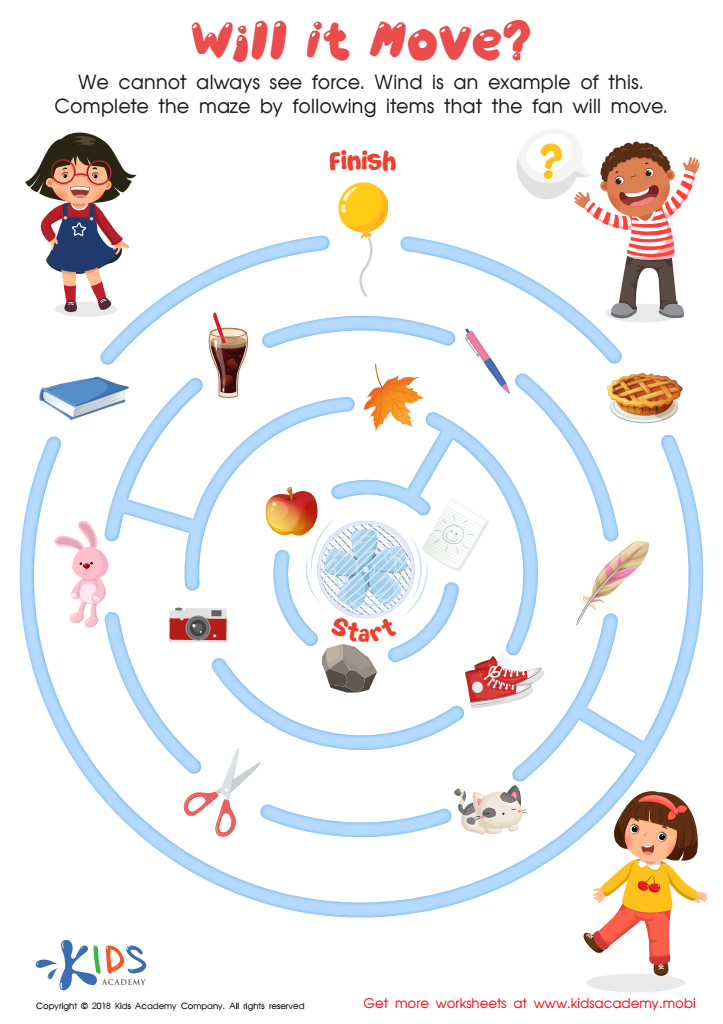
Will it Move? Worksheet
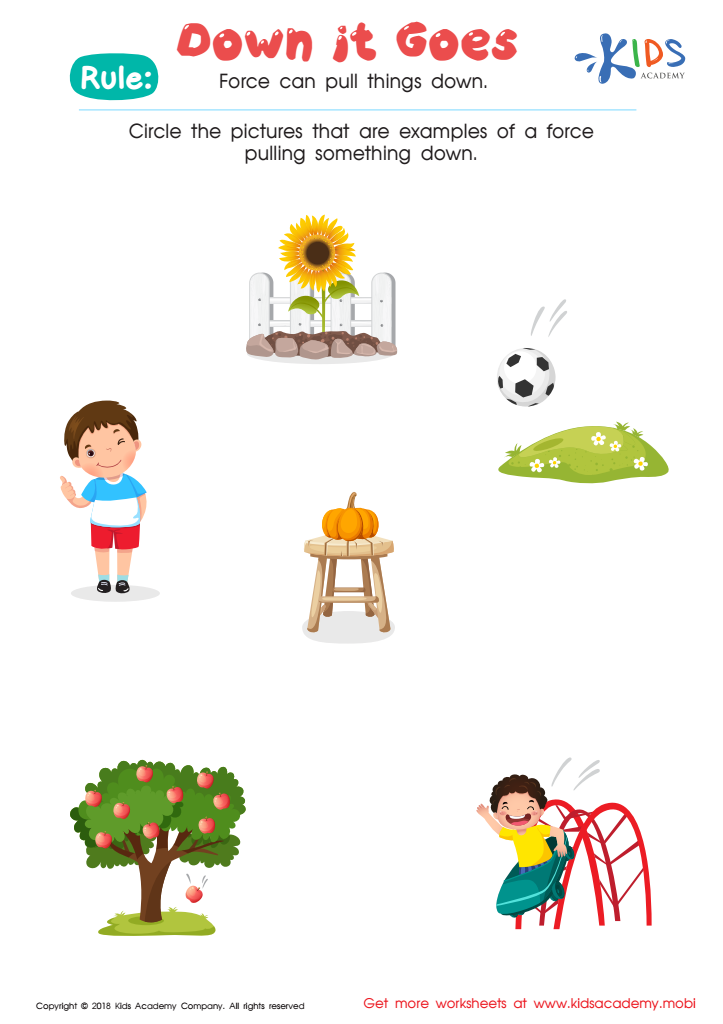
Down it Goes Worksheet
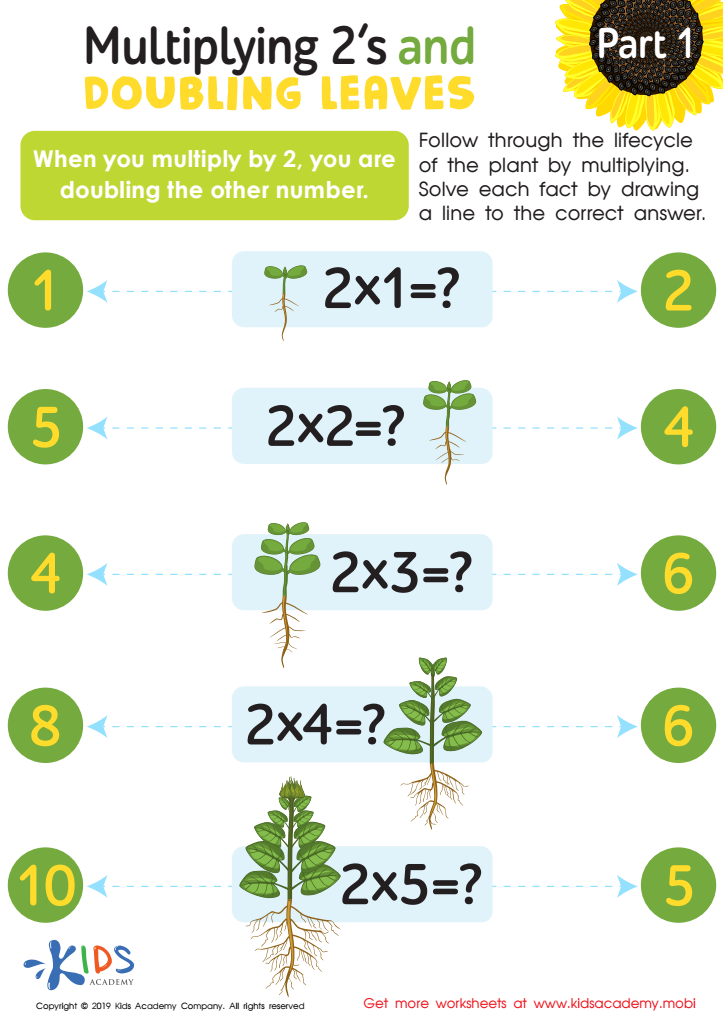
Multiplying 2’s and Doubling Leaves Part 1 Worksheet
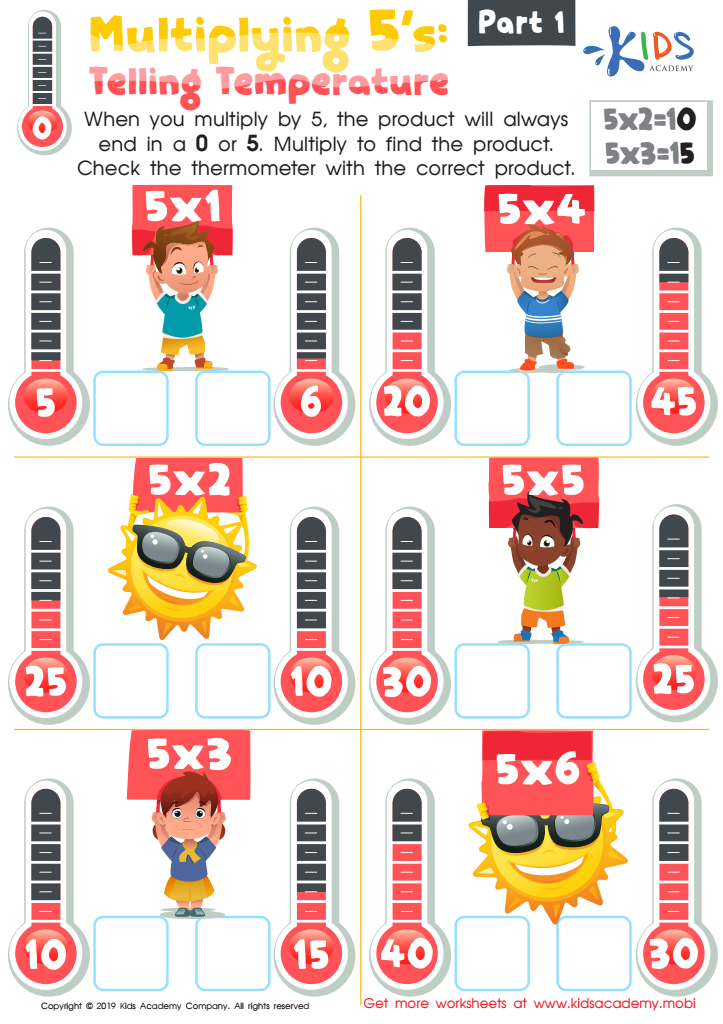
Multiplying 5’s: Telling Temperature Worksheet
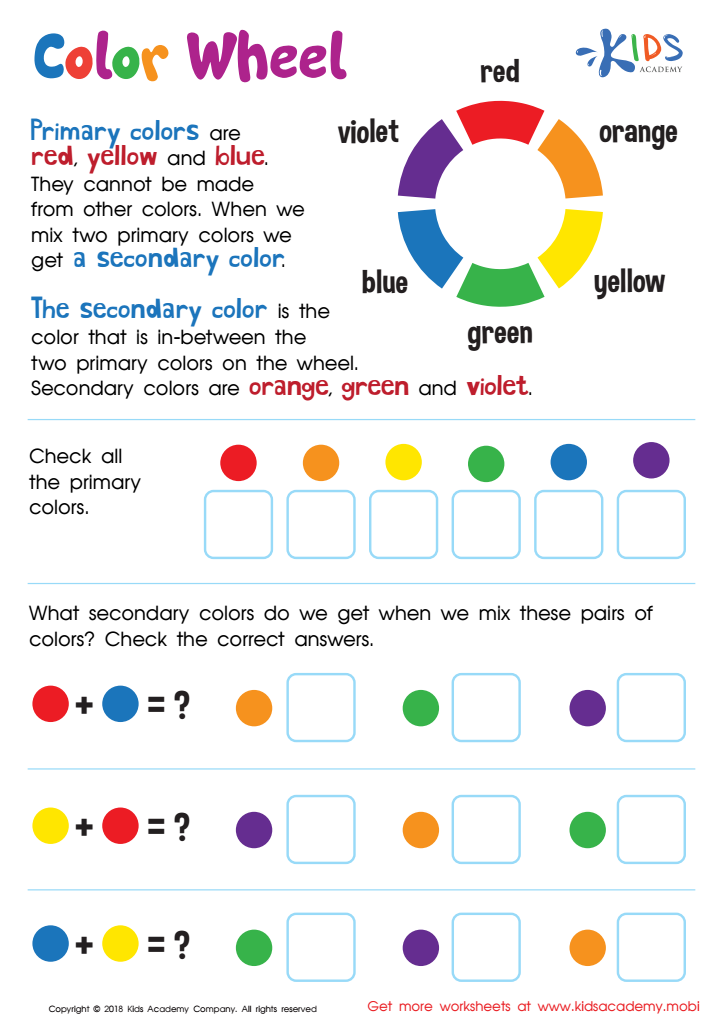
Primary and Secondary Colors Worksheet
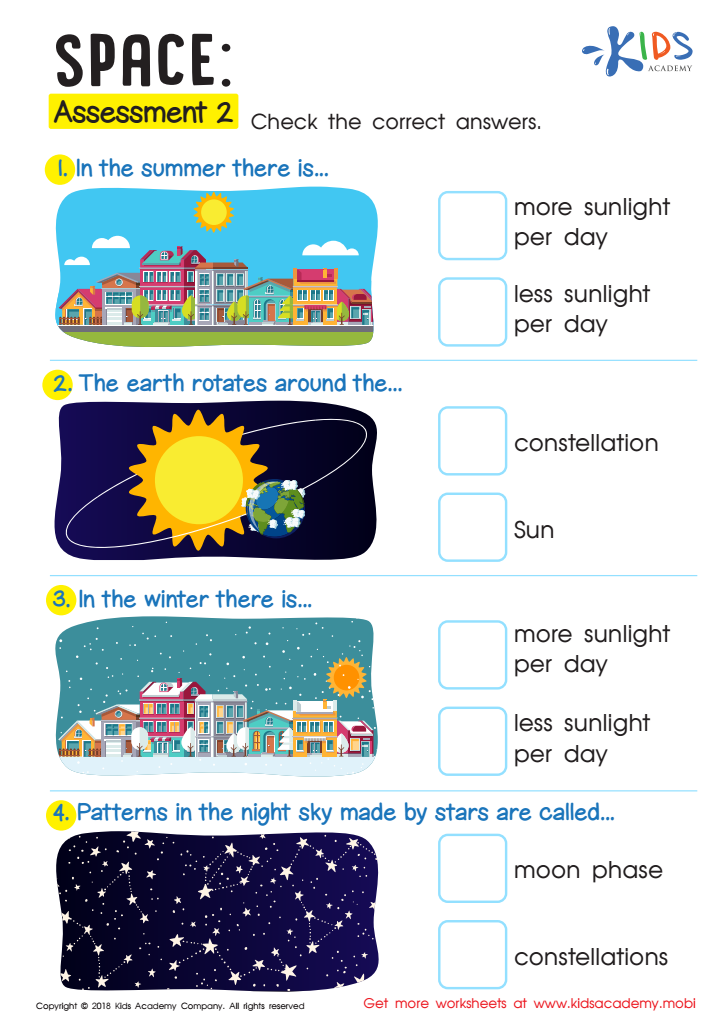
Space: Assessment 2 Worksheet
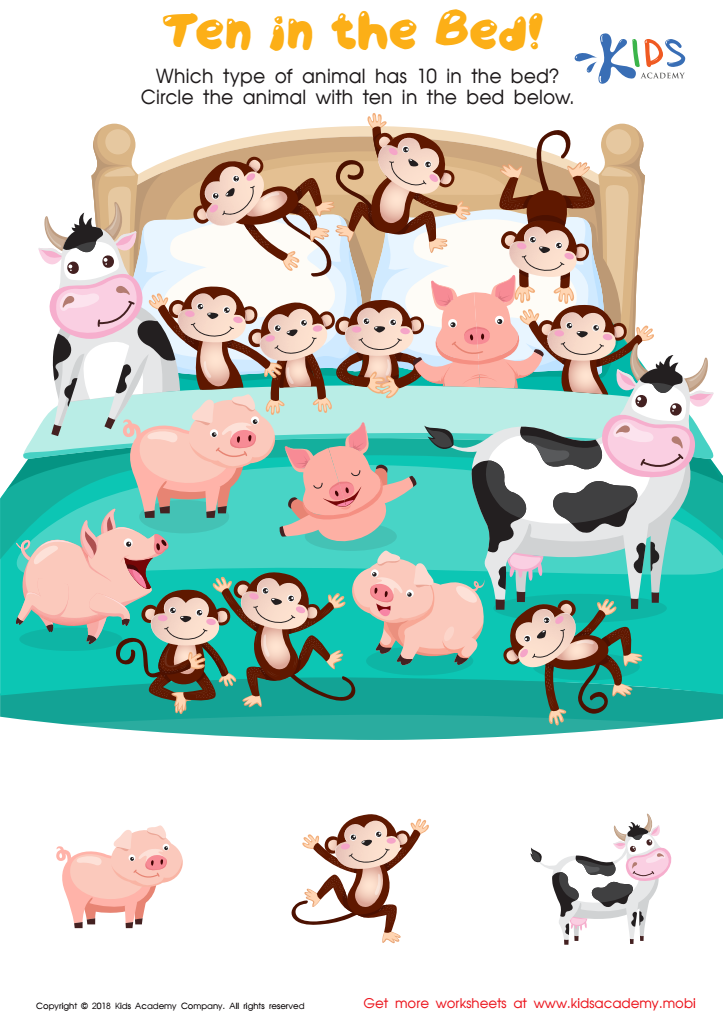
Ten in the Bed Worksheet
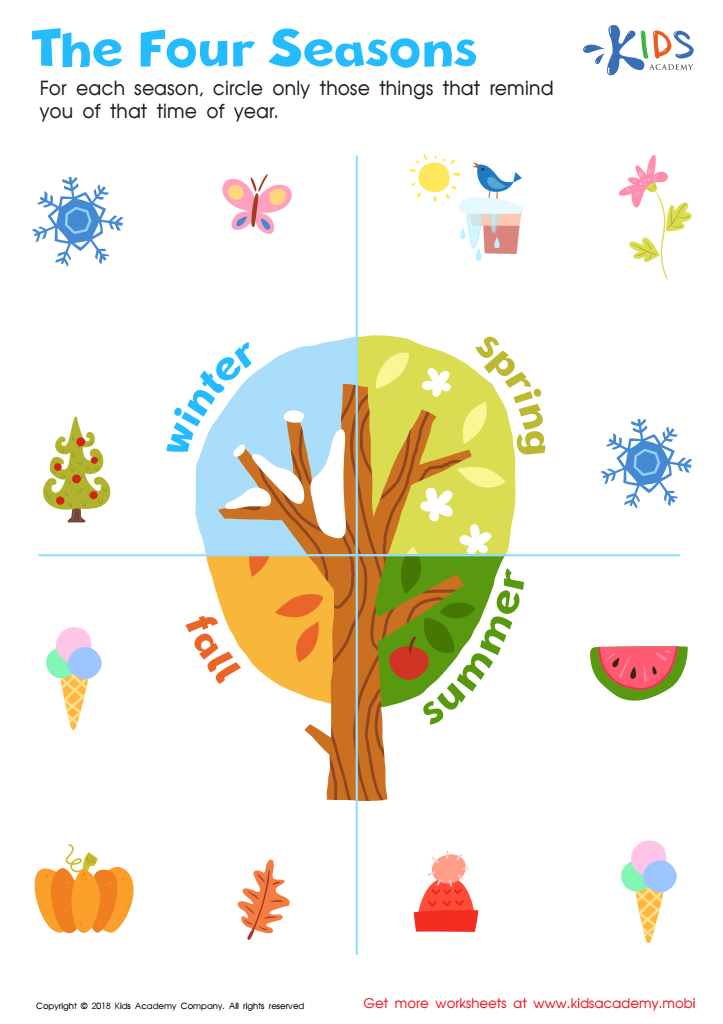
The Four Seasons Worksheet
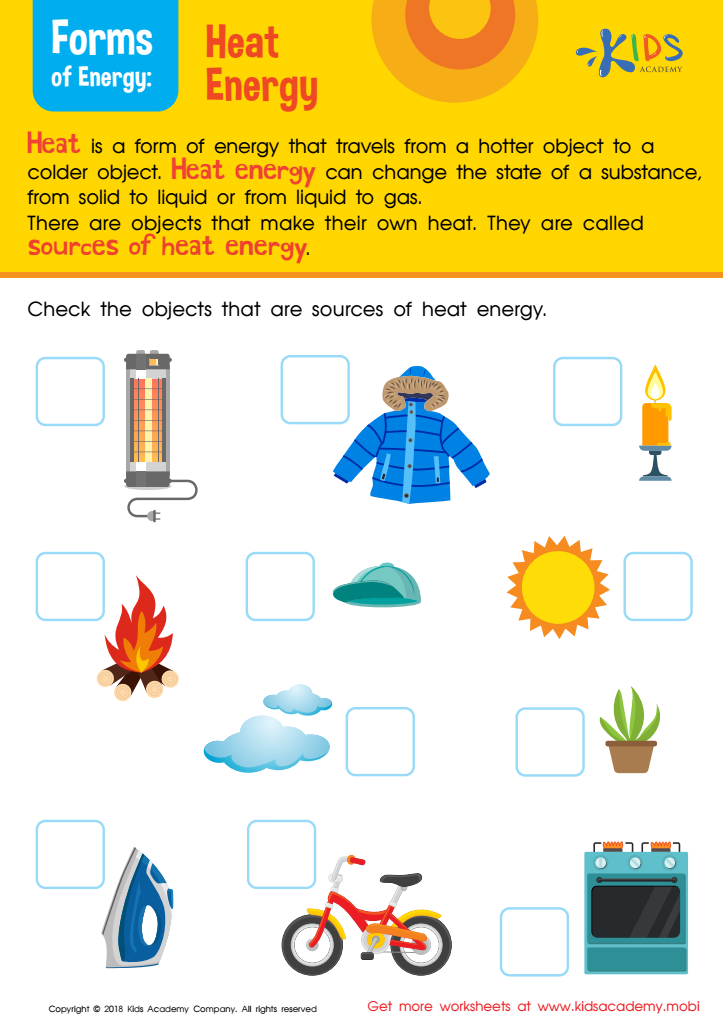
Sources of Heat Energy Worksheet
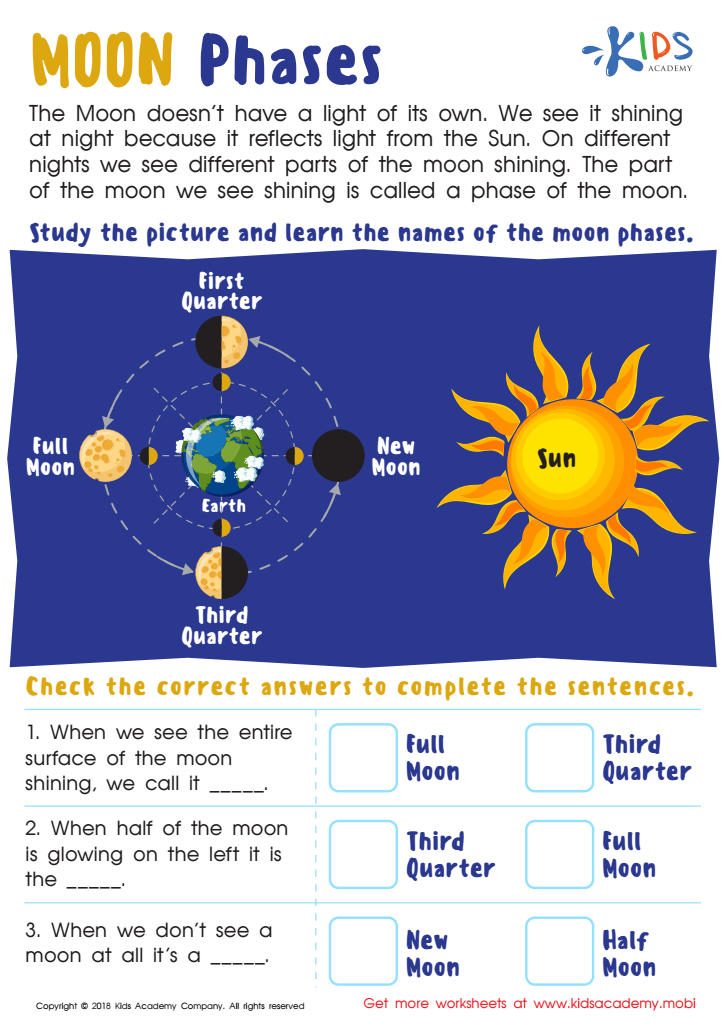
Moon Phases Worksheet
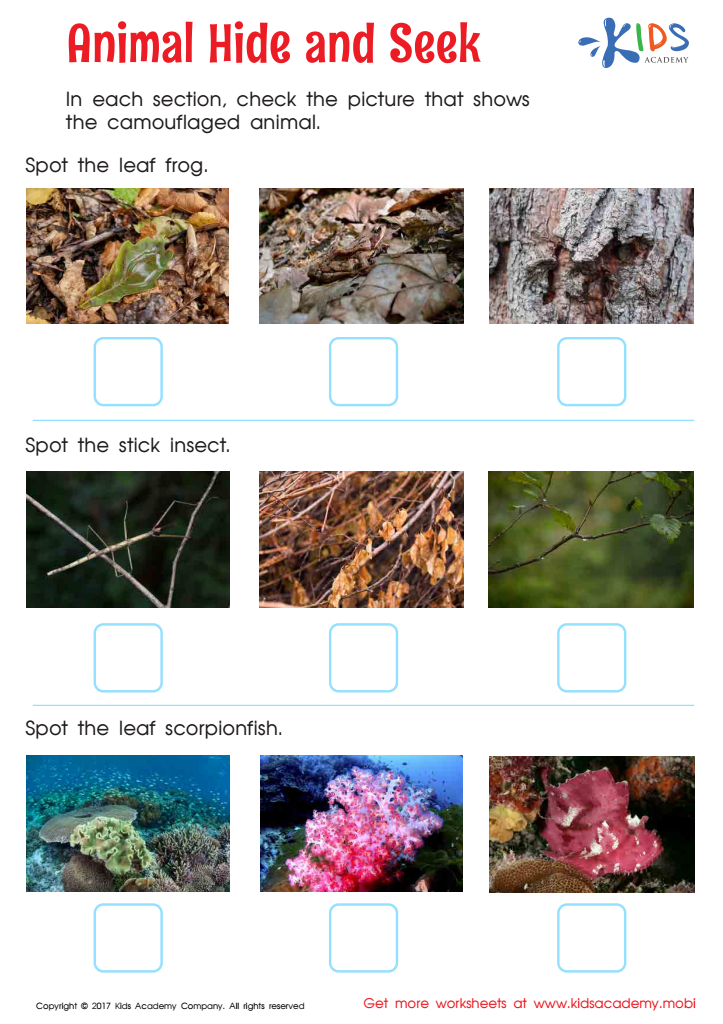
Animal Hide and Seek Worksheet
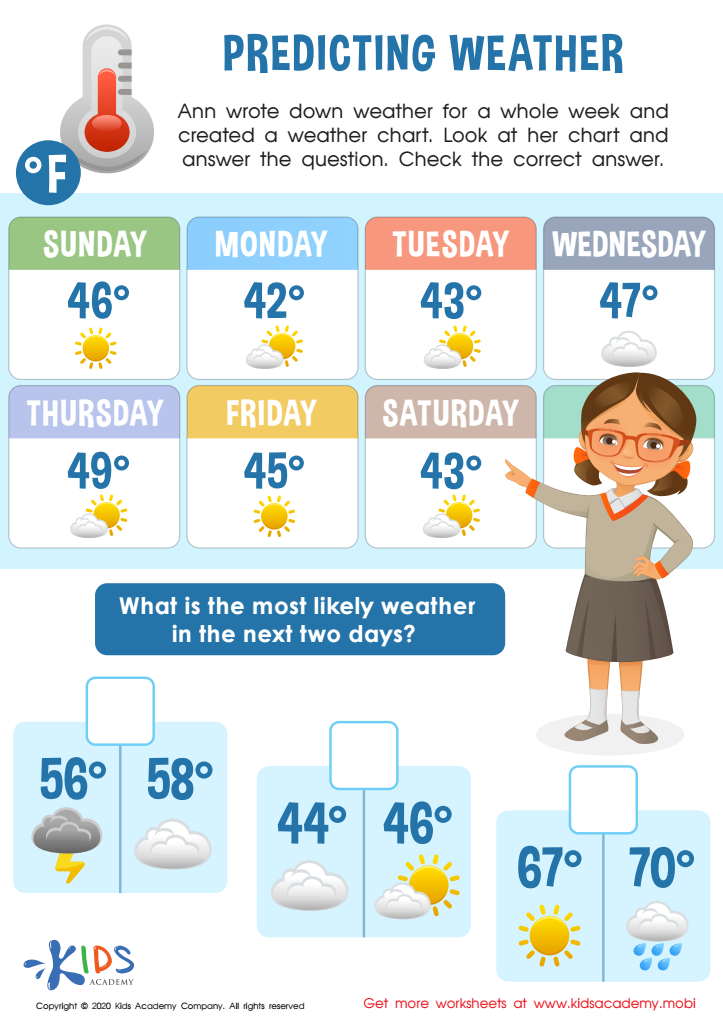
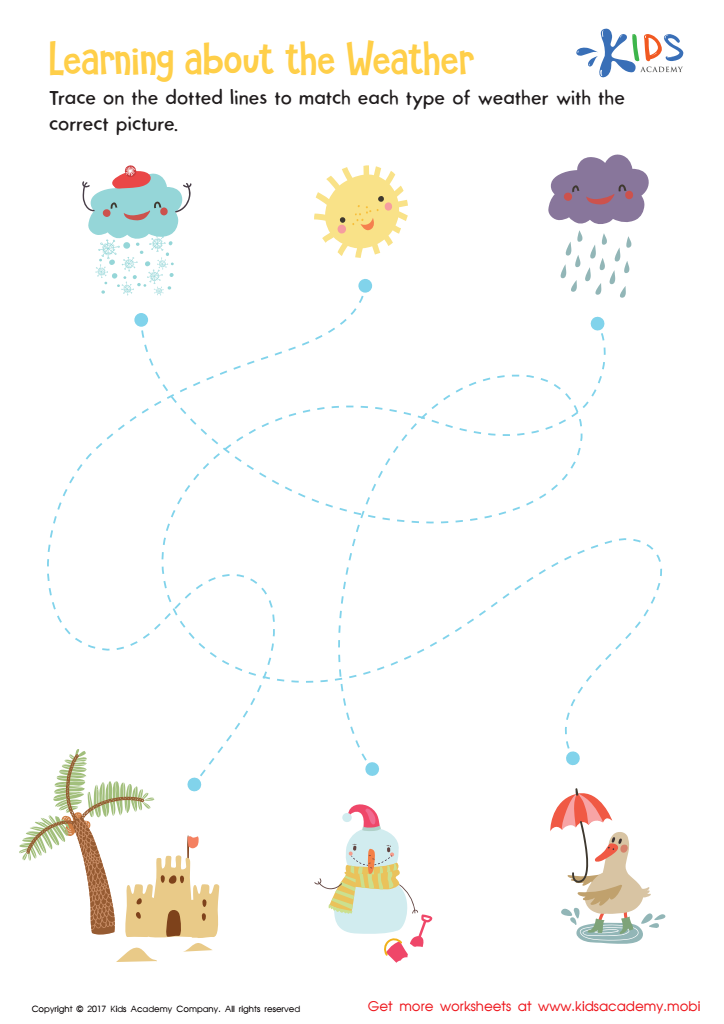
Predicting Weather Worksheet
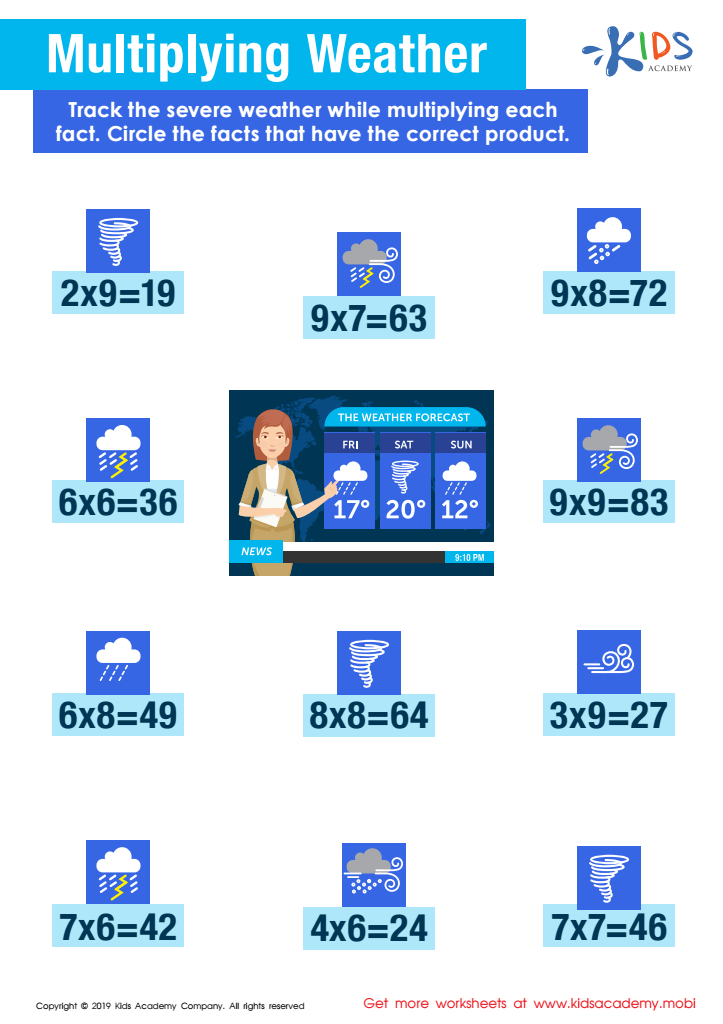
Multiplying Weather Worksheet
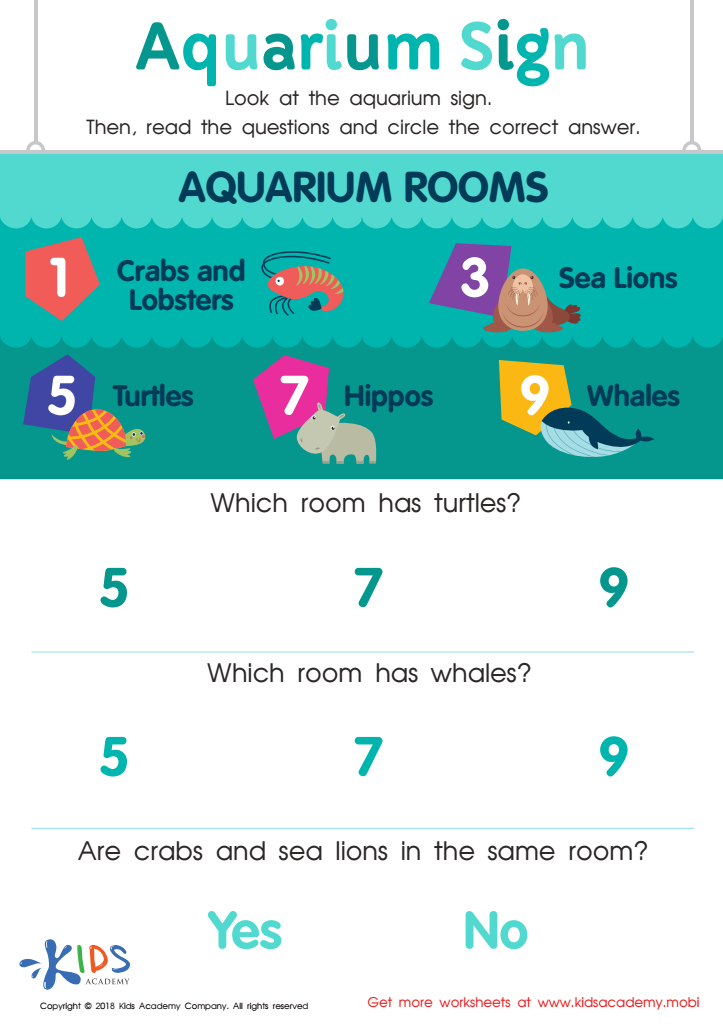
Assessment: Aquarium Sign Worksheet
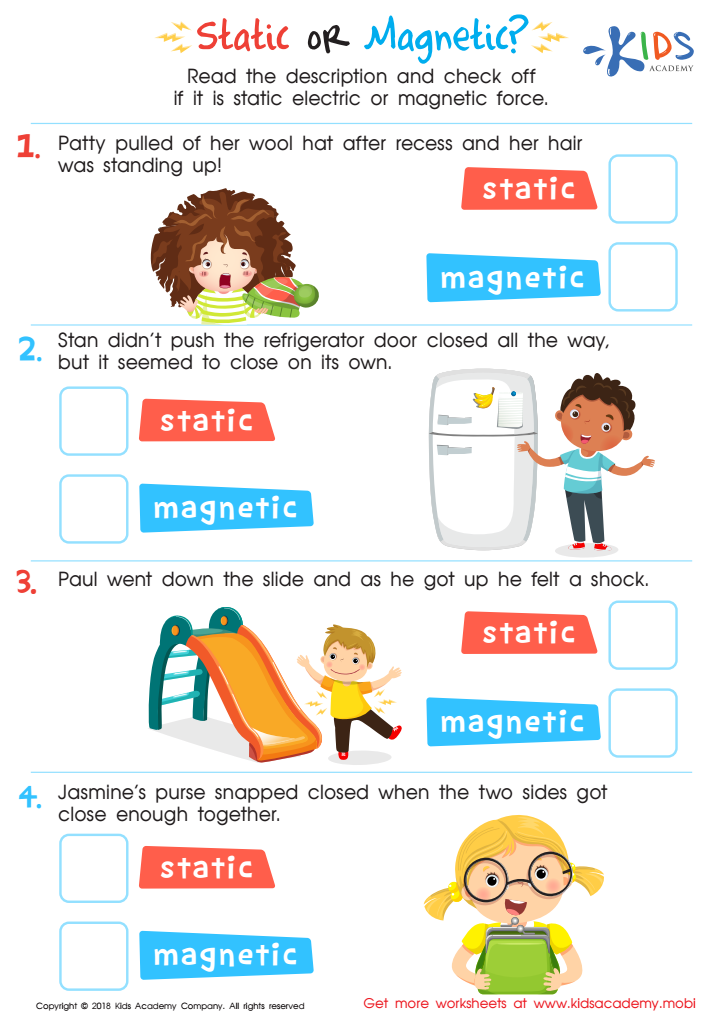
Static or Magnetic Printable Worksheet
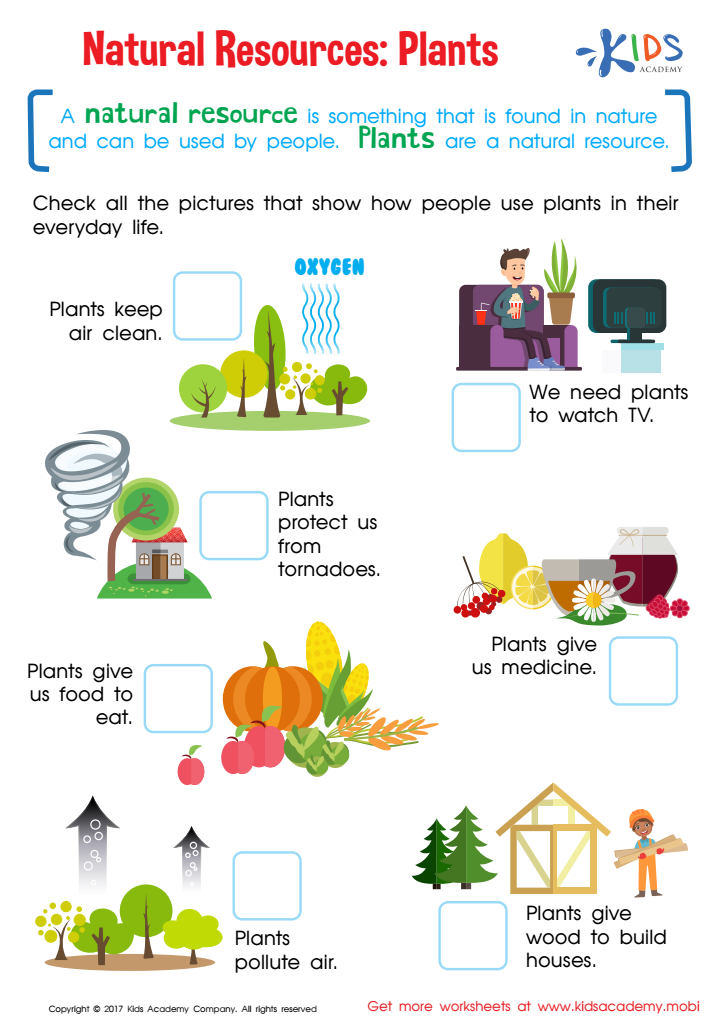
Natural Resources: Plants Worksheet
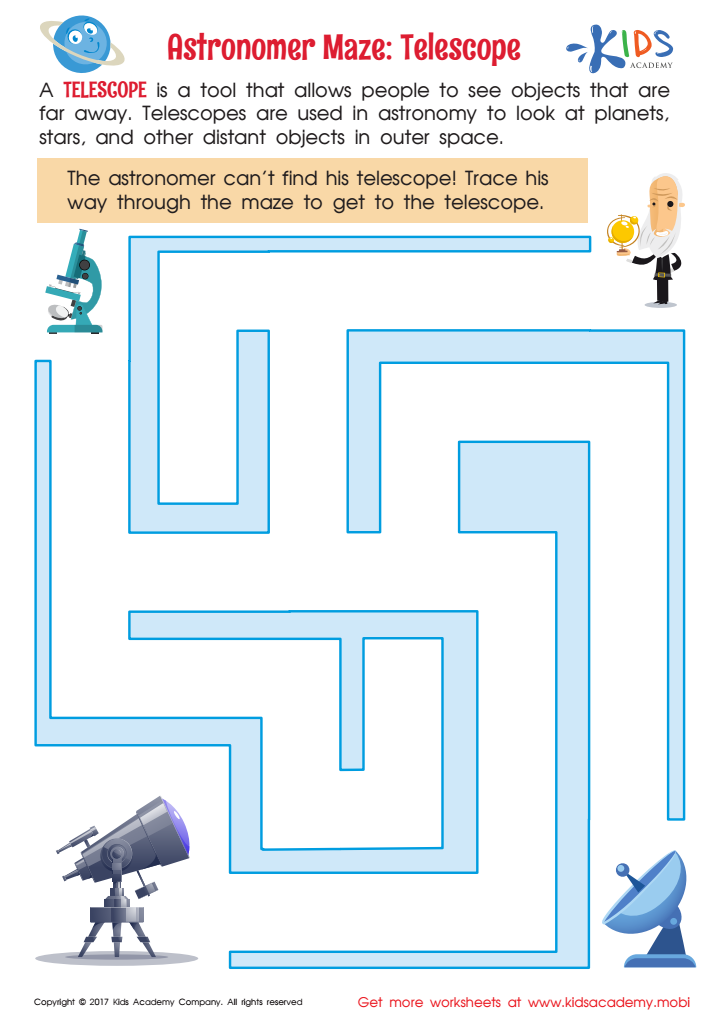
Astronomer Maze: Telescope Worksheet
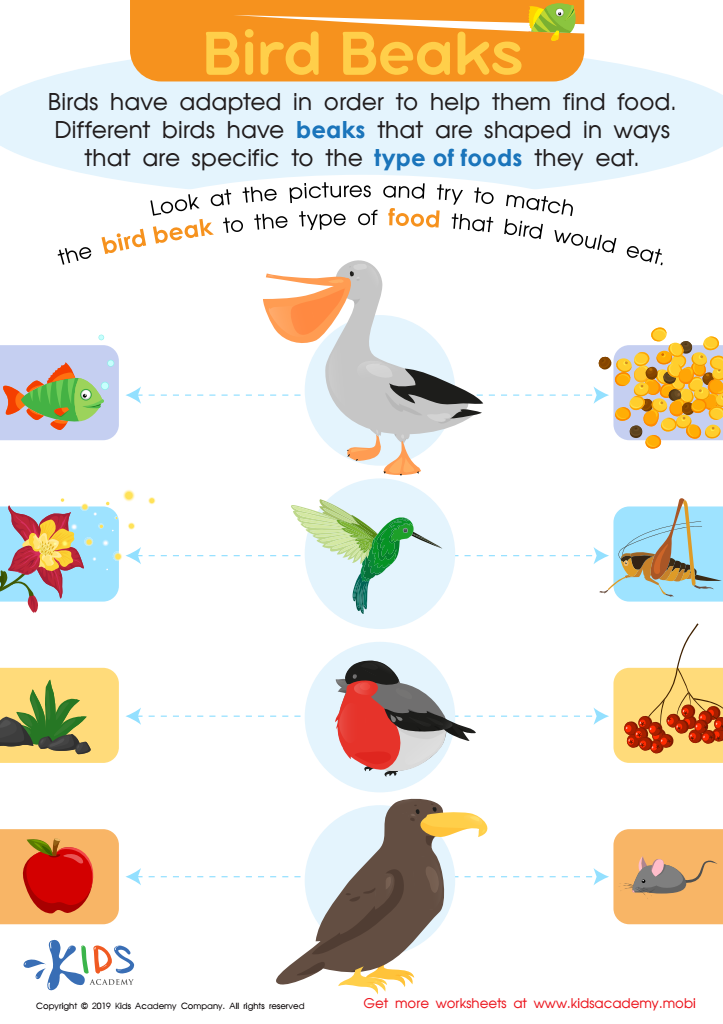
Bird Beaks Worksheet
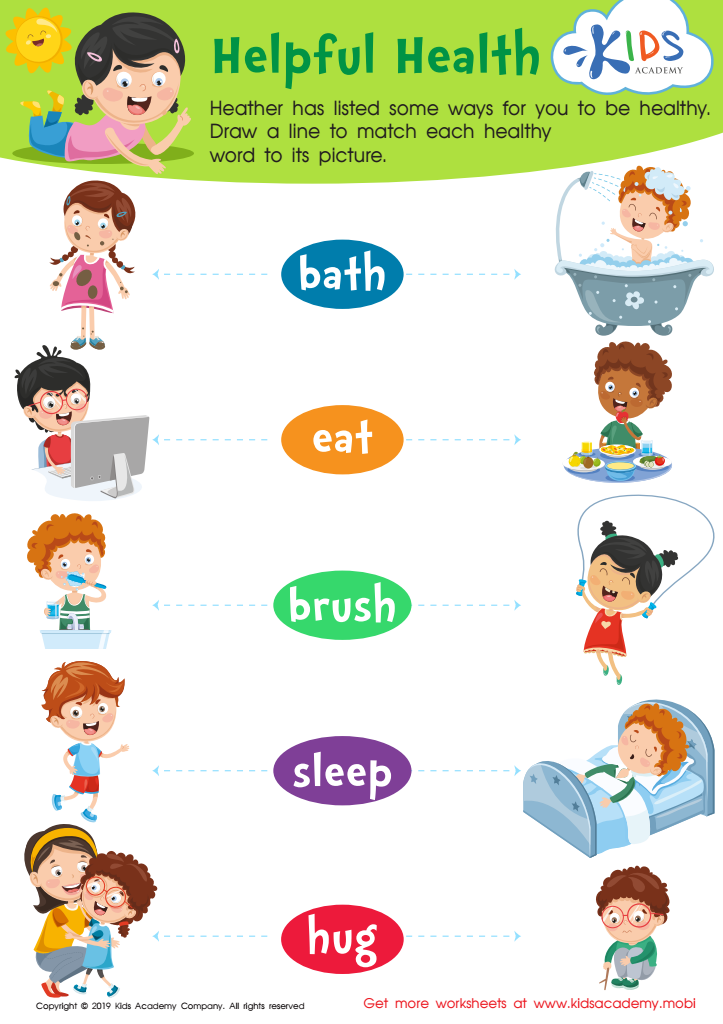
Helpful Health Worksheet


.jpg)




Parents and teachers should care about science for children aged 3 to 9 because this formative period is crucial for sparking curiosity and laying the foundation for critical thinking. Engaging children in scientific exploration helps to develop their natural inquisitiveness about the world around them. At this age, kids are naturally curious and eager to learn, making it an ideal time to introduce fundamental scientific concepts through hands-on experiments and interactive activities.
Science fosters problem-solving skills as children learn to ask questions, form hypotheses, and test their ideas through observation and experimentation. This process builds analytical thinking and promotes resilience when they encounter challenges in experiments. Furthermore, early exposure to science can stimulate an interest in STEM (Science, Technology, Engineering, and Mathematics) fields, which are vital for future career opportunities.
By incorporating science into early education, parents and teachers also help children understand important concepts such as safety, nature, and healthy living, empowering them to make informed choices later in life. Ultimately, nurturing a love for science at a young age equips children with critical skills for lifelong learning and engagement with the world, leading to more informed, responsible citizens.







