Space Worksheets for Ages 3-9 - Page 2
43 filtered results
-
From - To
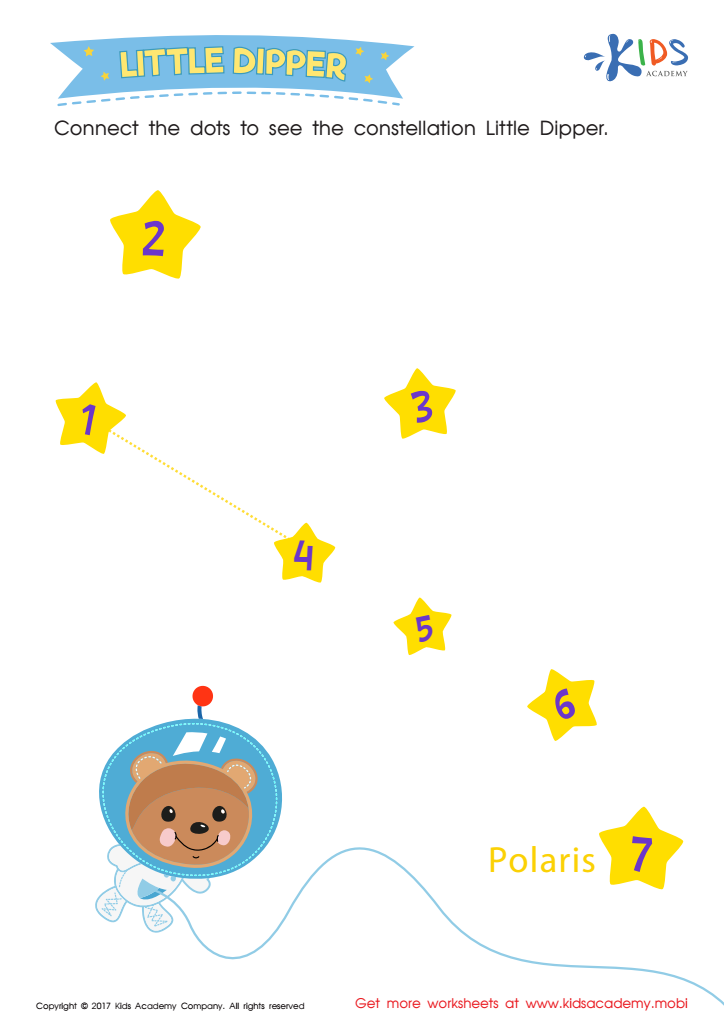
 Assign to My Students
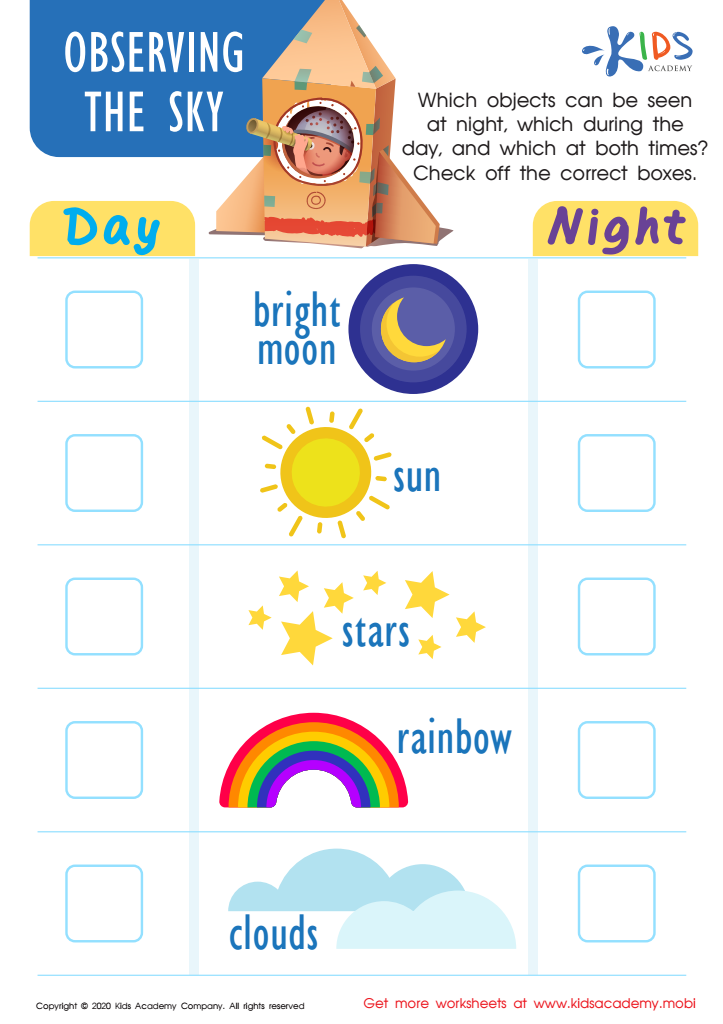
Observing the Sky Worksheet
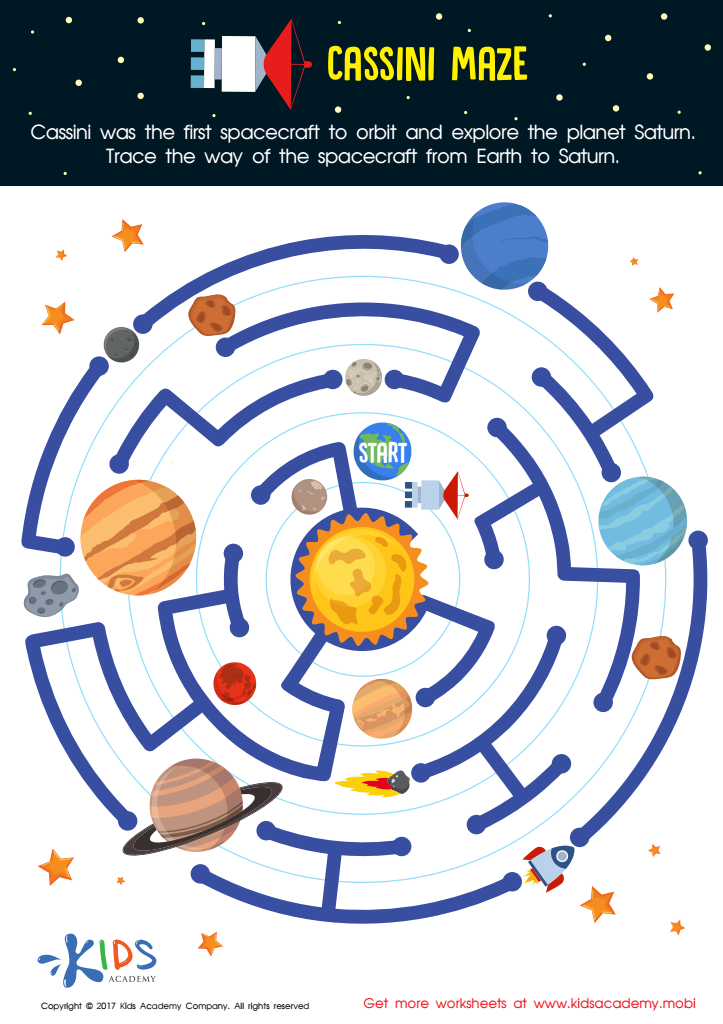
Cassini Printable Worksheet
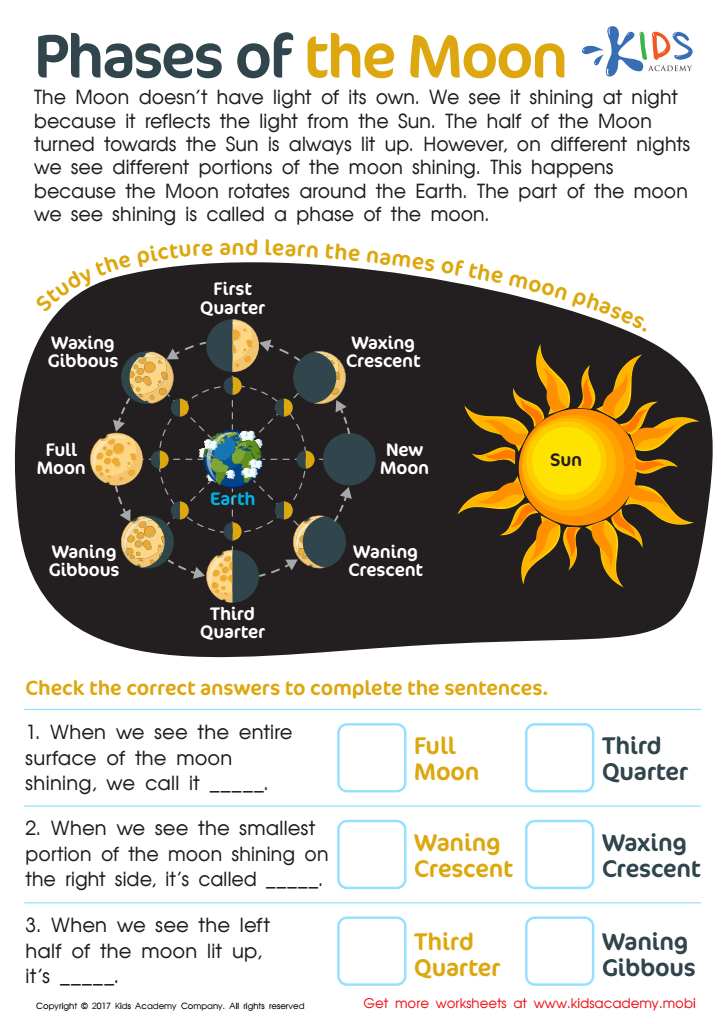
Phases of The Moon Worksheet
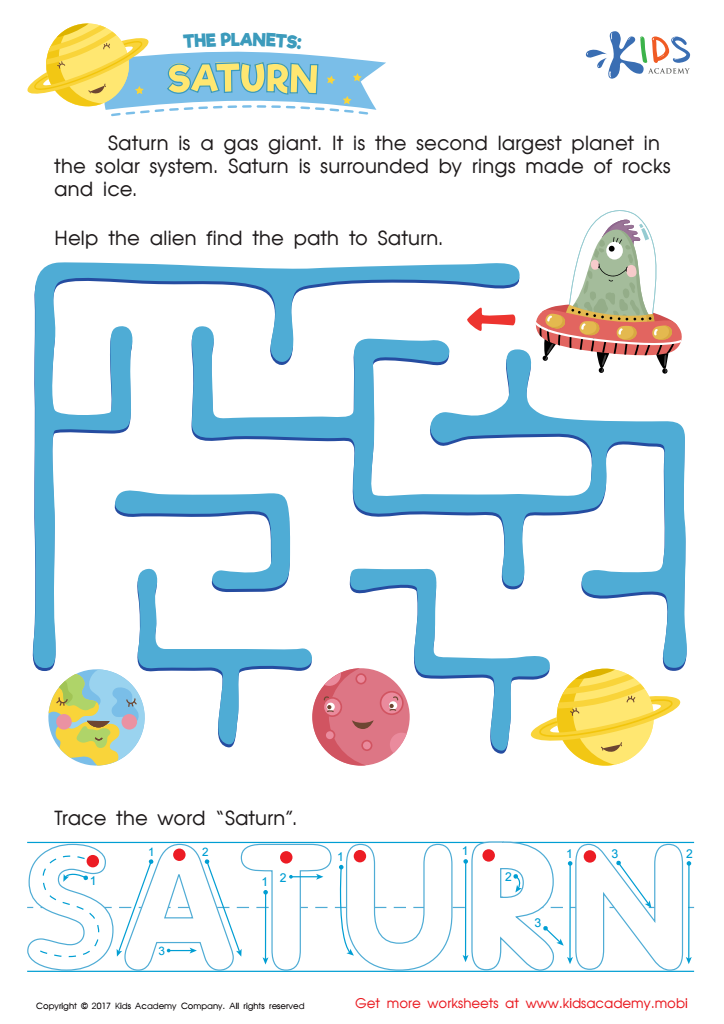
The Planets: Saturn Printable
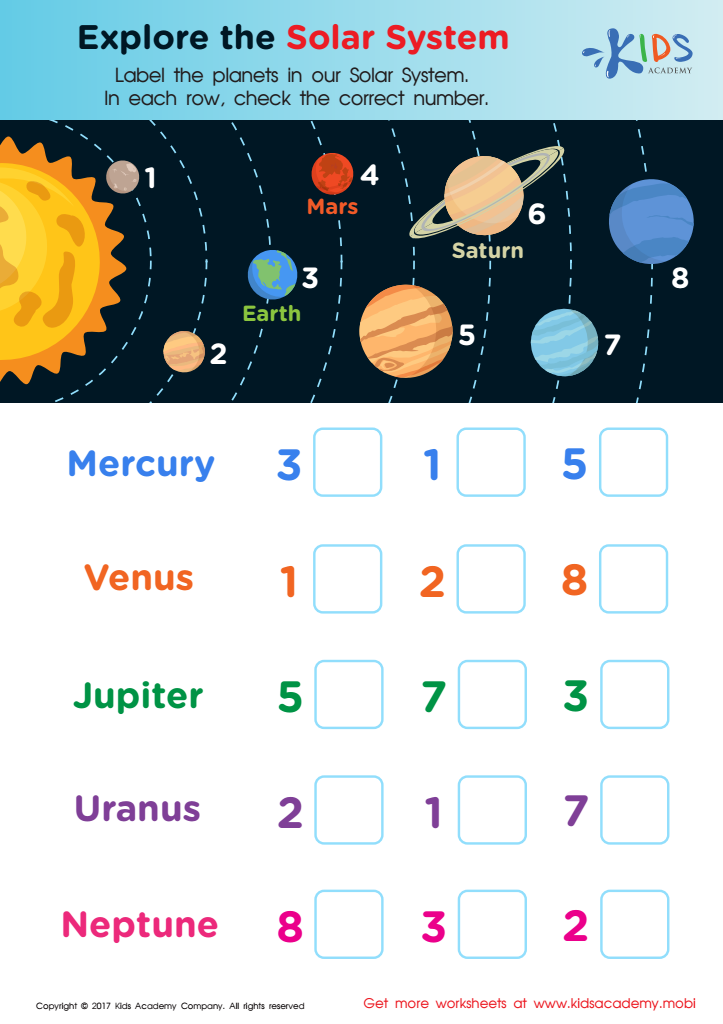
Solar System Planets Worksheet
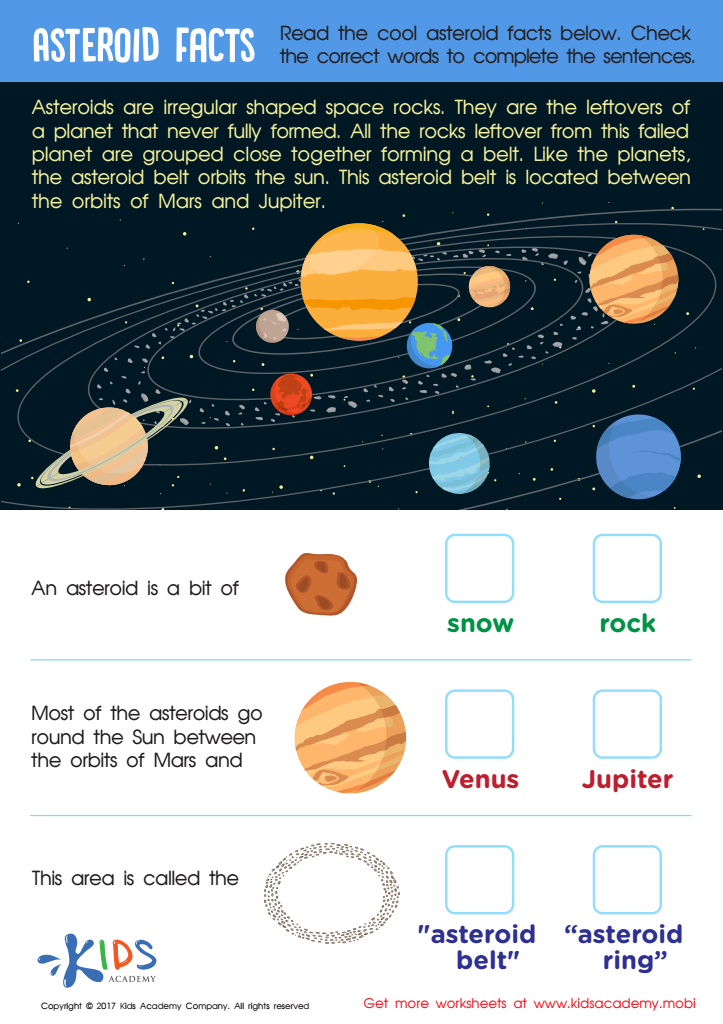
Asteroid Facts Worksheet
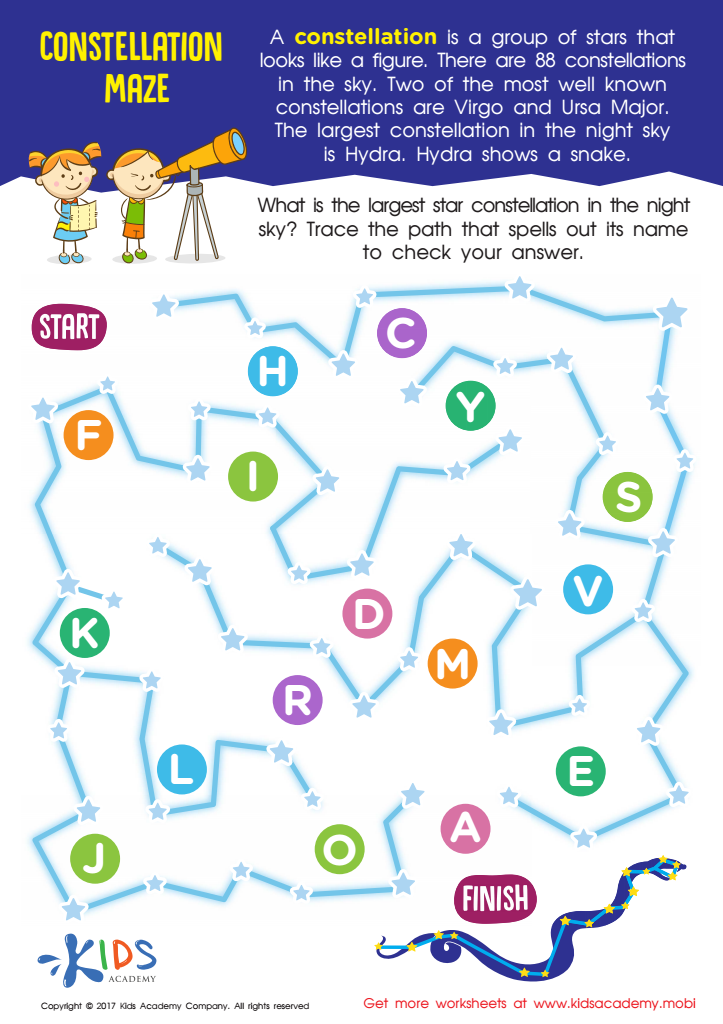
Constellations Worksheet
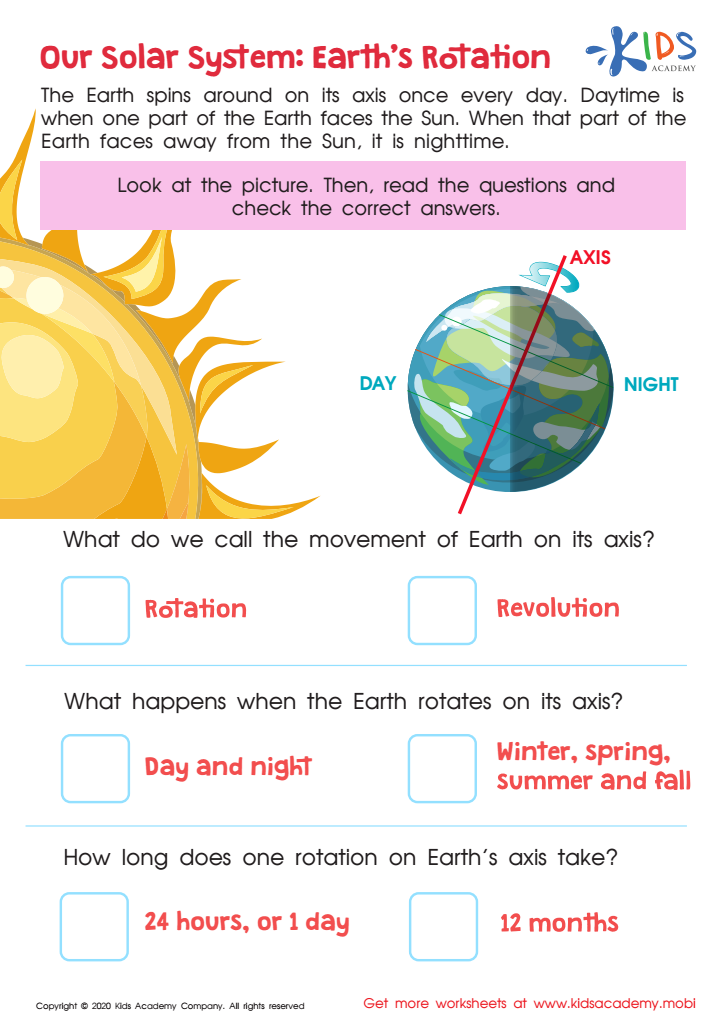
Our Solar System: Earth's Rotation Printable
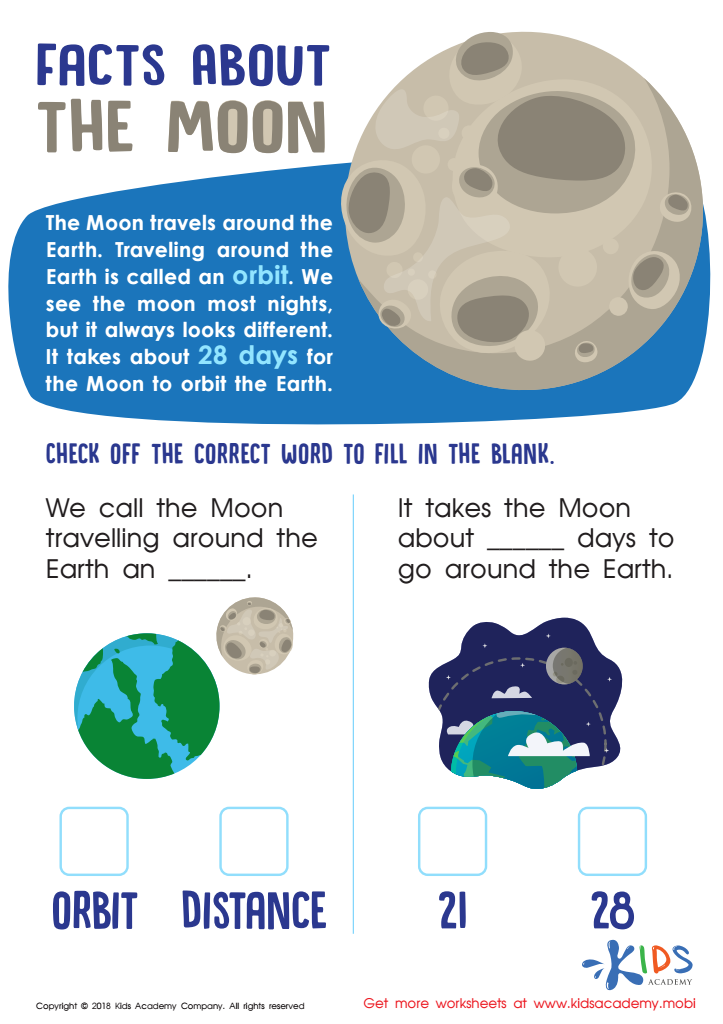
Facts About the Moon Worksheet
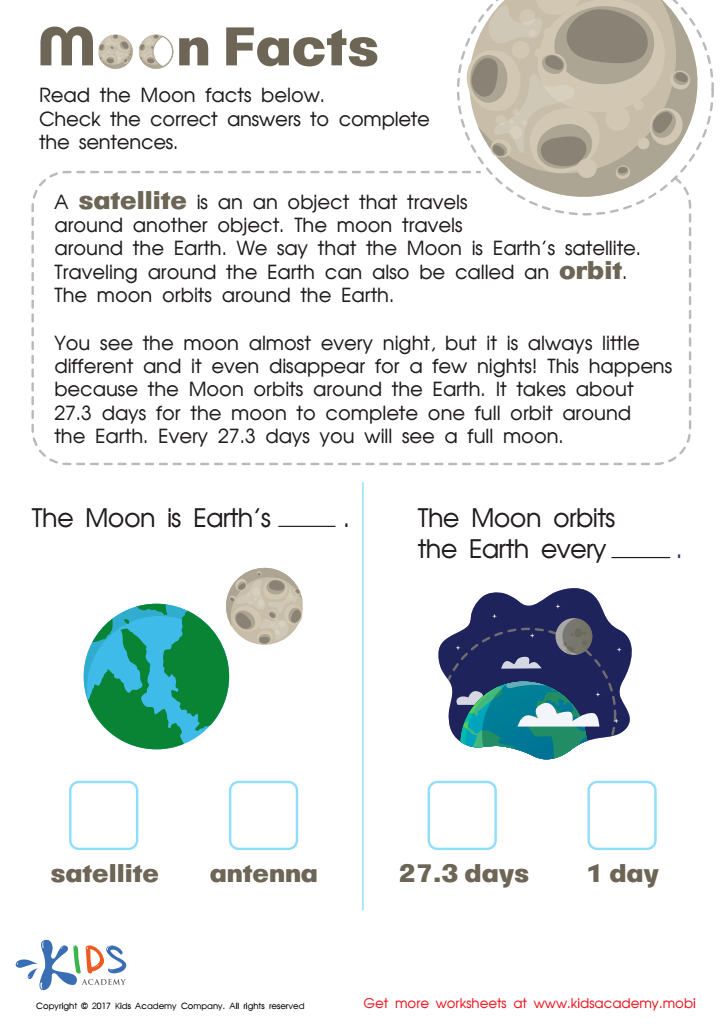
Moon Facts Worksheet
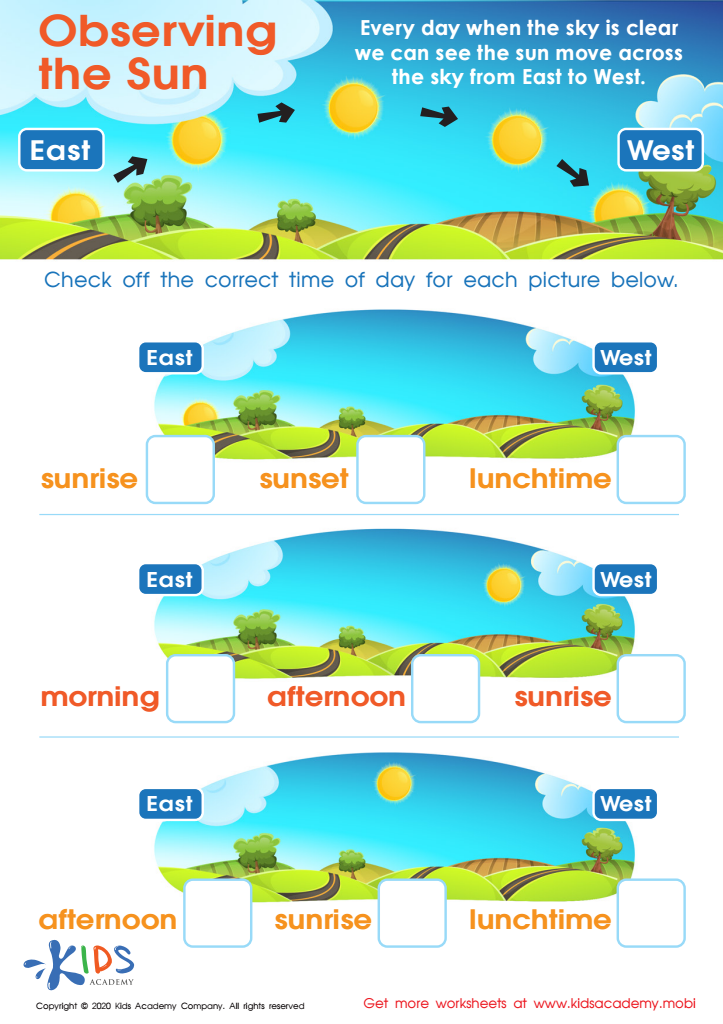
Observing the Sun Worksheet
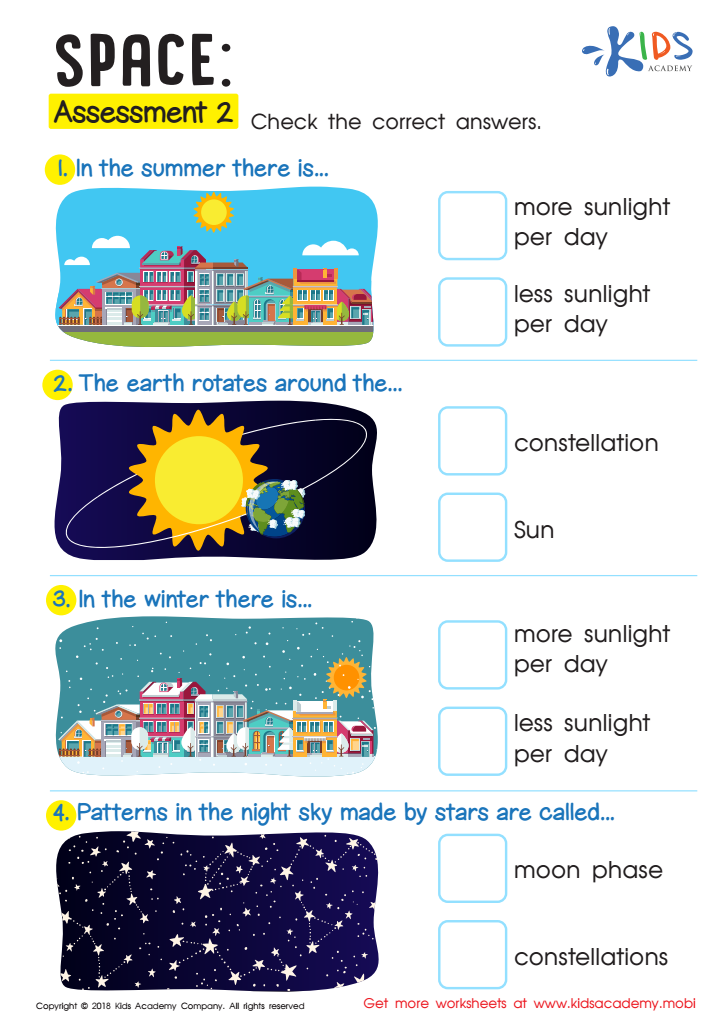
Space: Assessment 2 Worksheet
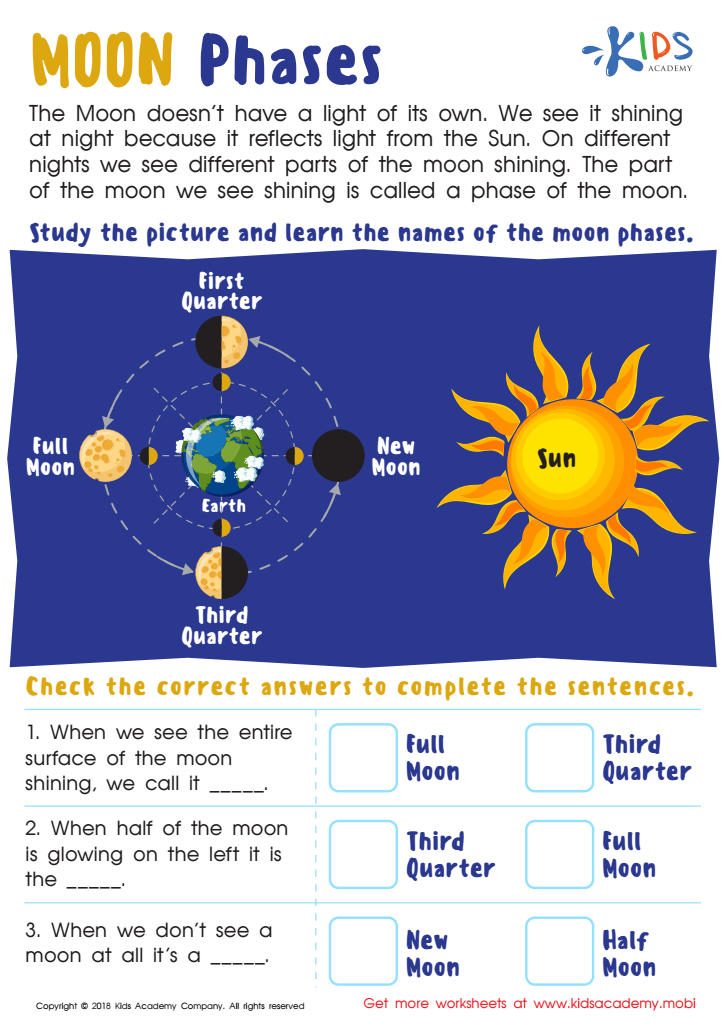
Moon Phases Worksheet
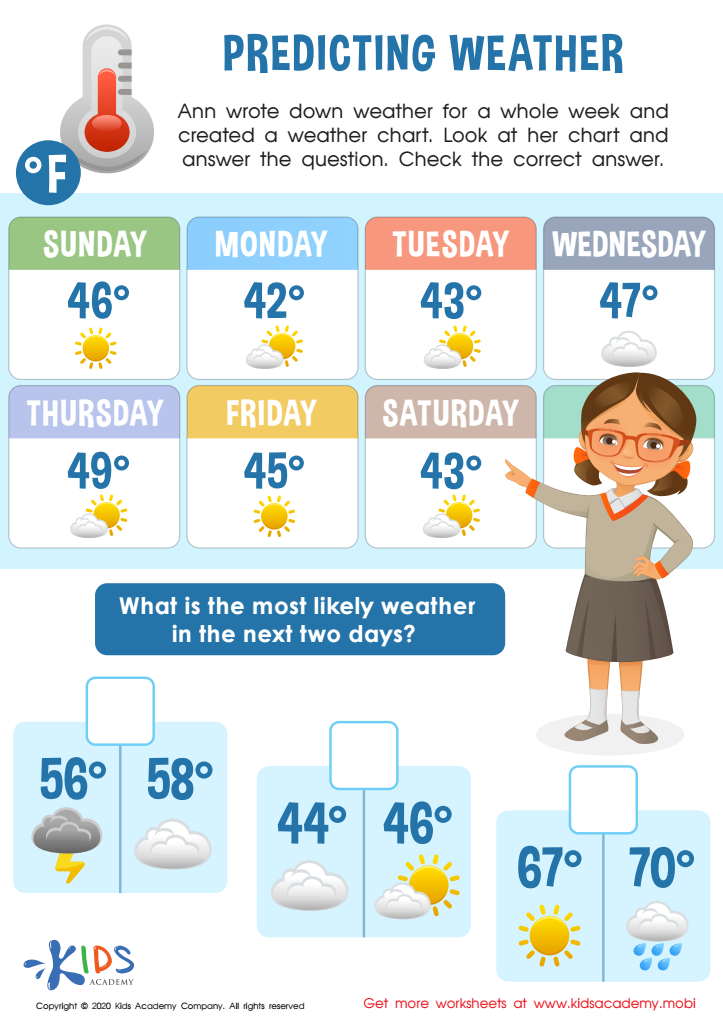
Predicting Weather Worksheet
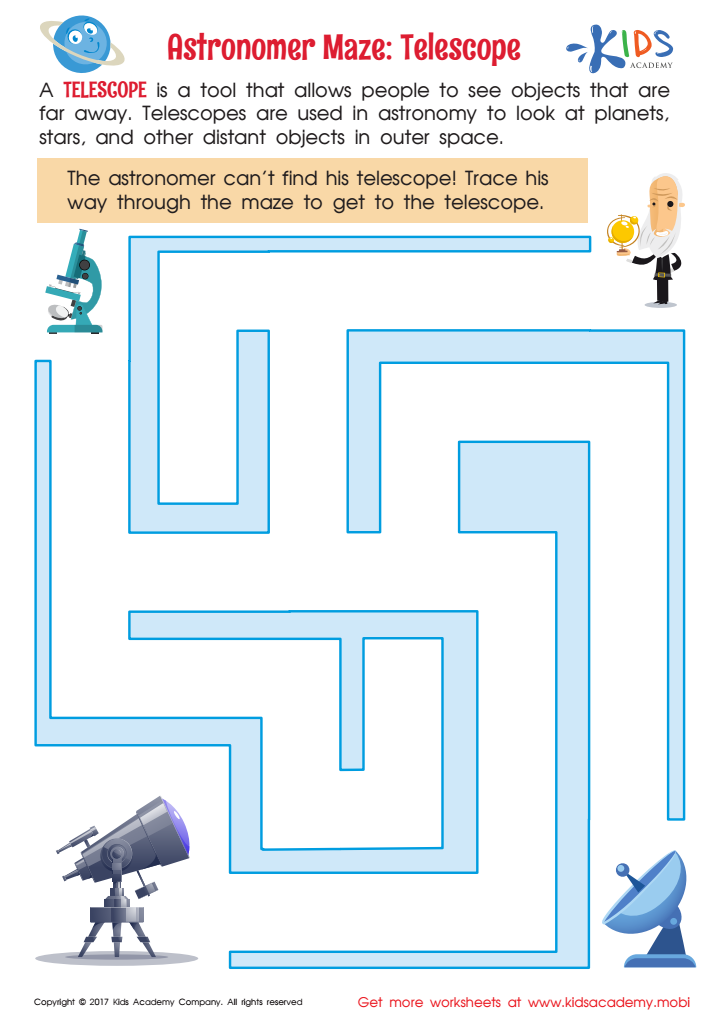
Astronomer Maze: Telescope Worksheet
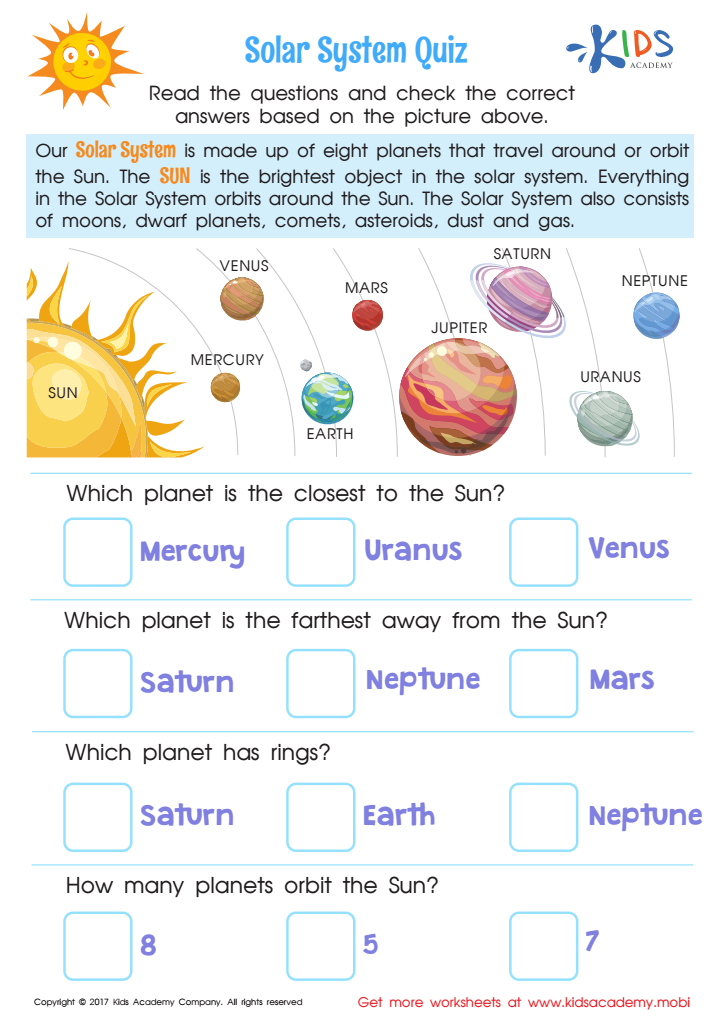
Solar System Quiz Printable
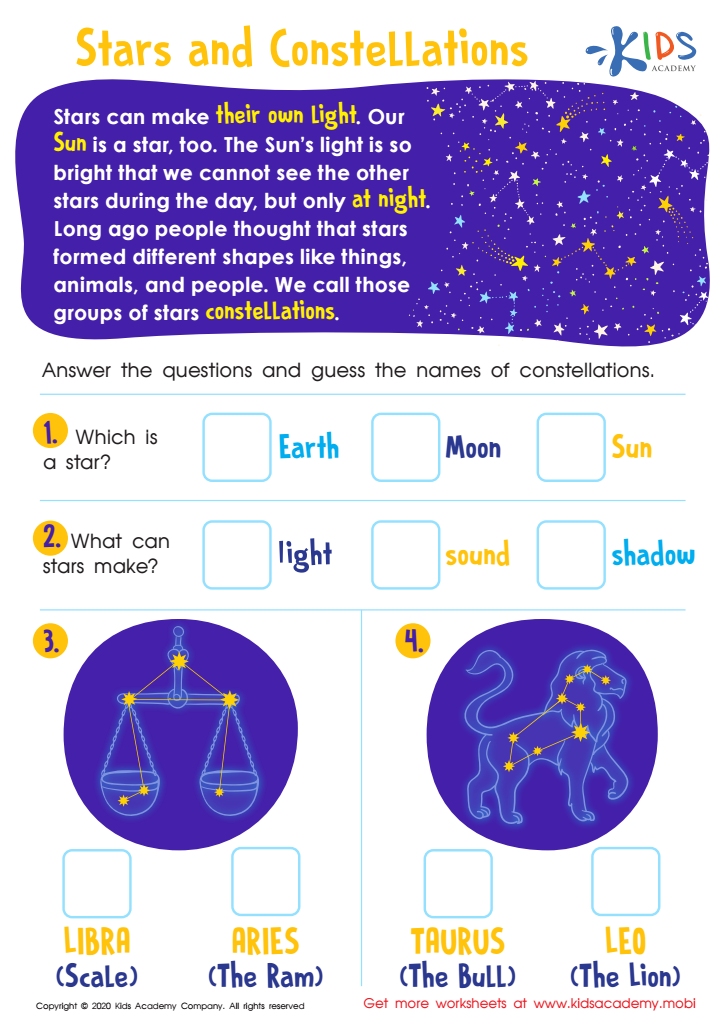
Stars and Constellations Worksheet
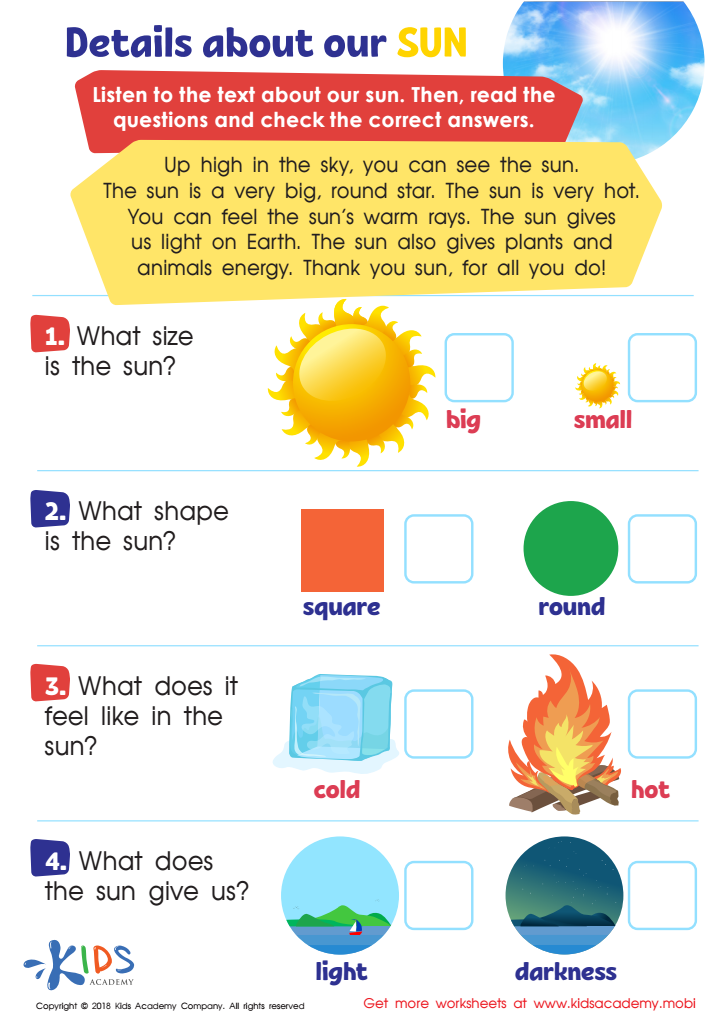
Details About Our Sun Worksheet








Space education is essential for children ages 3-9 because it sparks curiosity, imagination, and a sense of wonder about the universe. At this age, children are naturally inquisitive, often asking "why" and "how," making it the perfect time to introduce concepts related to space. By learning about planets, stars, and galaxies, children develop critical thinking skills and an understanding of scientific concepts, laying a foundation for future learning.
Engaging with space topics can enhance various developmental areas. It encourages language development through new vocabulary related to astronomy, fosters creativity through storytelling about the universe, and can even improve math skills through counting stars or measuring distances.
Furthermore, space education promotes social skills when kids collaborate on projects or share their ideas about space exploration. In an increasingly technology-driven world, awareness of space can inspire future careers in science, technology, engineering, and mathematics (STEM) fields, crucial for our society's growth and innovation.
By nurturing a child's interest in space, parents and teachers help children appreciate the broader world around them and cultivate a lifelong love of learning, exploration, and respect for the universe.







