Shape Recognition 2D Shapes Worksheets for Ages 4-5
23 filtered results
-
From - To
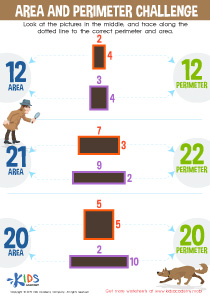
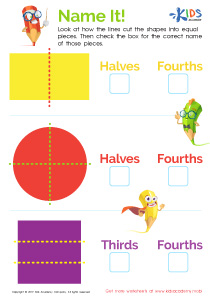
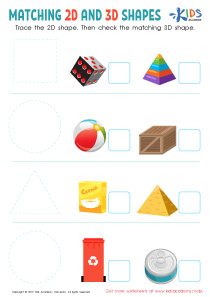
Discover our engaging "Shape Recognition 2D Shapes Worksheets for Ages 4-5" designed to make learning fun and effective for young learners. Our expertly crafted worksheets help children identify, trace, and categorize circles, squares, triangles, and more, enhancing their early math skills and fine motor development. Through colorful and interactive exercises, kids will develop shape recognition and spatial awareness, setting a solid foundation for future learning. Ideal for preschool and kindergarten students, our printables support both classroom activities and homeschooling. Ignite your child's passion for learning with our educational and entertaining 2D shape worksheets!
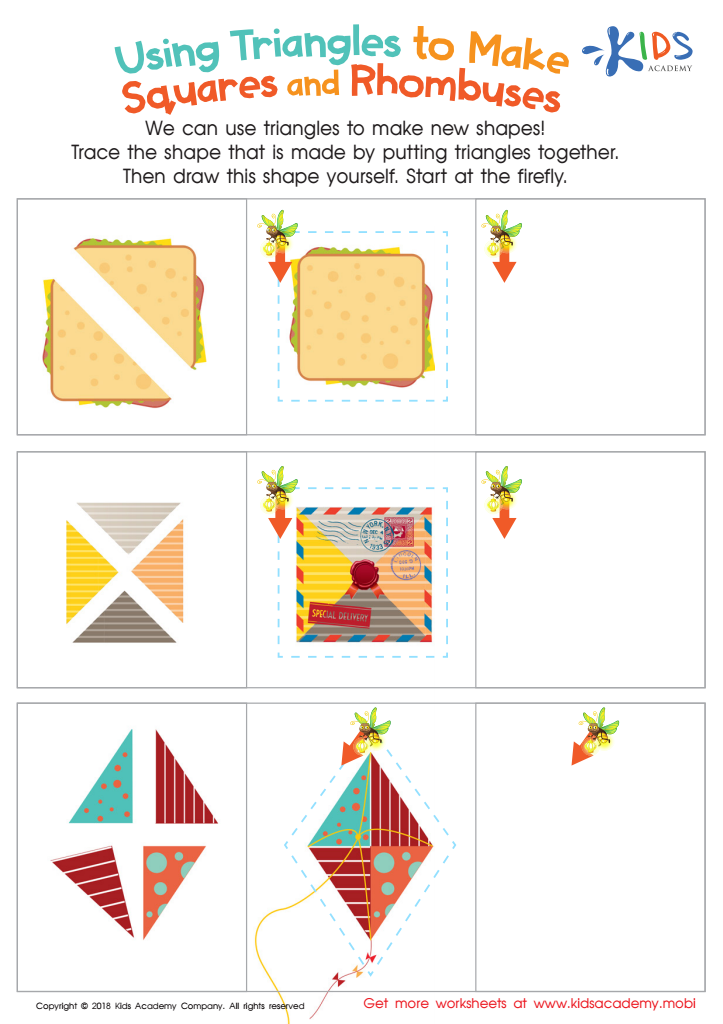
Using Triangles to Make Squares and Rhombuses Worksheet
 Assign to My Students


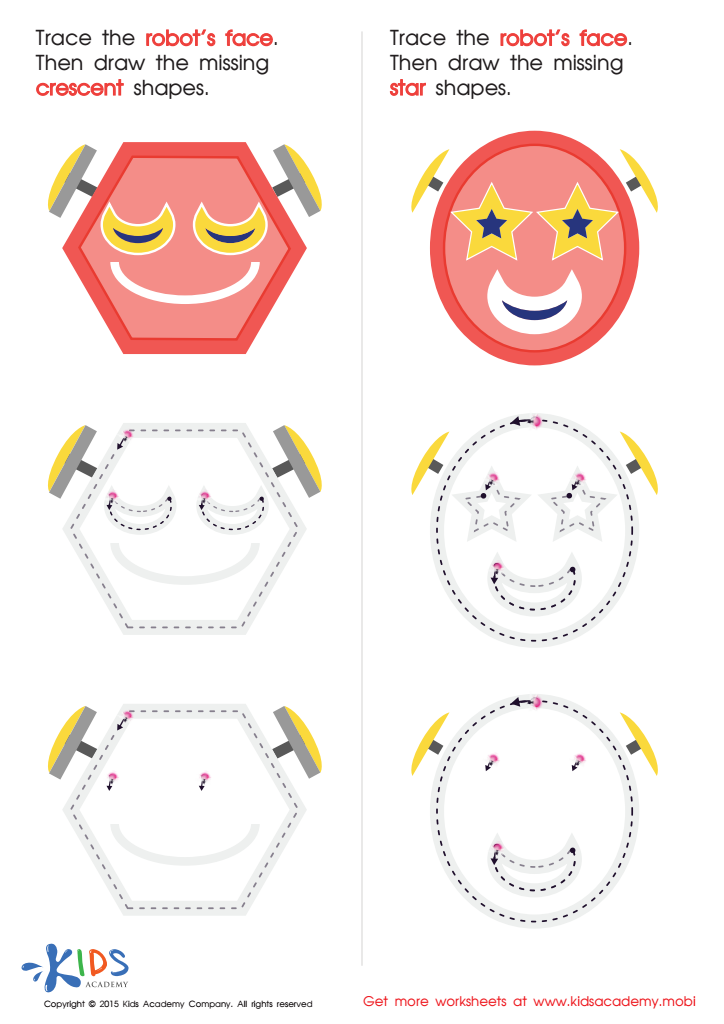
Composing a Robot's Face of Crescents And Stars Worksheet
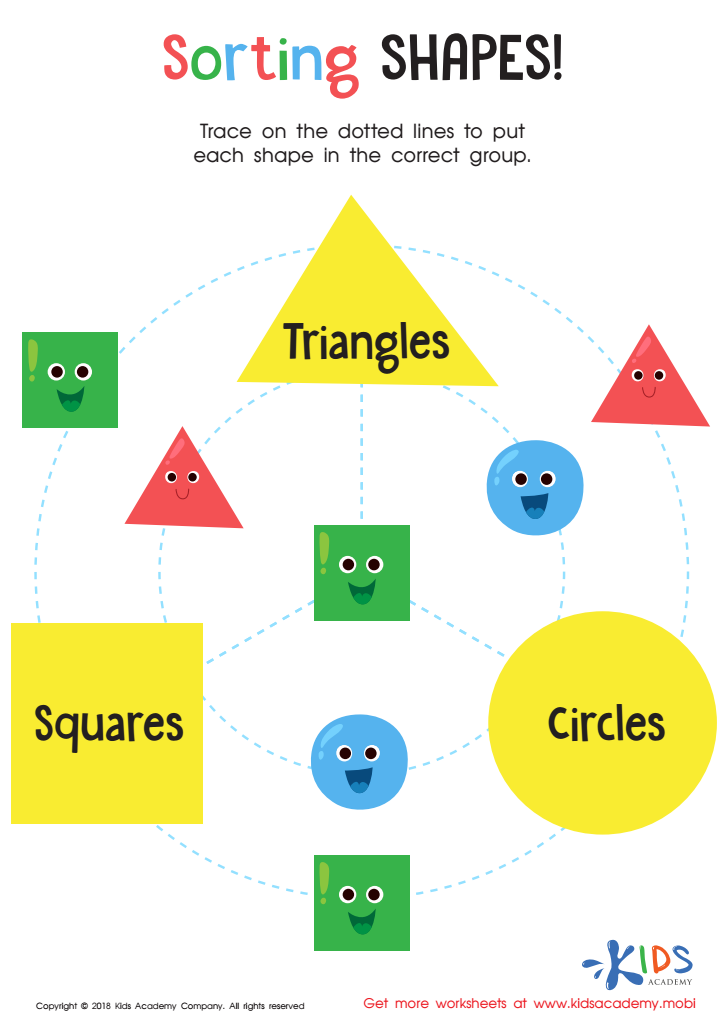
Sorting Shapes - Part 3 Worksheet
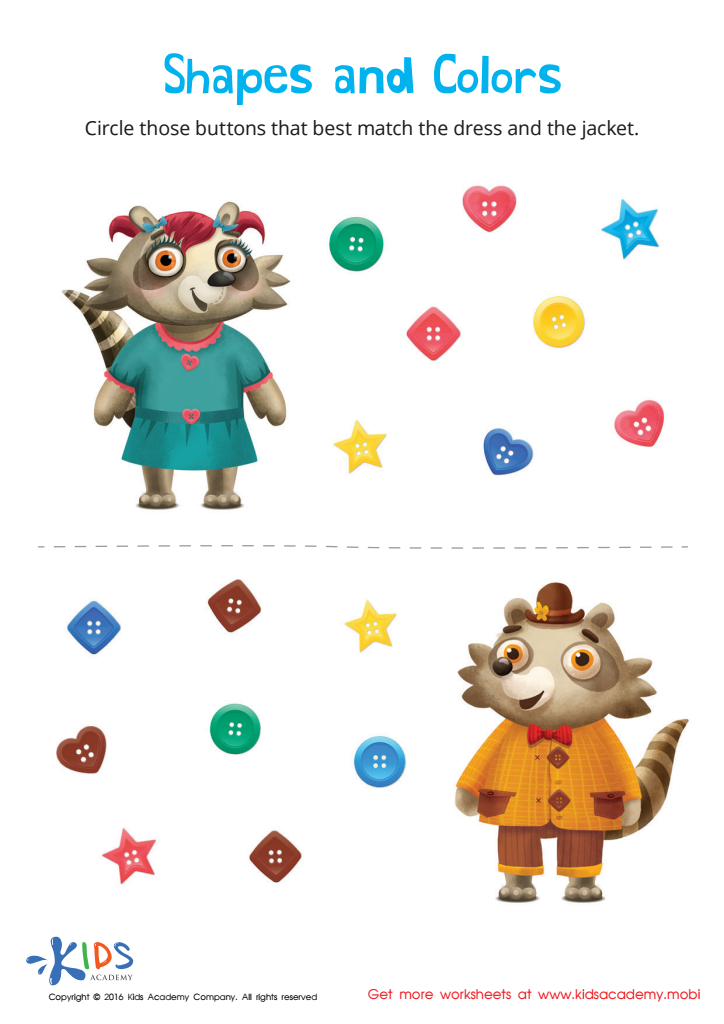
Matching: Shapes and Colors Worksheet
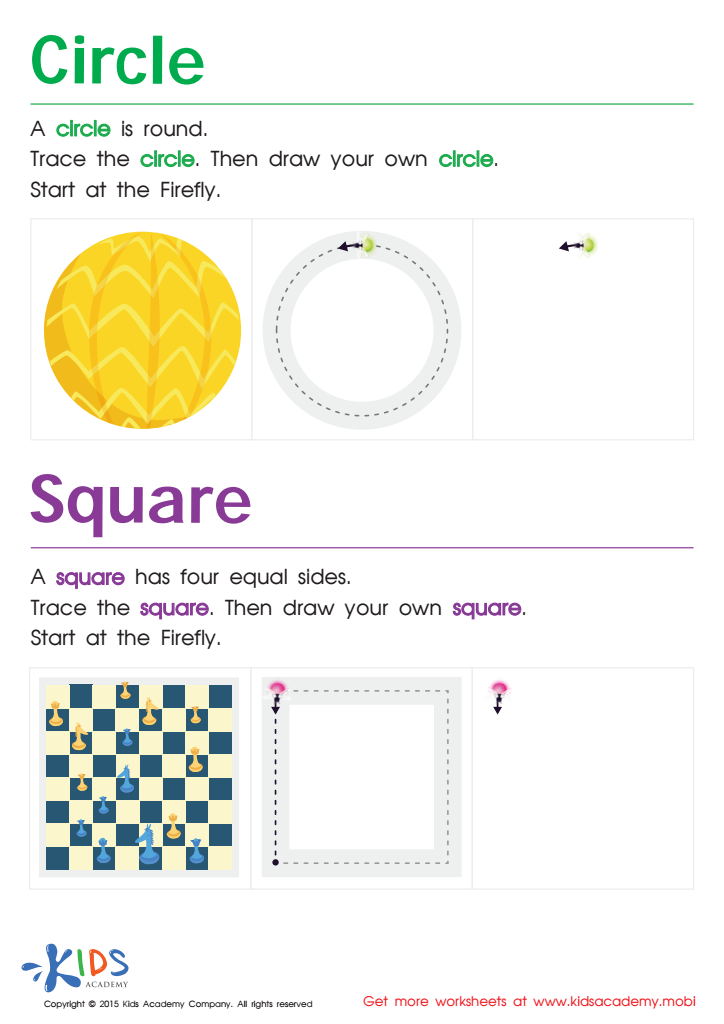
Trace And Draw a Circle And a Square Worksheet
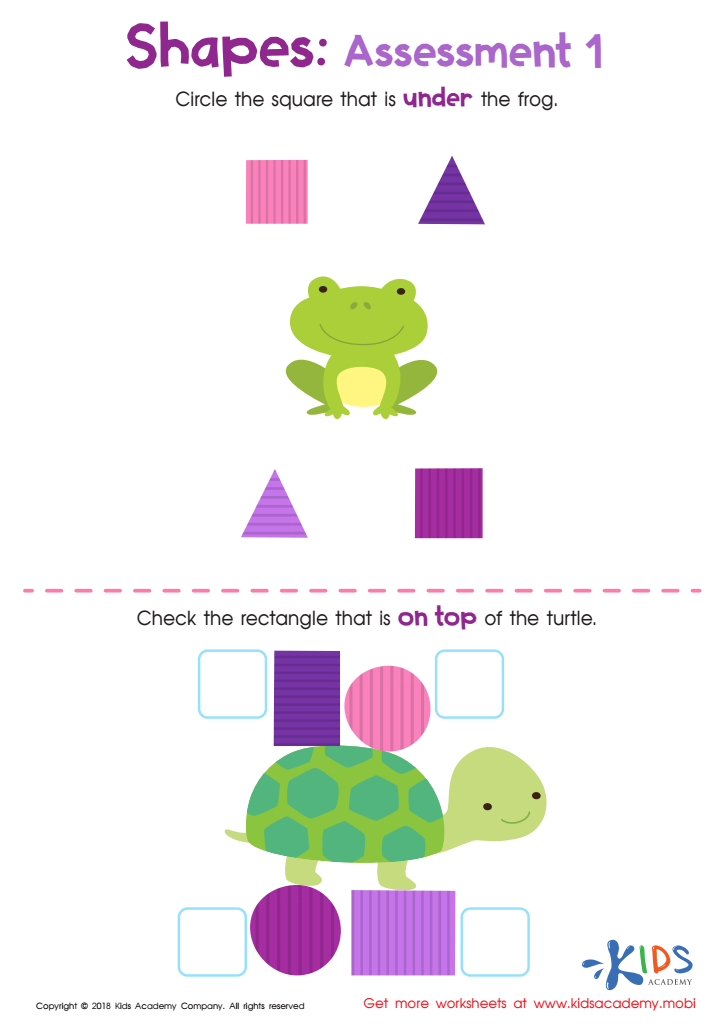
Geometry – Assessment 1 Worksheet
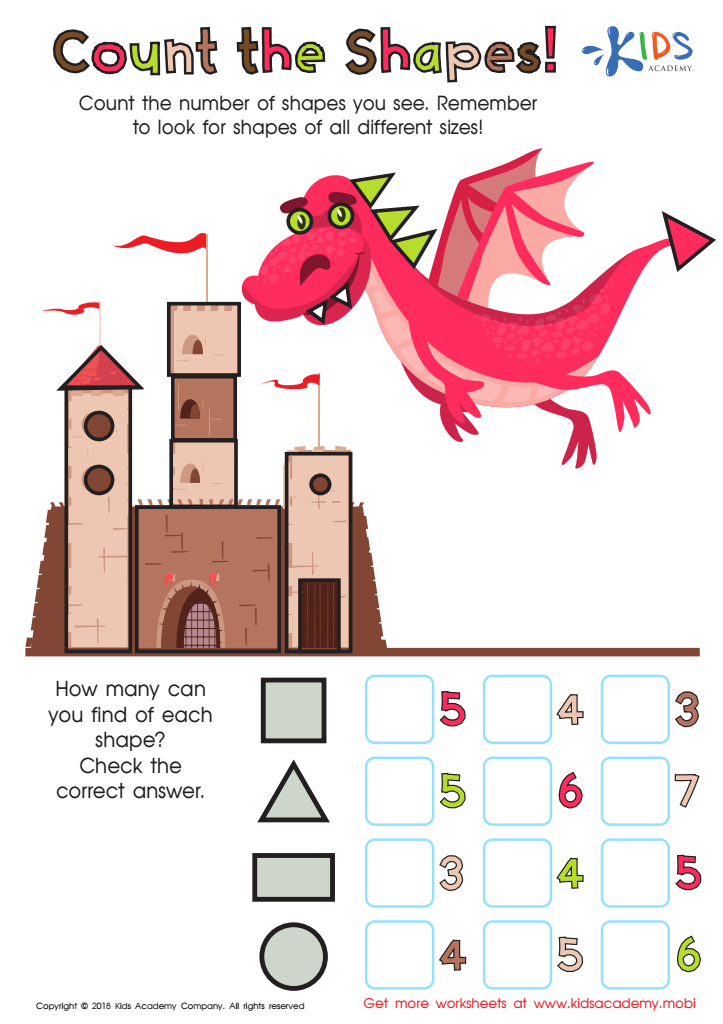
Count the Shapes Worksheet
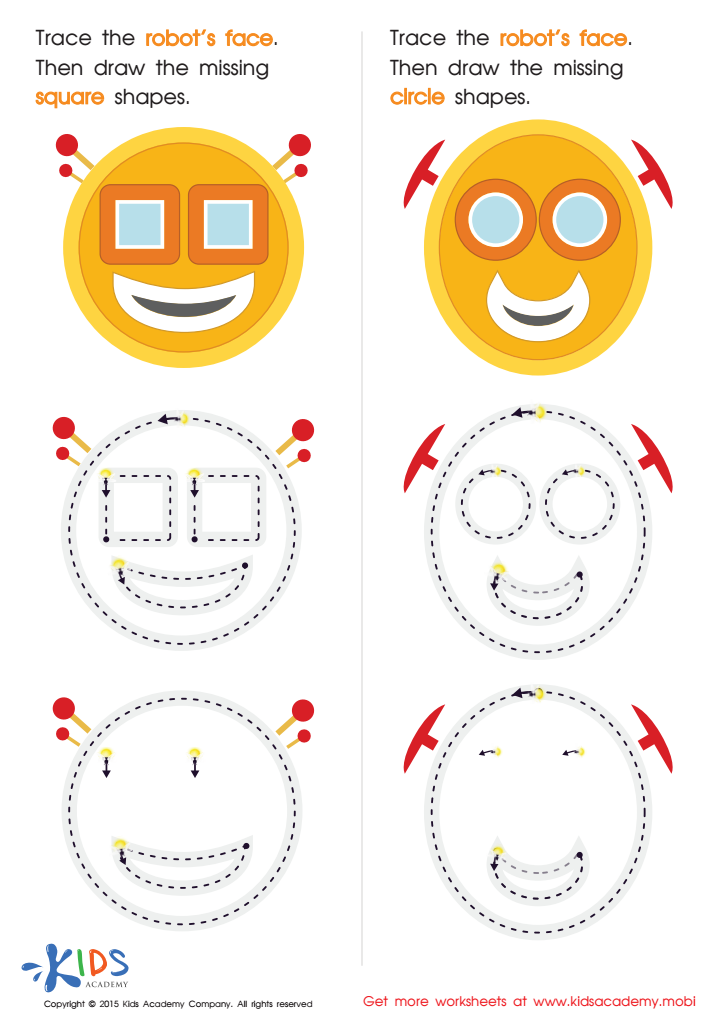
Practicing to Draw Circles And Squares Printable
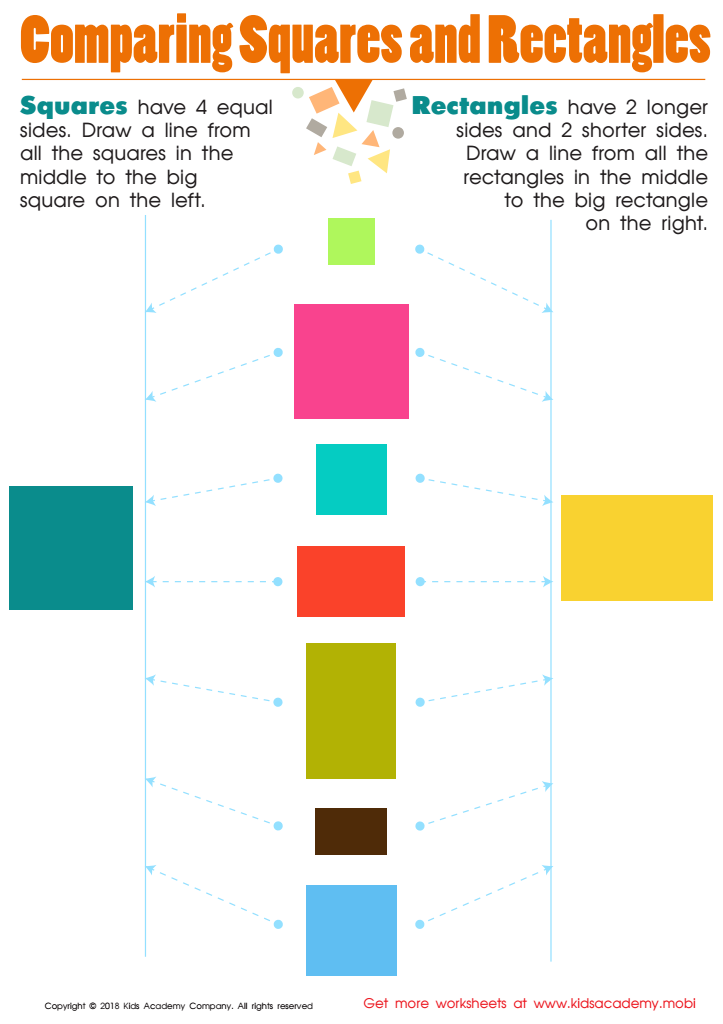
Comparing Squares Rectangles Worksheet
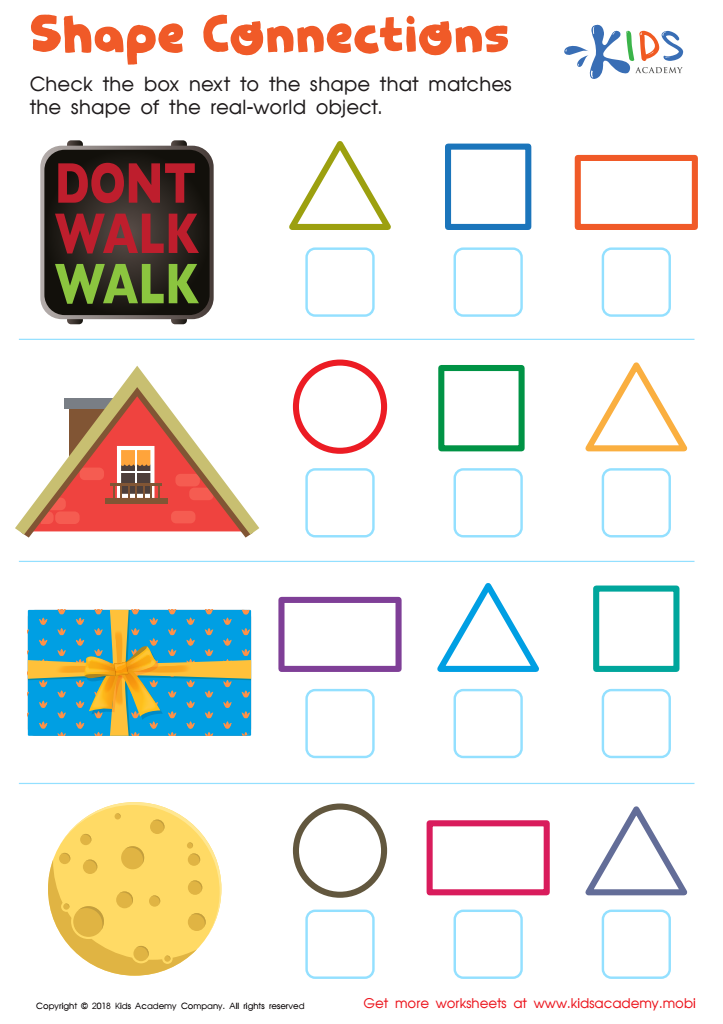
Shape Connections Worksheet
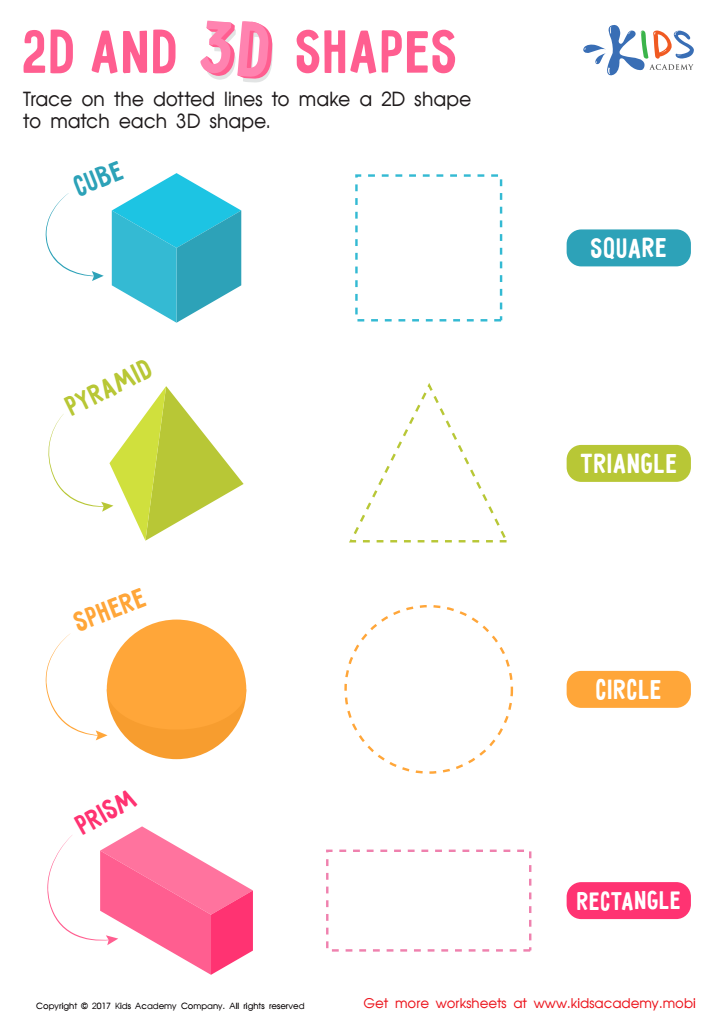
2D and 3D Shapes Worksheet
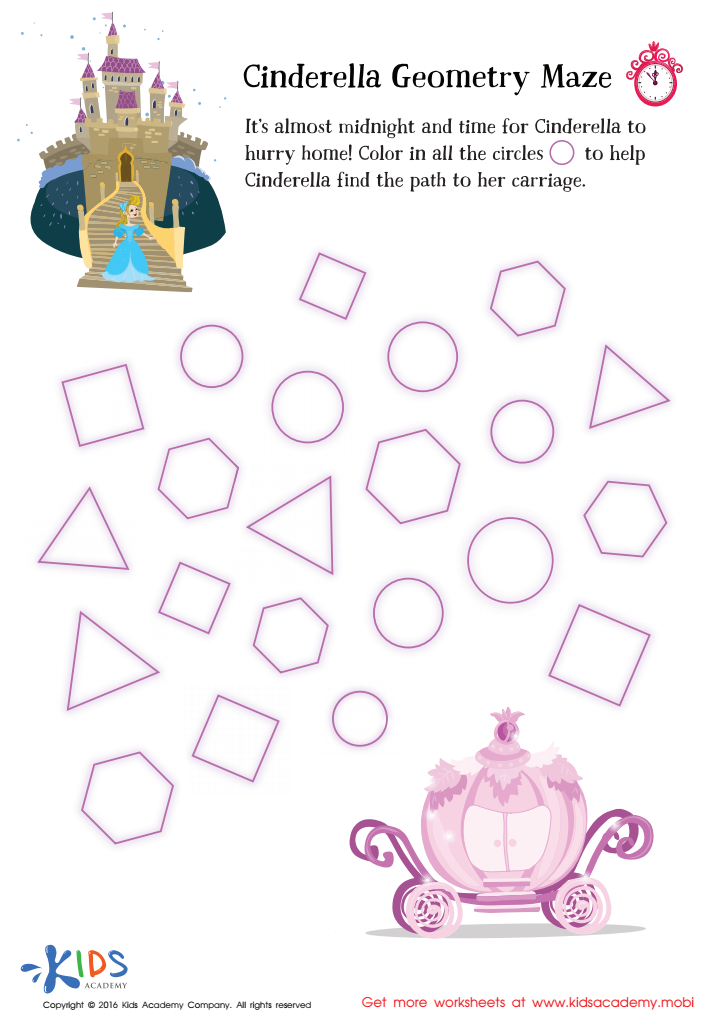
Cinderella Geometry Maze Worksheet
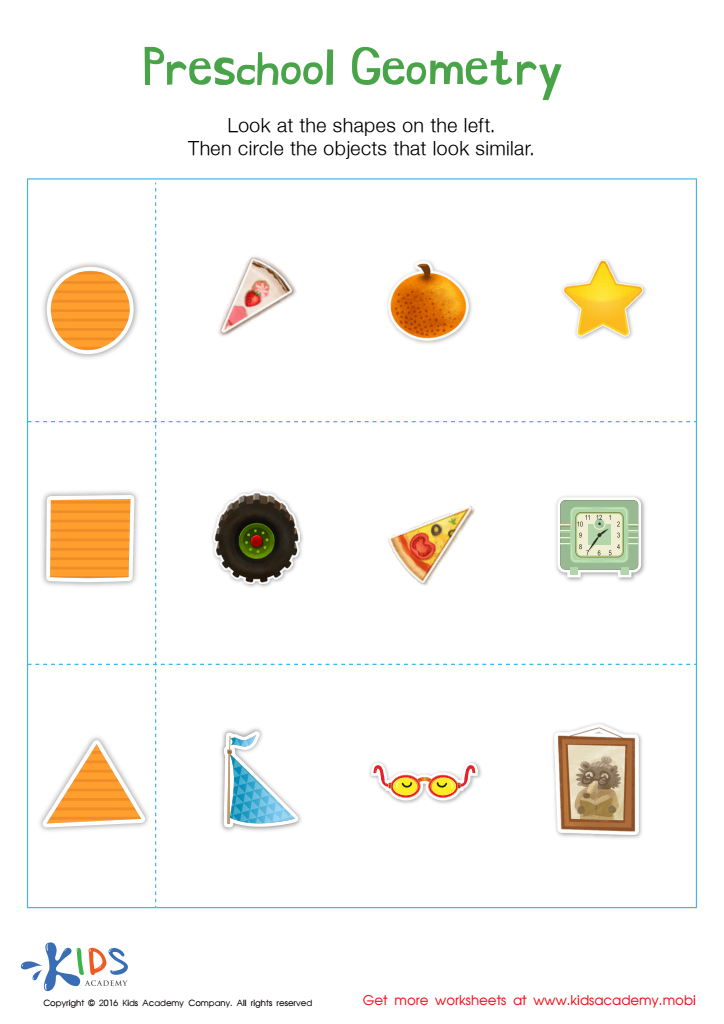
Preschool Geometry Match Up Worksheet
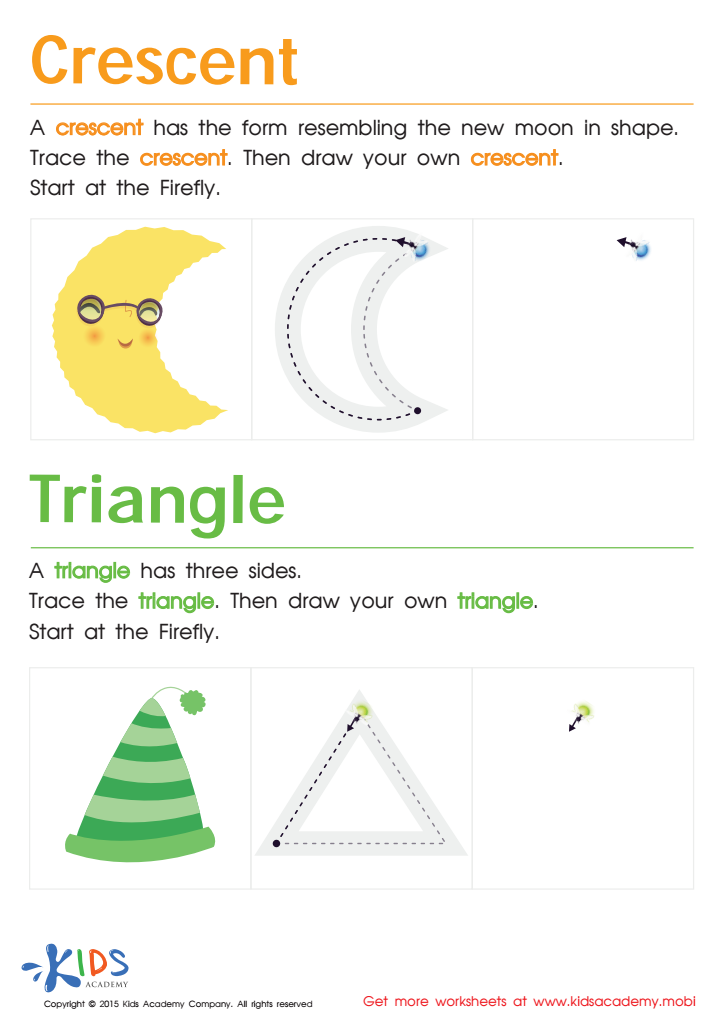
Learning to Draw Crescents And Triangles Worksheet
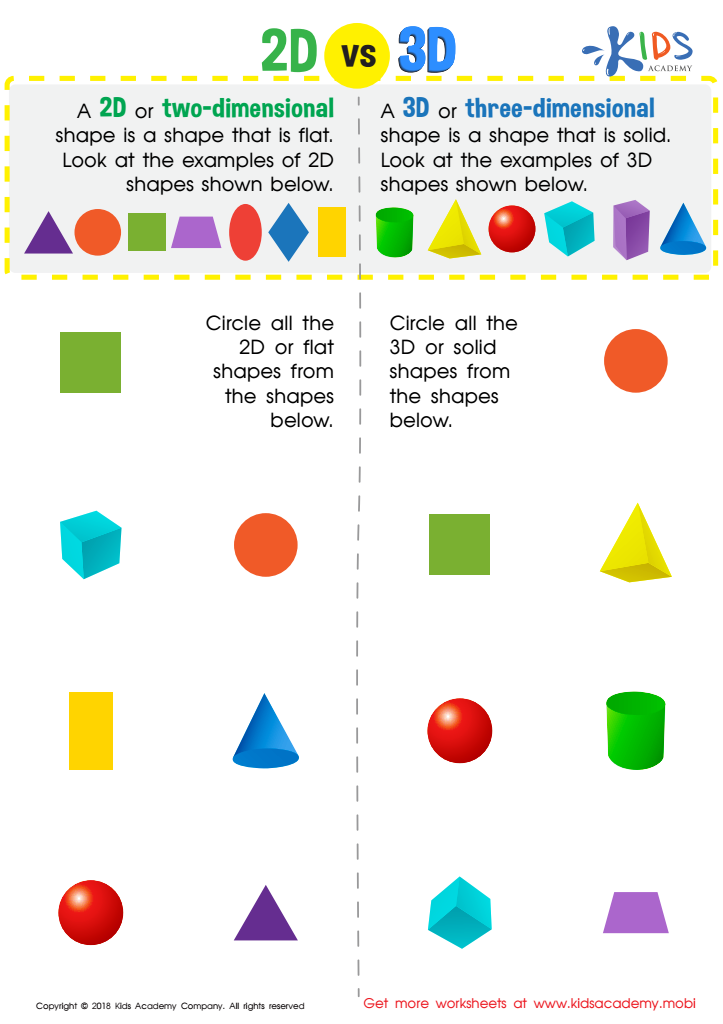
2D vs 3D Shapes Worksheet
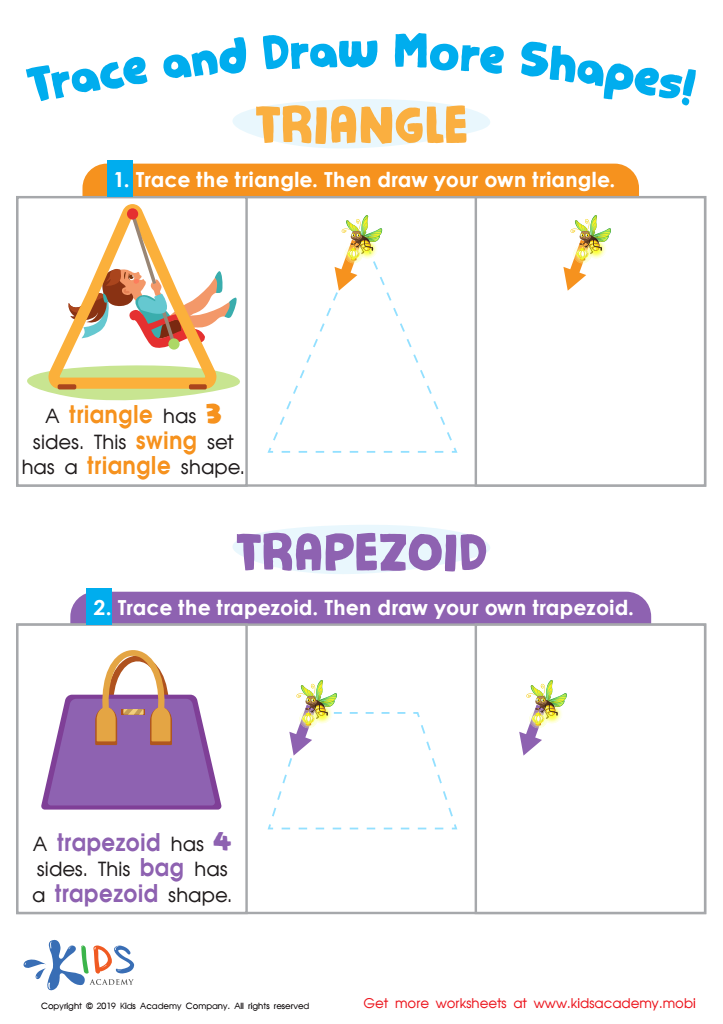
Trace and Draw More Shapes Worksheet
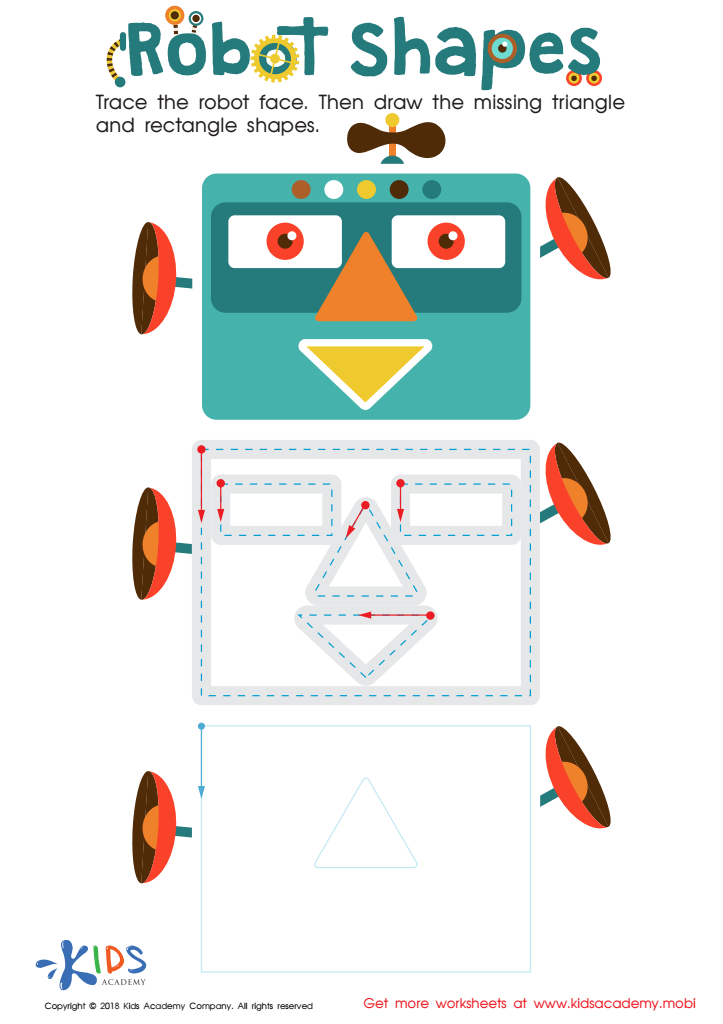
Robot Shapes Worksheet
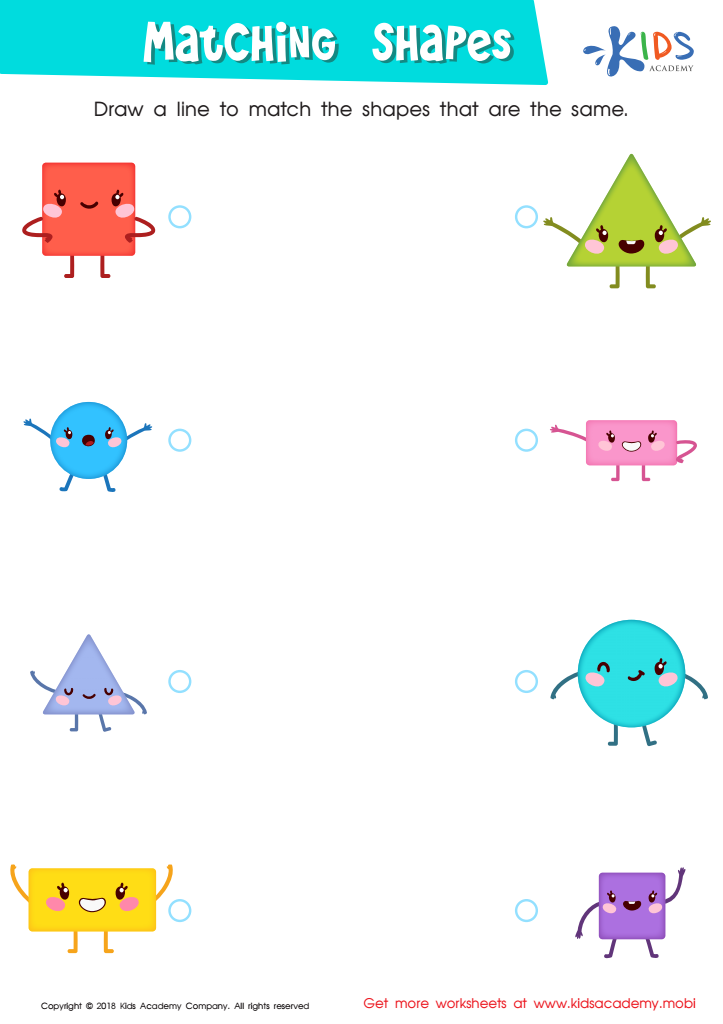
Matching Shapes Worksheet
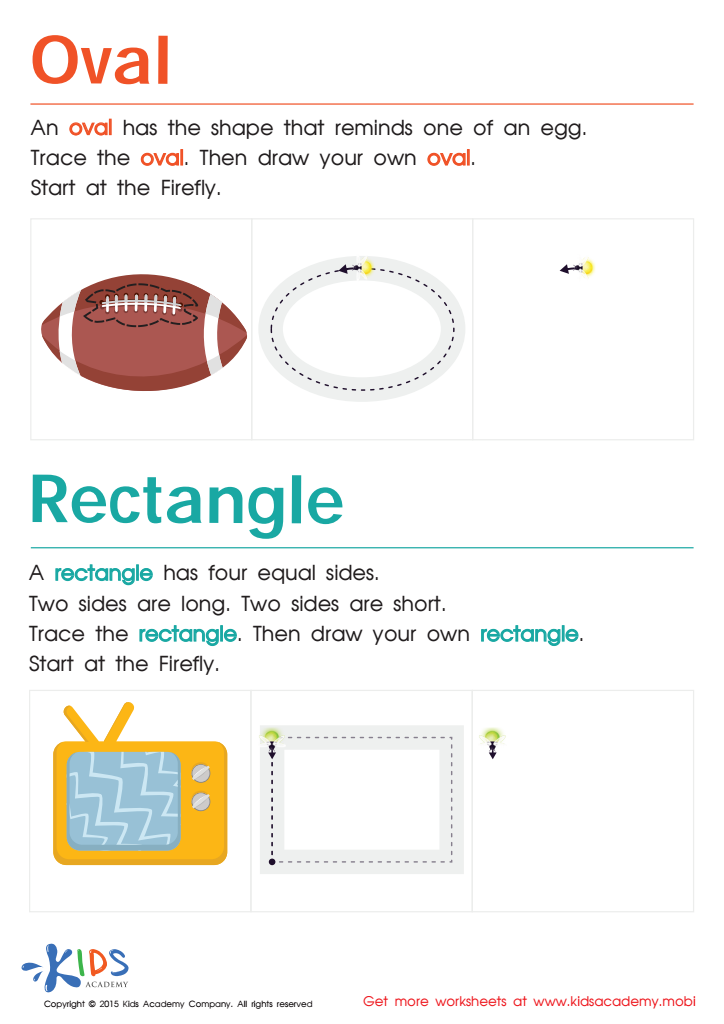
Easy Drawing of Ovals And Rectangles Worksheet
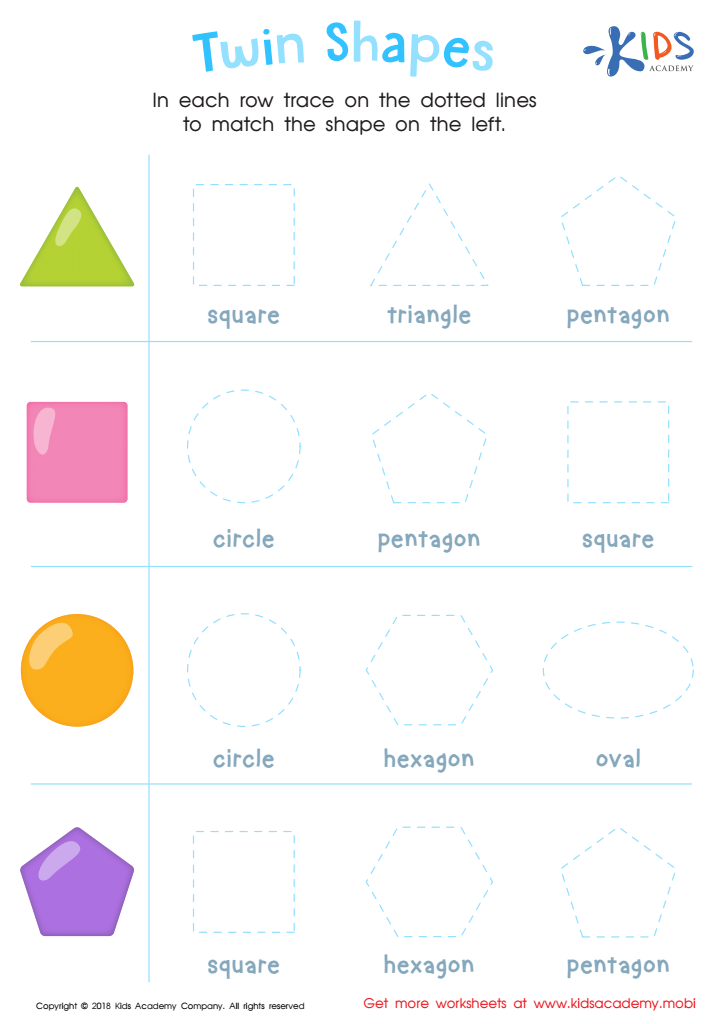
Twin Shapes Dot-to-Dot Worksheet
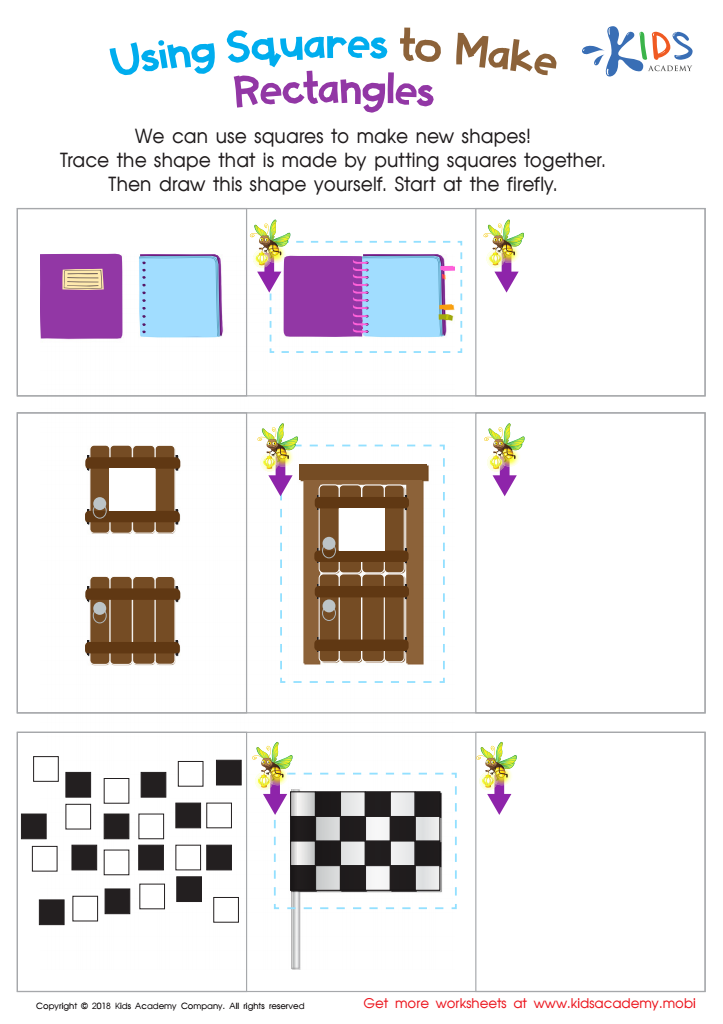
Using Squares to Make Rectangles Worksheet
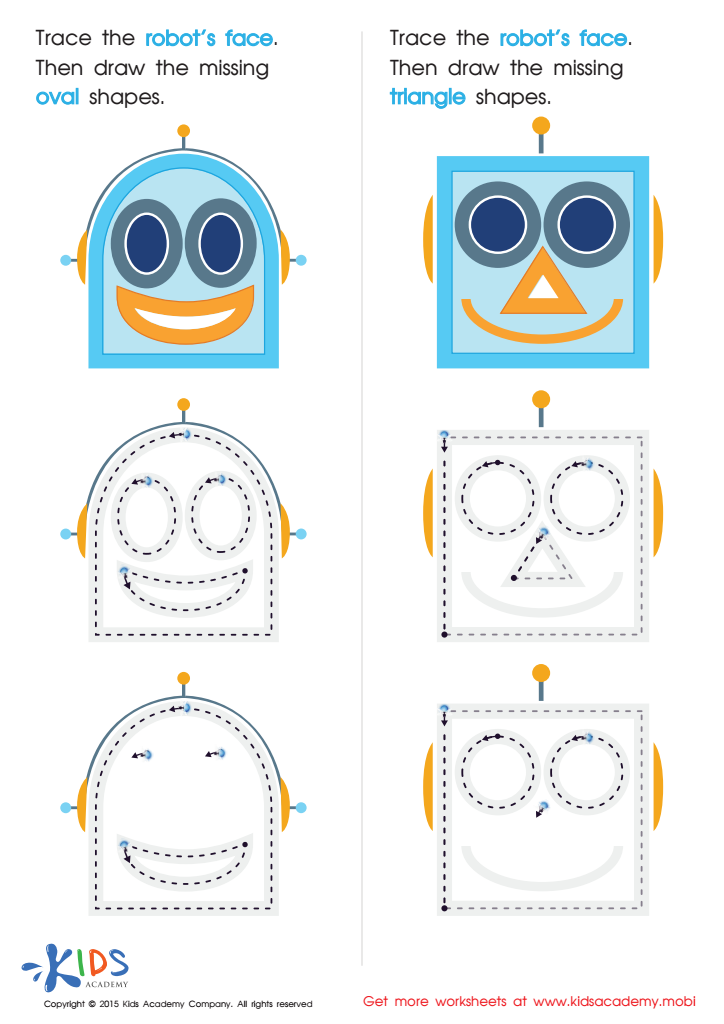
Drawing Ovals And Triangles with Fun Printable
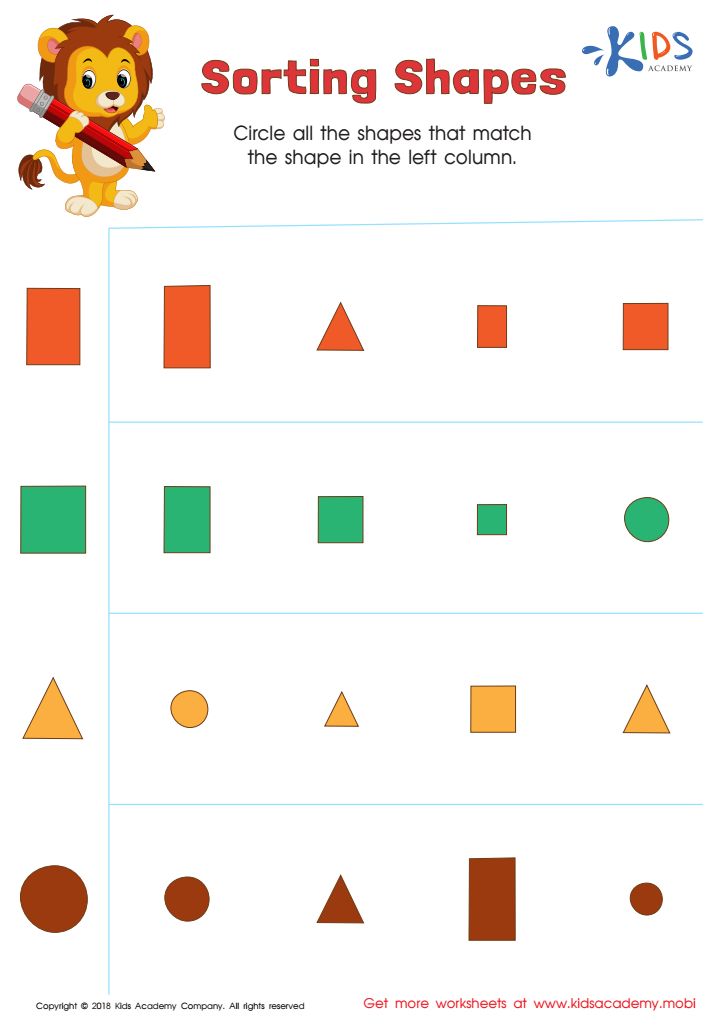
Sorting Shapes - Part 2 Worksheet








Shape recognition of 2D shapes for ages 4-5 is crucial for early cognitive development in young children. At this age, recognizing shapes such as circles, squares, triangles, and rectangles is foundational for their understanding of more complex concepts later. Recognizing these basic shapes enhances a child's spatial awareness, which is essential for everyday tasks and for subjects like mathematics and science in later education.
Furthermore, shape recognition lays the groundwork for developing geometry skills. Grasping these fundamental shapes helps children understand more complex geometric concepts in the future. They begin to see and describe the world more accurately, improving their descriptive and observational abilities. Teachers and parents should foster shape recognition through interactive and engaging activities, such as puzzles, drawing, and playing with shape-sorting toys.
Shape recognition also correlates with literacy and numeracy. For instance, the ability to differentiate shapes is closely linked to discerning different letters and numbers, which are essentially abstract forms that require similar skills of differentiation. Overall, prioritizing 2D shape recognition not only enriches a child's immediate learning experience but also sets a strong foundation for academic success, problem-solving, and critical thinking skills in the future.