Elementary Phonics Worksheets for Ages 4-7 - Page 2
39 filtered results
-
From - To
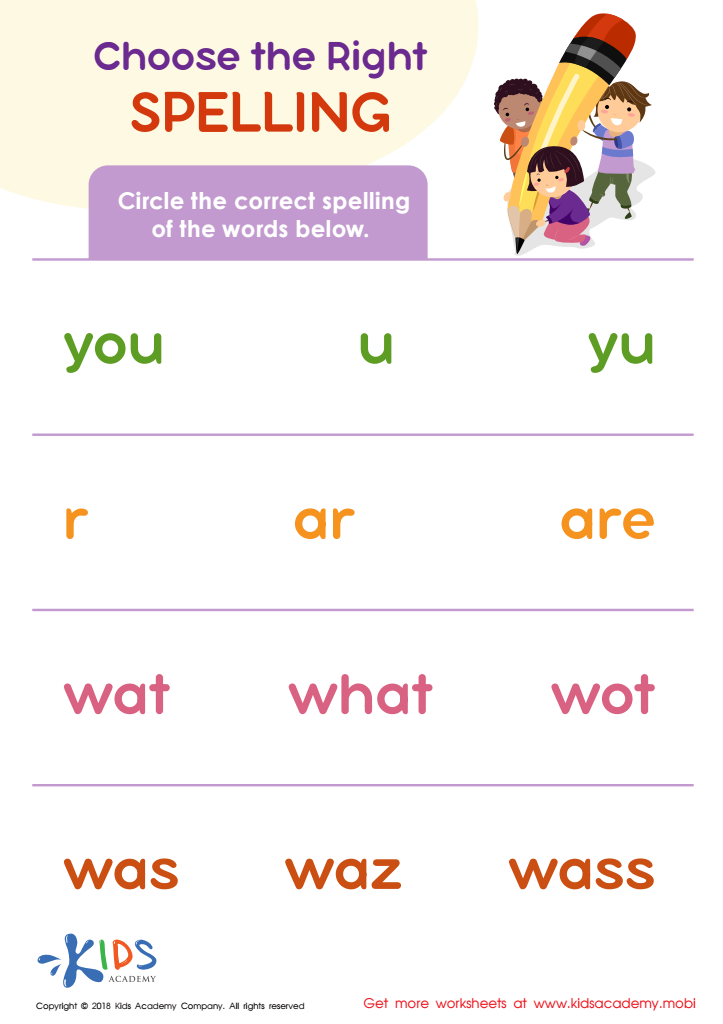
Choose the Right Spelling Worksheet
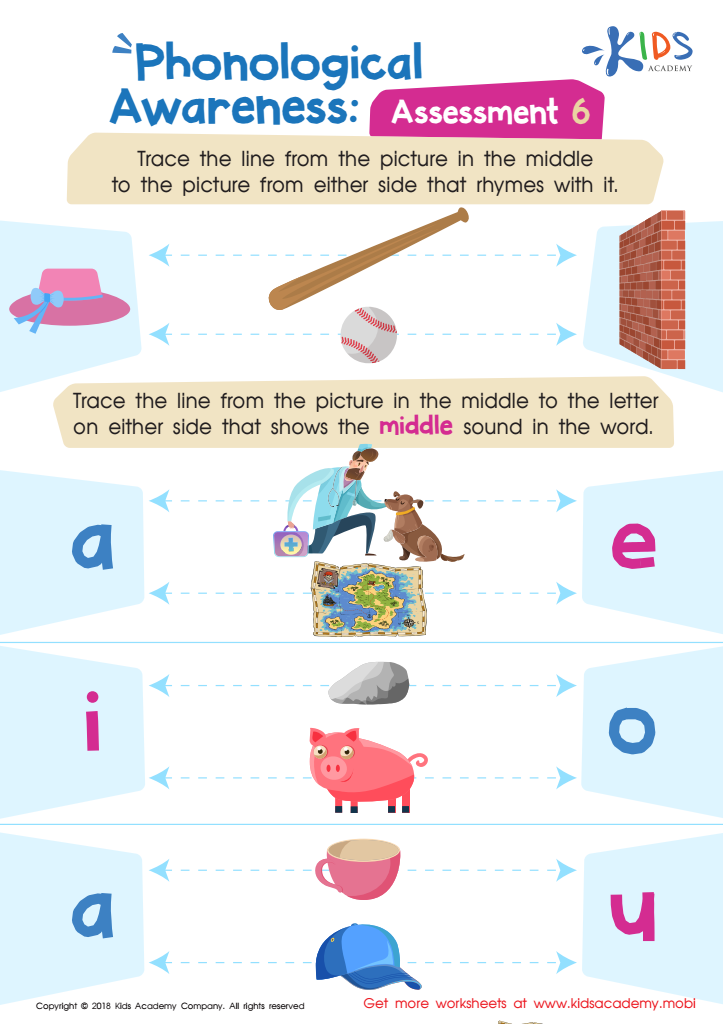
Phonological Awareness: Assessment 6 Worksheet
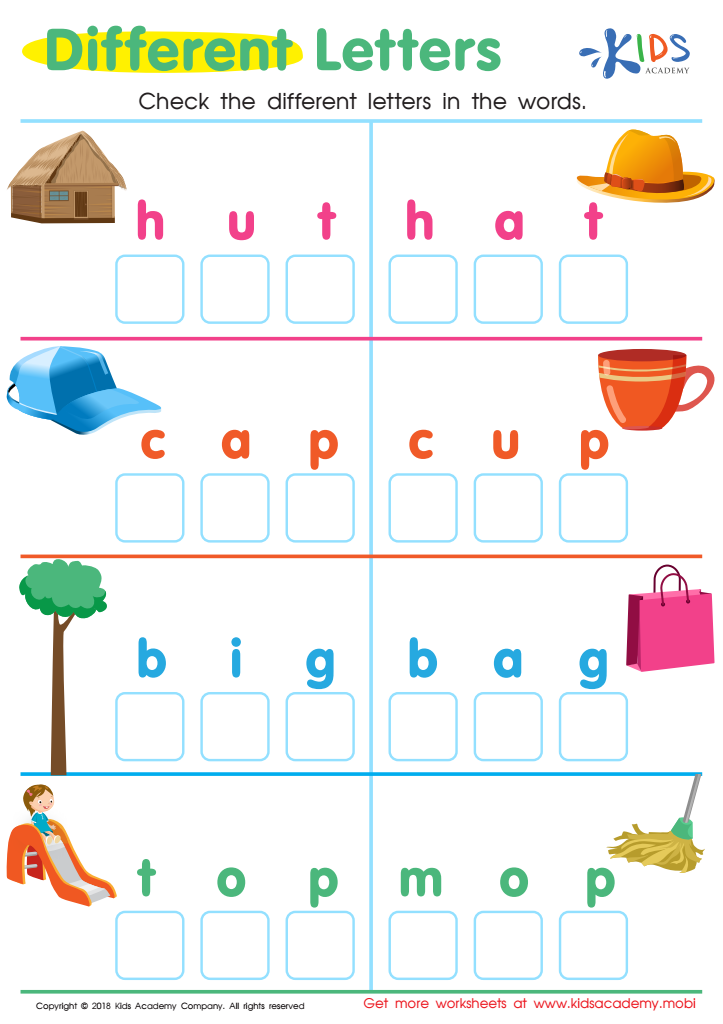
Different Letters Reading Worksheet
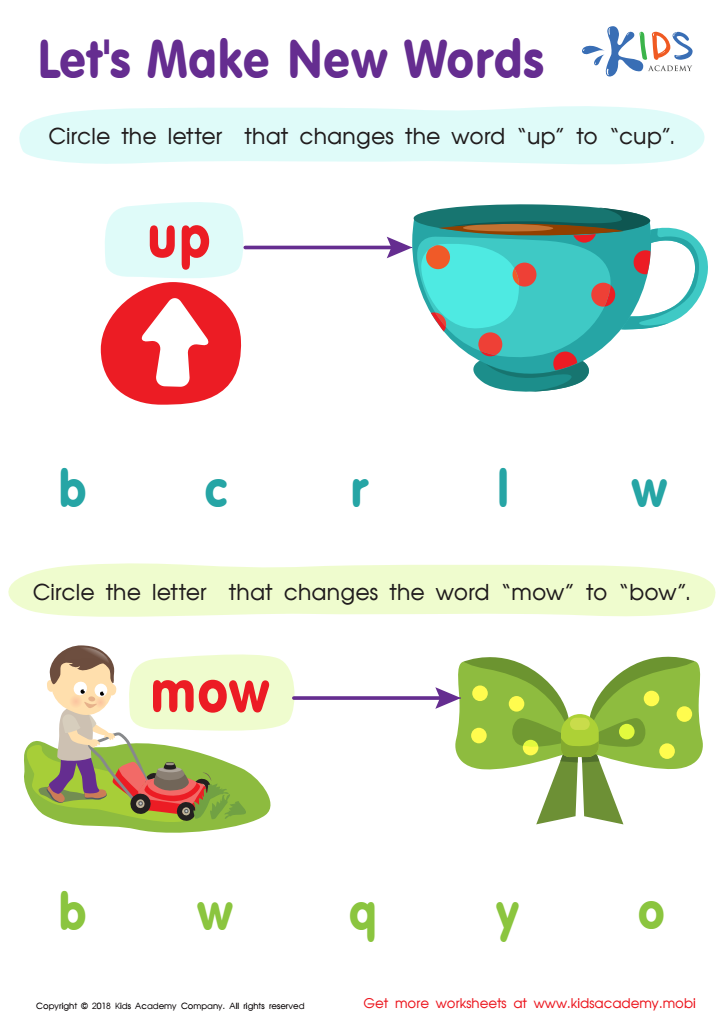
Let's Make New Words Worksheet
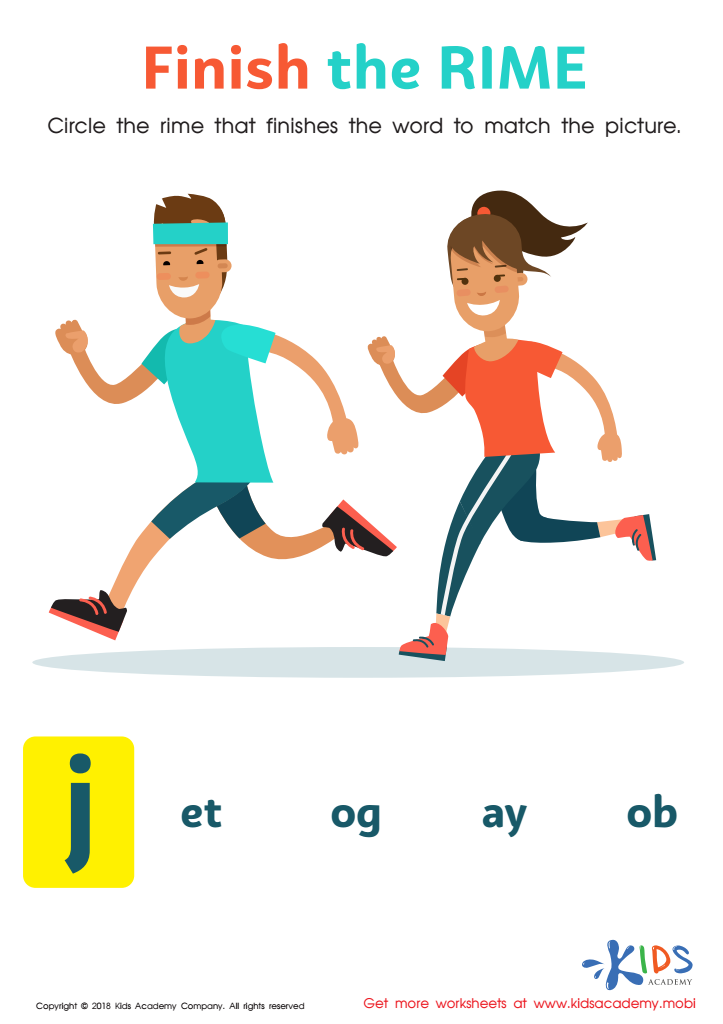
Finish the Rime Worksheet
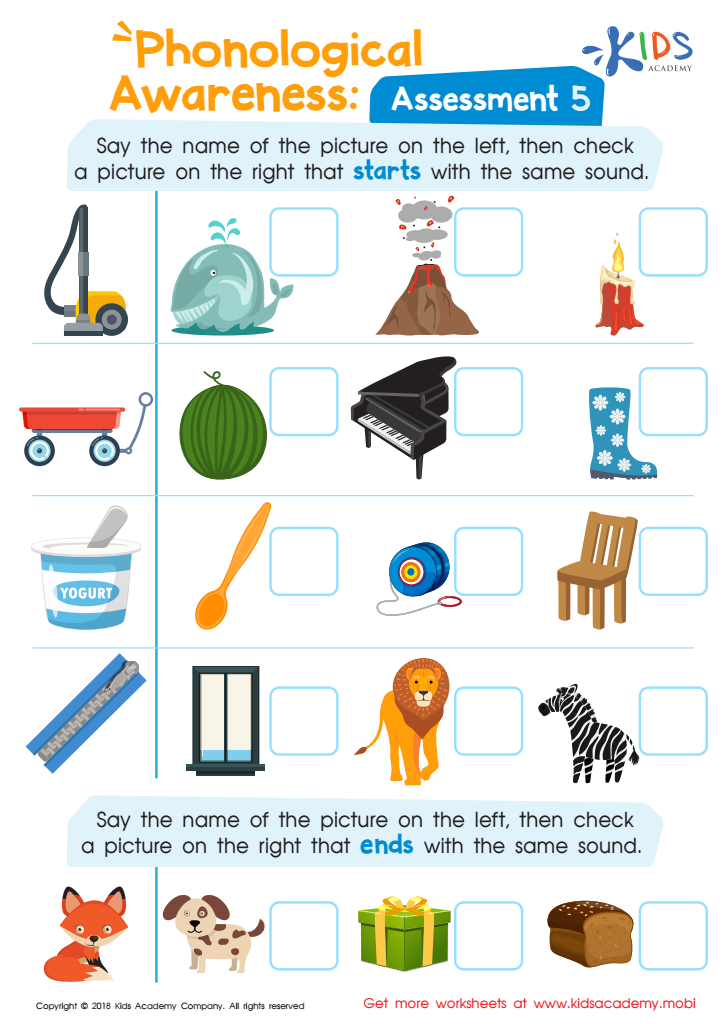
Phonological Awareness: Assessment 5 Worksheet
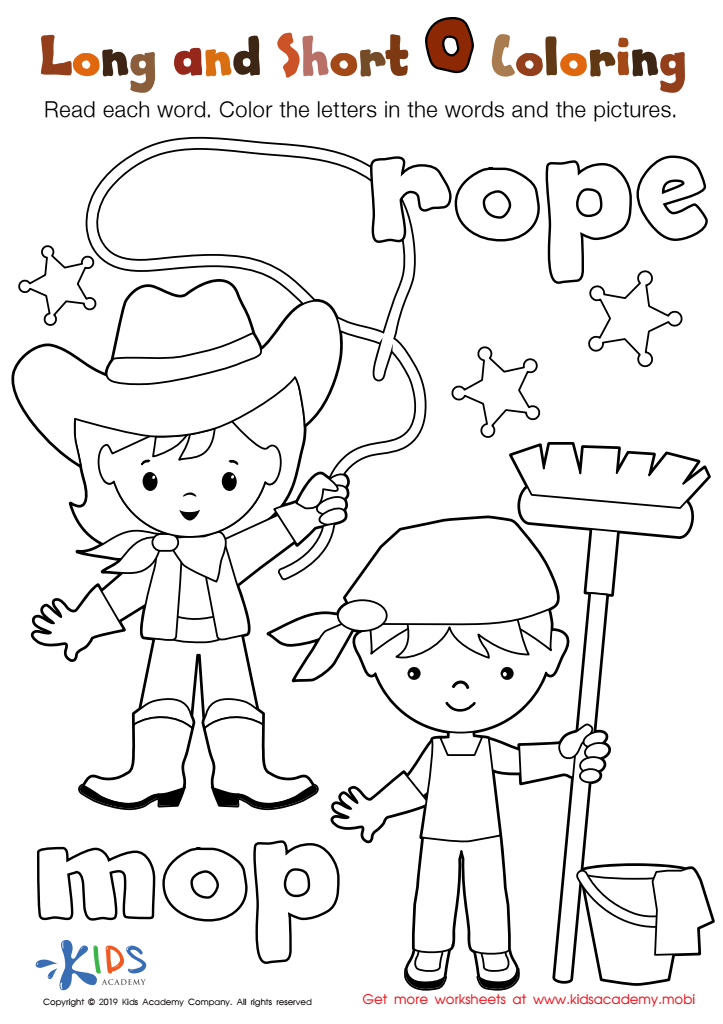
Long and Short O Worksheet
 Assign to My Students
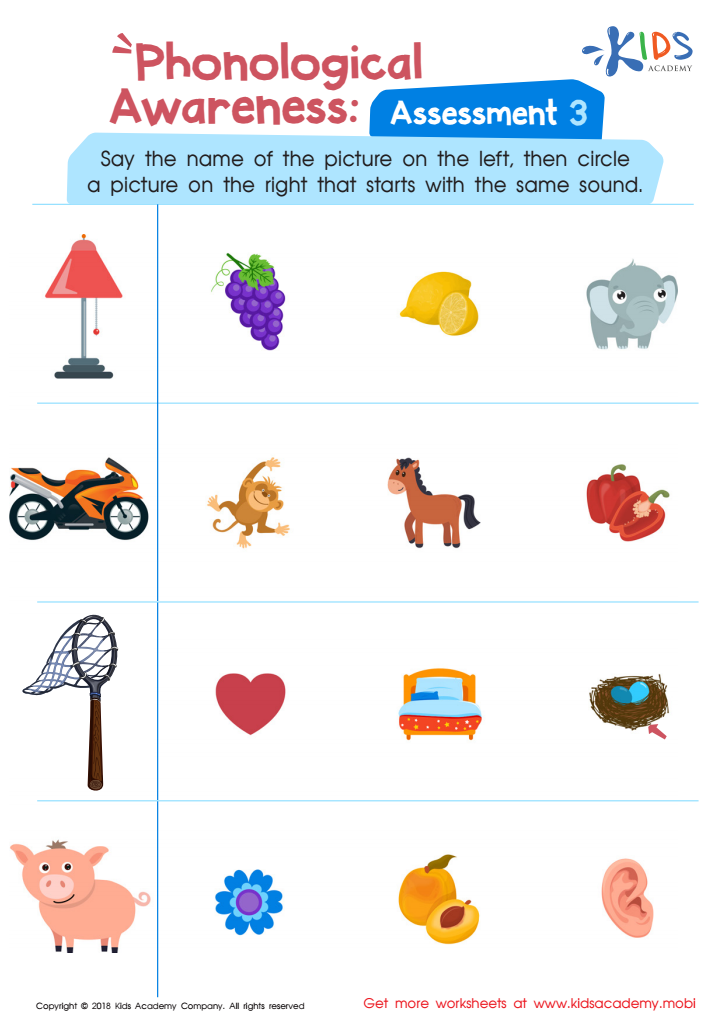
Phonological Awareness: Assessment 3 Worksheet
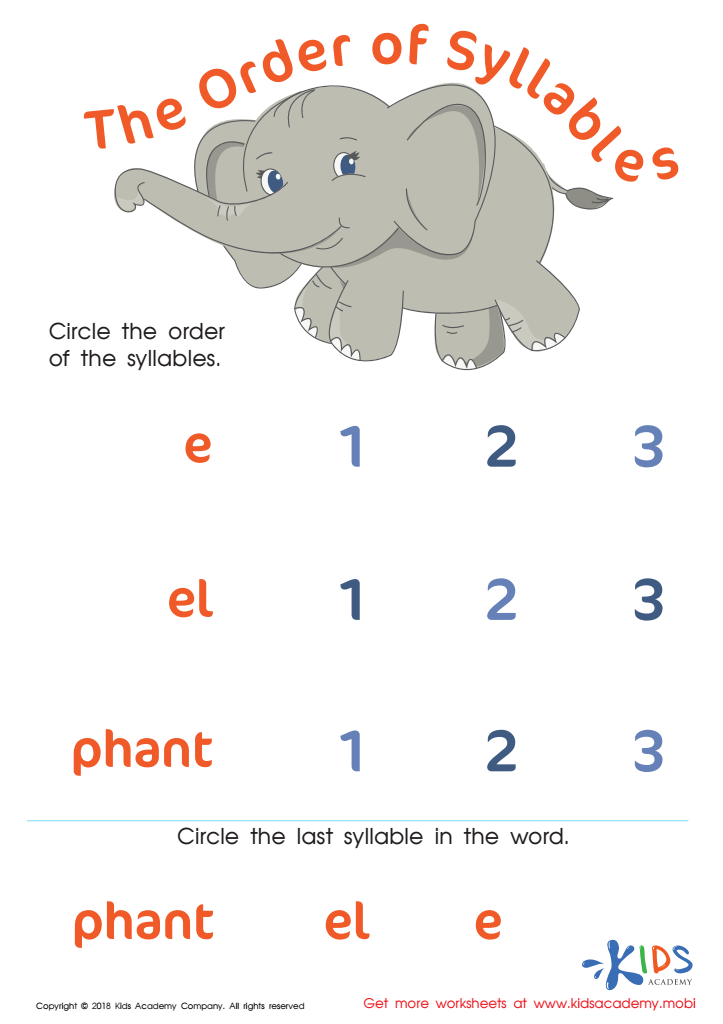
The Order of Syllables Worksheet

Long and Short E Worksheet
Assign to My Students
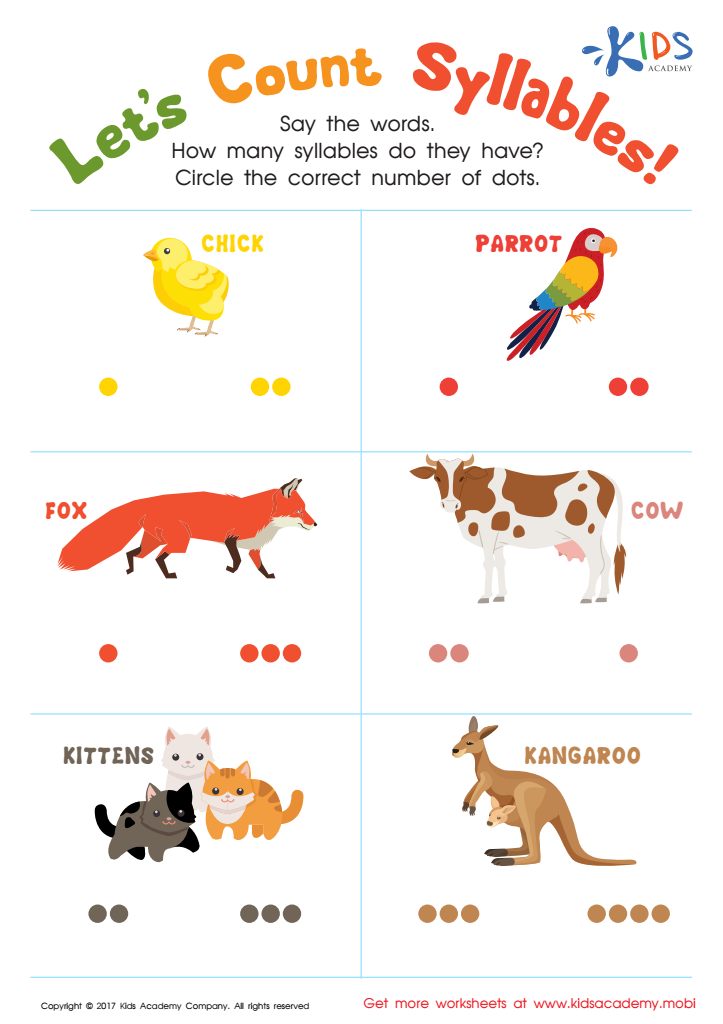
Lets Count Syllables Worksheet
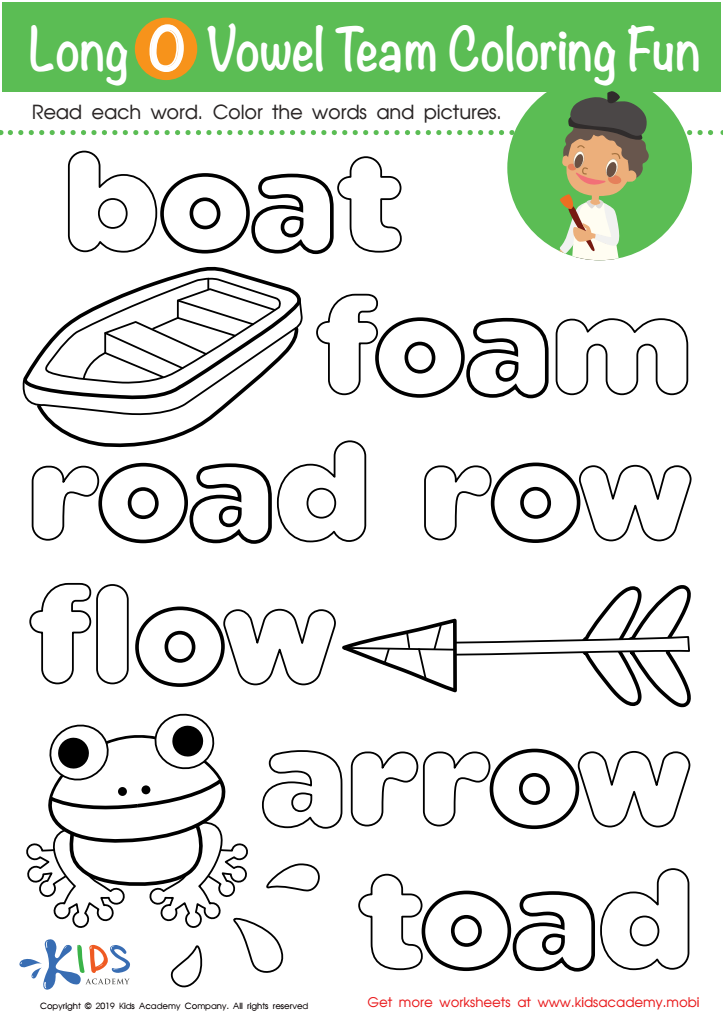
Long O Vowel Team Coloring Worksheet
Assign to My Students
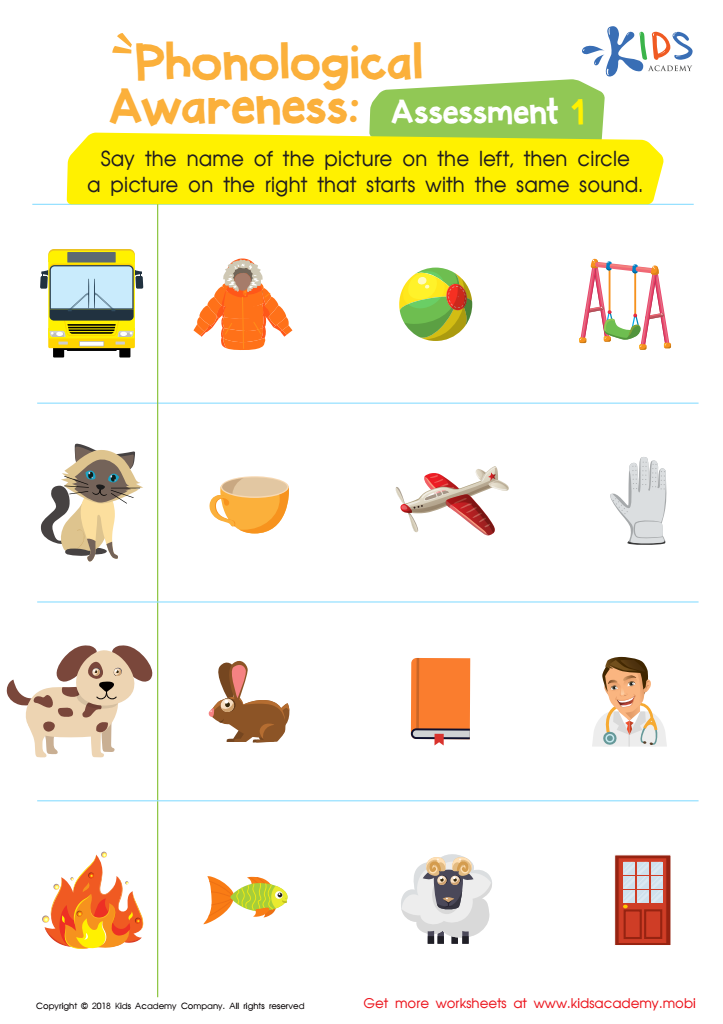
Phonological Awareness: Assessment 1 Worksheet
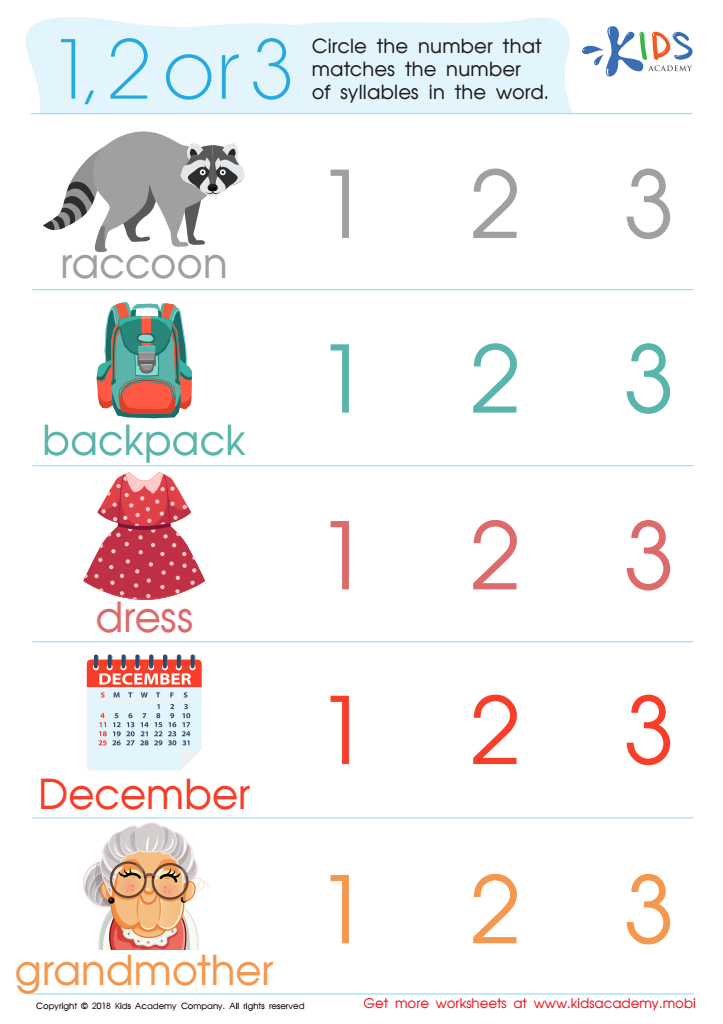
1, 2 or 3? Worksheet
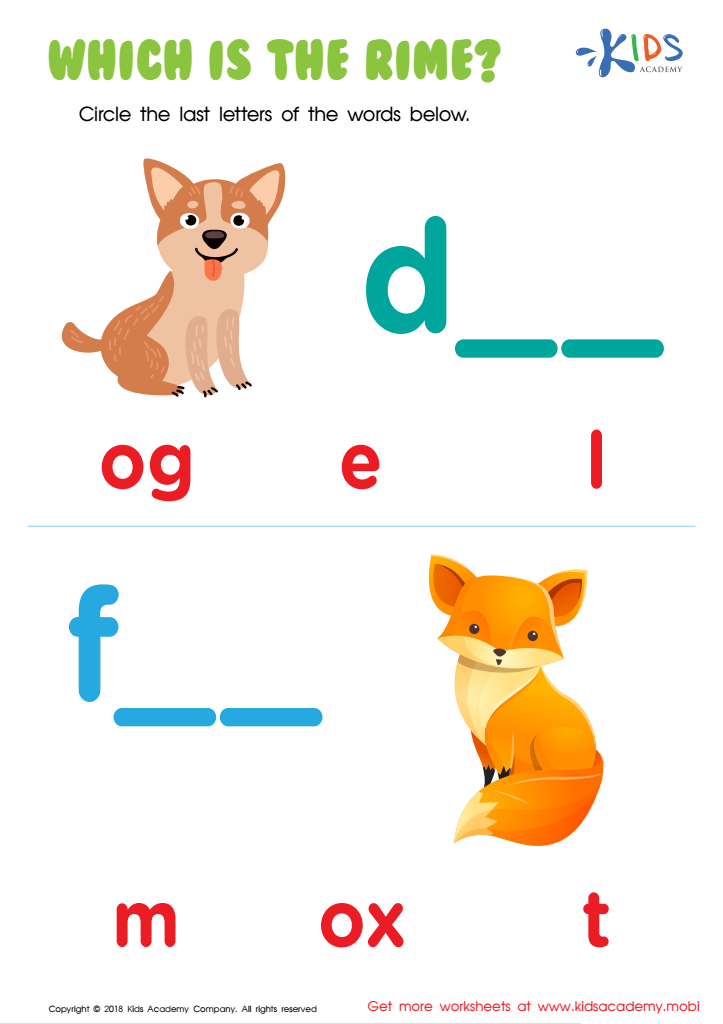
Which Is the Rime? Worksheet




Elementary phonics is a crucial component in early literacy development for children aged 4-7. It involves the relationship between letters and their corresponding sounds, laying the foundation for reading and writing skills. Parents and teachers should prioritize phonics because it directly impacts a child's ability to decode and comprehend written language.
At this age, children's brains are remarkably receptive to learning new sounds and letter associations. Introducing phonics early engages them in systematic reading practices, enabling them to identify and articulate words independently. This proficiency enhances their confidence and enjoyment in reading, which can foster a lifelong love for books.
Moreover, research indicates that strong phonics instruction leads to improved literacy outcomes. It supports early readers in building their vocabulary, understanding sentence structure, and ultimately contributes to overall academic success. As children progress, foundational phonics skills help them tackle more complex texts confidently.
In addition, phonics fosters critical thinking and problem-solving abilities as children learn to connect sounds with meanings. Teachers and parents play a vital role in this learning phase, guiding and supporting their child's phonics journey through interactive activities and positive reinforcement. Investing time in phonics can change a child's educational trajectory, paving the way for future achievements.







