Measurement Worksheets for Ages 4-7 - Page 2
104 filtered results
-
From - To
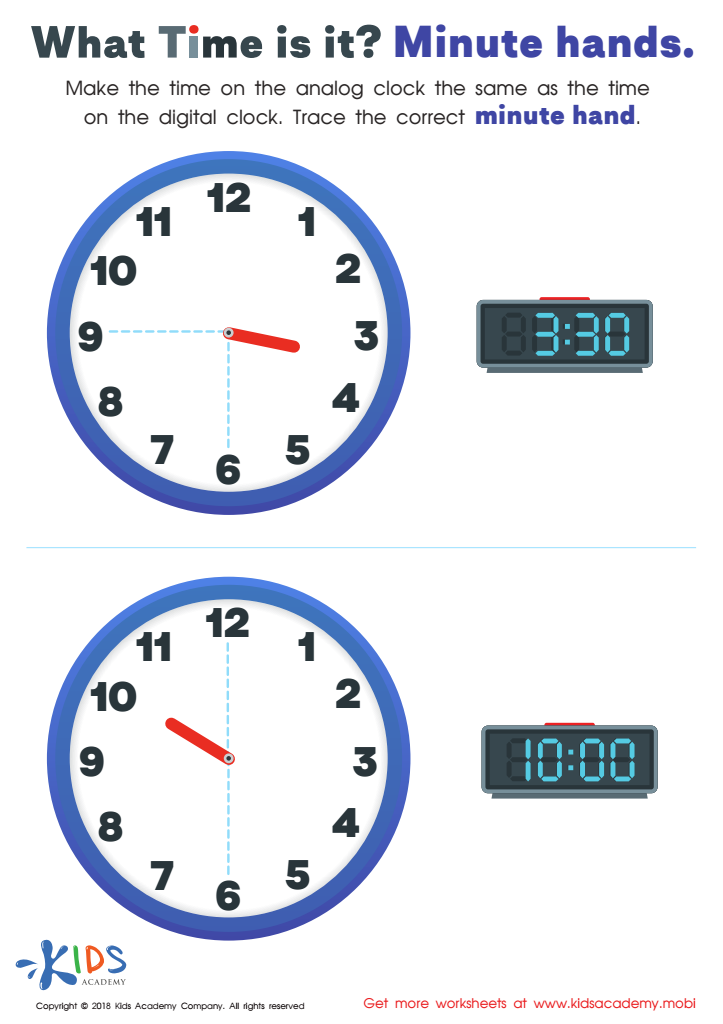
What Time Is it? Minute Hands Worksheet
 Assign to My Students
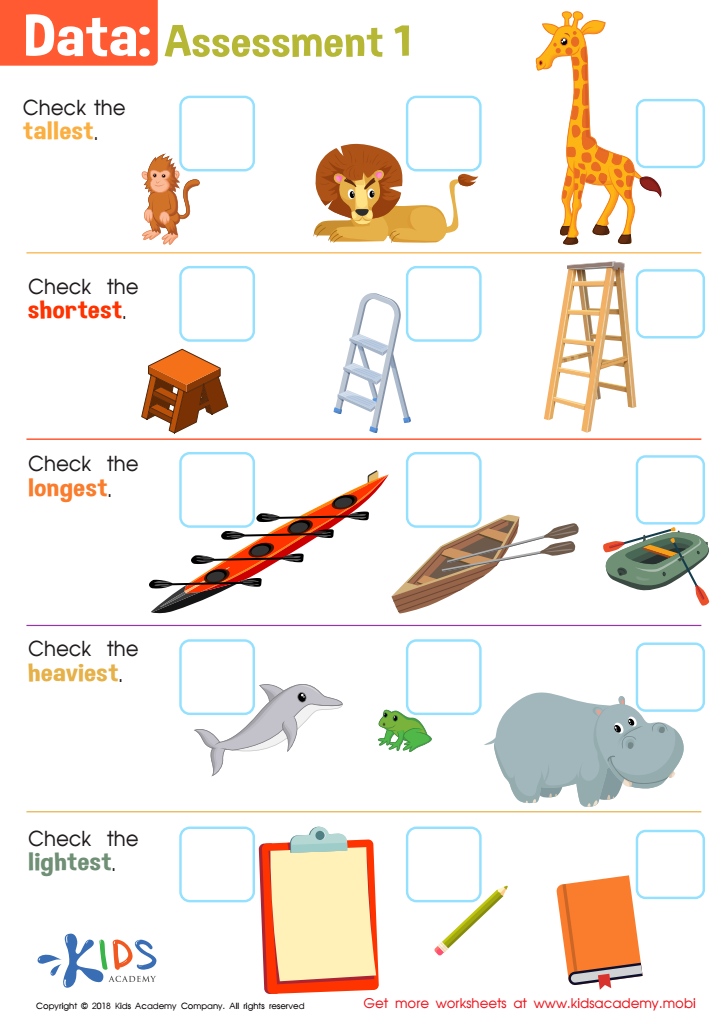
Data: Assessment 1 Worksheet
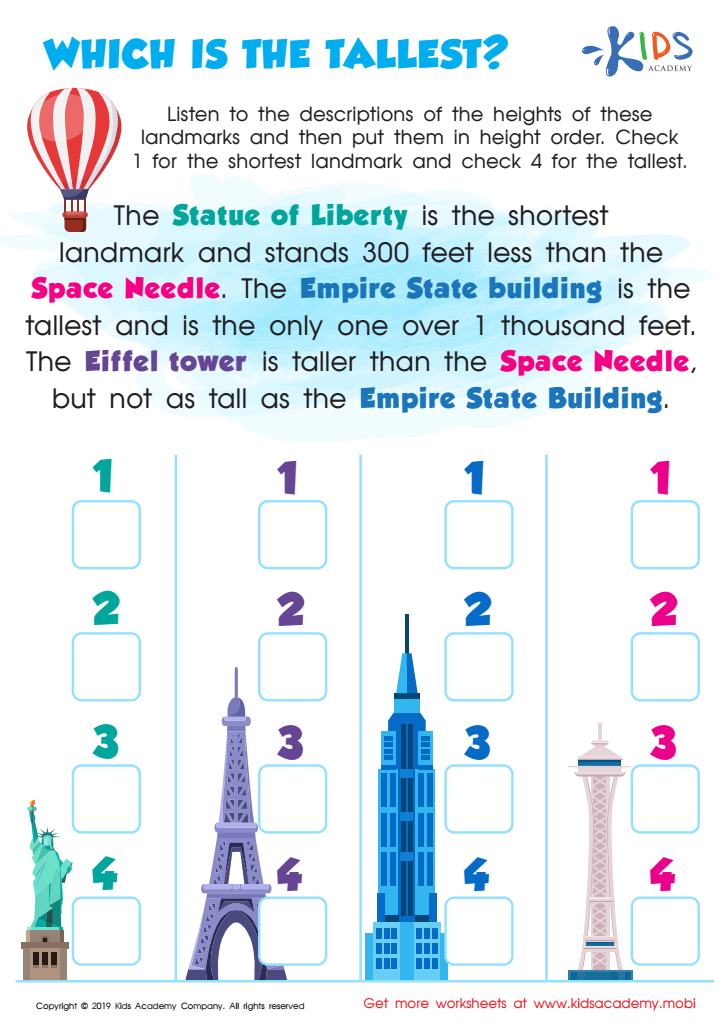
Which is the Tallest? Worksheet
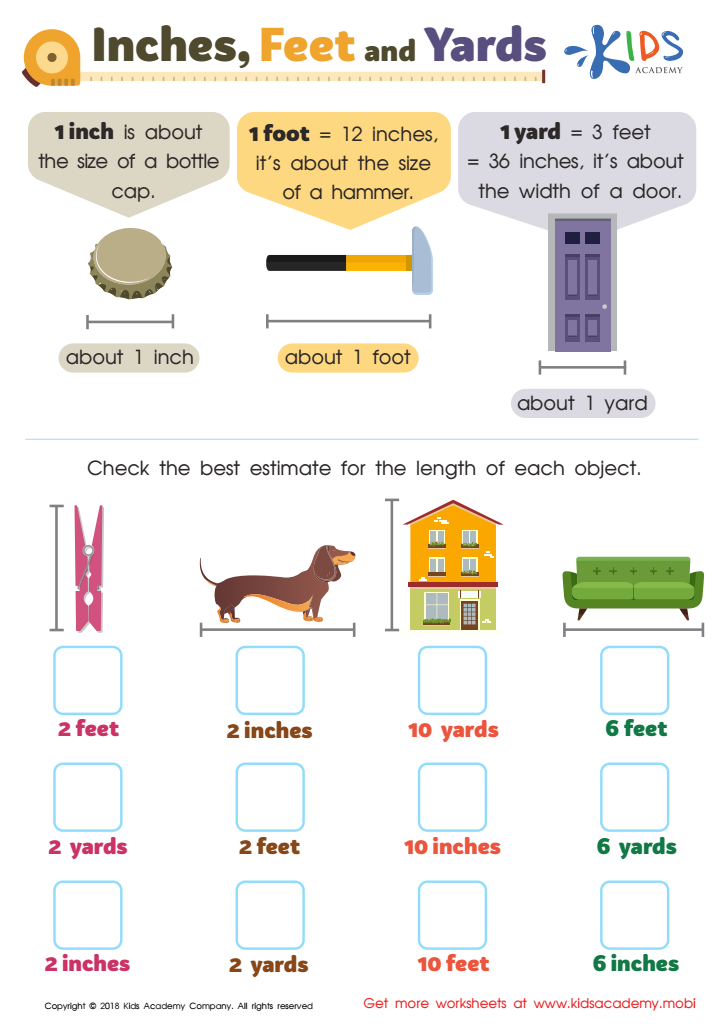
Inches, Feet and Yards Worksheet
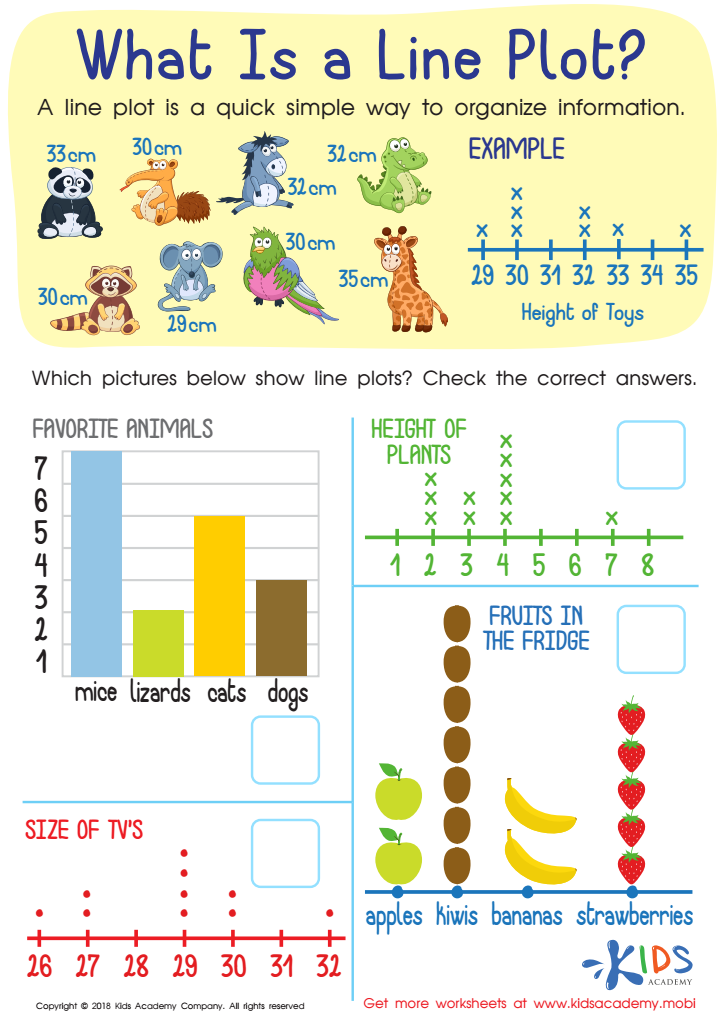
What Is a Line Plot? Worksheet
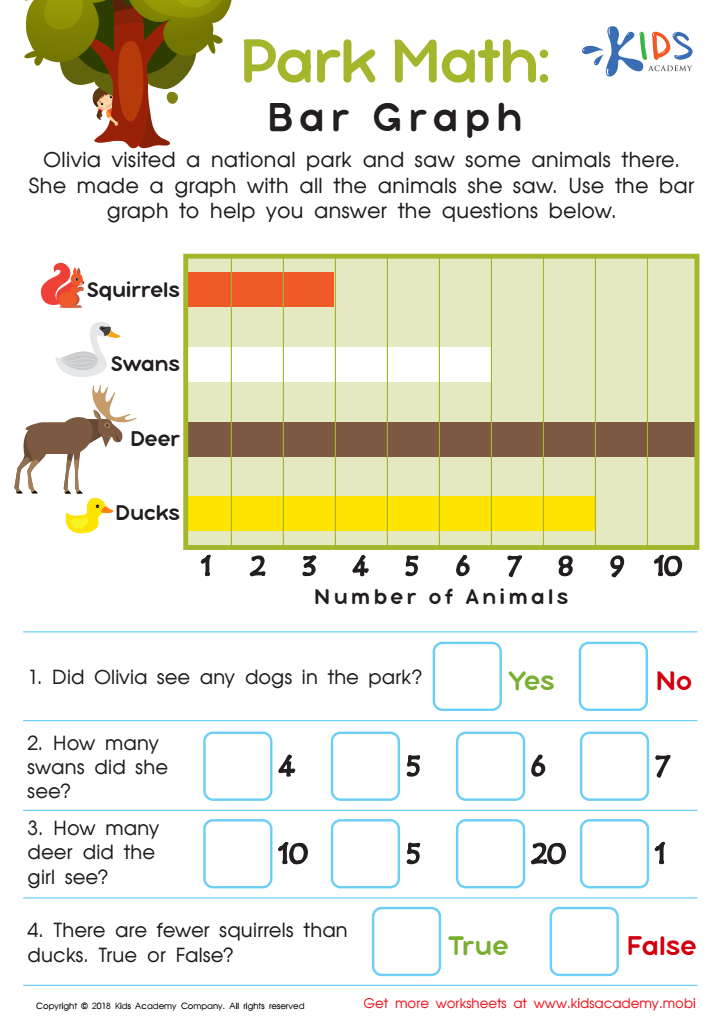
Park Math: Bar Graph Worksheet
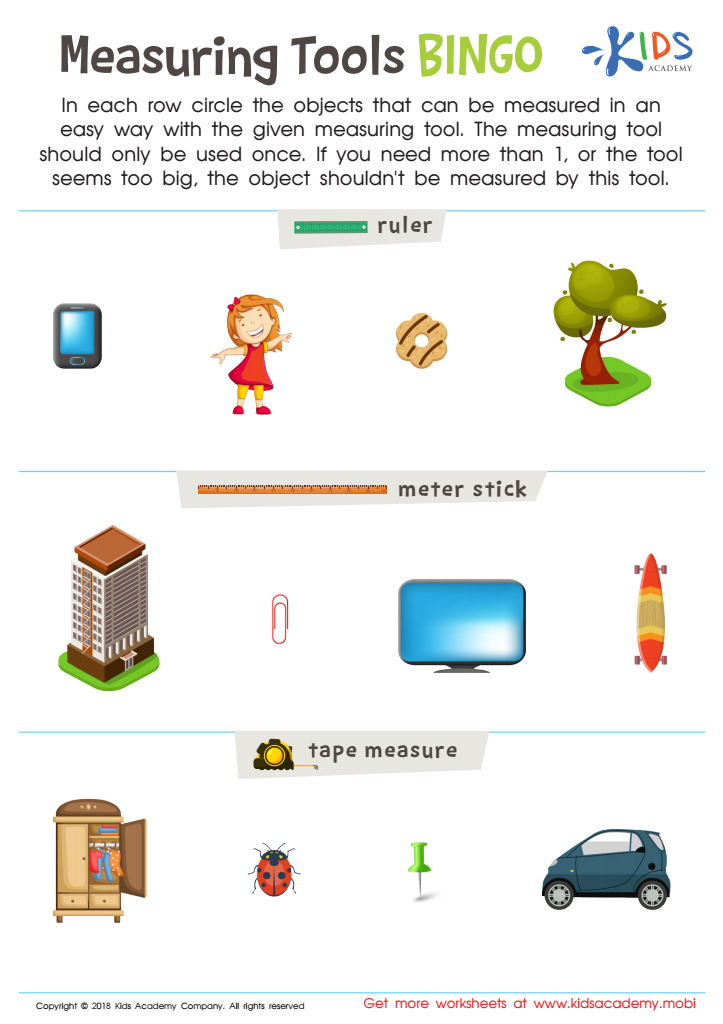
Measuring Tools Bingo Worksheet
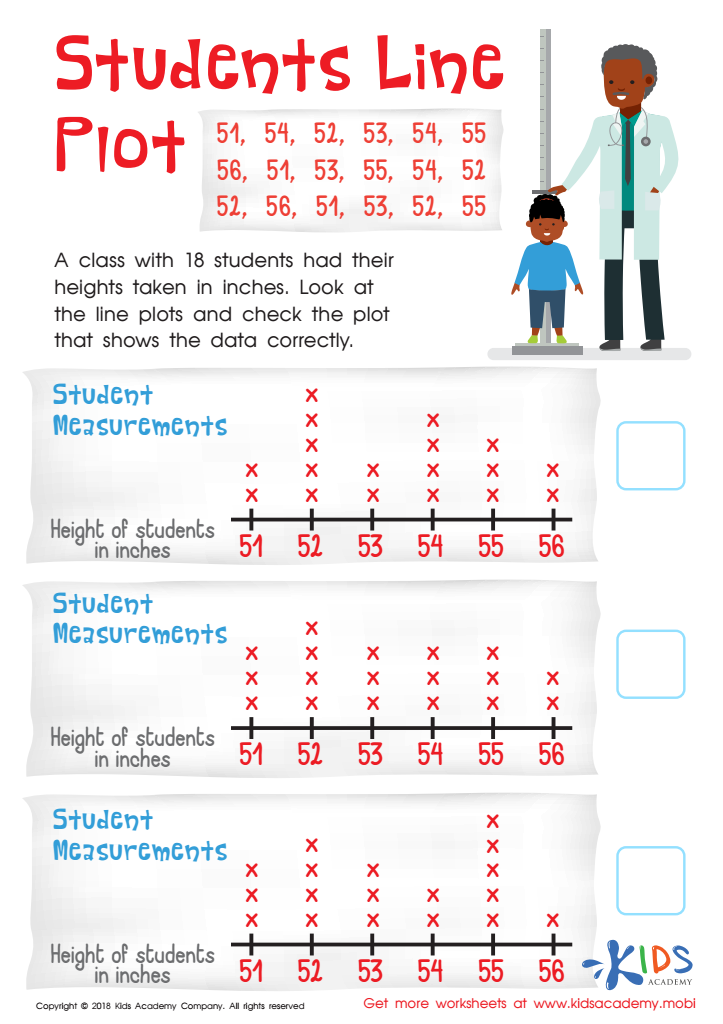
Students Line Plot Worksheet
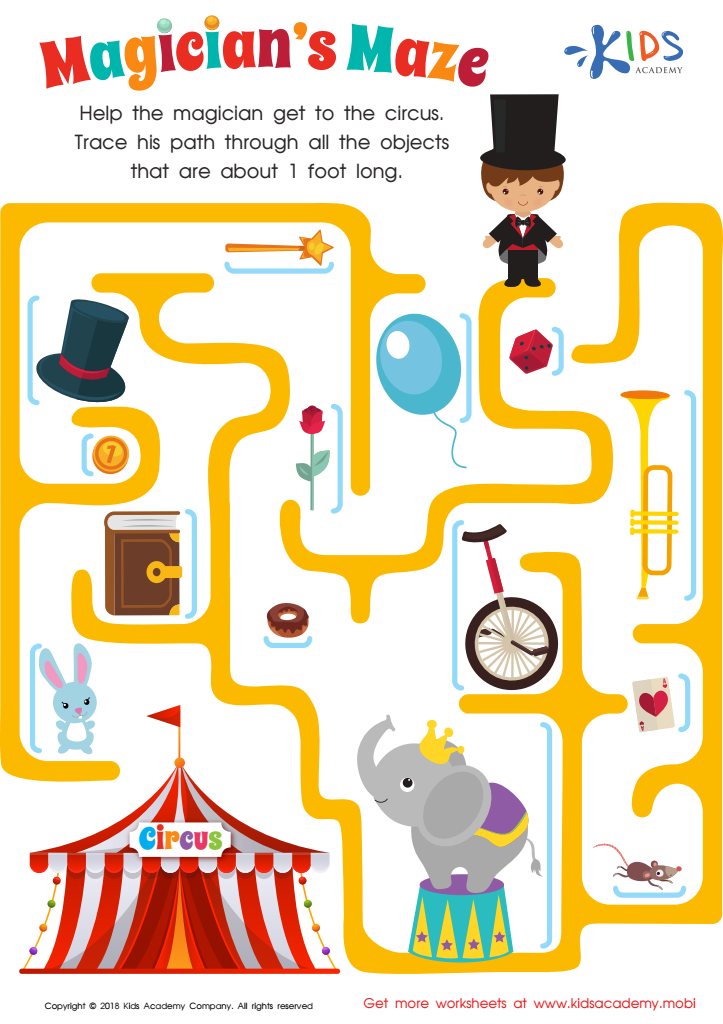
Estimating Length: Magician's Maze Worksheet
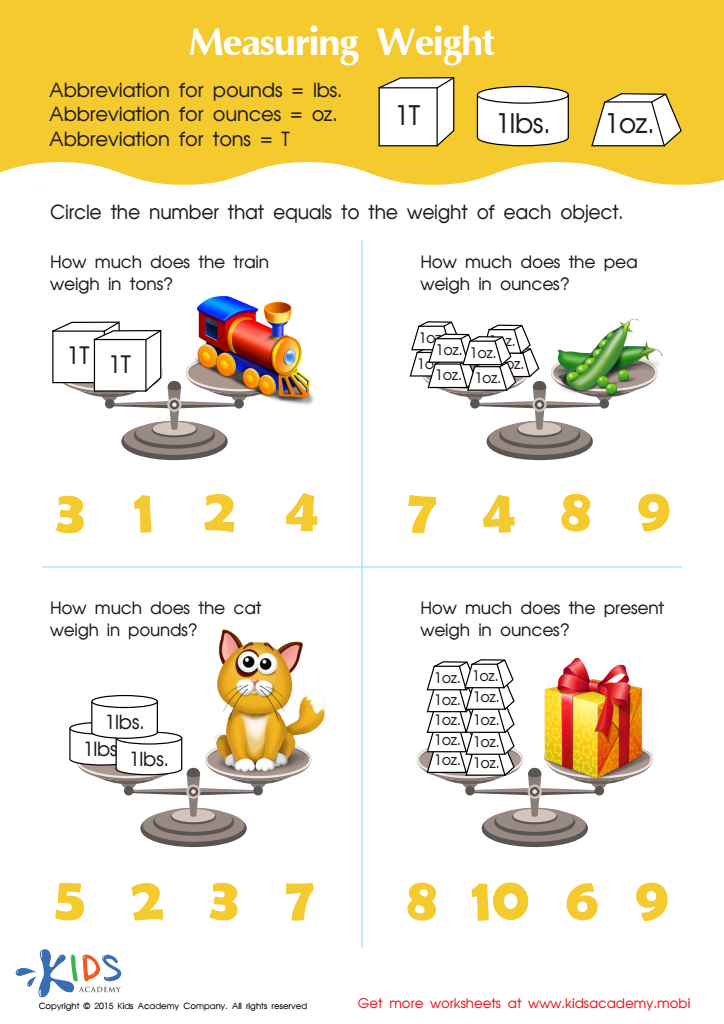
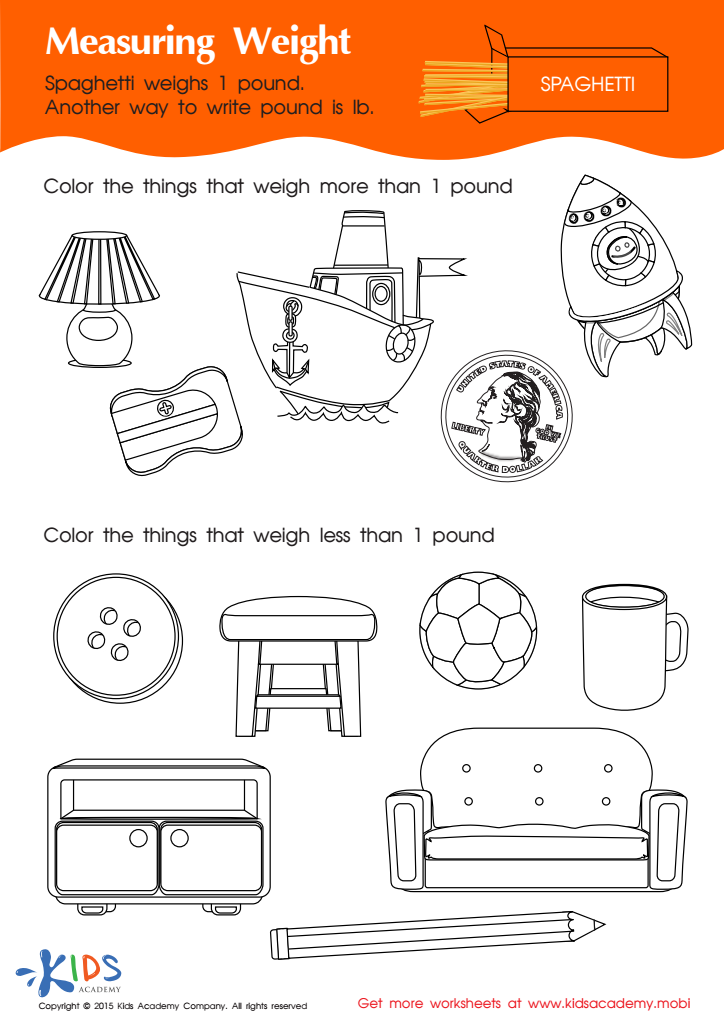
Measuring Weight in Ounces, Pounds and Tons Worksheet
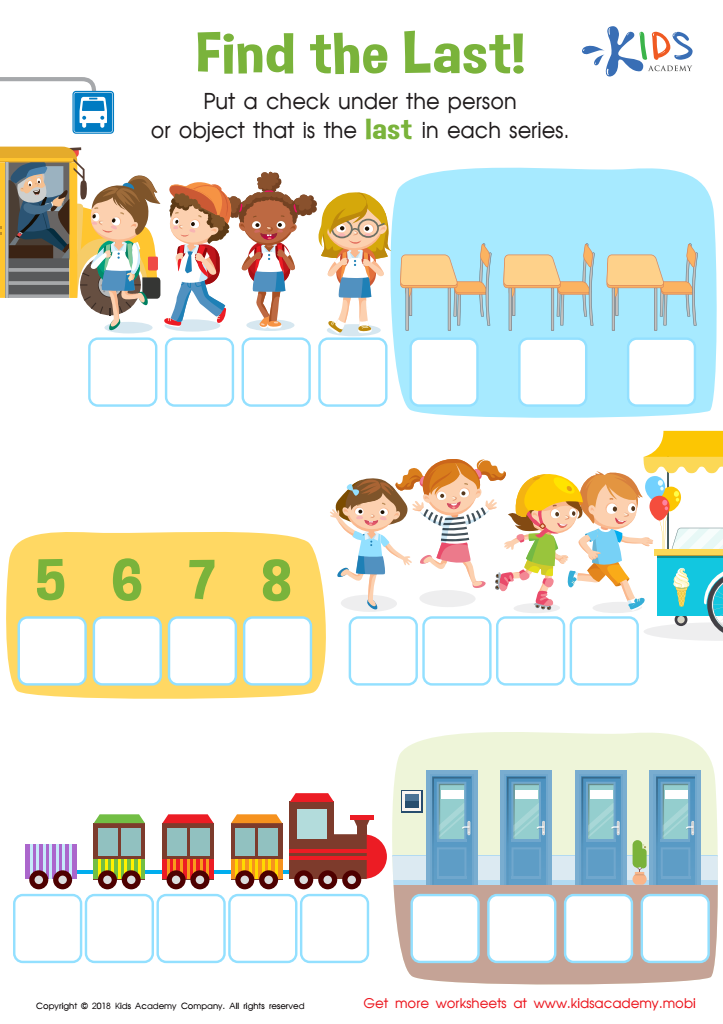
Find the Last! Worksheet
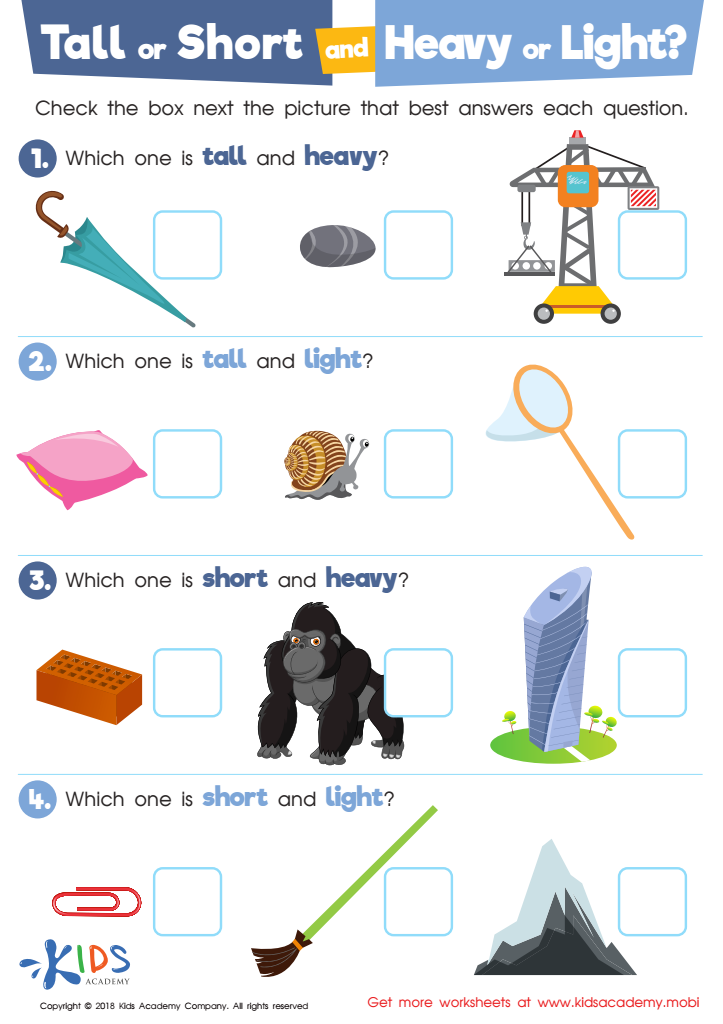
Tall or Short and Heavy or Light? Worksheet
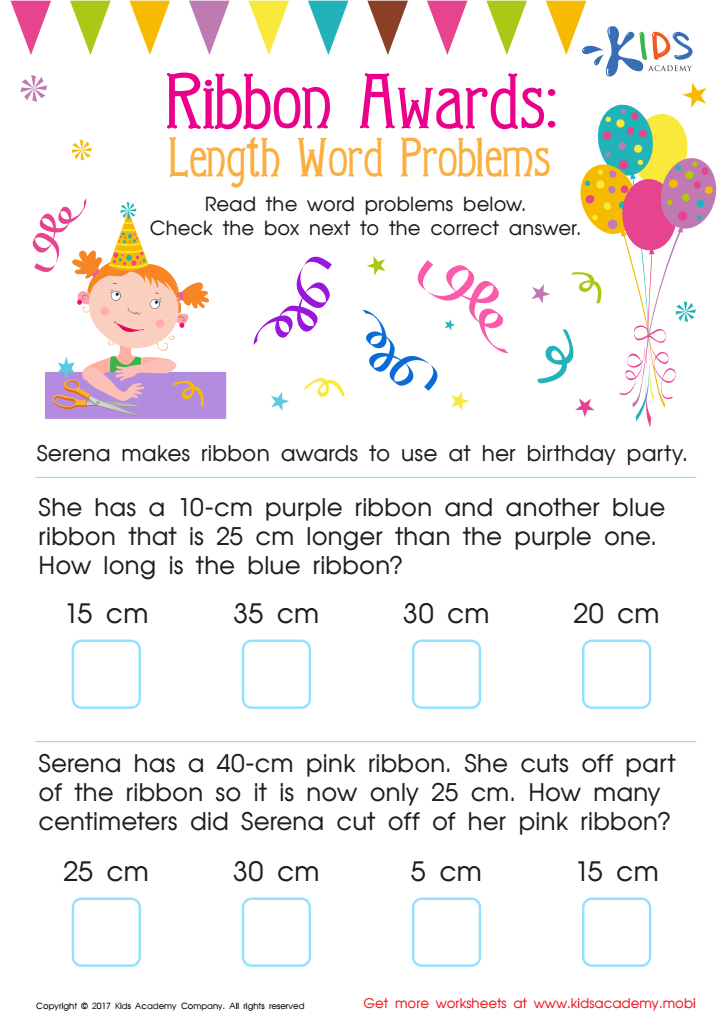
Length Word Problems Worksheet
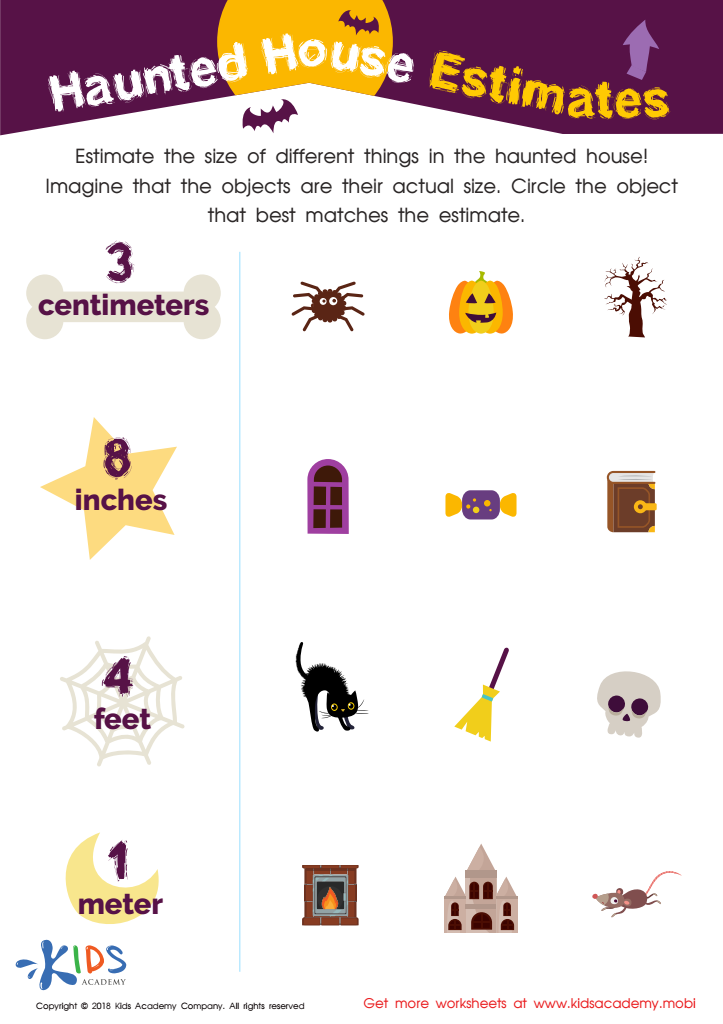
Haunted House Estimates Worksheet
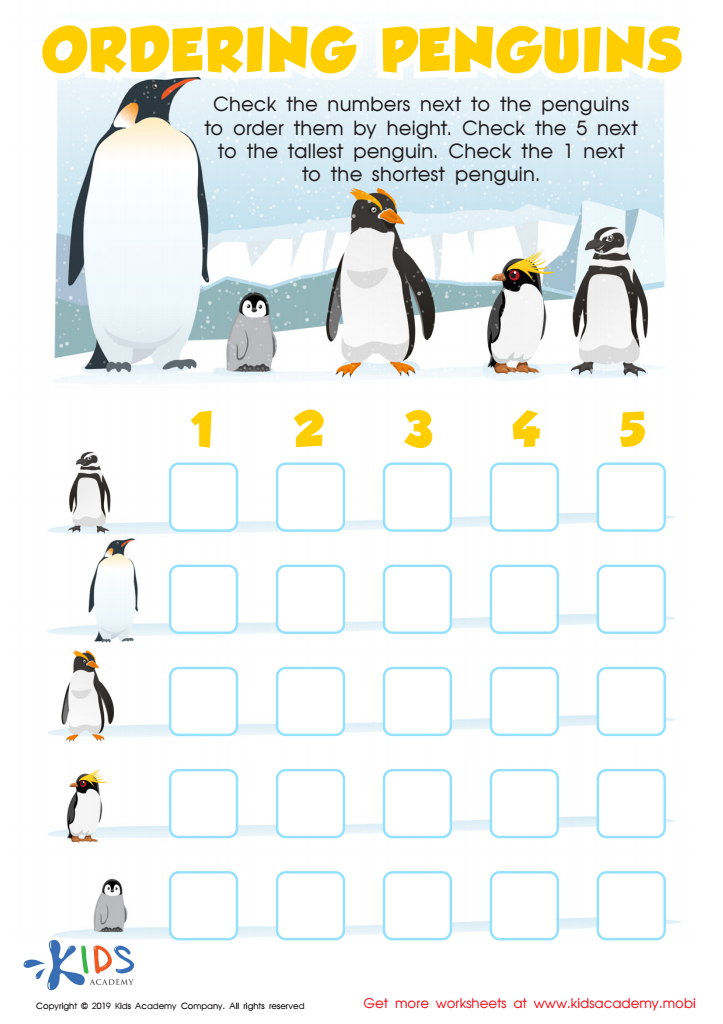
Ordering Penguins Worksheet
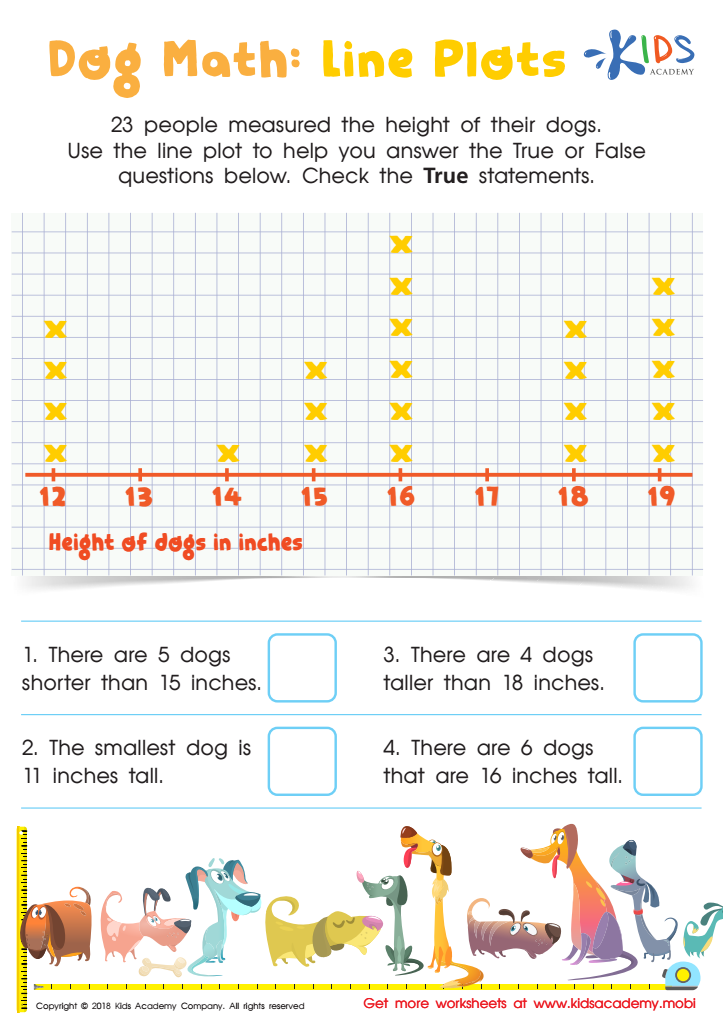
Dog Math: Line Plots Worksheet
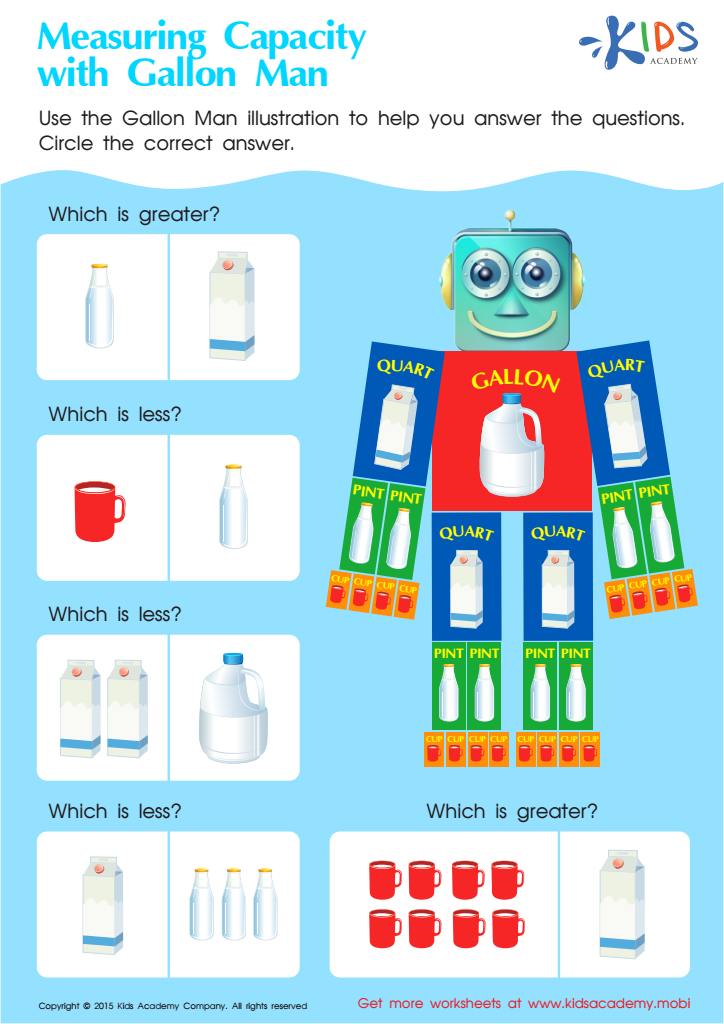
Measurement: Measuring Capacity with Gallon Man Worksheet
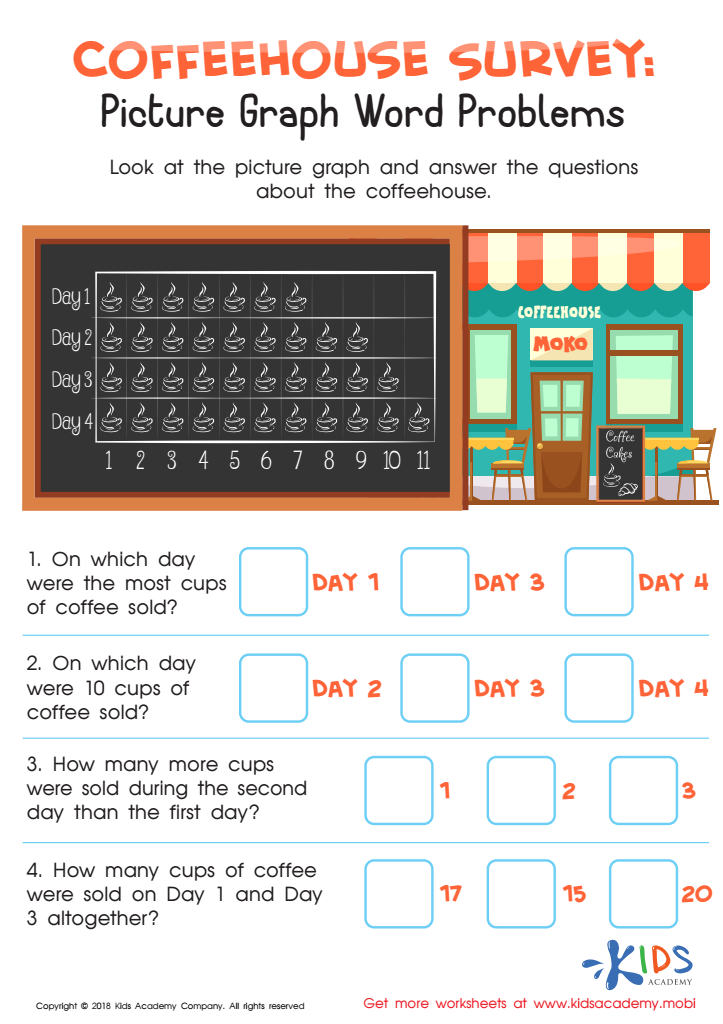
Coffeehouse Survey: Picture Graph Word Problems Worksheet
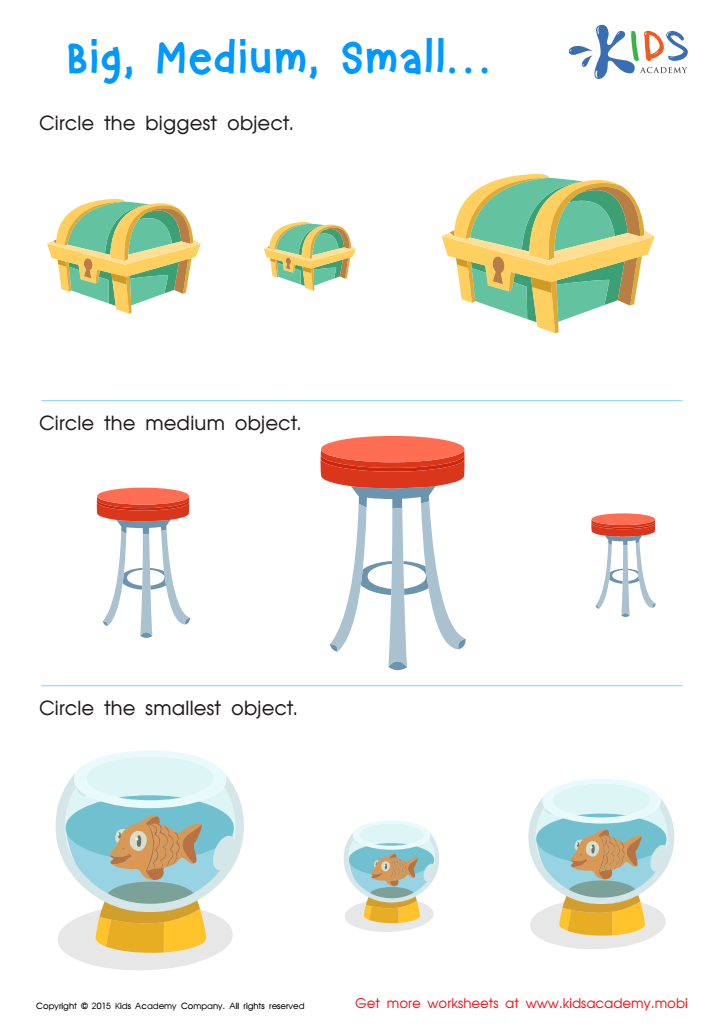
Big Medium Small Worksheet
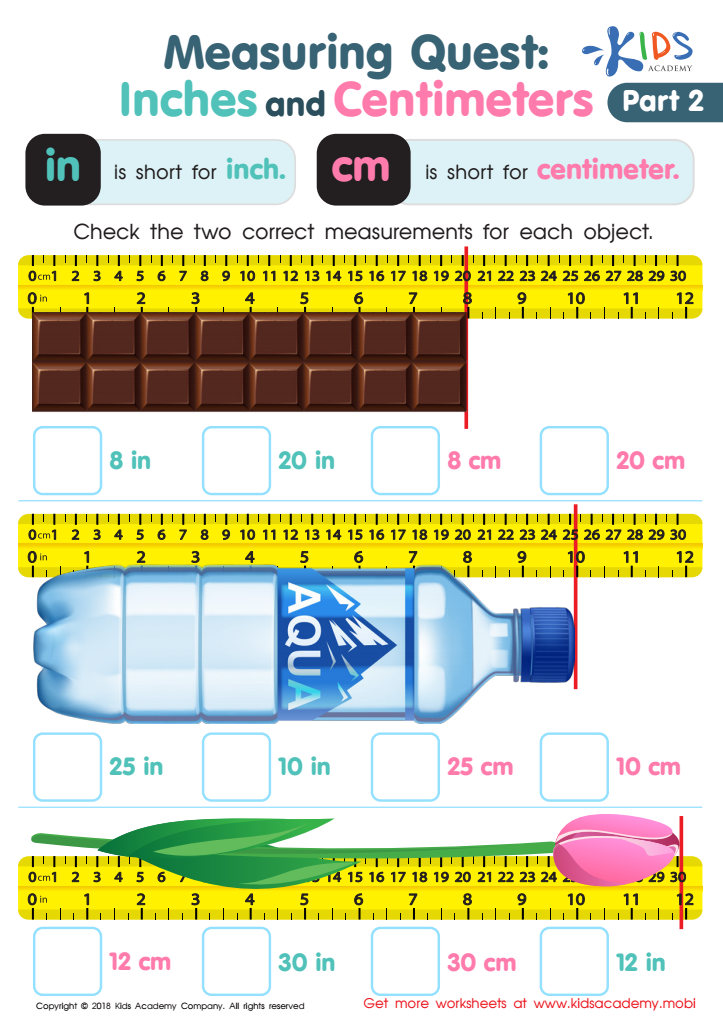
Measuring Quest: Inches and Centimeters - Part 2 Worksheet
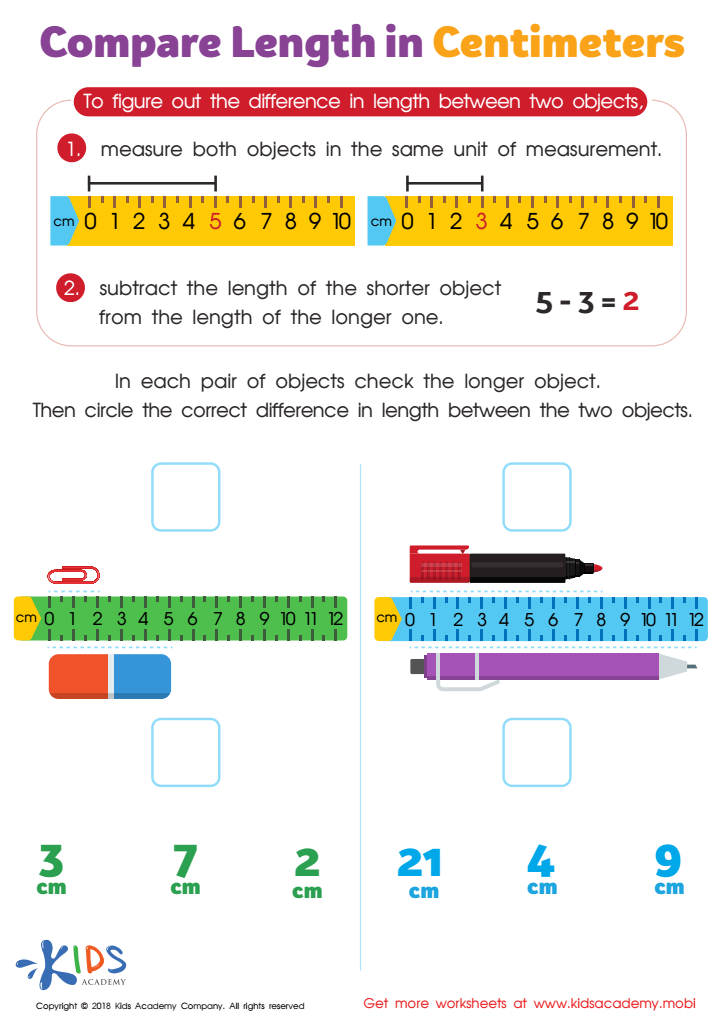
Compare Length in Centimeters Worksheet
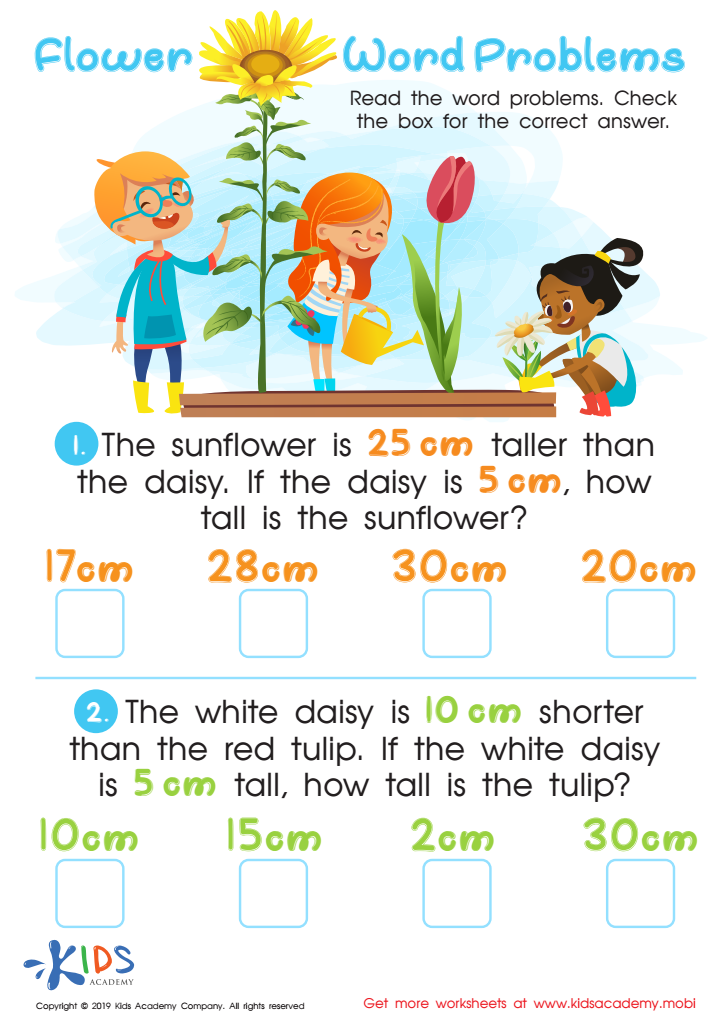
Flower Word Problems Worksheet
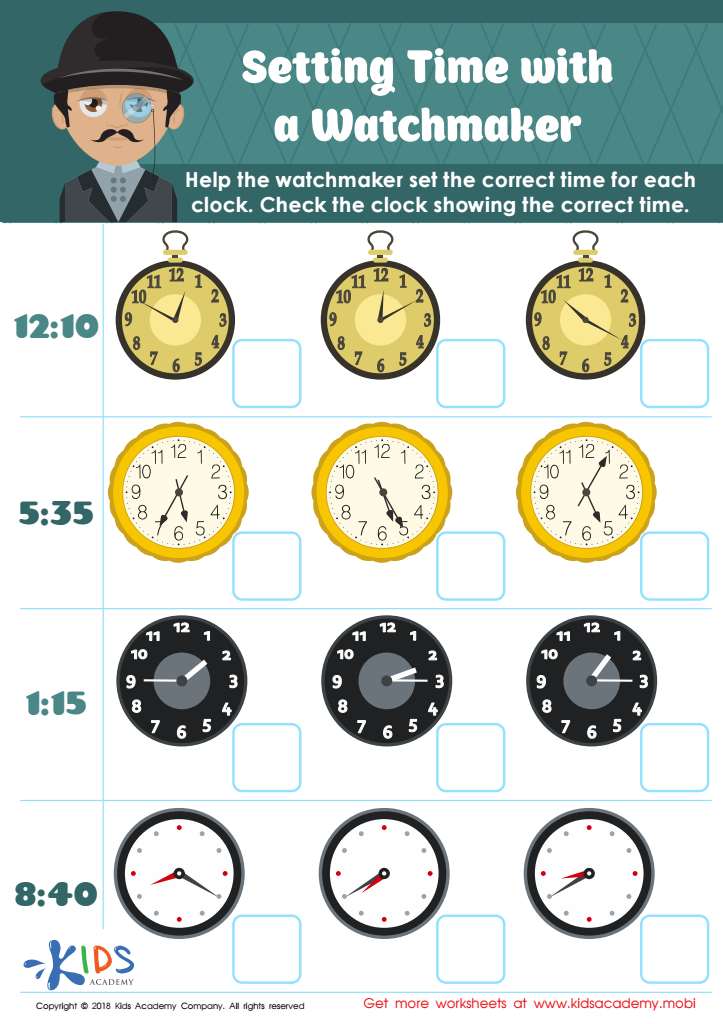
Setting Time with Watchmaker Worksheet








Measurement is foundational for the cognitive and mathematical development of children aged 4-7. Early exposure to concepts like length, weight, volume, and time helps children build spatial awareness and critical thinking skills. These skills are essential, not only for math but also for everyday problem-solving and decision-making. By understanding measurements, children learn to compare, contrast, and quantify the world around them, promoting logical reasoning and analytical abilities.
Engaging with measurement activities allows children to bridge the abstract with the concrete. For example, using rulers to measure objects or scales to weigh items makes math tangible and relatable. These hands-on experiences foster curiosity and make learning interactive and enjoyable, thus boosting confidence and interest in STEM (Science, Technology, Engineering, Mathematics) subjects.
Moreover, measurement is practical and directly applicable to daily life. It helps children develop planning and organizational skills, such as when measuring ingredients for a recipe or tracking time with a clock. Mastery of these skills from a young age lays a foundation for success in school and beyond.
In essence, caring about measurement helps steer children toward academic success and practical life competence, setting the stage for a brighter, well-rounded future.








