Problem-Solving Skills Geometry Worksheets for Ages 4-8
30 filtered results
-
From - To
Discover our engaging Problem-Solving Skills Geometry Worksheets designed for children aged 4-8! These interactive resources encourage young learners to explore foundational geometric concepts through fun problem-solving activities. Our worksheets promote critical thinking as kids learn to identify shapes, understand spatial relationships, and develop their reasoning skills. Each worksheet offers a variety of problems tailored to different skill levels, ensuring a well-rounded learning experience. Perfect for educators and parents alike, these printables will not only enhance students' geometry knowledge but also boost their confidence in tackling mathematical challenges. Explore the world of geometry while fostering essential problem-solving abilities today!
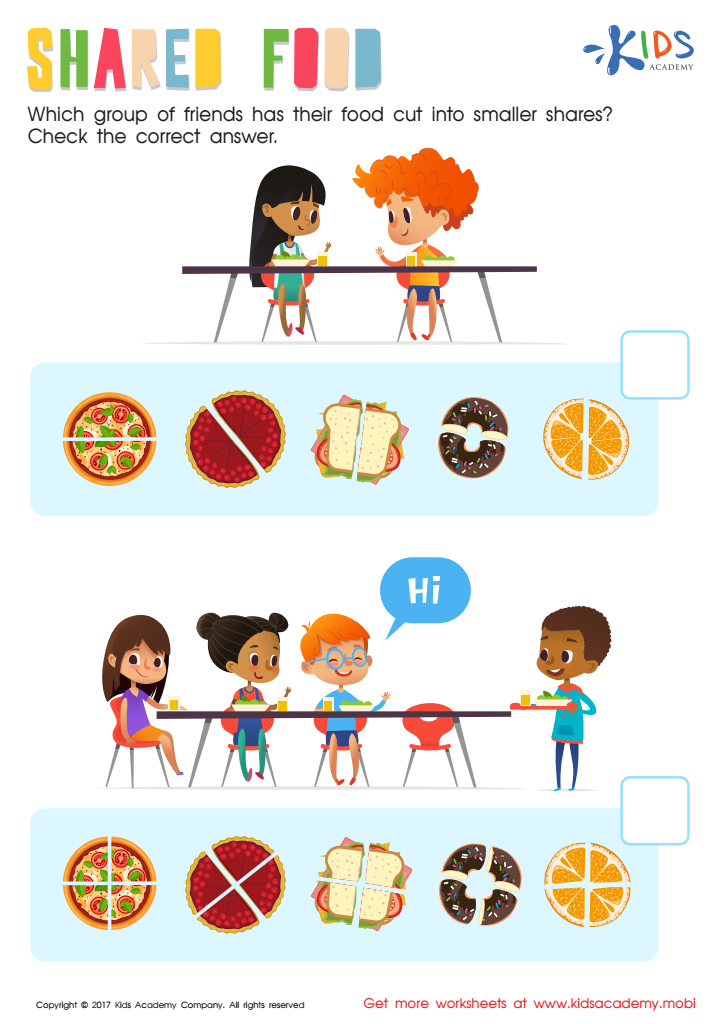
Shared Food Worksheet
 Assign to My Students











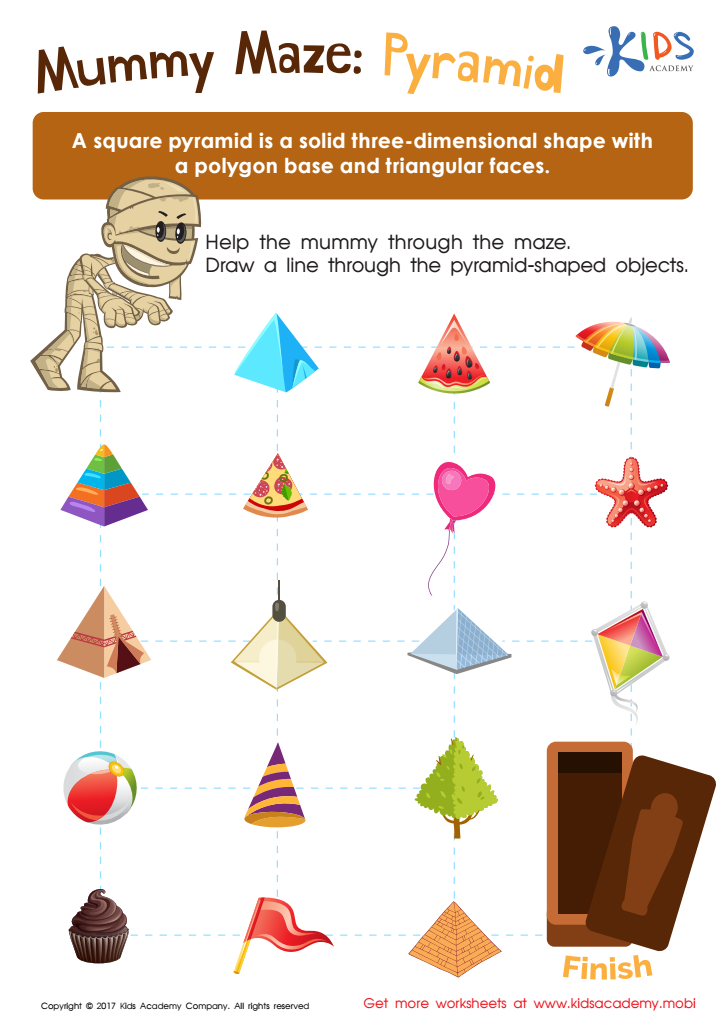
Mummy Maze: Pyramid Printable
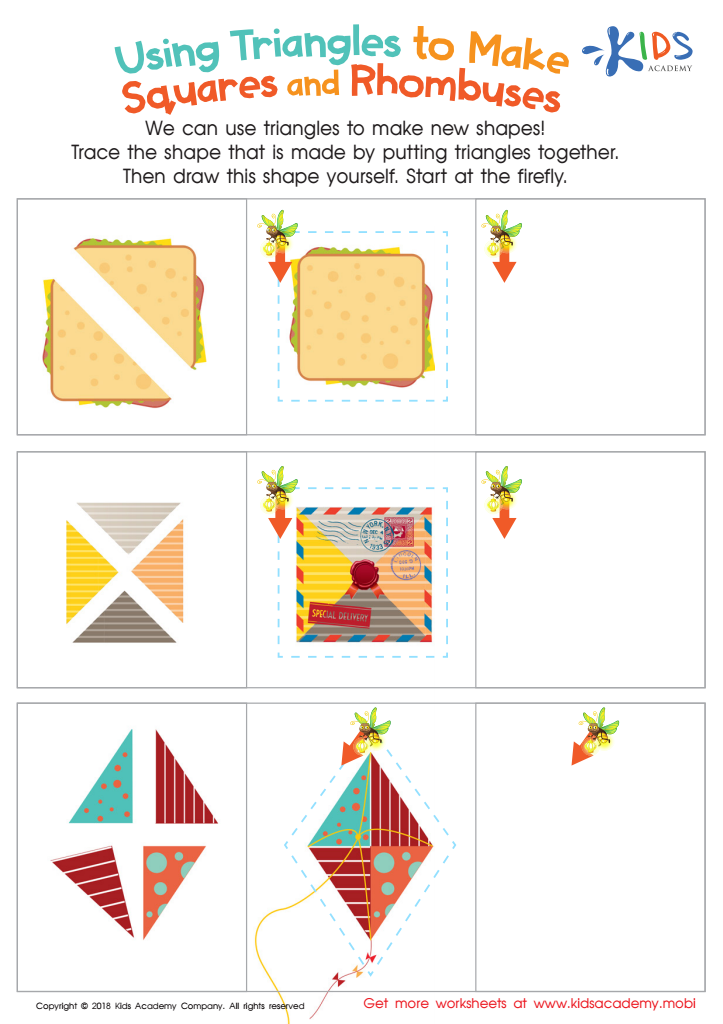
Using Triangles to Make Squares and Rhombuses Worksheet
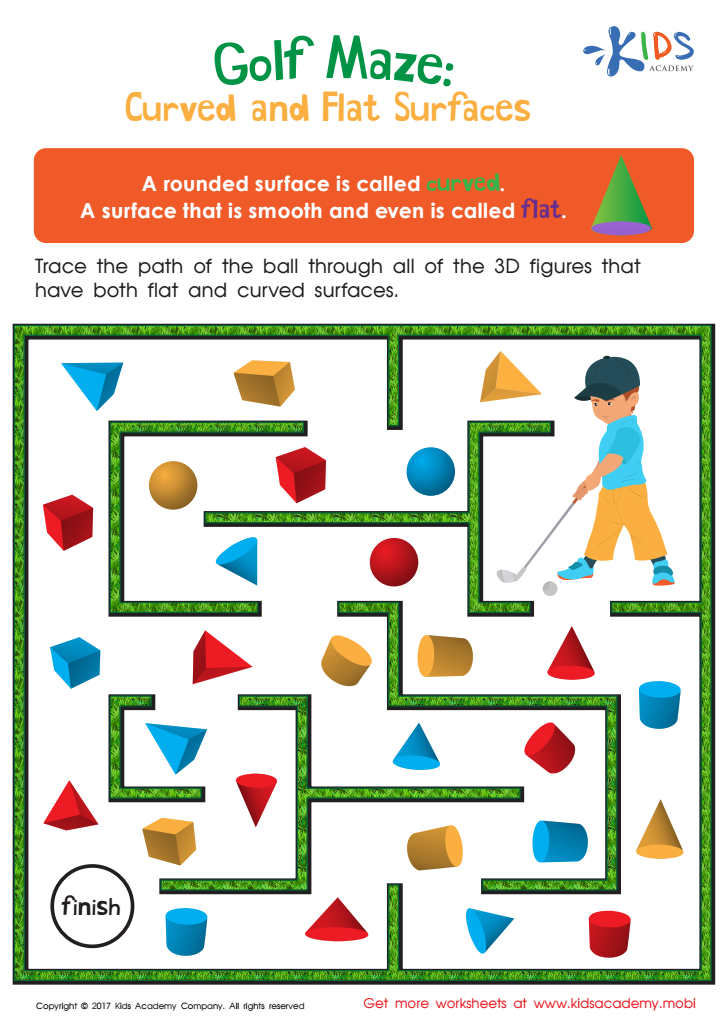
Golf Maze: Curved and Flat Surfaces Worksheet
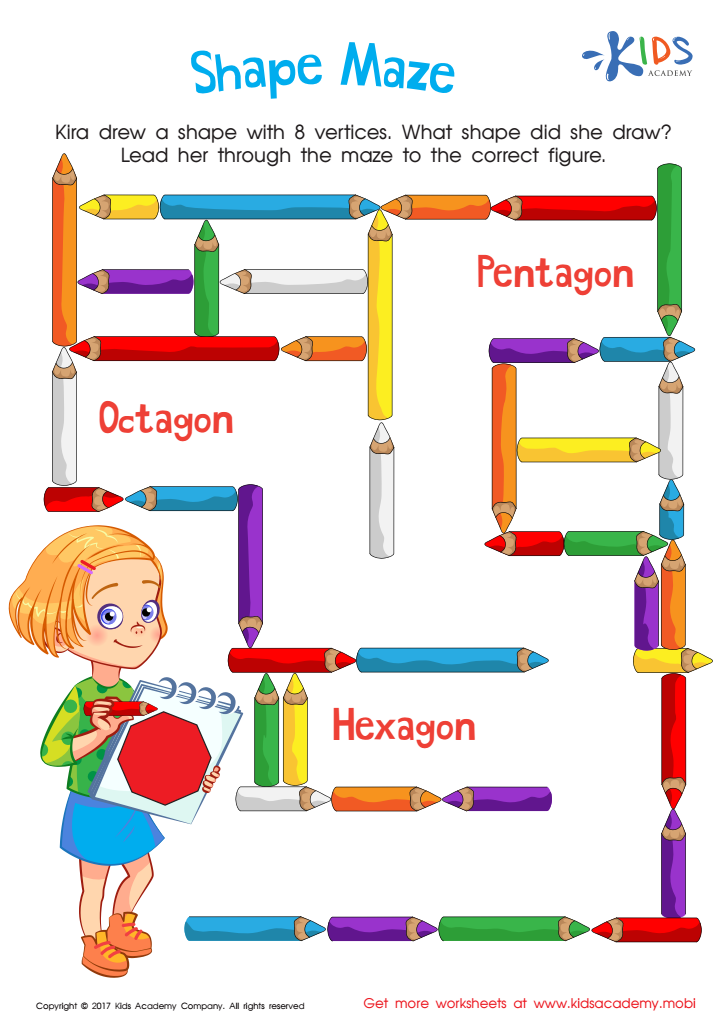
Shape Maze Worksheet
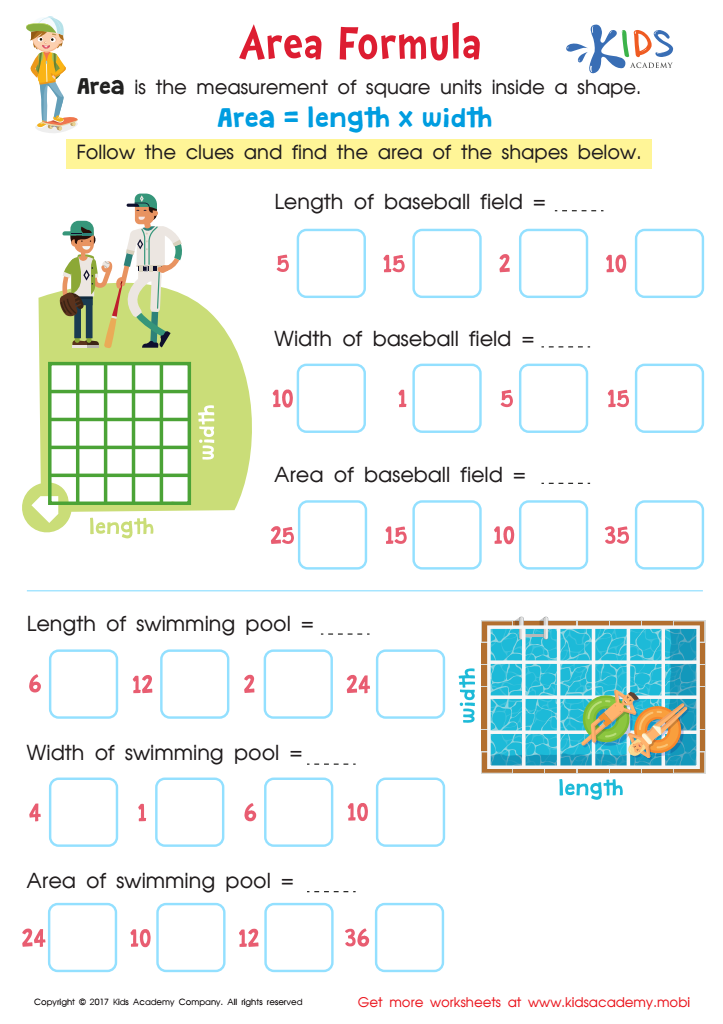
Area Formula Worksheet
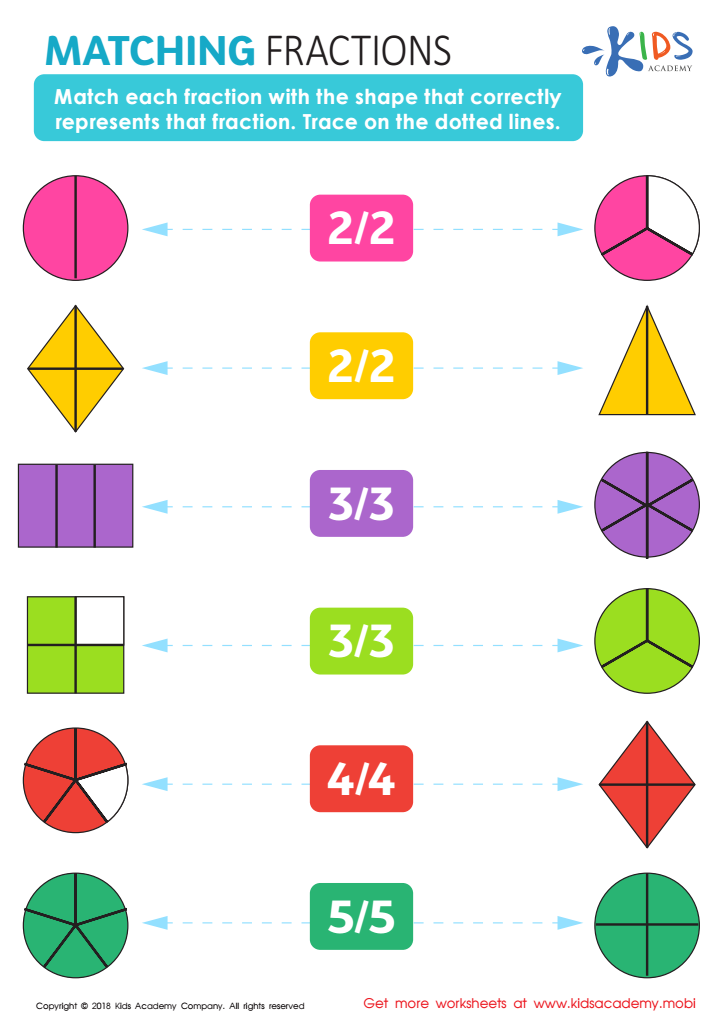
Matching Fractions Worksheet
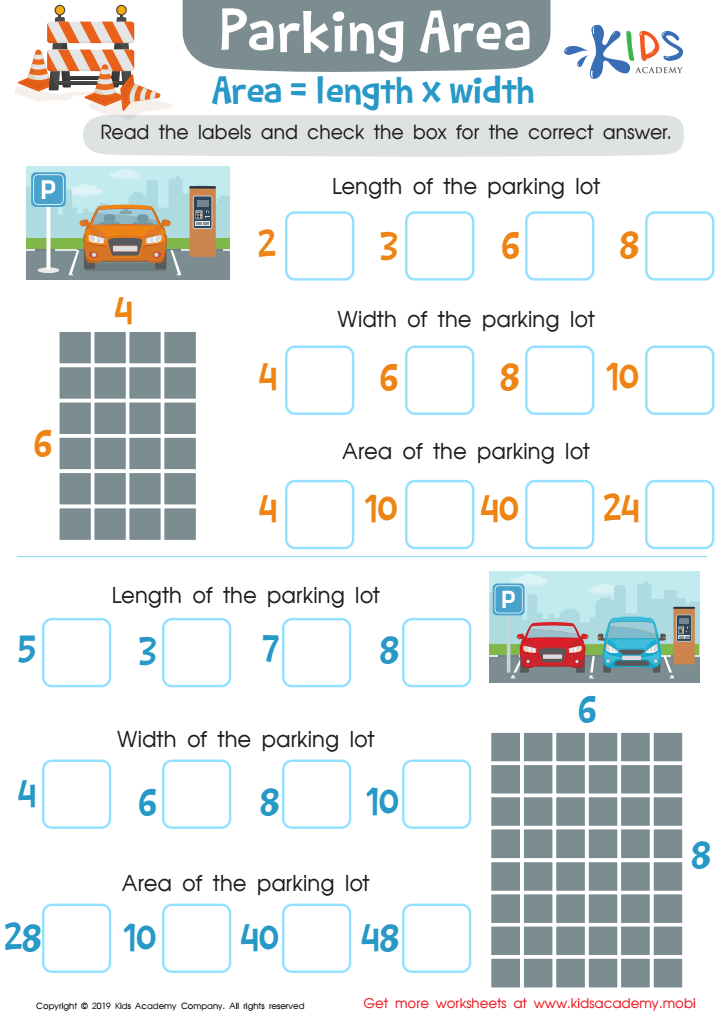
Parking Area Worksheet
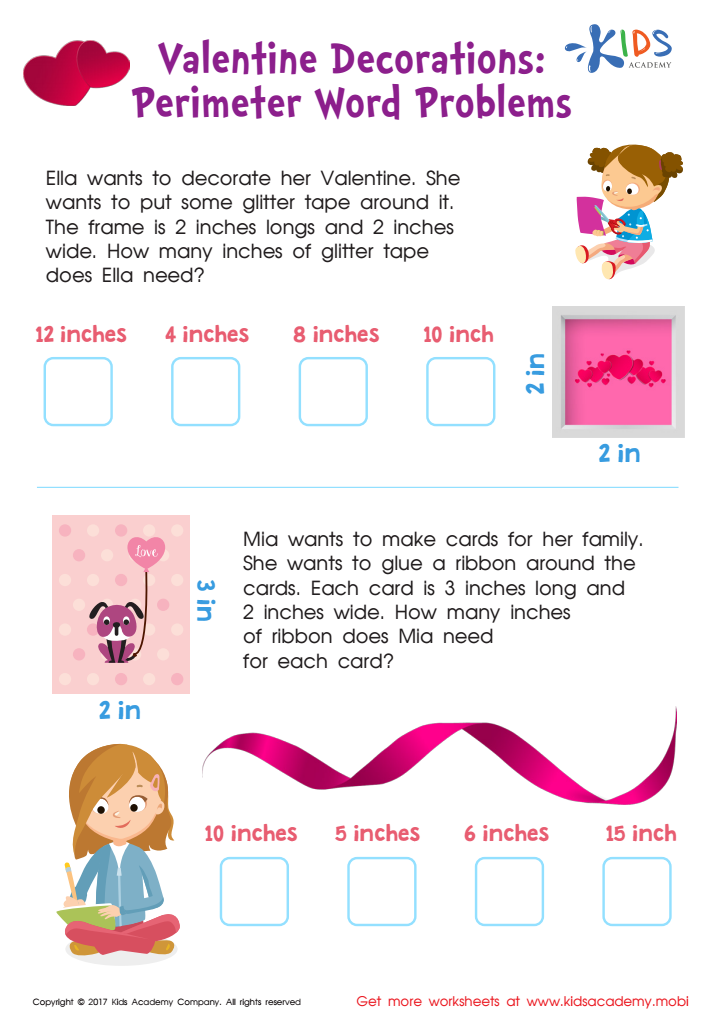
Perimeter Word Problems Worksheet
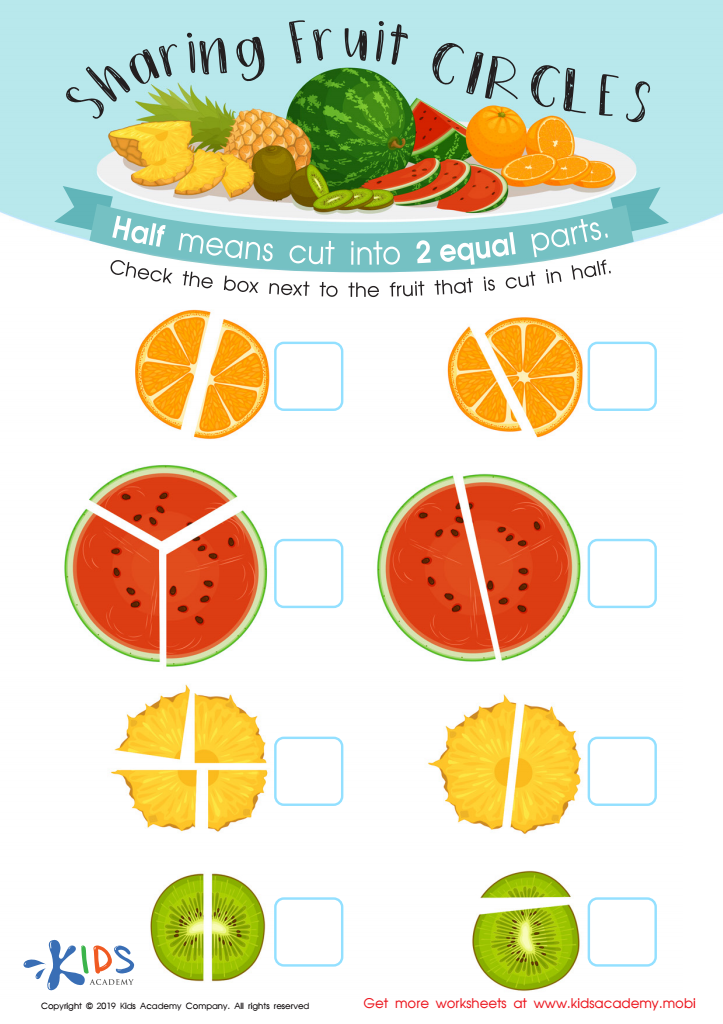
Sharing Fruit Circles Worksheet
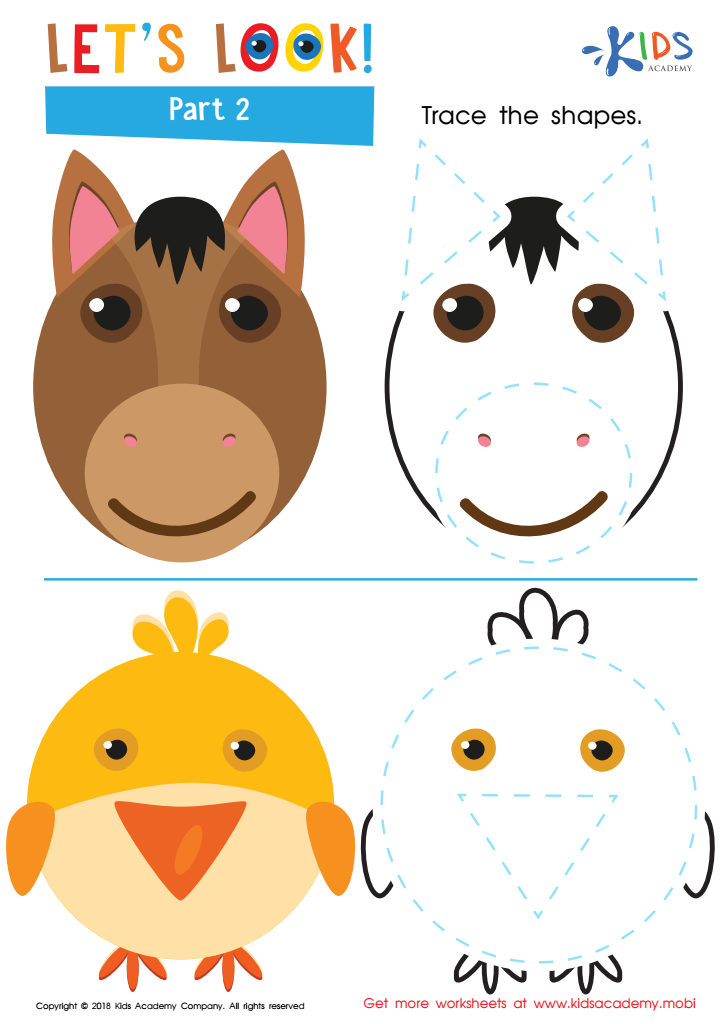
Let's Look! Part 2 Worksheet
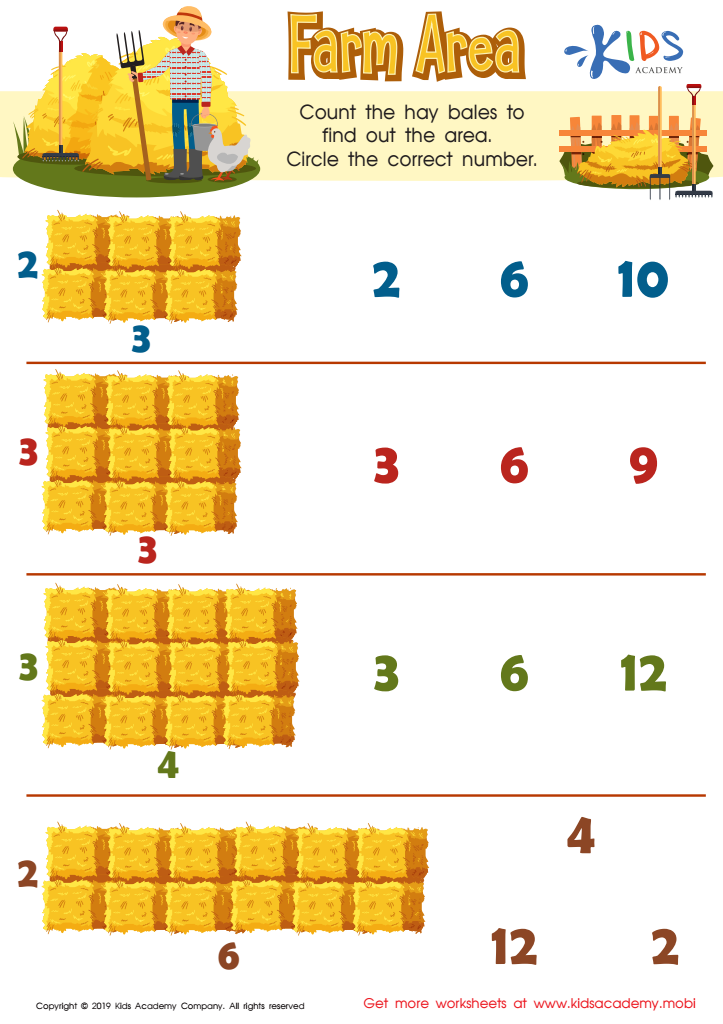
Farm Area Worksheet
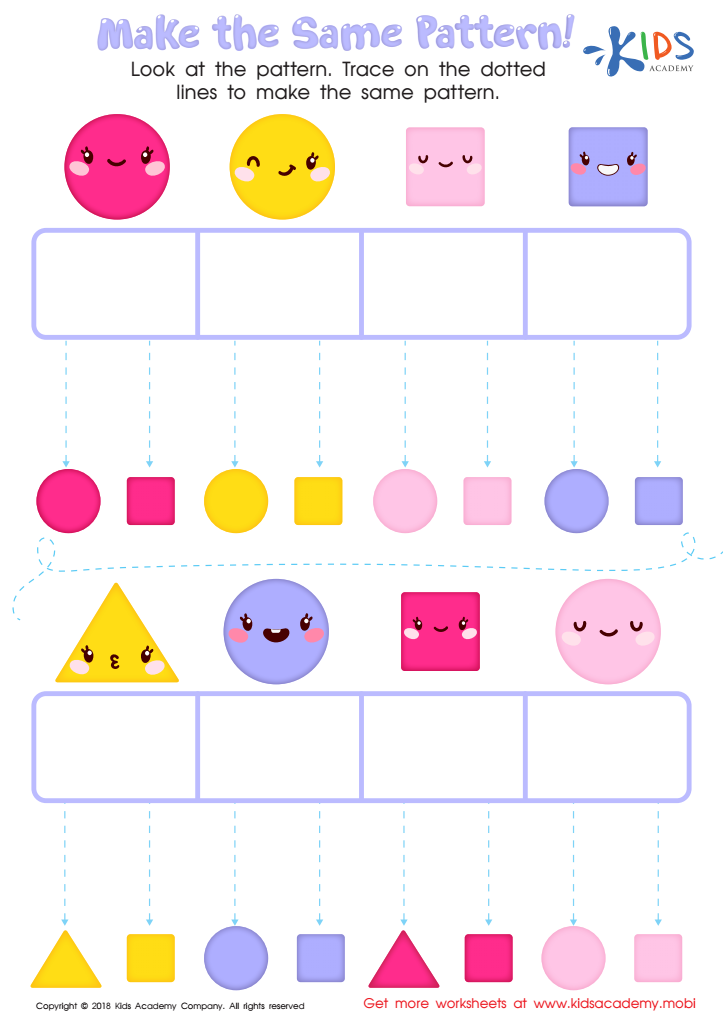
Make the Same Pattern Worksheet
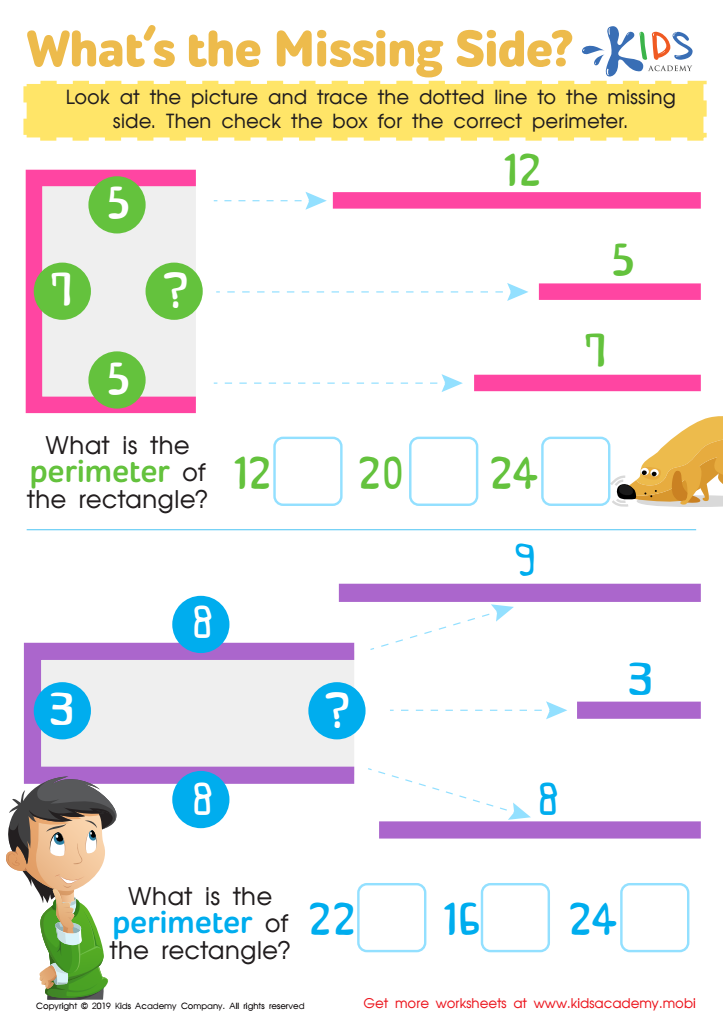
What's the Missing Side Worksheet
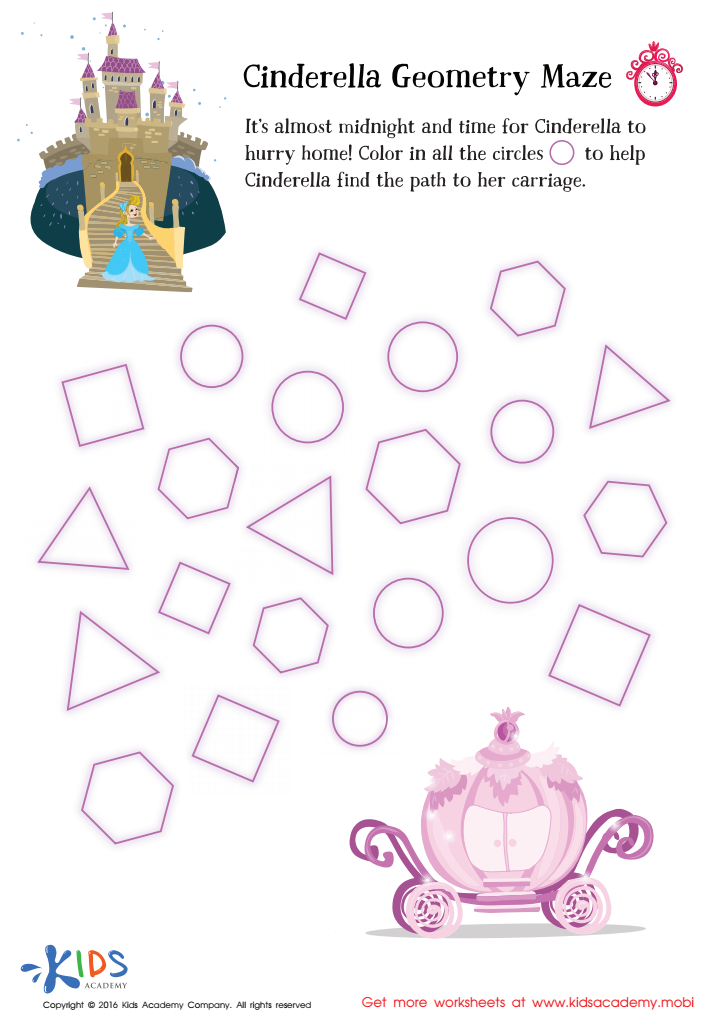
Cinderella Geometry Maze Worksheet
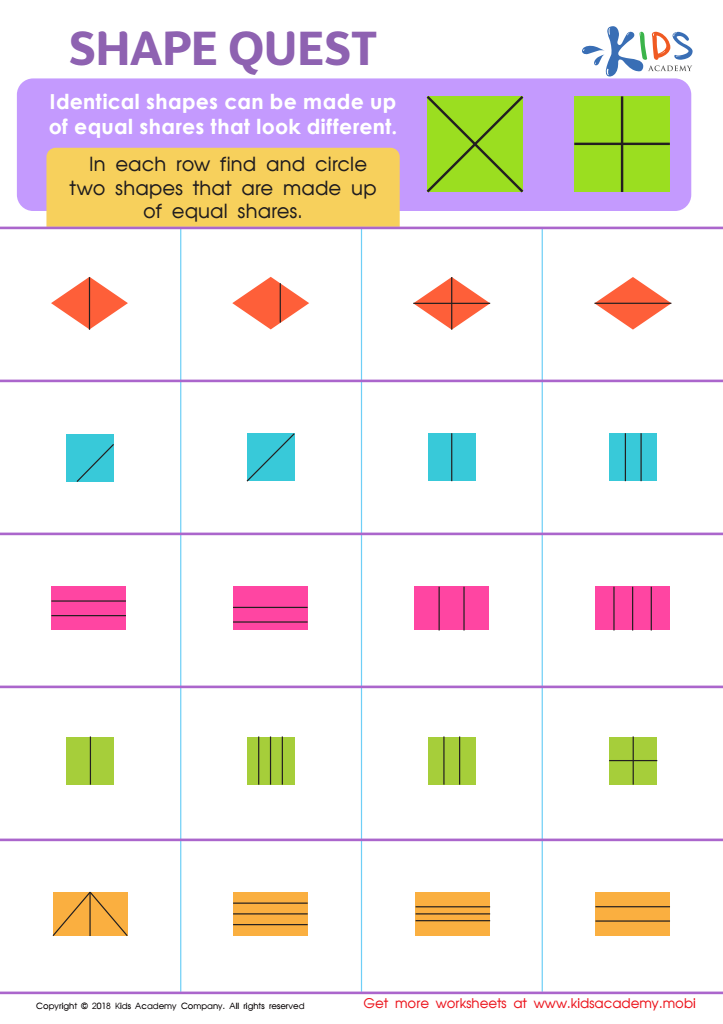
Shape Quest Worksheet
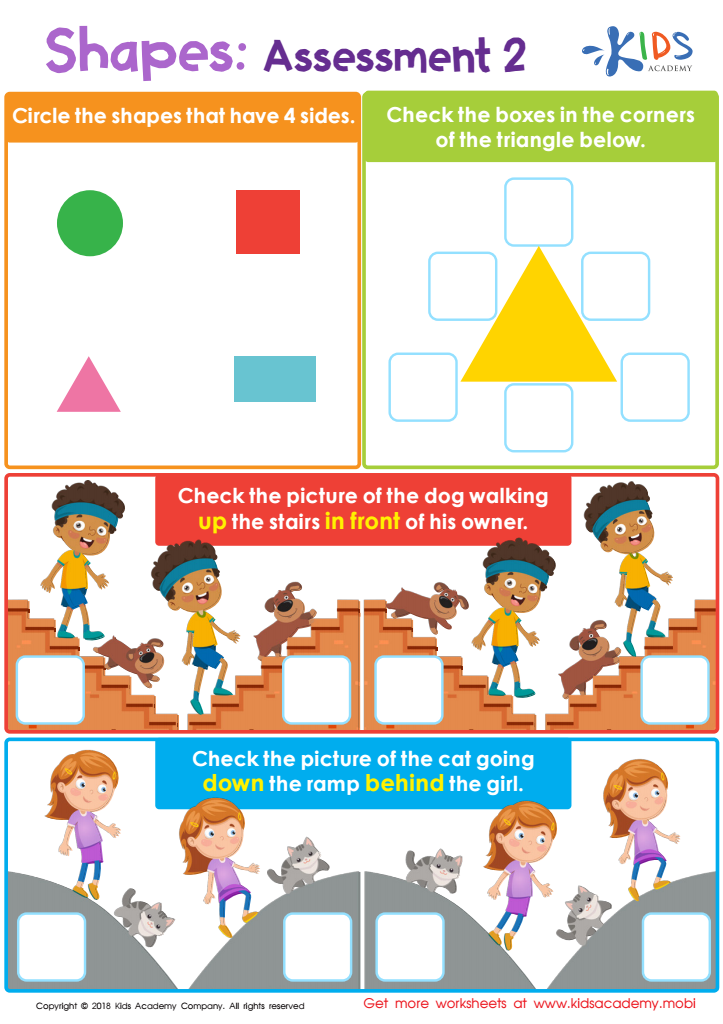
Shapes: Assessment 2 Worksheet
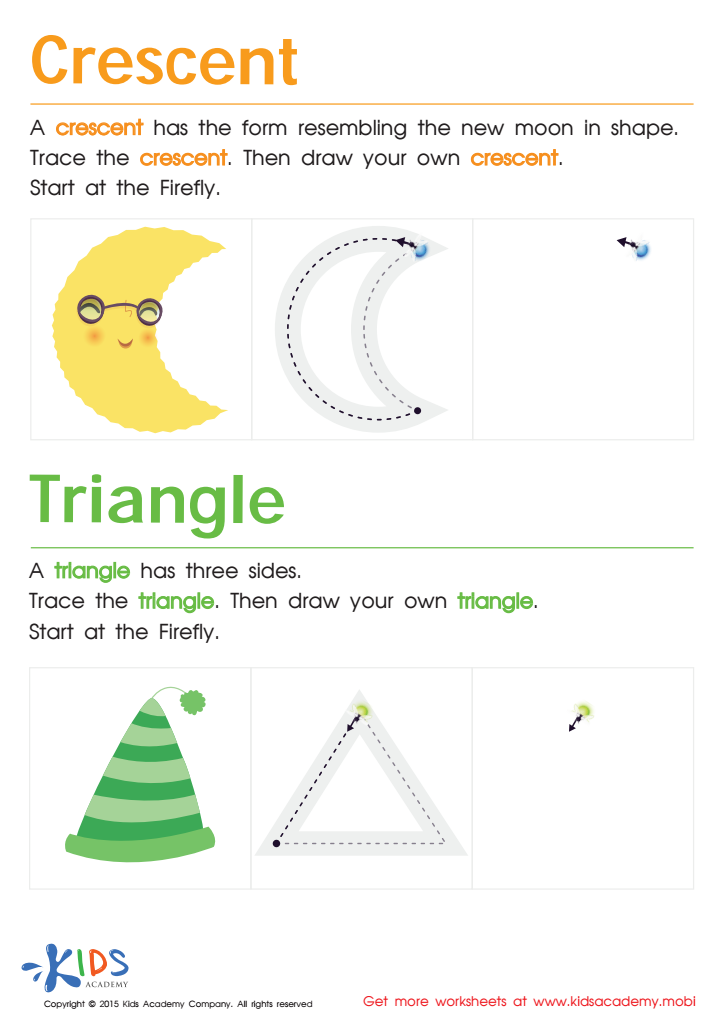
Learning to Draw Crescents And Triangles Worksheet
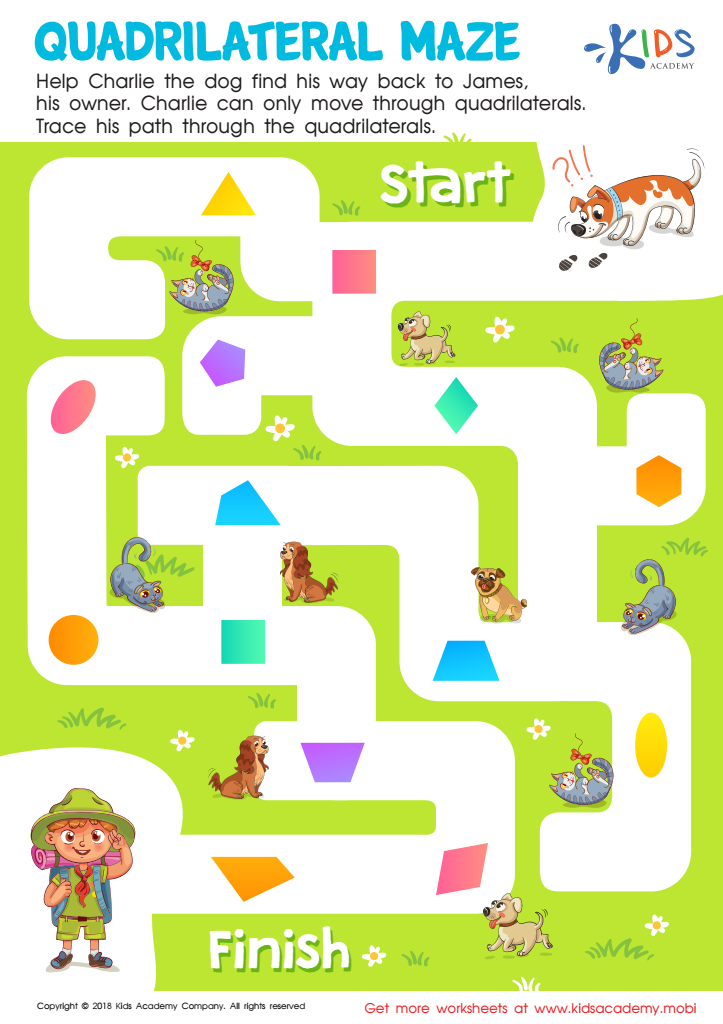
Quadrilateral Maze Worksheet
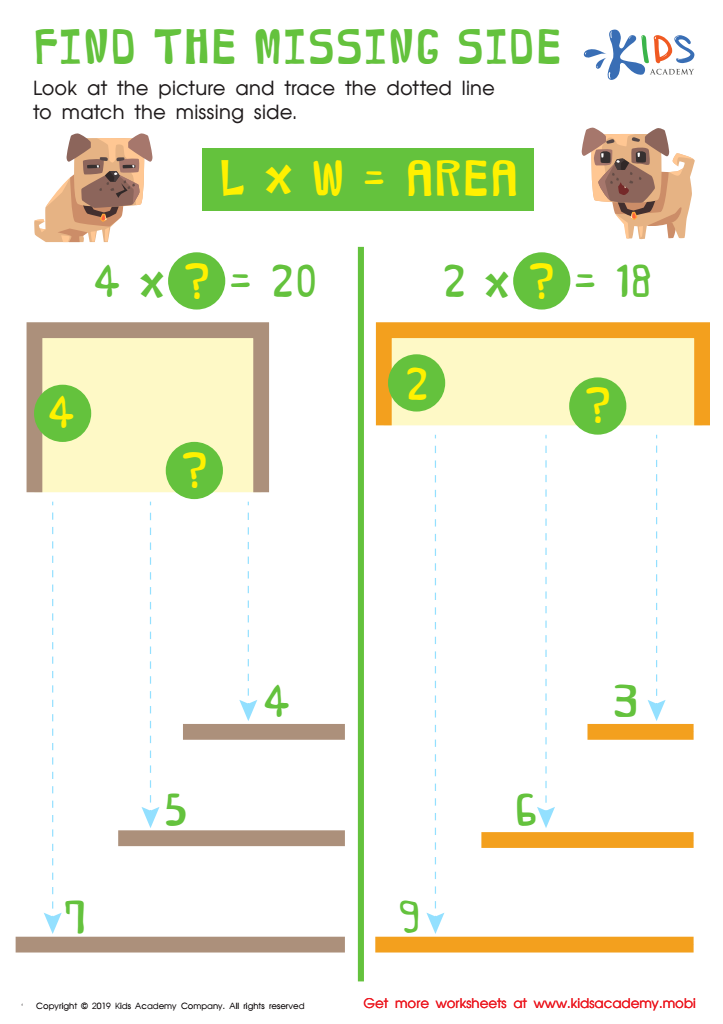
Find the Missing Side Worksheet
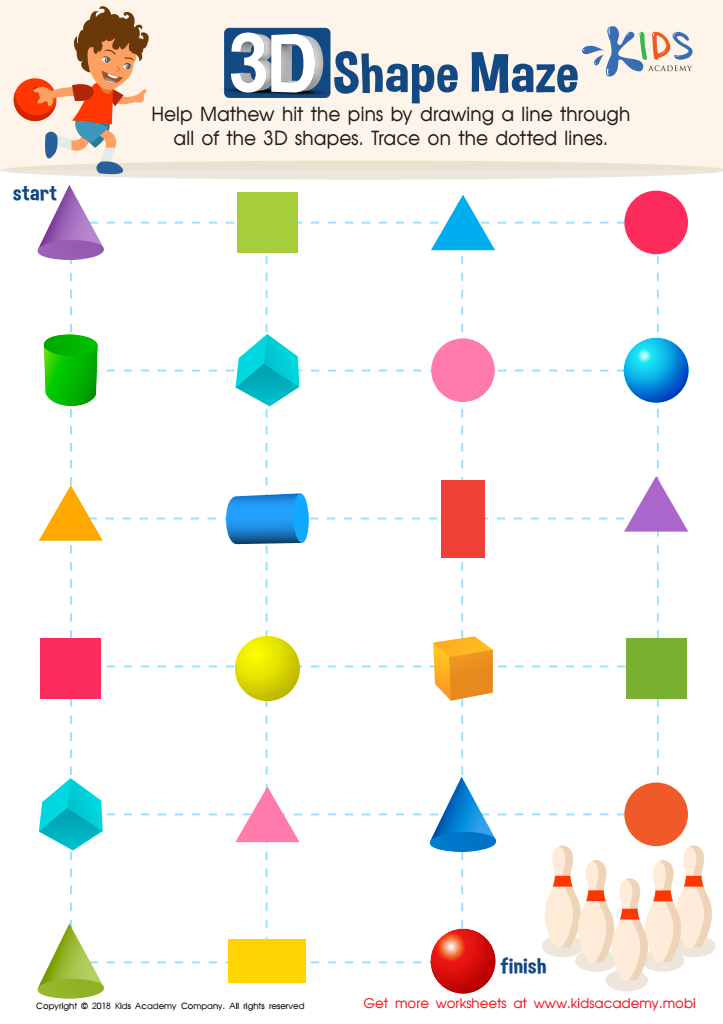
Shapes Maze Geometry Worksheet
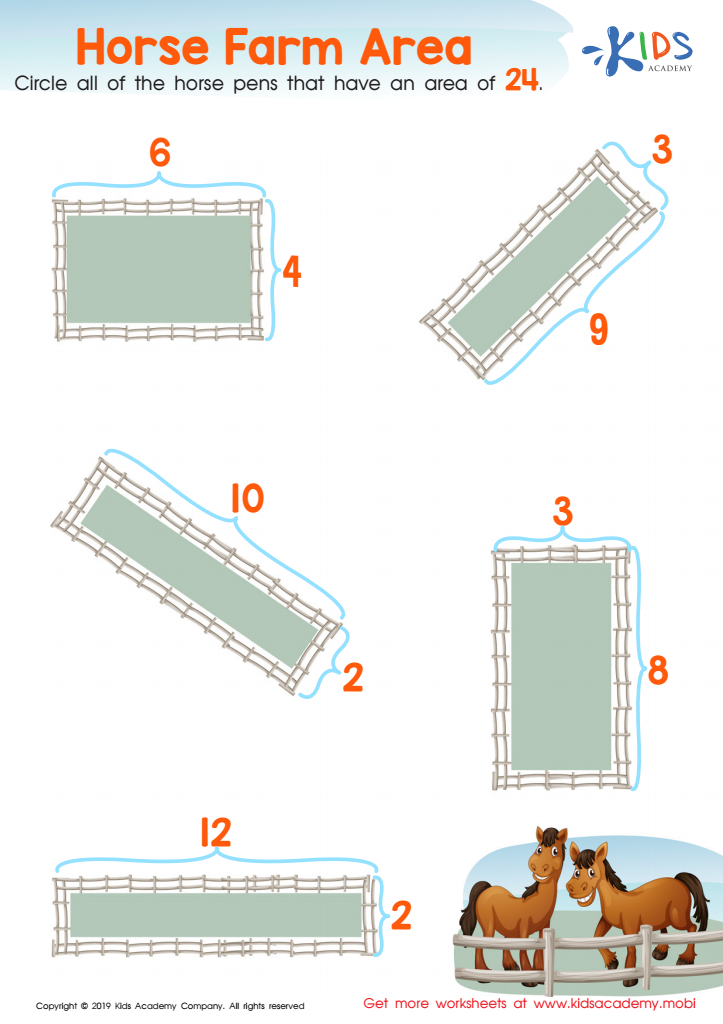
Horse Farm Area Worksheet
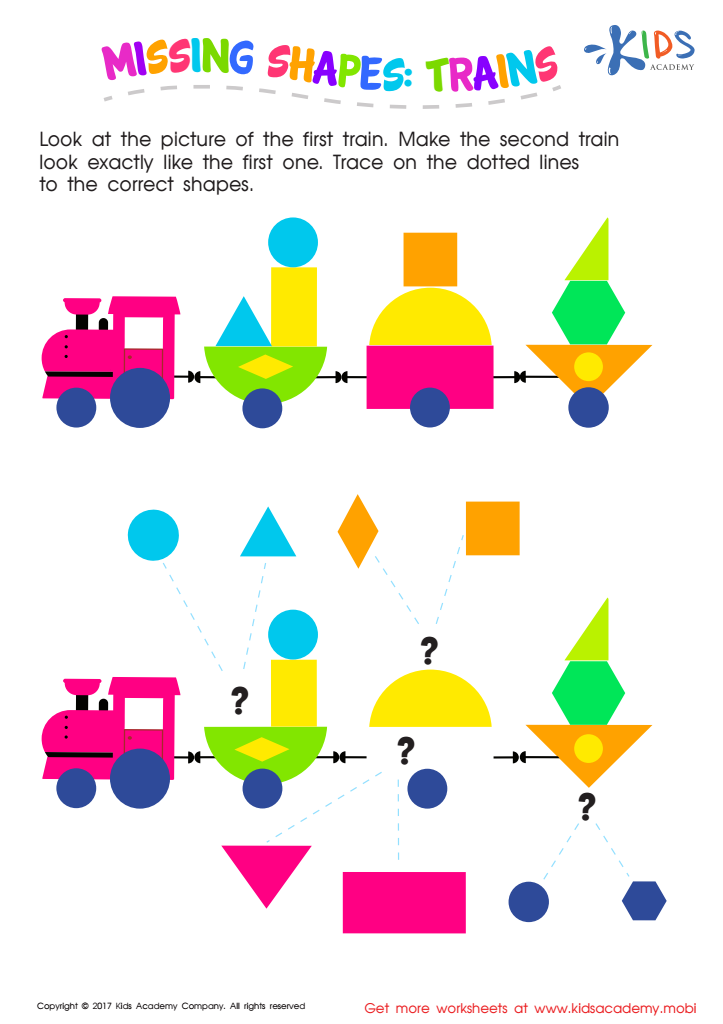
Missing Shapes: Trains Worksheet
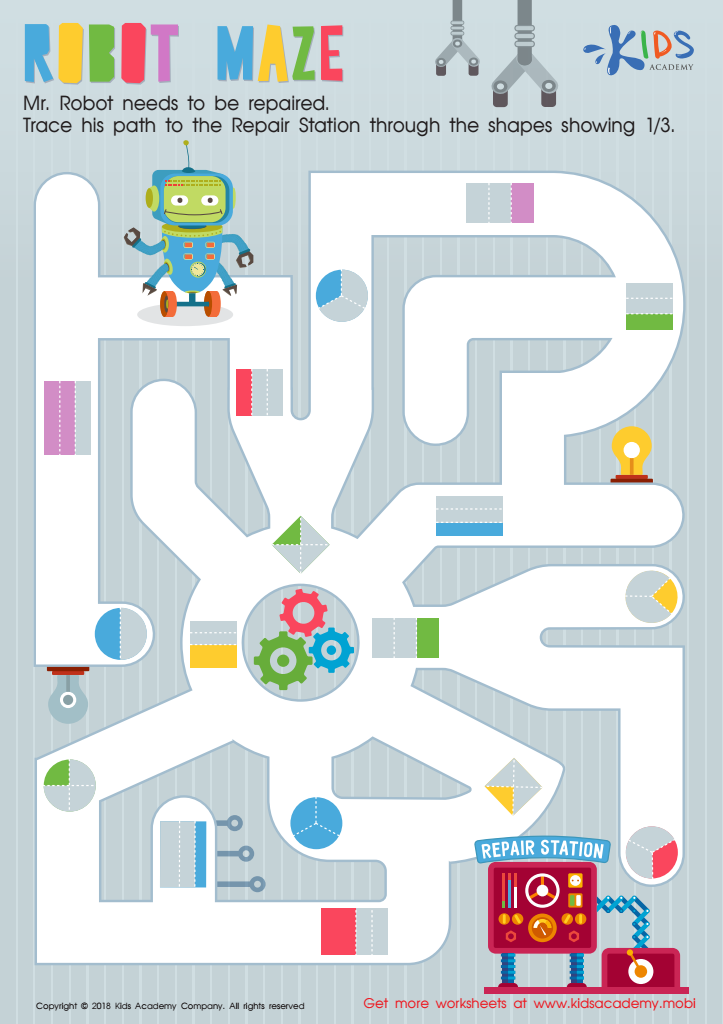
Robot Maze Worksheet








Problem-solving skills in geometry are essential for children aged 4-8 as they form the foundation for critical thinking, spatial awareness, and analytical abilities. Early exposure to geometry helps children recognize shapes, understand spatial relationships, and develop logical reasoning skills. By engaging in geometric problem-solving, students learn to approach challenges systematically, breaking them down into manageable parts.
This proficiency in geometry fosters creativity, critical thinking, and the ability to visualize problems, all of which are crucial for academic success across disciplines, especially mathematics and science. Furthermore, the use of geometry emphasizes the importance of systematic exploration and hypothesis testing, equipping children with strategies to address broader life challenges.
For parents and teachers, cultivating these skills at a young age promotes a positive attitude toward mathematics, helping to debunk common myths that math is unapproachable or too difficult. By making geometry relatable and fun through hands-on activities, puzzles, and real-world problem-solving, children learn to appreciate and enjoy math. Consequently, fostering strong problem-solving skills sets the stage for lifelong learning and success, preparing young learners not only for future academic pursuits but also for real-life situations that require logical reasoning and creative solutions.








