Shape Recognition Geometry Worksheets for Ages 4-8 - Page 2
71 filtered results
-
From - To
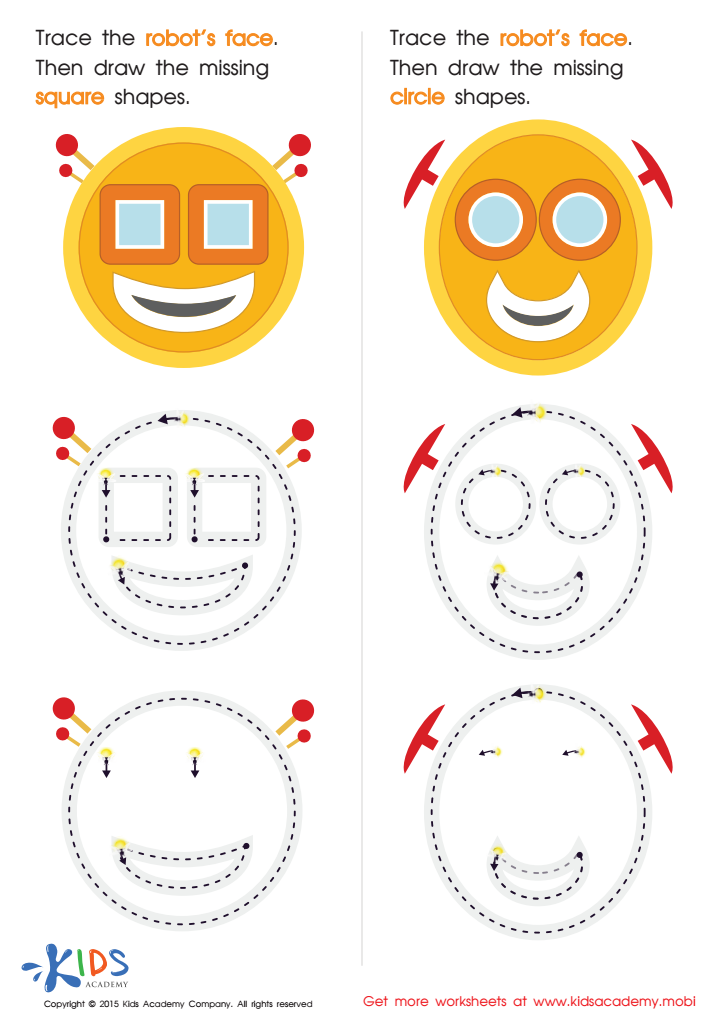
Practicing to Draw Circles And Squares Printable











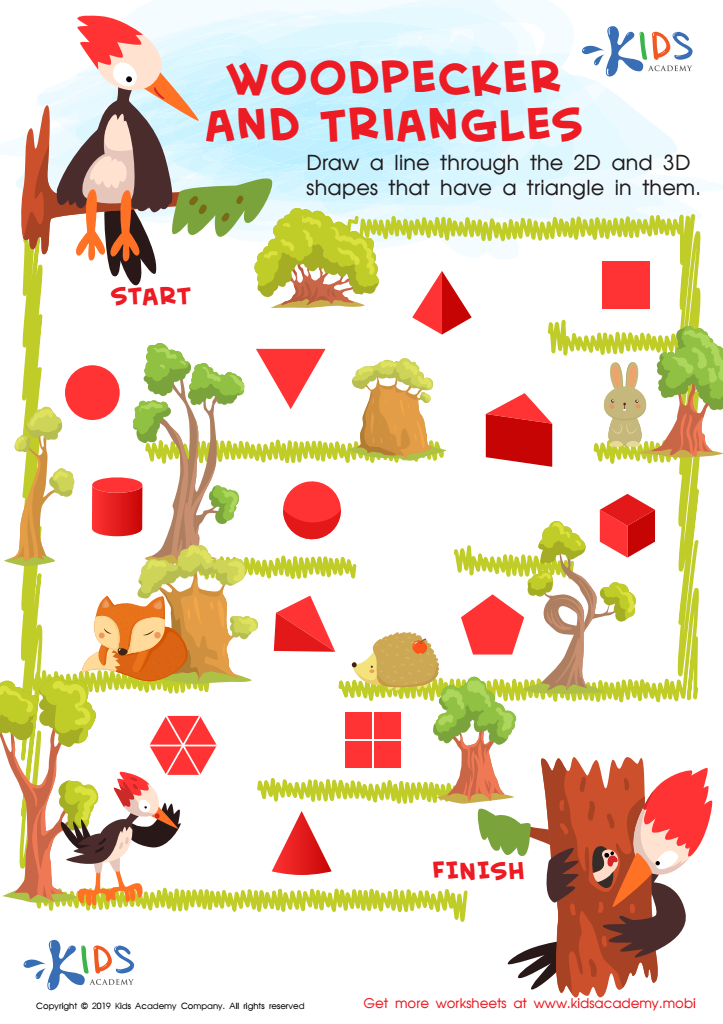
Woodpecker and Triangles Worksheet
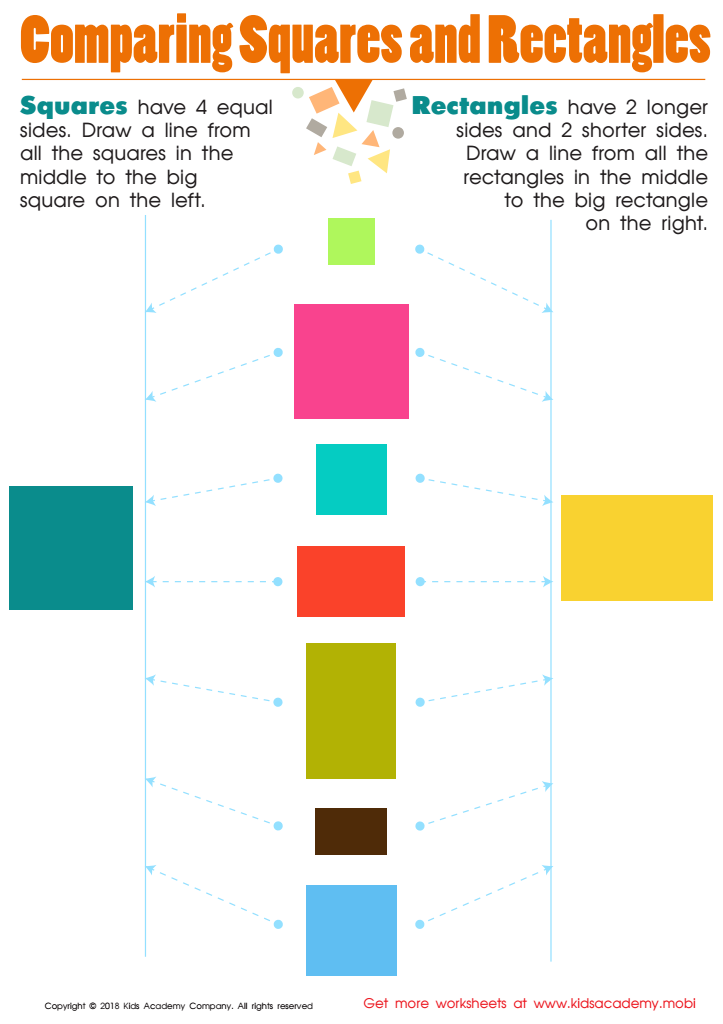
Comparing Squares Rectangles Worksheet
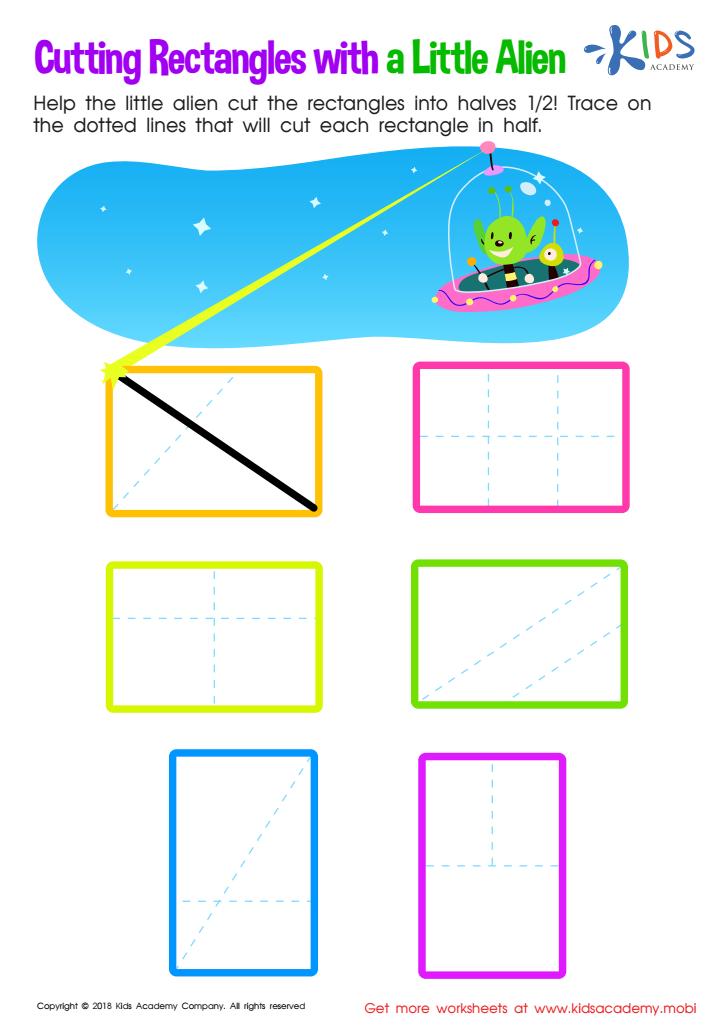
Cutting Rectangles with Alien Worksheet
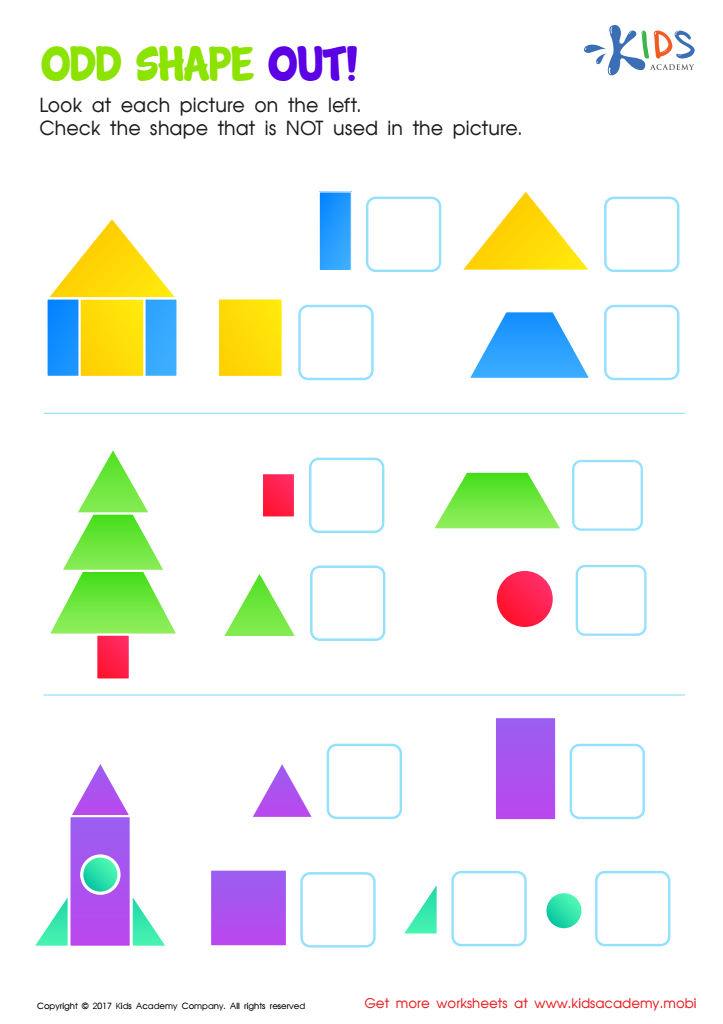
Odd Shape Out Worksheet for Grade 1
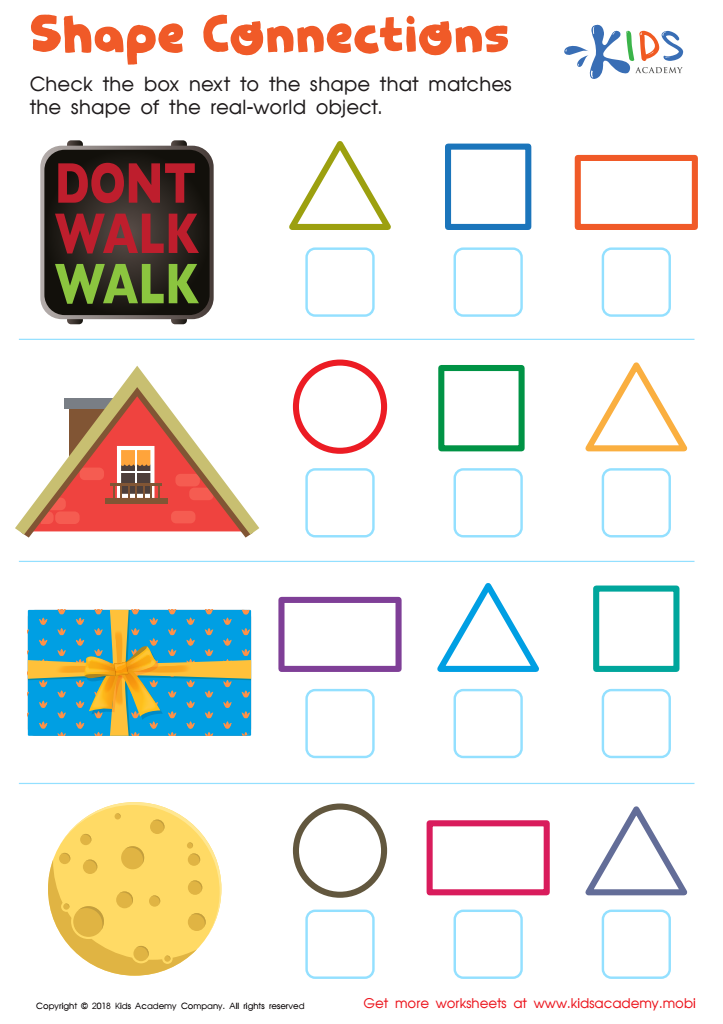
Shape Connections Worksheet
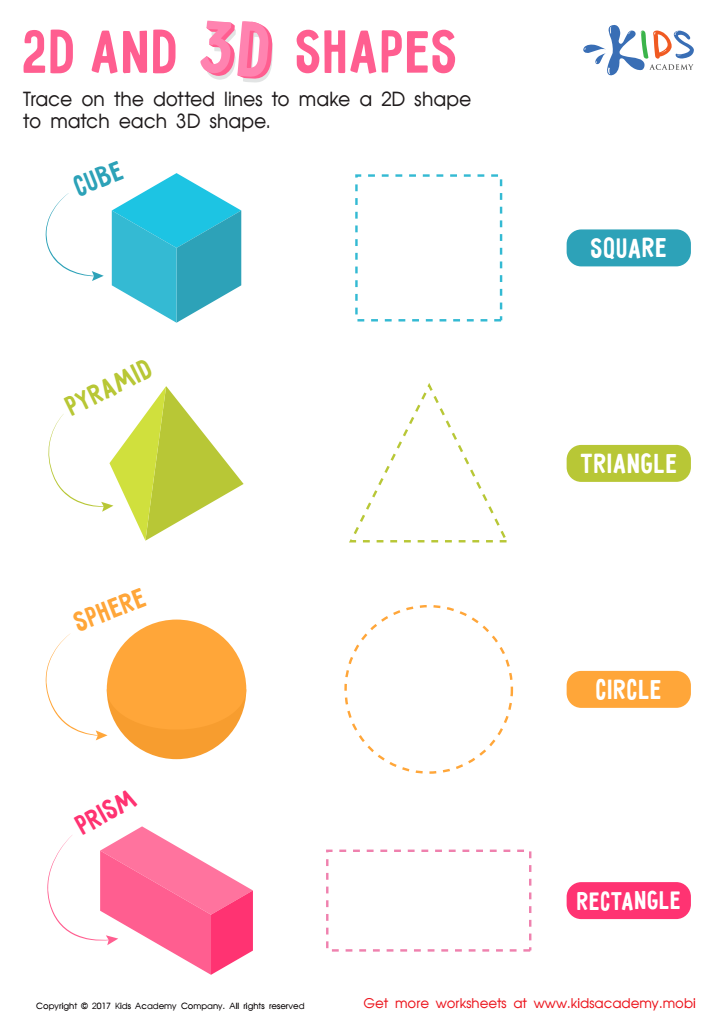
2D and 3D Shapes Worksheet
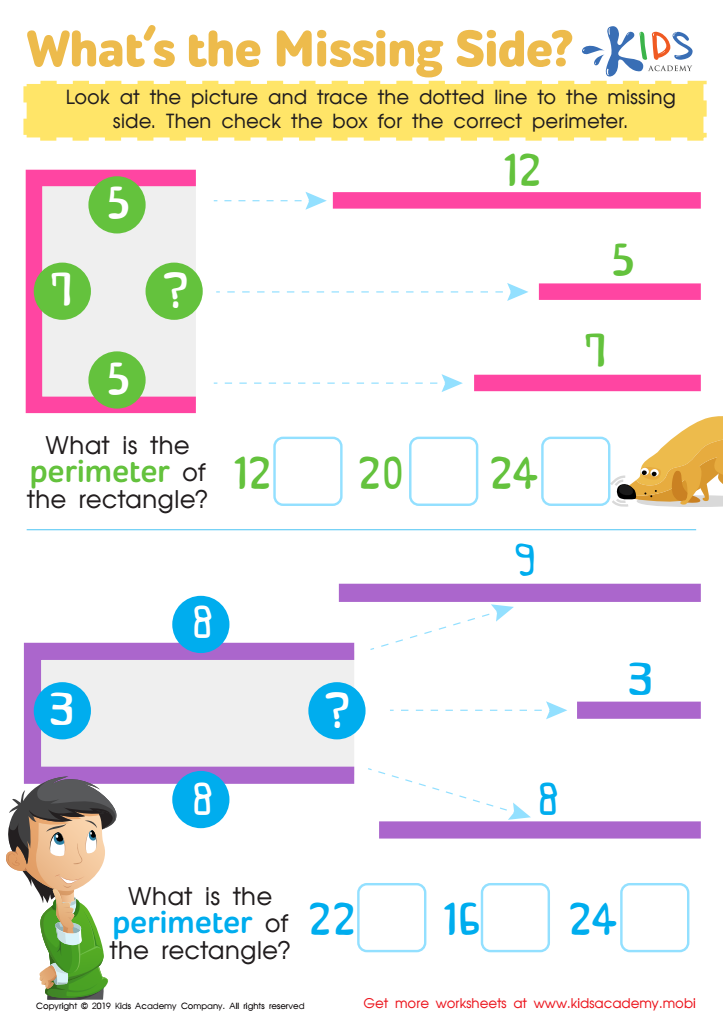
What's the Missing Side Worksheet
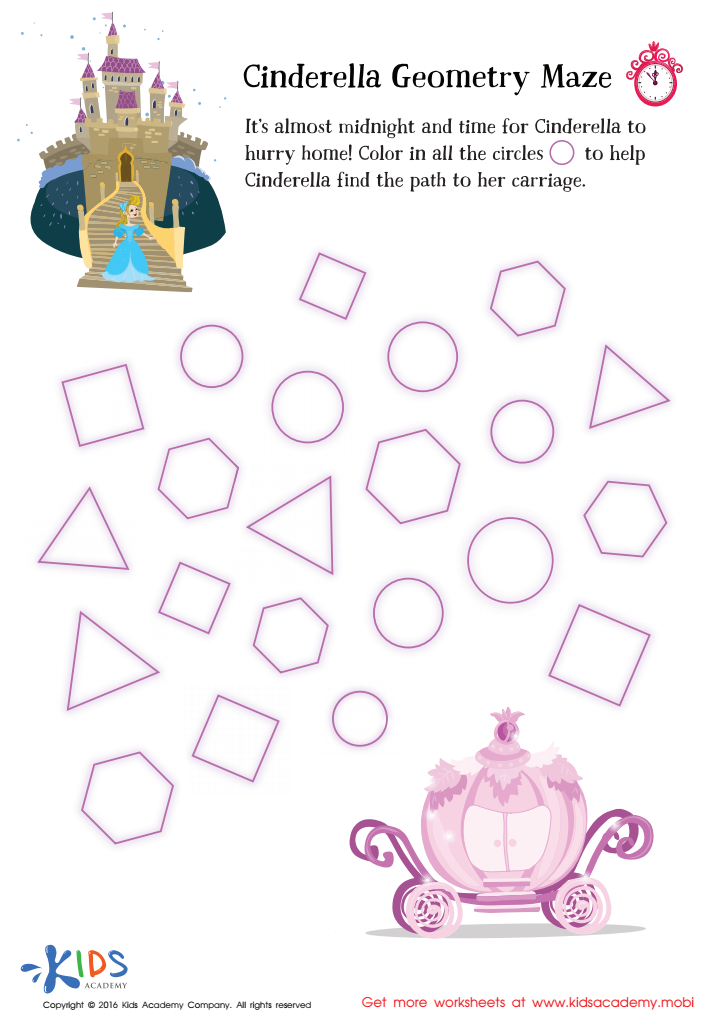
Cinderella Geometry Maze Worksheet
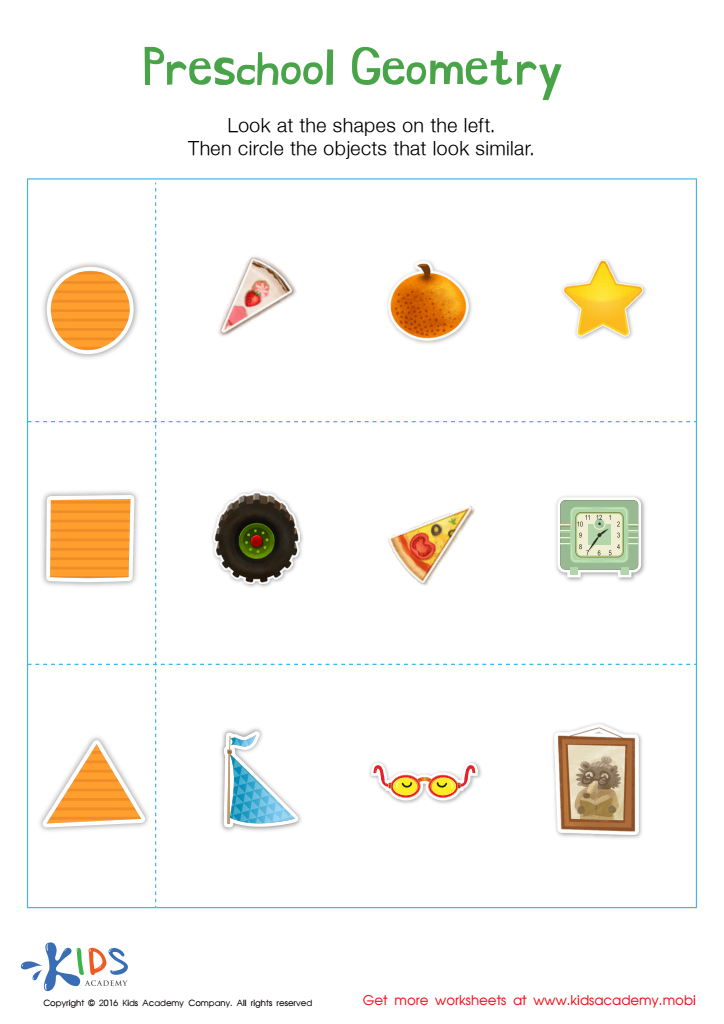
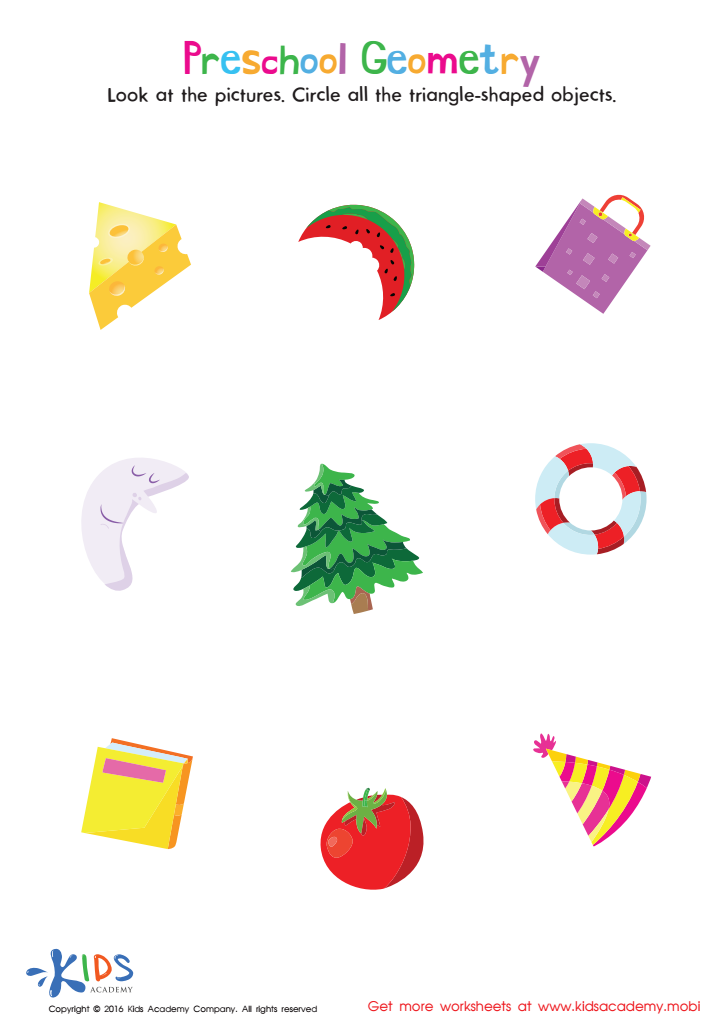
Preschool Geometry Match Up Worksheet
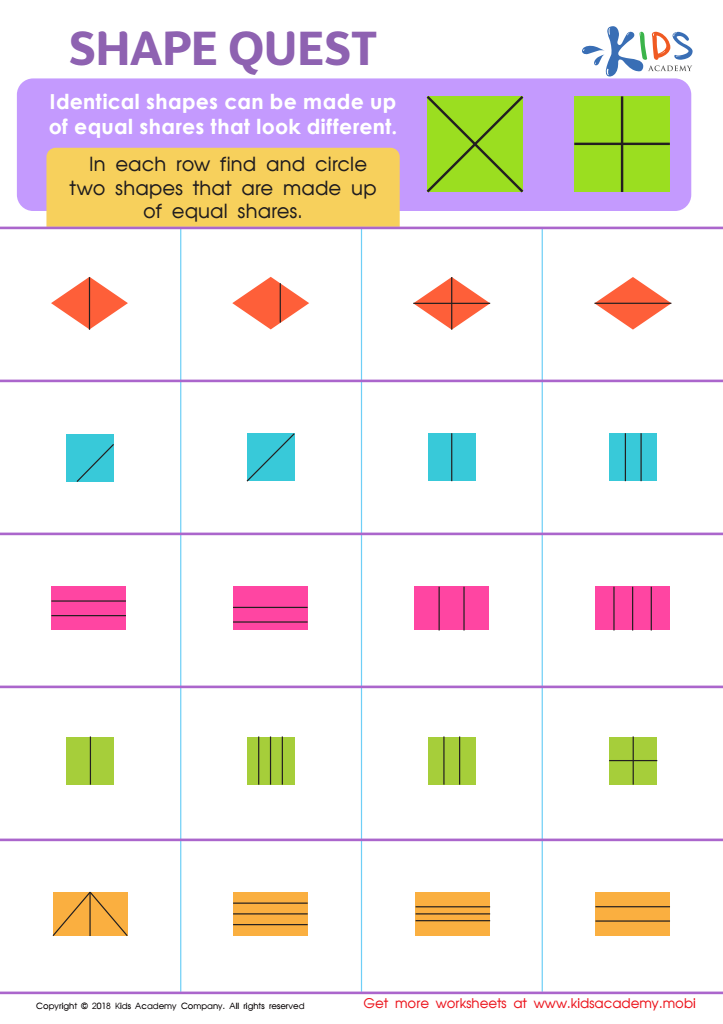
Shape Quest Worksheet
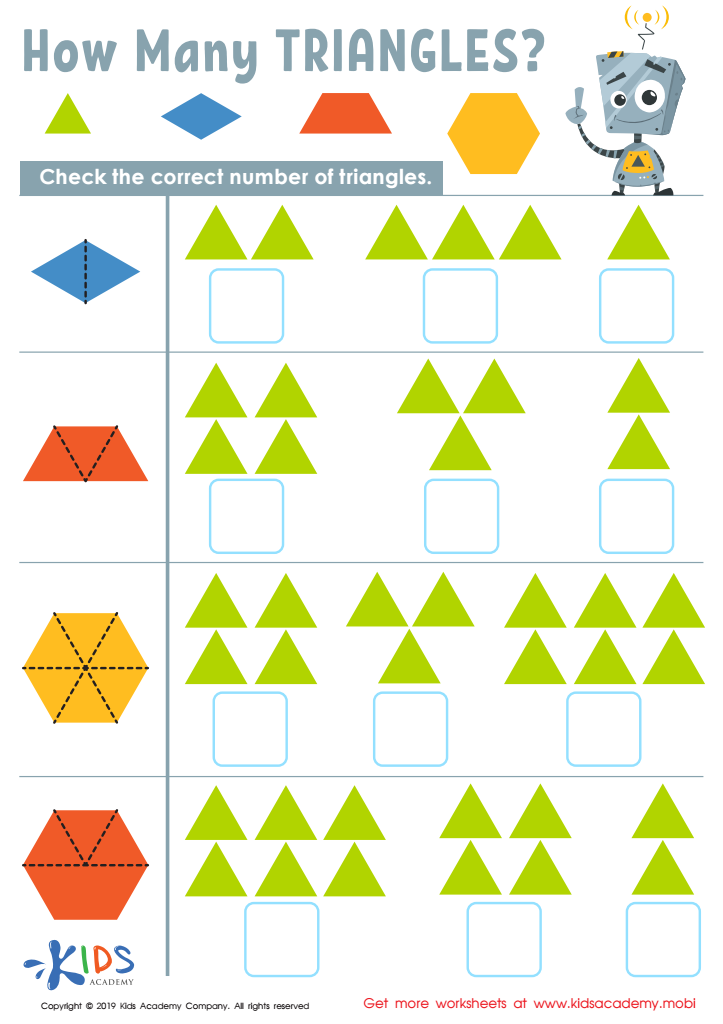
How Many Triangles Worksheet
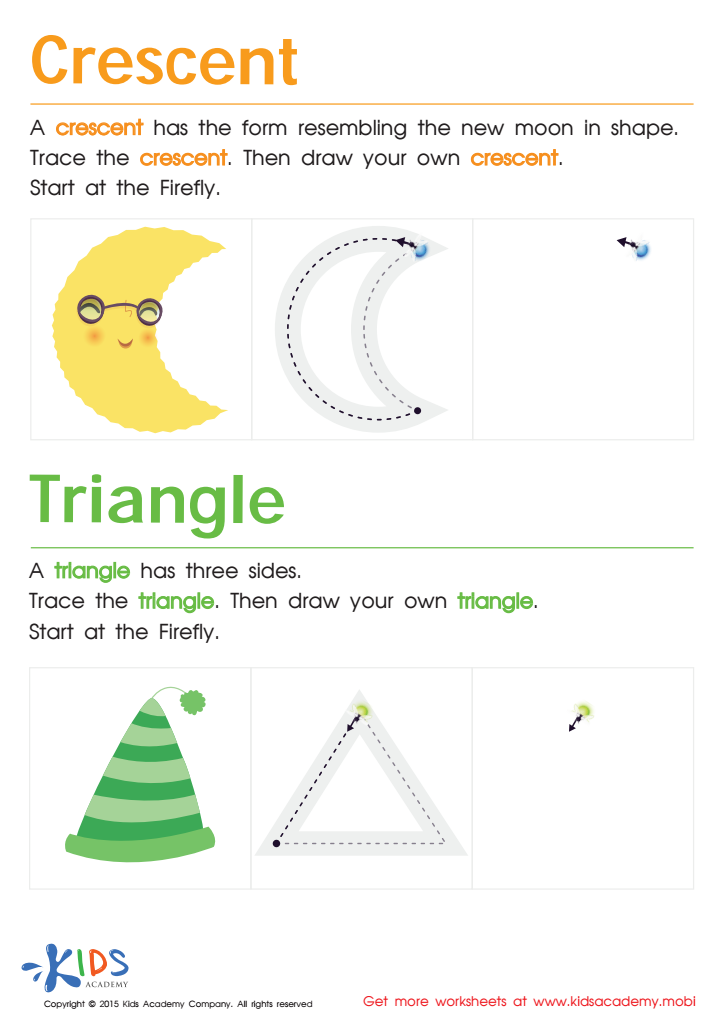
Learning to Draw Crescents And Triangles Worksheet
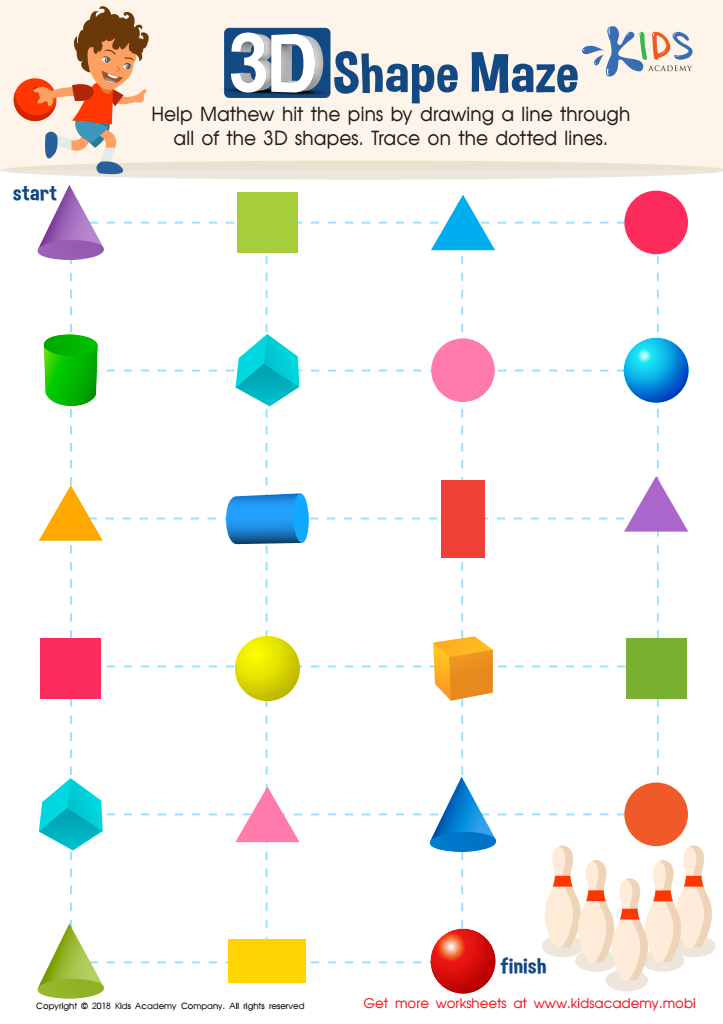
Shapes Maze Geometry Worksheet
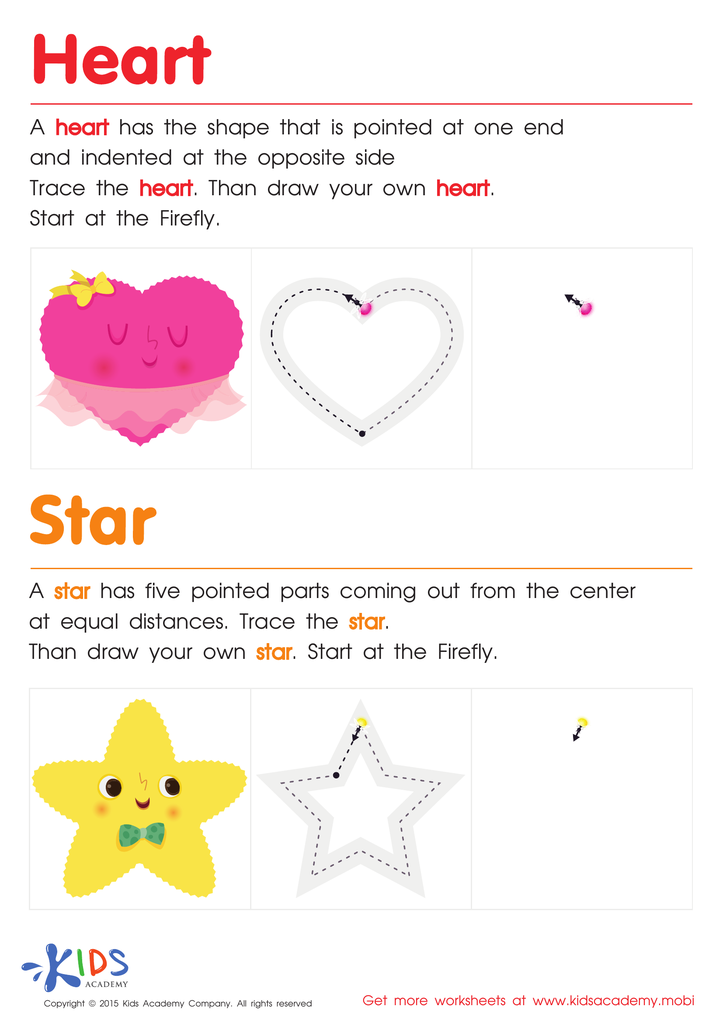
Let's Learn to Draw Hearts And Stars Printable
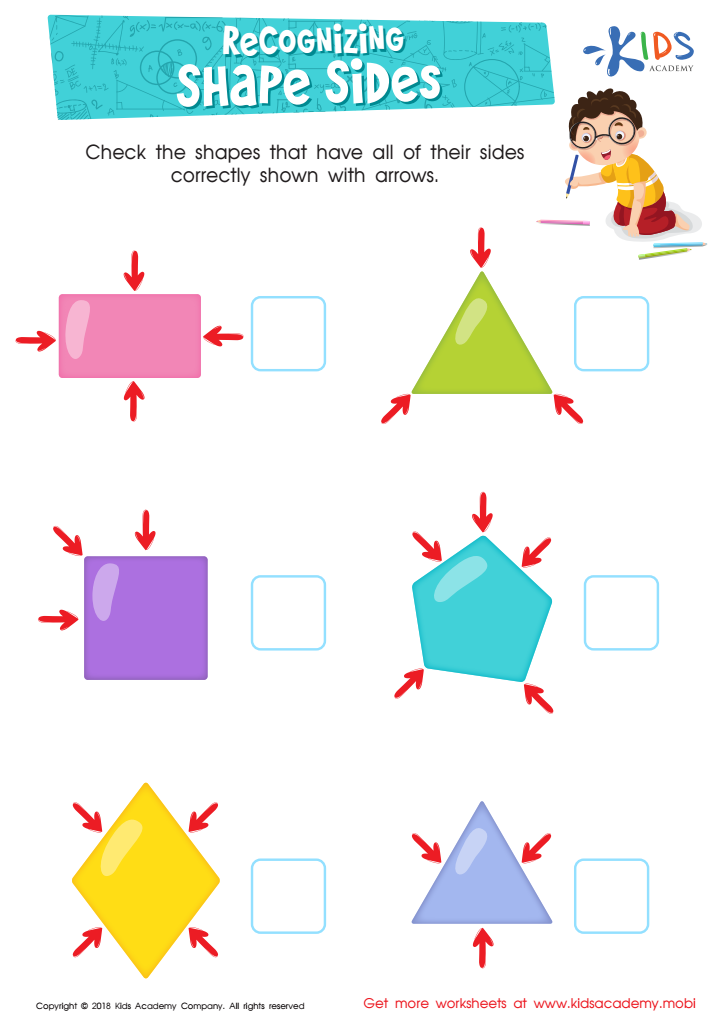
Recognizing Shape Sides Worksheet
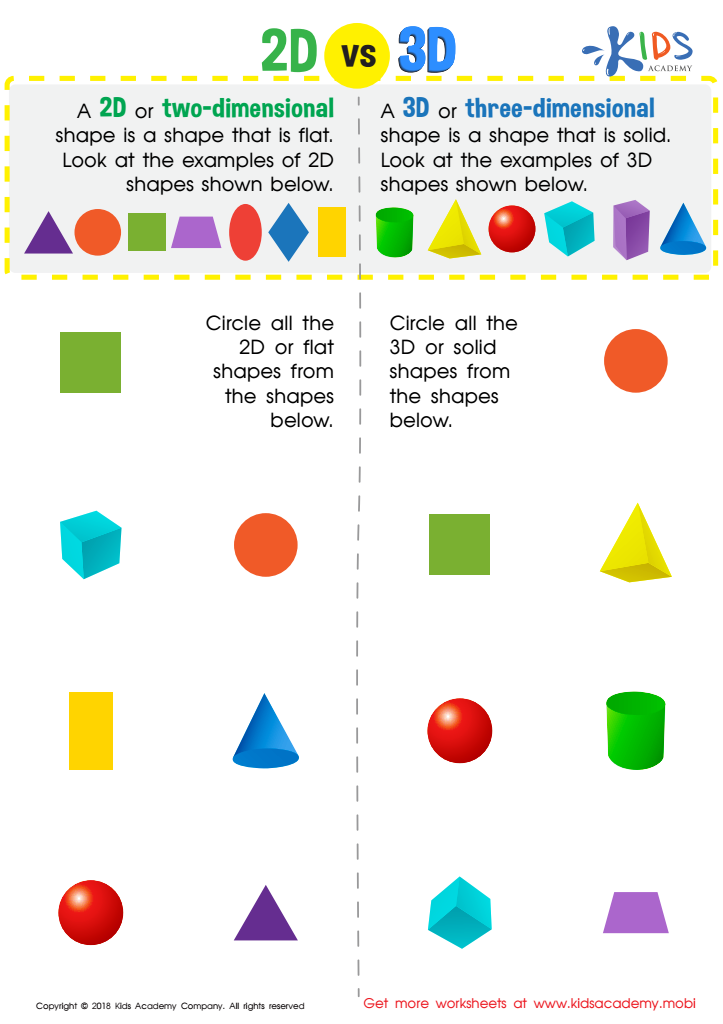
2D vs 3D Shapes Worksheet
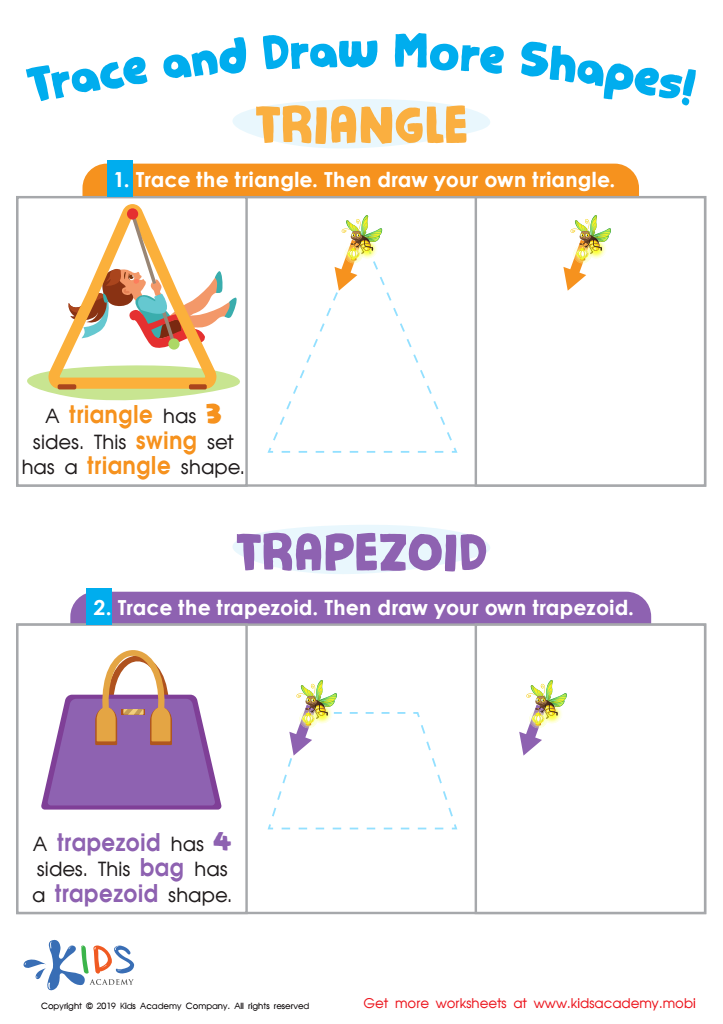
Trace and Draw More Shapes Worksheet
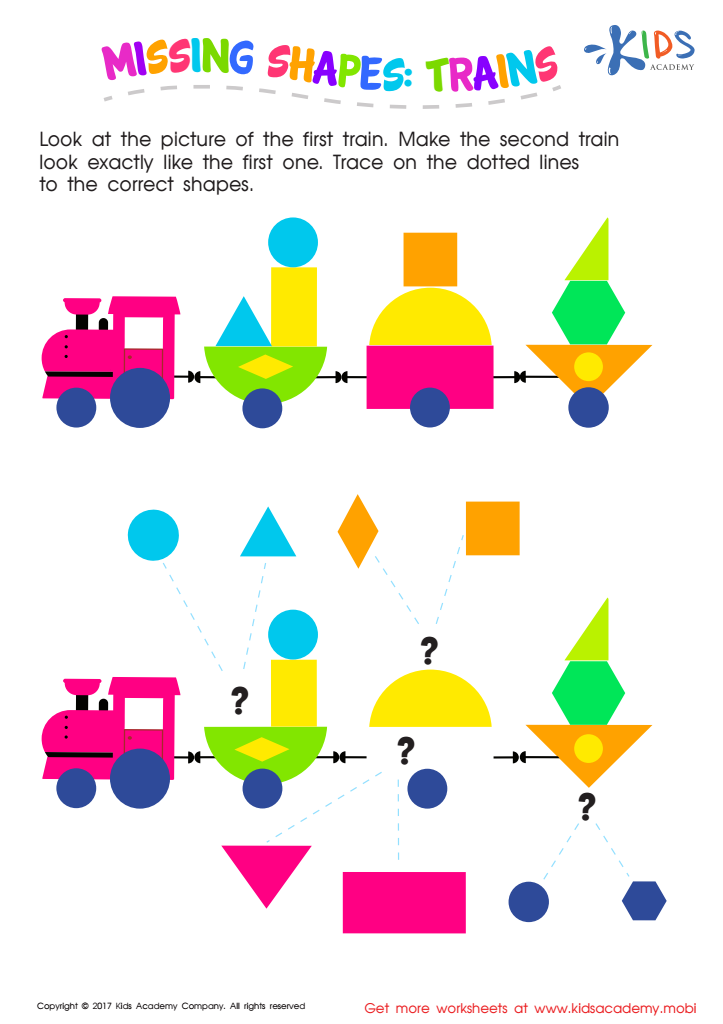
Missing Shapes: Trains Worksheet
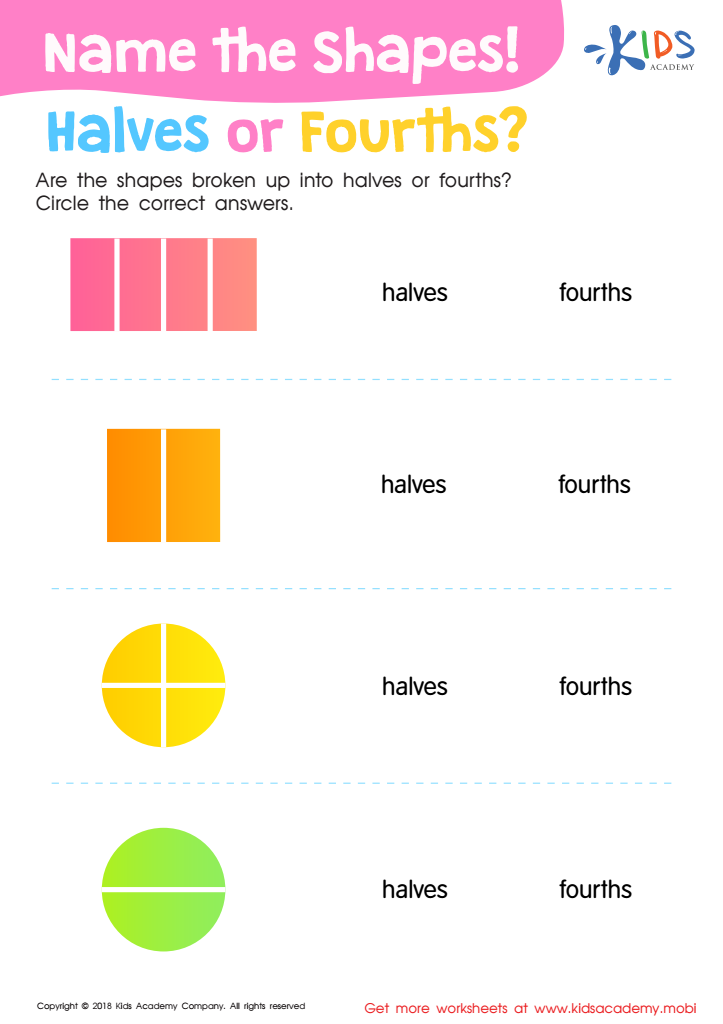
Name the Shapes Halves or Fourths? Worksheet
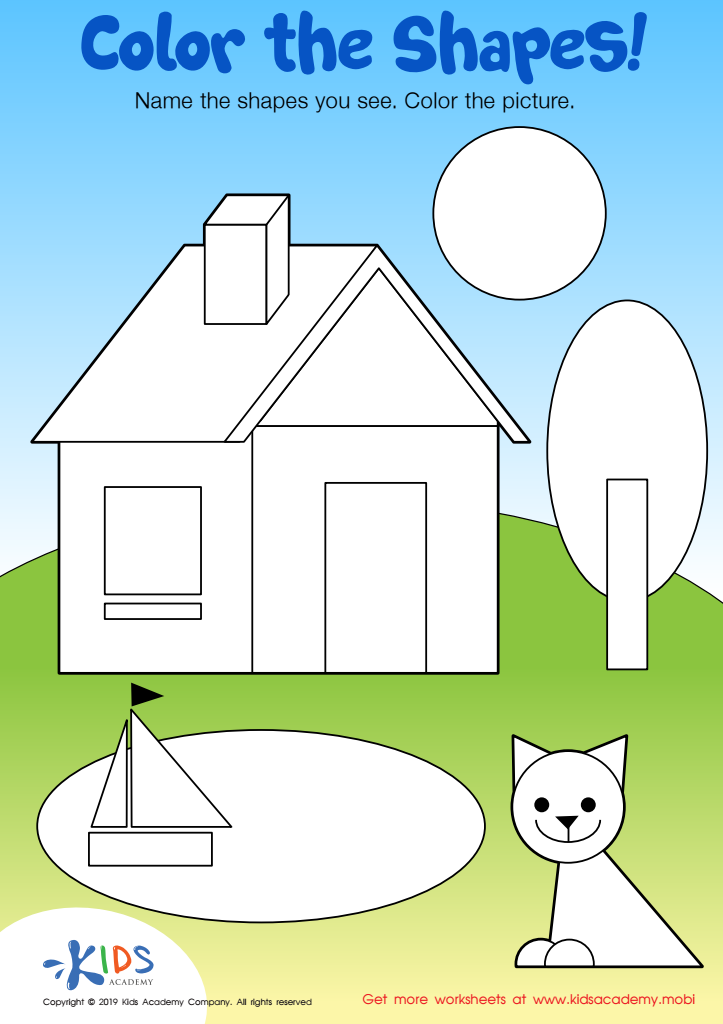
Color the Shapes Worksheet
 Assign to My Students
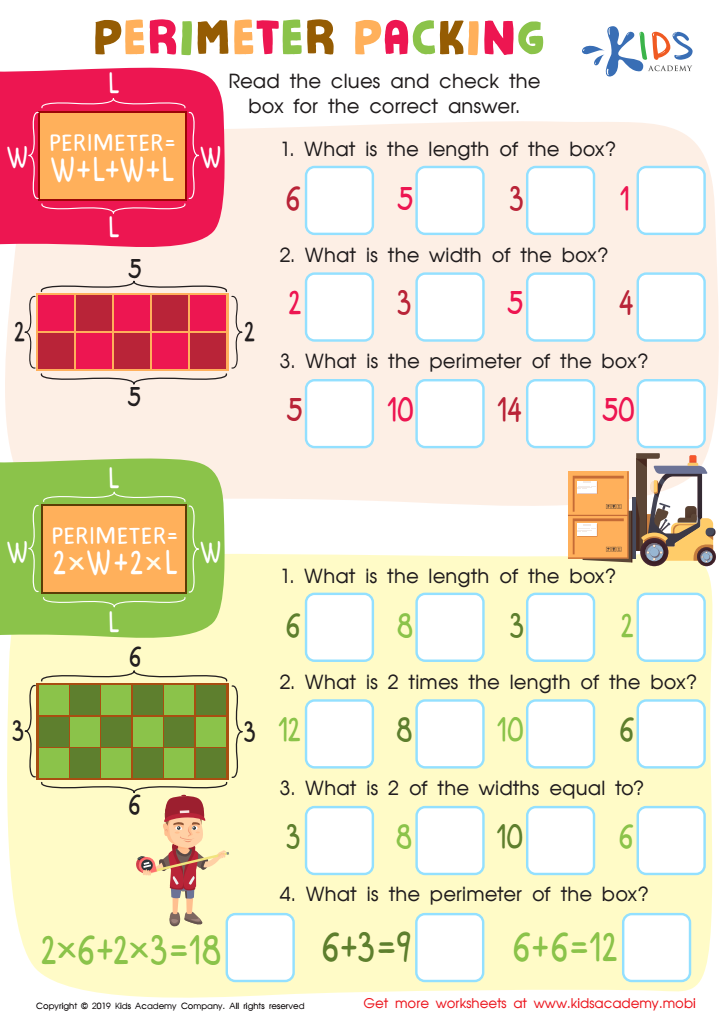
Perimeter Parking Worksheet
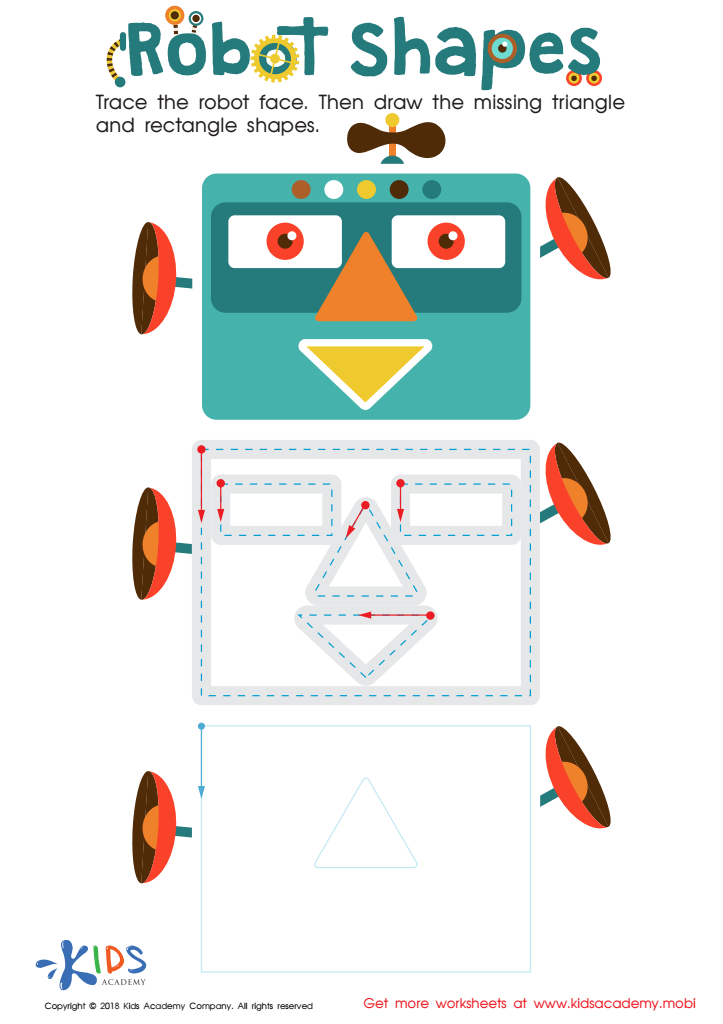
Robot Shapes Worksheet








Shape recognition is a fundamental skill in the early development of children aged 4-8 that extends beyond simply identifying circles, squares, and triangles. Understanding shapes lays the groundwork for more complex mathematical concepts and critical thinking later in life. By engaging with geometry, children enhance their spatial awareness, which is essential for various everyday tasks, from navigating their environment to solving basic problems.
Parents and teachers play a pivotal role in this developmental stage. Introducing shape recognition through fun activities, like games or hands-on projects, fosters an early love for math and exploration. It also promotes cognitive skills, encouraging children to observe, compare, and classify different shapes, helping improve their analytical abilities.
Moreover, shape recognition reinforces vocabulary development as kids learn to articulate the names and properties of shapes. This foundational knowledge supports progress in other subjects, including art and science, where understanding forms and structures is crucial. When parents and teachers emphasize geometry at this age, they nurture a holistic learning environment that equips children with essential skills, enhancing their confidence and preparedness for future academic challenges. Supporting shape recognition is an investment in their cognitive, social, and emotional growth.








