2D Shapes Worksheets for Ages 5-7 - Page 3
67 filtered results
-
From - To
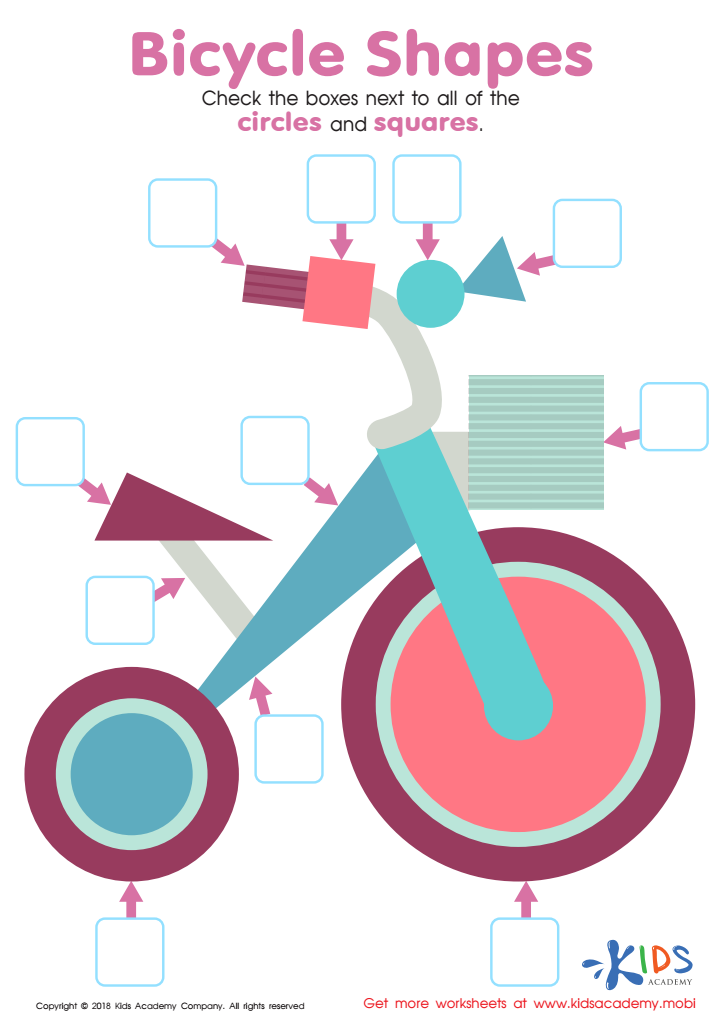
Bicycle Shapes Worksheet
 Assign to My Students

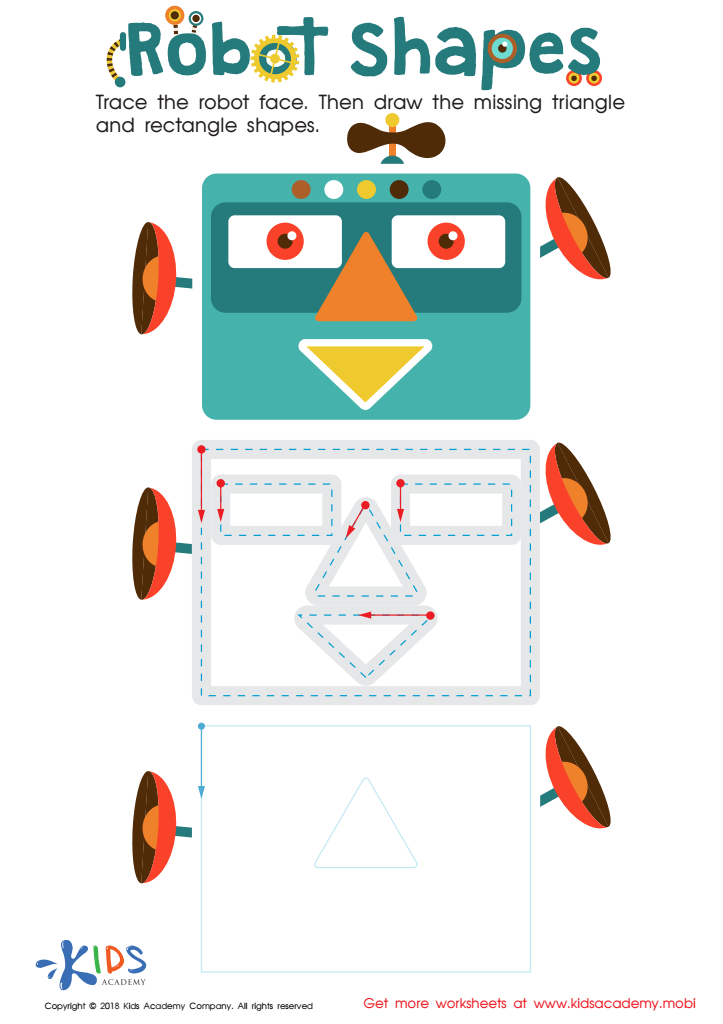
Robot Shapes Worksheet
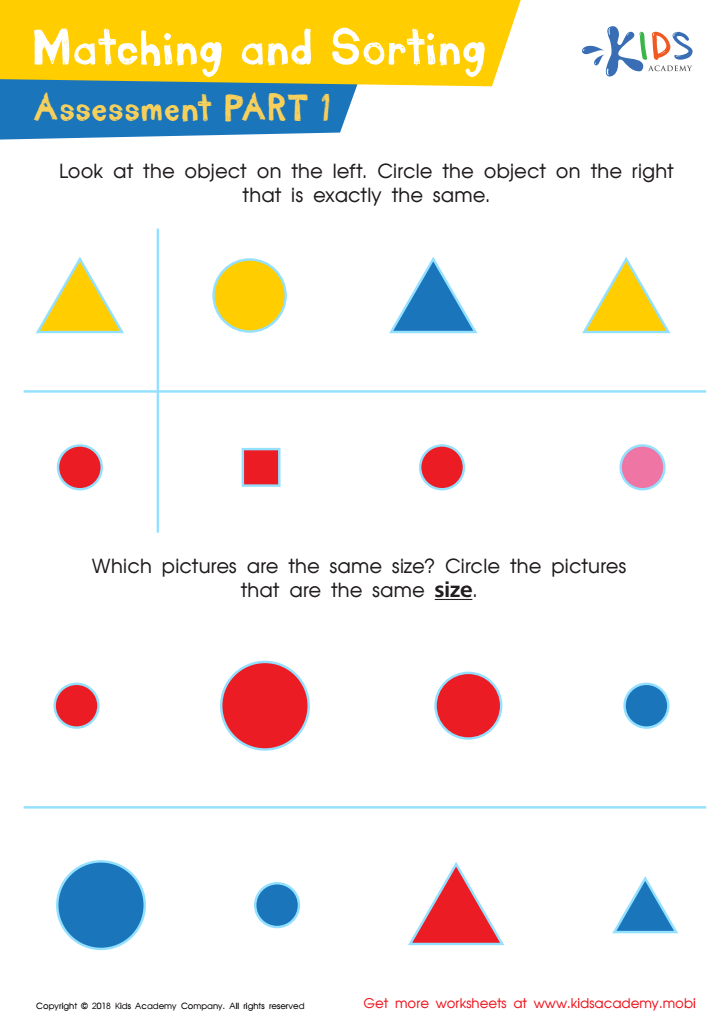
Matching and Sorting for Kindergarten: Assessment 1 Worksheet
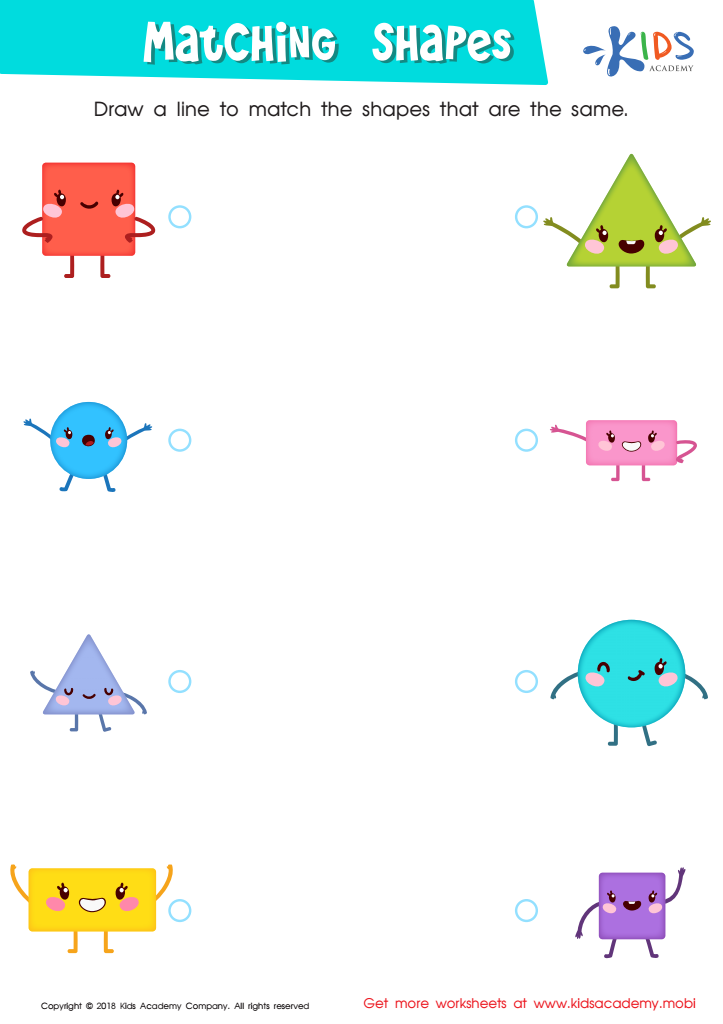
Matching Shapes Worksheet
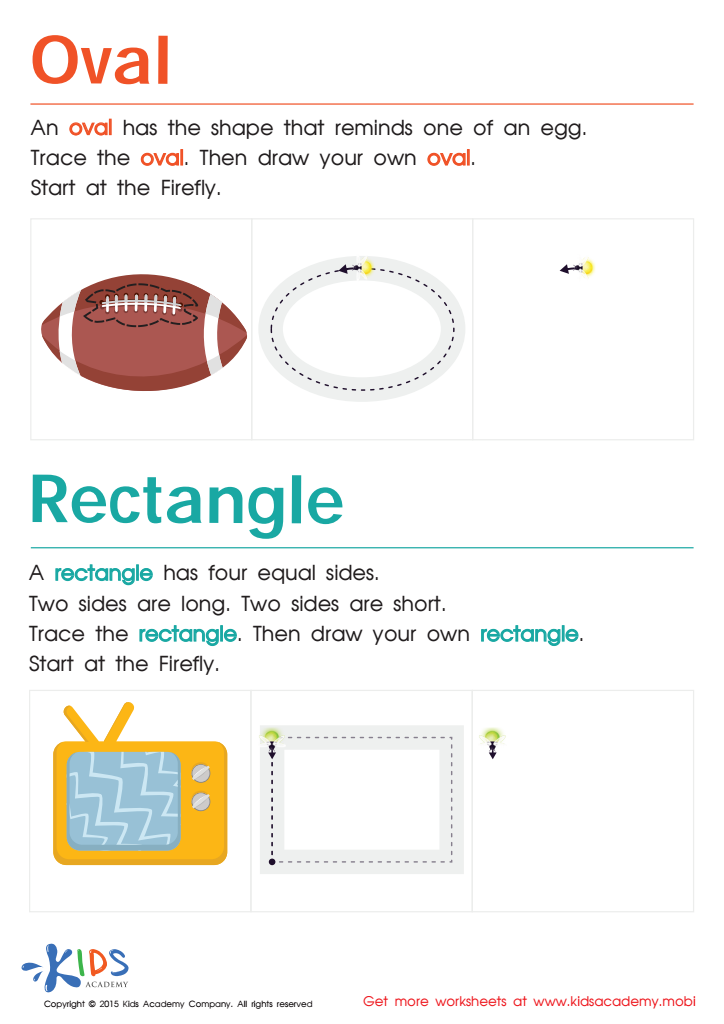
Easy Drawing of Ovals And Rectangles Worksheet
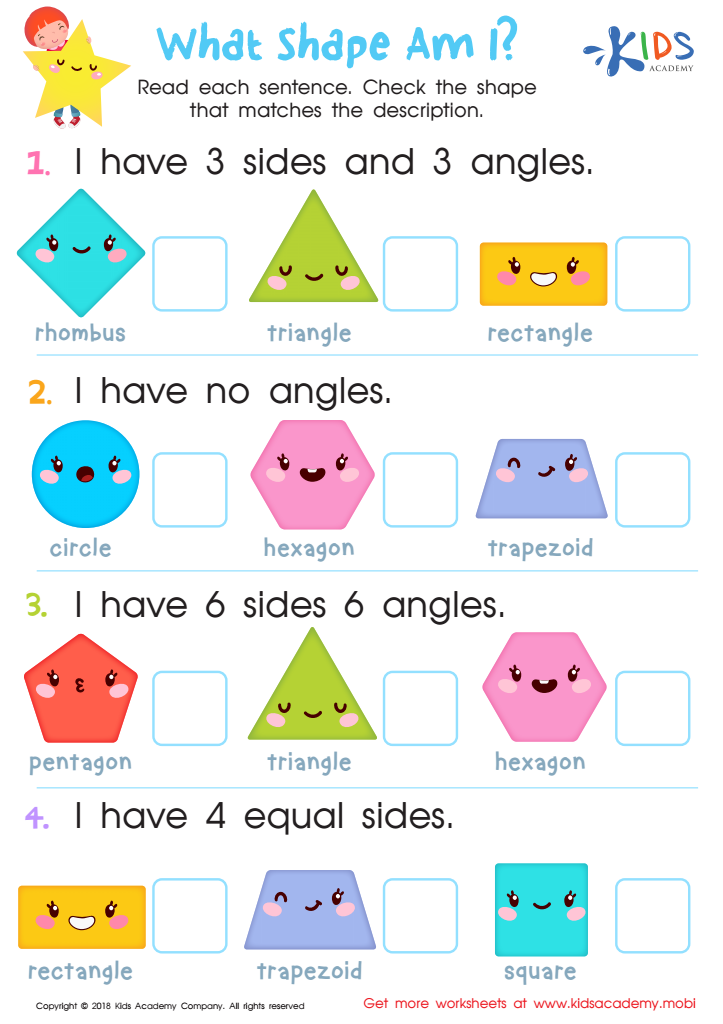
What Shape Am I? Worksheet
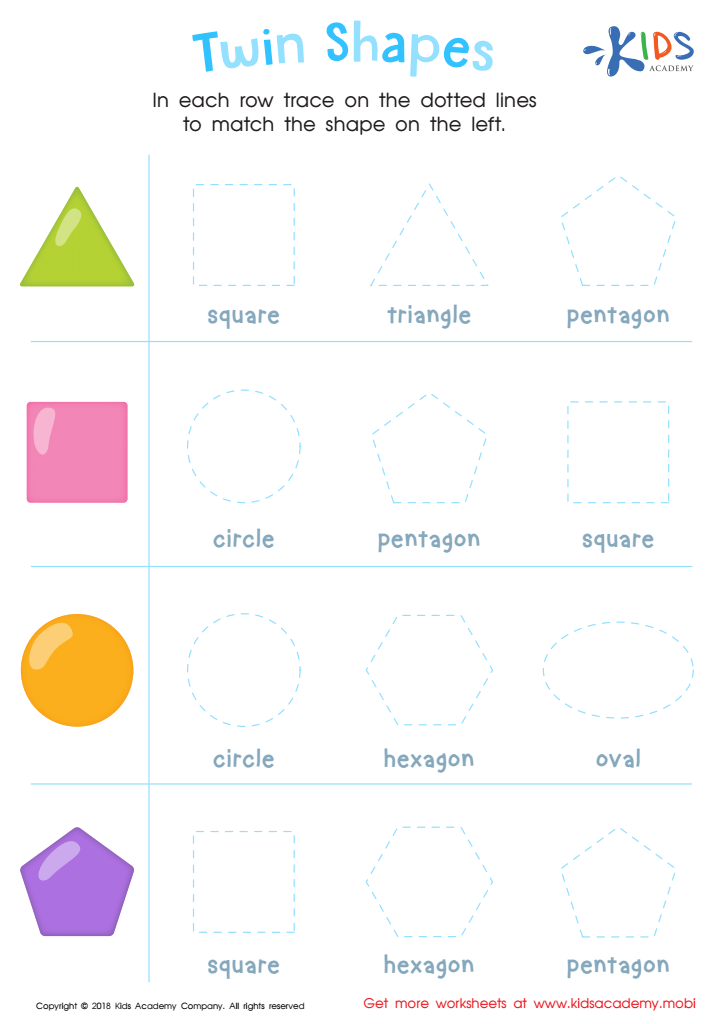
Twin Shapes Dot-to-Dot Worksheet
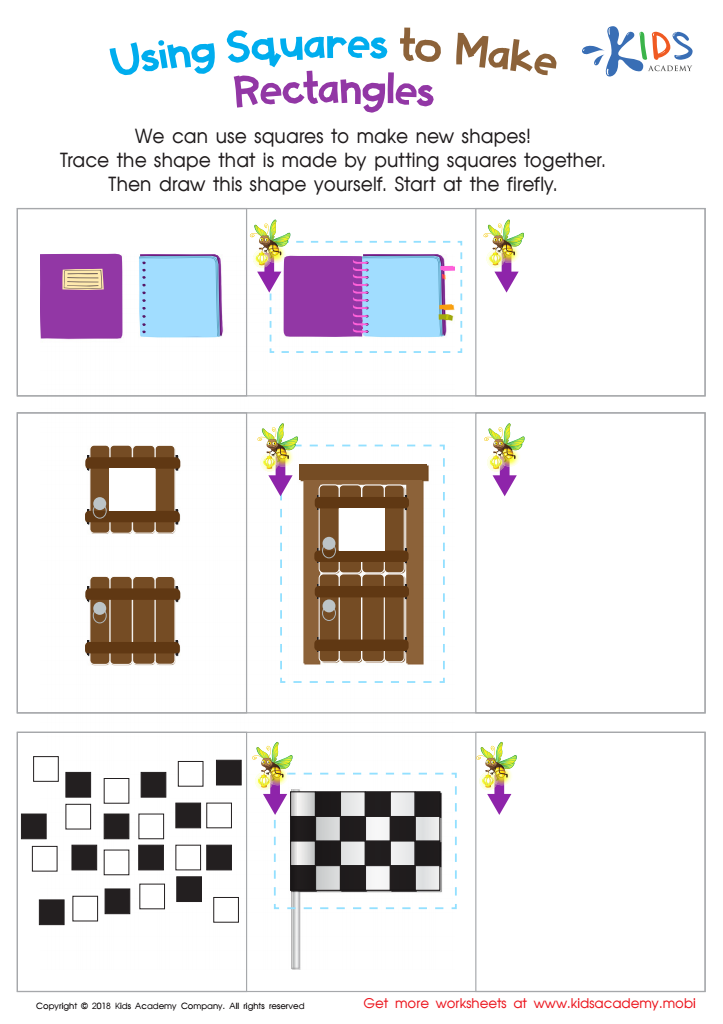
Using Squares to Make Rectangles Worksheet
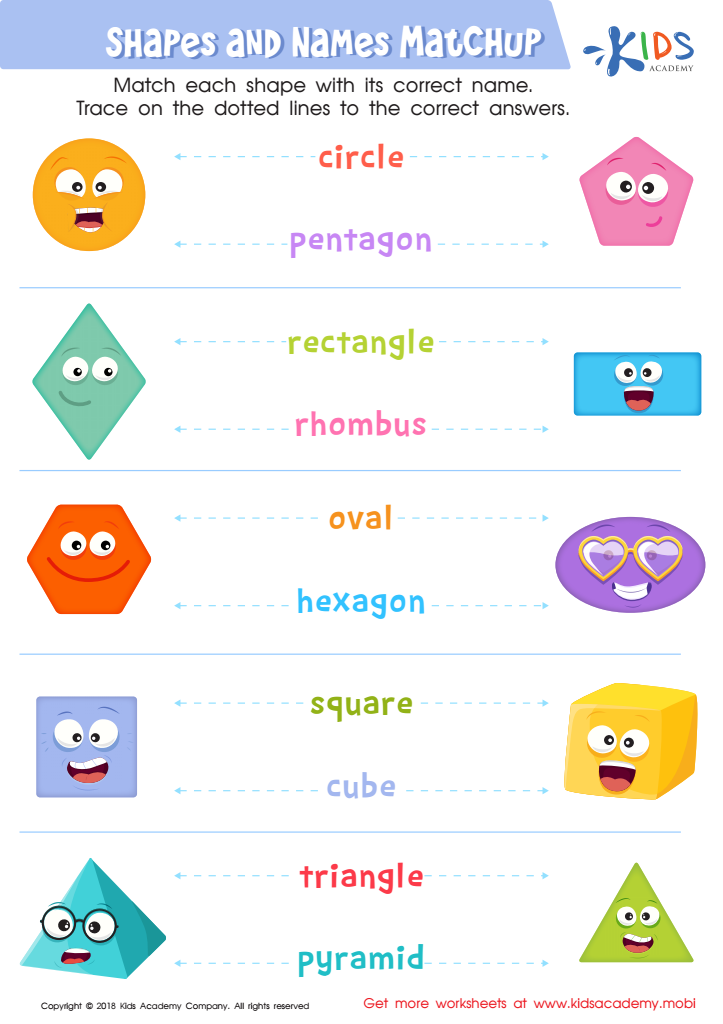
Shapes and Names Matchup Worksheet
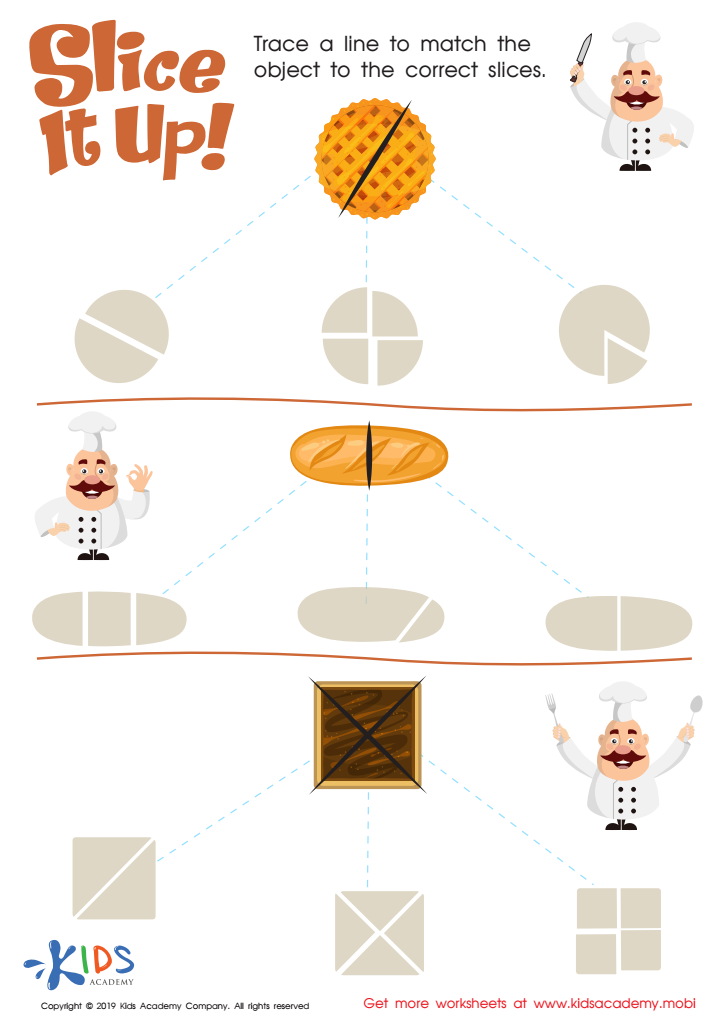
Slice It Up Worksheet
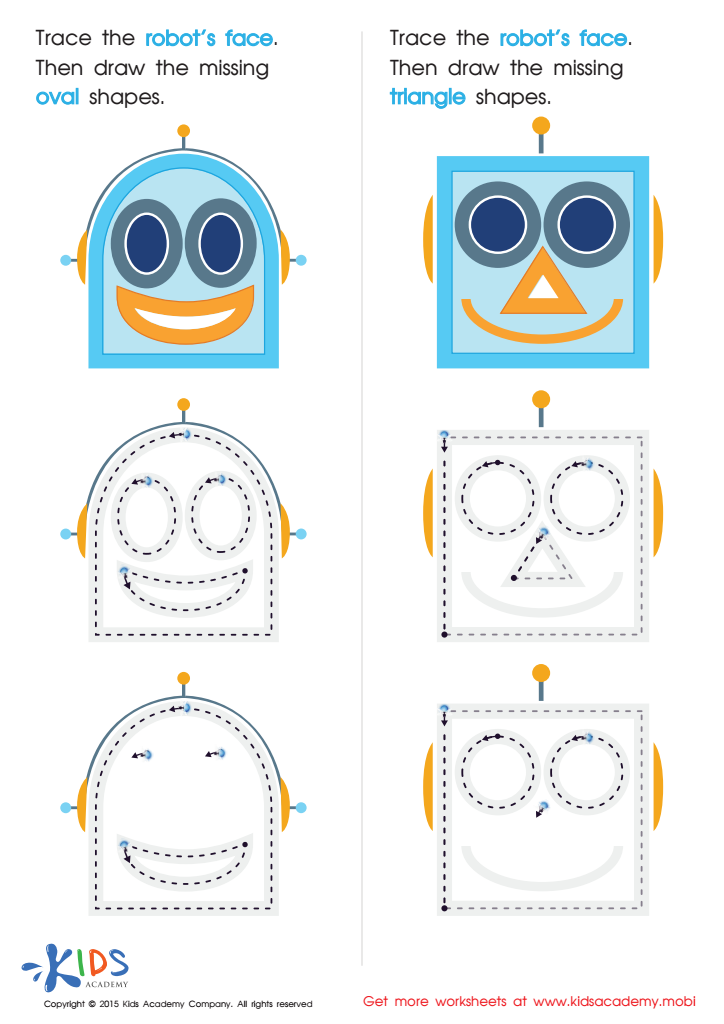
Drawing Ovals And Triangles with Fun Printable
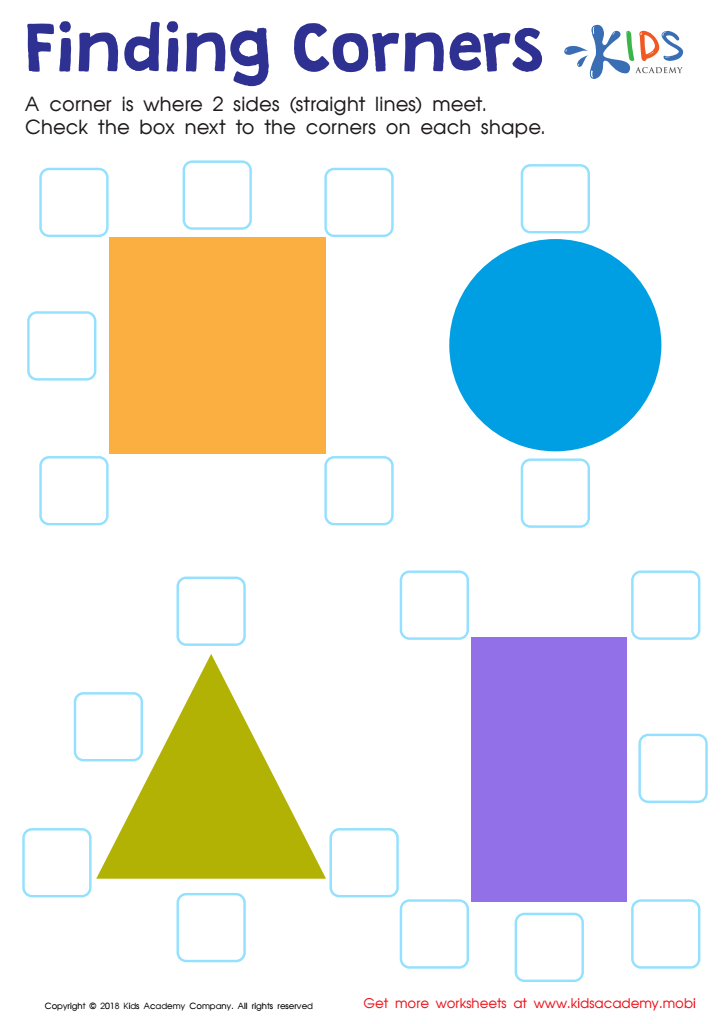
Finding Corners Worksheet
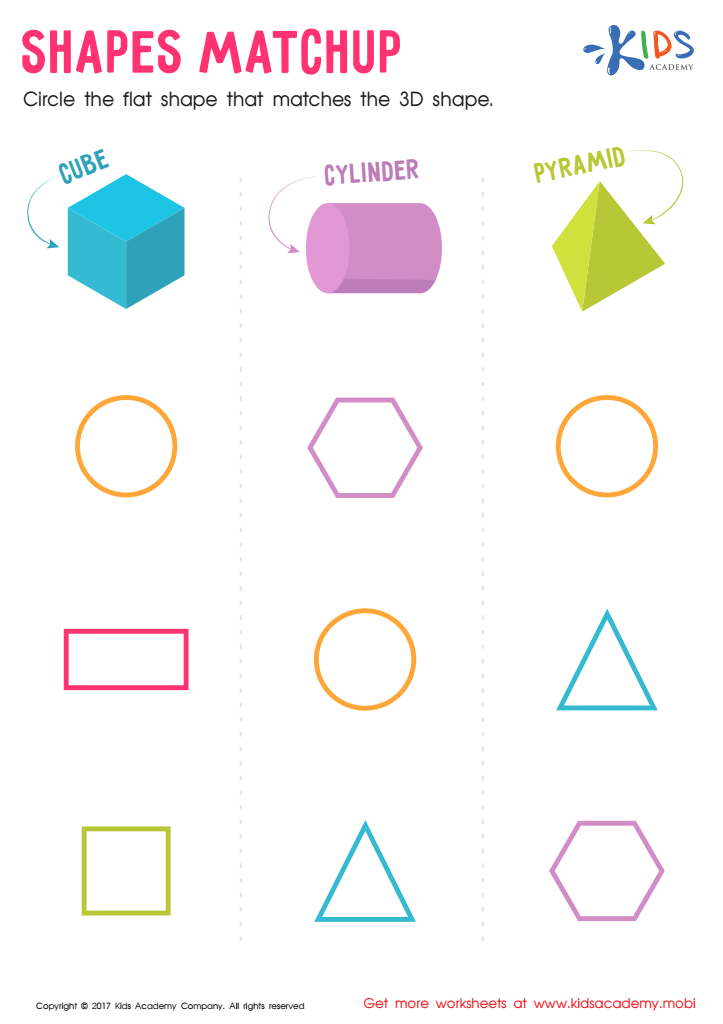
Shapes Matchup Worksheet
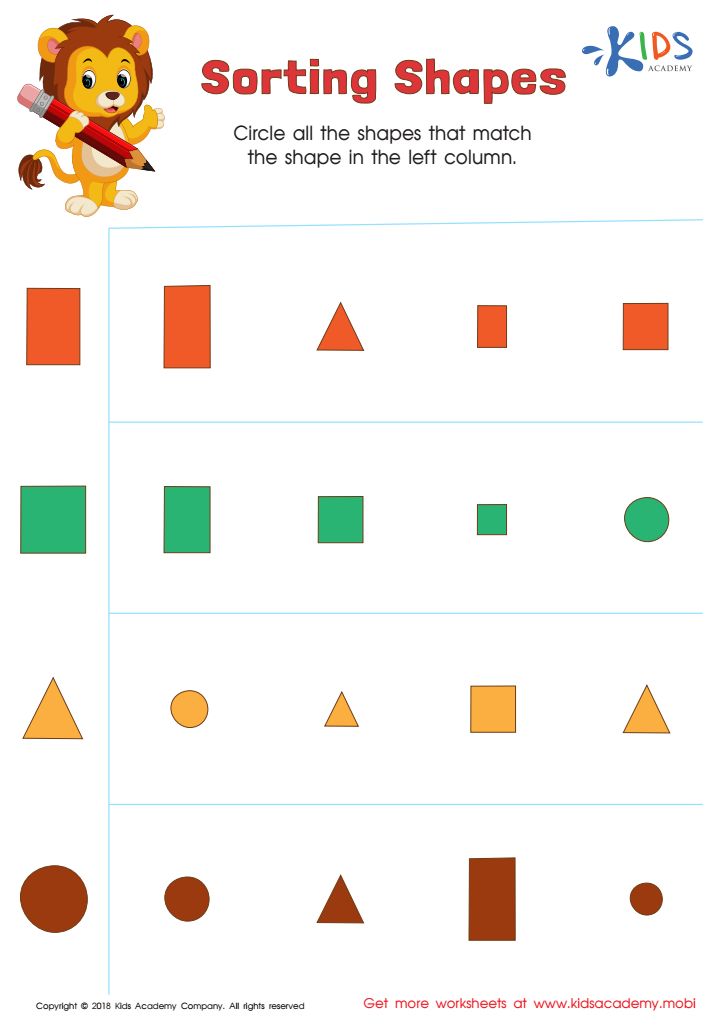
Sorting Shapes - Part 2 Worksheet
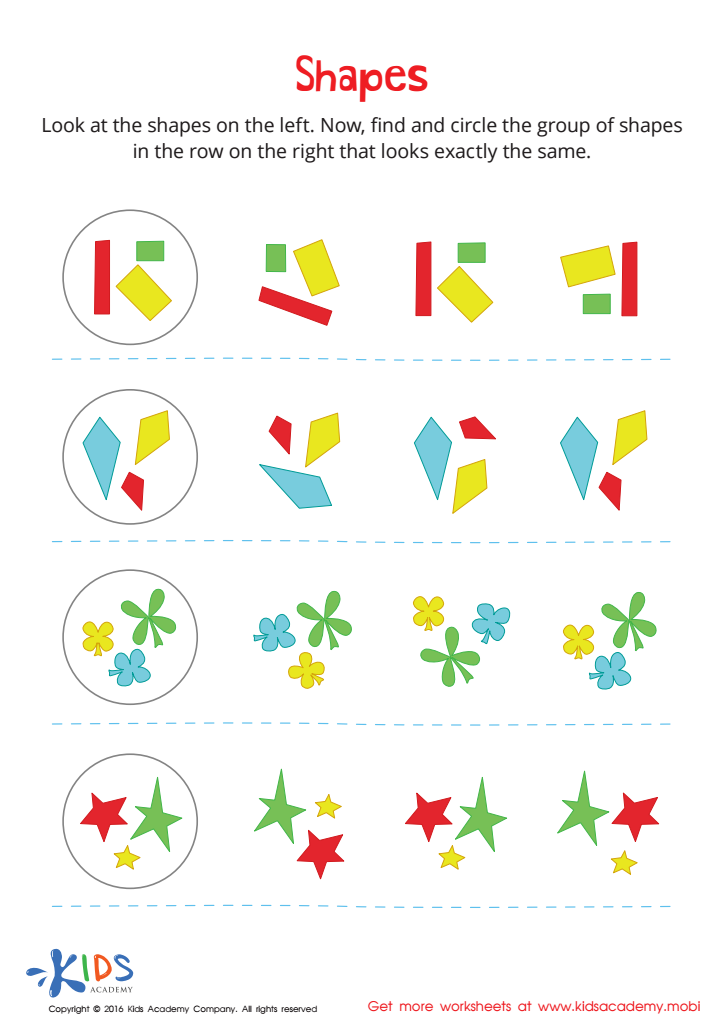
Shapes Worksheet
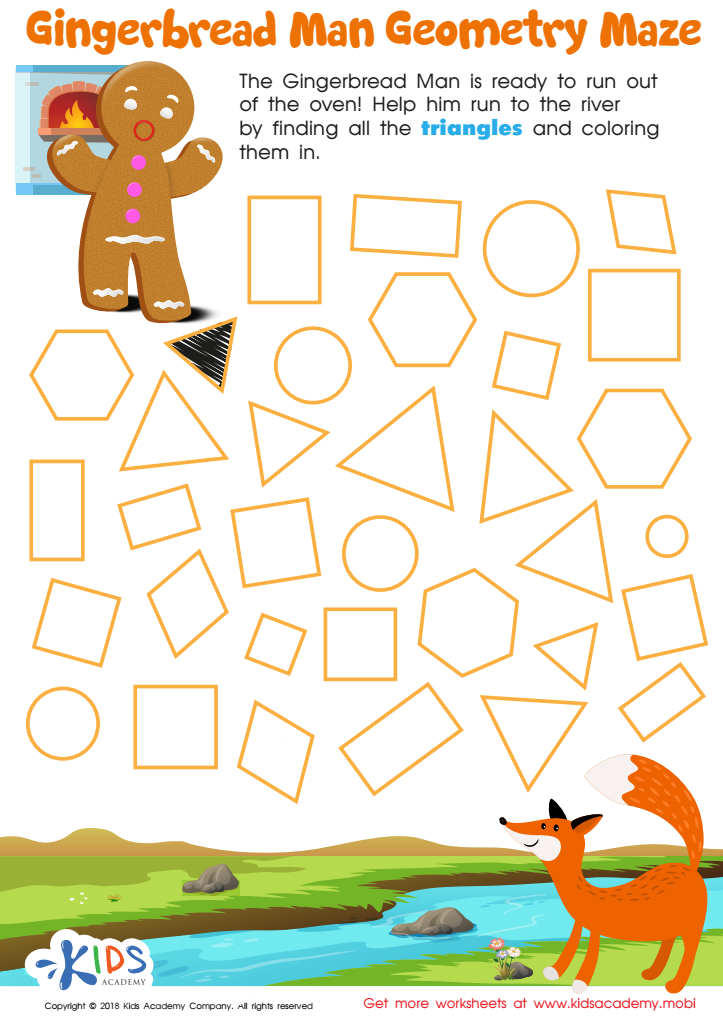
Gingerbread Man Geometry Maze Worksheet
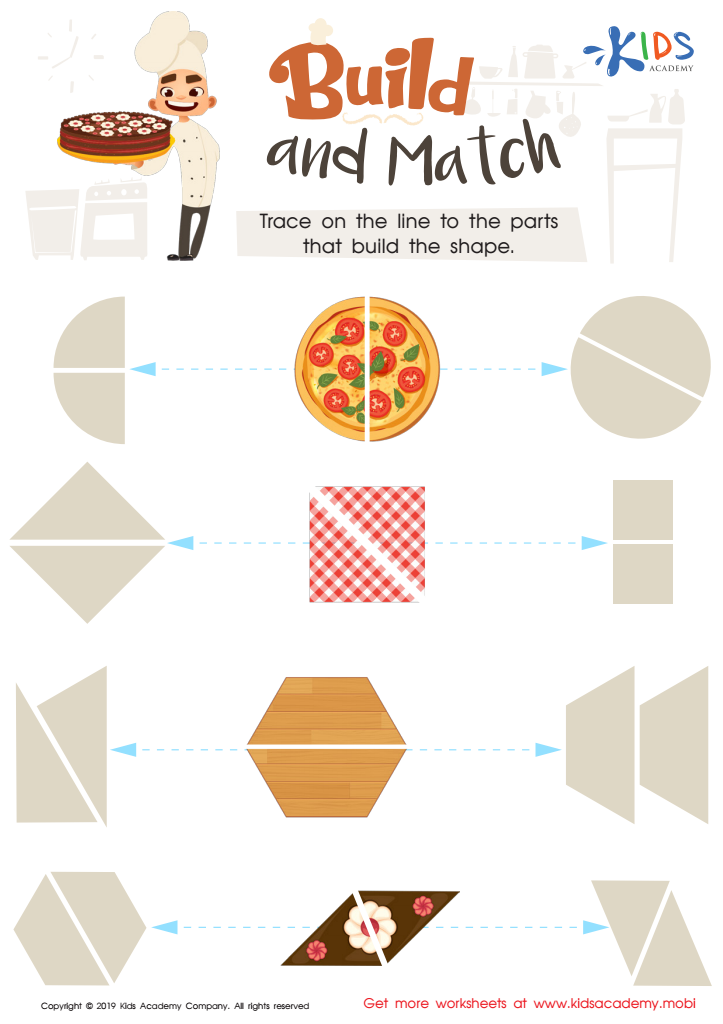
Build and Match Worksheet
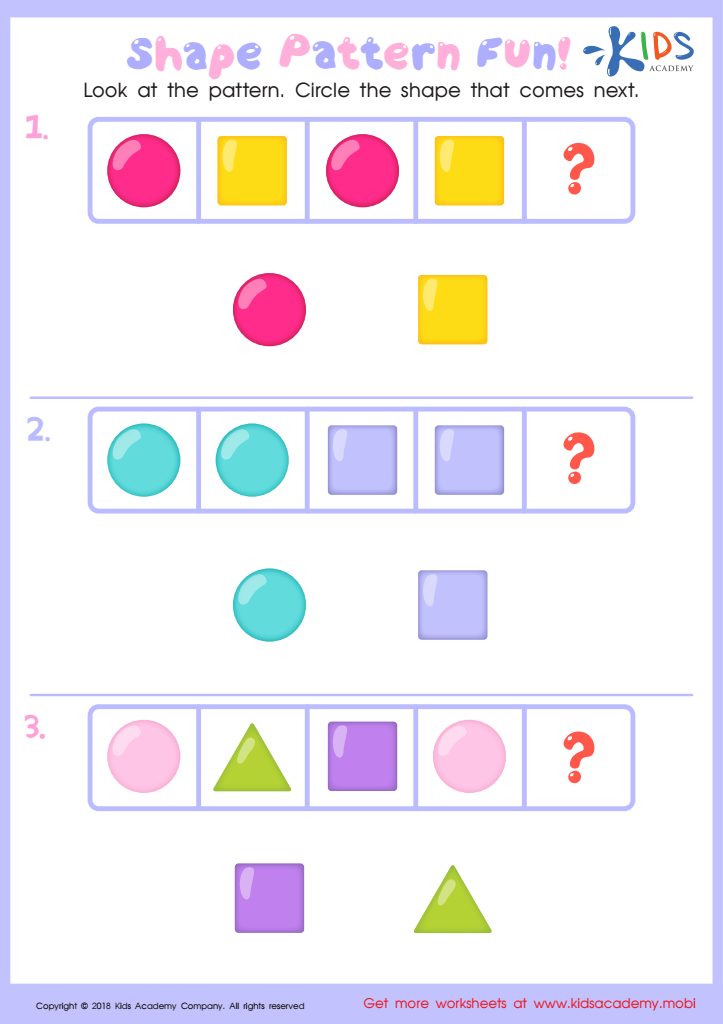
Shape Pattern Fun Worksheet
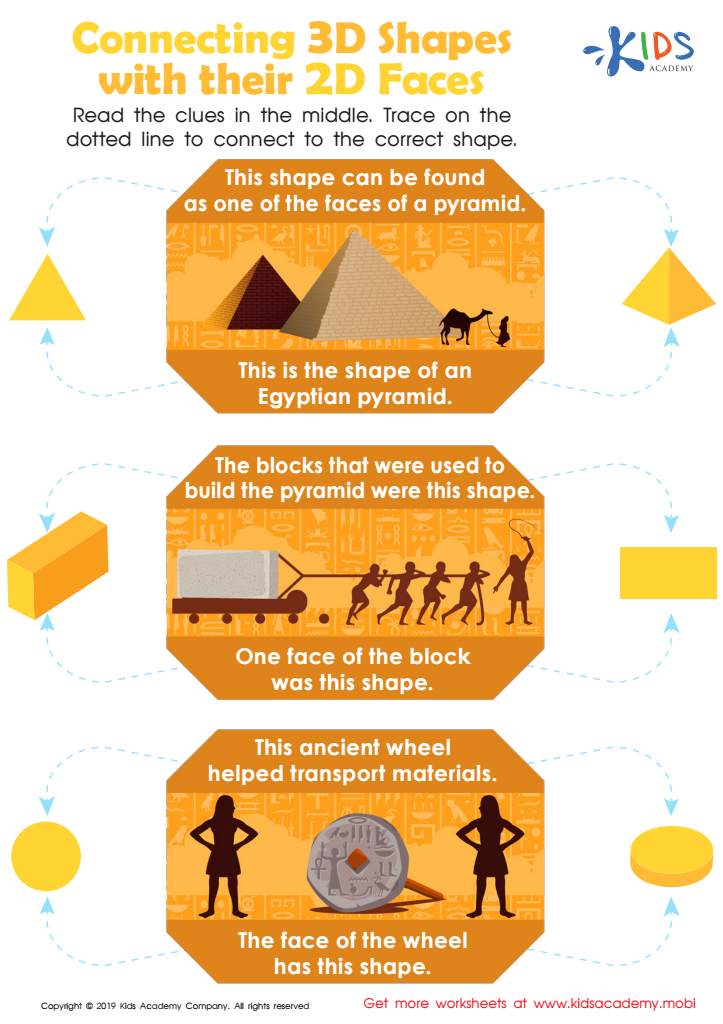
Connecting 3D Shapes with Their 2d Faces Worksheet








Parents and teachers should care about 2D shapes for children aged 5-7 because understanding these shapes lays the foundation for more advanced mathematical concepts. At this developmental stage, children are using their natural curiosity to make sense of the world around them, and recognizing basic geometric shapes such as circles, squares, triangles, and rectangles plays a vital role in cognitive development.
Grasping 2D shapes improves spatial awareness and visual perception, which are crucial skills not only in mathematics but also in everyday life. For example, identifying shapes is essential for solving puzzles, understanding road signs, and organizing objects.
Moreover, knowledge of 2D shapes contributes to the development of problem-solving and critical-thinking skills. When children learn to sort, classify, and compare different shapes, they are building early categorization and analytical skills. These activities encourage children to observe details and notice patterns, which are fundamental abilities in both academic learning and real-world applications.
Additionally, discussing and exploring 2D shapes helps to enhance language skills. When children describe the properties of shapes — such as the number of sides or angles — they expand their vocabulary and improve their ability to communicate ideas clearly.
Overall, introducing 2D shapes to young children not only fosters academic growth but also supports overall cognitive development, making it an essential aspect of early childhood education.