Science Worksheets for Ages 5-7 - Page 10
308 filtered results
-
From - To
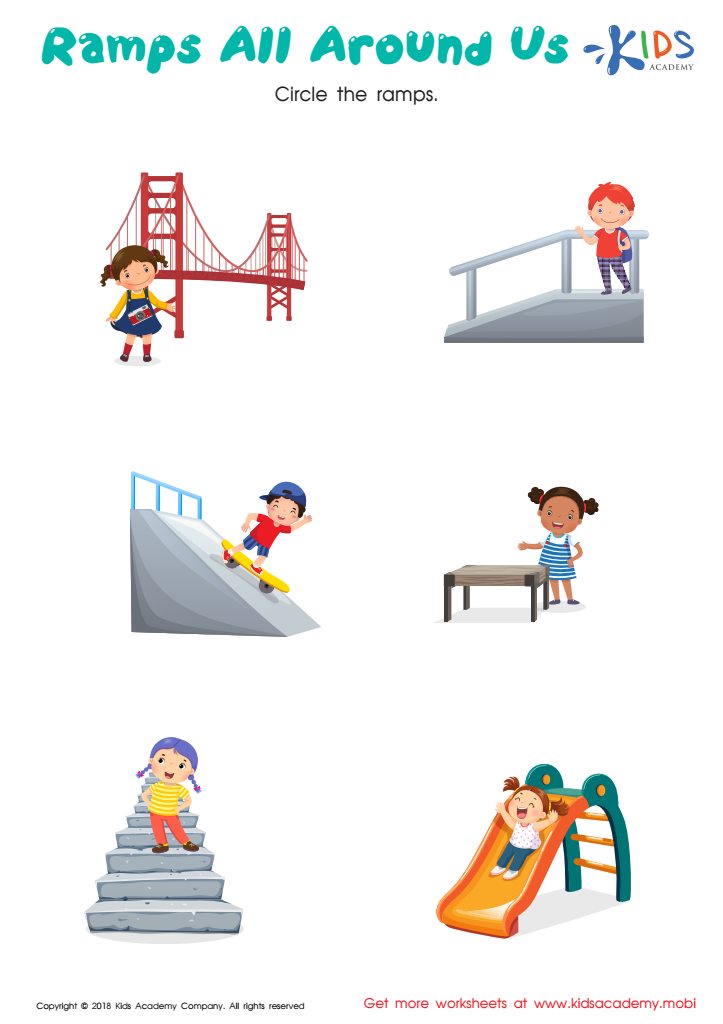
Ramps All Around us Worksheet
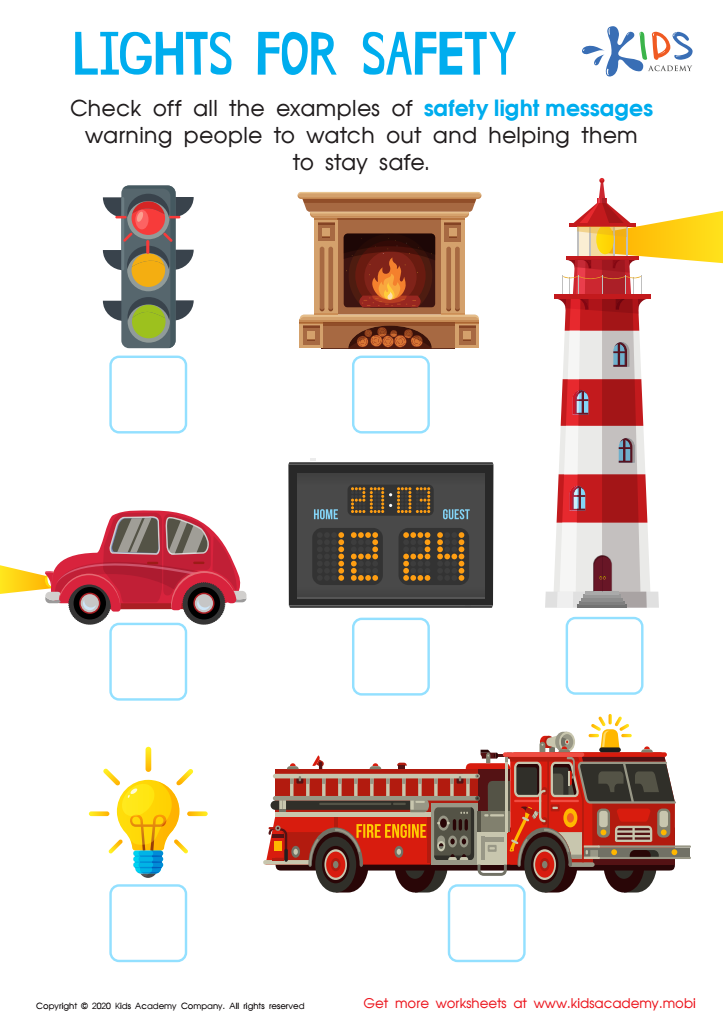
Lights for Safety Worksheet
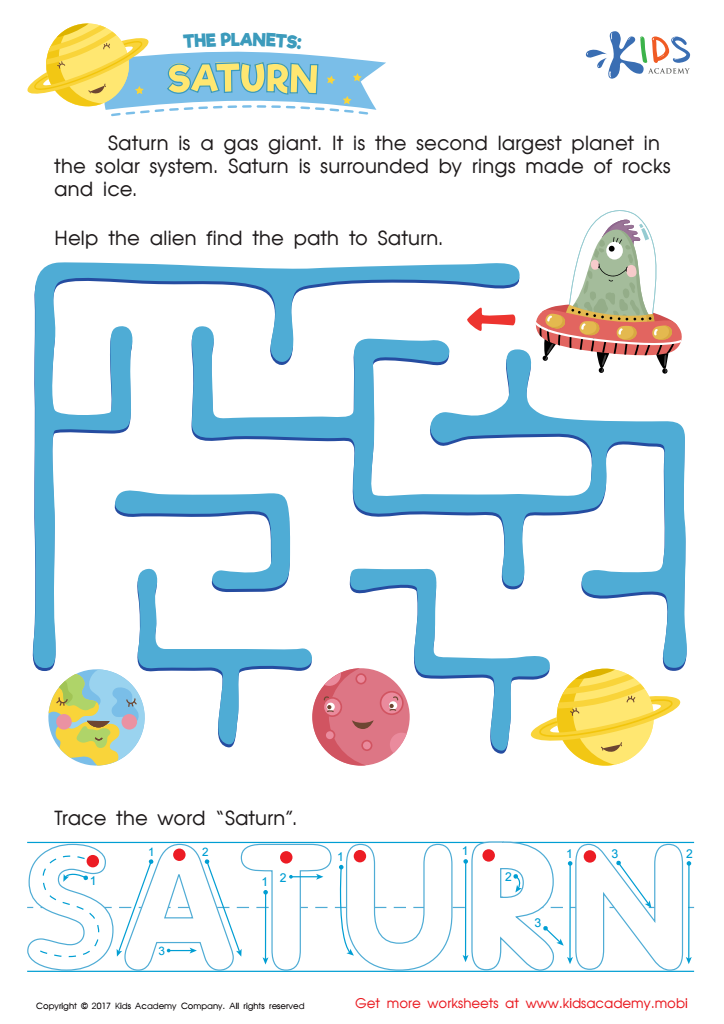
The Planets: Saturn Printable
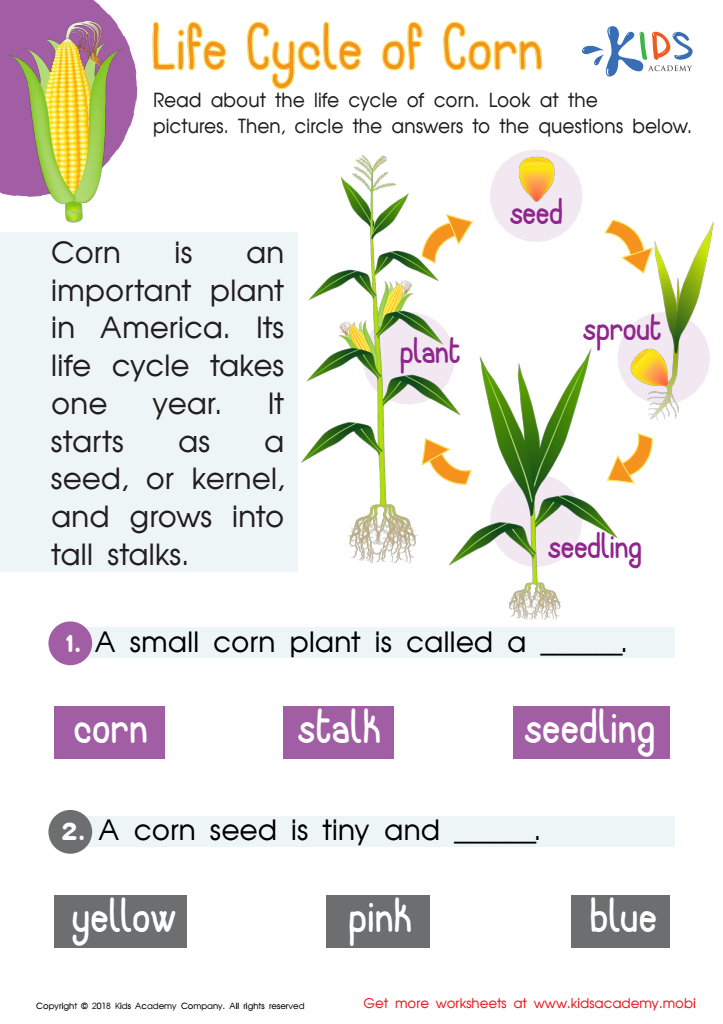
Life Cycle of Corn Worksheet
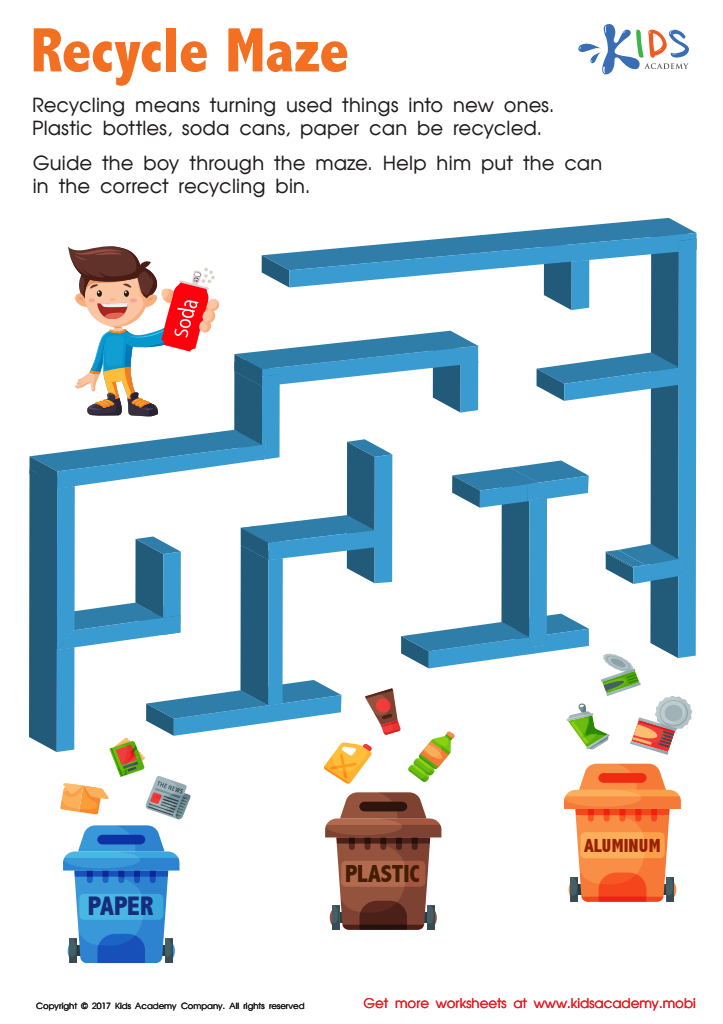
Recycle Maze Worksheet
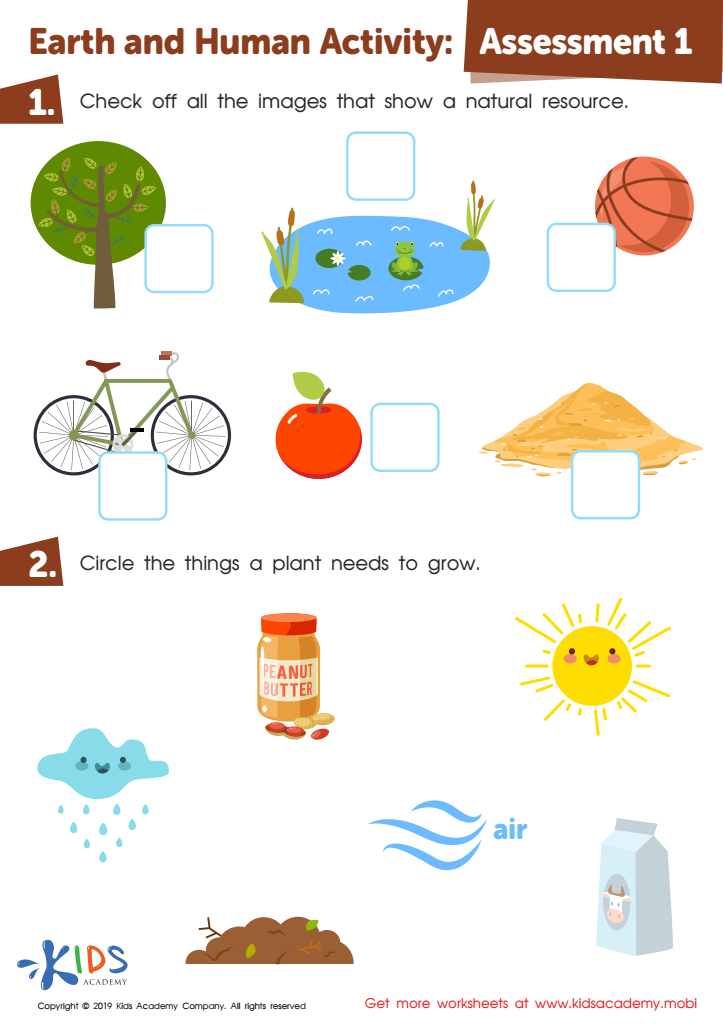
Earth and Human Activity: Assessment 1 Worksheet
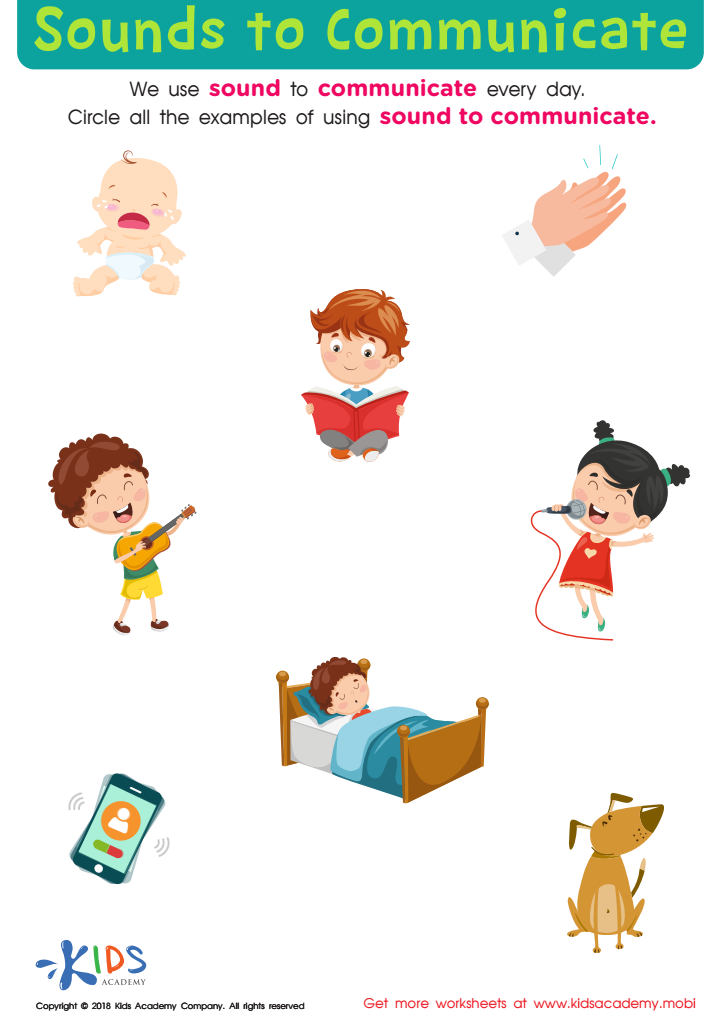
Sounds to Communicate Worksheet
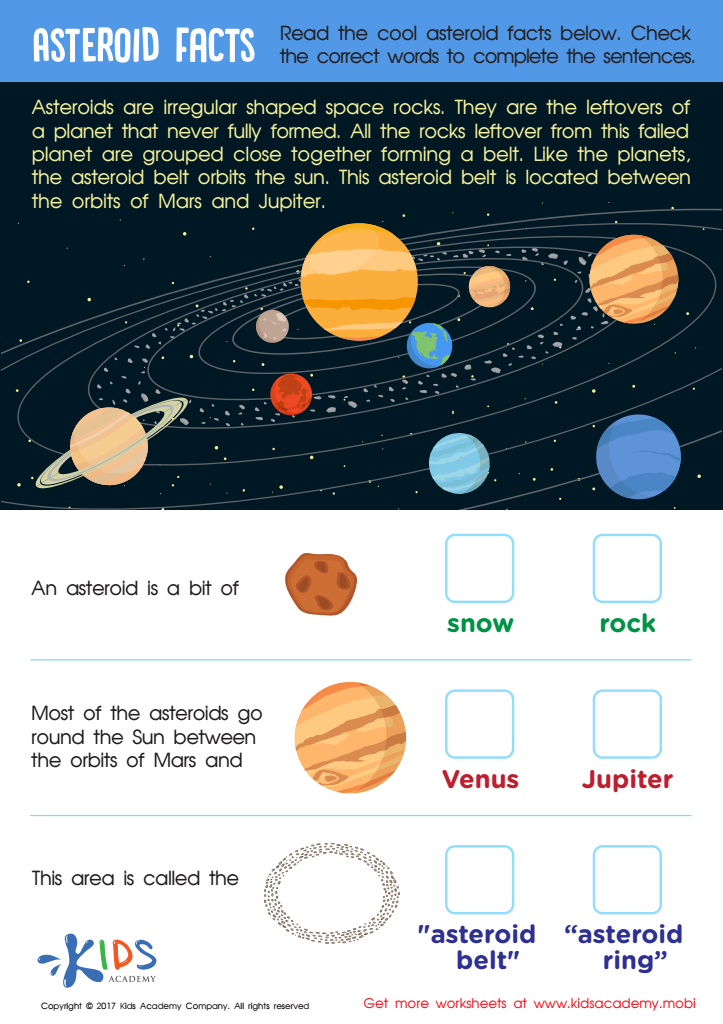
Asteroid Facts Worksheet
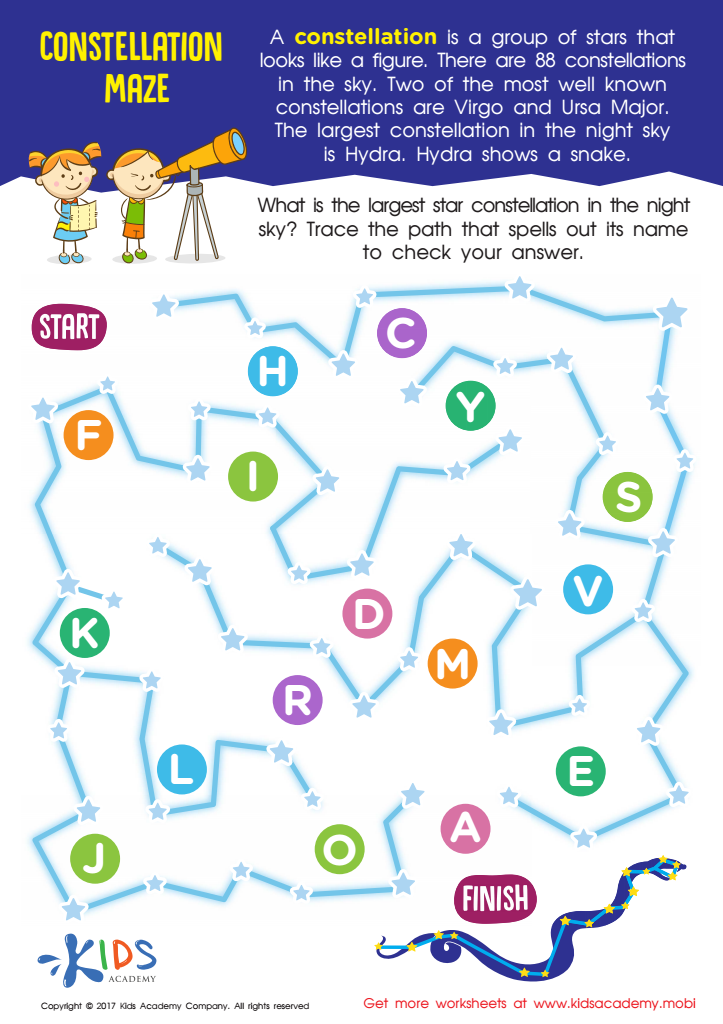
Constellations Worksheet
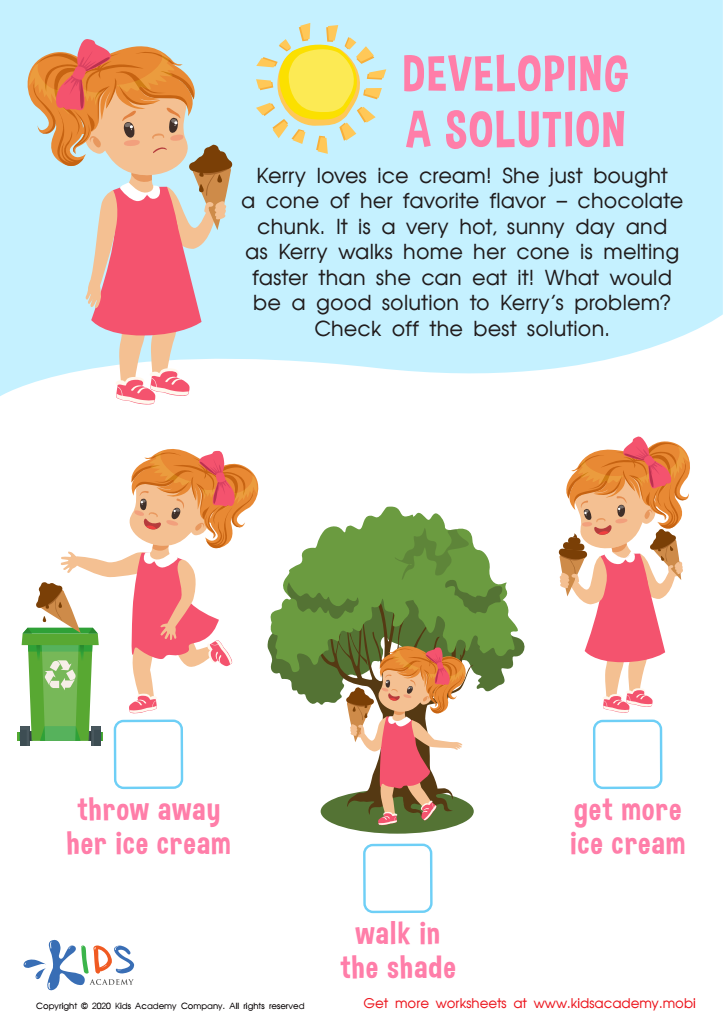
Developing Solution Worksheet
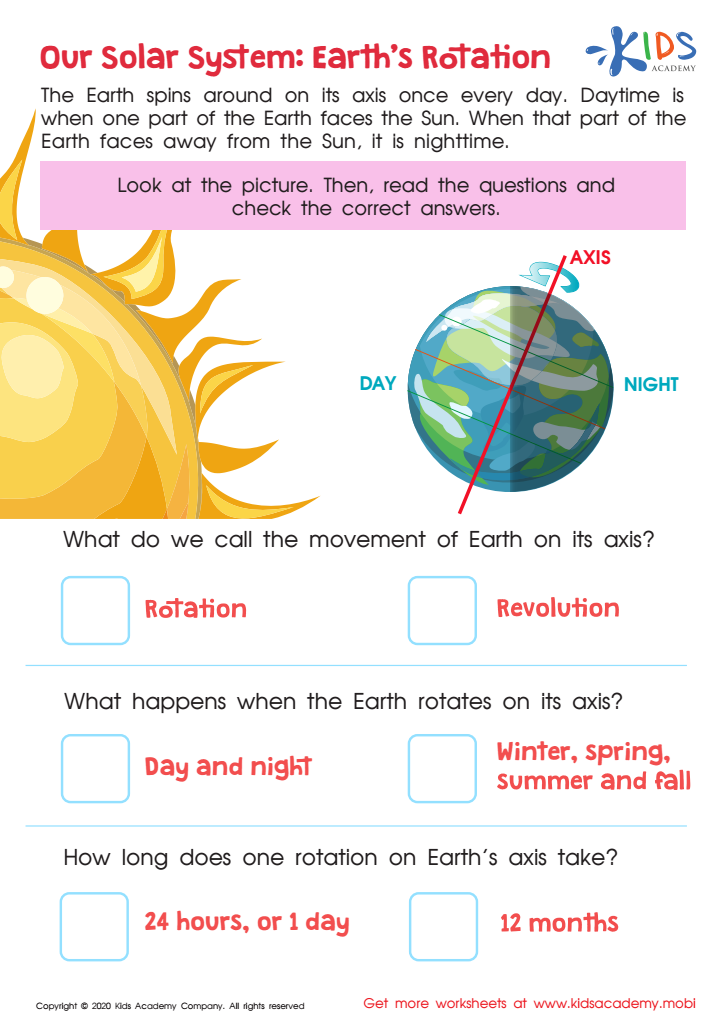
Our Solar System: Earth's Rotation Printable
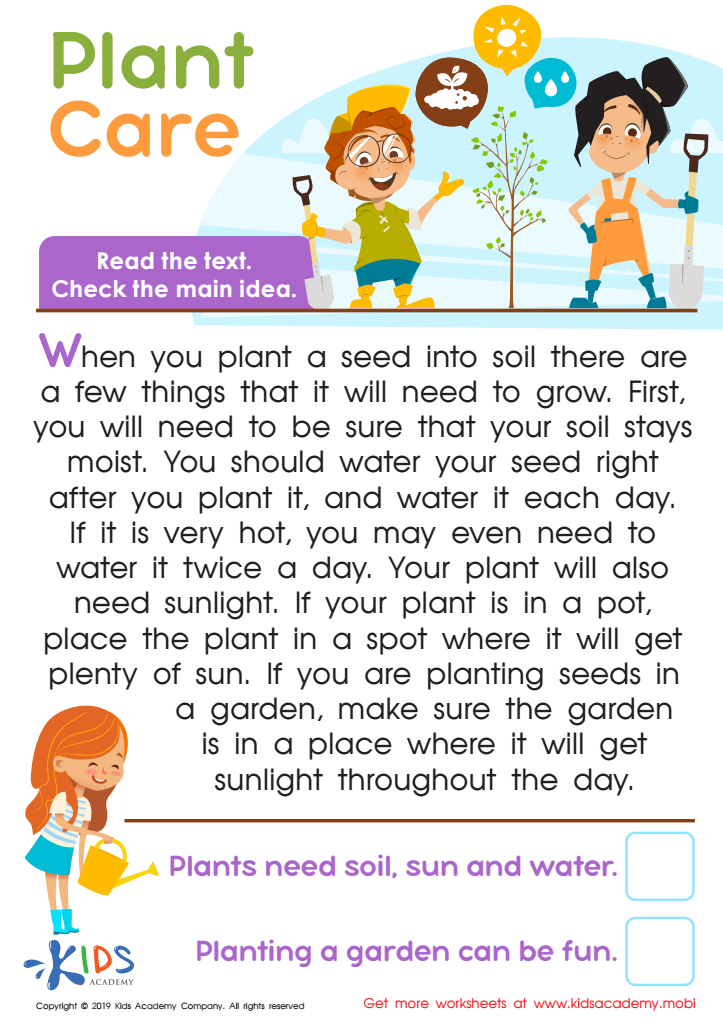
Plant Care Worksheet
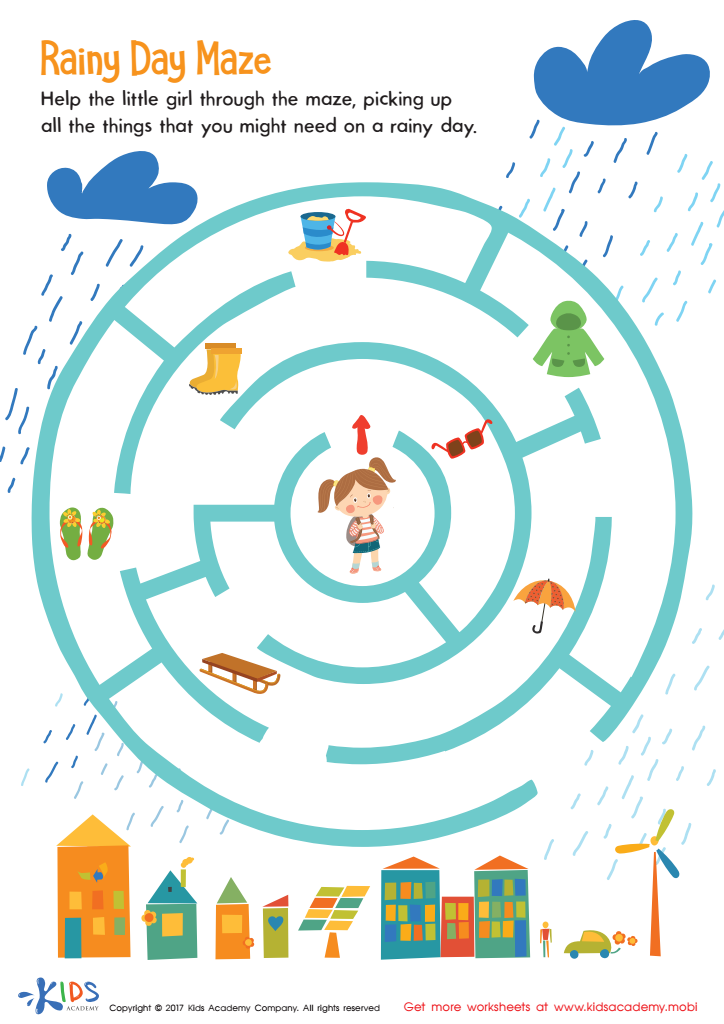
Rainy Day Maze Worksheet
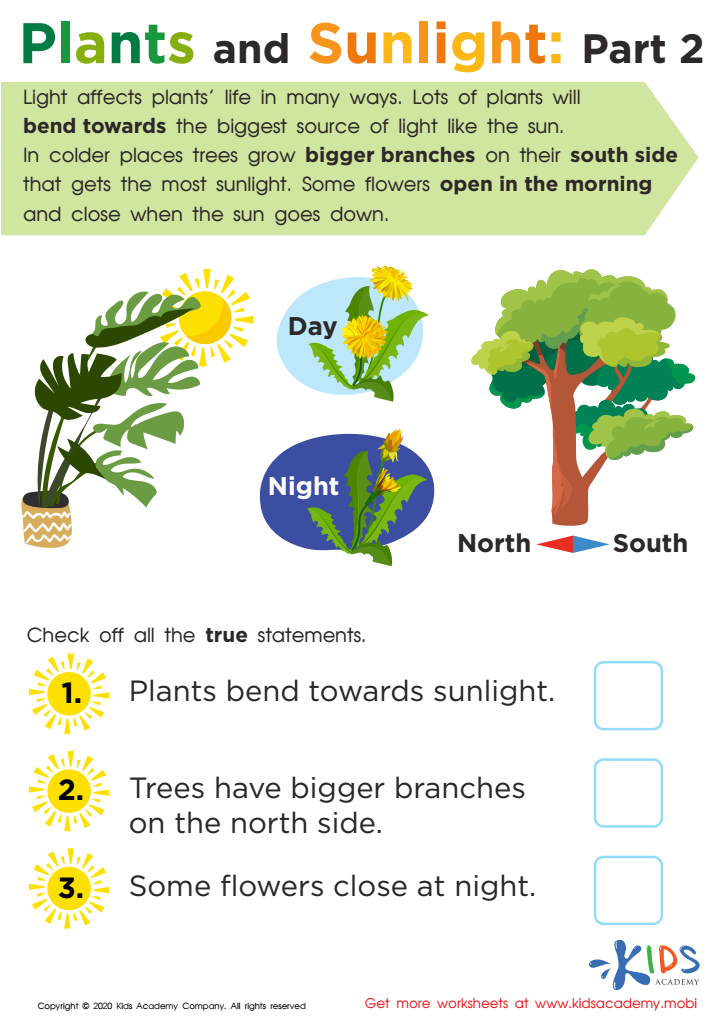
Plants and Sunlight: Part 2 Worksheet
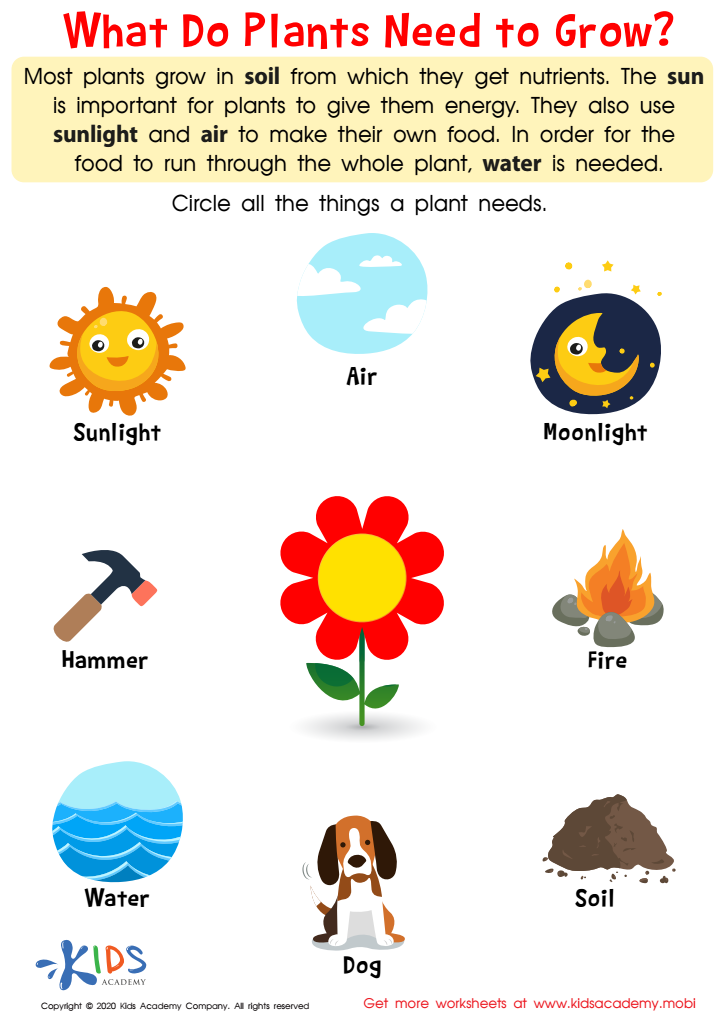
What Do Plants Need to Grow Worksheet
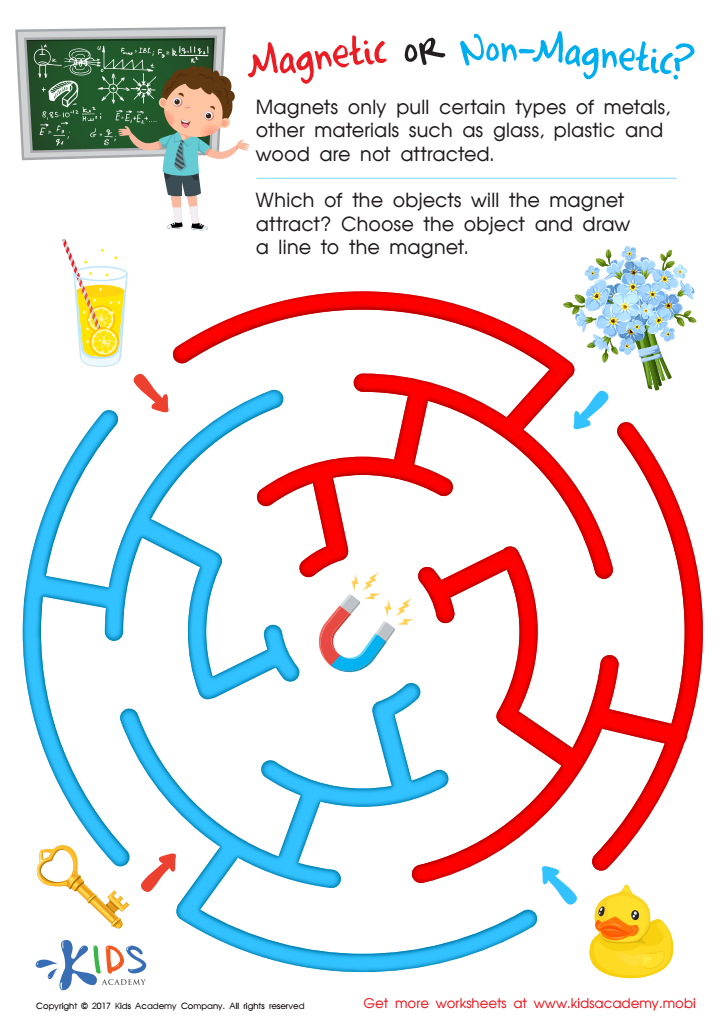
Magnetic or Non–Magnetic Worksheet
Jungle Plants Worksheet
 Assign to My Students
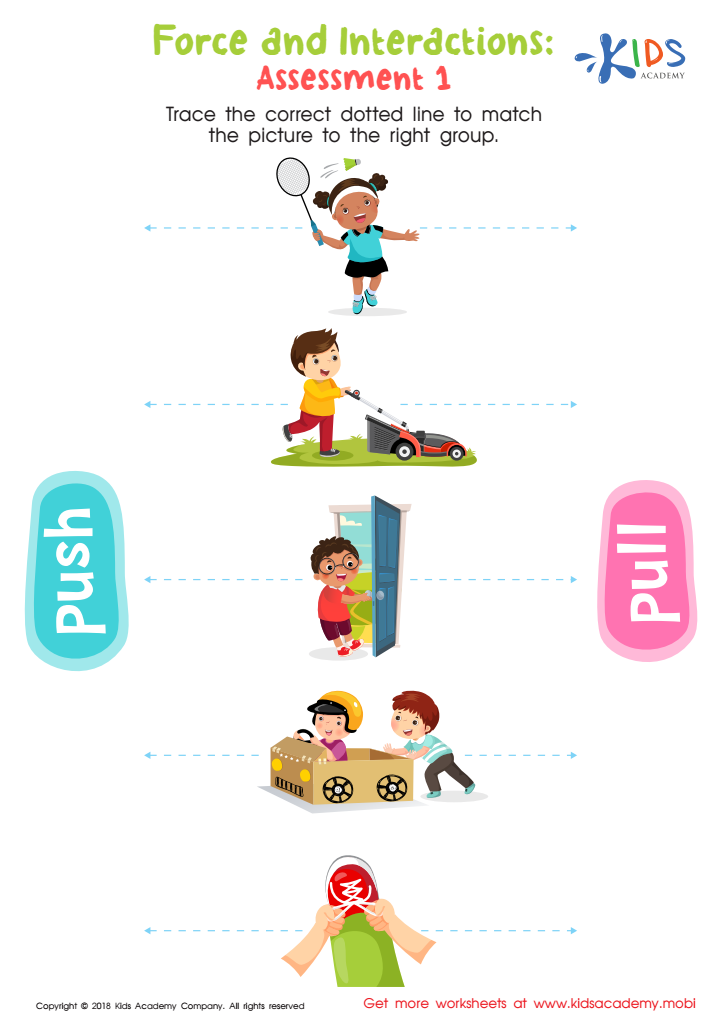
Force and Interactions: Assessment 2 Worksheet
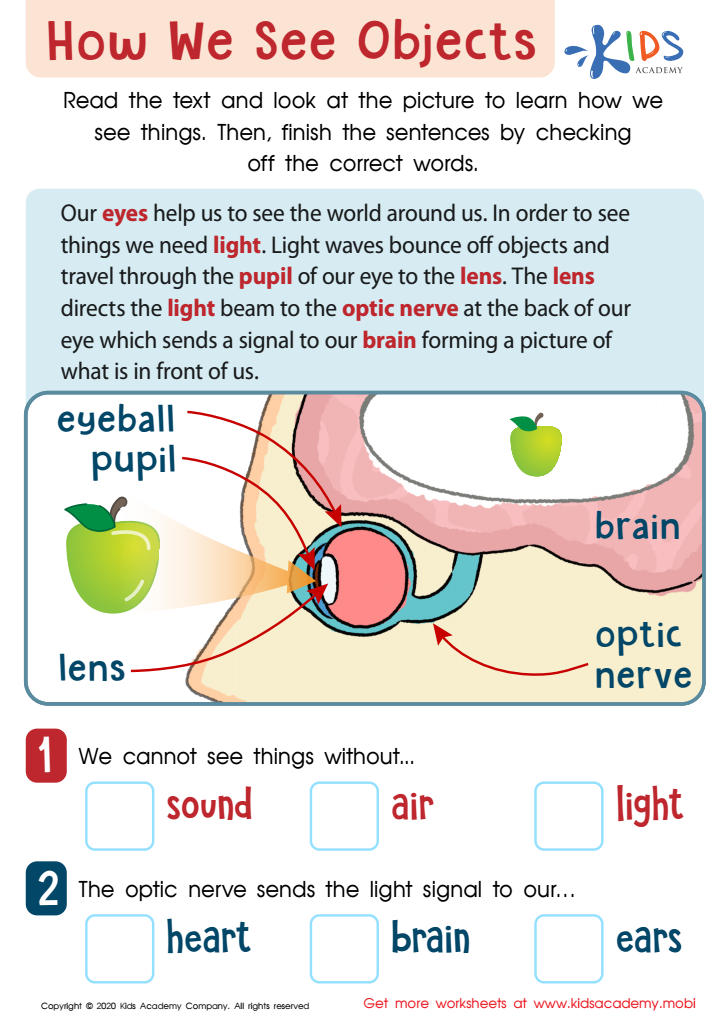
How We See Objects Worksheet
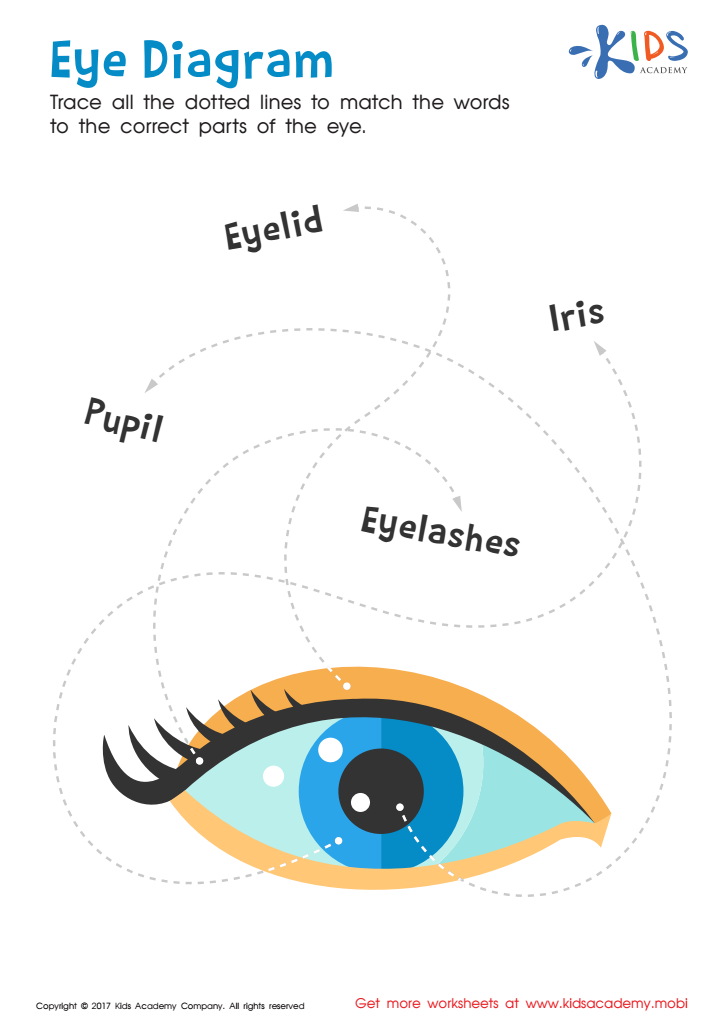
Eye Diagram Printable
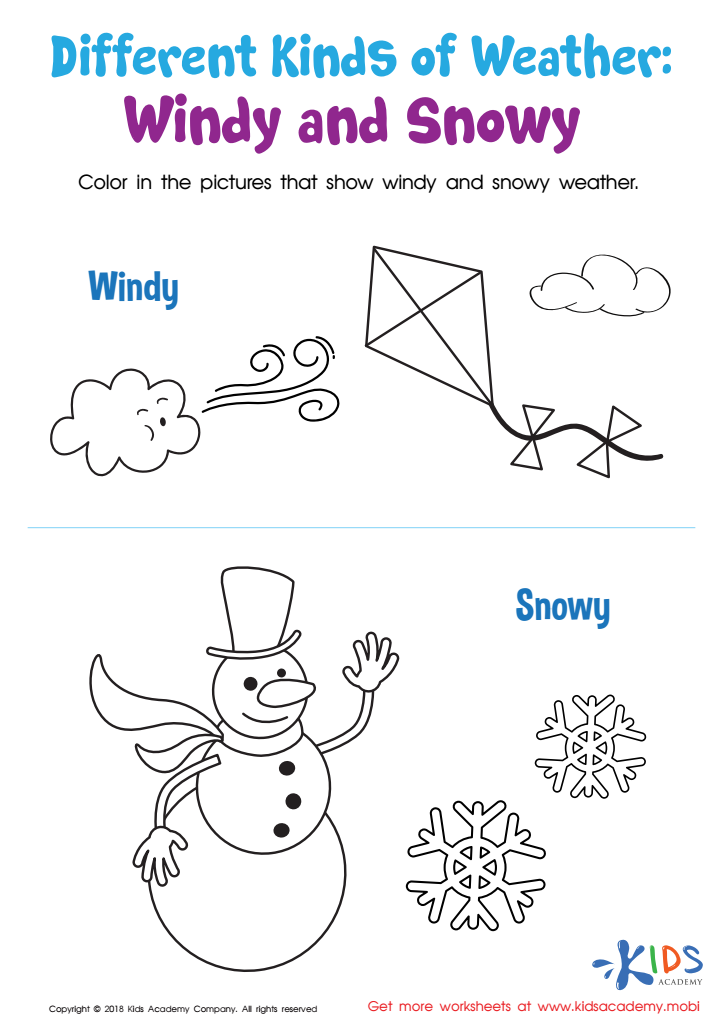
Different Kinds of Weather: Windy and Snowy Worksheet
Assign to My Students
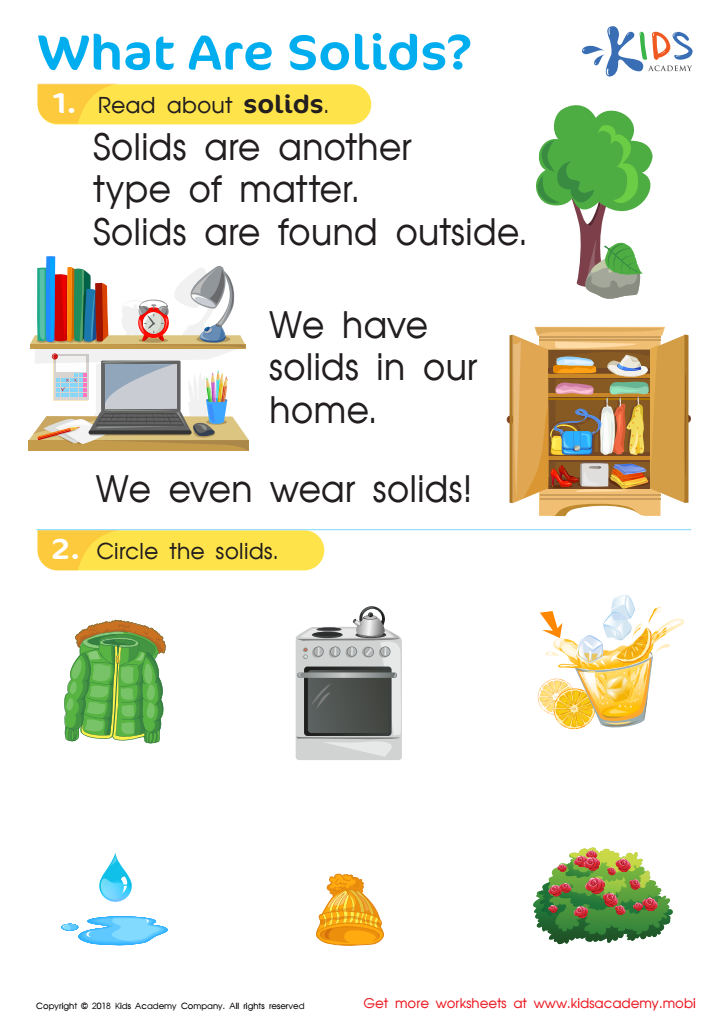
What Are Solids? Worksheet
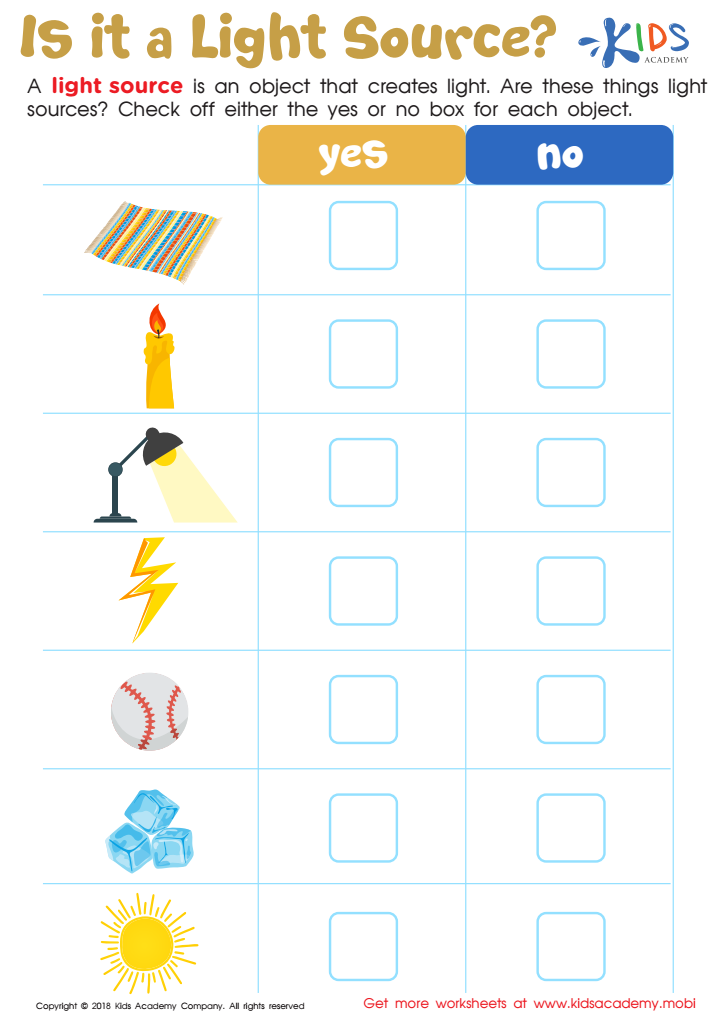
Is It a Light Source? Worksheet
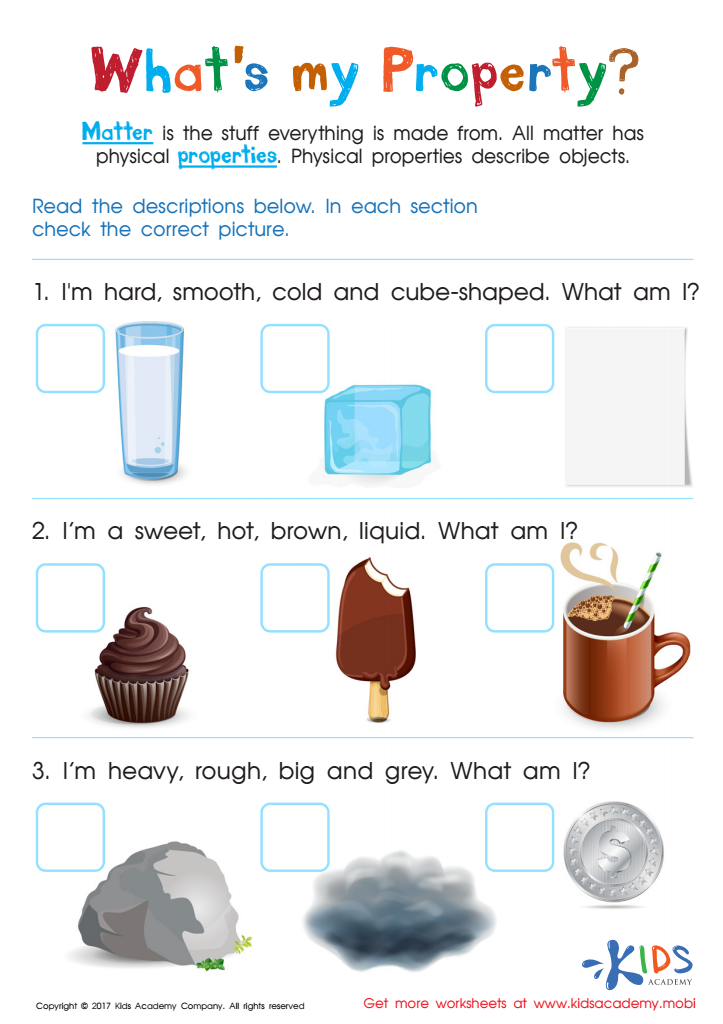
Physical Properties Of Matter Worksheet







Parents and teachers should prioritize science education for ages 5-7 because it lays the foundation for critical thinking and curiosity. At this age, children are naturally inquisitive; they ask questions about the world around them, and science provides the tools to explore those questions. Engaging in scientific concepts enhances observational skills, nurtures problem-solving abilities, and encourages creative thinking.
Moreover, introducing science early fosters a sense of wonder about nature and the environment, which can inspire lifelong learning and a love for inquiry. Activities such as simple experiments or nature explorations allow children to experience hands-on learning, making abstract concepts tangible and relatable.
Additionally, early exposure to science aligns with the development of essential skills for the future. As technology advances, a foundation in science prepares children for a variety of academic and career pathways in an increasingly STEM-focused world.
Furthermore, science literacy is vital for informed decision-making in everyday life, from understanding health information to making choices about the environment. By nurturing a fascination with science at a young age, we equip the next generation with the knowledge and skills essential for their future, fostering both personal growth and societal advancement.







