Space Worksheets for Ages 5-7 - Page 2
33 filtered results
-
From - To
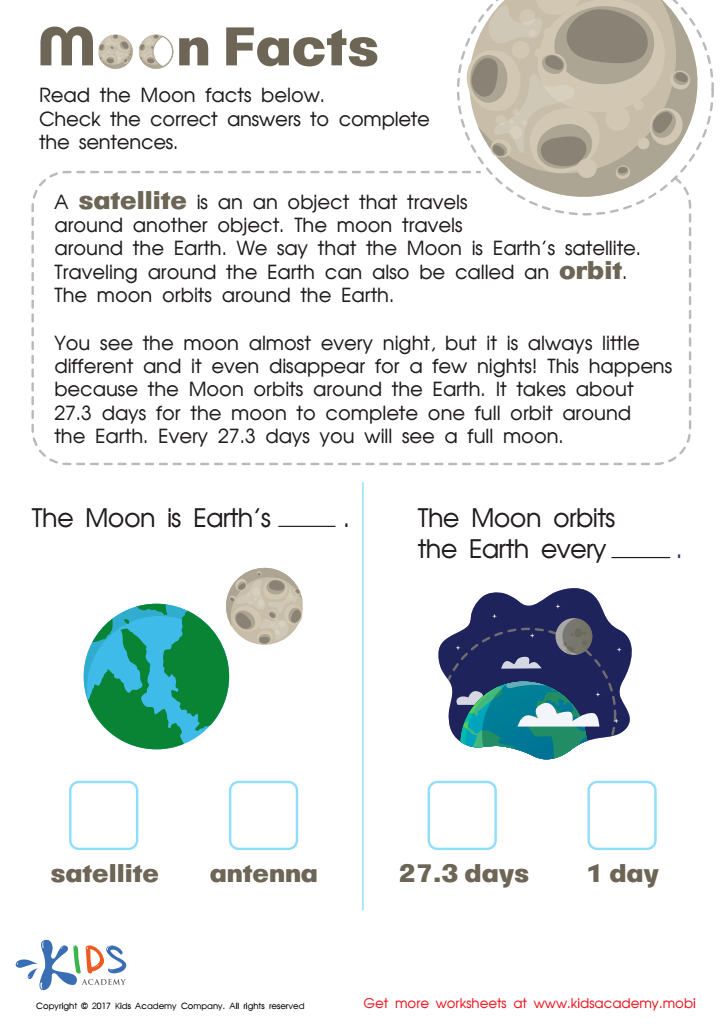
Moon Facts Worksheet
 Assign to My Students
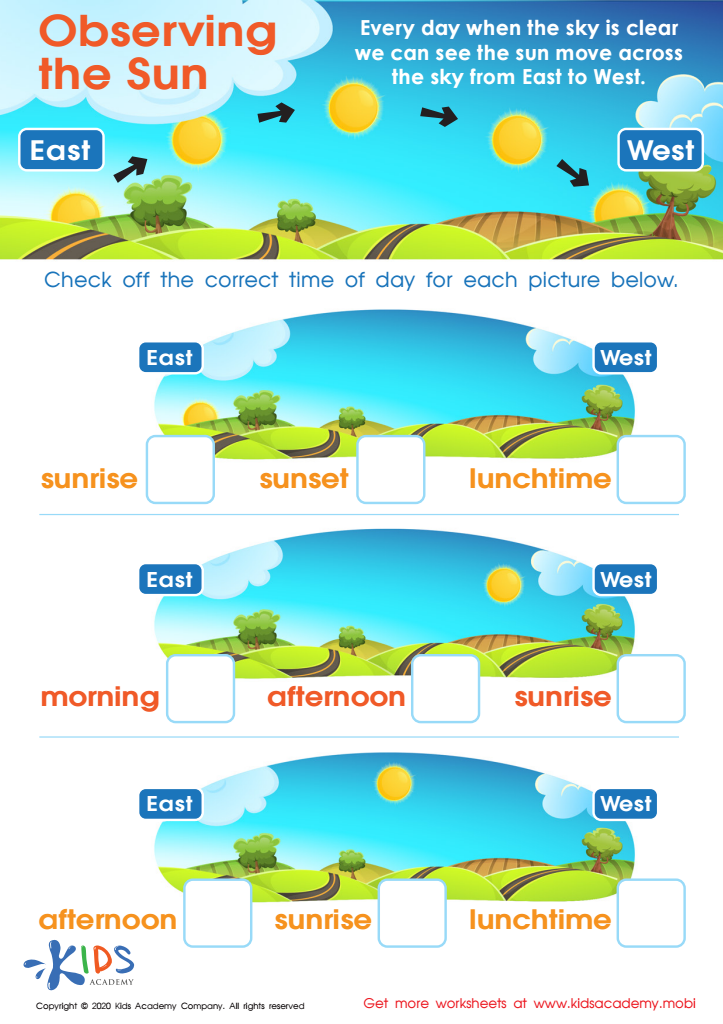
Observing the Sun Worksheet
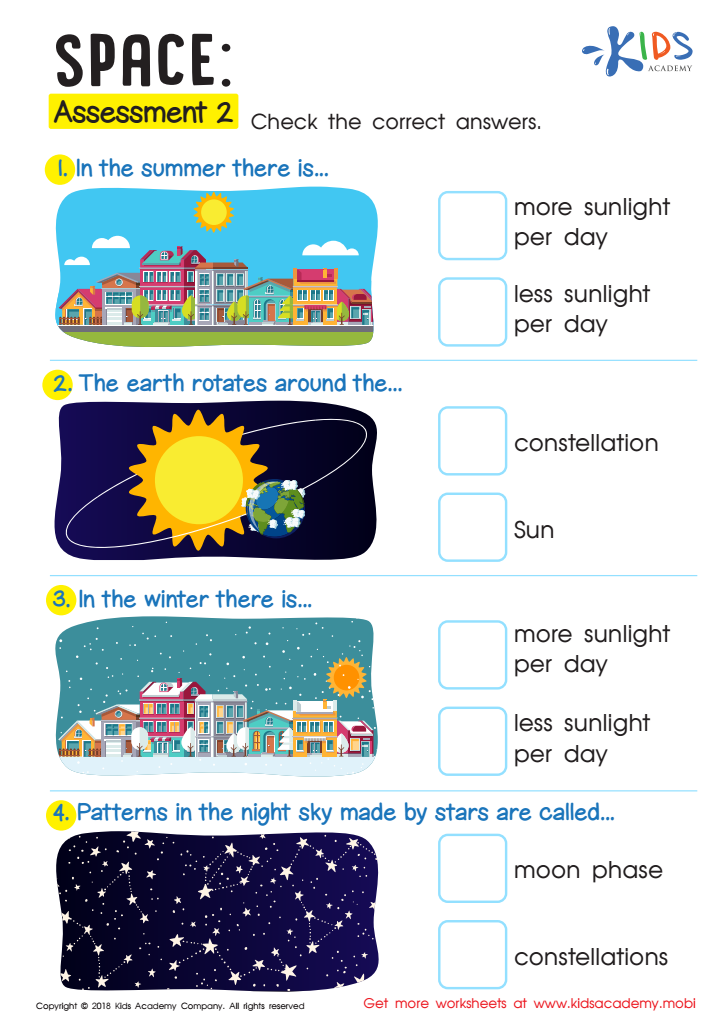
Space: Assessment 2 Worksheet
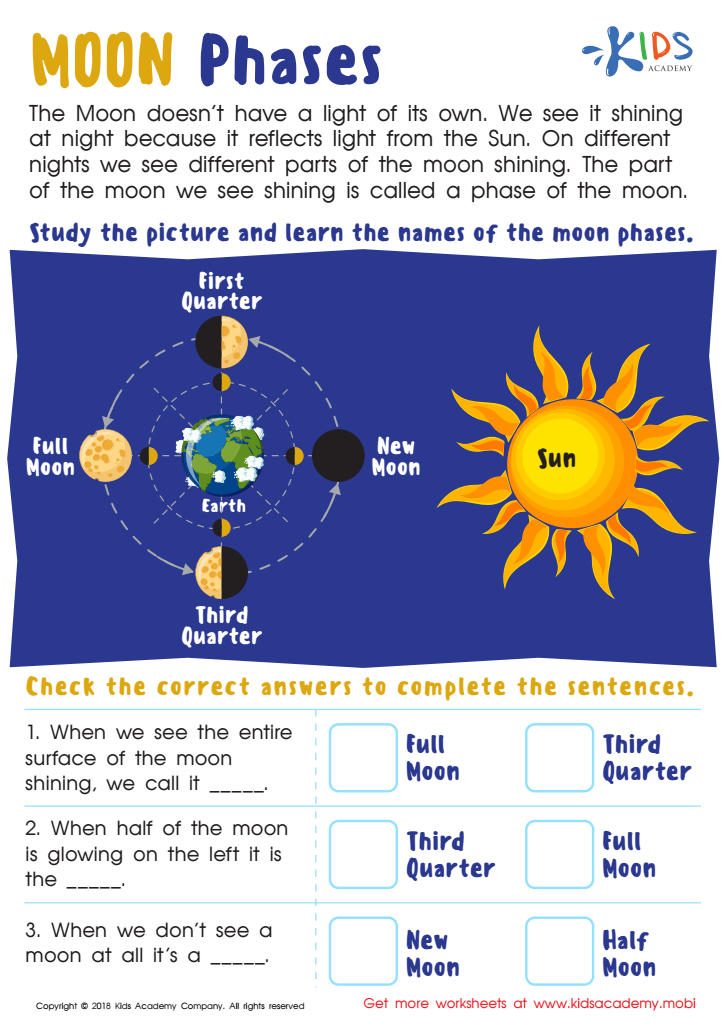
Moon Phases Worksheet
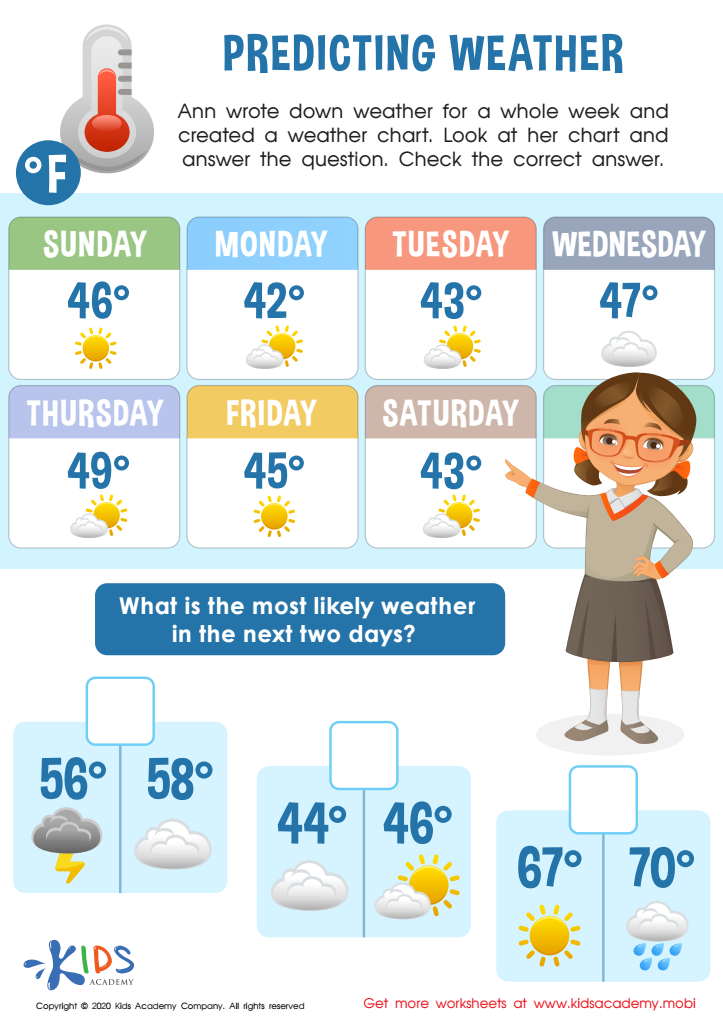
Predicting Weather Worksheet
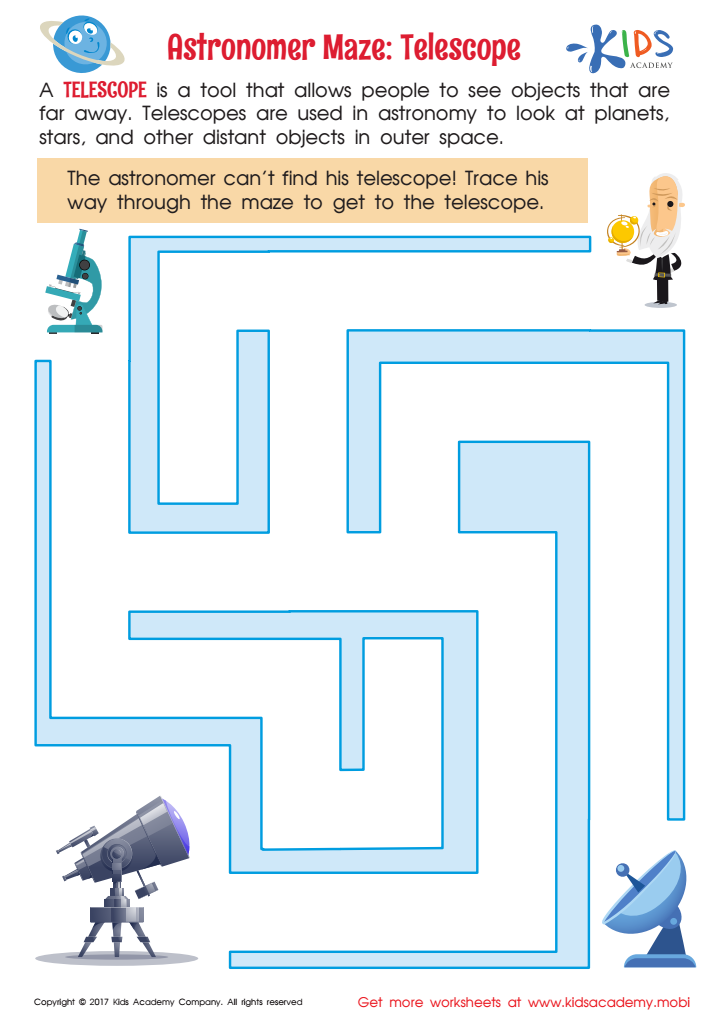
Astronomer Maze: Telescope Worksheet
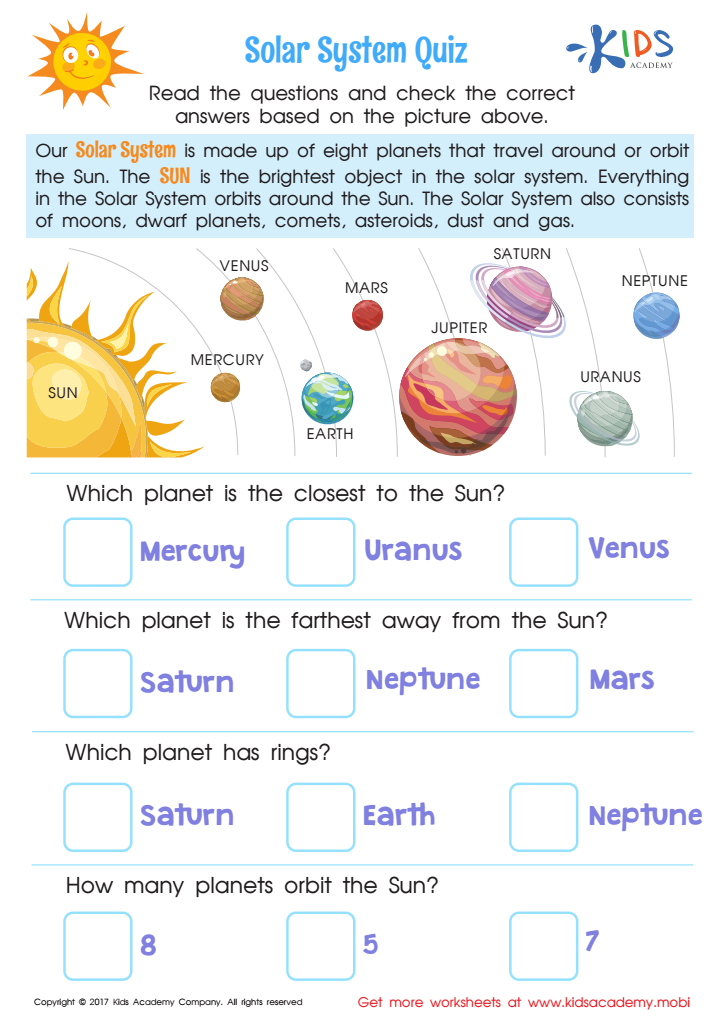
Solar System Quiz Printable
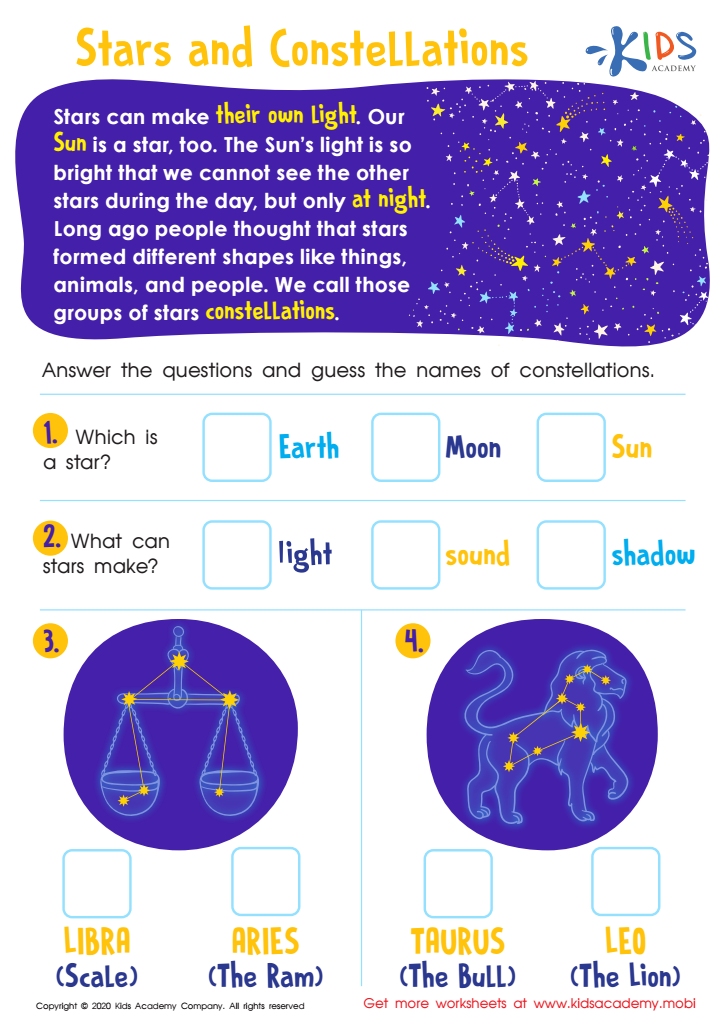
Stars and Constellations Worksheet
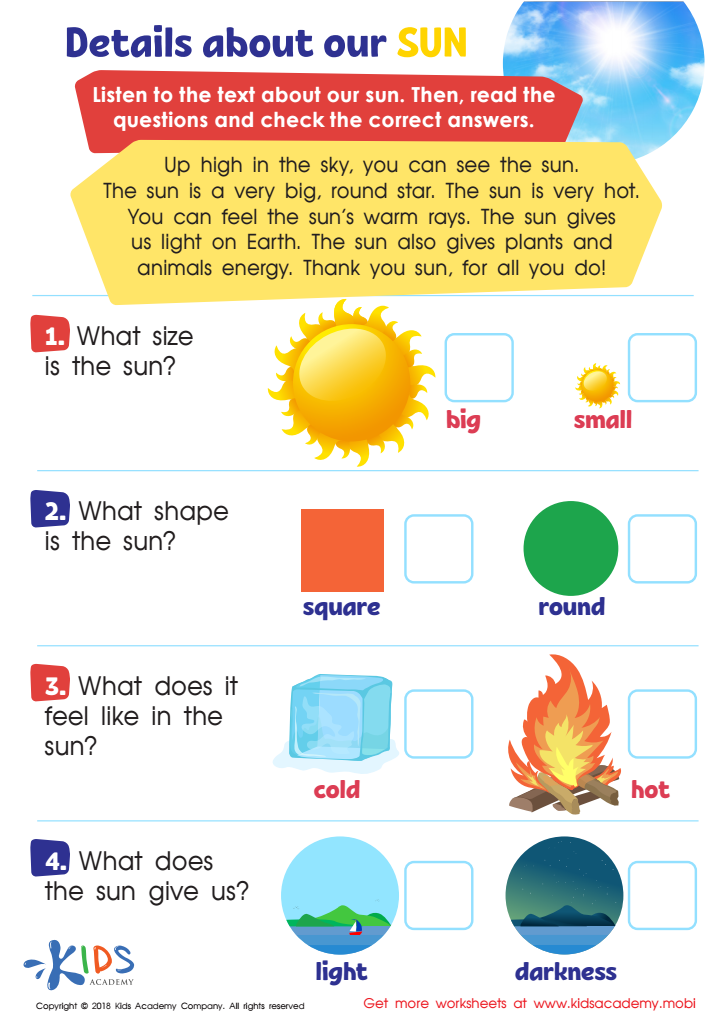
Details About Our Sun Worksheet






Parents and teachers should care about space for children aged 5-7 because it stimulates curiosity, imagination, and encourages a love for learning. At this age, children's minds are like sponges, eager to absorb information. Introducing them to space can spark their fascination with the universe, prompting questions about stars, planets, and the possibility of life beyond Earth.
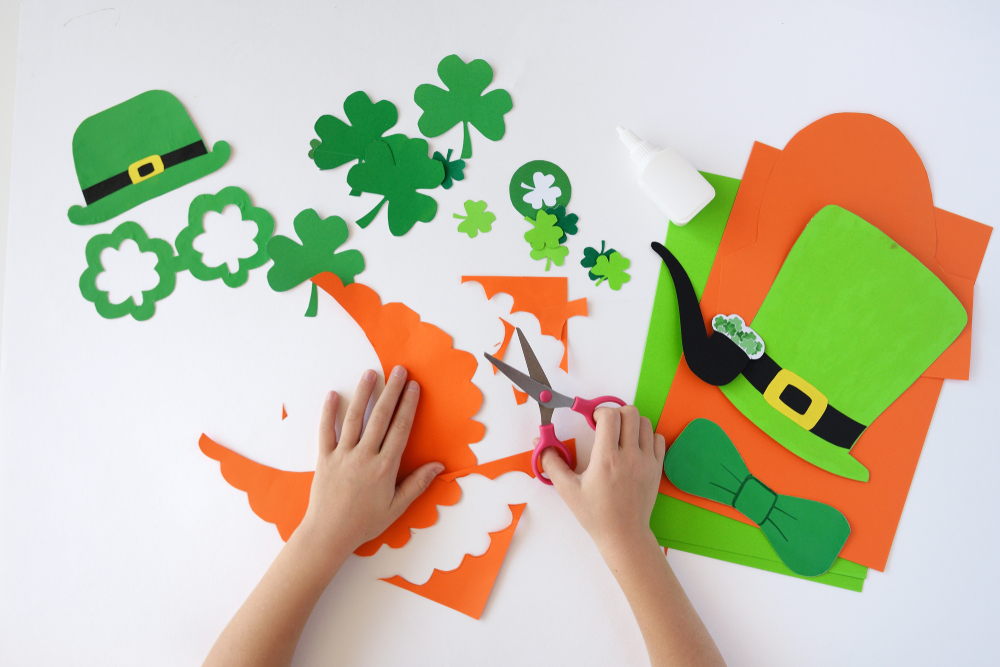
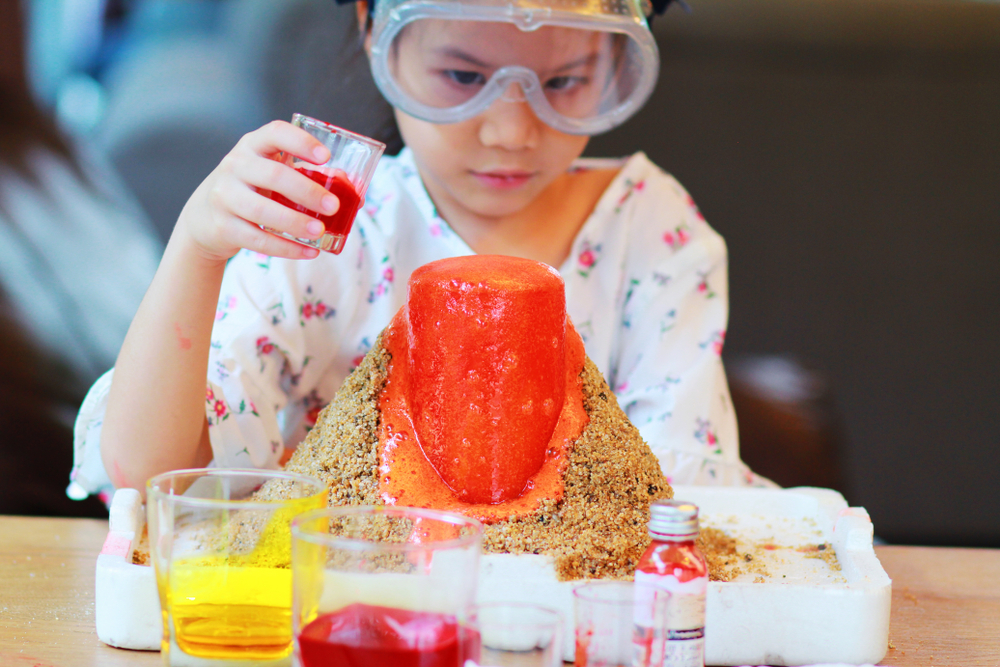
Learning about space also supports important developmental skills. It enhances critical thinking as children ask how spaceships work or what gravity does. Engaging with space-related activities, such as planet crafts or stargazing, can improve their fine motor skills and creativity. Moreover, it introduces basic science concepts in an exciting way, helping them understand the world around them.
Furthermore, discussions about space can instill values of teamwork and collaboration, as students might work together on space projects or presentations. It can also promote emotional understanding as kids contemplate vastness, exploration, and their place in the universe.
In essence, nurturing an interest in space not only enriches children's educational experience but also fosters a sense of wonder and discovery that is critical for lifelong learning and growth.







