Problem-Solving Skills Worksheets for Ages 5-8 - Page 4
422 filtered results
-
From - To
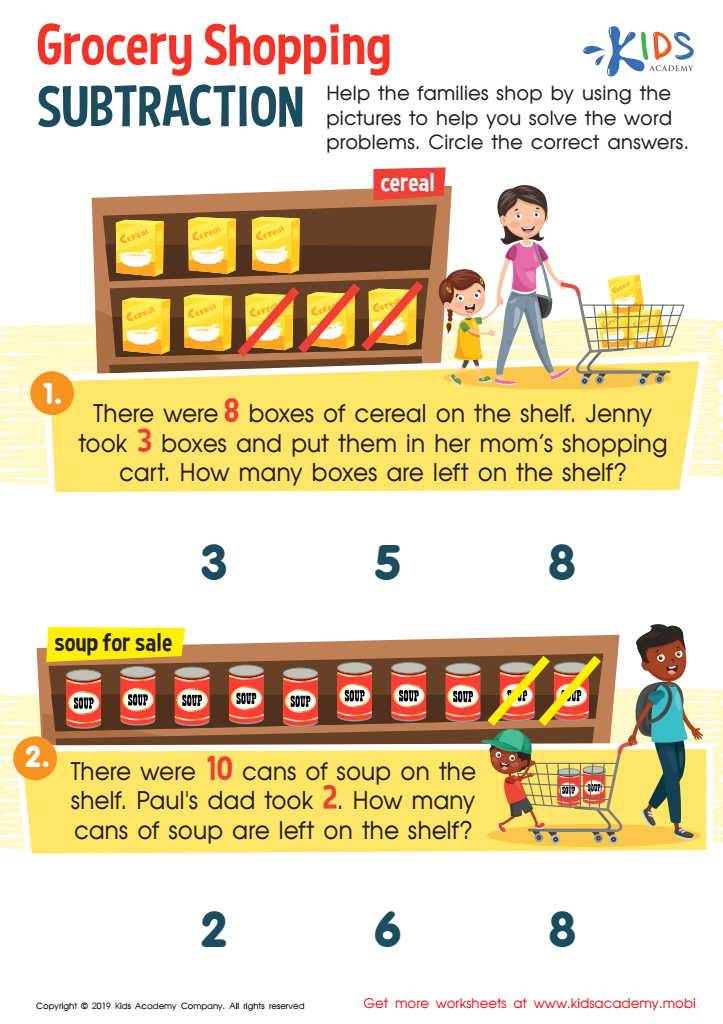
Grocery Shopping Subtraction Worksheet
 Assign to My Students
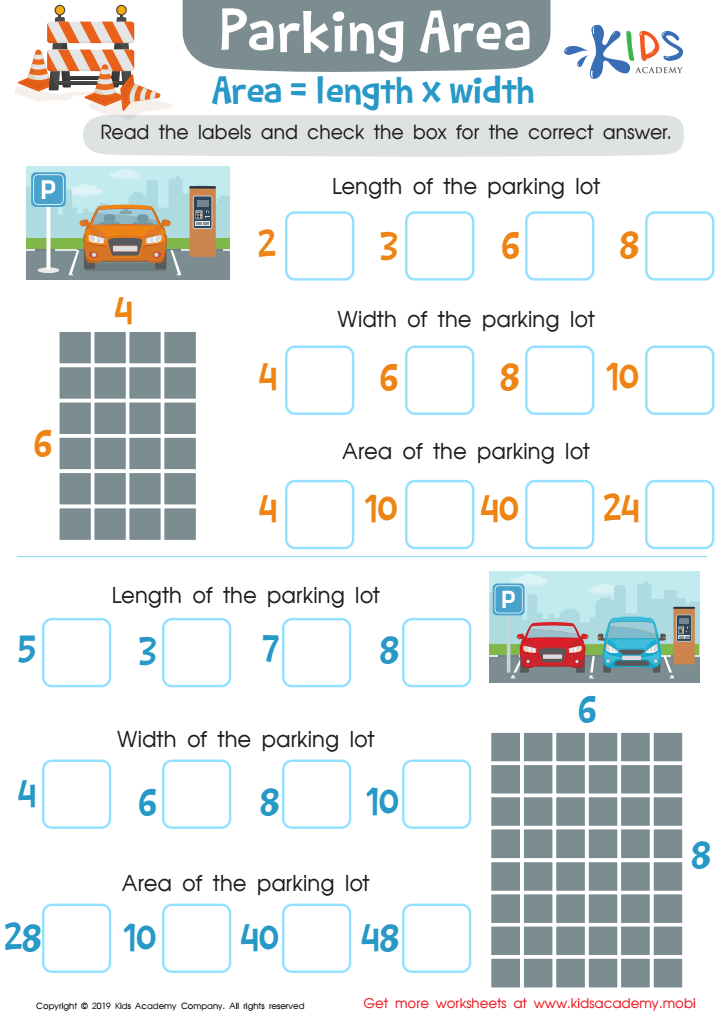
Parking Area Worksheet
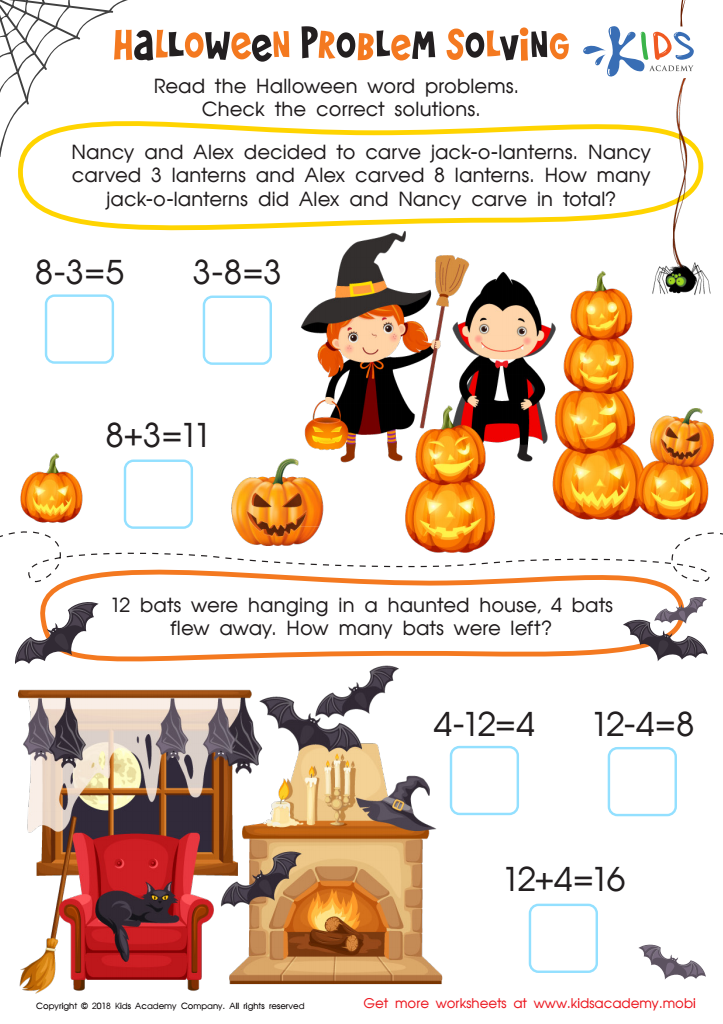
Halloween Problem Solving Worksheet
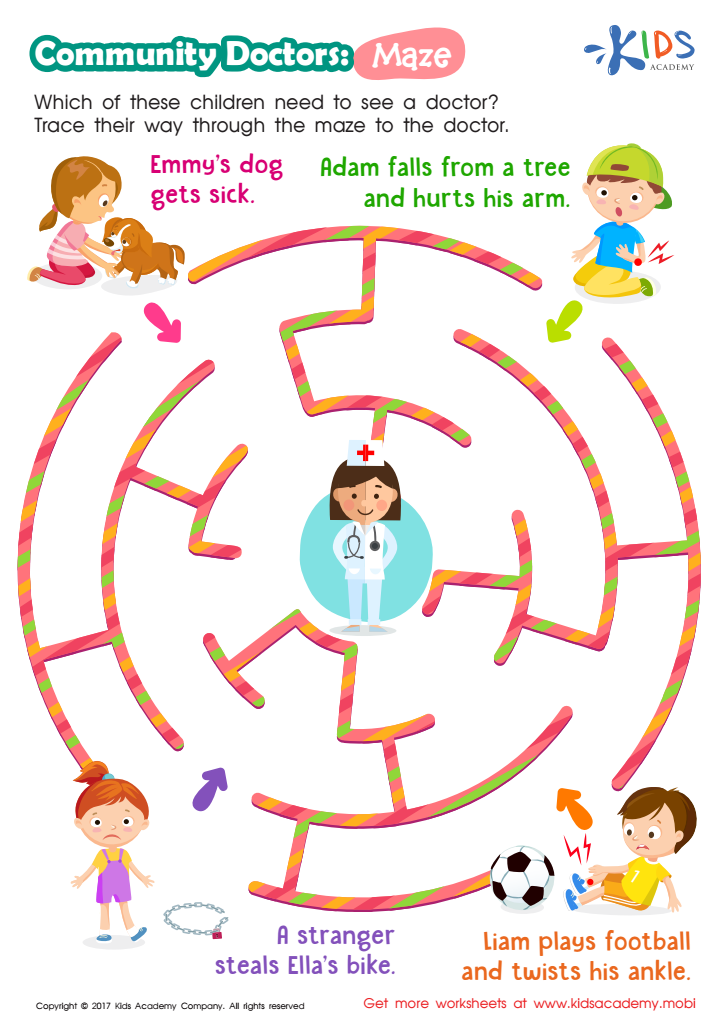
Community Doctors: Maze Printable
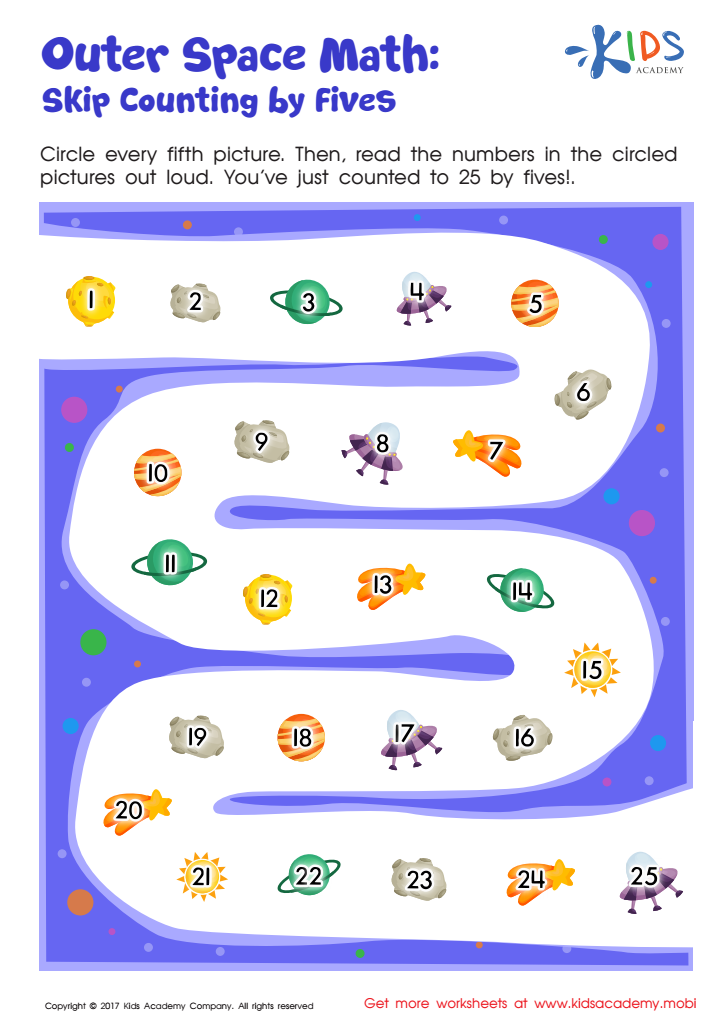
Skip Counting by 5s: Outer Space Math Printable
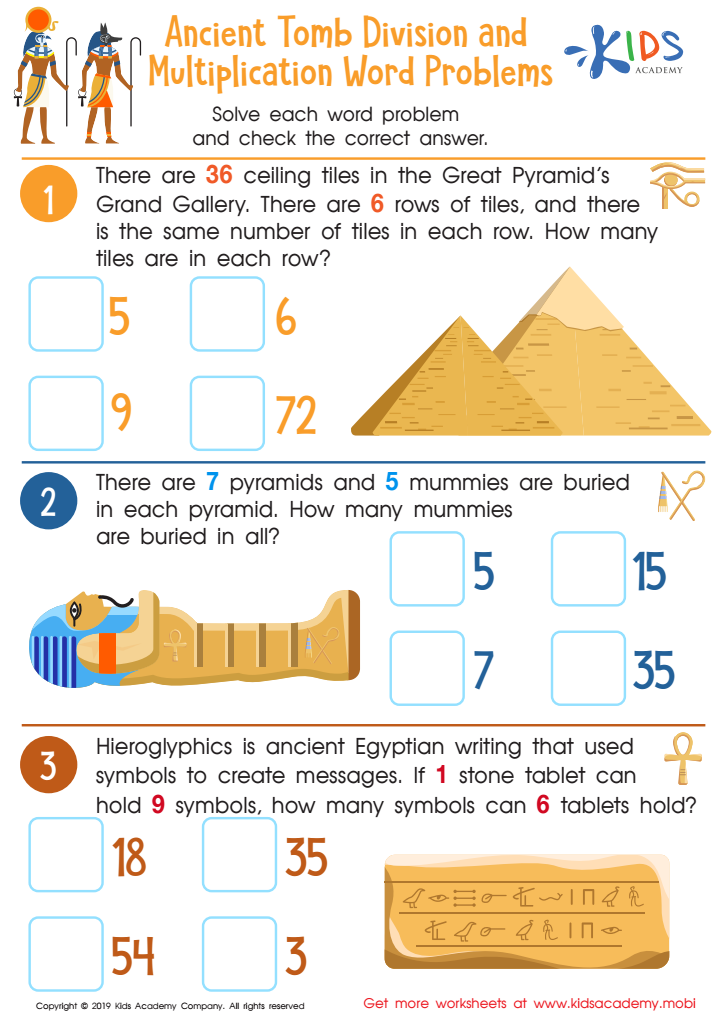
Ancient Tomb Division and Multiplication Word Problems Worksheet
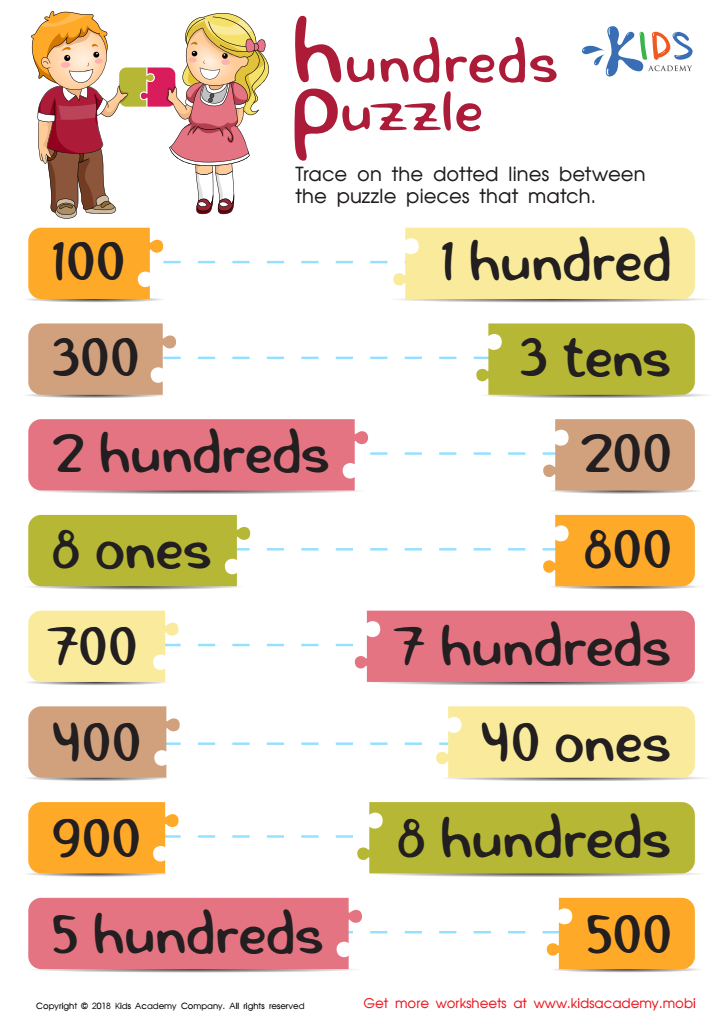
Hundreds Puzzle Worksheet
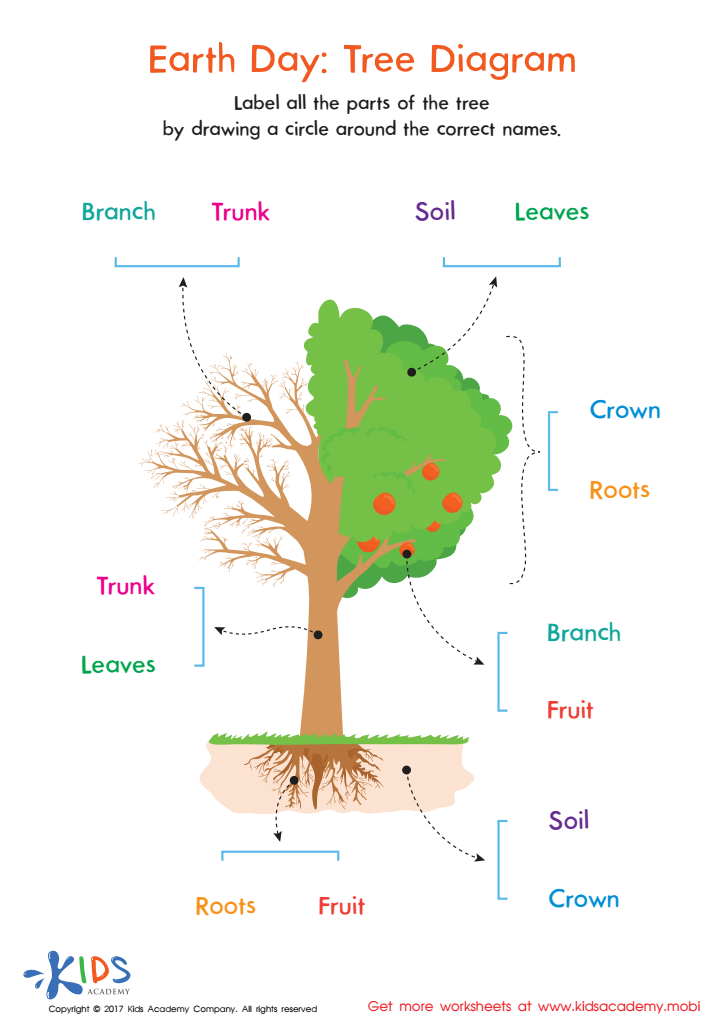
Earth Day: Tree Diagram Worksheet
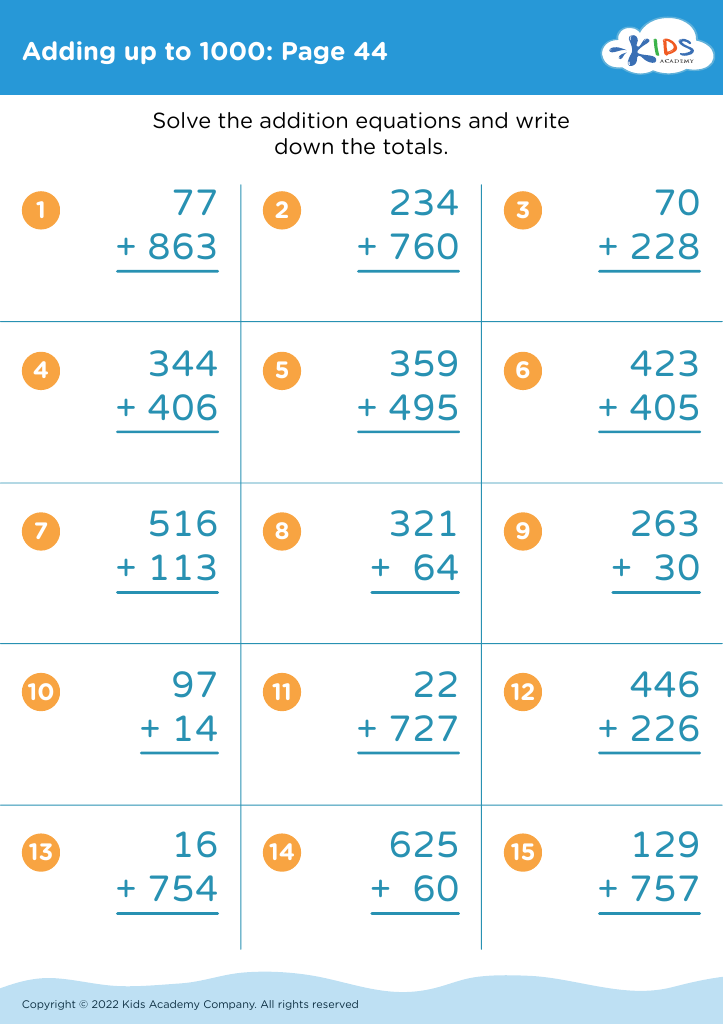
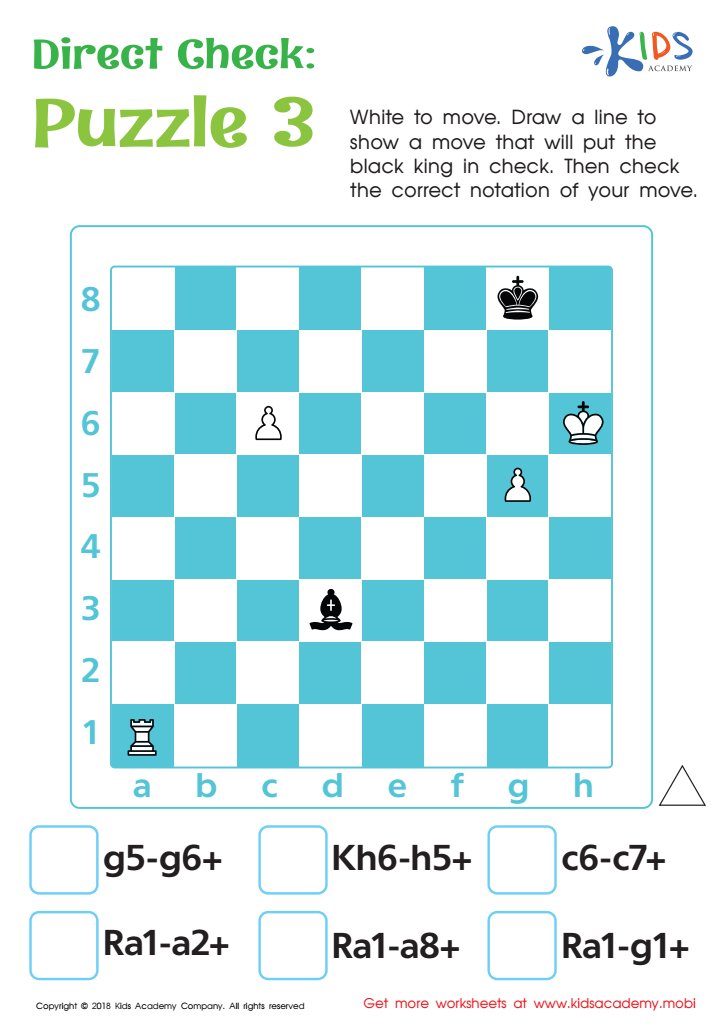
Direct Check: Puzzle 3 Worksheet
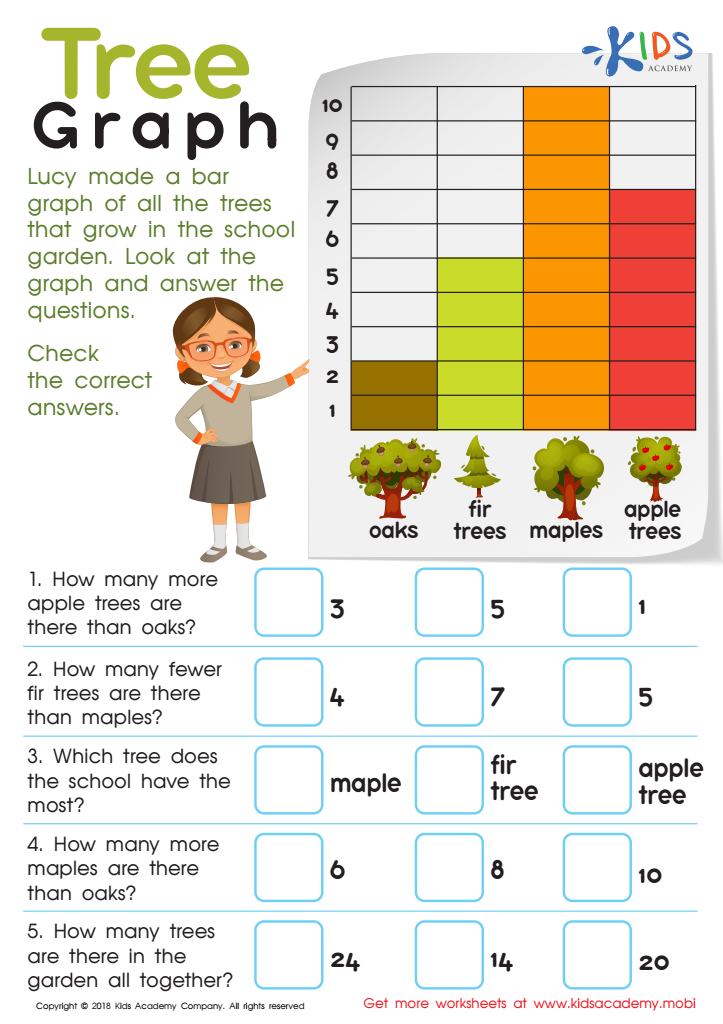
Tree Graph Worksheet
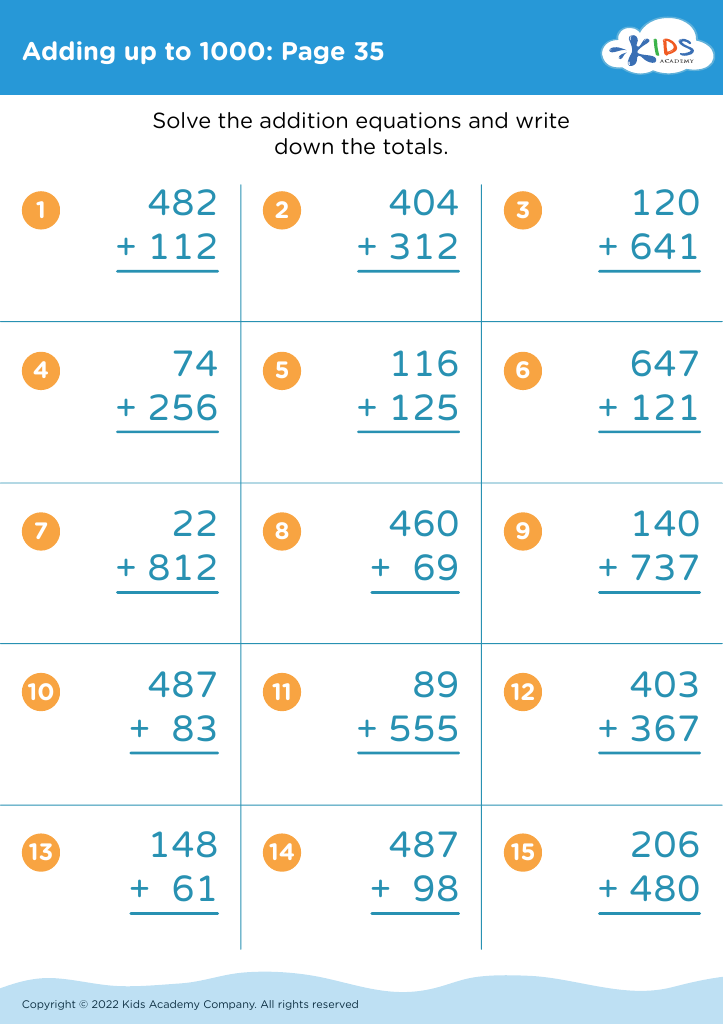
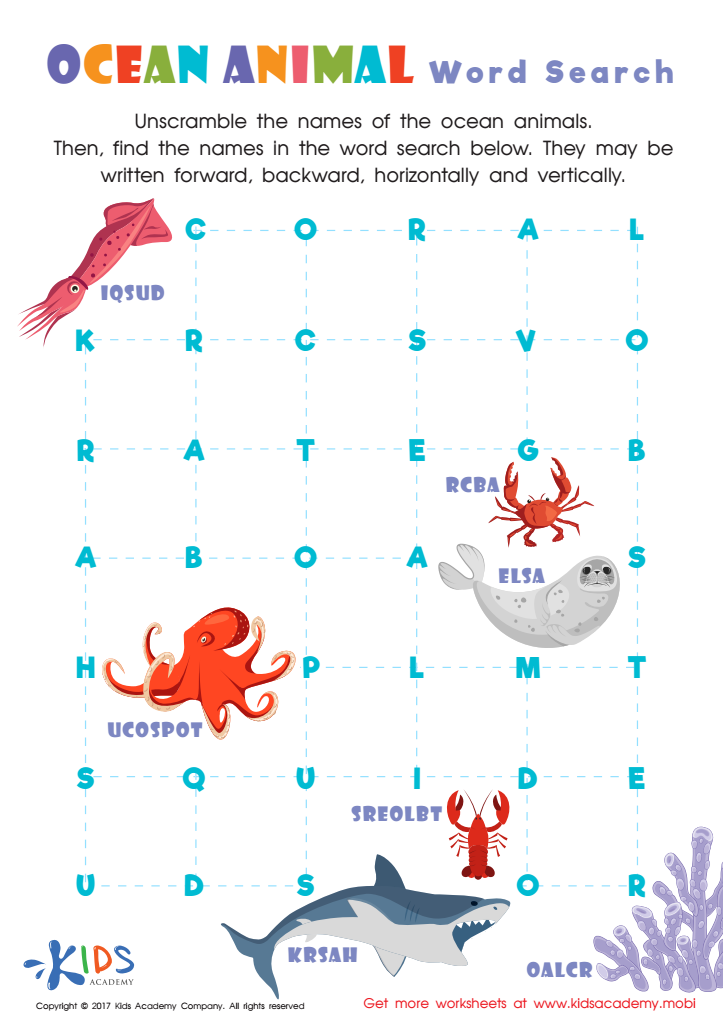
Ocean Animals Word Search Printable
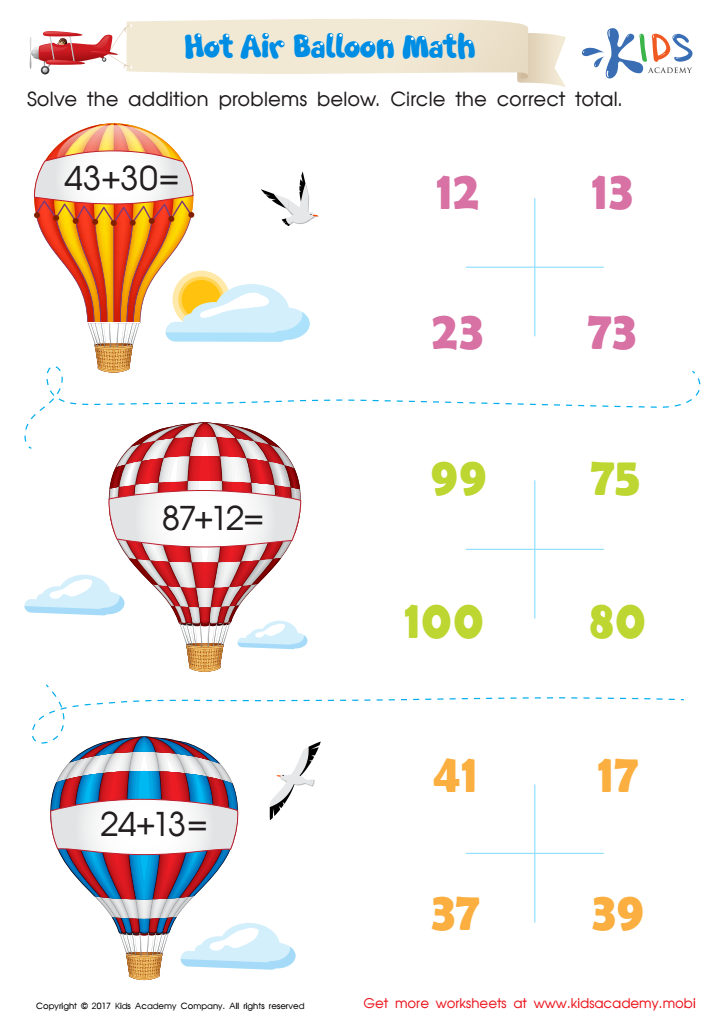
Hot Air Balloon Math Worksheet
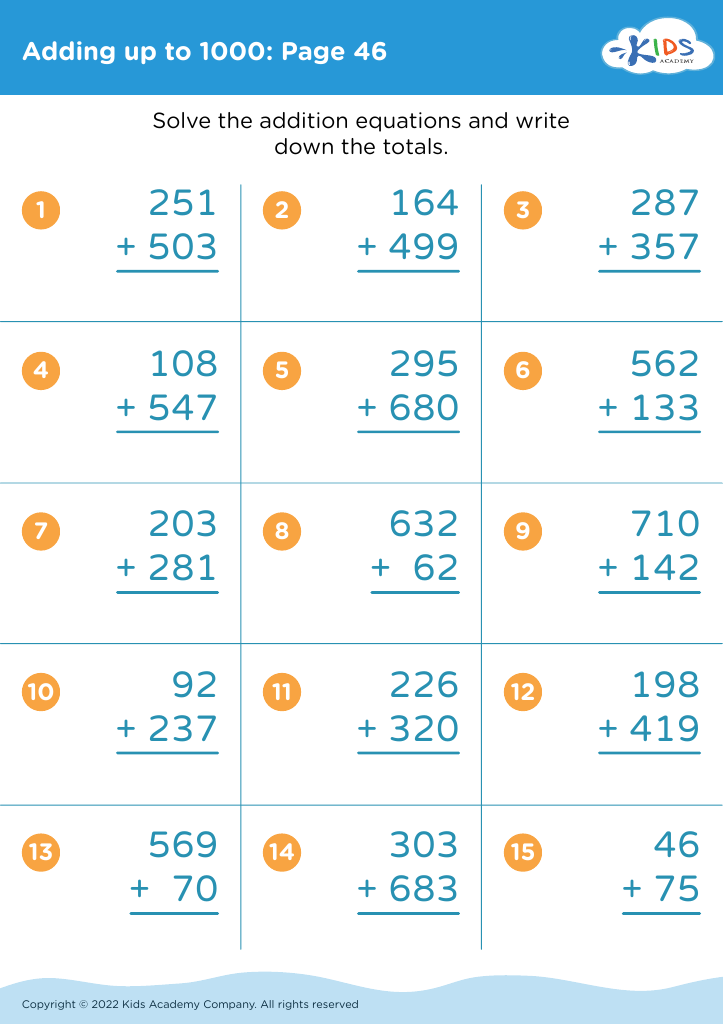
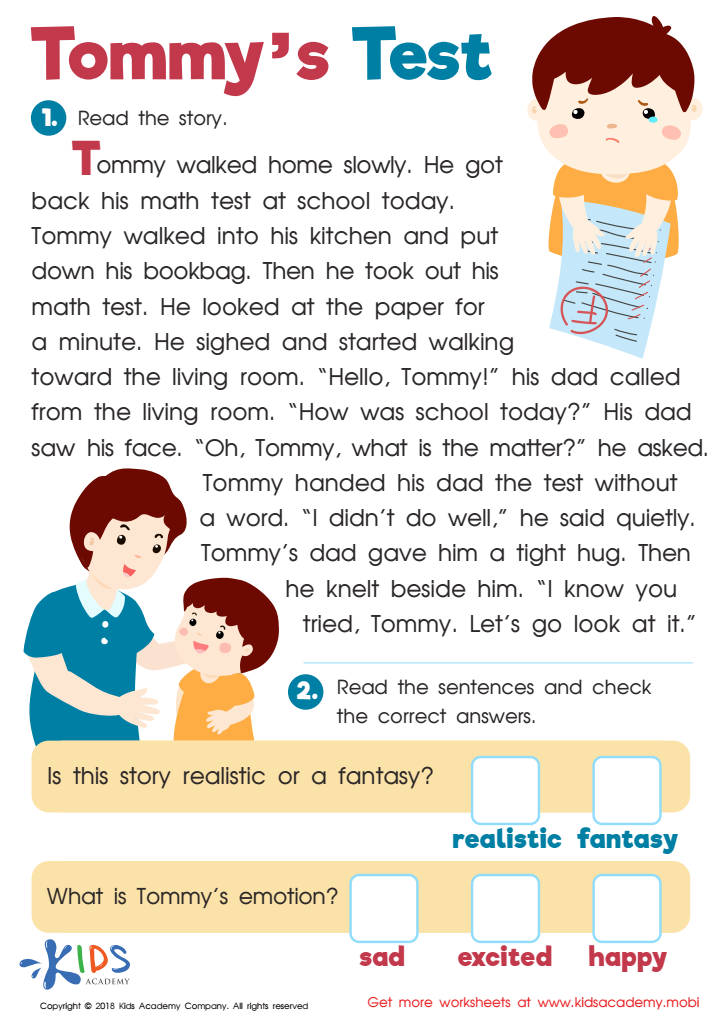
Tommys Test Worksheet
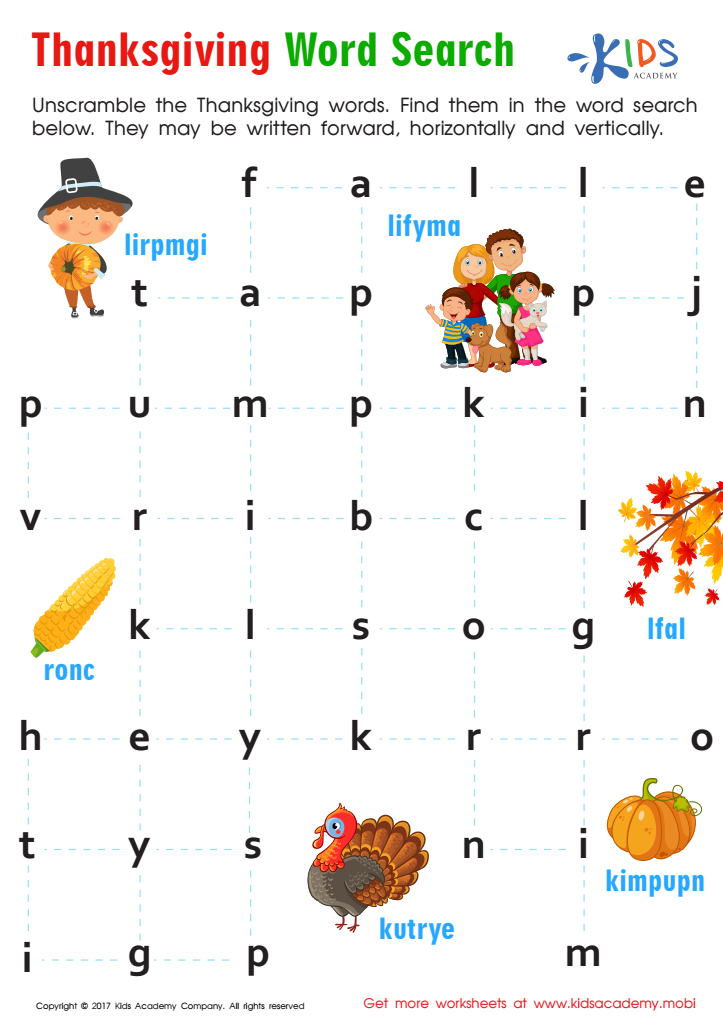
Thanksgiving Word Search Sight Words Worksheet
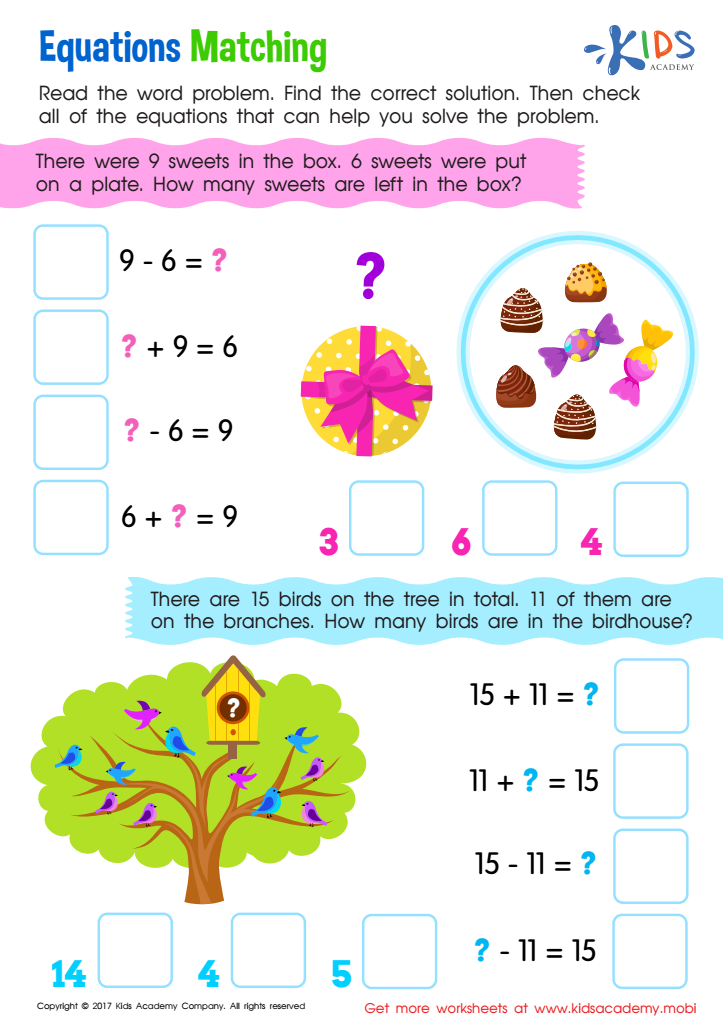
Equations Matching Word Problems Worksheet

Spaceship Maze: Galaxies Worksheet


.jpg)




Problem-solving skills are crucial for children aged 5-8, as this is a formative period for cognitive and emotional development. Parents and teachers should care deeply about fostering these skills for several reasons. First, young children are naturally curious and eager to explore their environment. Encouraging problem-solving nurtures that curiosity, helping them learn to navigate challenges effectively.
These skills promote critical thinking and creativity, allowing children to approach problems from various angles. As they learn to formulate strategies and evaluate results, they become more resilient, better prepared to face future difficulties both academically and socially.
Furthermore, problem-solving skills enhance collaboration, as many solutions are reached through teamwork and communication with peers. This social aspect contributes to emotional intelligence, teaching children how to manage conflicts and appreciate diverse perspectives.
Ultimately, strong problem-solving skills lay the foundation for lifelong learning and adaptability, essential in our fast-changing world. Consequently, parents and teachers invested in their children's growth should emphasize these skills to help nurture independent, confident, and capable individuals who can thrive both in and out of the classroom.








