Comparing Numbers Worksheets for Ages 5-8
52 filtered results
-
From - To
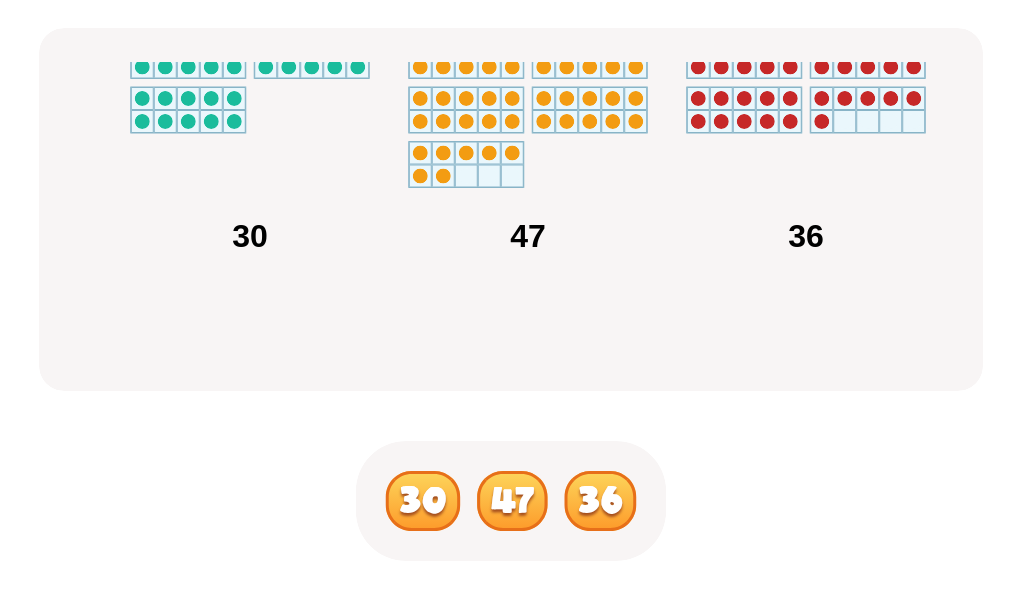
Welcome to our "Comparing Numbers Worksheets for Ages 5-8"! Our engaging resources provide young learners with essential skills to compare, order, and identify numbers with ease. Tailored for Kindergarten and early primary students, these worksheets feature interactive exercises that make learning fun. From simple comparisons using symbols to rich visuals that captivate attention, children will build their number sense and confidence. With easy-to-follow instructions, kids can practice what they’ve learned, reinforcing classroom concepts at home. Help your child master math fundamentals while having a great time! Dive in and explore our collection today!
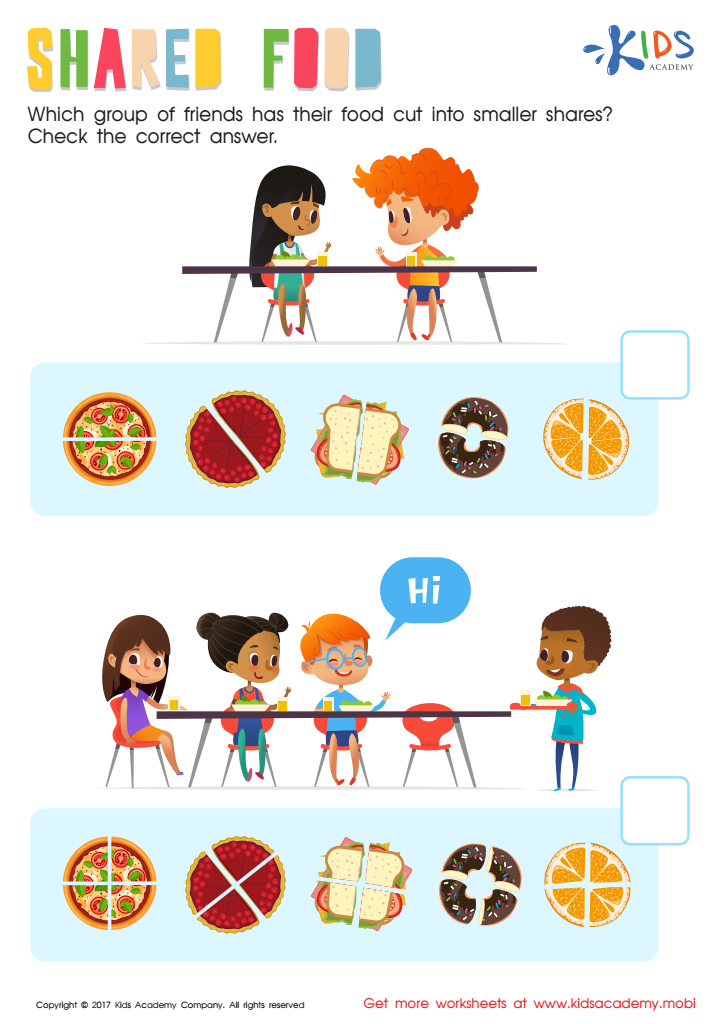
Shared Food Worksheet
 Assign to My Students
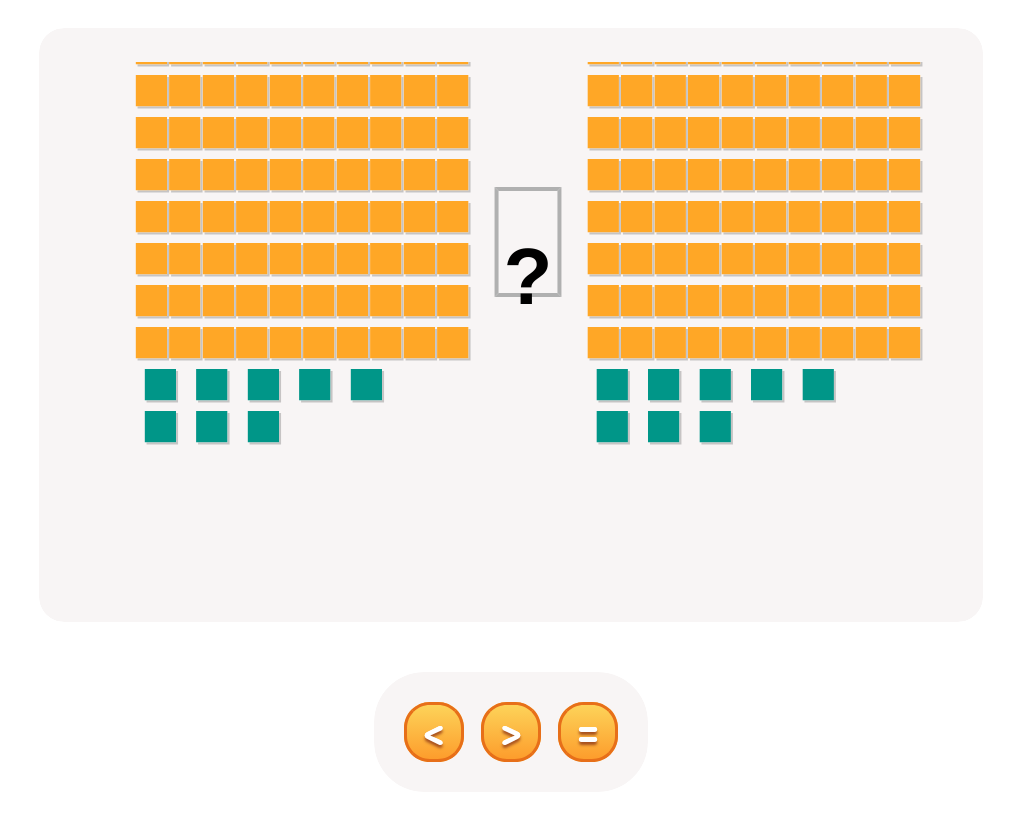

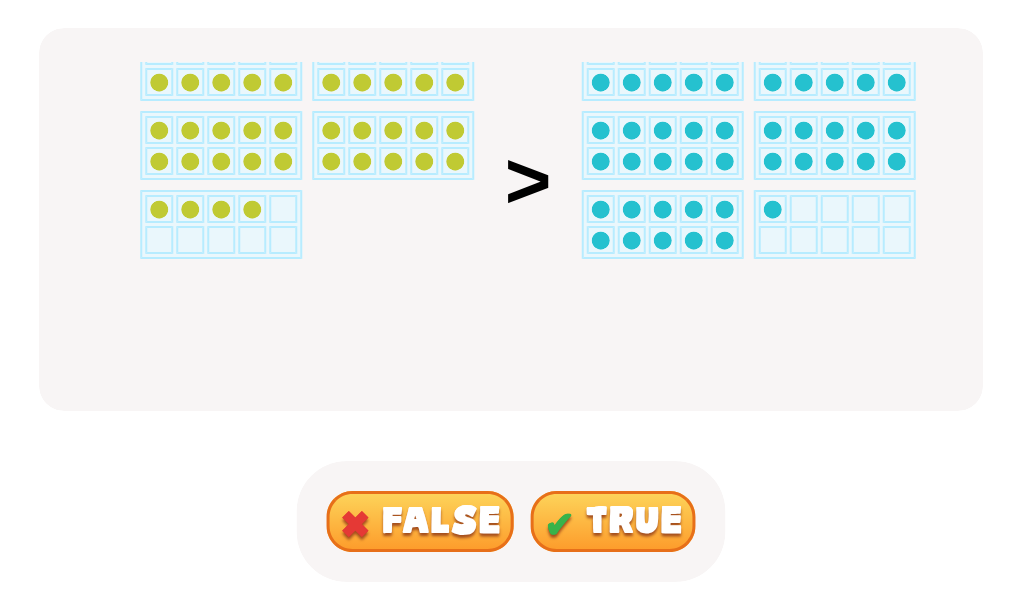
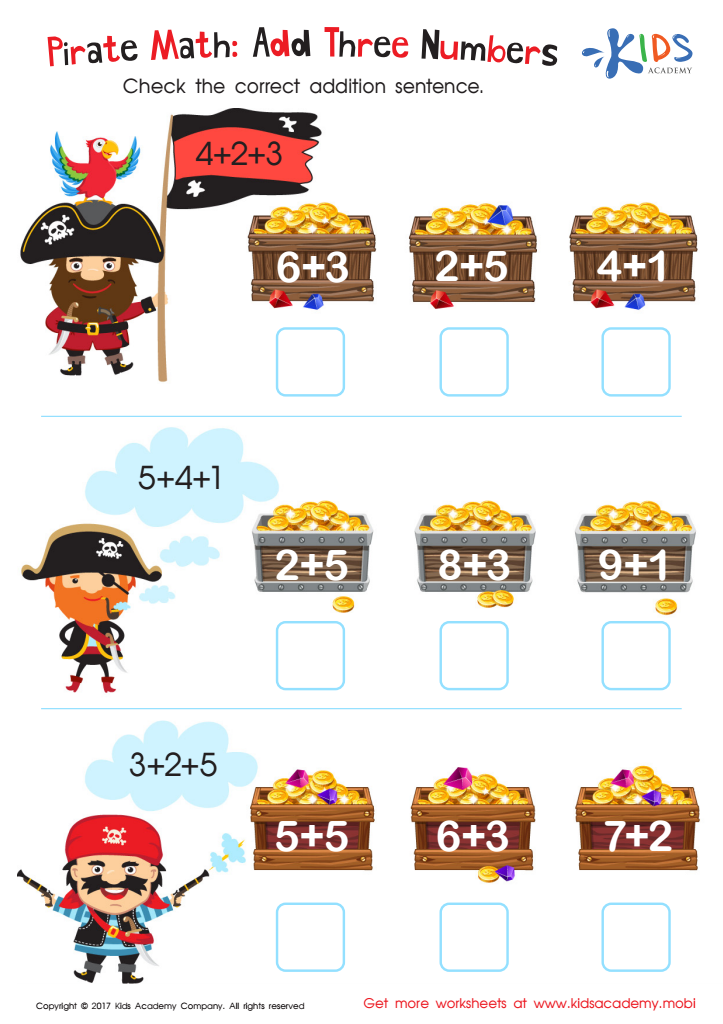
Pirate Math Printable
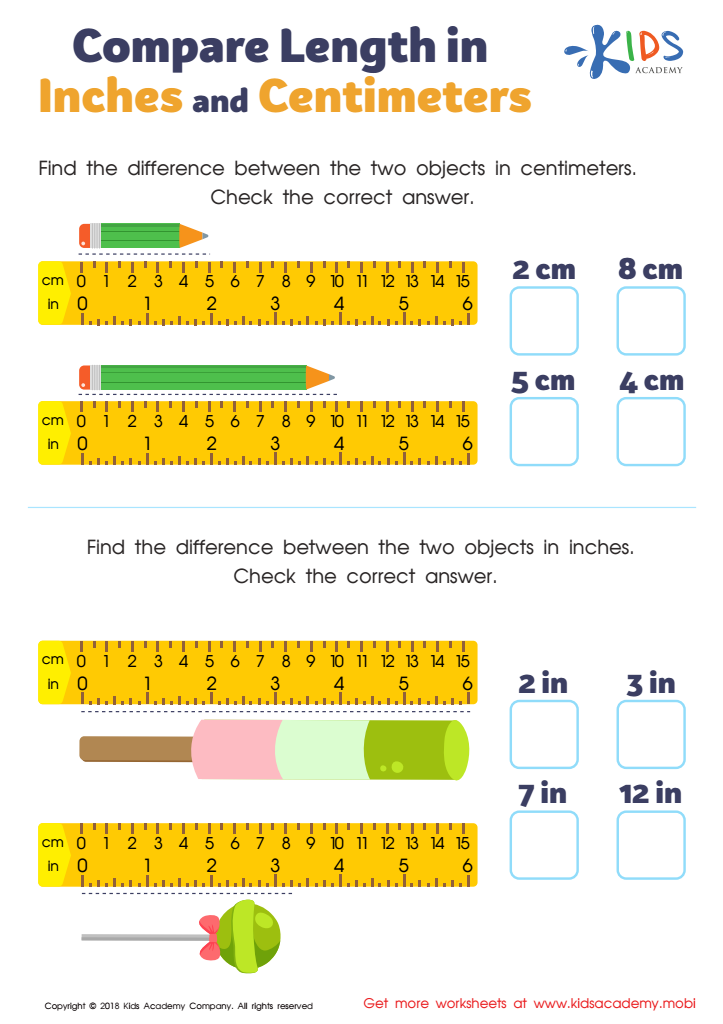
Compare Length in Inches and Centimeters Worksheet
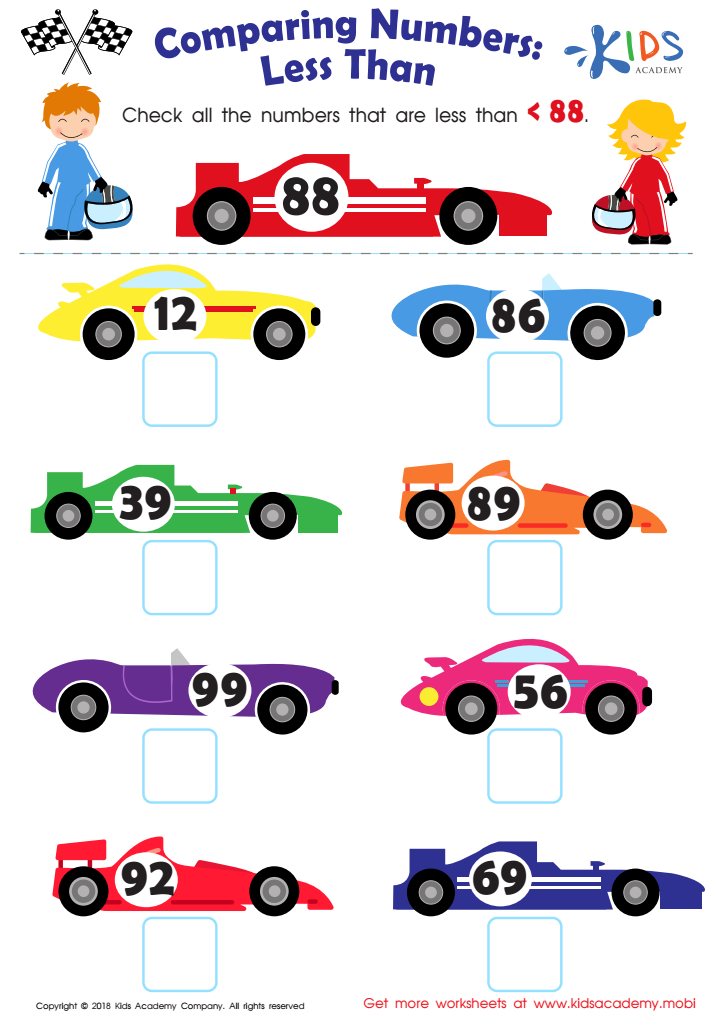
Less Than Worksheet
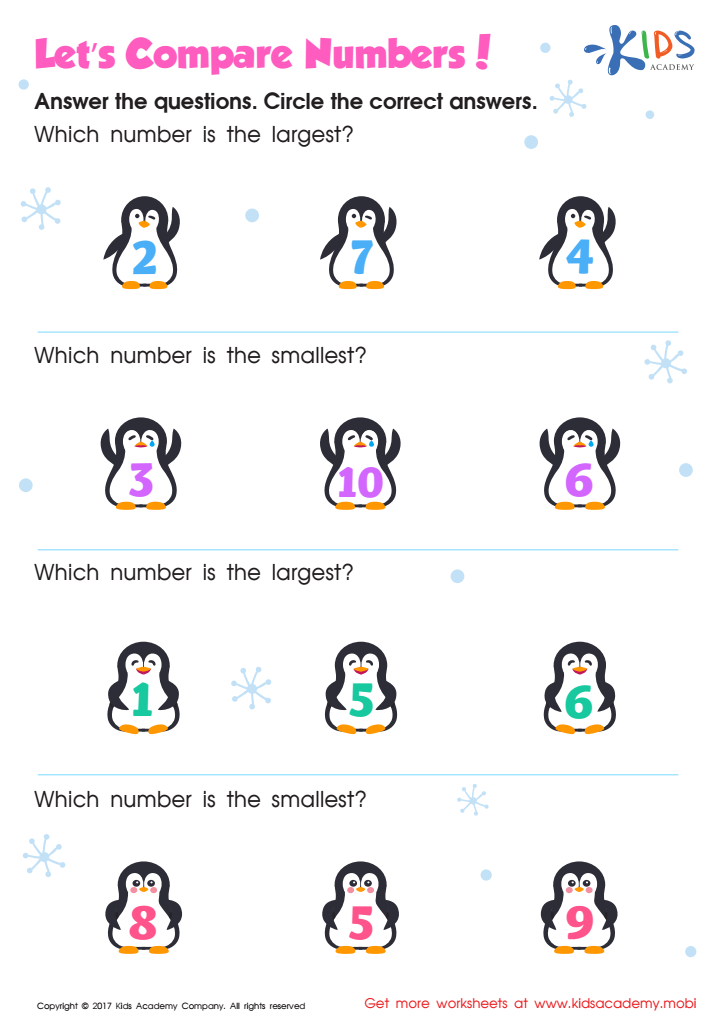
Comparing Numbers 1–10 Worksheet Kindergarten
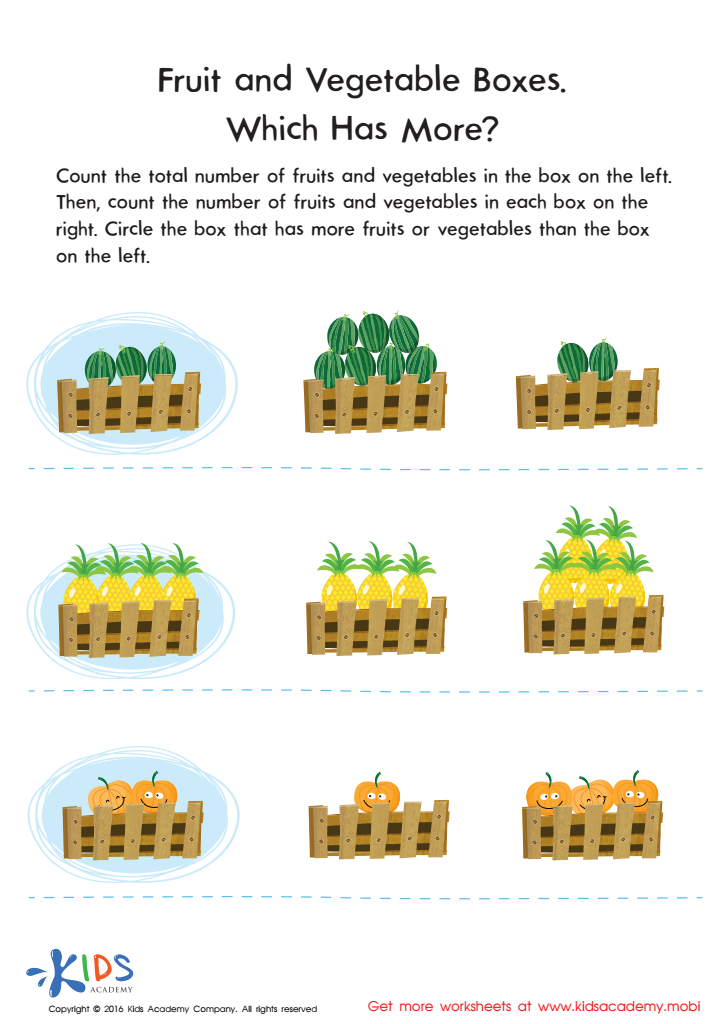
Which Has More? Size Worksheet
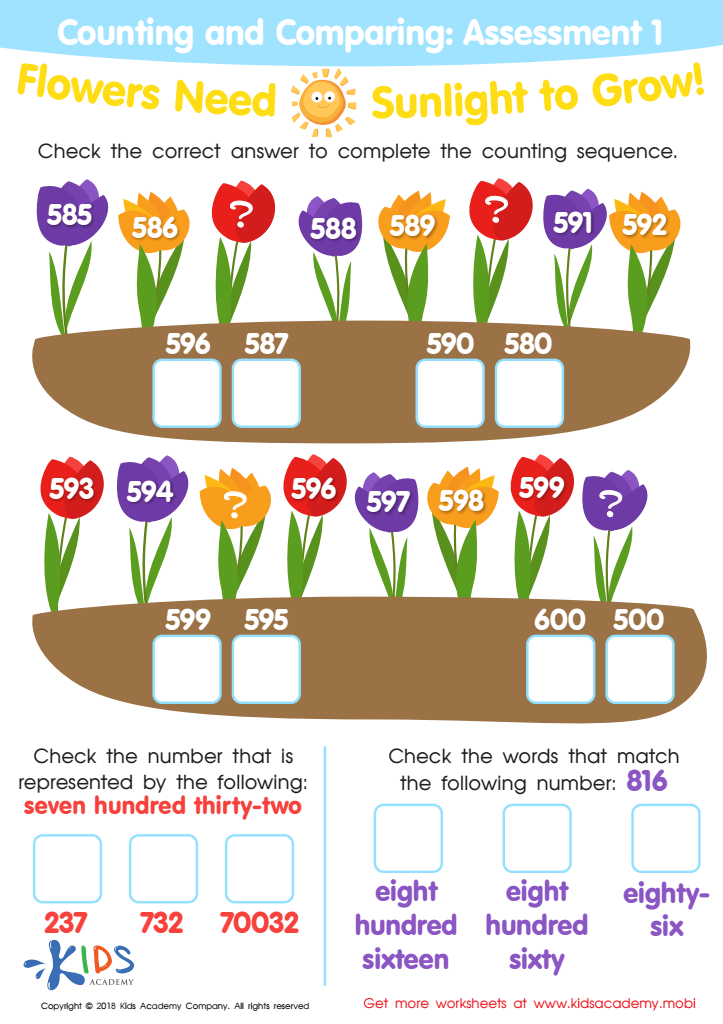
Counting and Comparing: Assessment 1 Worksheet
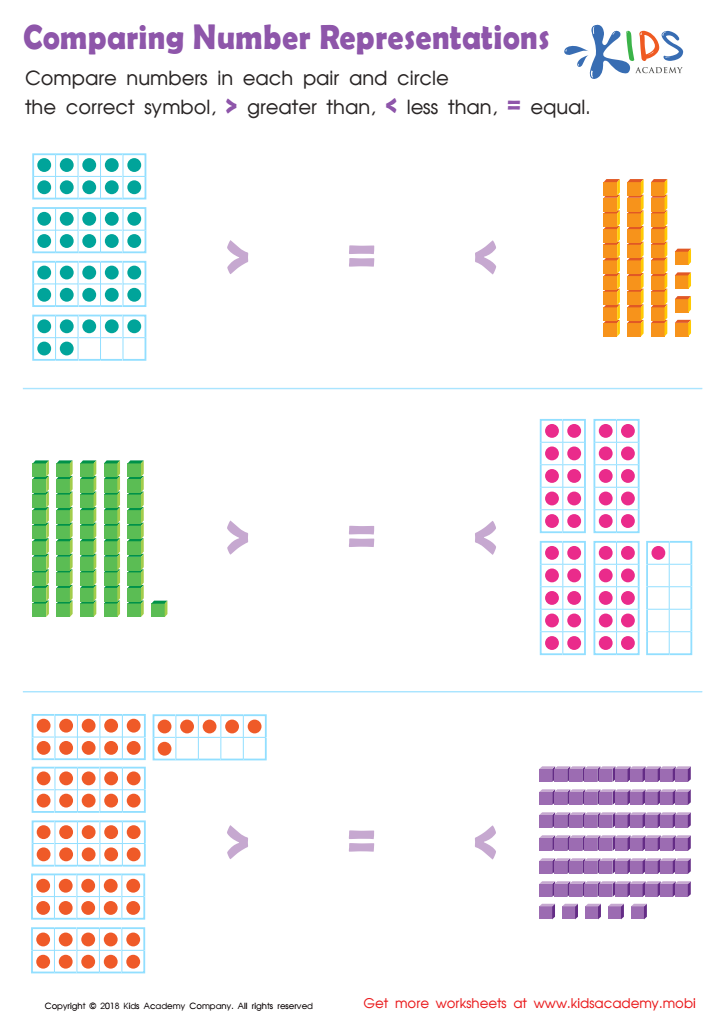
Comparing Number Representations Worksheet
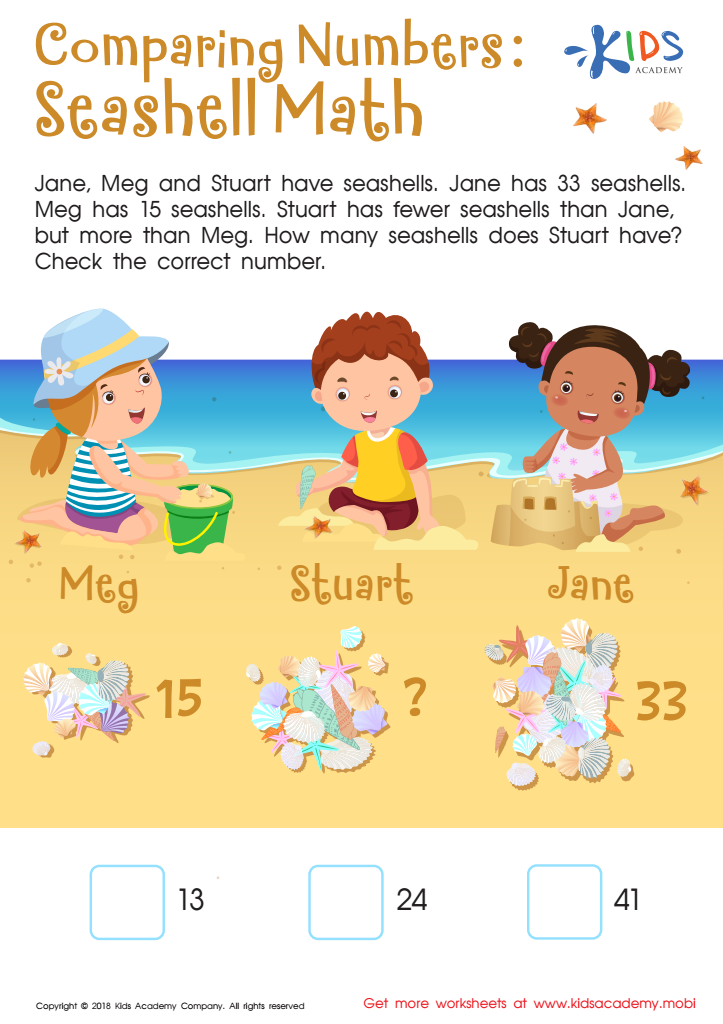
Seashell Collectors Worksheet
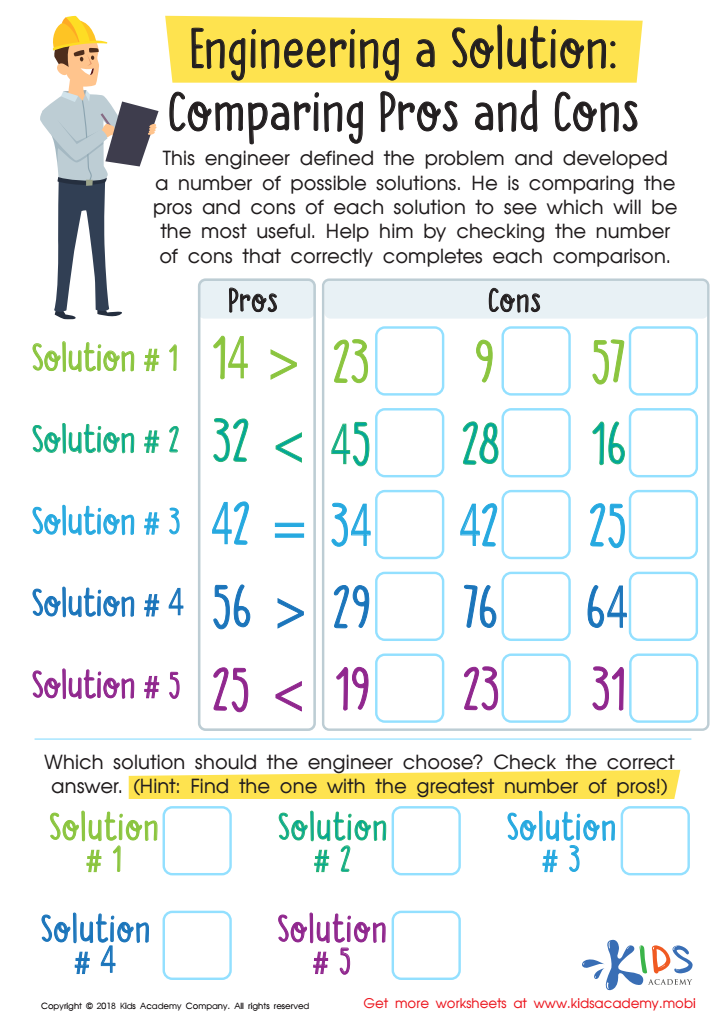
Engineering a Solution: Comparing Pros and Cons Worksheet
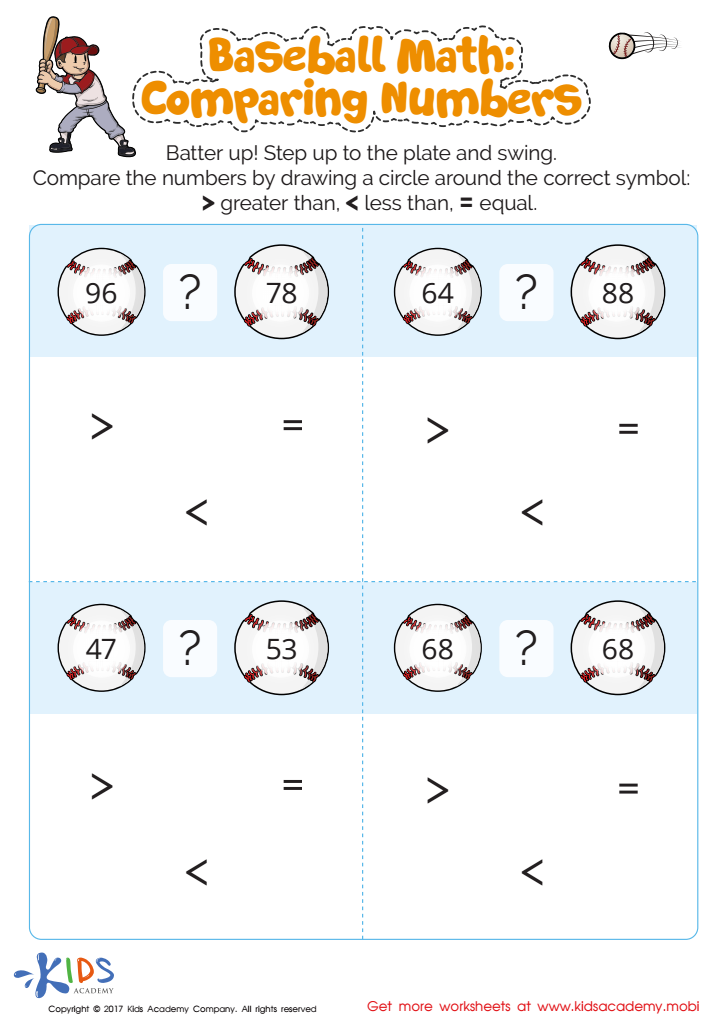
Compare Numbers Printable
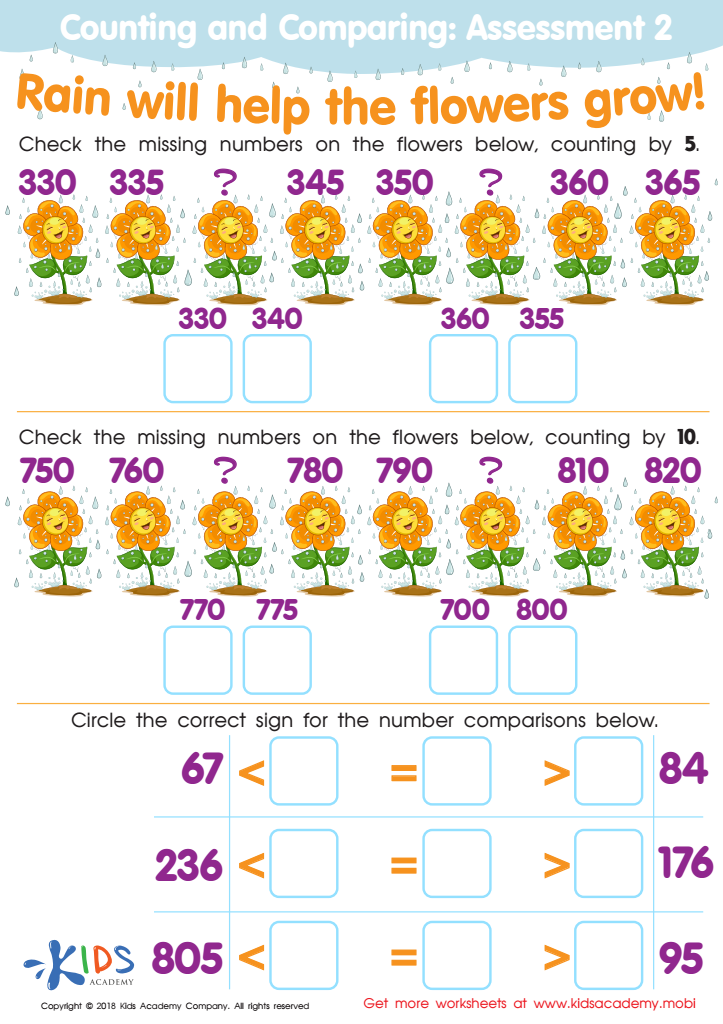
Counting and Comparing: Assessment 2 Worksheet
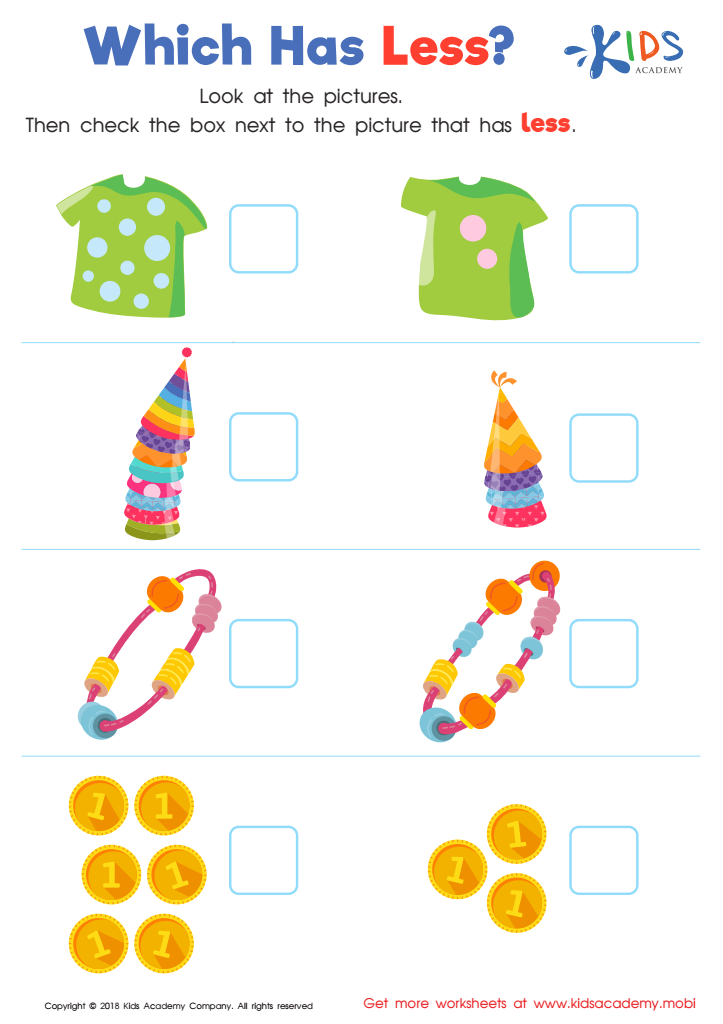
Which Has Less? Worksheet
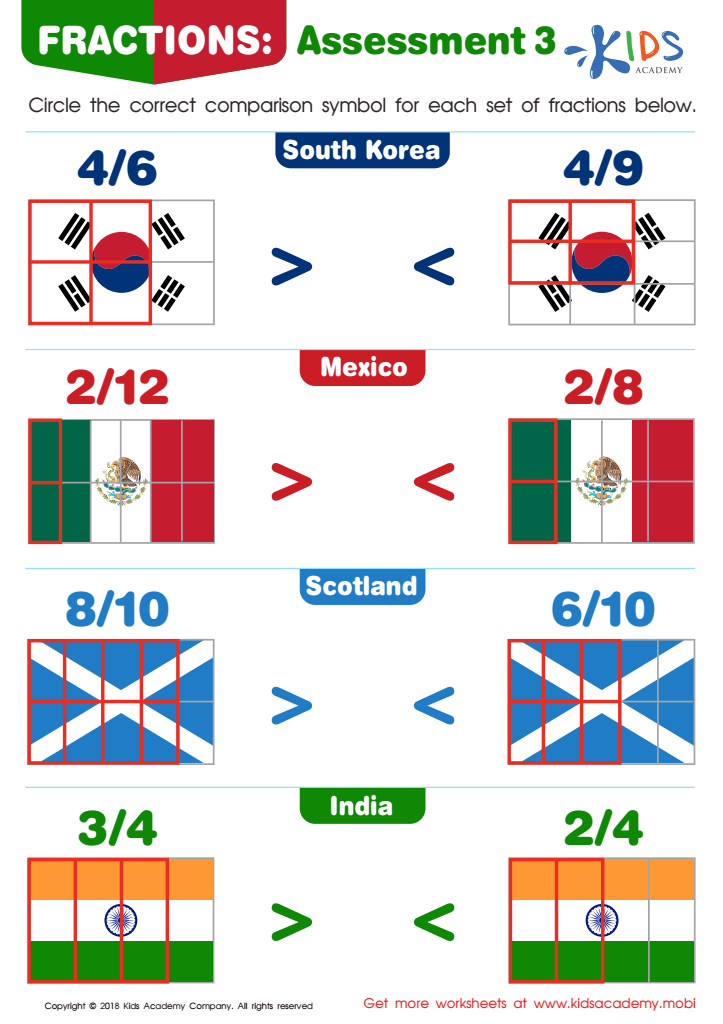
Fractions: Assessment 3 Worksheet
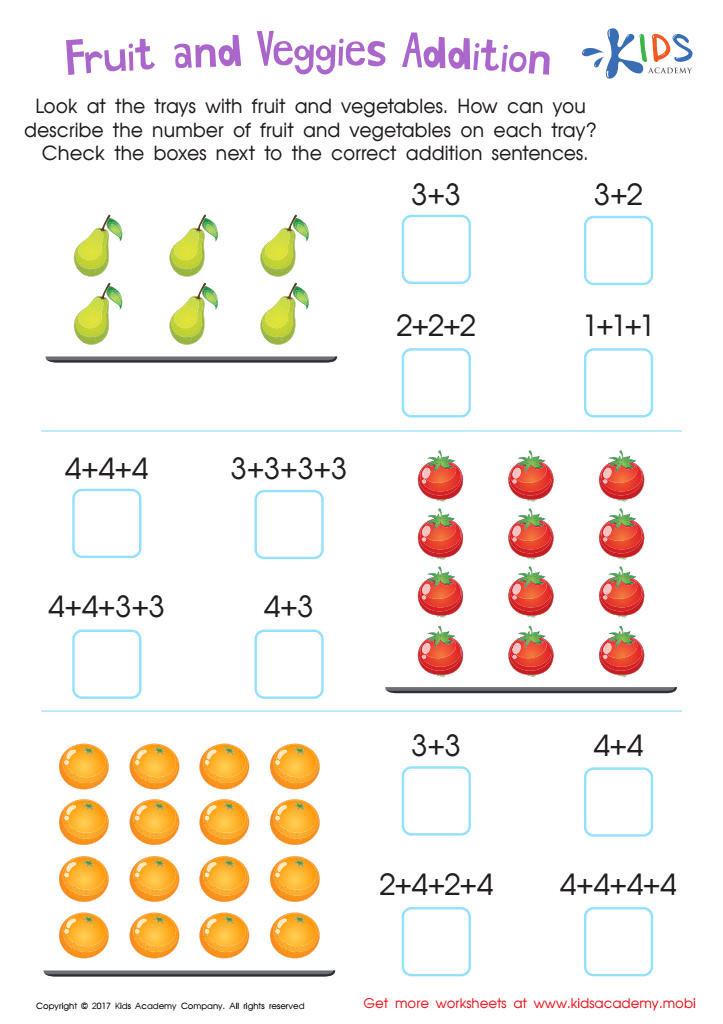
Fruit and Veggies Worksheet
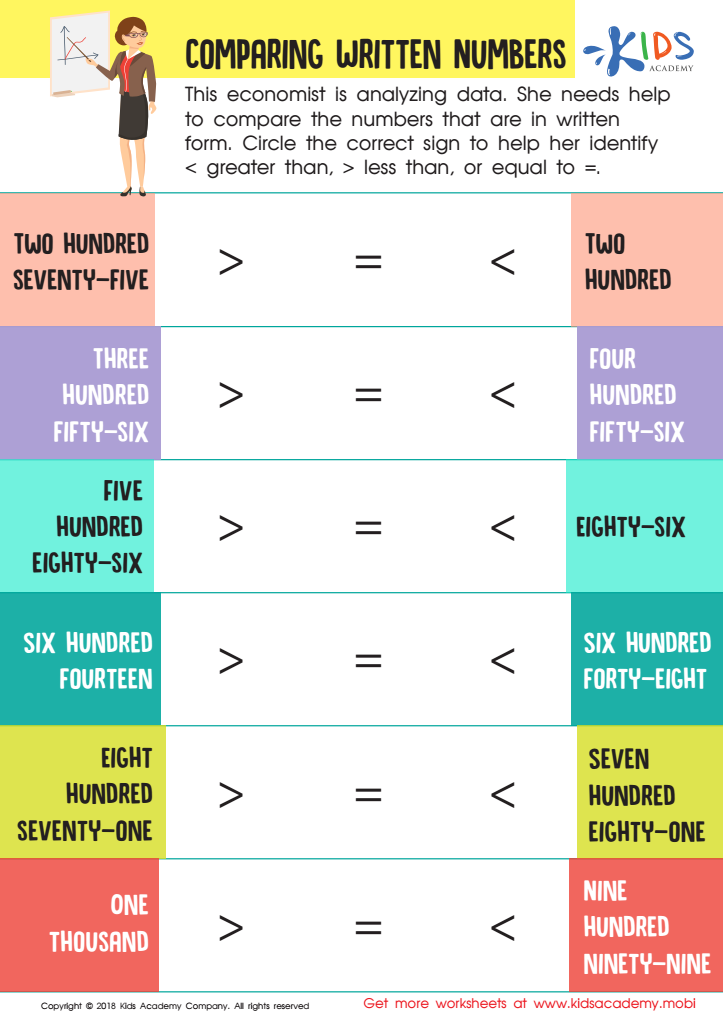
Comparing Written Numbers Worksheet
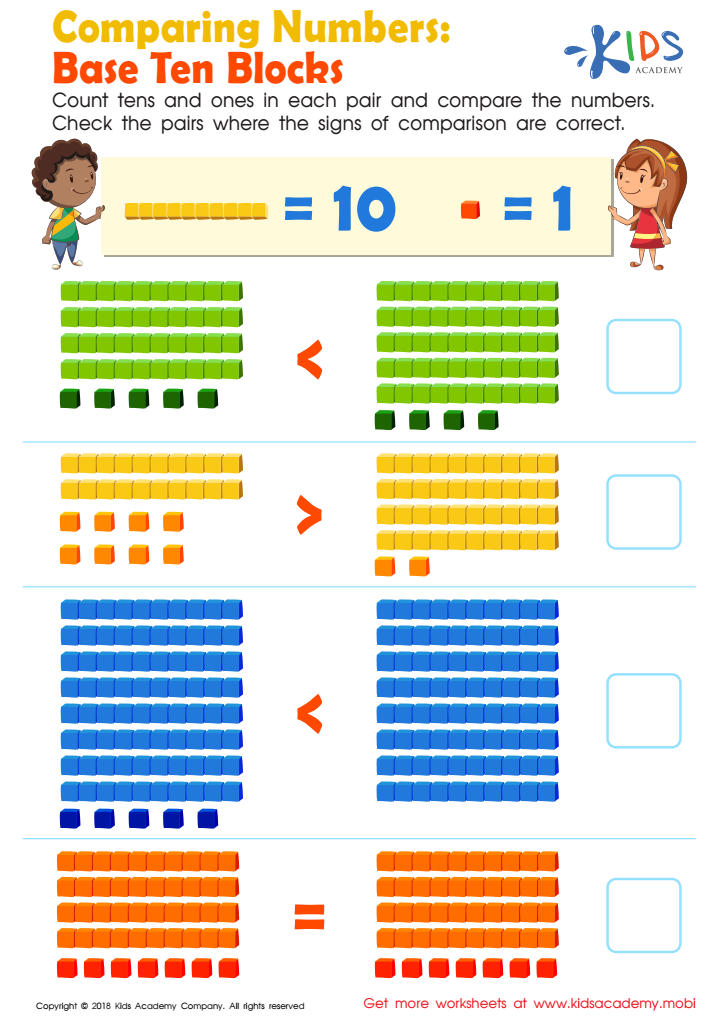
Comparing Numbers: Base Ten Blocks Worksheet
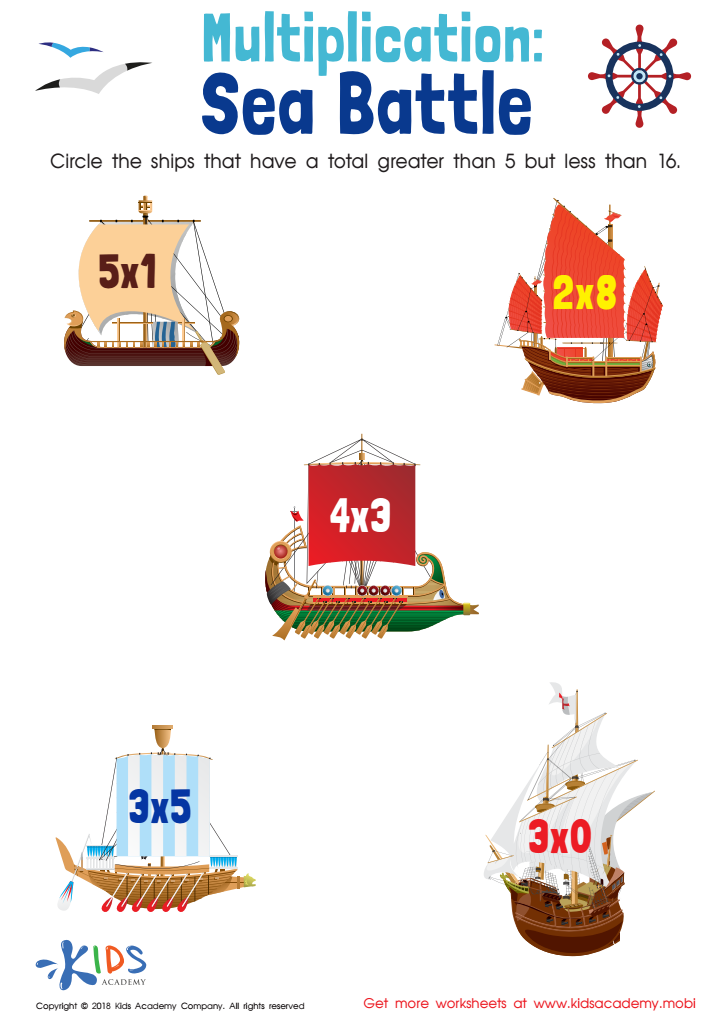
Sea Battle: Multiplication Worksheet
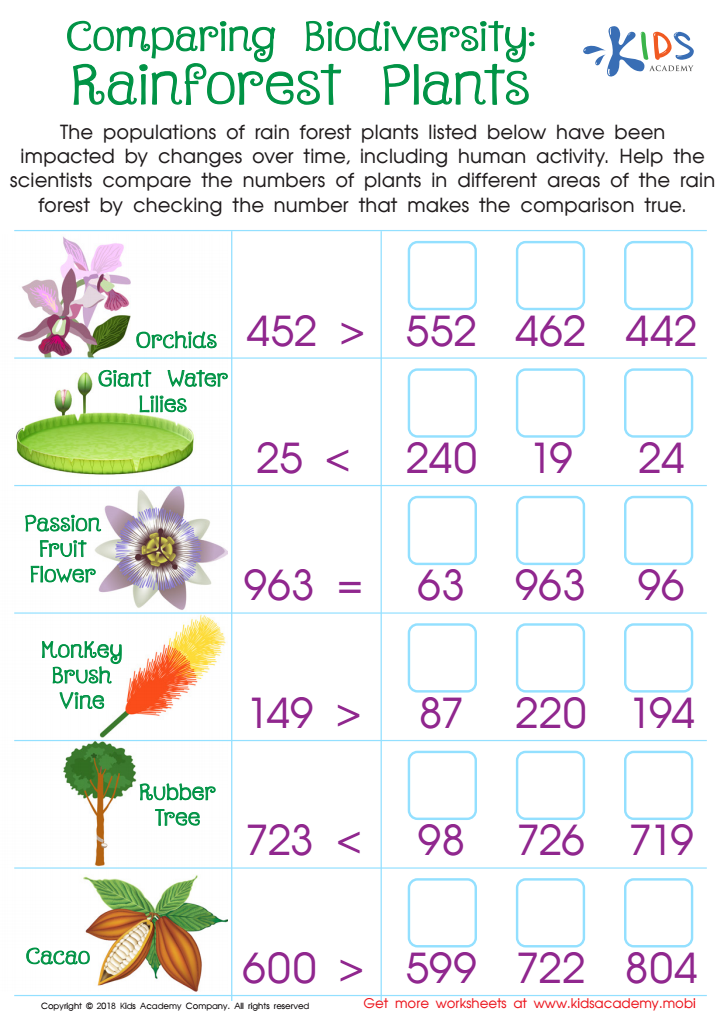
Comparing Biodiversity: Rainforest Plants Worksheet
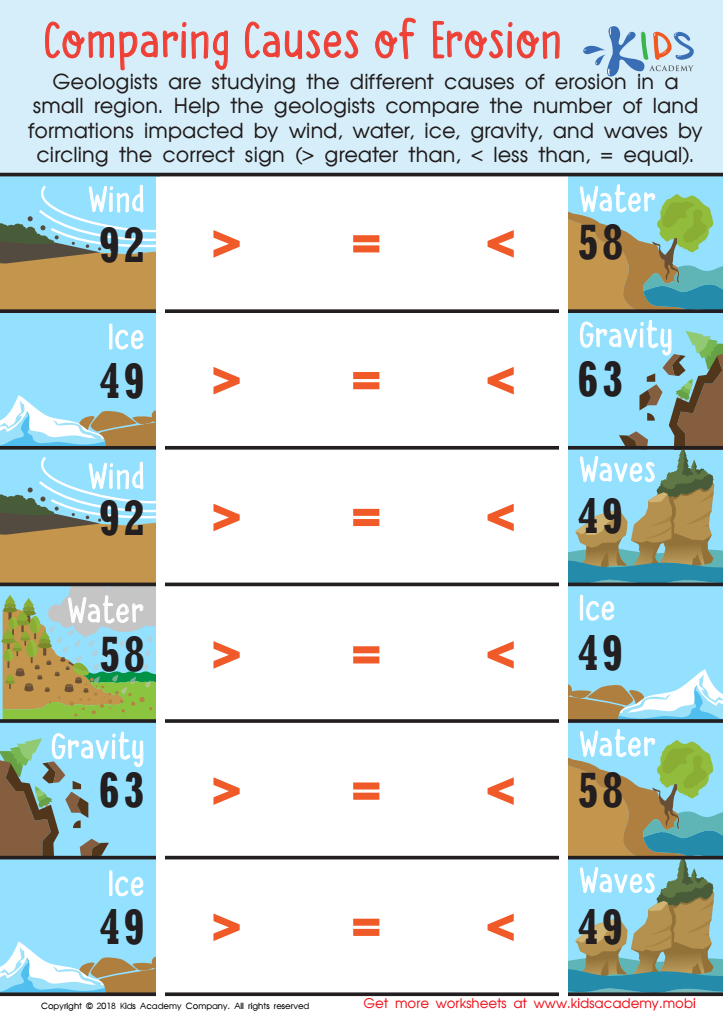
Comparing Causes of Erosion Worksheet
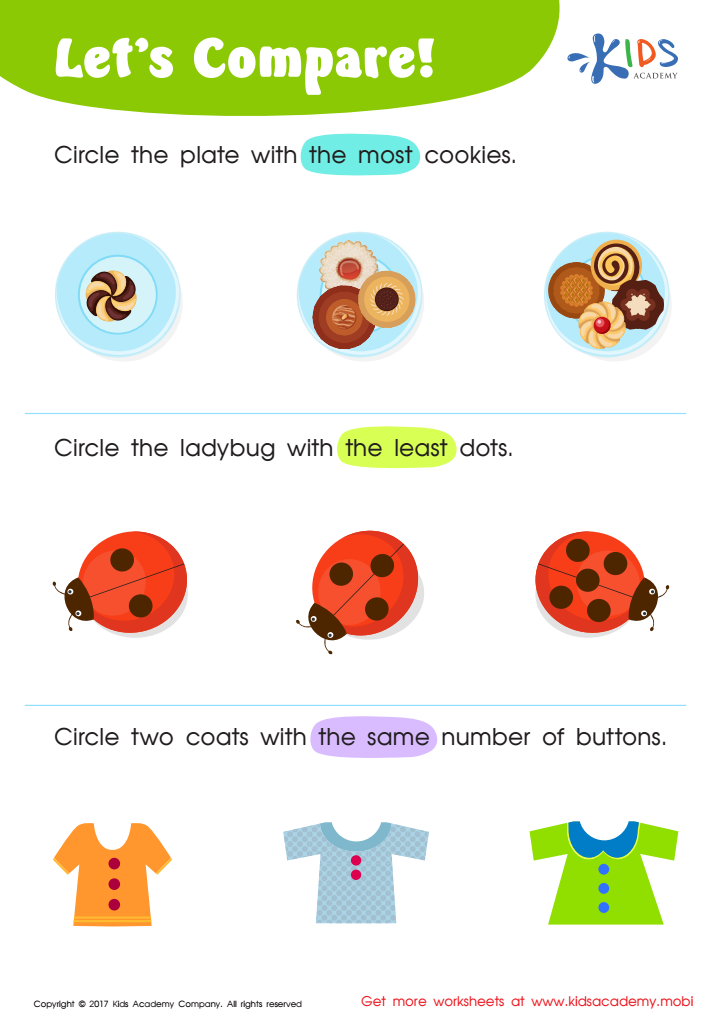
Matching: Classifying Toys by Size Worksheet
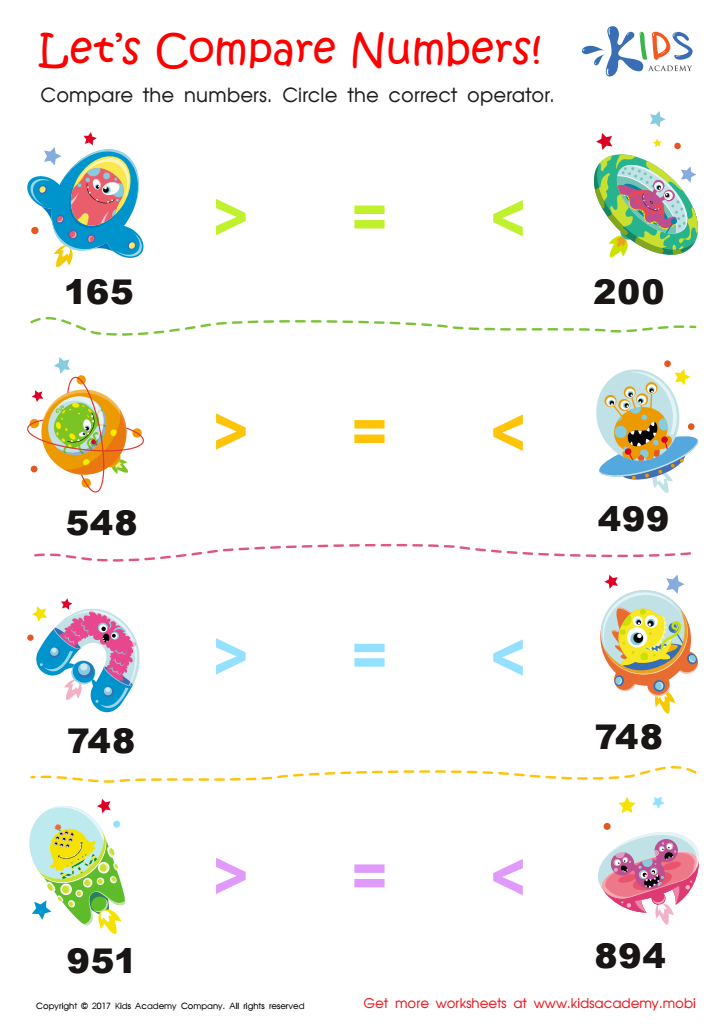
Comparing Numbers Worksheet for 2nd Grade
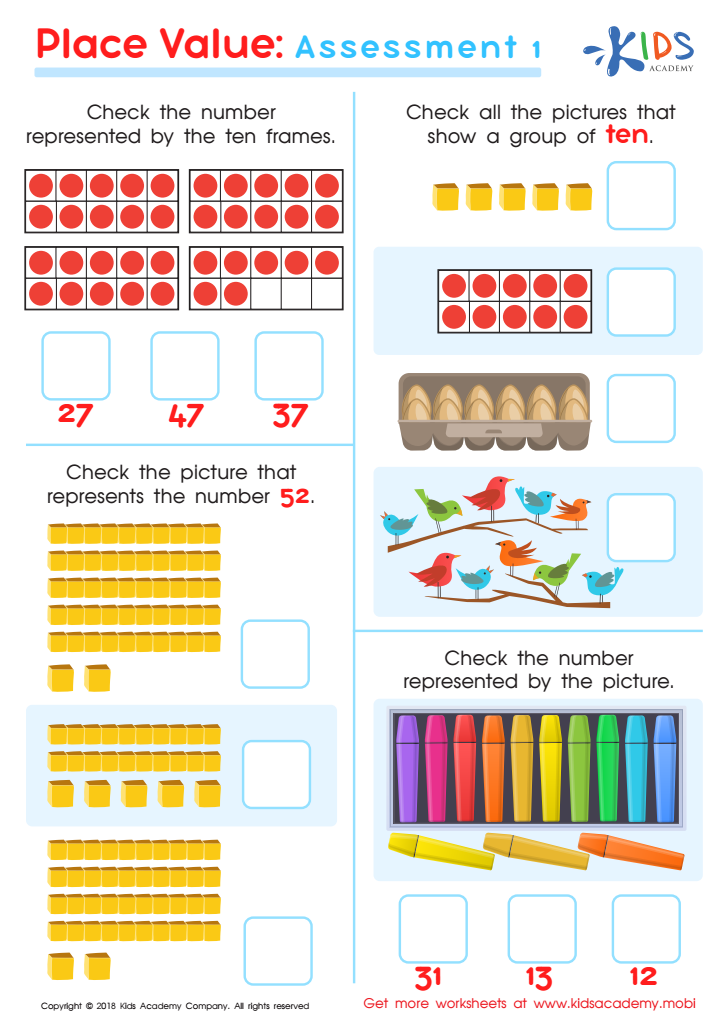
Place Value: Assessment 1 Worksheet
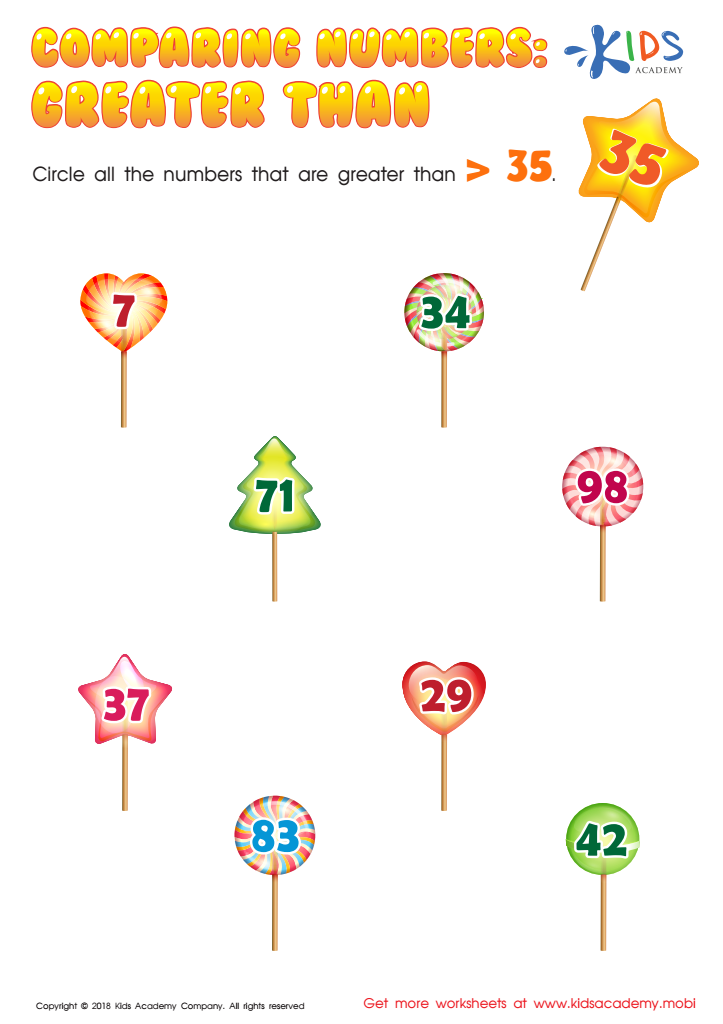
Greater Than Worksheet








Comparing numbers is a fundamental mathematical skill essential for children aged 5-8, as it lays the foundation for more advanced concepts in mathematics. During these formative years, children develop critical thinking and problem-solving skills, and being able to compare numbers is integral to this process. Understanding concepts such as greater than, less than, and equal to helps children make sense of the world around them, fostering their ability to analyze situations and make informed decisions.
Moreover, comparing numbers enhances children's number sense, enabling them to recognize patterns and relationships among numbers. This understanding is crucial as students advance in their education, where these foundational skills become vital for mastering addition, subtraction, and other arithmetic operations.
Teachers and parents should also care about this skill because it promotes confidence in children’s mathematical abilities. Engaging them through games and hands-on activities makes learning enjoyable, thereby fostering a positive attitude toward mathematics. By nurturing these skills early on, we equip children not just for academic success, but for future challenges in everyday life, ensuring they develop a strong mathematical foundation that will benefit them throughout their education. Understanding the significance of comparing numbers ultimately contributes to a child’s cognitive and emotional growth.