Counting Worksheets for Ages 5-9 - Page 2
48 filtered results
-
From - To
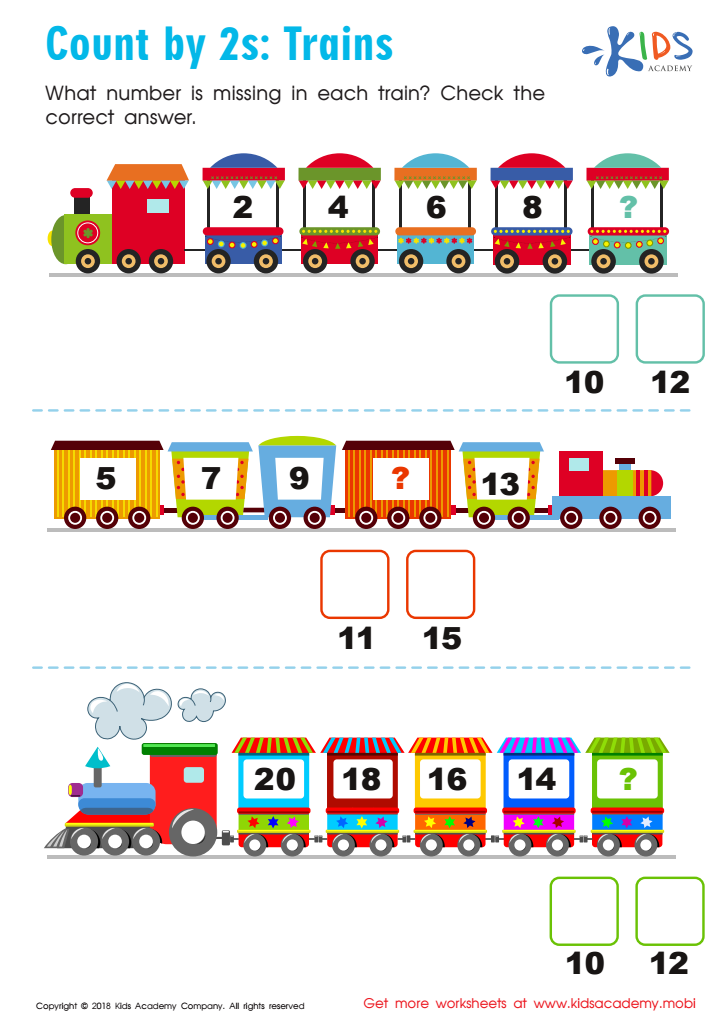
Count by 2's: Trains Worksheet

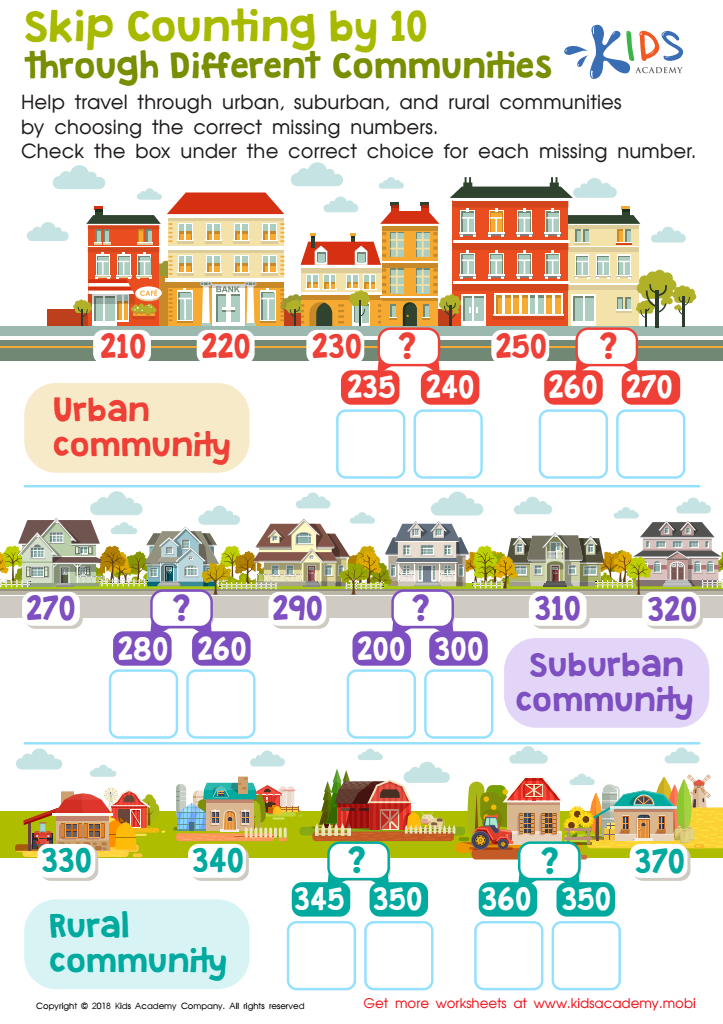
Skip Counting by 10 through Different Communities Worksheet
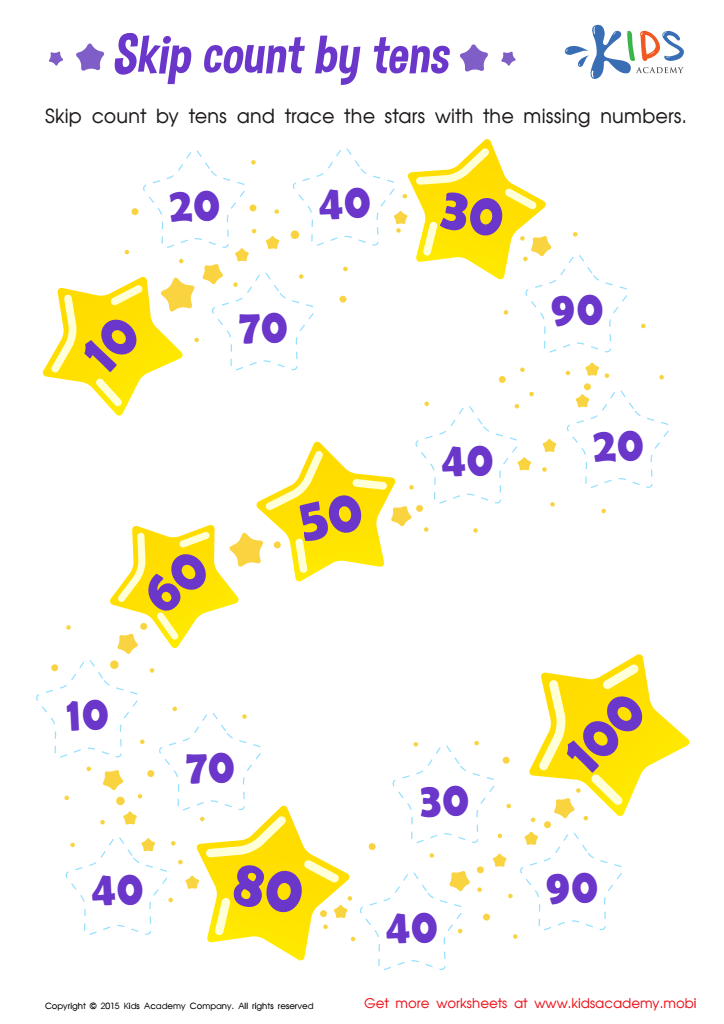
Learn dozens: Skip Count by Tens Printable
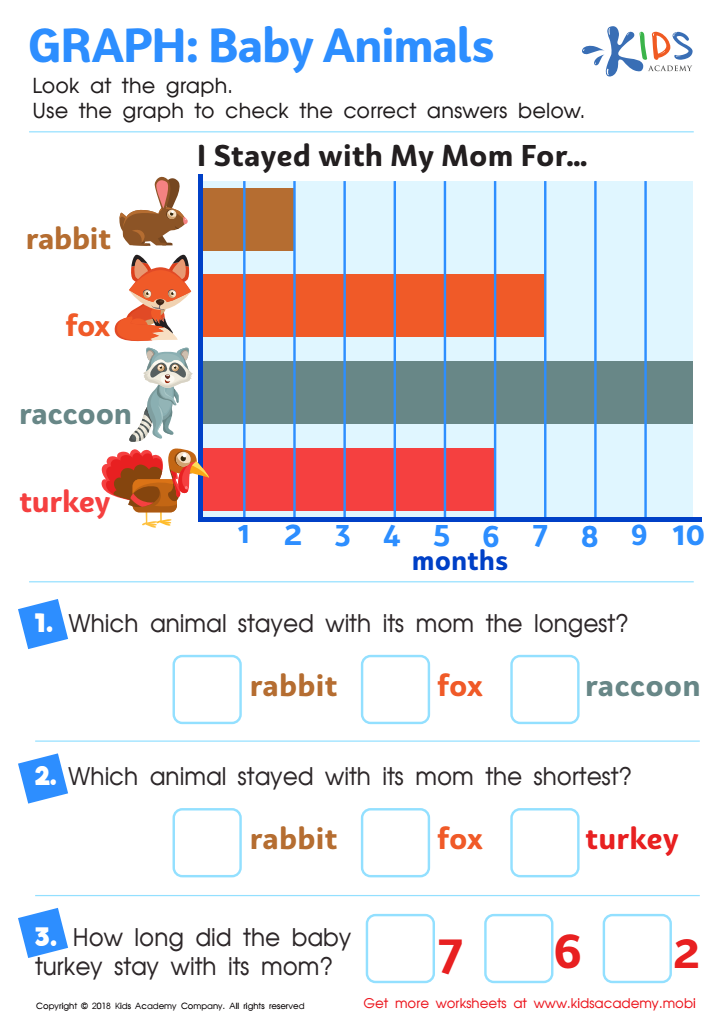
Graph: Baby Animals Worksheet
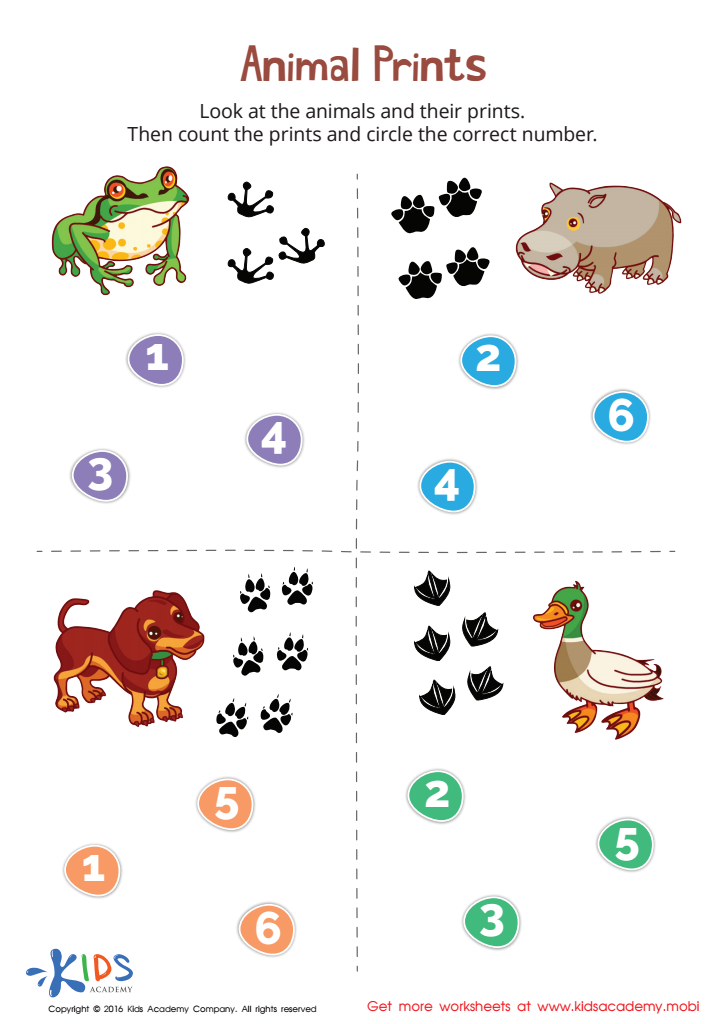
Animal Prints Match-Up Worksheet
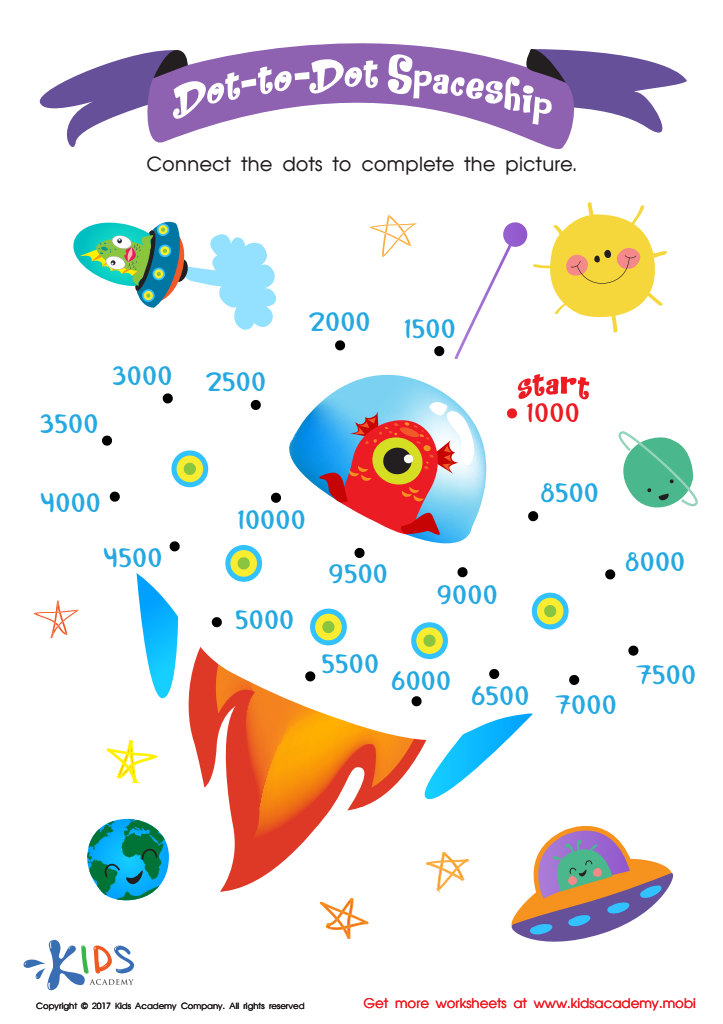
Dot to Dot Worksheet for 3rd Grade
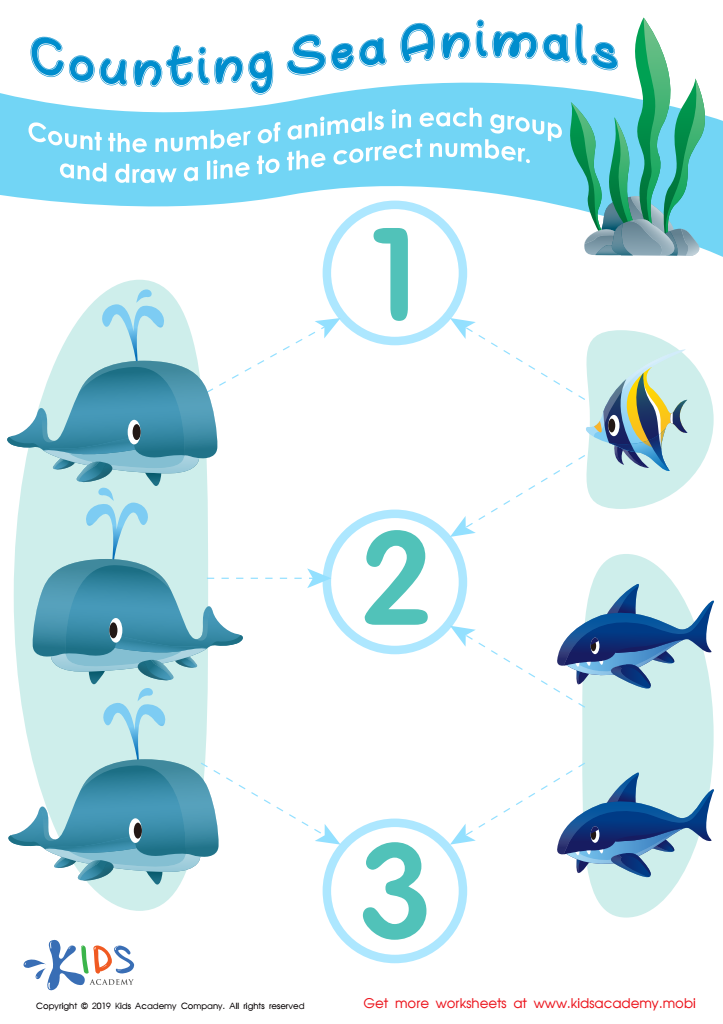
Counting Sea Animals Worksheet
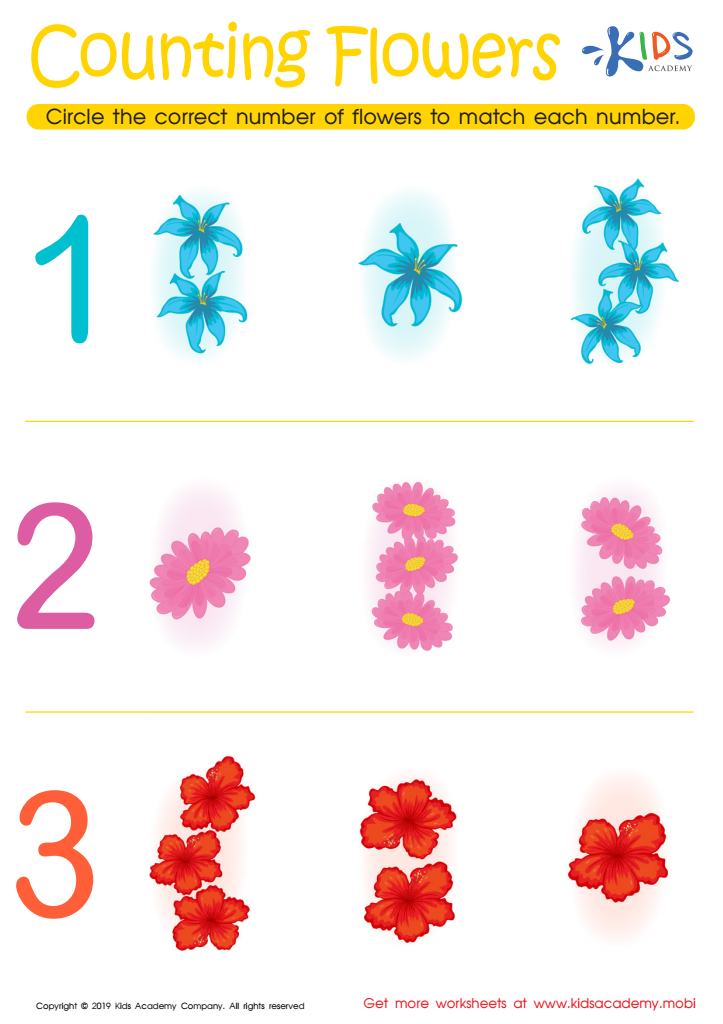
Counting Flowers Worksheet
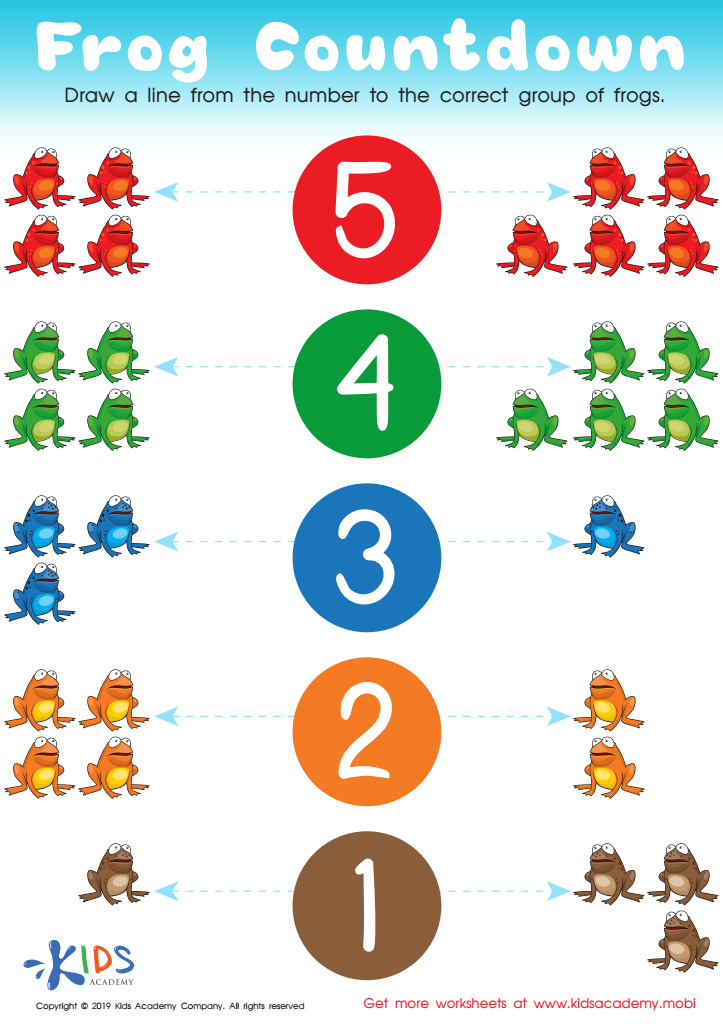
Frog Countdown Worksheet
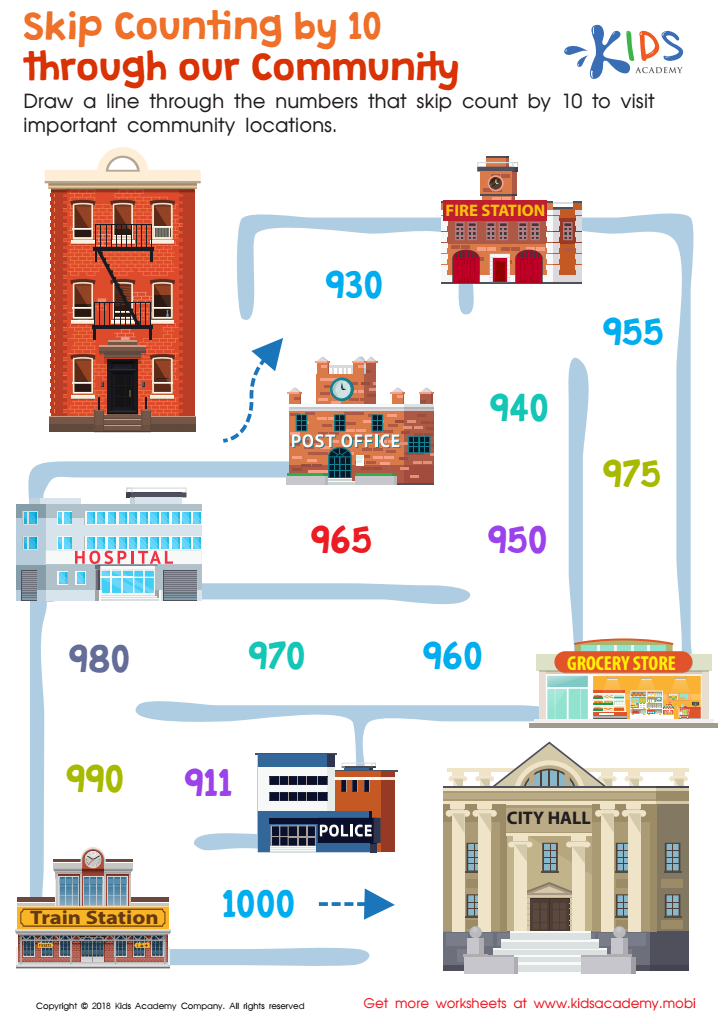
Skip Counting by 10 Through Our Community Worksheet
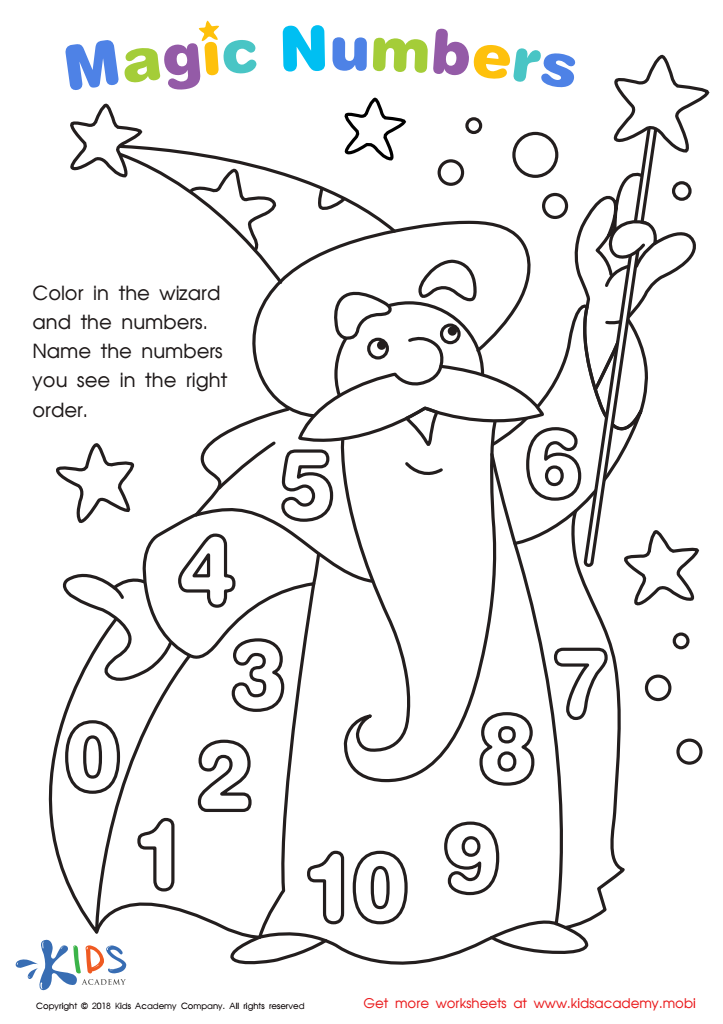
Magic Numbers Worksheet
 Assign to My Students
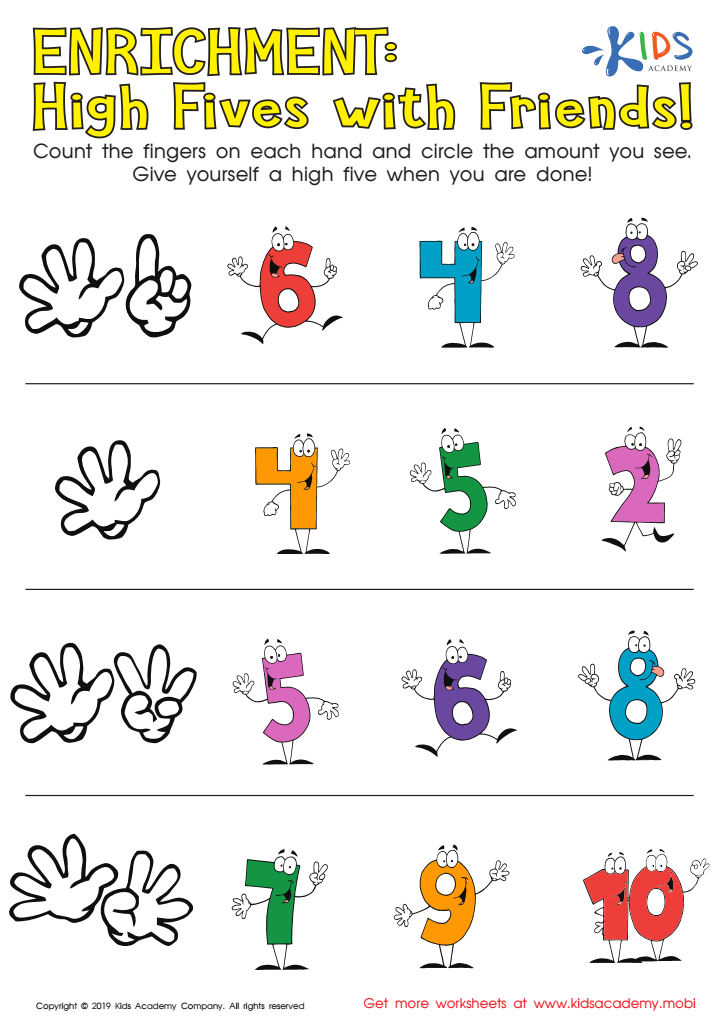
Enrichment: High Fives with Friends! Worksheet
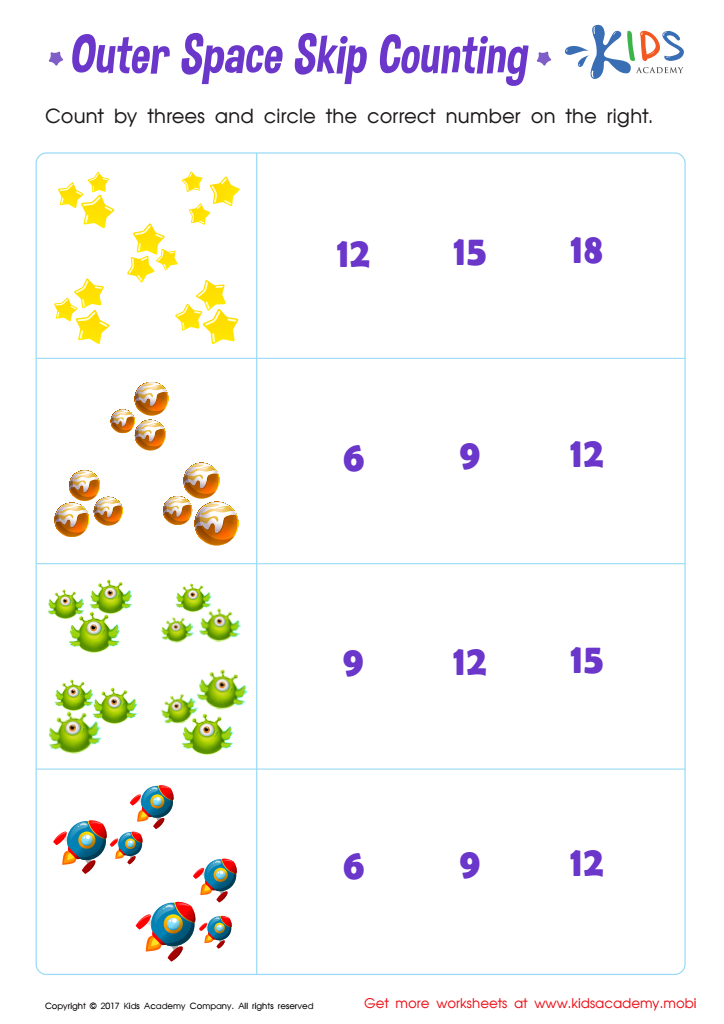
Skip Counting by 3s: Outer Space Skip Counting Printable
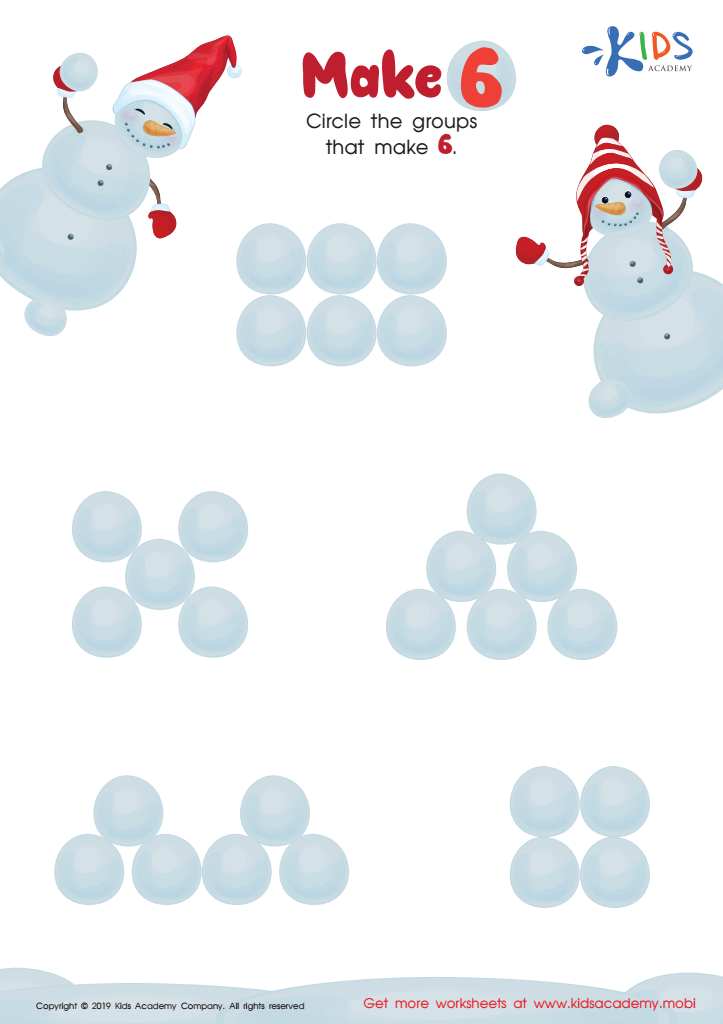
Make 6 Worksheet
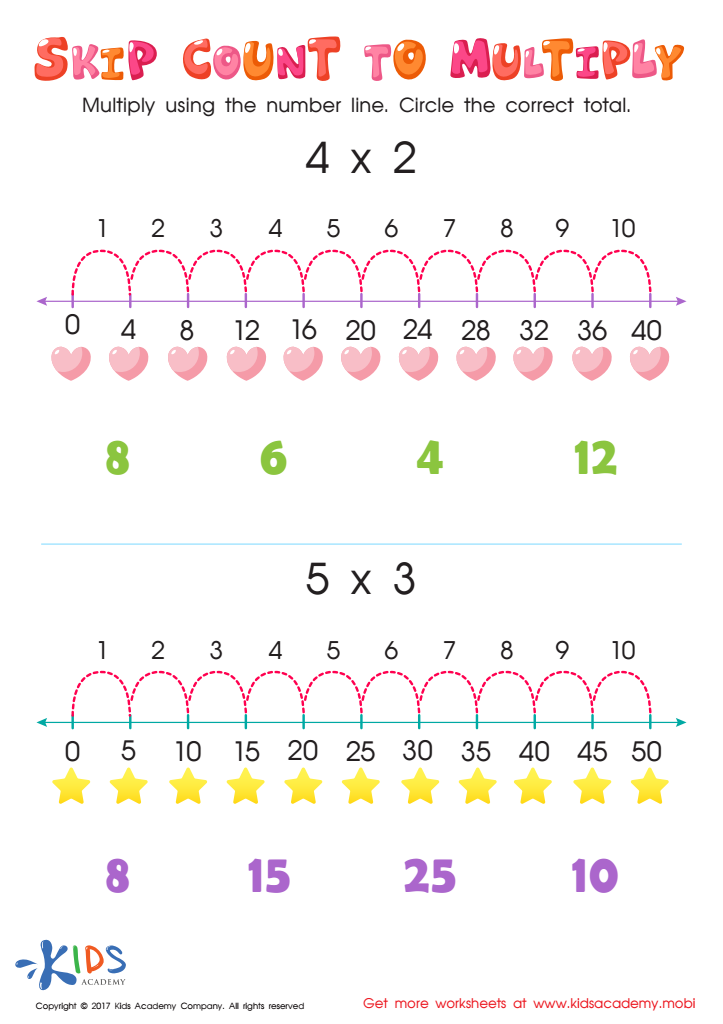
Skip Count Multiplication Worksheet
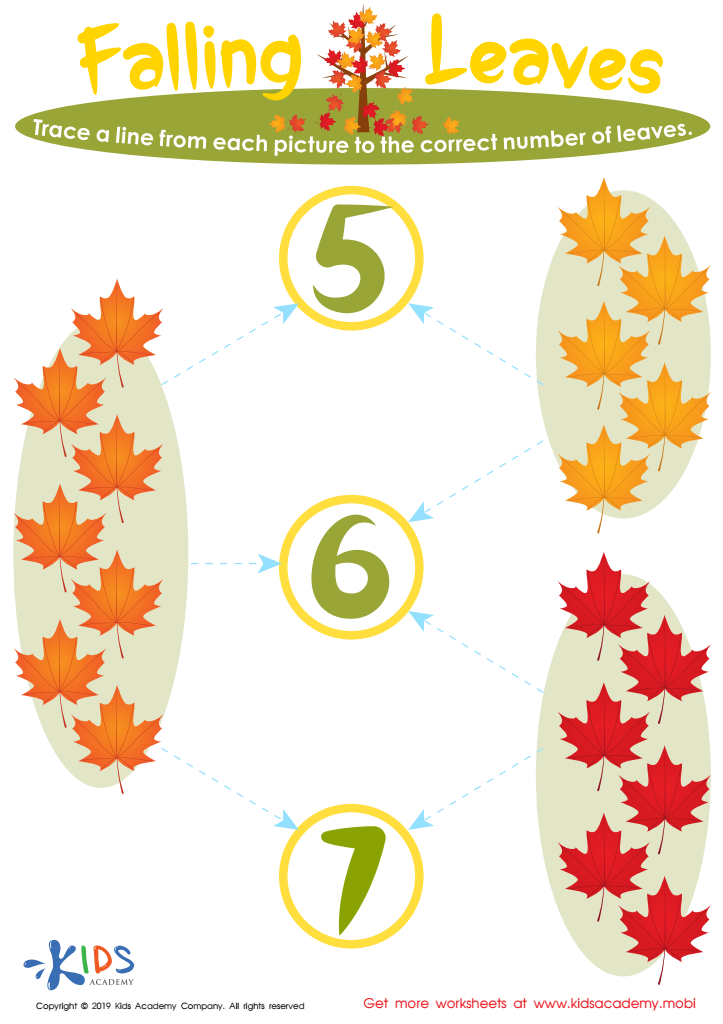
Falling Leaves Worksheet
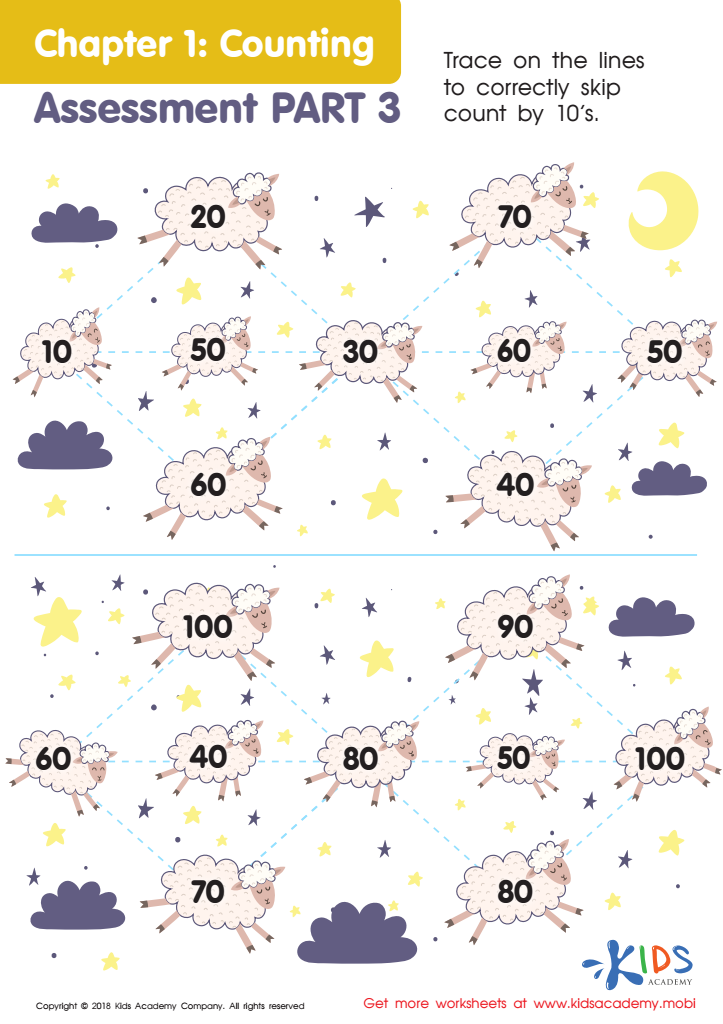
Counting: Assessment 3 Worksheet
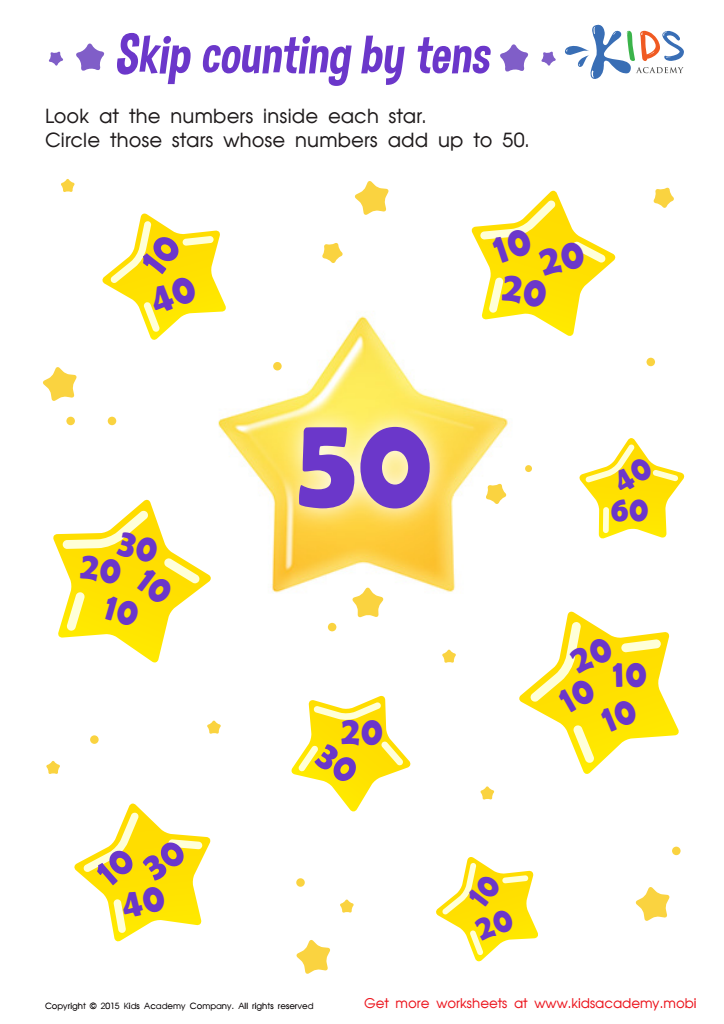
Learn Dozens: Skip Counting by Tens Printable
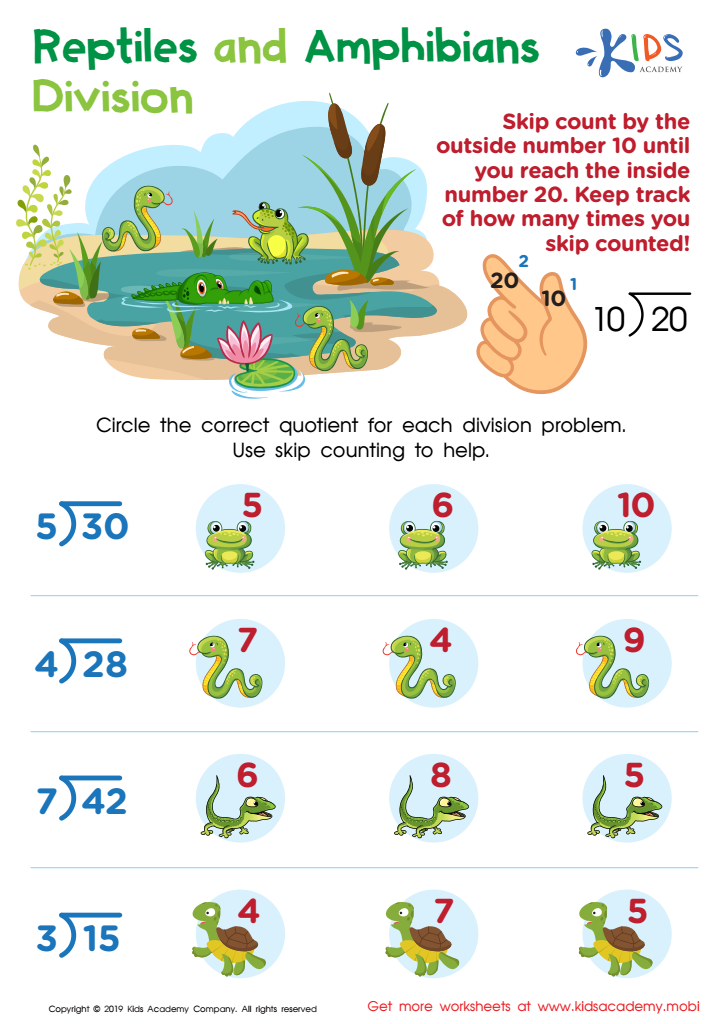
Reptile and Amphibians Division Worksheet
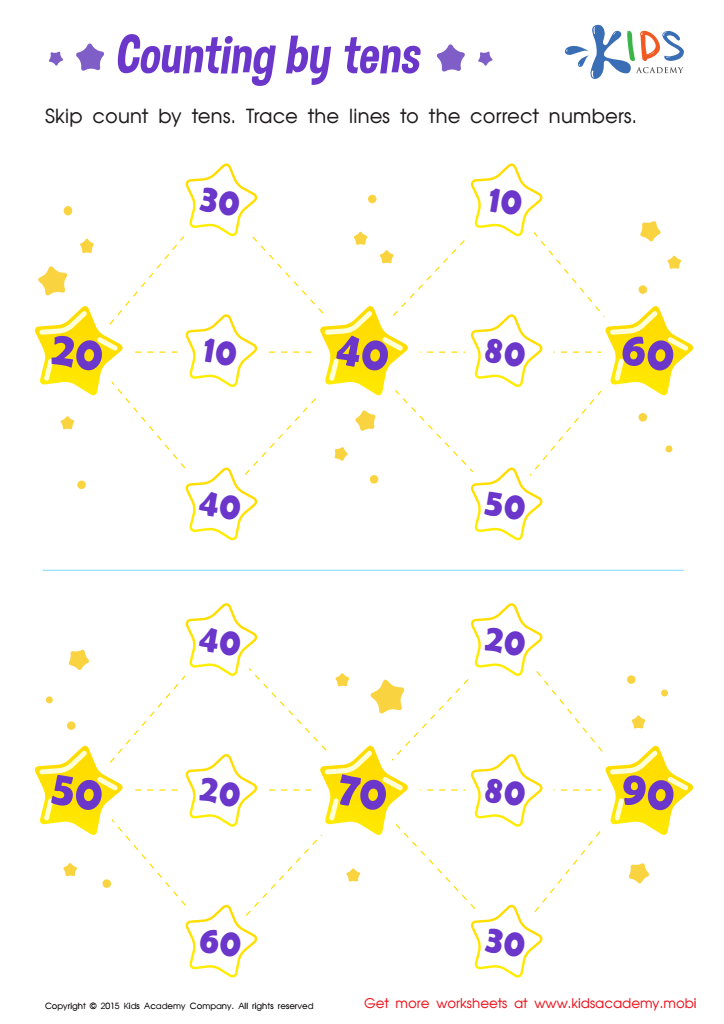
Learn Dozens: Counting by Tens Printable
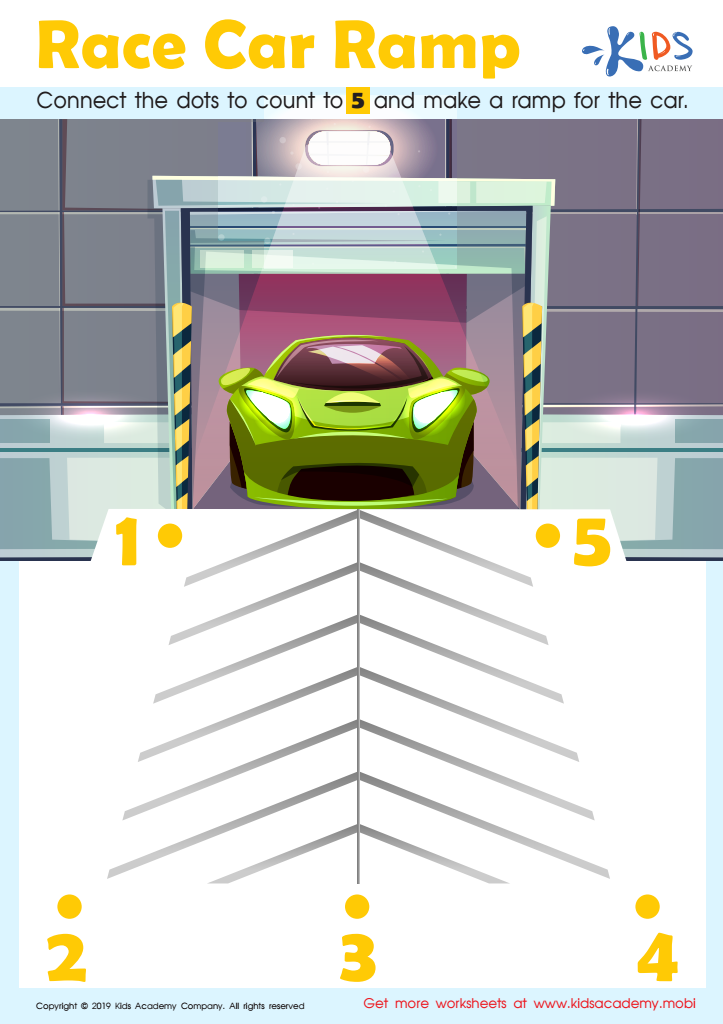
Race Car Ramp Worksheet
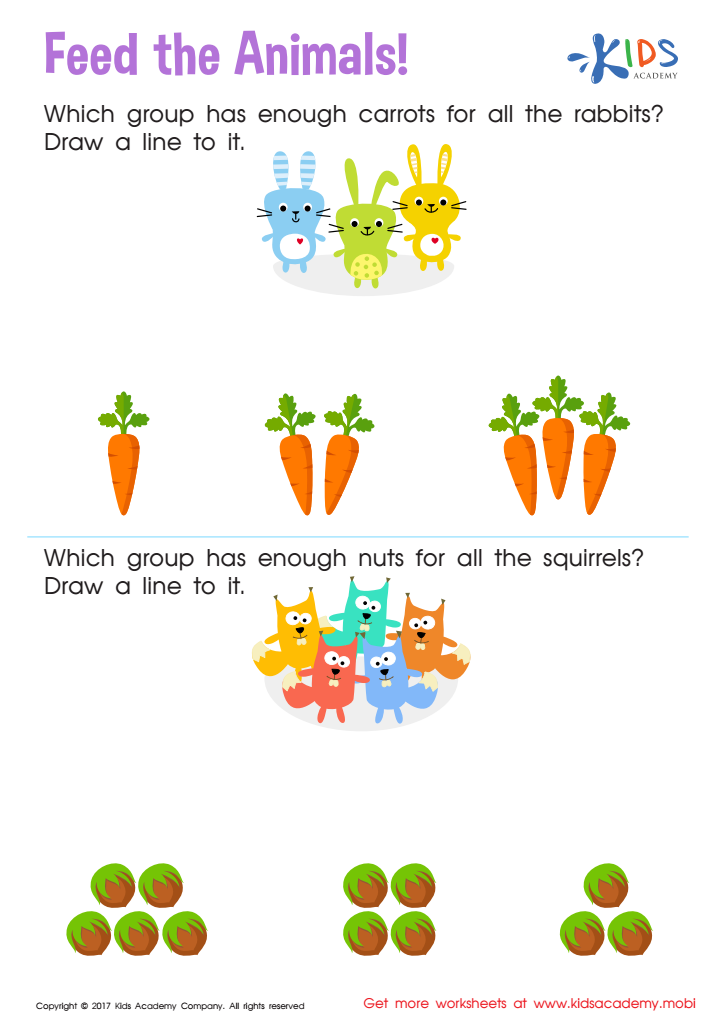
Count and Match: Feed the Animals Worksheet
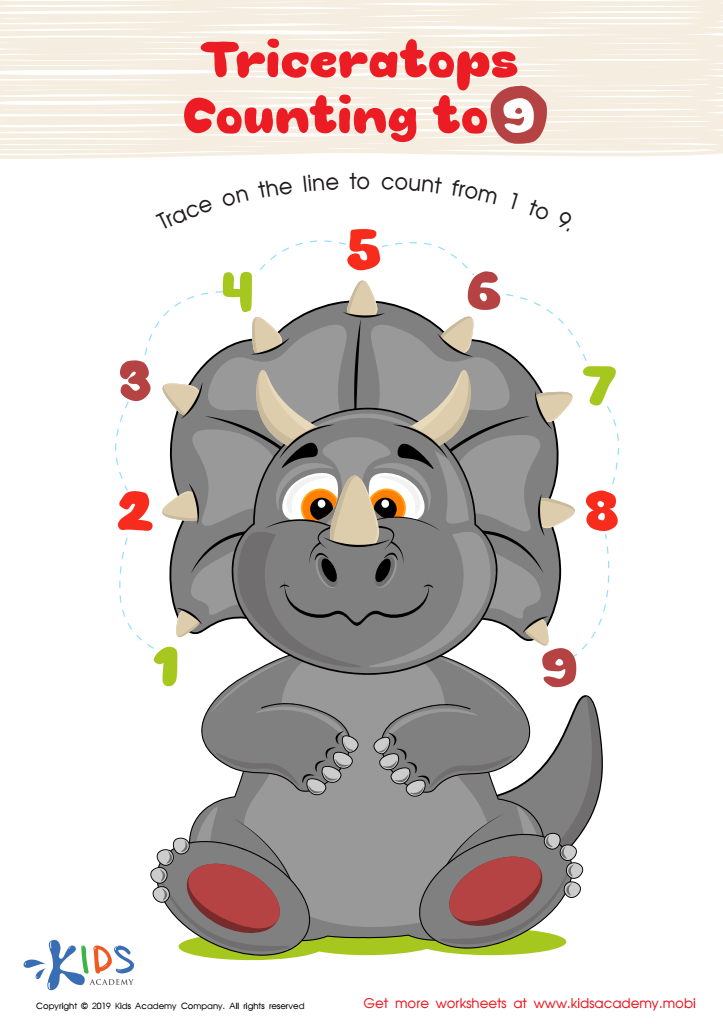
Triceratops Counting to 9 Worksheet
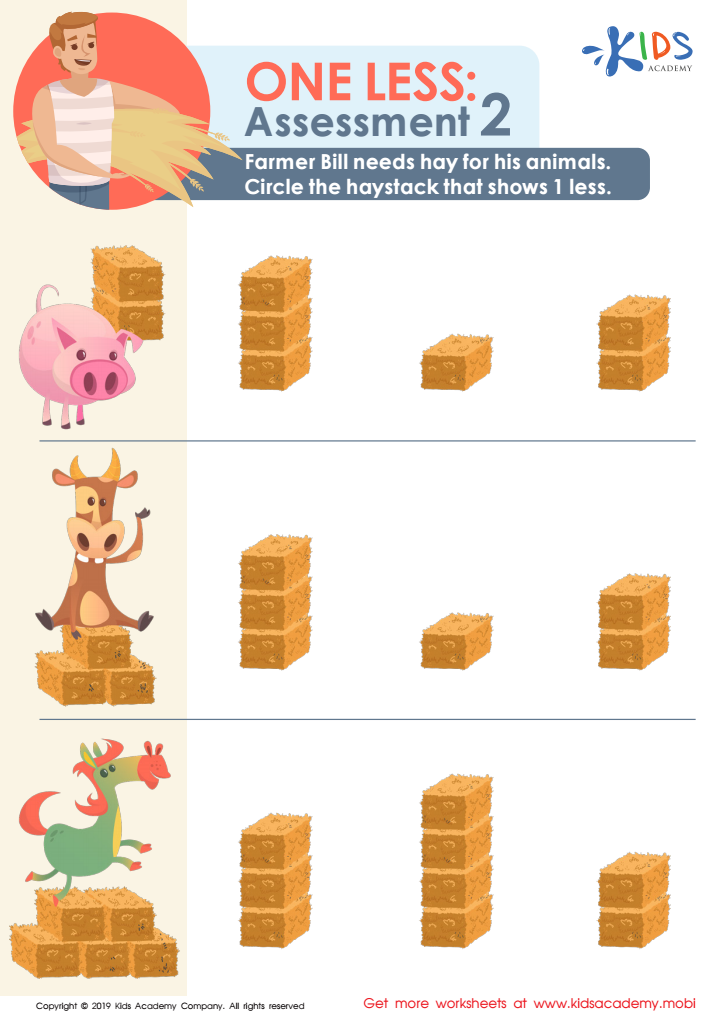
One Less: Assessment 2 Worksheet








Counting is a foundational skill that plays a crucial role in a child's overall cognitive development, particularly for those ages 5-9. During these early years, children are not only learning to recognize numbers but also developing critical thinking and problem-solving abilities. Understanding counting helps children grasp more complex mathematical concepts like addition, subtraction, and eventually multiplication and division.
From a social perspective, counting fosters collaboration and communication. Group activities that involve counting, such as sharing and taking turns, teach young children the importance of teamwork and social interaction. When parents and teachers encourage counting, they create a rich educational environment that emphasizes curiosity and exploration.
Additionally, counting helps children make sense of the world around them. Whether it's counting fruit during snack time or understanding the concept of "more than" and "less than" with toys, these practical applications of counting enhance their life skills. Moreover, proficiency in counting influences academic success in later years, leading to greater confidence in math. By prioritizing counting in a child's early education, parents and teachers provide a strong foundation for future learning and help cultivate a positive attitude toward mathematics. This investment prepares children for greater challenges and opportunities as they grow.








