Science Worksheets for Ages 5-9 - Page 12
400 filtered results
-
From - To
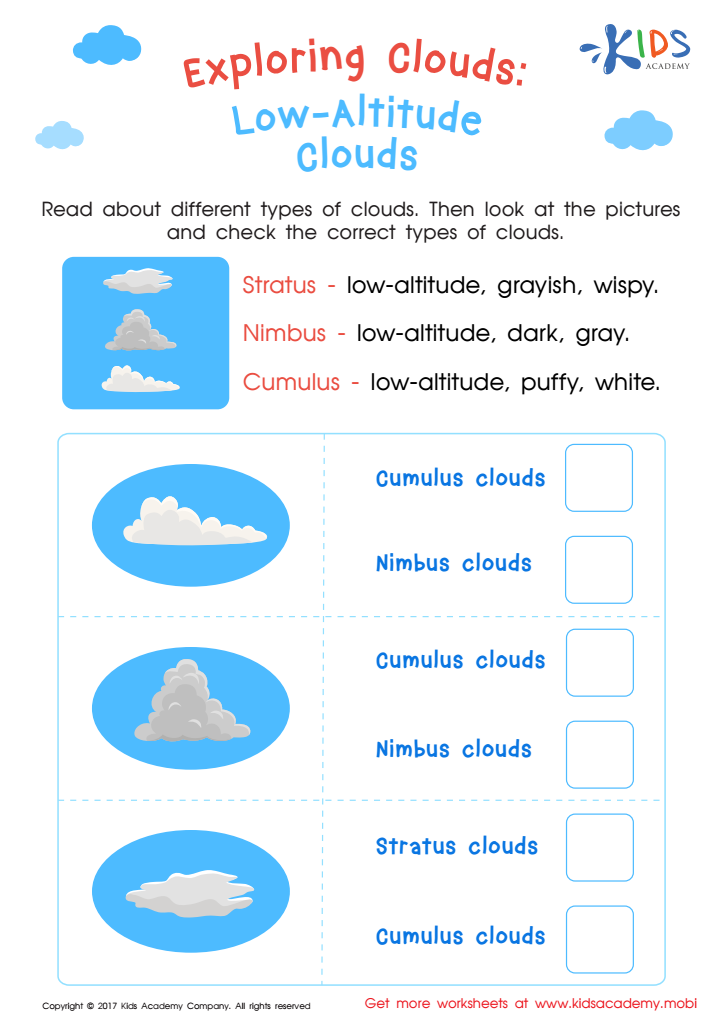
Exploring Clouds: Low Altitude Clouds Printable
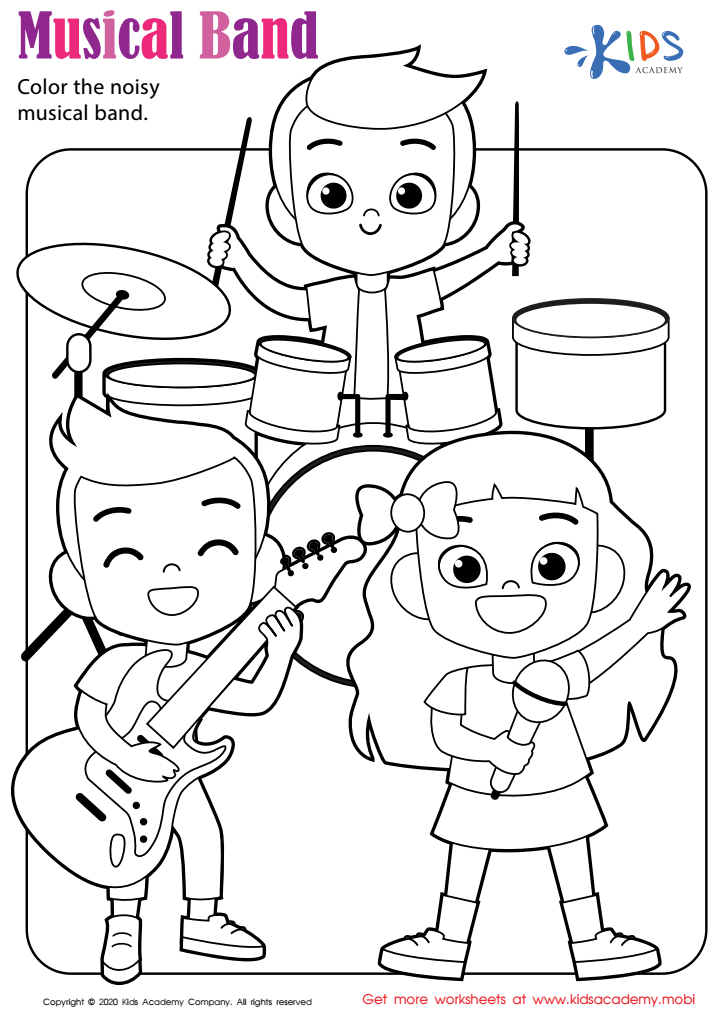
Musical Band Worksheet
 Assign to My Students
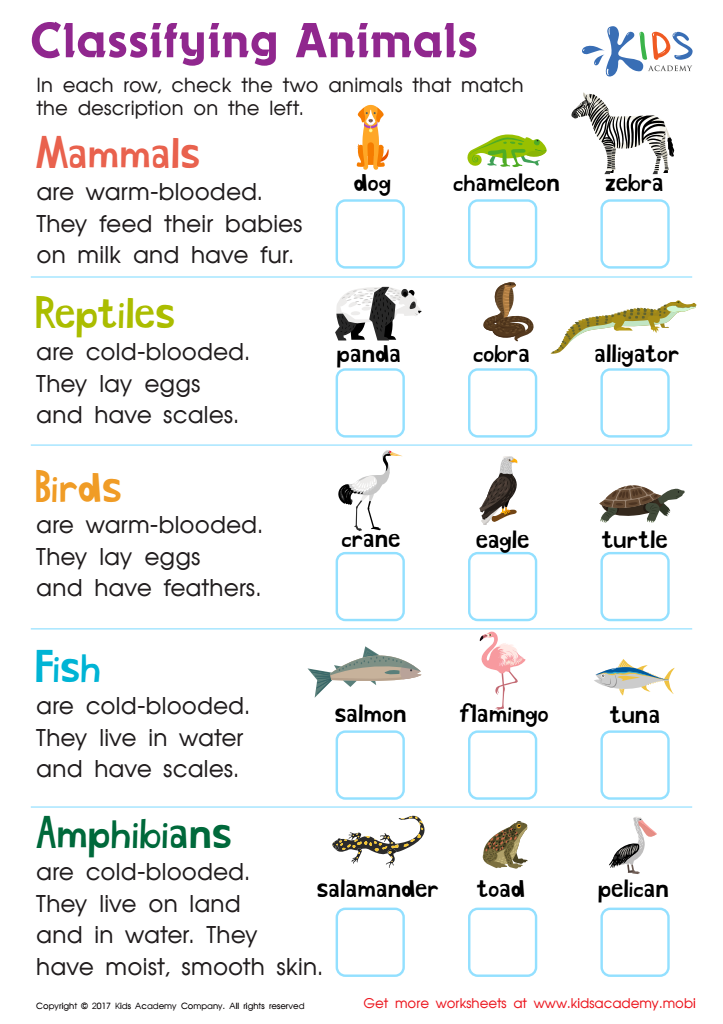
Classifying Animals Worksheet
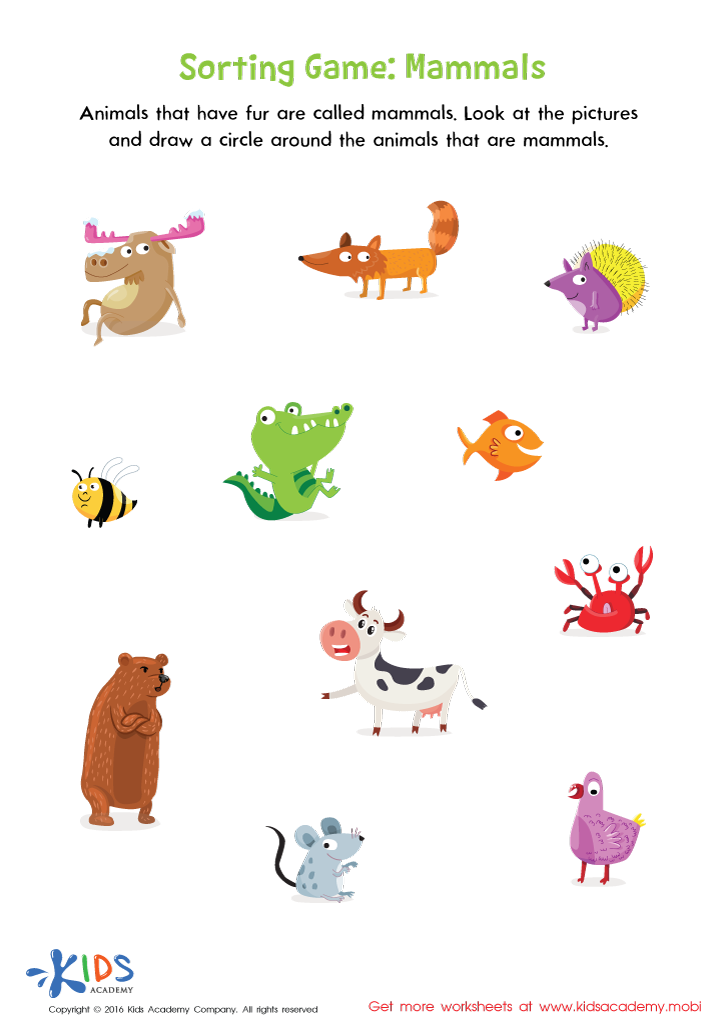
Mammals Sorting Worksheet
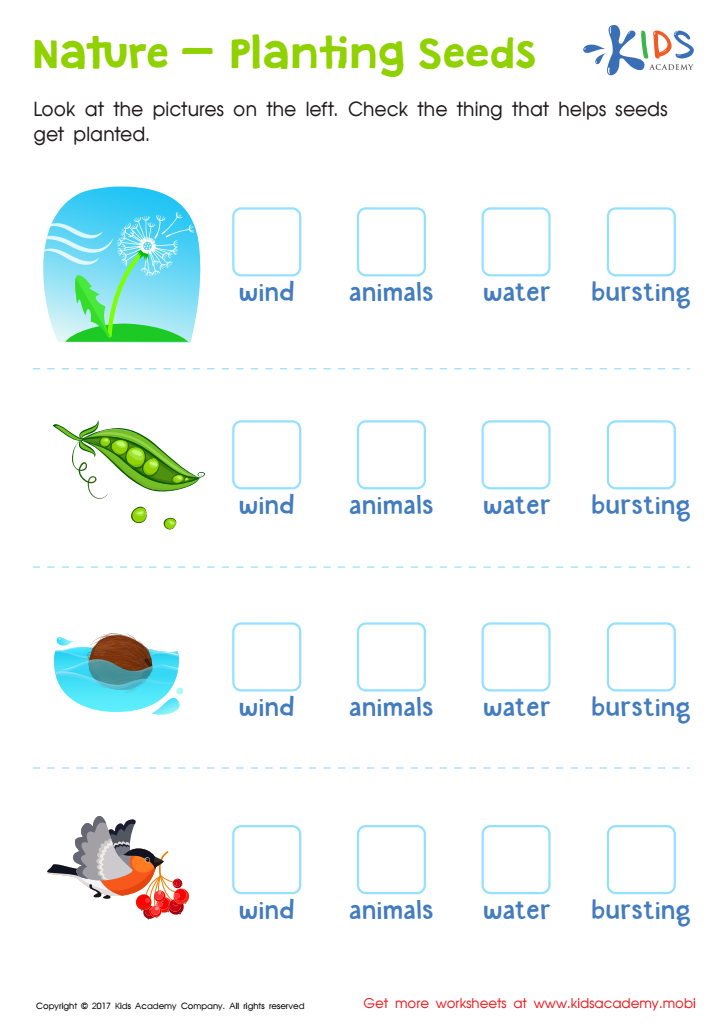
Nature Planting Seeds Worksheet
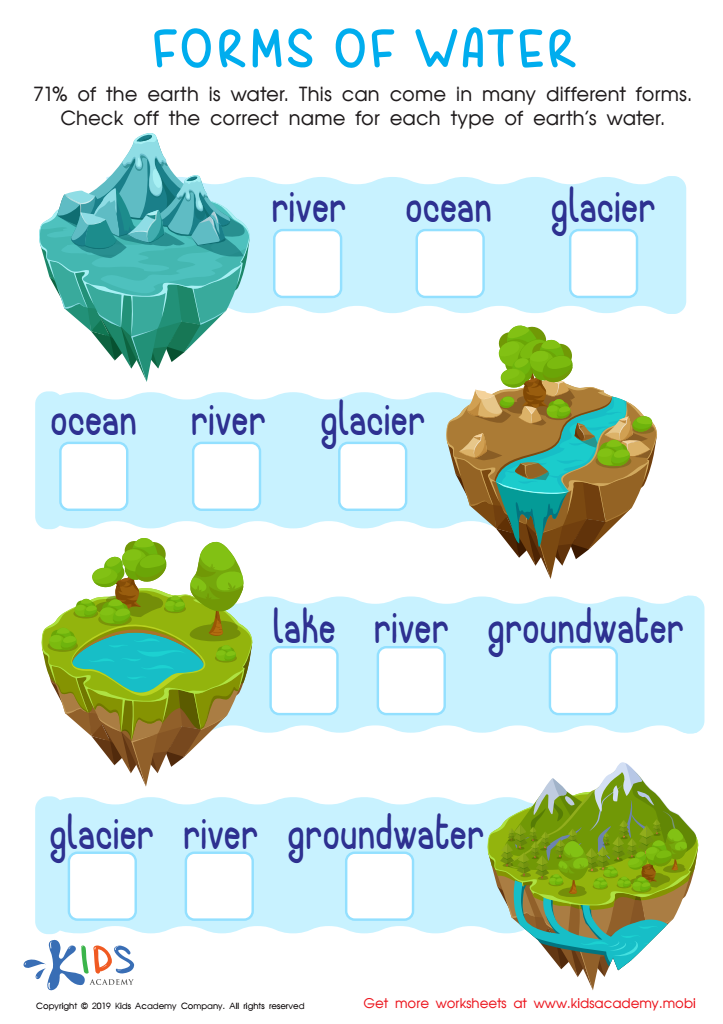
Forms of Water Worksheet
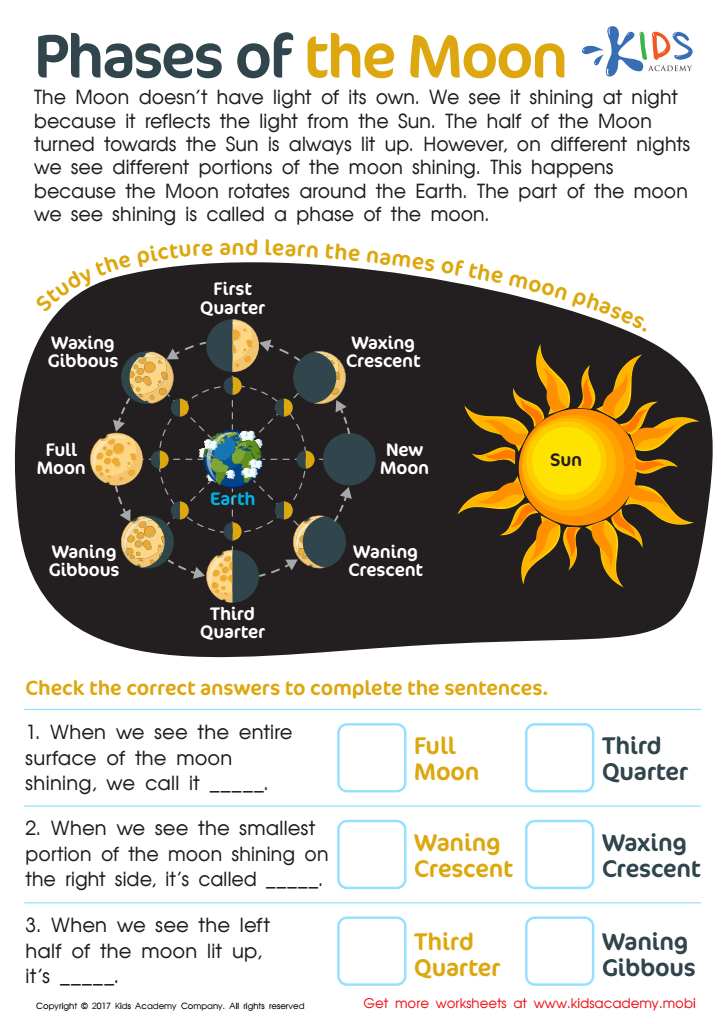
Phases of The Moon Worksheet
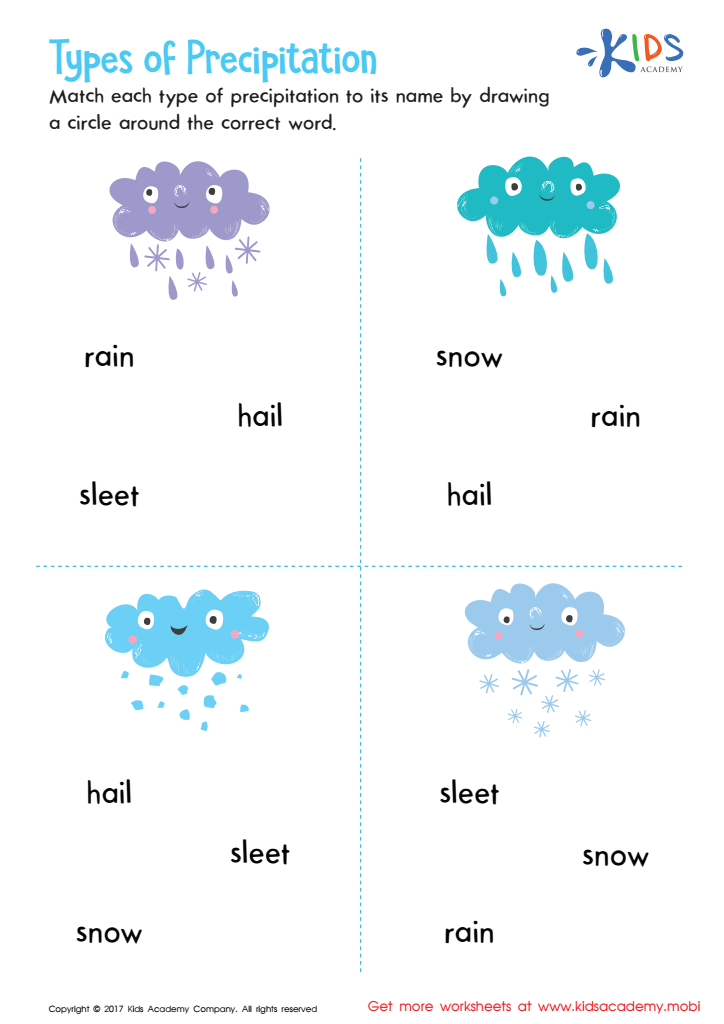
Types of Precipitation Printable
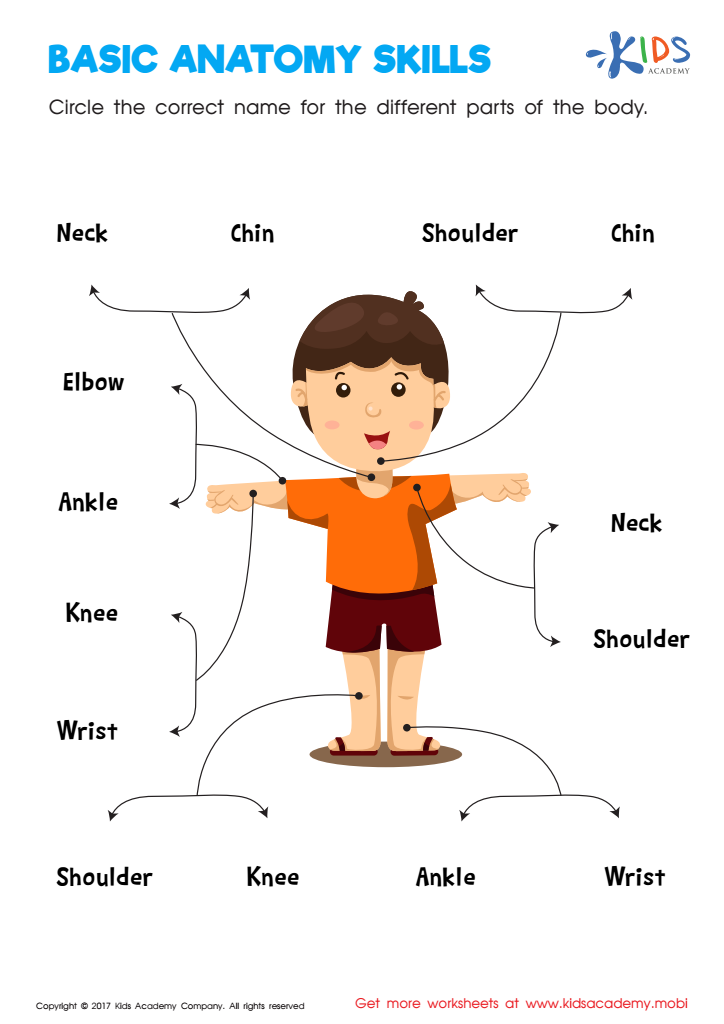
Basic Anatomy Skills Printable
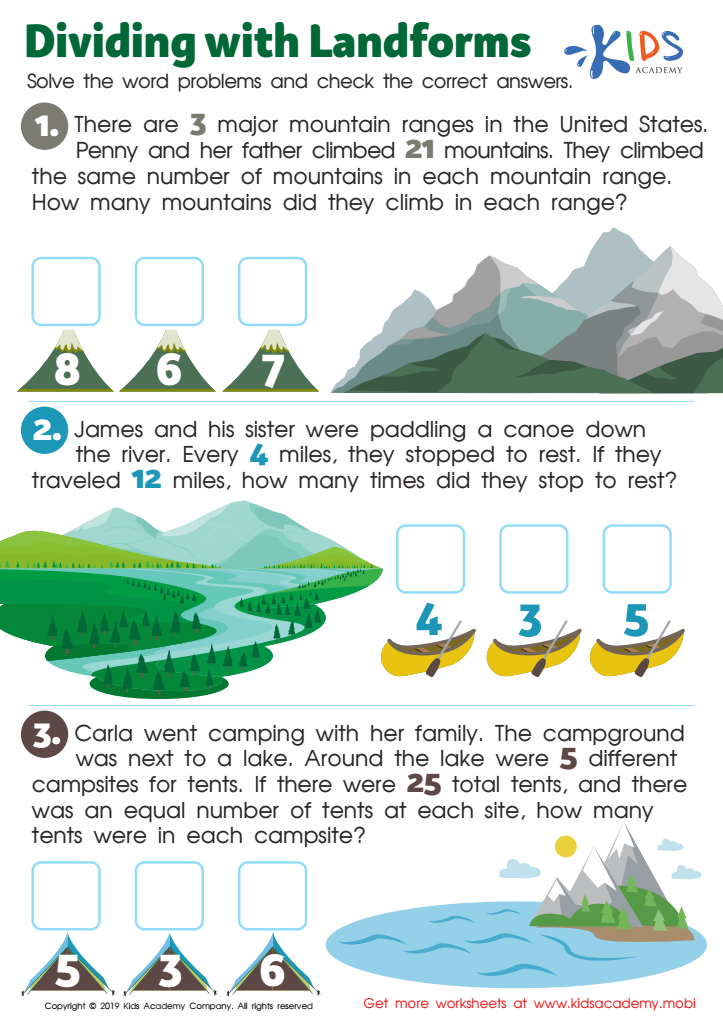
Dividing with Landforms
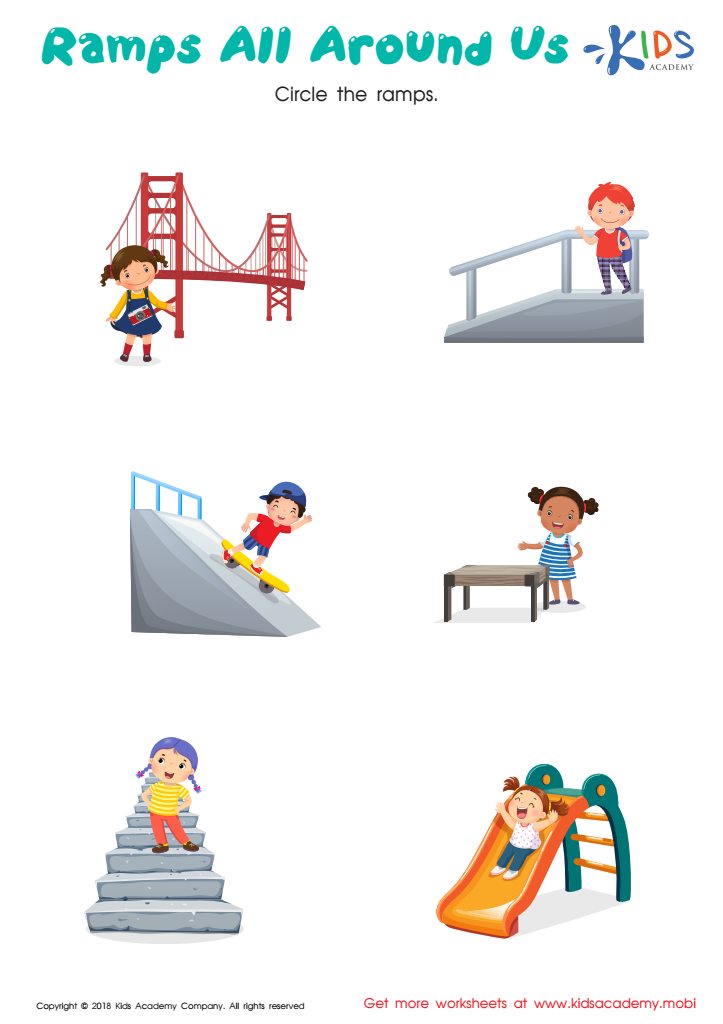
Ramps All Around us Worksheet
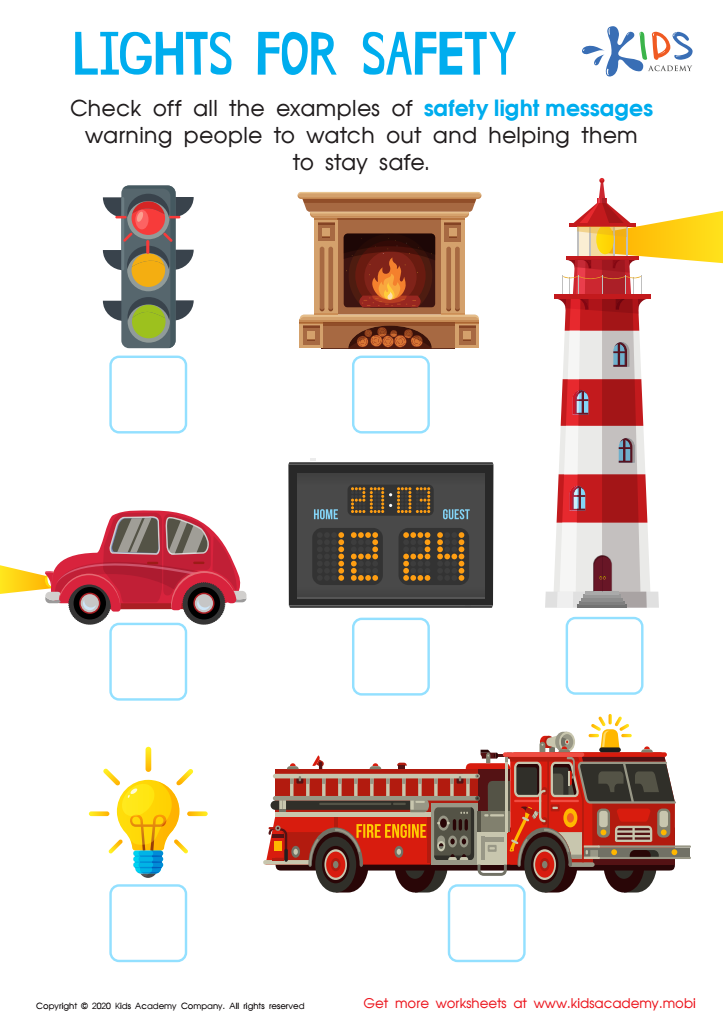
Lights for Safety Worksheet
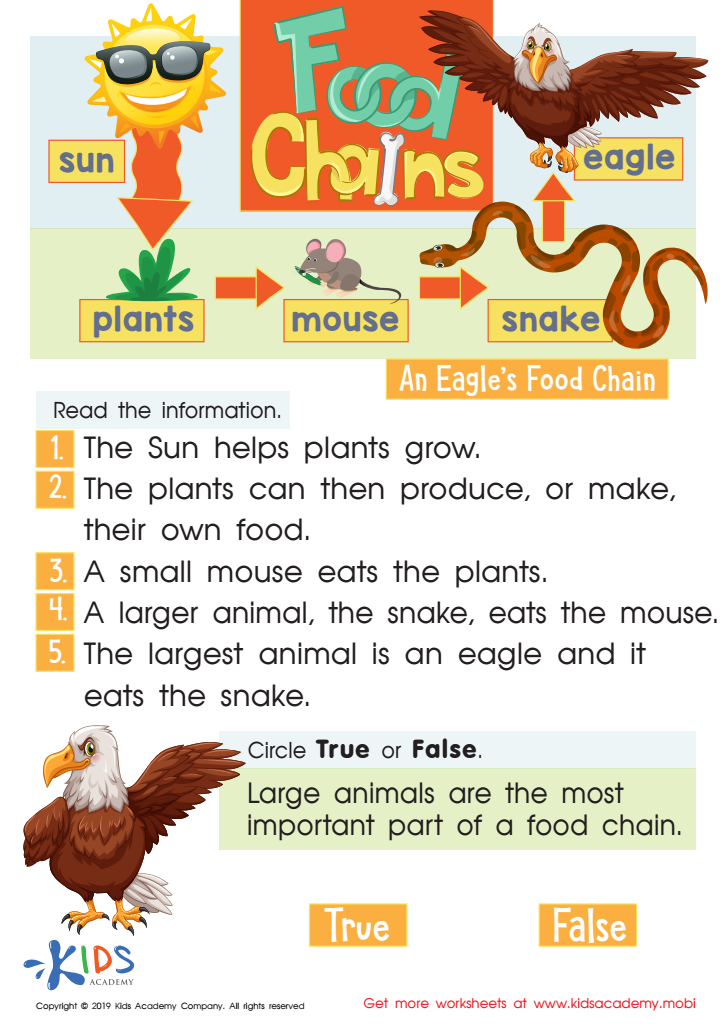
Food Chains Worksheet
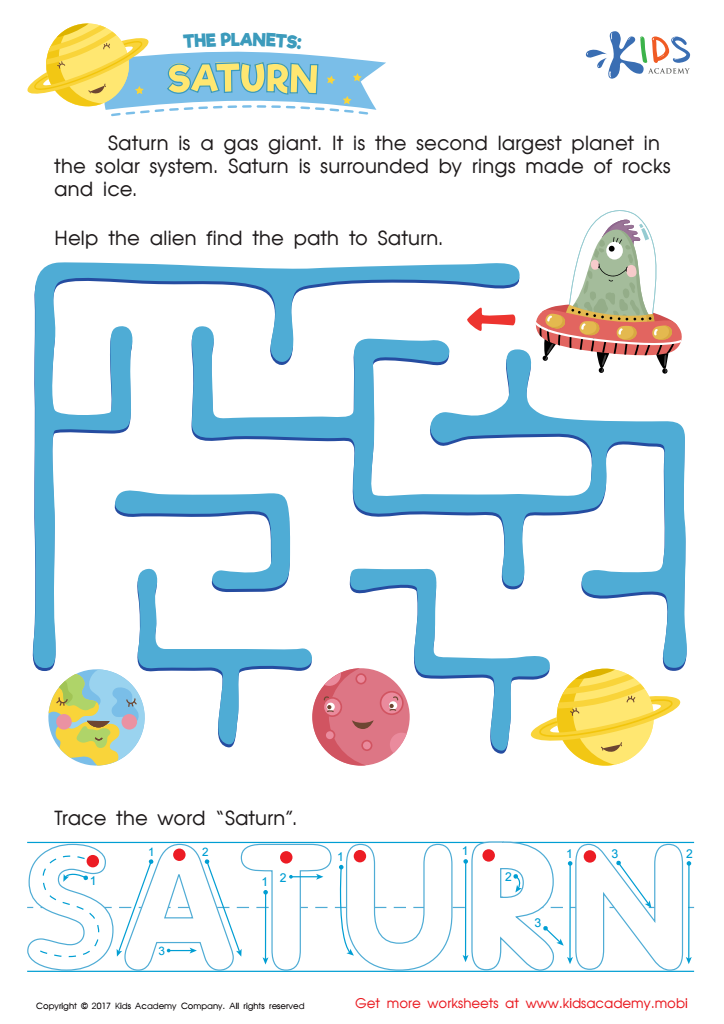
The Planets: Saturn Printable
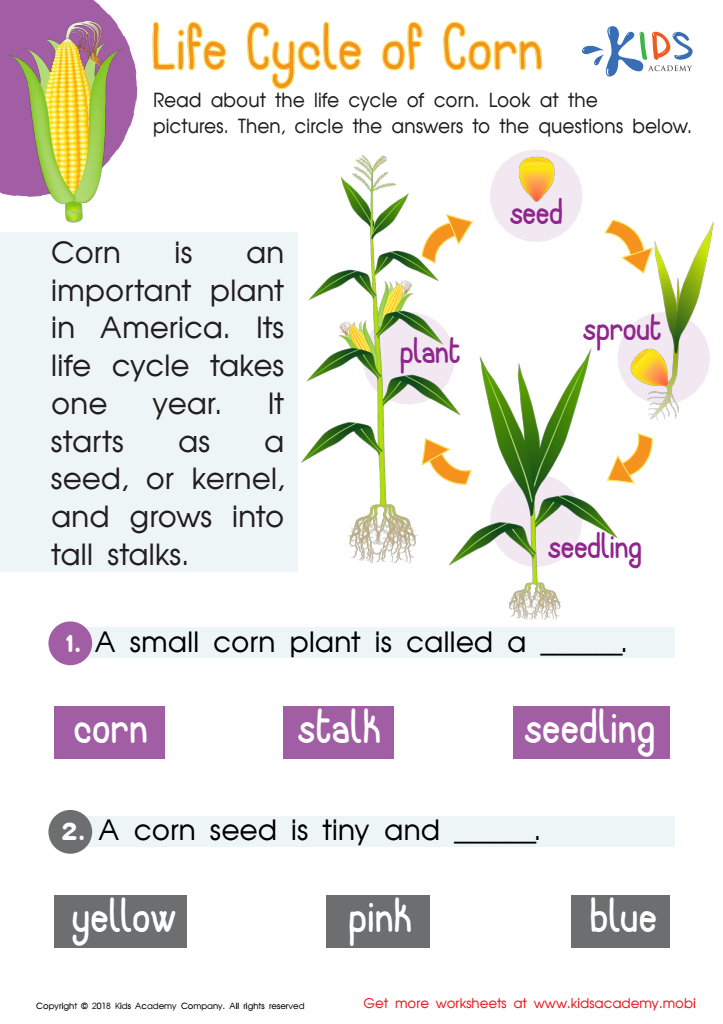
Life Cycle of Corn Worksheet
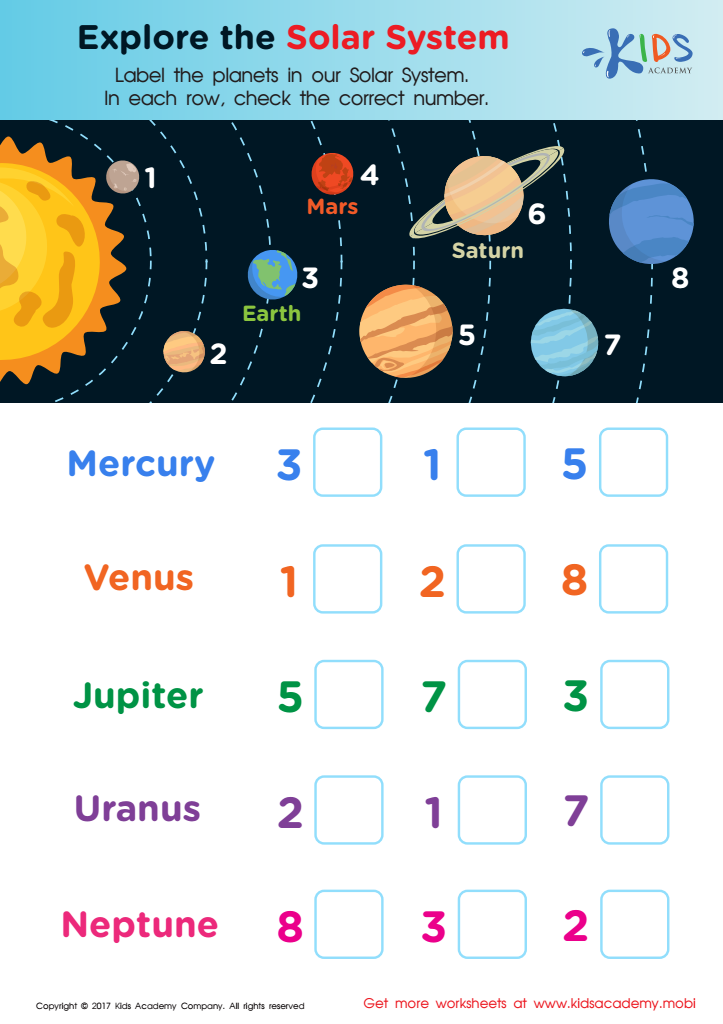
Solar System Planets Worksheet
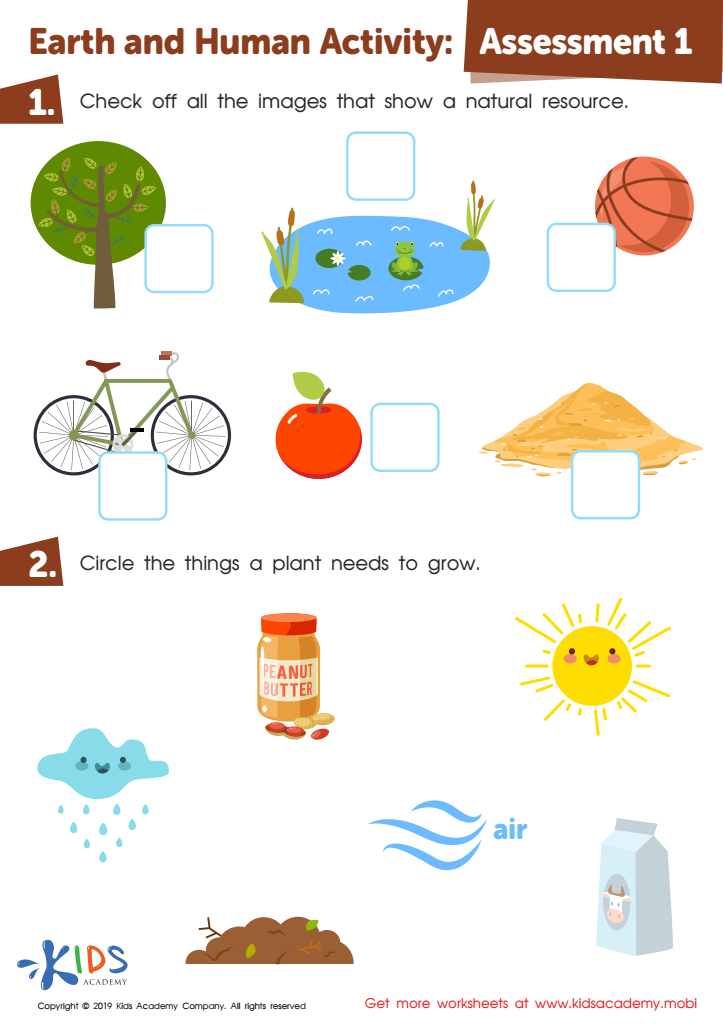
Earth and Human Activity: Assessment 1 Worksheet
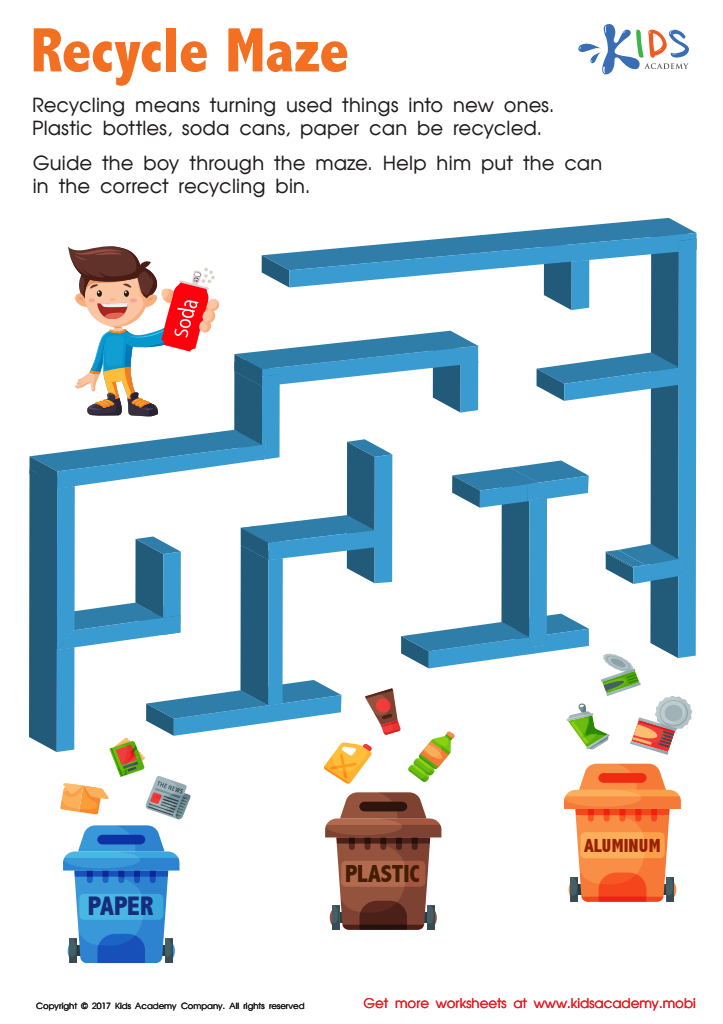
Recycle Maze Worksheet
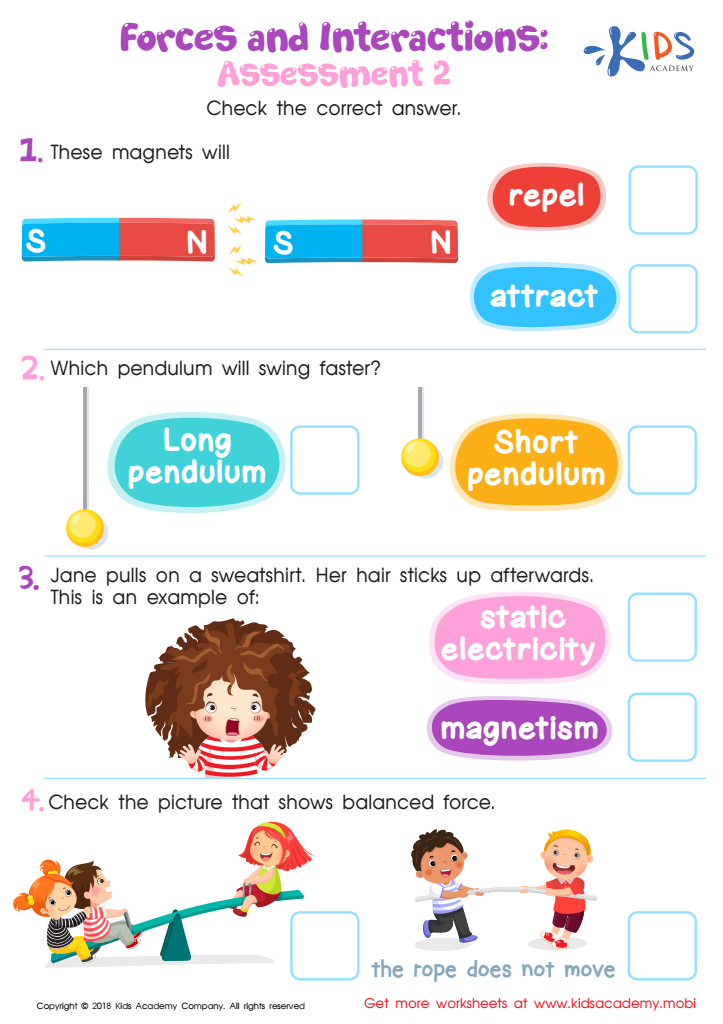
Forces and Interactions Worksheet For 3rd Grade
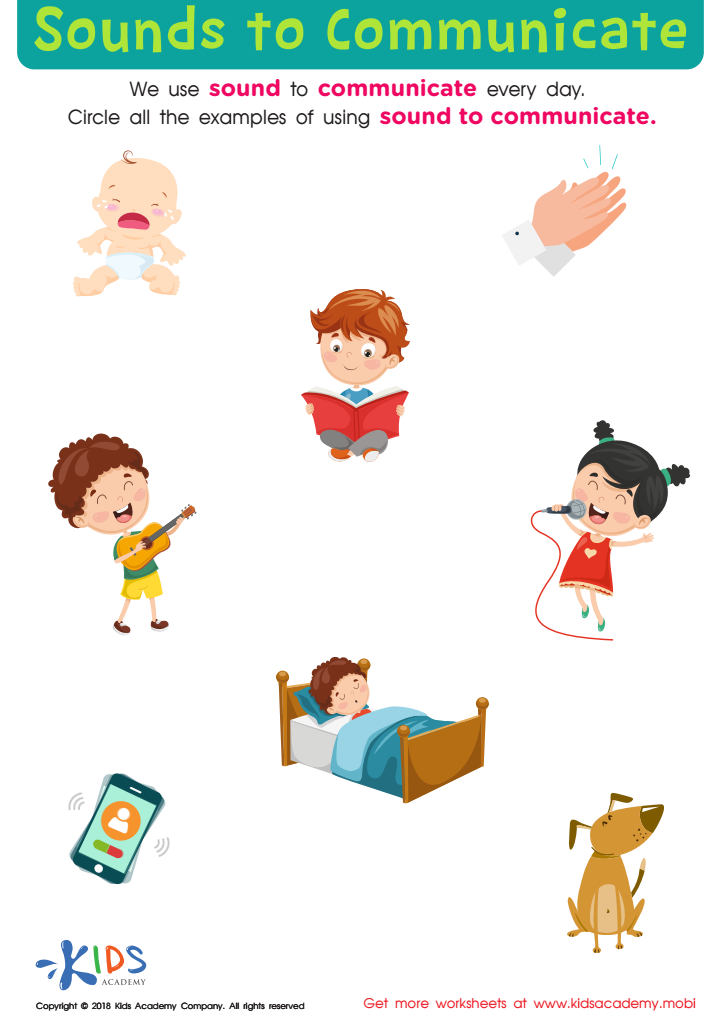
Sounds to Communicate Worksheet
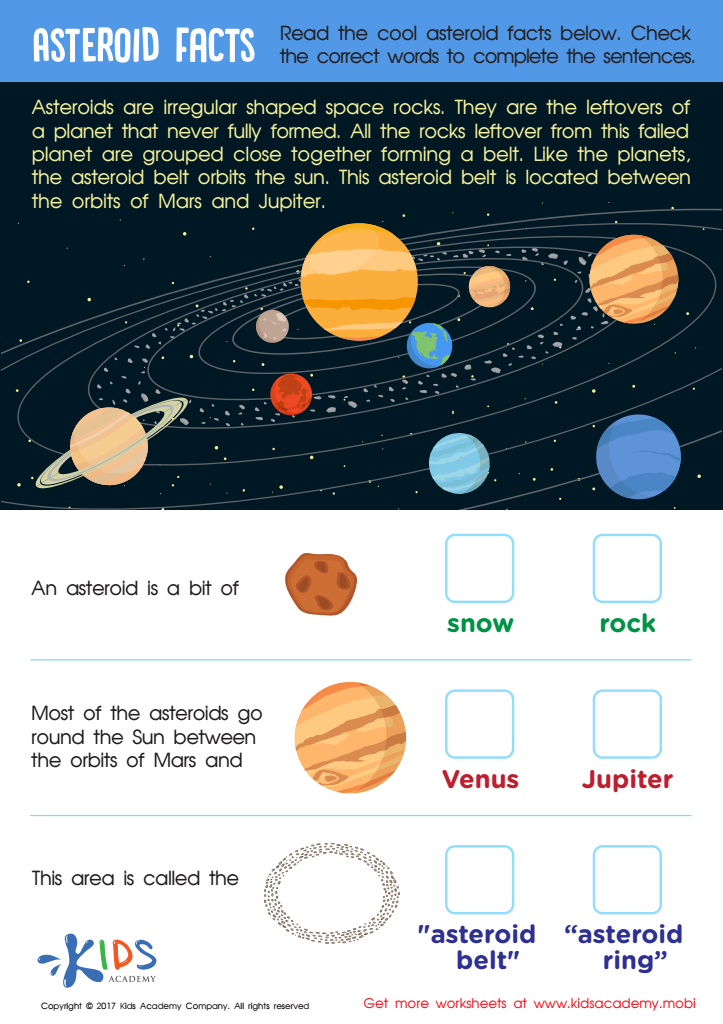
Asteroid Facts Worksheet
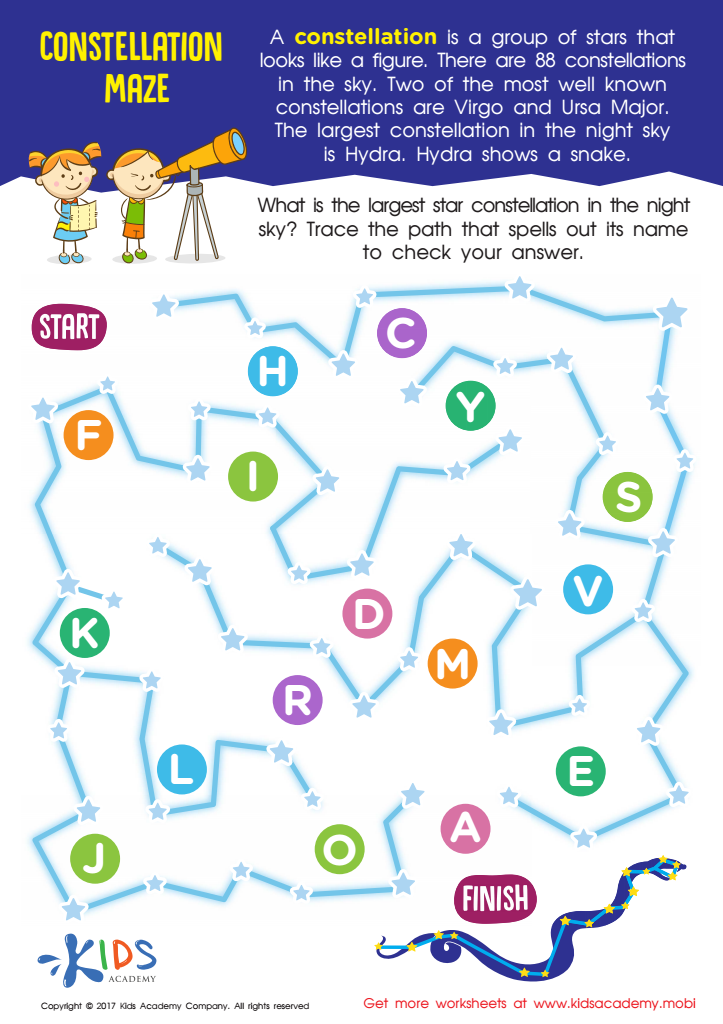
Constellations Worksheet
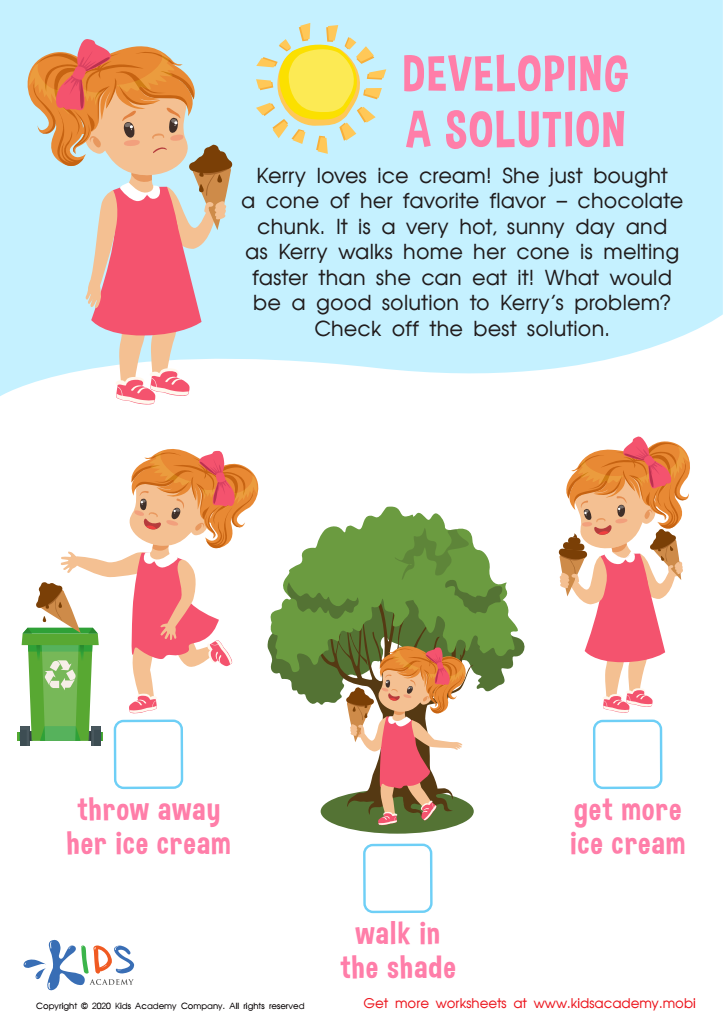
Developing Solution Worksheet
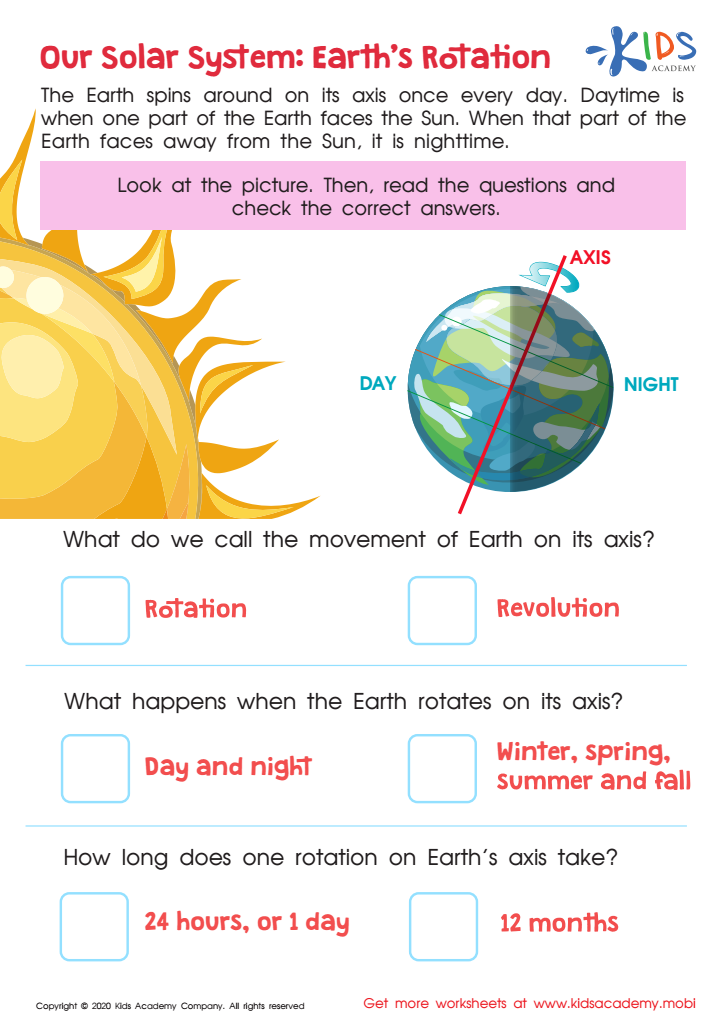
Our Solar System: Earth's Rotation Printable








Science education for children aged 5-9 is crucial for various reasons. At this stage, children are naturally curious about the world around them, and science provides a structured way to explore and satisfy that curiosity. This foundational phase of learning not only sparks interest but also nurtures critical thinking and problem-solving skills essential for their intellectual development. Engaging with science helps young learners understand fundamental concepts such as cause and effect, observation, and experimentation, all of which enhance cognitive skills.
Furthermore, early exposure to science fosters a sense of inquiry and encourages exploration, promoting a lifelong love for learning. By integrating science with other subjects, educators and parents can present information in a meaningful context, making it relevant and enjoyable. Science also lays the groundwork for understanding essential life skills, such as responsibility for the environment and health.
In today’s rapidly evolving world, technological literacy will increasingly depend on a solid understanding of scientific principles. Supporting science education in early years empowers children to become informed citizens who can make educated choices in their lives and communities. In short, prioritizing science helps cultivate a generation of thinkers and innovators critical to addressing future challenges.







