Shape Recognition Geometry Worksheets for Ages 6-7 - Page 2
57 filtered results
-
From - To
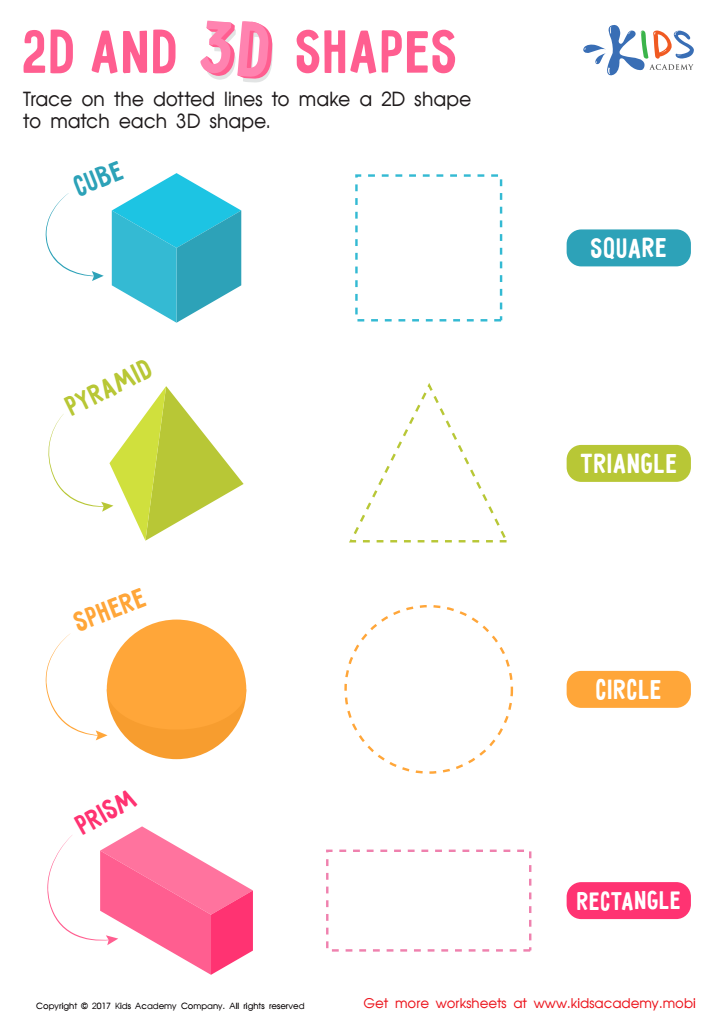
2D and 3D Shapes Worksheet











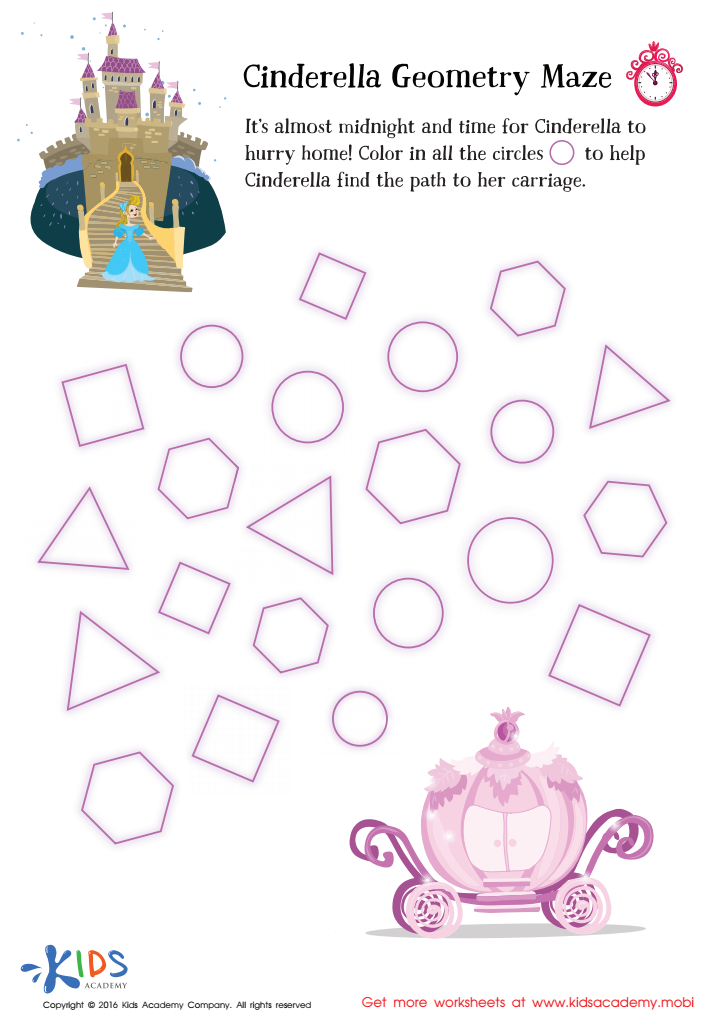
Cinderella Geometry Maze Worksheet
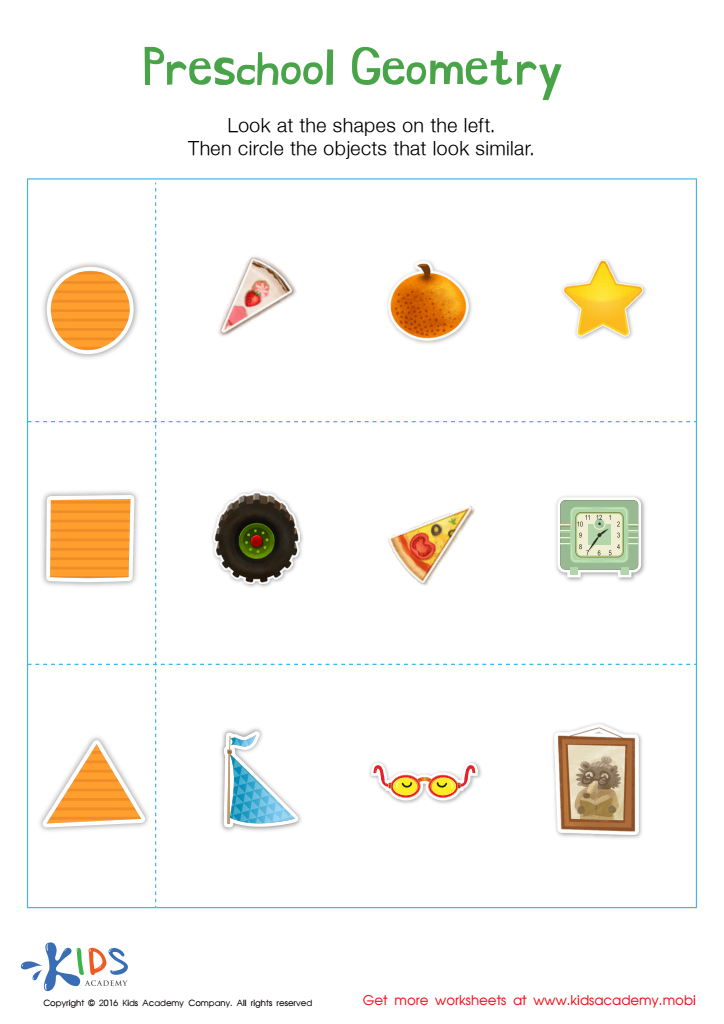
Preschool Geometry Match Up Worksheet
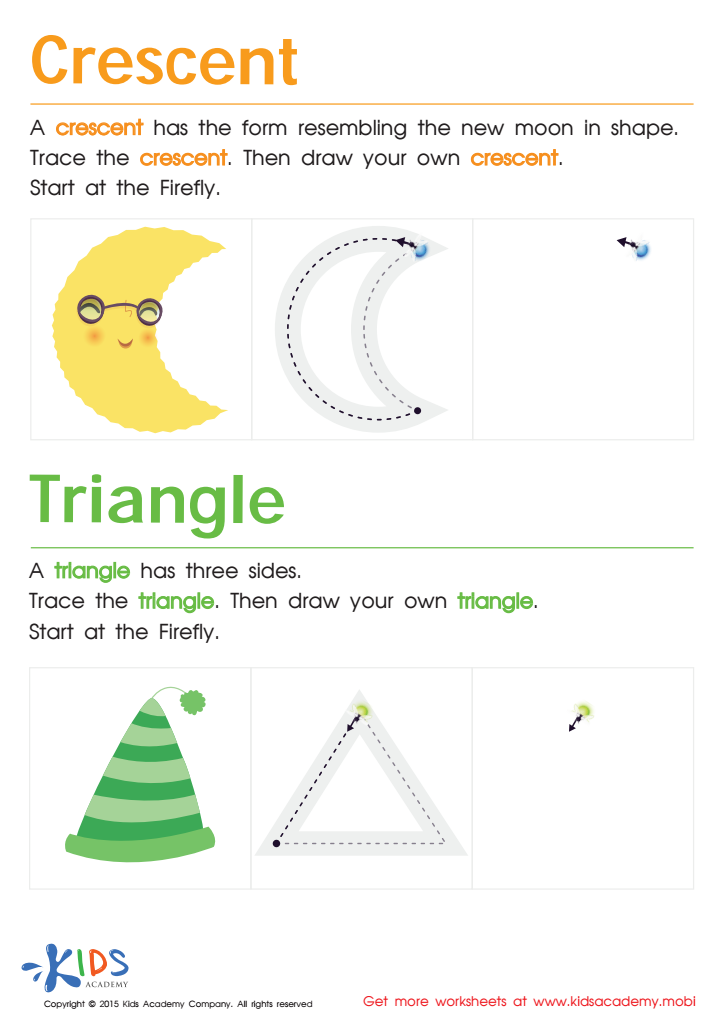
Learning to Draw Crescents And Triangles Worksheet
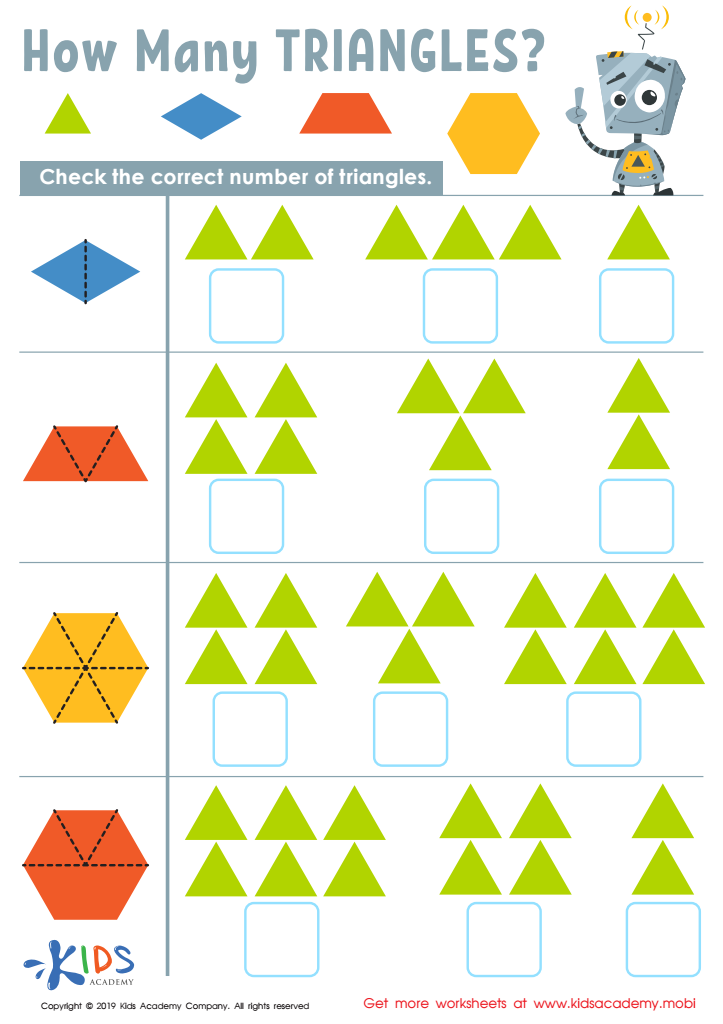
How Many Triangles Worksheet
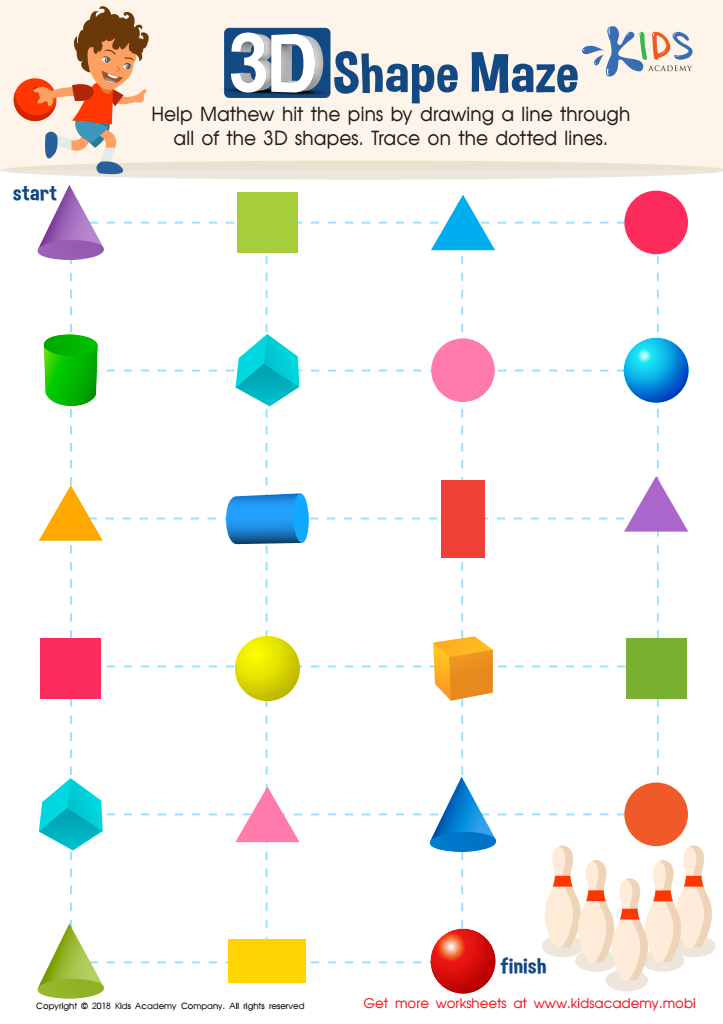
Shapes Maze Geometry Worksheet
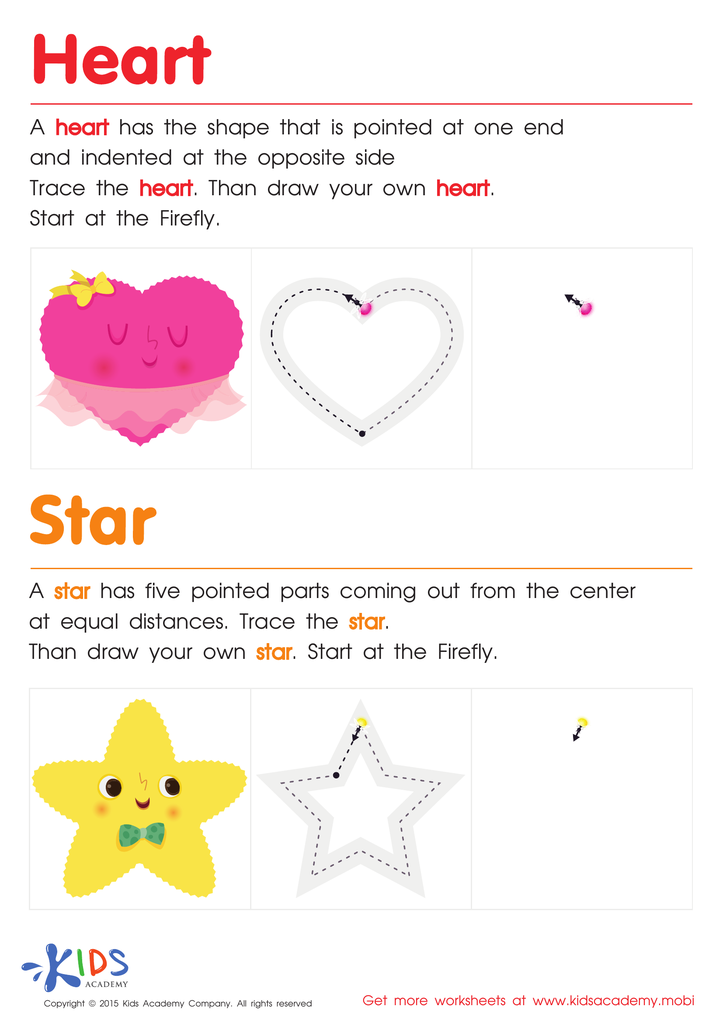
Let's Learn to Draw Hearts And Stars Printable
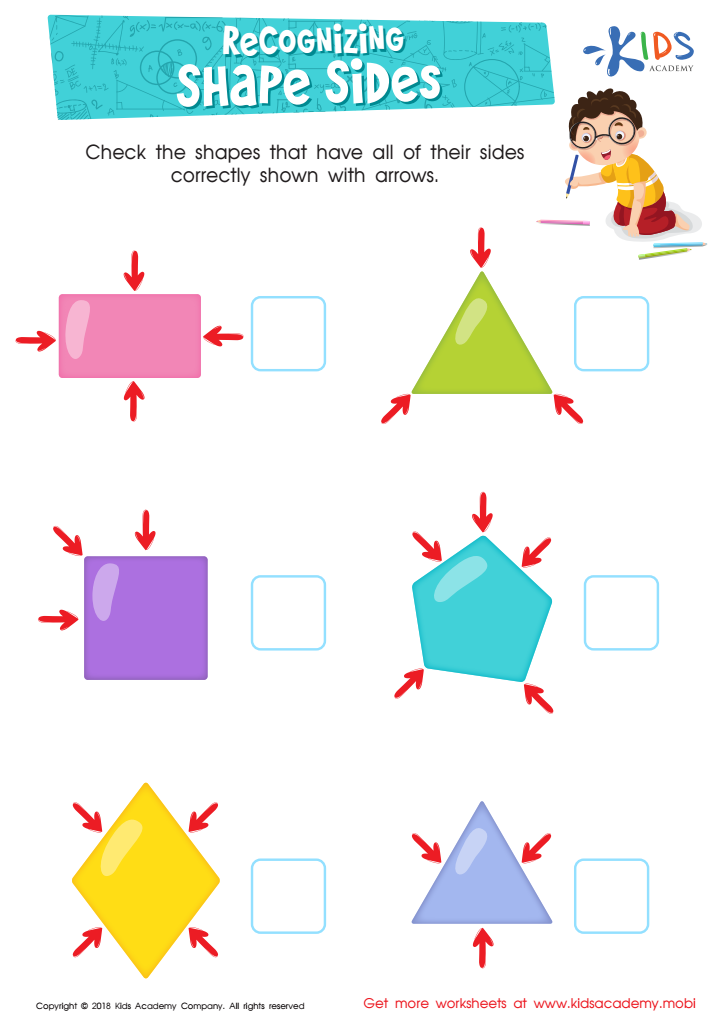
Recognizing Shape Sides Worksheet
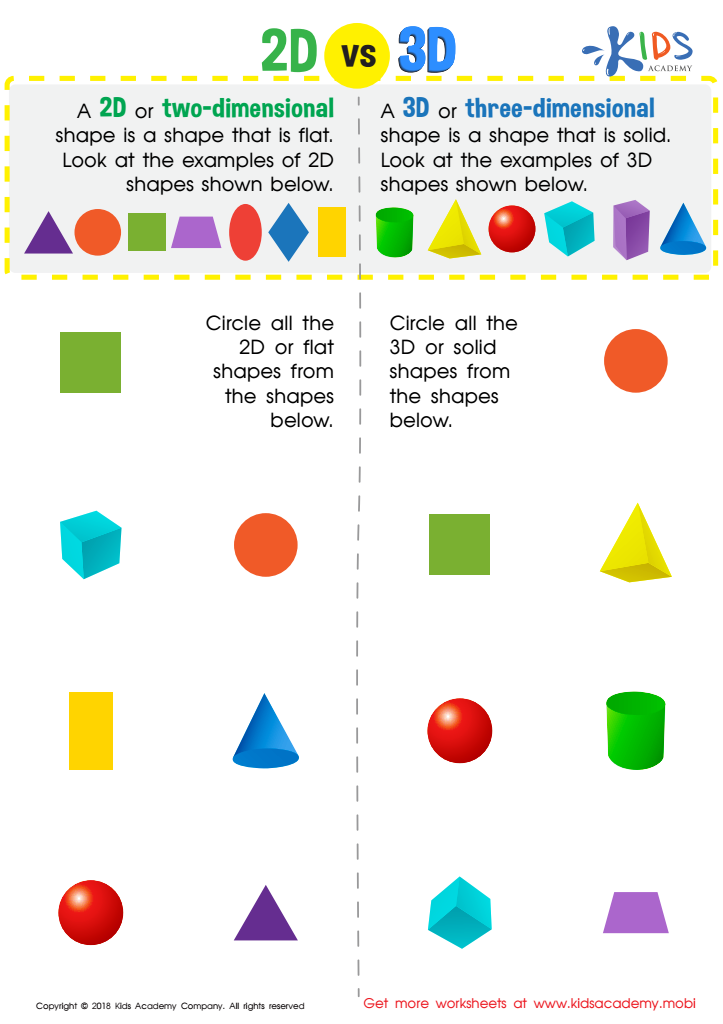
2D vs 3D Shapes Worksheet
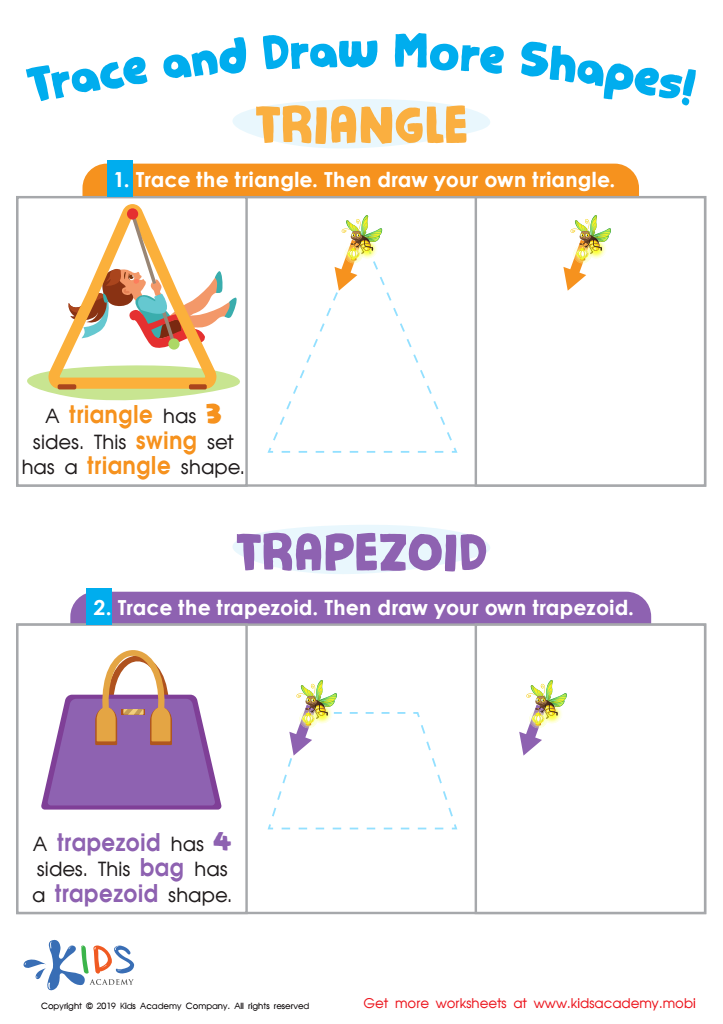
Trace and Draw More Shapes Worksheet
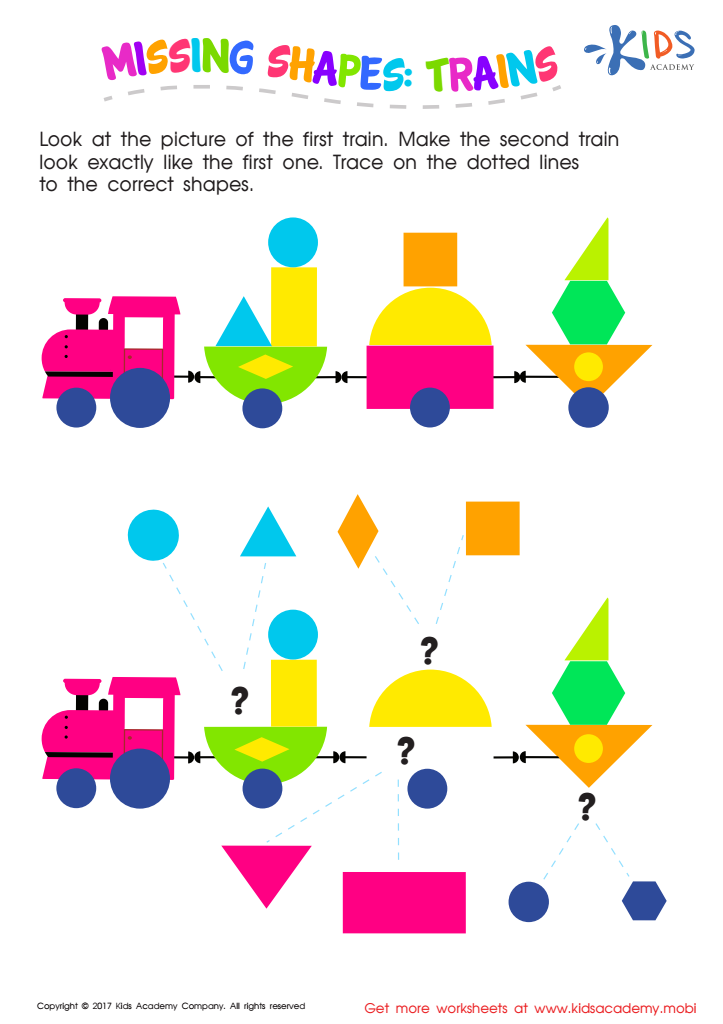
Missing Shapes: Trains Worksheet
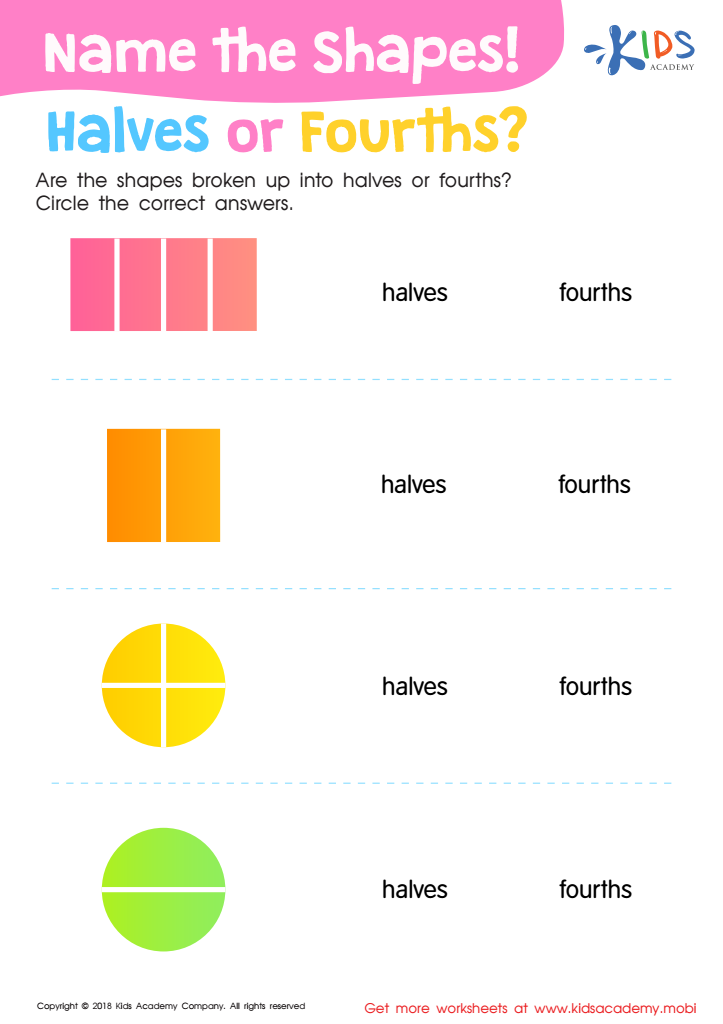
Name the Shapes Halves or Fourths? Worksheet
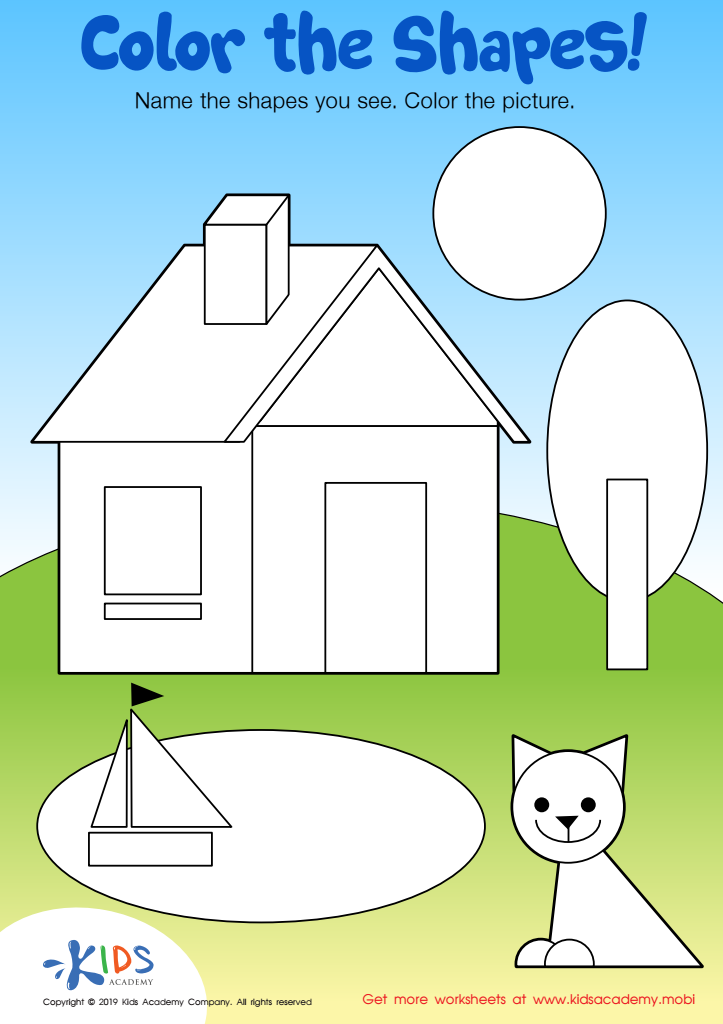
Color the Shapes Worksheet
 Assign to My Students
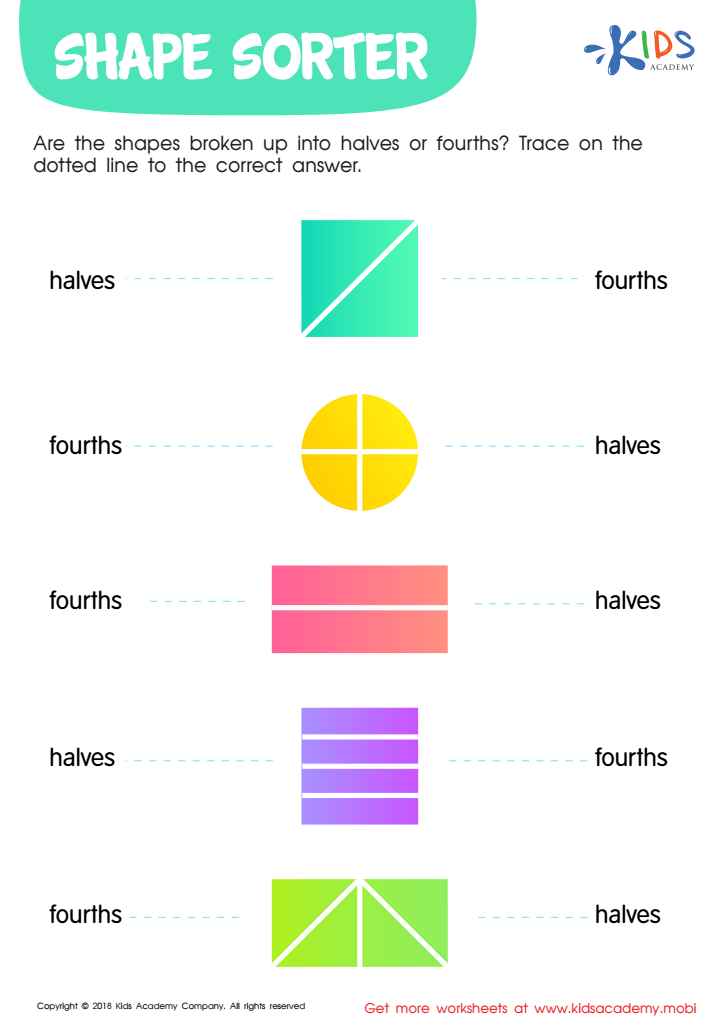
Shape Sorter Worksheet
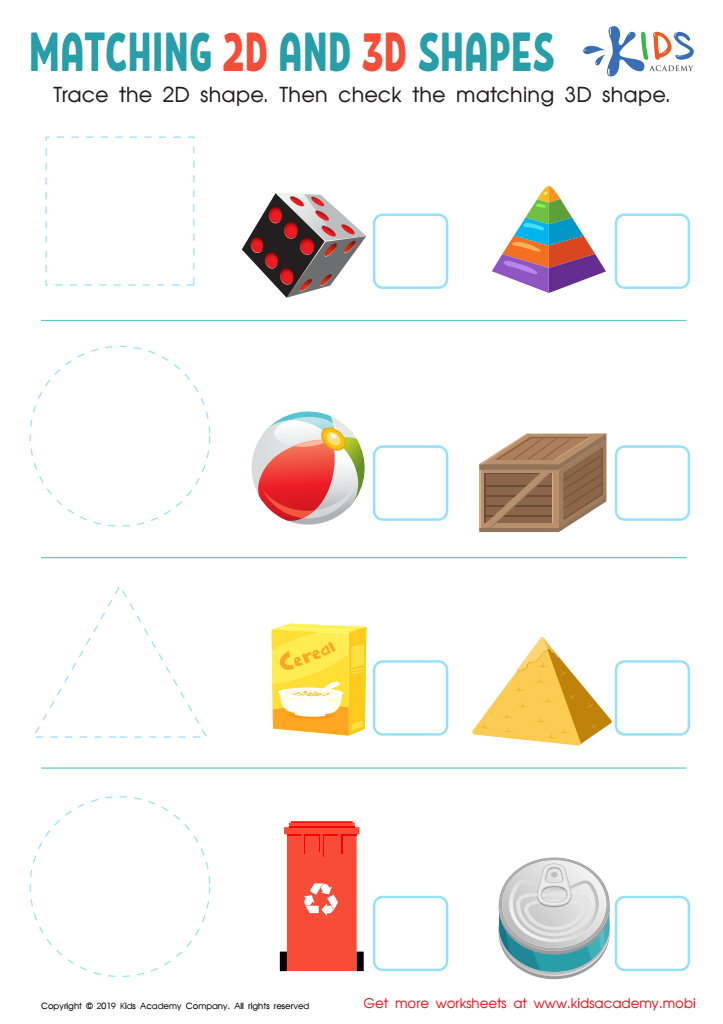
Matching 2D and 3D Shapes Worksheet
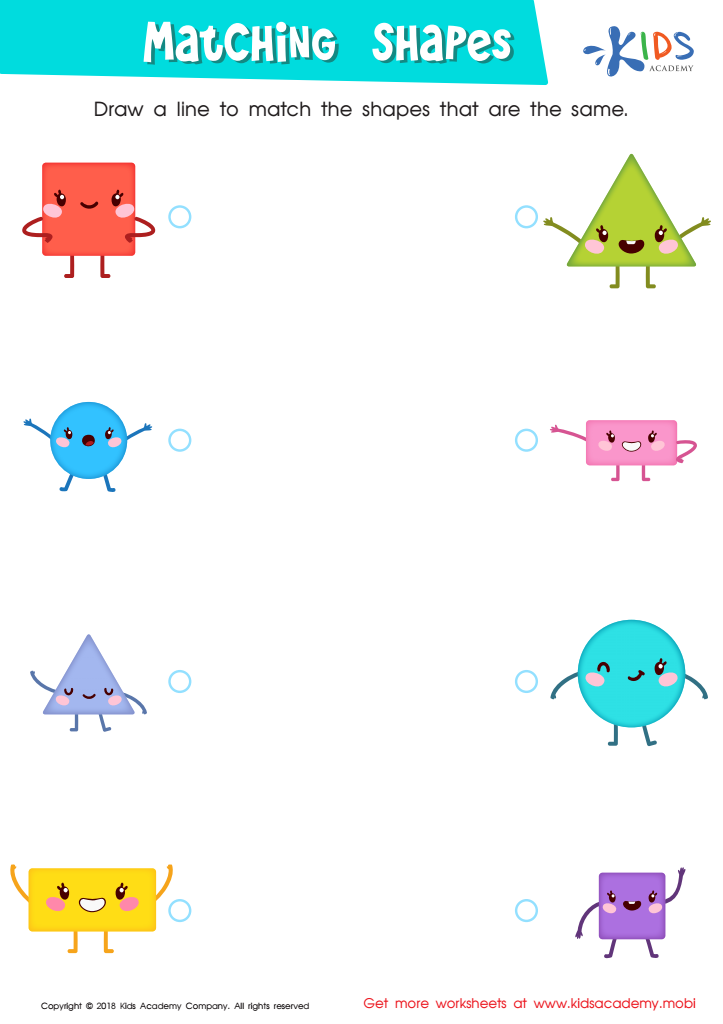
Matching Shapes Worksheet
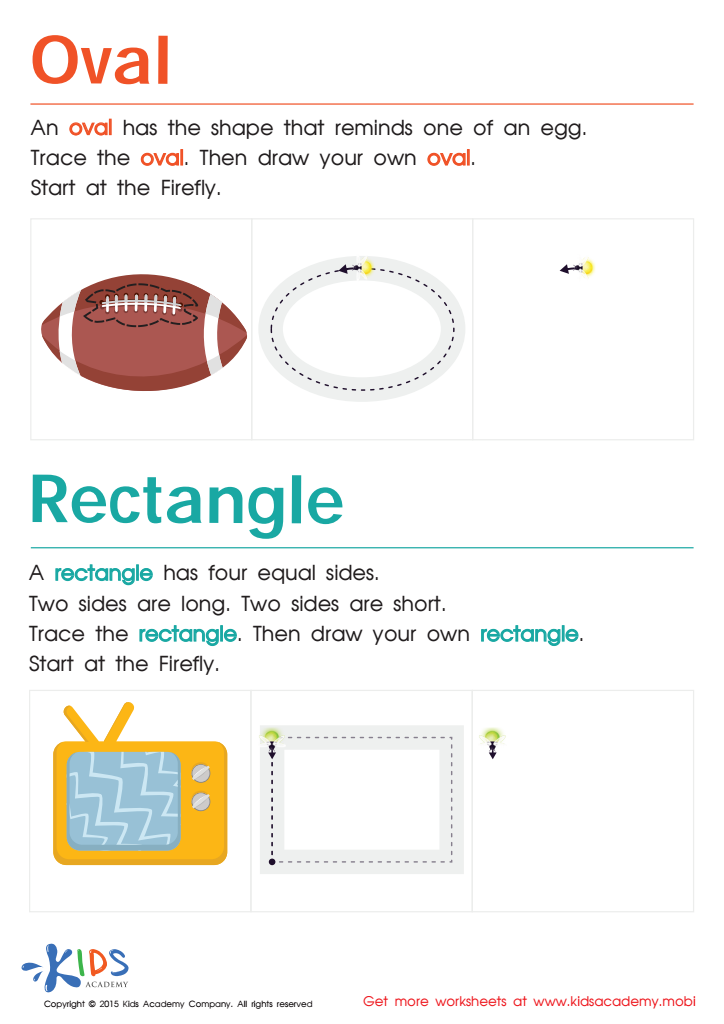
Easy Drawing of Ovals And Rectangles Worksheet
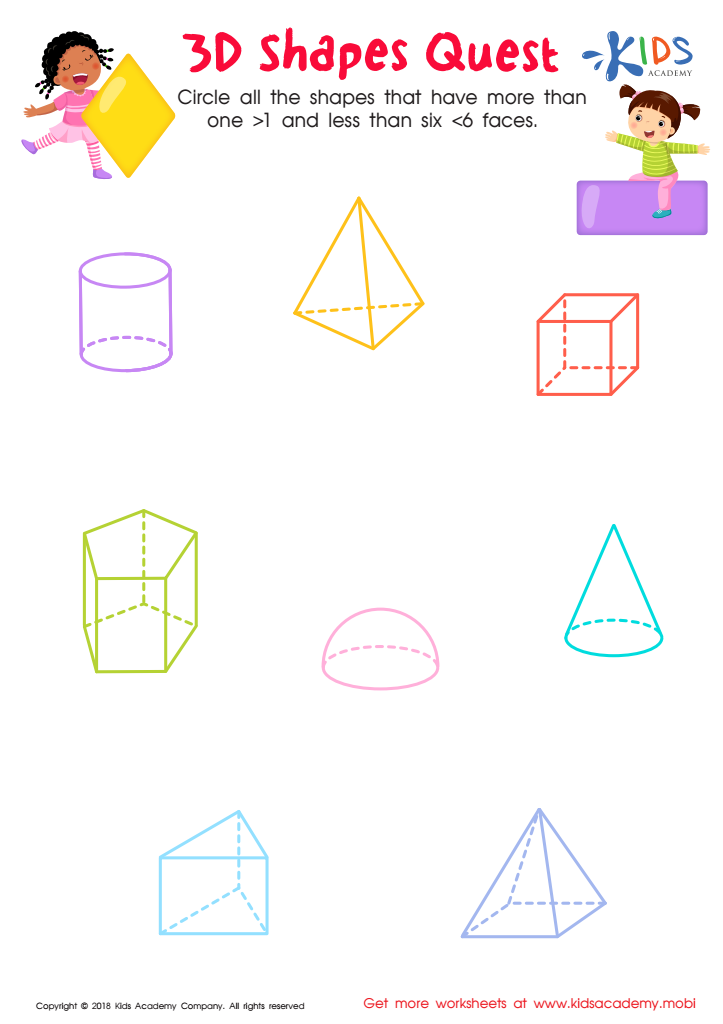
3D Shapes Quest Worksheet
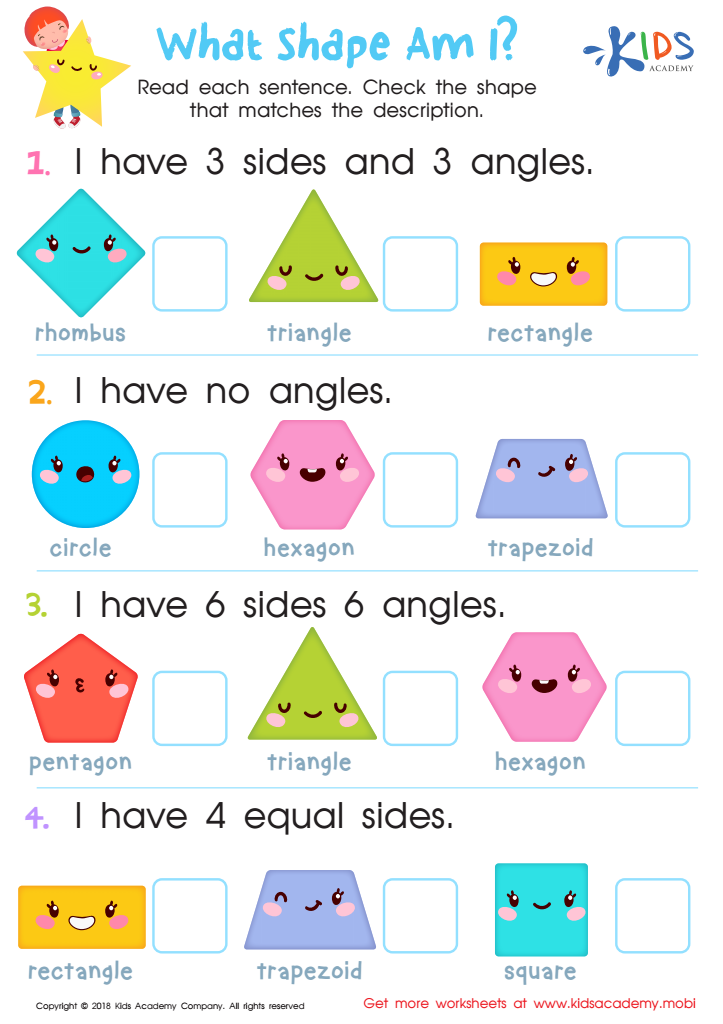
What Shape Am I? Worksheet
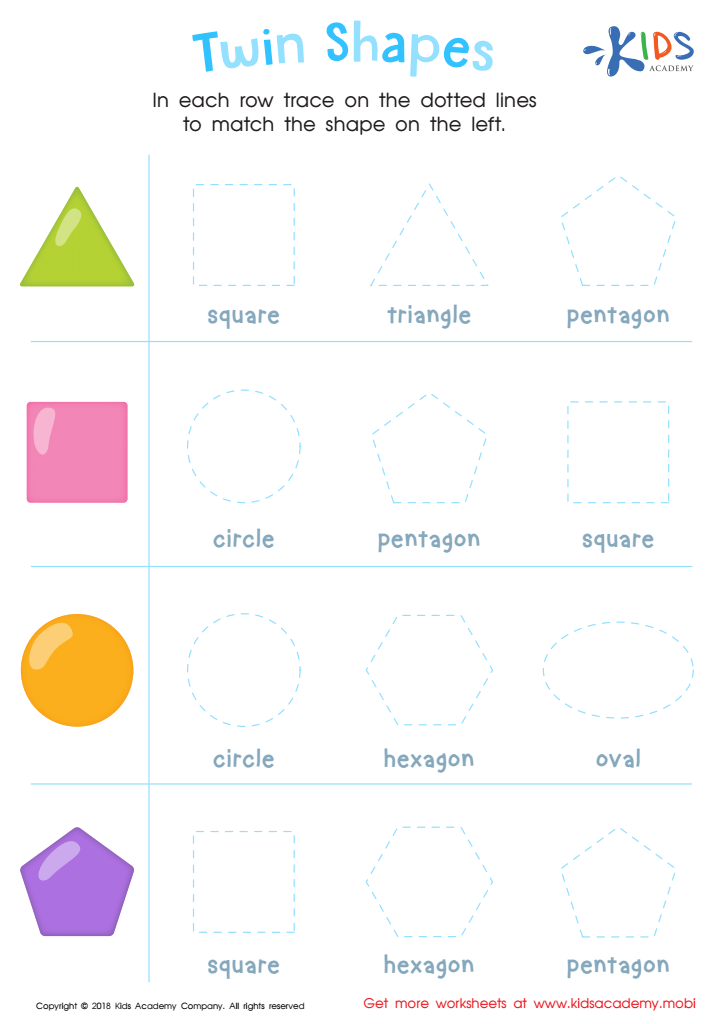
Twin Shapes Dot-to-Dot Worksheet
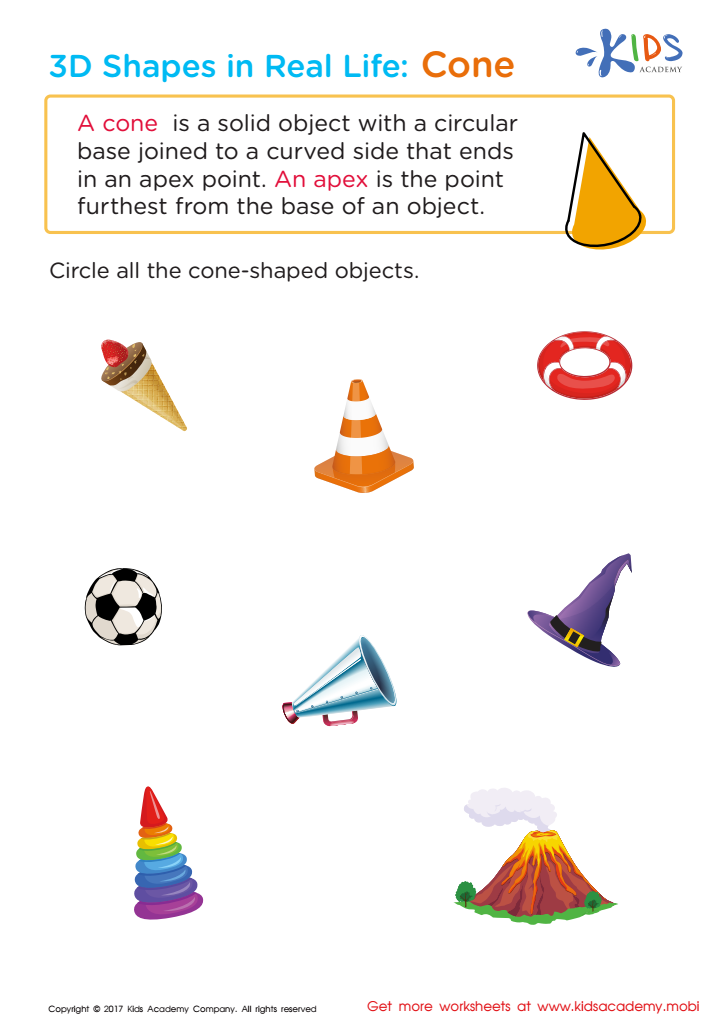
Shapes in Real Life: Cone Worksheet
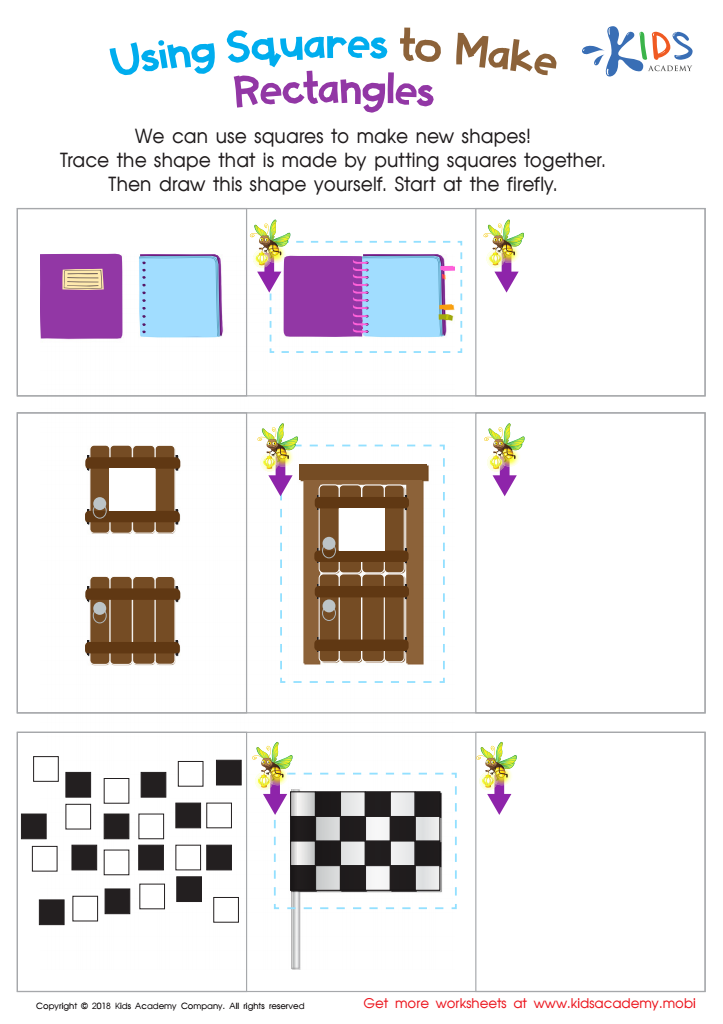
Using Squares to Make Rectangles Worksheet
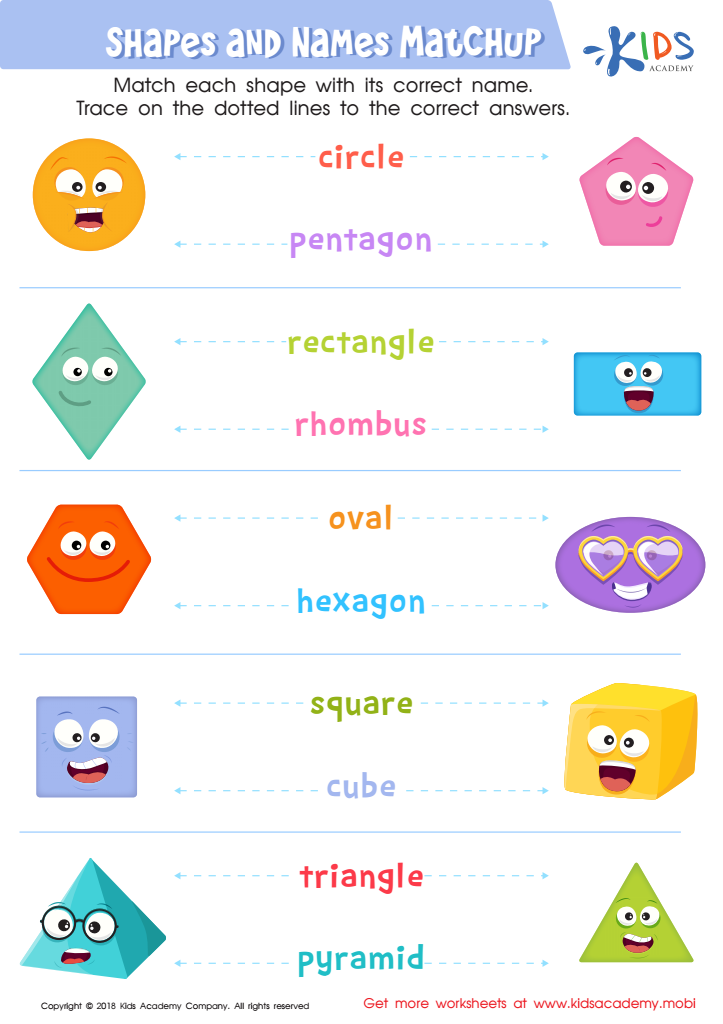
Shapes and Names Matchup Worksheet








Shape recognition geometry is an essential early math skill for children aged 6-7, forming the building blocks for future education in mathematics and problem-solving. Firstly, understanding shapes enhances children's spatial awareness, which is crucial in everyday tasks such as navigation, object manipulation, and even art. Shapes are everywhere - in nature, in architecture, and in the design of various objects, and recognizing them helps children make sense of their surroundings.
Moreover, recognizing and distinguishing between different shapes lays a solid foundation for more complex mathematical concepts. For instance, when children learn to identify and compare shapes, they are practicing critical thinking, categorization, and pattern recognition. These are key skills that support later learning in more advanced topics such as geometry, algebra, and data analysis.
In terms of cognitive development, shape recognition significantly boosts children's visual memory and attention to detail. When kids engage with shapes through drawing, building blocks, or puzzles, they develop fine motor skills and learn to observe similarities, differences, and symmetry, which are vital for both academic success and daily functioning.
By fostering an understanding of shapes, parents and teachers not only equip children with essential academic tools but also boost their confidence in solving problems, thinking critically, and seeing the world in new and meaningful ways. This early investment in shape recognition is thus a stepping stone to lifelong learning and intellectual curiosity.








