Science Worksheets for Ages 6-8 - Page 3
390 filtered results
-
From - To

Protecting Our Homes Worksheet
 Assign to My Students
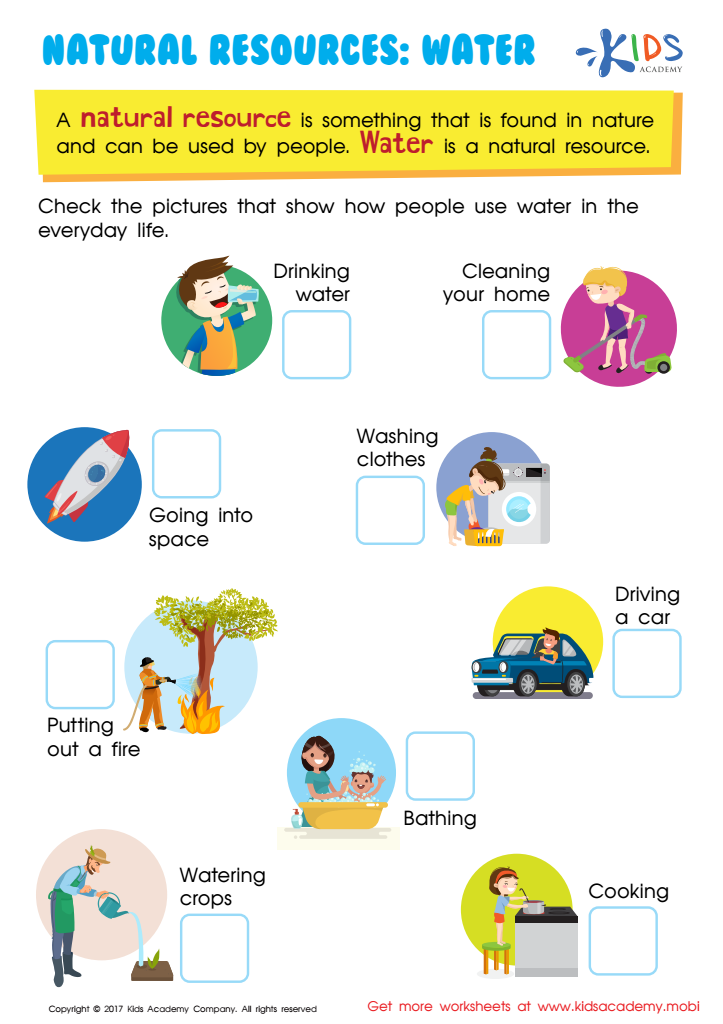
Natural Resources: Water Worksheet
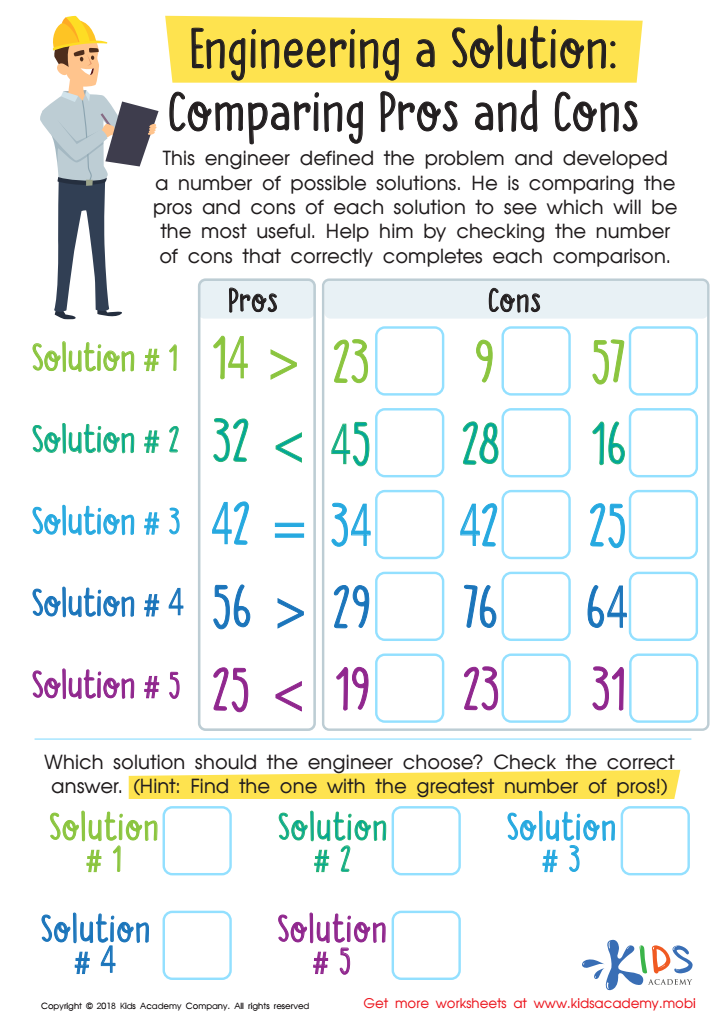
Engineering a Solution: Comparing Pros and Cons Worksheet
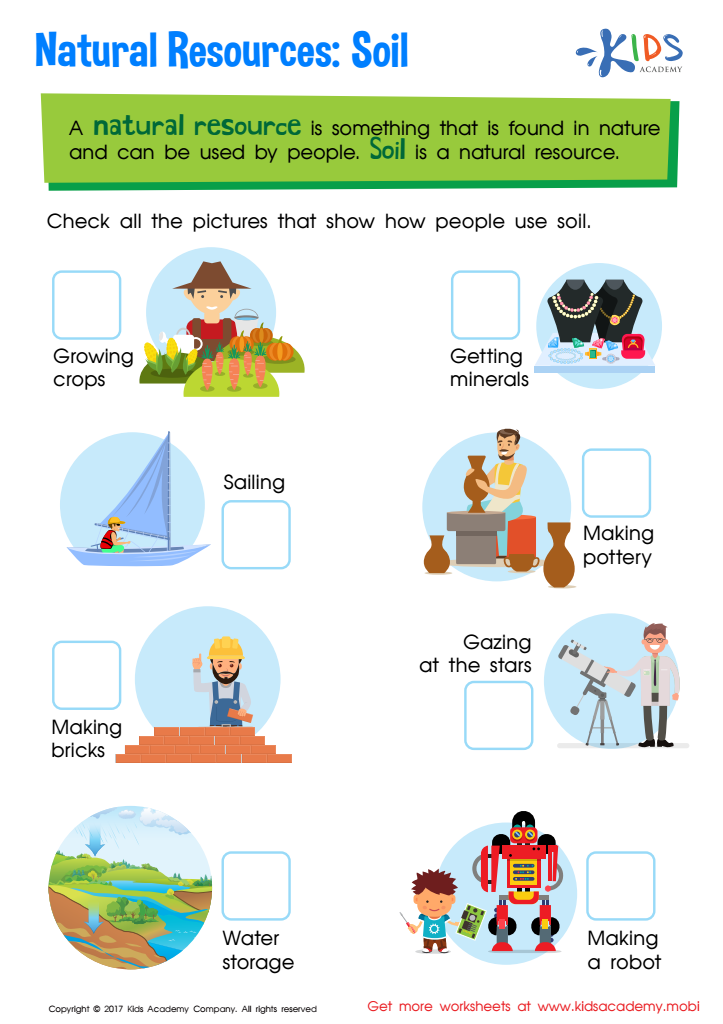
Natural Resources: Soil Worksheet
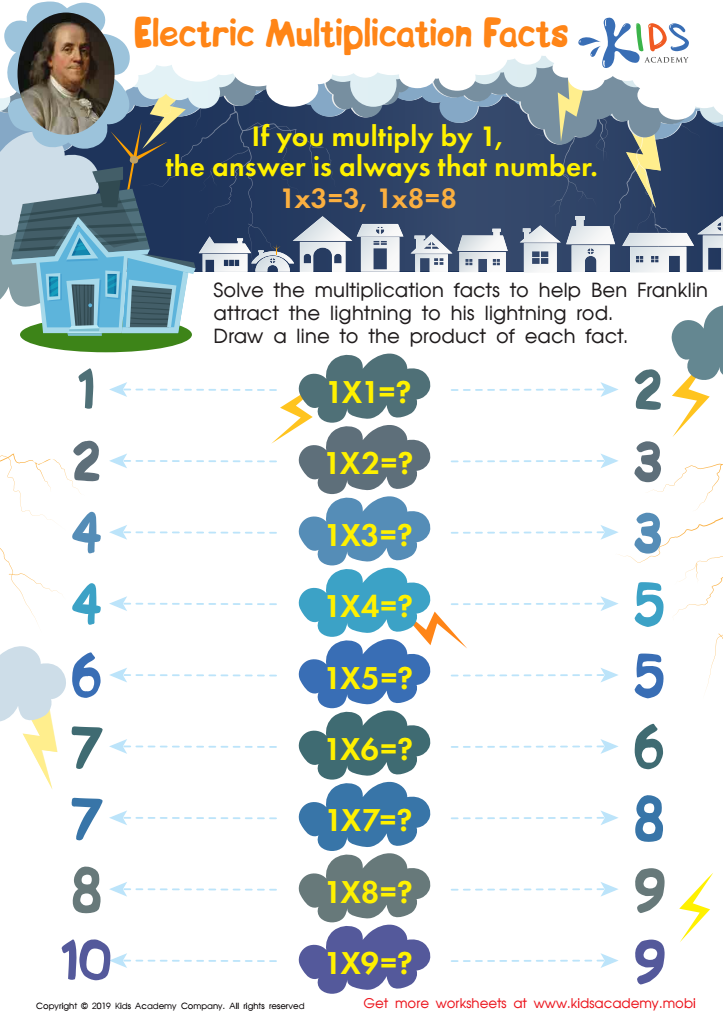
Electric Multiplication Facts Worksheet
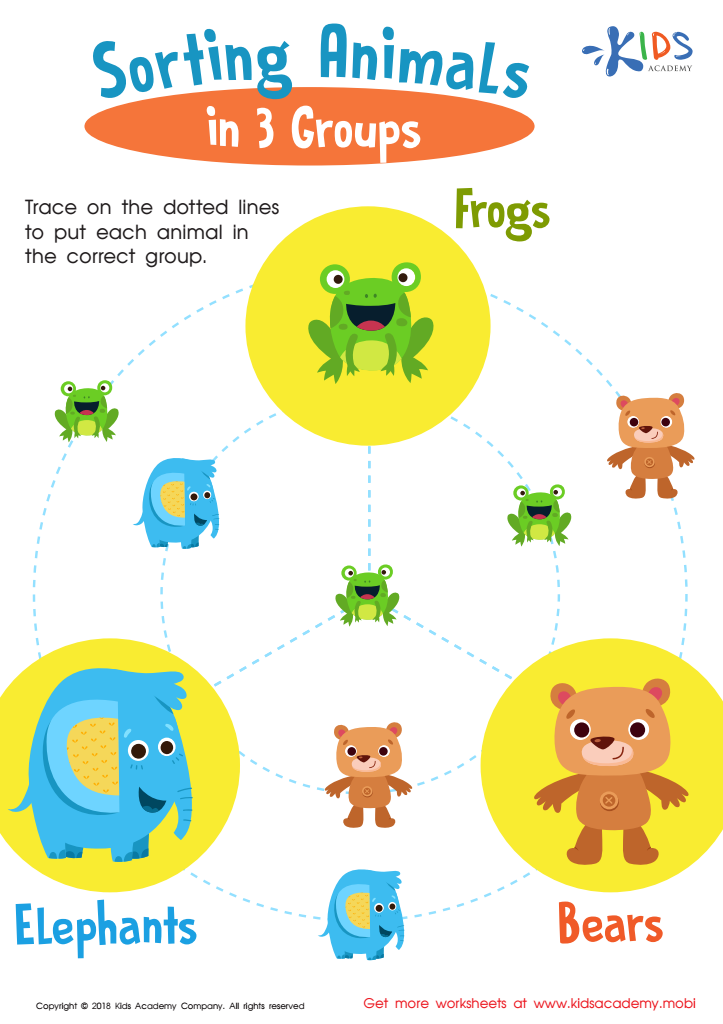
Sorting Animals in 3 Groups Worksheet
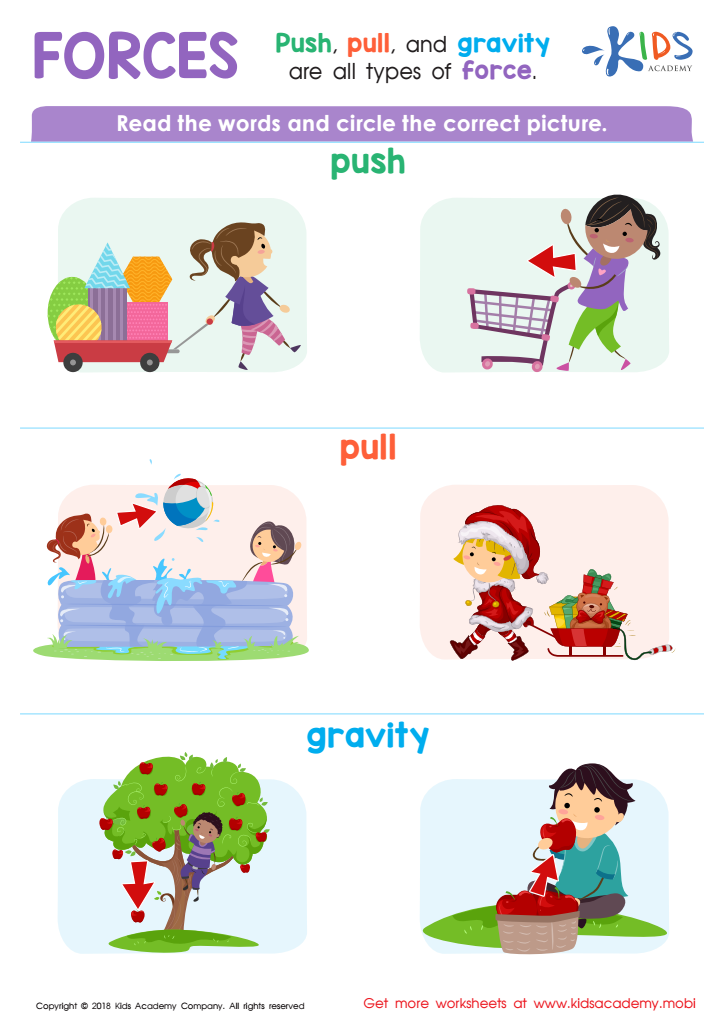
Forces Worksheet
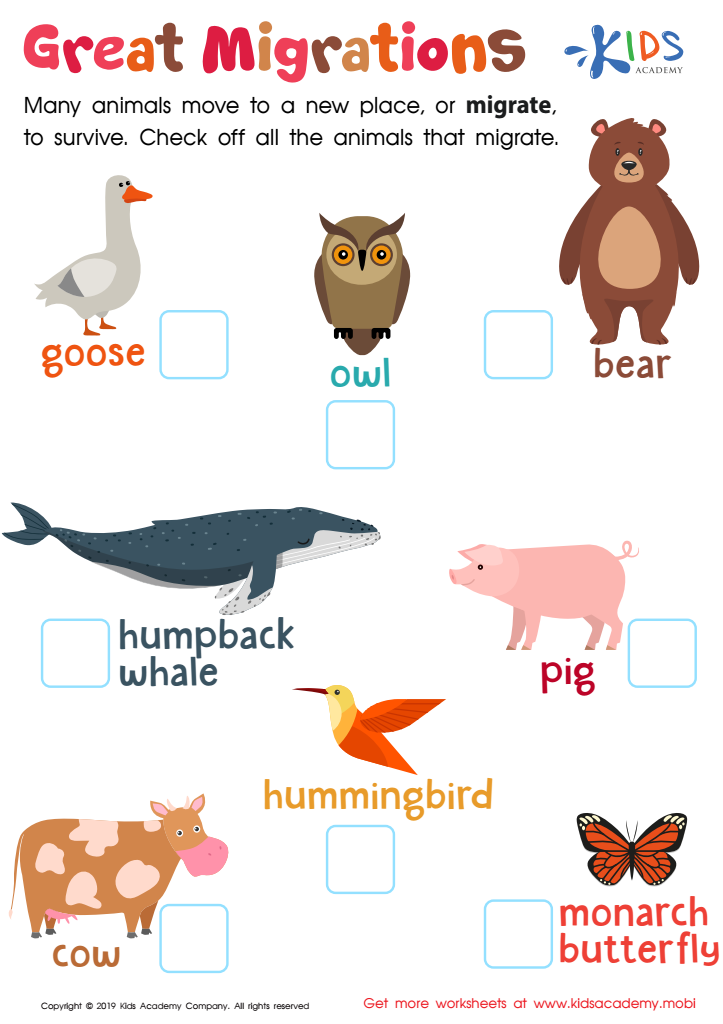
Great Migrations Worksheet
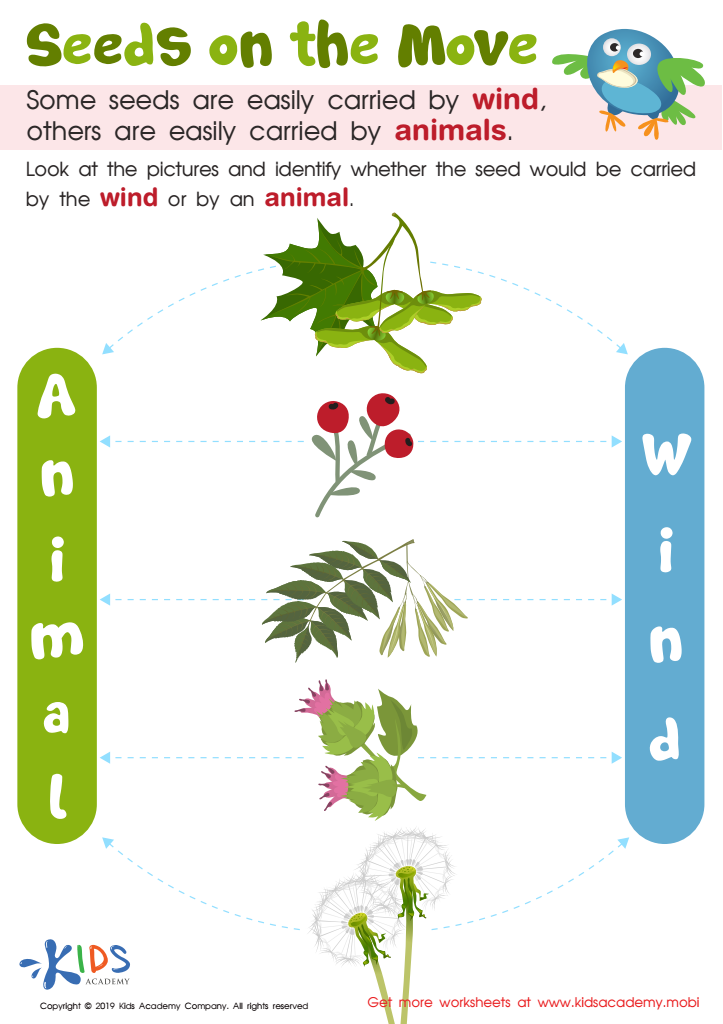
Seeds on the Move Worksheet
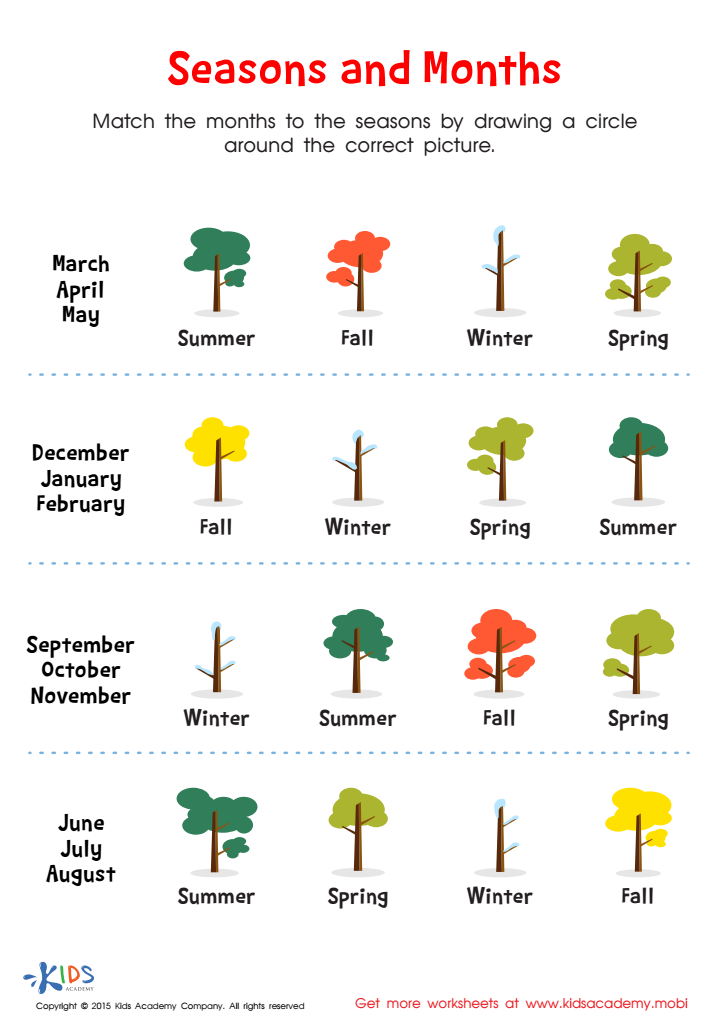
Seasons and Months Worksheet
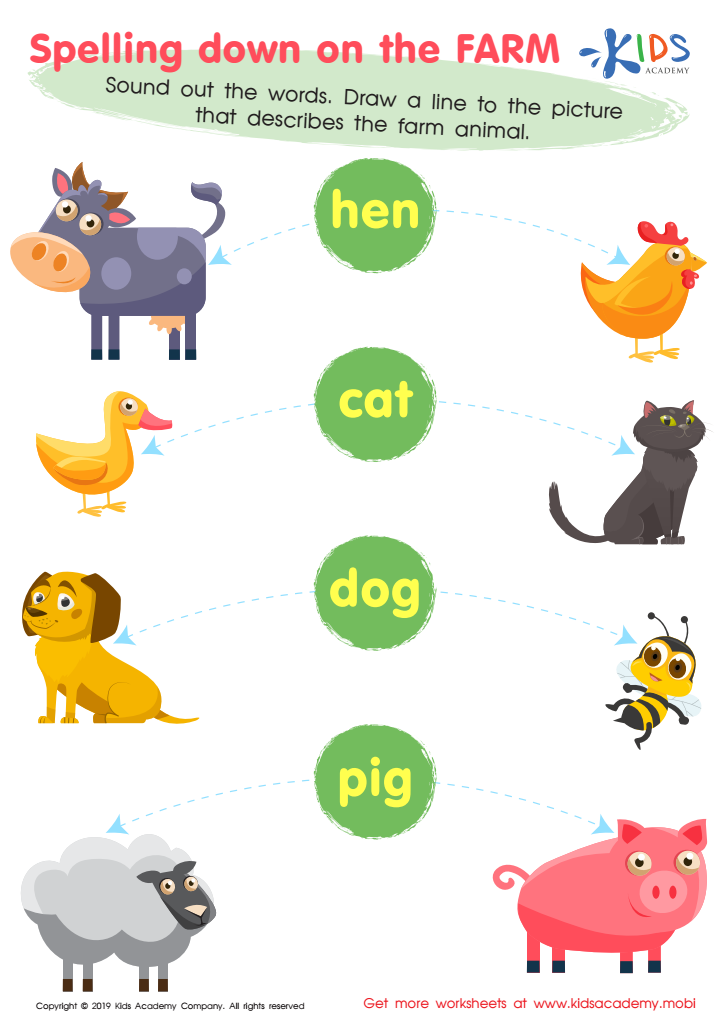
Spelling Down on the Farm Worksheet
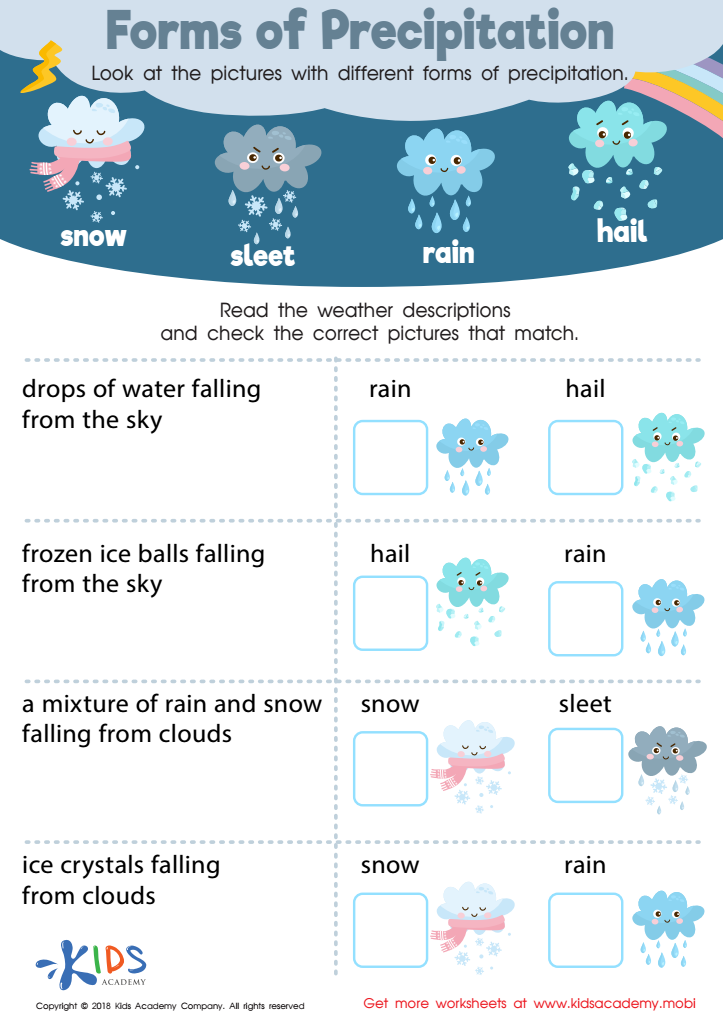
Forms of Precipitation Worksheet
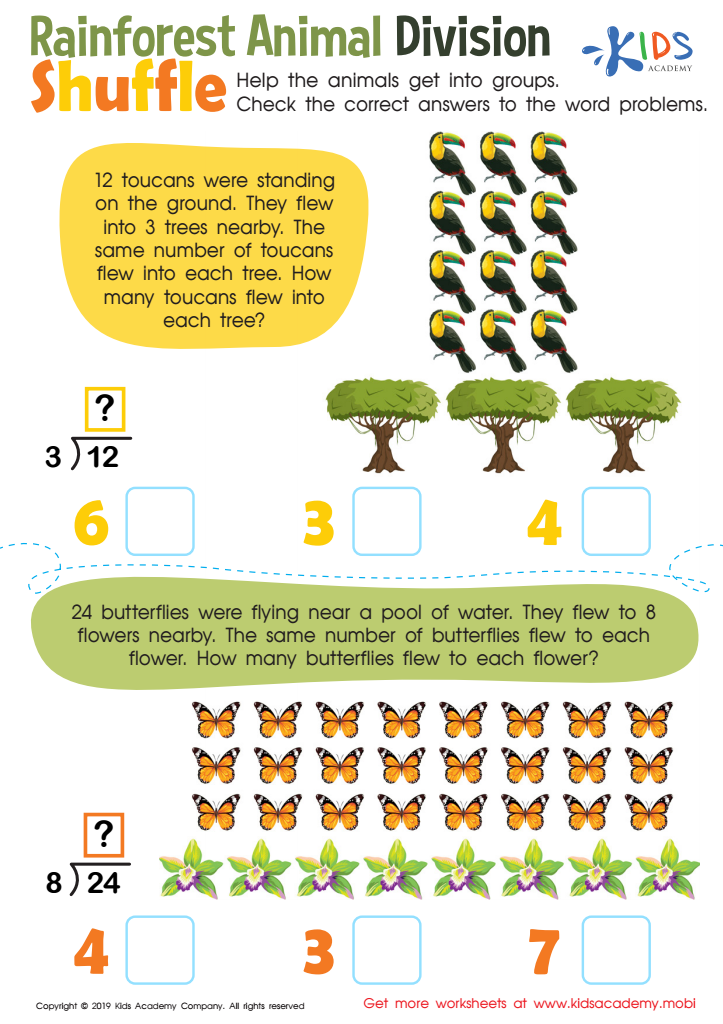
Rainforest Animal Division Worksheet
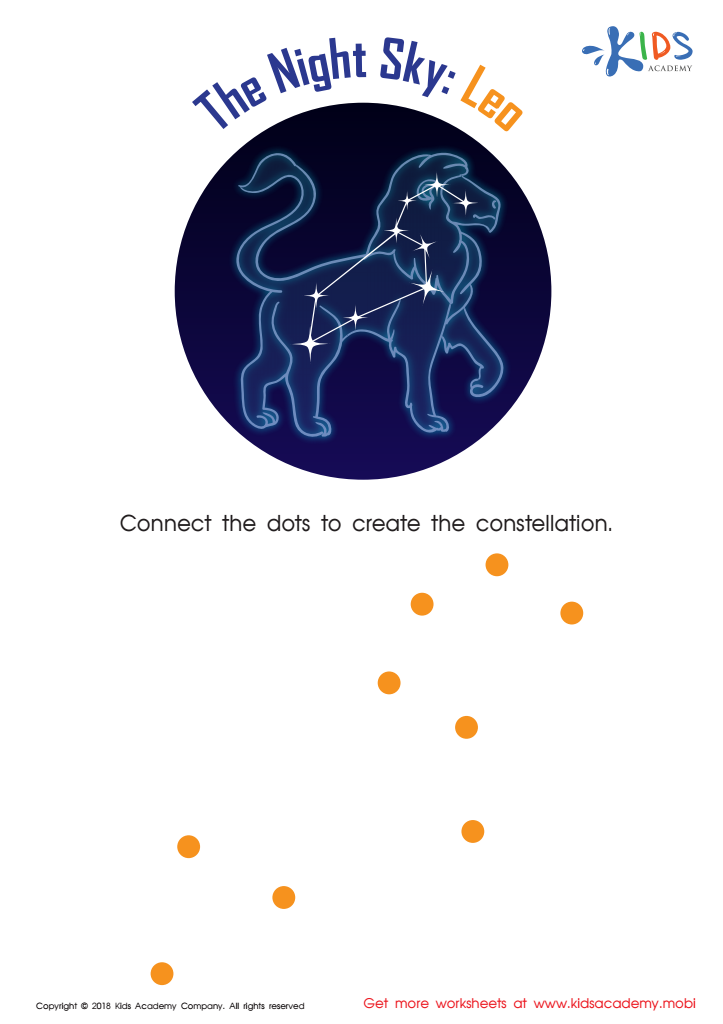
The Night Sky: Leo Worksheet
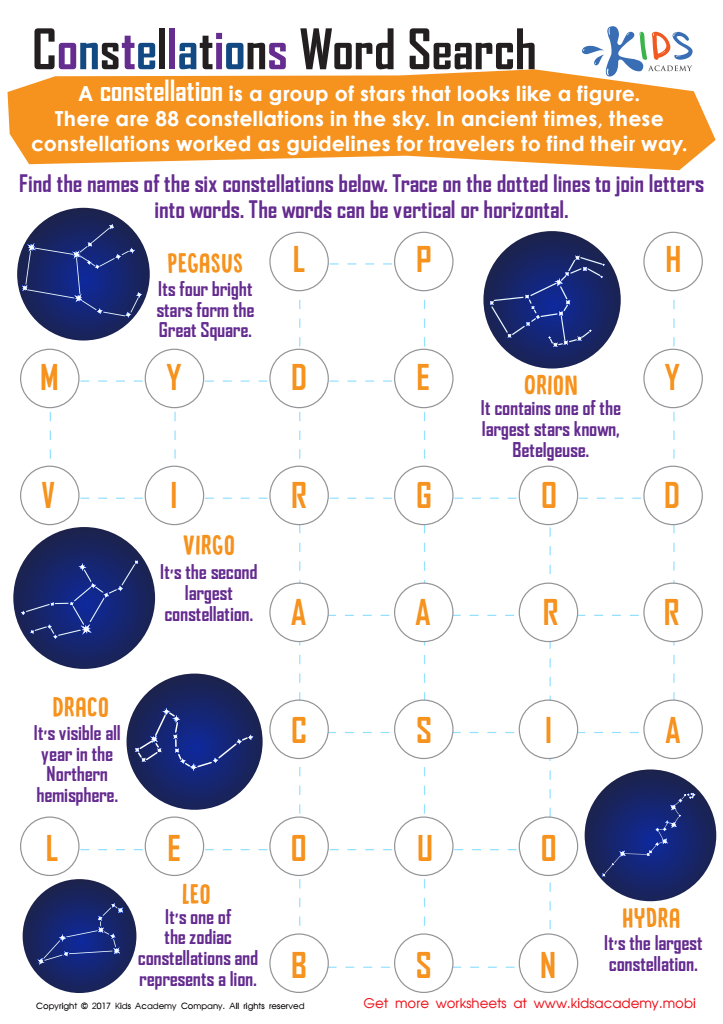
Constellations Word Search Printable
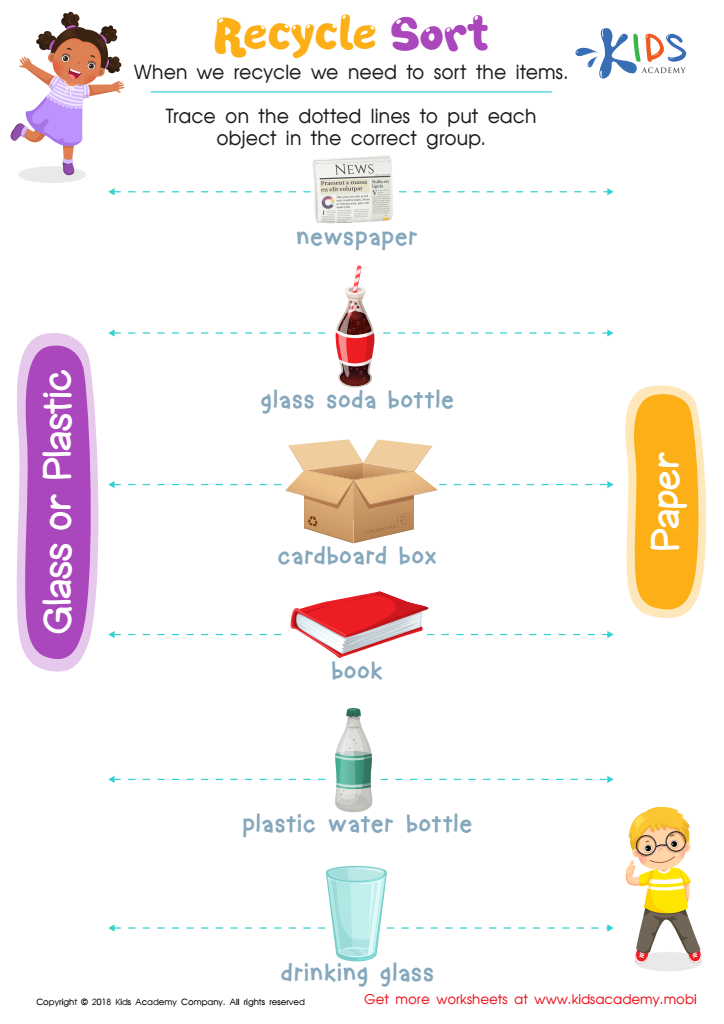
Recycle Sort Worksheet
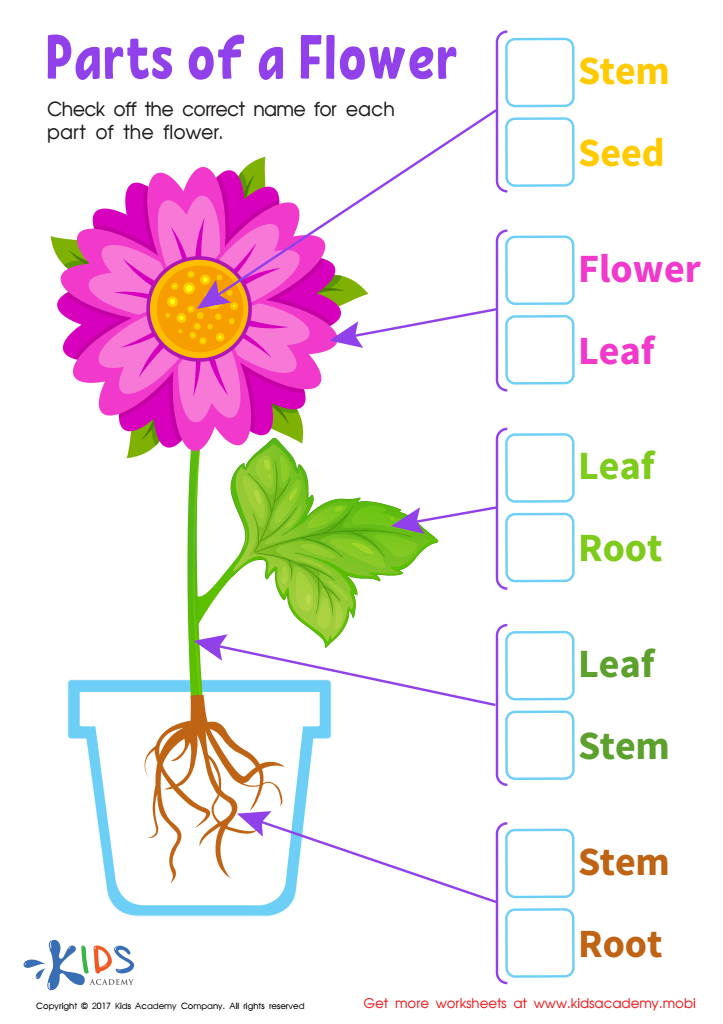
Parts Flower Printable
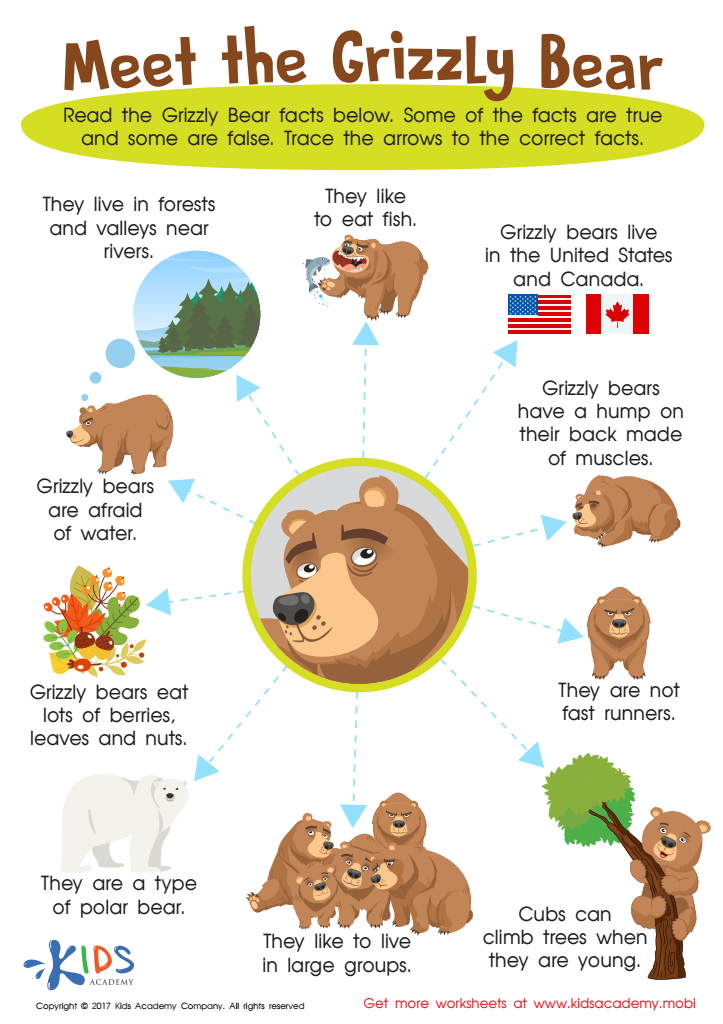
Grizzly Bear Facts Worksheet
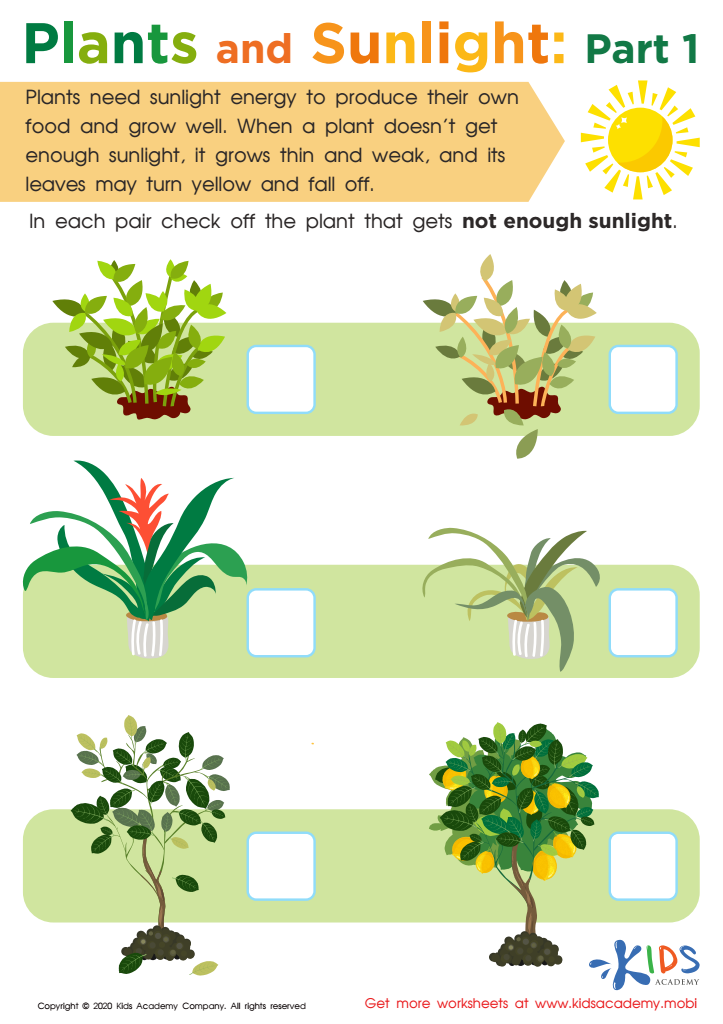
Plants and Sunlight: Part 1 Worksheet
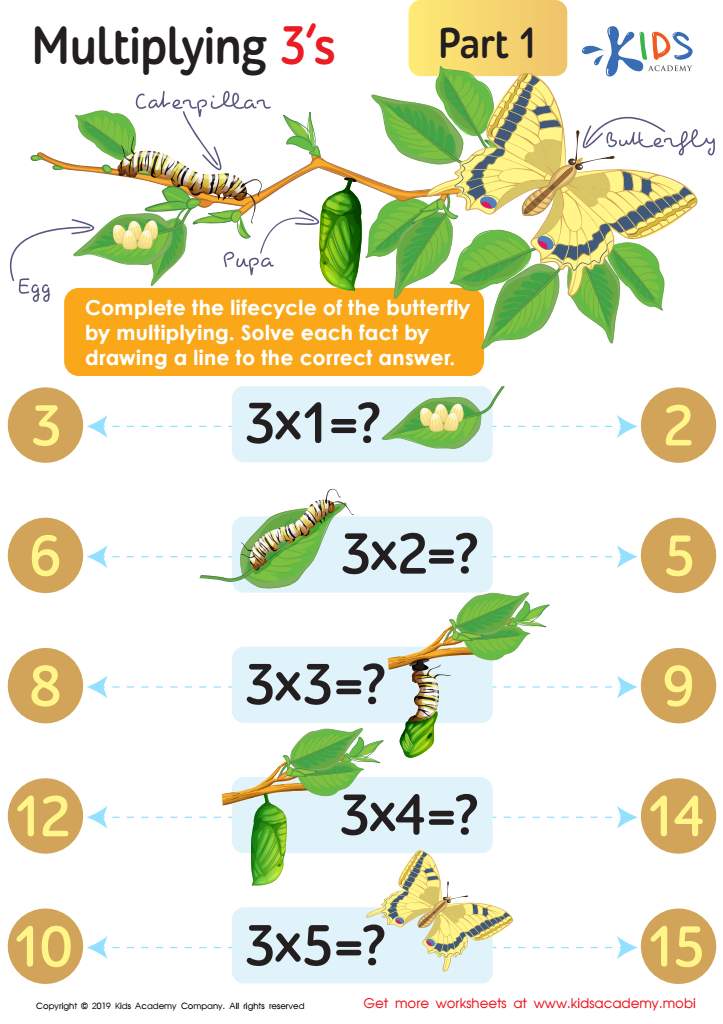
Multiplying 3’s Part 1 Worksheet
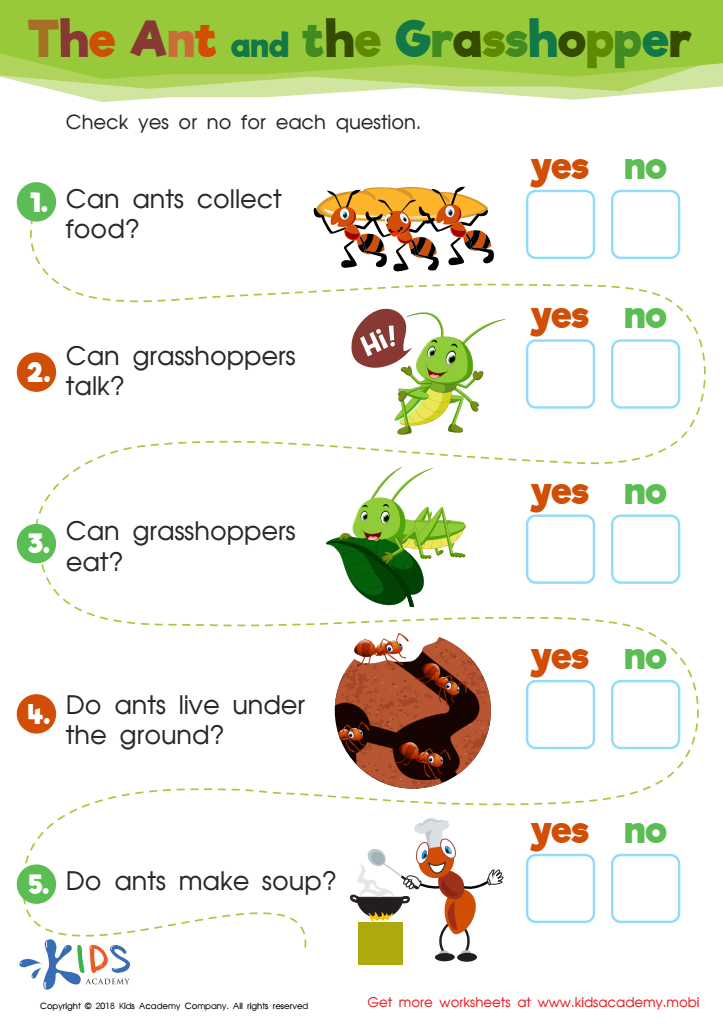
The Ant and The Grasshopper Worksheet
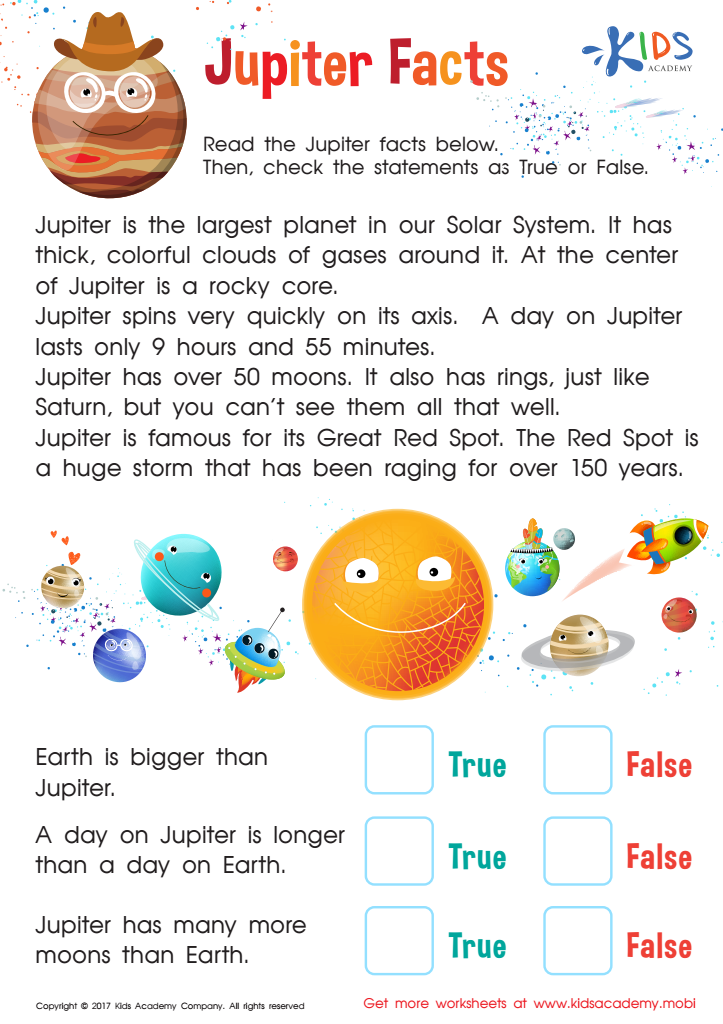
Jupiter Facts Worksheet
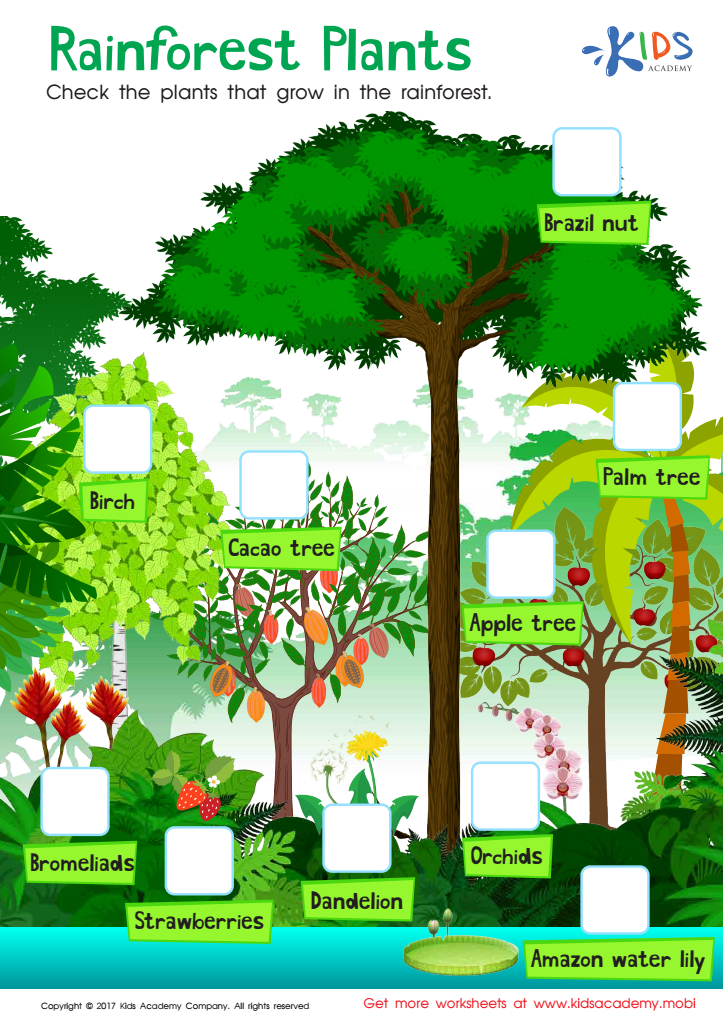
Rainforest Plants Worksheet




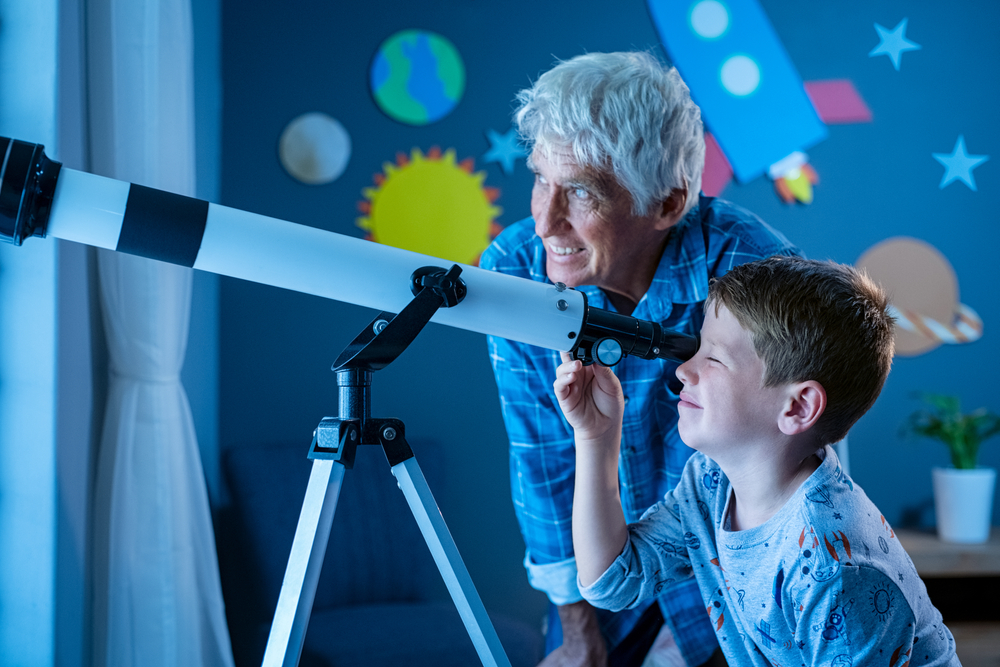


Science for ages 6-8 lays the groundwork for critical thinking and curiosity that children carry into their later years. At this young age, children are naturally curious about the world around them; introducing them to scientific concepts taps into this curiosity and helps them develop a deeper understanding of their environment. Exploring science encourages problem-solving skills and logical thinking. These skills are foundational for all kinds of future learning, not just in science but in subjects like mathematics and even reading comprehension.
Moreover, engaging in simple experiments and observational activities helps children grasp the basics of cause and effect, an essential aspect of cognitive development. For instance, when children mix baking soda and vinegar and see the fizzy reaction, they learn to form hypotheses and draw conclusions based on their observations. These activities build their ability to ask questions, explore multiple outcomes, and understand the world in a structured way.
For parents and teachers, nurturing an early love for science can set children on a path toward a lifelong interest in various fields. This early exposure also helps to normalize science, making it less intimidating as they encounter more complicated concepts later. Additionally, getting involved in science at an early age can help to even out future academic success across different groups of students and eliminate stereotypes that suggest certain people are more ‘naturally’ inclined towards science.







