Community Worksheets for Ages 6-9 - Page 5
113 filtered results
-
From - To
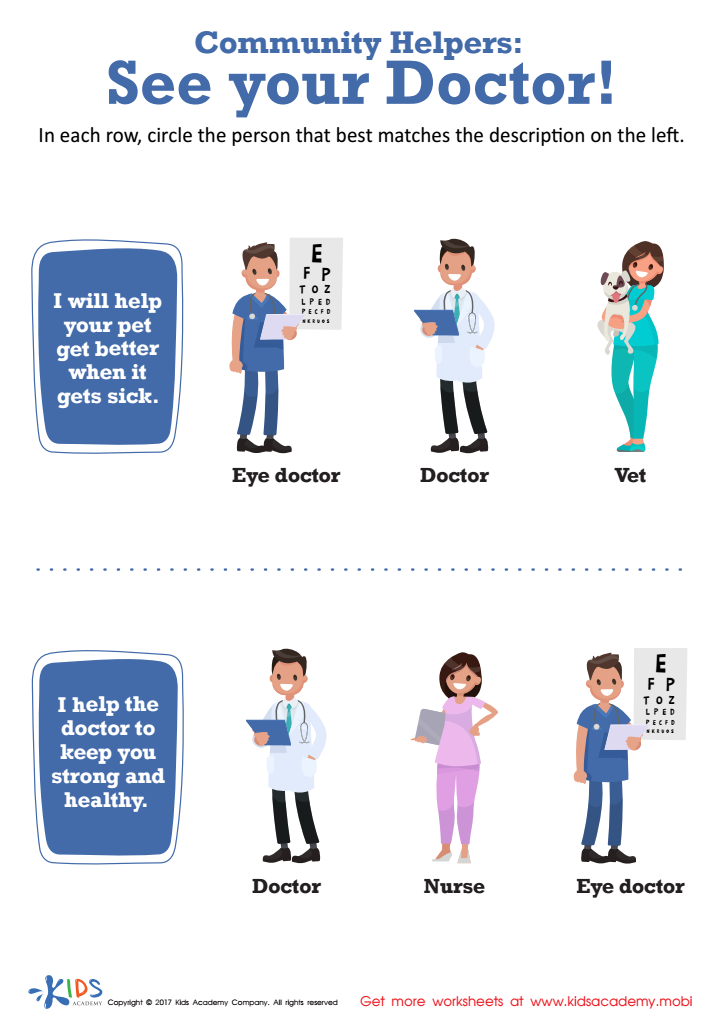
See Your Doctor (Part 2) Printable
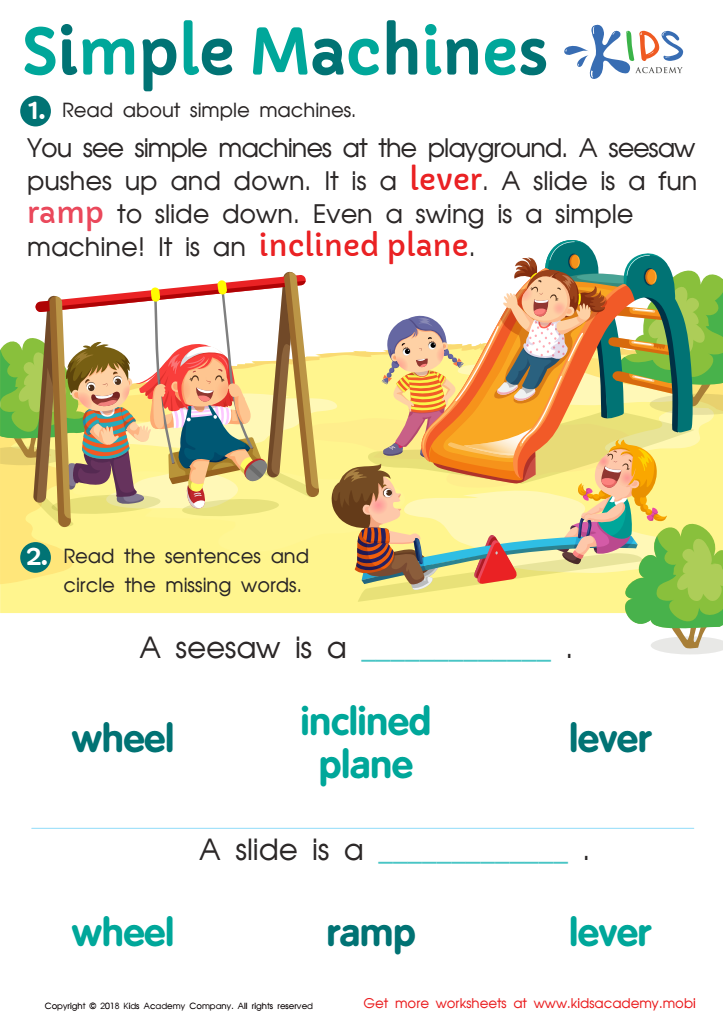
Simple Machines Worksheet
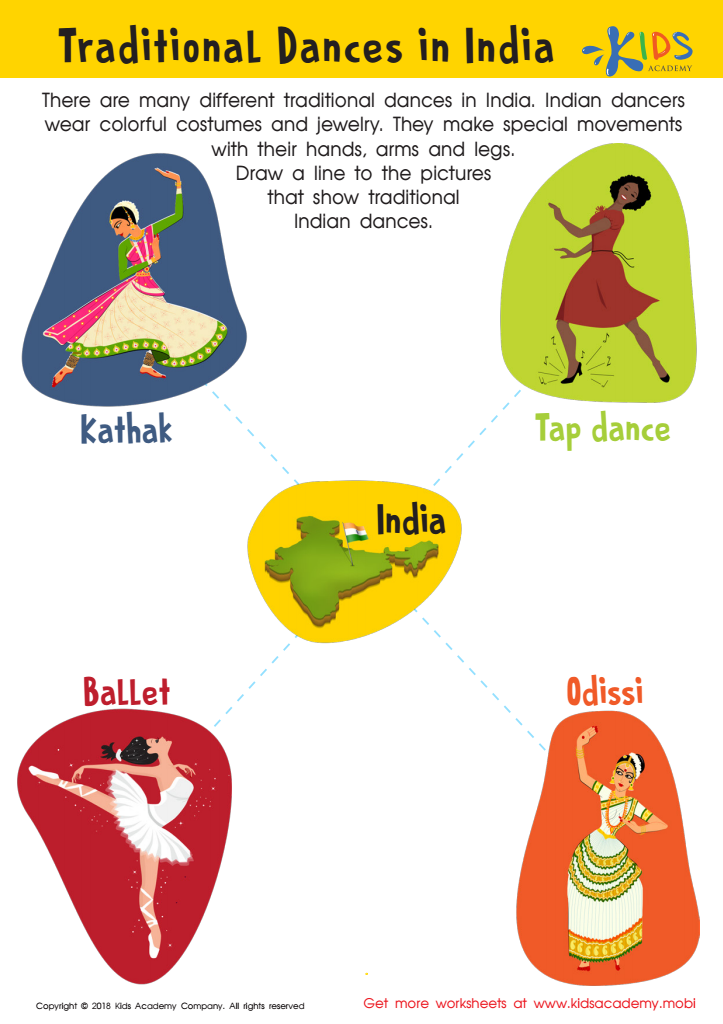
Traditional Dances in India Worksheet
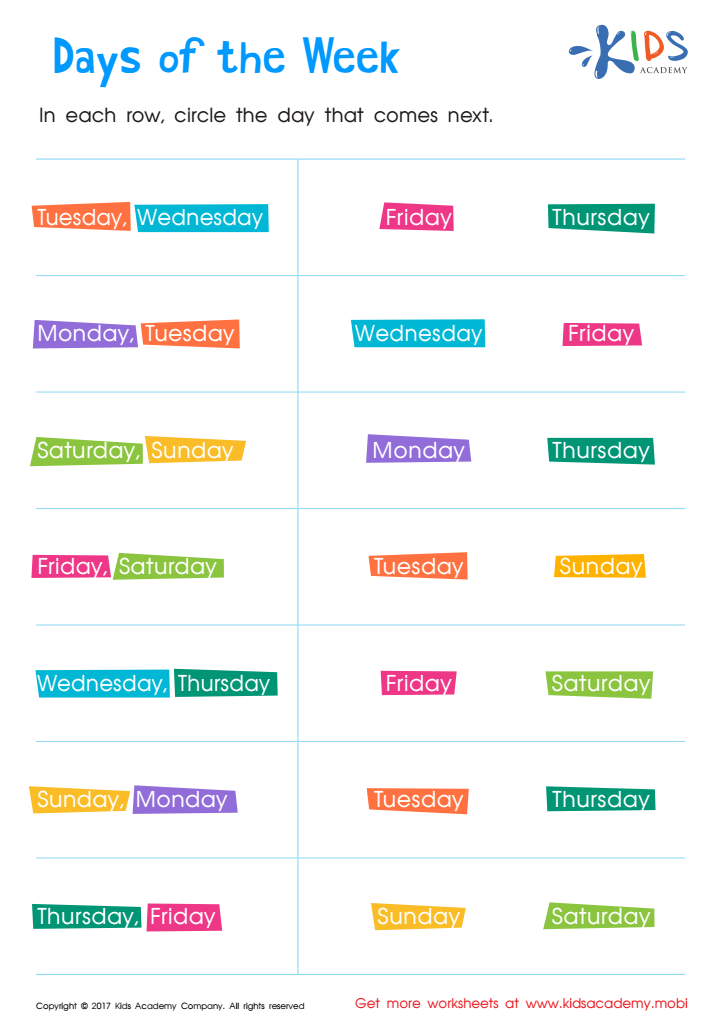
Days of the Week Worksheet
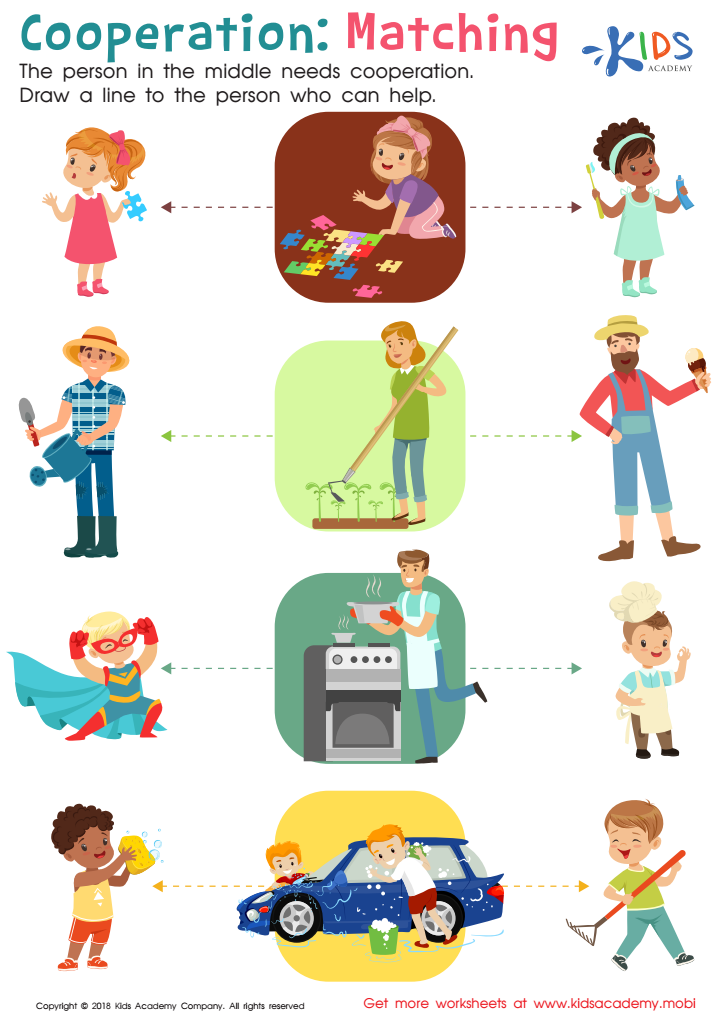
Cooperation: Matching Worksheet
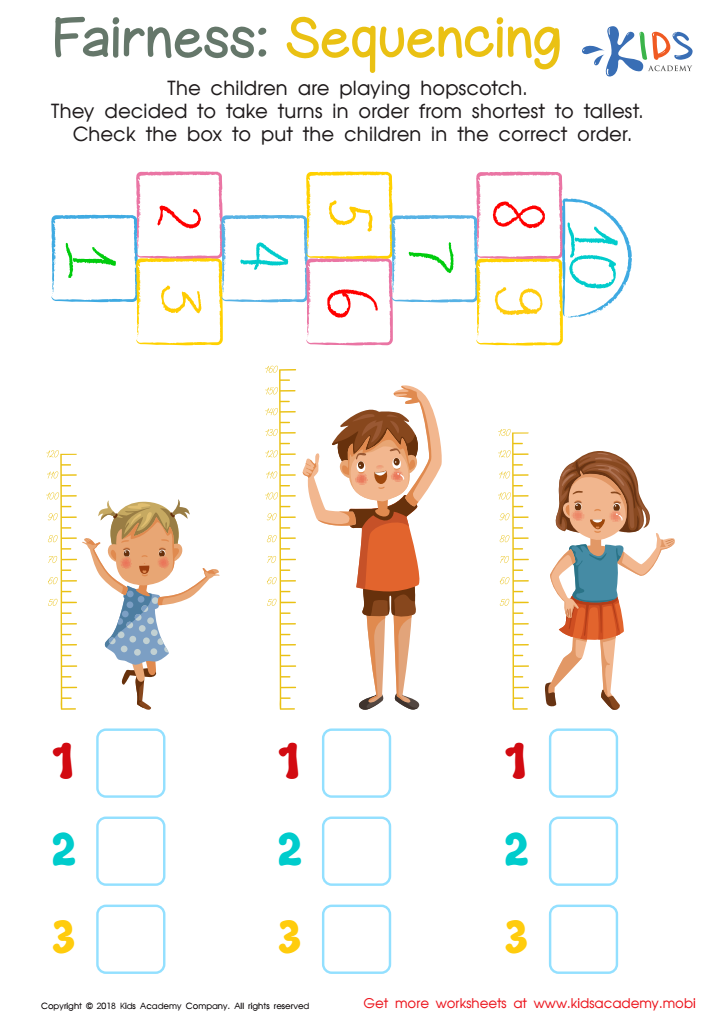
Fairness: Sequencing Worksheet
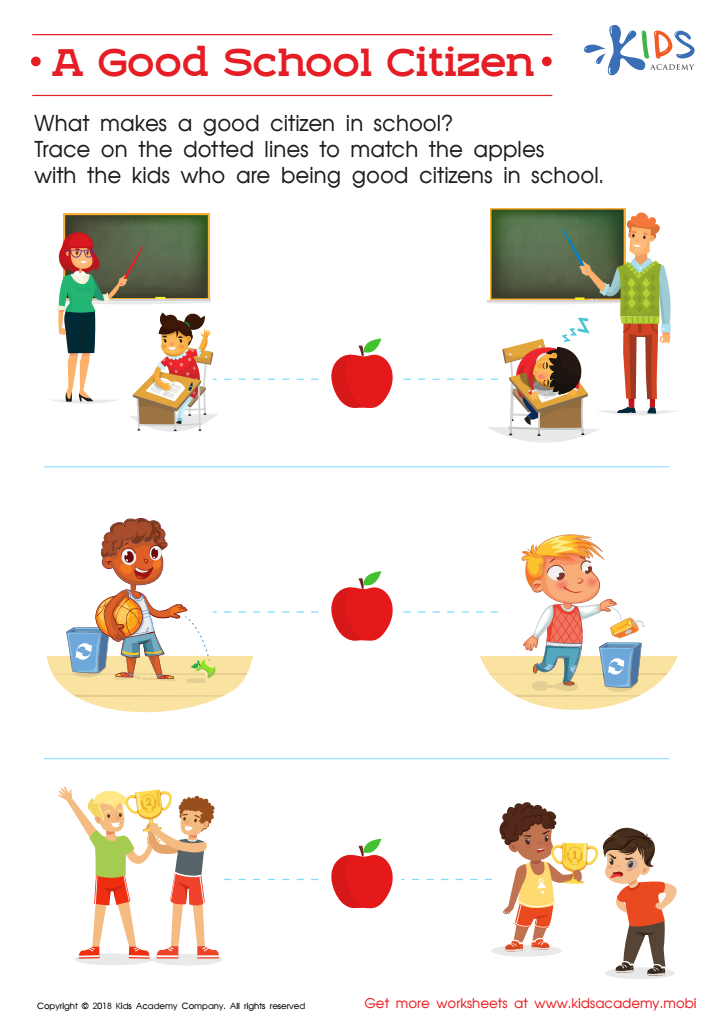
A Good School Citizen Worksheet
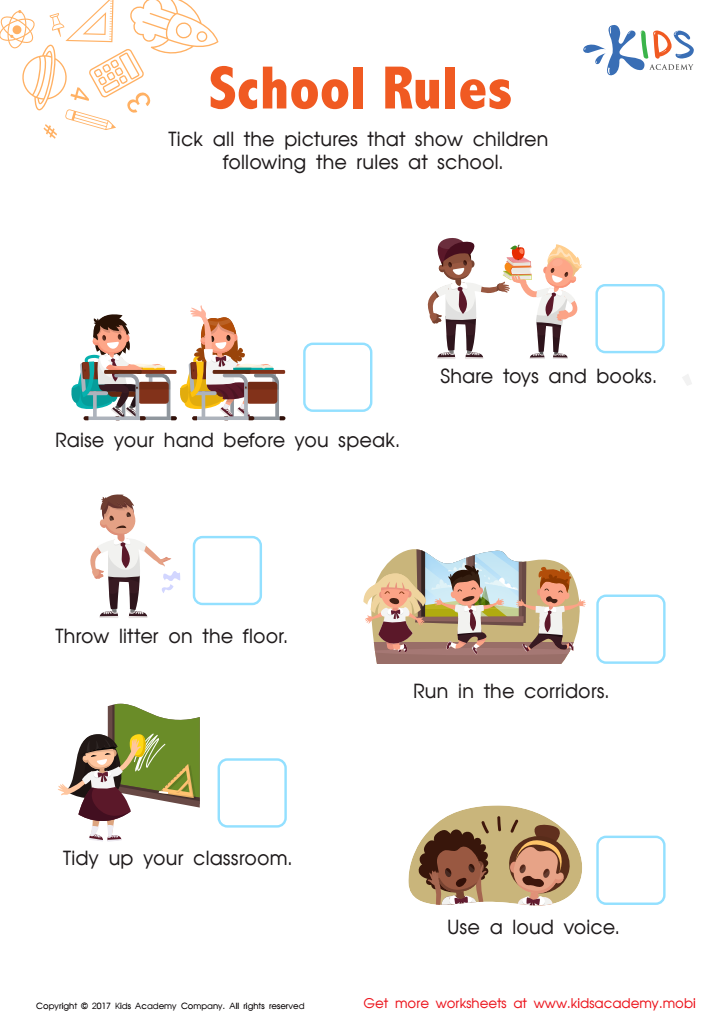
School Rules Worksheet

Family Coloring Page
 Assign to My Students
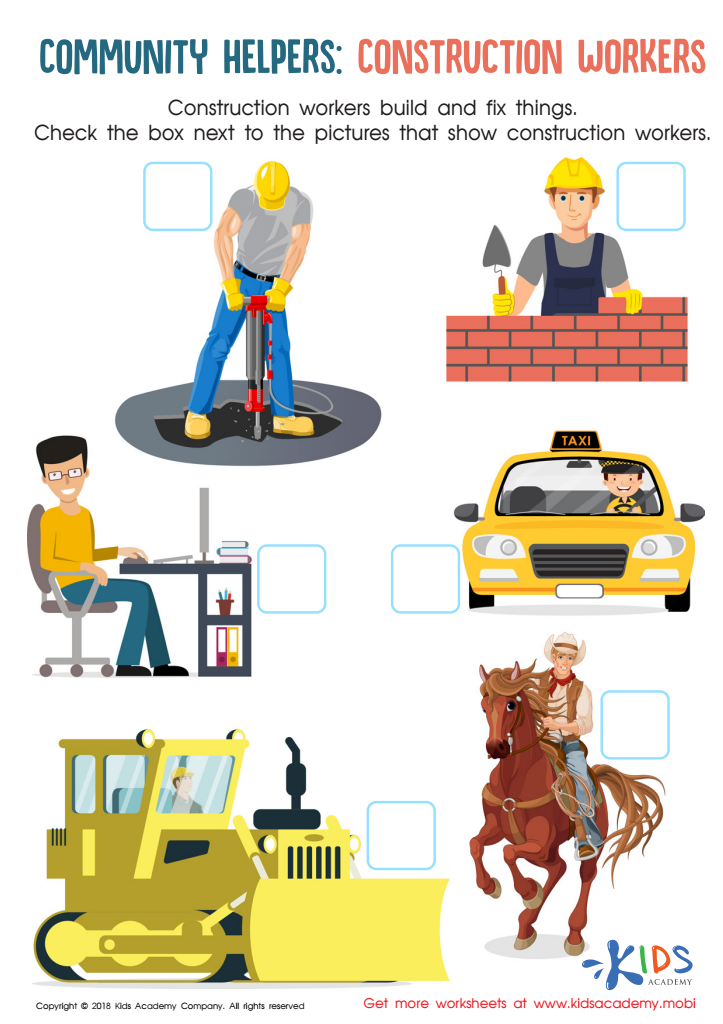
Construction Workers Community Helpers Worksheet
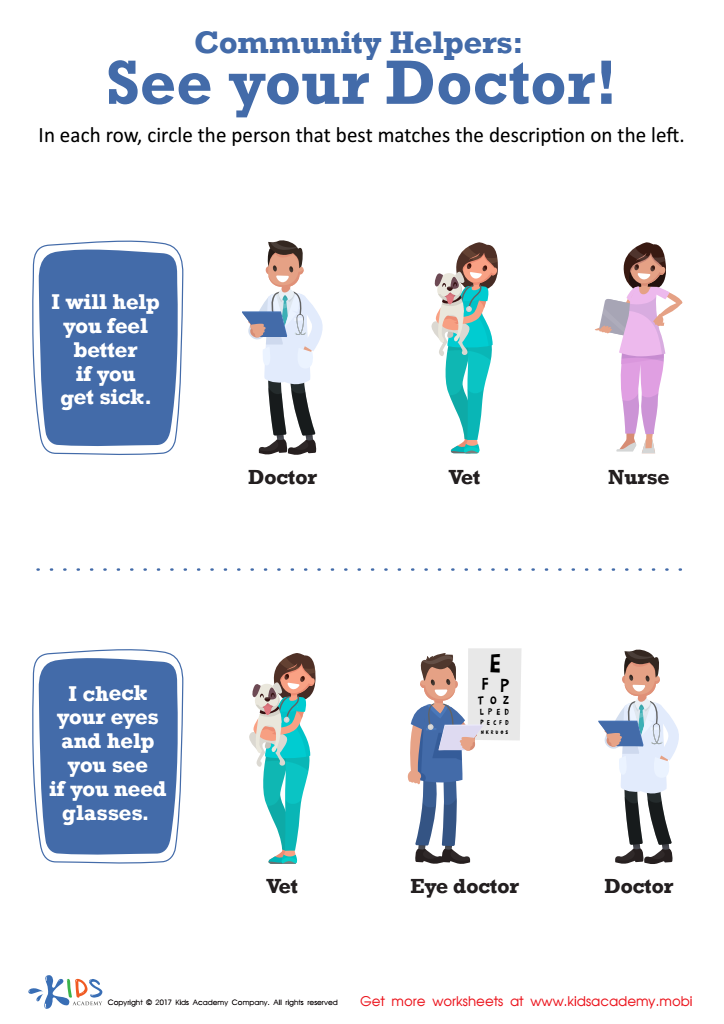
See Your Doctor (Part 1) Printable
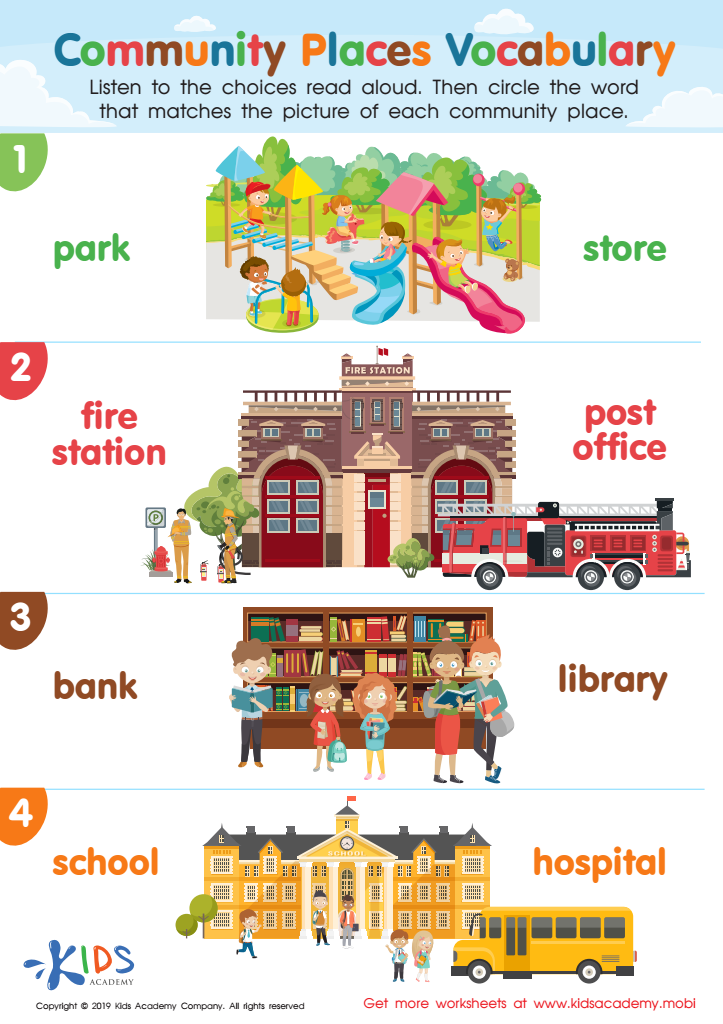
Community Places Vocabulary Worksheet
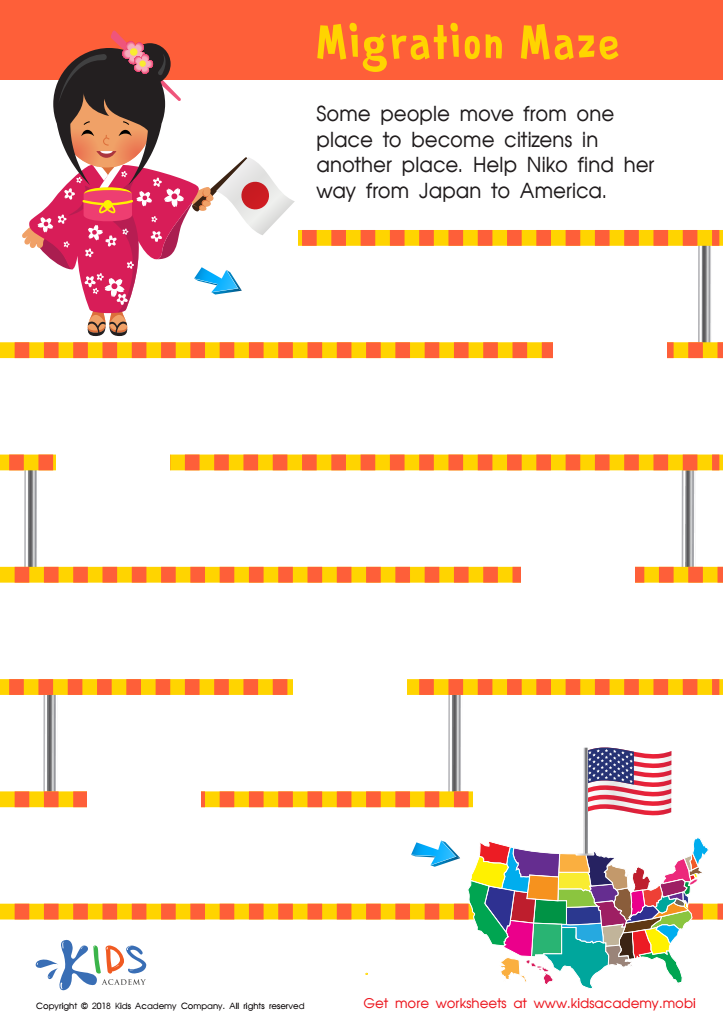
Migration Maze Worksheet
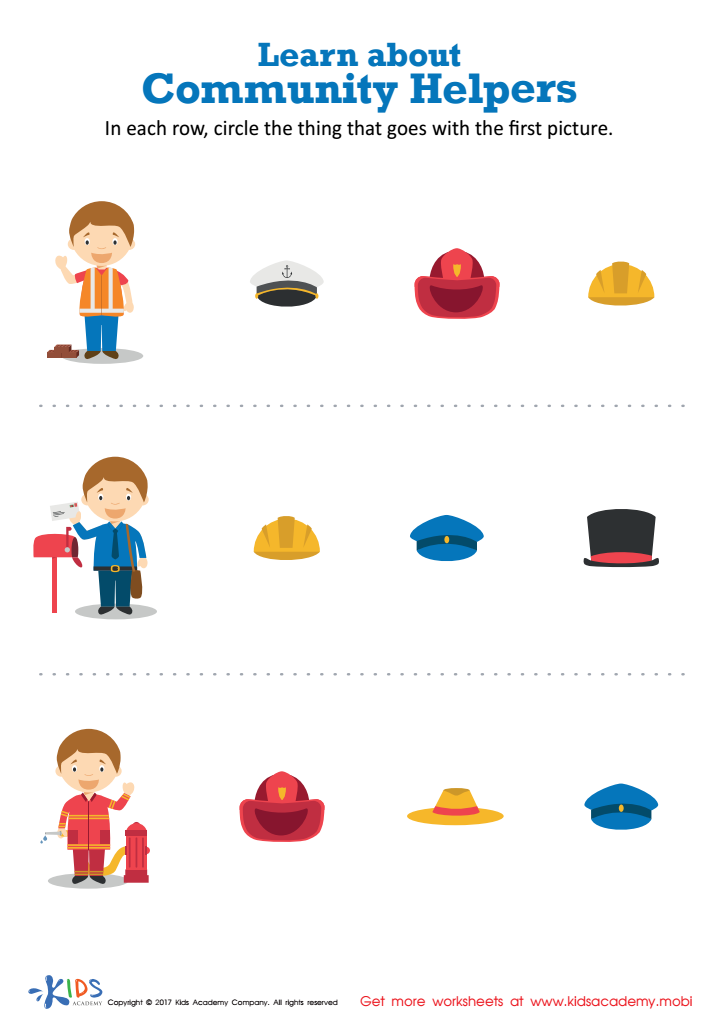
Learn about Community Helpers Printable
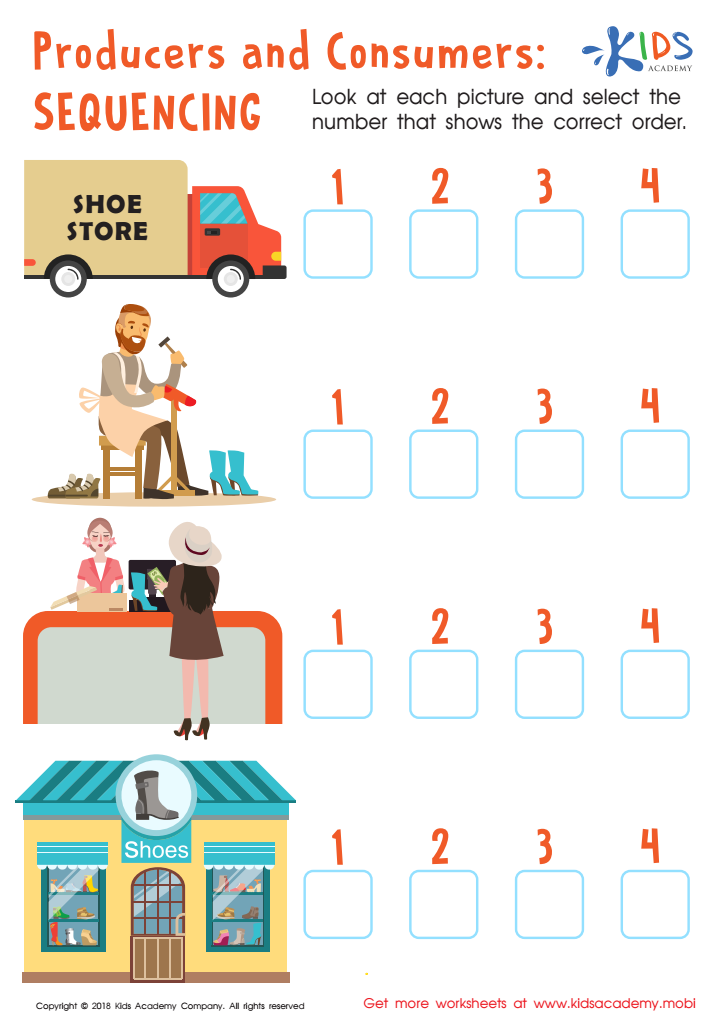
Producers and Consumers: Sequencing Worksheet
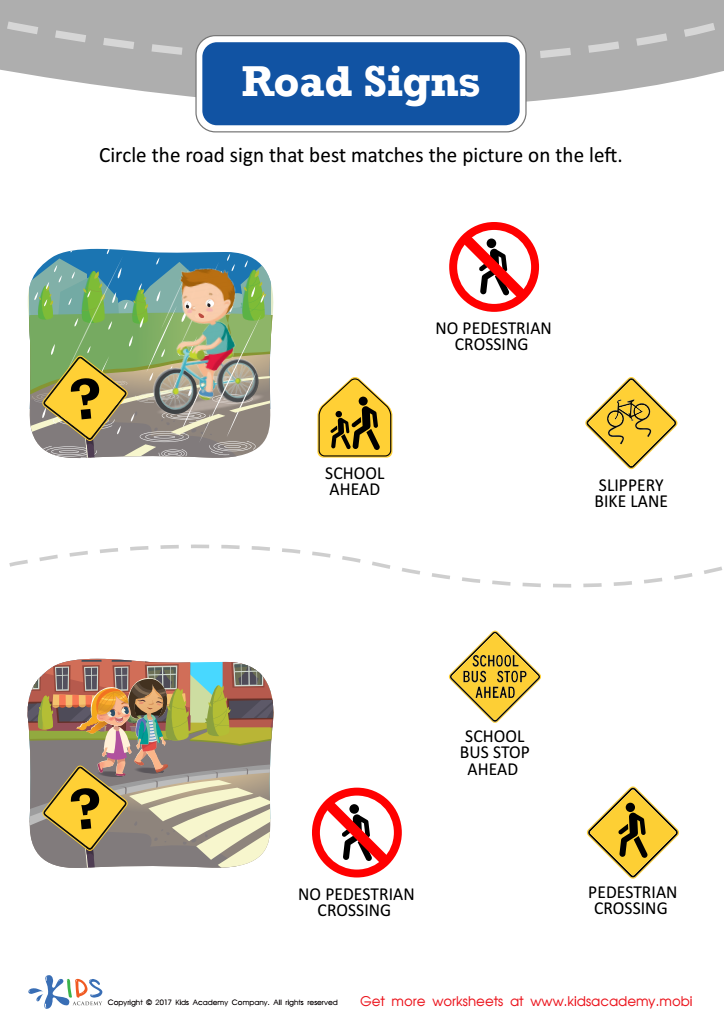
Road Signs (Part 2) Printable
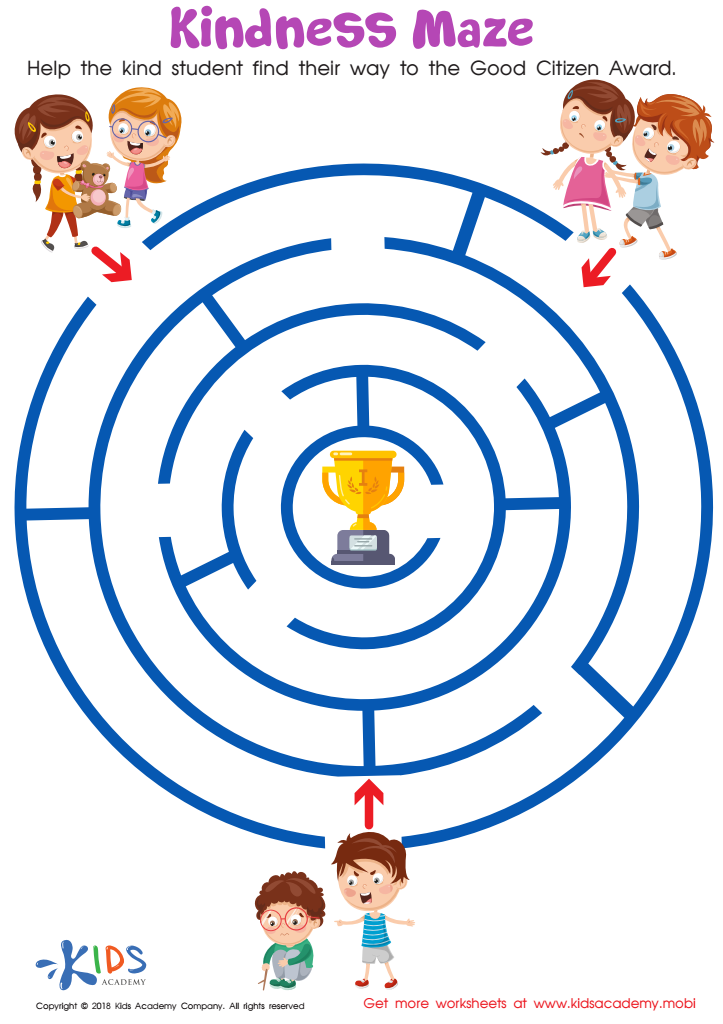
Kindness Maze Worksheet








Community is a crucial aspect of a child's development, especially for children aged 6-9. During these formative years, young learners are not only building their academic skills but also developing social and emotional connections. Understanding and caring about community can help parents and teachers foster a sense of belonging, teach cooperation, and promote empathy among children.
When parents and teachers emphasize the importance of community, they encourage children to appreciate diversity and the role they play in larger social structures. Engaging with neighbors, participating in local activities, and contributing to community projects instill a sense of responsibility and awareness in young learners. This engagement can boost self-esteem and create interactive opportunities for learning outside the classroom.
Furthermore, a strong community encourages collaboration and support networks for families, making it essential for parents and teachers to advocate for nurturing environments. By caring about community, adults provide children with role models who demonstrate positive social behaviors and the importance of helping others. Ultimately, building community circles enriches children’s lives, prepares them to actively participate in society, and lays a foundation for lifelong citizenship and connectedness.








