Life Science Worksheets for Ages 3-7 - Page 2
29 filtered results
-
From - To
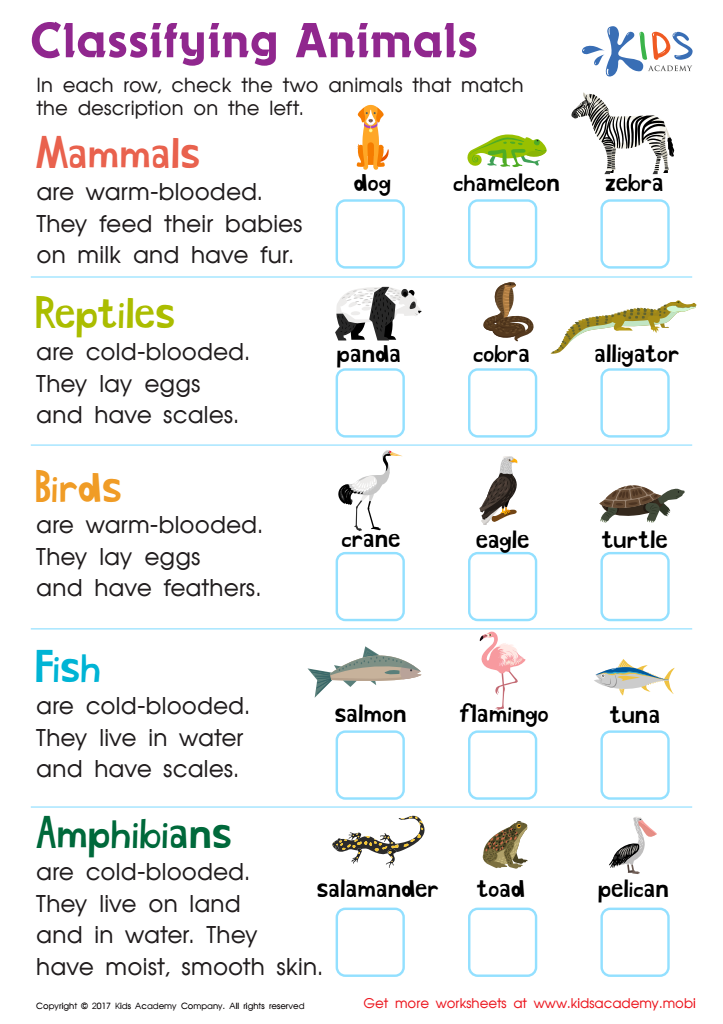
Classifying Animals Worksheet
 Assign to My Students
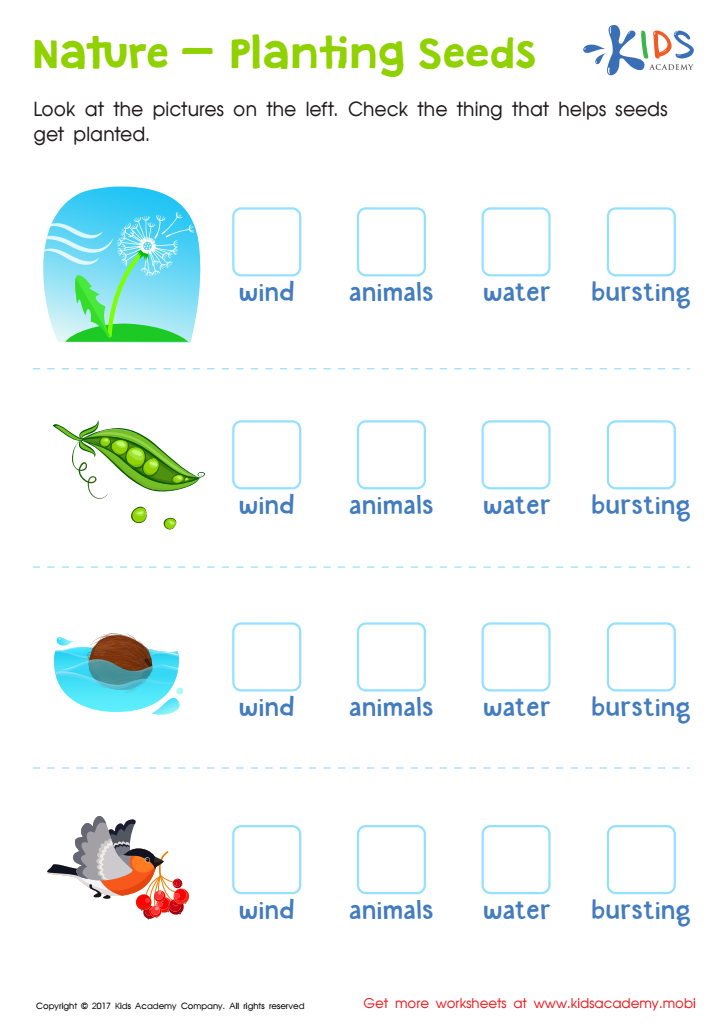
Nature Planting Seeds Worksheet
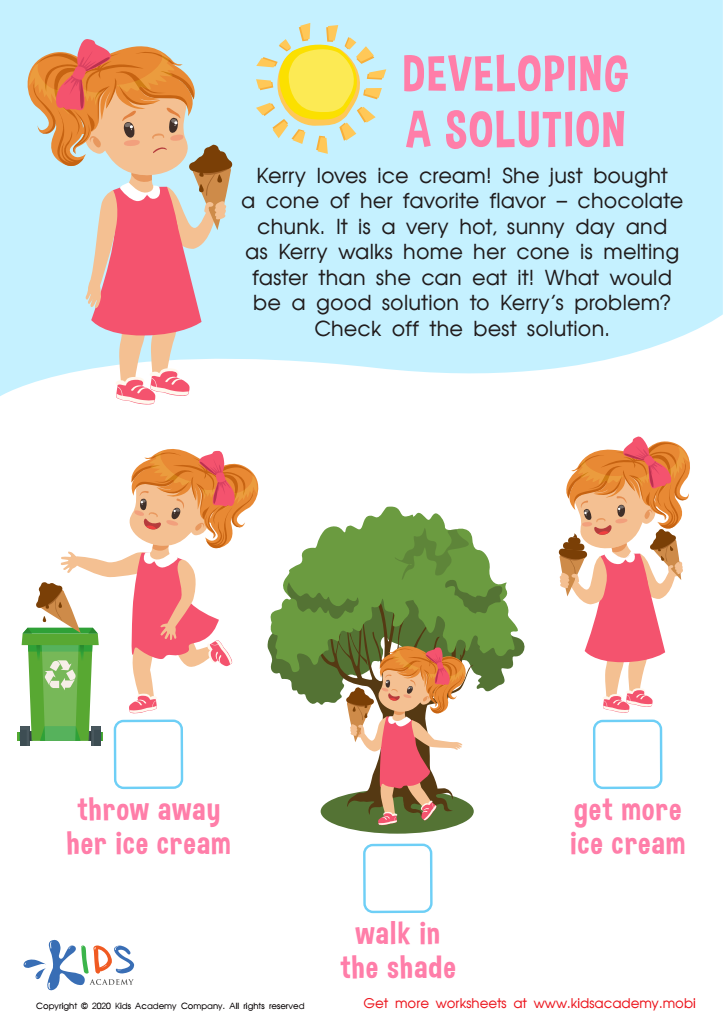
Developing Solution Worksheet
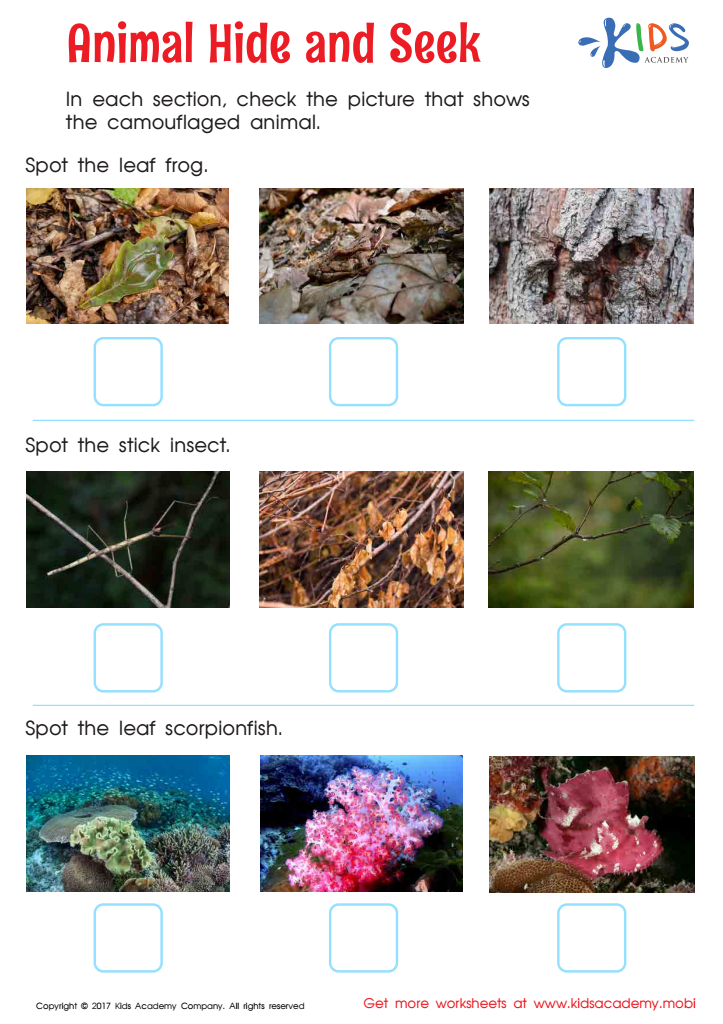
Animal Hide and Seek Worksheet
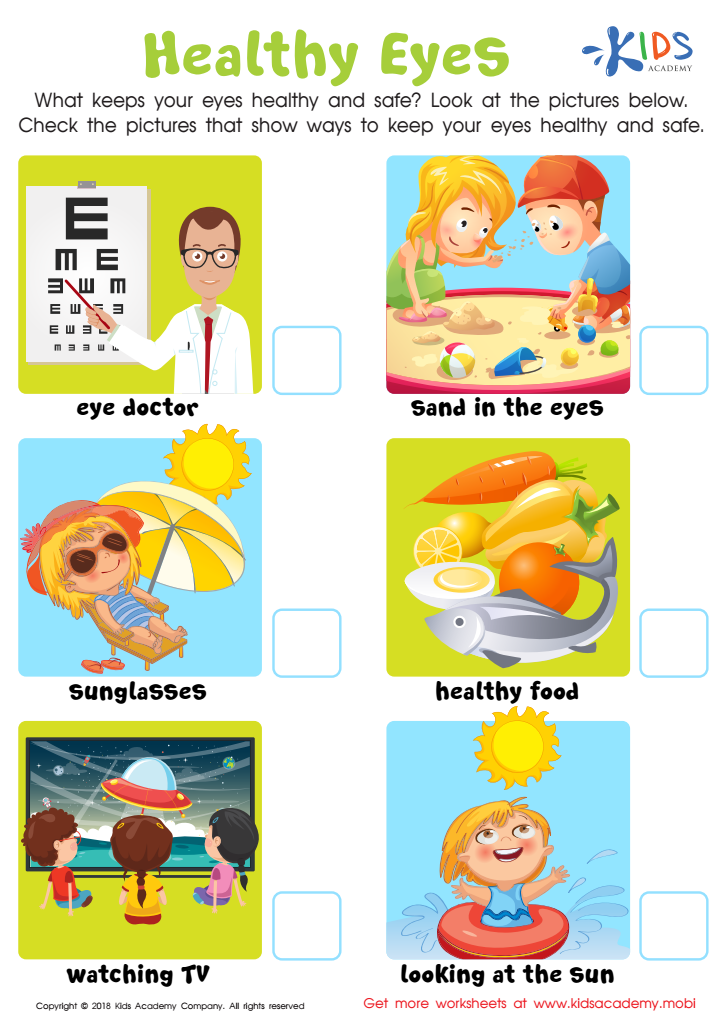
Healthy Eyes Worksheet





Parents and teachers should care deeply about life science education for young children ages 3-7 because it lays a critical foundation for lifelong learning and curiosity. Life science, which covers plants, animals, and environments, fosters a sense of wonder and respect for the natural world. At this formative age, children are naturally curious and absorbent; introducing them to life science stimulates their observational skills, critical thinking, and problem-solving abilities.
Understanding basic life science concepts helps children appreciate the interconnectedness of life. When young learners participate in hands-on activities like planting seeds, observing butterflies, or even caring for a class pet, they develop empathy and responsibility. These activities nurture a respect for living things and environmental stewardship, encouraging them to make informed choices that affect the world around them.
Moreover, early exposure to life science builds a strong foundation in scientific literacy and language development. Discussing living organisms and their habitats introduces new vocabulary and concepts that are essential not just in science but across various subjects. Teachers can integrate literacy, math, and art with life science to create a holistic learning experience.
Inculcating life science education at an early age ultimately promotes a sense of curiosity about the world, prepares children for more complex scientific learning later on, and fosters responsible, informed future citizens.








