Plants and Animals Worksheets for Ages 3-8 - Page 5
141 filtered results
-
From - To
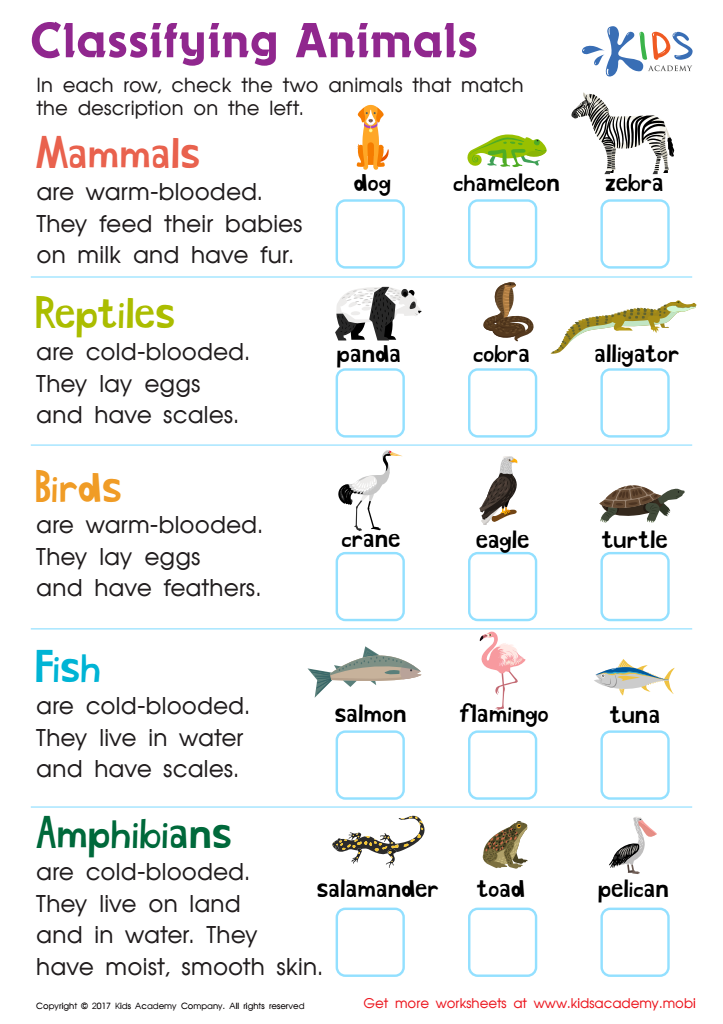
Classifying Animals Worksheet
 Assign to My Students
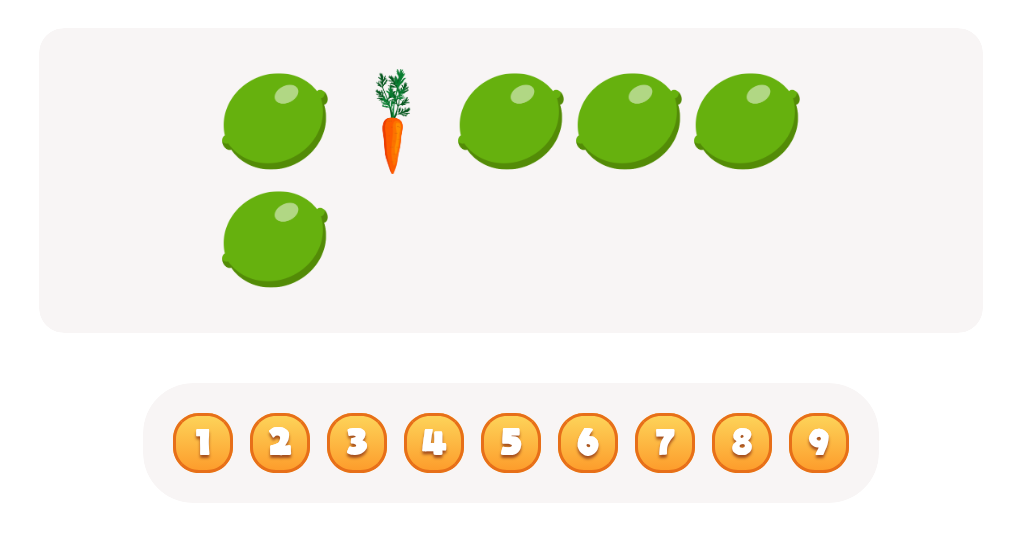

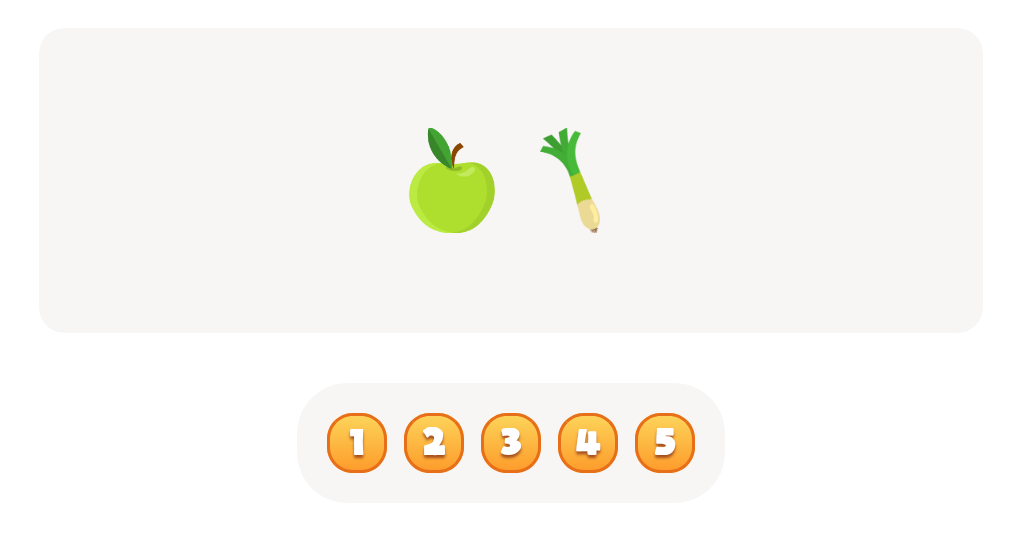
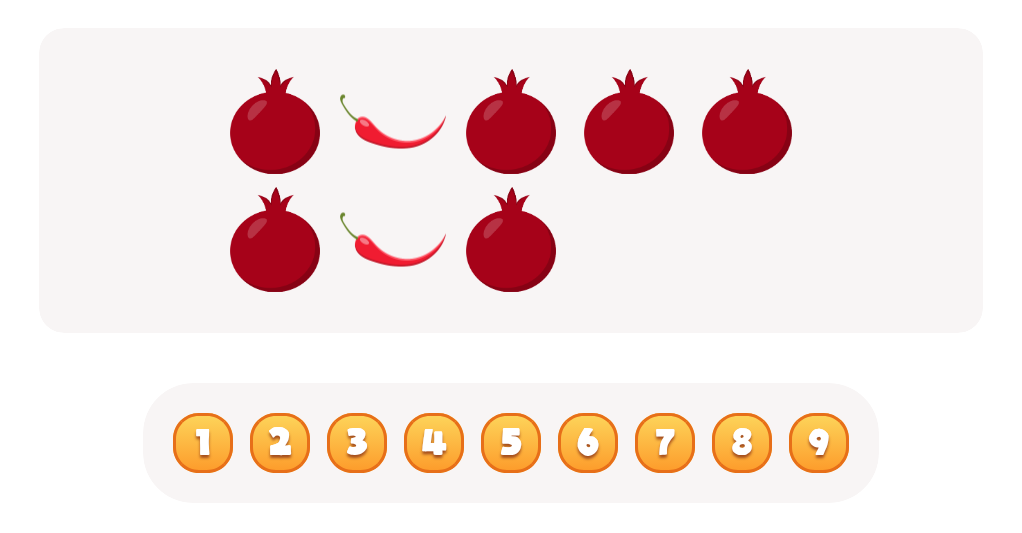
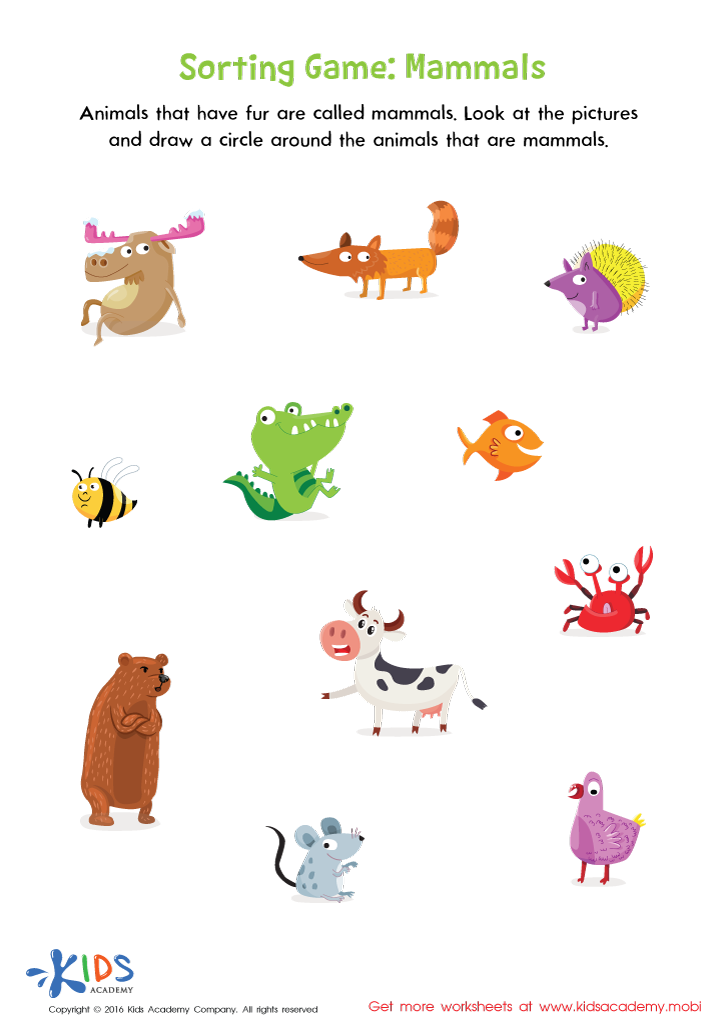
Mammals Sorting Worksheet
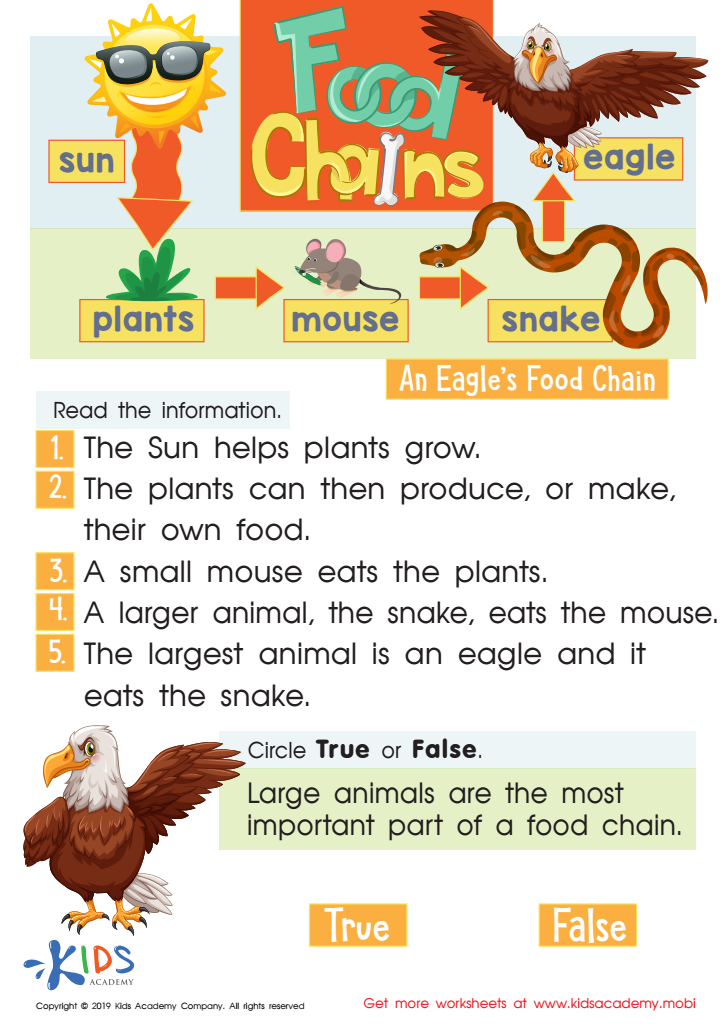
Food Chains Worksheet
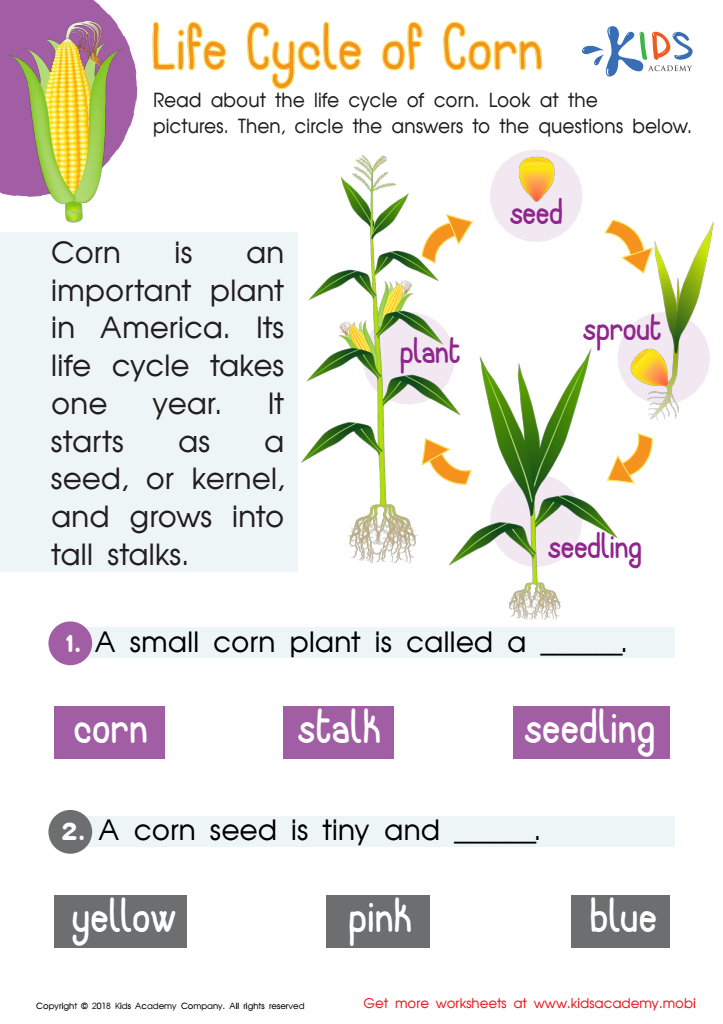
Life Cycle of Corn Worksheet
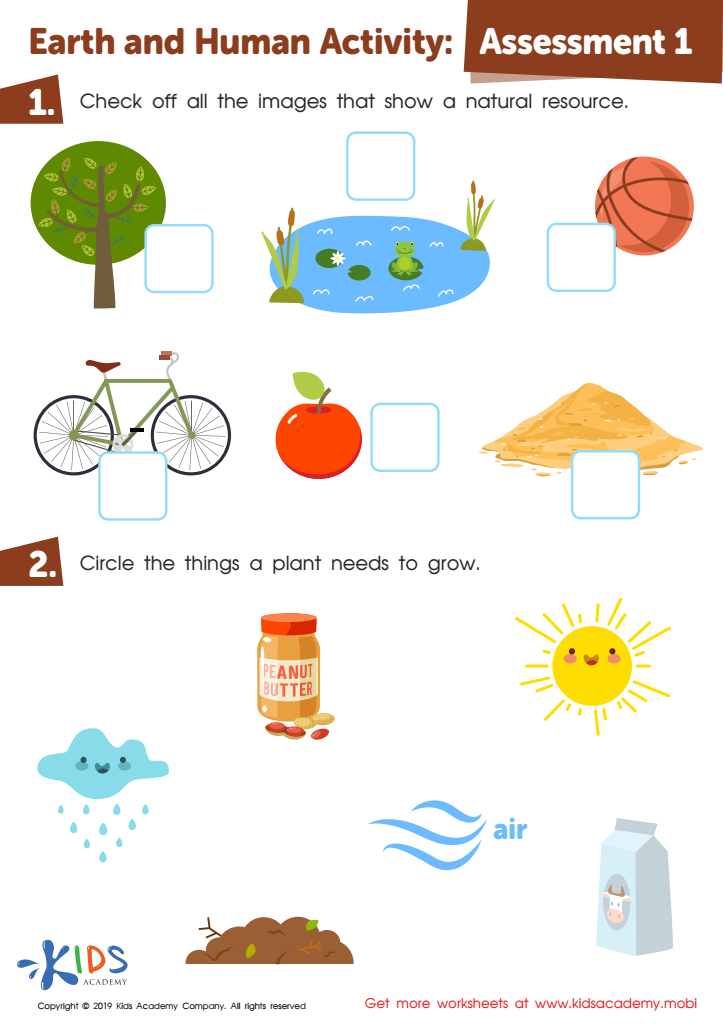
Earth and Human Activity: Assessment 1 Worksheet
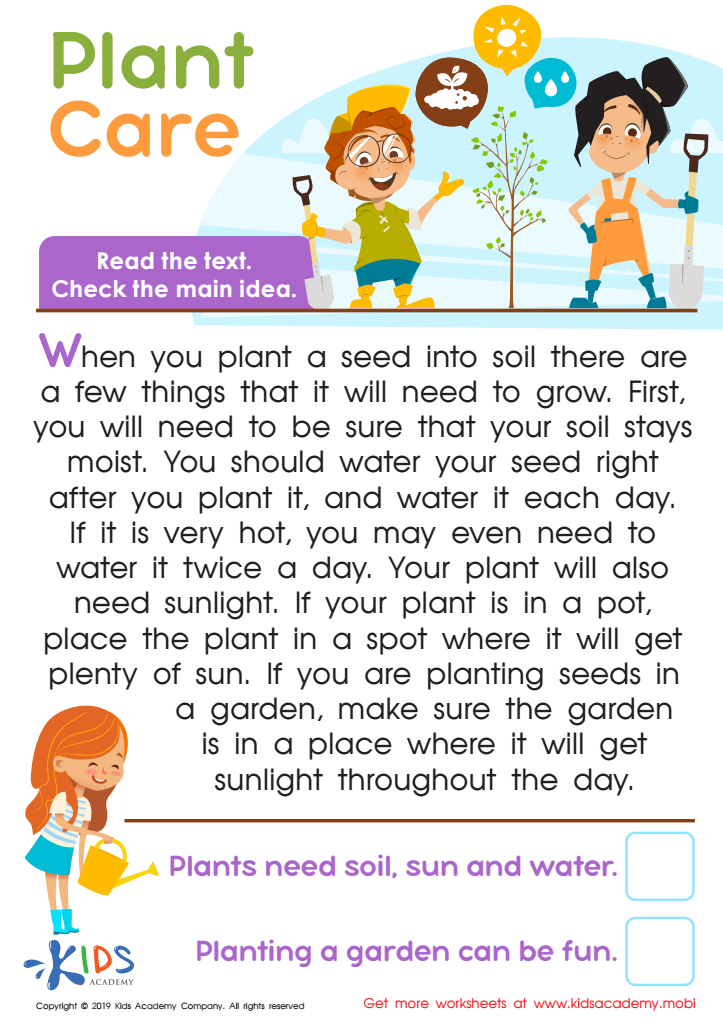
Plant Care Worksheet
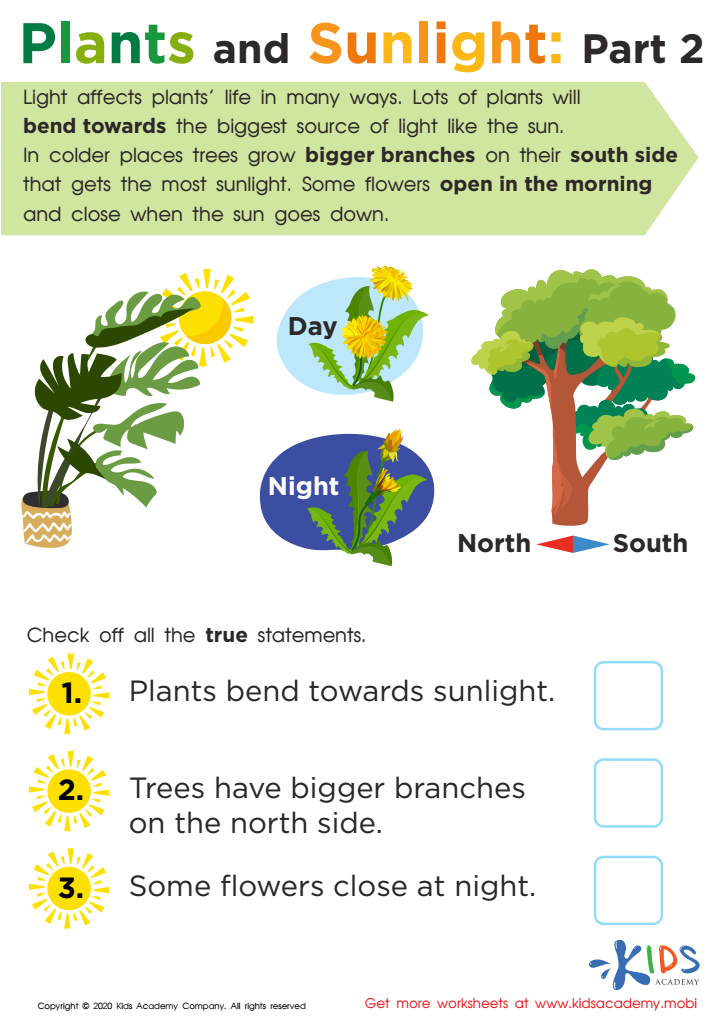
Plants and Sunlight: Part 2 Worksheet
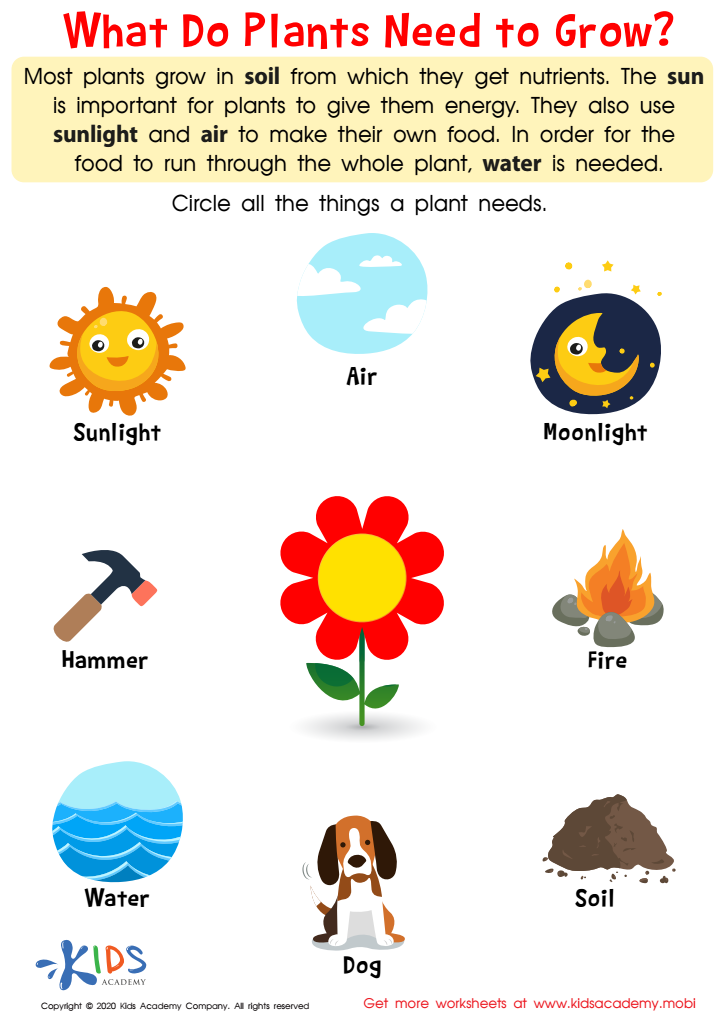
What Do Plants Need to Grow Worksheet

Identifying Living or Non–living Worksheet
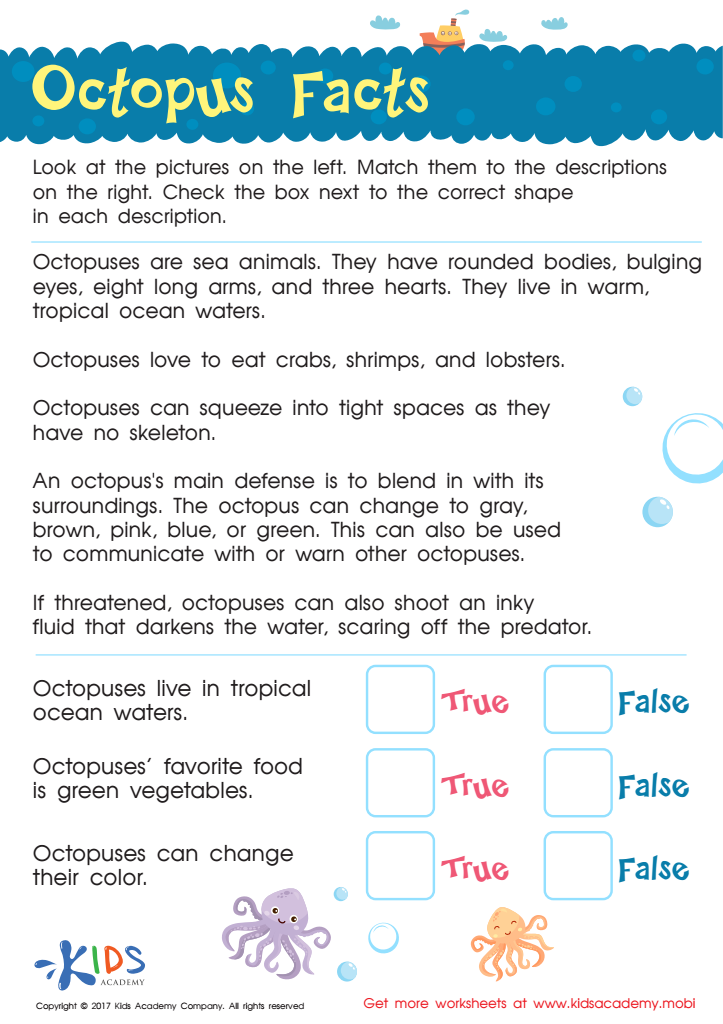
Octopus Facts Worksheet For Kids
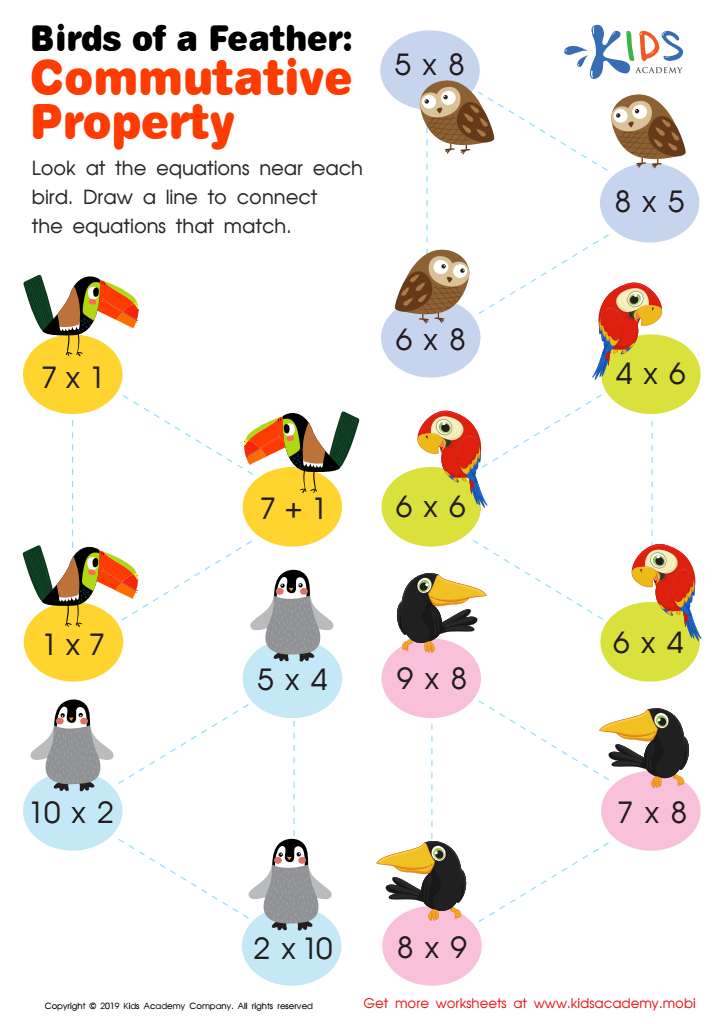
Birds of a Feather: Commutative Property Worksheet
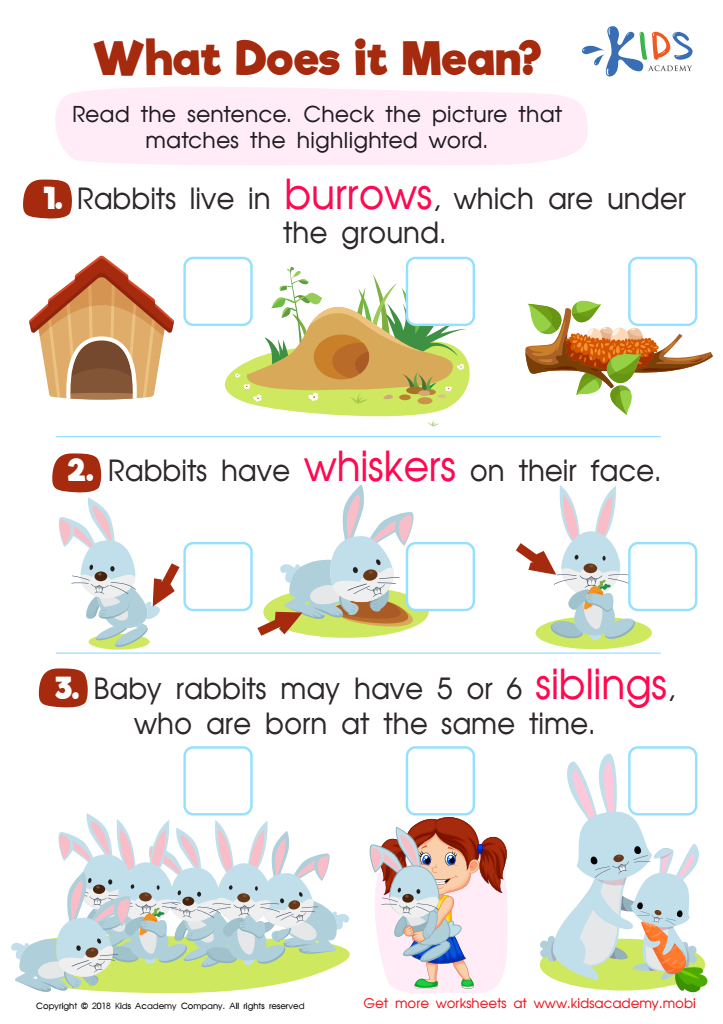
What Does It Mean? Worksheet
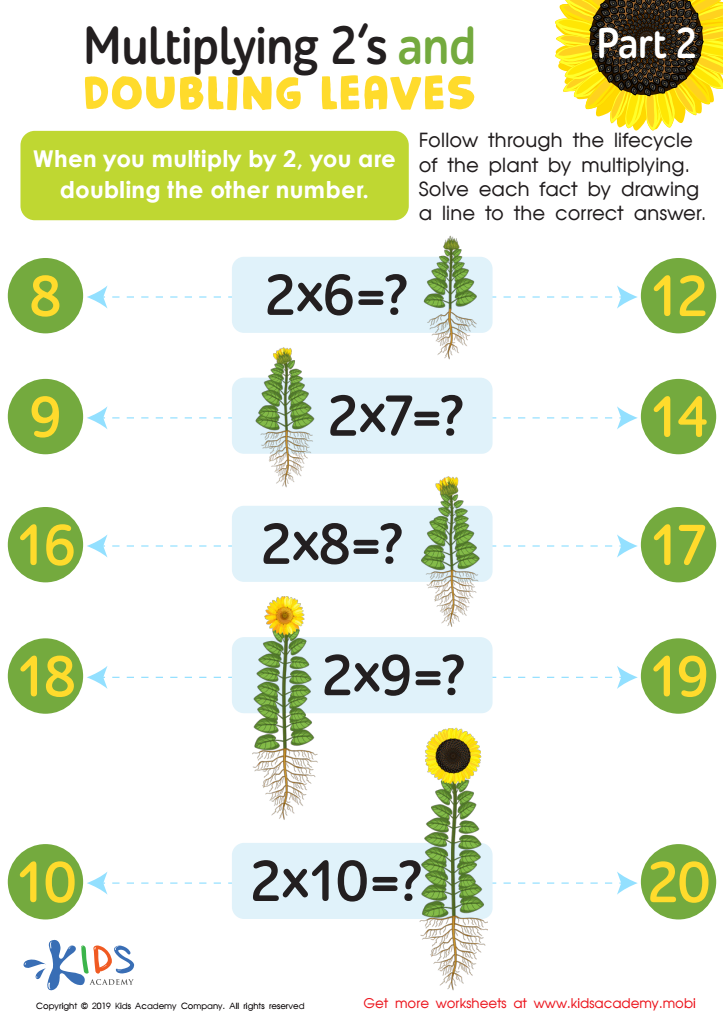
Multiplying 2’s and Doubling Leaves Part 2 Worksheet
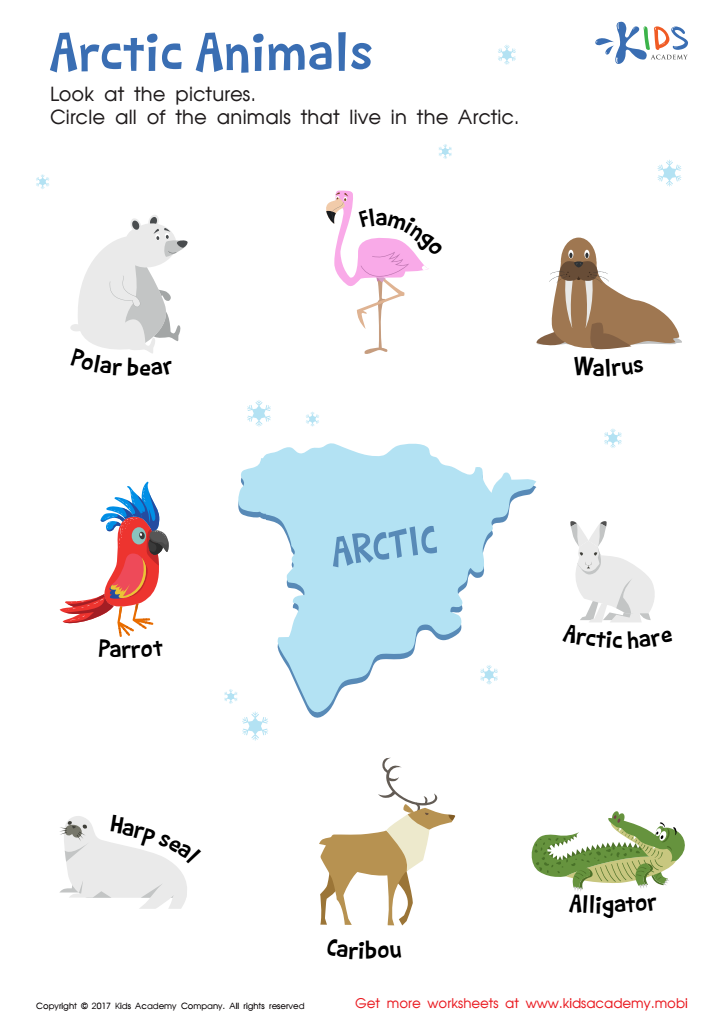
Arctic Animals Worksheet
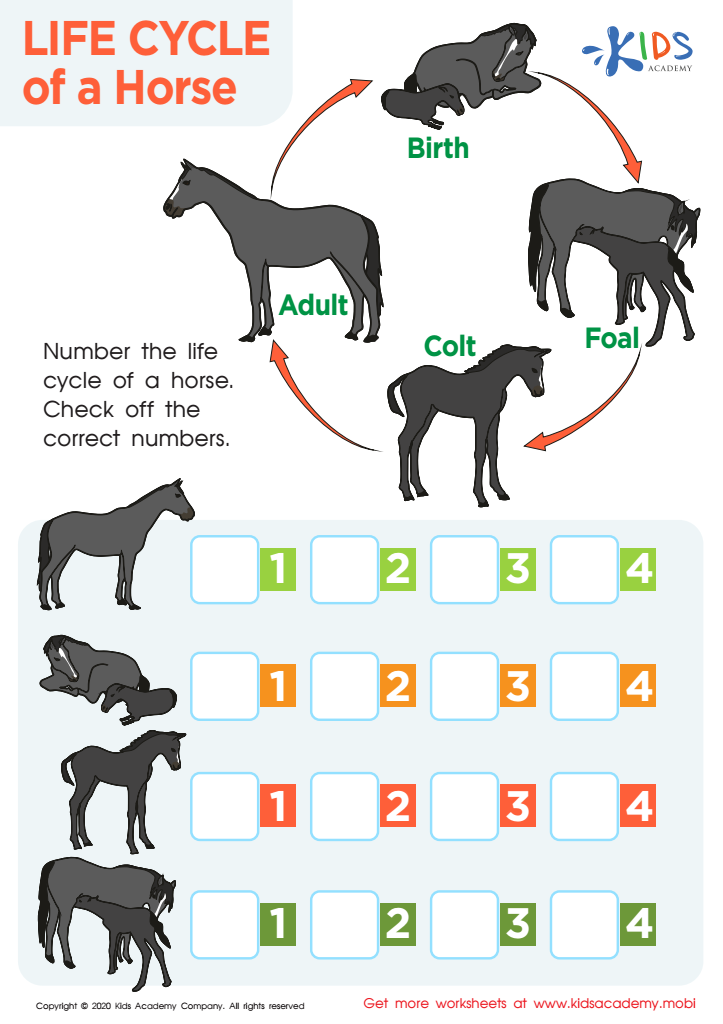
Life Cycle of a Horse Worksheet
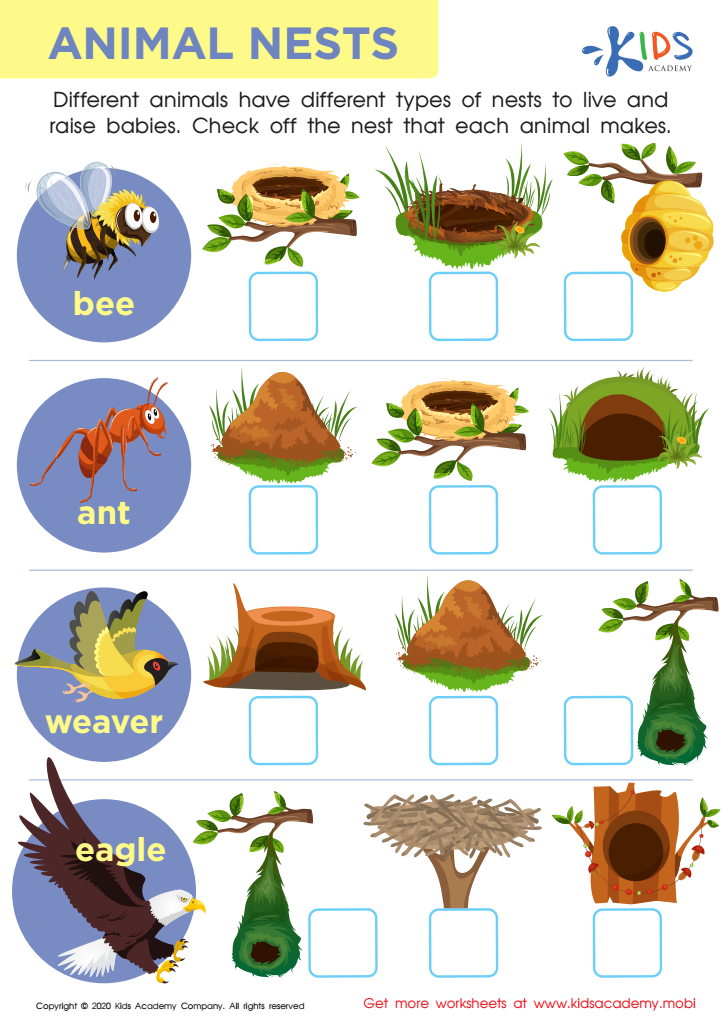
Animal Nests Worksheet
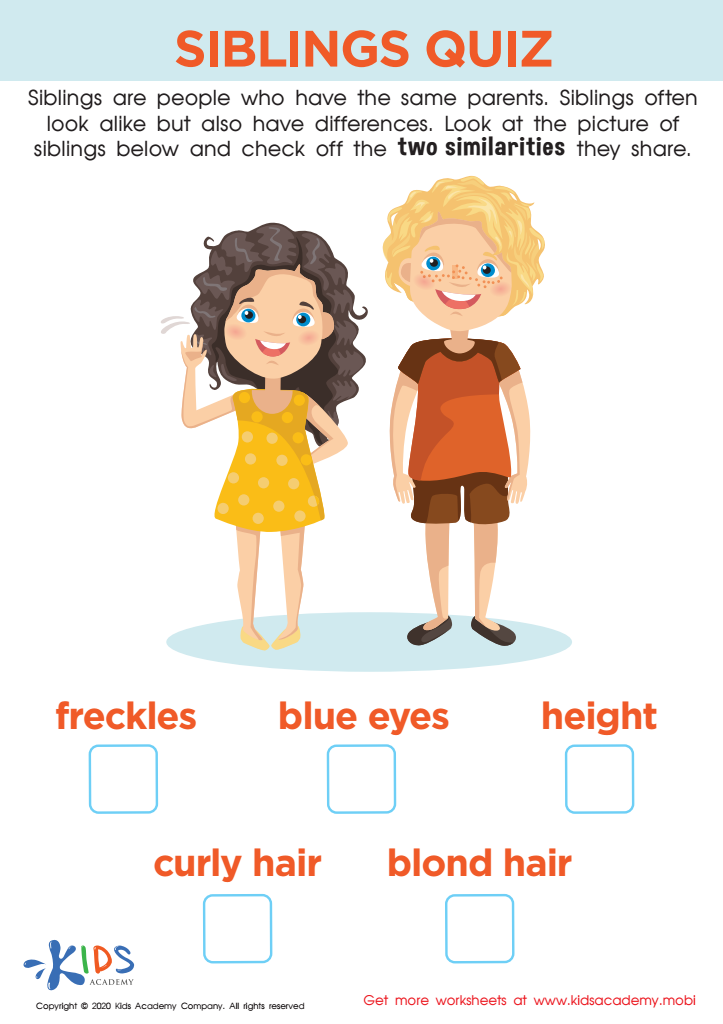
Siblings Quiz Worksheet
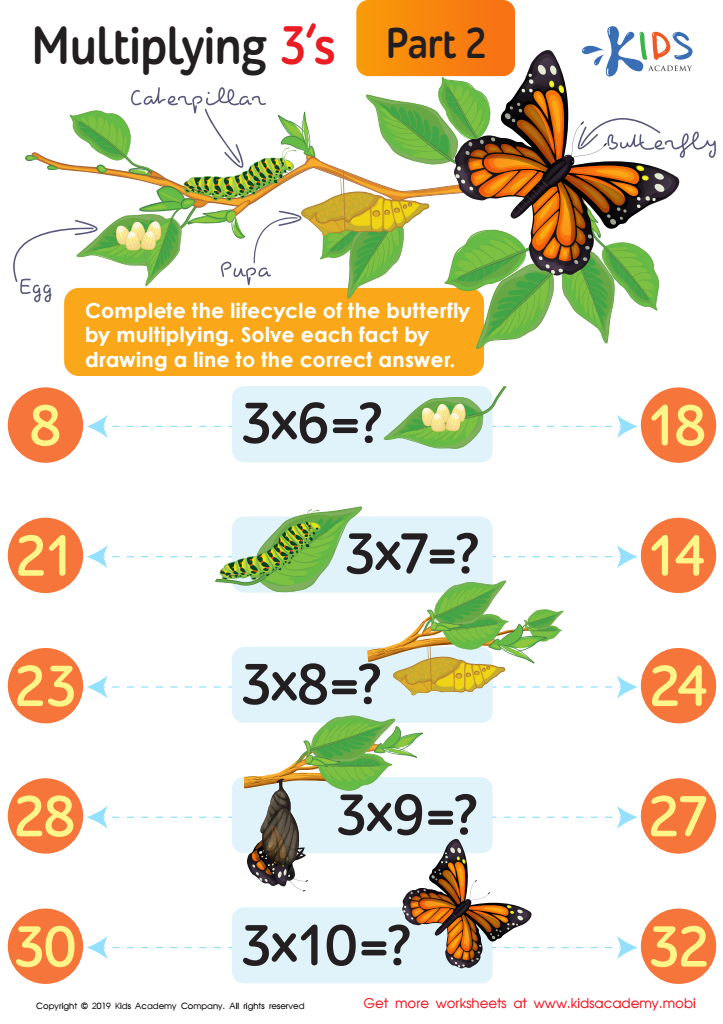
Multiplying 3s Part 2 Worksheet
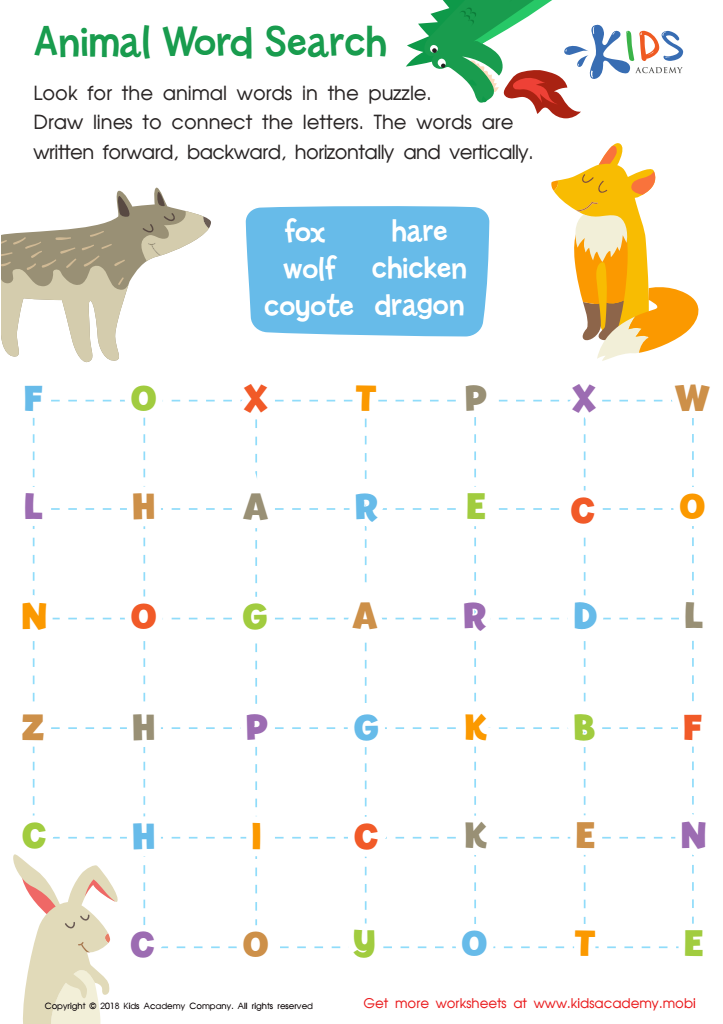
Animal Word Search Worksheet
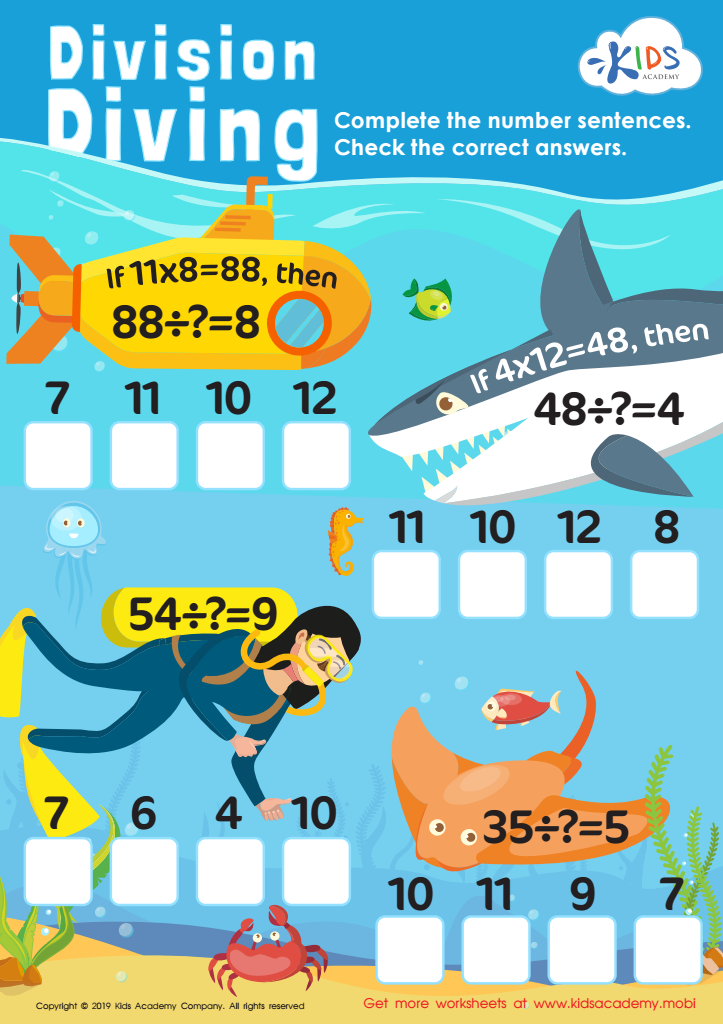
Division Diving Worksheet
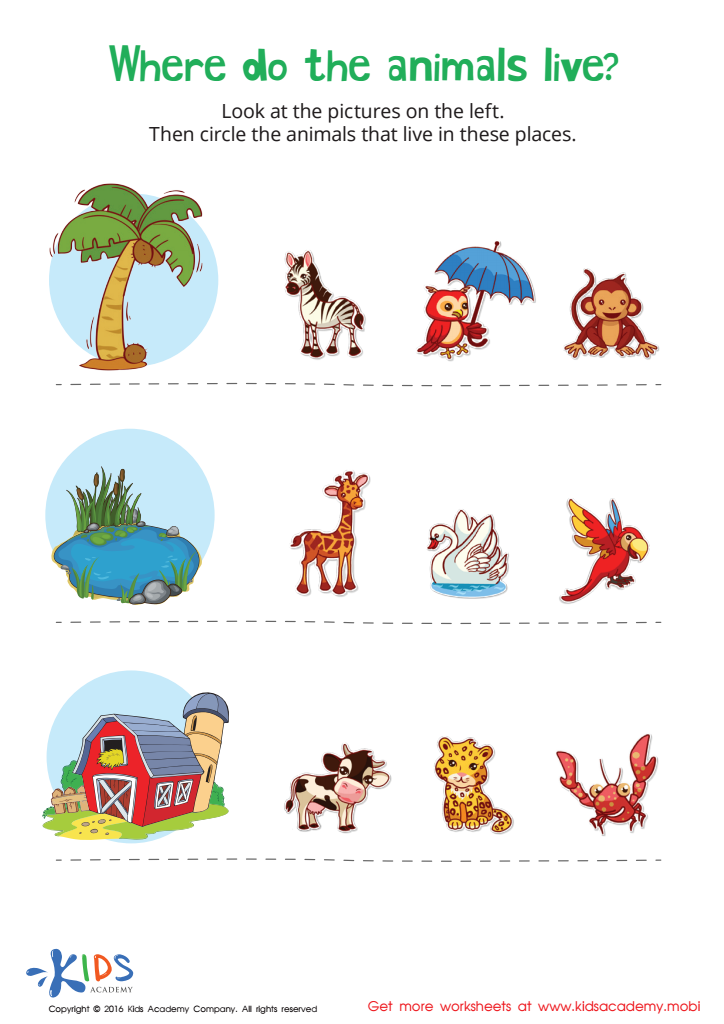
Where Animals Live Worksheet
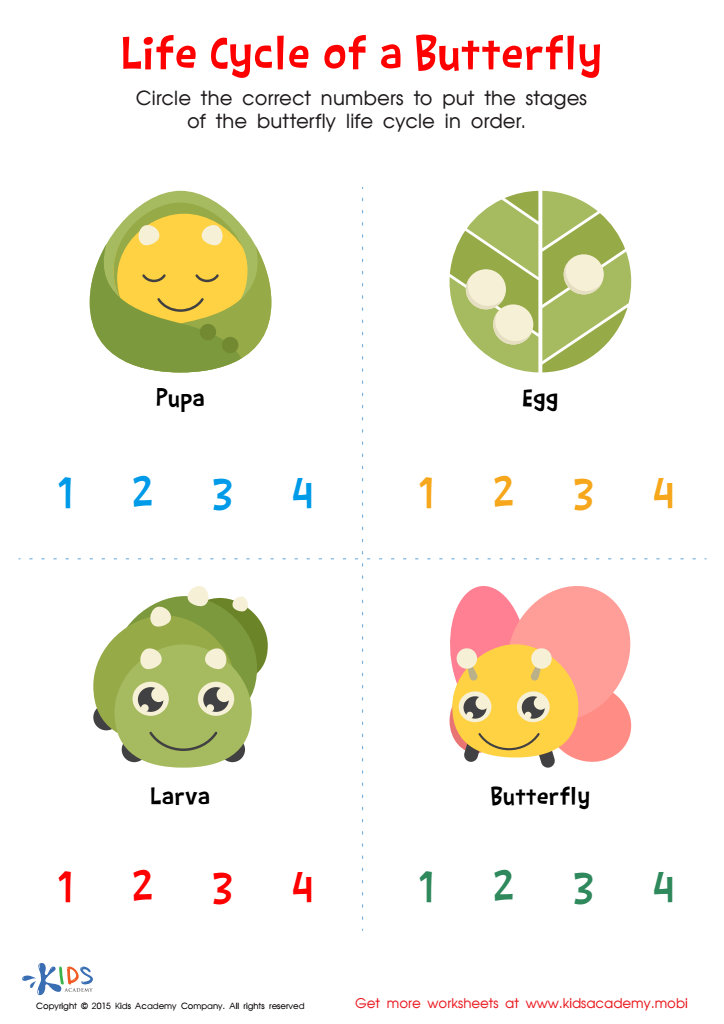
Life Cycle of Butterfly Printable
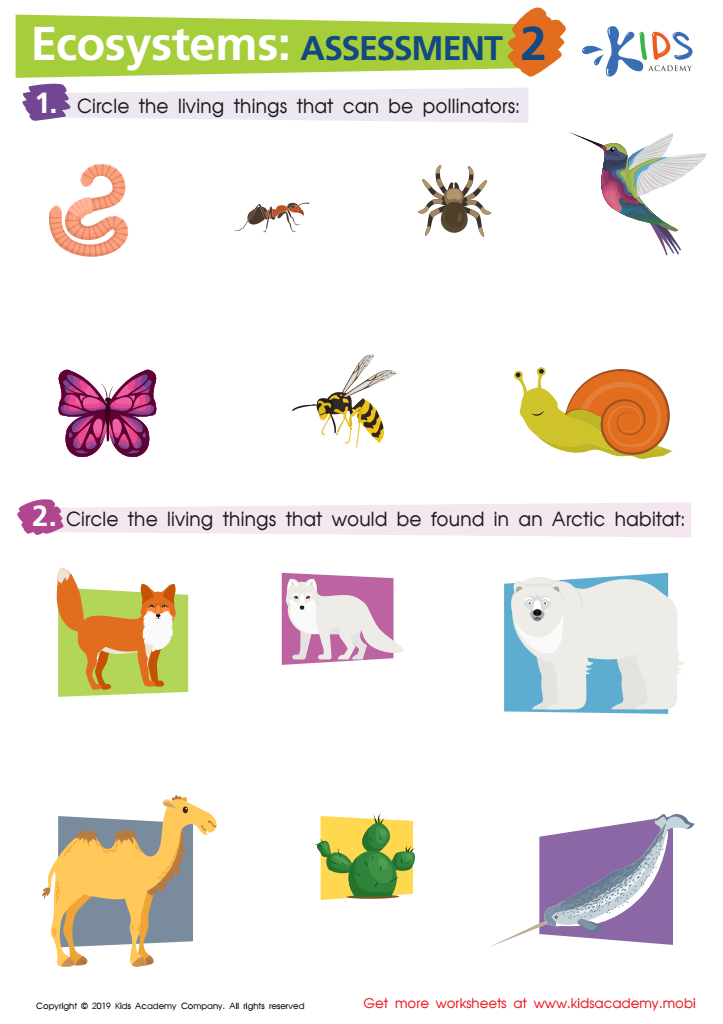
Ecosystems: Assessment 2 Worksheet
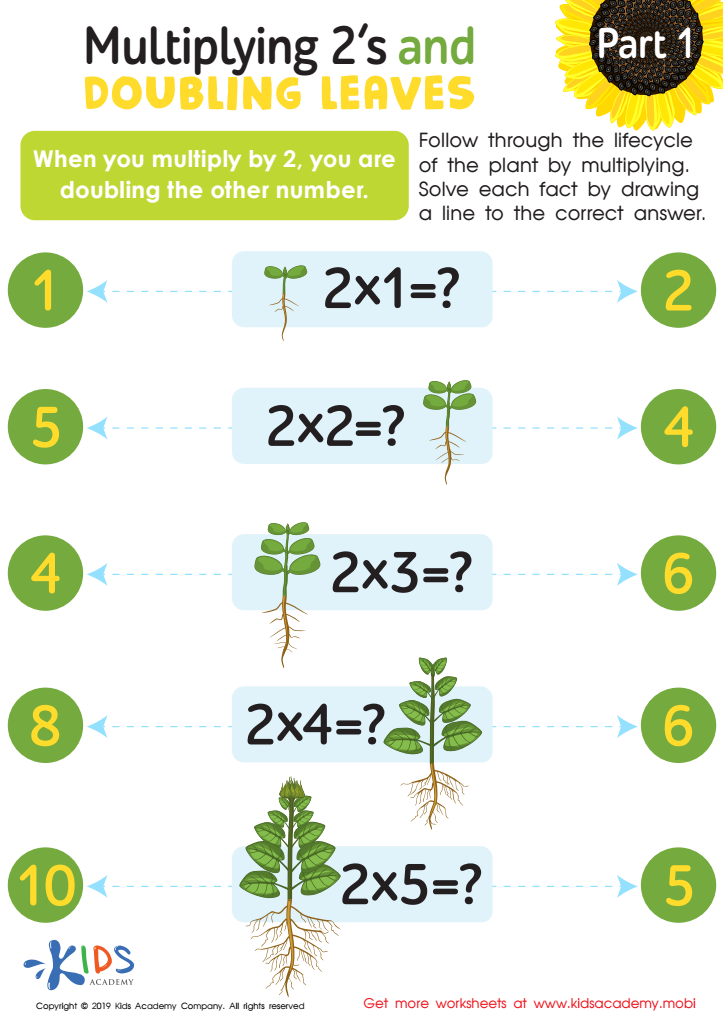
Multiplying 2’s and Doubling Leaves Part 1 Worksheet







Understanding plants and animals is vital for children ages 3-8 as it lays the foundation for environmental awareness and appreciation of the natural world. At this stage, children are naturally curious about their surroundings, and integrating the study of plants and animals into their learning cultivates that curiosity into a deeper connection to nature.
Parents and teachers should care about this topic because early exposure fosters critical thinking skills and enhances scientific literacy. Learning about ecosystems, the roles of different species, and the importance of biodiversity can help children comprehend complex concepts later in life.
Additionally, connecting with nature contributes to emotional well-being and cognitive development. Simple activities, like observing a garden or watching birds, can spark imagination and creativity, leading to a love for the outdoors.
Teaching children about plants and animals also promotes responsibility, as they learn the importance of caring for living things. This understanding can cultivate empathy for all life forms, making them more compassionate individuals as they grow. By enriching children’s lives with knowledge about plants and animals, parents and teachers are equipping them with the skills to be informed, responsible stewards of the environment in the future.








