Matching Worksheets for Ages 3-9 - Page 2
82 filtered results
-
From - To
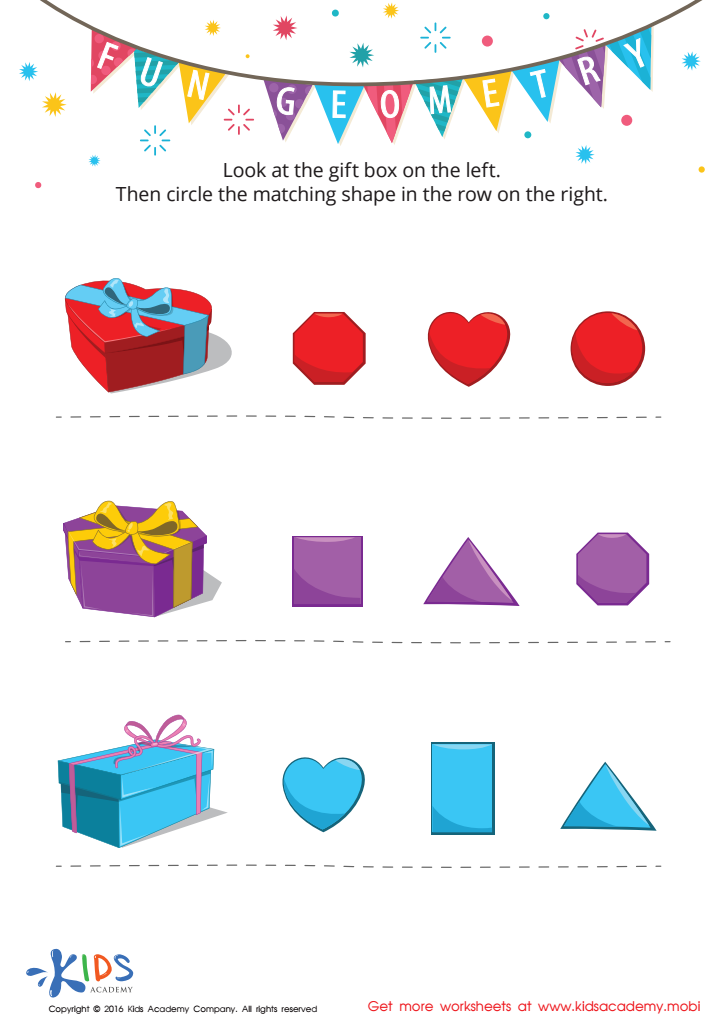
Fun Geometry Worksheet
 Assign to My Students
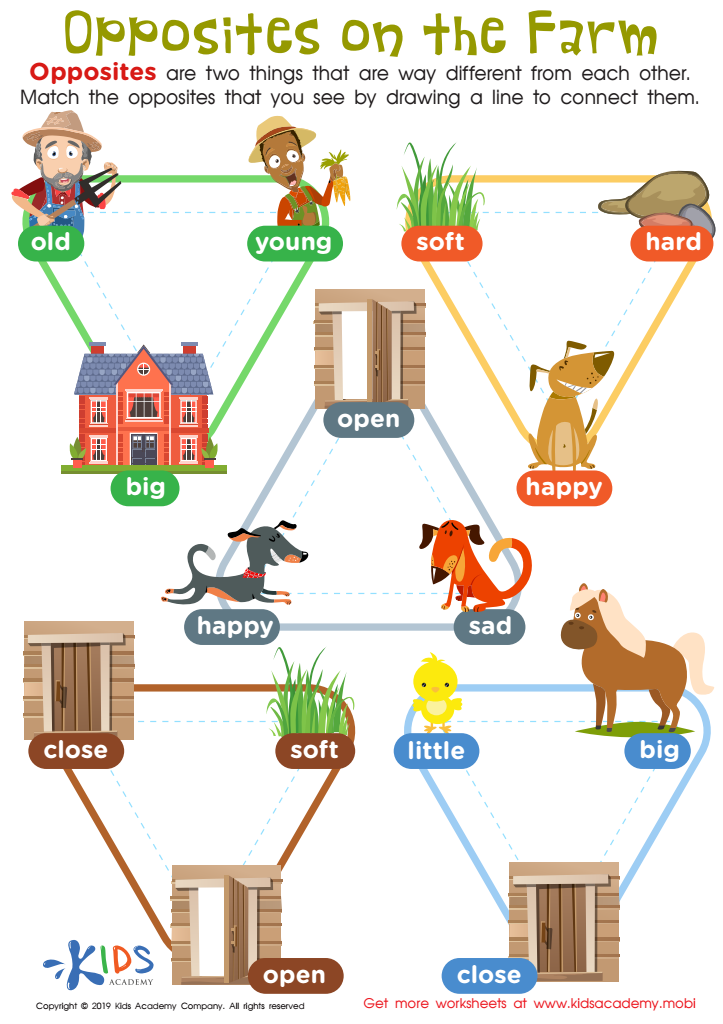
Opposites on the Farm Worksheet
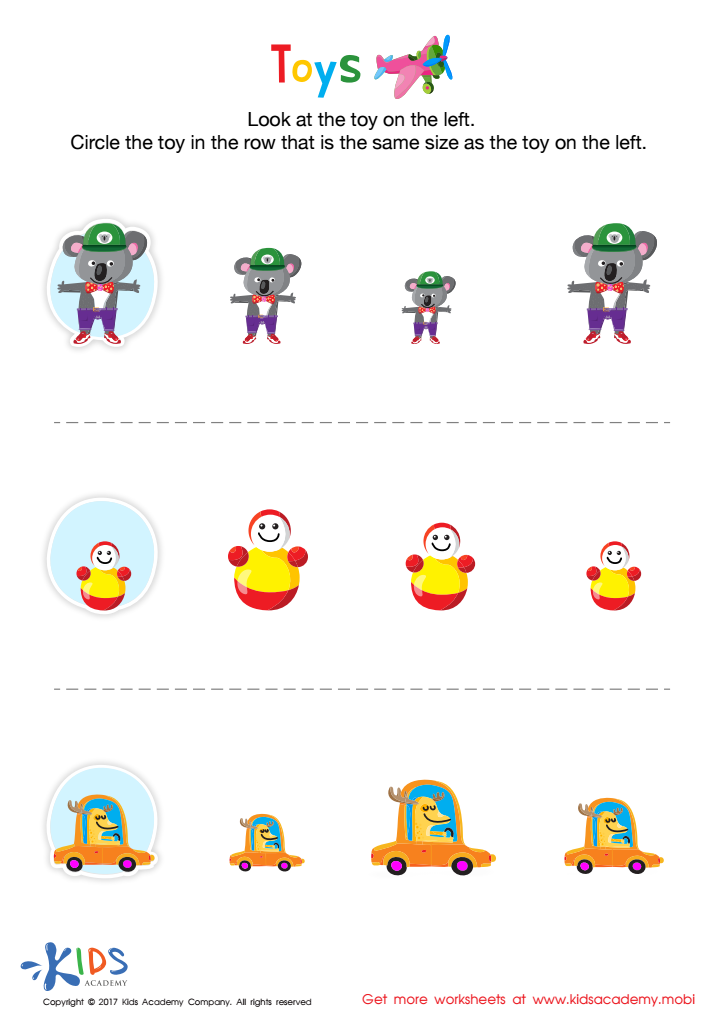
Matching: Classifying Toys by Size Worksheet
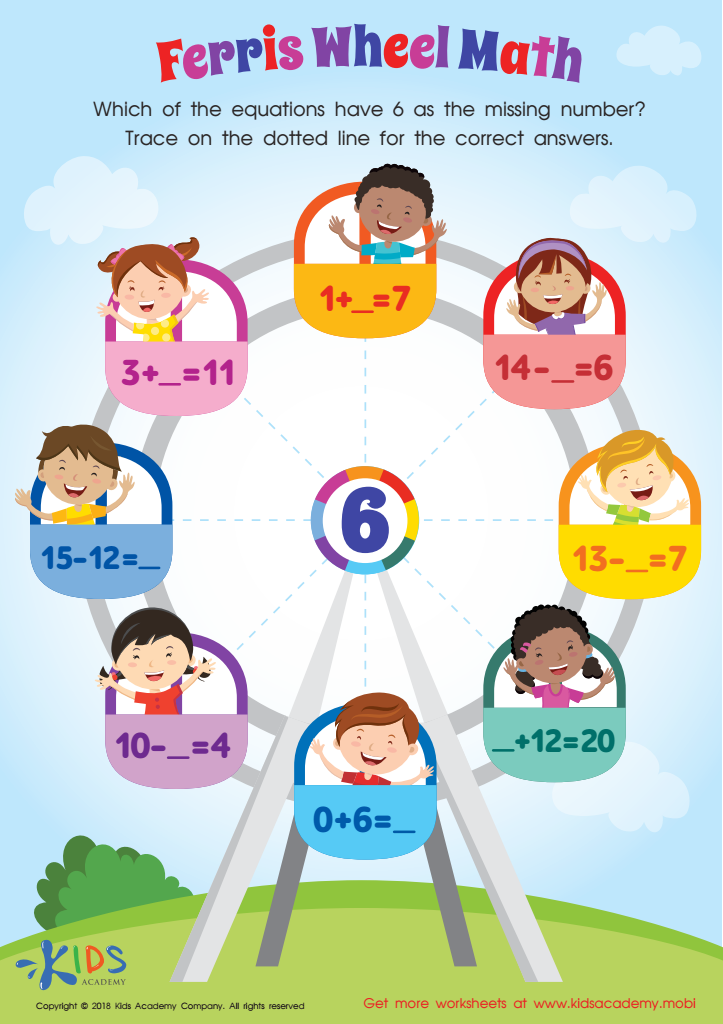
Missing Number: Ferris Wheel Math Worksheet
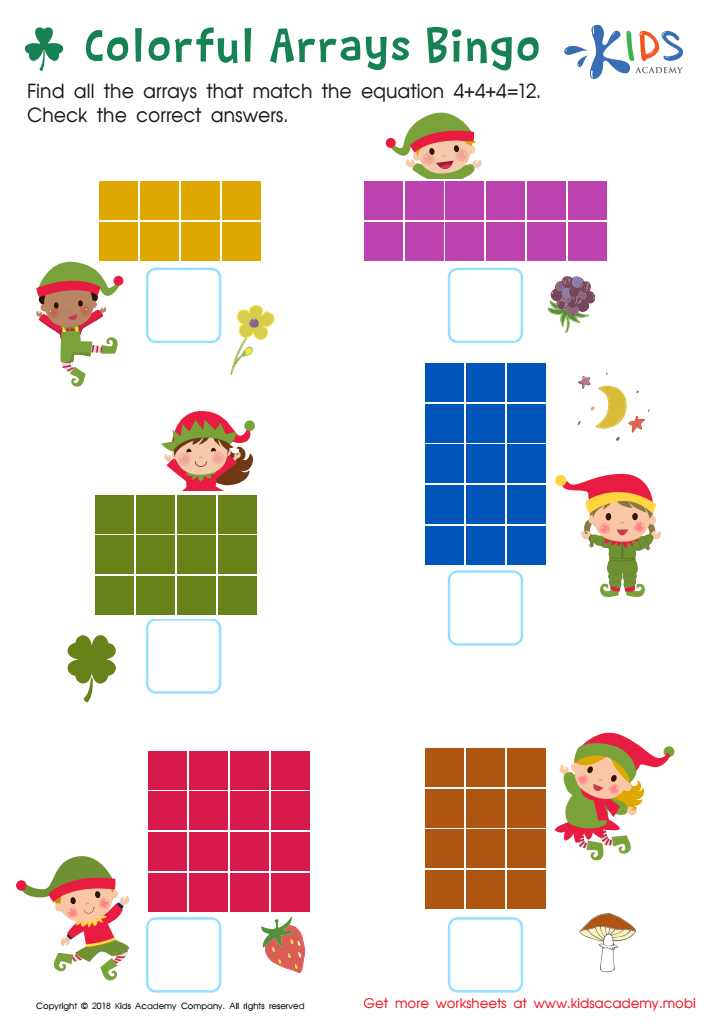
Colorful Arrays Bingo Worksheet
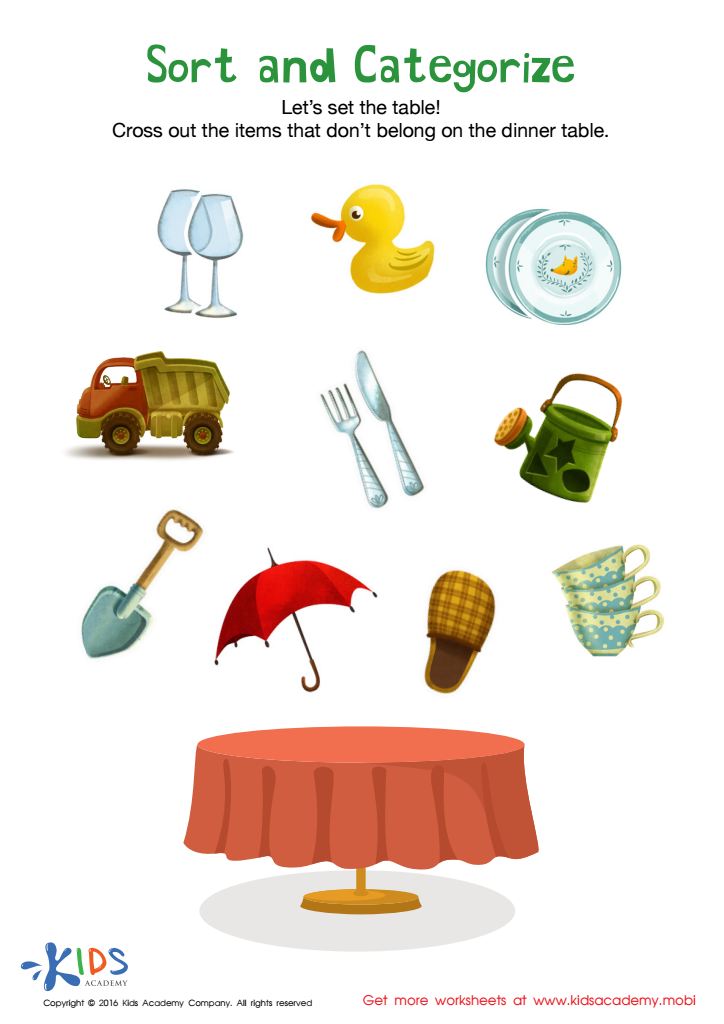
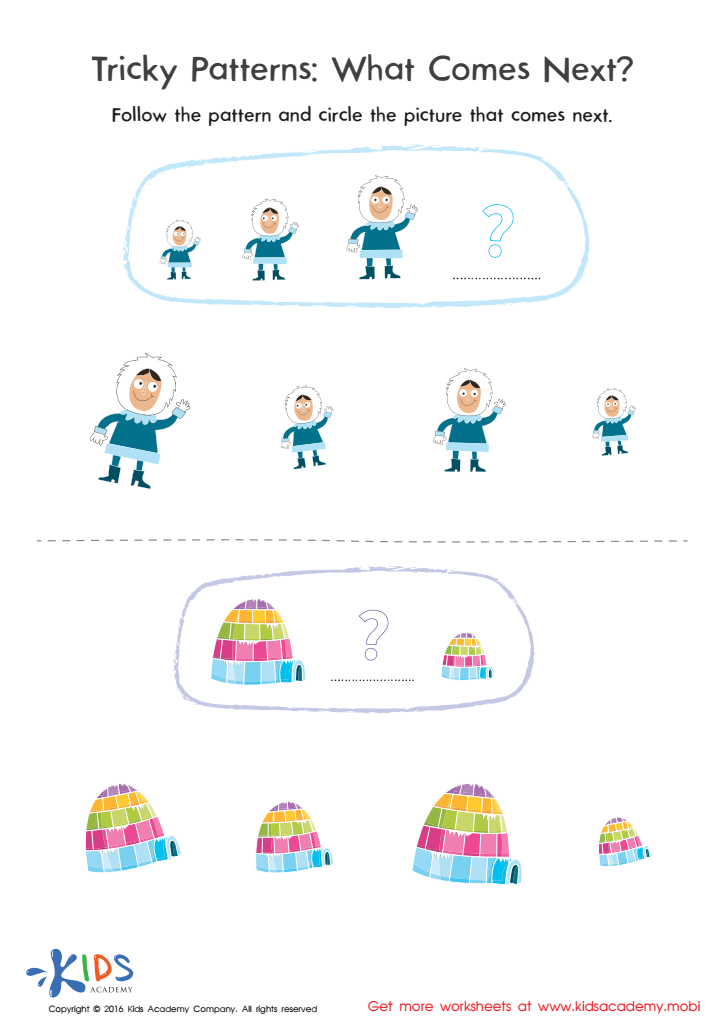
Tricky Patterns Size Worksheet
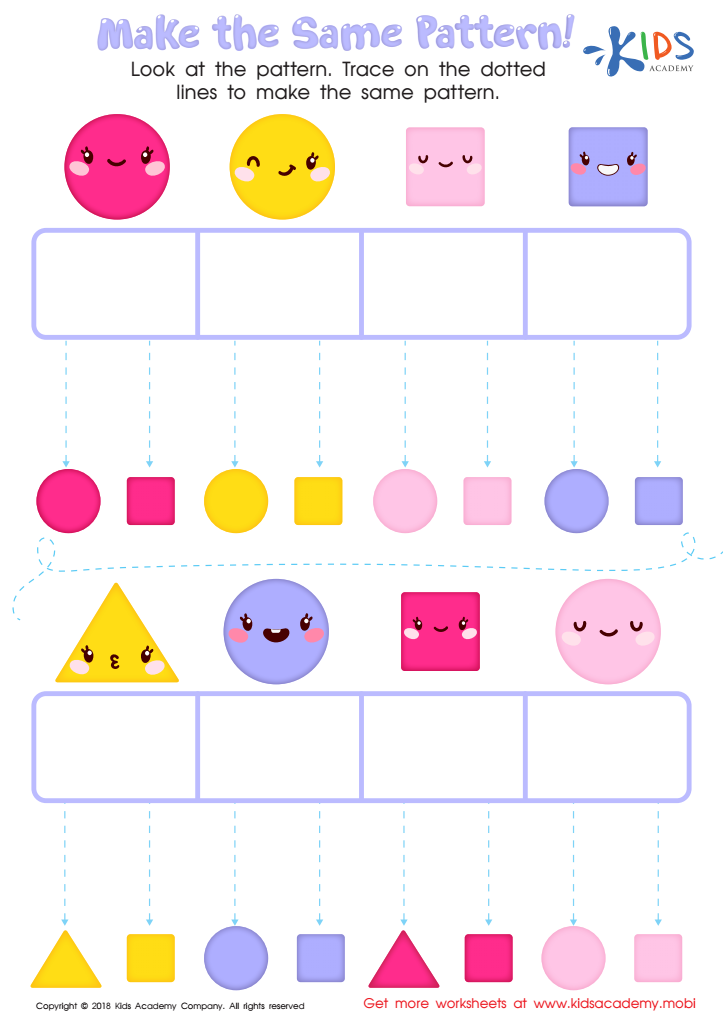
Make the Same Pattern Worksheet
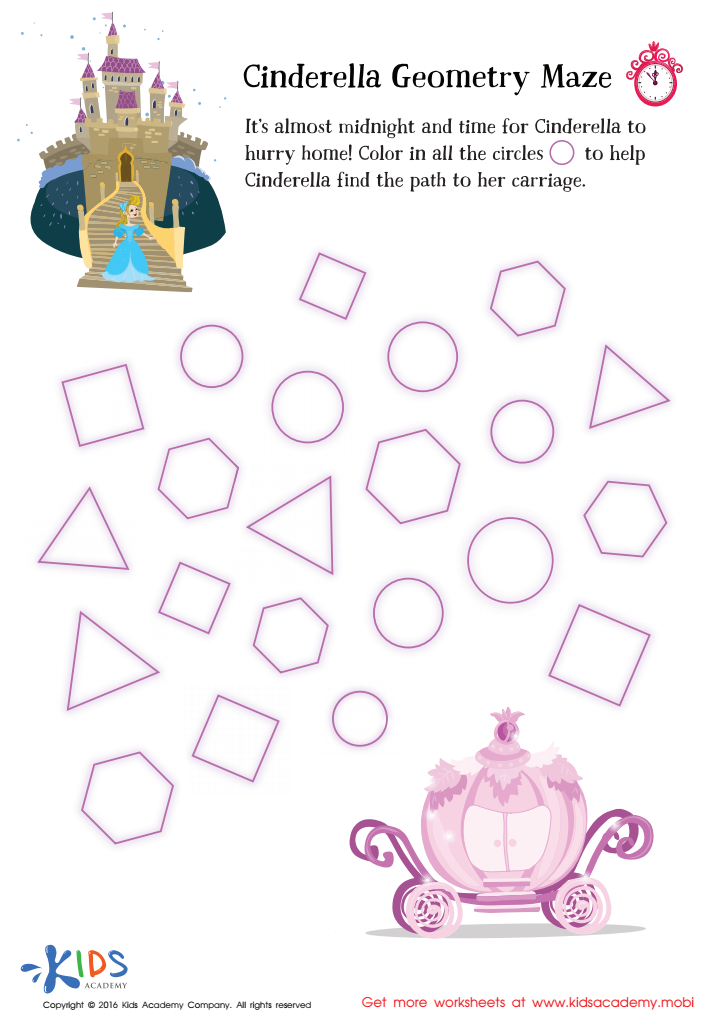
Cinderella Geometry Maze Worksheet
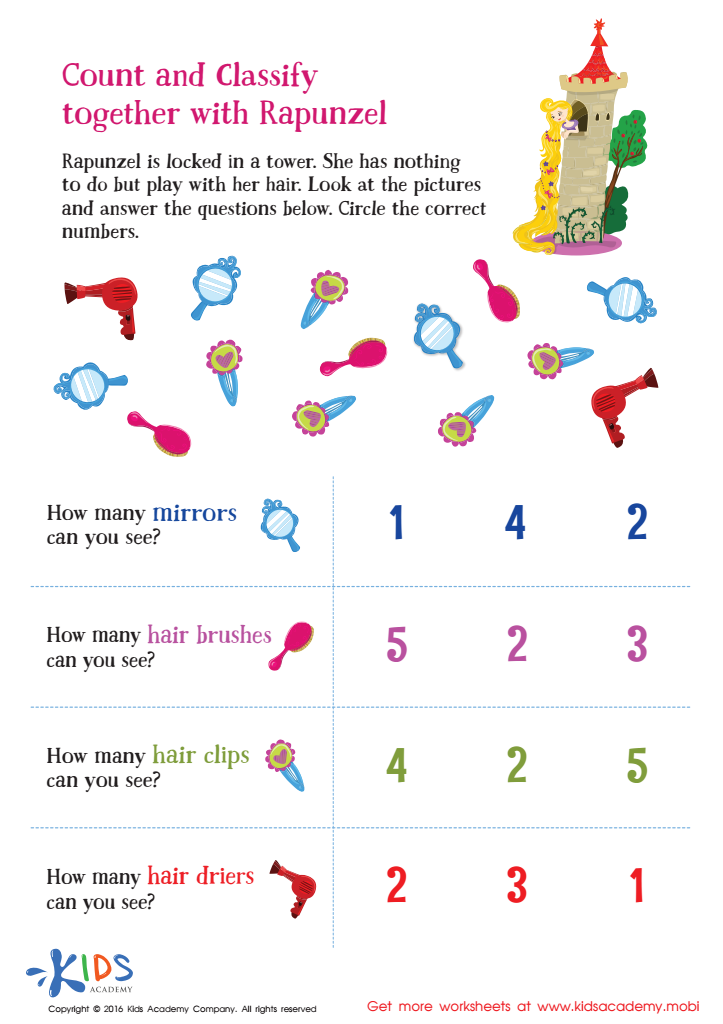
Fairy Tale Worksheet: Count and Classify with Rapunzel
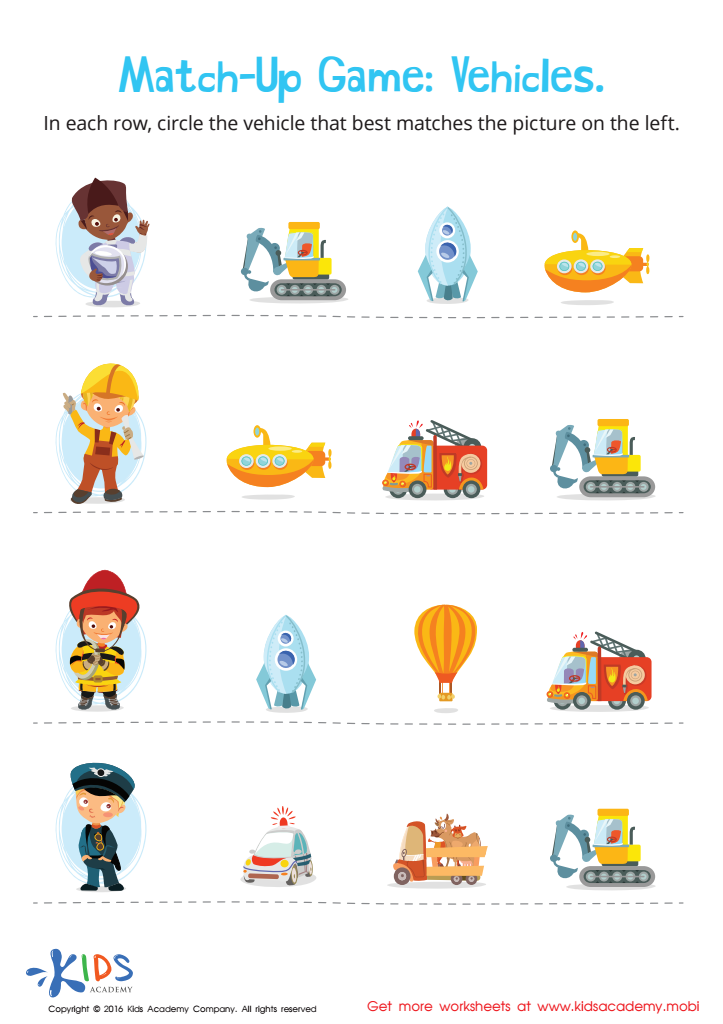
Vehicles Worksheet
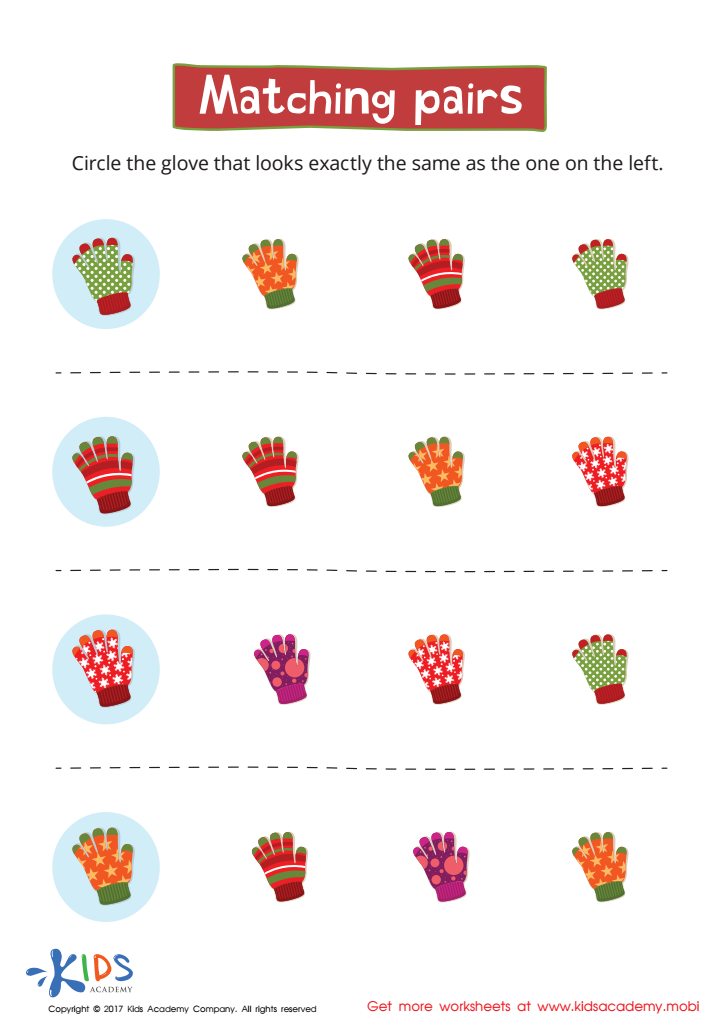
Matching: Matching Pairs Worksheet
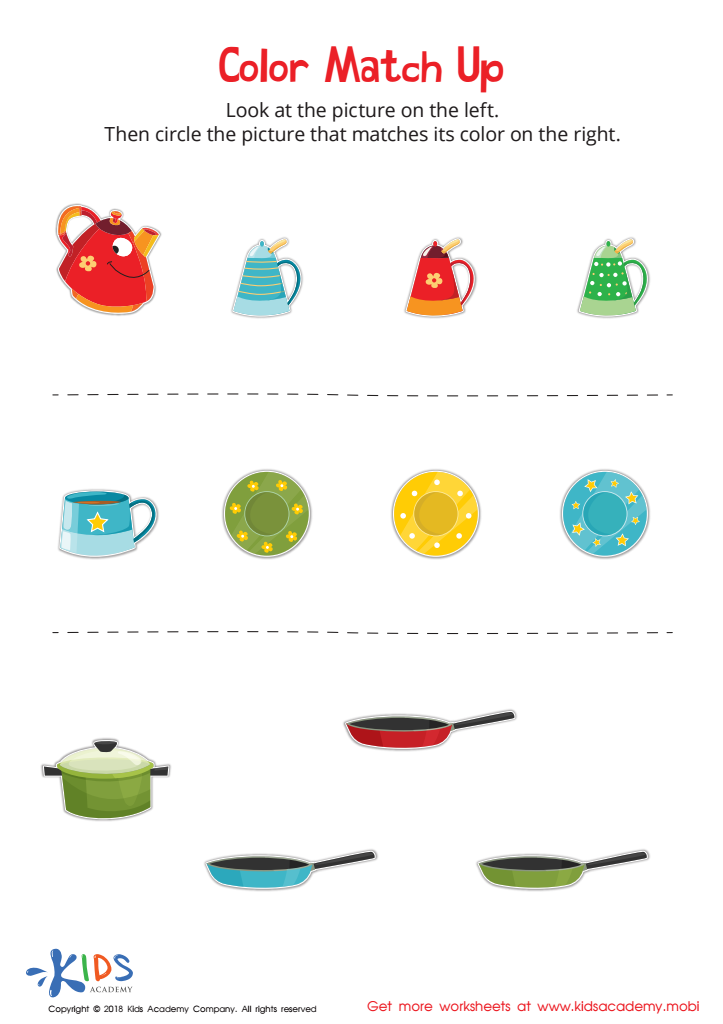
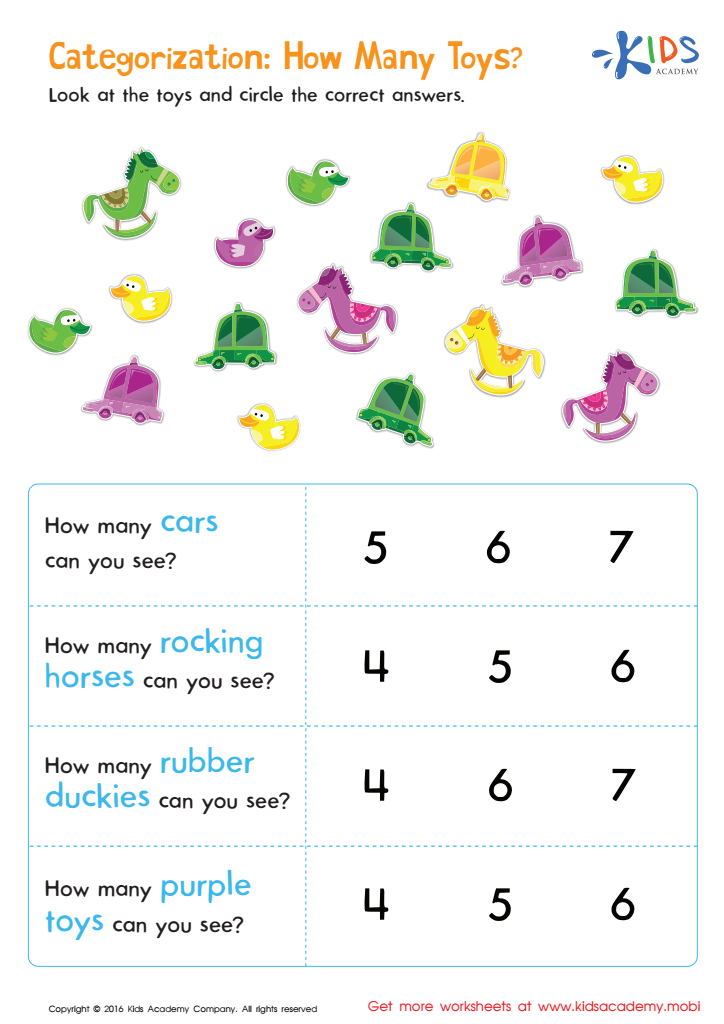
Classifying Toys by Type and Color Sorting Worksheet
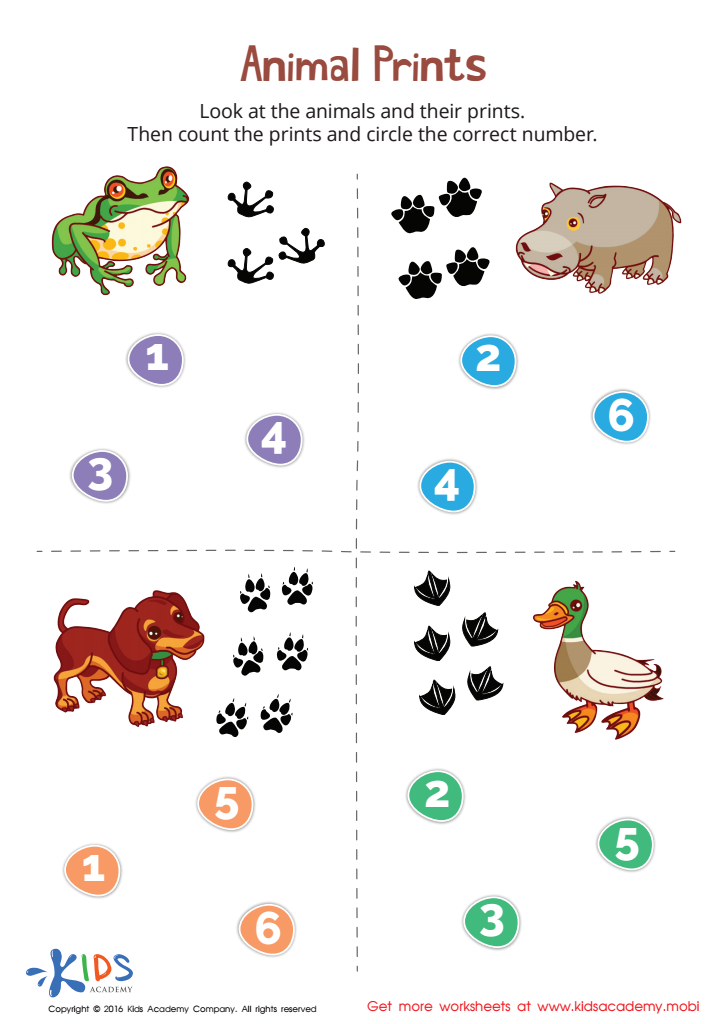
Animal Prints Match-Up Worksheet
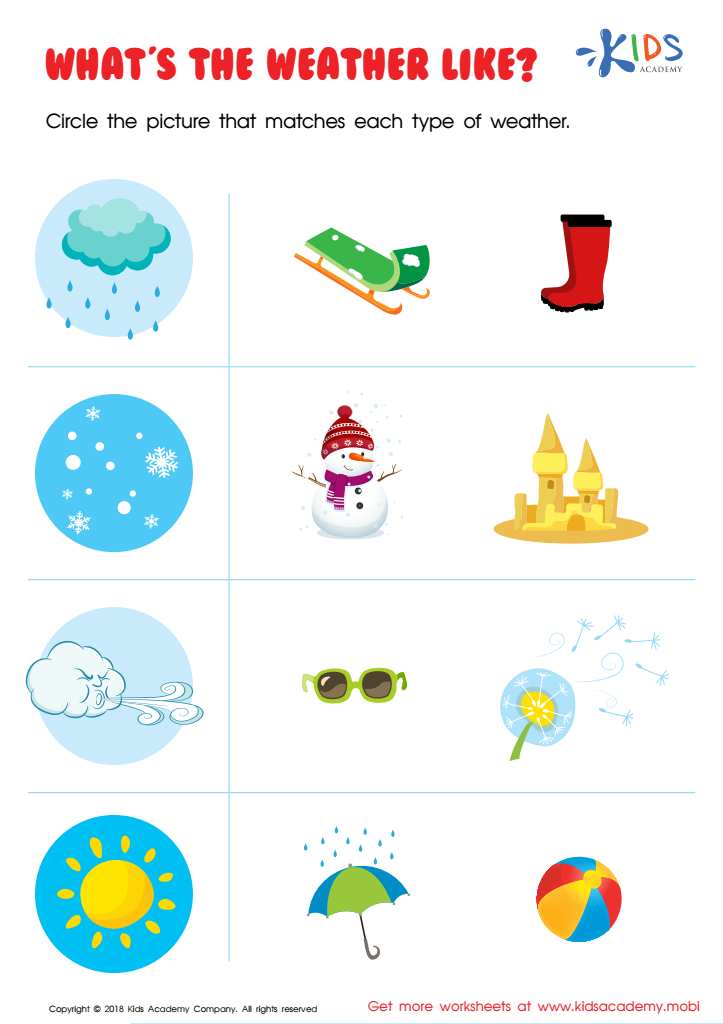
What's the Weather Like? Worksheet
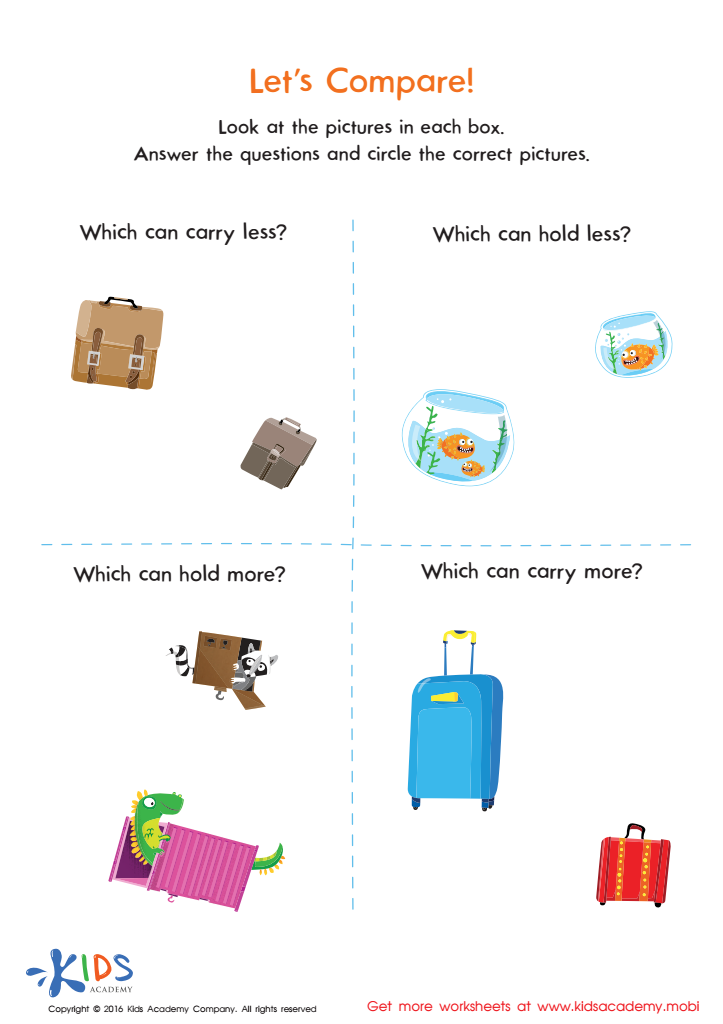
Let's Compare Worksheet: Big or Small
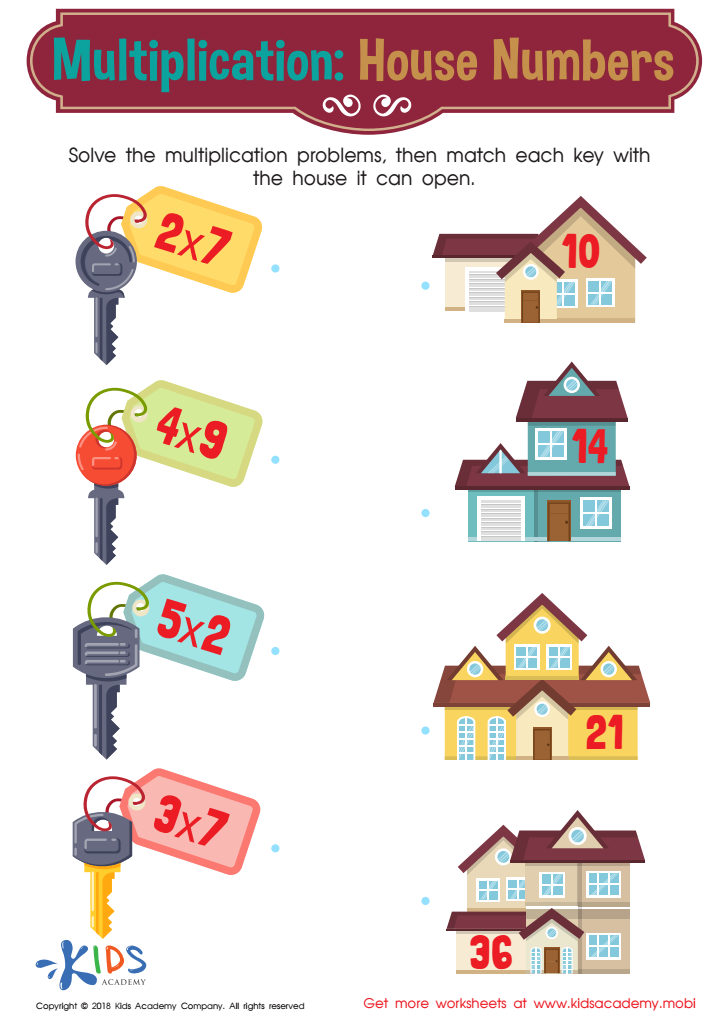
House Numbers Worksheet
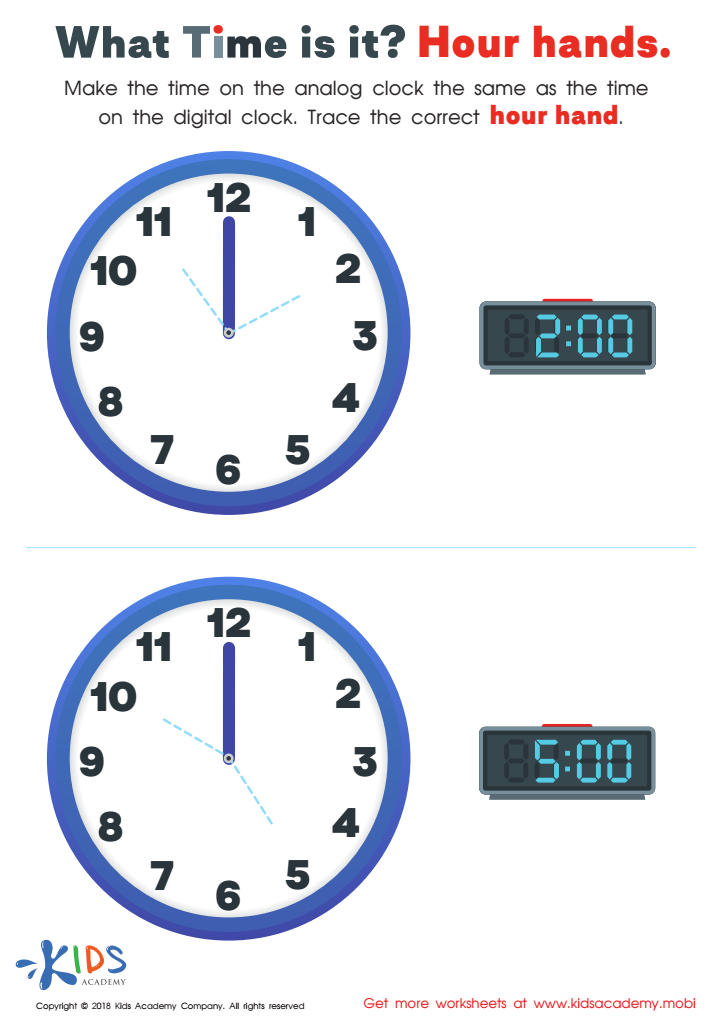
What Time Is it? Hour Hands Worksheet
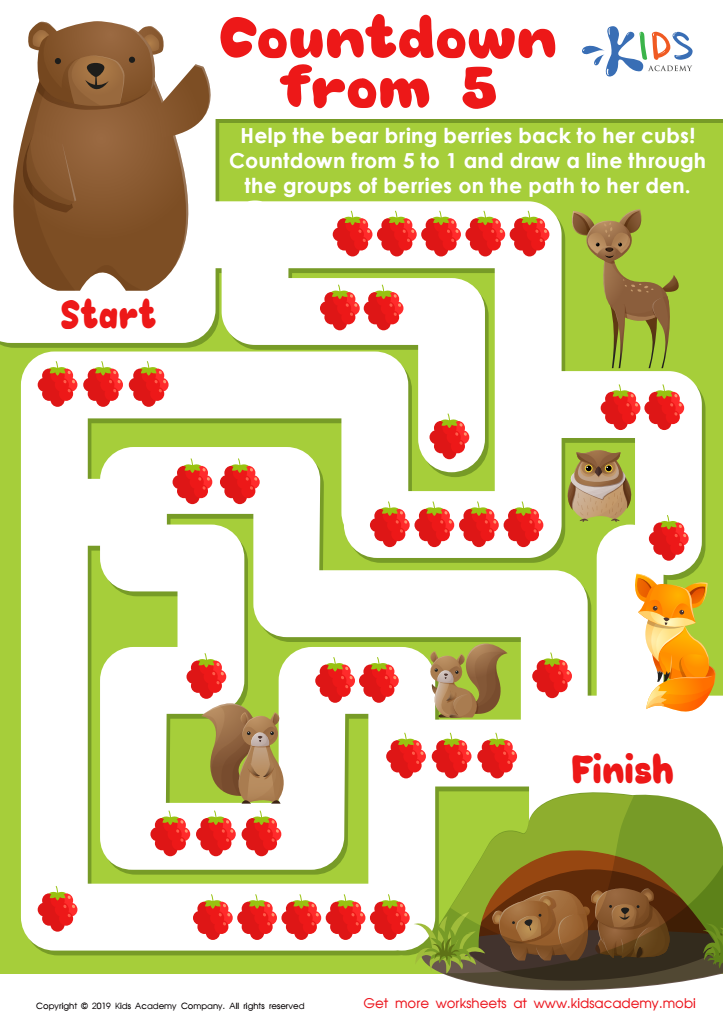
Countdown from 5 Worksheet
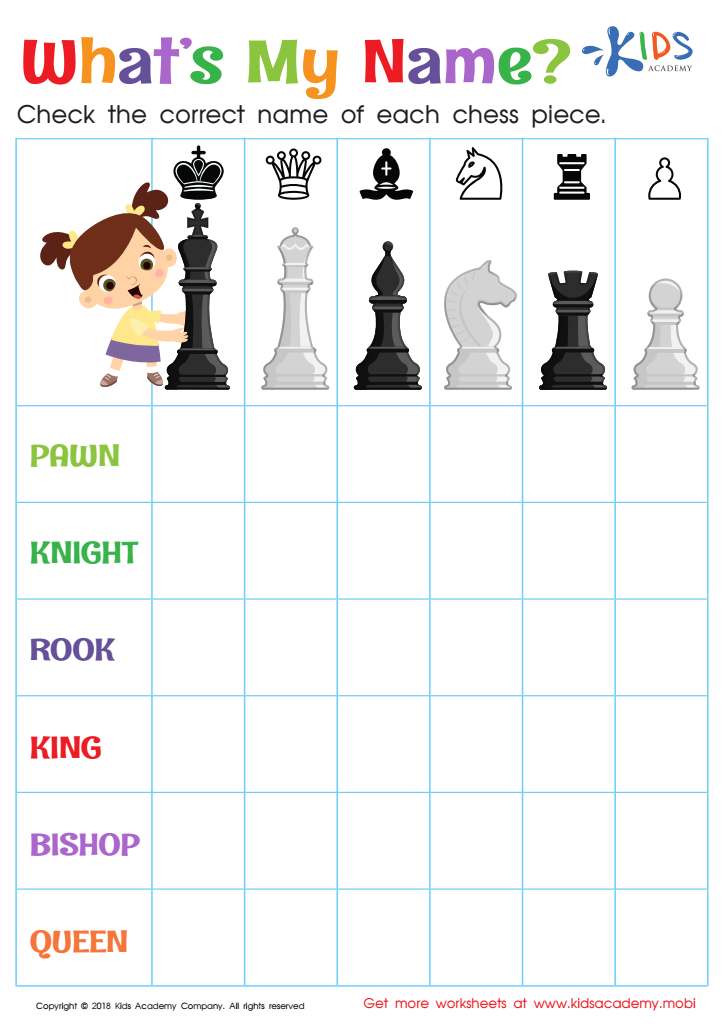
What's My Name? Worksheet
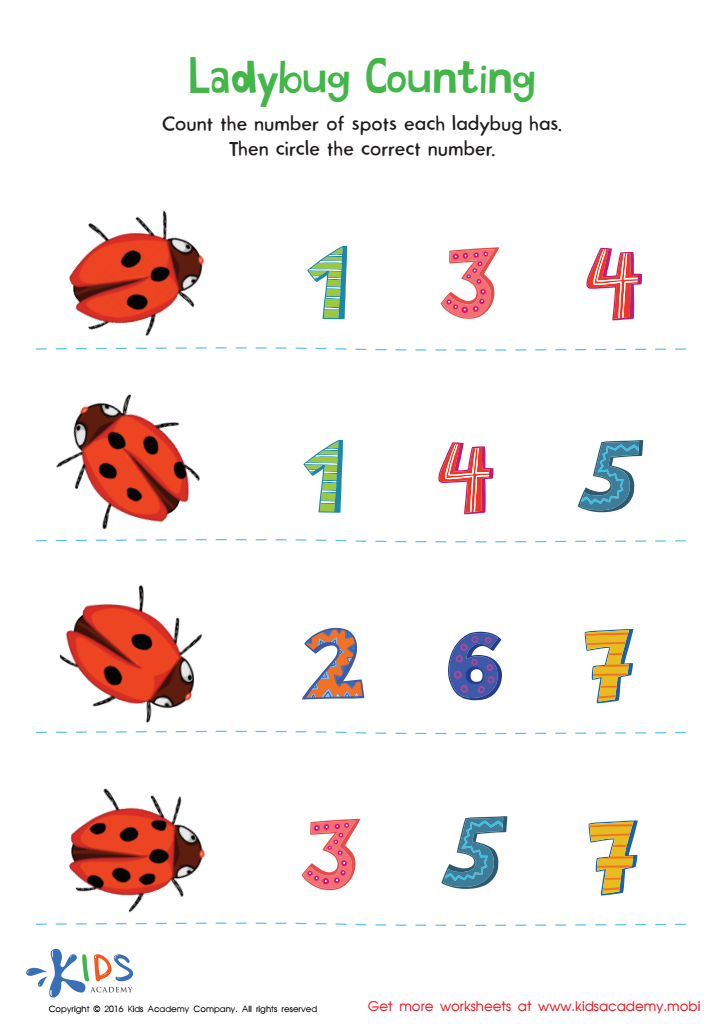
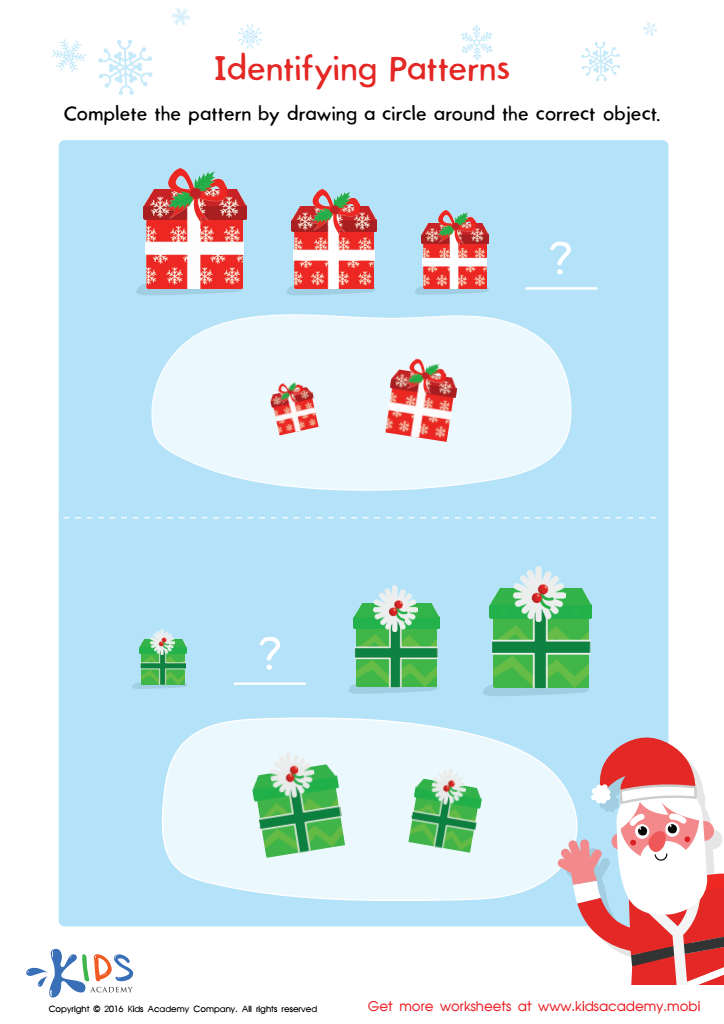
Identifying Patterns Worksheet







Matching for children ages 3-9 is an essential developmental activity that engages critical thinking, fine motor skills, and memory retention. During this stage, children learn best through play, and matching games offer an informal yet structured way to develop vital cognitive skills. Engaging in matching activities helps enhance visual perceptions and supports pattern recognition, which are foundational skills in subjects like math and reading.
Parents and teachers should care about this because it lays the groundwork for later academic success. By practicing matching, children strengthen their ability to categorize information and develop memory through repeated exercises. These skills translate beyond the classroom, aiding them in real-life problem-solving and social interactions.
Moreover, matching games foster bonding between parents, teachers, and children. Collaborative play enhances communication and encourages social skills. Parents can use simple household items or educational materials, making matching activities accessible and cost-effective. For teachers, integrating matching games into lesson plans enriches the curriculum while ensuring students remain engaged.
In conclusion, promoting matching activities for young children is crucial for their holistic growth, making it an integral aspect of early childhood education. Emphasizing this can create a lasting impact on their learning journey.








