Life Science Worksheets for Ages 3-9 - Page 2
36 filtered results
-
From - To
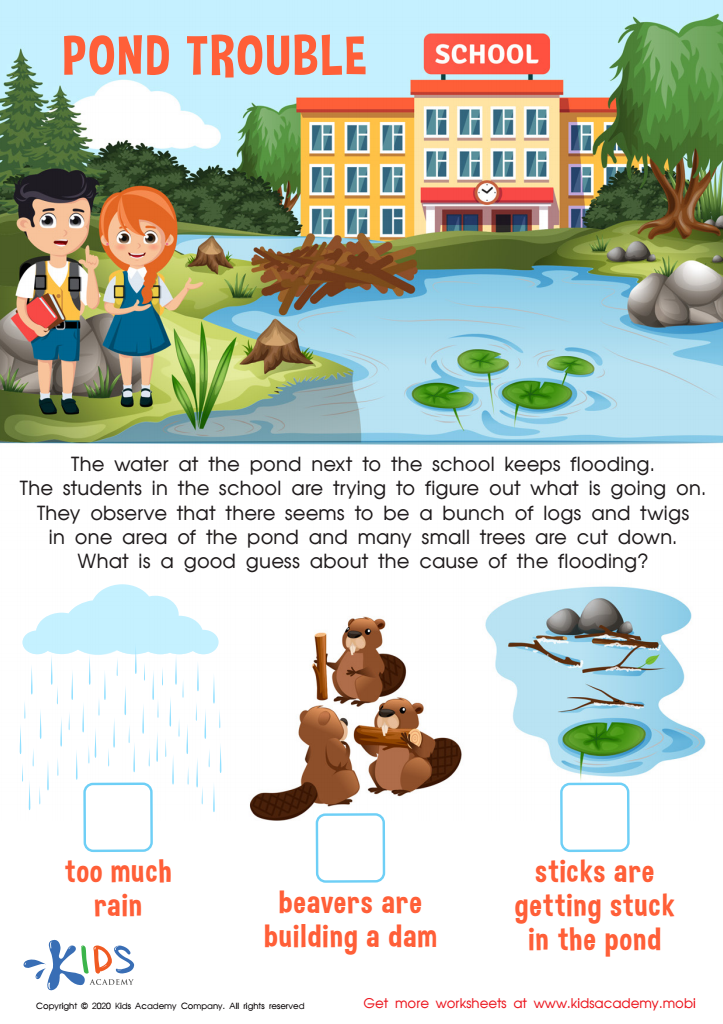
Pond Trouble Worksheet
 Assign to My Students
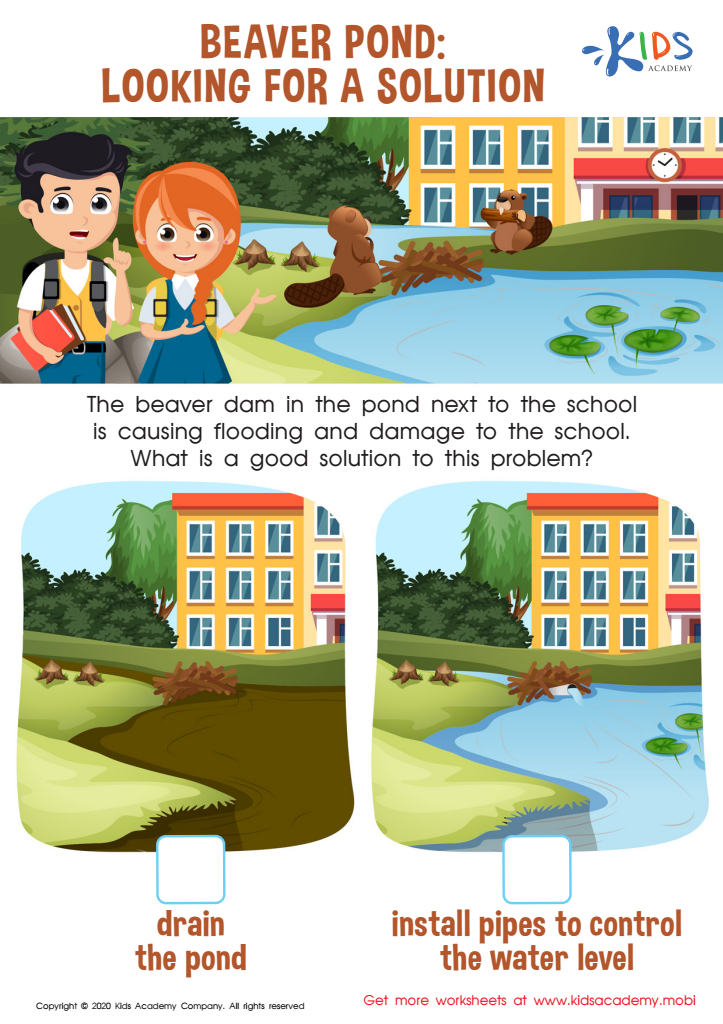
Beaver Pond: Looking for a Solution Worksheet
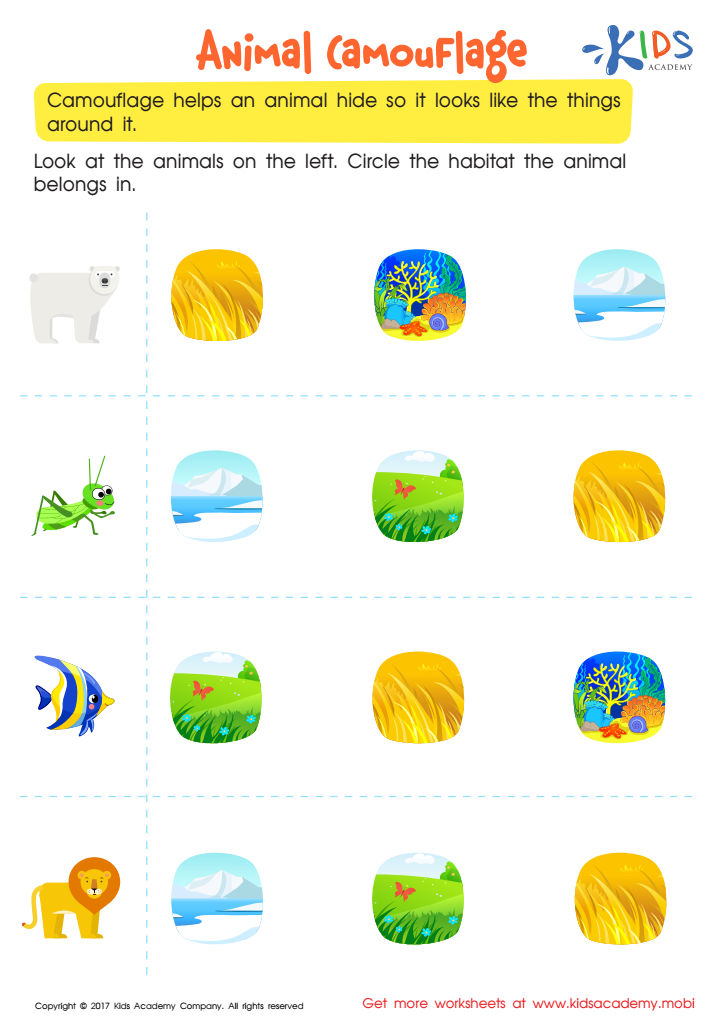
Animal Camouflage Worksheet
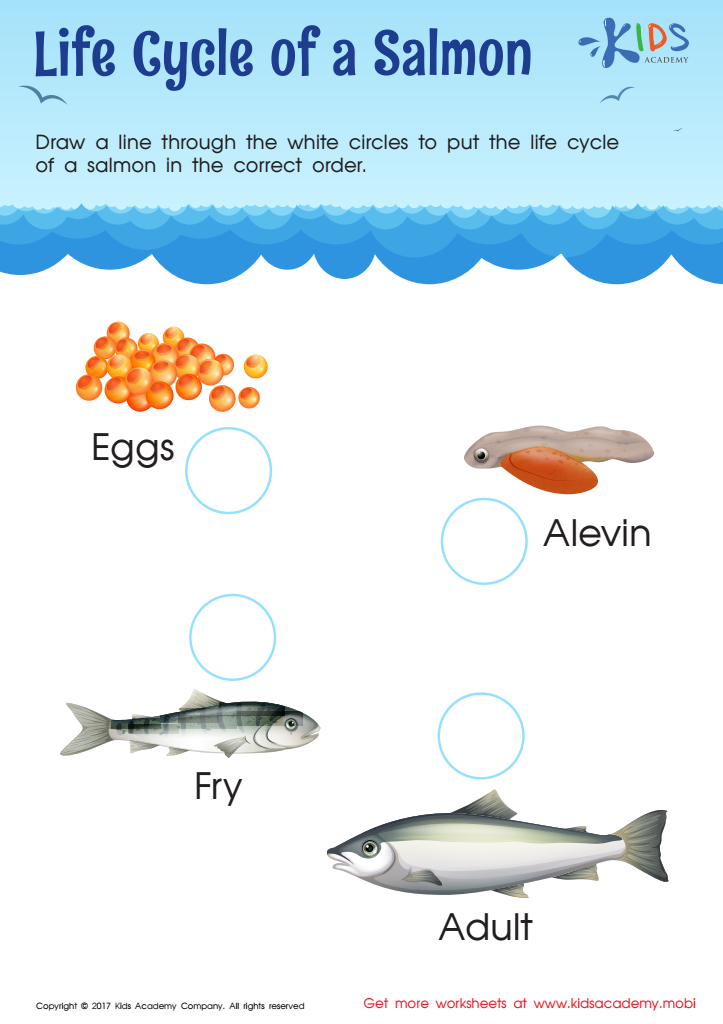
Cycle Of Salmon Worksheet
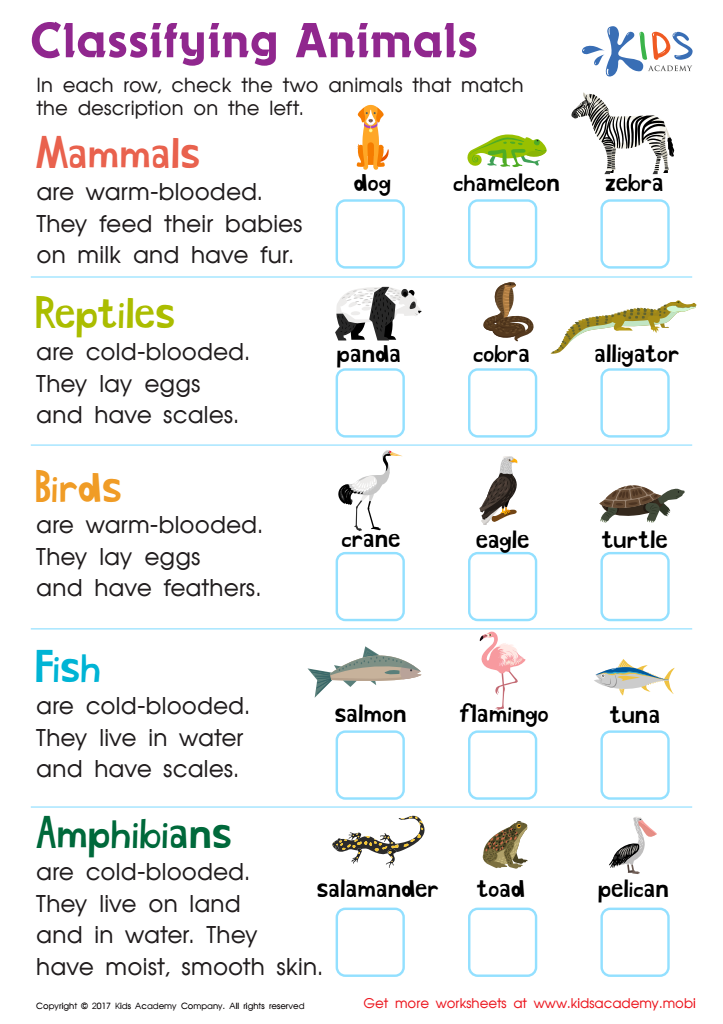
Classifying Animals Worksheet
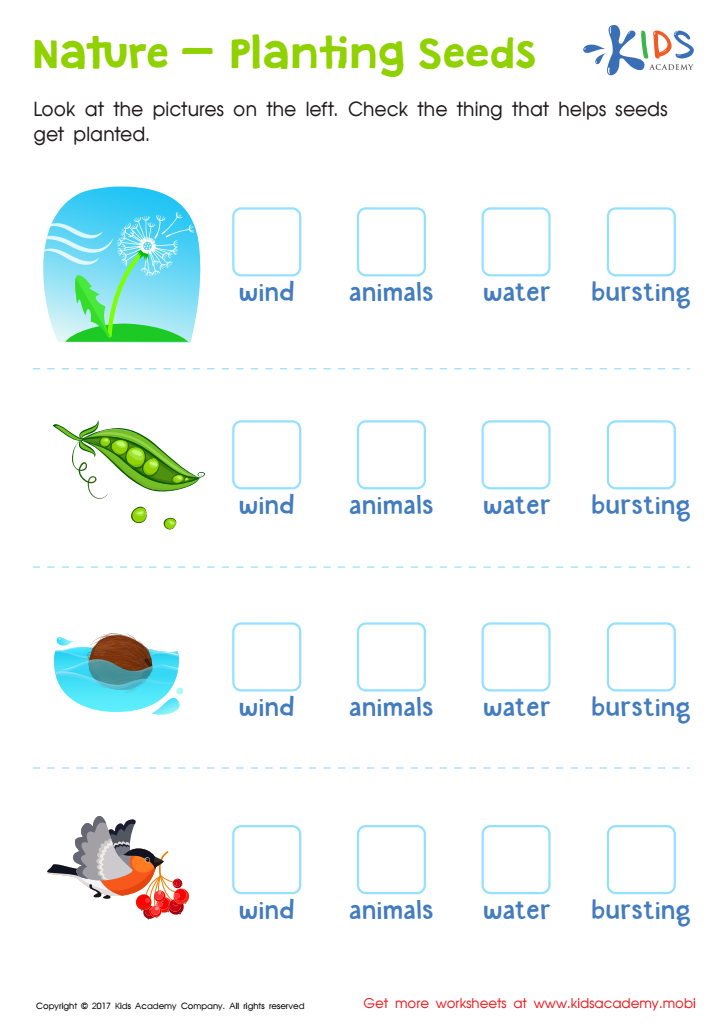
Nature Planting Seeds Worksheet
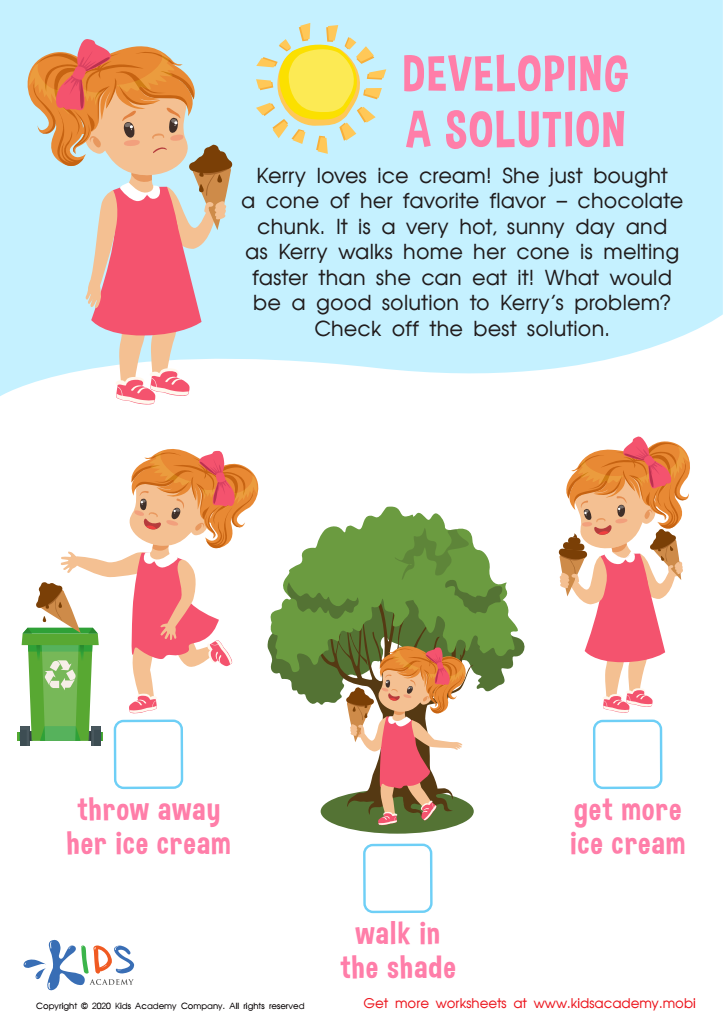
Developing Solution Worksheet
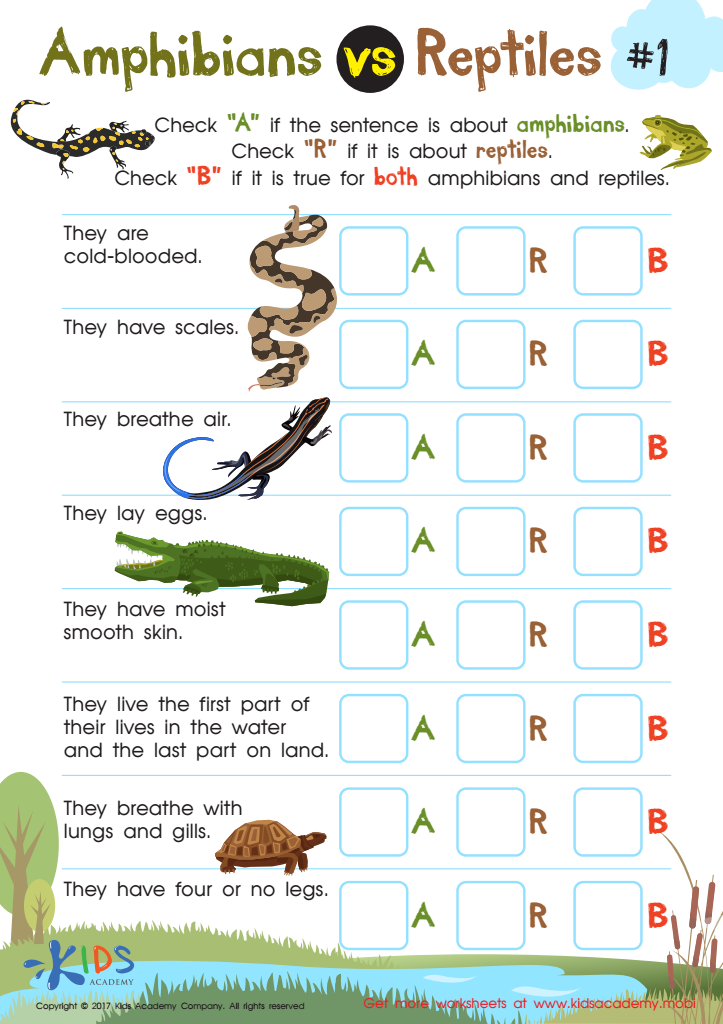
Amphibians vs Reptiles Worksheet
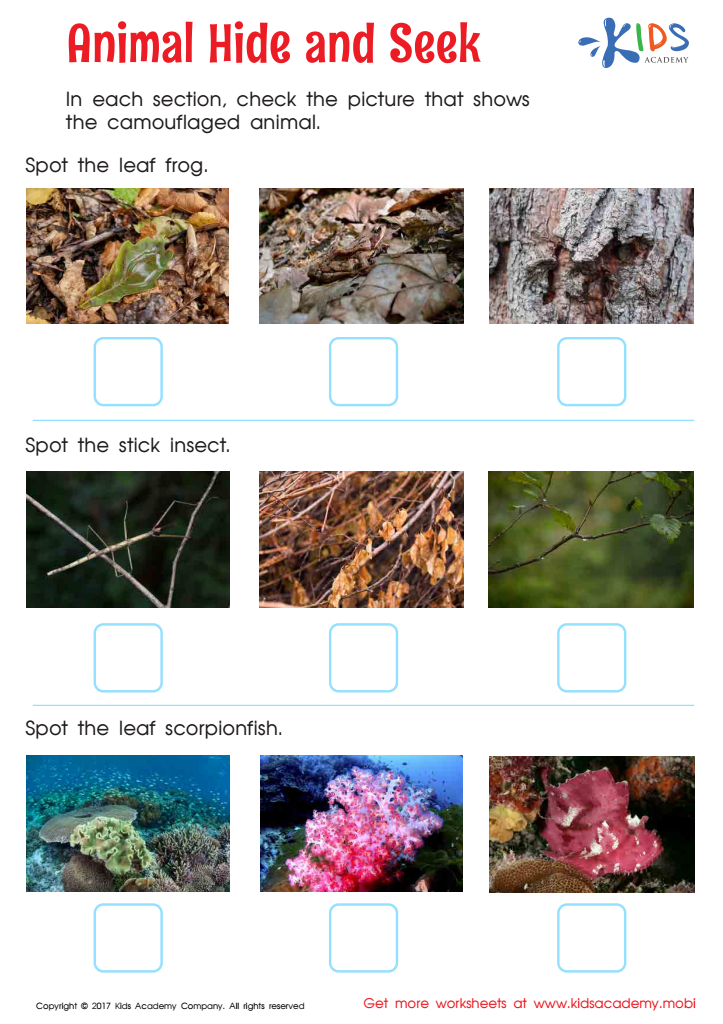
Animal Hide and Seek Worksheet
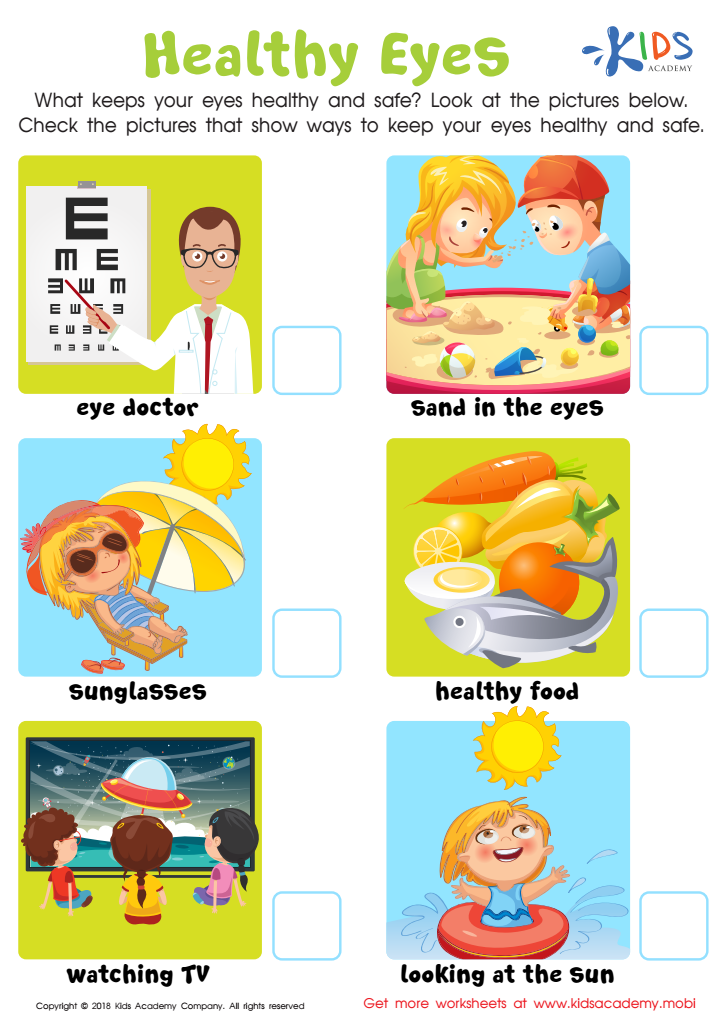
Healthy Eyes Worksheet
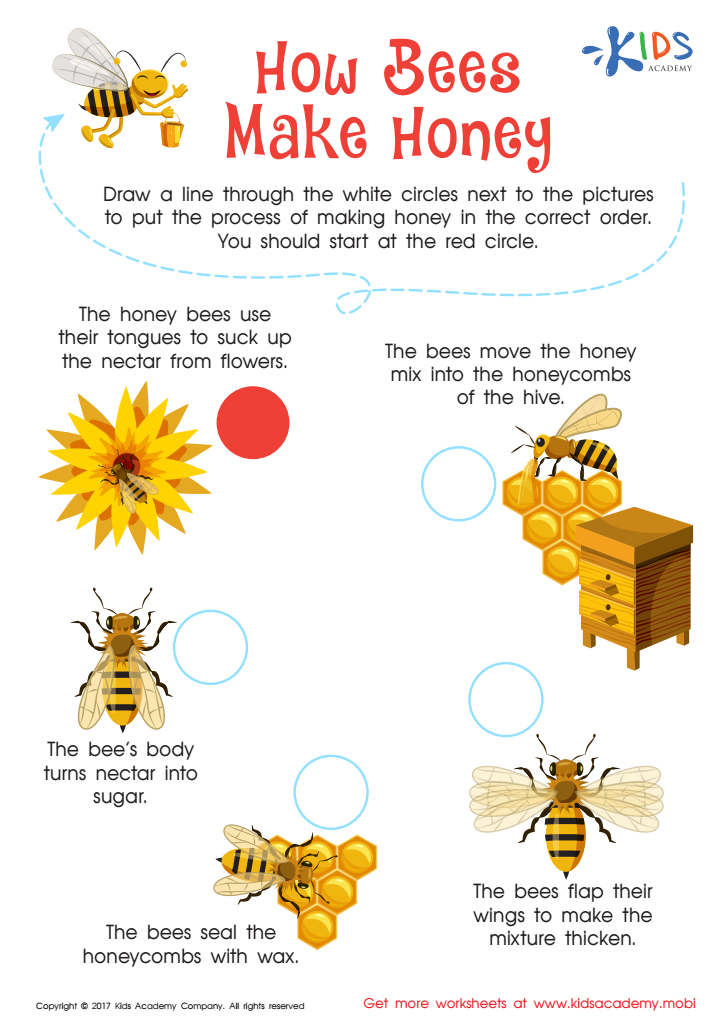
Honey Bee Worksheet
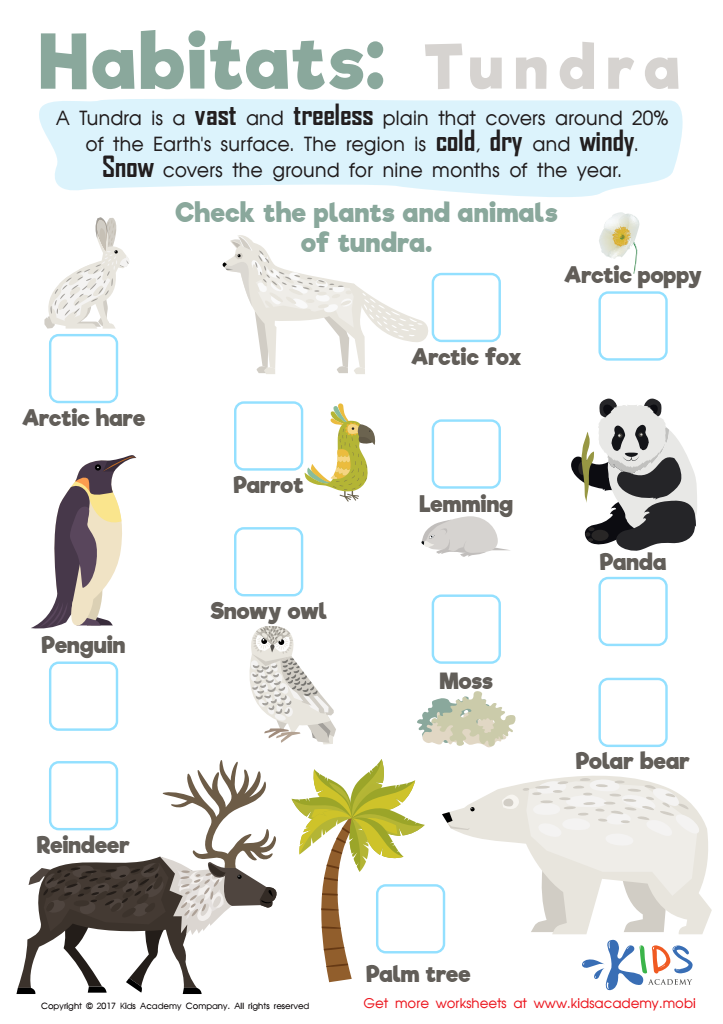
Tundra Habitats Worksheet




.jpg)

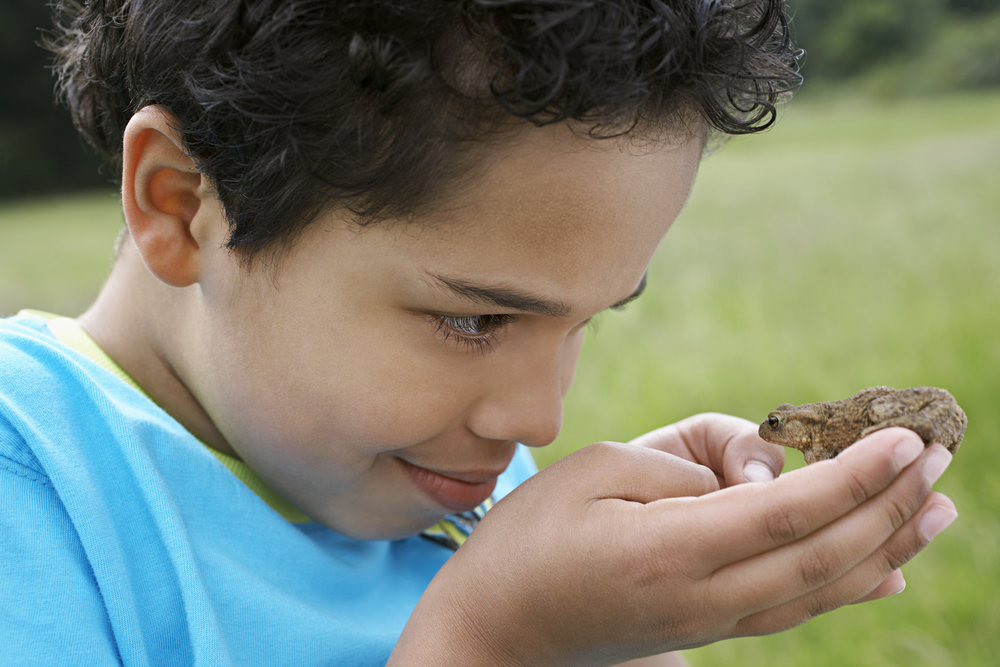
Life Science is a crucial area of study for children aged 3-9, as it fosters curiosity about the natural world and deepens their understanding of living organisms, ecosystems, and human interaction with the environment. Children in this age group possess a natural curiosity and are inclined to ask questions about life and nature. By introducing life science concepts early, parents and teachers can harness this curiosity, encouraging exploration and critical thinking skills.
Understanding life science helps children gain a foundational knowledge of biology, and it also promotes responsible behavior towards the environment, such as caring for plants and animals. Through hands-on activities—like observing gardens or simple experiments—children learn about growth, development, and the interdependencies within ecosystems. This experiential learning not only piques interest but also cultivates empathy as children learn to respect all forms of life.
Moreover, life science encourages inquiry-based learning, where children are prompted to ask “why” and “how,” laying the groundwork for scientific reasoning. This sets the stage for future educational endeavors and interdisciplinary learning, making it essential for parents and teachers to integrate life science into early education in order to promote holistic development and a stewardship mindset for future generations.








