Normal Matching Worksheets for Ages 5-7 - Page 2
42 filtered results
-
From - To
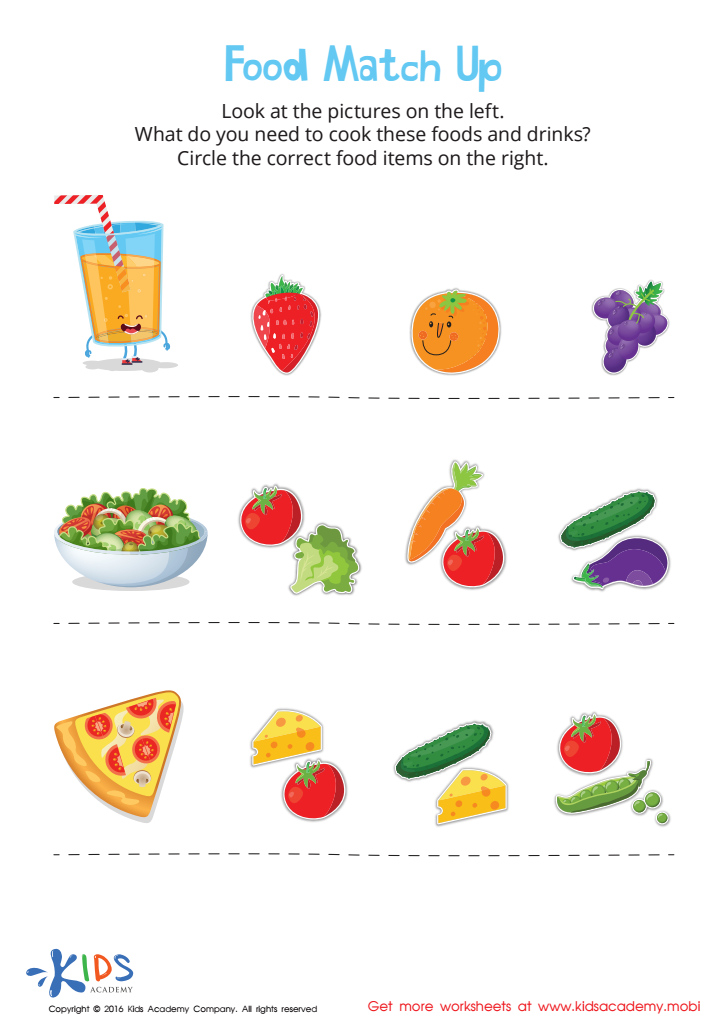
Food Match Up Worksheet
 Assign to My Students
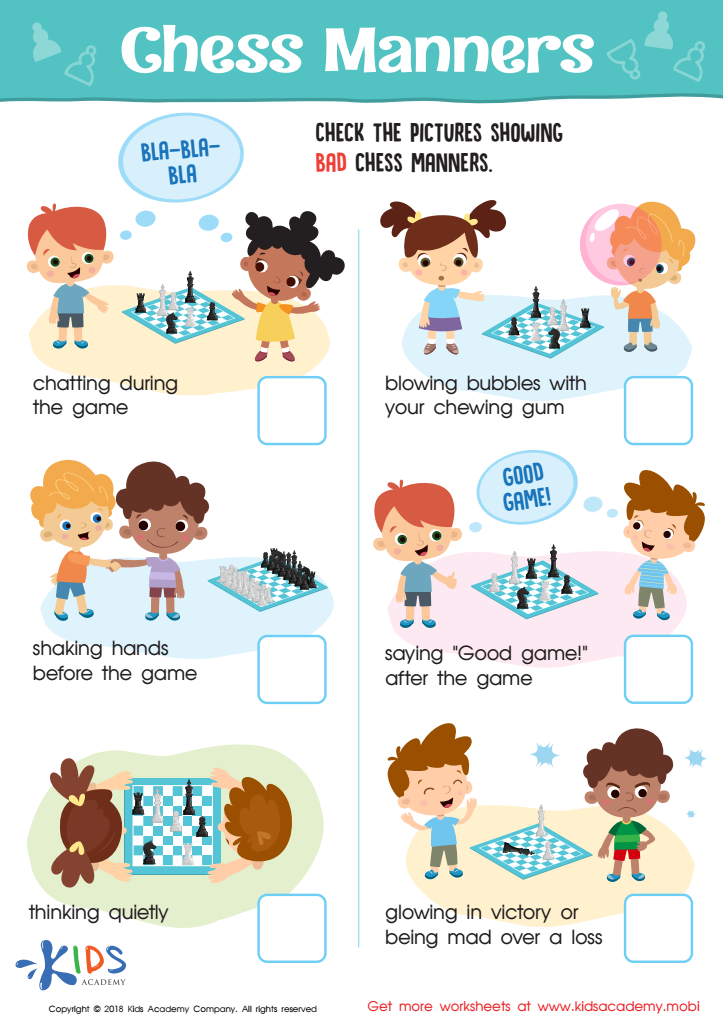
Chess Manners Worksheet
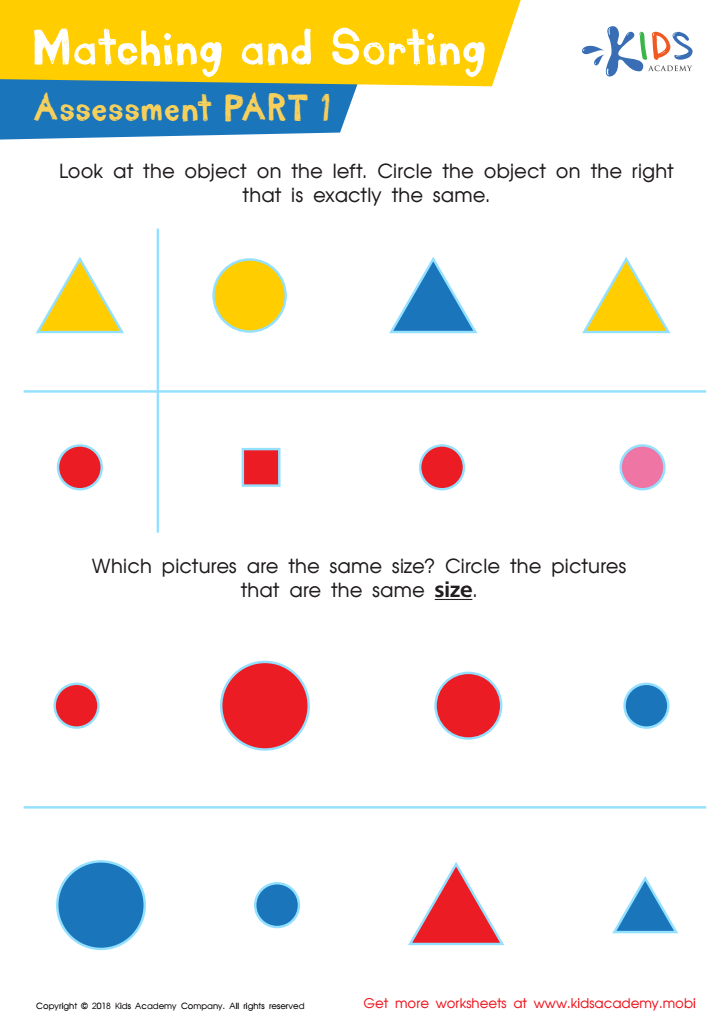
Matching and Sorting for Kindergarten: Assessment 1 Worksheet
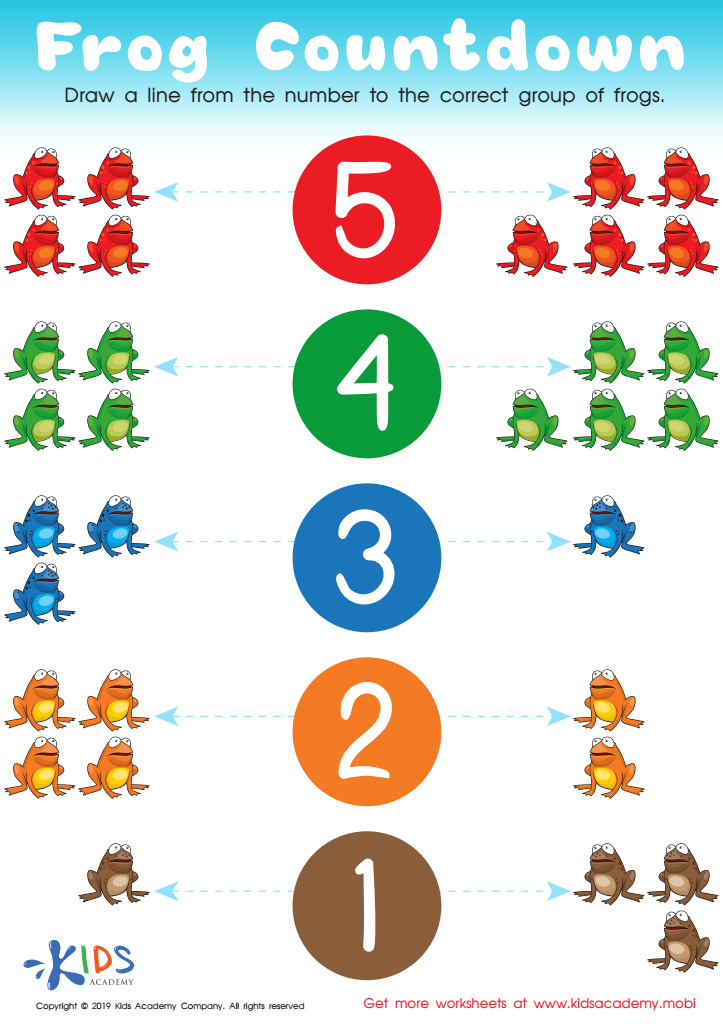
Frog Countdown Worksheet
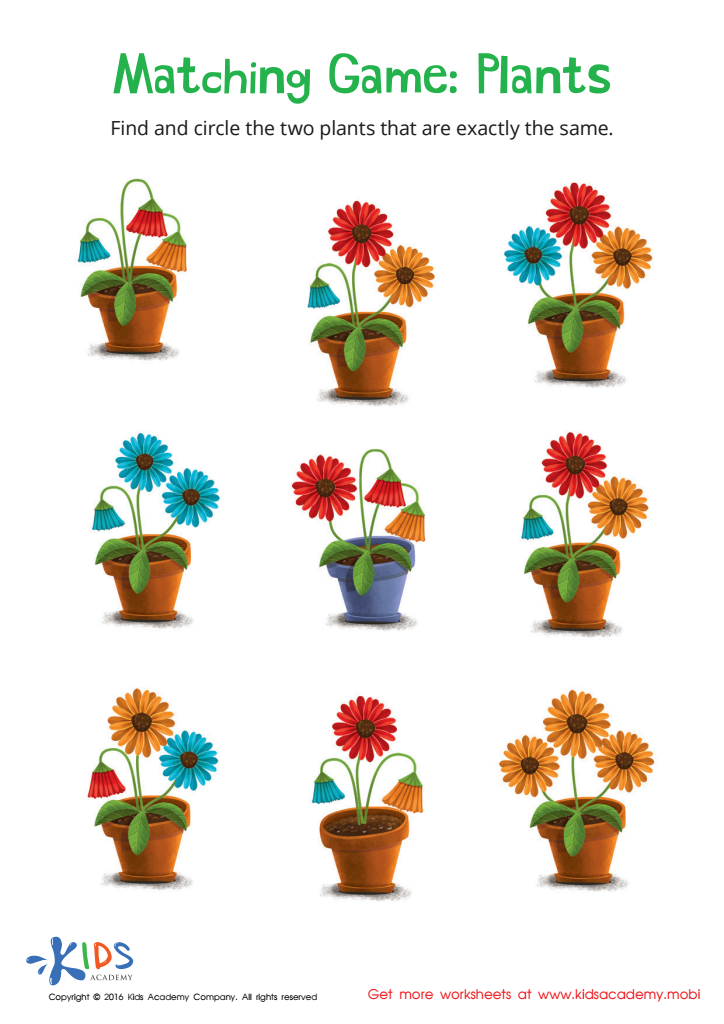
Matching: Plants Worksheet
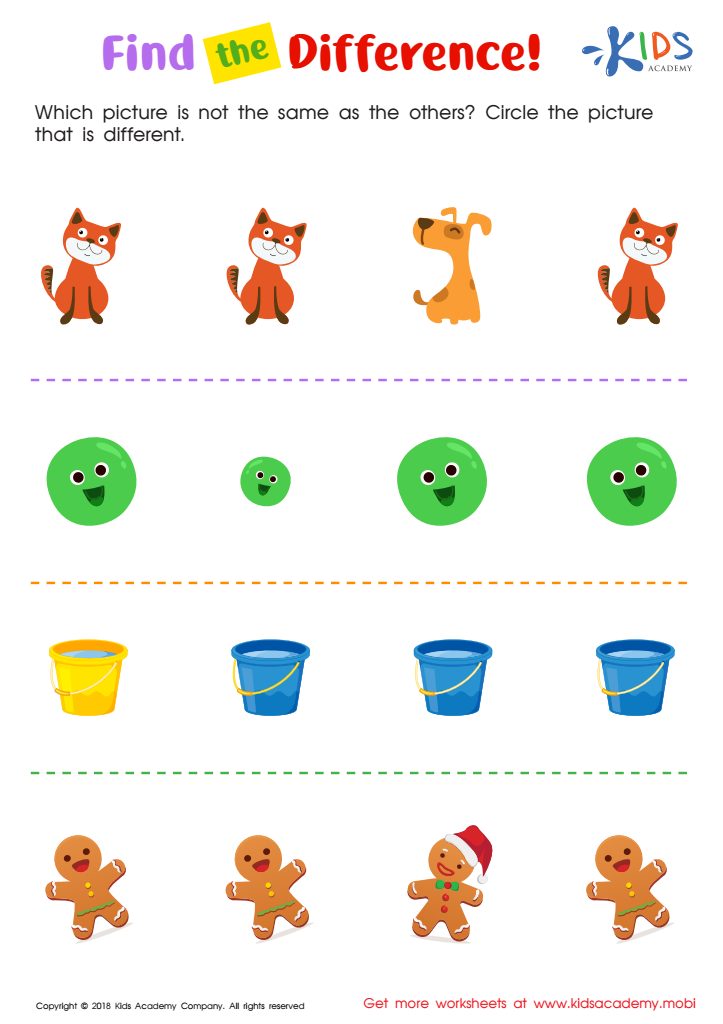
Find the Difference Worksheet
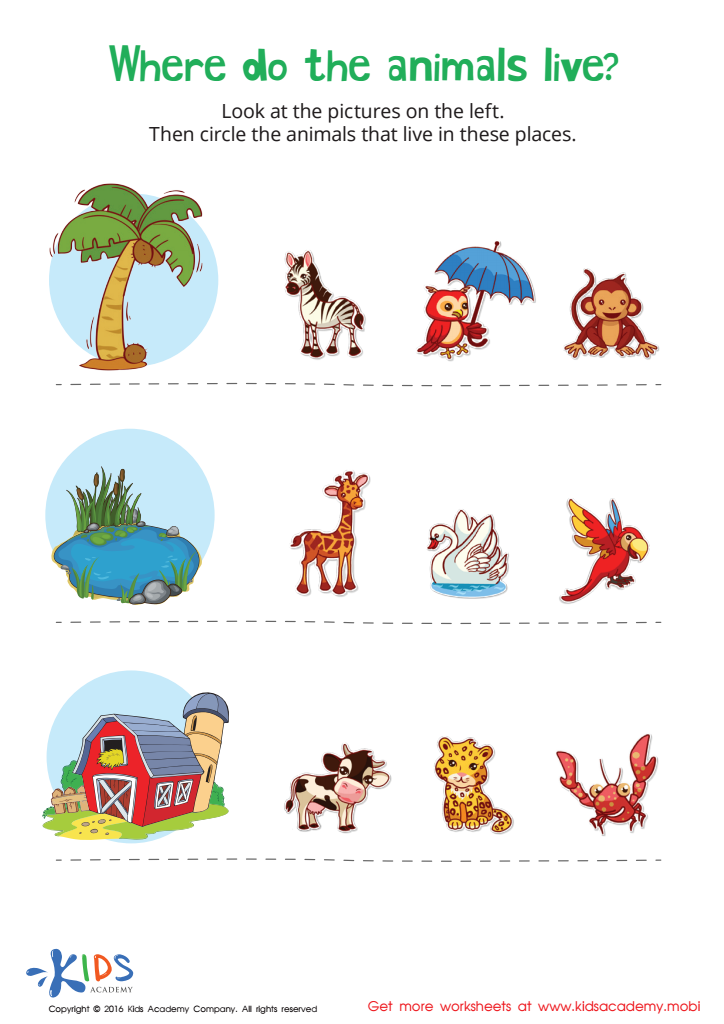
Where Animals Live Worksheet
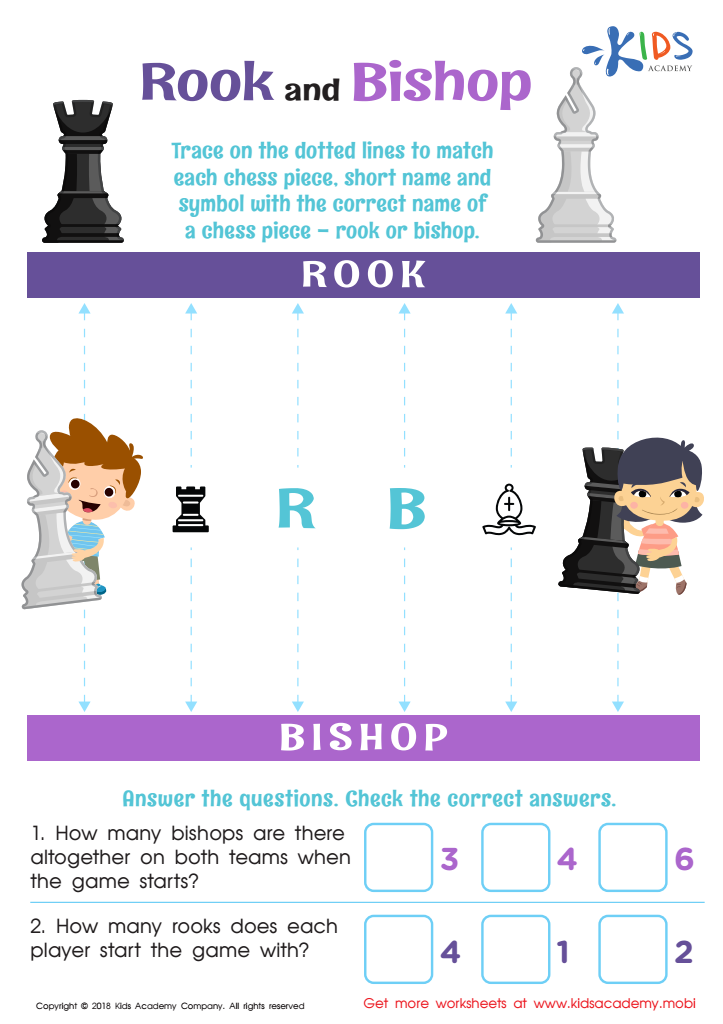
Rook and Bishop Worksheet
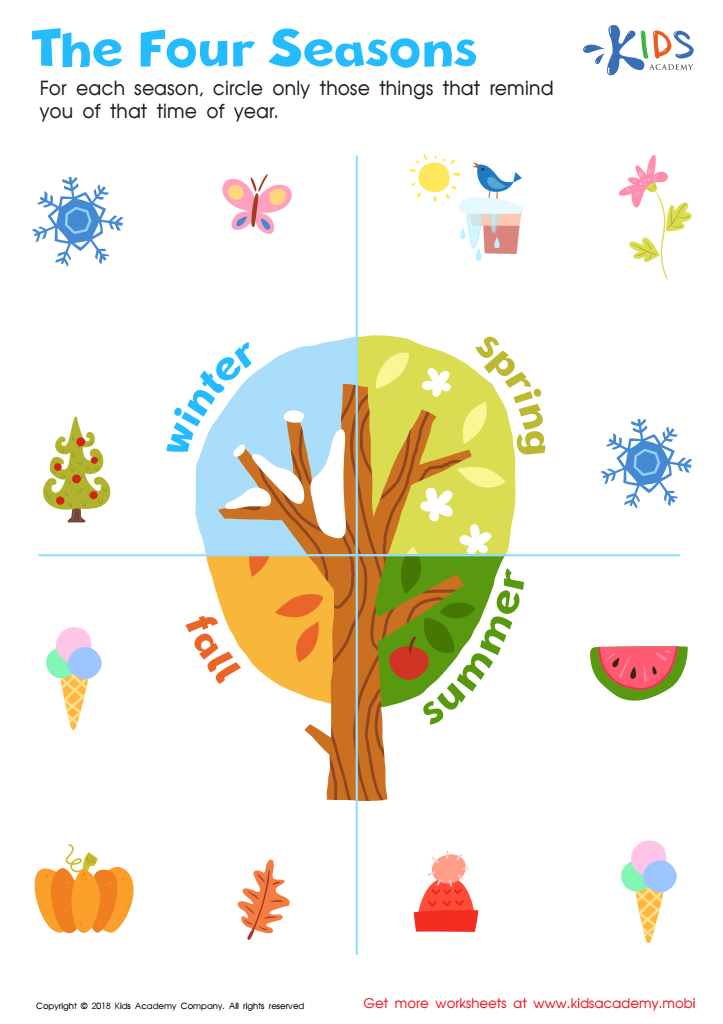
The Four Seasons Worksheet
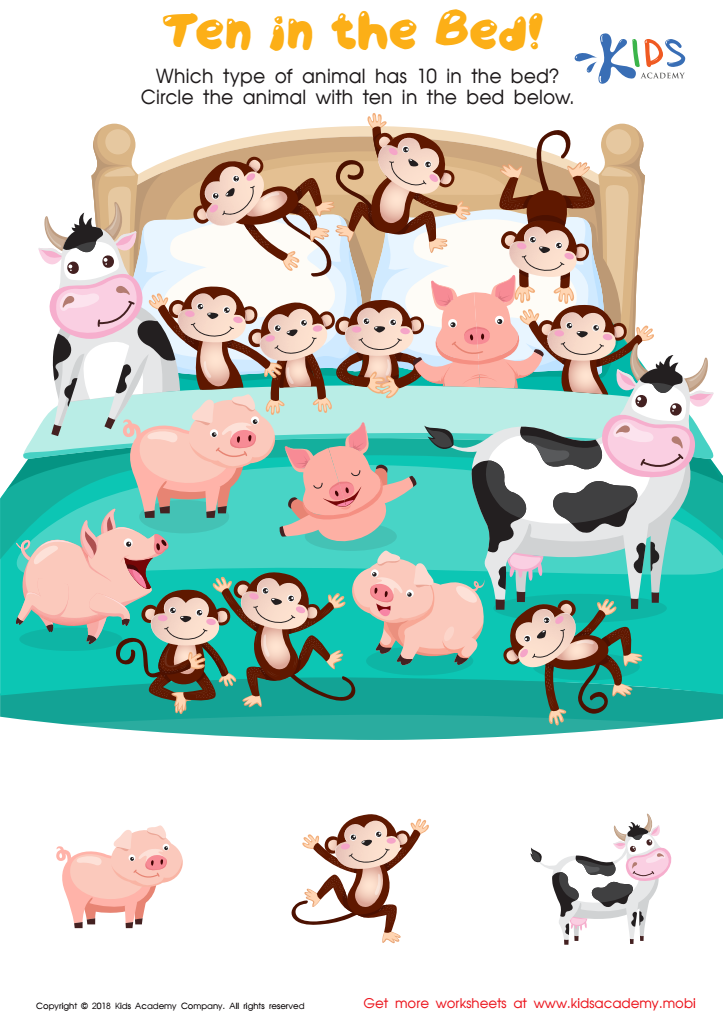
Ten in the Bed Worksheet
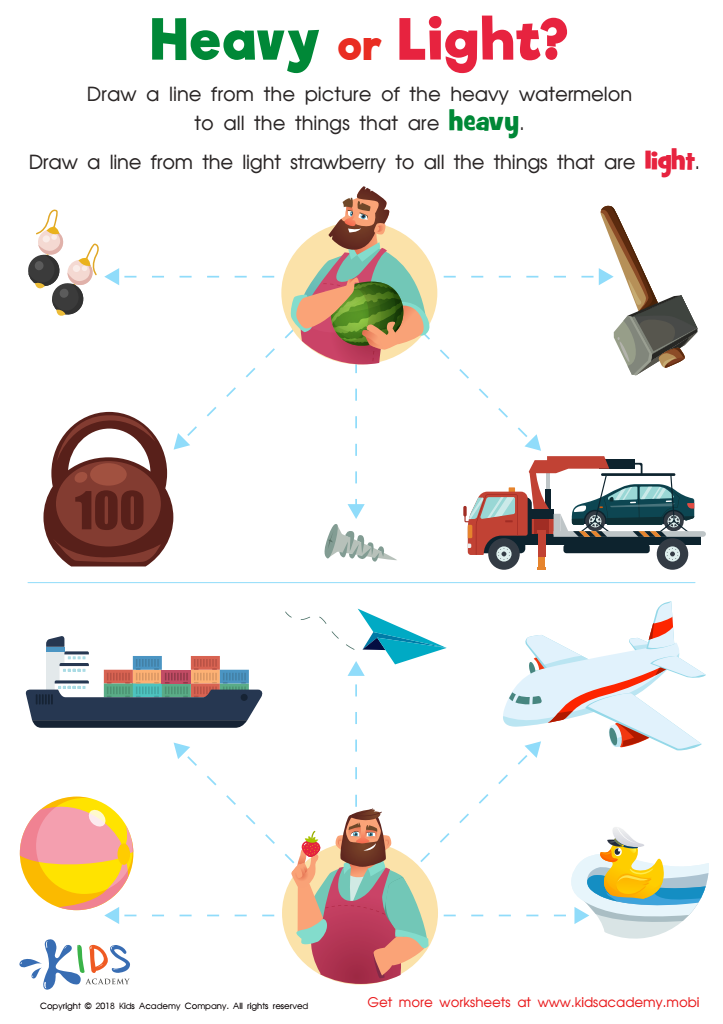
Heavy or Light? Worksheet
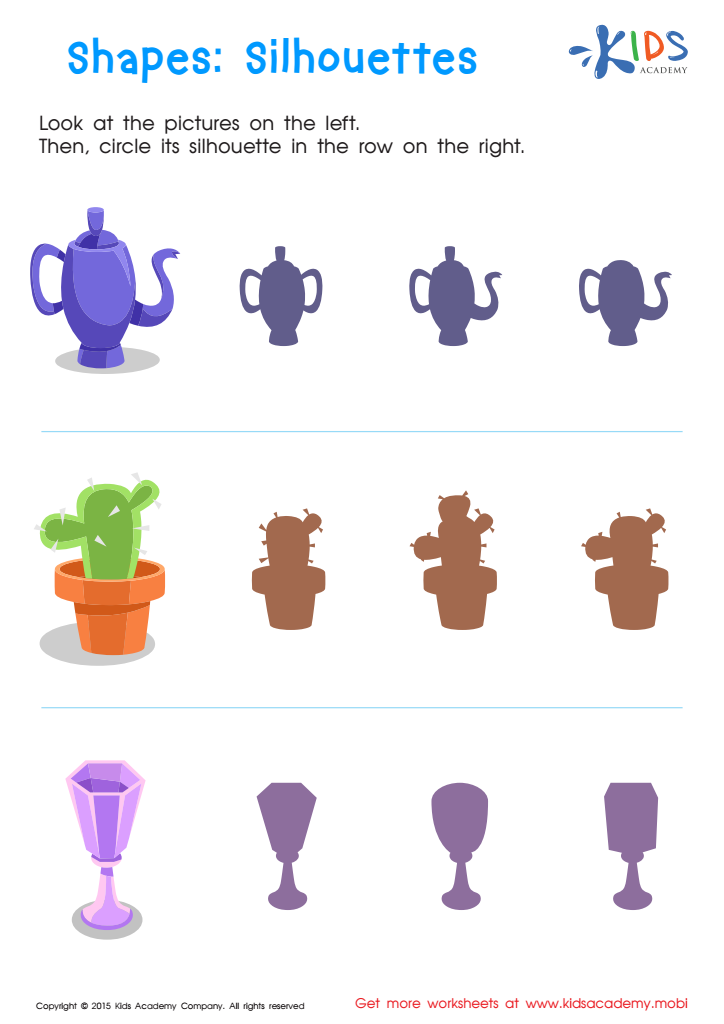
Silhouettes – Shapes Worksheet
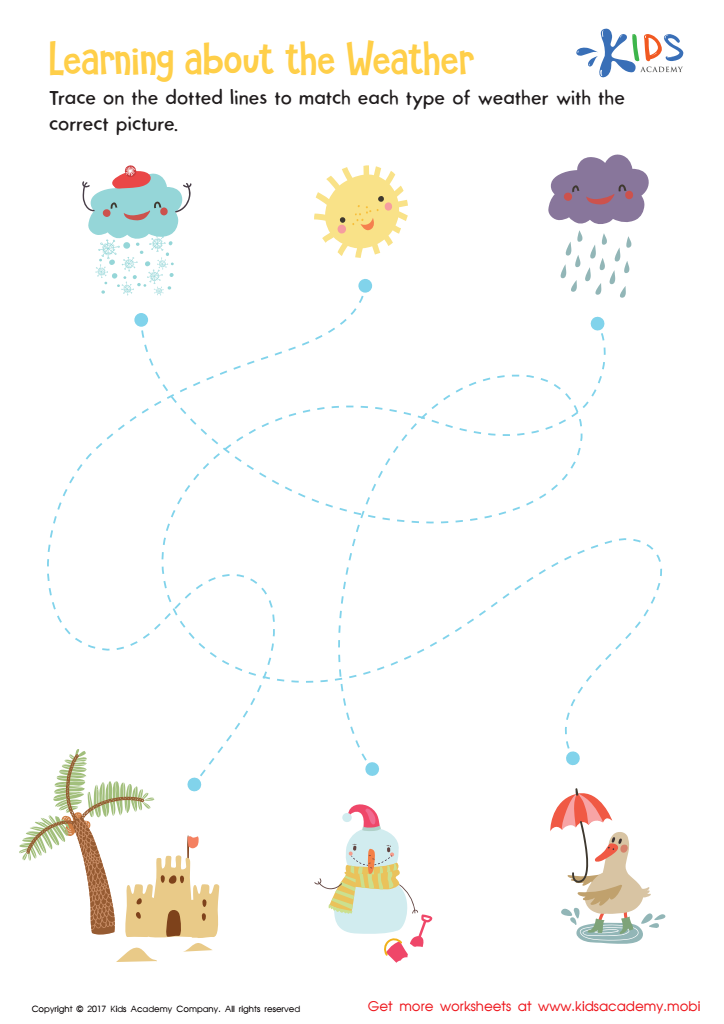
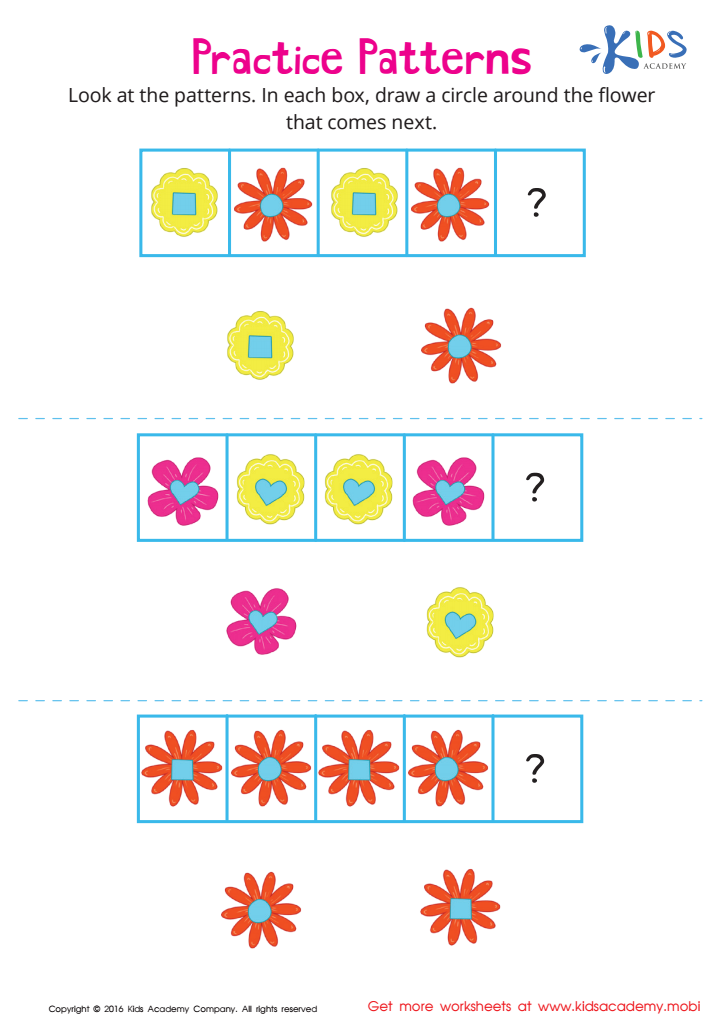
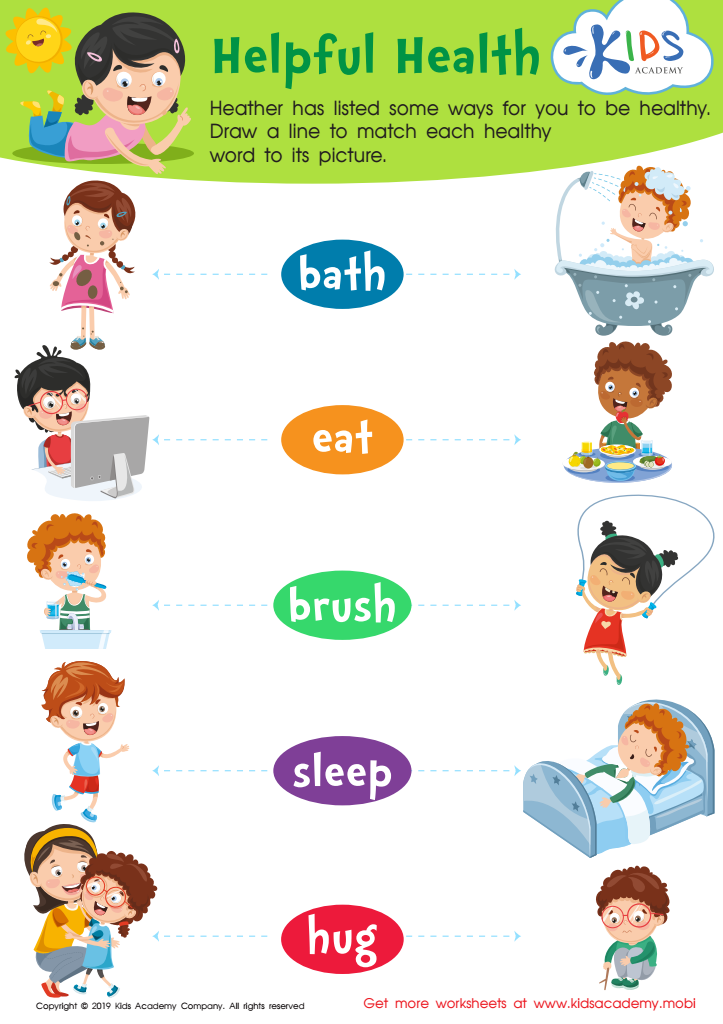
Helpful Health Worksheet
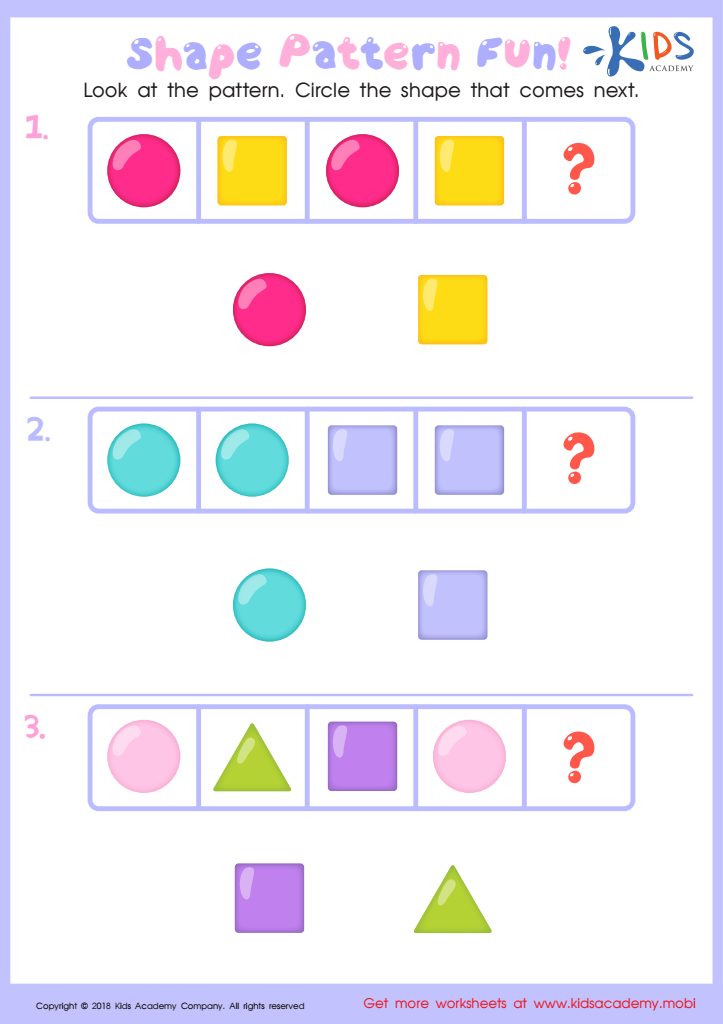
Shape Pattern Fun Worksheet
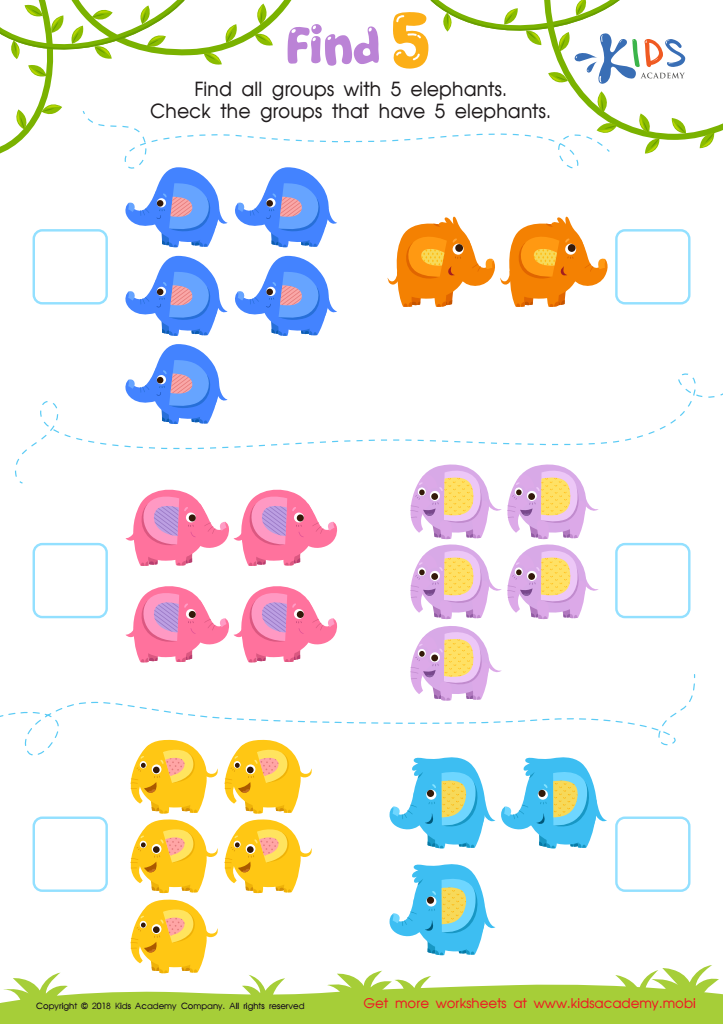
Find 5 Worksheet
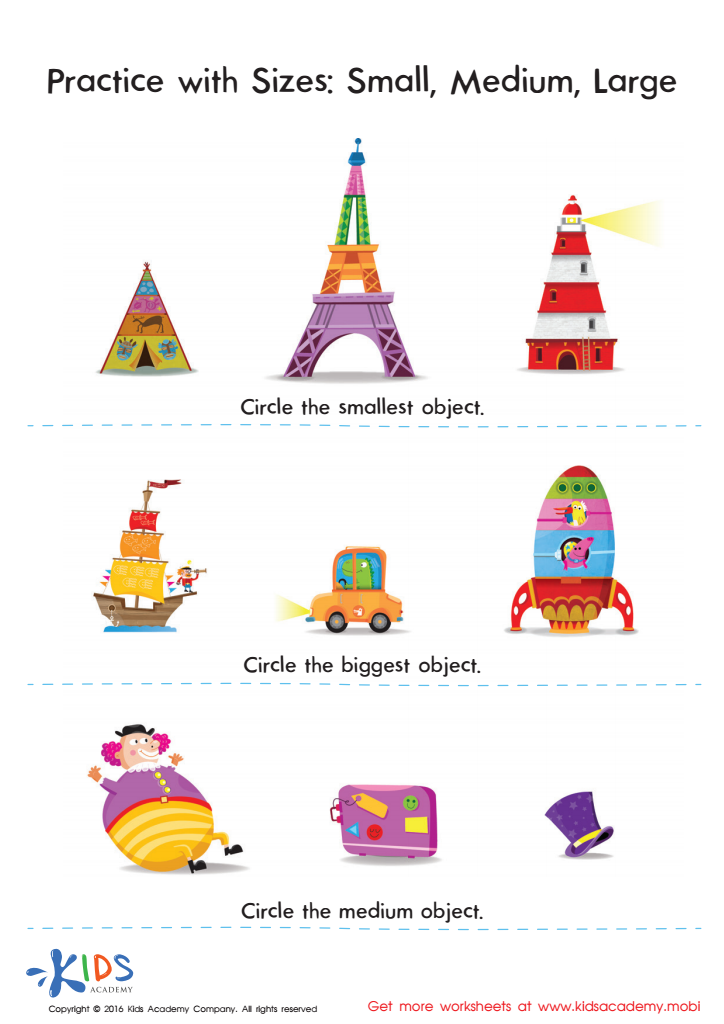






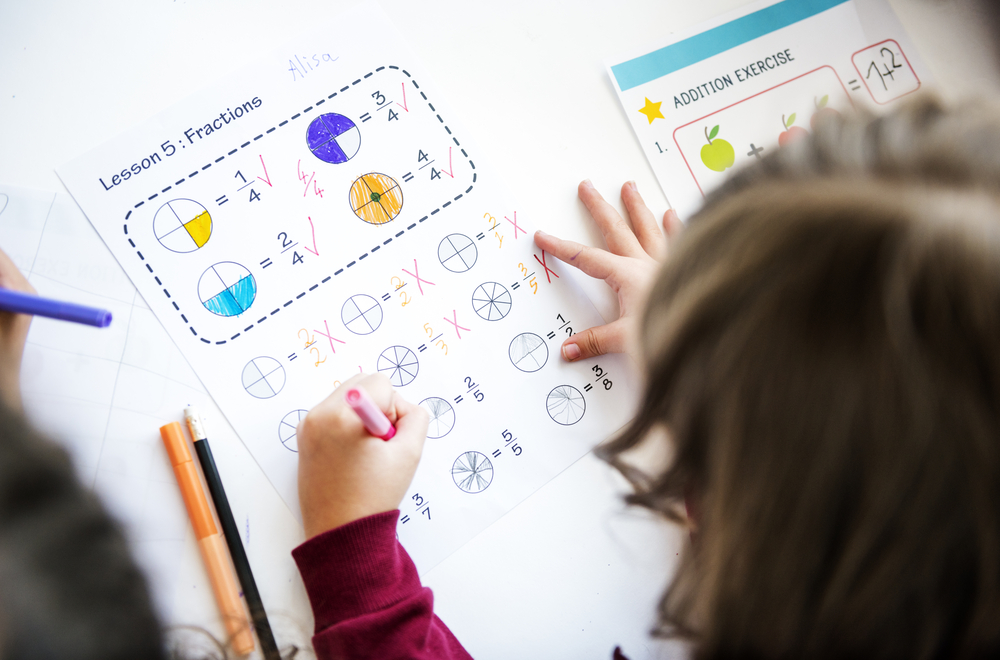

Normal Matching for ages 5-7 is a critical educational tool that helps young children develop essential cognitive and social skills. At this stage, children are highly receptive to structured learning experiences, making it an ideal time to introduce them to matching activities. These activities can be designed to enhance memory, improve attention, and promote pattern recognition—all foundational skills for further learning.
For parents and teachers, normal matching activities can foster child engagement and creativity. By organizing games or exercises that involve matching colors, shapes, or even words and images, children are encouraged to think critically and intuitively. Furthermore, these exercises naturally support social interaction; as children match items together, they practice teamwork, communication, and sharing.
Additionally, incorporating normal matching into daily educational practices can lead to enhanced literacy and numeracy, preparing youngsters for more complex academic challenges. It aligns with developmental milestones, pilot cognitive growth, and integrates STEM learning through hands-on experiences.
Ultimately, a focus on normal matching provides an invaluable opportunity for both parents and teachers to prepare children for future learning while making the educational experience enjoyable and interactive. By nurturing these skills early, we lay a strong foundation for lifelong learning and academic success.