Normal Measurement Worksheets for Ages 5-7 - Page 2
34 filtered results
-
From - To
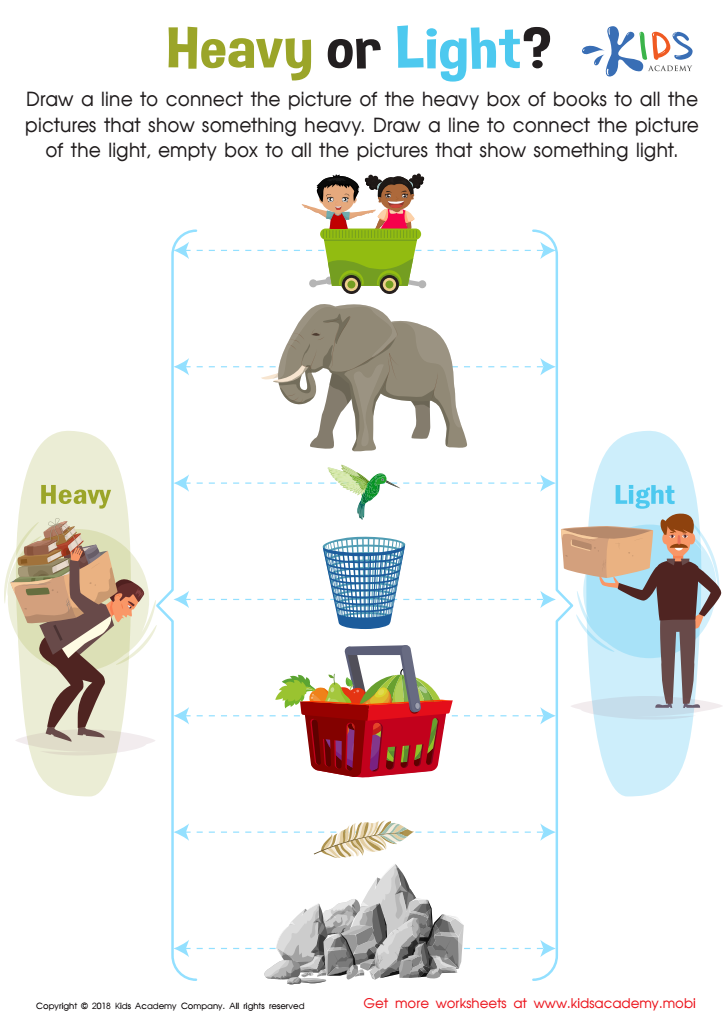
Heavy or Light? Worksheet
 Assign to My Students
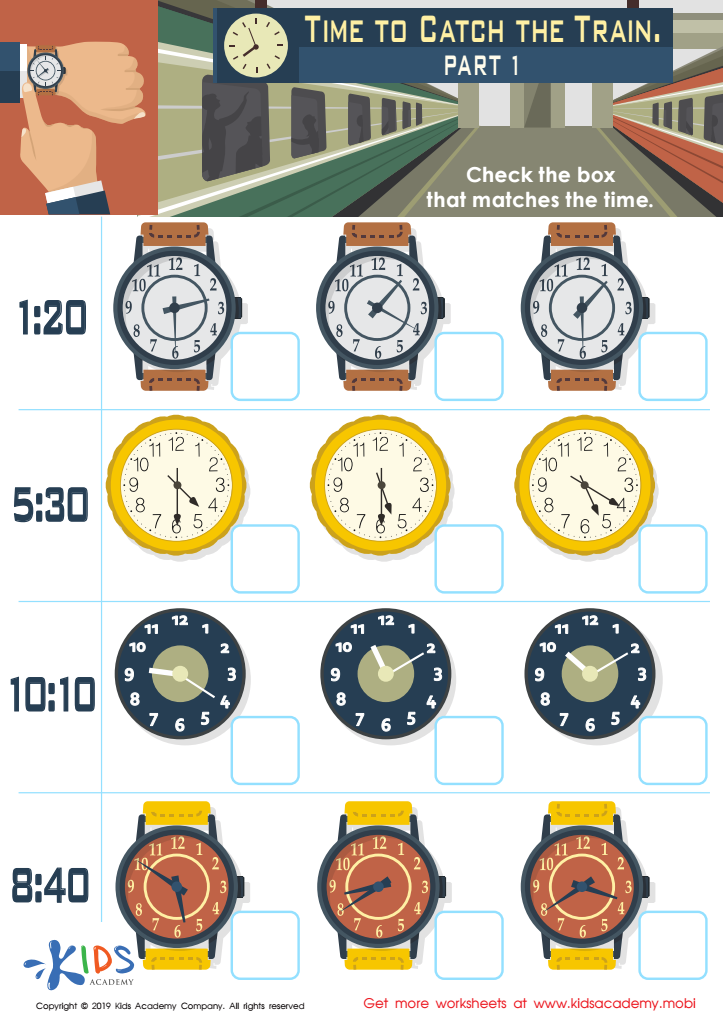
Time to Catch the Train Part 1 Worksheet
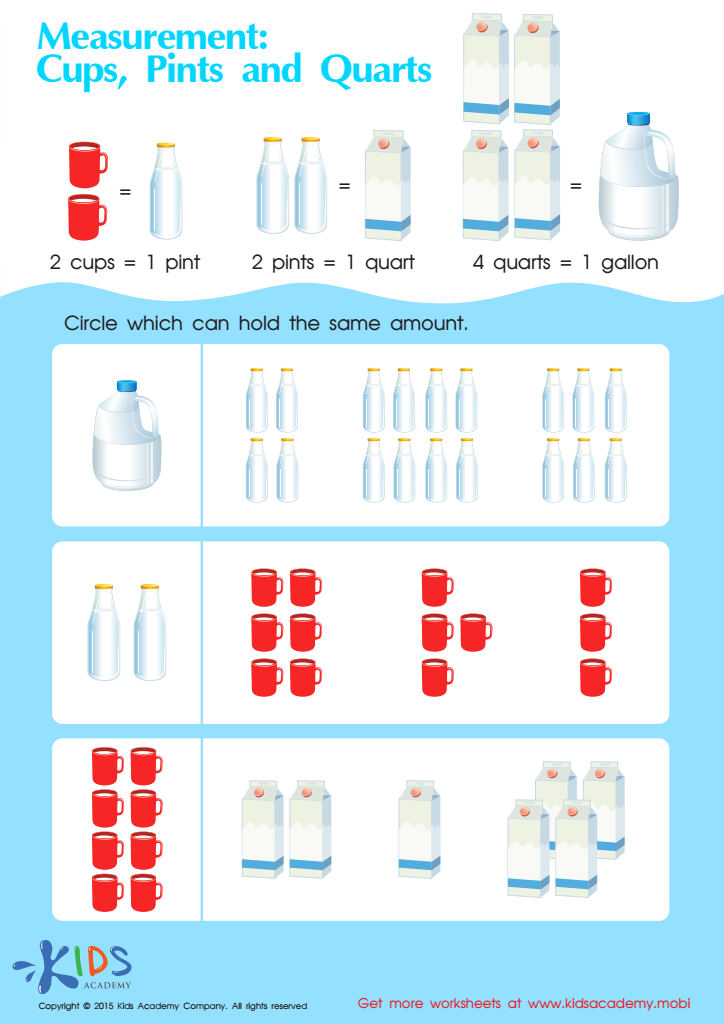
Cups, Pints and Quarts 2 Worksheet
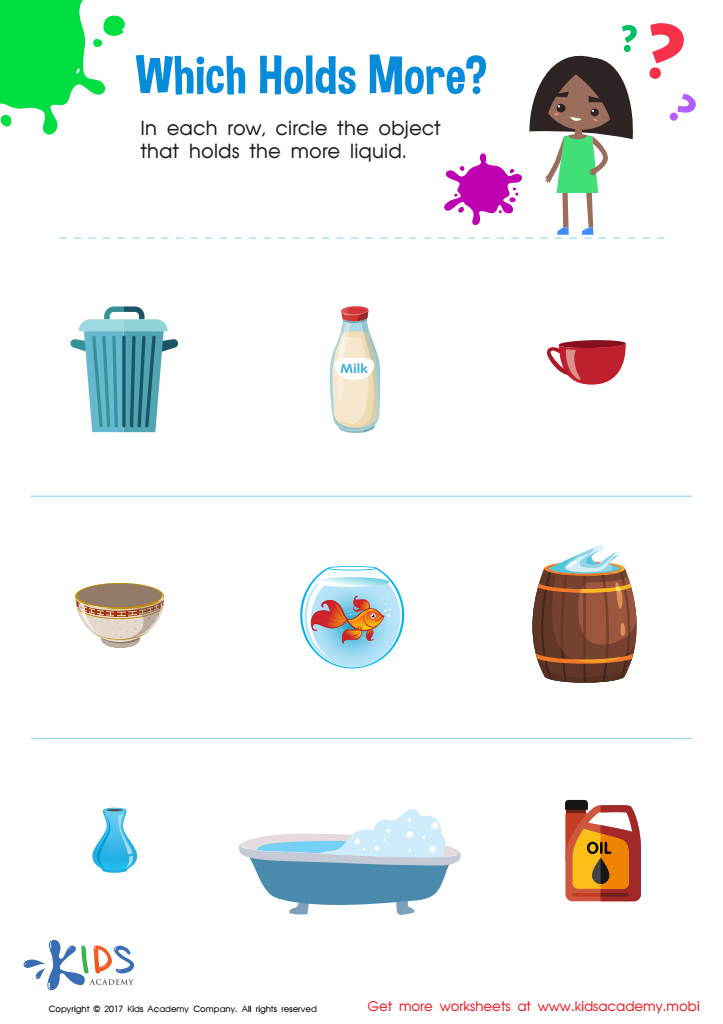
Which Holds More: Capacity Worksheet
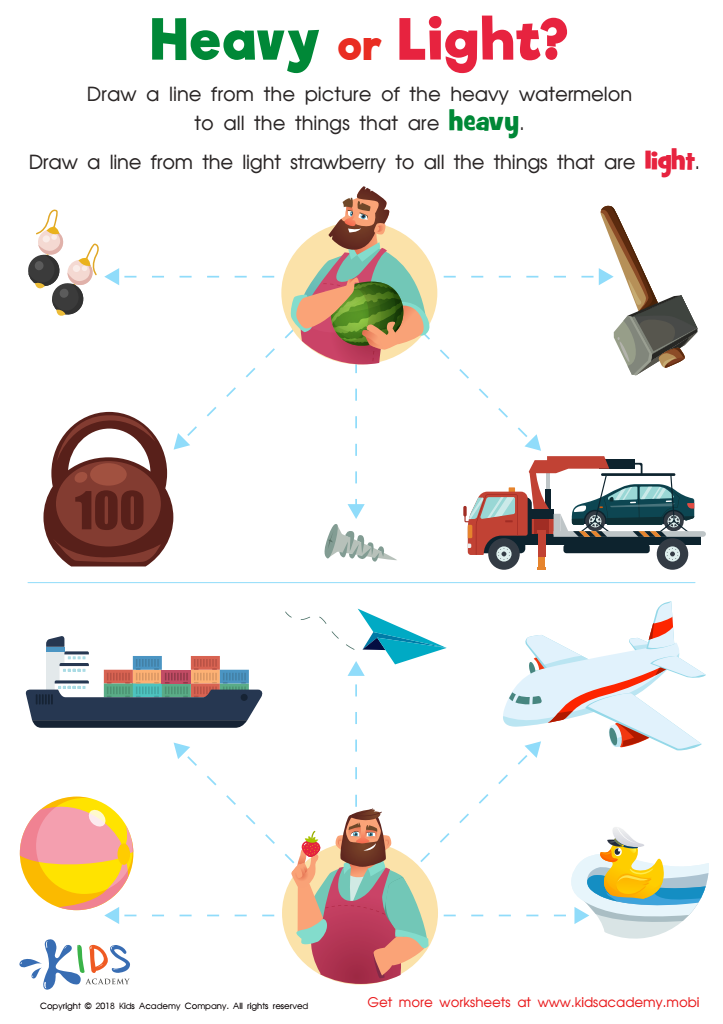
Heavy or Light? Worksheet
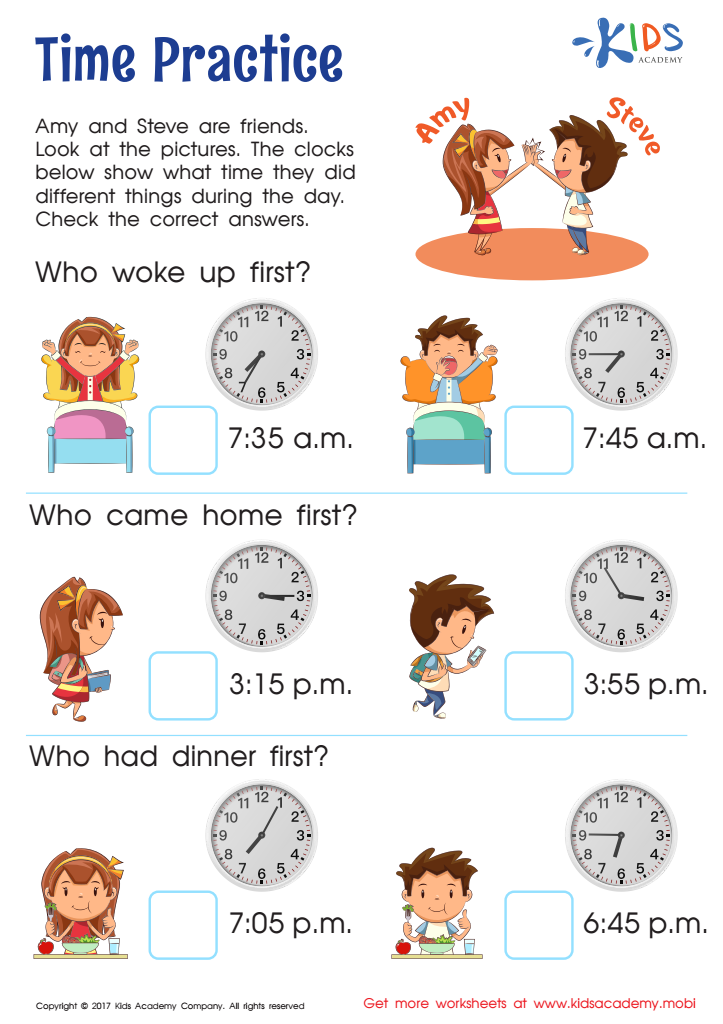
Time Practice Worksheet
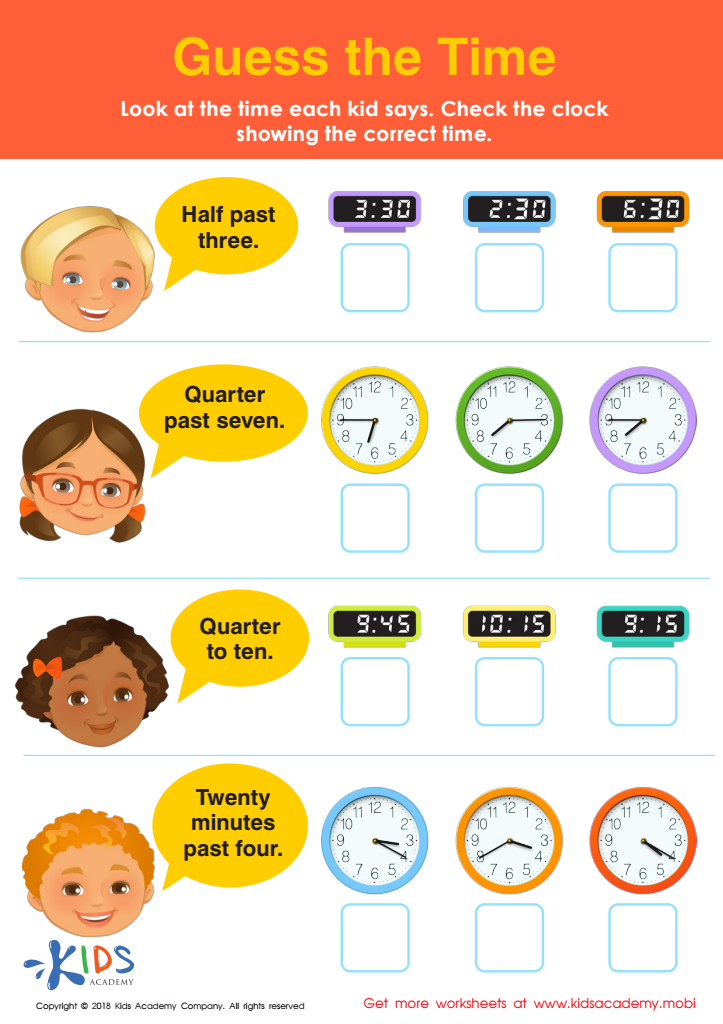
Guess the Time Worksheet
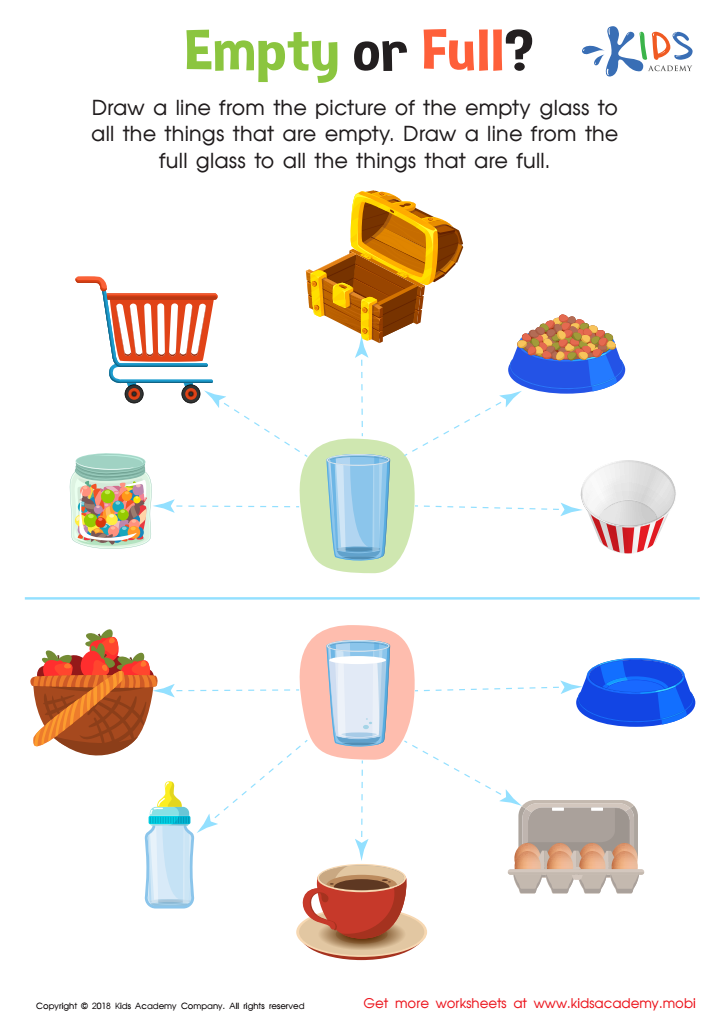
Empty or Full? Worksheet
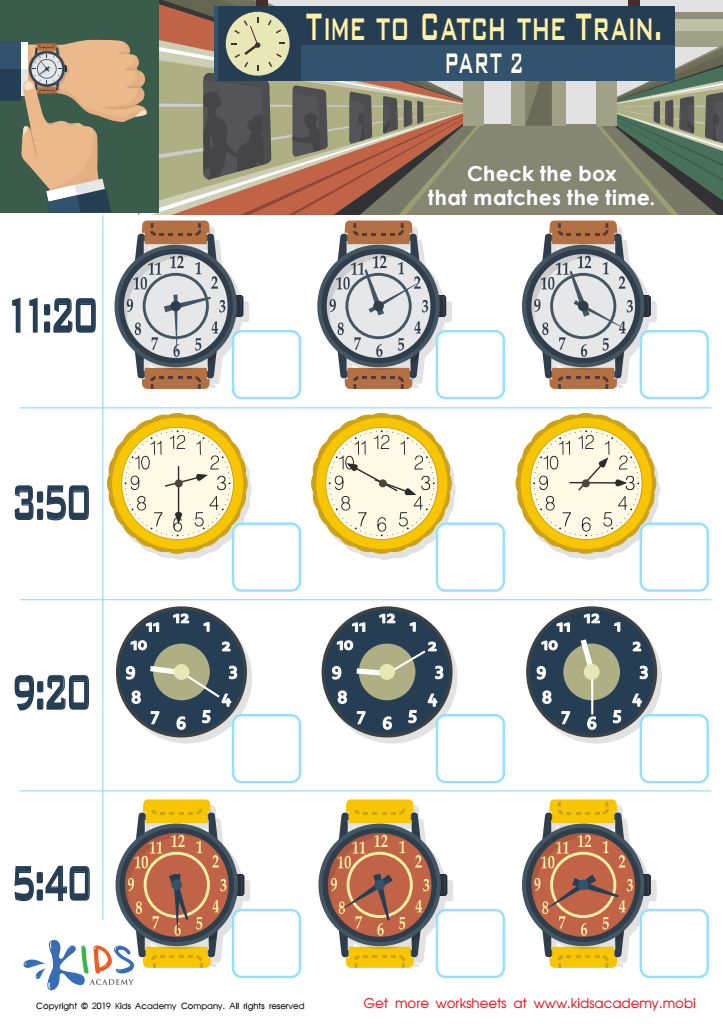
Time to Catch the Train Part 2 Worksheet
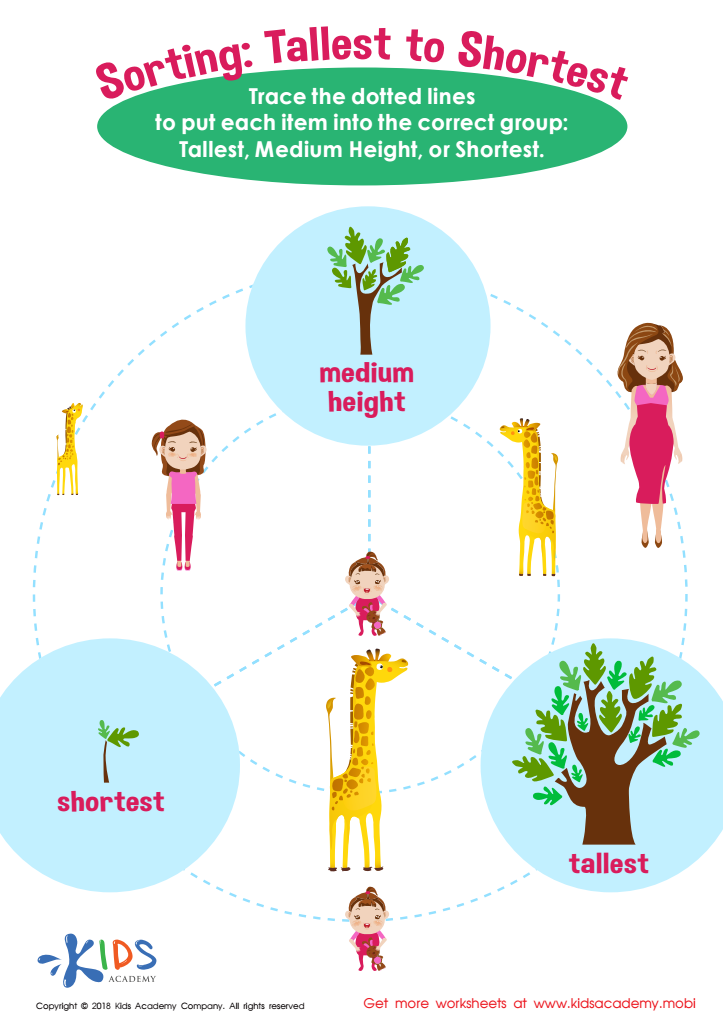
Sorting: Tallest to Shortest Worksheet








Parents and teachers should care about normal measurements for children aged 5-7 as they provide important benchmarks that reflect healthy developmental progress. These measurements, including height, weight, and body mass index (BMI), are instrumental in identifying whether a child is growing at an appropriate rate. Consistent monitoring of these characteristics can help recognize early signs of potential health issues such as undernutrition, obesity, or growth disorders.
Beyond physical health, normal measurements can indicate a child's general well-being and ability to engage in school activities effectively. Children who fall significantly outside the normal ranges may struggle with stamina, concentration, and social engagement. Being underweight, for instance, may suggest nutritional deficiencies impacting cognitive and emotional development, while being overweight can lead to both physical and psychological challenges, including bullying or self-esteem issues.
Monitoring these measurements also allows parents and teachers to establish healthy lifestyle habits early on. Proper nutrition, regular physical activity, and adequate rest are foundational elements contributing to overall health, ensuring the child's readiness for educational and social challenges. Responsive actions based on these measurements—such as consulting healthcare providers when there are concerning deviations—facilitate timely interventions, promoting optimal growth and development for children in this crucial age range.








