Normal Animals Worksheets for Ages 7-9
38 filtered results
-
From - To
Discover our engaging "Normal Animals Worksheets for Ages 7-9," designed to ignite curiosity and foster learning in young explorers! These carefully crafted worksheets cover a variety of topics related to animals, promoting critical thinking and comprehension skills. Perfect for at-home practice or classroom activities, your child will dive into fascinating facts about different species, their habitats, and unique behaviors. Each worksheet encourages creativity and enhances literacy, making learning both fun and educational. Ideal for reinforcing classroom lessons or supplementing homeschooling, these worksheets provide a seamless way to support your child's academic growth in science. Start your adventure in learning about animals today!
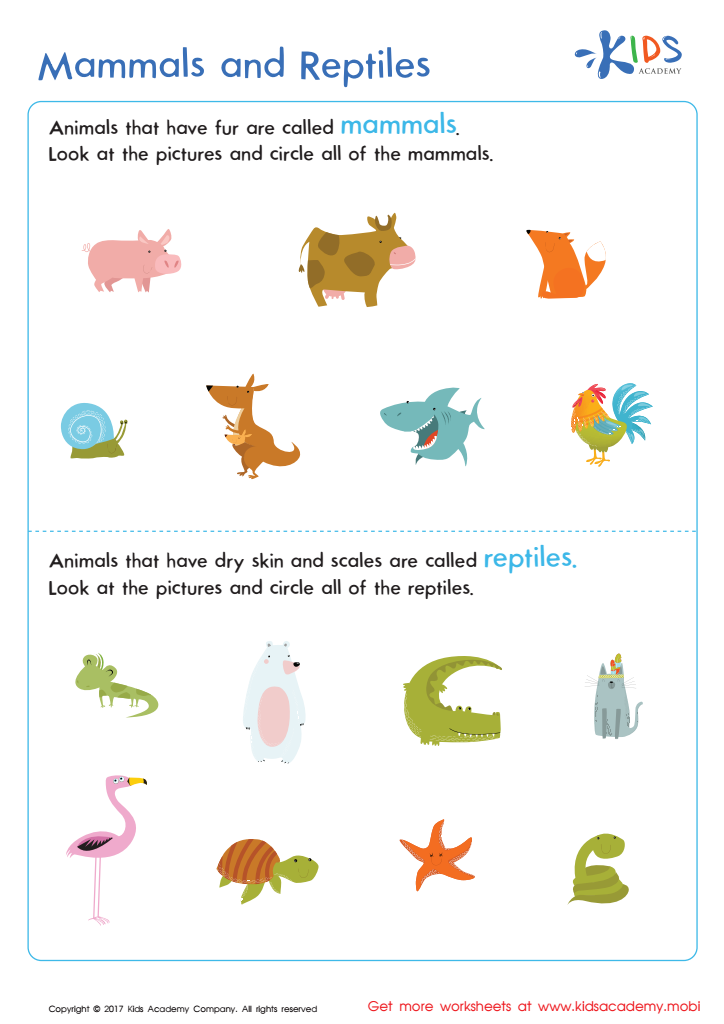
Mammals and Reptiles Worksheet
 Assign to My Students
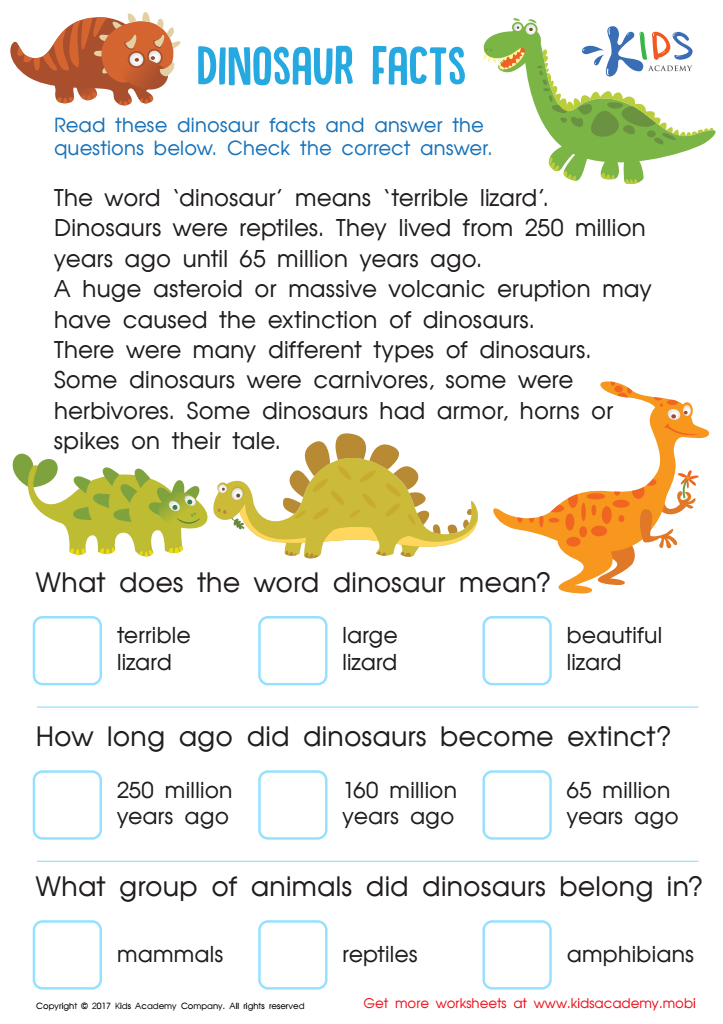
Dinosaur Facts Worksheet
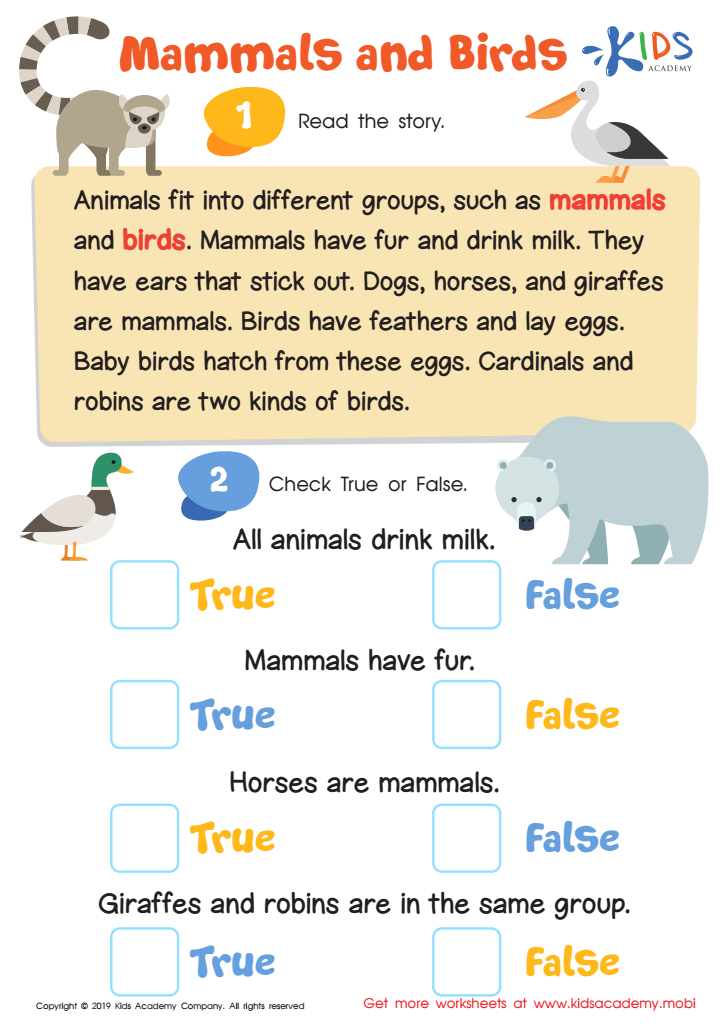
Mammals and Birds Worksheet
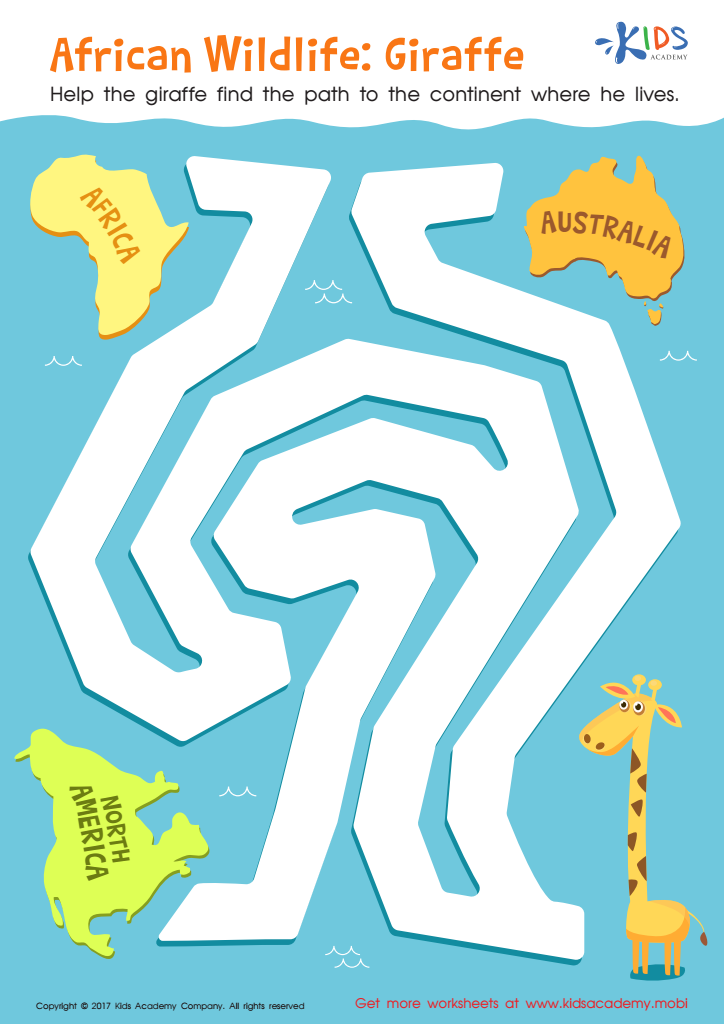
African Wildlife: Giraffe Worksheet
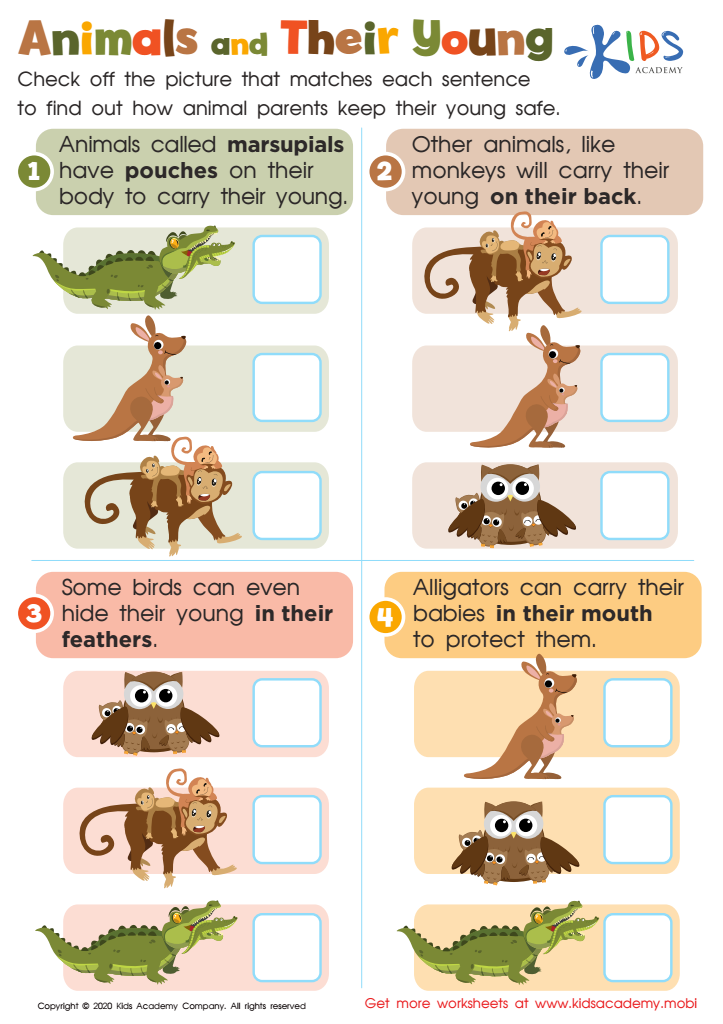
Animals and Their Young Worksheet
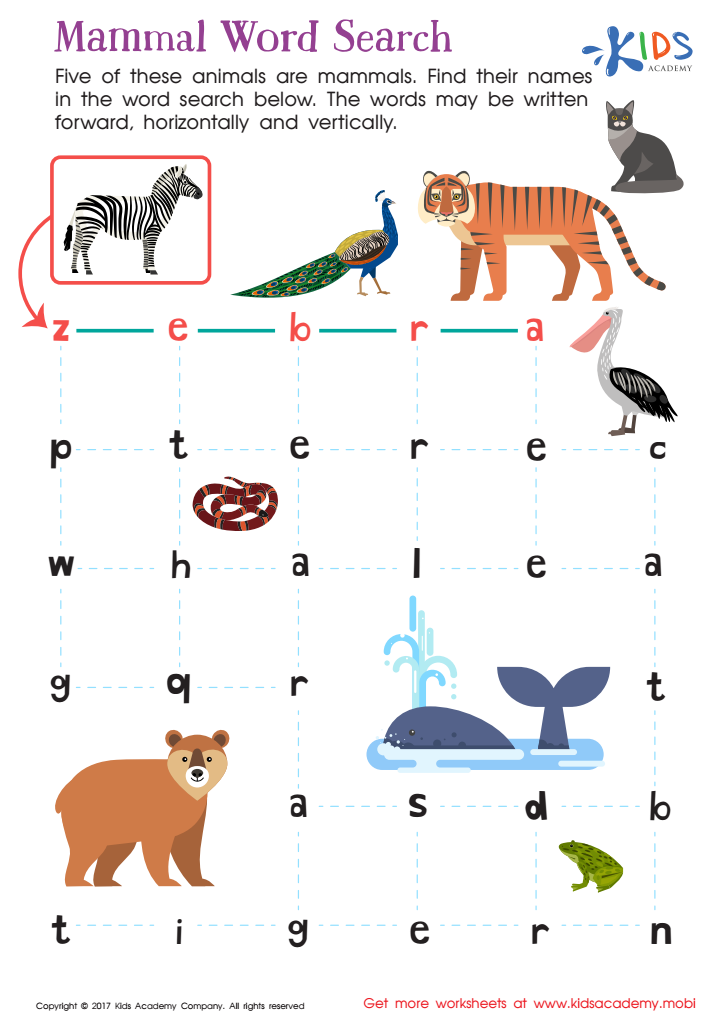
Printable Mammal Word Search
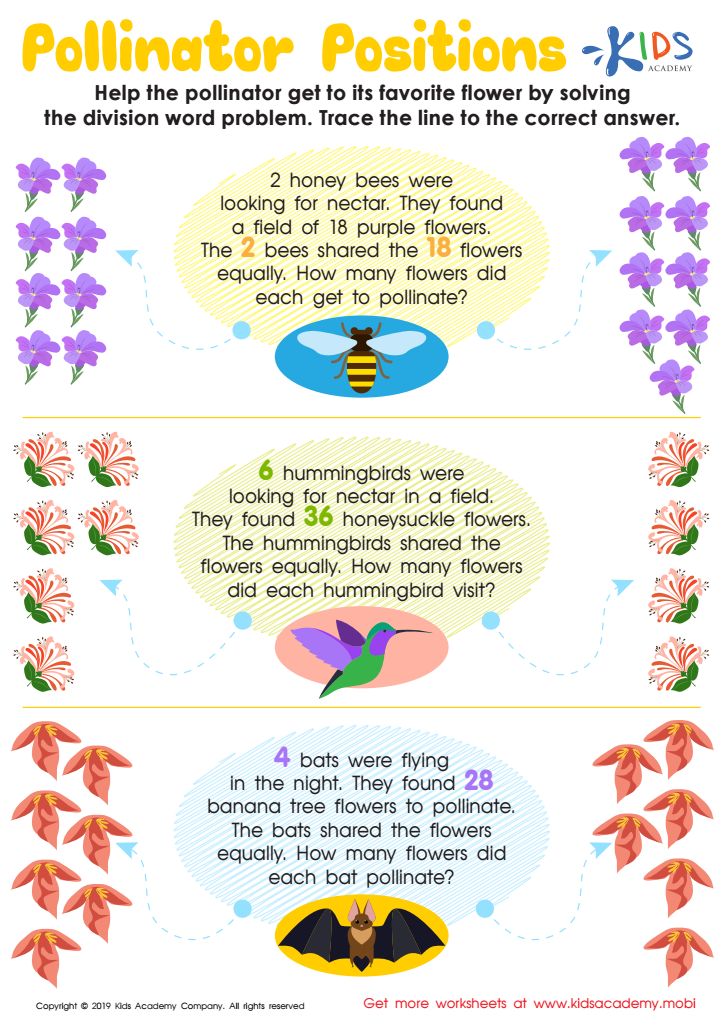
Pollinator Positions Worksheet
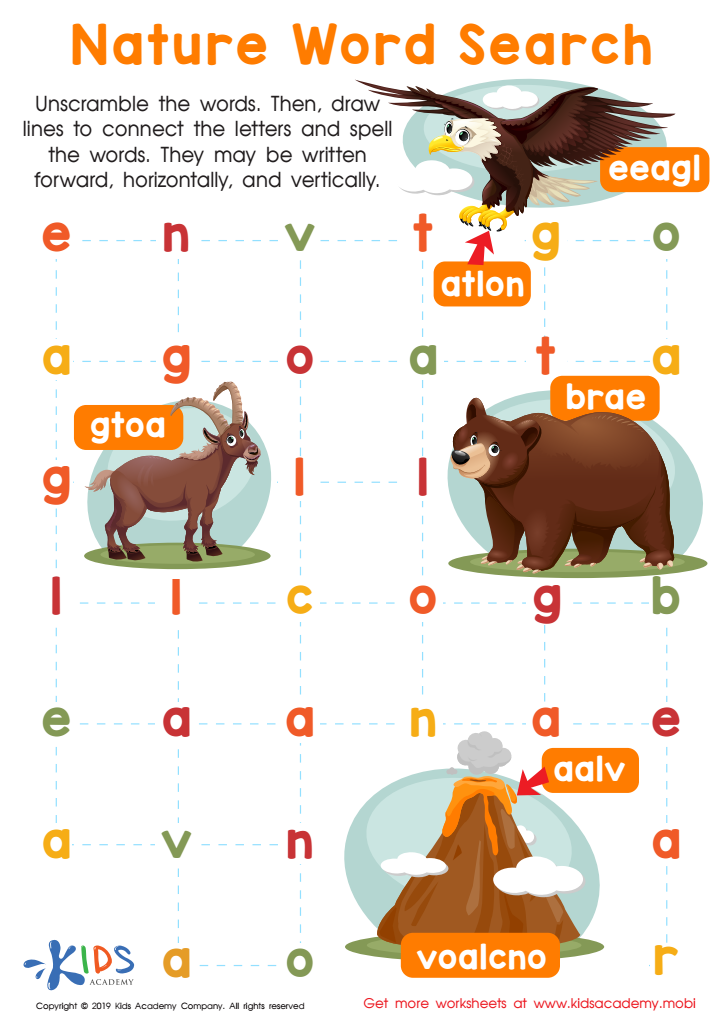
Nature Word Search Worksheet
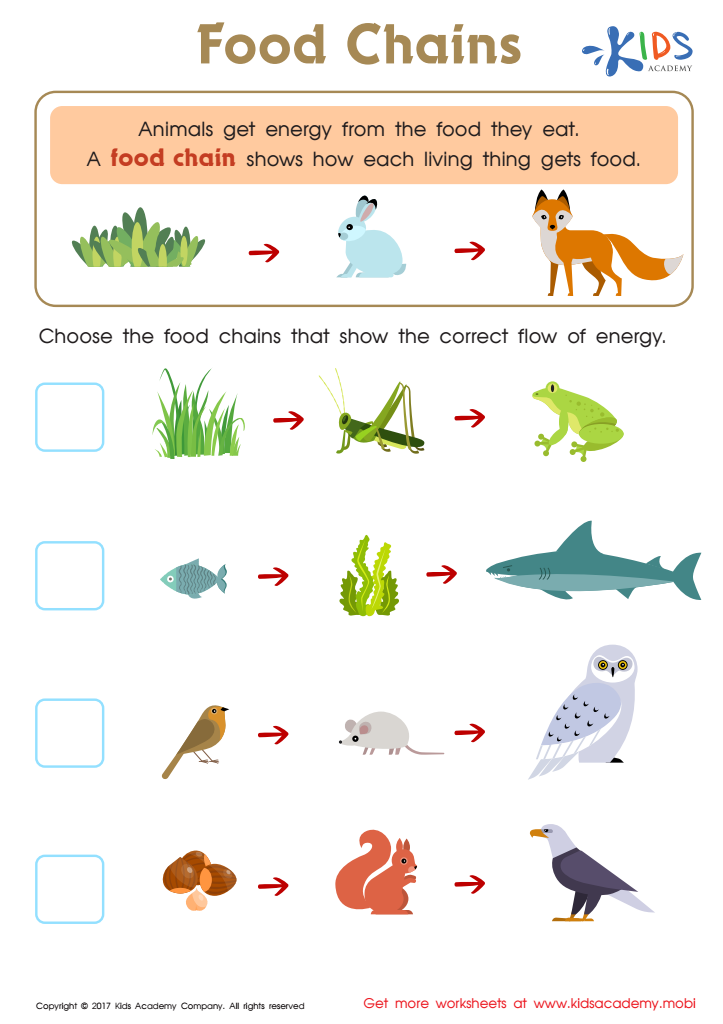
Food Webs and Food Chains Worksheet
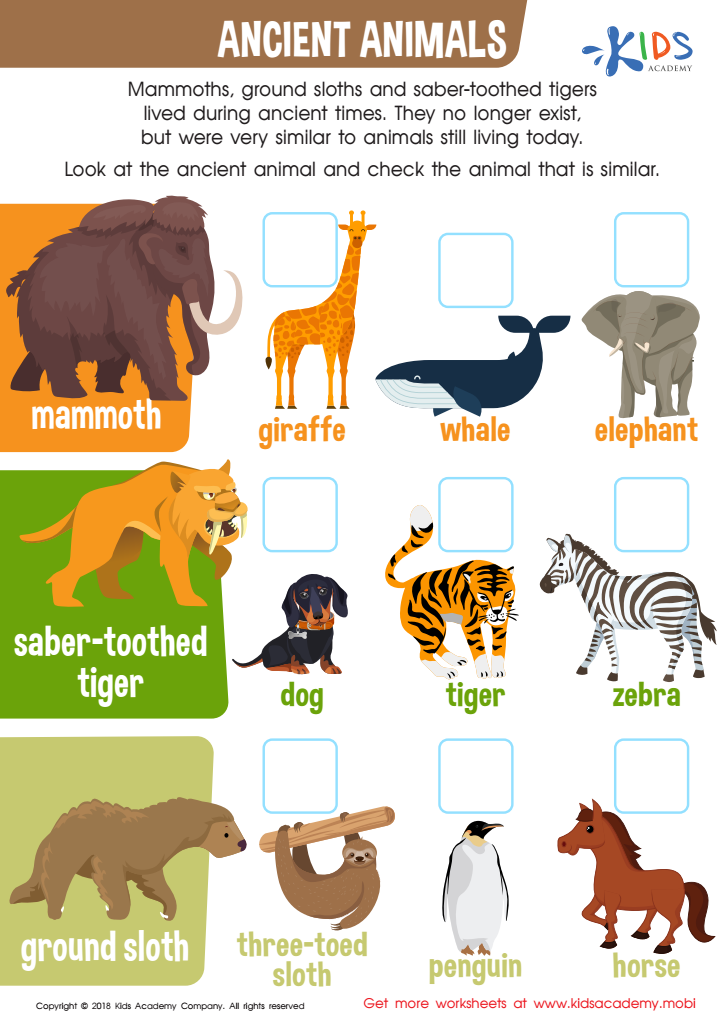
Ancient Animals Worksheet
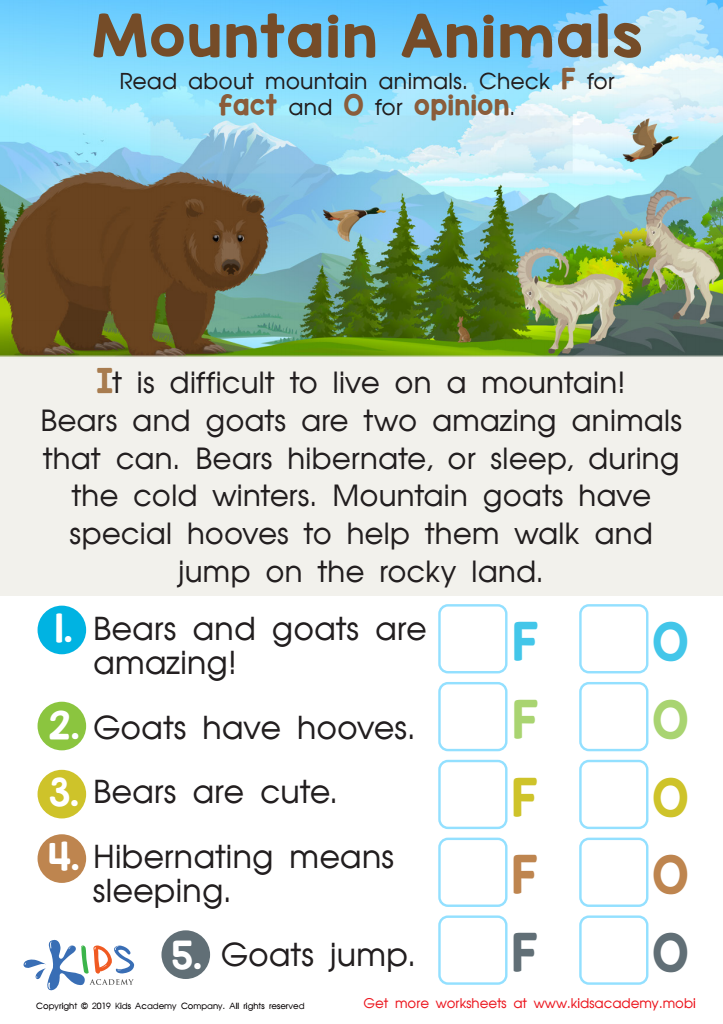
Mountain Animals Worksheet
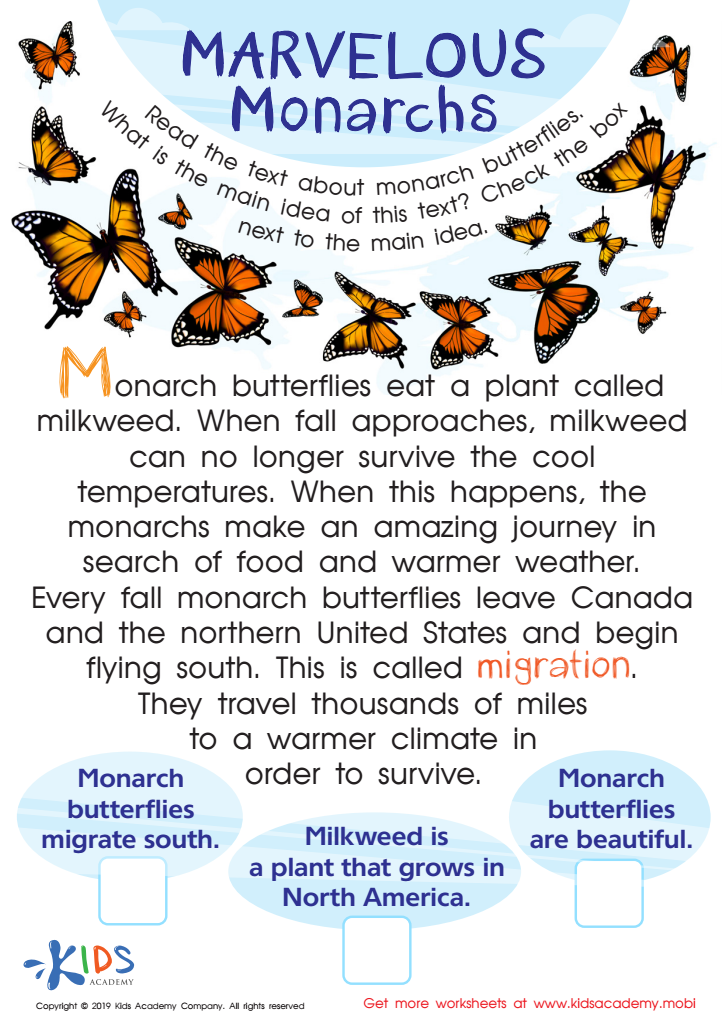
Marvelous Monarchs Worksheet
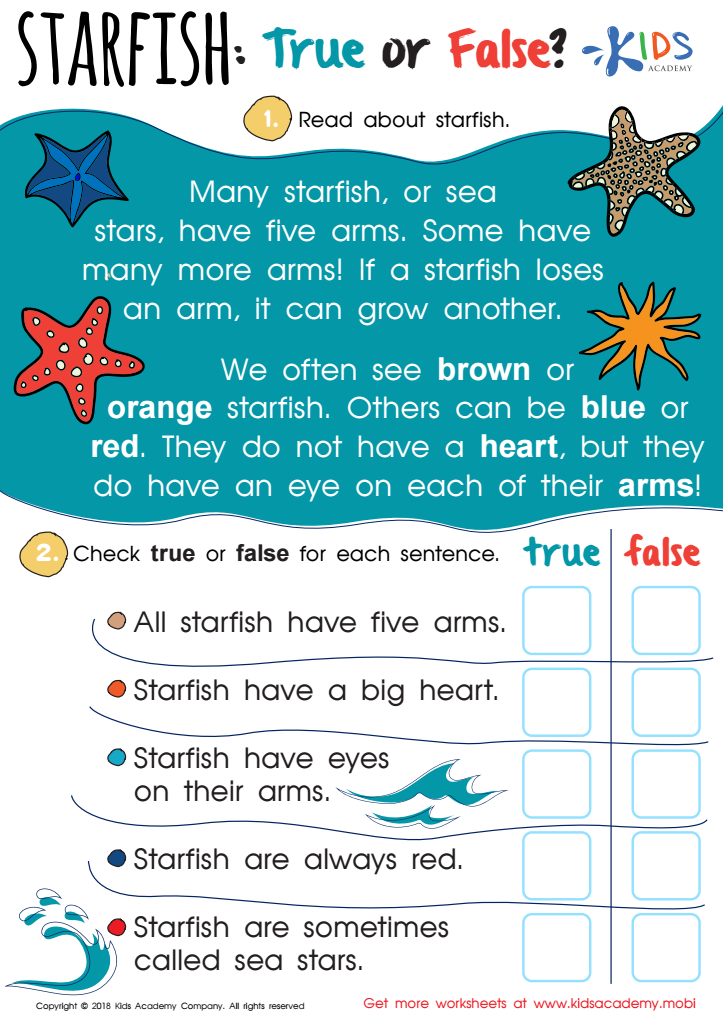
Starfish: True or False Worksheet
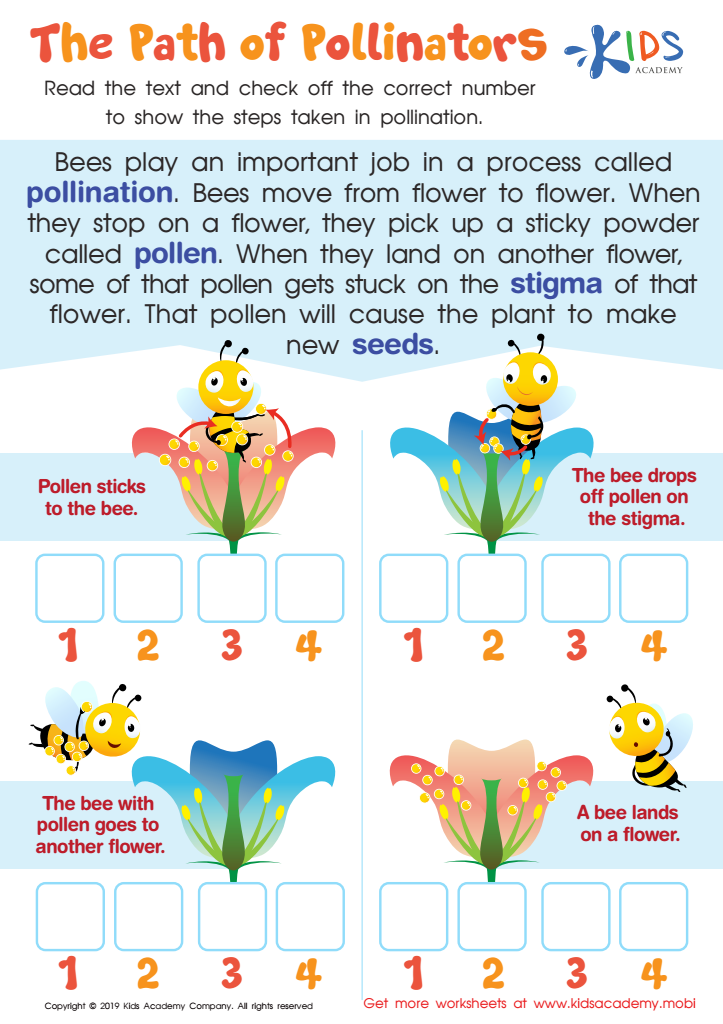
The Path of Pollinators Worksheet
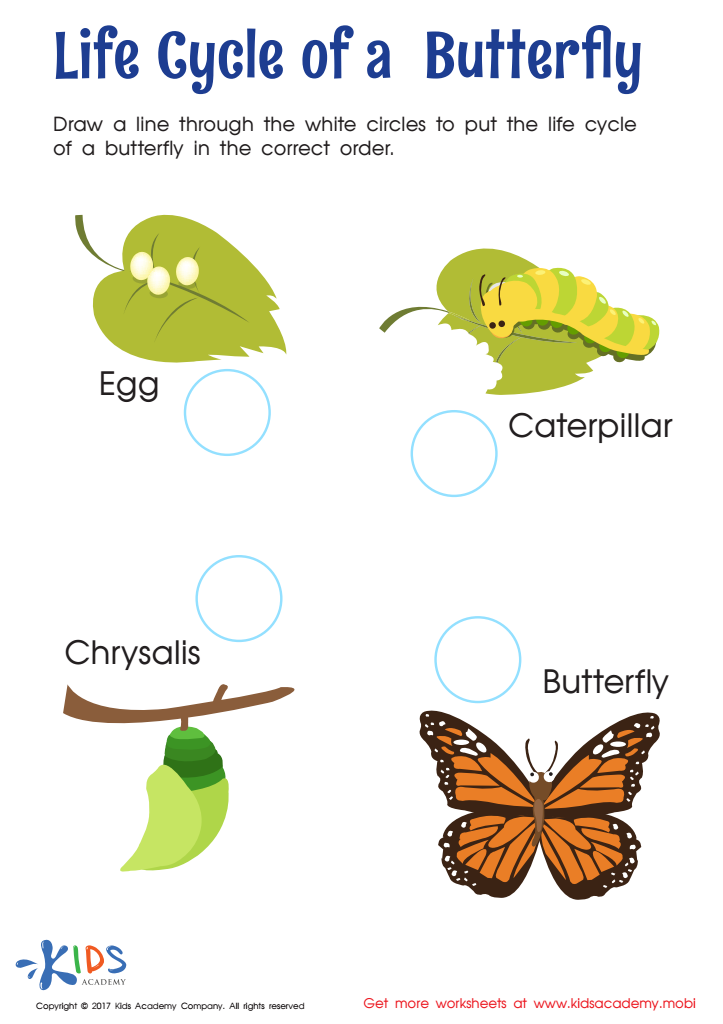
Life Cycle of Butterfly Worksheet
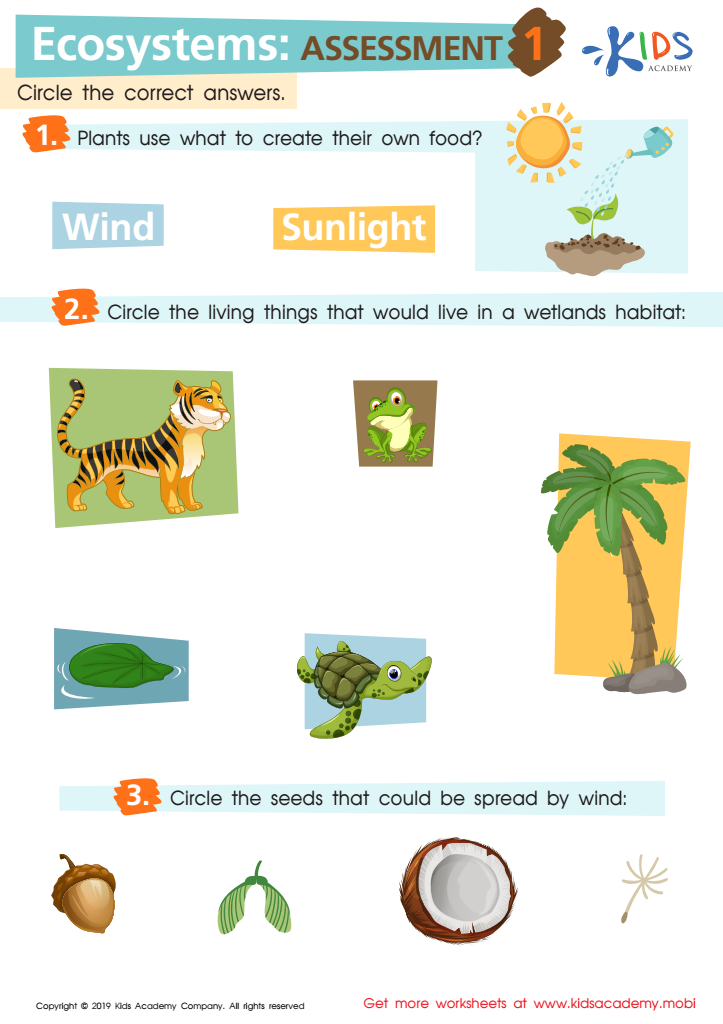
Ecosystems: Assessment 1 Worksheet
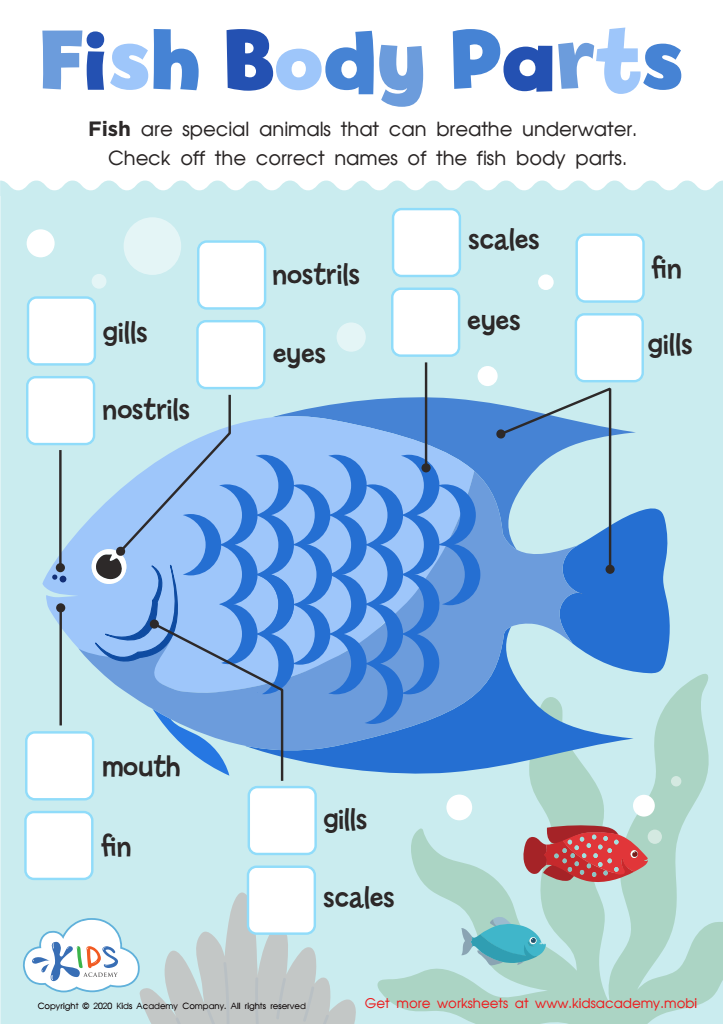
Fish Body Parts Worksheet
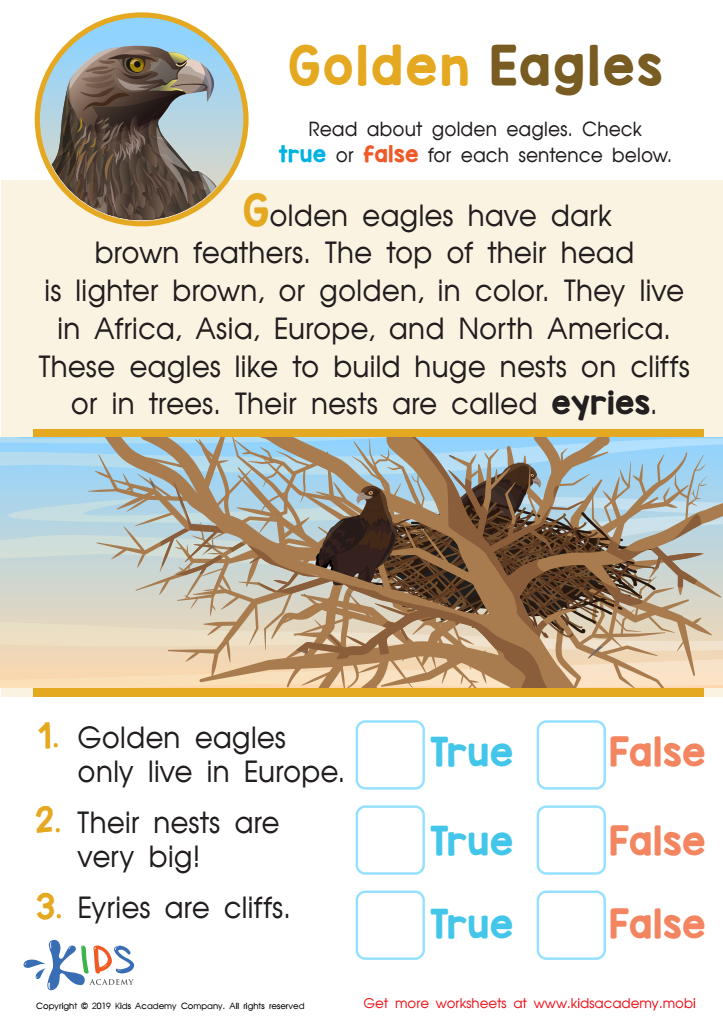
Golden Eagles Worksheet
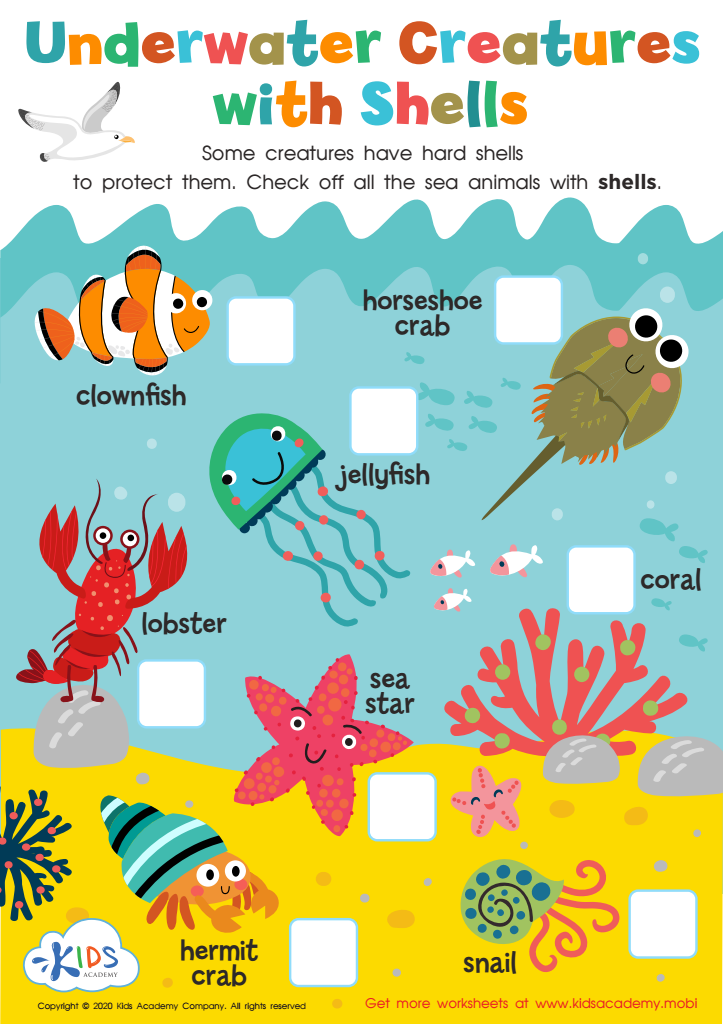
Underwater Creatures with Shells Worksheet
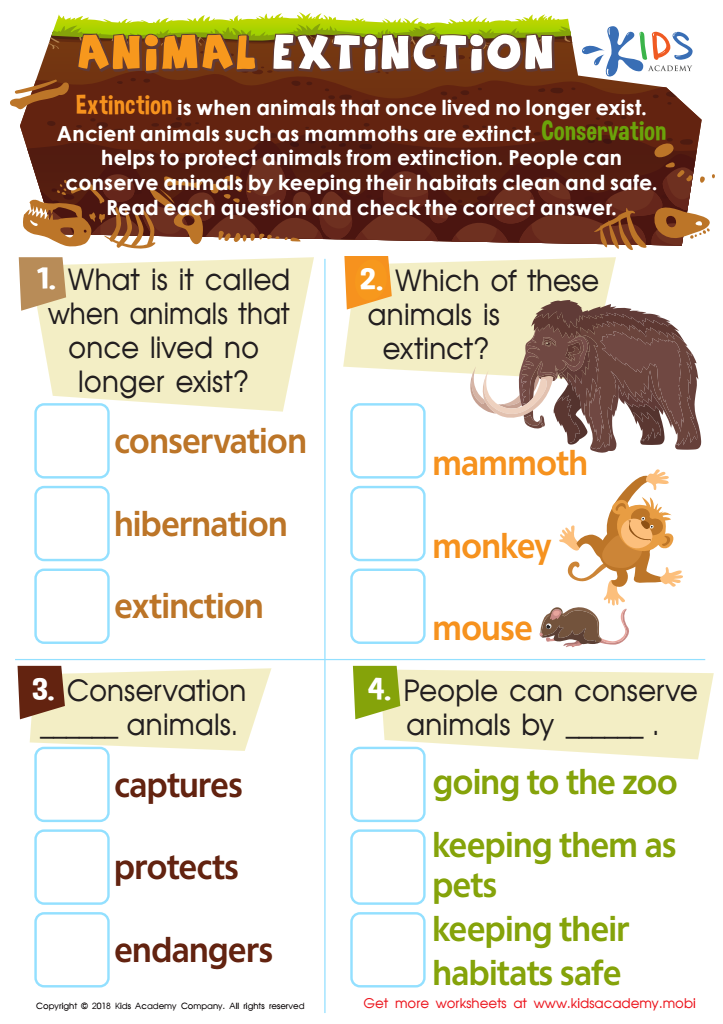
Animal Extinction Worksheet
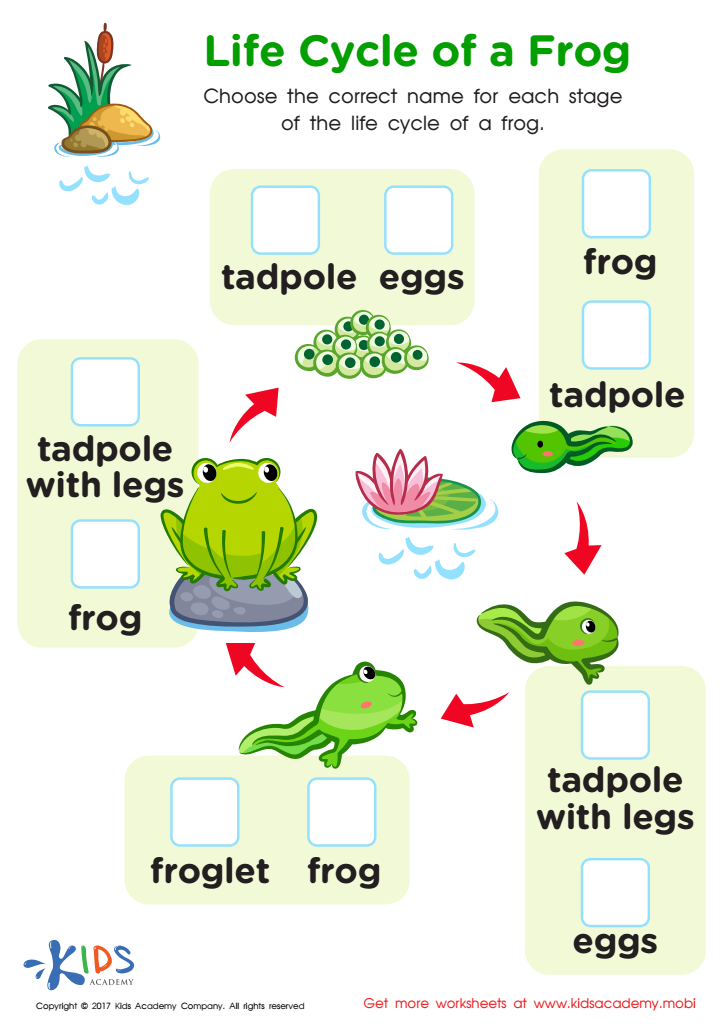
Life Cycle Frog Printable
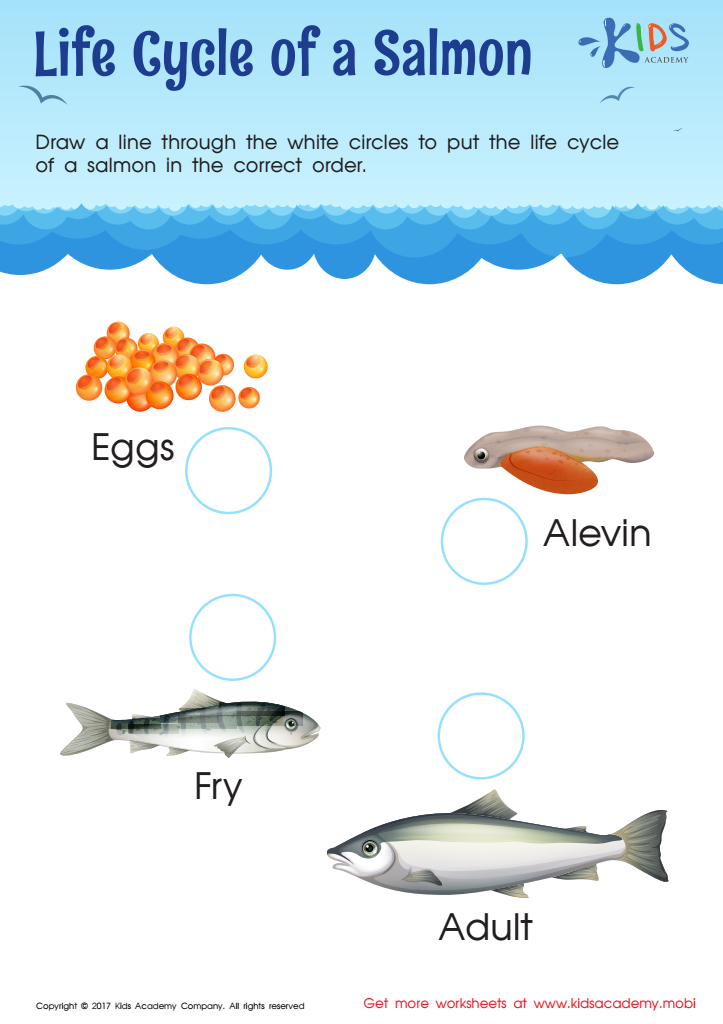
Cycle Of Salmon Worksheet








Parents and teachers should care about "Normal Animals" for ages 7-9 because introducing children to the concept of wildlife fosters curiosity, empathy, and a sense of responsibility toward the environment. At this age, children are naturally inquisitive and eager to explore the world around them. Understanding normal animals – those that are common in their local environments – can spark a lifelong interest in nature and conservation.
By learning about these animals, children develop empathy as they recognize their role in ecosystems. This knowledge can inspire them to become advocates for animal welfare and protectors of habitats. Engaging with normal animals also enhances observational skills and critical thinking as kids compare different species, understand their behaviors, and explore their adaptations.
Moreover, studying normal animals often incorporates fun and interactive activities, like nature walks or wildlife documentaries. These activities not only make learning enjoyable but also promote physical activity and outdoor exploration, crucial for a child’s health. Lastly, such discussions encourage family bonding, as parents and teachers can initiate conversations about nature, igniting shared interests and values related to environmental stewardship. By prioritizing this knowledge, adults can help shape conscientious and caring future generations.








