Shape Recognition Normal Math Worksheets for Ages 3-4
25 filtered results
-
From - To
Explore our engaging Shape Recognition Normal Math Worksheets designed for children aged 3-4! These worksheets provide a fun way for young learners to identify and categorize shapes. With colorful designs and interactive activities, children will develop essential early math skills while enhancing their cognitive abilities. Whether it's distinguishing between circles, squares, triangles, or other shapes, our worksheets encourage exploration and creativity. Ideal for homeschooling, classroom use, or supplemental learning, these resources foster a love for math through play. Download now to inspire your little learners on their journey to shape mastery and foundational math proficiency!
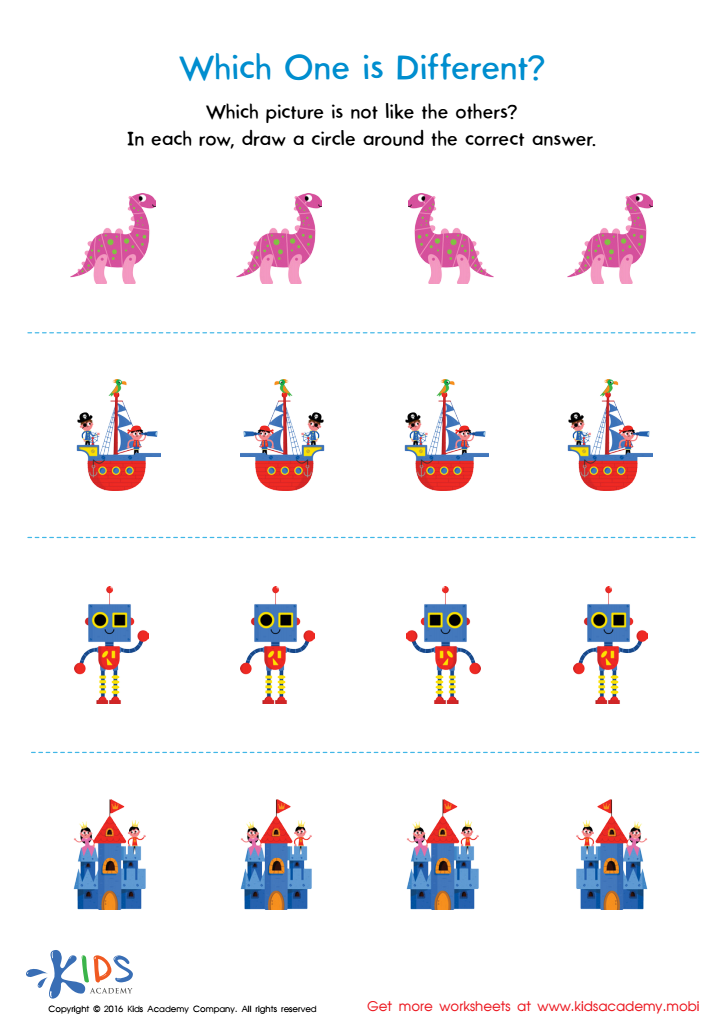
Which One Is Different Worksheet
 Assign to My Students
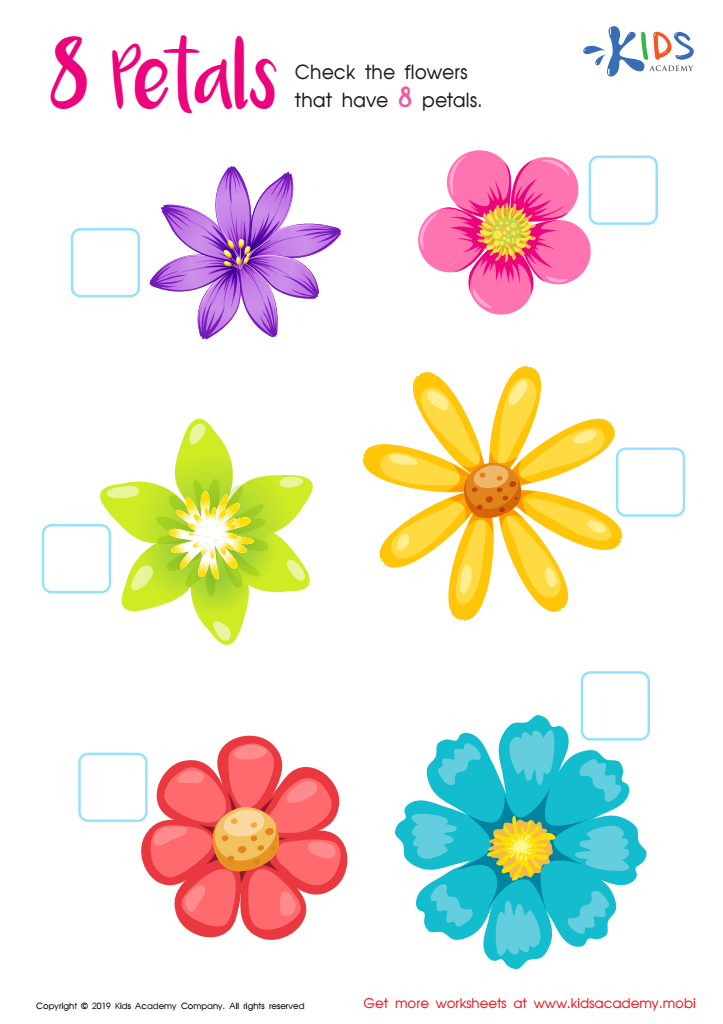
8 Petals Worksheet
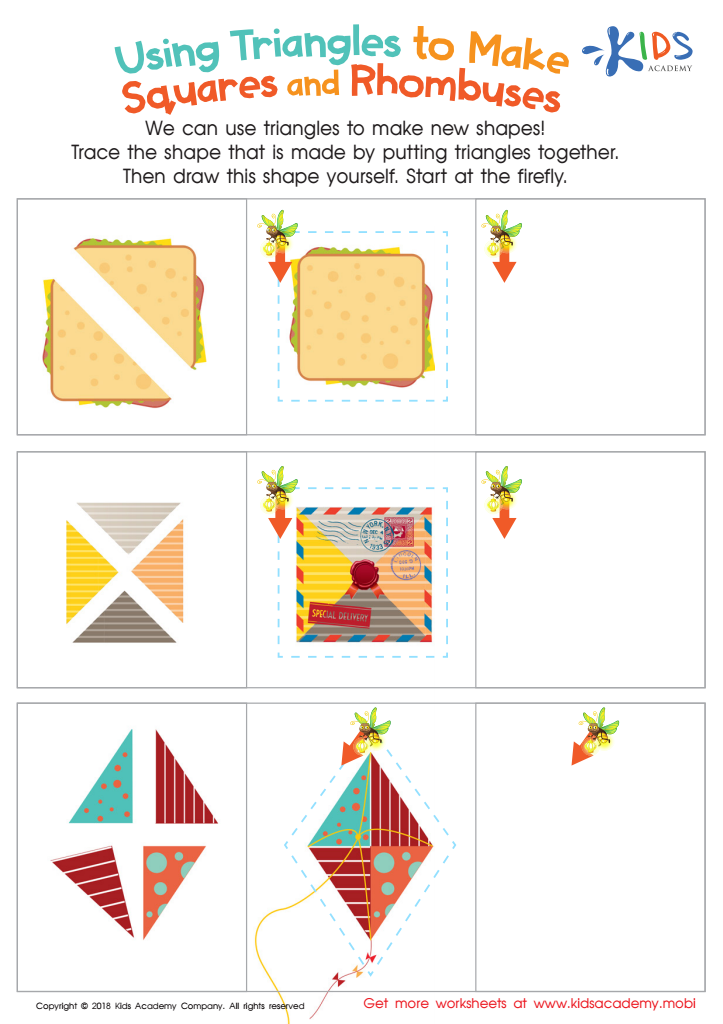
Using Triangles to Make Squares and Rhombuses Worksheet
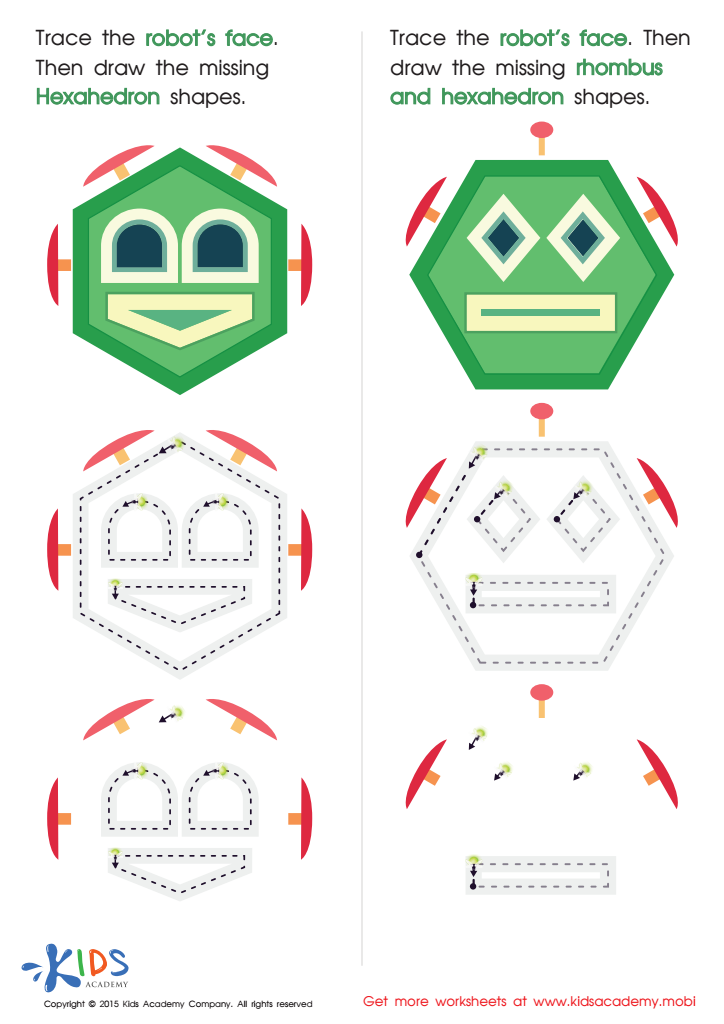
Practice Drawing Hexahedrons And a Rhombus Worksheet
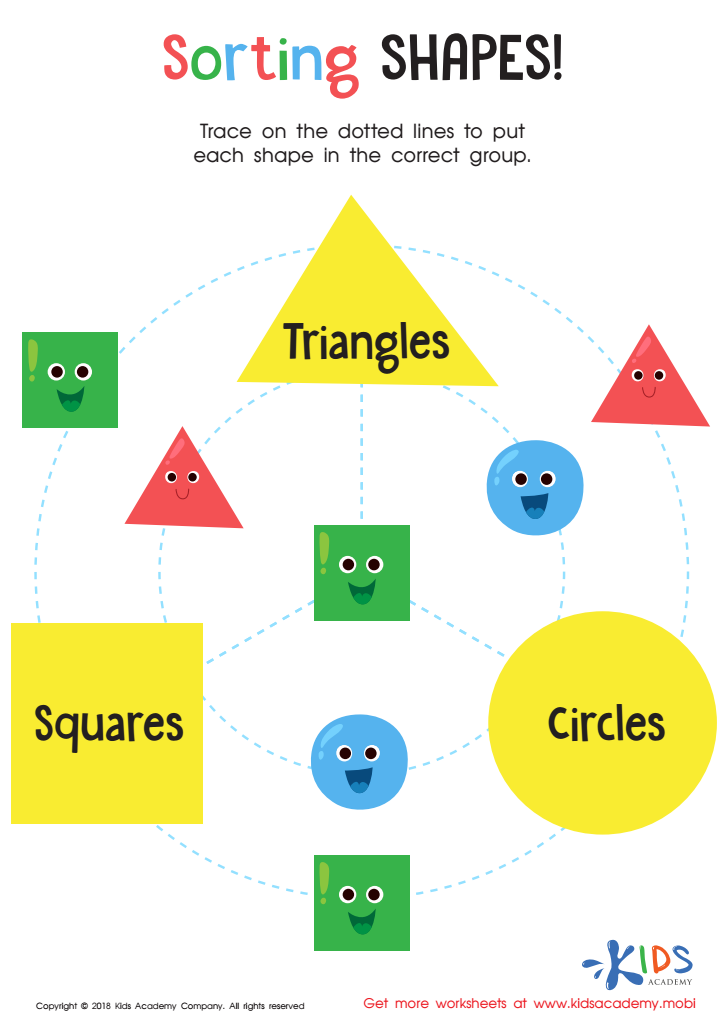
Sorting Shapes - Part 3 Worksheet
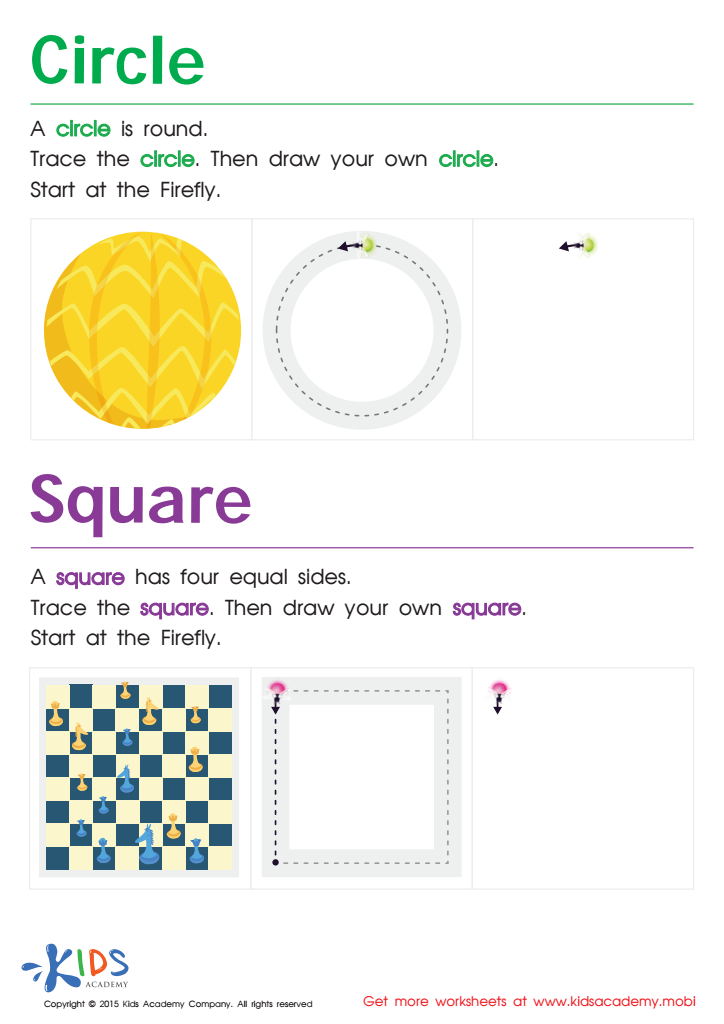
Trace And Draw a Circle And a Square Worksheet
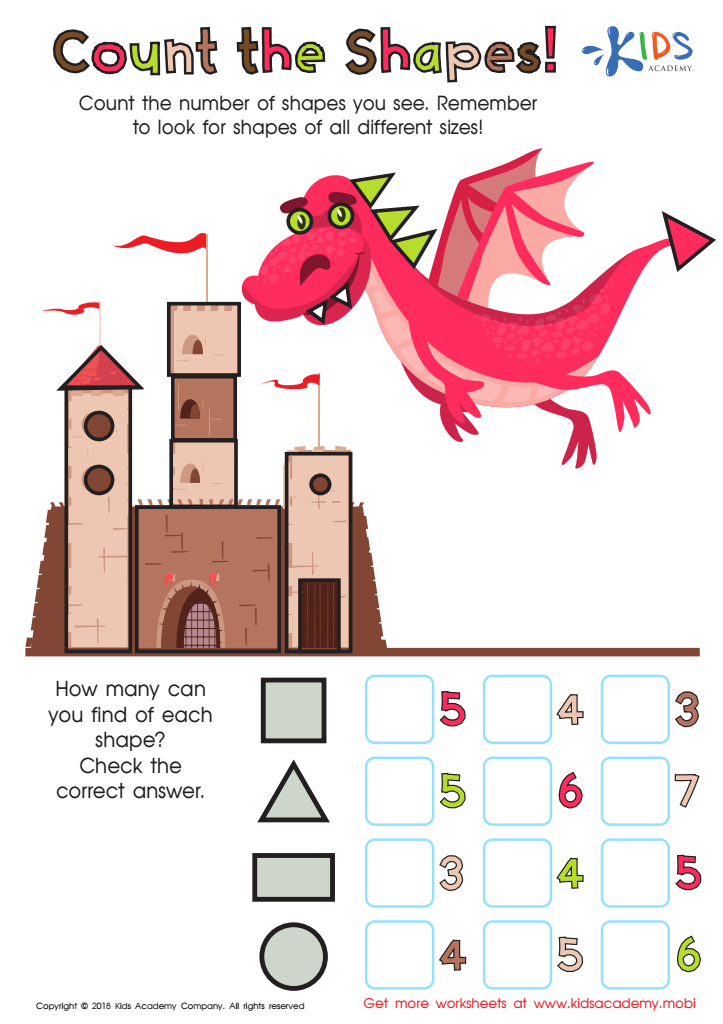
Count the Shapes Worksheet
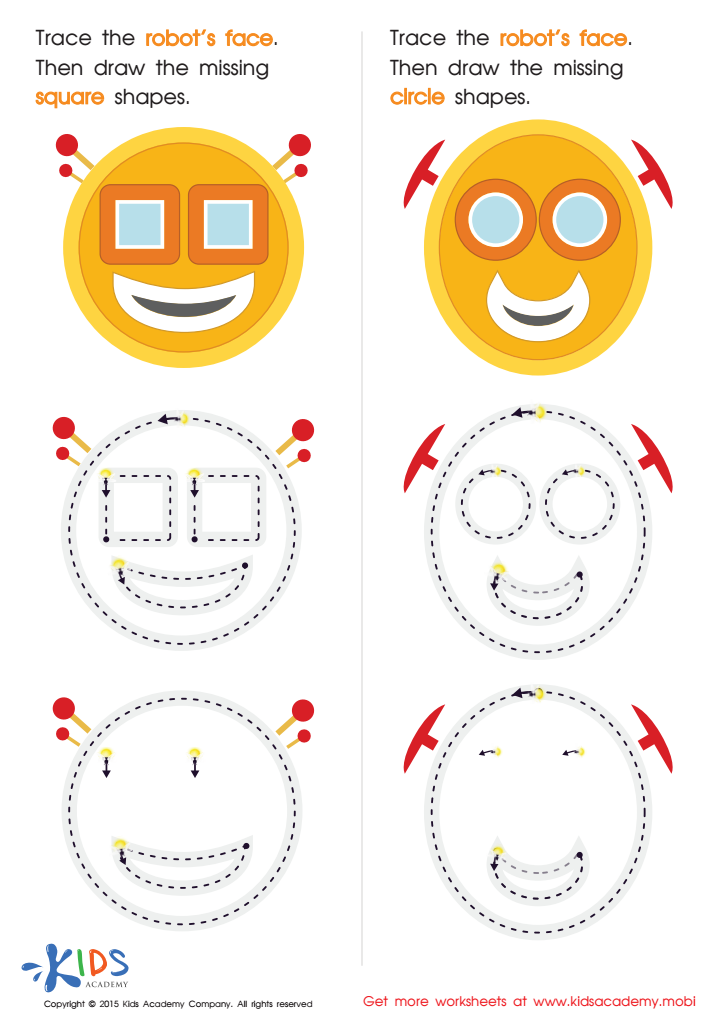
Practicing to Draw Circles And Squares Printable
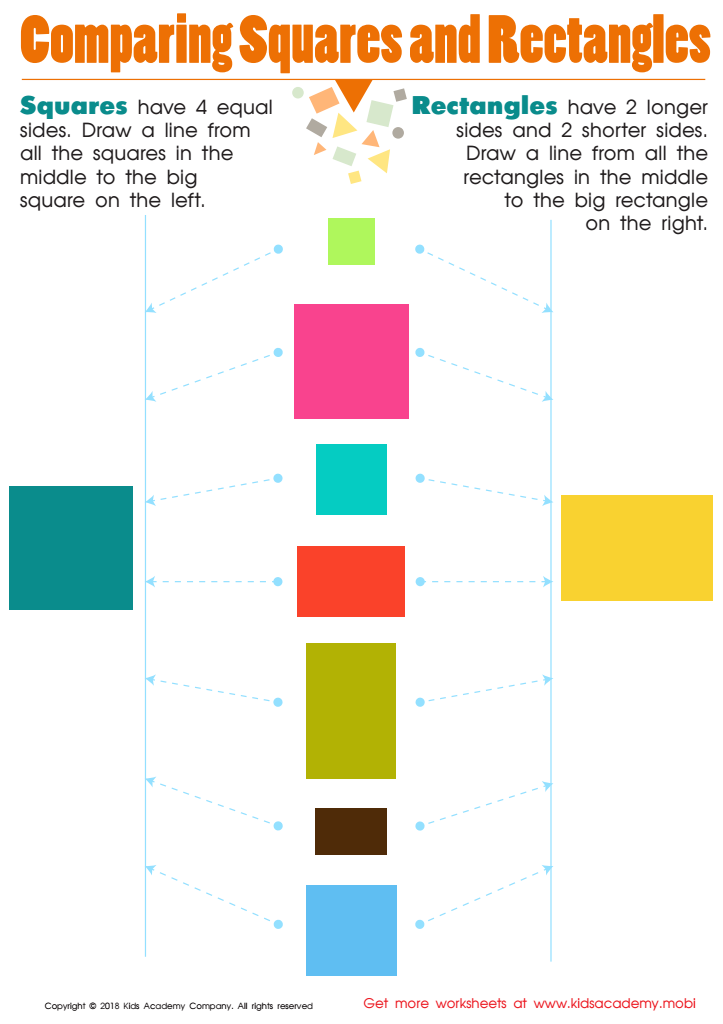
Comparing Squares Rectangles Worksheet
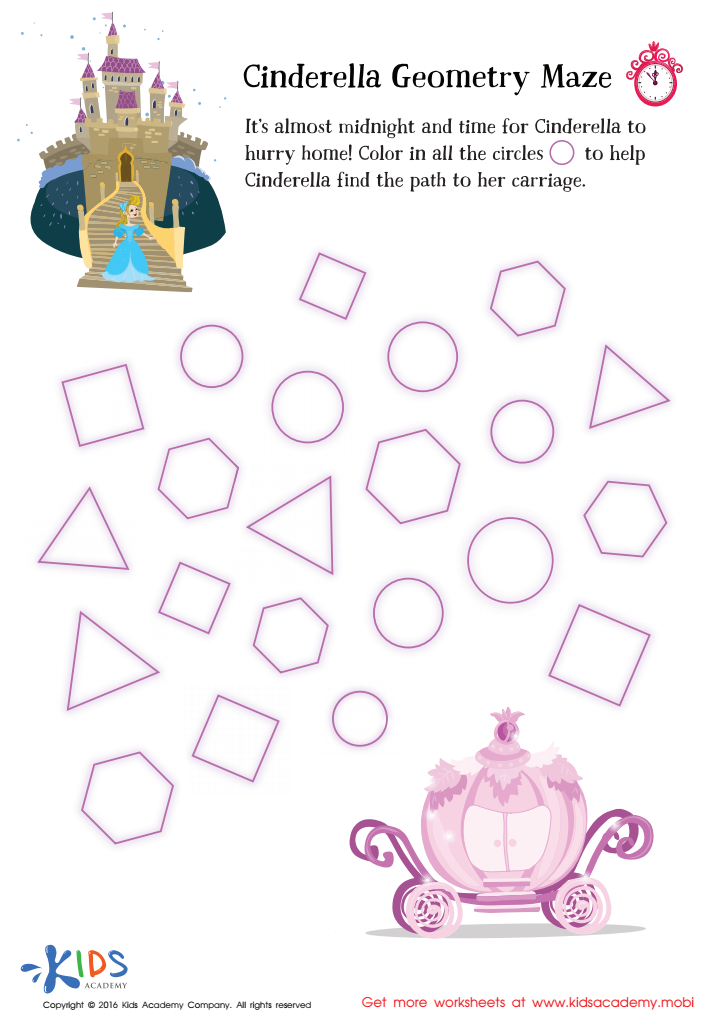
Cinderella Geometry Maze Worksheet
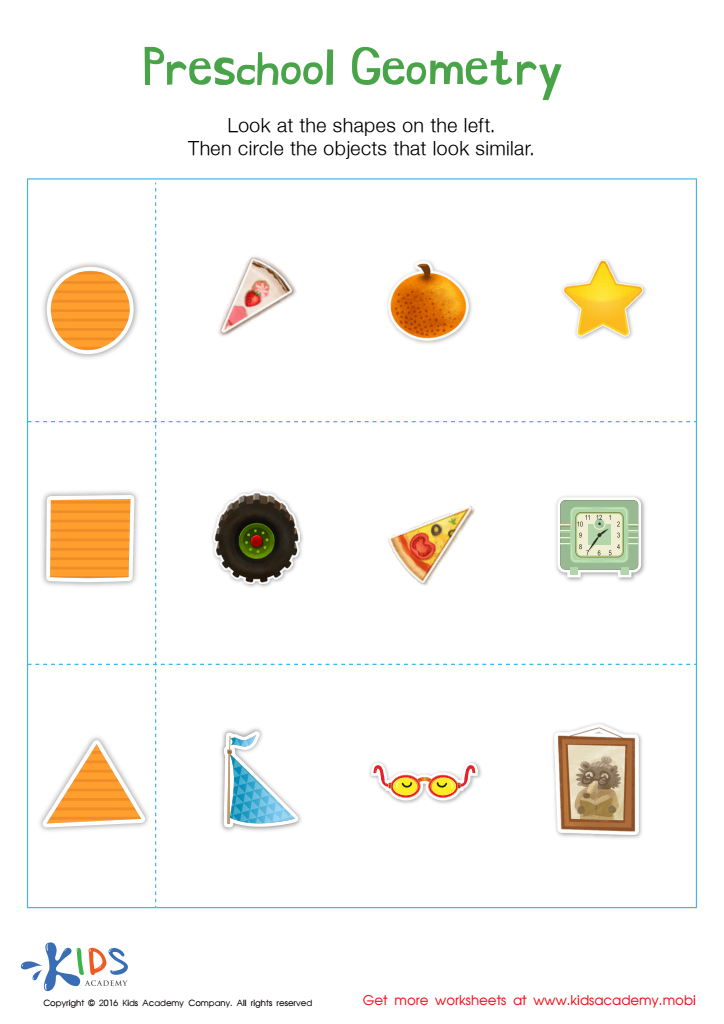
Preschool Geometry Match Up Worksheet
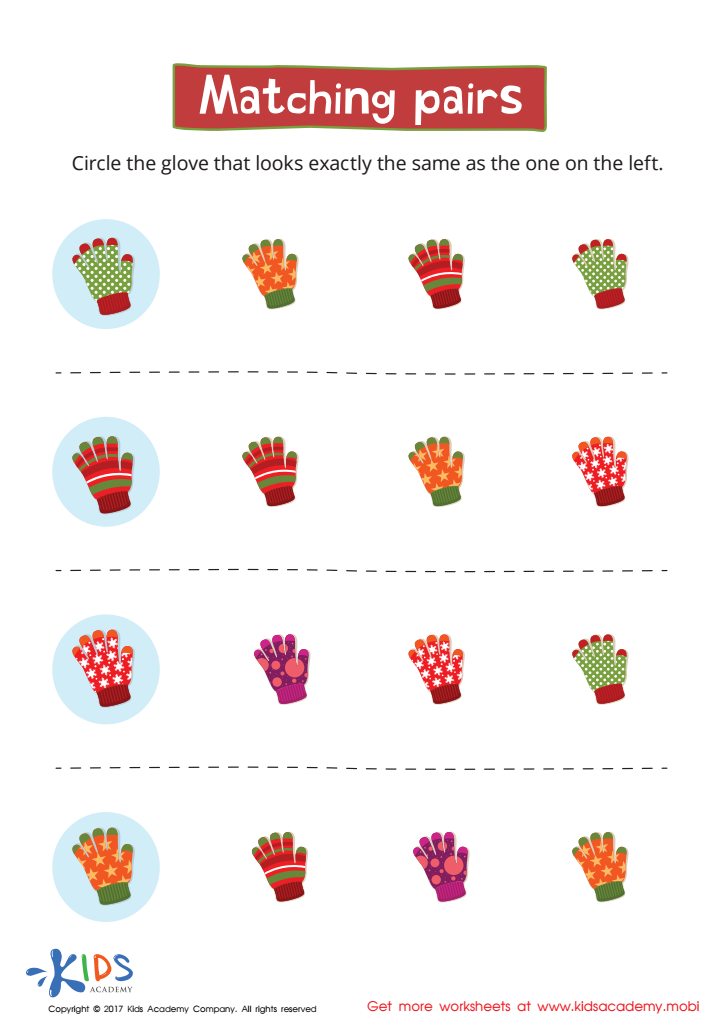
Matching: Matching Pairs Worksheet
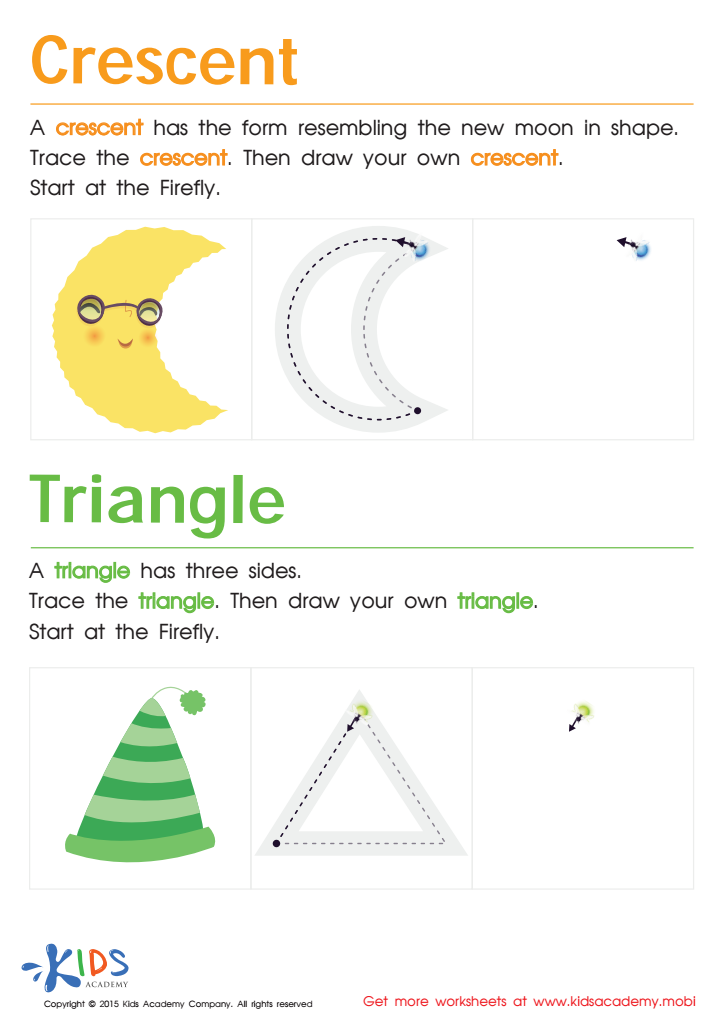
Learning to Draw Crescents And Triangles Worksheet
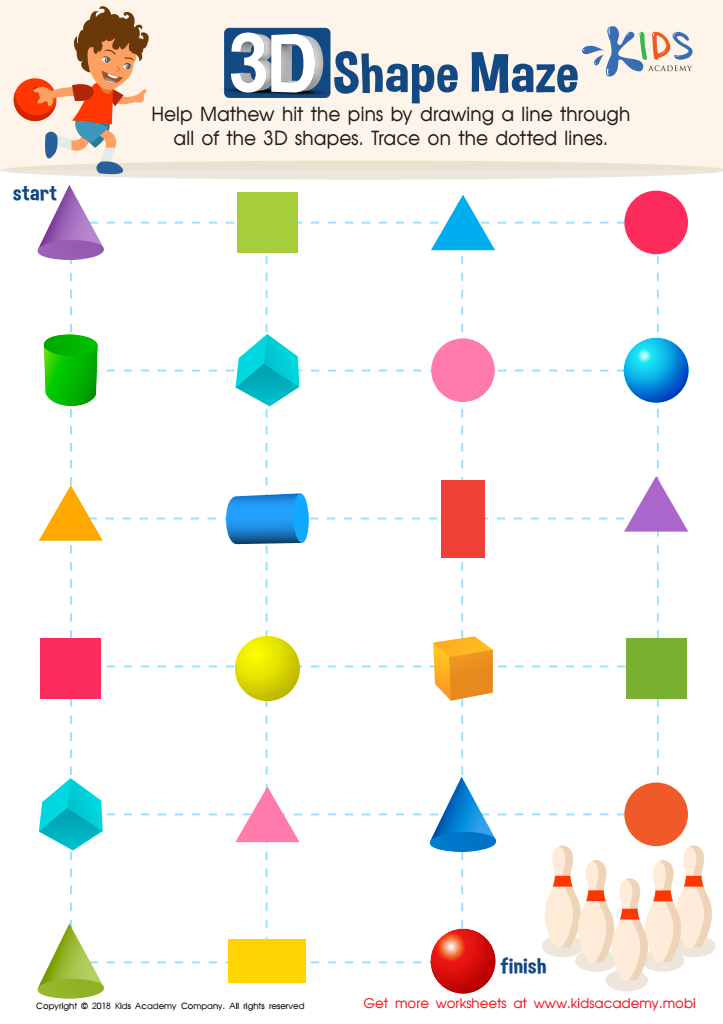
Shapes Maze Geometry Worksheet
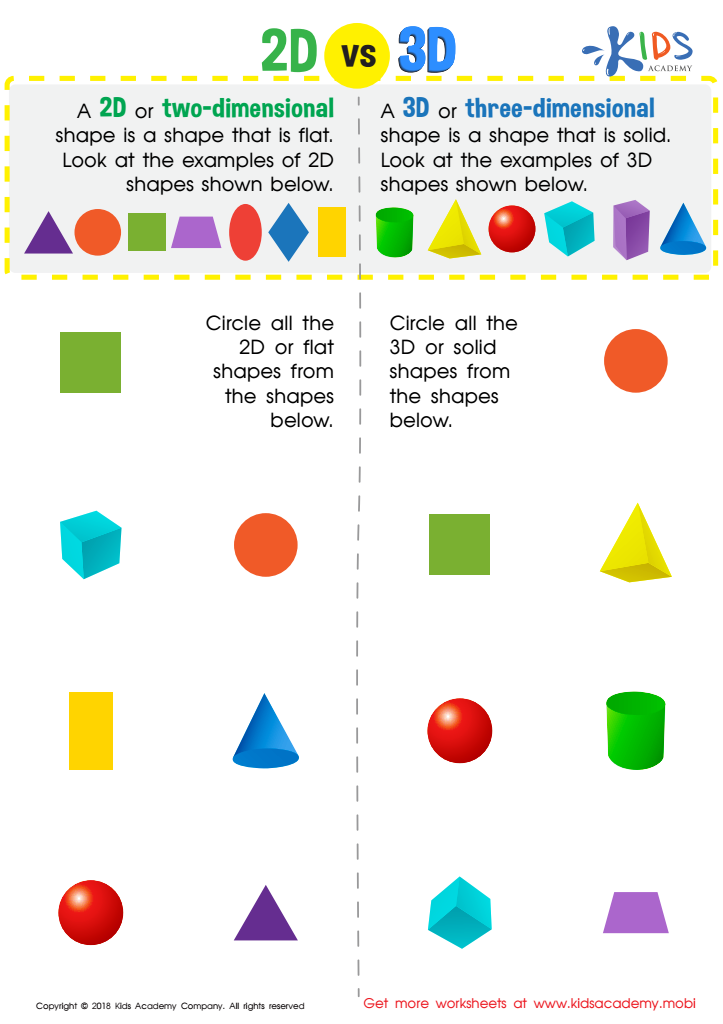
2D vs 3D Shapes Worksheet
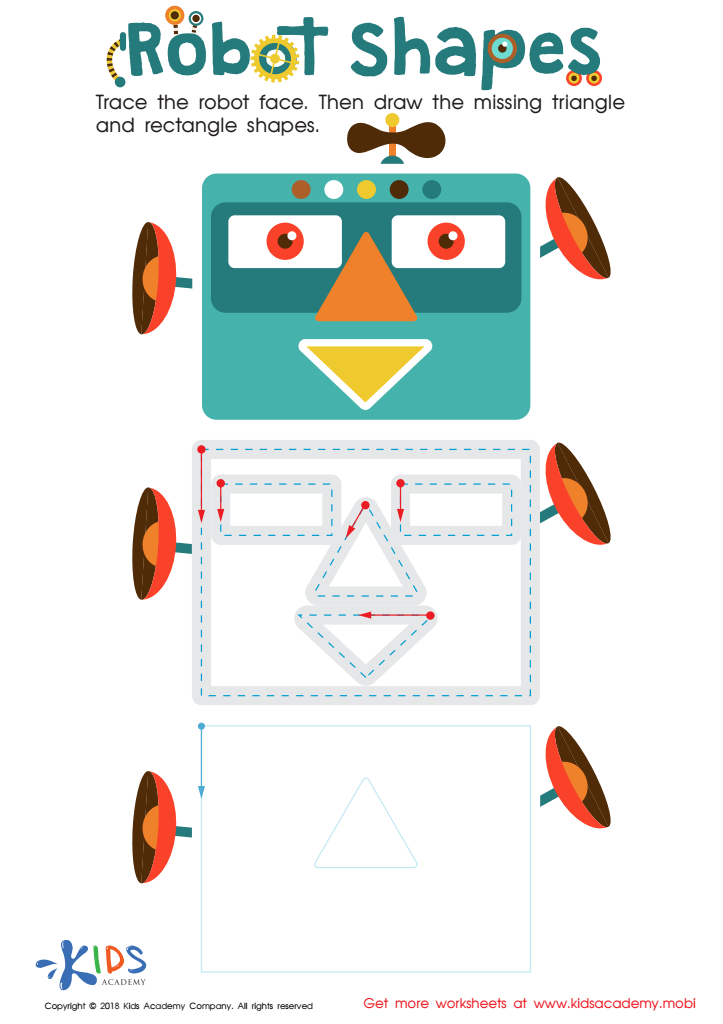
Robot Shapes Worksheet
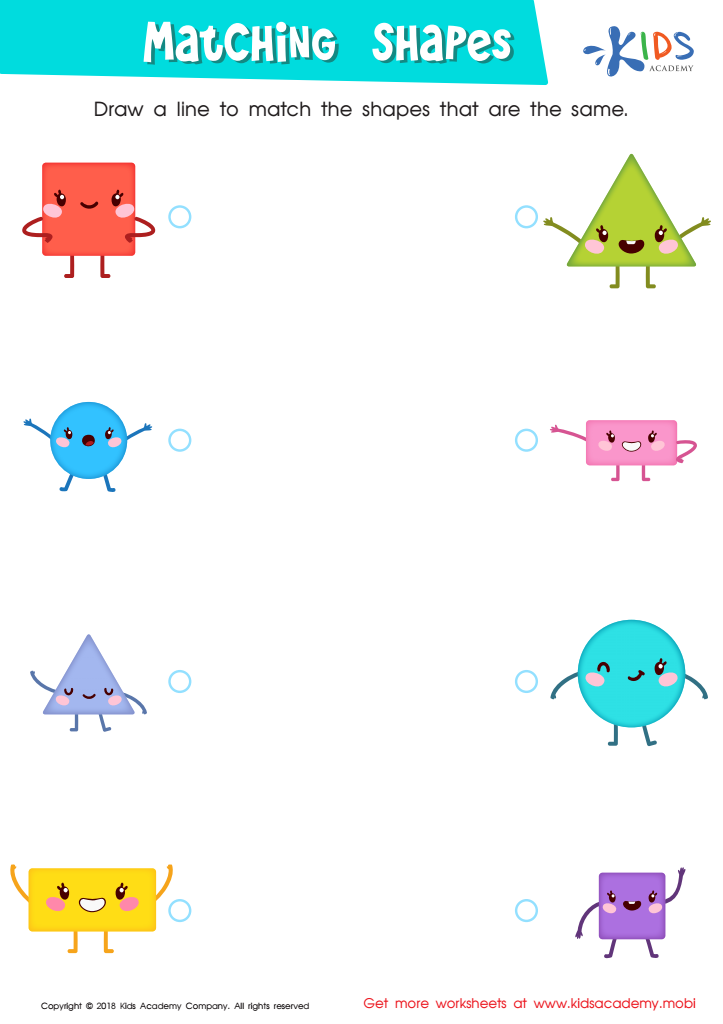
Matching Shapes Worksheet
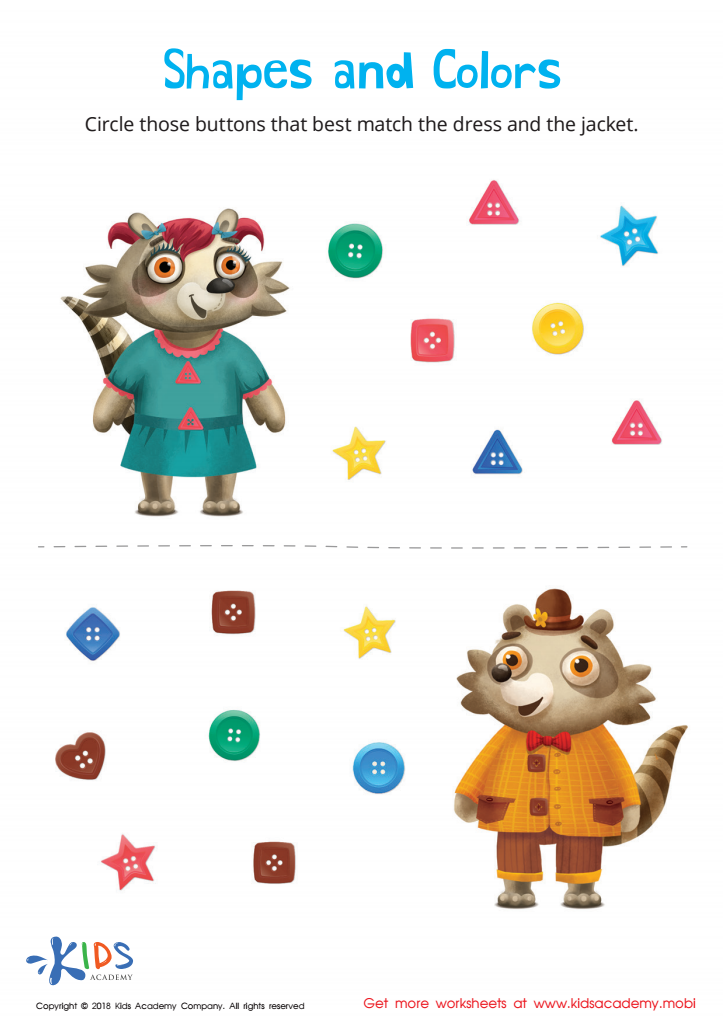
Shapes and Colors Worksheet
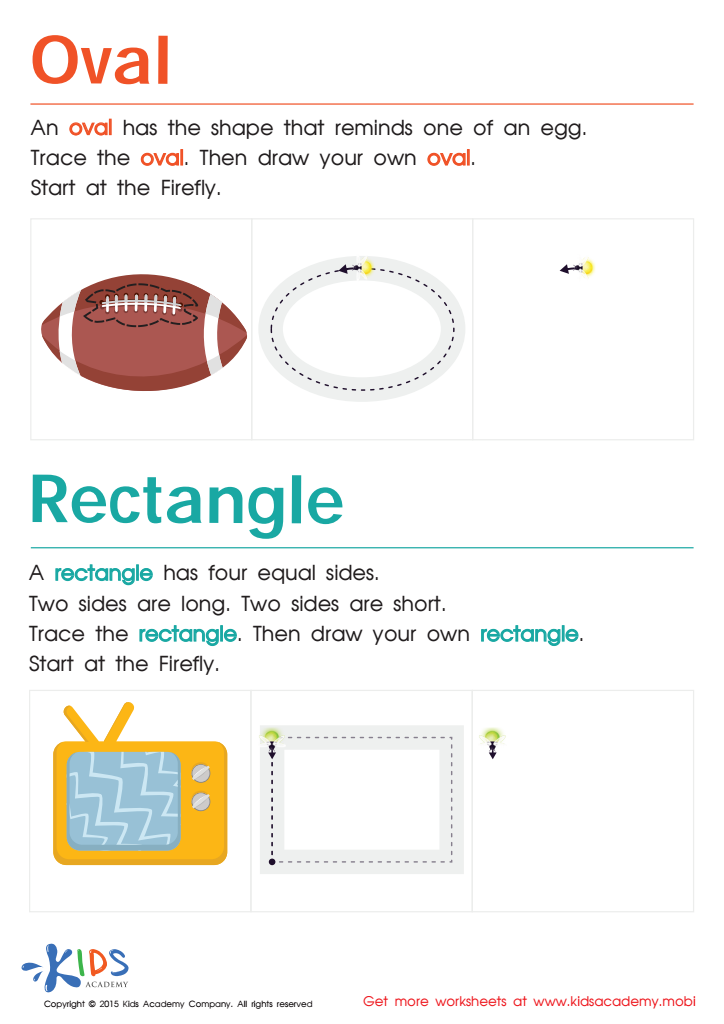
Easy Drawing of Ovals And Rectangles Worksheet
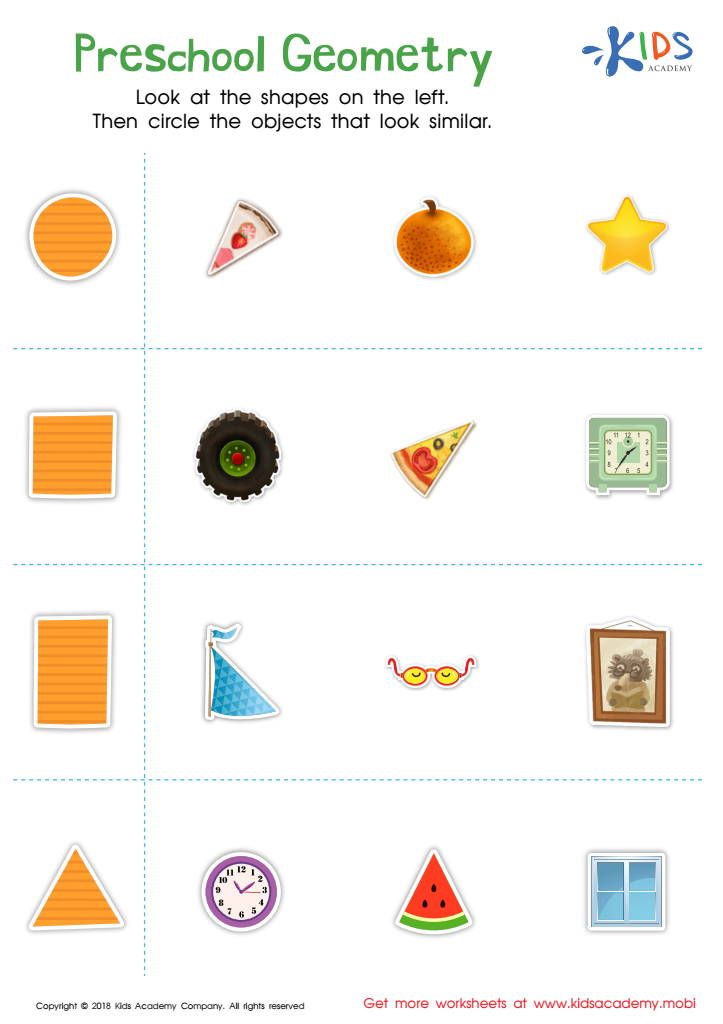
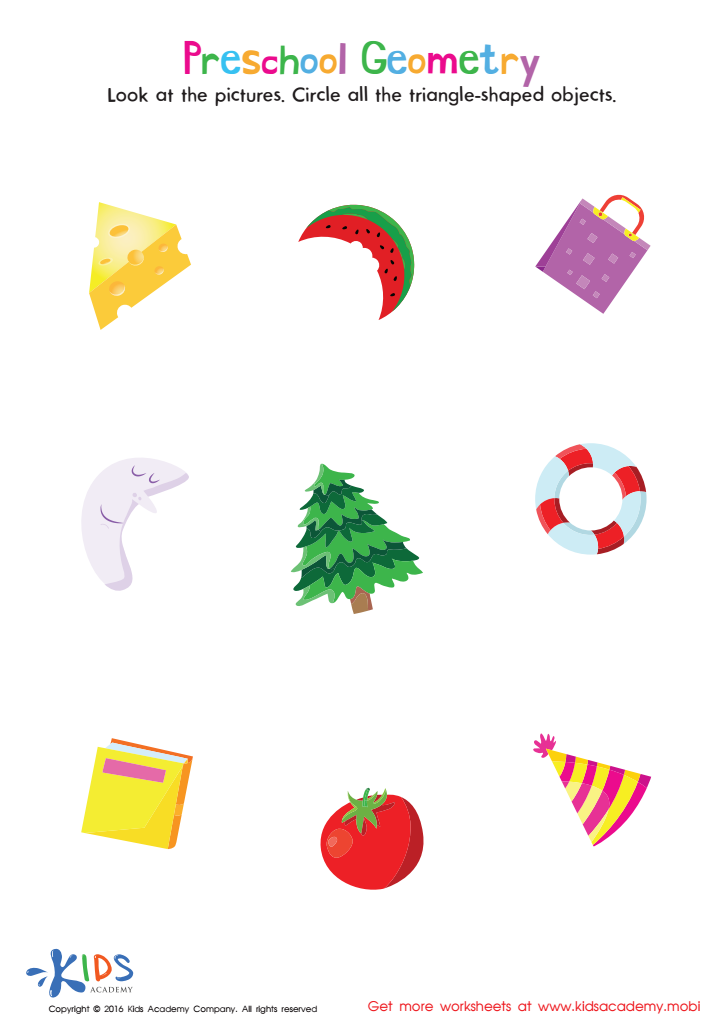
Preschool Geometry Worksheet
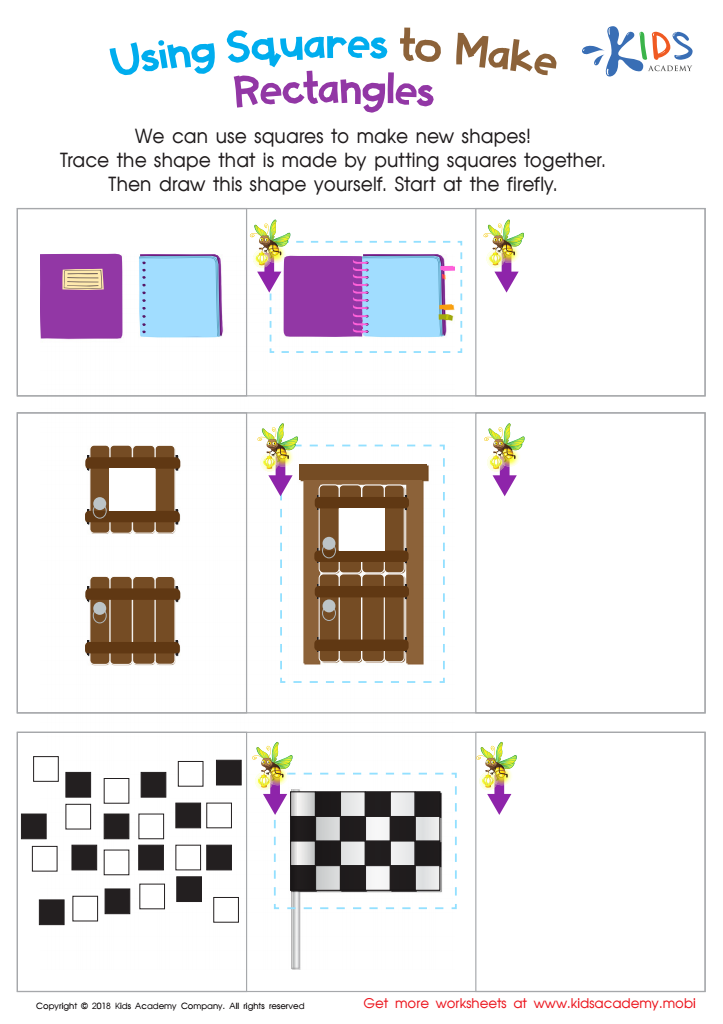
Using Squares to Make Rectangles Worksheet
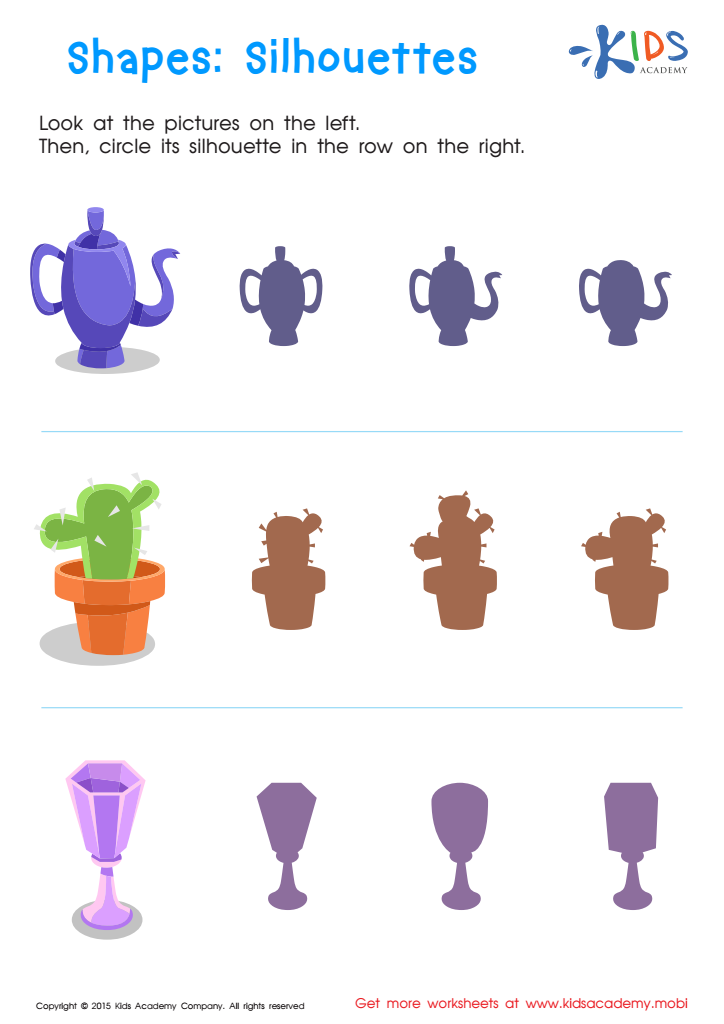
Silhouettes – Shapes Worksheet


%20(1).jpg)




Shape recognition is a foundational skill in early childhood education, playing a crucial role in a child's cognitive development. For children aged 3-4, engaging in normal math activities that include shape recognition helps them understand their environment, facilitate better communication, and develop problem-solving skills.
Parents and teachers should care about this aspect of learning because it supports essential learning objectives. Recognizing shapes aids children in spatial awareness, enhancing their ability to understand complex concepts later in school. Moreover, as they identify and categorize shapes, children build foundational skills in mathematics, such as sorting, counting, and understanding geometry.
Furthermore, incorporating shape recognition into everyday activities fosters curiosity and engagement. It encourages children to explore their surroundings while developing critical thinking skills. Engaging in shape-related activities, whether through interactive games, arts and crafts, or nature walks, promotes a love for learning and lays the groundwork for future academic success.
In promoting shape recognition, parents and teachers can help cultivate young minds that are not only better prepared for formal education but also more confident in their ability to explore and navigate the world around them, nurturing lifelong learners.








