Normal 2D Shapes Worksheets for Ages 3-7
32 filtered results
-
From - To
Discover a variety of fun, educational Normal 2D Shapes Worksheets designed specifically for young learners aged 3-7. These engaging activities help children recognize, identify, and name common 2D shapes such as circles, squares, triangles, and rectangles. Our worksheets feature colorful illustrations and simple exercises to make learning enjoyable and effective. Perfect for early childhood education, these resources support foundational math skills, enhance fine motor development, and promote critical thinking. Ideal for classroom and home use, our 2D shape worksheets set the stage for your child's success in mathematics. Download and print today for endless learning adventures!
Geometry Worksheet
 Assign to My Students


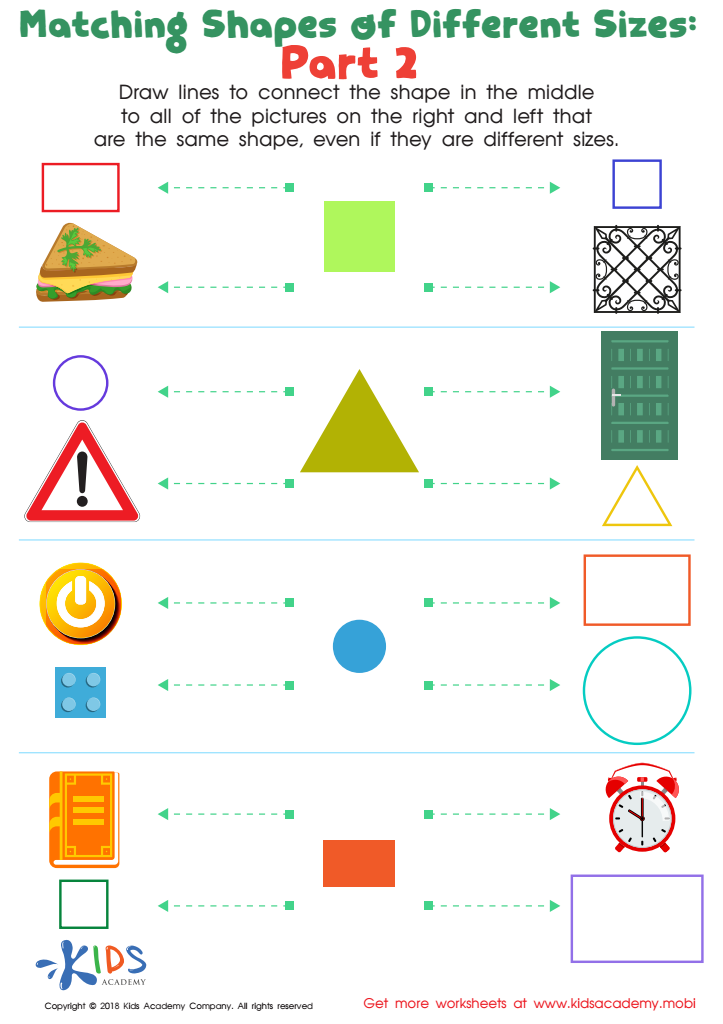
Geometry: Part 2 Worksheet
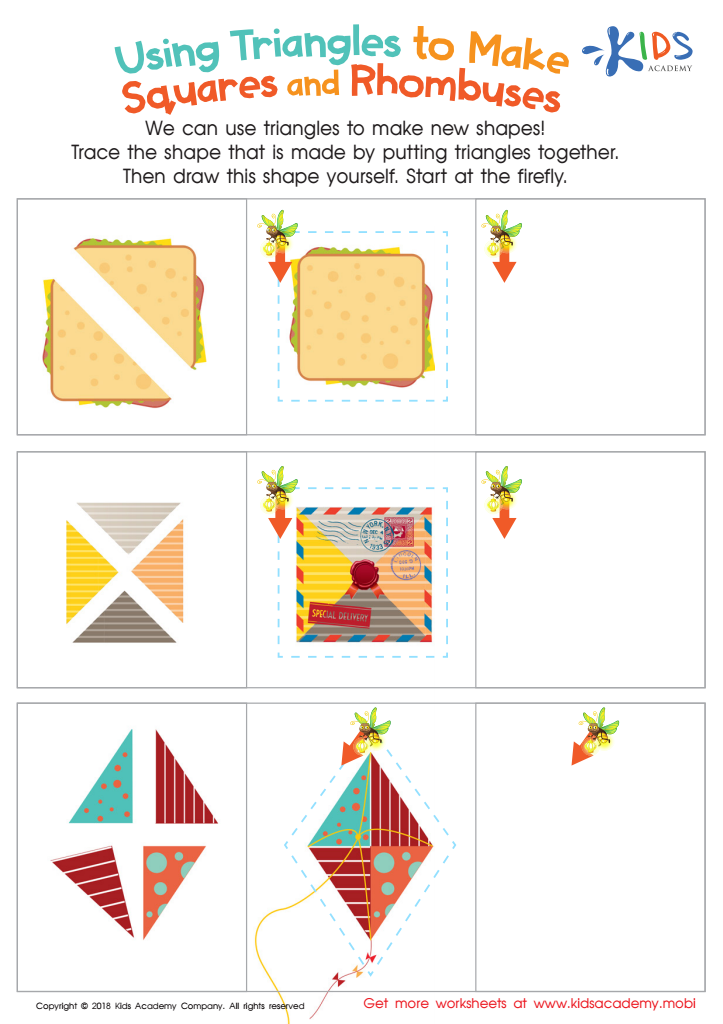
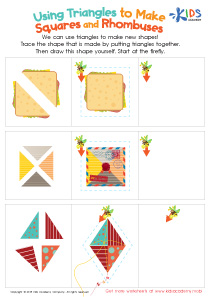
Using Triangles to Make Squares and Rhombuses Worksheet
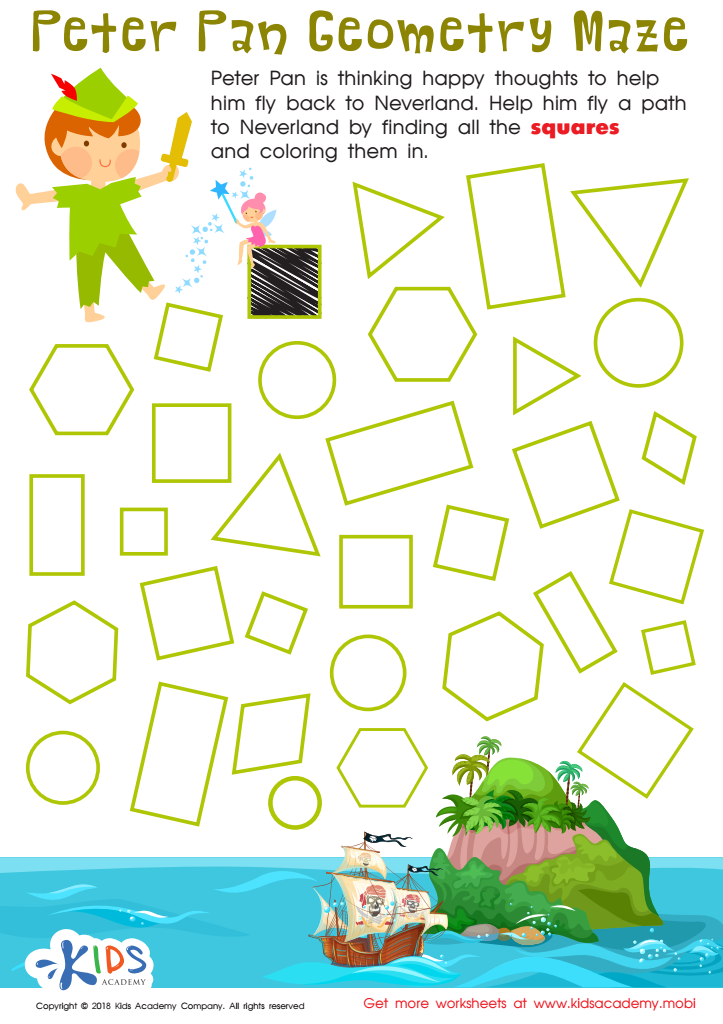
Peter Pan Worksheet
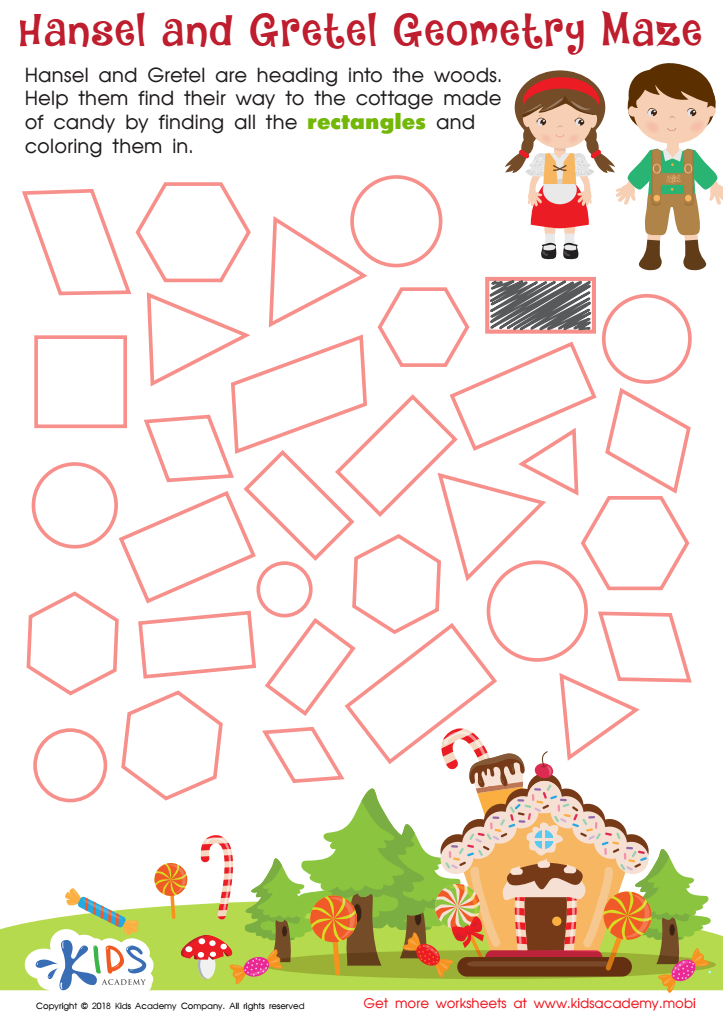
Hansel and Gretel Geometry Maze Worksheet
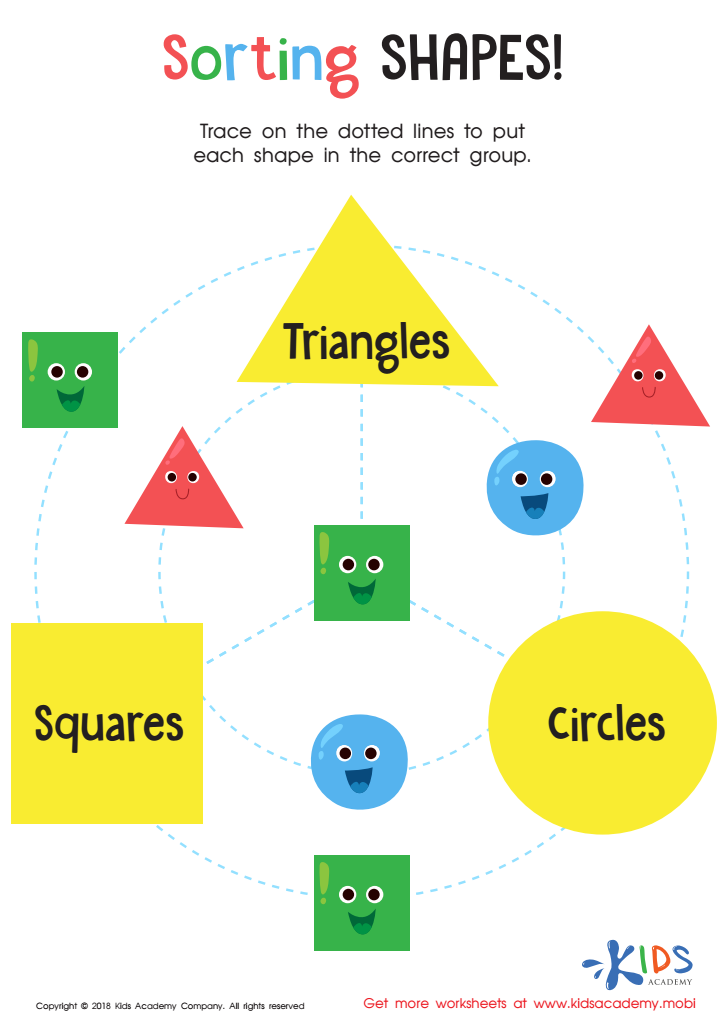
Sorting Shapes - Part 3 Worksheet
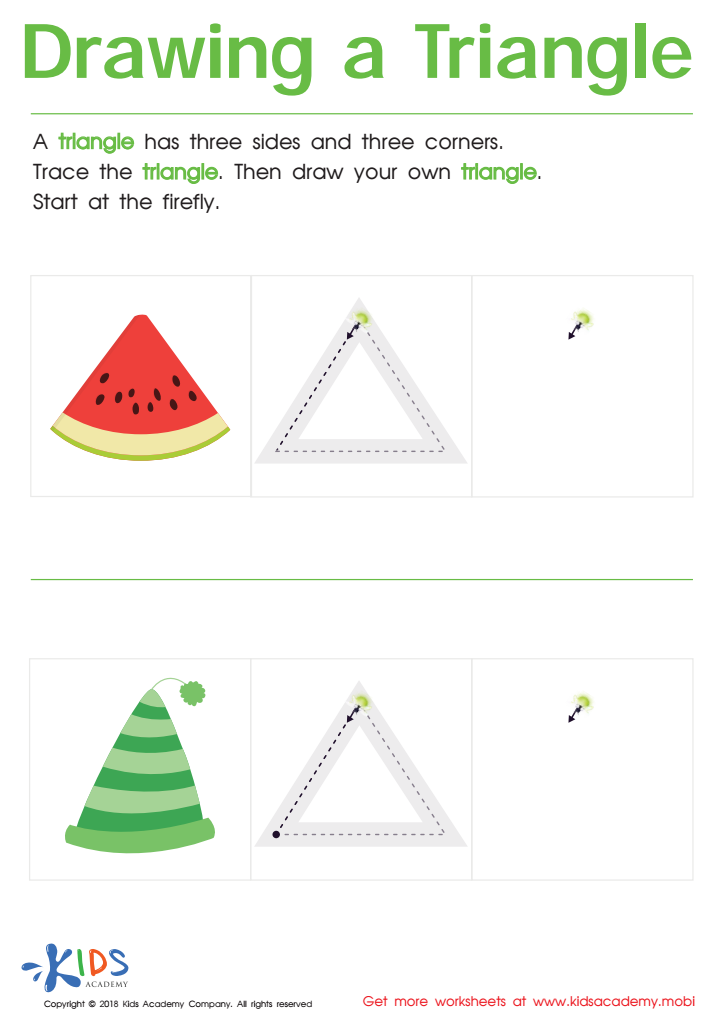
Drawing a Triangle Worksheet
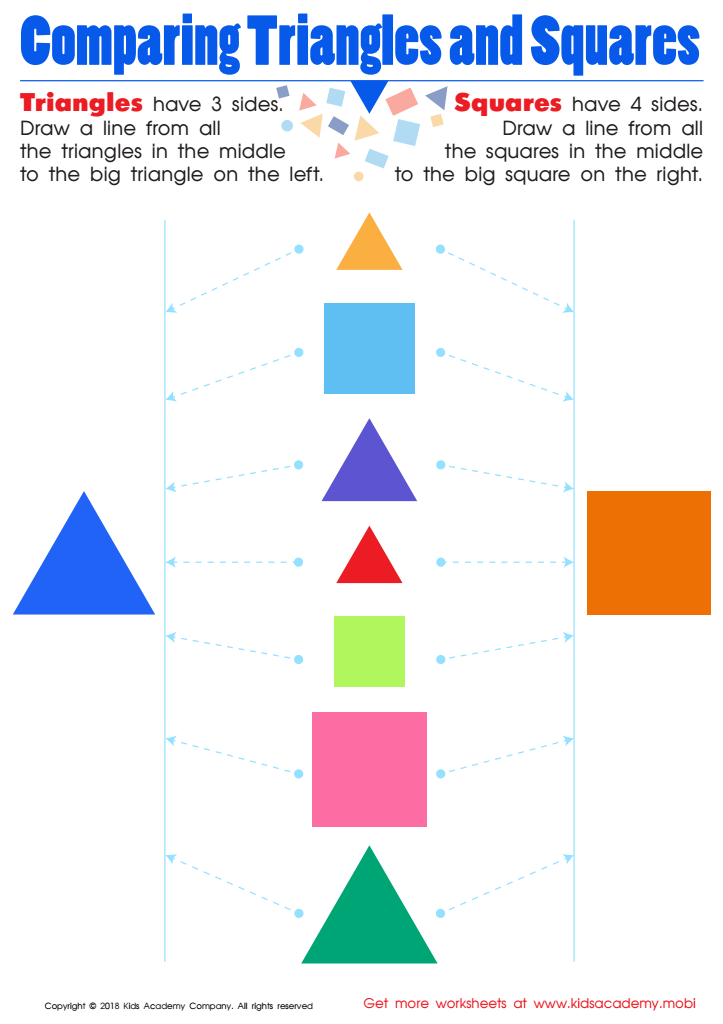
Comparing Triangles Squares Worksheet
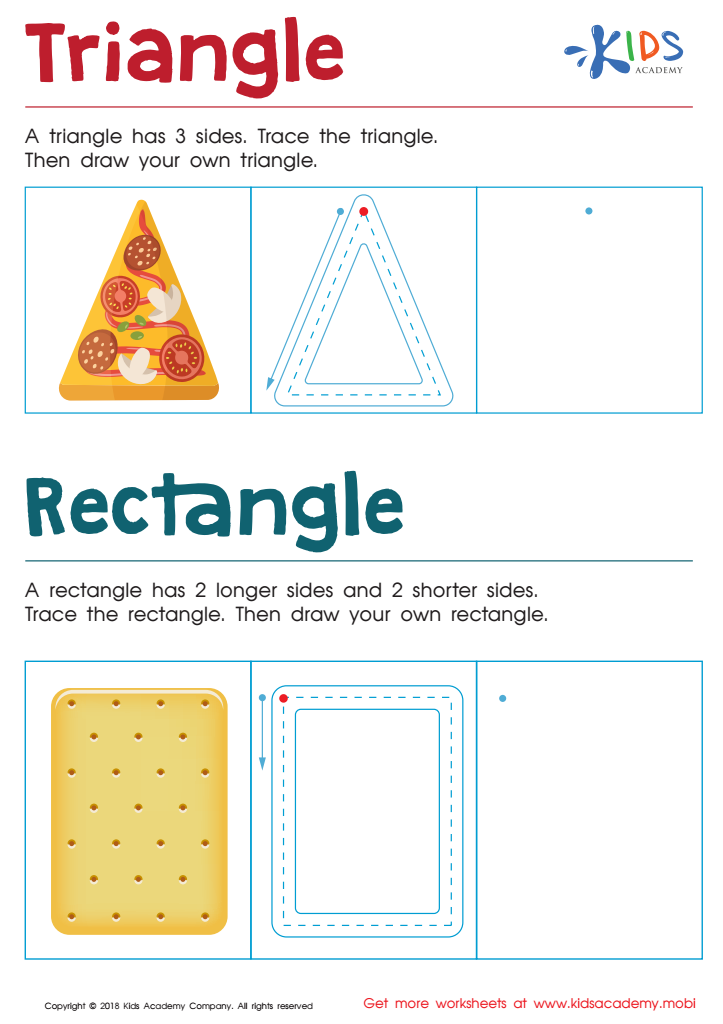
Triangle Rectangle Worksheet
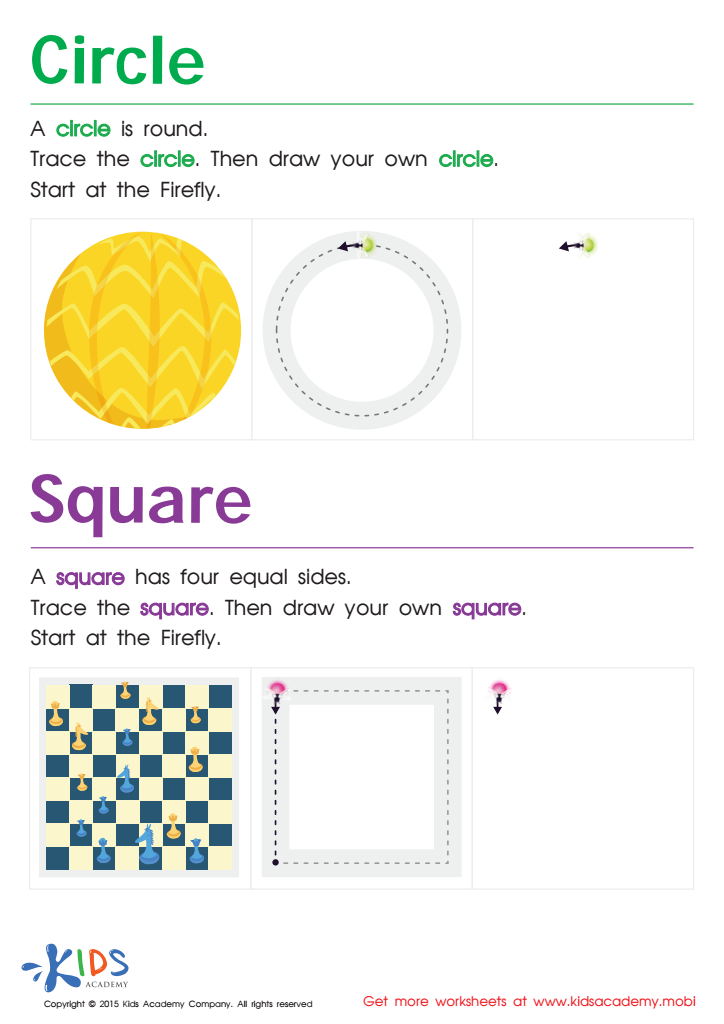
Trace And Draw a Circle And a Square Worksheet
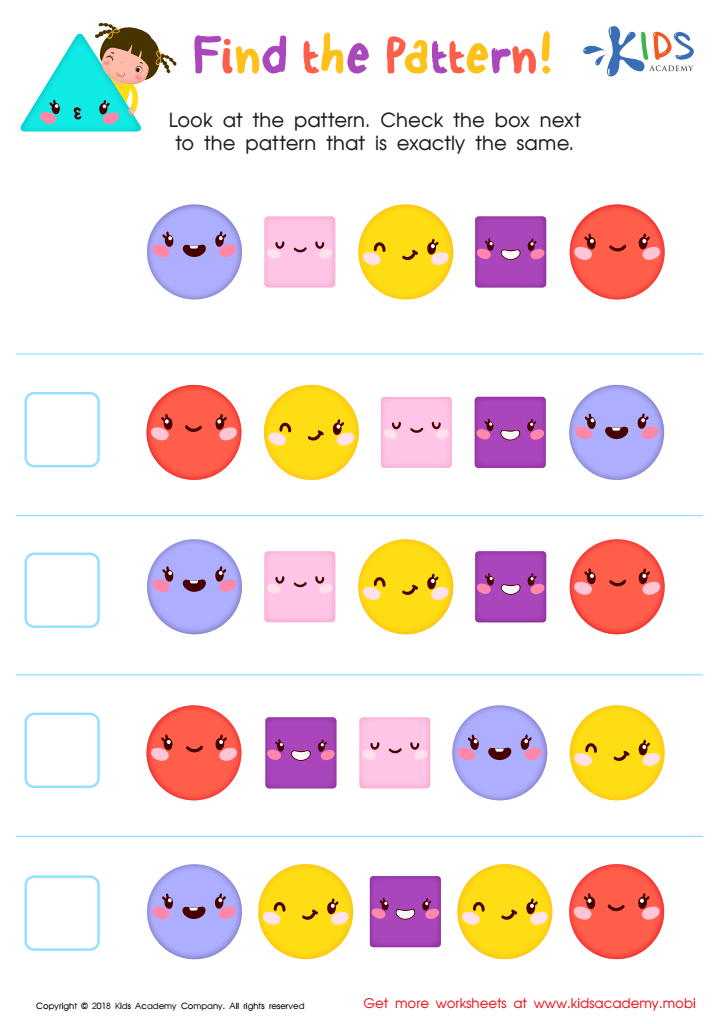
Find the Pattern Worksheet
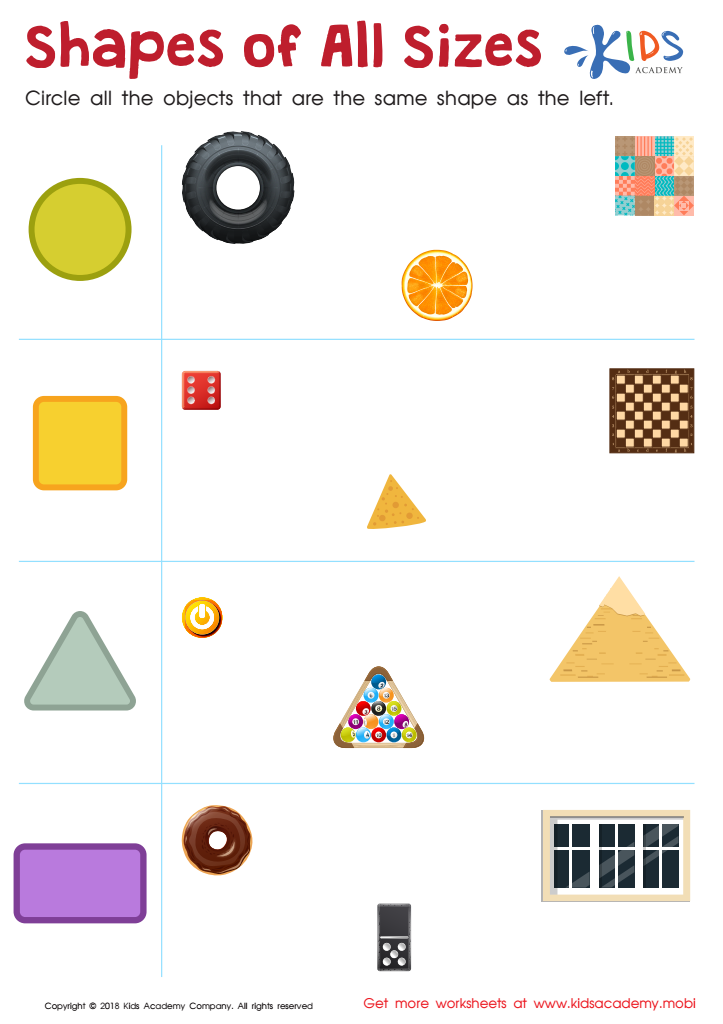
Shapes of All Sizes Worksheet
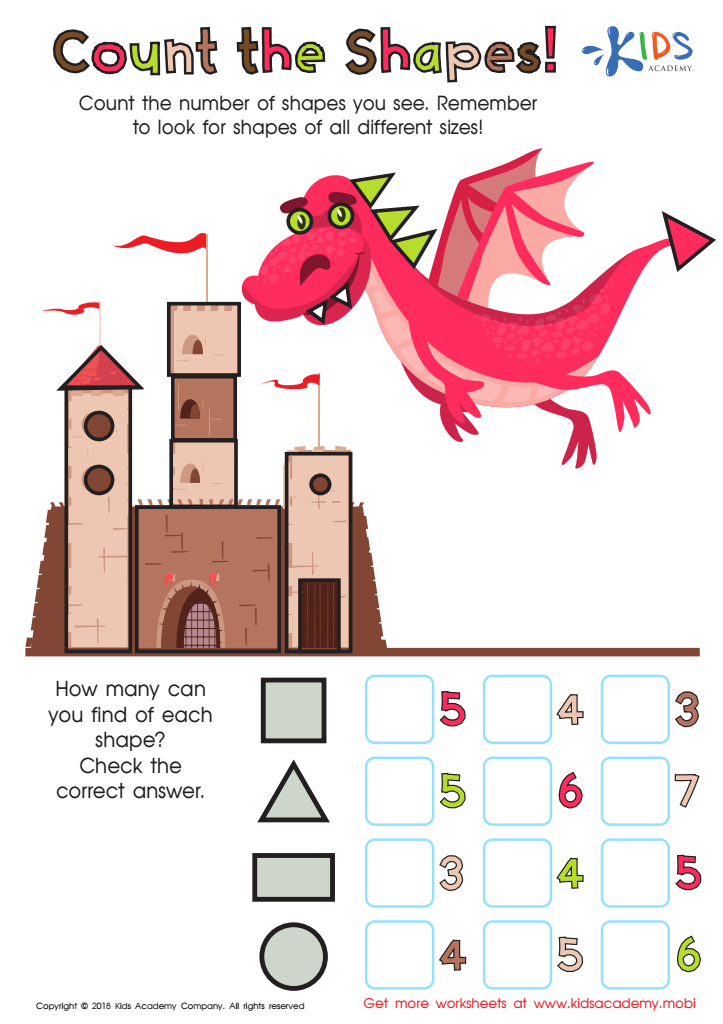
Count the Shapes Worksheet
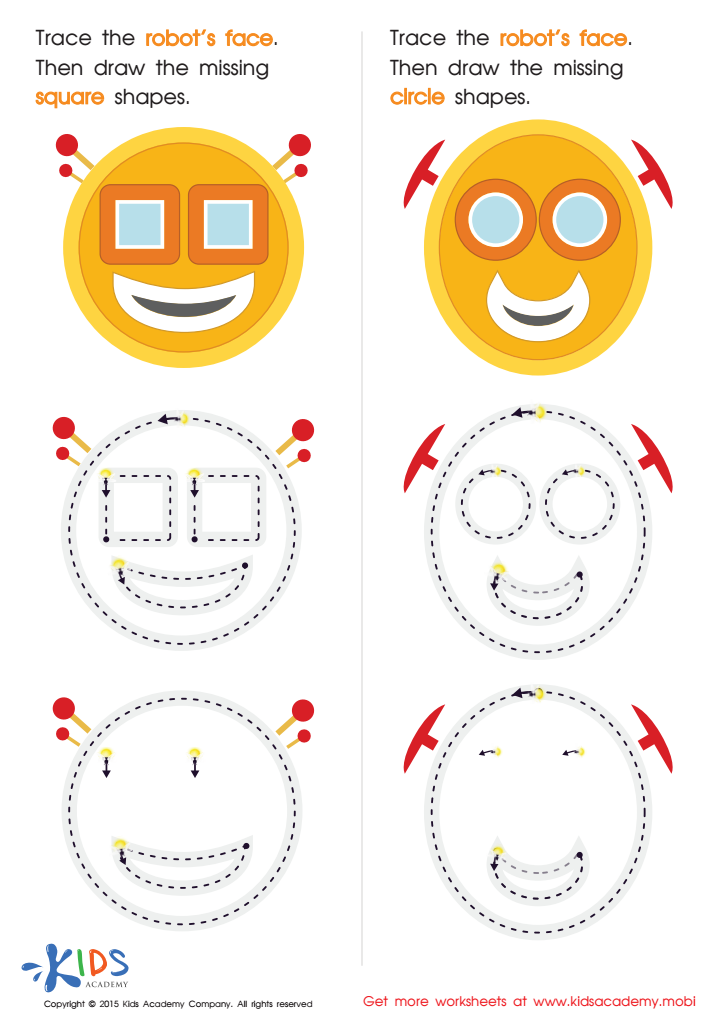
Practicing to Draw Circles And Squares Printable
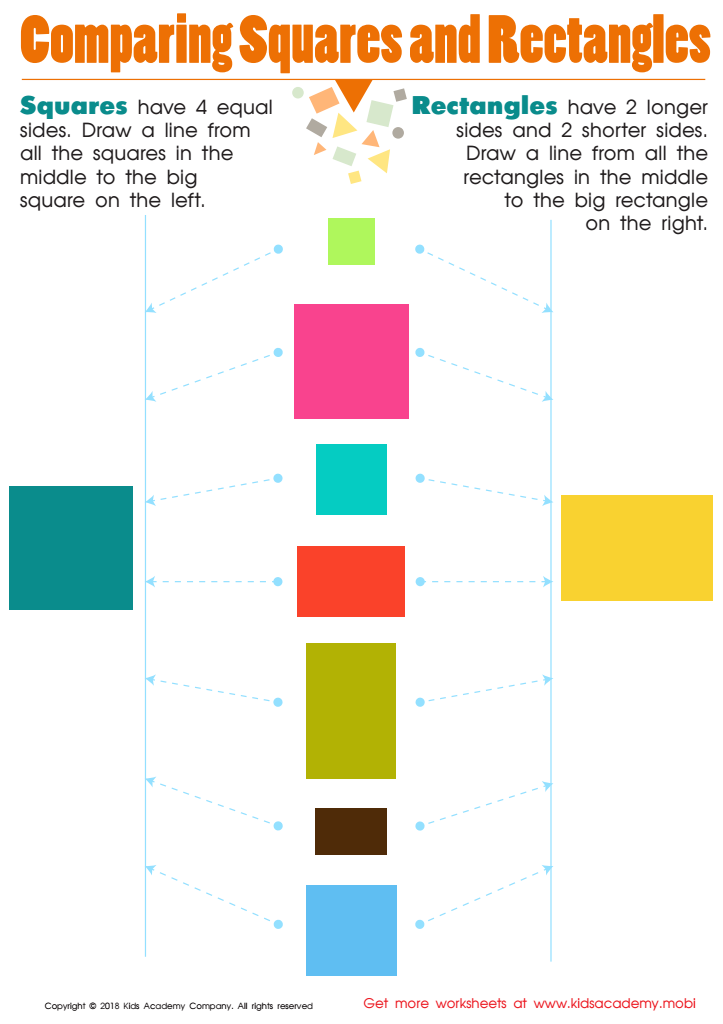
Comparing Squares Rectangles Worksheet
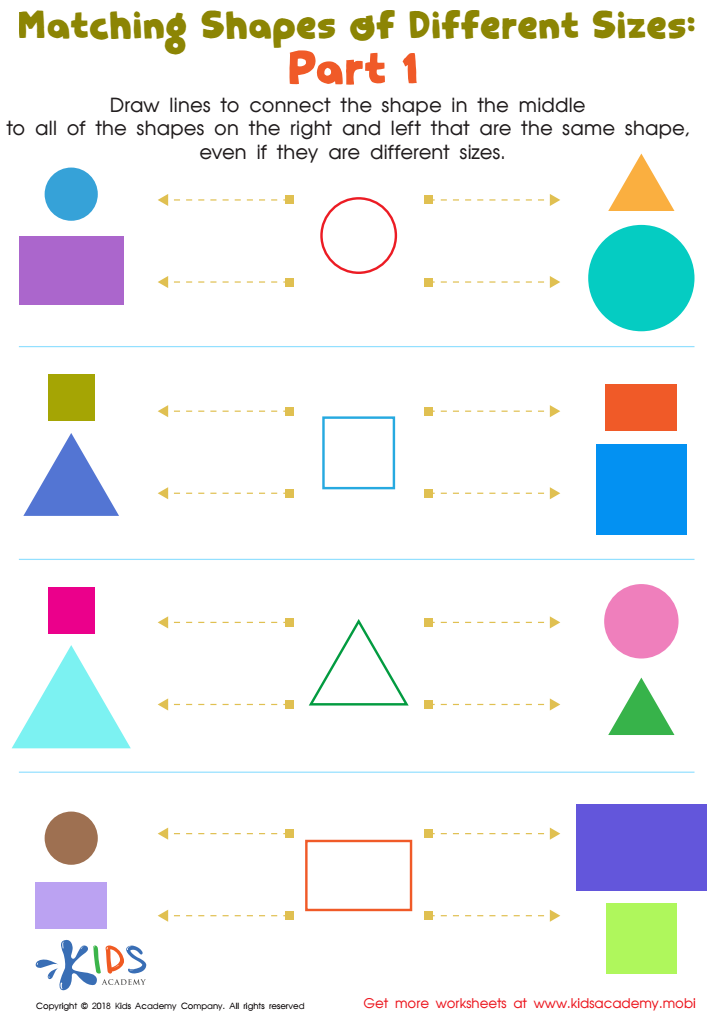
Geometry: part 1 Worksheet
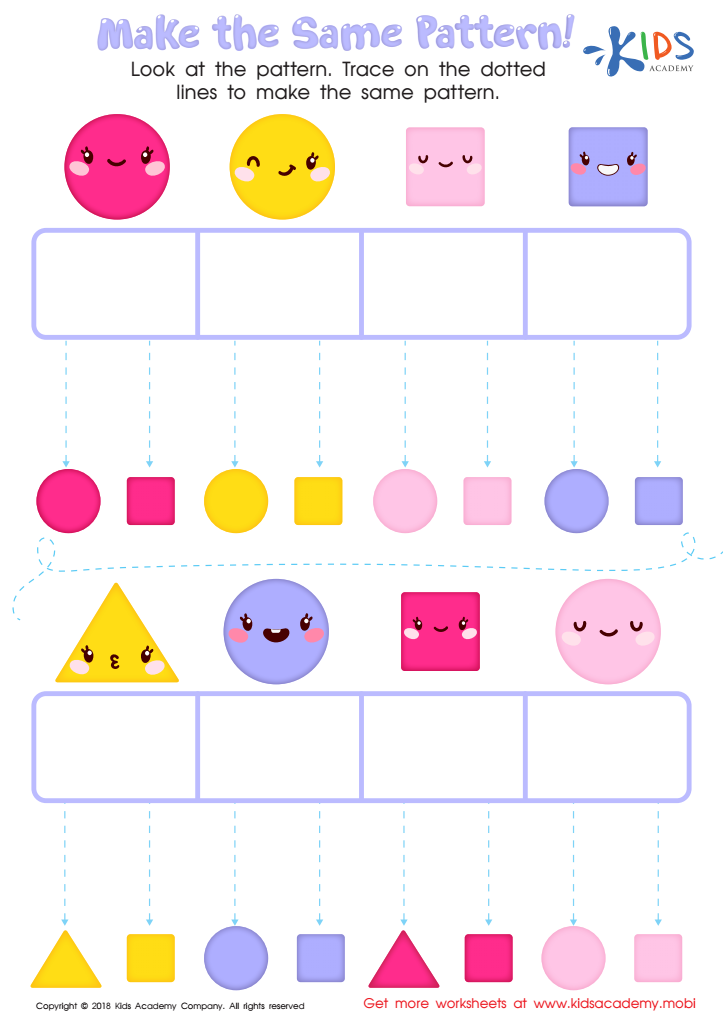
Make the Same Pattern Worksheet
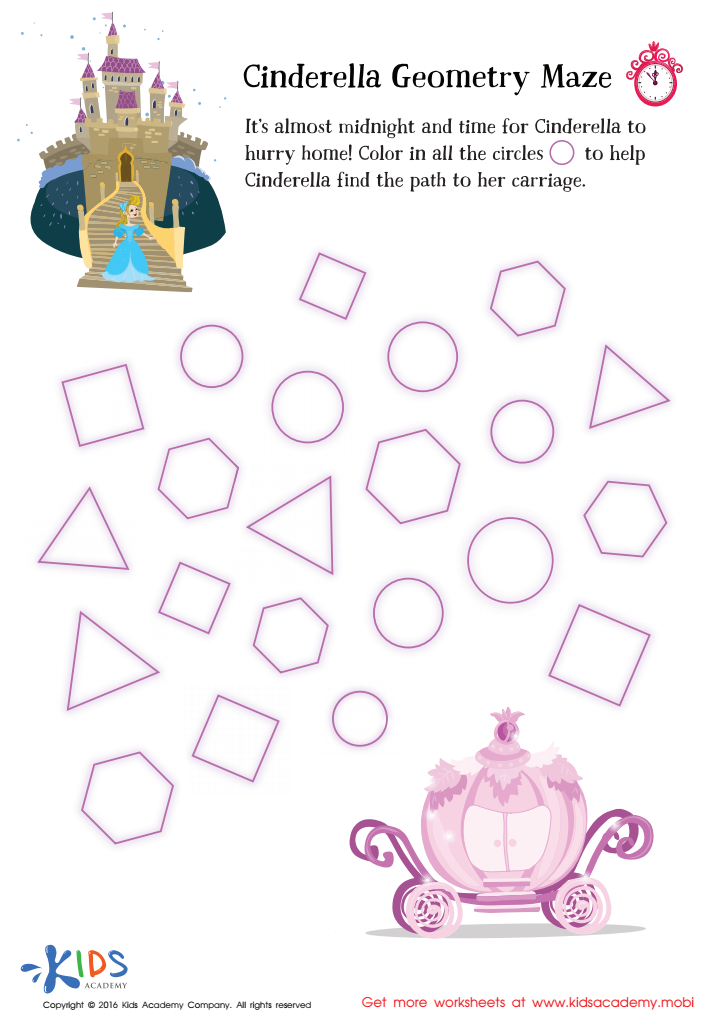
Cinderella Geometry Maze Worksheet
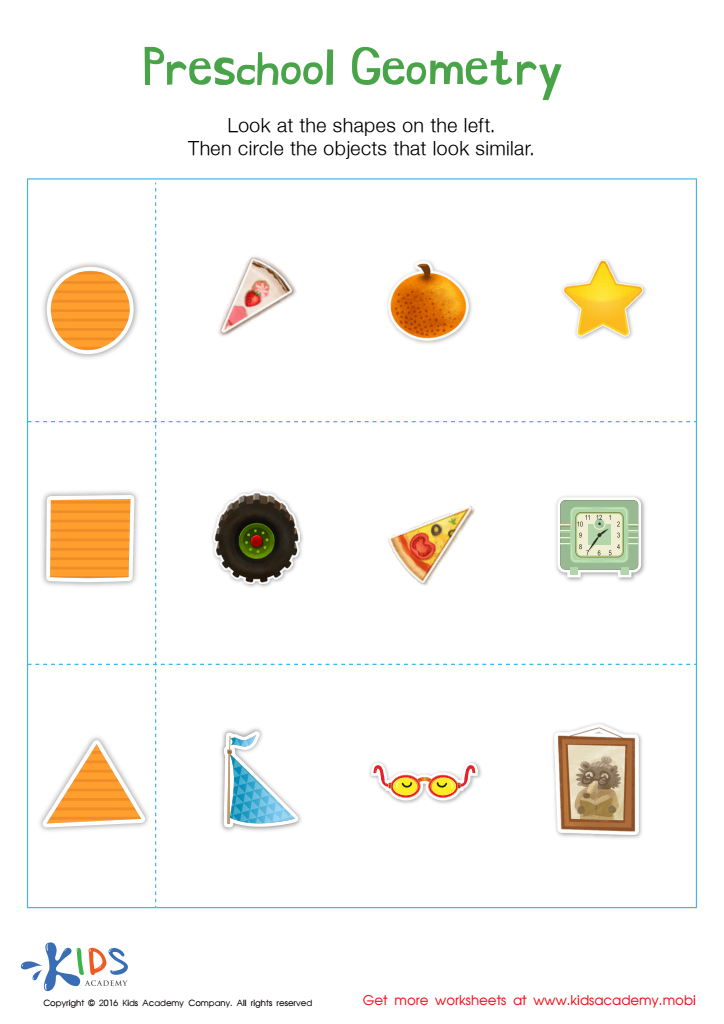
Preschool Geometry Match Up Worksheet
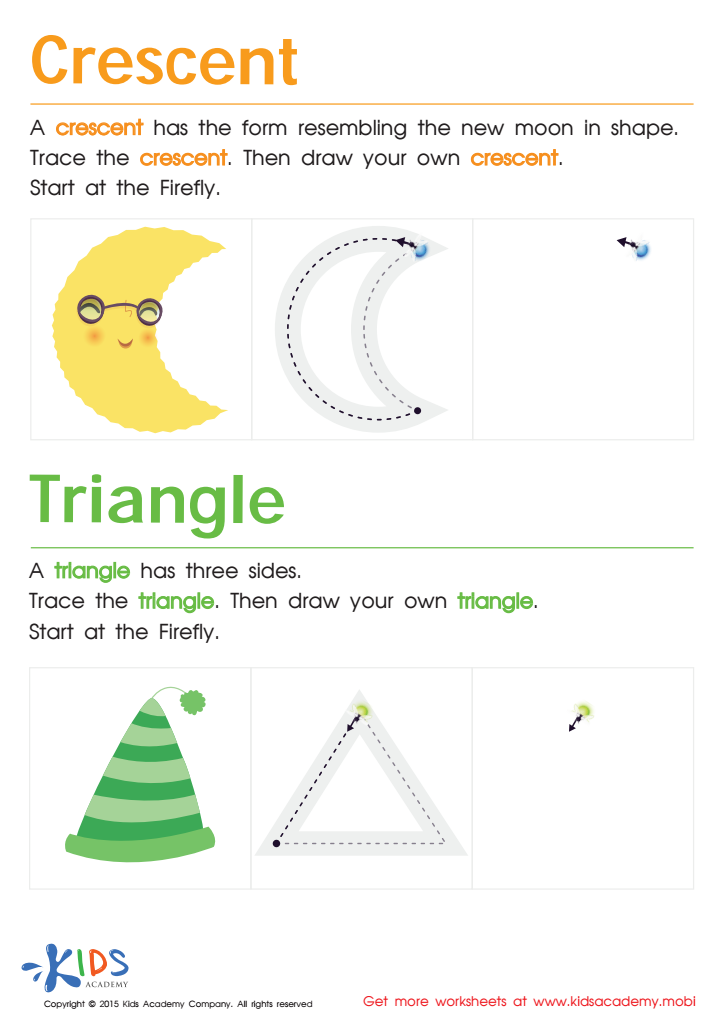
Learning to Draw Crescents And Triangles Worksheet
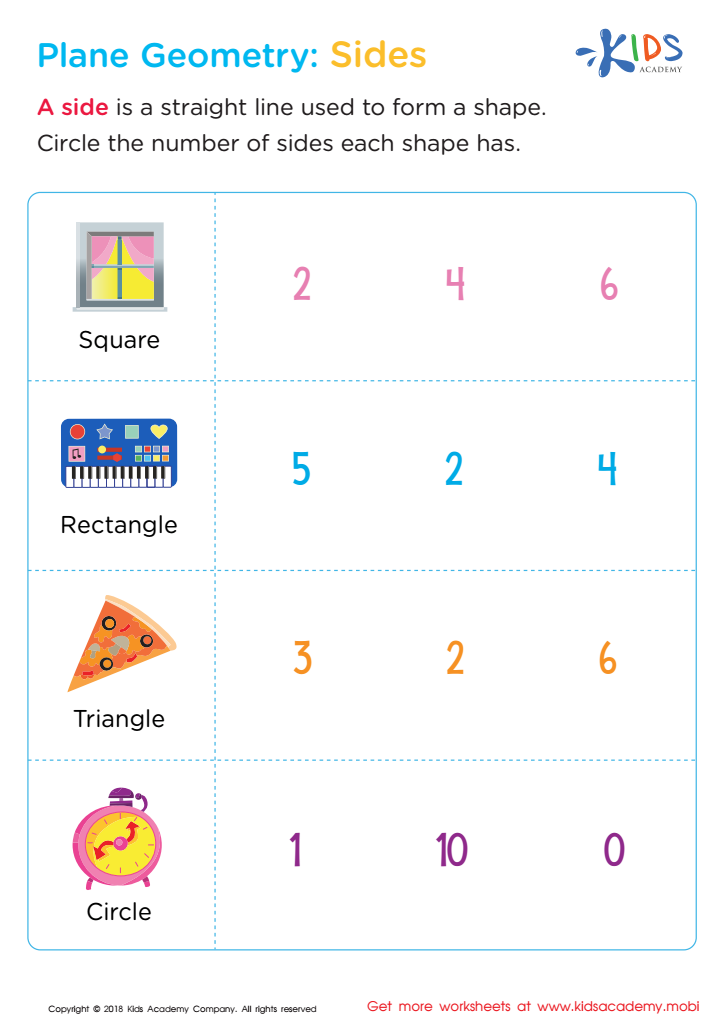
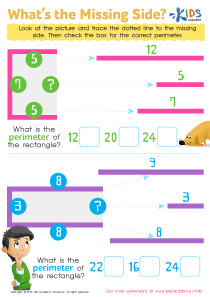
Plane Geometry: Sides Worksheet
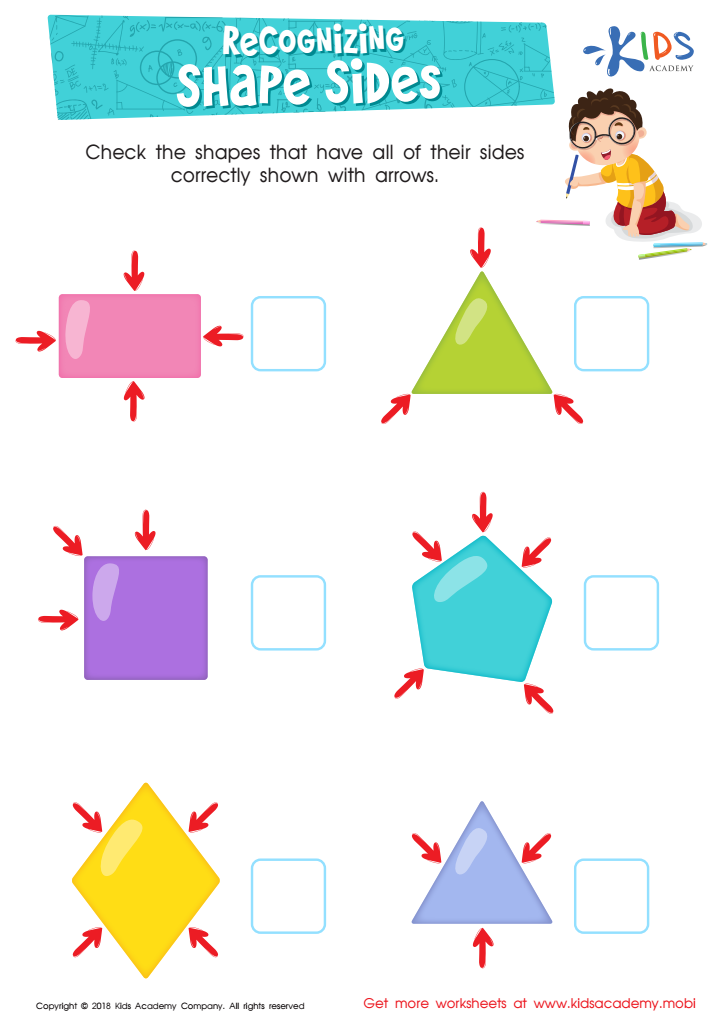
Recognizing Shape Sides Worksheet
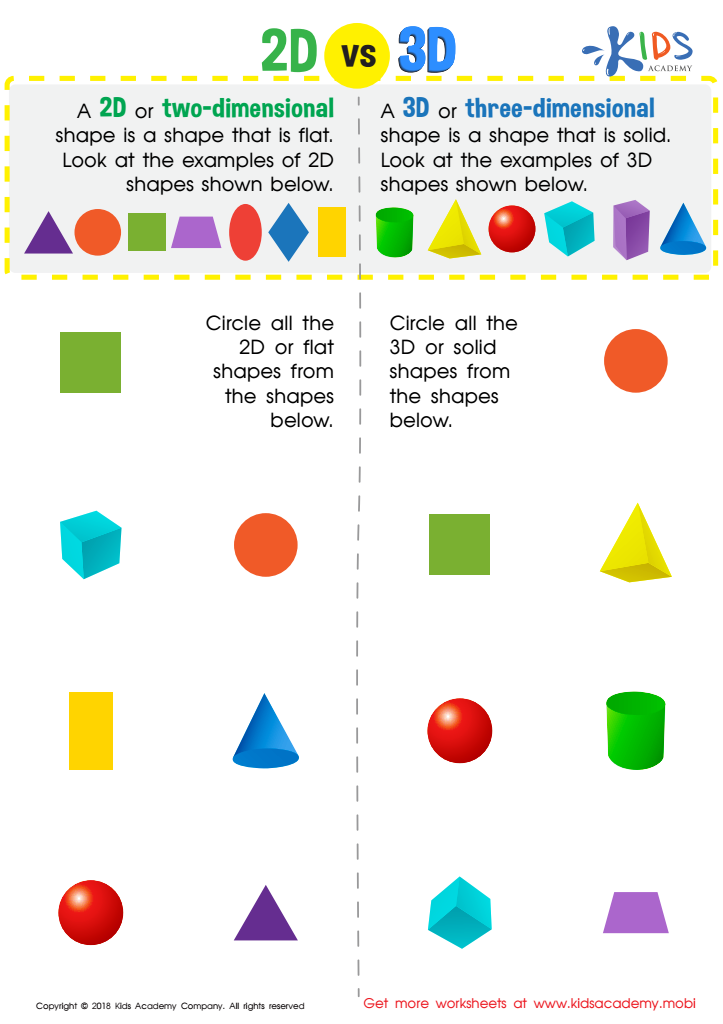
2D vs 3D Shapes Worksheet
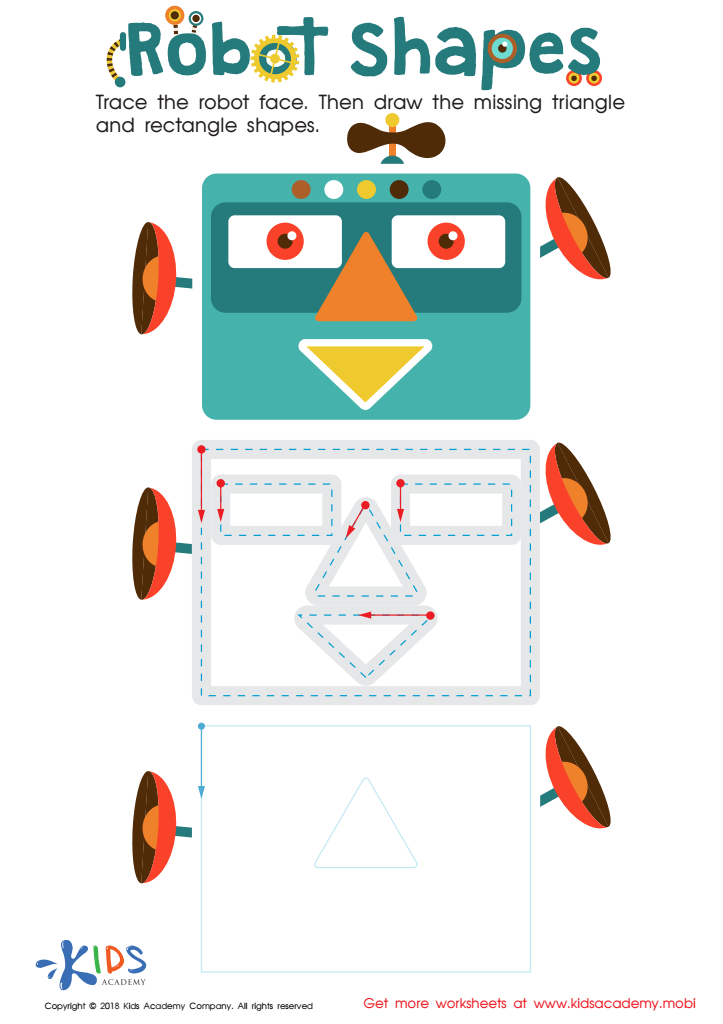
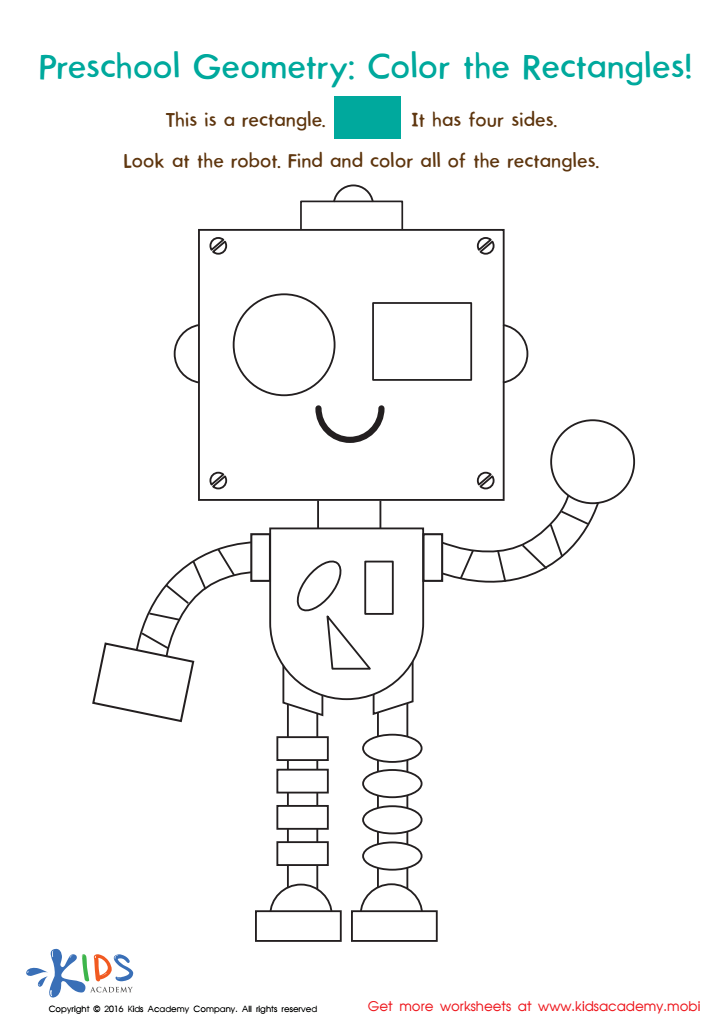
Robot Shapes Worksheet








Introducing normal 2D shapes (such as squares, circles, triangles, and rectangles) to children ages 3-7 is crucial for their cognitive and academic development. At this formative stage, cognitive skills such as pattern recognition, problem-solving, and spatial awareness are rapidly growing. Exposure to 2D shapes enhances these skills, providing a foundation for concepts encountered in mathematics and geometry later on.
Recognizing and understanding shapes helps children sort objects based on their characteristics, promoting classification skills foundational in scientific thinking. Moreover, identifying shapes in their environment boosts observational skills and fosters curiosity about the world around them.
Fine motor development is another significant benefit; activities involving tracing or constructing shapes refine hand-eye coordination and the precision of movements required for writing. Shapes also serve as basic literacy tools. Learning to distinguish different shapes supports language development, as children learn and articulate the associated vocabulary, which enriches their communication skills.
In art and creative activities, manipulating shapes encourages imaginative thinking and creativity. Beyond academics, engaging with shapes has practical implications for daily life, aiding children in recognizing and understanding various objects and symbols, leading to a more intuitive understanding of their surroundings.
Ultimately, integrating the exploration of shapes into early education fosters foundational skills that support broad developmental and academic growth.