Normal Math Worksheets for Ages 3-9 - Page 2
557 filtered results
-
From - To
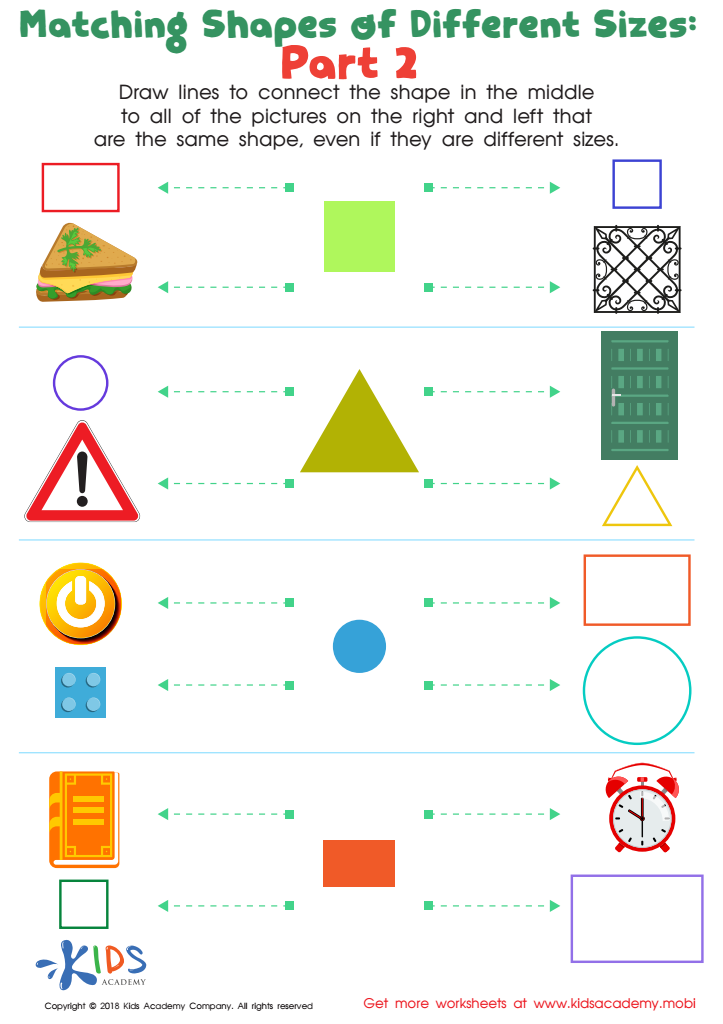
Geometry: Part 2 Worksheet
 Assign to My Students
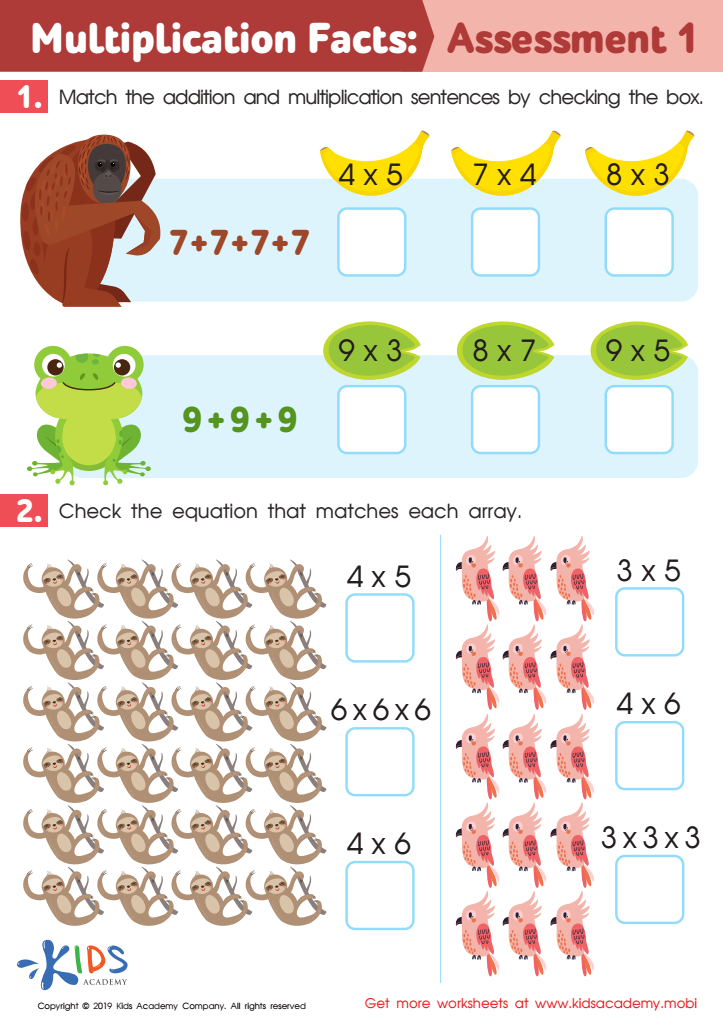
Multiplication Facts: Assessment 1 Worksheet
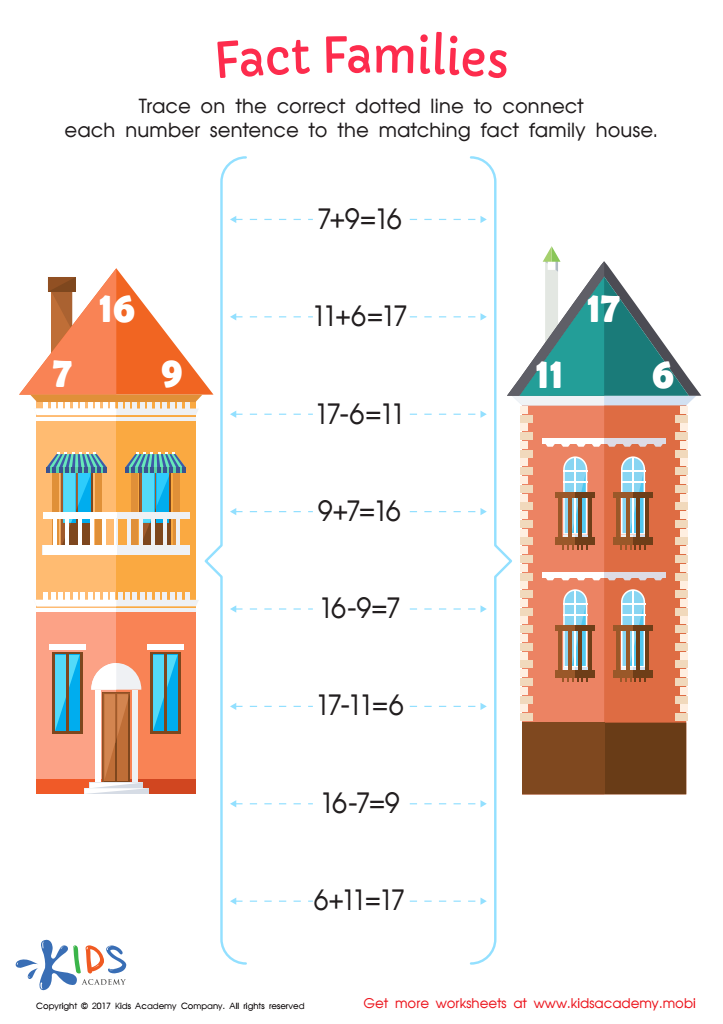
Fact Families — Add and Subtract Worksheet
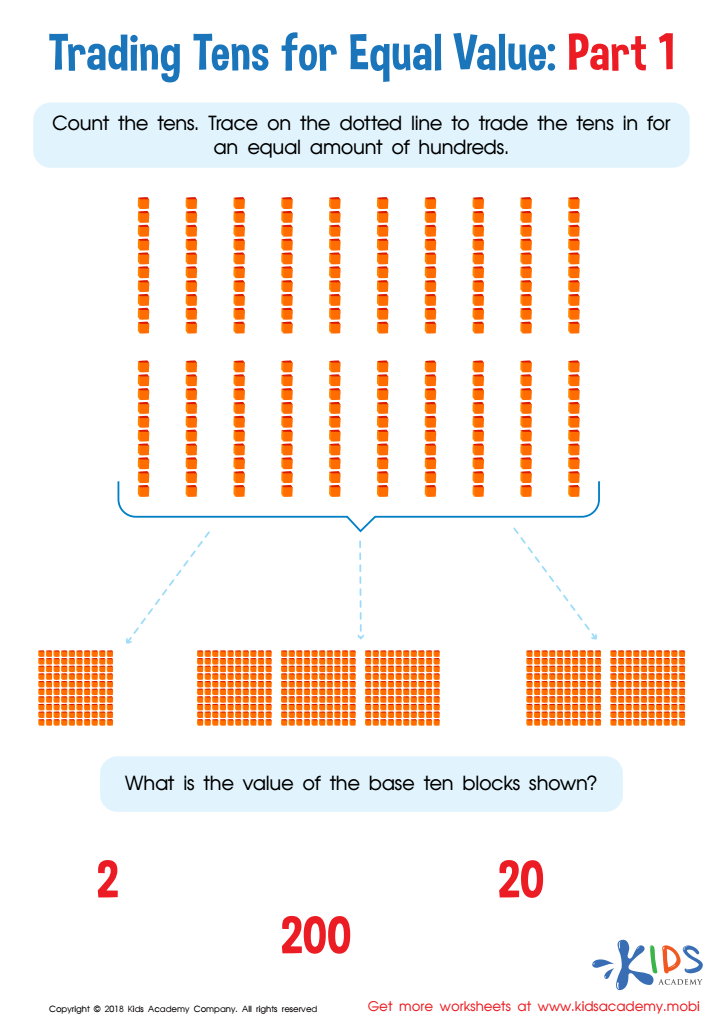
Trading Tens for Equal Value Worksheet: Part 1
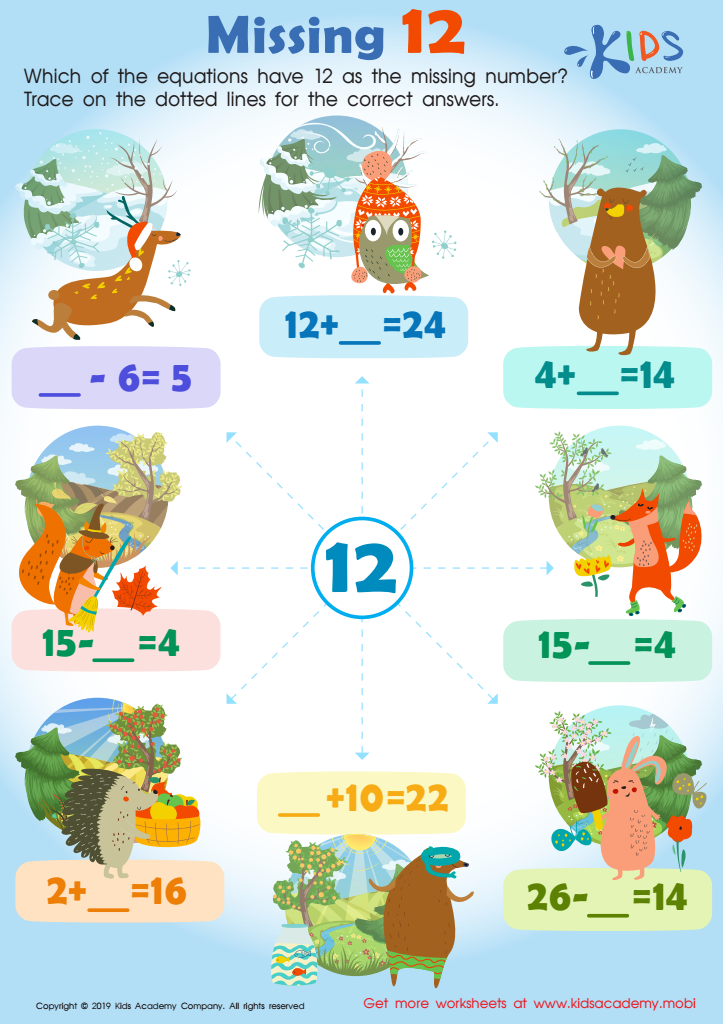
Missing 12 Worksheet
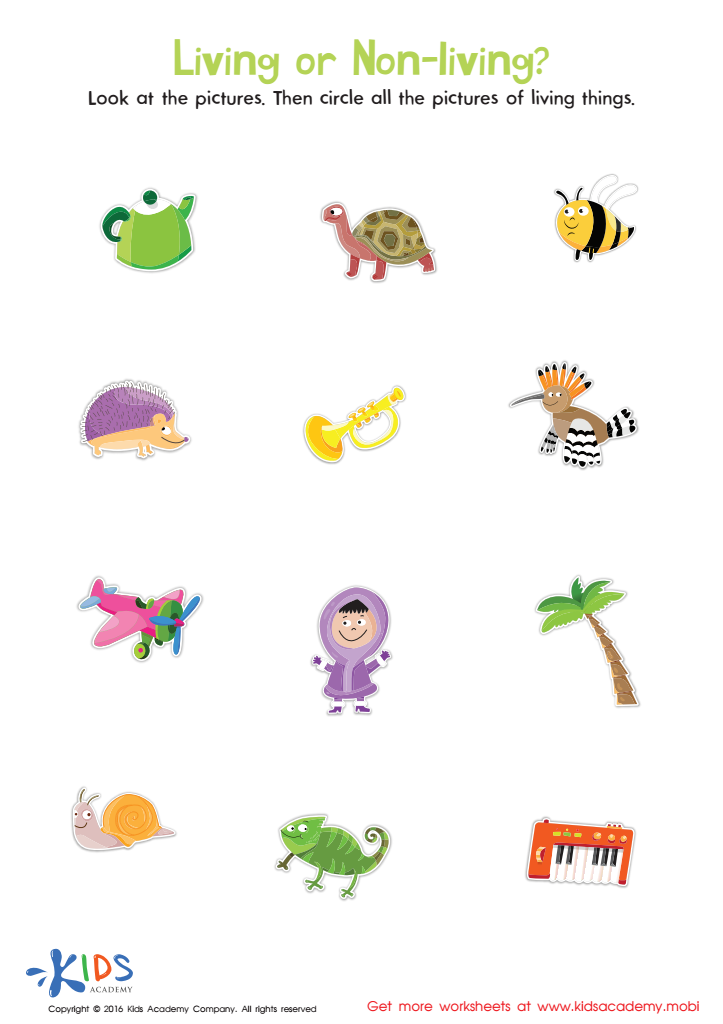
Identifying Living and Non–living Things Sorting Worksheet
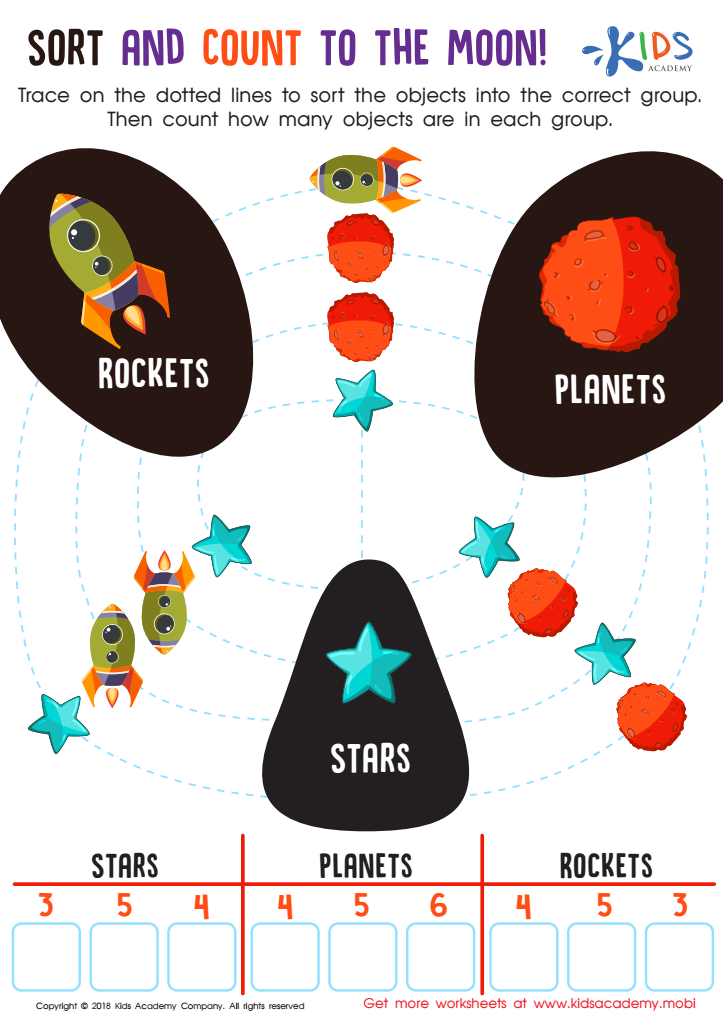
Sort and Count to the Moon Worksheet
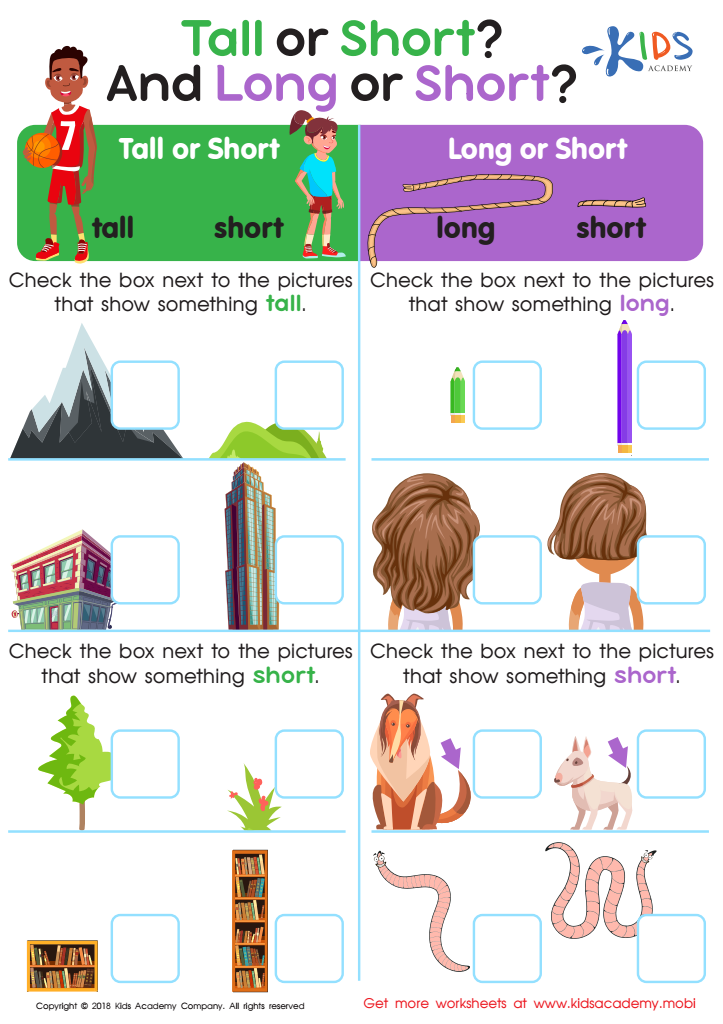
Tall or Short and Long or Short? Worksheet
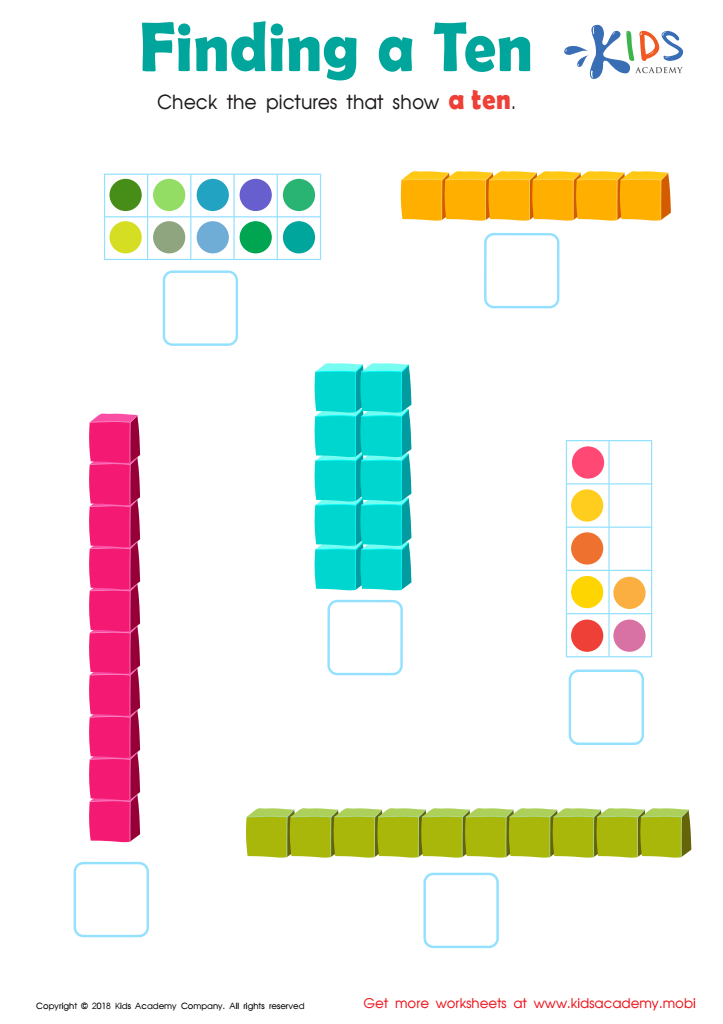
Finding a Ten Worksheet
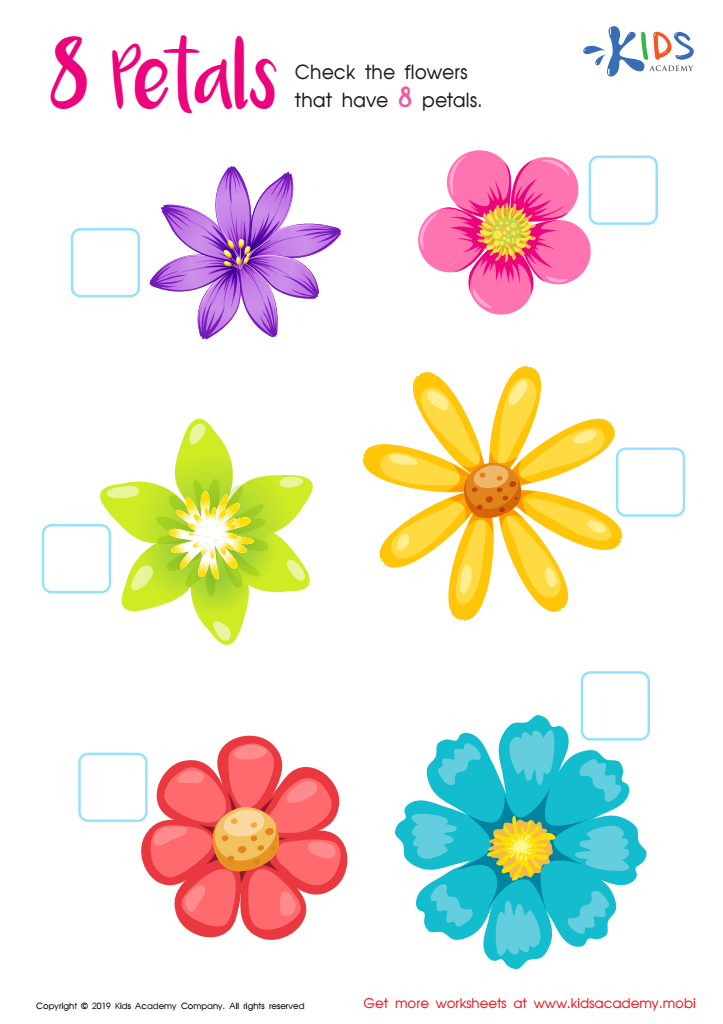
8 Petals Worksheet
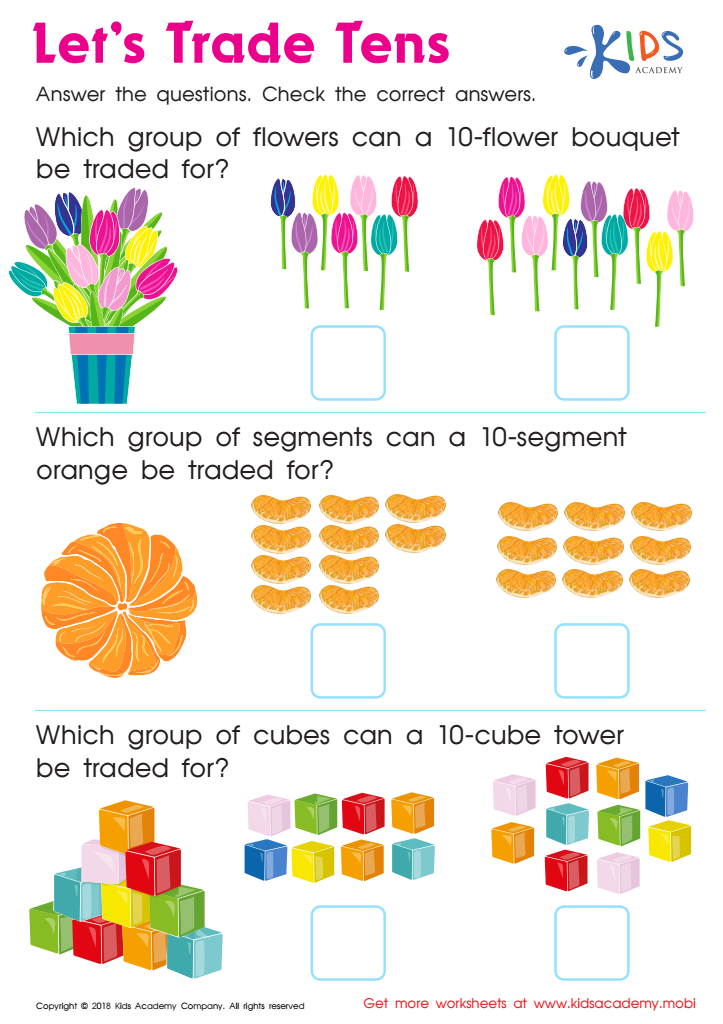
Lets Trade Tens Worksheet
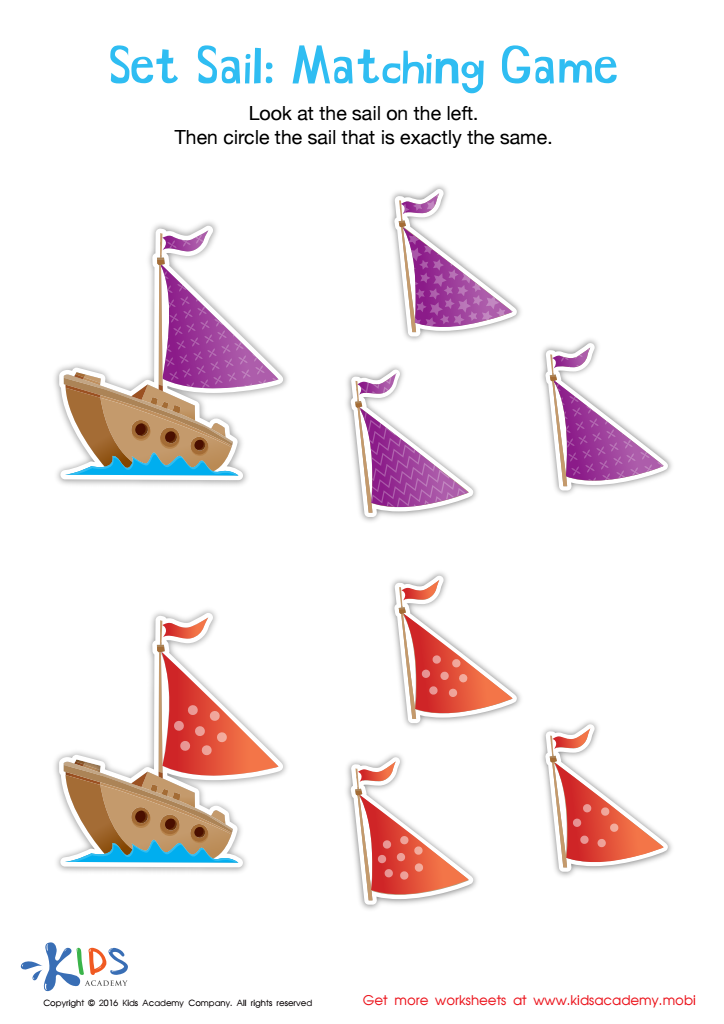
Set Sail Worksheet
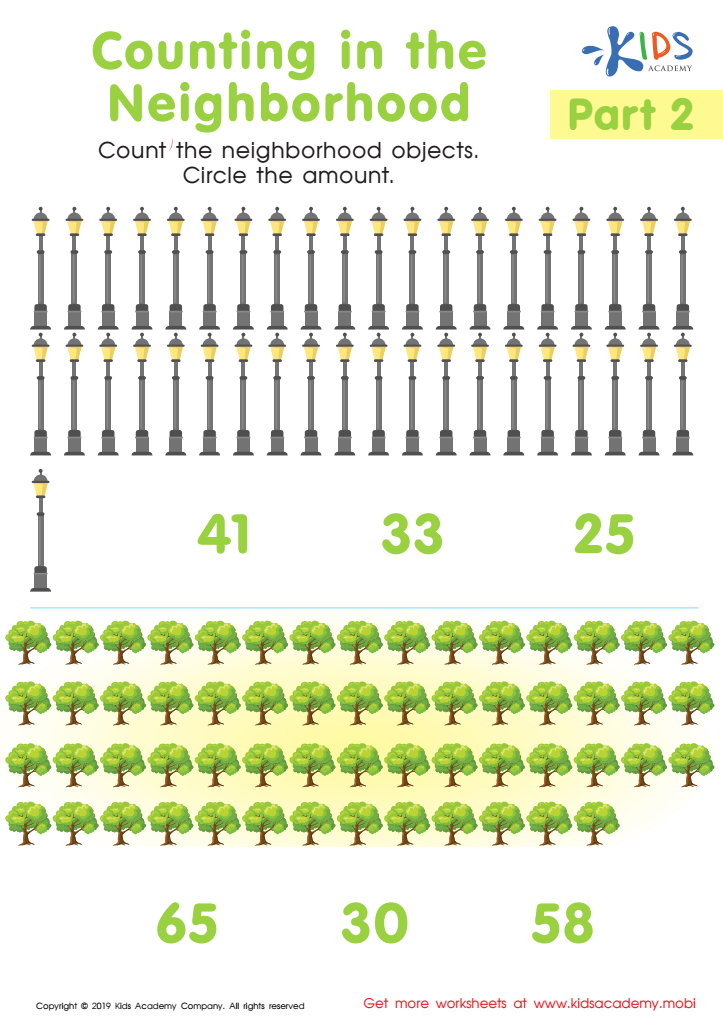
Counting In The Neighborhood Part 2 Worksheet
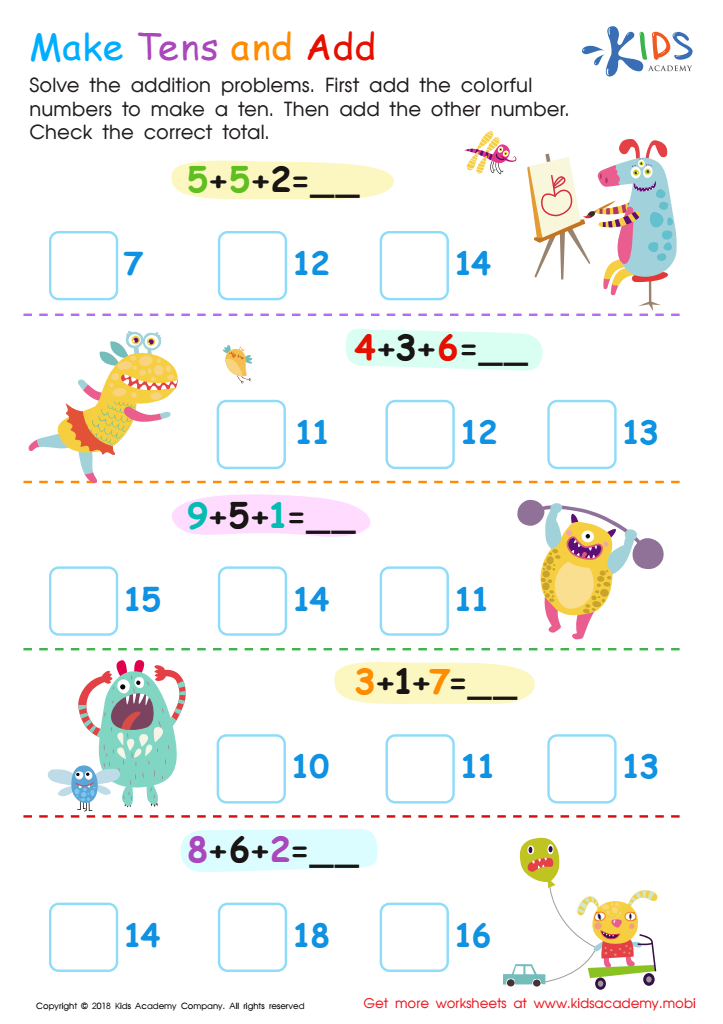
Make Tens and Add Worksheet
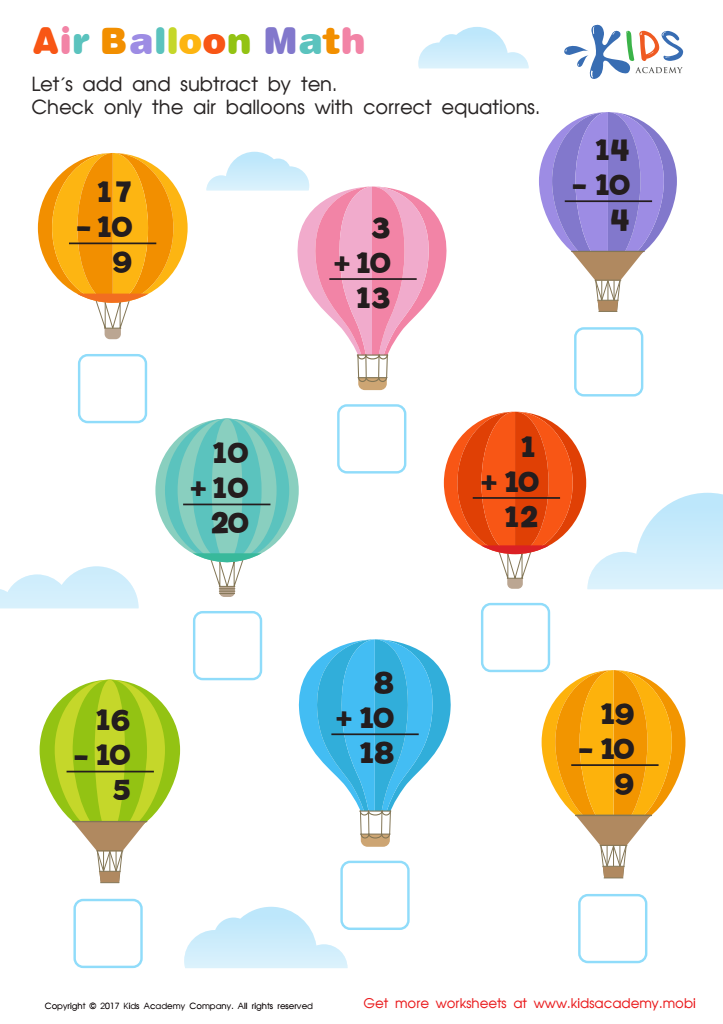
Air Balloon Math Worksheet
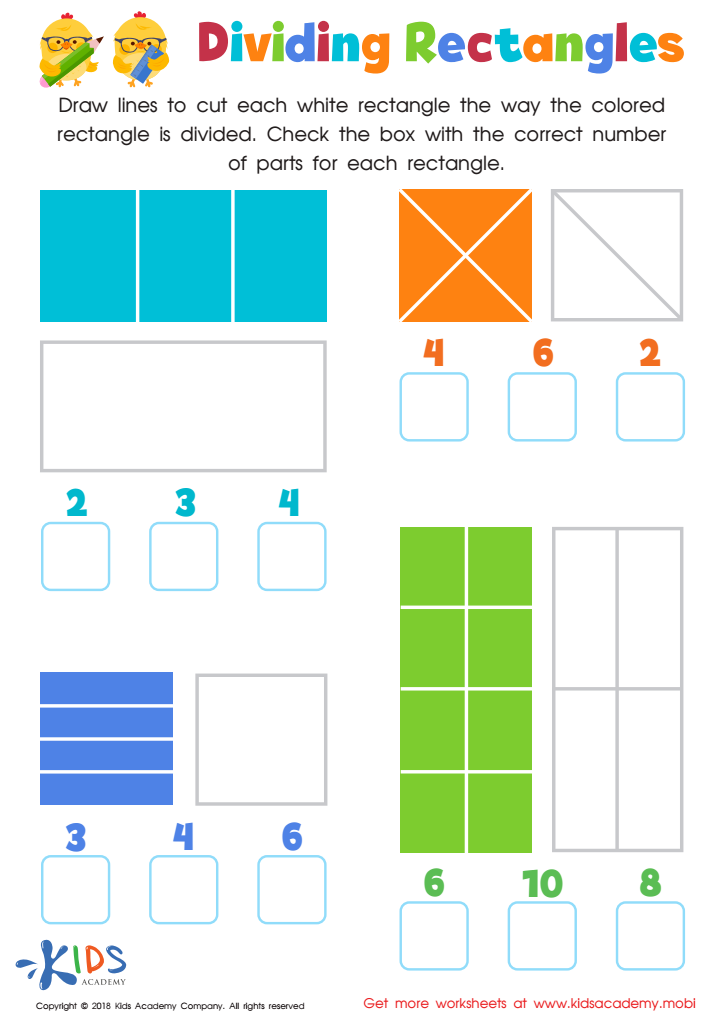
Dividing Rectangles Worksheet
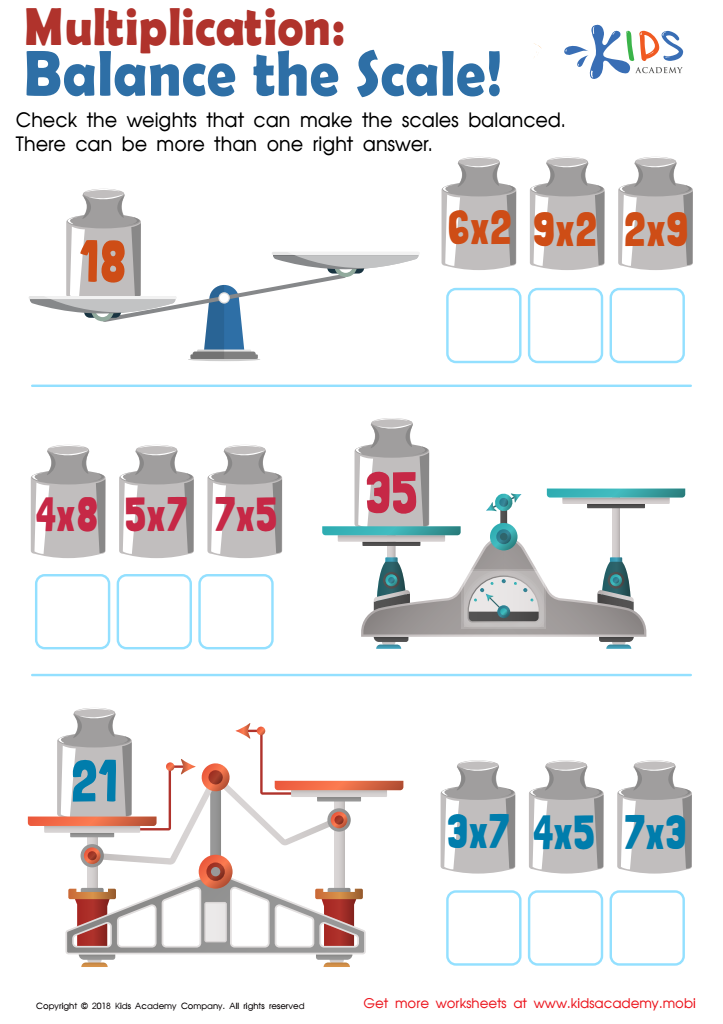
Balance the Scales Multiplication Worksheet
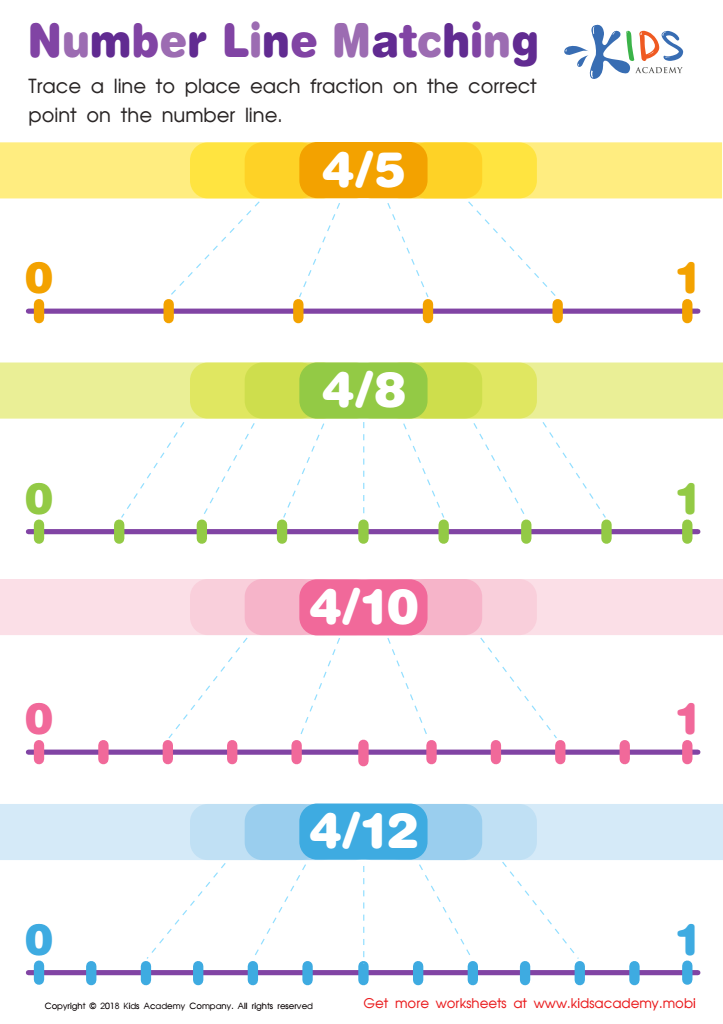
Number Line Matching Worksheet
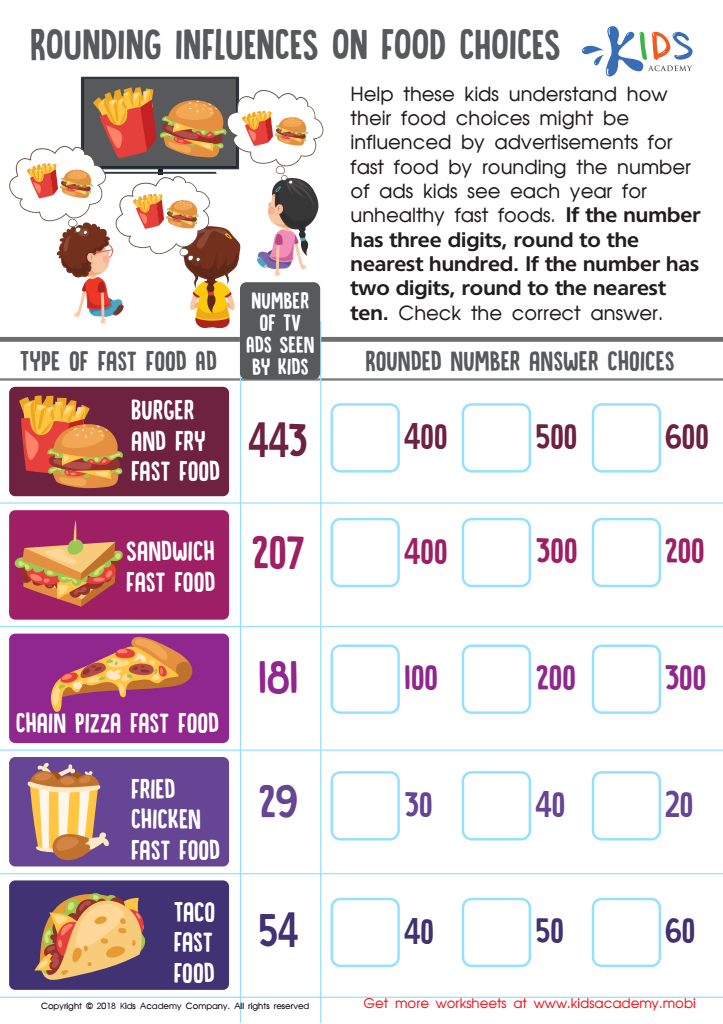
Rounding Influences Food Choices Worksheet
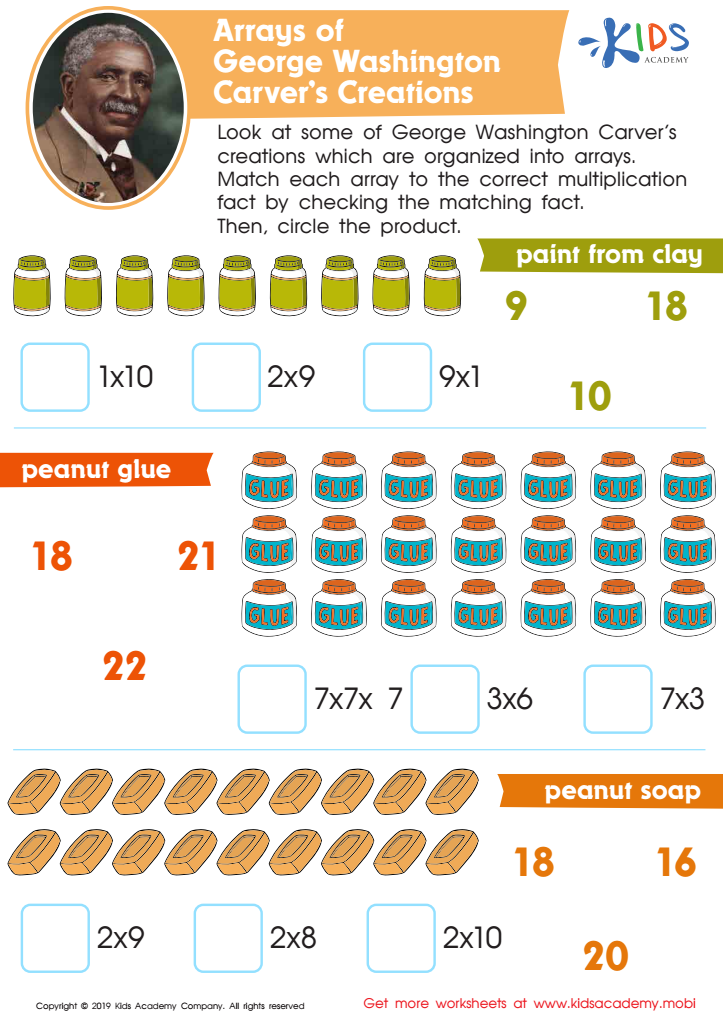
Arrays of George Washington Carver’s Creations Worksheet
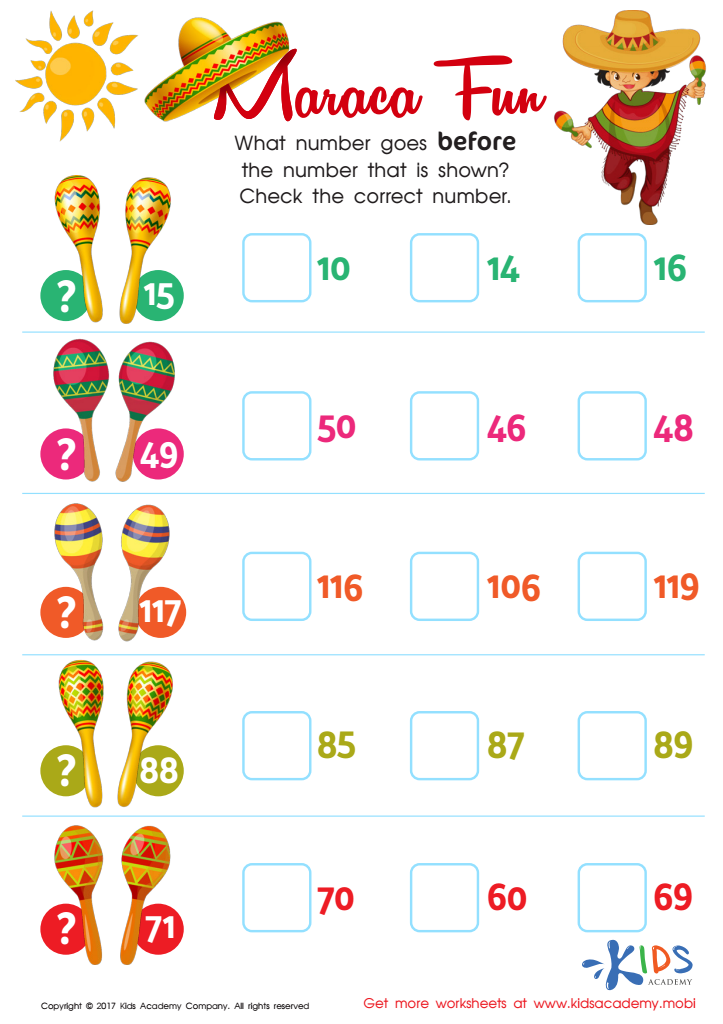
Counting: Maraca Fun Worksheet
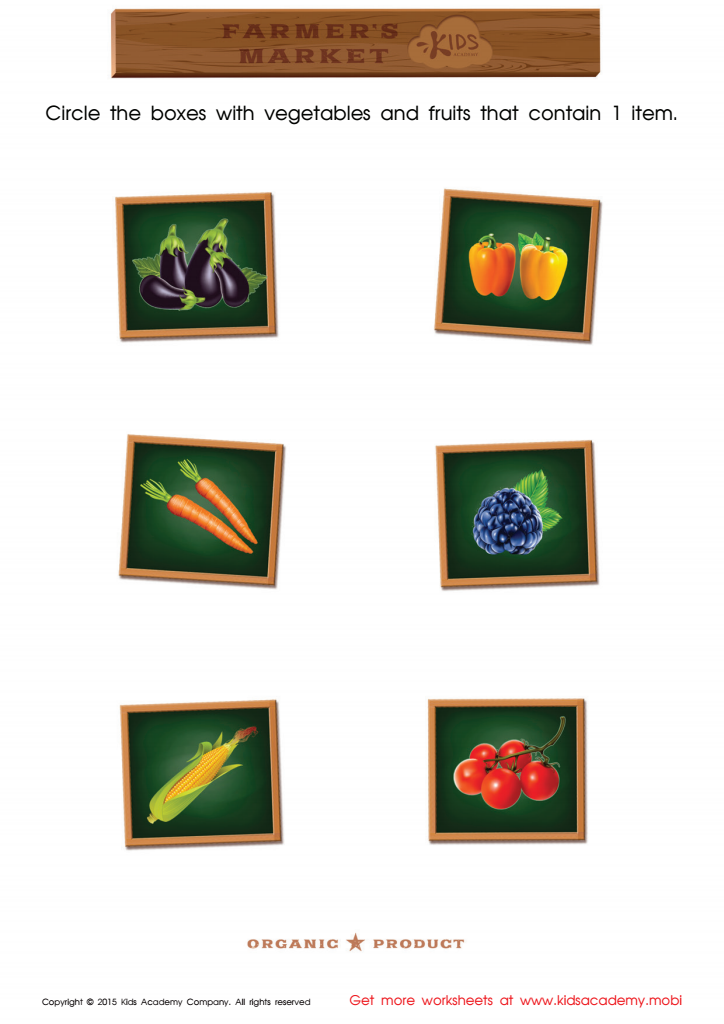
Count and Match Boxes with Vegetables
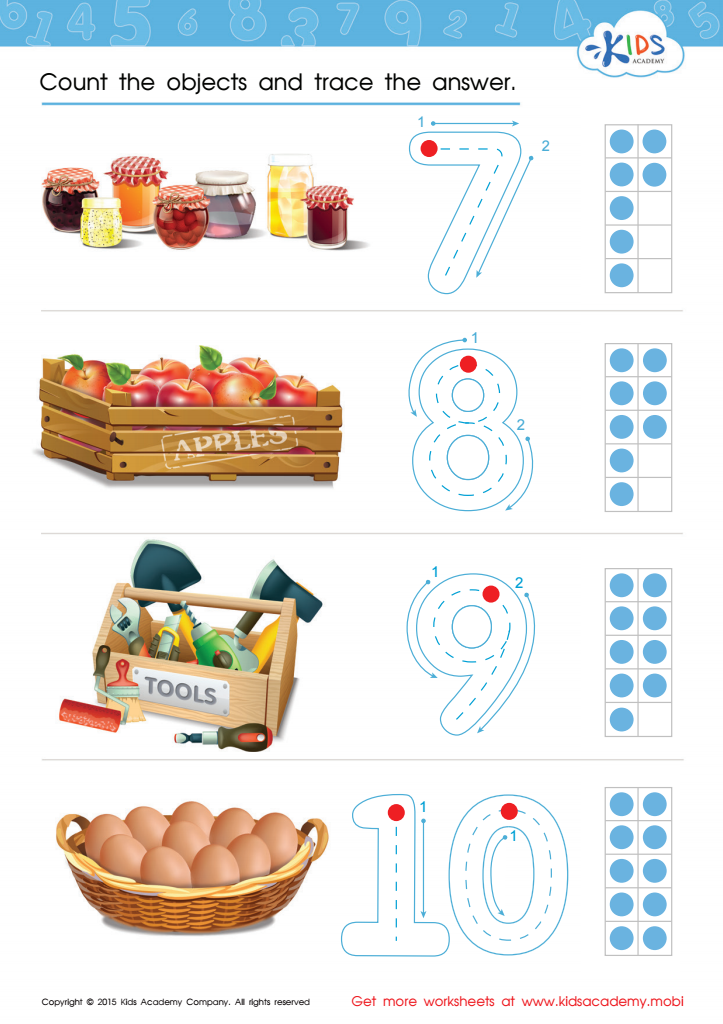
Count and Trace 7 – 10 Worksheet
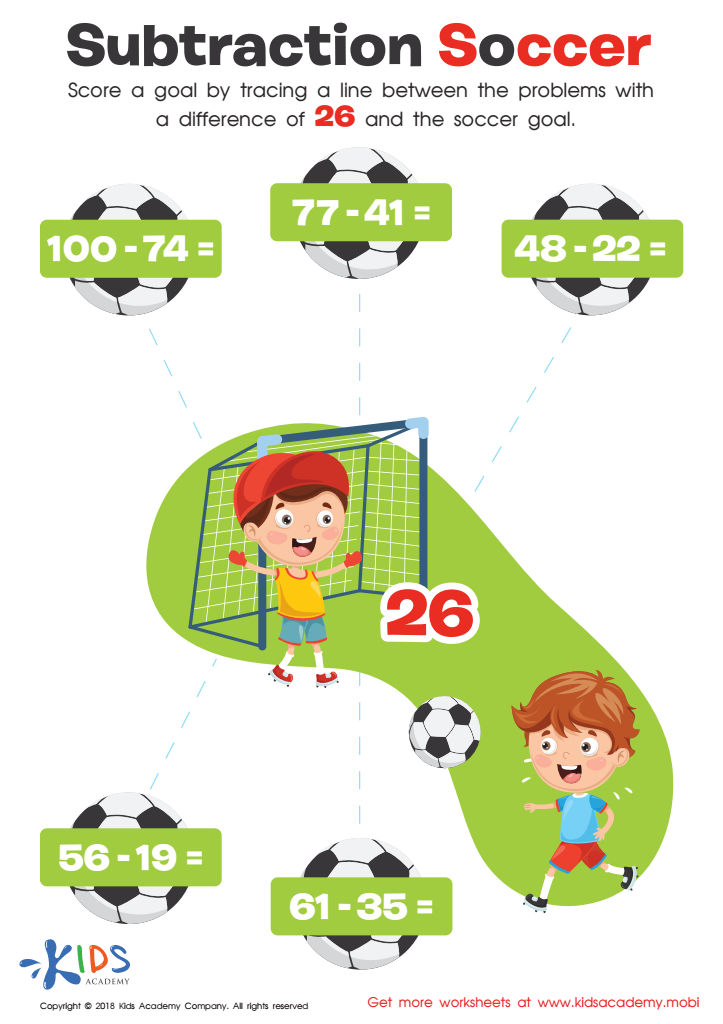
Subtraction Soccer Worksheet






Caring about "normal math" for children aged 3-9 is crucial for parents and teachers because this foundational period sets the stage for future academic success and everyday problem-solving skills. During these early years, children develop essential mathematical concepts such as counting, number recognition, basic addition and subtraction, and understanding shapes and patterns. Mastery of these skills not only aids their overall cognitive development but also enhances their ability to think logically and critically.
Early exposure to math helps young learners build confidence in their abilities, making them more likely to engage actively in learning as they progress through school. Moreover, math skills are integral to many aspects of daily life, from telling time to handling money, and underpin various subjects in the educational curriculum, including science and technology.
For parents and teachers, fostering a positive attitude toward math involves creating engaging, hands-on experiences that make learning fun. Interactive tools such as counting games, puzzles, and real-world math applications can stimulate curiosity and make abstract concepts more tangible. Supporting children in developing strong math skills early on also bridges academic disparities, providing equal opportunities for all children to succeed. Hence, prioritizing "normal math" ensures a strong educational foundation, fostering both short-term academic achievements and long-term life skills.








