Normal Matching Worksheets for Ages 3-9 - Page 2
43 filtered results
-
From - To
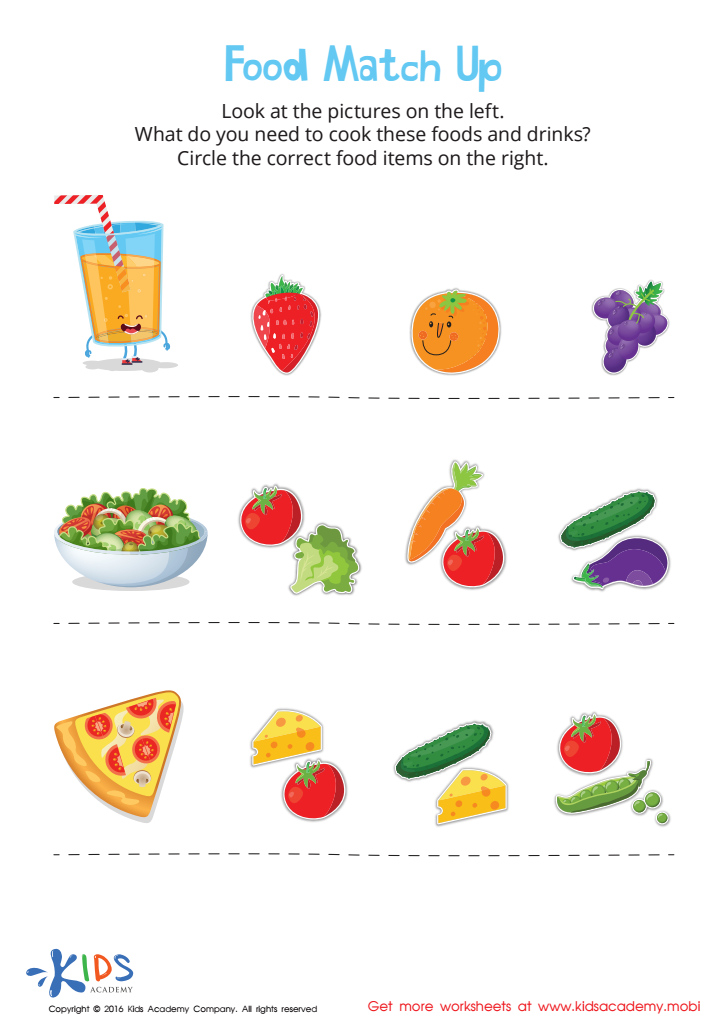
Food Match Up Worksheet
 Assign to My Students
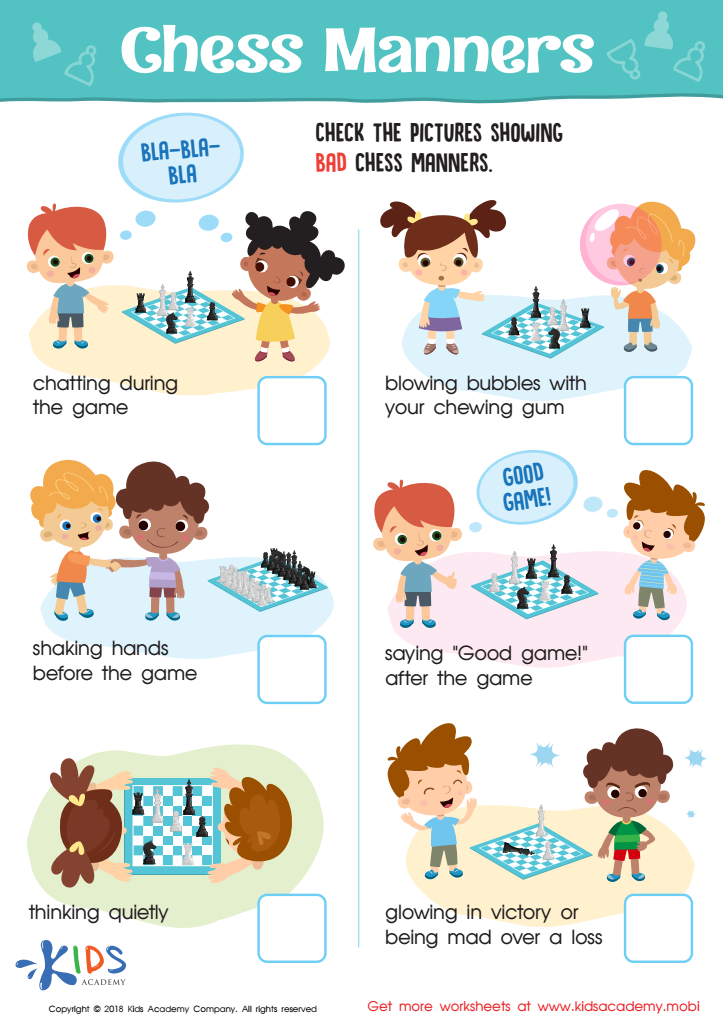
Chess Manners Worksheet
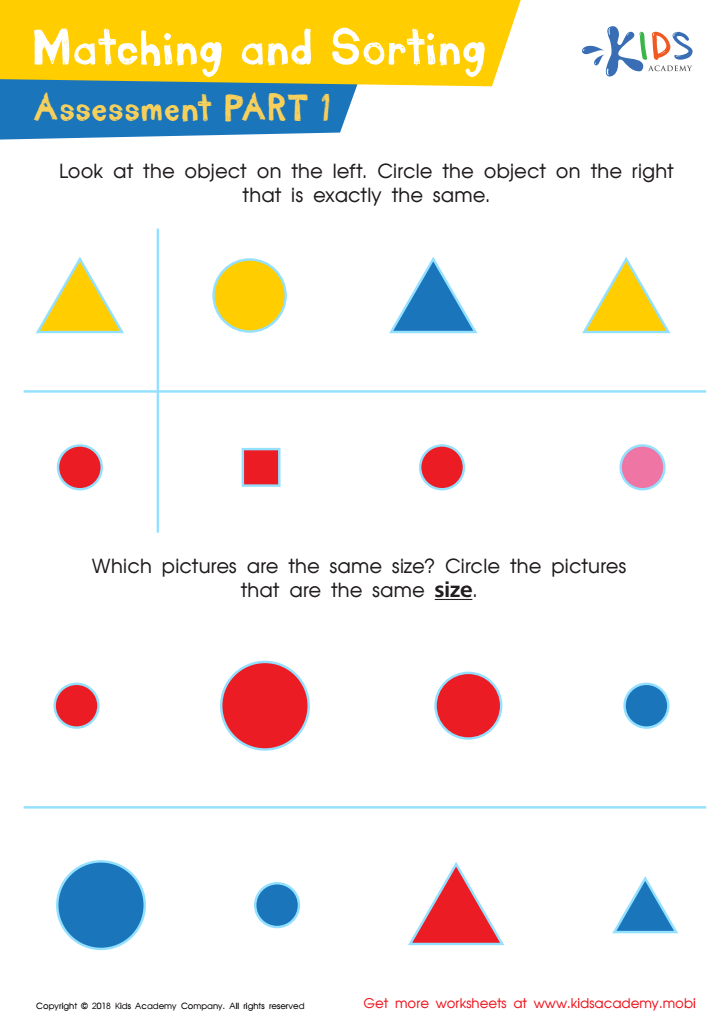
Matching and Sorting for Kindergarten: Assessment 1 Worksheet
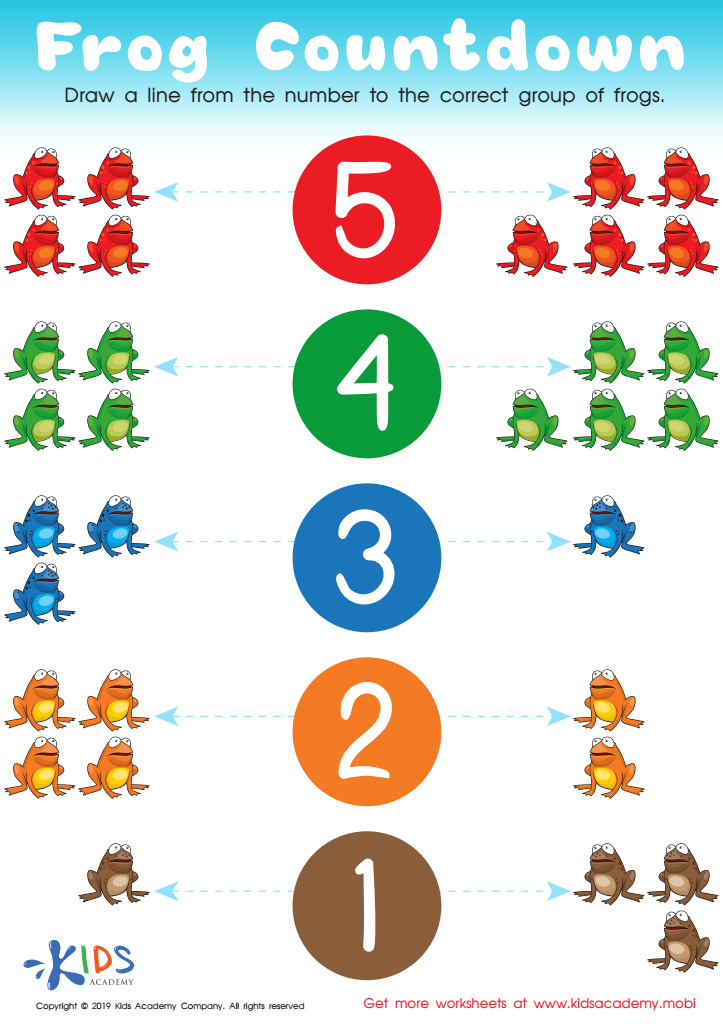
Frog Countdown Worksheet
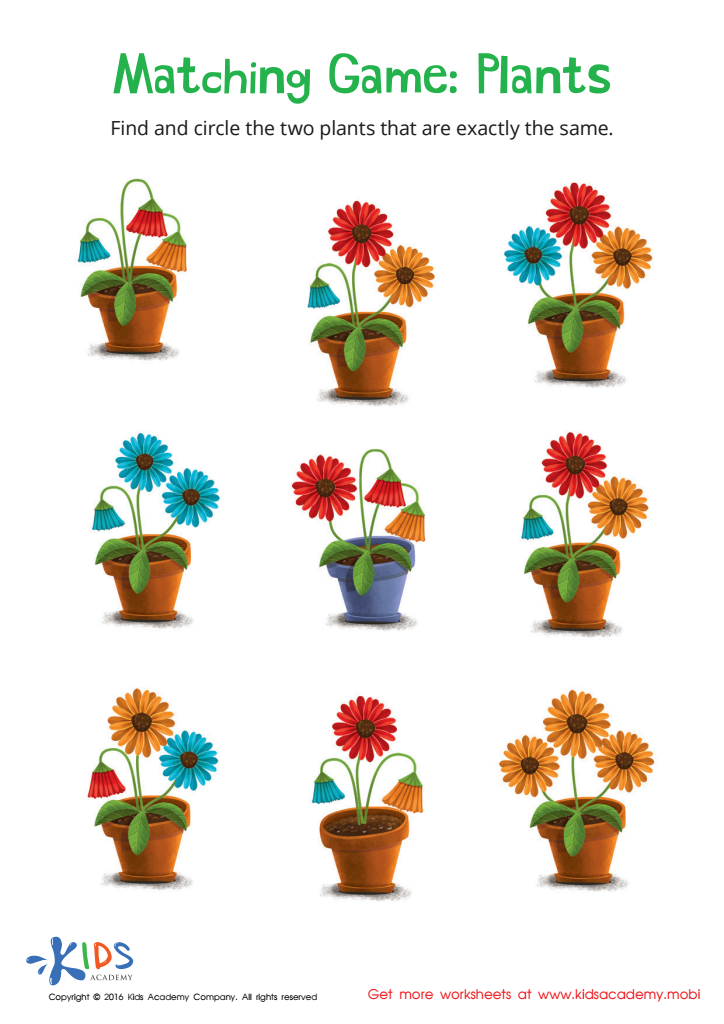
Matching: Plants Worksheet
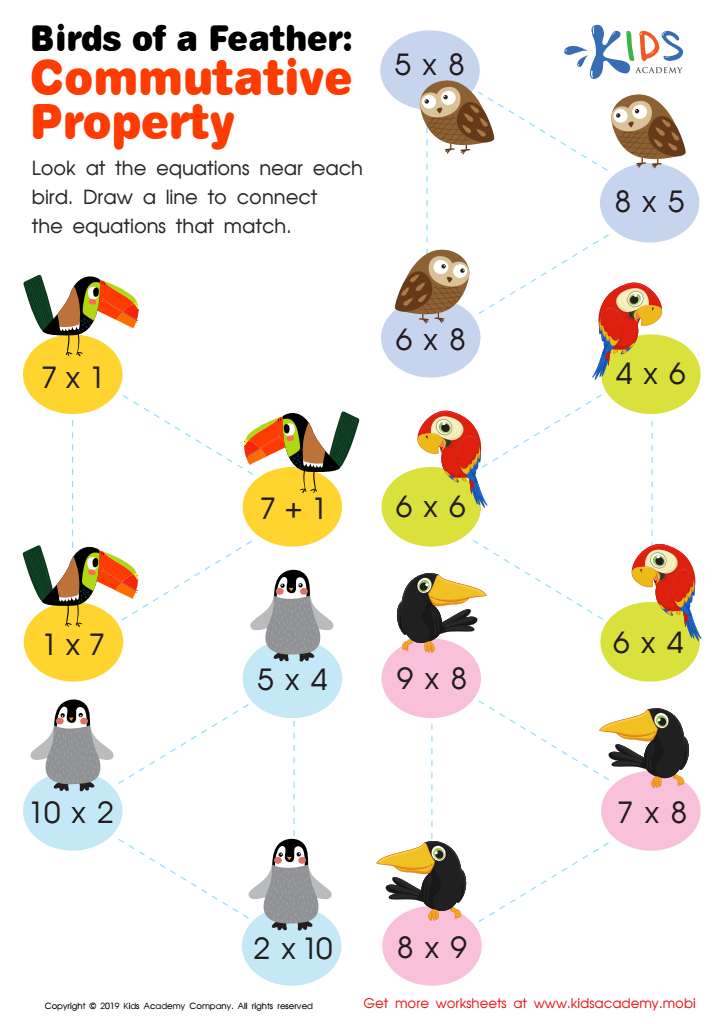
Birds of a Feather: Commutative Property Worksheet
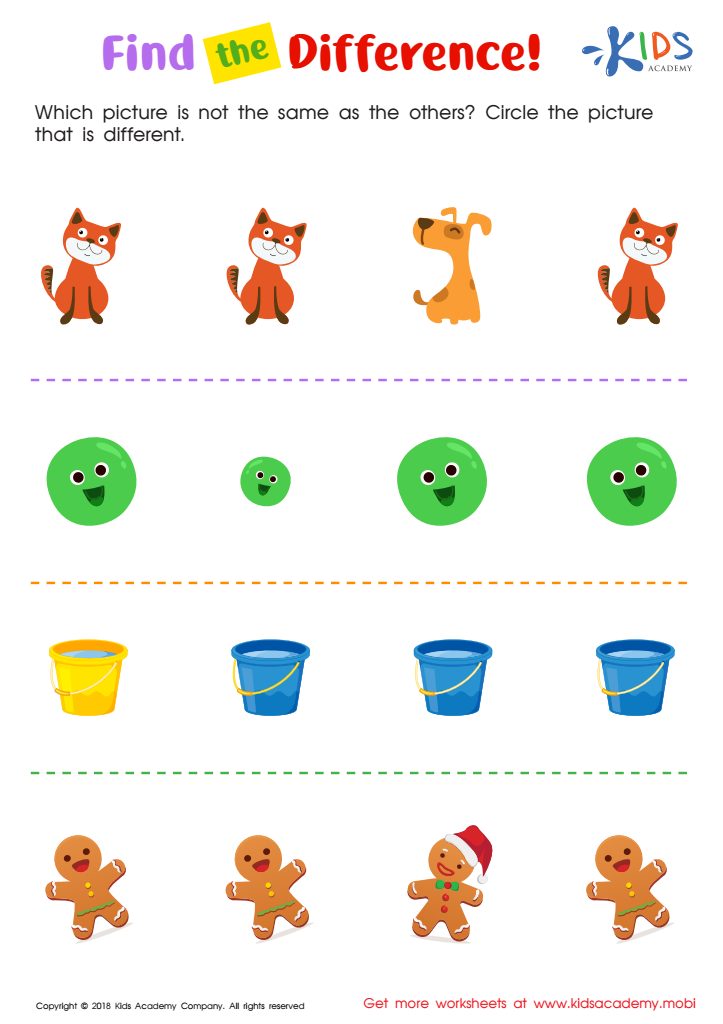
Find the Difference Worksheet
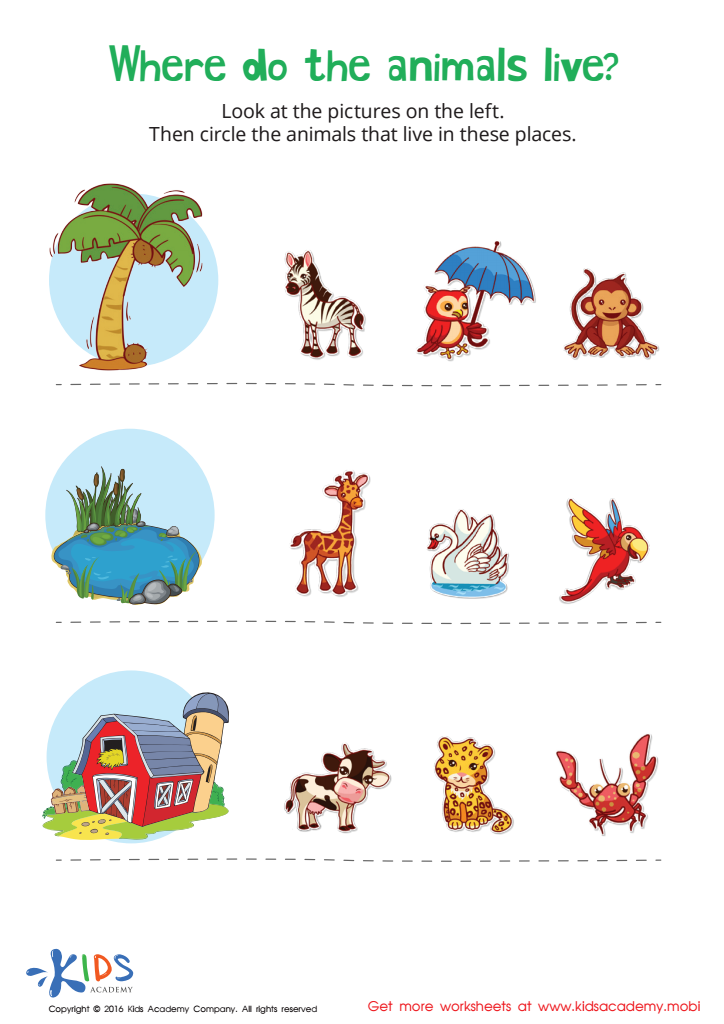
Where Animals Live Worksheet
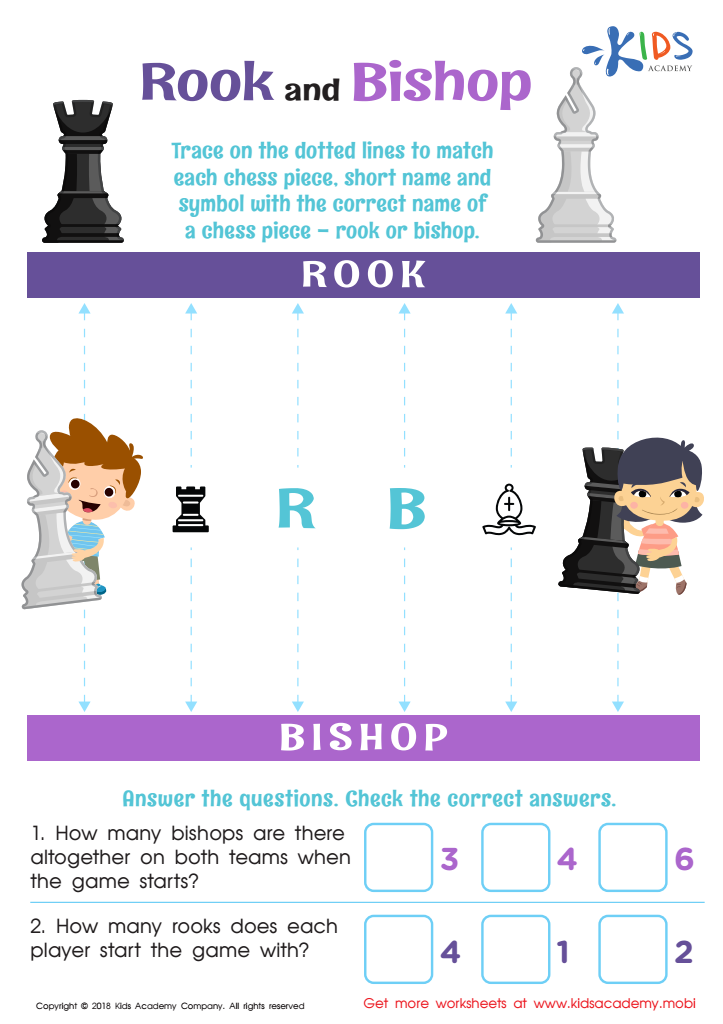
Rook and Bishop Worksheet
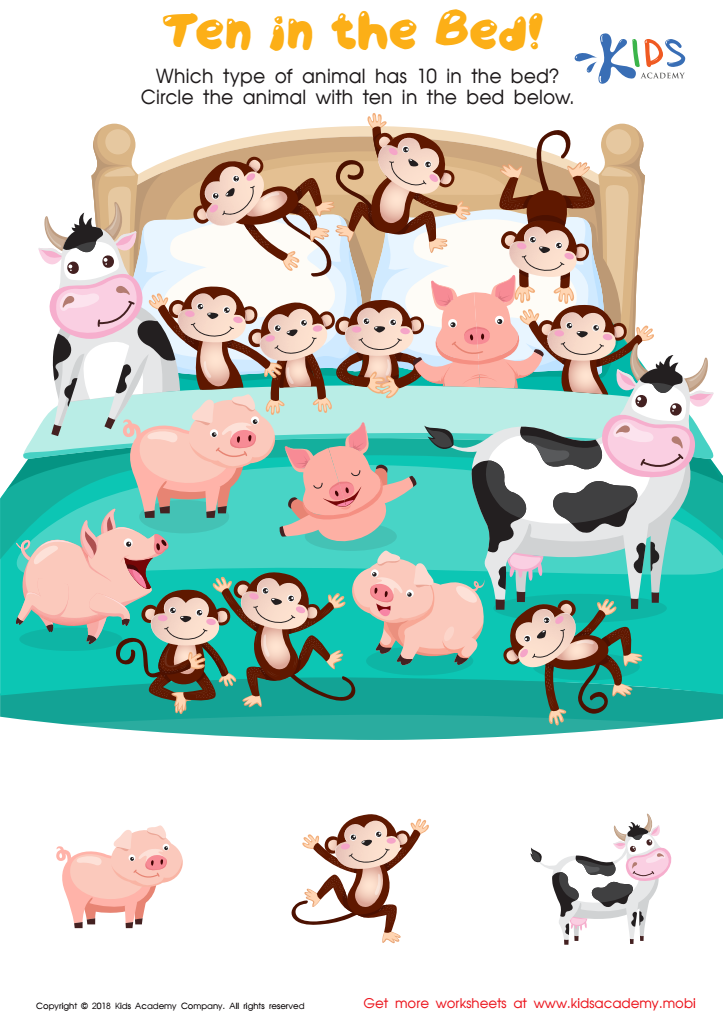
Ten in the Bed Worksheet
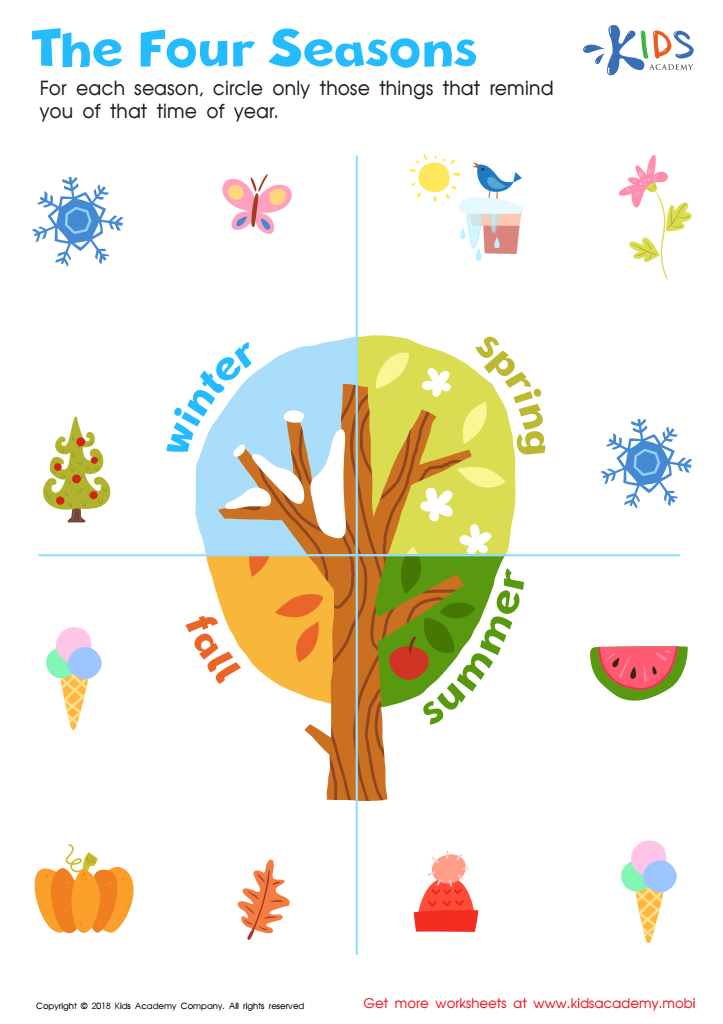
The Four Seasons Worksheet
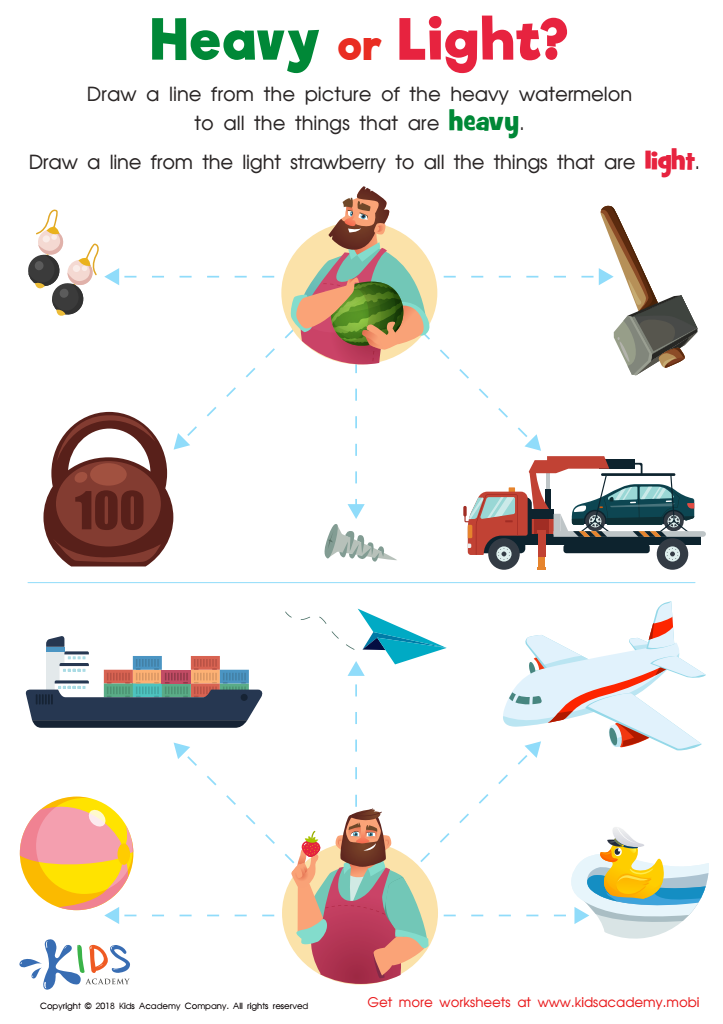
Heavy or Light? Worksheet
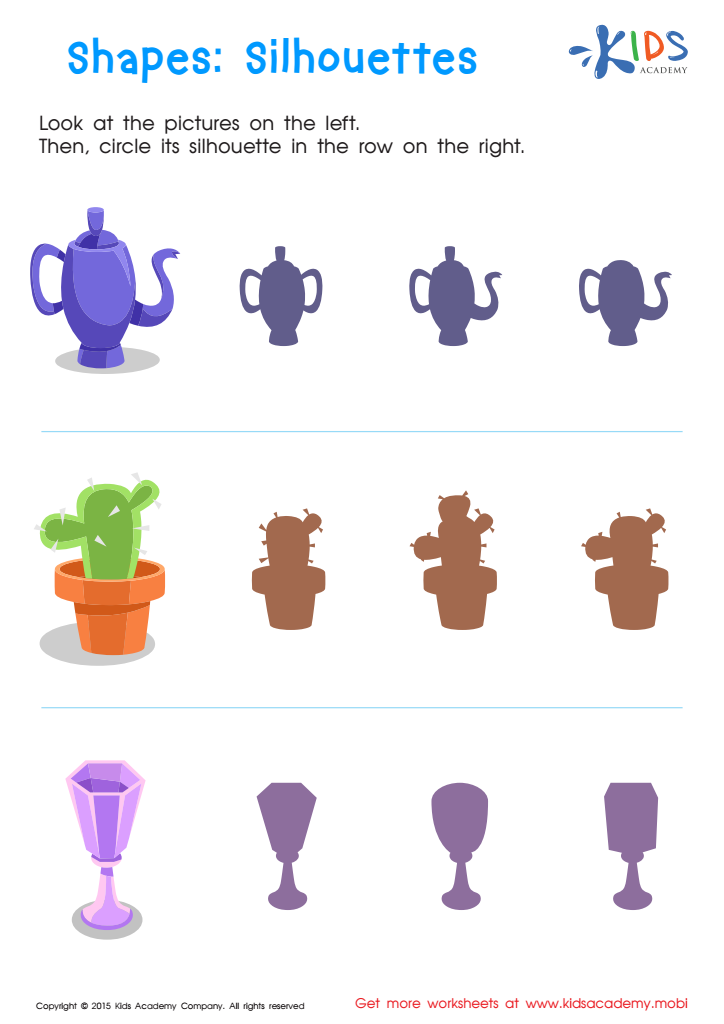
Silhouettes – Shapes Worksheet
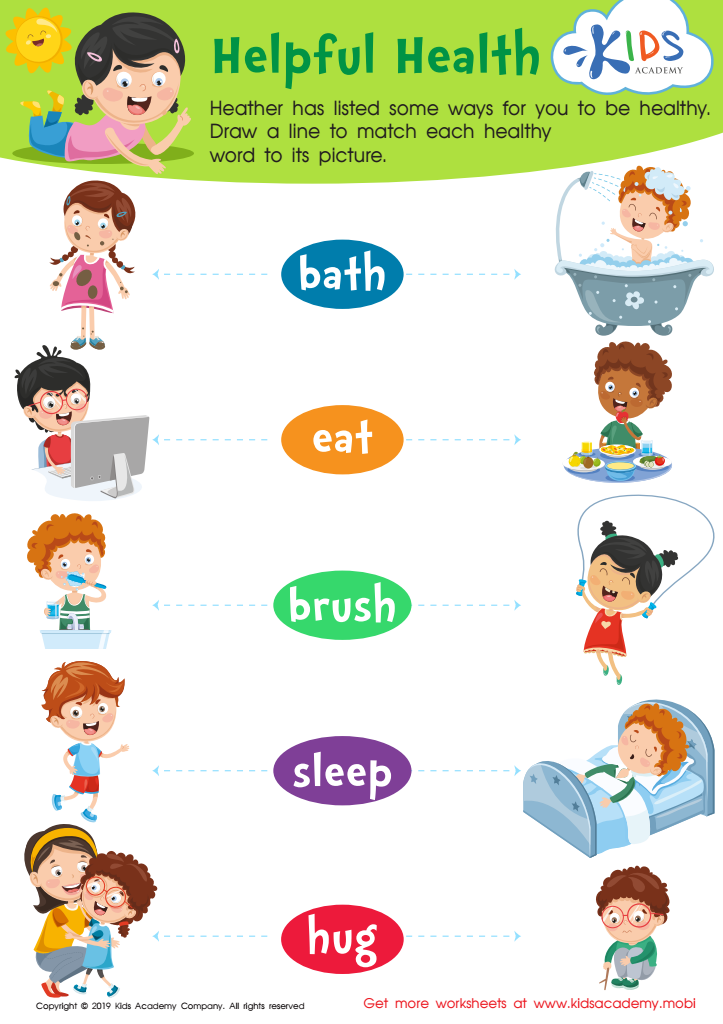
Helpful Health Worksheet
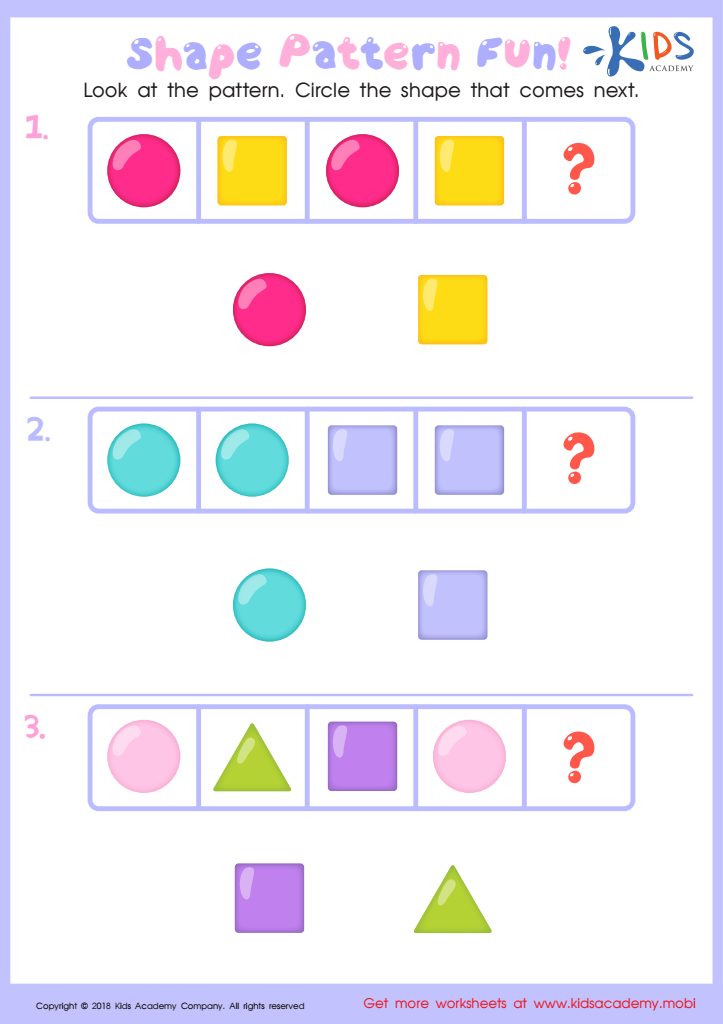
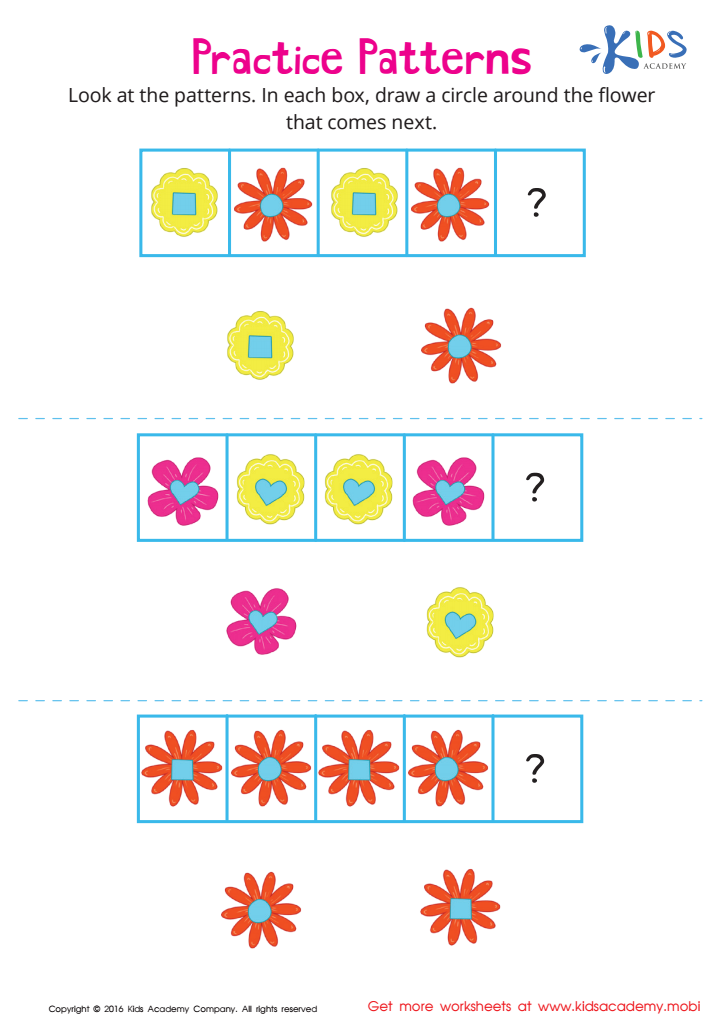
Shape Pattern Fun Worksheet
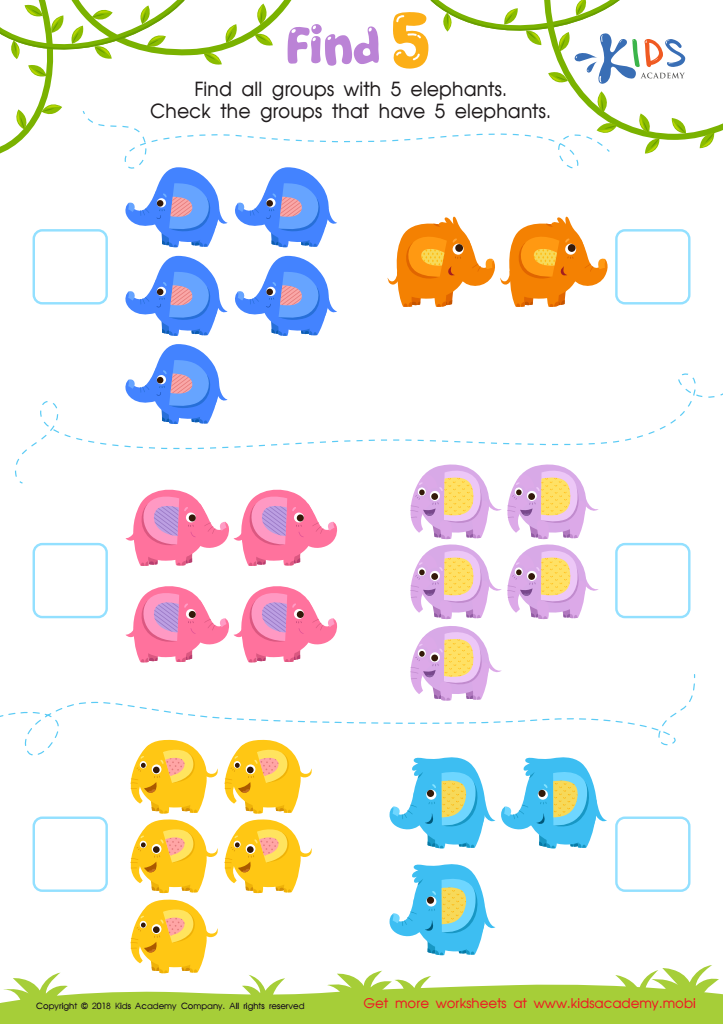
Find 5 Worksheet








Normal matching, also called developmental tracking or benchmark alignment, is essential for children aged 3-9 as it ensures their growth aligns with typical milestones in social, emotional, cognitive, and physical development. During these formative years, children achieve foundational skills vital for lifelong learning and well-being.
For parents and teachers, monitoring these milestones helps identify whether a child's progress is on track or if there could be underlying issues needing attention. Timely identification of atypical development allows for early interventions, which are often more effective and less intrusive than later remedial actions. For instance, detecting speech delay early on can lead to speech therapy, improving communication skills before the child faces challenges in school.
Furthermore, normal matching helps set expectations for what a child should be capable of in a supportive learning environment. It guides educators in crafting age-appropriate curricula and activities while aiding parents in fostering the skills learned at school within the home.
In summary, by understanding and prioritizing normal matching, parents, and teachers work collaboratively to create environments that respect each child’s individual pace while ensuring they are not left behind. This collective effort supports a well-rounded development that is crucial during the sensitive early childhood phase.








