Shape Recognition Normal Math Worksheets for 3-Year-Olds
19 filtered results
-
From - To
Discover our engaging Shape Recognition Normal Math Worksheets designed specifically for 3-year-olds! These interactive worksheets provide young learners with fun and colorful exercises that help identify and distinguish shapes such as circles, squares, triangles, and more. By incorporating shape recognition into their daily activities, children enhance their cognitive skills and boost their spatial awareness. Our worksheets encourage creativity and critical thinking, making learning enjoyable and effective. Perfect for home or classroom use, these resources support early childhood education and foster a love for mathematics. Explore our collection and watch your child thrive as they learn through play and exploration!
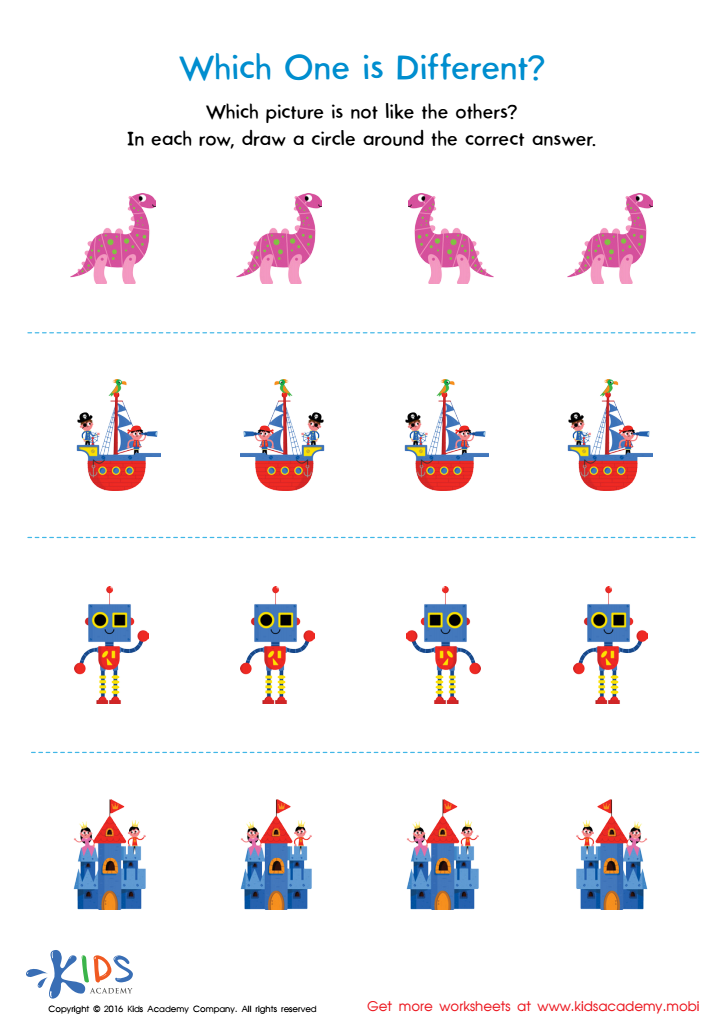
Which One Is Different Worksheet
 Assign to My Students
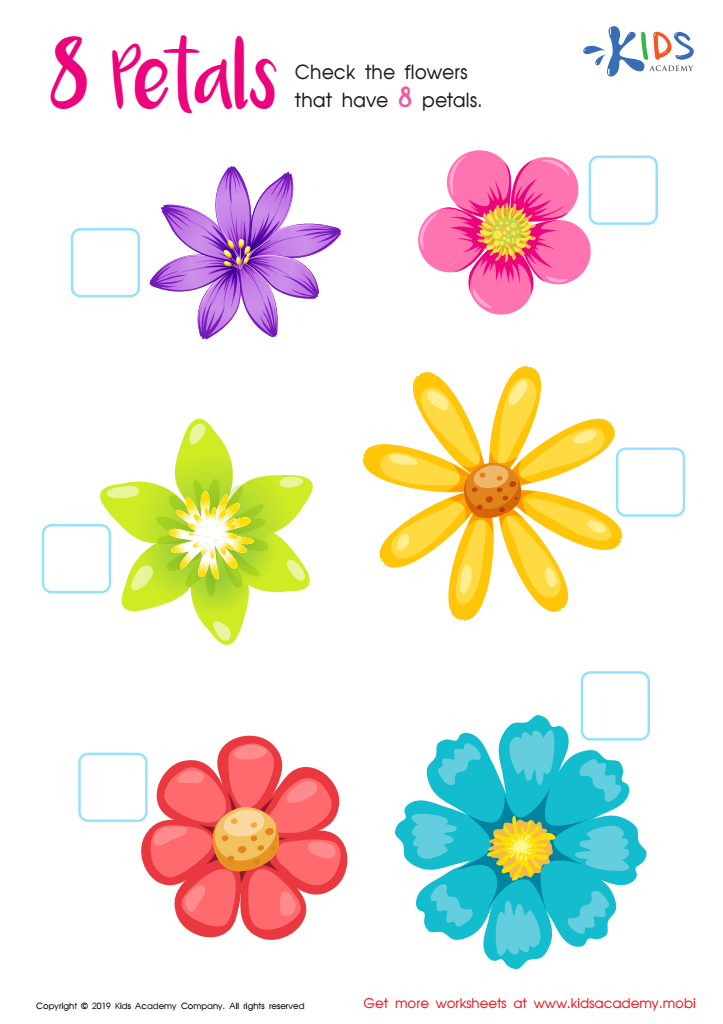
8 Petals Worksheet
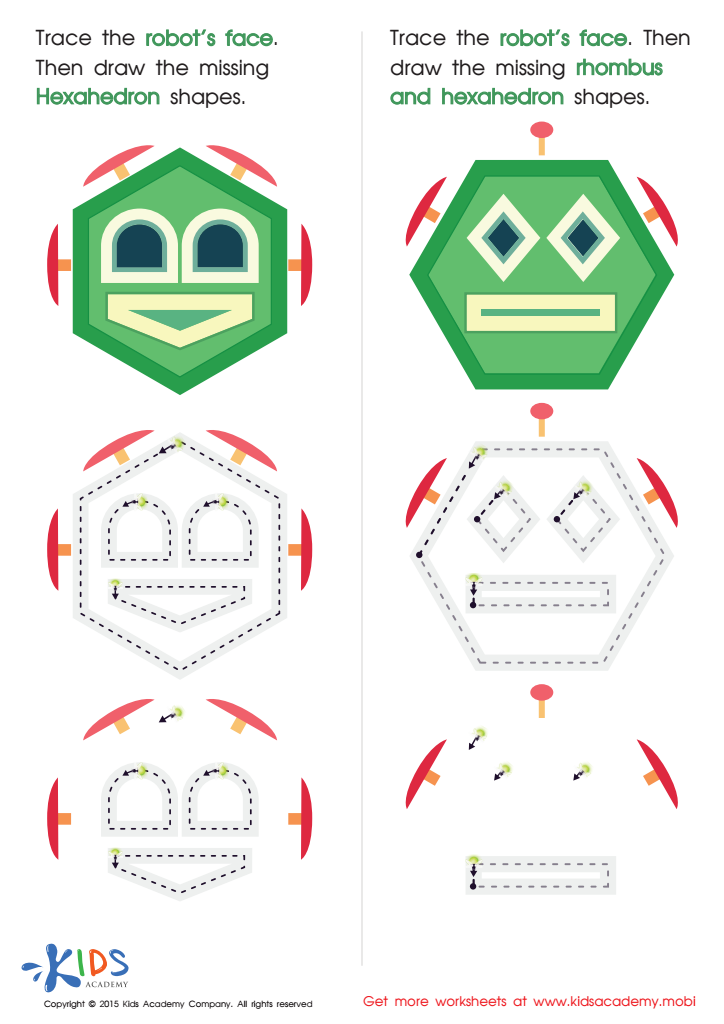
Practice Drawing Hexahedrons And a Rhombus Worksheet
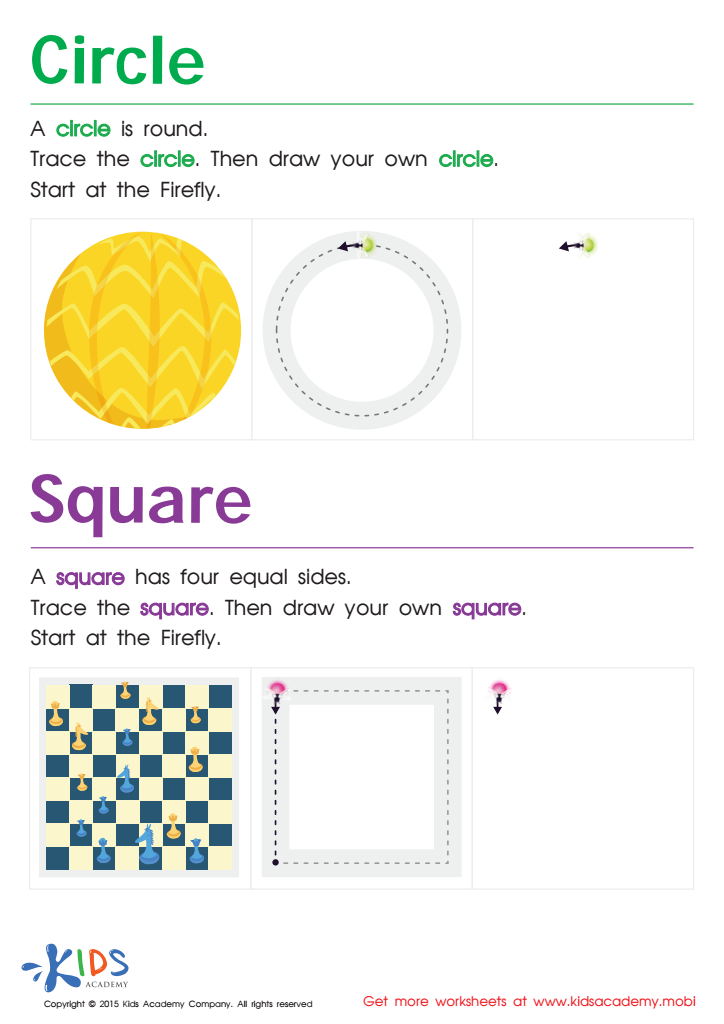
Trace And Draw a Circle And a Square Worksheet
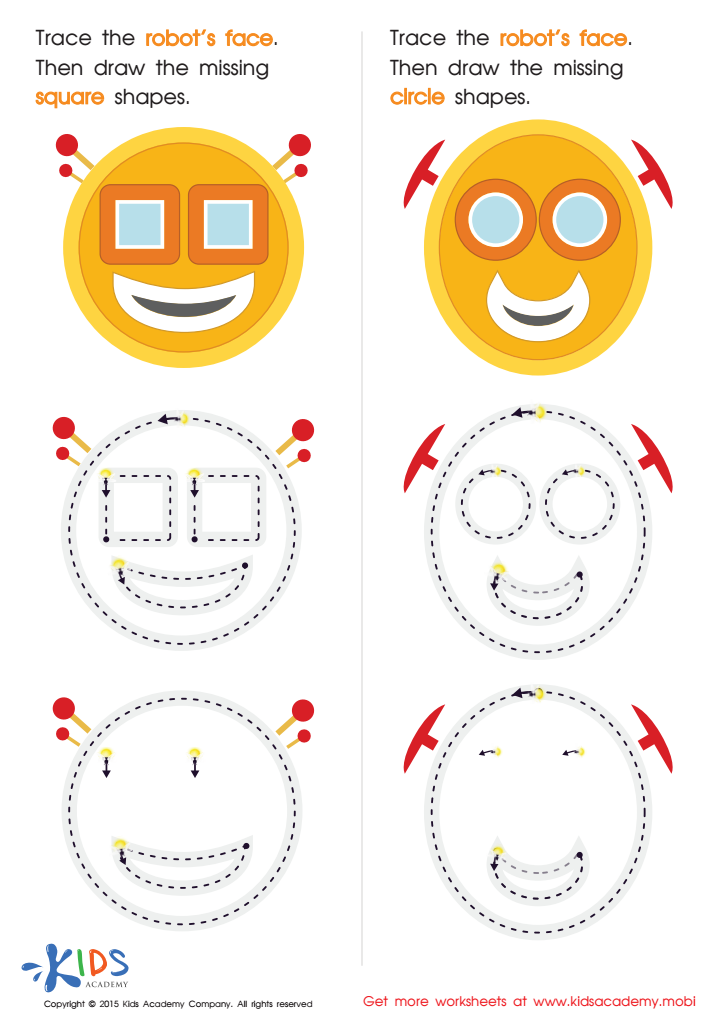
Practicing to Draw Circles And Squares Printable
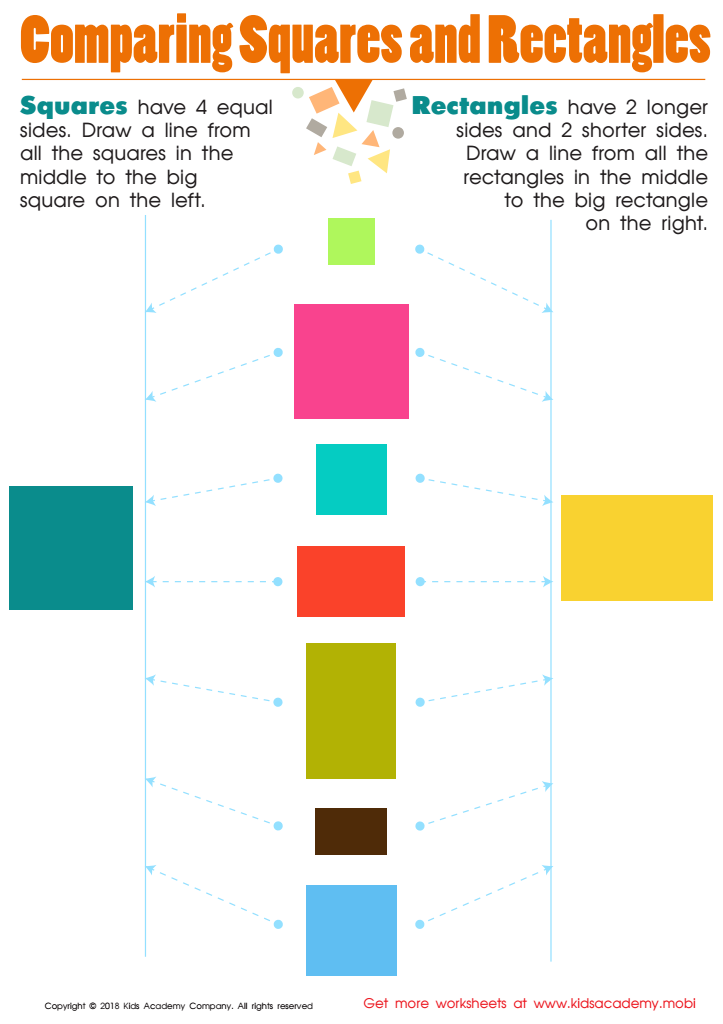
Comparing Squares Rectangles Worksheet
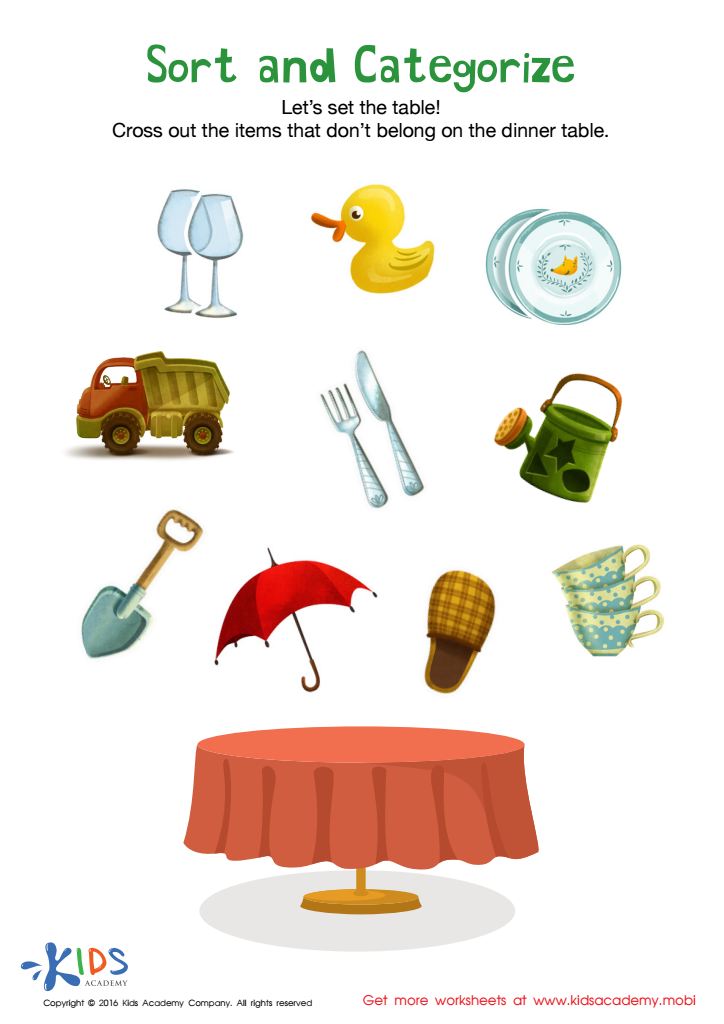
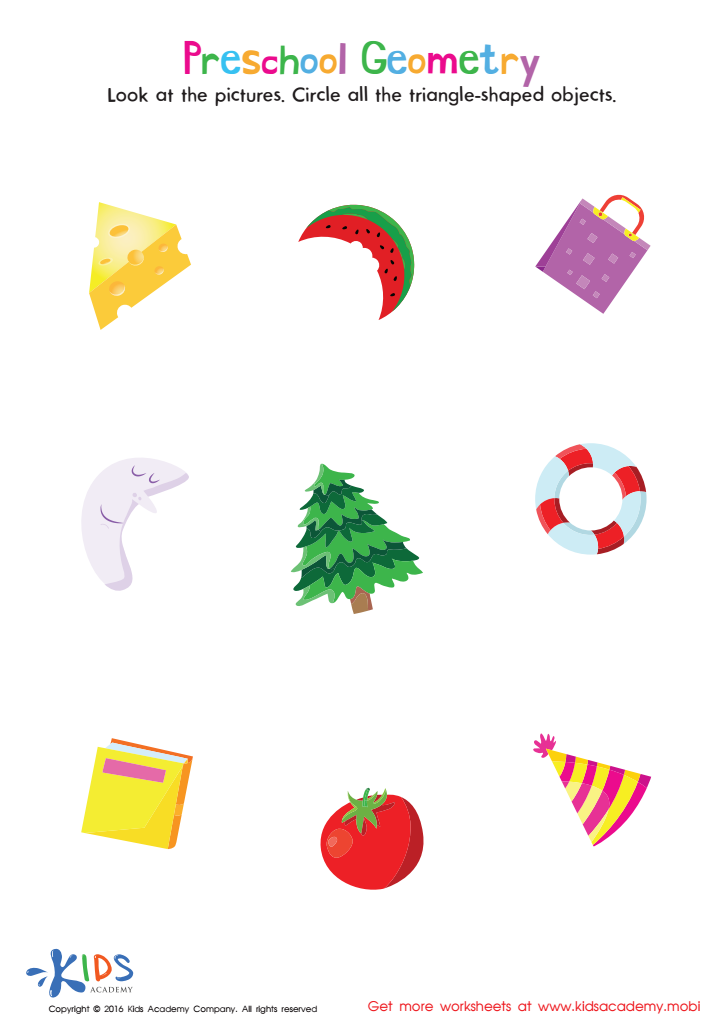
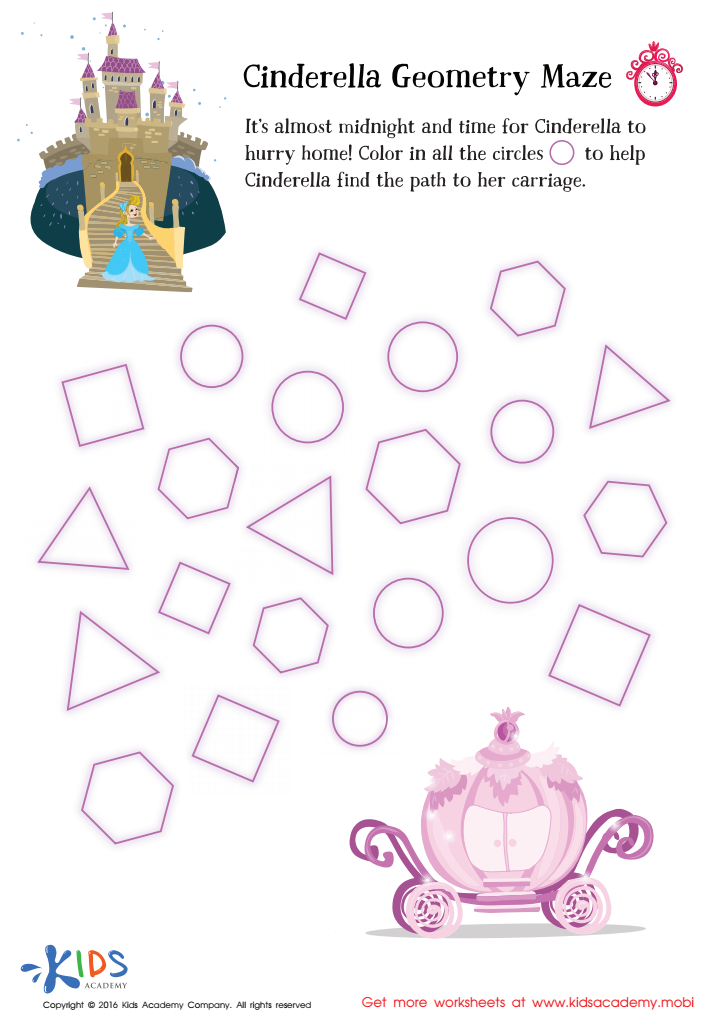
Cinderella Geometry Maze Worksheet
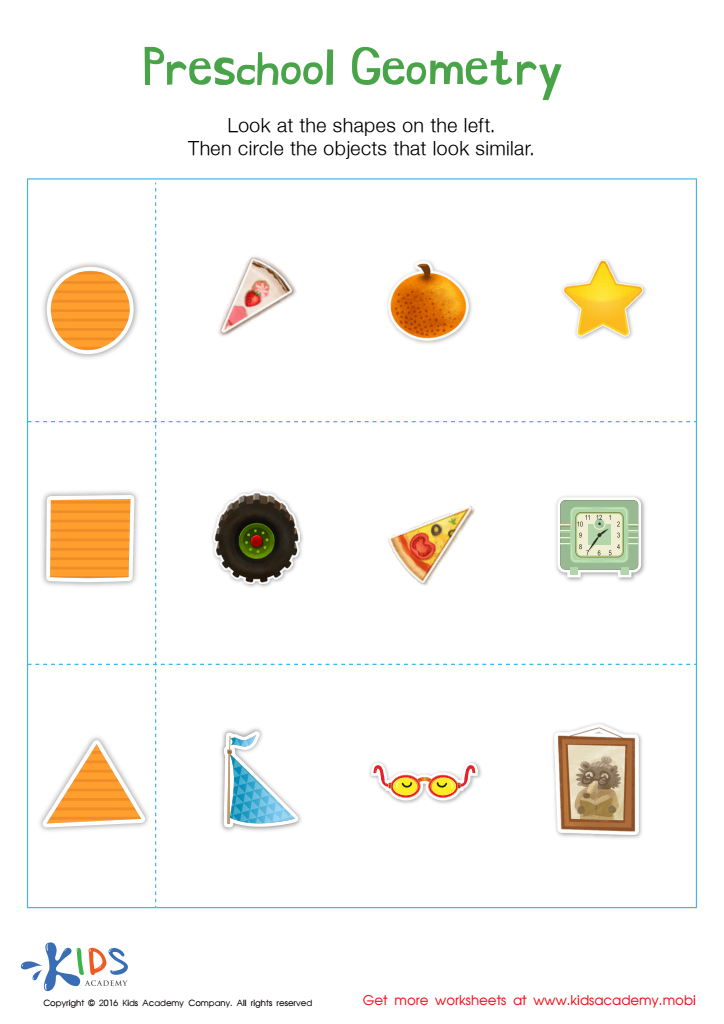
Preschool Geometry Match Up Worksheet
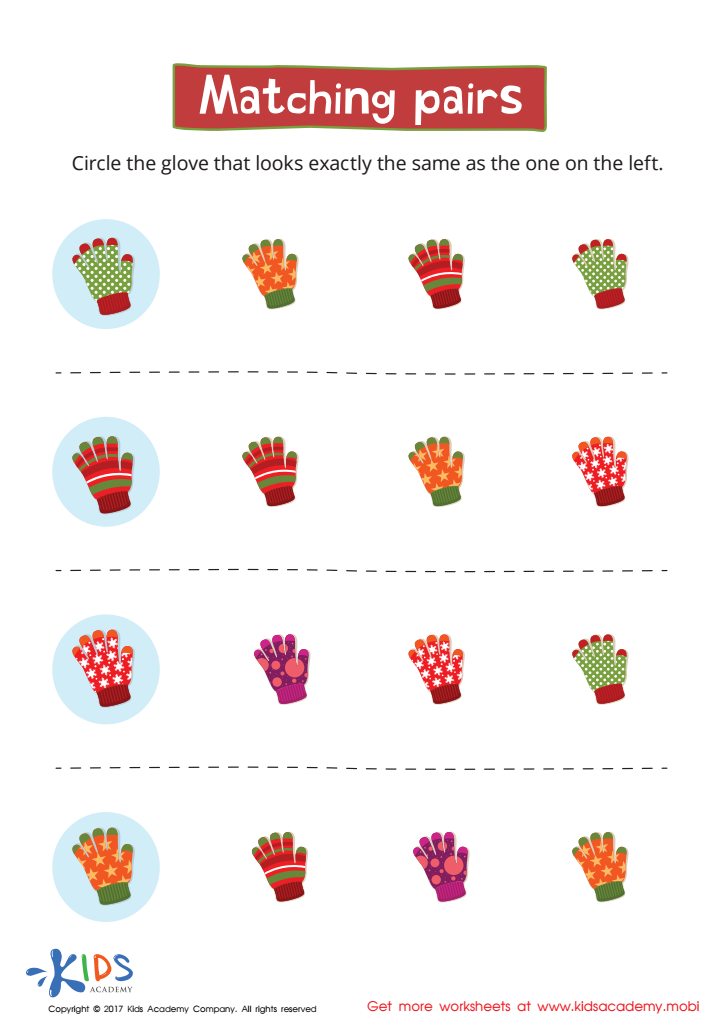
Matching: Matching Pairs Worksheet
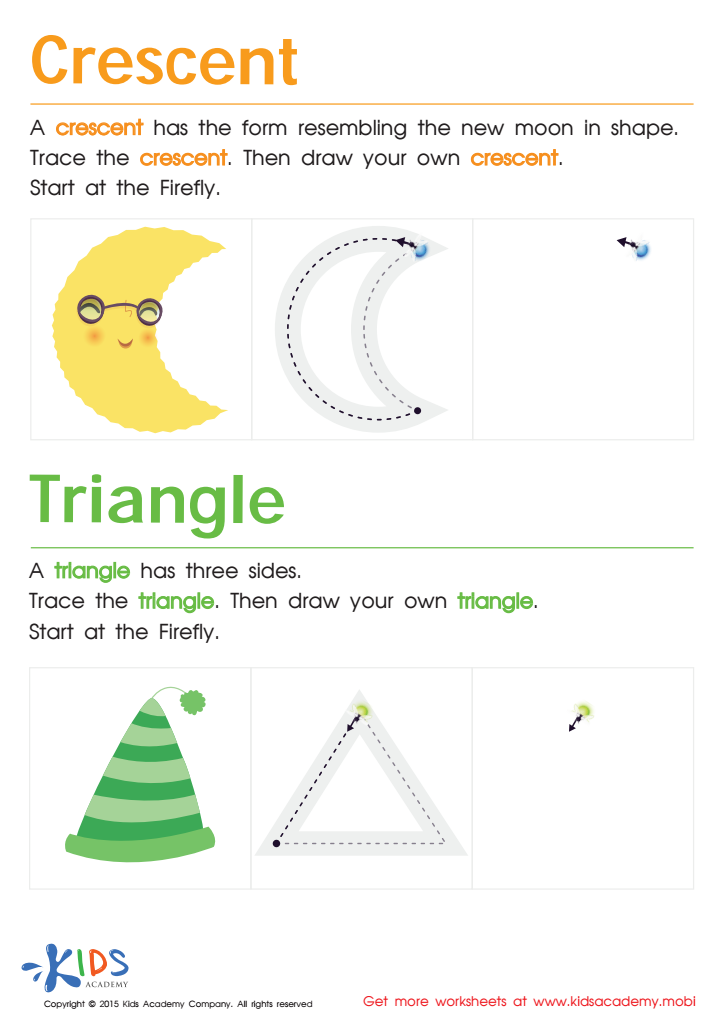
Learning to Draw Crescents And Triangles Worksheet
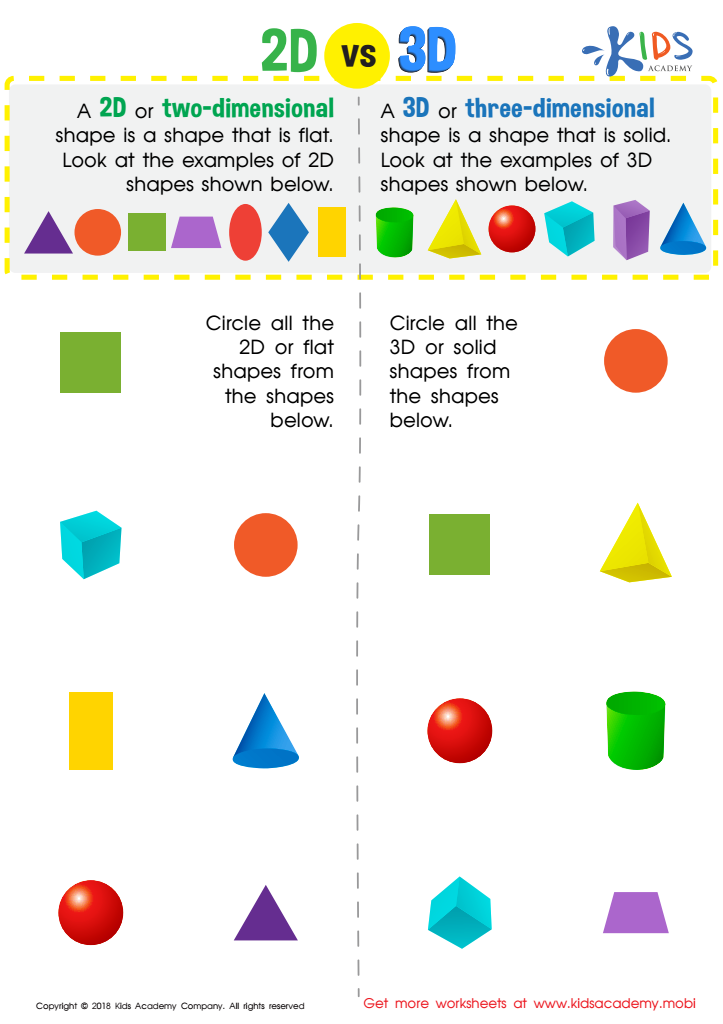
2D vs 3D Shapes Worksheet
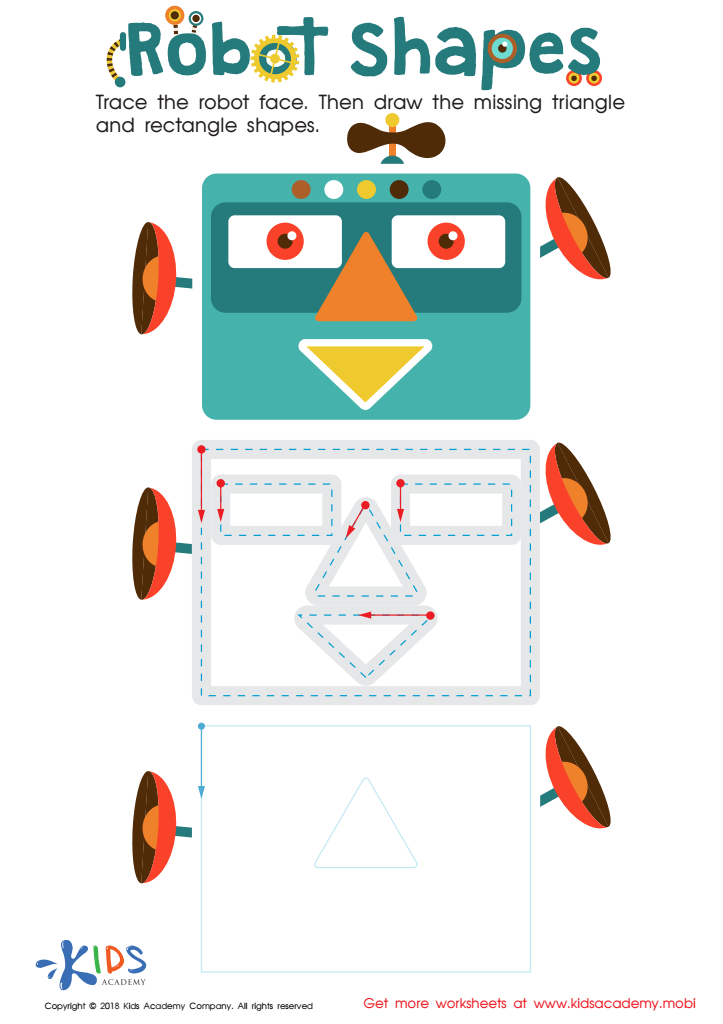
Robot Shapes Worksheet
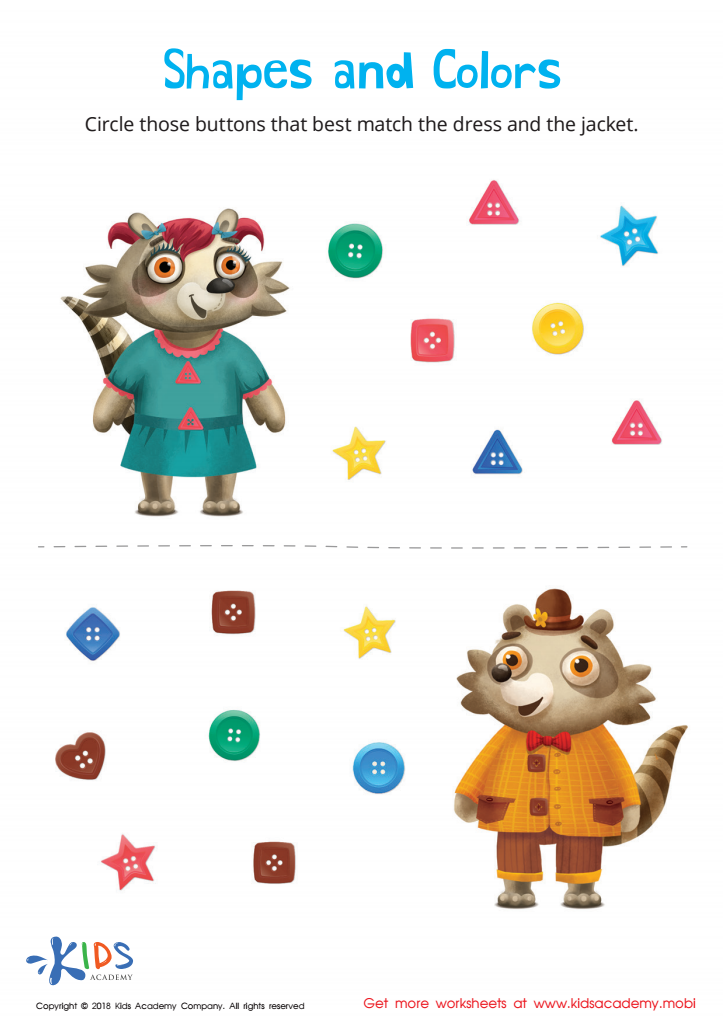
Shapes and Colors Worksheet
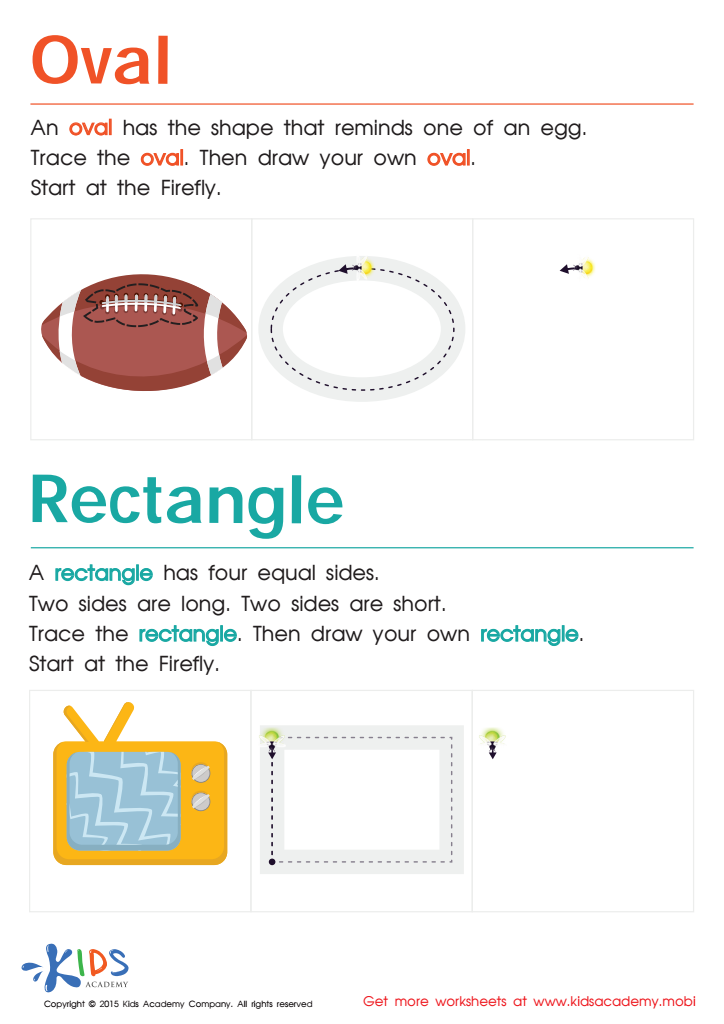
Easy Drawing of Ovals And Rectangles Worksheet
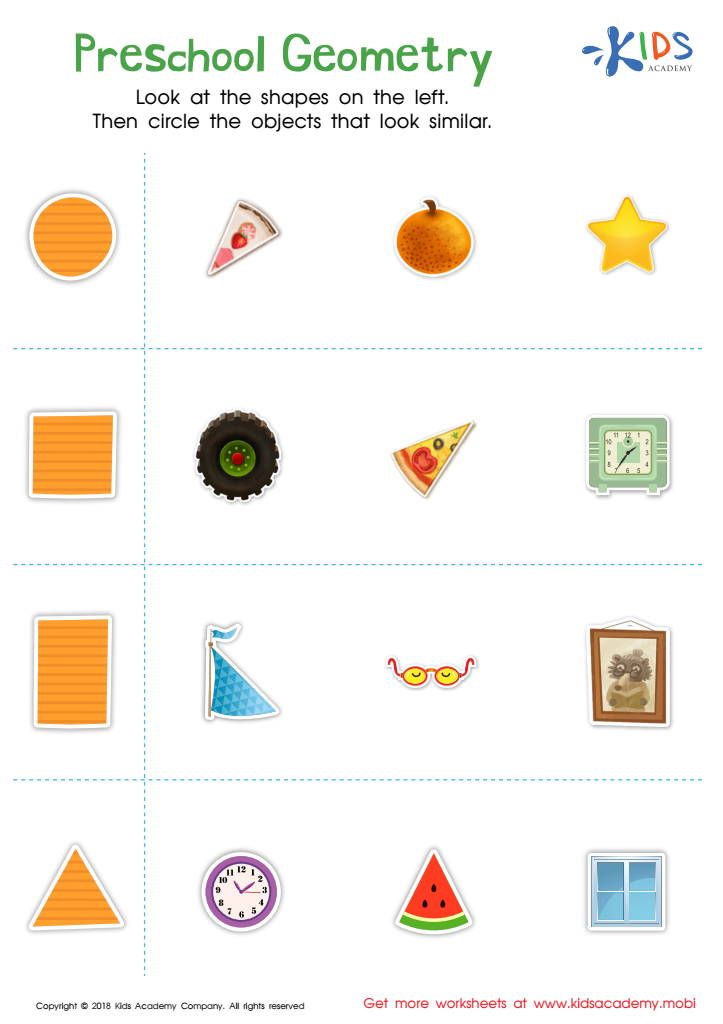
Preschool Geometry Worksheet
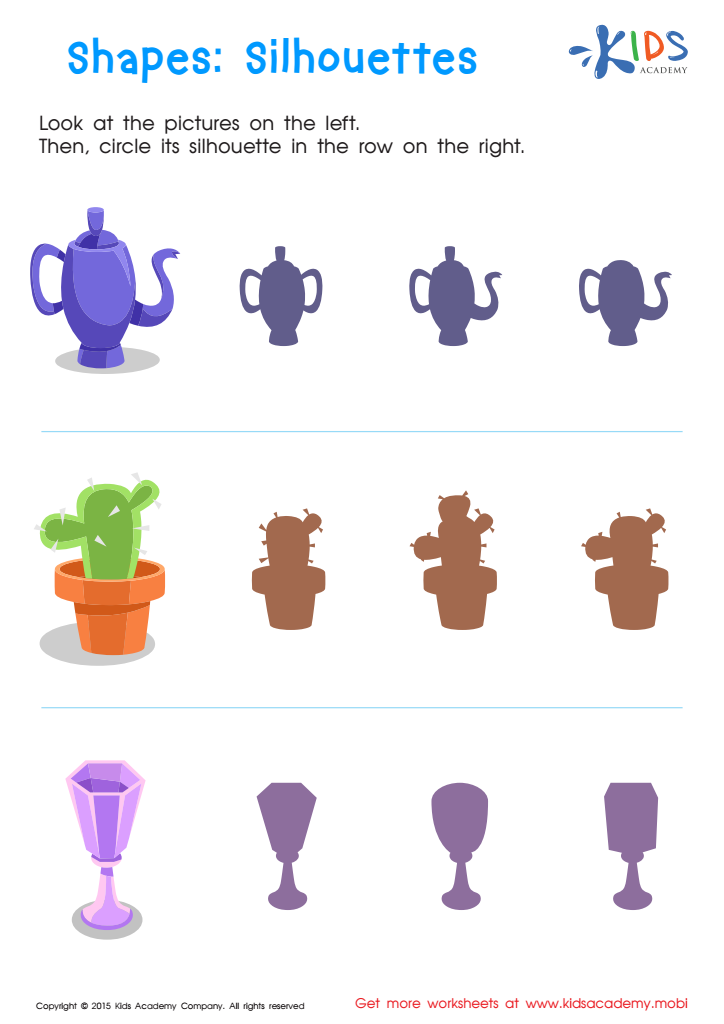
Silhouettes – Shapes Worksheet
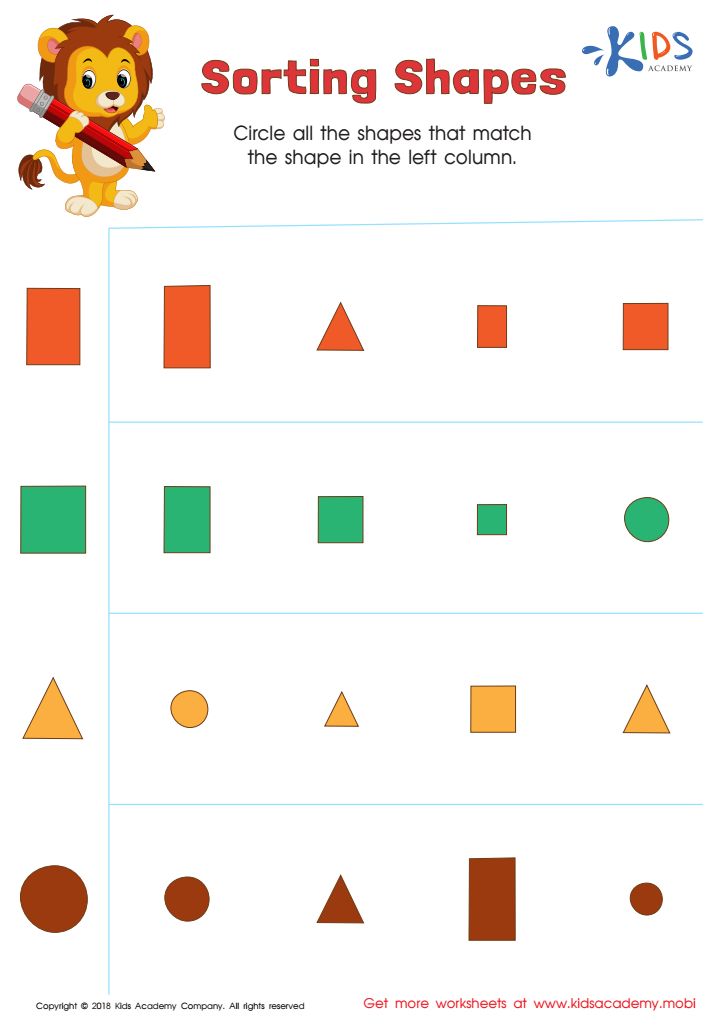
Sorting Shapes - Part 2 Worksheet







Shape recognition is a fundamental skill that serves as a building block for further mathematical learning in young children. For 3-year-olds, understanding shapes not only enhances cognitive development but also lays the groundwork for more complex math concepts such as geometry, spatial awareness, and problem-solving.
When parents and teachers emphasize shape recognition, they boost children's observational skills, critical thinking, and creativity. This skill often begins through play, where children can identify, sort, and manipulate shapes using various materials. By engaging in activities like shape sorting games, puzzles, or creating art with different shapes, educators and caregivers promote hands-on learning that is both enjoyable and effective.
Additionally, shape recognition promotes language development as children learn to describe, compare, and categorize shapes, contributing to their vocabulary and communication skills. It also fosters confidence as children successfully identify and manipulate shapes, encouraging a positive attitude towards learning.
Ultimately, investing time in shape recognition helps build not only a strong mathematical foundation but also enhances overall cognitive and social development, setting the stage for lifelong learning and academic success. Thus, both parents and teachers play a crucial role in nurturing these early skills to create a rich learning environment for young children.








