Shape Recognition Normal Geometry Worksheets for Ages 4-6
22 filtered results
-
From - To
Discover our engaging Shape Recognition Normal Geometry Worksheets designed for young learners aged 4-6! These printable worksheets provide an interactive way for children to explore and identify a variety of shapes, including circles, squares, triangles, and more. With vibrant illustrations and age-appropriate activities, kids will enjoy enhancing their visual and spatial reasoning skills. Our worksheets encourage creativity and help develop essential foundational math skills in a fun and supportive learning environment. Perfect for teachers and parents alike, these resources assist children in gaining confidence and proficiency in shape recognition. Start your child’s geometry journey today with our colorful and captivating worksheets!
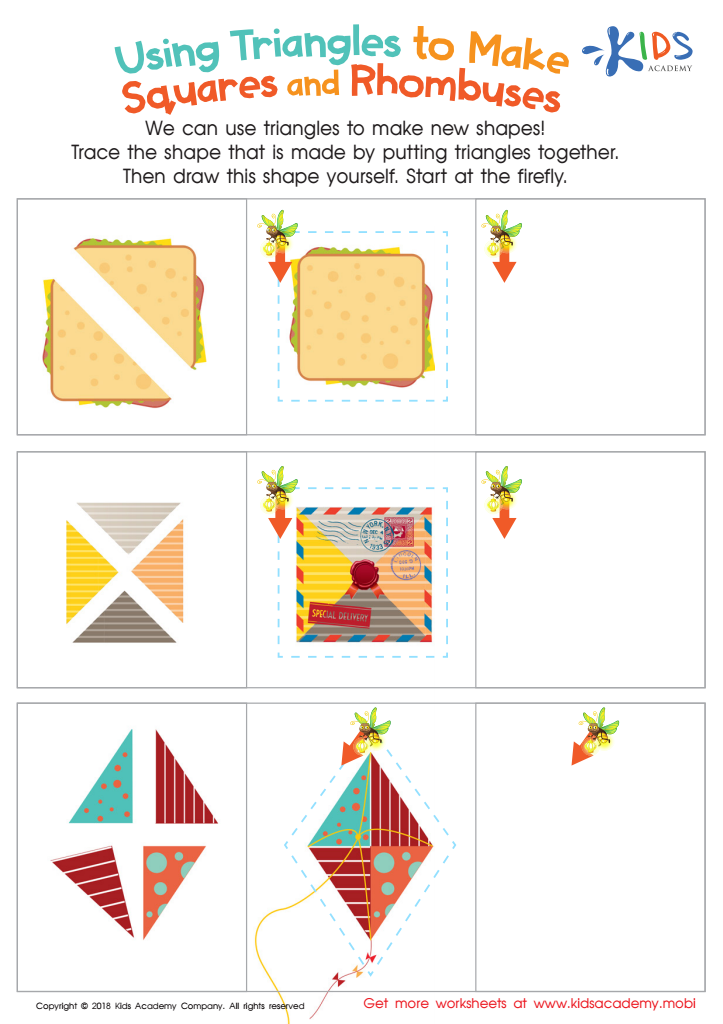
Using Triangles to Make Squares and Rhombuses Worksheet
 Assign to My Students











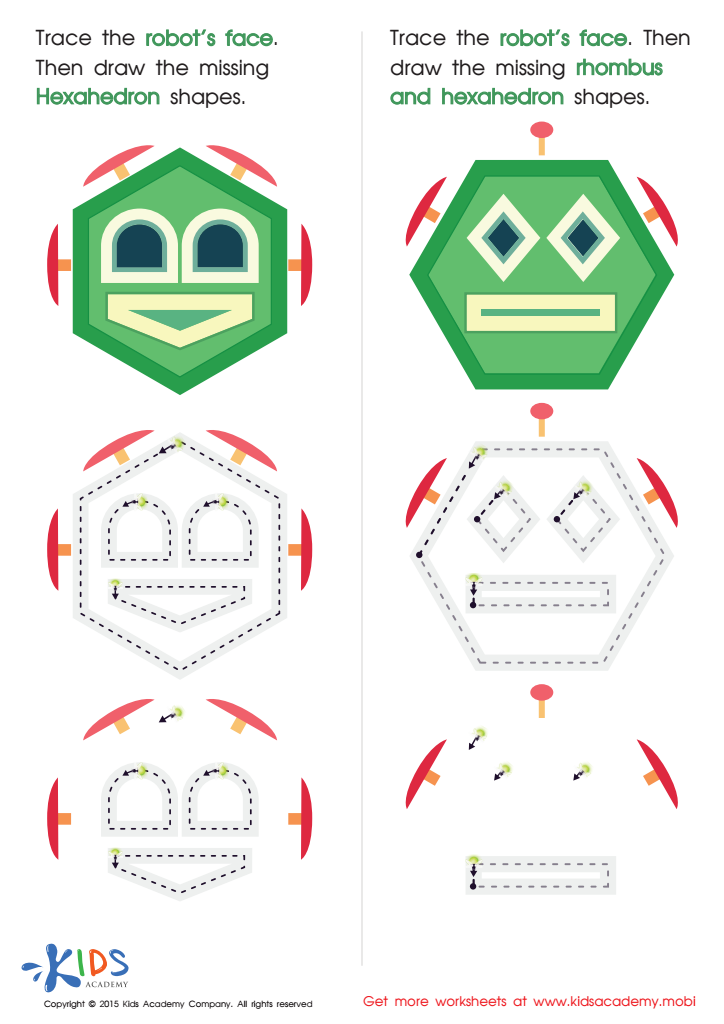
Practice Drawing Hexahedrons And a Rhombus Worksheet
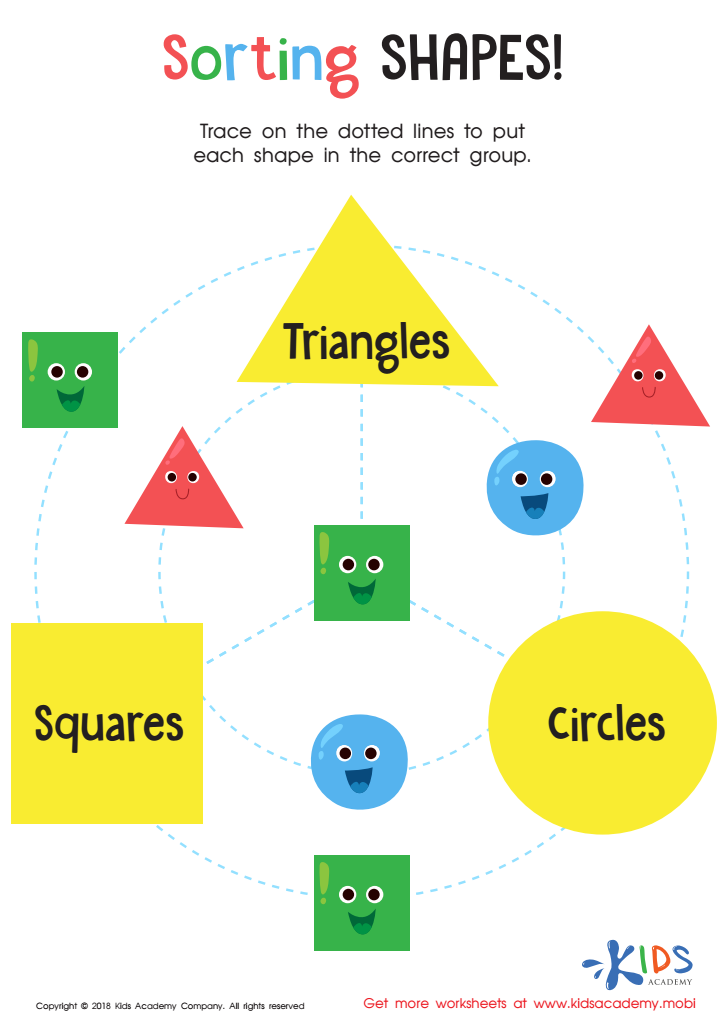
Sorting Shapes - Part 3 Worksheet
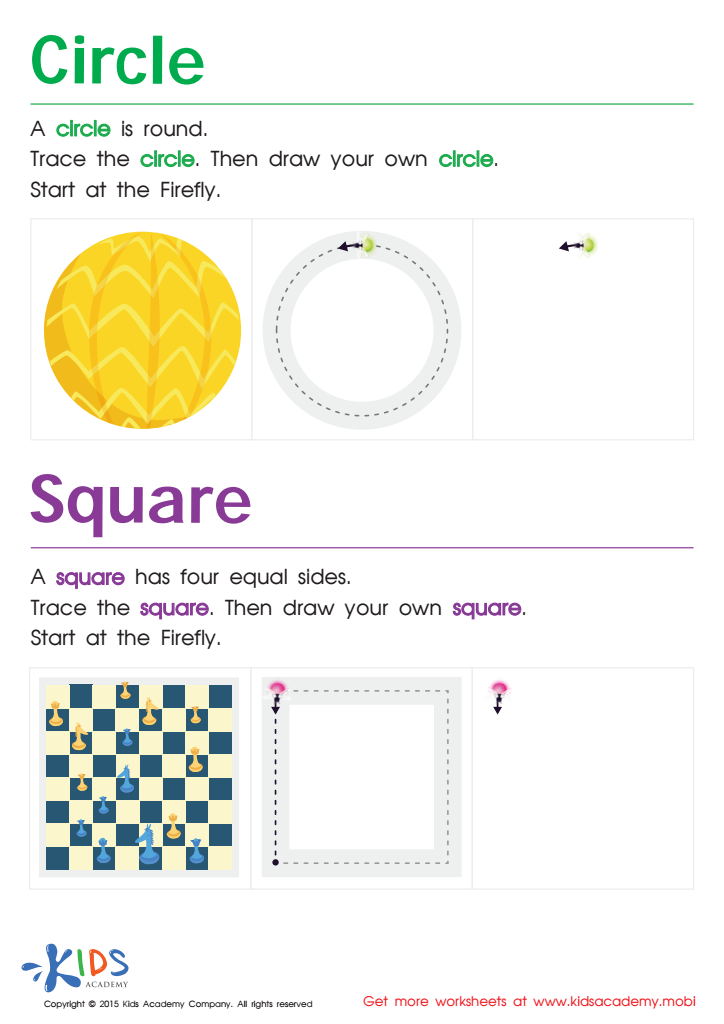
Trace And Draw a Circle And a Square Worksheet
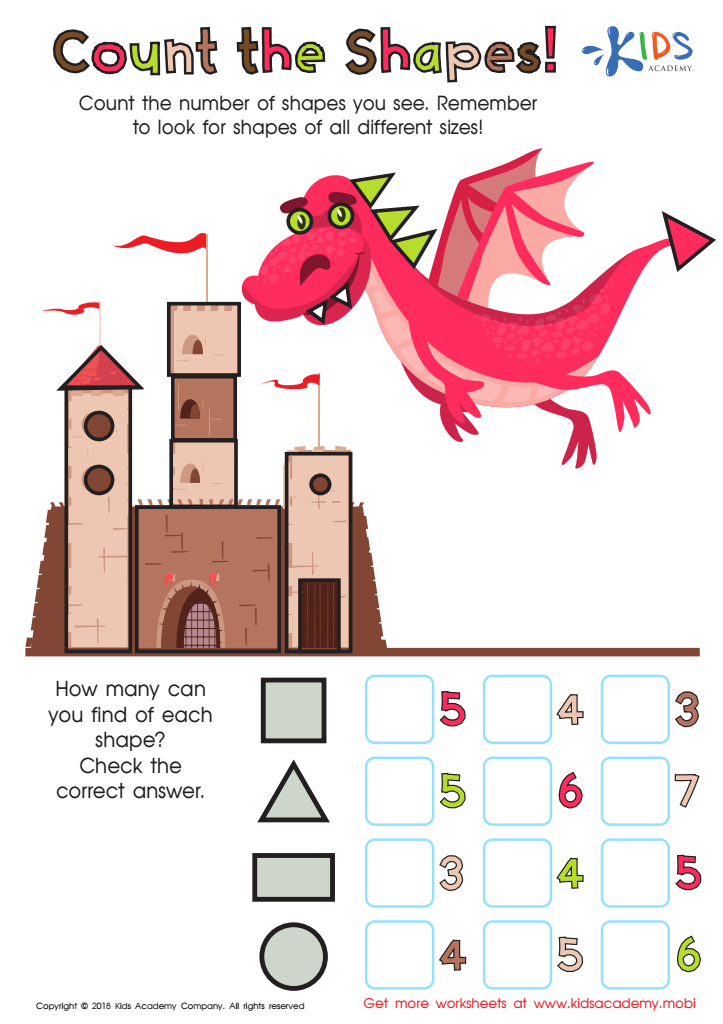
Count the Shapes Worksheet
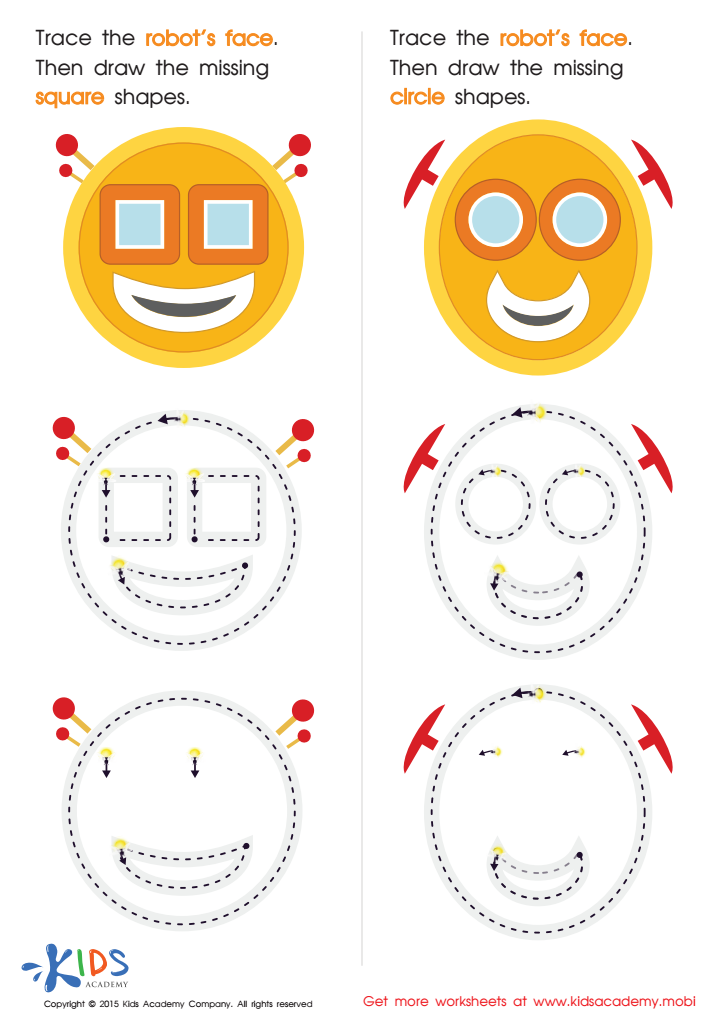
Practicing to Draw Circles And Squares Printable
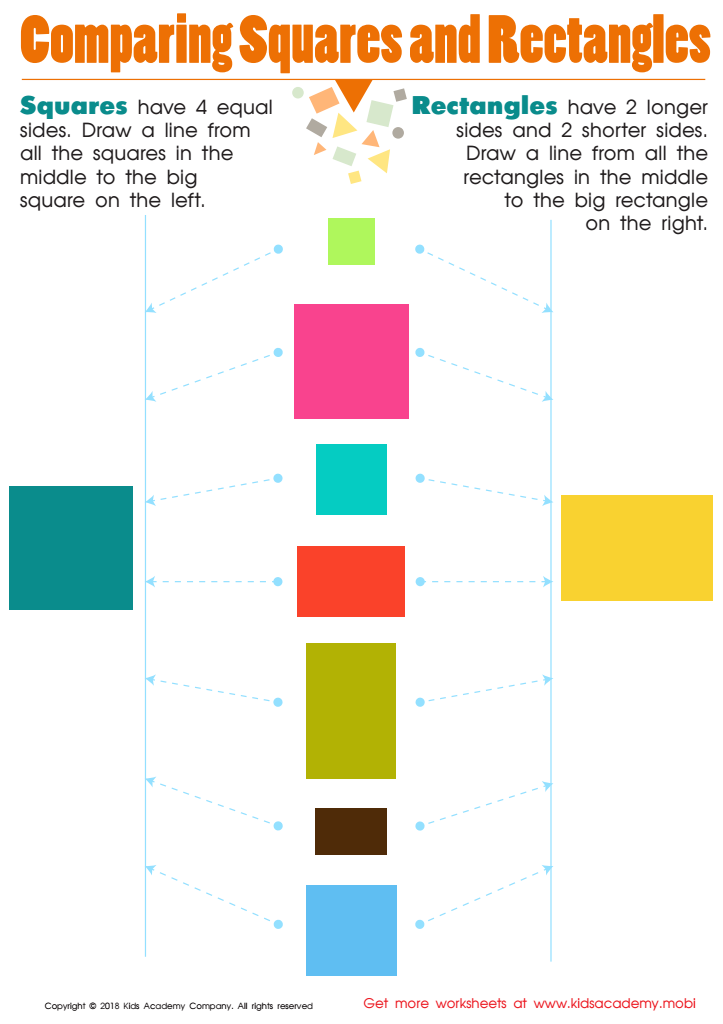
Comparing Squares Rectangles Worksheet
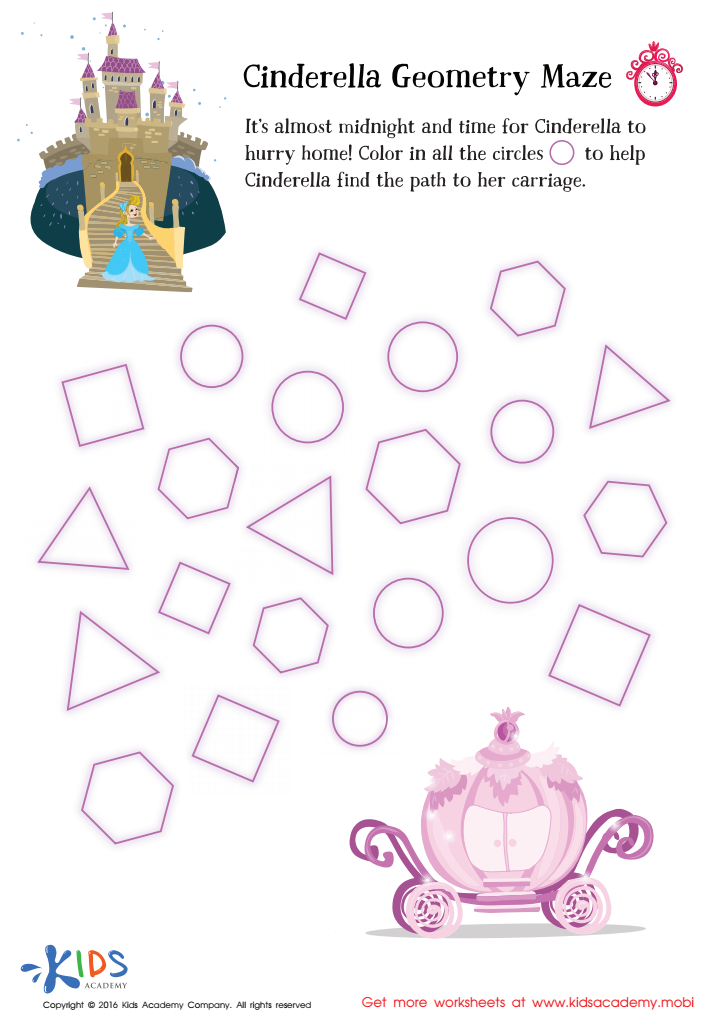
Cinderella Geometry Maze Worksheet
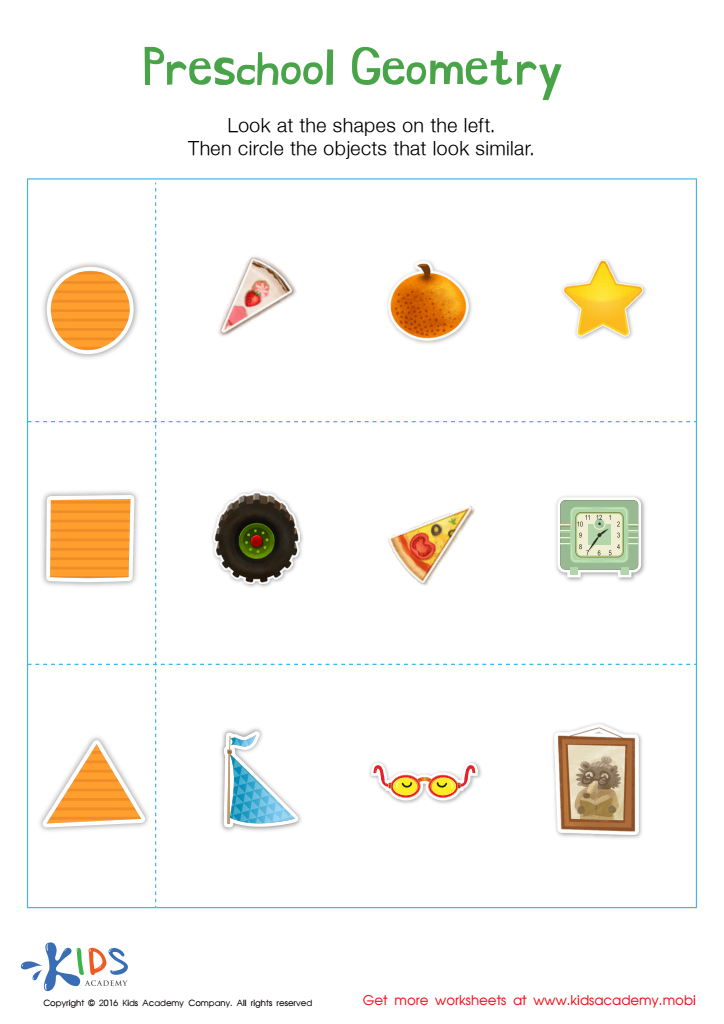
Preschool Geometry Match Up Worksheet
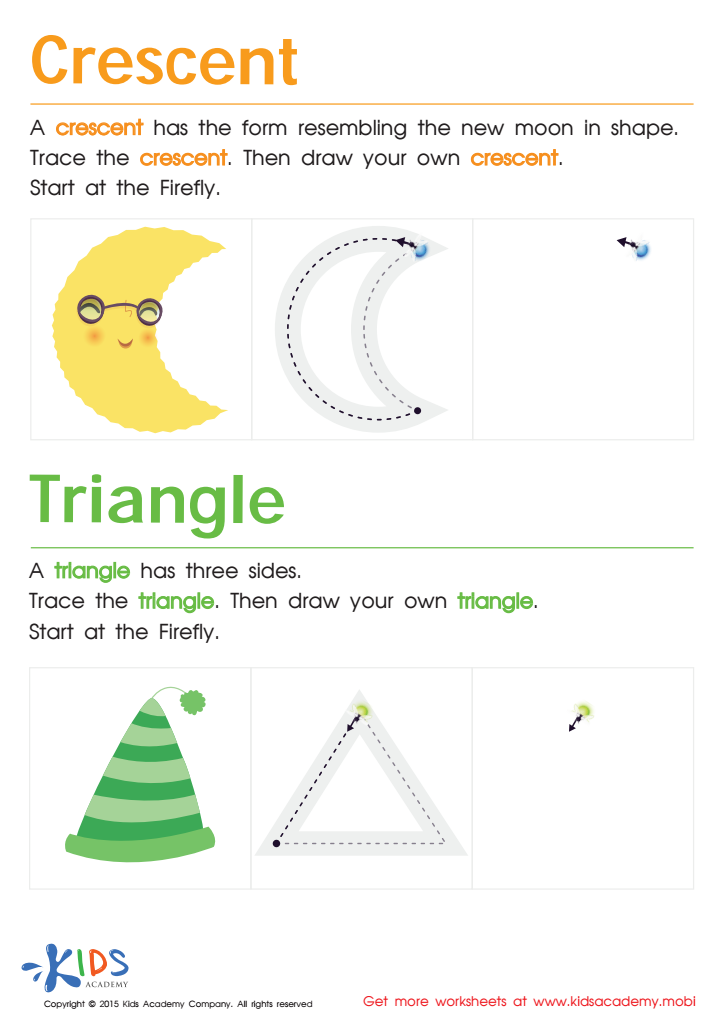
Learning to Draw Crescents And Triangles Worksheet
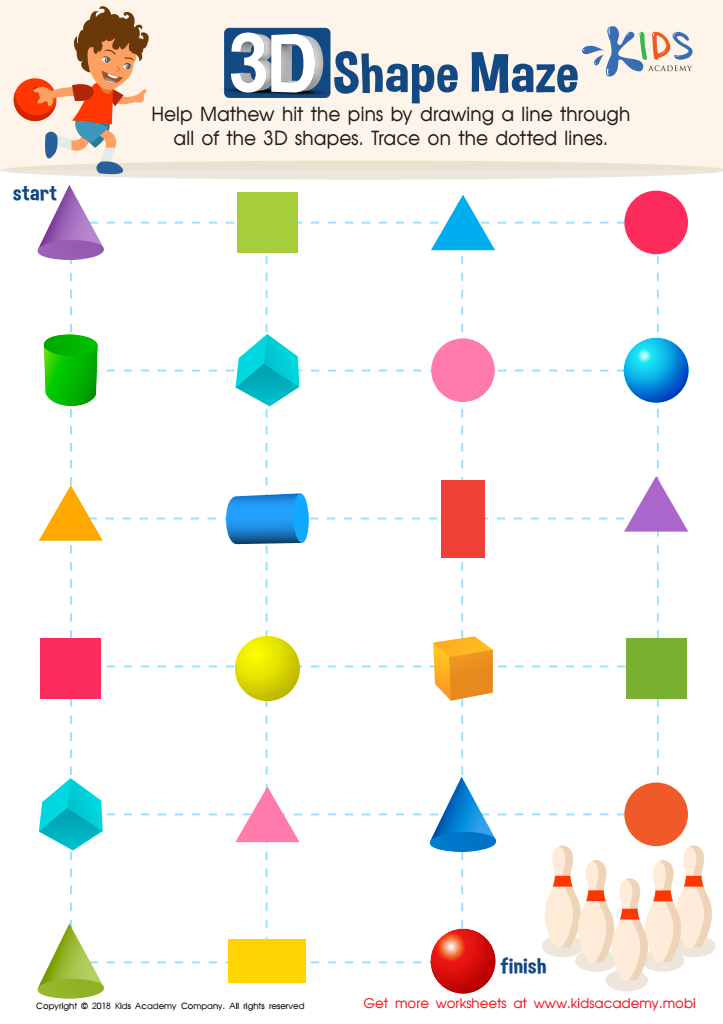
Shapes Maze Geometry Worksheet
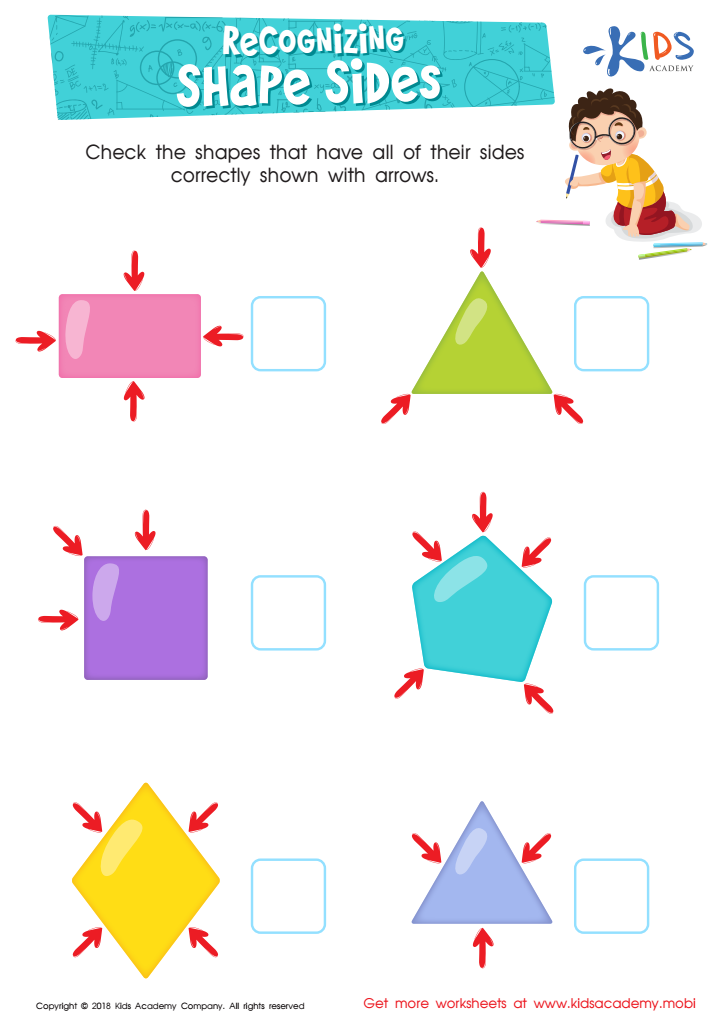
Recognizing Shape Sides Worksheet
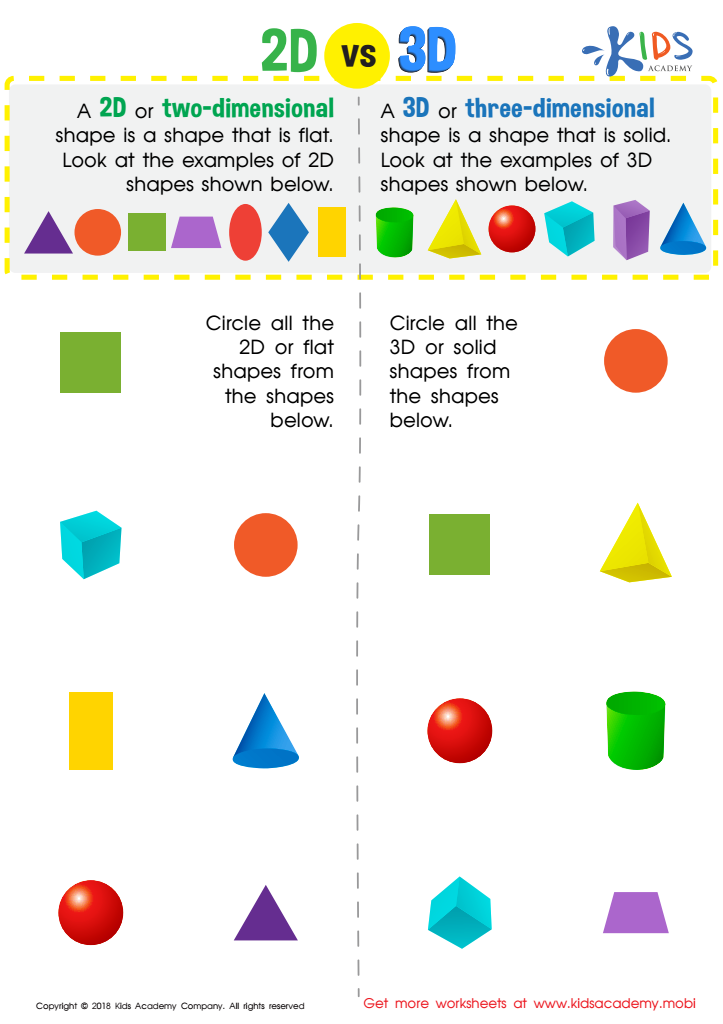
2D vs 3D Shapes Worksheet
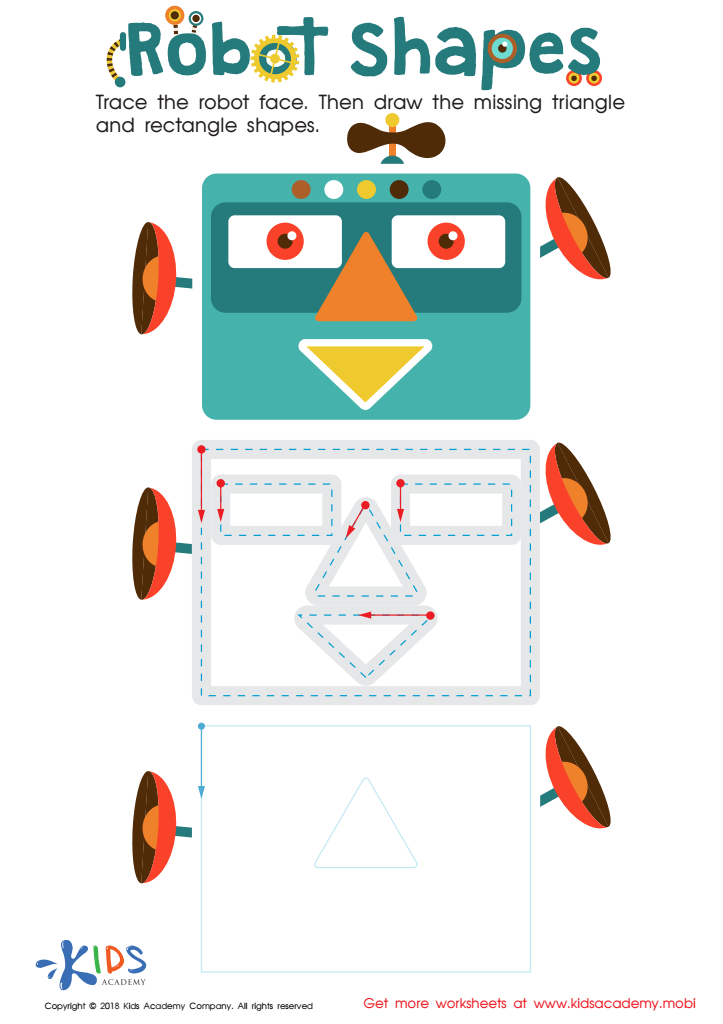
Robot Shapes Worksheet
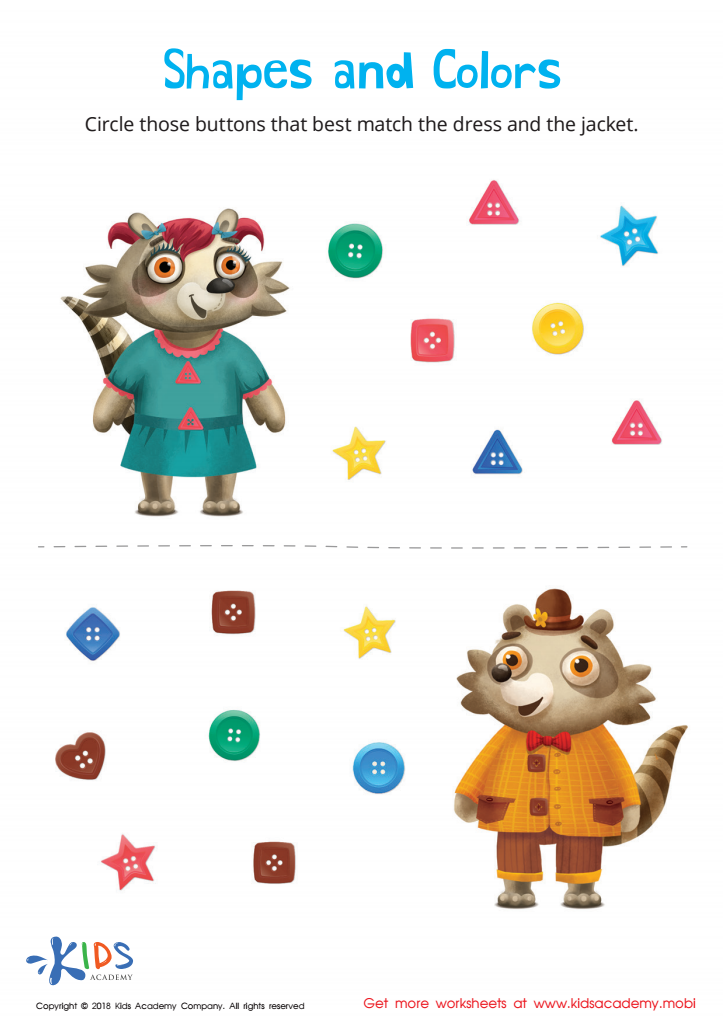
Shapes and Colors Worksheet
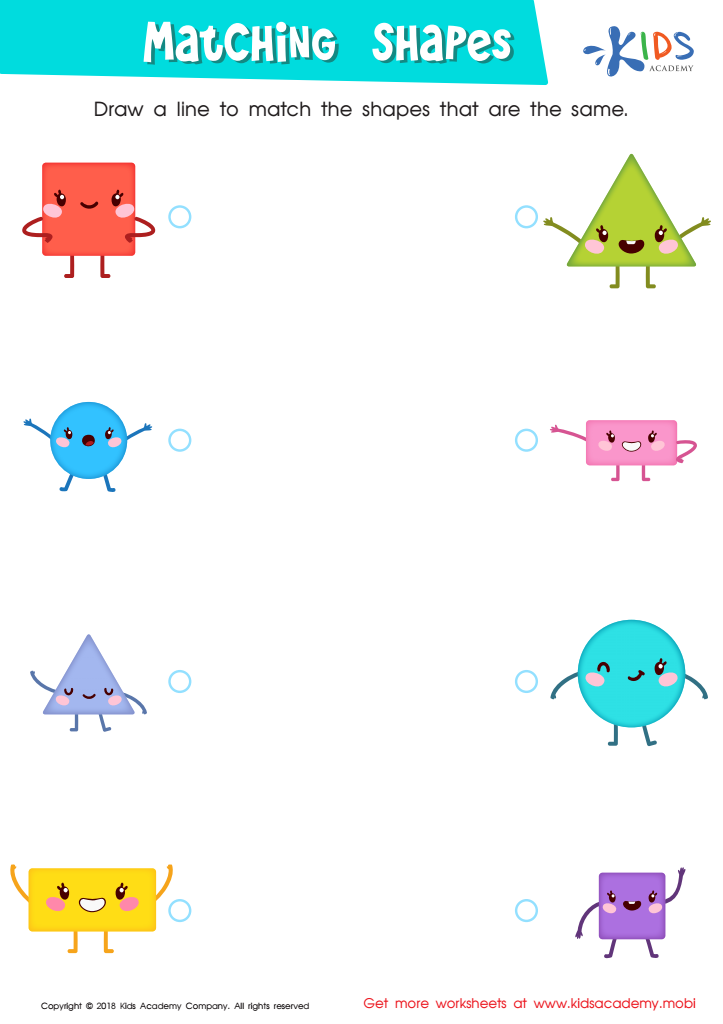
Matching Shapes Worksheet
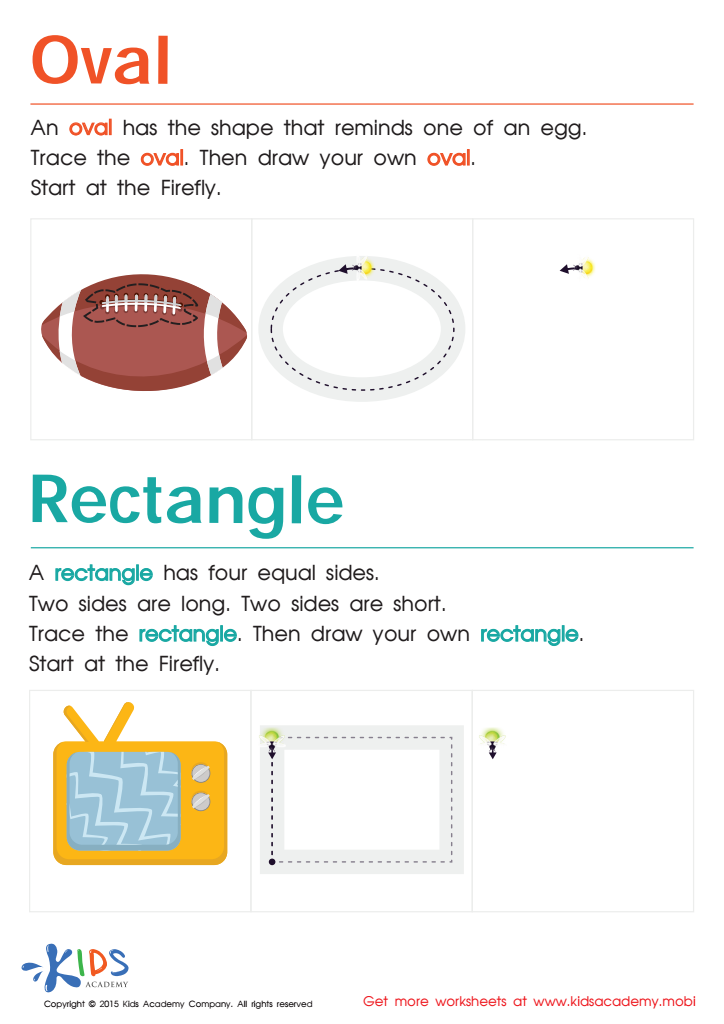
Easy Drawing of Ovals And Rectangles Worksheet
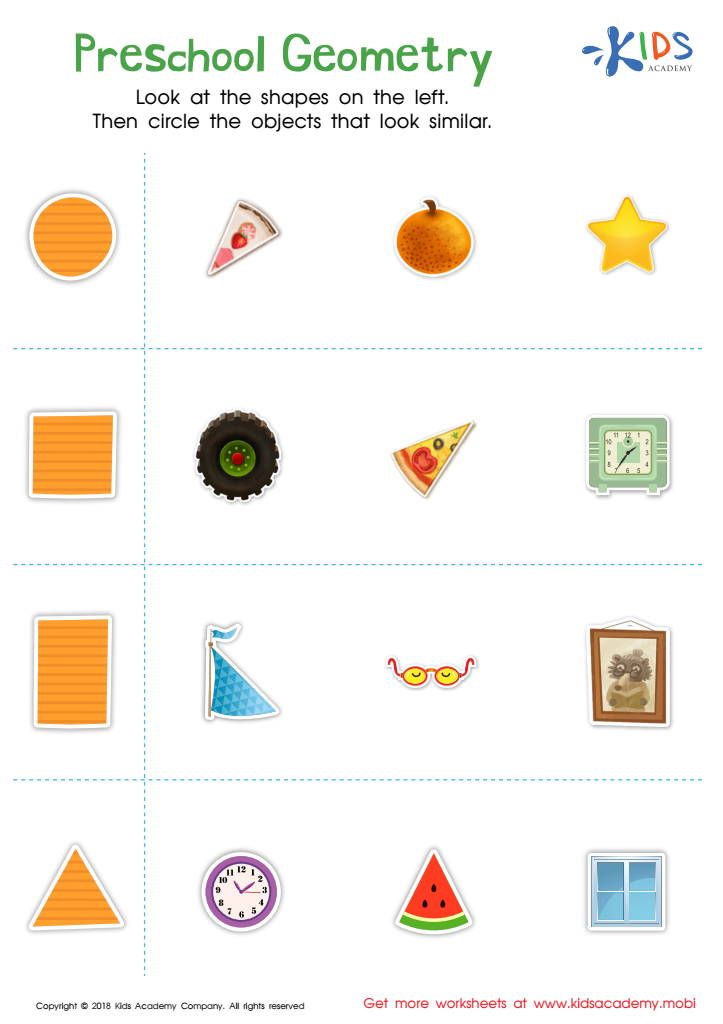
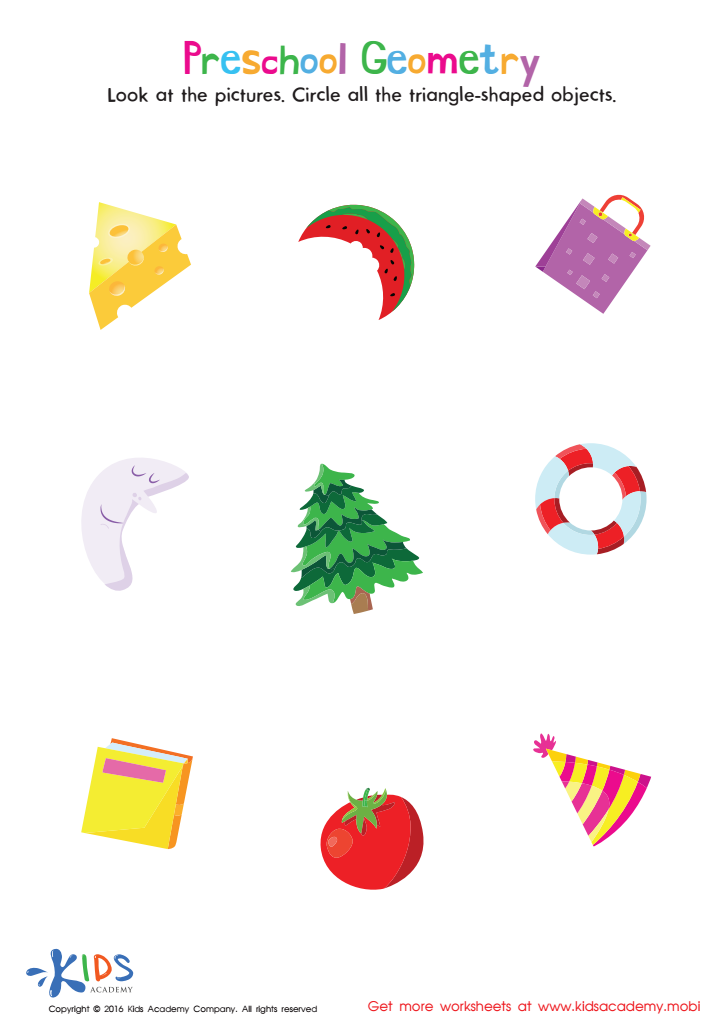
Preschool Geometry Worksheet
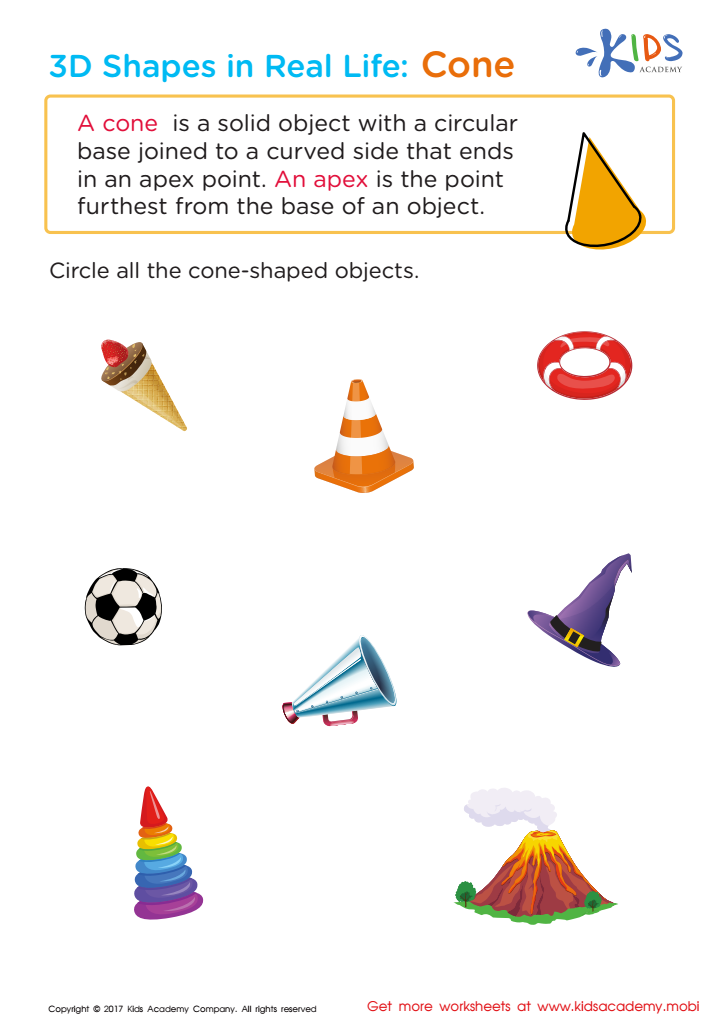
Shapes in Real Life: Cone Worksheet
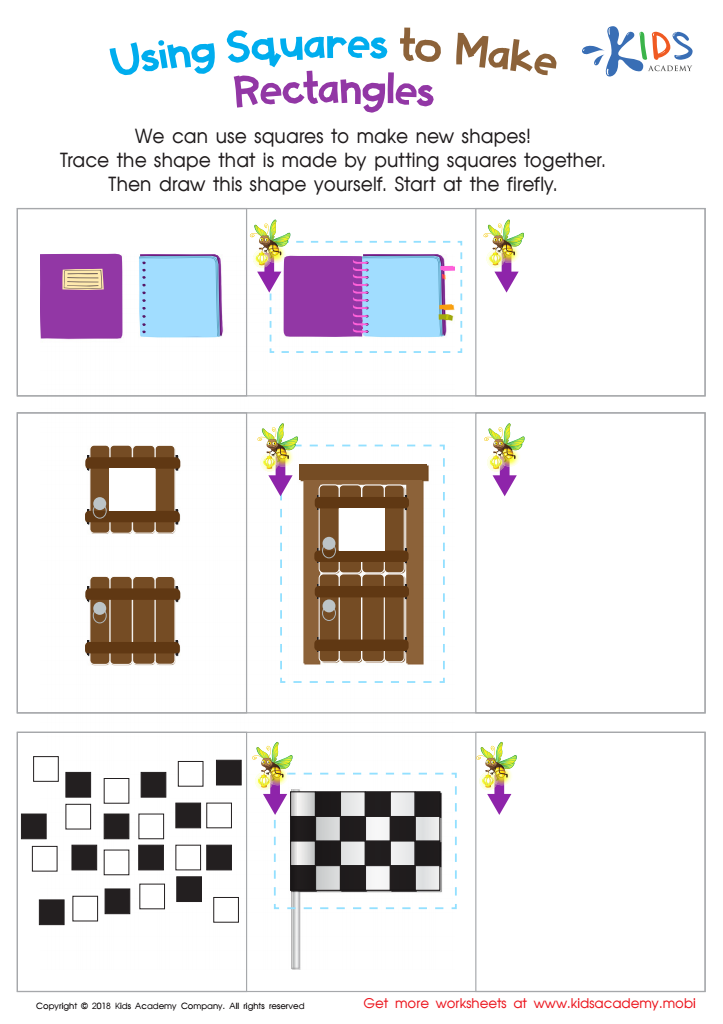
Using Squares to Make Rectangles Worksheet
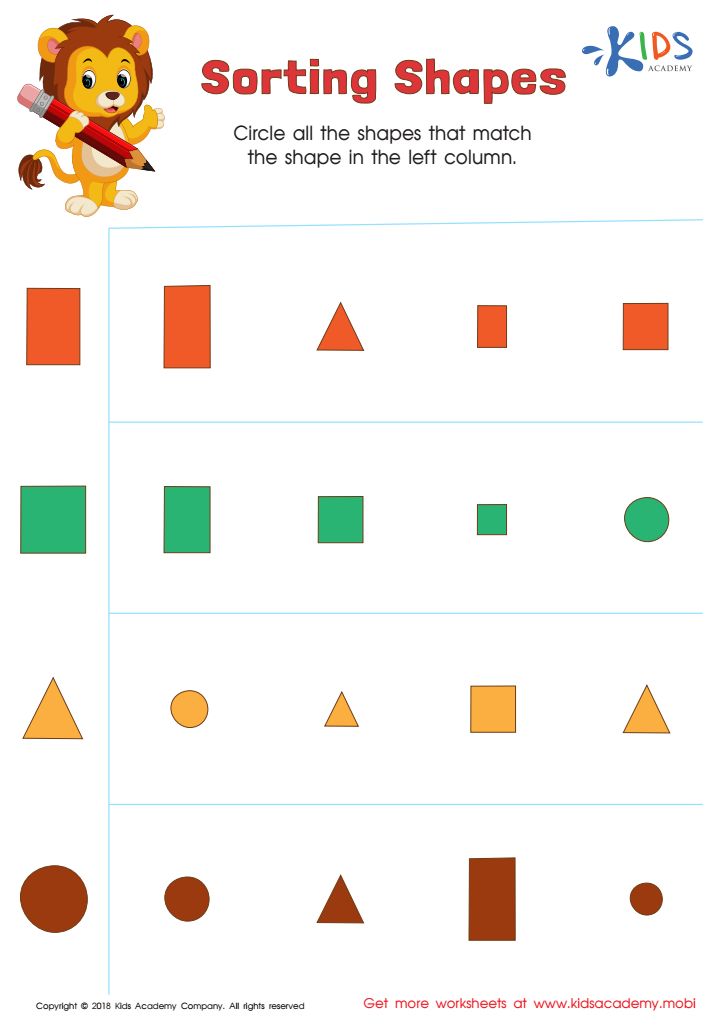
Sorting Shapes - Part 2 Worksheet








Shape recognition and understanding of basic geometry concepts are foundational skills for young children, typically ages 4-6. Parents and teachers should prioritize this learning area for several reasons.
Firstly, shape recognition plays a crucial role in the development of spatial awareness. By identifying and describing different shapes, children enhance their ability to visualize objects and understand how they relate to one another in space. This skill is vital for everyday activities and later mathematical reasoning.
Additionally, mastering shapes serves as a stepping stone for more complex concepts in geometry and math. Engaging with shapes lays the groundwork for activities like addition, subtraction, pattern recognition, and even early algebra. Children learn to categorize and compare, enhancing their critical thinking abilities.
Moreover, shape activities often incorporate play, making learning enjoyable. This fosters a positive attitude towards education, encouraging lifelong learning. Parents and teachers can use everyday environments, like parks or grocery stores, for hands-on exploration of shapes, making connections between classroom learning and real-life applications.
Lastly, nurturing shape recognition also boosts fine motor skills, as children engage in activities such as drawing, cutting, and constructing. By focusing on shape recognition, caregivers significantly contribute to a child's overall cognitive and developmental growth.








