Normal Math Worksheets for Ages 4-8 - Page 10
557 filtered results
-
From - To
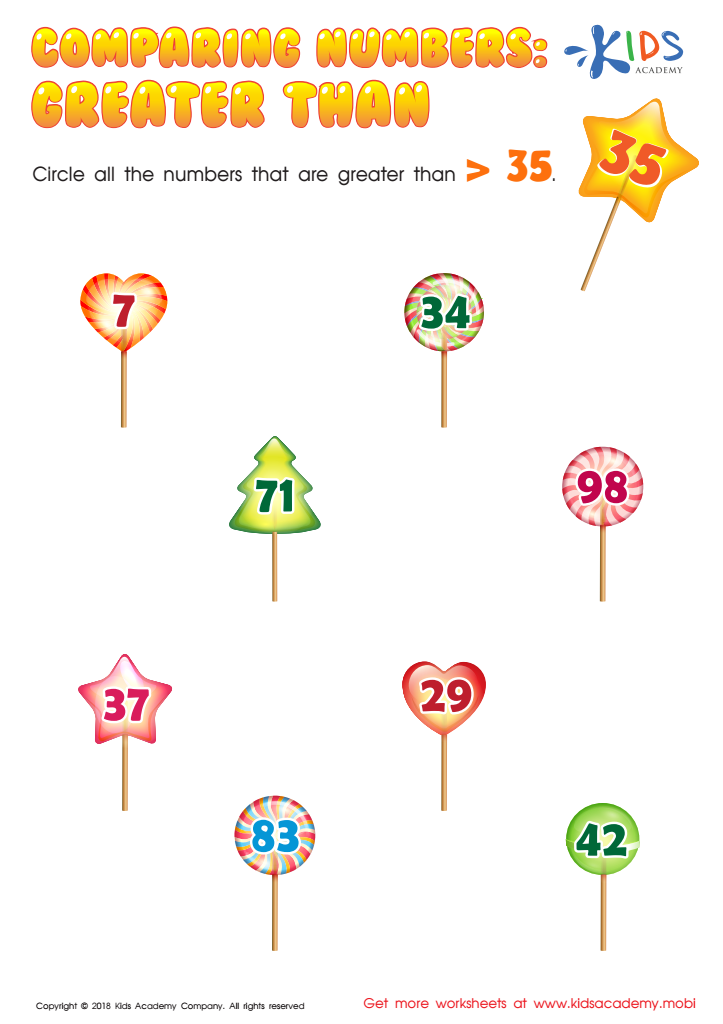
Greater Than Worksheet
 Assign to My Students
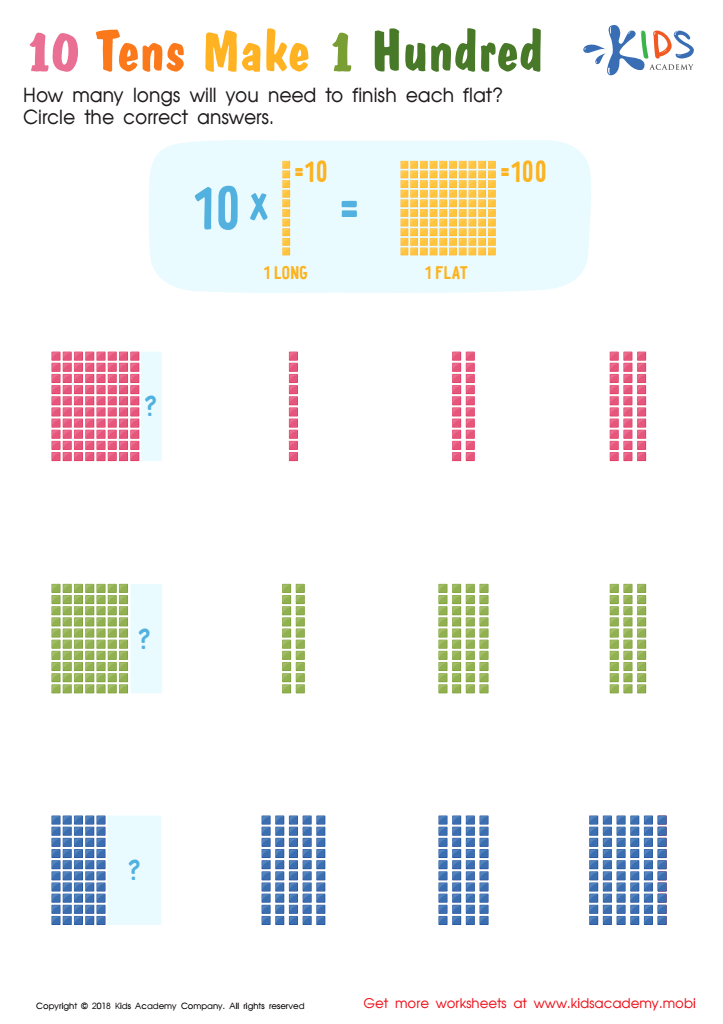
10 Tens Make 1 Hundred Worksheet
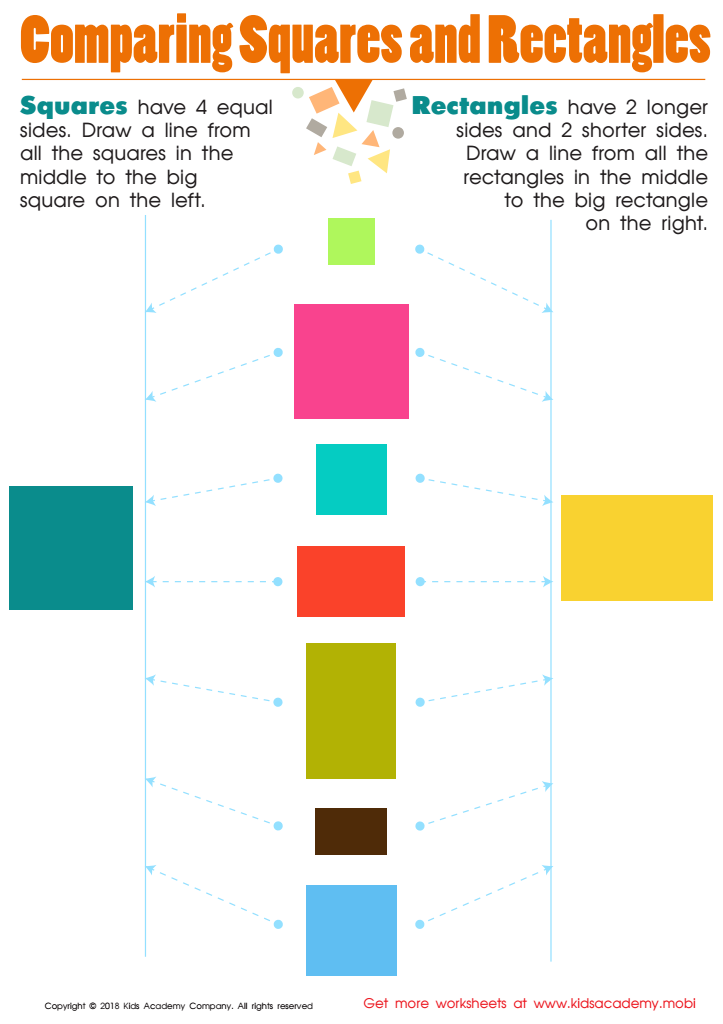
Comparing Squares Rectangles Worksheet
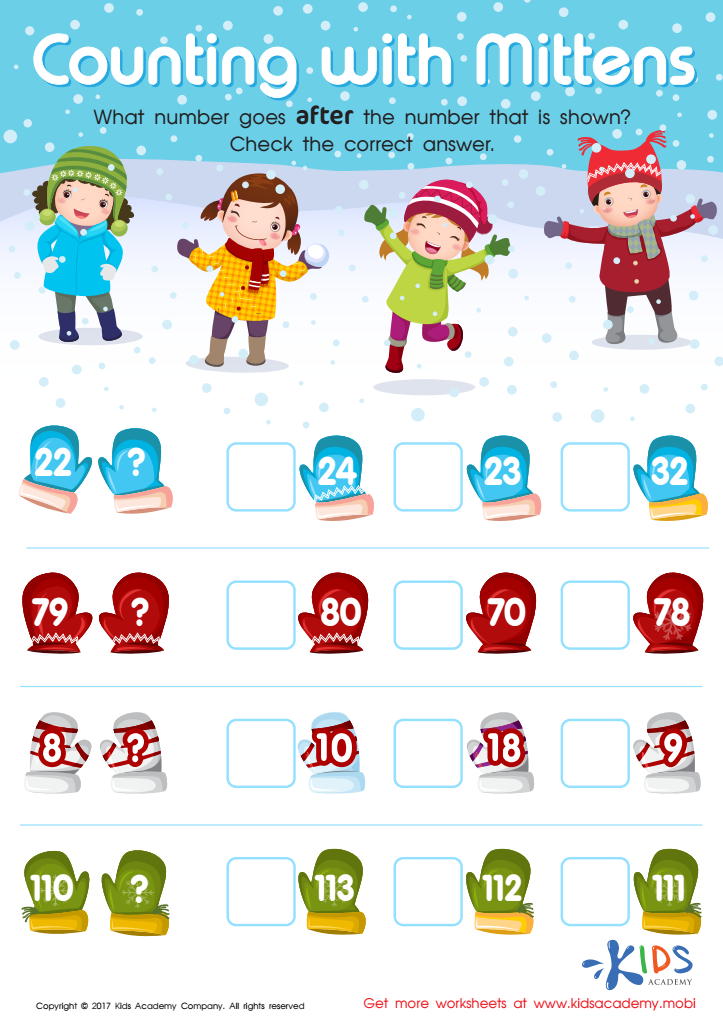
Counting with Mittens Worksheet
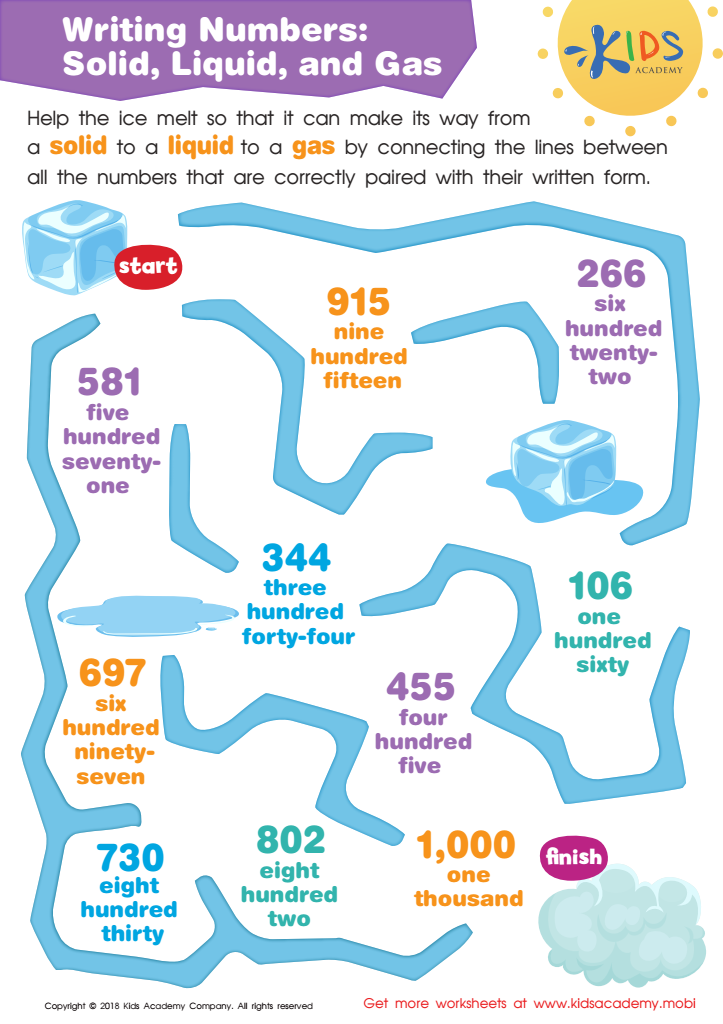
Solid, Liquid, and Gas Writing Numbers Worksheet
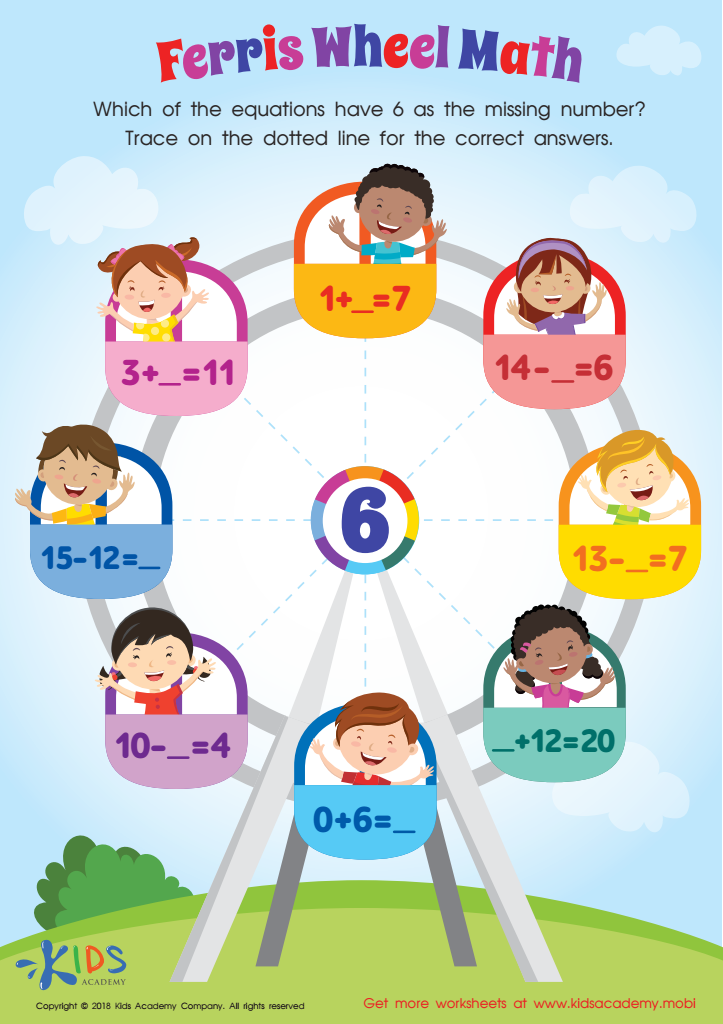
Missing Number: Ferris Wheel Math Worksheet
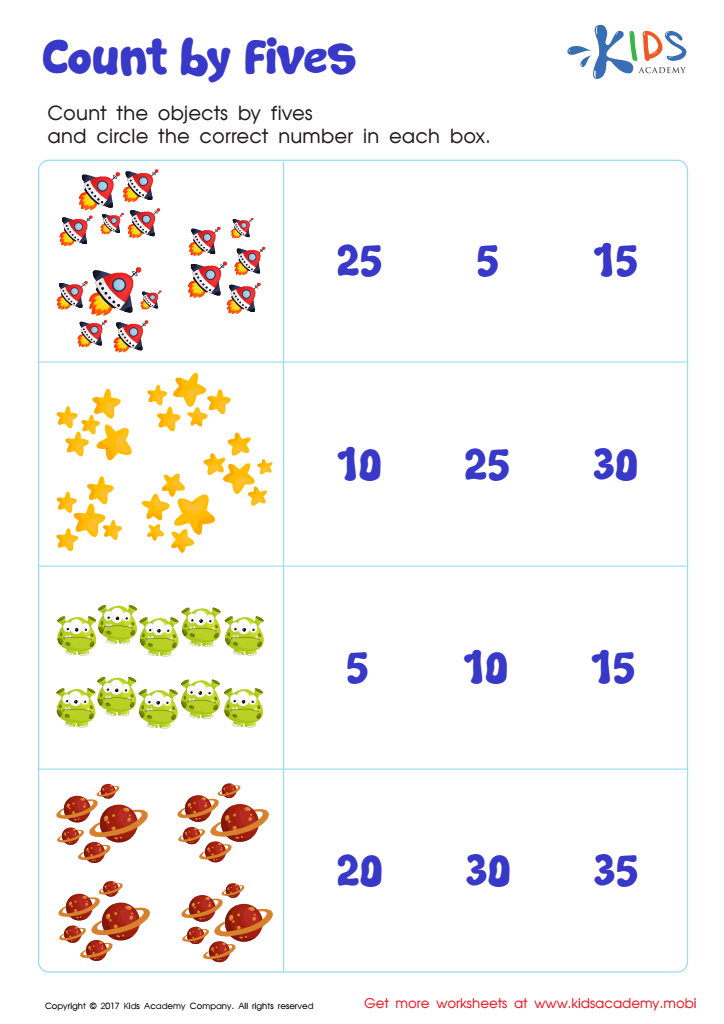
Skip Counting by 5s: Space Math Printable
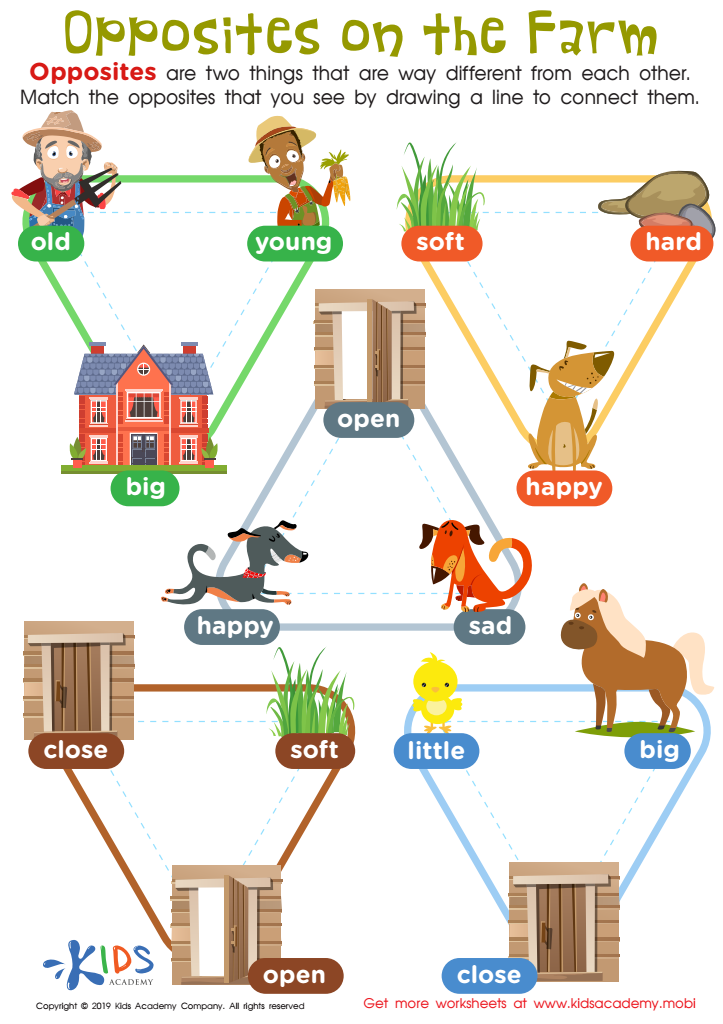
Opposites on the Farm Worksheet
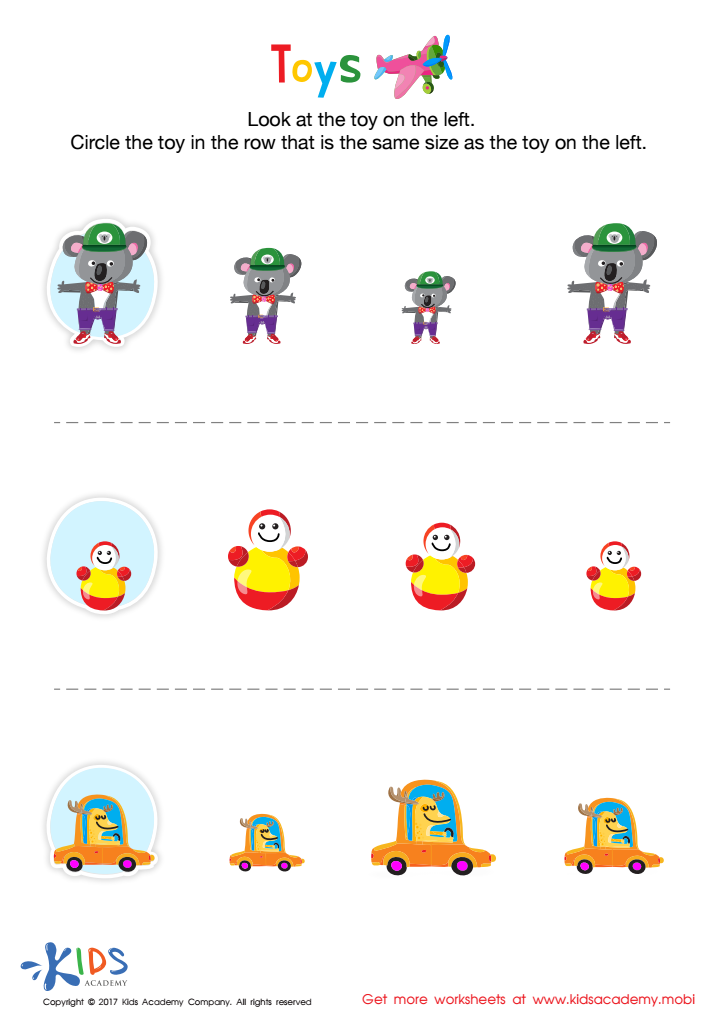
Matching: Classifying Toys by Size Worksheet
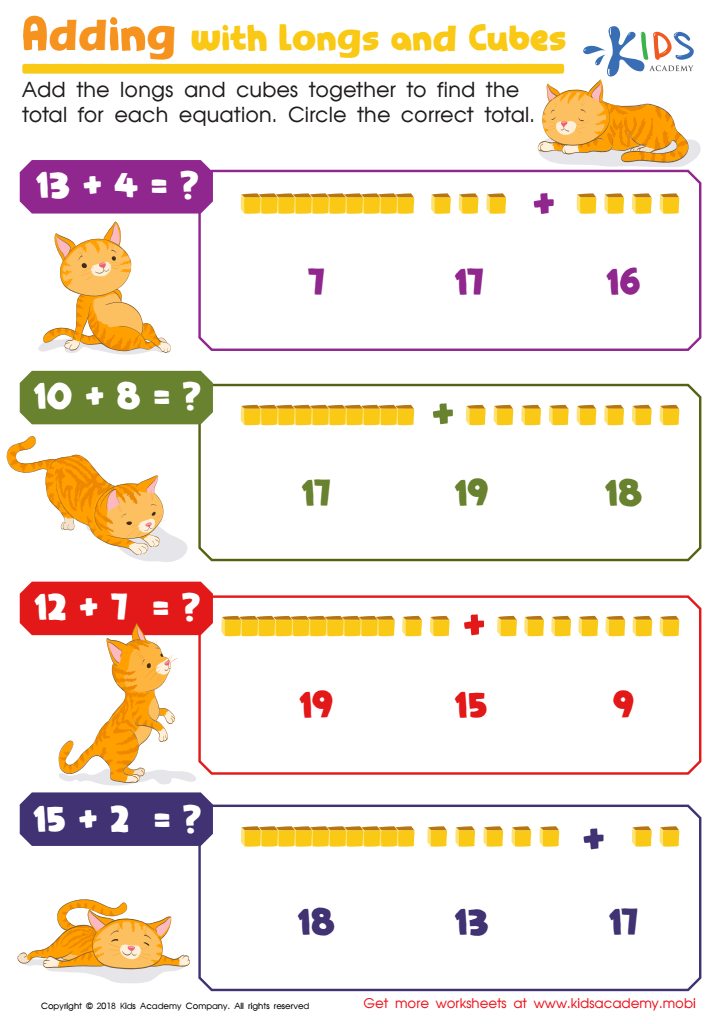
Adding With Longs and Cubes Worksheet
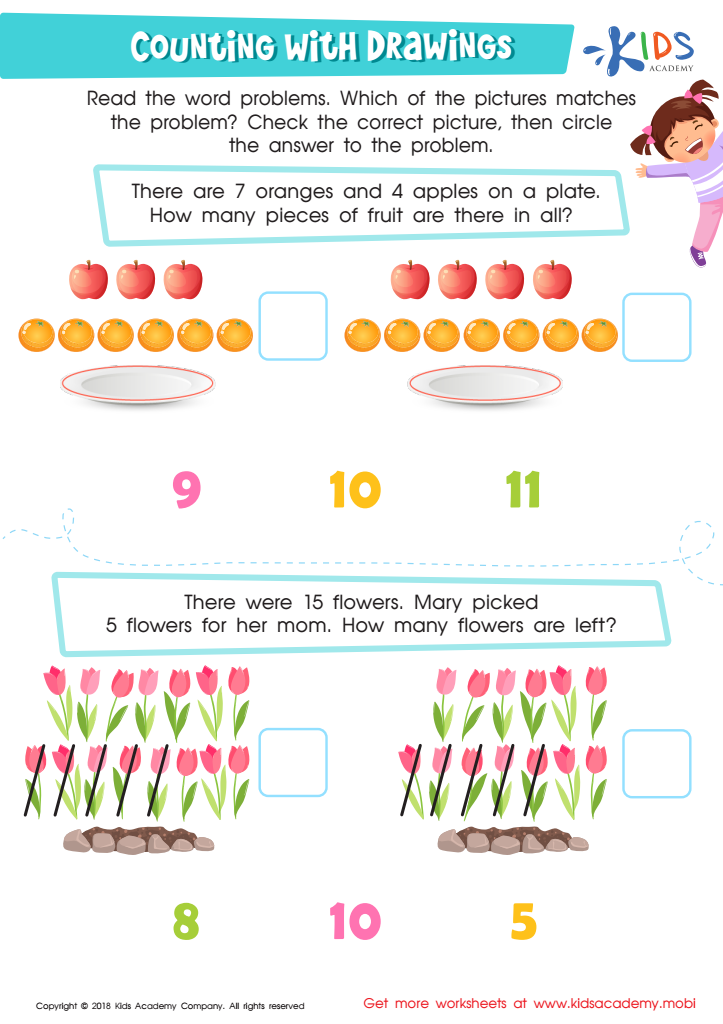
Counting with Drawings: Fruits & Chocolates Worksheet
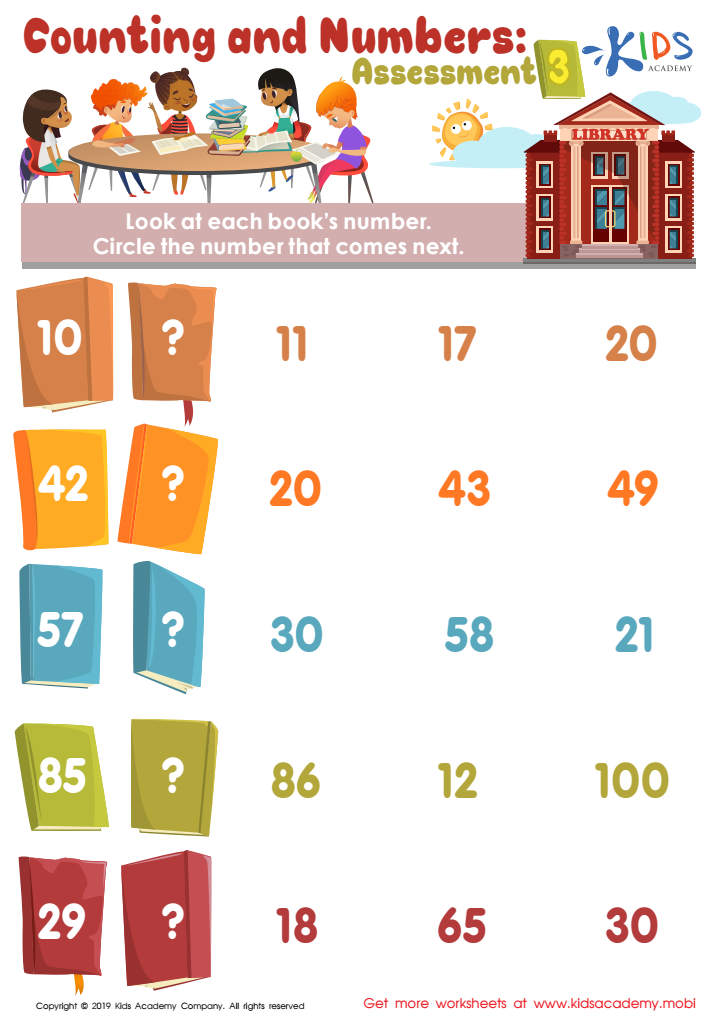
Counting and Numbers: Assessment Worksheet
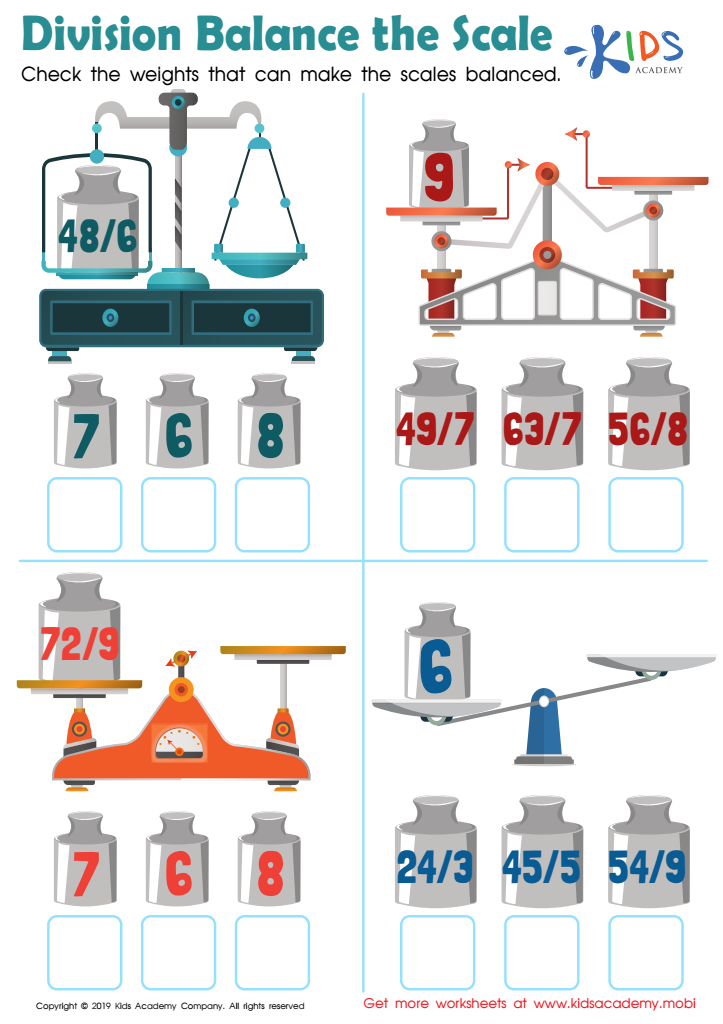
Division Balance the Scale Worksheet
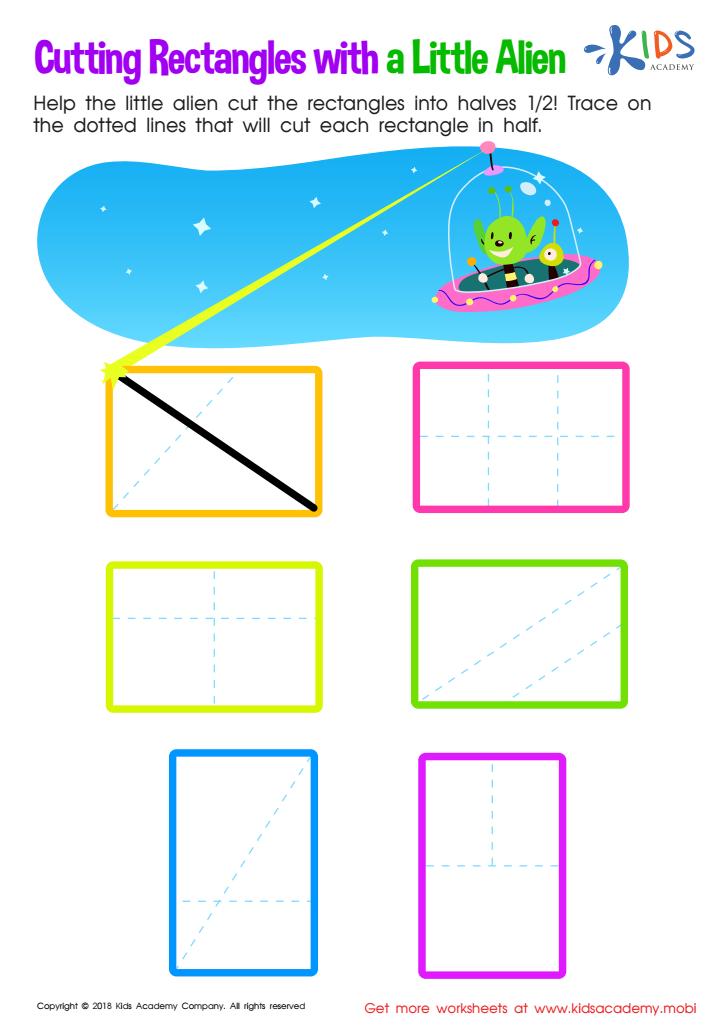
Cutting Rectangles with Alien Worksheet
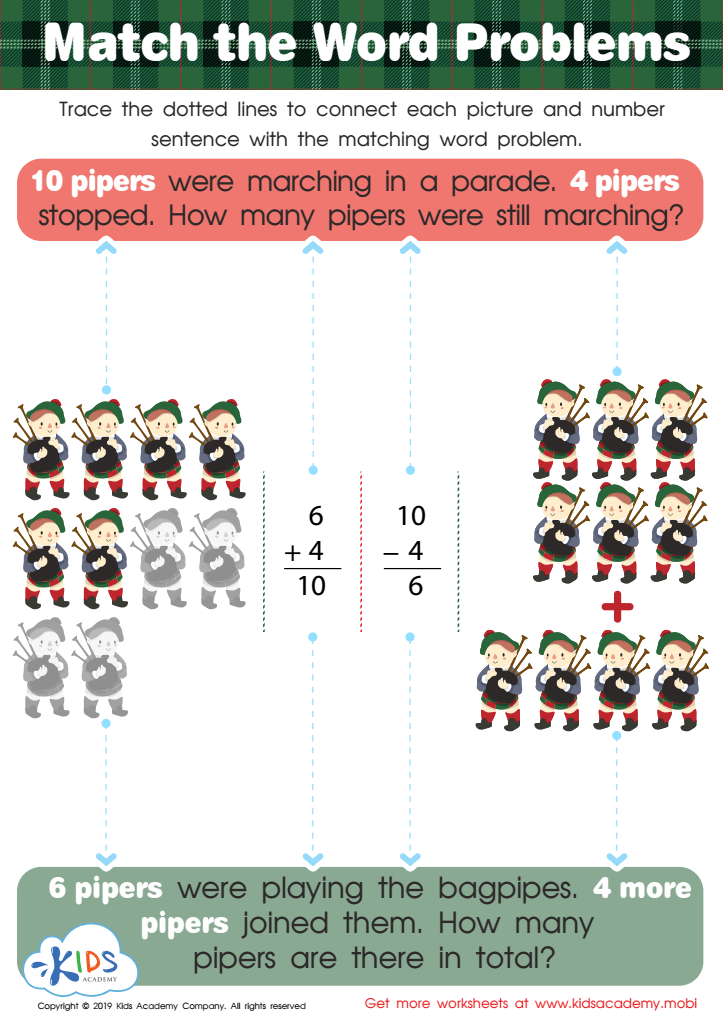
Match the Word Problems Worksheet
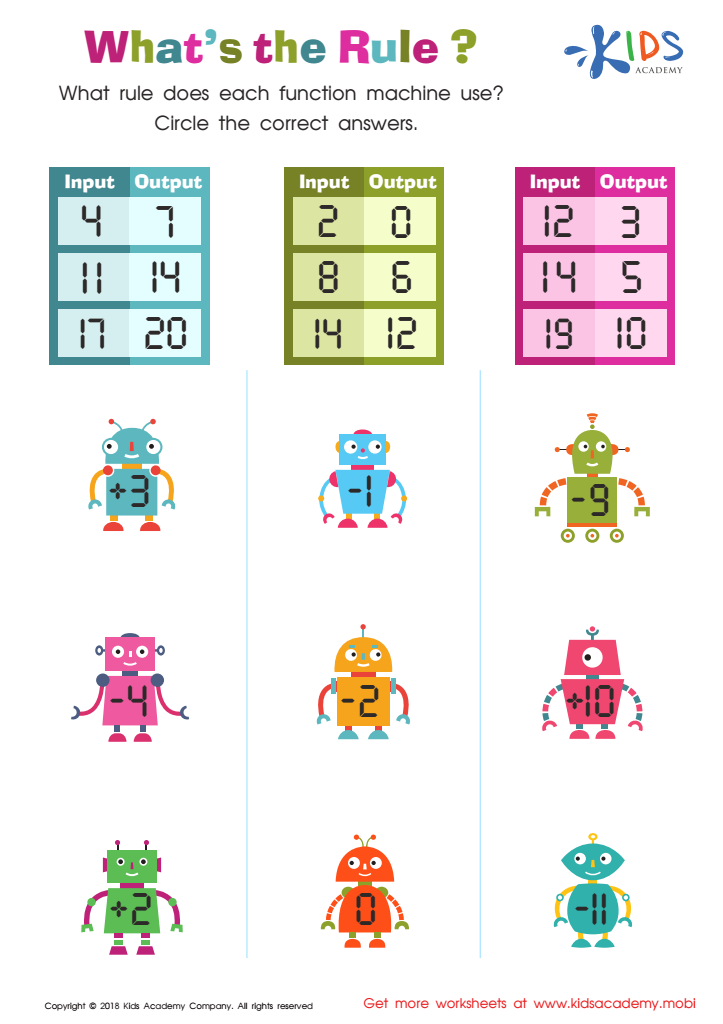
What's the Rule Worksheet
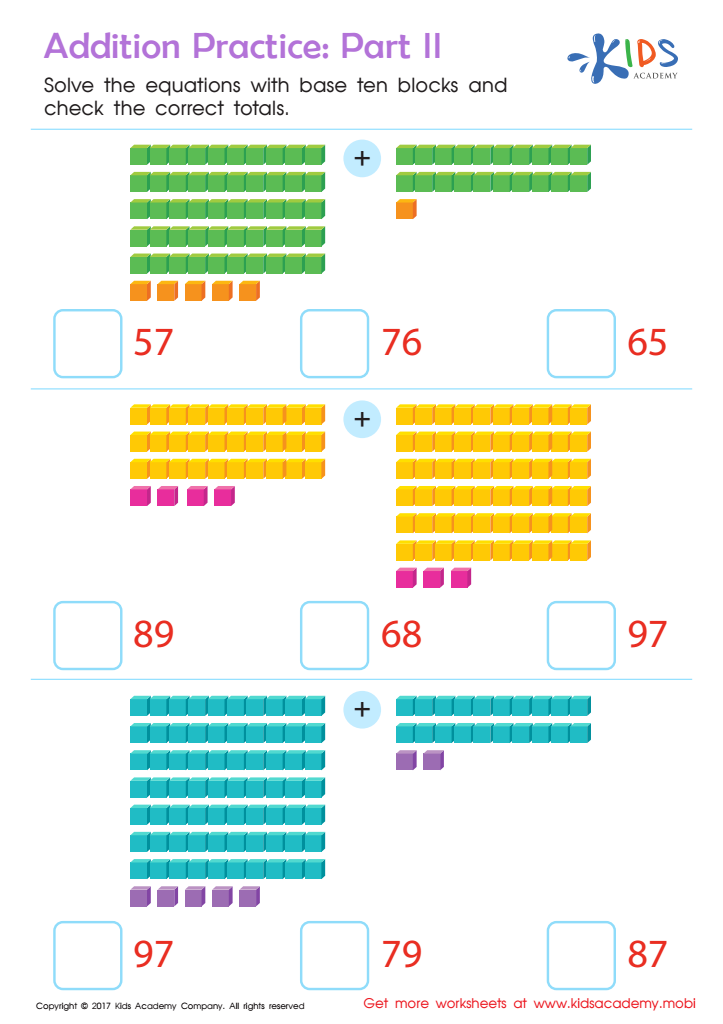
Addition Practice Sheet: Part 2
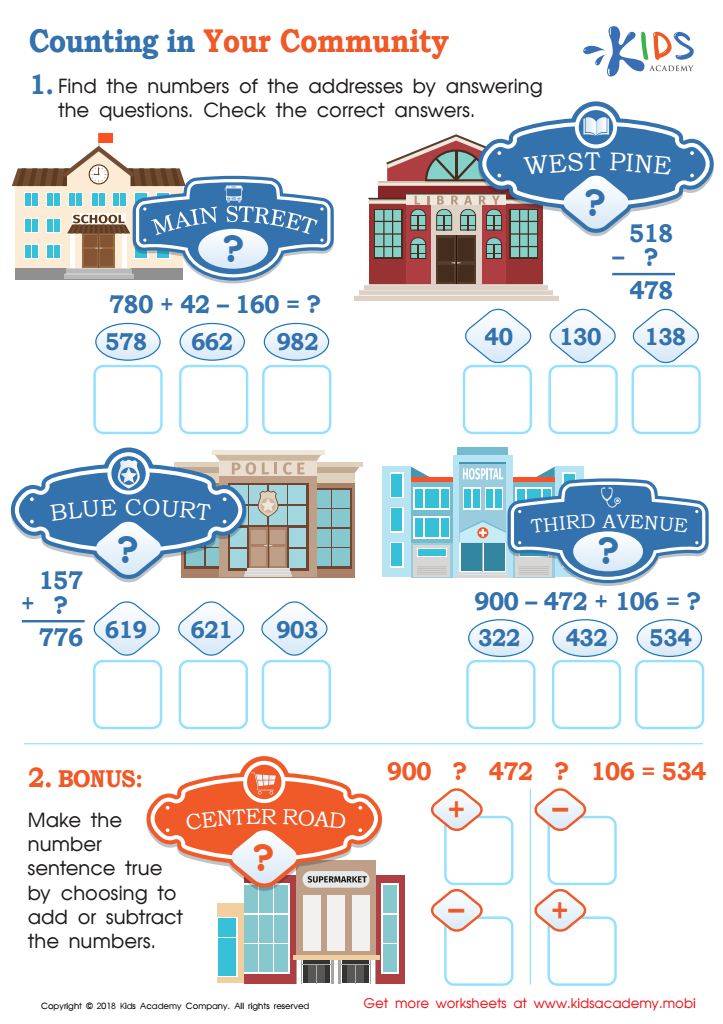
Counting in Your Community Worksheet
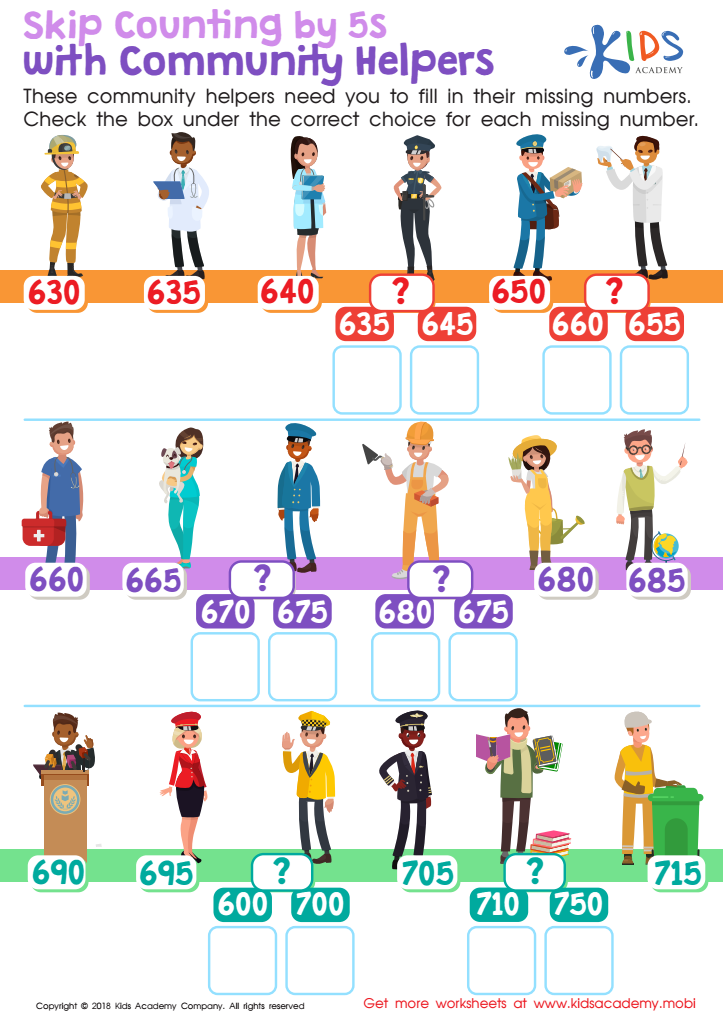
Skip Counting by 5s With Community Helpers Worksheet
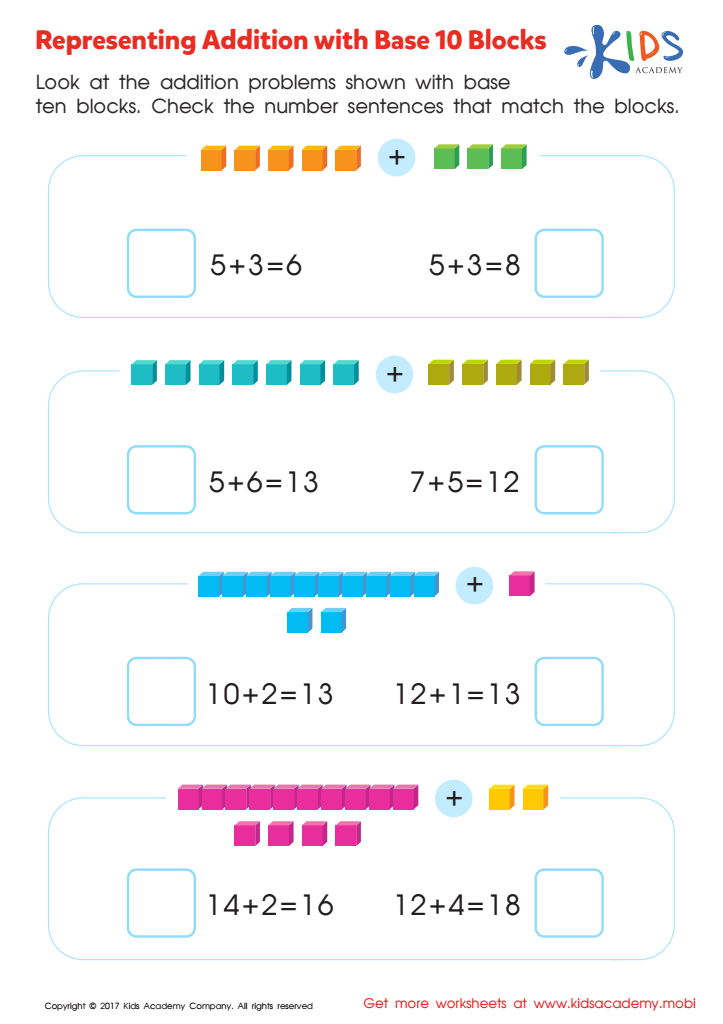
Representing Addition with Base 10 Blocks Worksheet
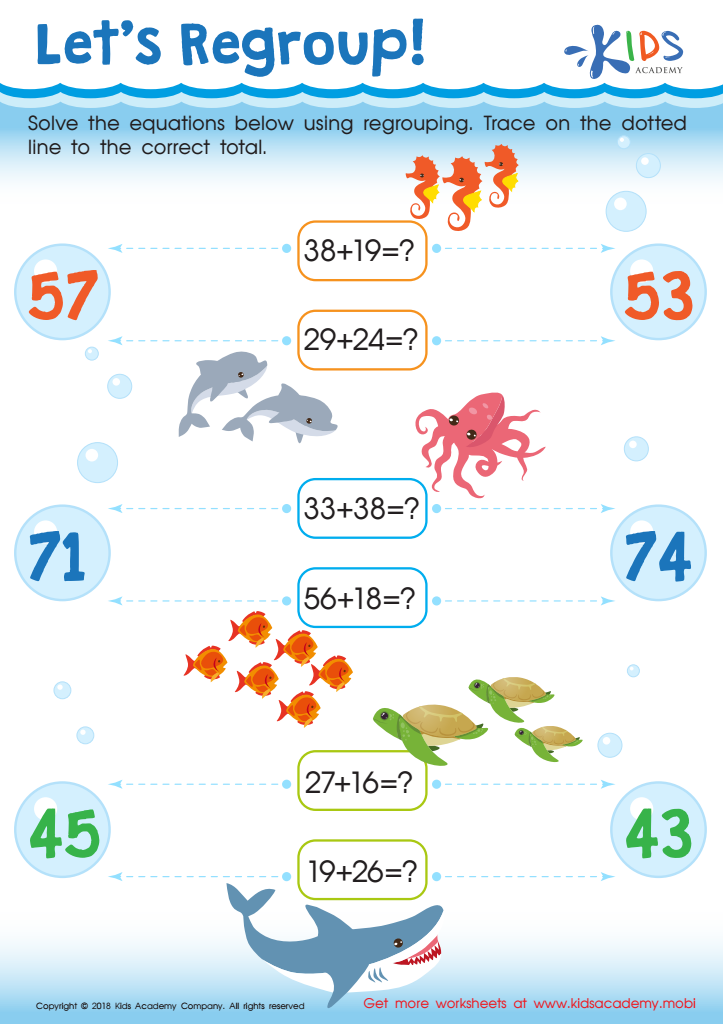
Let's Regroup! Worksheet
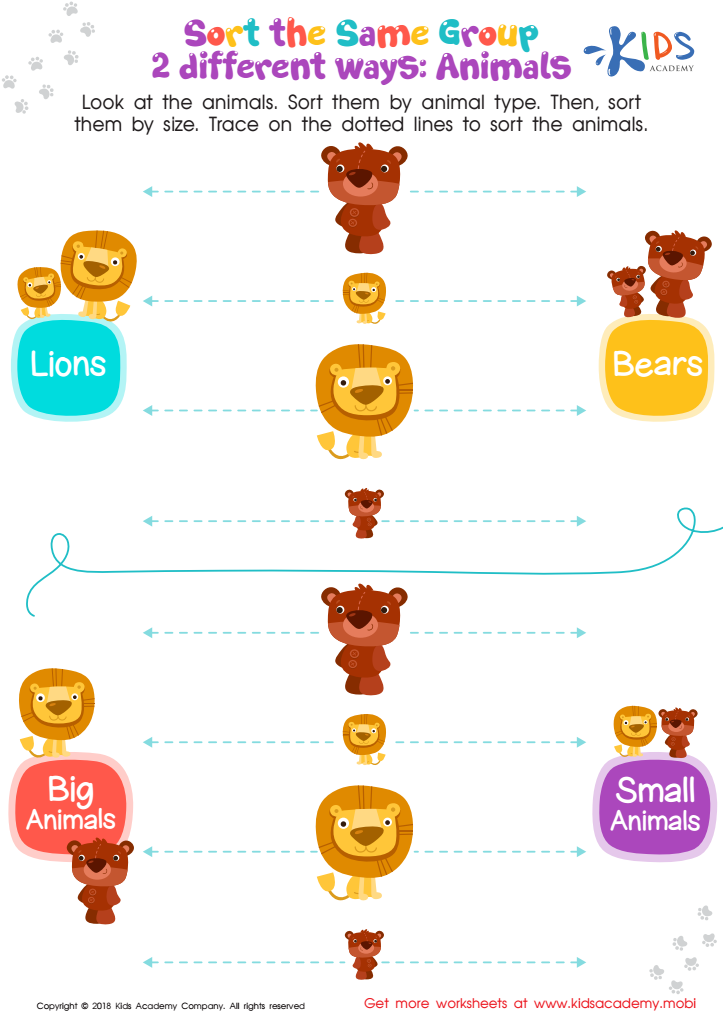
Sort the Same Group 2 Different Ways: Animals Worksheet
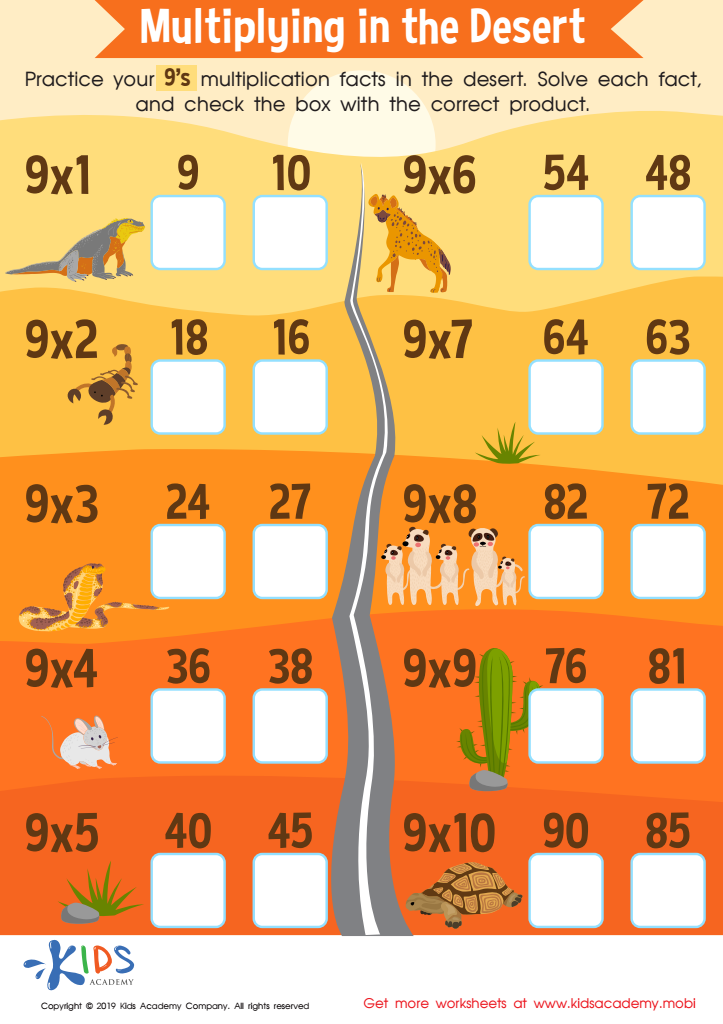
Multiplying in the Desert Worksheet






Parents and teachers should care deeply about nurturing a strong foundation in basic mathematics for children ages 4-8, commonly referred to as "normal math," because it forms the basis for future academic success and problem-solving skills. At this young age, kids are highly receptive and can easily grasp fundamental concepts like counting, simple addition, subtraction, shapes, and patterns. These early math skills are not just essential for academic achievements but also for daily life activities, including telling time, using money, and understanding sequences or order.
Math also enhances critical thinking and cognitive development. Engaging young children in math activities fosters analytical skills, logical reasoning, and the ability to approach problems systematically. These competencies are not limited to math-related tasks but spill over into other subjects and real-world scenarios, promoting overall intellectual growth.
Furthermore, early familiarity with math can build children's confidence and foster a positive attitude towards this often misunderstood subject. Regular and enjoyable math experiences in early childhood can help alleviate math anxiety, making children feel more prepared and enthusiastic as they advance in their education. By focusing on math from an early age, we set the stage for lifelong learning and open up a world of opportunities in higher education and future careers.








