Problem-Solving Skills Normal Worksheets for Ages 6-9 - Page 2
113 filtered results
-
From - To
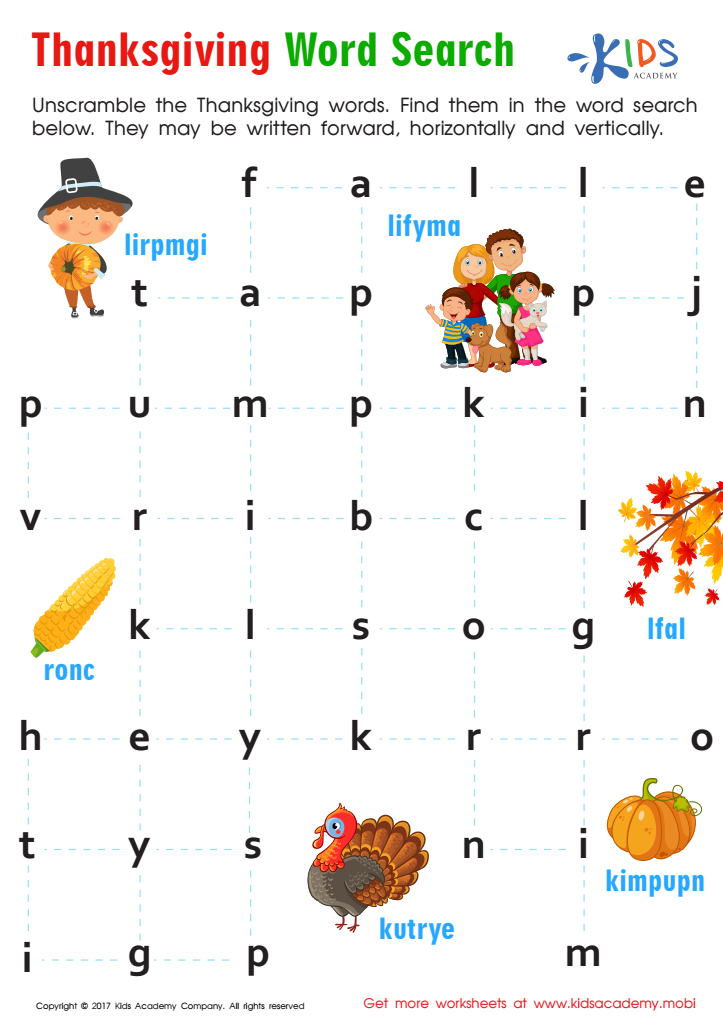
Thanksgiving Word Search Sight Words Worksheet
 Assign to My Students

Spaceship Maze: Galaxies Worksheet
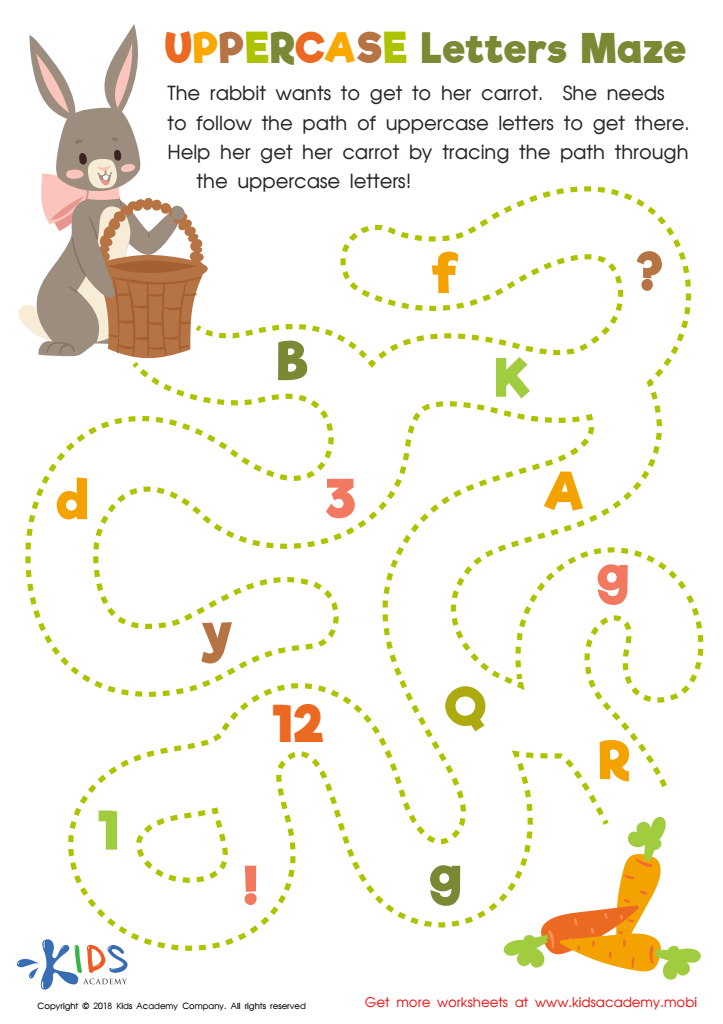
Uppercase Letters Maze Worksheet
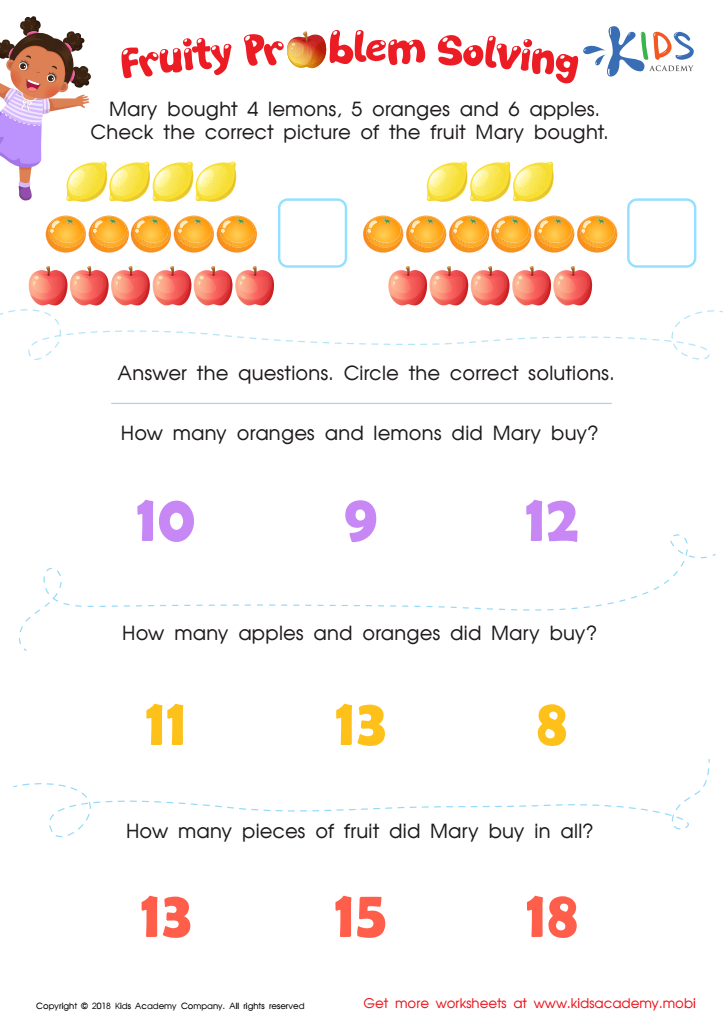
Fruity Problem Solving Worksheet
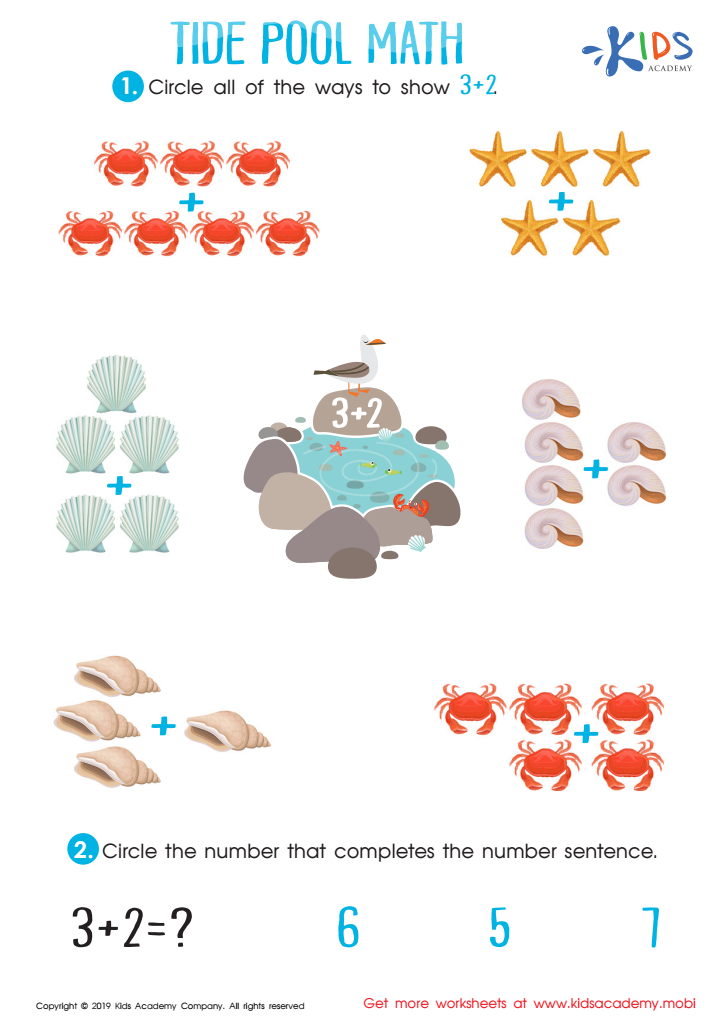
Tide Pool Math Worksheet
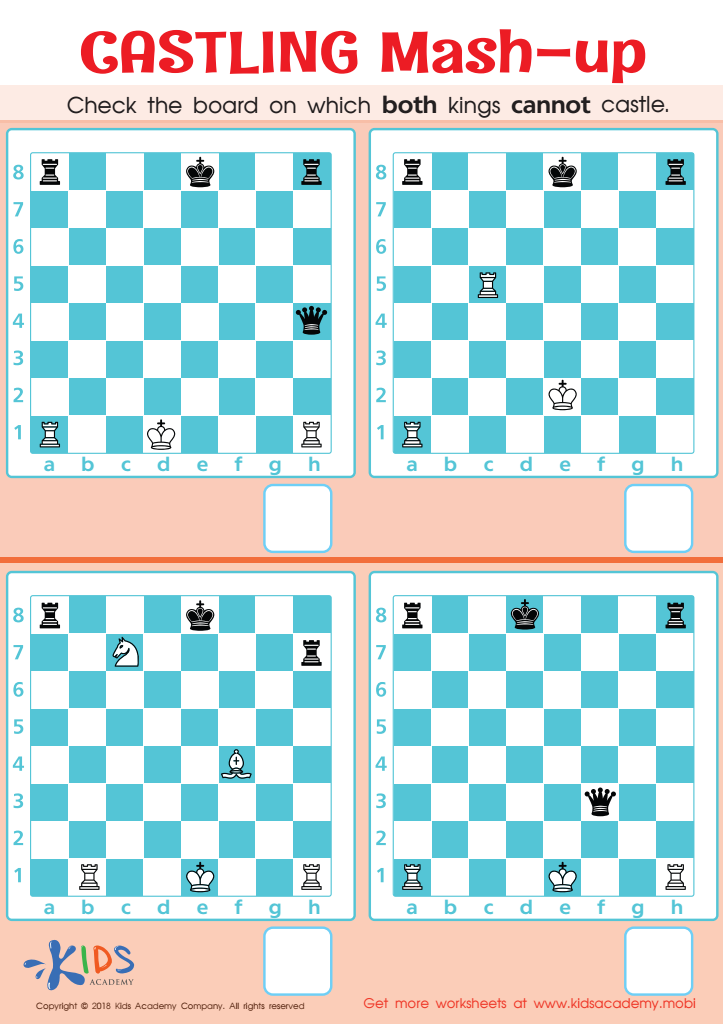
Castling Mash–up Worksheet
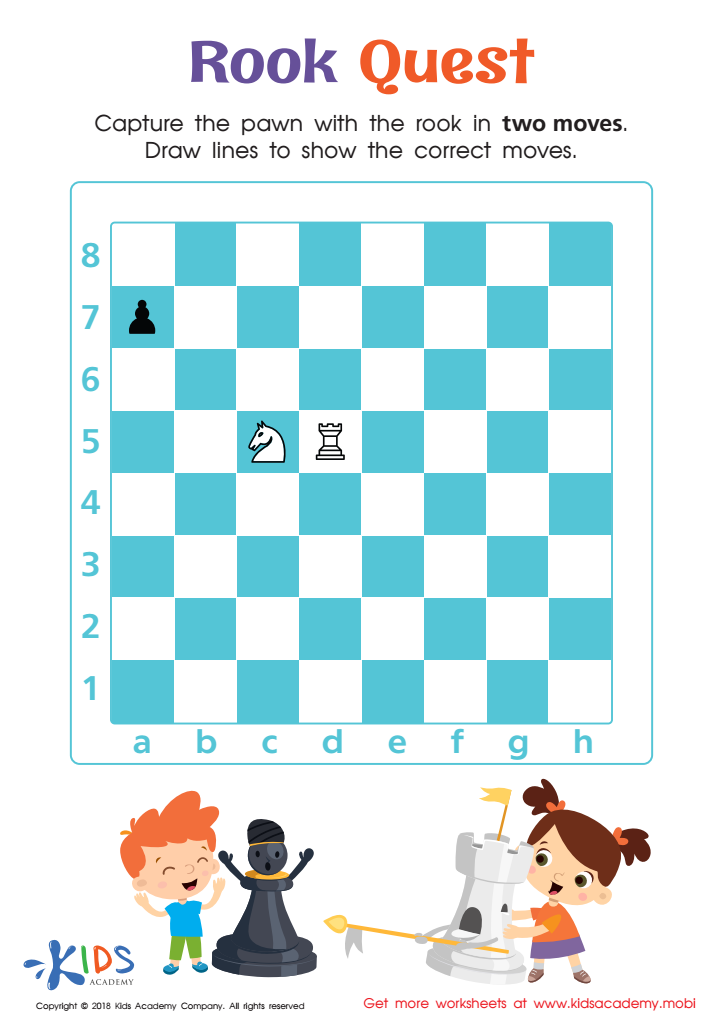
Rook Quest Worksheet
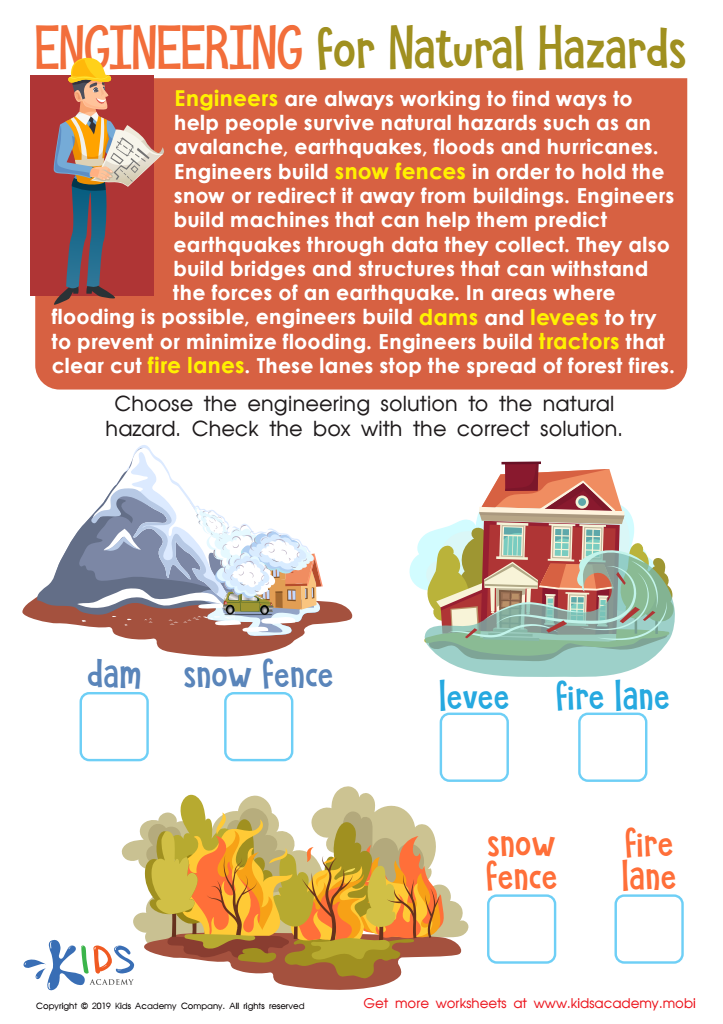
Engineering Natural Hazards Worksheet
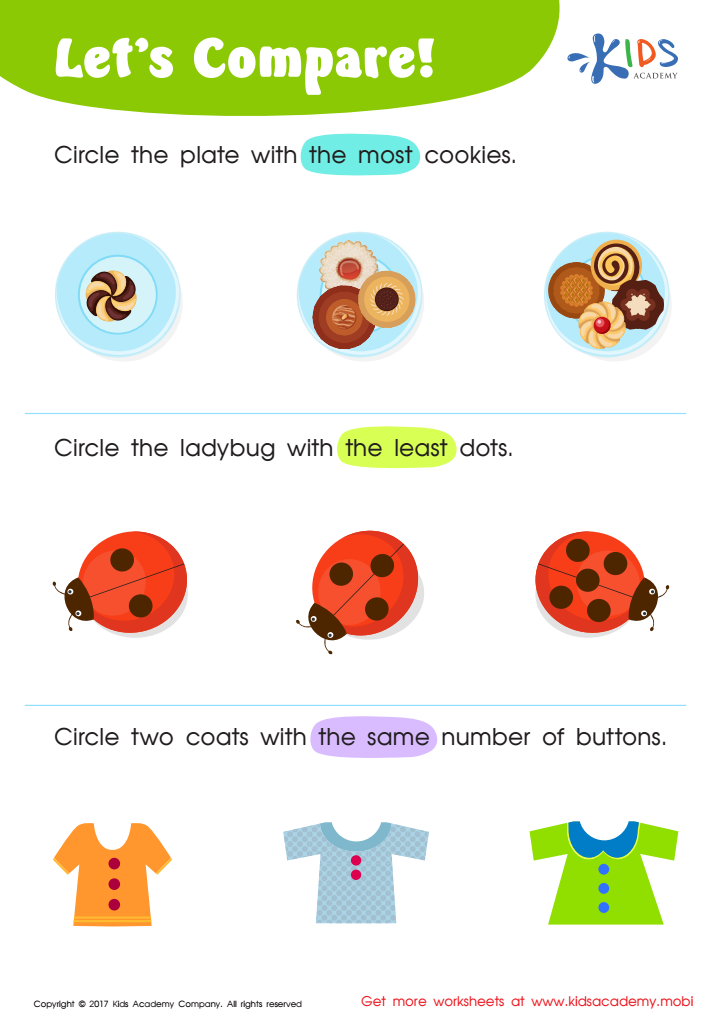
Matching: Classifying Toys by Size Worksheet
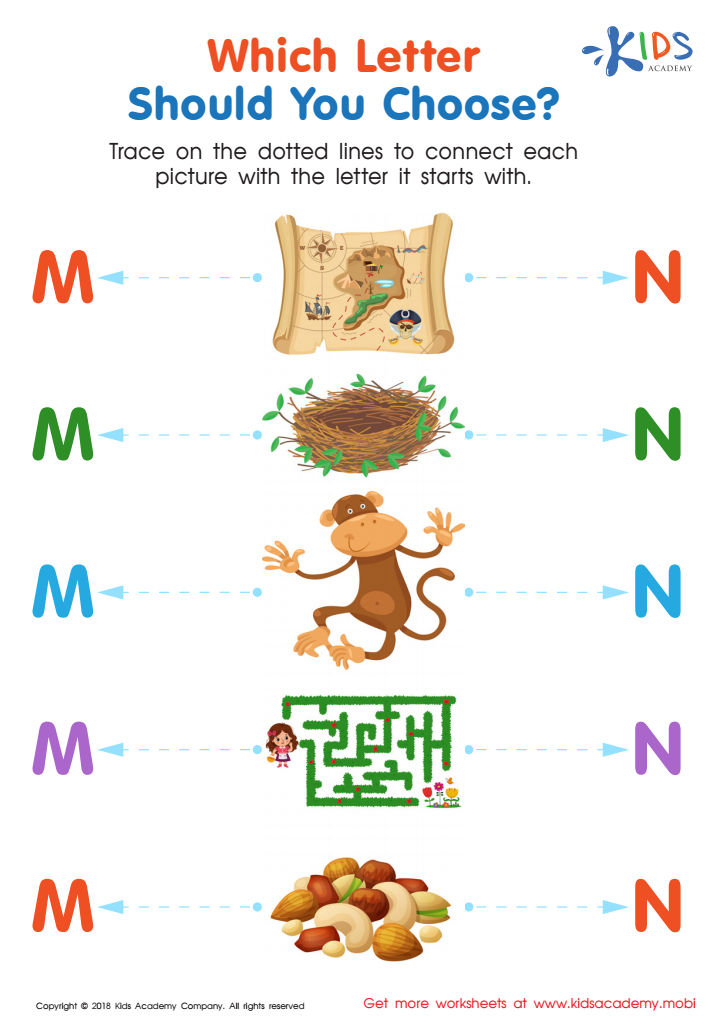
Which Letter Should you Choose? Worksheet
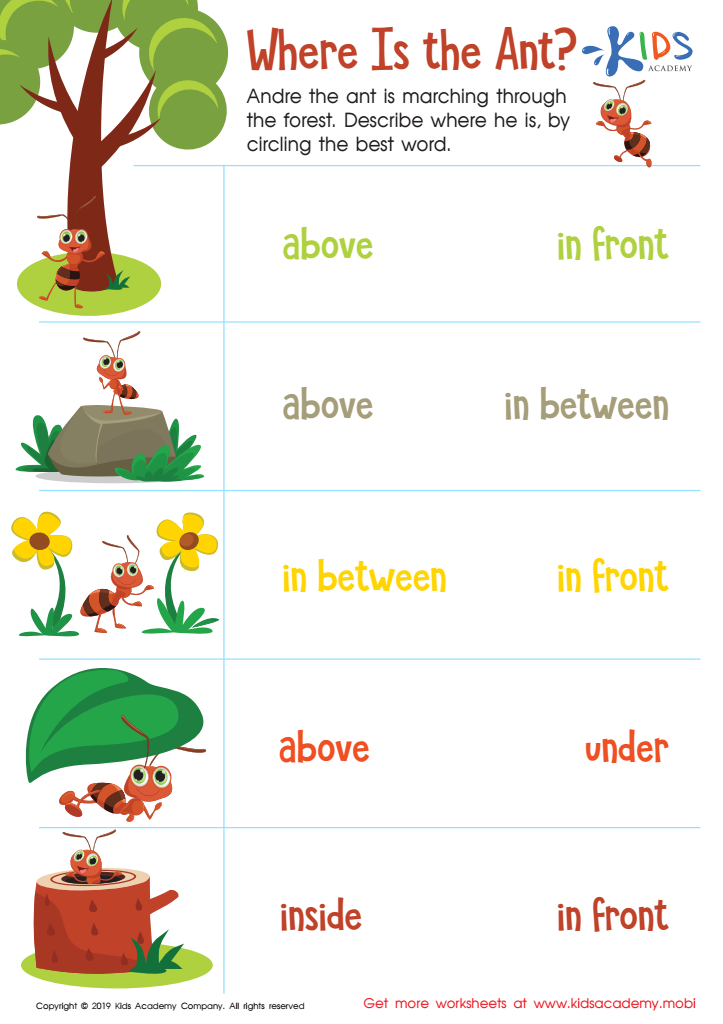
Where Is the Ant? Worksheet
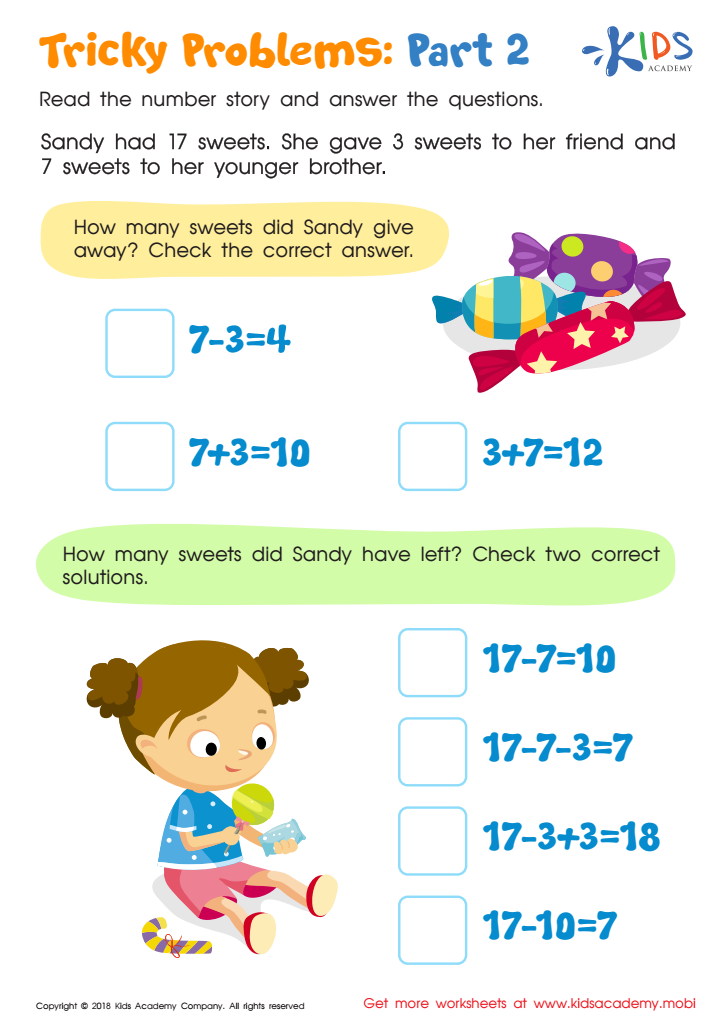
Tricky Problems Worksheet: Part 2
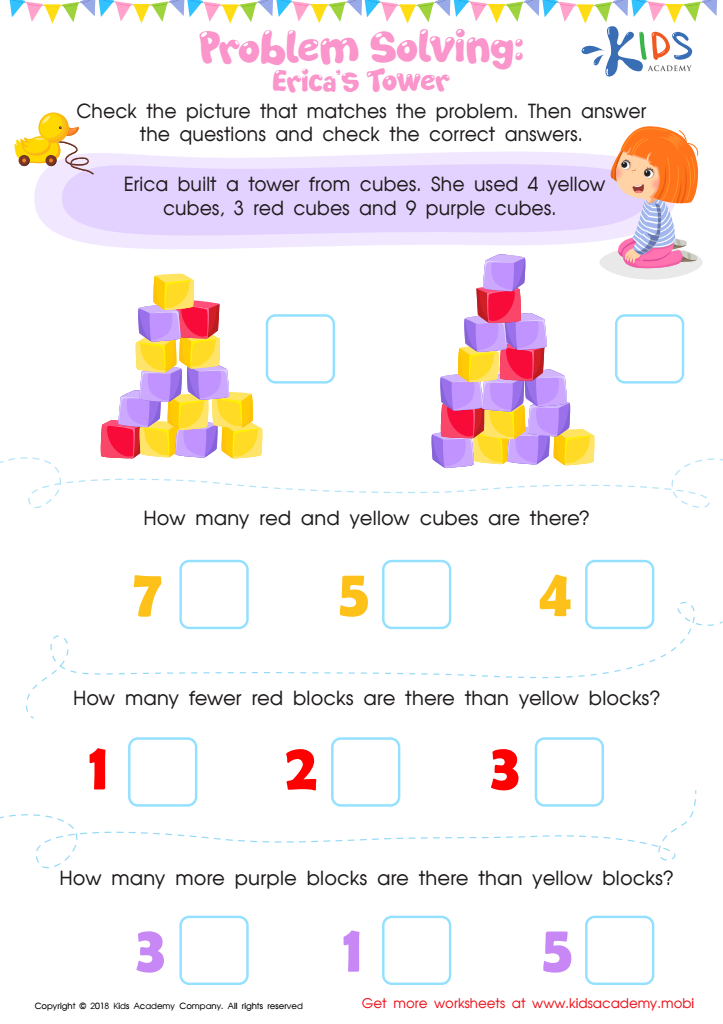
Problem Solving: Erica's Tower Worksheet
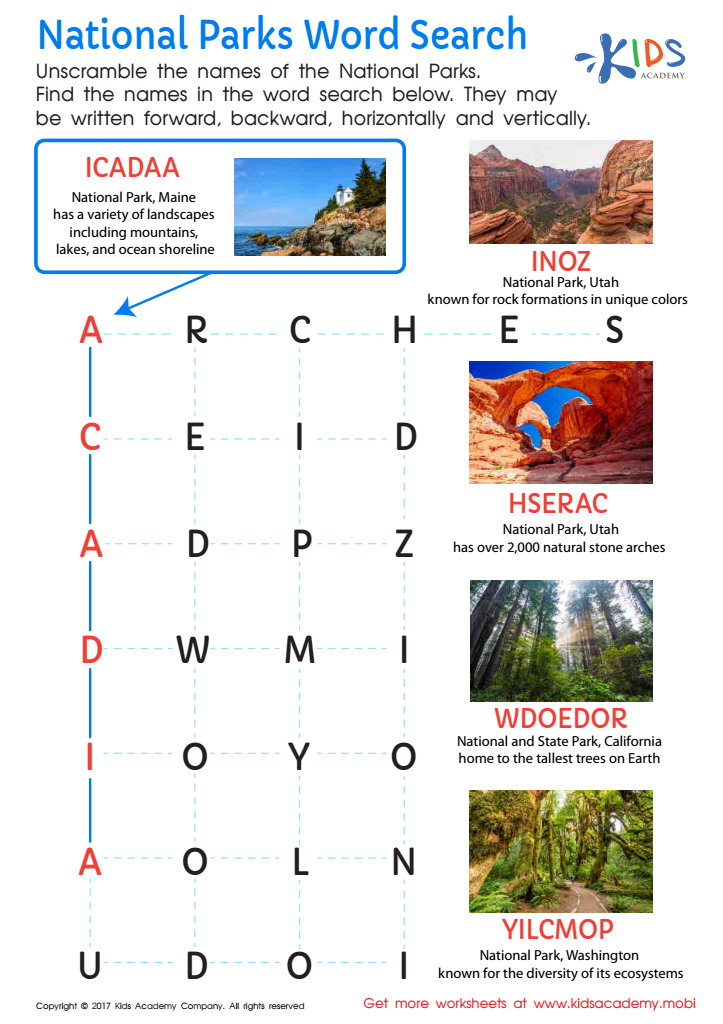
National Parks Word Search Worksheet
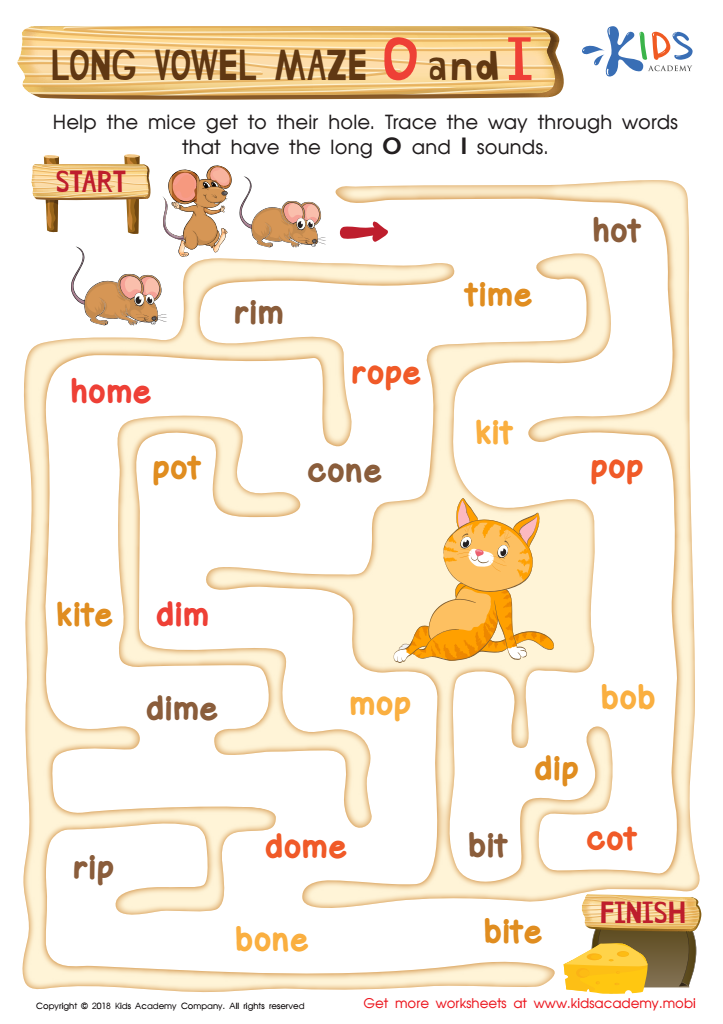
Long Vowel Maze /o/ and /i/ Worksheet
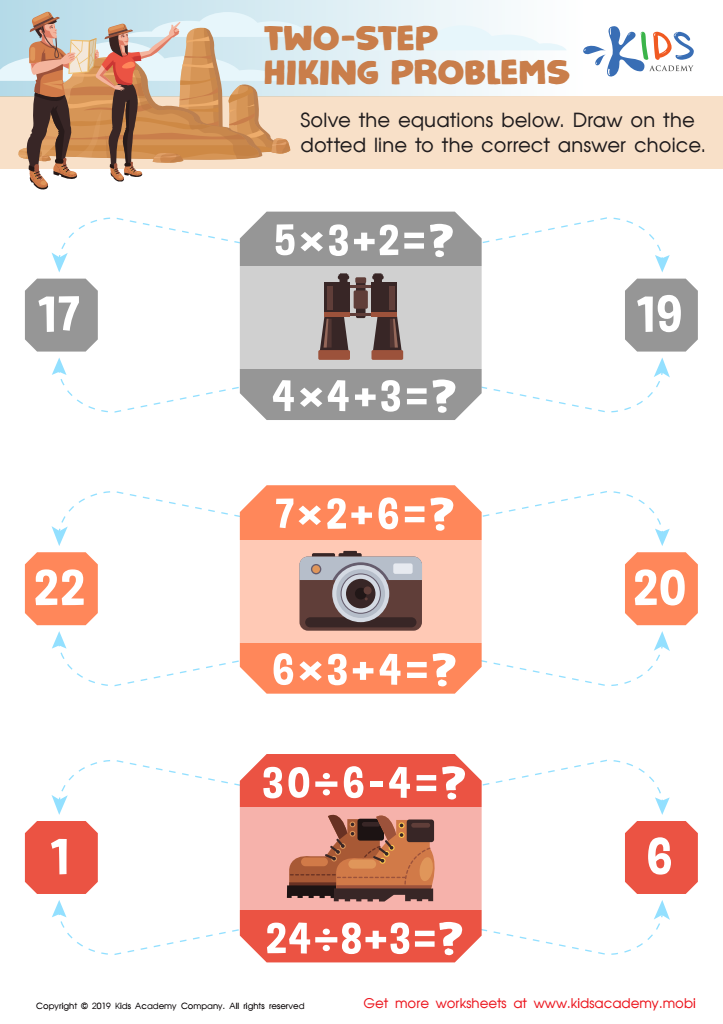
Two-Step Hiking Problems Worksheet
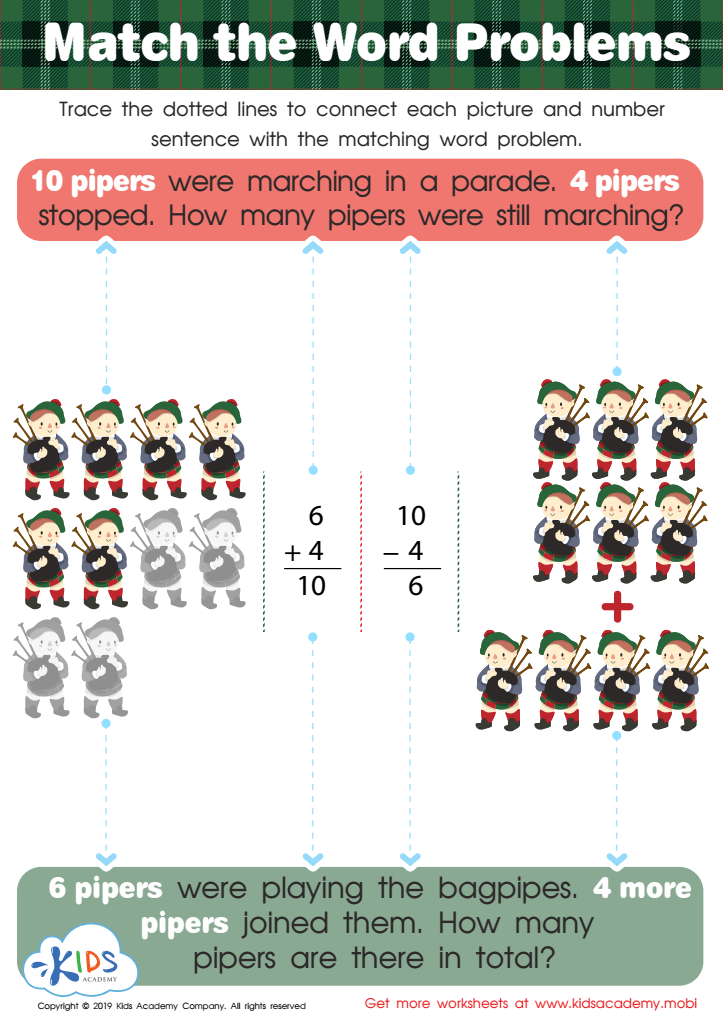
Match the Word Problems Worksheet
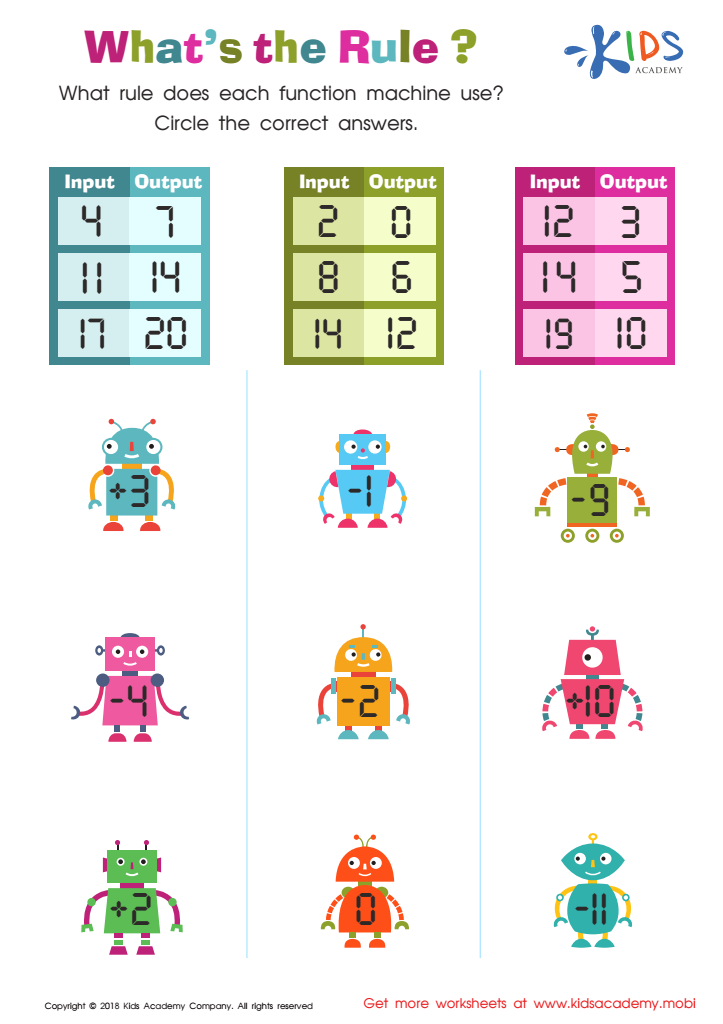
What's the Rule Worksheet
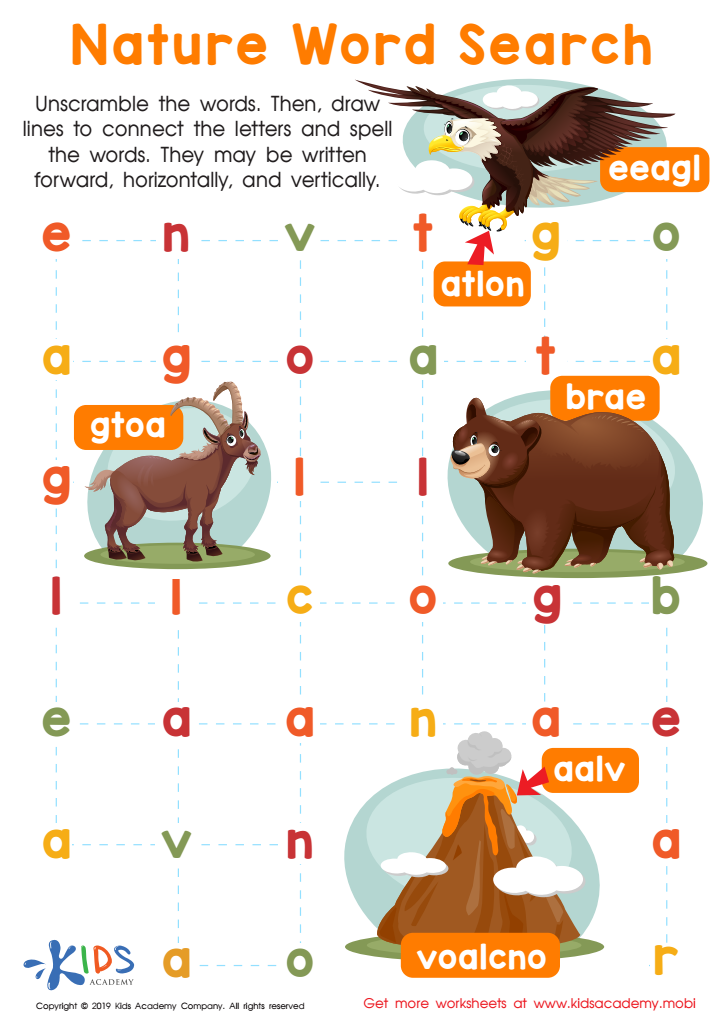
Nature Word Search Worksheet
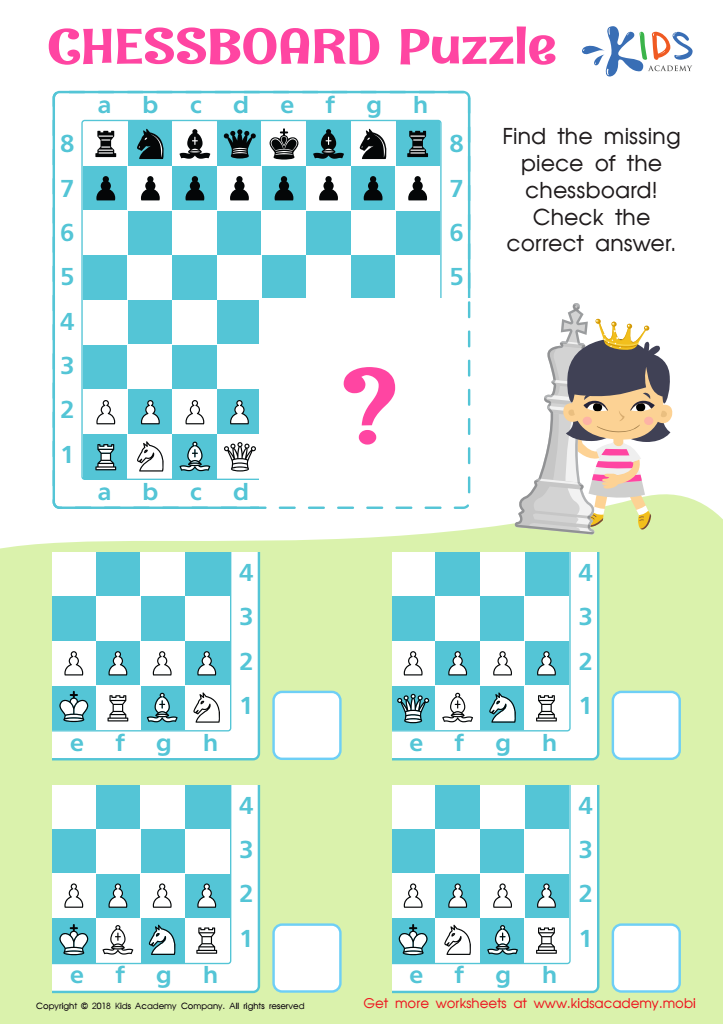
Chessboard Puzzle Worksheet
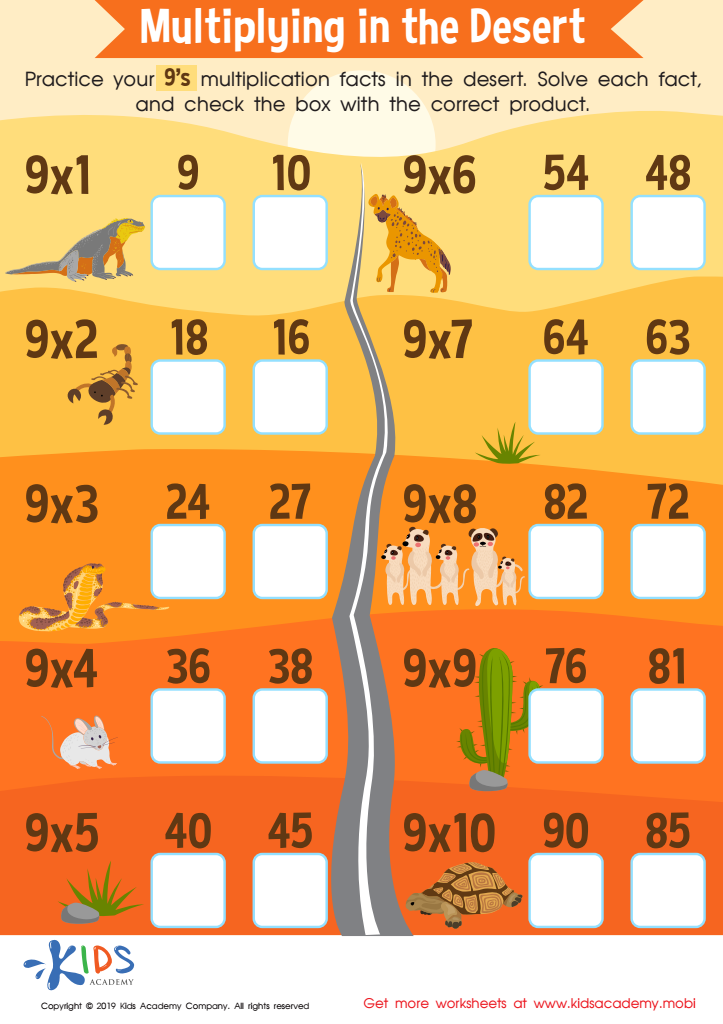
Multiplying in the Desert Worksheet
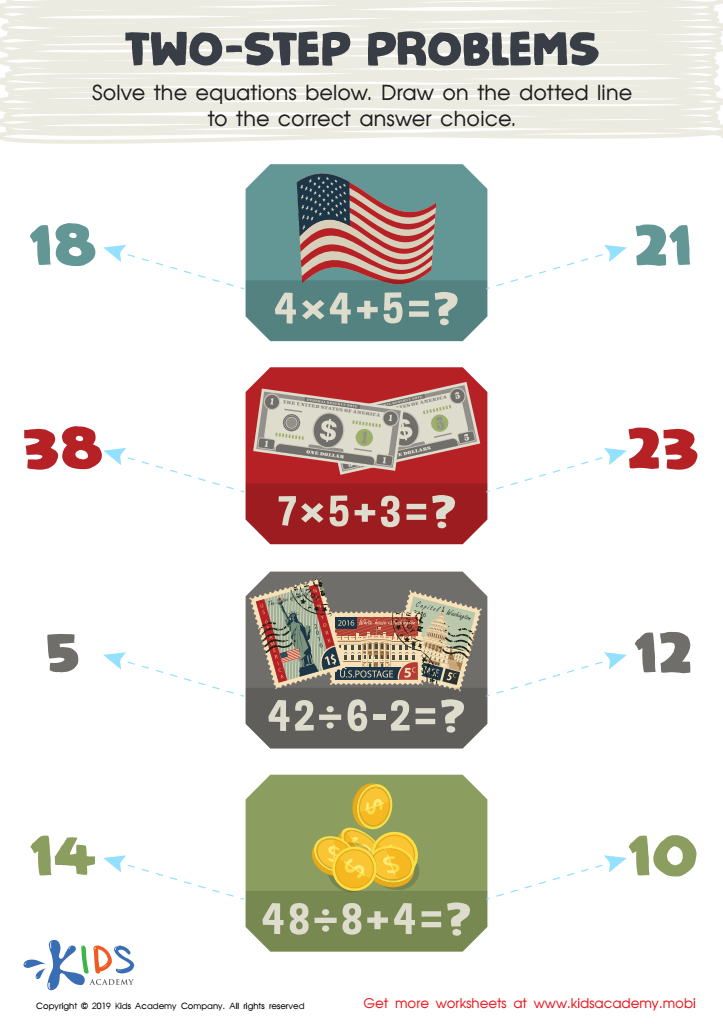
Two-Step Problems Worksheet
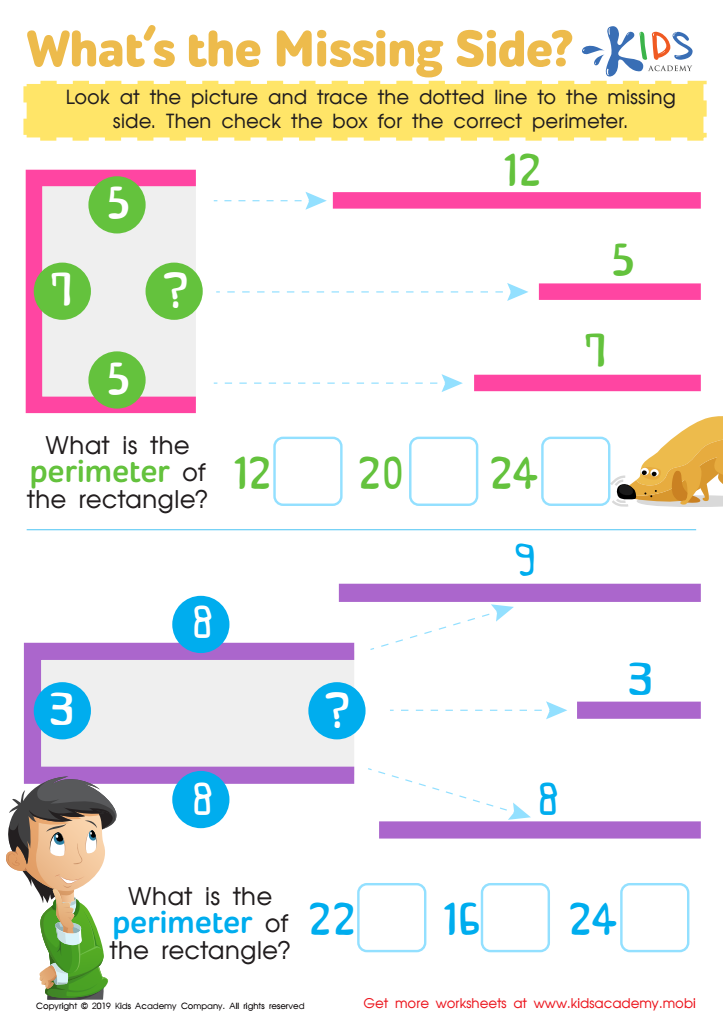
What's the Missing Side Worksheet
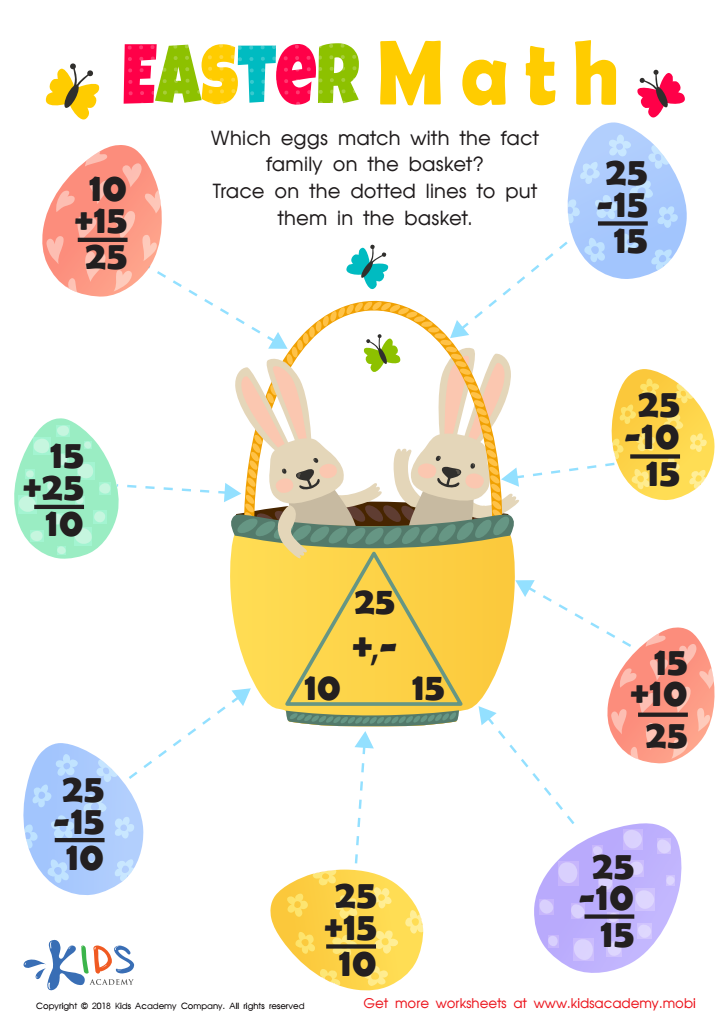
Fact Families: Easter Math Worksheet








Parents and teachers should prioritize problem-solving skills for children aged 6-9 due to their crucial role in cognitive development and future adaptability. At this stage, children begin to engage with complex concepts, and fostering strong problem-solving abilities helps them learn to approach challenges thoughtfully and creatively.
Developing these skills enhances critical thinking, enabling children to analyze situations, consider multiple solutions, and make informed decisions. This promotes independence and self-confidence, allowing kids to tackle academic tasks and interpersonal challenges effectively. For instance, when faced with a puzzle or disagreement with peers, children equipped with problem-solving strategies can navigate these scenarios positively rather than feel overwhelmed or frustrated.
Moreover, a strong foundation in problem-solving establishes a mindset of resilience. Children learn that setbacks are a part of life and that perseverance leads to success. This mindset becomes increasingly important in a fast-changing, problem-filled world where adaptability is essential.
Finally, fostering problem-solving skills also supports collaboration and communication, as children often collaborate with peers to find solutions. Ultimately, prioritizing these skills helps guide them toward becoming thoughtful, resourceful adults capable of addressing future challenges with confidence.








