Matching worksheets activities for Ages 3-8 - Page 2
82 filtered results
-
From - To
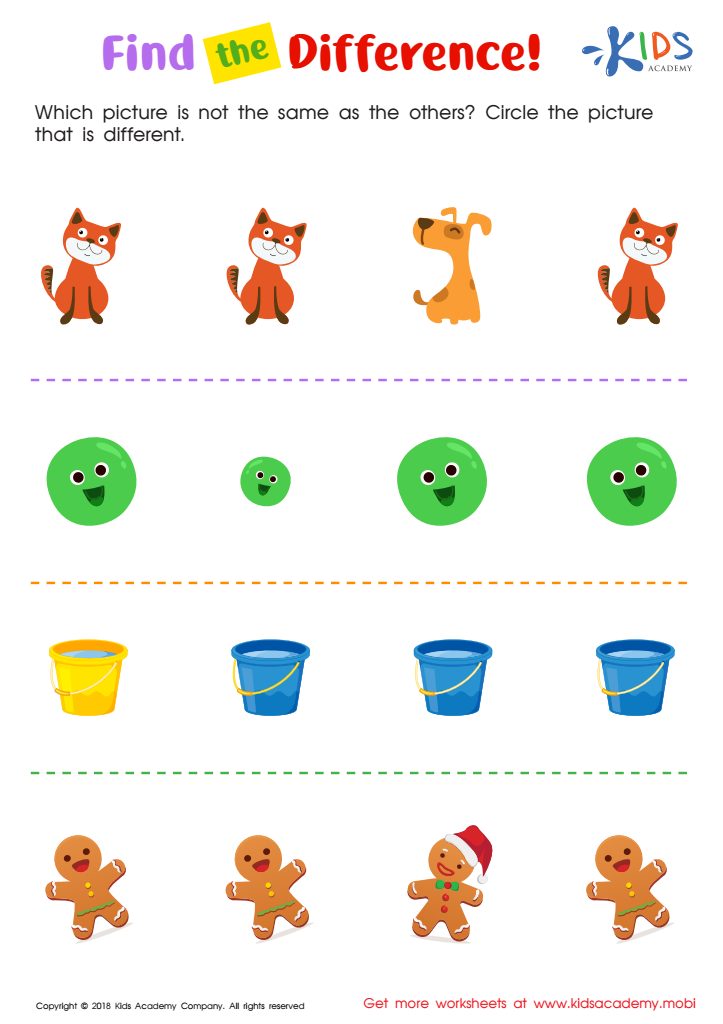
Find the Difference Worksheet
 Assign to My Students
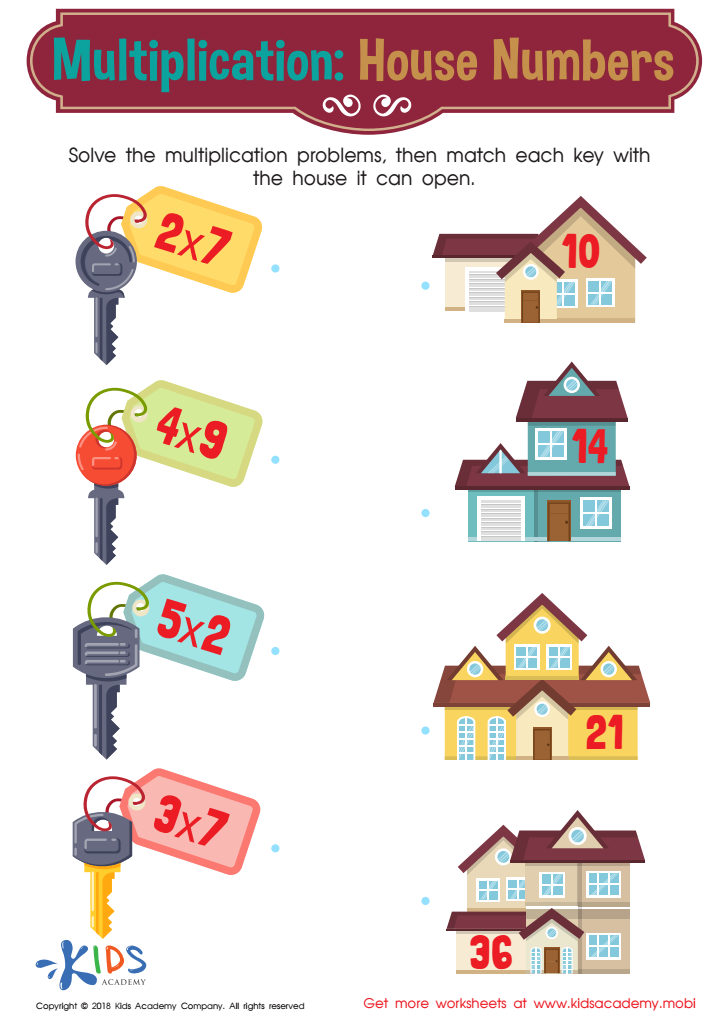
House Numbers Worksheet
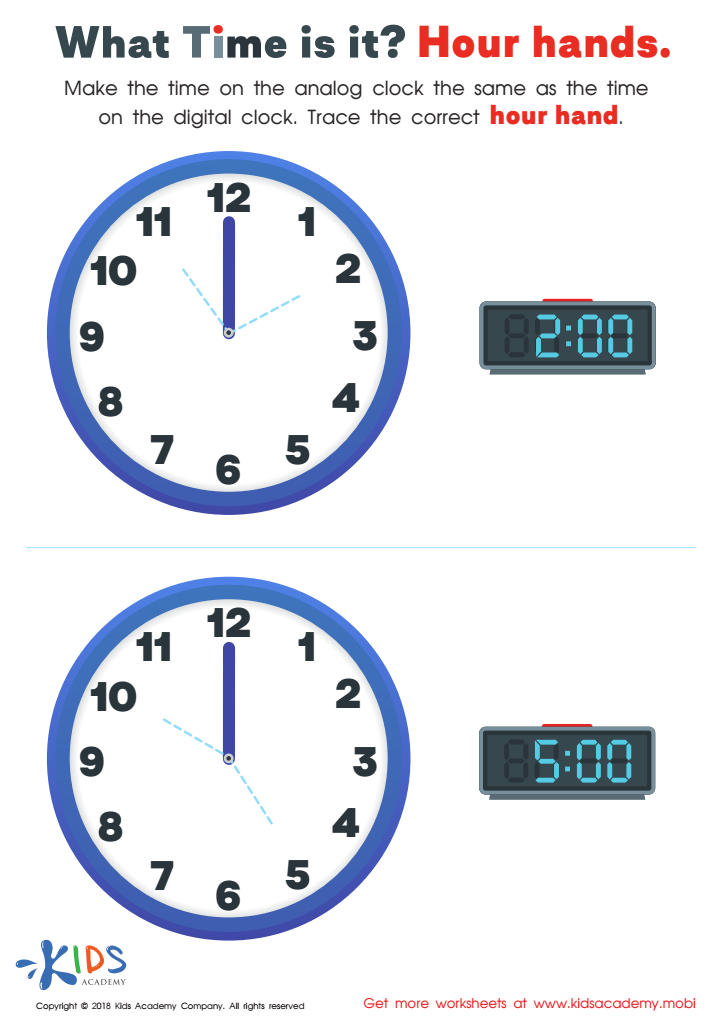
What Time Is it? Hour Hands Worksheet
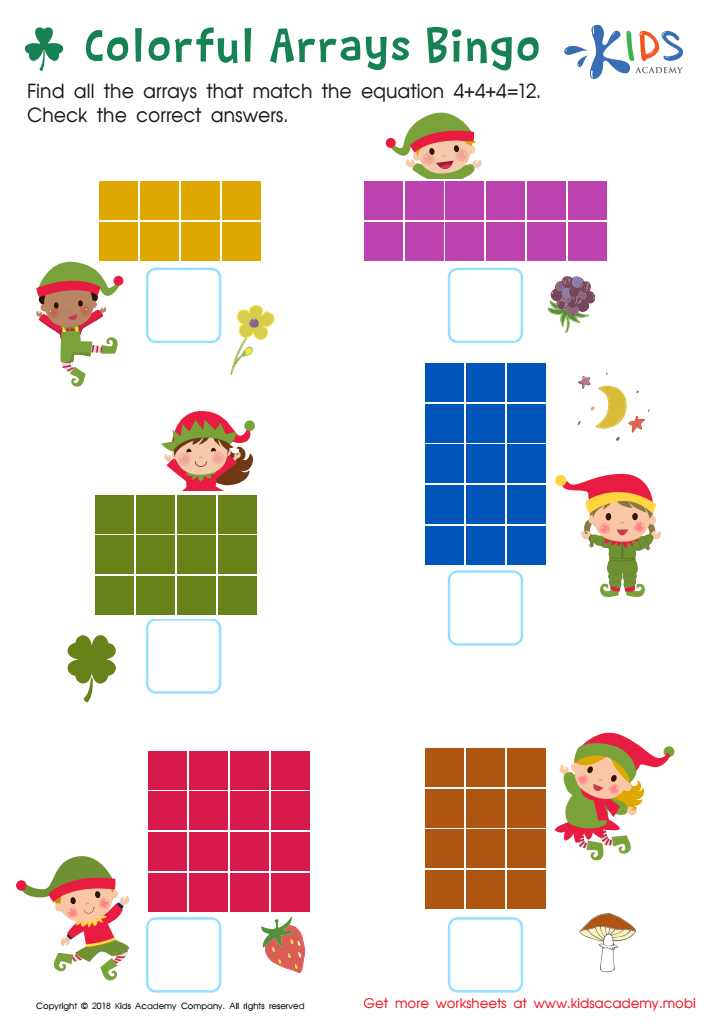
Colorful Arrays Bingo Worksheet
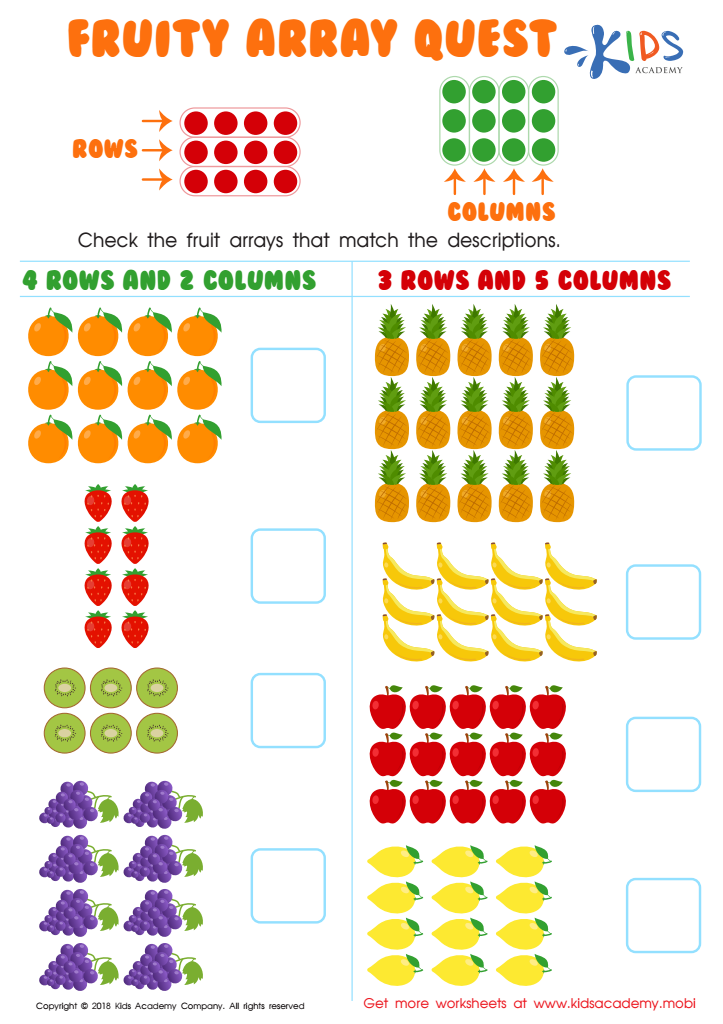
Fruity Array Quest Worksheet
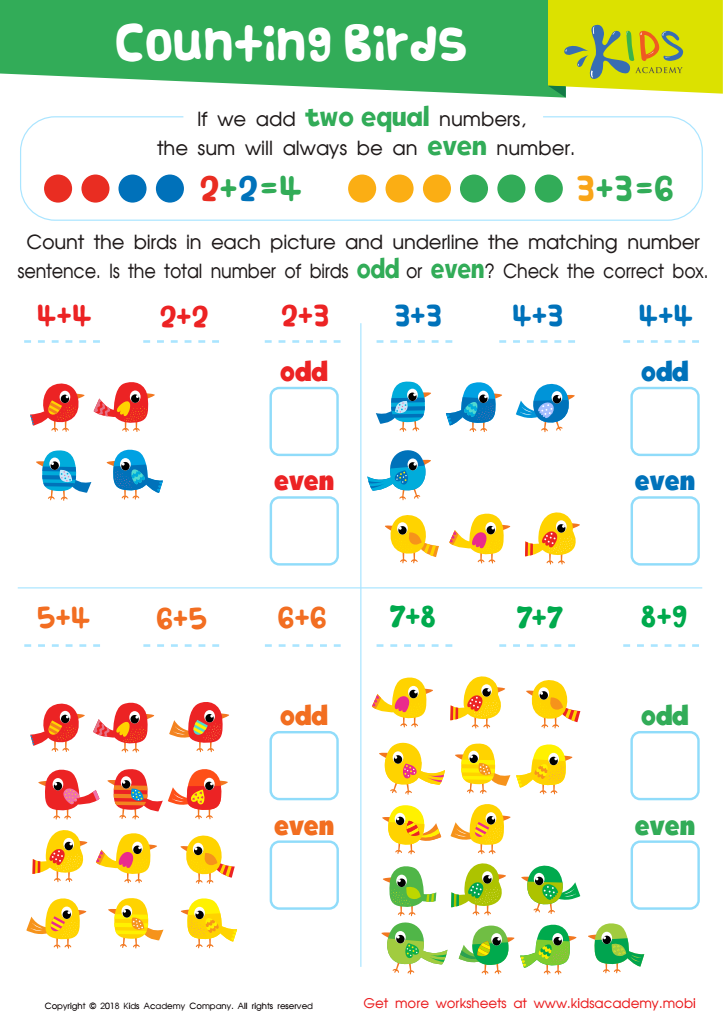
Counting Birds Worksheet
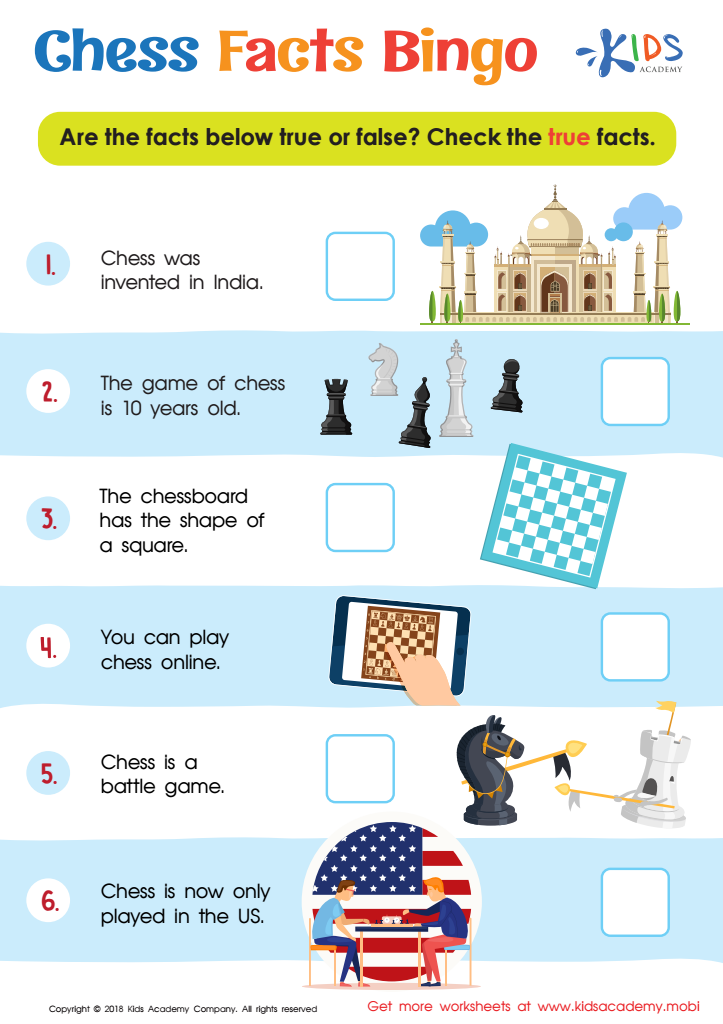
Chess Facts Bingo Worksheet
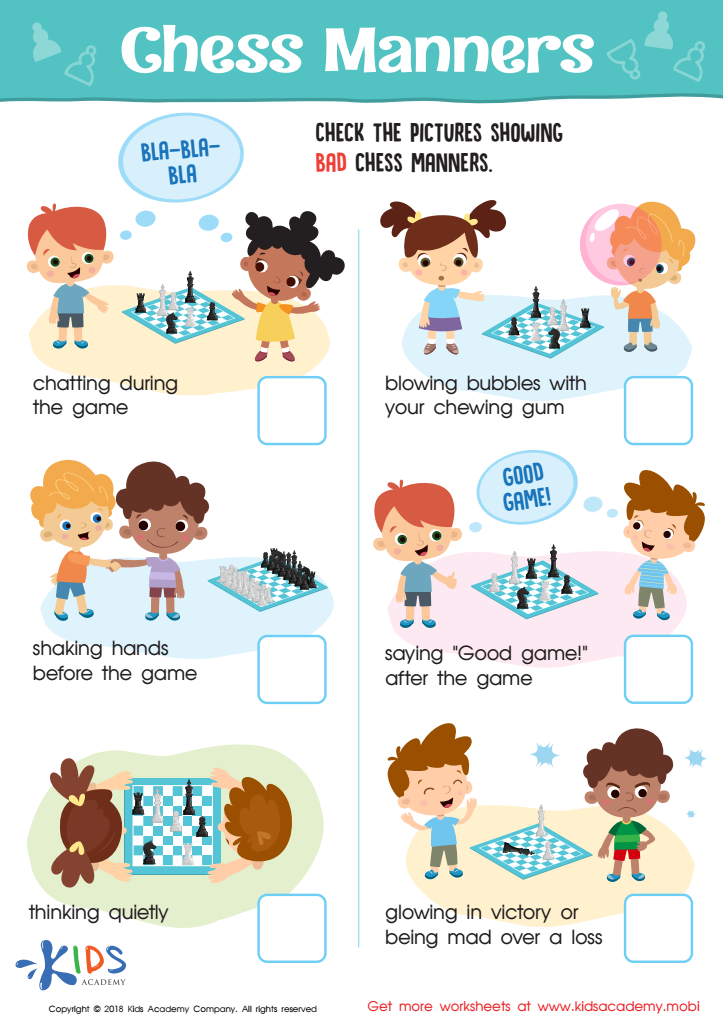
Chess Manners Worksheet
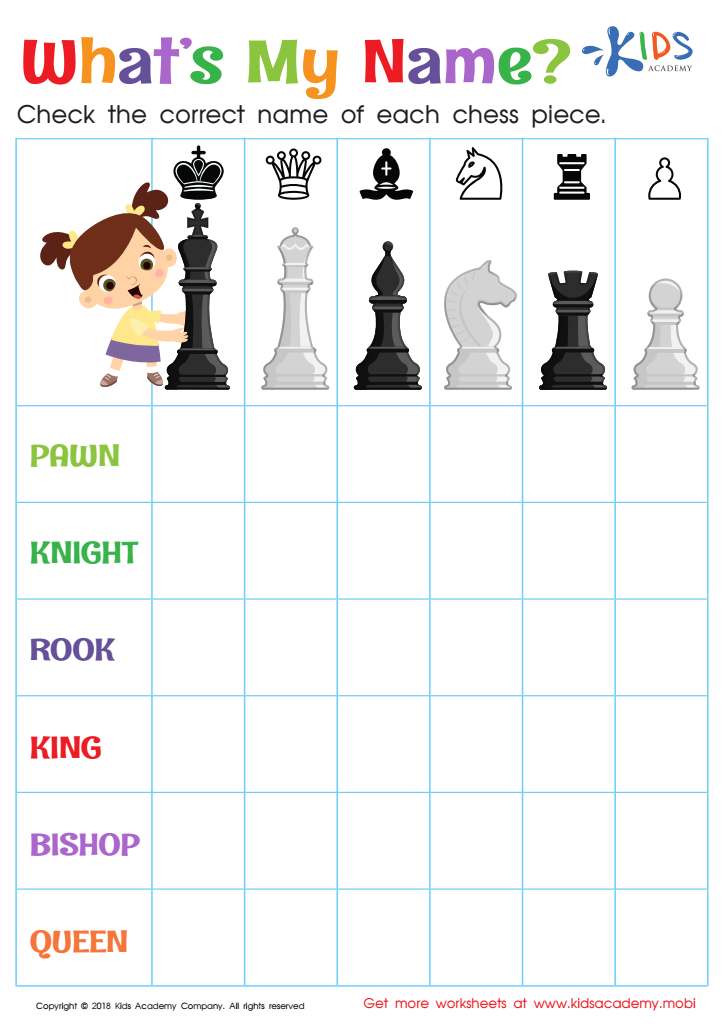
What's My Name? Worksheet
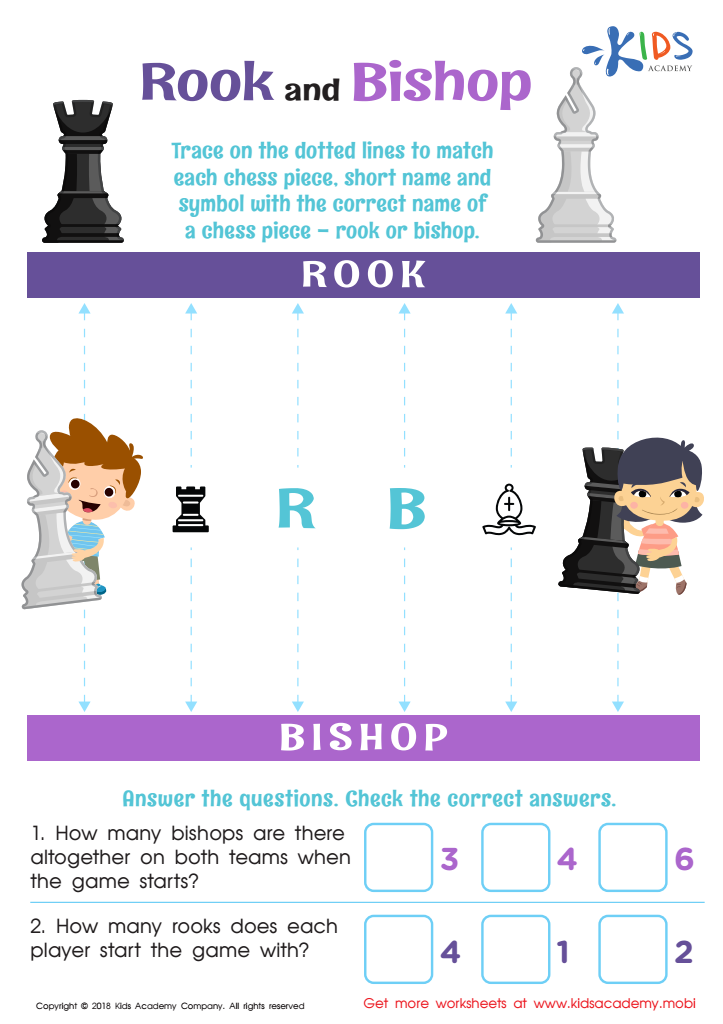
Rook and Bishop Worksheet
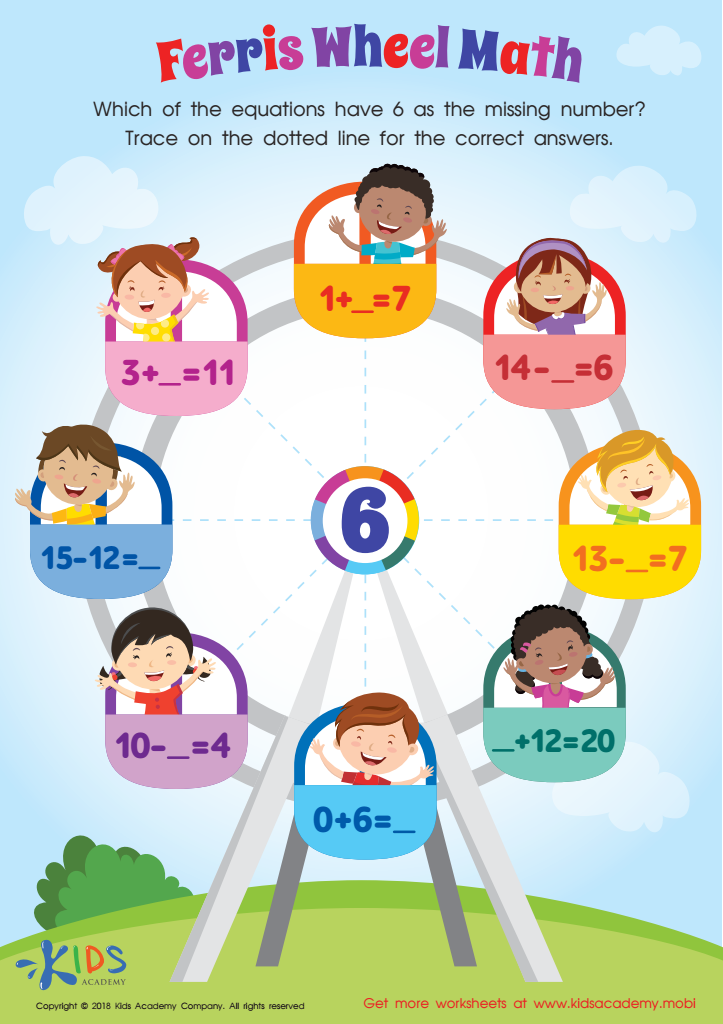
Missing Number: Ferris Wheel Math Worksheet
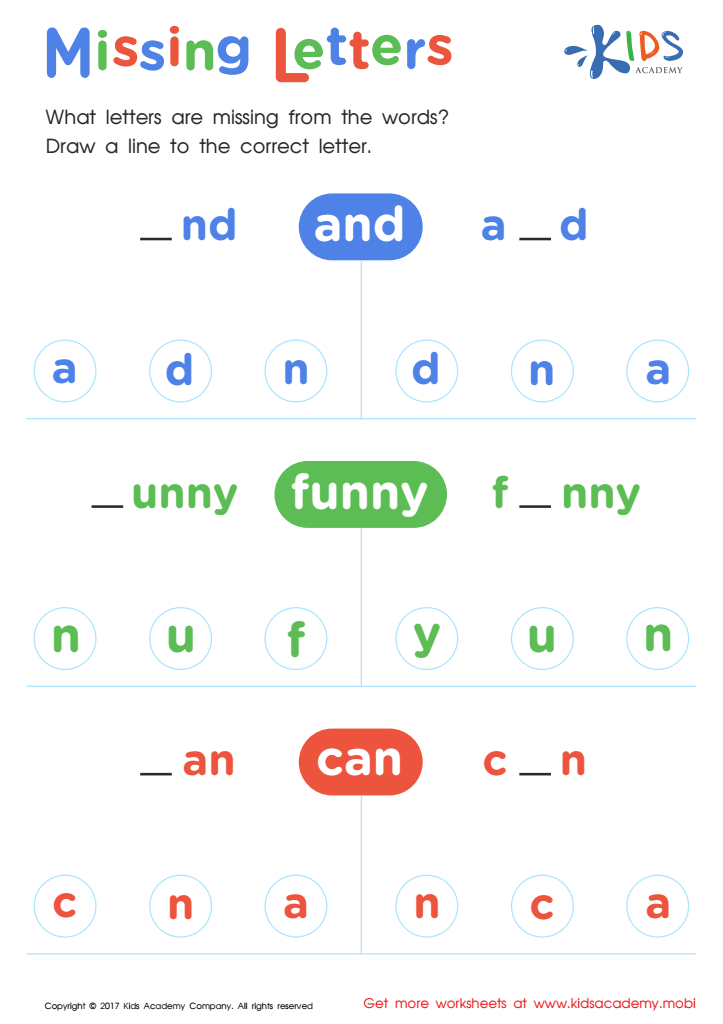
Missing Letters Worksheet
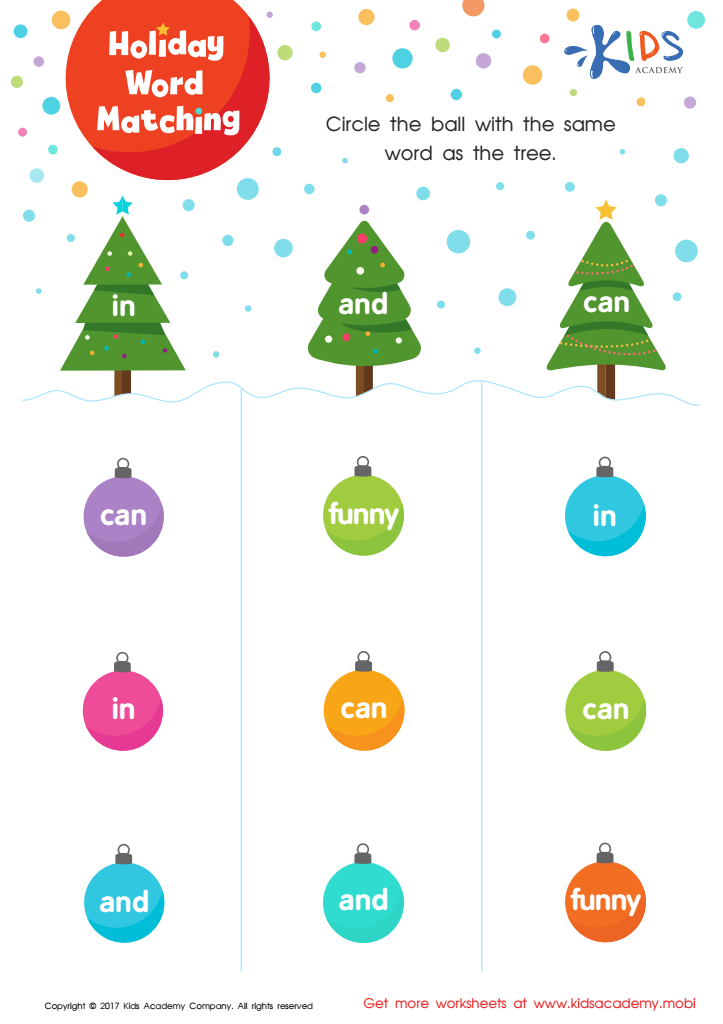
Holiday Word Matching Worksheet
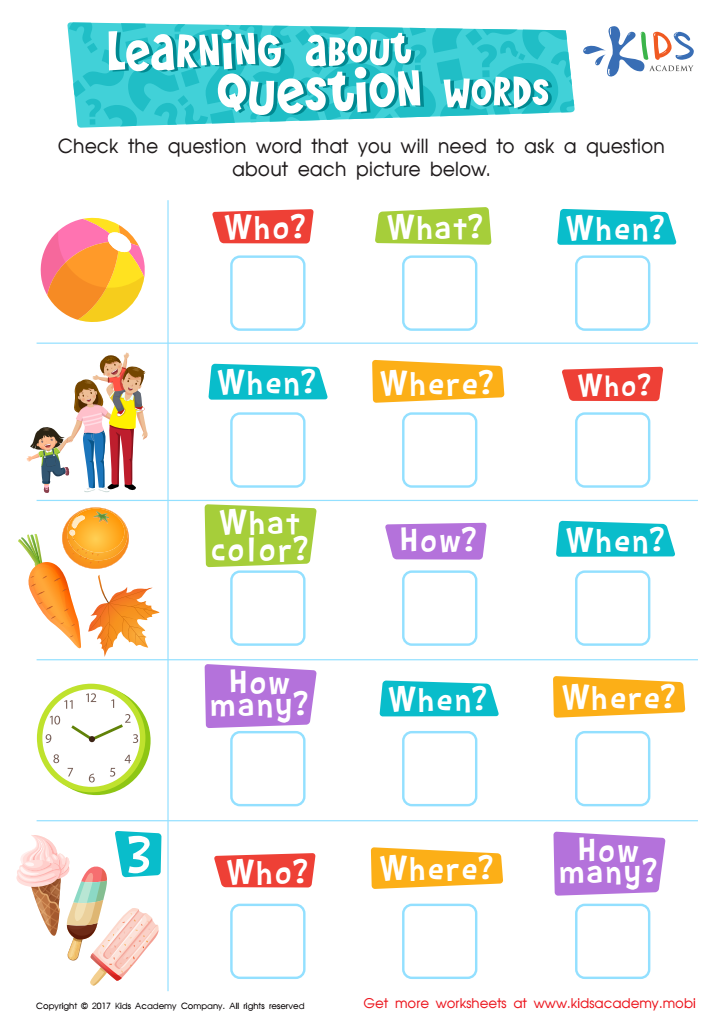
Learning about Question Words Worksheet
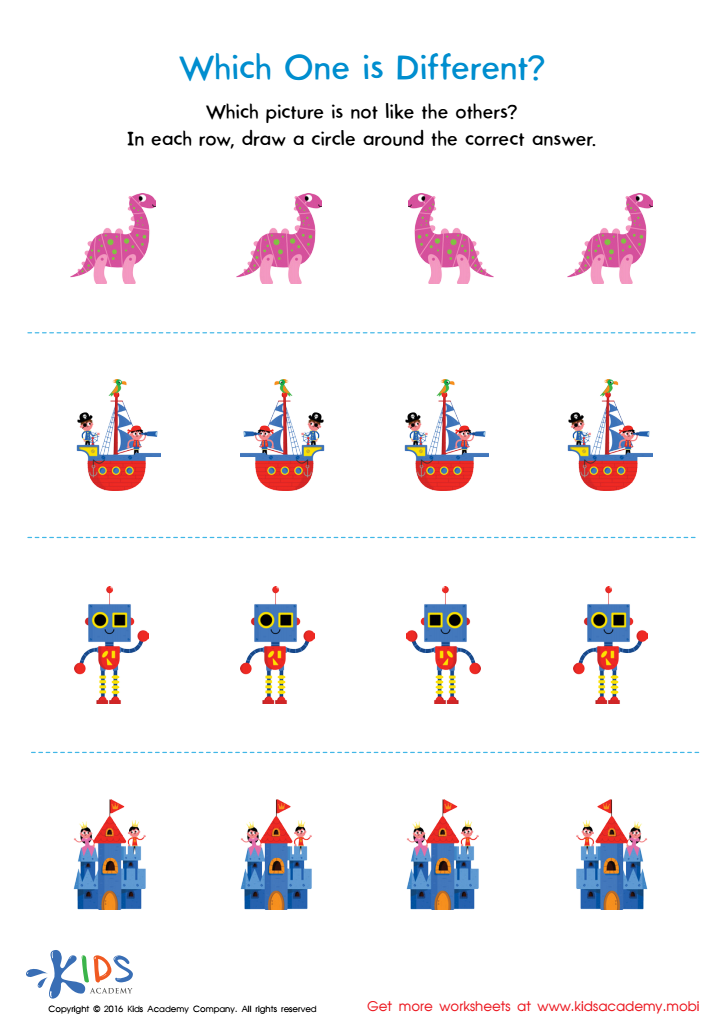
Which One Is Different Worksheet
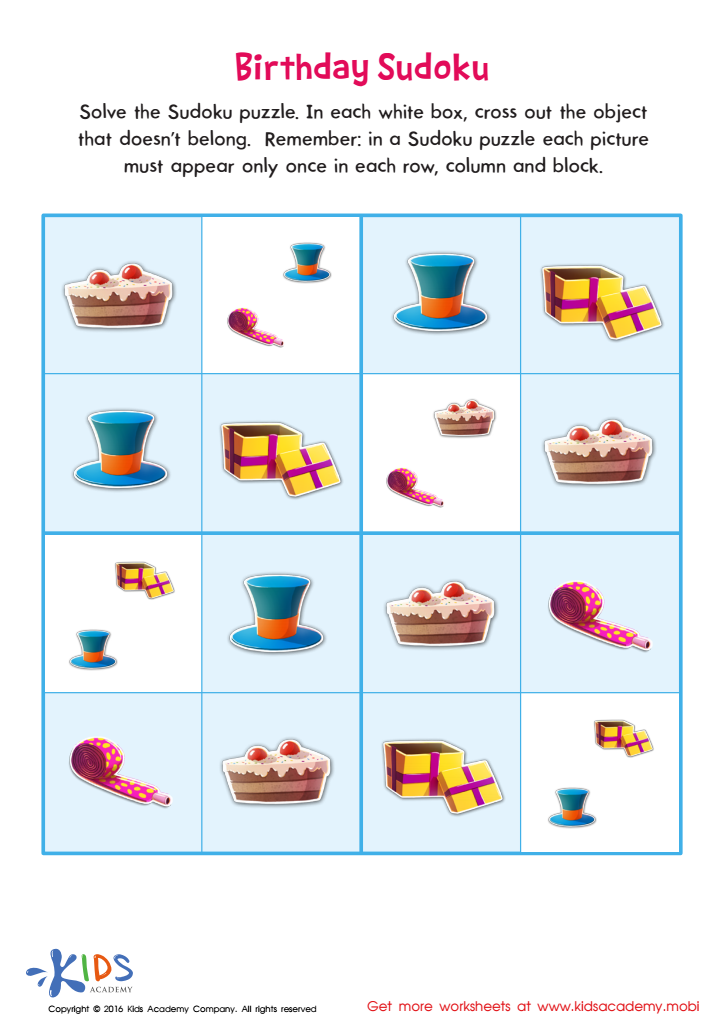
Birthday Sudoku Sorting Worksheet
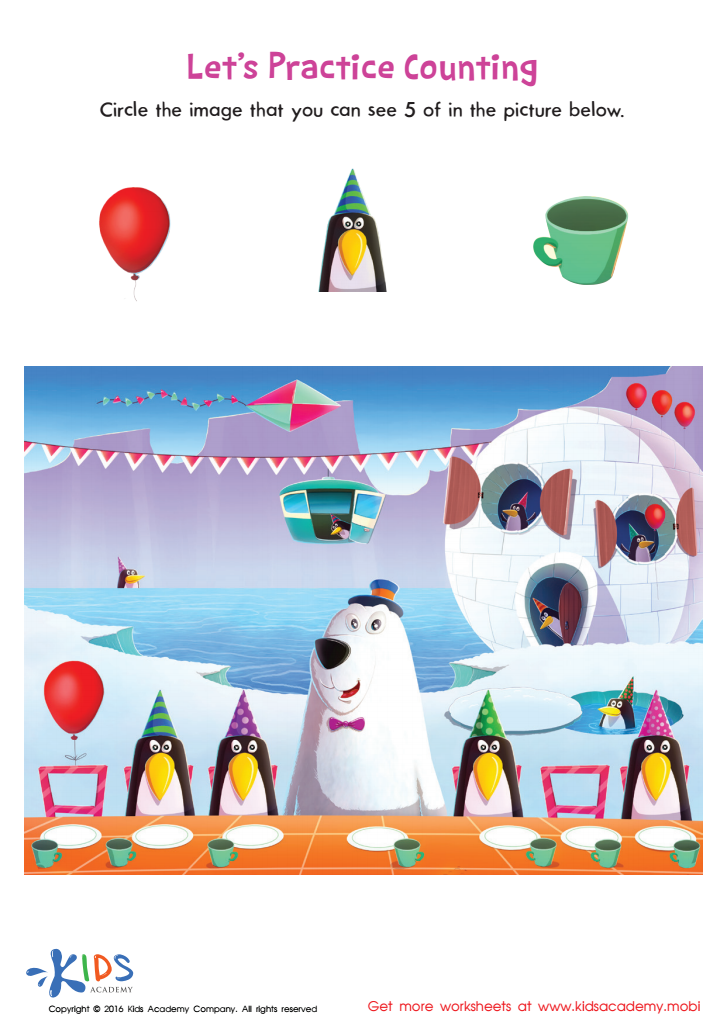
Counting Worksheet: Let's Practice Counting
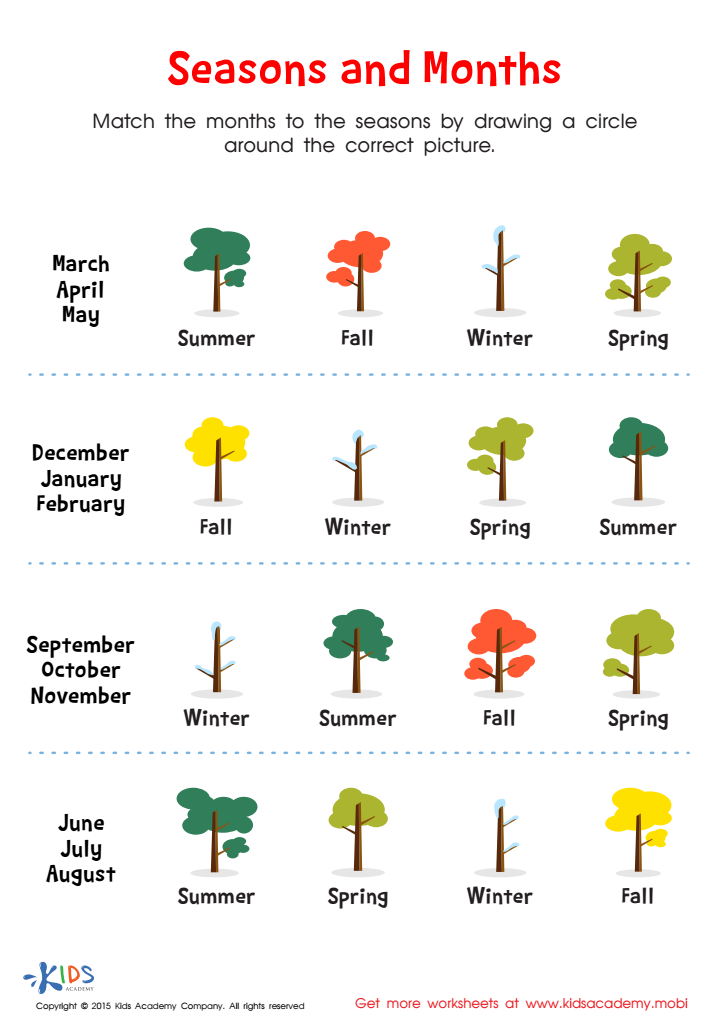
Seasons and Months Worksheet
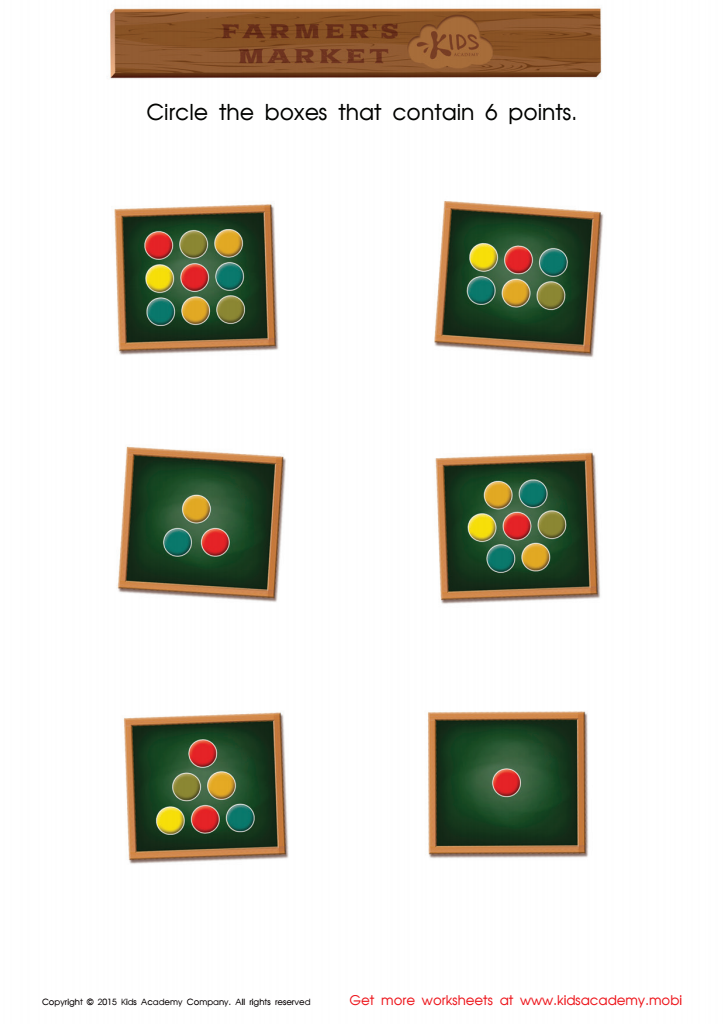
Count and Match Points 6 Math Worksheet
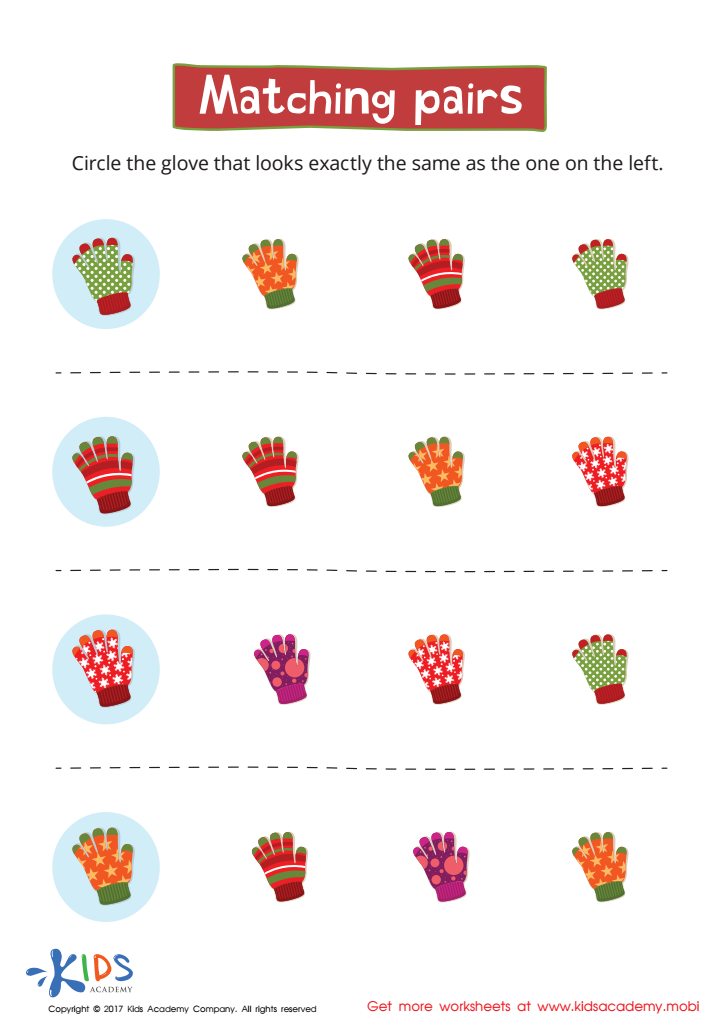
Matching: Matching Pairs Worksheet
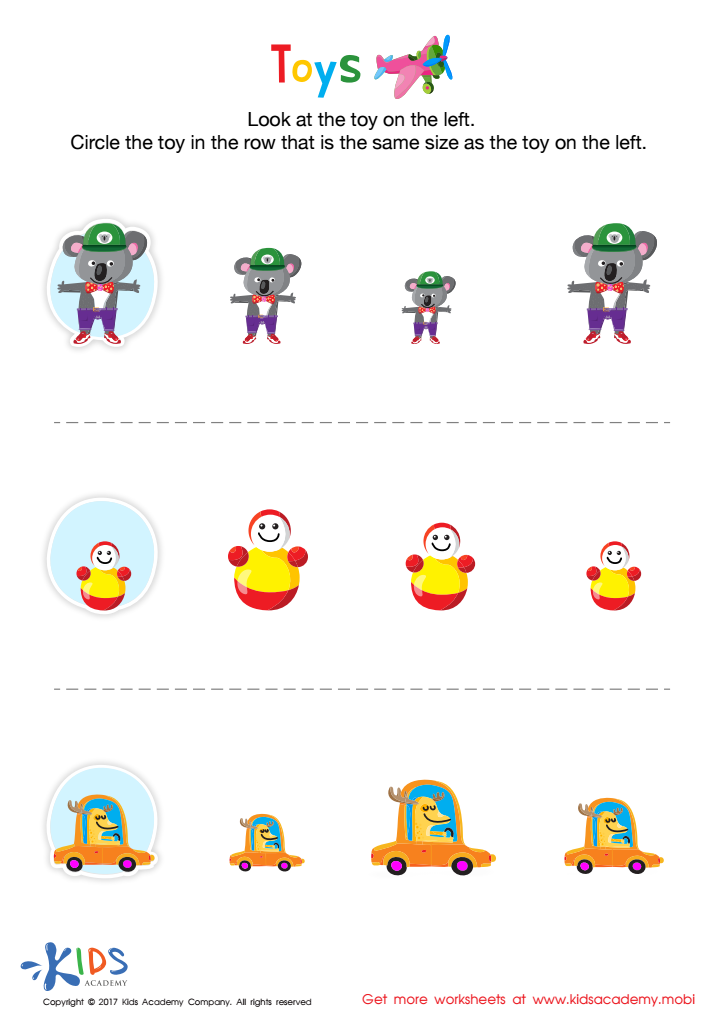
Matching: Classifying Toys by Size Worksheet
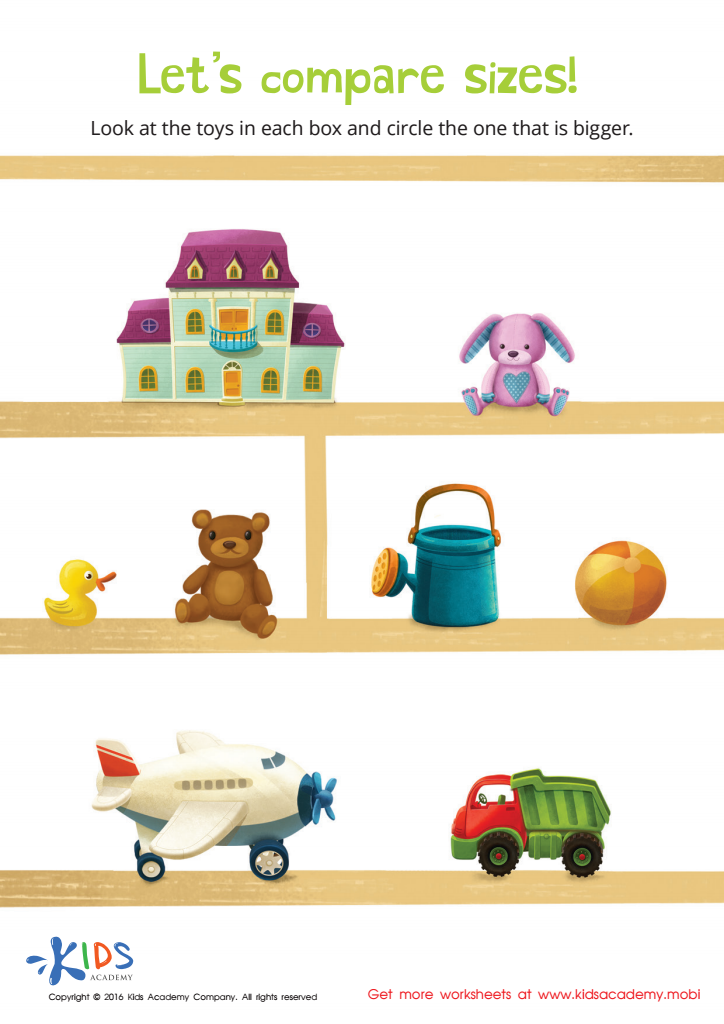
Classifying by Size Sorting Worksheet




.jpg)

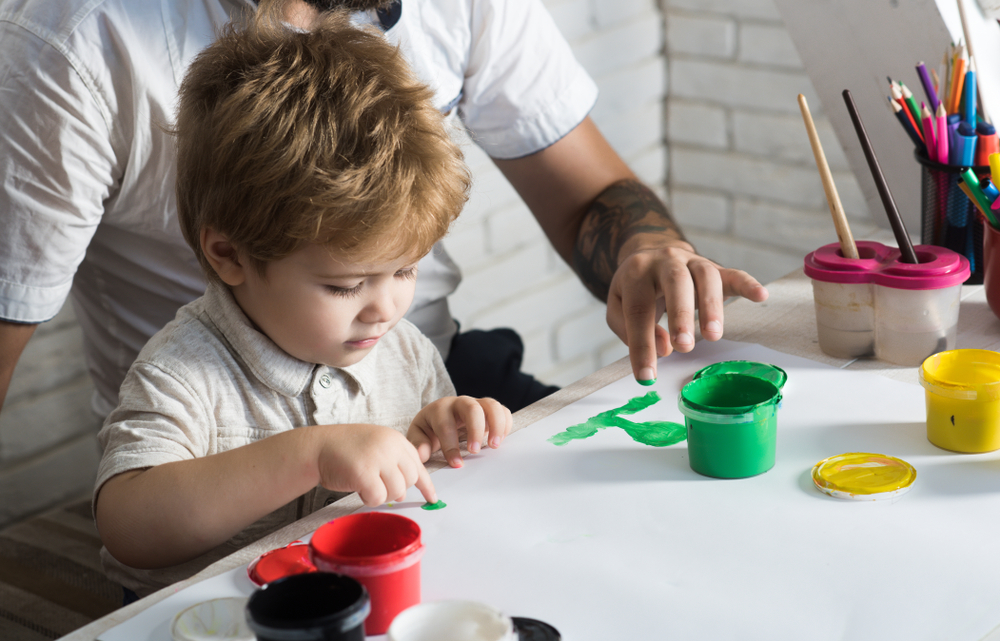

Matching activities are crucial for children aged 3-8 as they foster essential cognitive and social skills during a pivotal developmental stage. These activities, which involve pairing objects, pictures, or words, facilitate learning through play, engaging children's natural curiosity and imagination. Parents and teachers should prioritize matching activities because they significantly enhance memory, attention, and problem-solving abilities.
Cognitively, matching promotes pattern recognition, boosts vocabulary, and aids in the understanding of categories and relationships. It lays the groundwork for later skills such as reading and mathematical concepts. Socially, when children participate in matching exercises with peers or adults, they develop collaboration and communication skills, learning to share responsibilities and navigate social contexts.
Additionally, matching activities can be easily tailored to suit individual interests or curriculum goals, making them versatile educational tools that accommodate diverse learning styles. From simple card games to interactive digital apps, matching activities can also incorporate various subjects, such as animals, shapes, or emotions, thus enriching the learning experience.
Ultimately, prioritizing matching activities empowers children with critical foundational skills and nurtures a lifelong love for learning, making it an essential focus for parents and educators alike.








