Tracing Words worksheets activities for Ages 3-8 - Page 2
42 filtered results
-
From - To
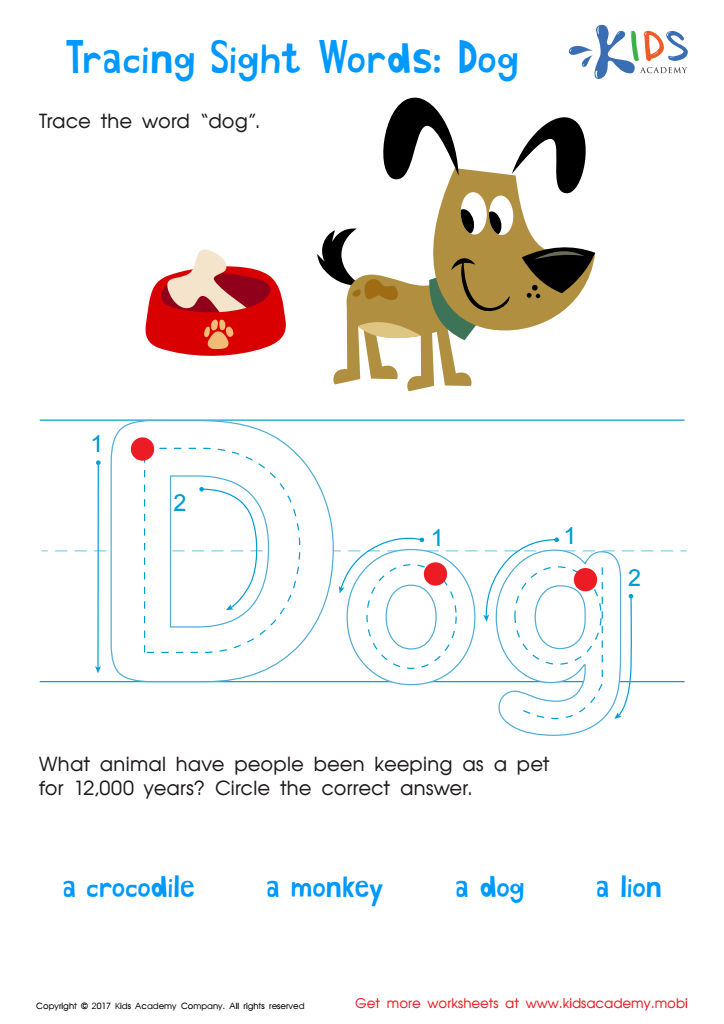
Dog Worksheet Sight Words Worksheet
 Assign to My Students
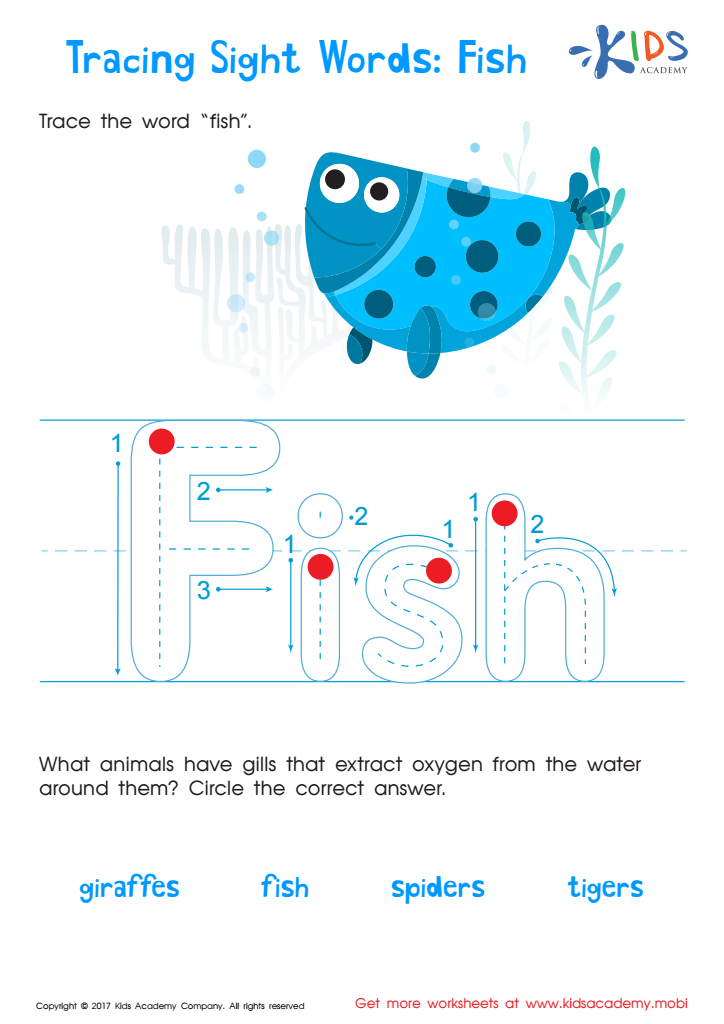
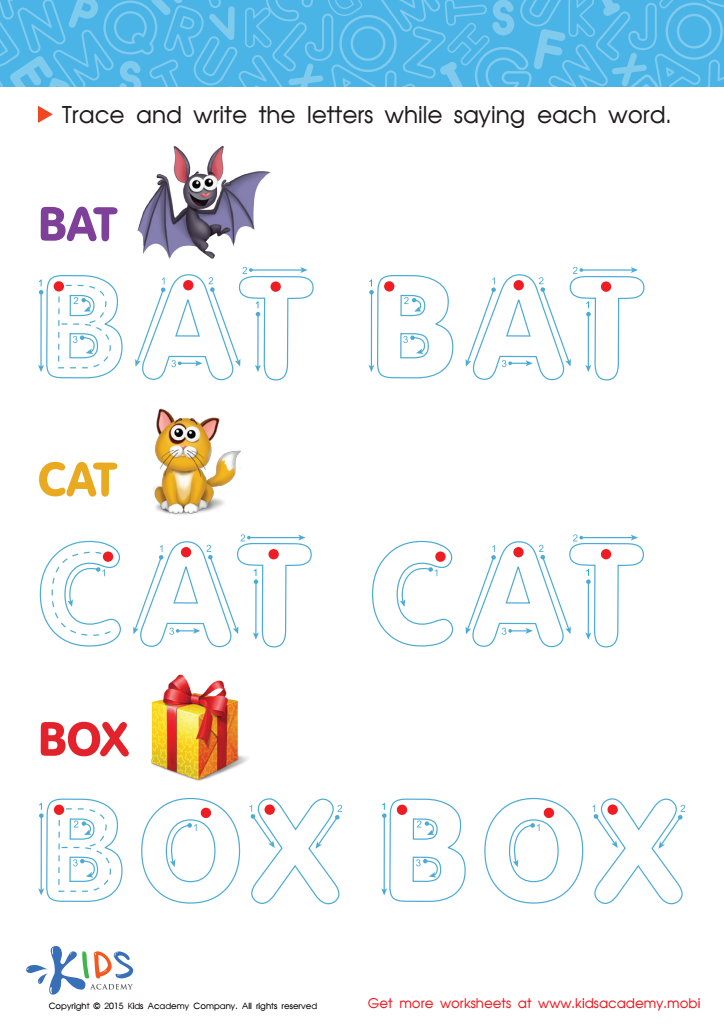
A Bat, a Cat and a Box Spelling Worksheet
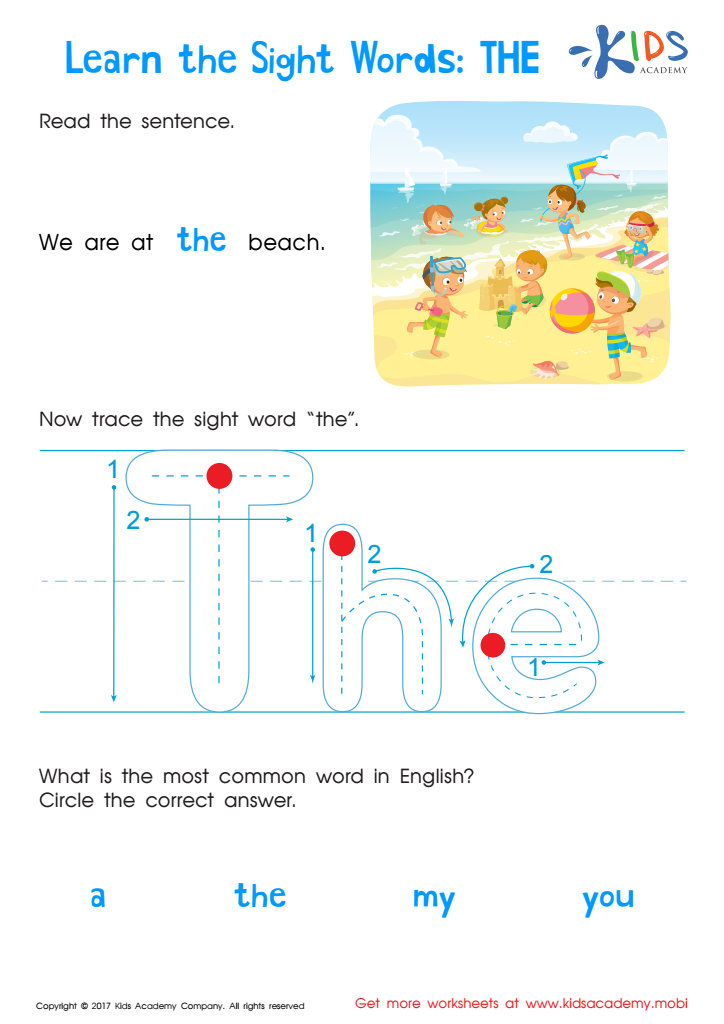
Sight Words: The Worksheet
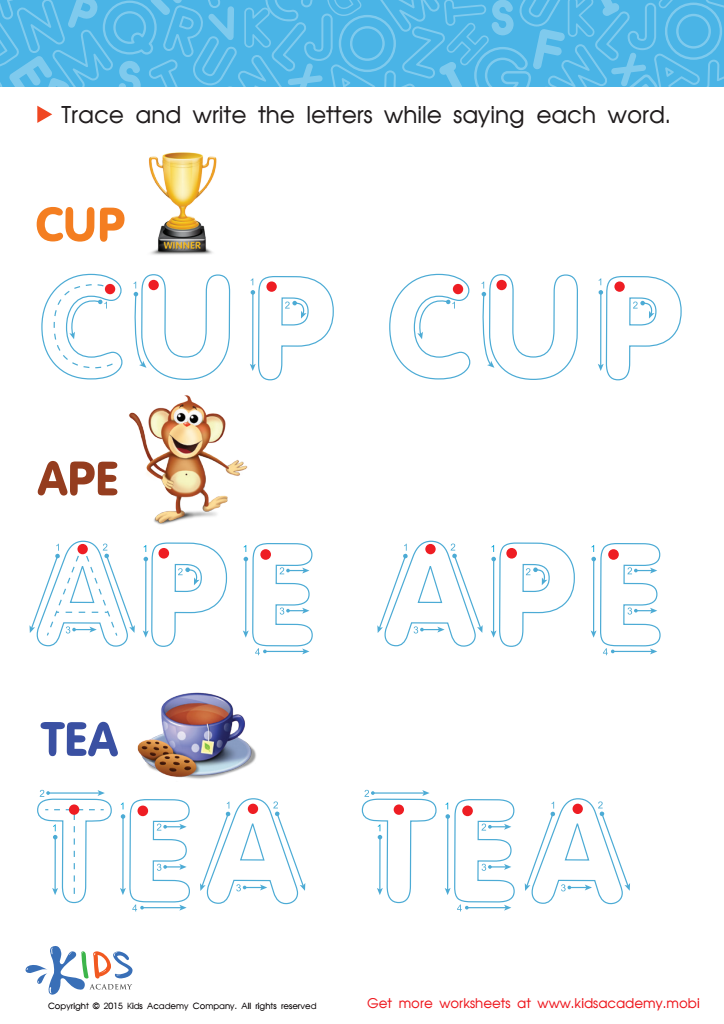
A Cup, an Ape and Tea Spelling Worksheet
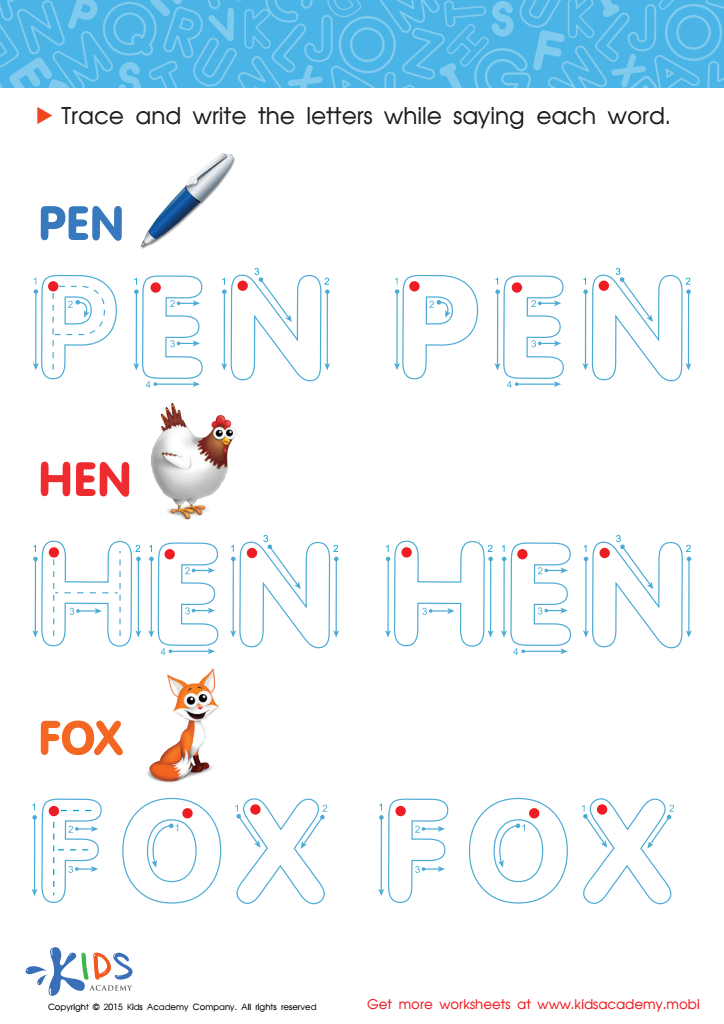
A Pen, a Hen and a Fox Spelling Worksheet
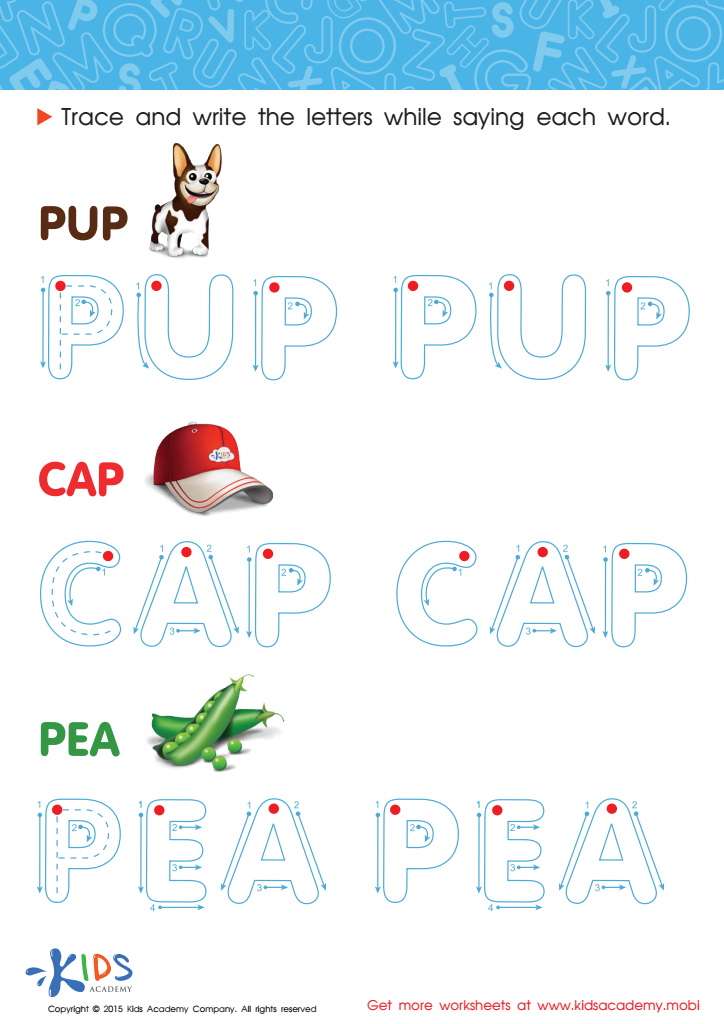
A Pup, a Cap and a Pea Spelling Worksheet
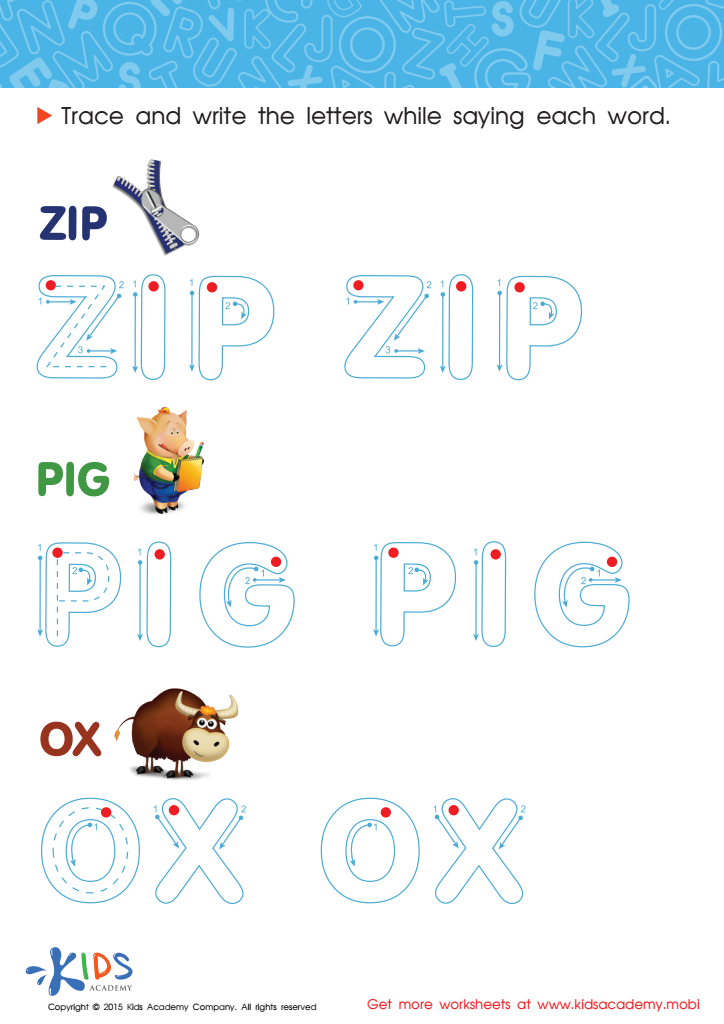
A Zip, a Pig and an Ox Spelling Worksheet
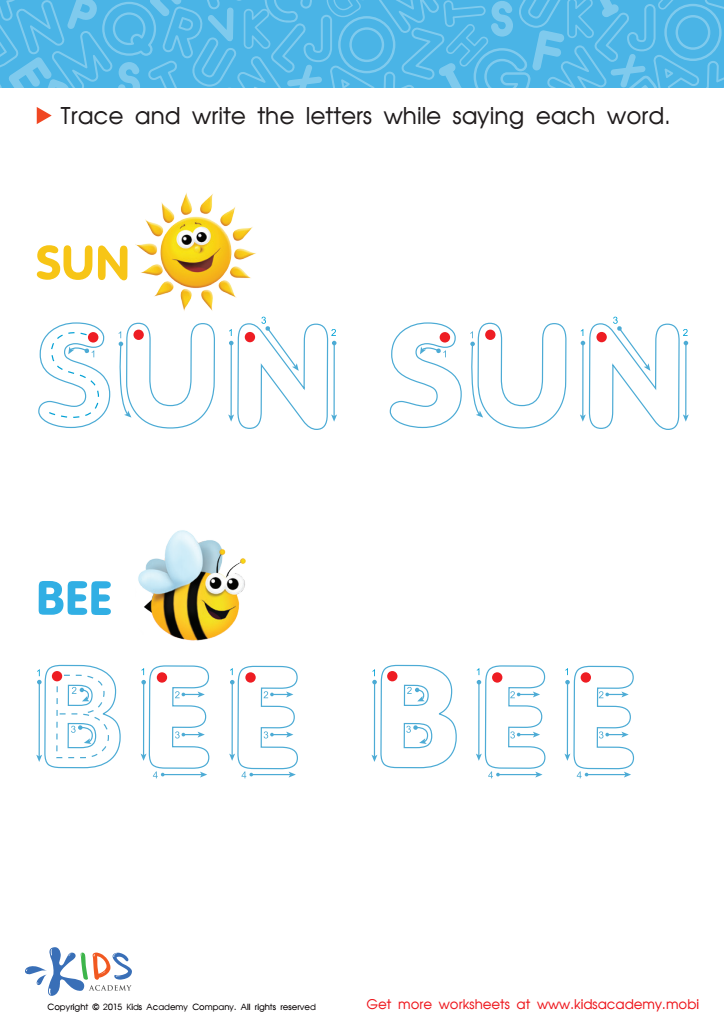
The Sun and a Bee Spelling Worksheet
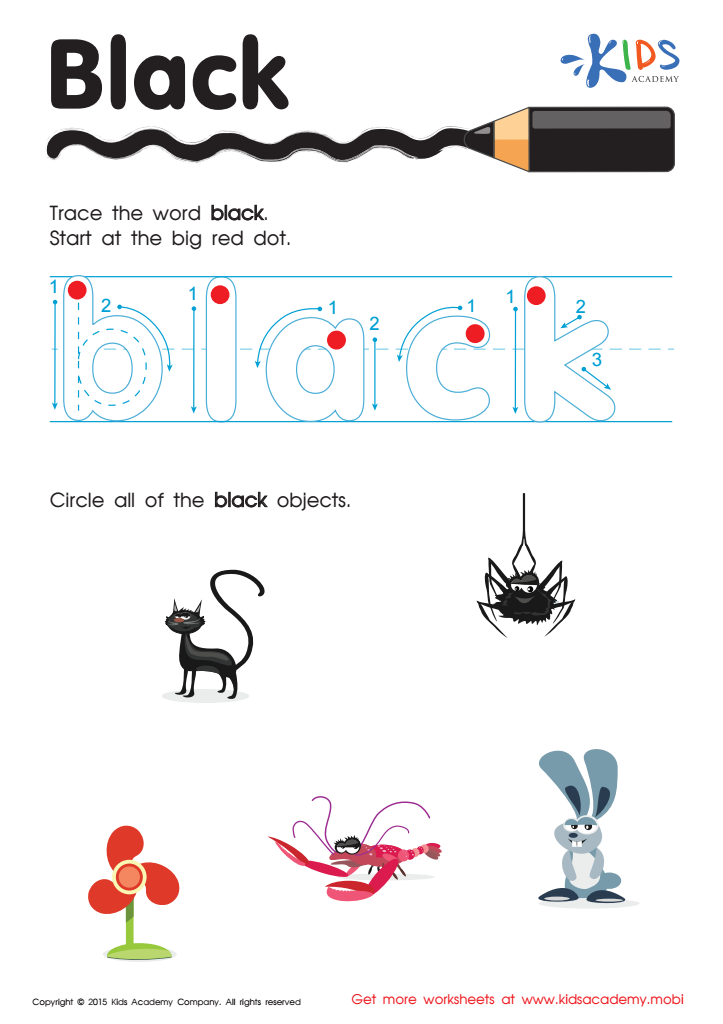
Black Tracing Color Words Printable
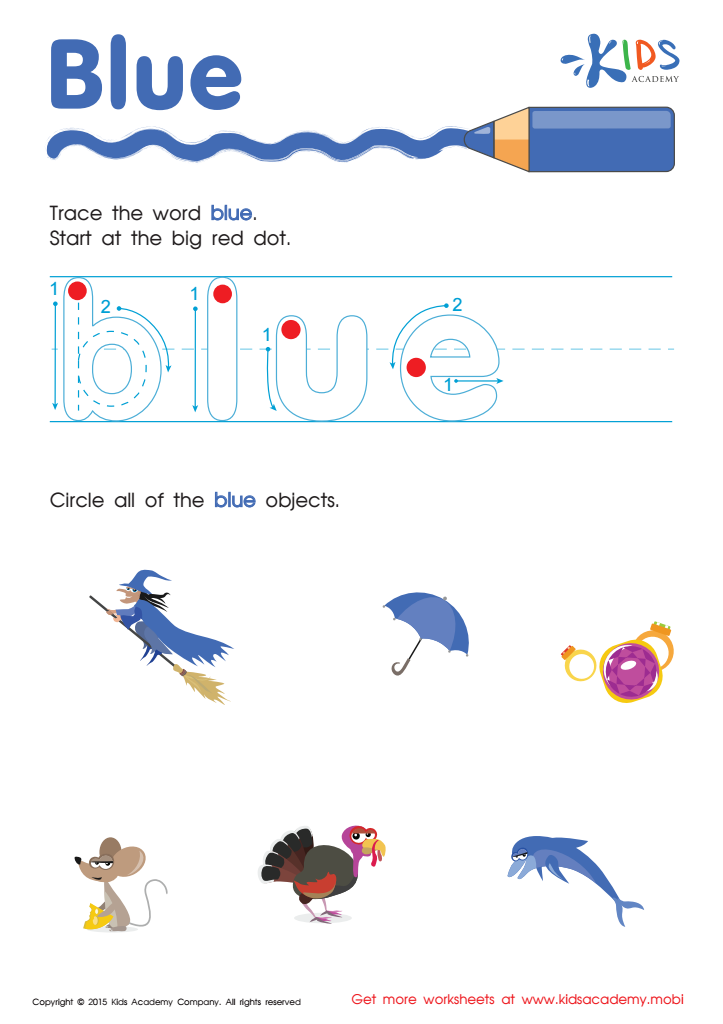
Blue Tracing Color Words Printable
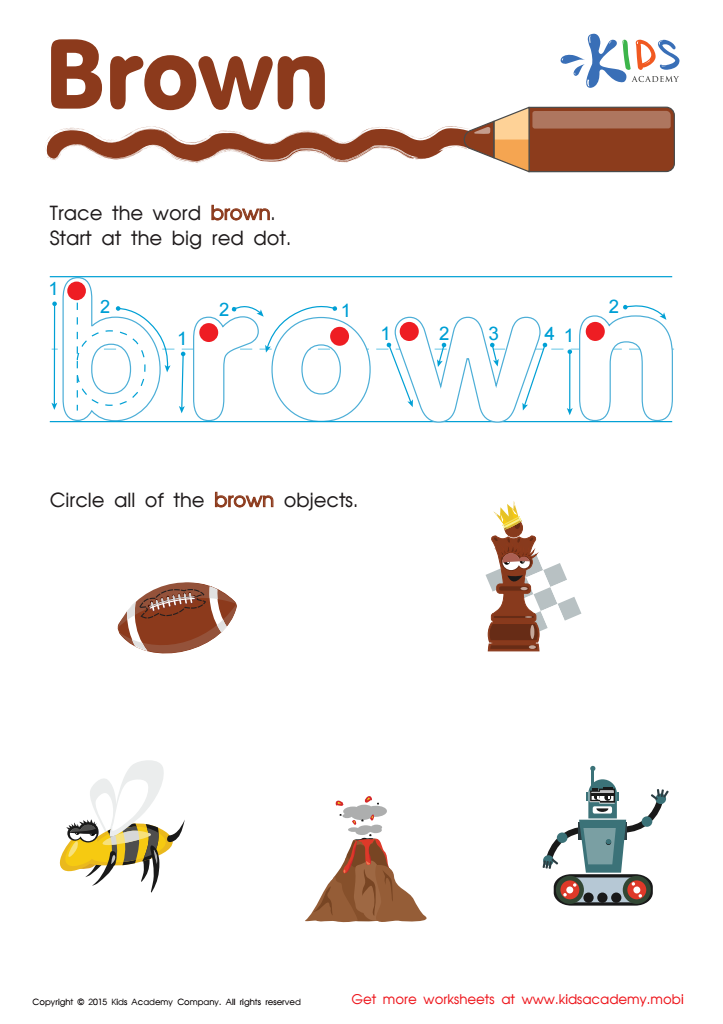
Brown Tracing Color Words Worksheet
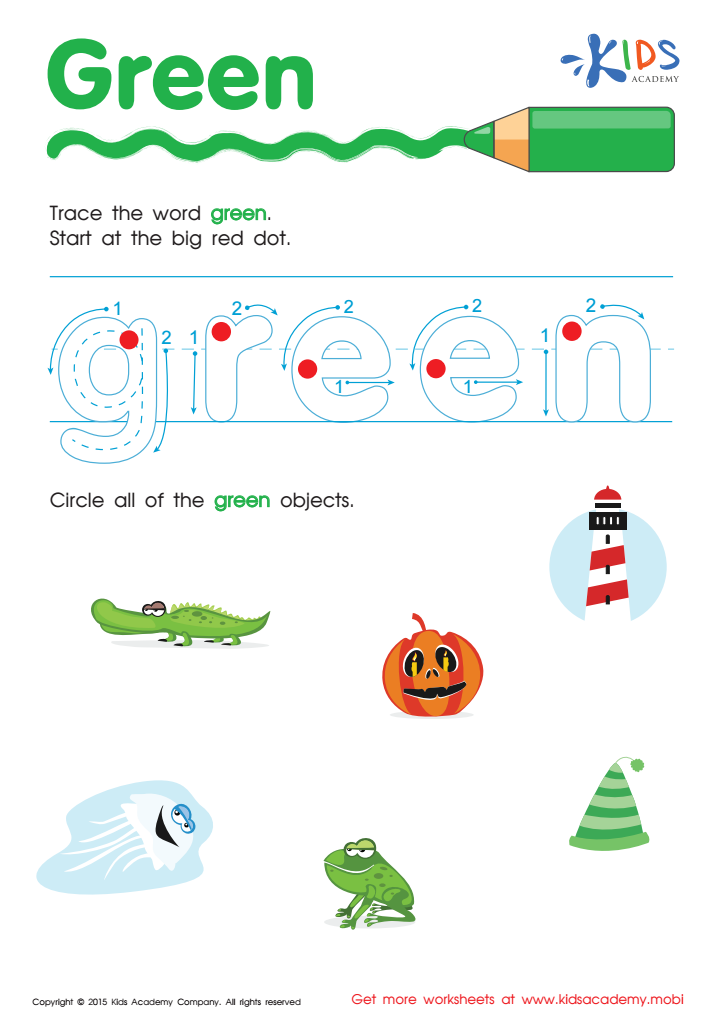
Green Tracing Color Words Worksheet
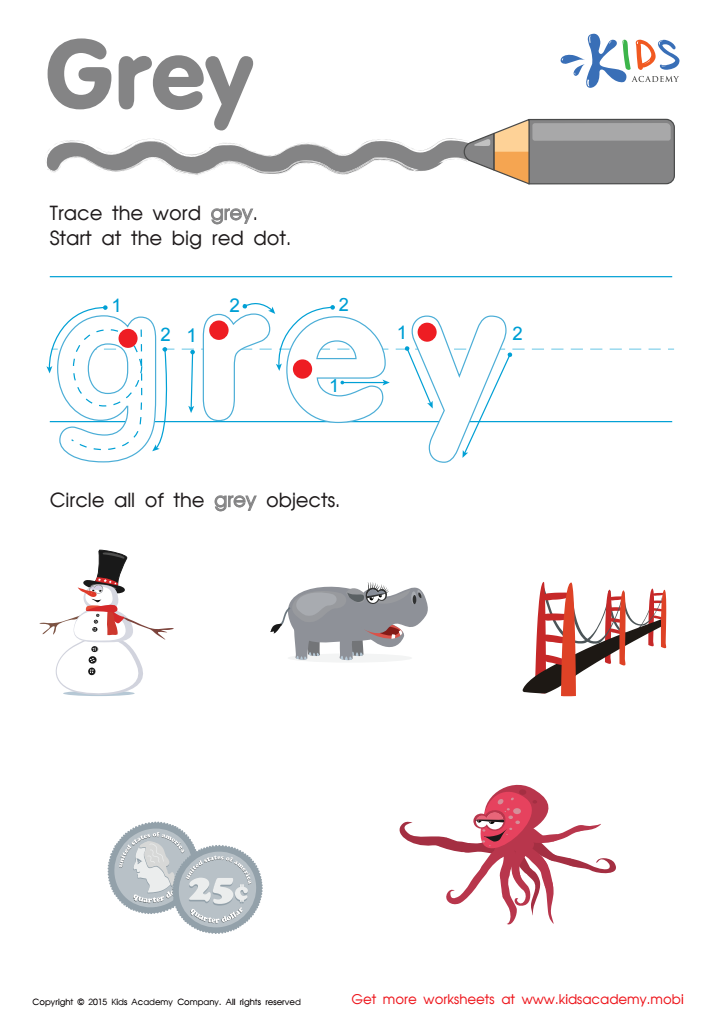
Grey Tracing Color Words Worksheet
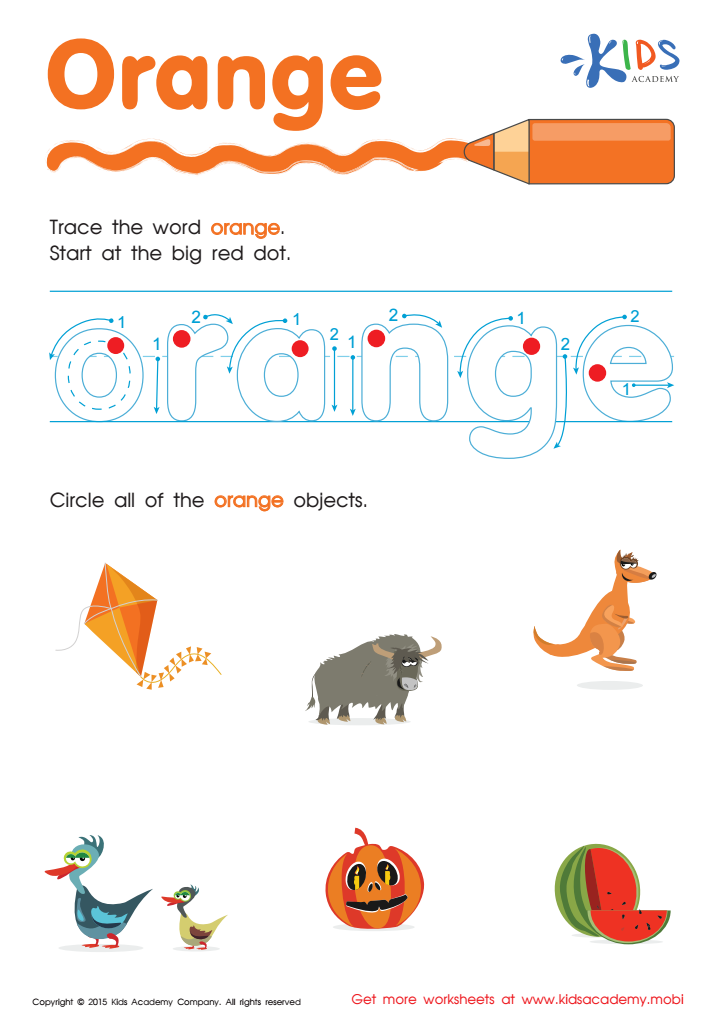
Orange Tracing Color Words Worksheet
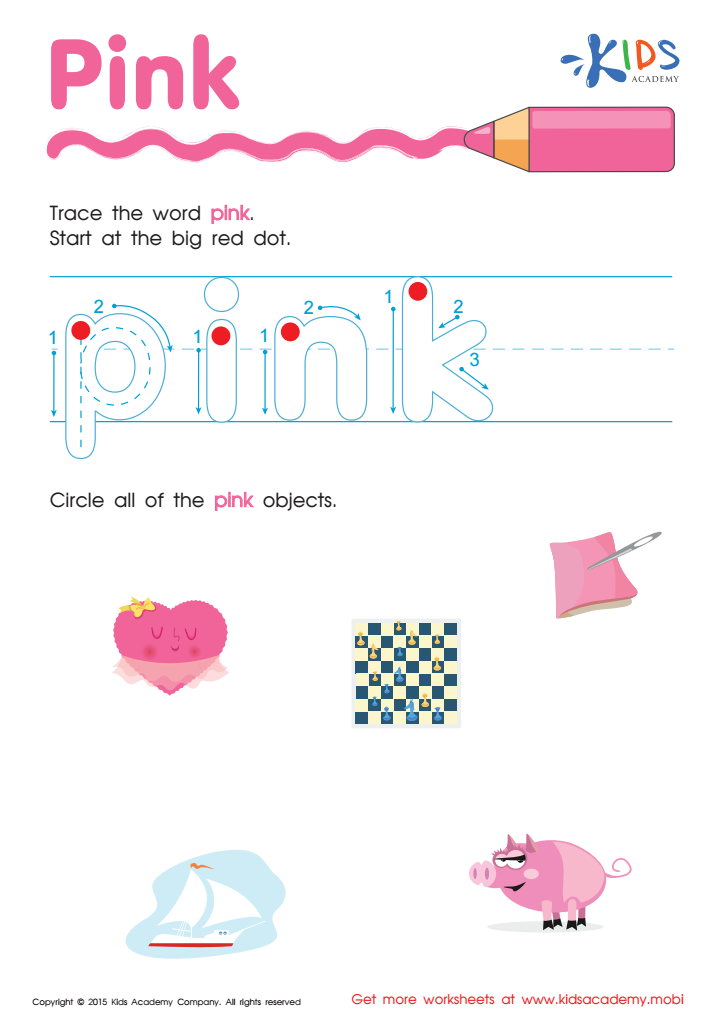
Pink Tracing Color Words Worksheet
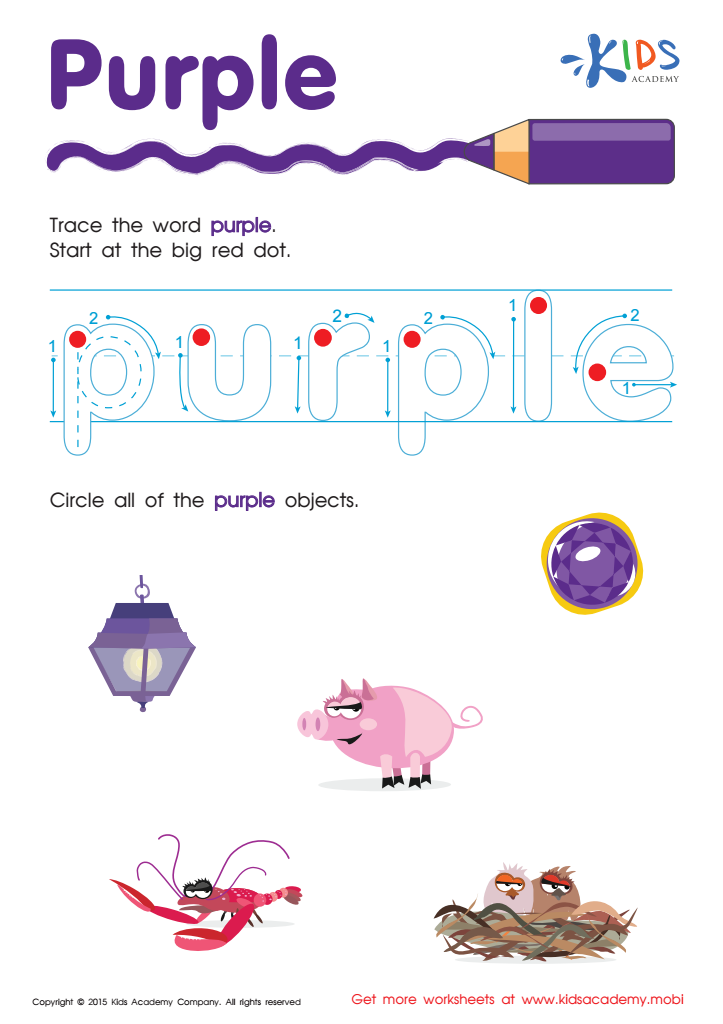
Purple Tracing Color Words Worksheet
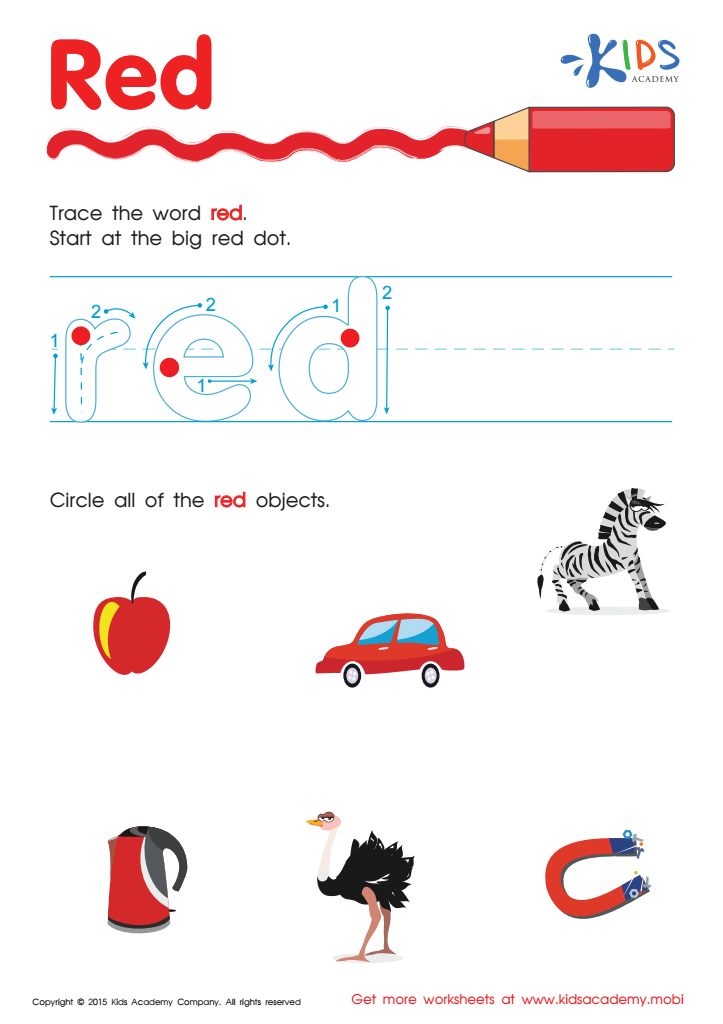
Red Tracing Color Words Printable





Tracing words activities are vital for children aged 3-8 as they lay a foundation for strong literacy skills and overall cognitive development. These activities assist in developing fine motor skills, which involve small muscle movements essential for writing. When children trace letters and words, they practice grip control and hand-eye coordination, crucial skills for future writing.
Additionally, tracing enhances word recognition and vocabulary. By repeatedly tracing letters and words, children become familiar with their shapes and sounds, leading to increased confidence when reading and writing independently. This practice promotes phonemic awareness, which is critical for successful reading development.
Furthermore, tracing provides a structured and engaging way for young learners to connect letters to sounds while being flexible enough to incorporate fun themes or subjects. This not only captivates their interest but also makes learning more meaningful and enjoyable.
Parents and teachers should recognize the importance of tracing activities as part of early childhood education. By fostering these skills, they prepare children for academic success in literacy and encourage a lifelong love for learning, setting the stage for future achievement in school and beyond.








