Tracing Shapes worksheets activities for Ages 3-9
20 filtered results
-
From - To
Discover our engaging collection of Tracing Shapes worksheets designed for children ages 3-9! These fun activities help young learners develop essential fine motor skills and hand-eye coordination while exploring various shapes. Our worksheets feature easy-to-follow outlines, allowing kids to practice tracing circles, squares, triangles, and more. Each activity is thoughtfully crafted to motivate creativity and encourage independent learning. Perfect for both classroom settings and at-home practice, these tracing activities provide an enjoyable way for children to build their confidence in writing. With our user-friendly format, educators and parents can easily access and print these essential learning tools for early educational success!
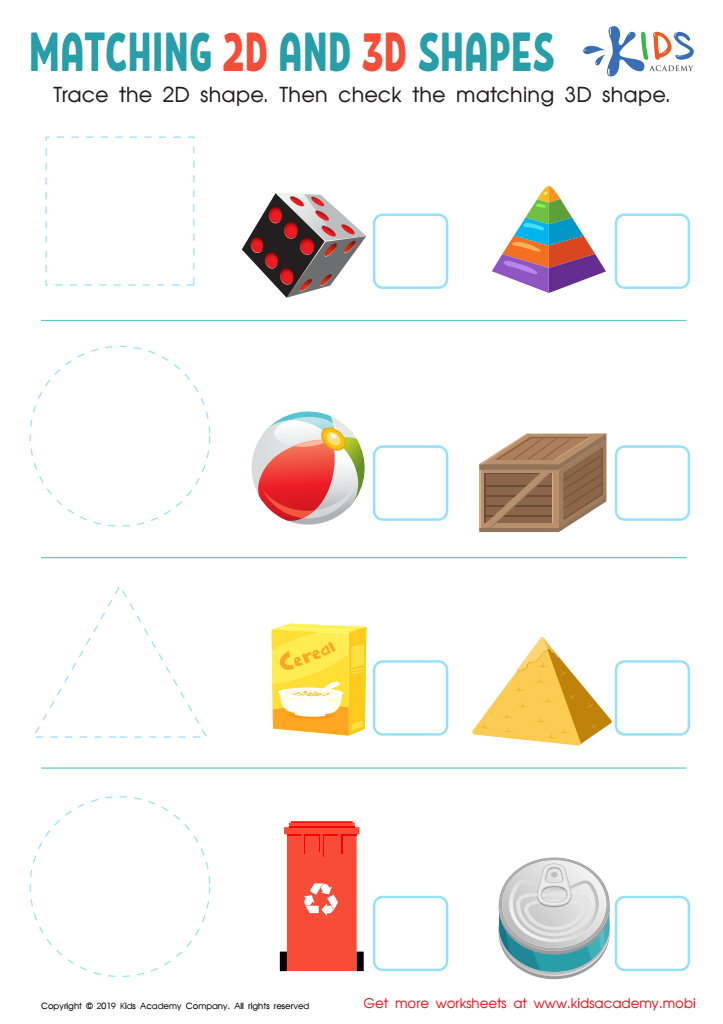
Matching 2D and 3D Shapes Worksheet
 Assign to My Students
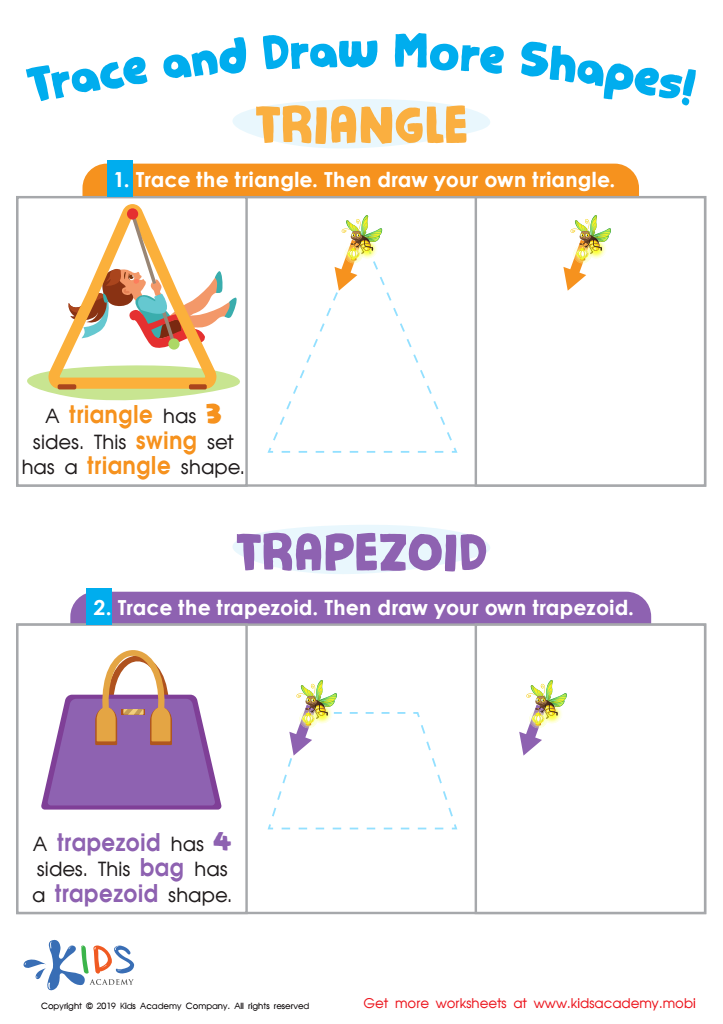
Trace and Draw More Shapes Worksheet
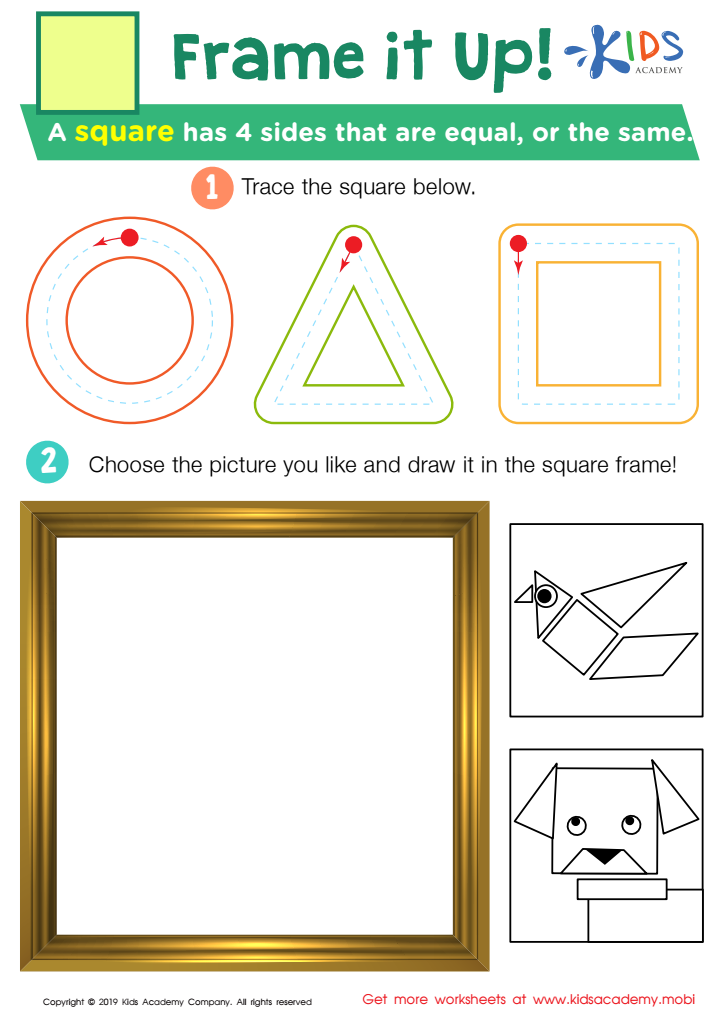
Frame it Up Worksheet
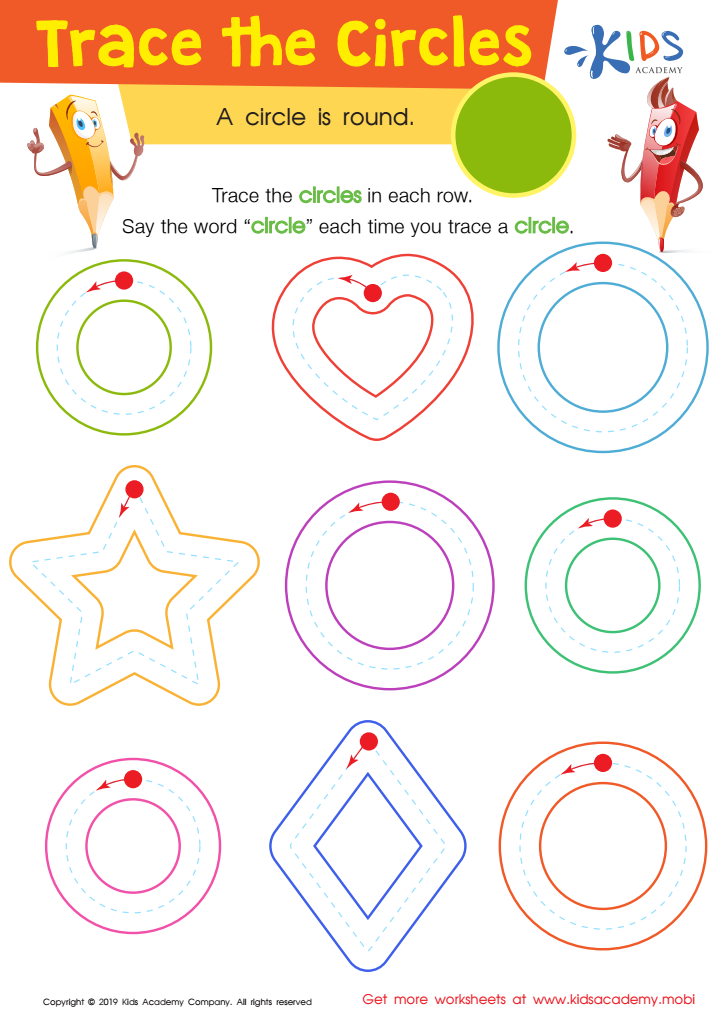
Trace The Circles Worksheet
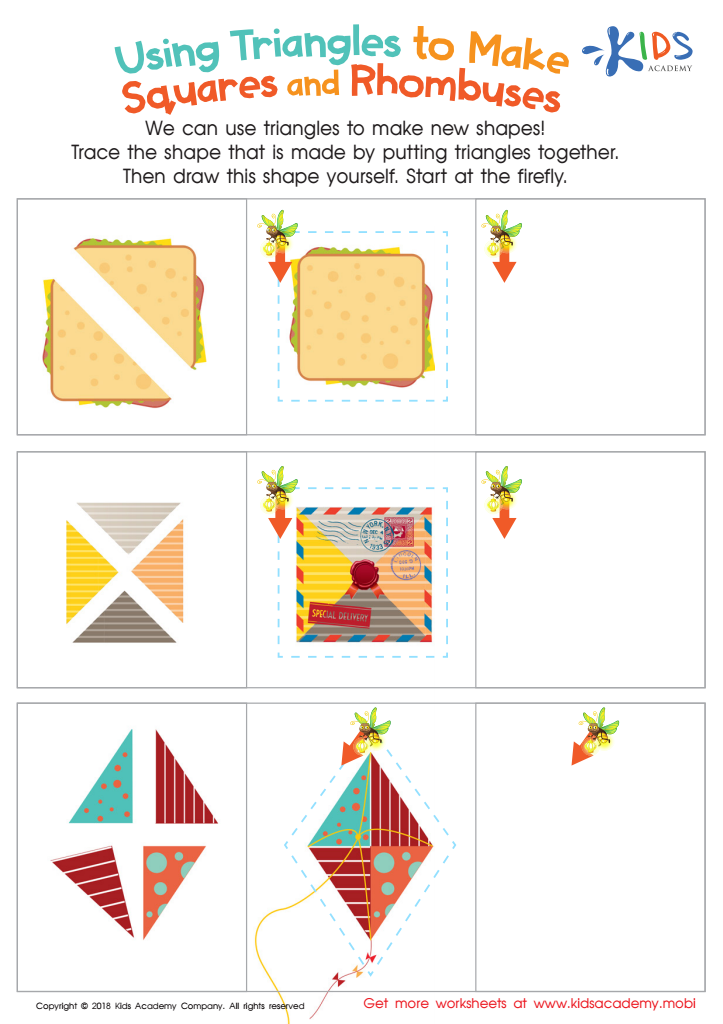
Using Triangles to Make Squares and Rhombuses Worksheet
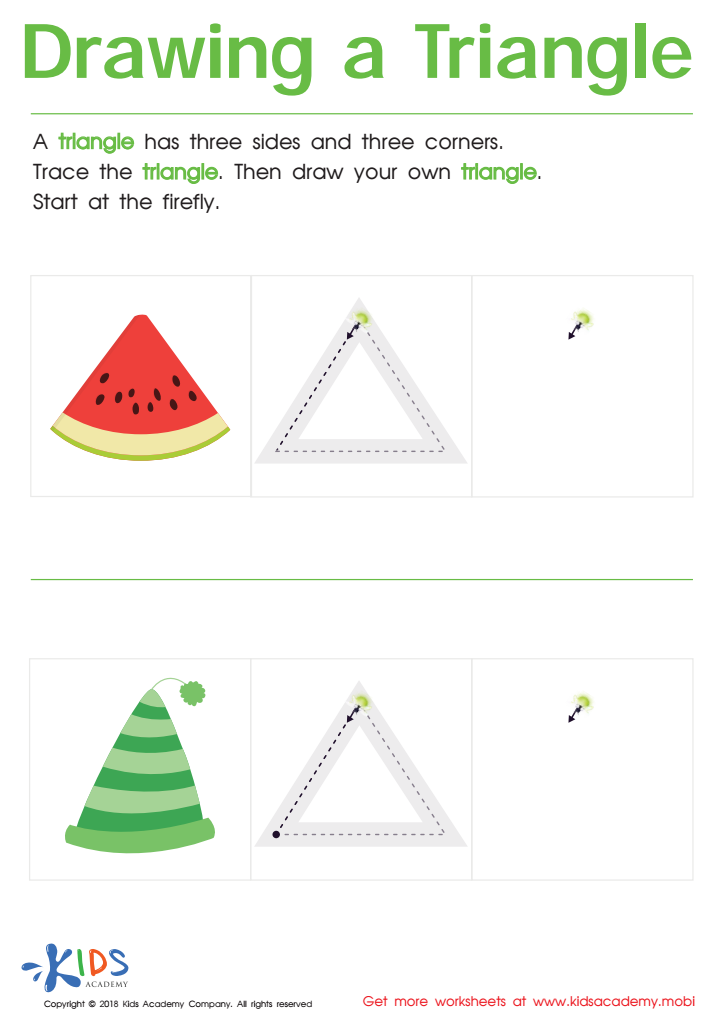
Drawing a Triangle Worksheet
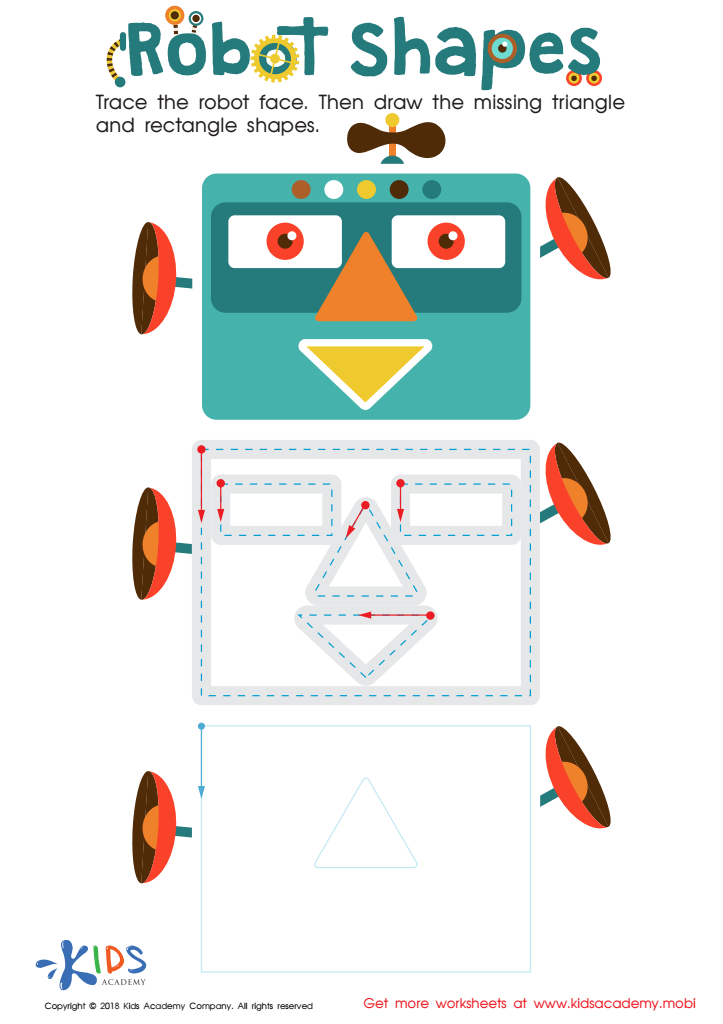
Robot Shapes Worksheet
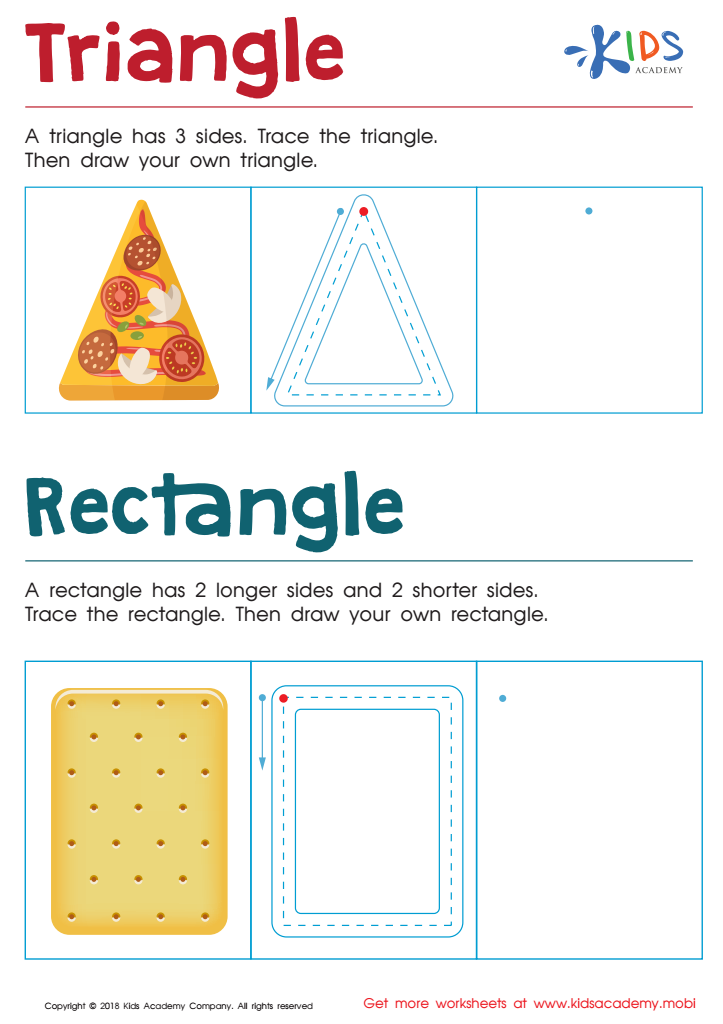
Triangle Rectangle Worksheet
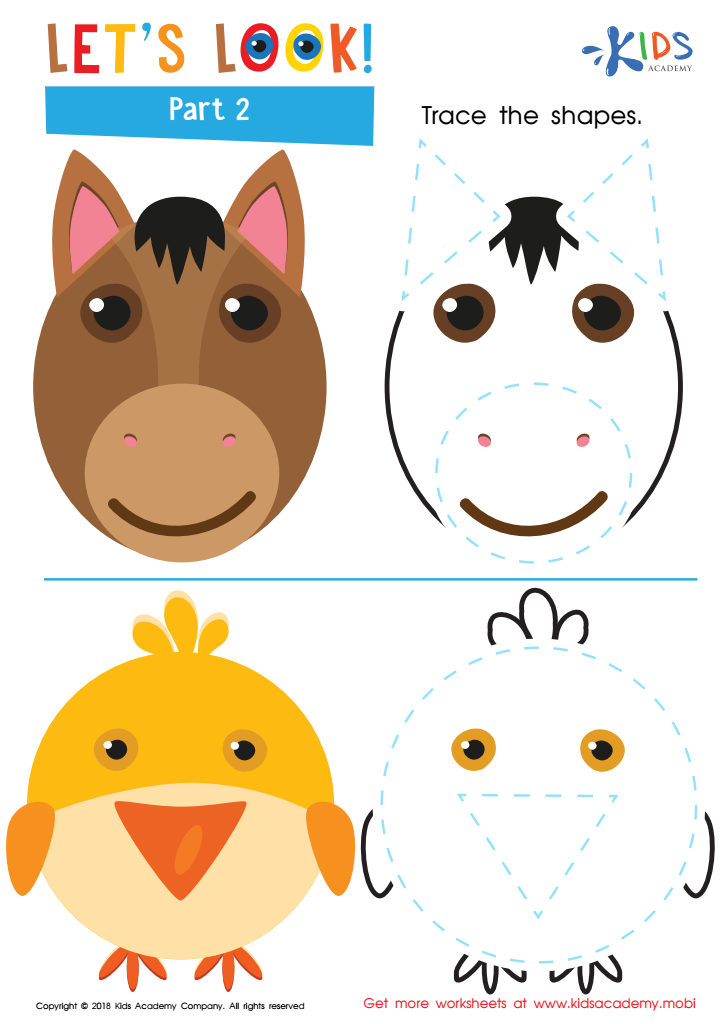
Let's Look! Part 2 Worksheet
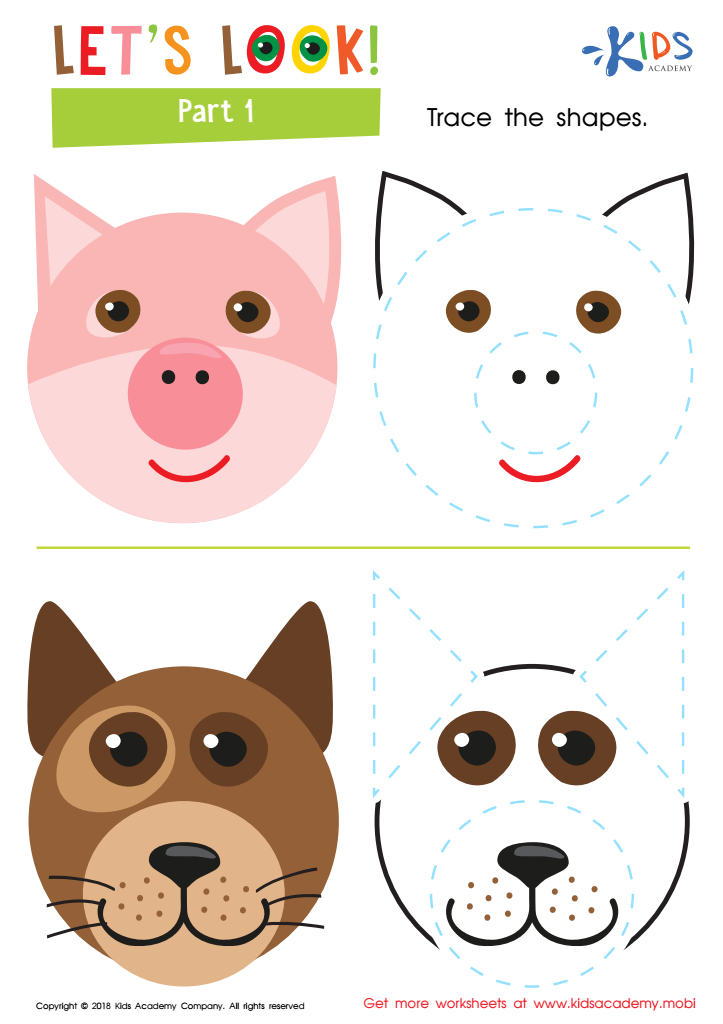
Let's Look! Part 1 Worksheet
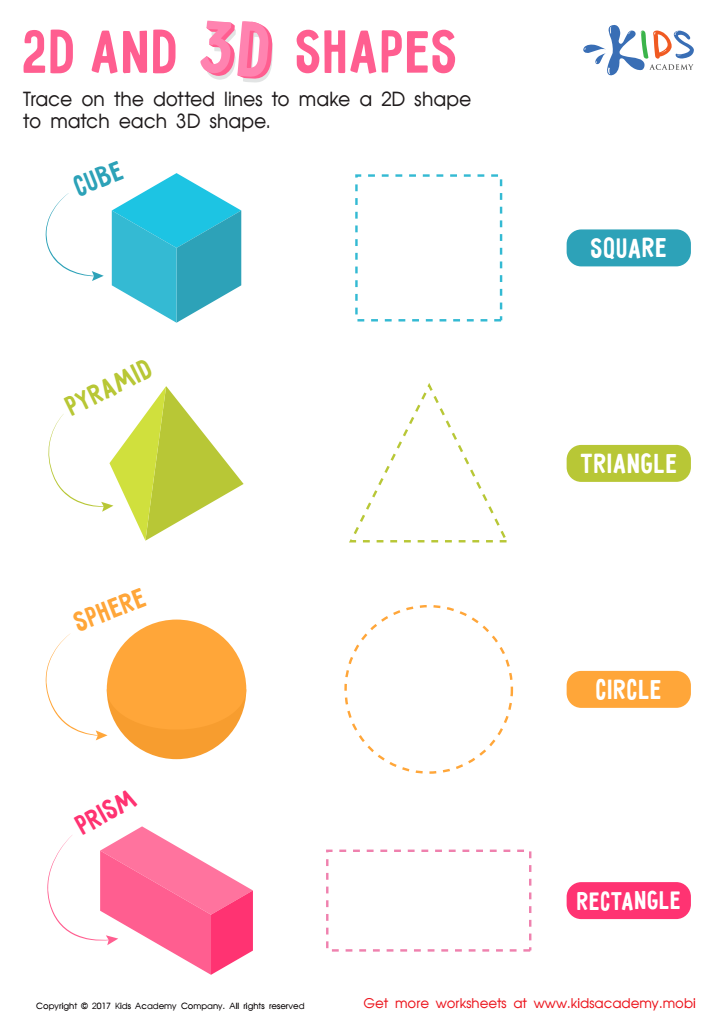
2D and 3D Shapes Worksheet
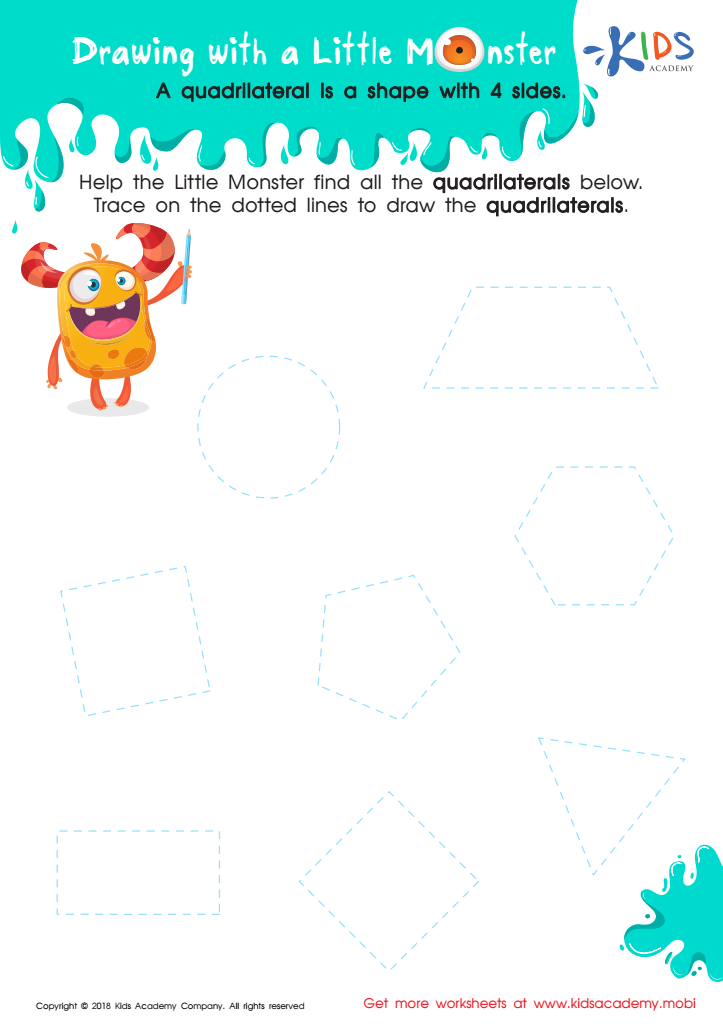
Drawing with a Little Monster Worksheet
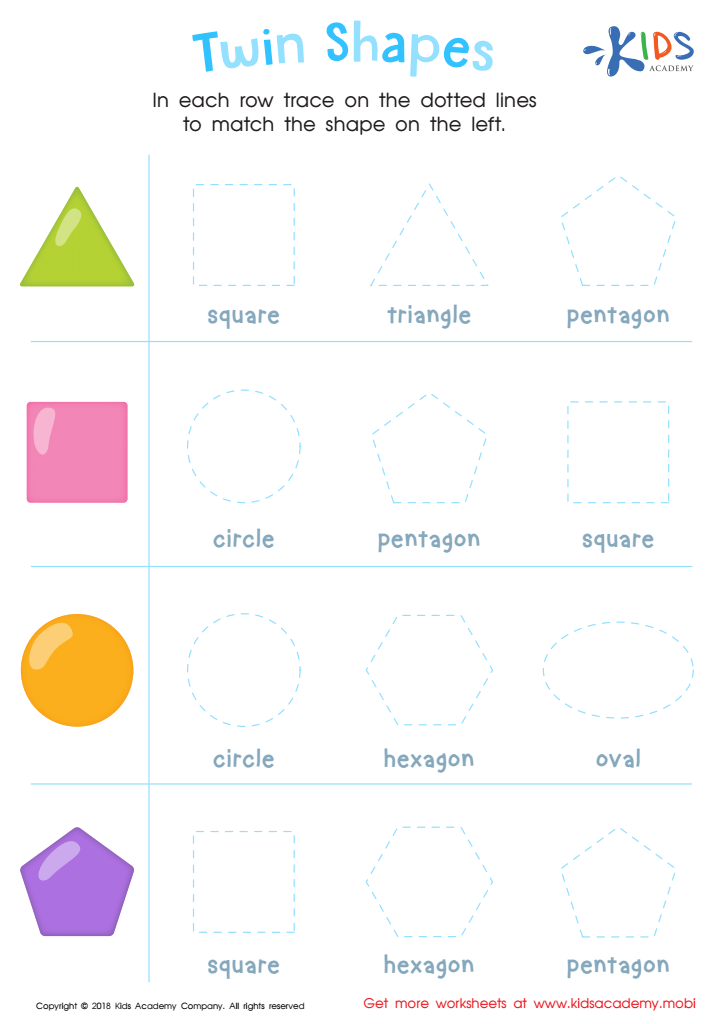
Twin Shapes Dot-to-Dot Worksheet
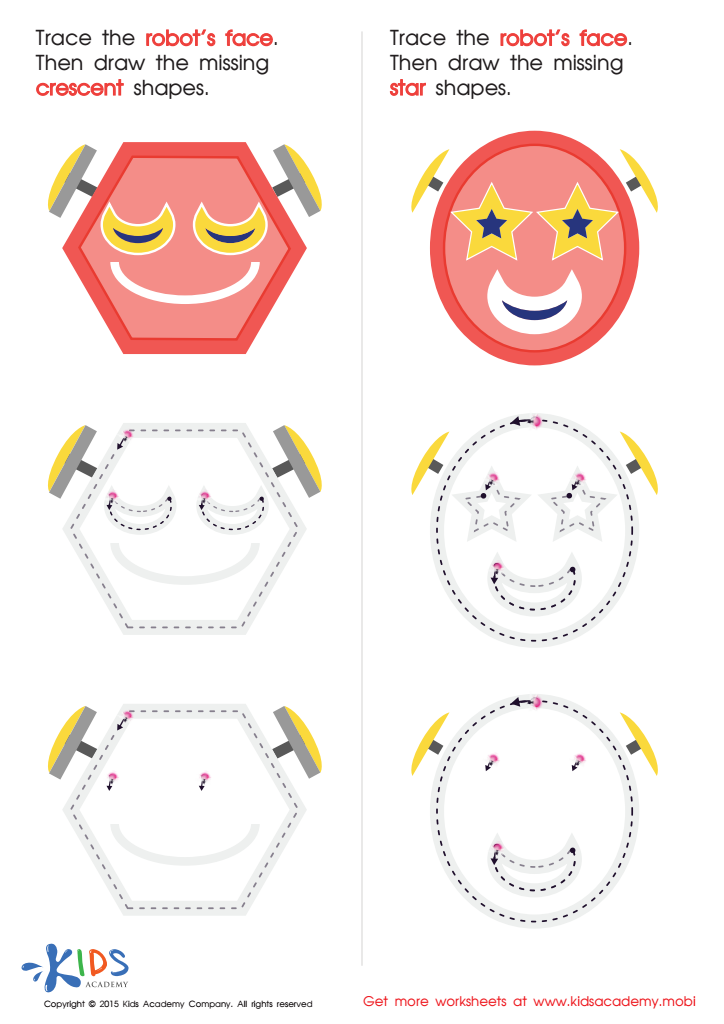
Composing a Robot's Face of Crescents And Stars Worksheet
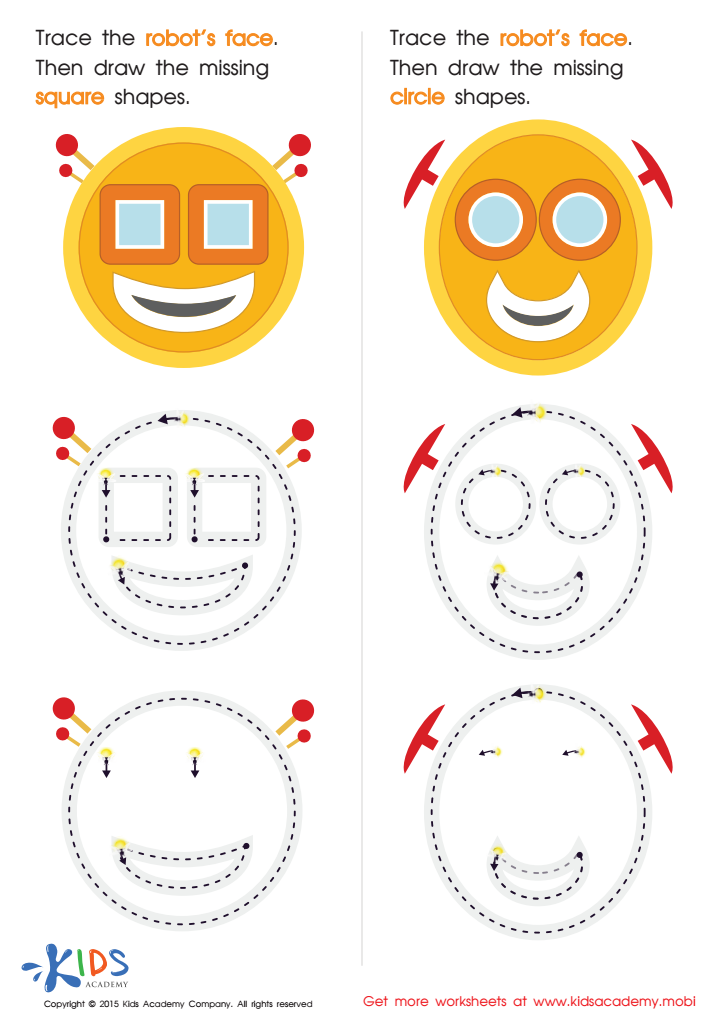
Practicing to Draw Circles And Squares Printable
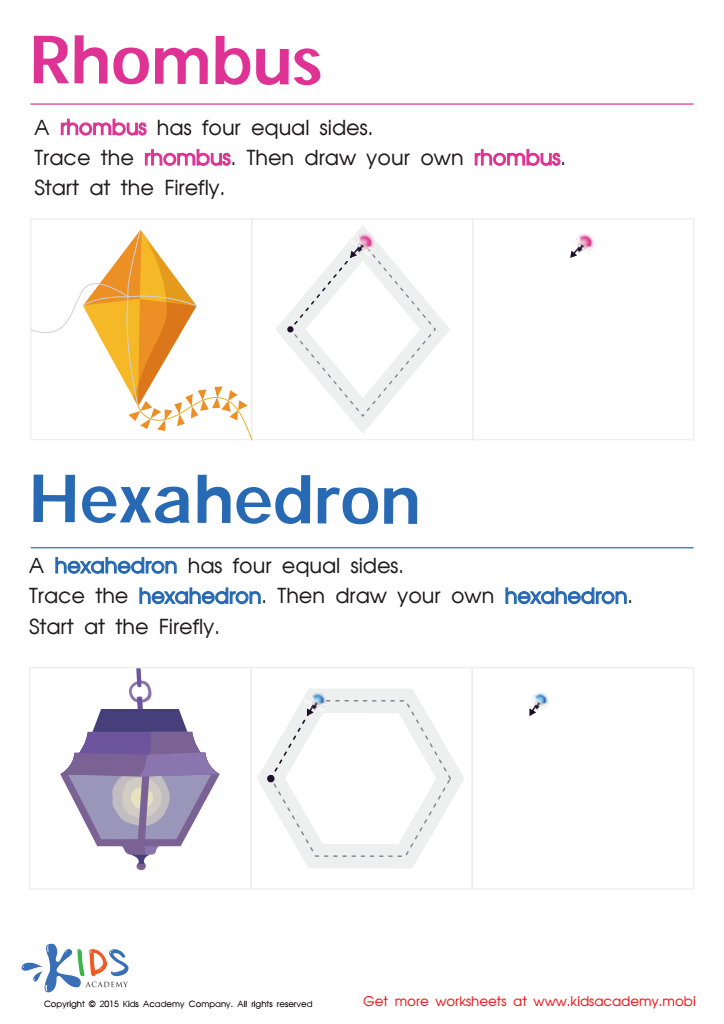
Draw a Rhombus And a Hexahedron Printable
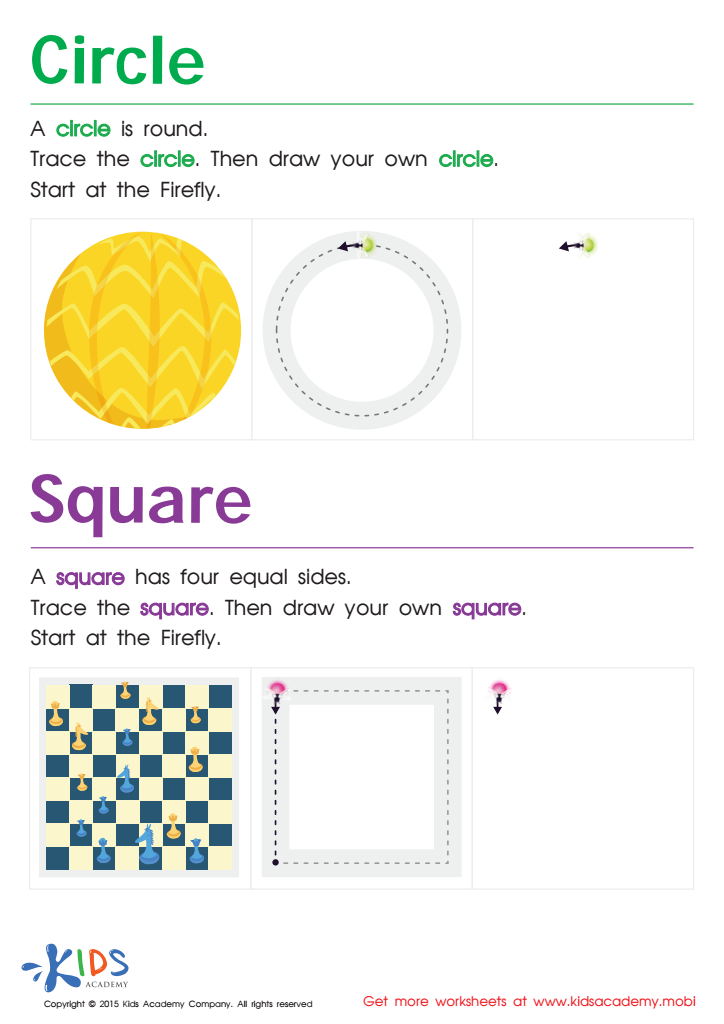
Trace And Draw a Circle And a Square Worksheet

Learning to Draw Crescents And Triangles Worksheet
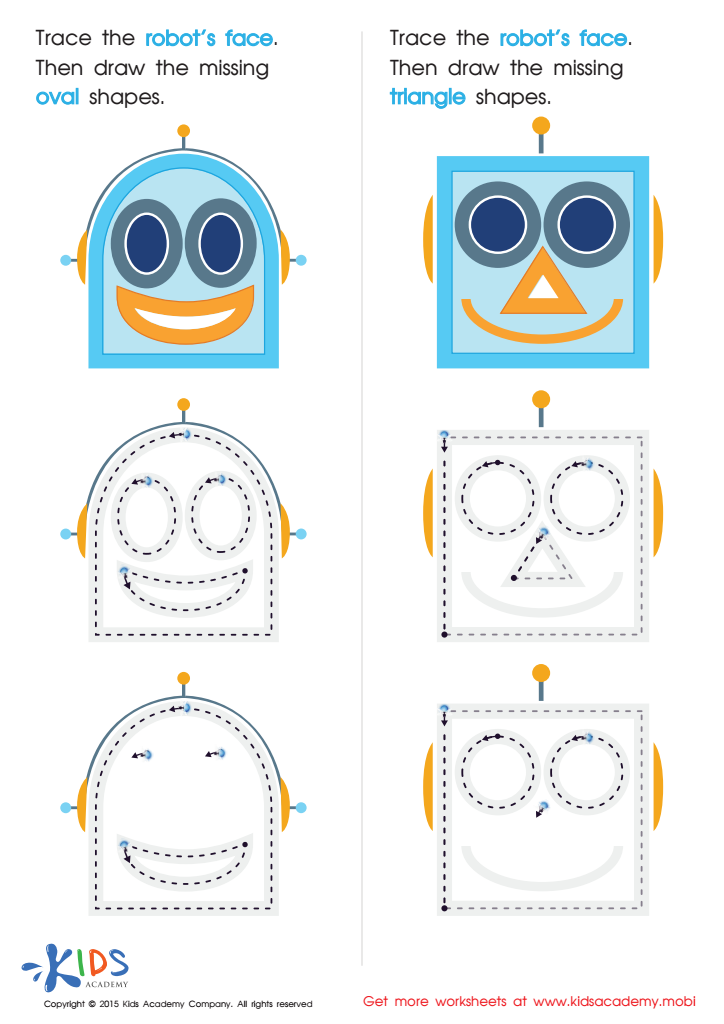
Drawing Ovals And Triangles with Fun Printable
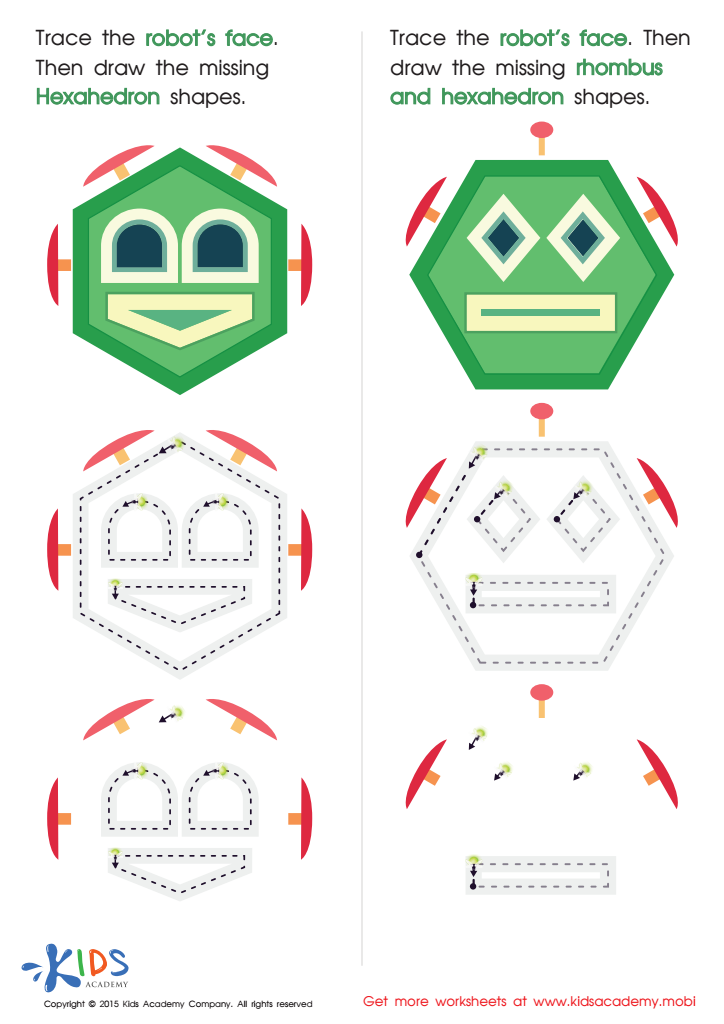
Practice Drawing Hexahedrons And a Rhombus Worksheet






.jpg)

Tracing shapes activities are crucial for children ages 3-9, as they support foundational skills in early childhood education. First, these activities enhance fine motor skills, which are vital for tasks like writing, drawing, and using scissors. As children trace shapes, they develop hand-eye coordination and dexterity, laying the groundwork for more complex tasks as they grow.
Moreover, tracing shapes promotes spatial awareness and geometric understanding. Children learn to recognize different shapes, their characteristics, and how they fit into the world around them. This understanding fosters critical thinking and problem-solving skills, essential for future subjects like math and science.
Additionally, tracing activities can be a fun, engaging way to introduce color recognition and creativity. Parents and teachers can transform a simple tracing exercise into an art project, encouraging imagination while reinforcing shape recognition.
Finally, these activities often improve focus and concentration, enhancing a child's ability to learn and retain information. Involving children in tracing shapes activities not only aids their cognitive and physical development but also offers a joyful learning experience that strengthens the bond between parents and teachers, contributing to the child’s overall development.








