Filters

46 filtered results

Clear all filters
Favorites
With answer key
Interactive

46 filtered results

Difficulty Level

Grade


Check out this FREE Knowledge Check Trial Lesson for age 4-8!

Identify Prefixes, Suffixes, and Base Words

Favorites
With answer key
Interactive
  • Knowledge Check
  • 4-8
  • Interactive
  • Normal
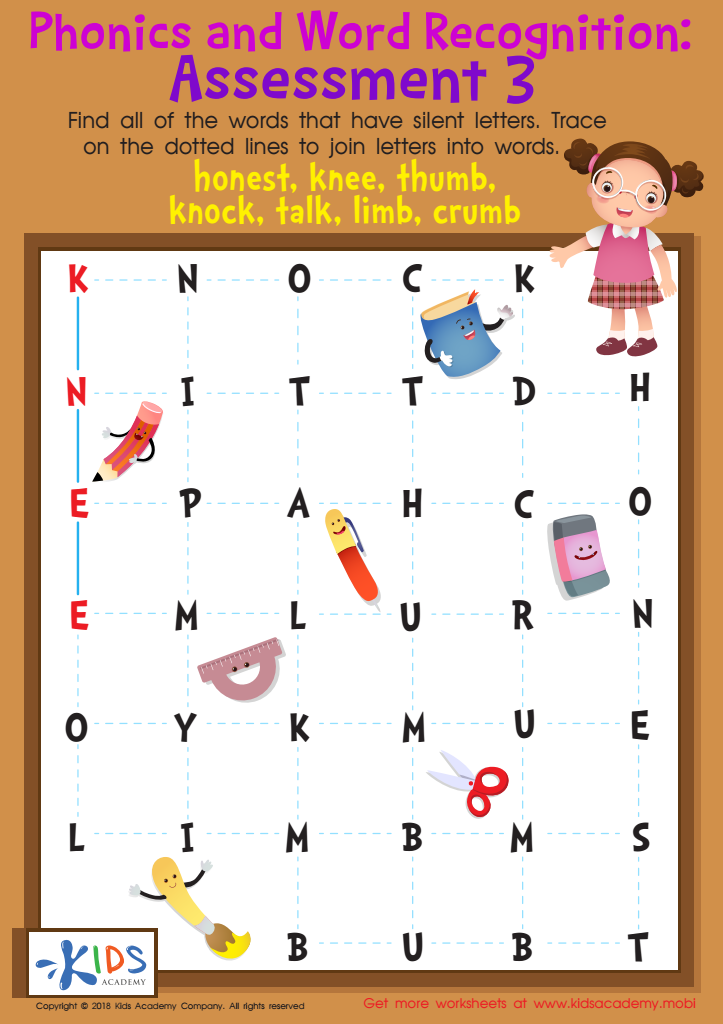
Phonics and Word Recognition: Assessment 3 Worksheet

Phonics and Word Recognition: Assessment 3 Worksheet

Silent letters can be tricky for kids learning to read and write. Show them how they work with words like 'knee' and 'dumb'. Then, challenge them to come up with their own. Give them a worksheet with silent letters and trace the lines to join the letters into words.
Phonics and Word Recognition: Assessment 3 Worksheet
Worksheet
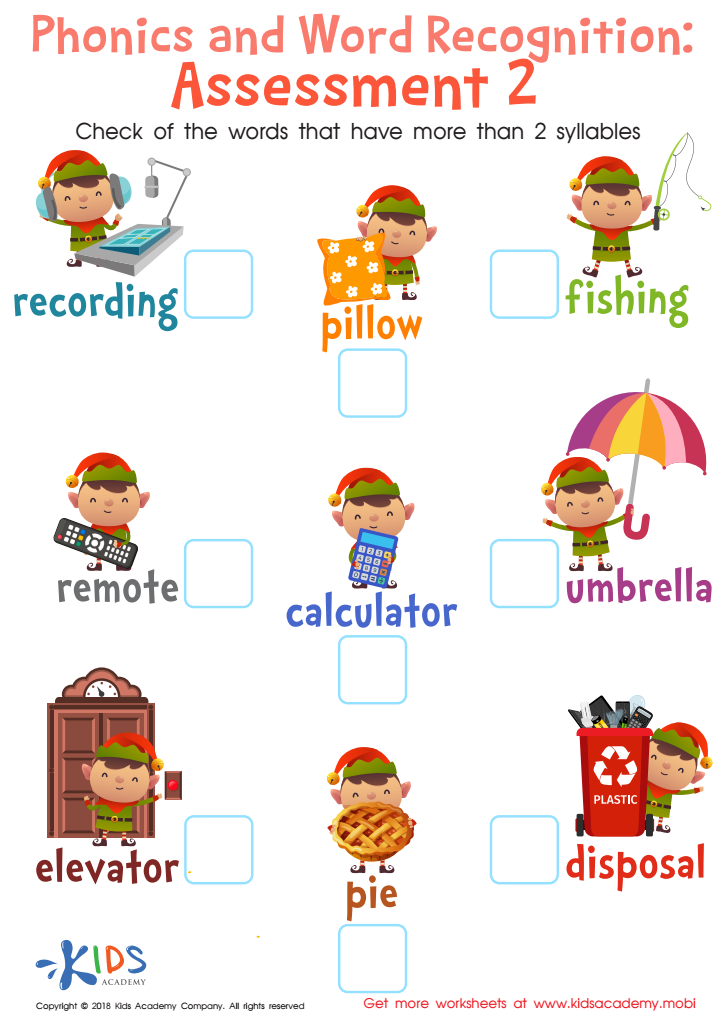
Phonics and Word Recognition: Assessment 2 Worksheet

Phonics and Word Recognition: Assessment 2 Worksheet

Help your kids learn proper pronunciation by counting syllables. Most words they'll encounter have 1-3 syllables, making them simple to say. Have them repeat the words in your worksheet after you. Focus on longer words with more than two syllables.
Phonics and Word Recognition: Assessment 2 Worksheet
Worksheet
Phonics and Word Recognition: Assessment 1 Worksheet

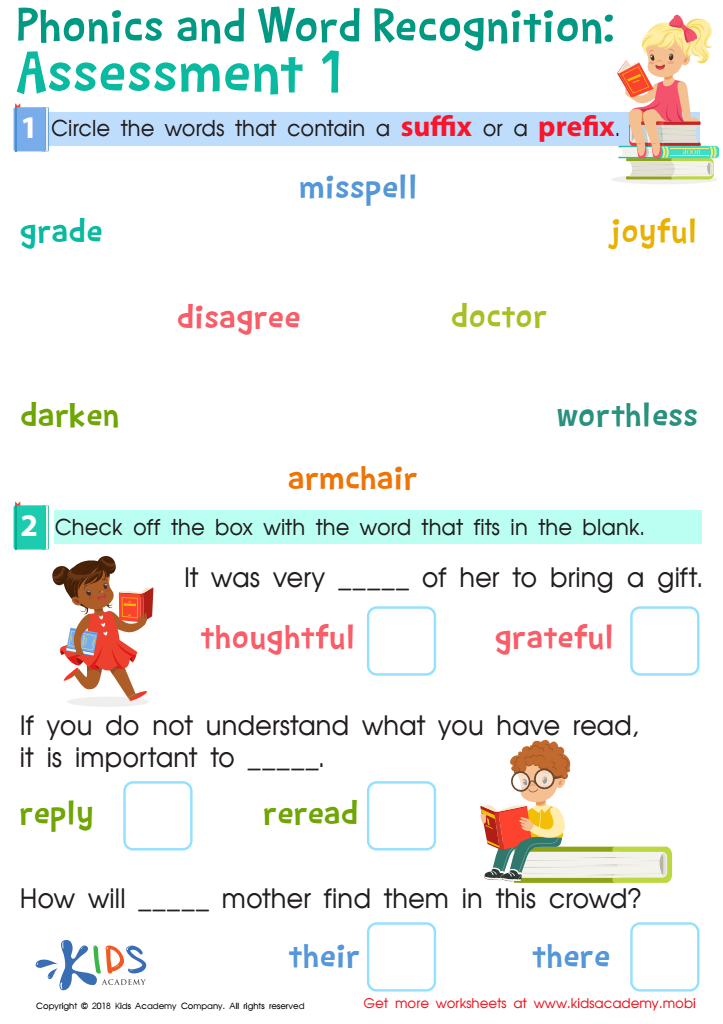
Phonics and Word Recognition: Assessment 1 Worksheet

Explain prefixes (words added to start of another word to give it a new meaning) and suffixes (added to end of word to change its meaning) to your kids with examples like 'unhappy' (prefix) and 'forgetful' (suffix). Now, help your child complete this worksheet, including circling words and checking boxes.
Phonics and Word Recognition: Assessment 1 Worksheet
Worksheet
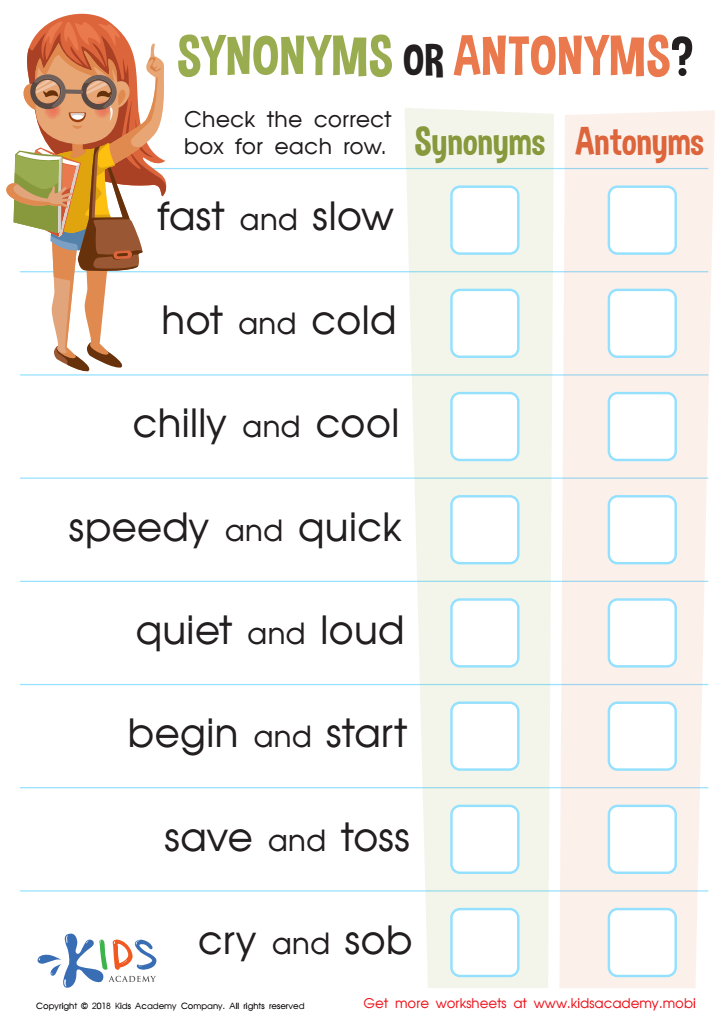
Synonyms or Antonyms: Assessment Worksheet

Synonyms or Antonyms: Assessment Worksheet

Test your child's knowledge with this fun worksheet! Ask them to read the words and select if they are synonyms or antonyms - e.g. 'happy' is a synonym and 'bad' is an antonym. For an extra challenge, ask them to provide two synonyms and two antonyms for each word.
Synonyms or Antonyms: Assessment Worksheet
Worksheet
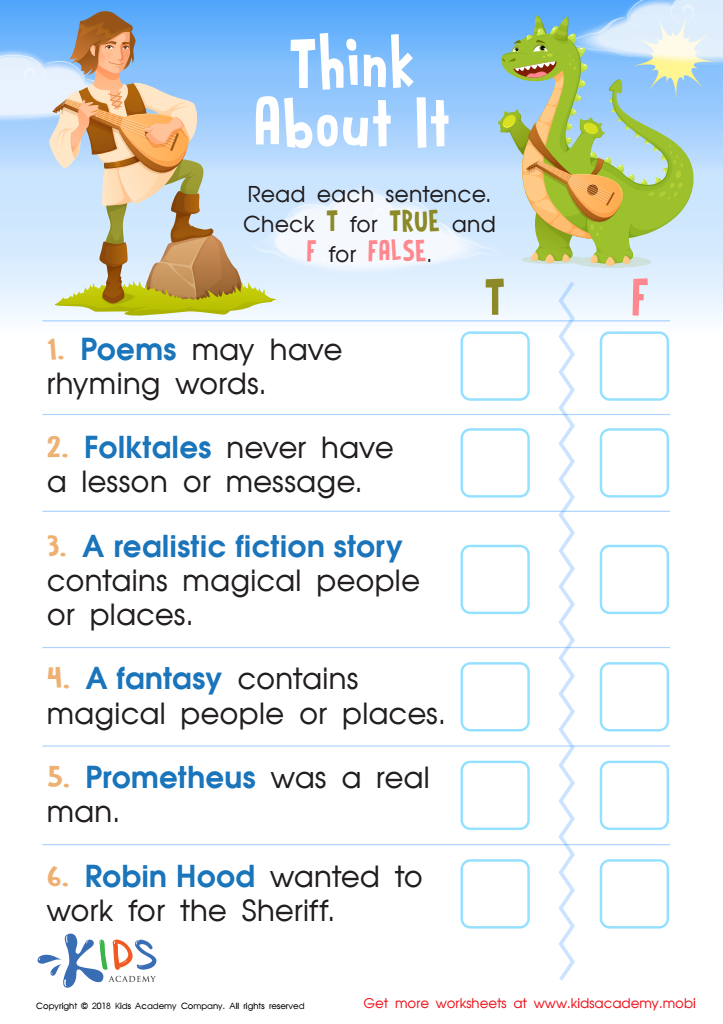
Think About It: Assessment Worksheet

Think About It: Assessment Worksheet

Reading is a fun and important way to learn. Help your students become better readers with this simple yet colorful worksheet. Read each sentence aloud, then have them read it by themselves. Ask them to check T for True and F for False. It's a great way to practice their reading skills!
Think About It: Assessment Worksheet
Worksheet
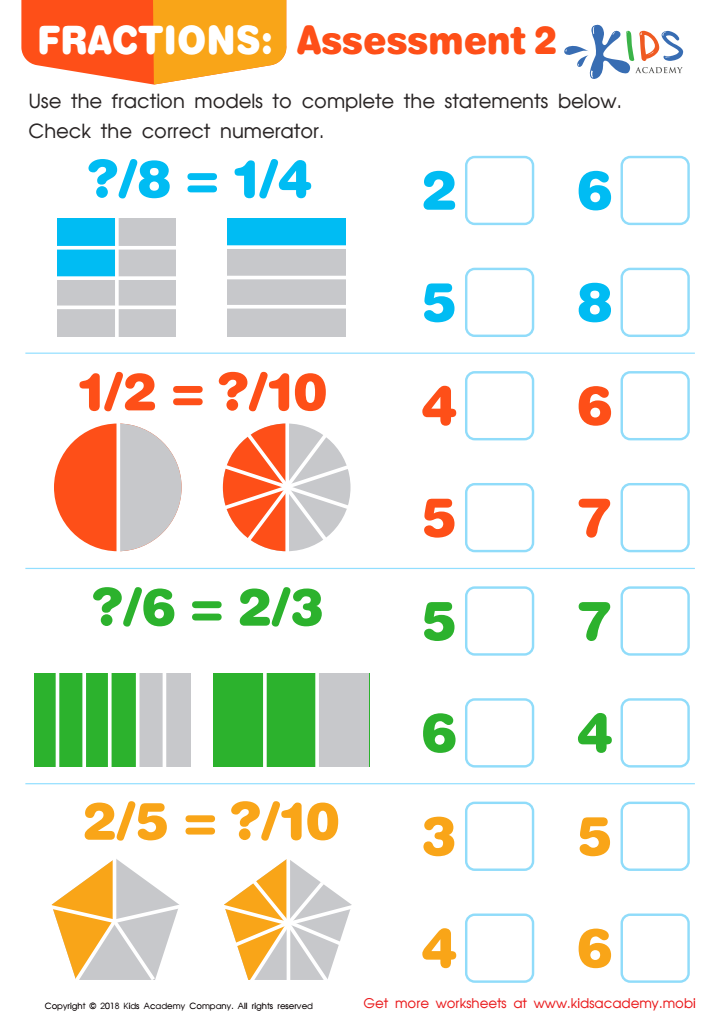
Fractions: Assessment 2 Worksheet

Fractions: Assessment 2 Worksheet

Help your kids understand fractions better with this worksheet. Ask them to complete the fraction statements using the fraction models on the left and then check the correct numerators. This can help clear up any confusion they may have with fractions and fraction models.
Fractions: Assessment 2 Worksheet
Worksheet
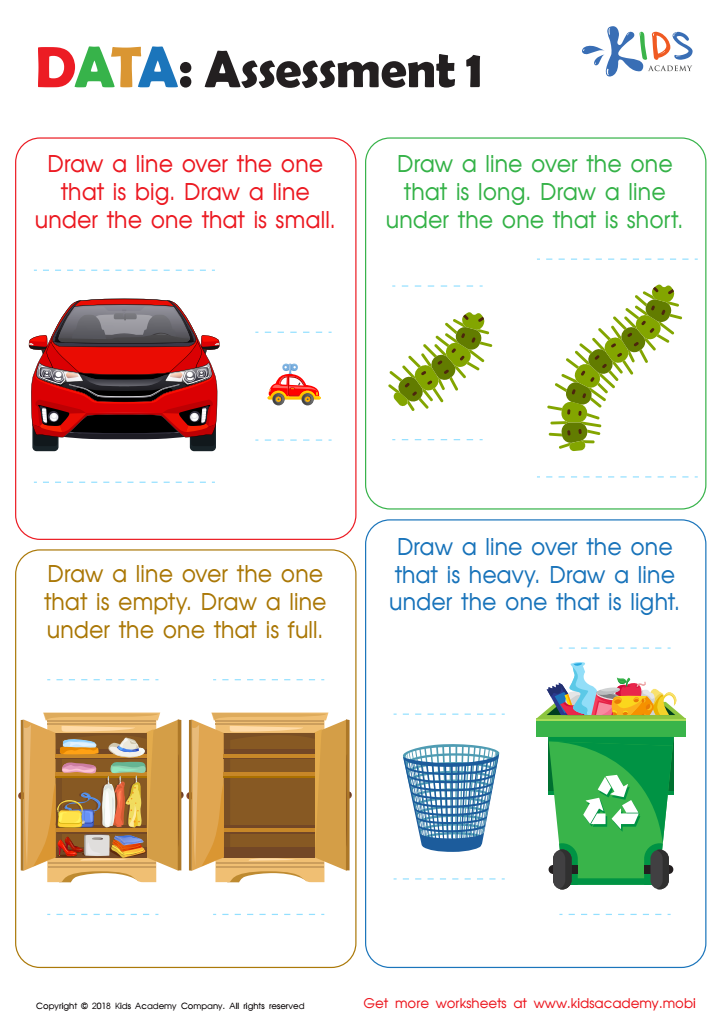
Data: Assessment 1 Worksheet

Data: Assessment 1 Worksheet

Assess your students' knowledge of measurement words with this worksheet. Have them compare and describe objects/quantities using words like "big", "small", "long", "short", "empty", "full", "heavy" and "light". Encourage further learning by asking students to provide examples of each word meaning.
Data: Assessment 1 Worksheet
Worksheet
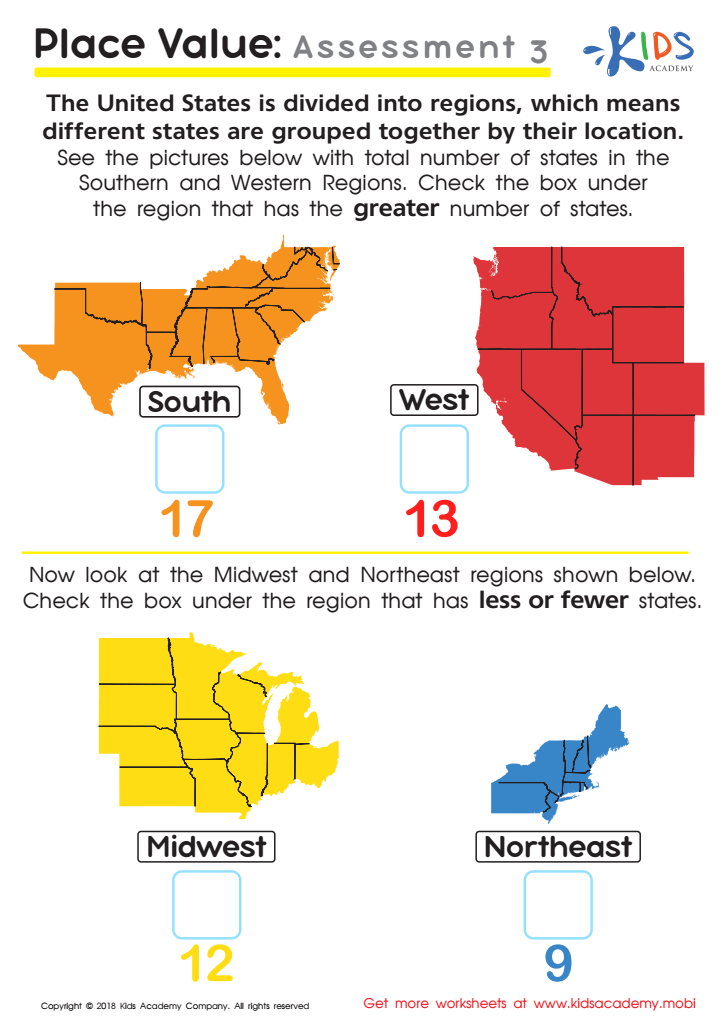
Place Value: Assessment 3 Worksheet

Place Value: Assessment 3 Worksheet

Test your child's math skills without them realizing it! This fun worksheet looks at the states and regions of the U.S. and your child can compare numbers greater or lesser than the other. It's the perfect way to assess your child's number sense without them knowing.
Place Value: Assessment 3 Worksheet
Worksheet
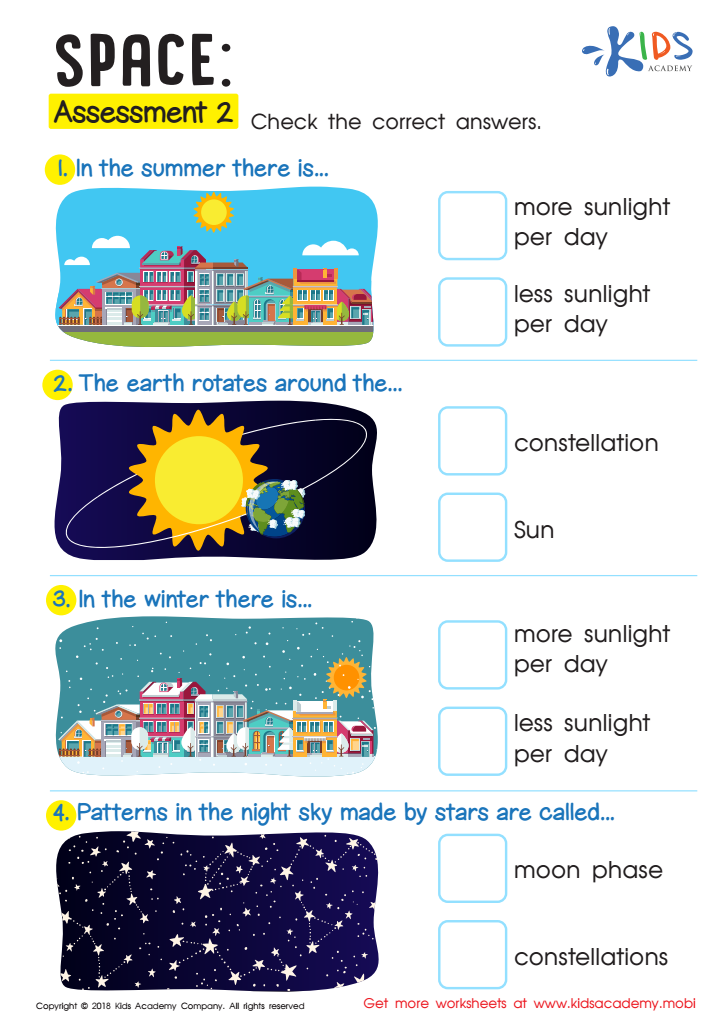
Space: Assessment 2 Worksheet

Space: Assessment 2 Worksheet

Test your kids' knowledge of the weather, constellations and Earth with this worksheet. Show them the 4 images and ask what's happening; then read the questions and options and help them pick the right answers. This printout is a helpful and fun way to learn!
Space: Assessment 2 Worksheet
Worksheet
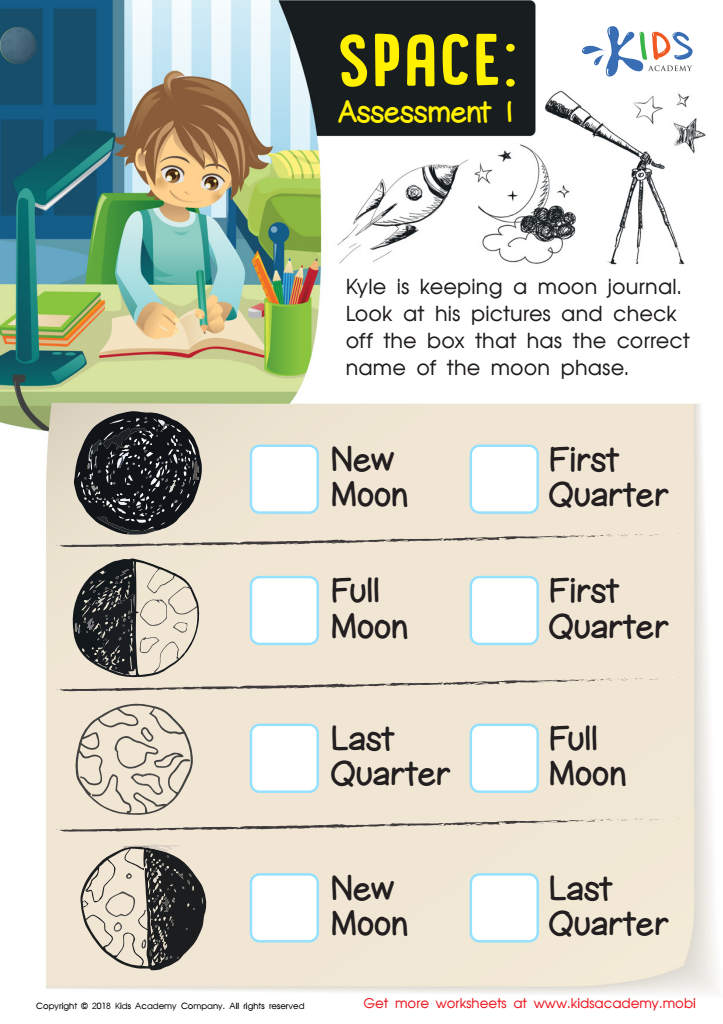
Space: Assessment 1 Worksheet

Space: Assessment 1 Worksheet

Introduce Kyle and his moon journal to your kids! Ask if they know what it is, or if they keep one too. Together, look at Kyle's pics and help them identify the phases of the moon. Have them check off the correct name of each. It's a great way to get kids interested in space!
Space: Assessment 1 Worksheet
Worksheet
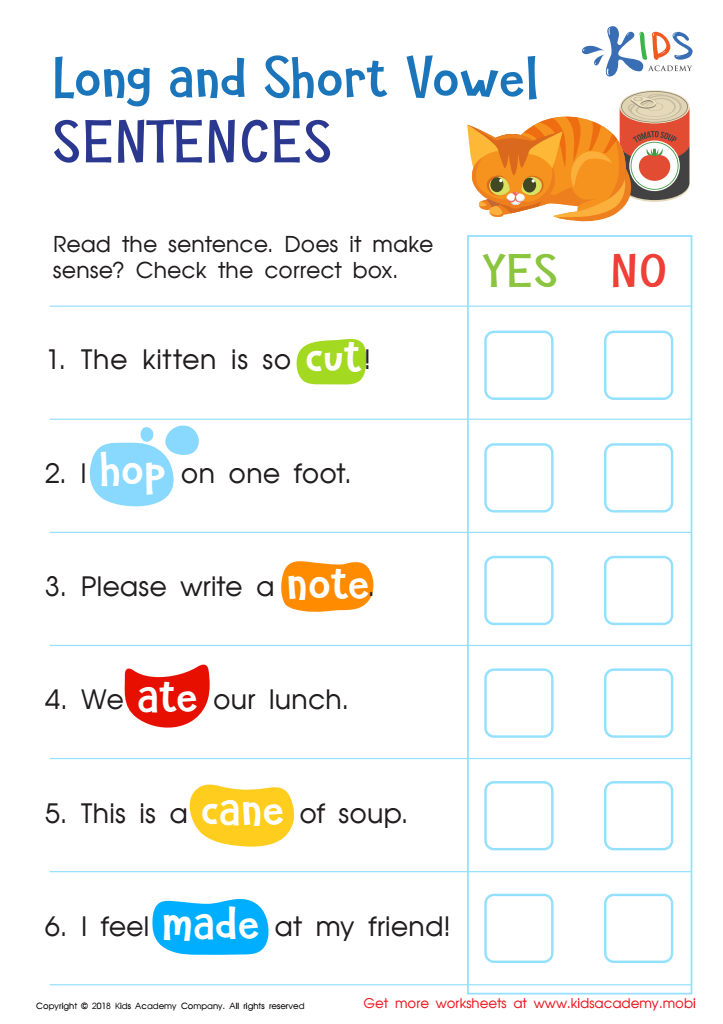
Long and Short Vowel Sentences: Assessment Worksheet

Long and Short Vowel Sentences: Assessment Worksheet

This printable worksheet helps kids practice differentiating between short and long vowel sounds. They'll use context clues to figure out which words make sense in simple sentences. A great way to build reading and writing skills!
Long and Short Vowel Sentences: Assessment Worksheet
Worksheet
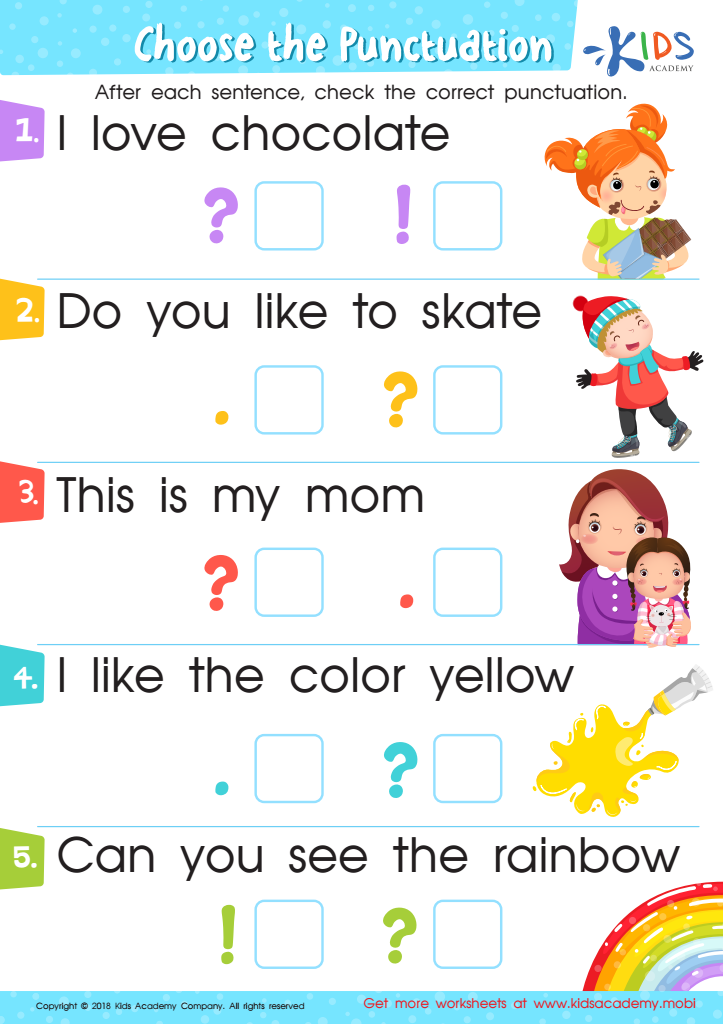
Choose the Punctuation: Assessment Worksheet

Choose the Punctuation: Assessment Worksheet

Does your child know punctuations? Found at the end of words, they signify the tone of the sentence. Ask them which punctuations they use daily. With your little one, look at a worksheet. Read each sentence aloud and ask them to identify the two punctuations given. Instruct them to choose the correct one. 80 words.
Choose the Punctuation: Assessment Worksheet
Worksheet
Sounding it Out: Assessment Worksheet

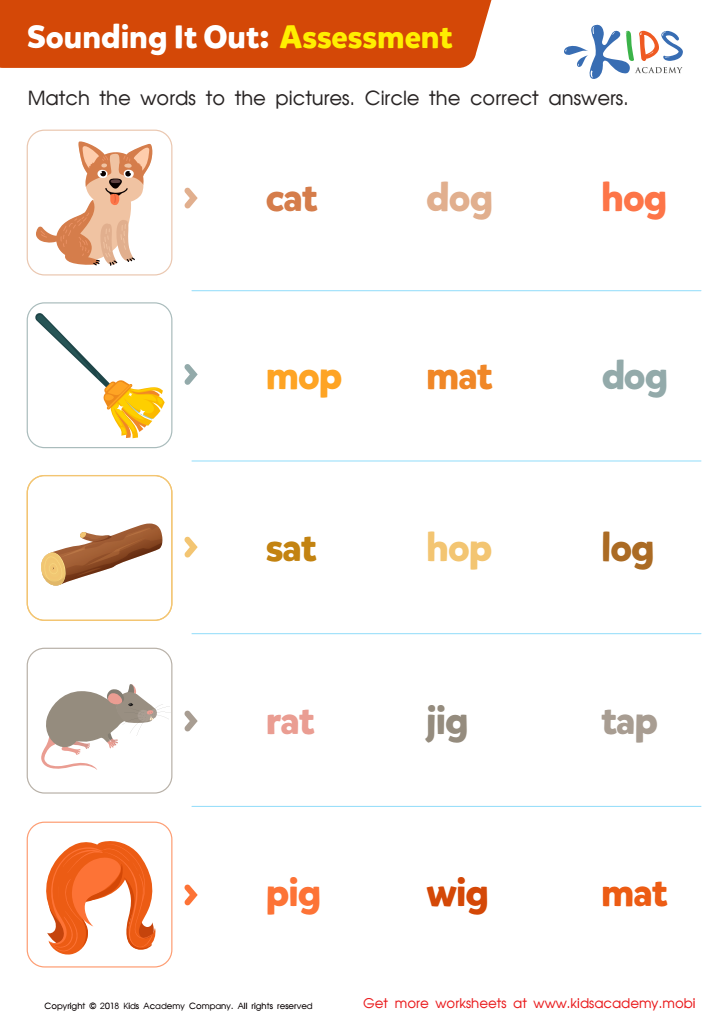
Sounding it Out: Assessment Worksheet

Give your little learner a fun challenge with this downloadable worksheet! With pictures to guide them, have them name the images and then sound out the words in the same row. Be careful though, as they all contain the same amount of similarly sounding letters. Once the correct word has been found, have them circle it!
Sounding it Out: Assessment Worksheet
Worksheet
Rhyming Words: Assessment Worksheet

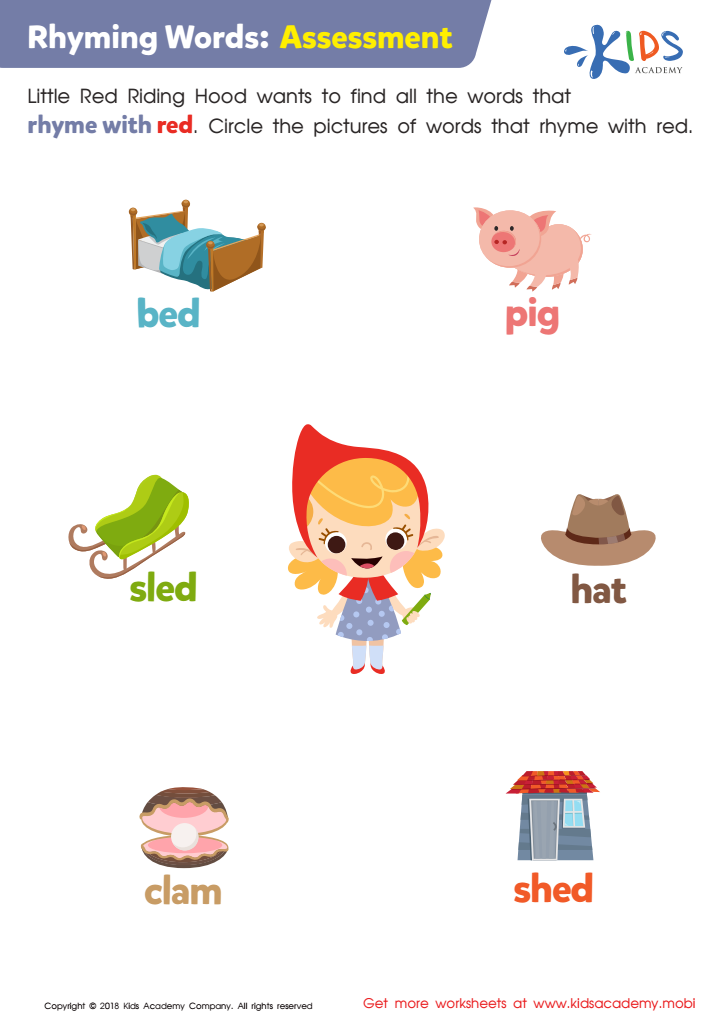
Rhyming Words: Assessment Worksheet

Help Little Red Riding Hood find rhyming words with "red". Download and print this worksheet. Have your child circle the rhyming words and pictures. Get them to say each word out loud and compare it to the word "red". When they're done, review the answers and talk about any words that don't rhyme.
Rhyming Words: Assessment Worksheet
Worksheet
Vowel and Consonant Sounds: Assessment Worksheet

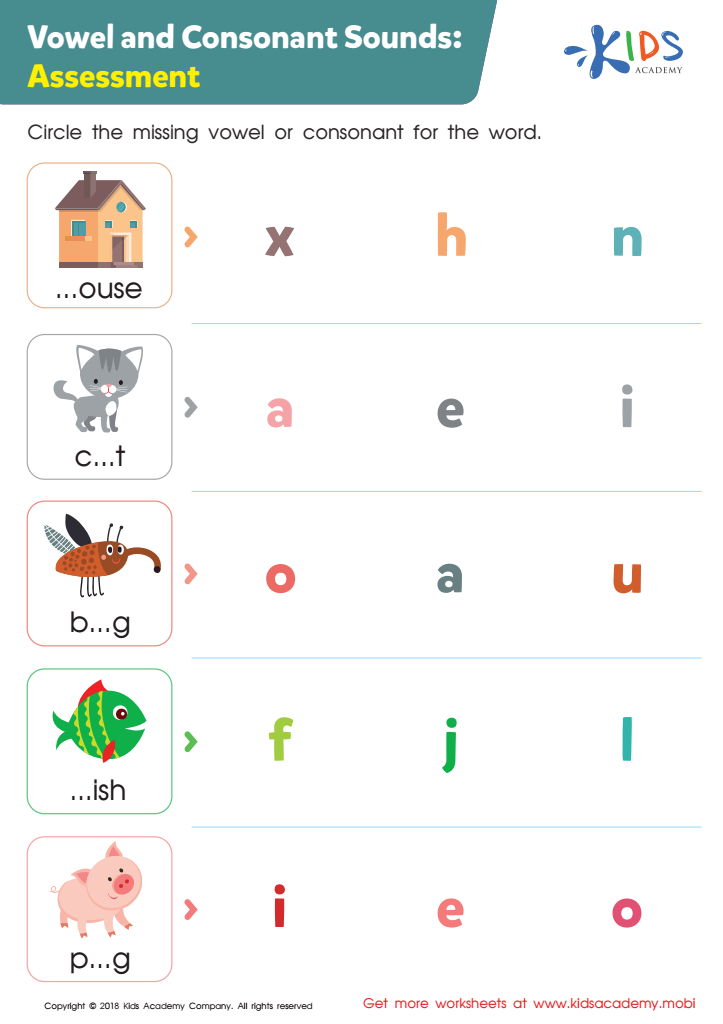
Vowel and Consonant Sounds: Assessment Worksheet

Test young elementary students on vowel and consonant sounds with this friendly phonics assessment worksheet. Get kids to name each image and look at the word underneath. Ask them to sound out the word, then circle the missing letter to complete. This will help assess their knowledge and skills!
Vowel and Consonant Sounds: Assessment Worksheet
Worksheet
Light and Sound: Assessment 2 Worksheet

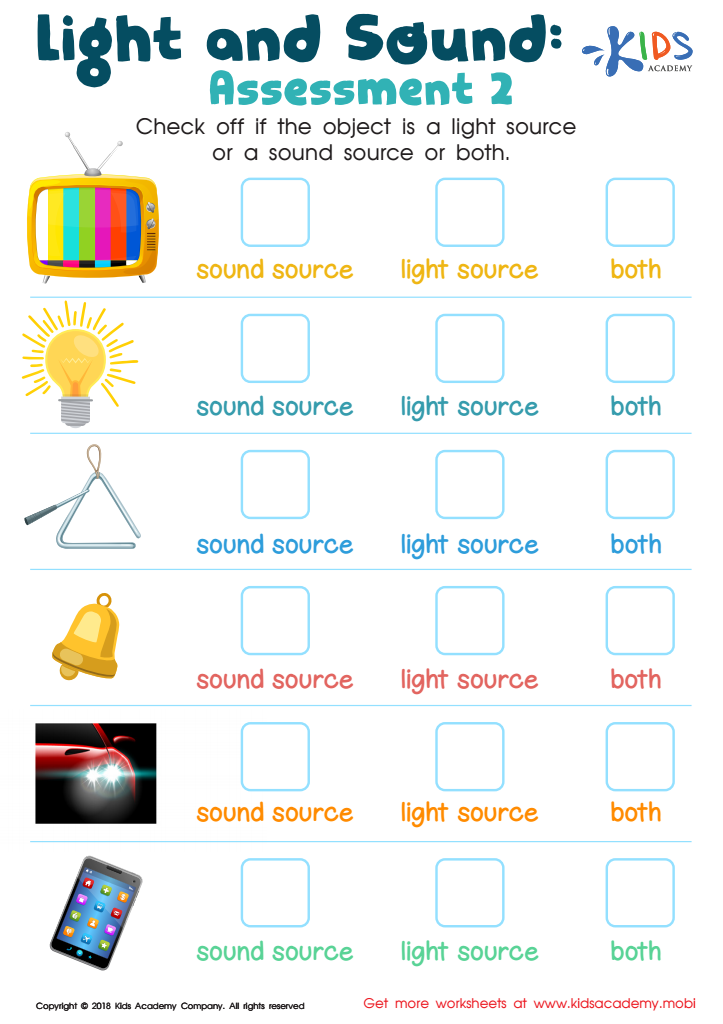
Light and Sound: Assessment 2 Worksheet

This worksheet introduces your kids to light and sound, with common sources of each. Identify the objects and help them check if it's a light source, a sound source, or both. Colourful and simple, it's a great way to teach your little ones! (80 words)
Light and Sound: Assessment 2 Worksheet
Worksheet
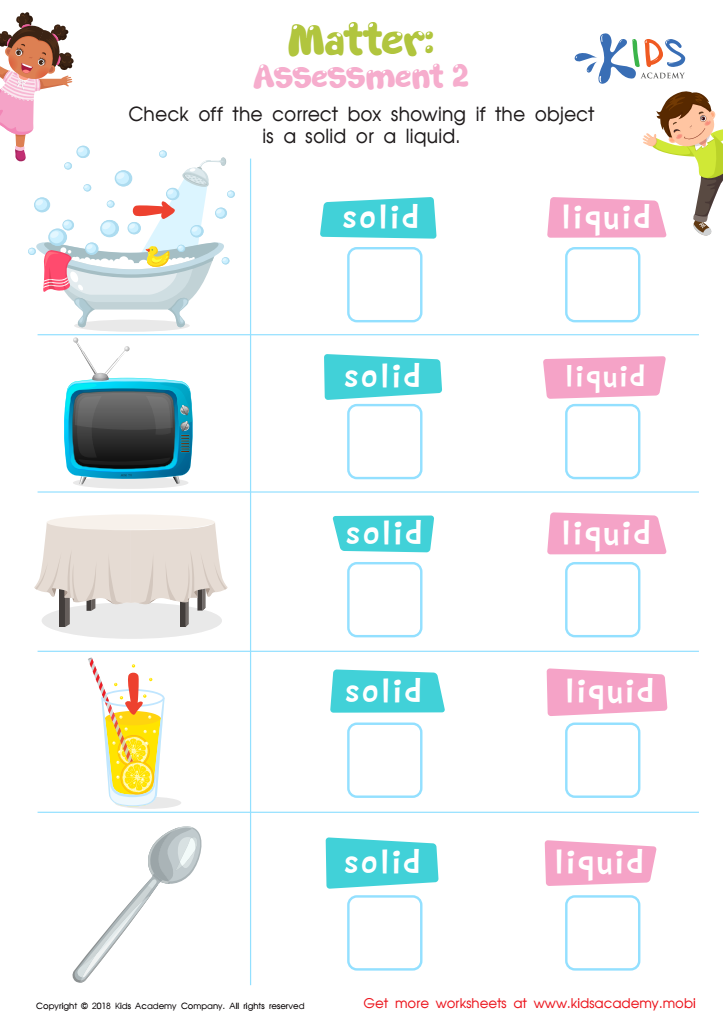
Matter: Assessment 2 Worksheet

Matter: Assessment 2 Worksheet

Identify the five objects in this worksheet as either solid or liquid. Ask your kids to check the correct box. Melting changes solids to liquids while freezing transforms liquids to solids.
Matter: Assessment 2 Worksheet
Worksheet
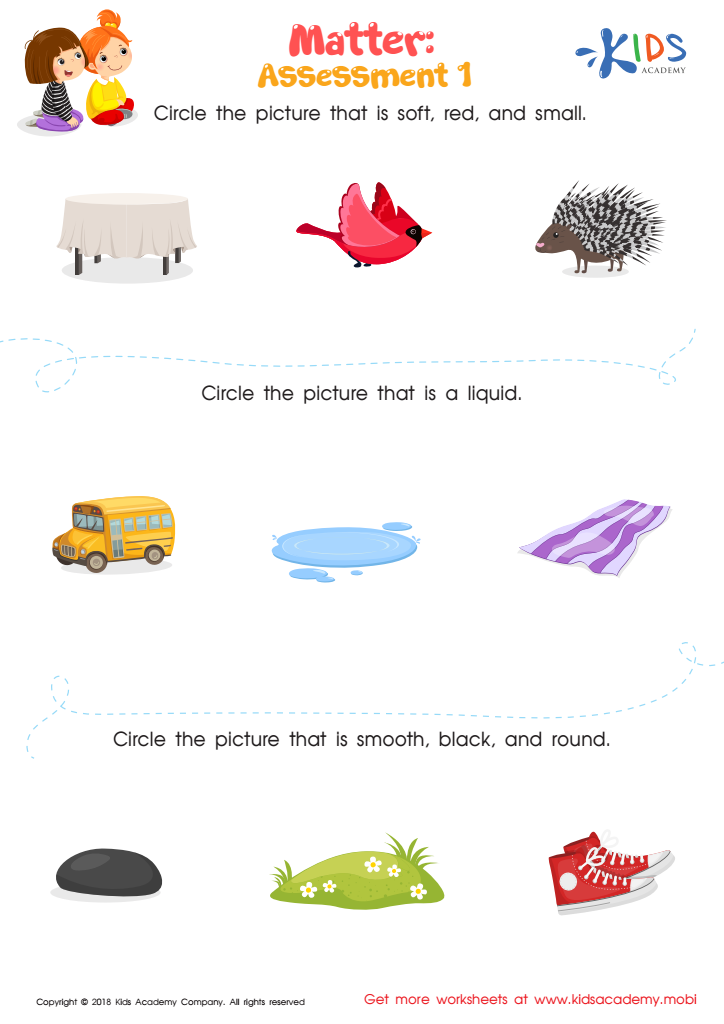
Matter: Assessment 1 Worksheet

Matter: Assessment 1 Worksheet

Have your children learn that anything that has weight and takes up space is matter. Examples include buses, tables, people, animals, and more. Use this worksheet to help them identify the objects and circle the soft, red, and small one; the liquid; and the smooth, black, and round one.
Matter: Assessment 1 Worksheet
Worksheet
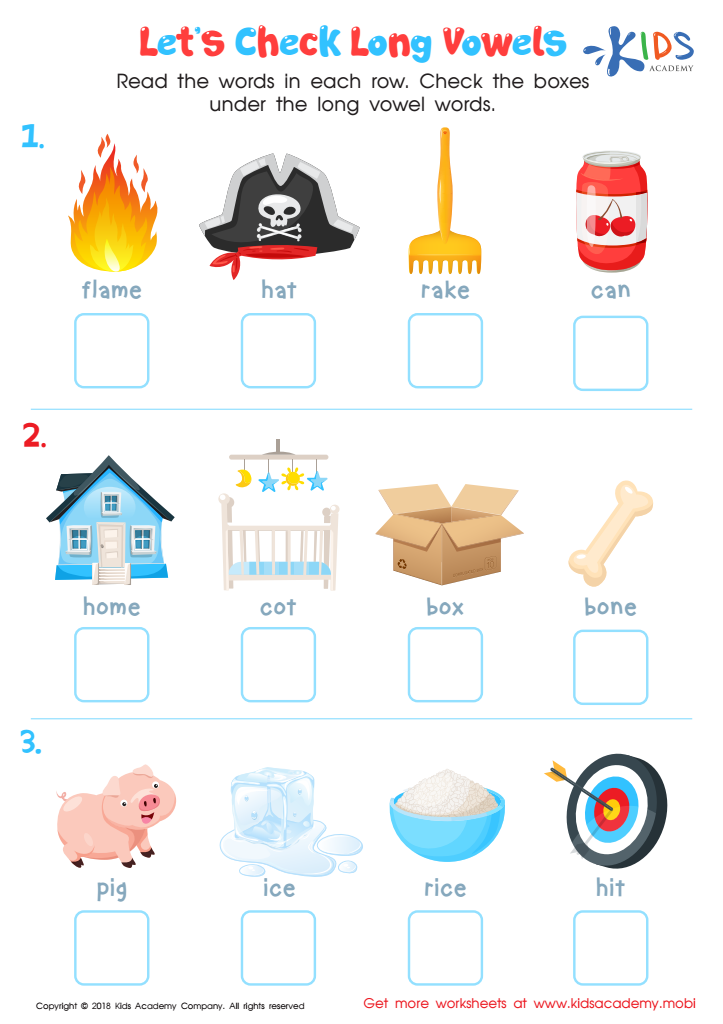
Let's Check Long Vowels: Assessment Worksheet

Let's Check Long Vowels: Assessment Worksheet

This worksheet helps your child identify objects and learn long vowel sounds. Ask them to say the names of the four objects in each row. Then, help them check the boxes to confirm they know the long vowel sounds. This will help them develop their reading skills.
Let's Check Long Vowels: Assessment Worksheet
Worksheet
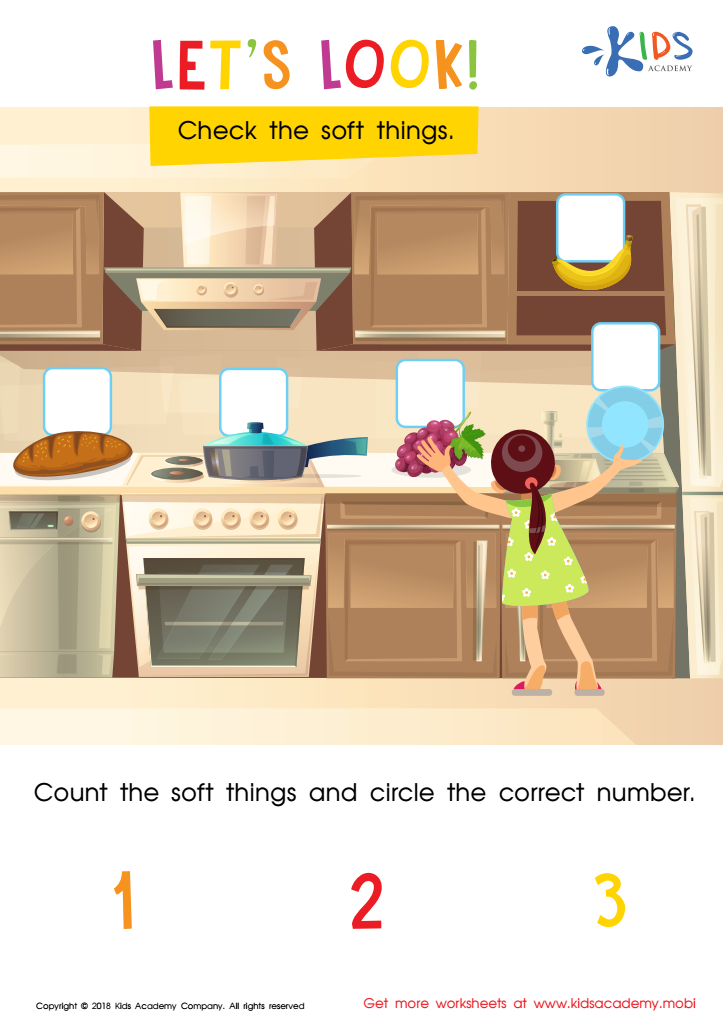
Let's Look! Assessment Worksheet

Let's Look! Assessment Worksheet

Have your child look at the picture in the printout and name the objects. Ask which ones are soft and hard and have them count the soft objects and circle the number. This worksheet will engage your child's thinking and teach them about texture.
Let's Look! Assessment Worksheet
Worksheet
Let's Check! Assessment Worksheet

Let's Check! Assessment Worksheet

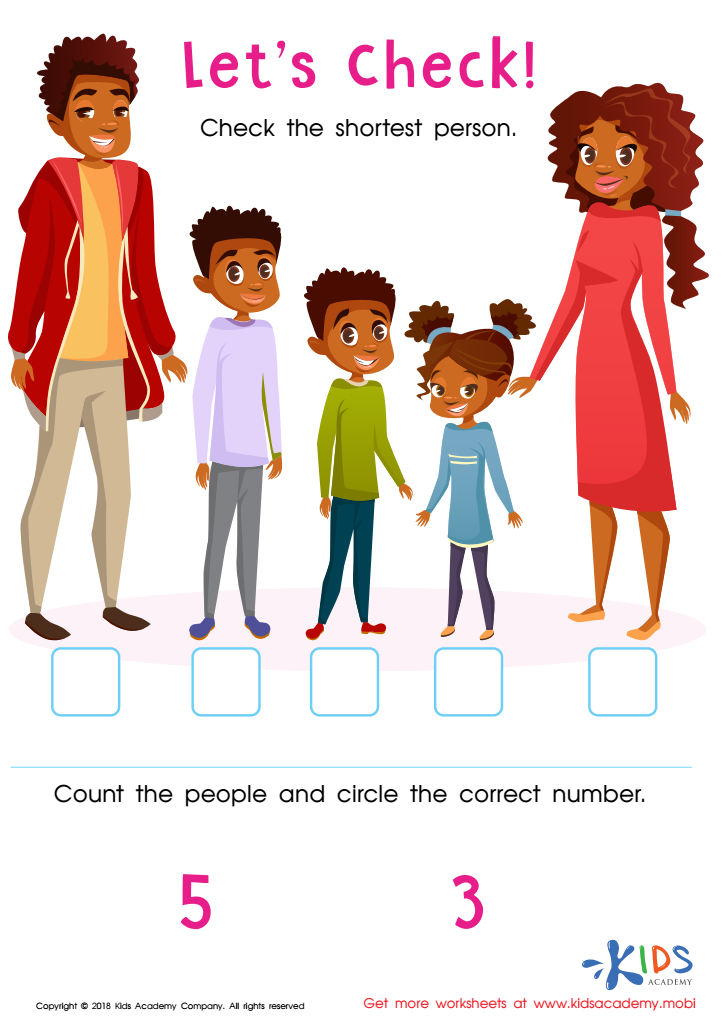
Check your child's understanding of height with this worksheet. Ask them to sort the objects in order of size and identify the tallest and shortest member of the family in the picture. See if they can correctly arrange the items from tallest to shortest.
Let's Check! Assessment Worksheet
Worksheet
Force and Interactions: Assessment 1 Worksheet


Force and Interactions: Assessment 1 Worksheet

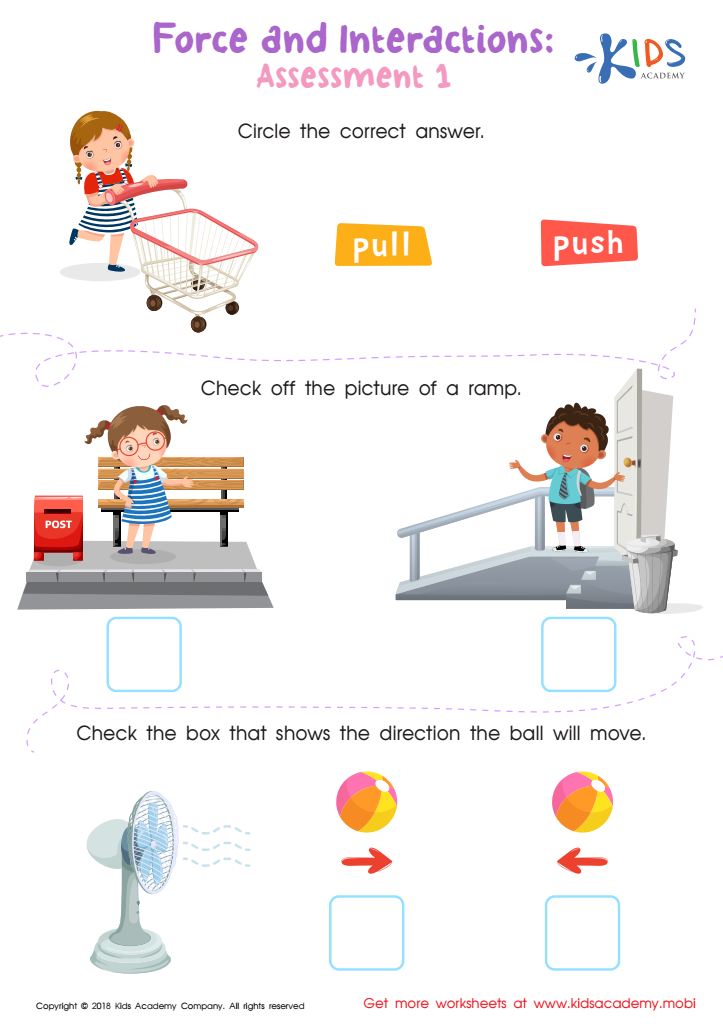
Test your students' knowledge of pushing, pulling, ramps and wind with this worksheet. The first task requires them to identify push or pull pictures. The second asks them to identify a ramp and the third to explain which direction a ball will move when exposed to wind.
Force and Interactions: Assessment 1 Worksheet

Worksheet


Normal Knowledge Check activities for children aged 4-8 are essential tools for both parents and teachers, as they provide critical insights into a child's development and learning progress. Firstly, these activities help assess a child's understanding of foundational concepts, enabling adults to tailor educational approaches based on individual needs. Such assessments can identify areas where a child excels or may need additional support, ultimately fostering a more personalized learning environment.

Additionally, these activities cultivate a child's confidence and self-esteem. Positive feedback and recognition during knowledge checks encourage children to take ownership of their learning, while constructive feedback guides improvement. Furthermore, engaging in playful assessments nurtures critical thinking and problem-solving skills, which are key elements in early childhood education.

Finally, Normal Knowledge Checks promote cooperative learning by involving parents and teachers in the educational process. They offer opportunities for collaboration and communication between home and school, ensuring a support system that strengthens a child’s learning experience. By prioritizing these activities, parents and teachers contribute to developing well-rounded, curious, and resilient learners who are well-prepared for future challenges. Therefore, they should care deeply about incorporating and understanding the benefits of Normal Knowledge Check activities in early education.