Tracing Numbers Worksheets for Ages 3-8 - Page 2
32 filtered results
-
From - To
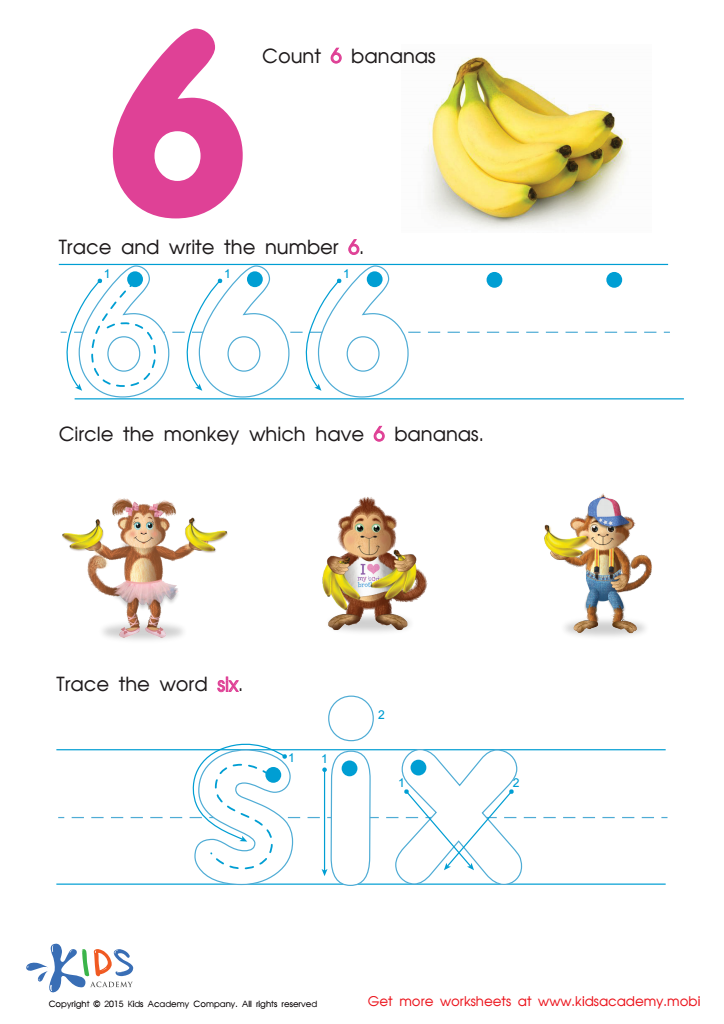
Tracing And Writing Number 6 Worksheet
 Assign to My Students
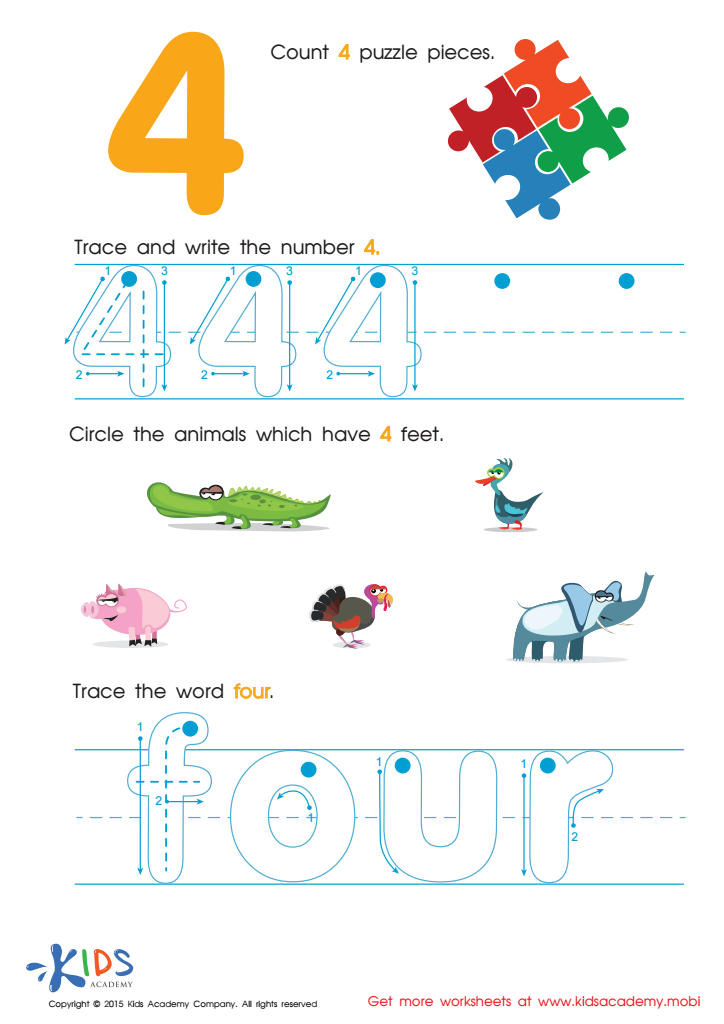
Teaching Children to Write Number 4 Worksheet
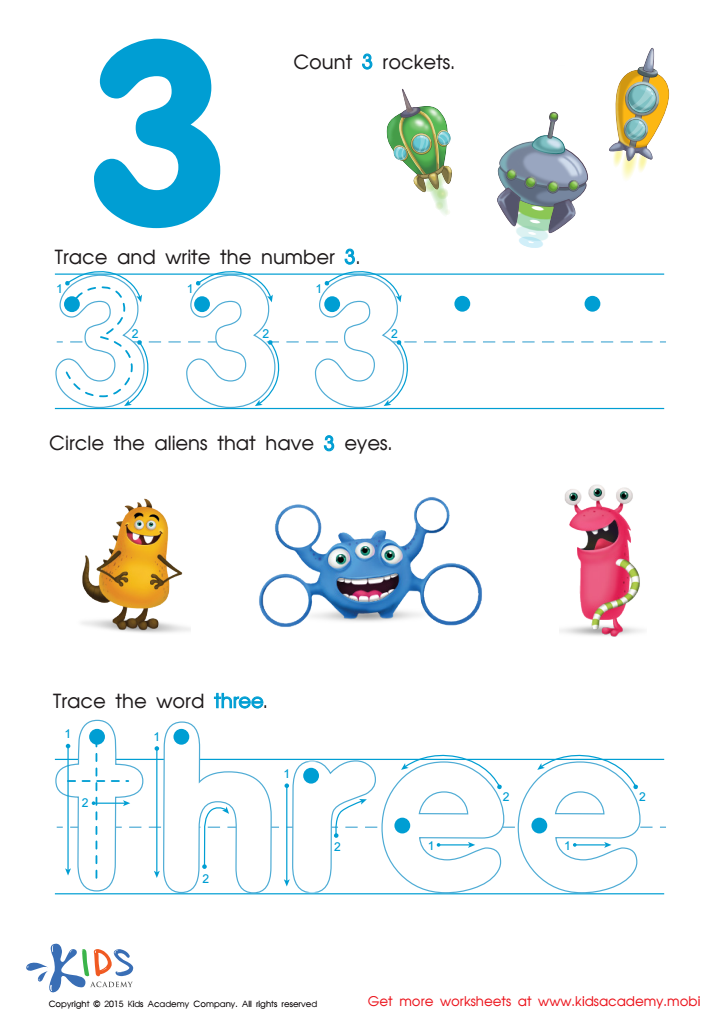
Learning Number Three Worksheet
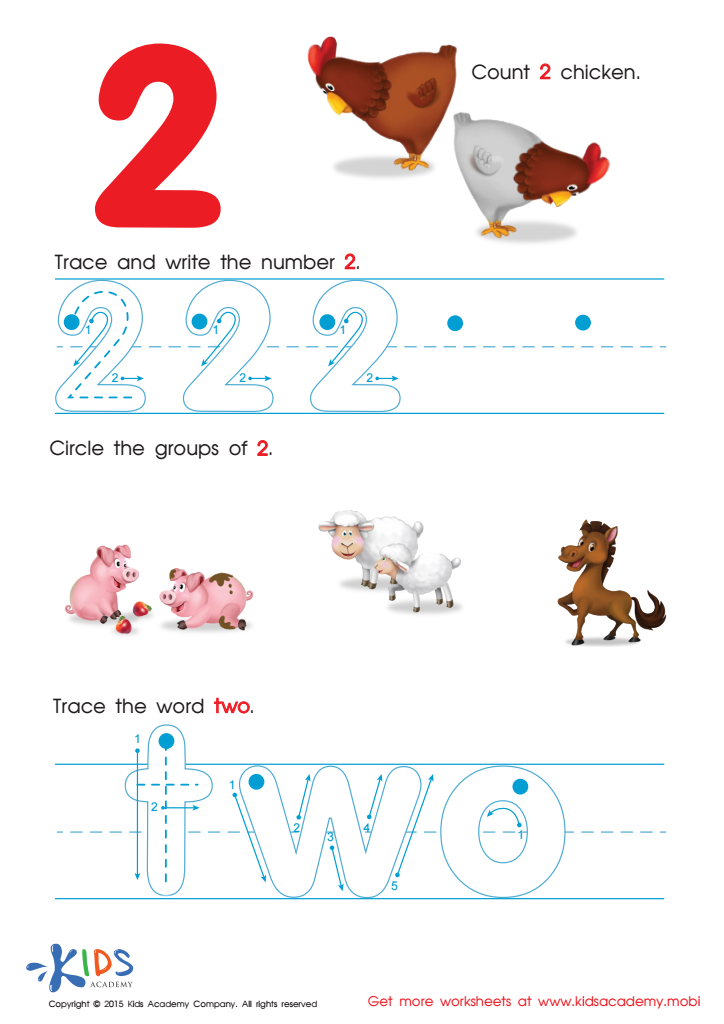
Learn to Write the Number 2 Worksheet
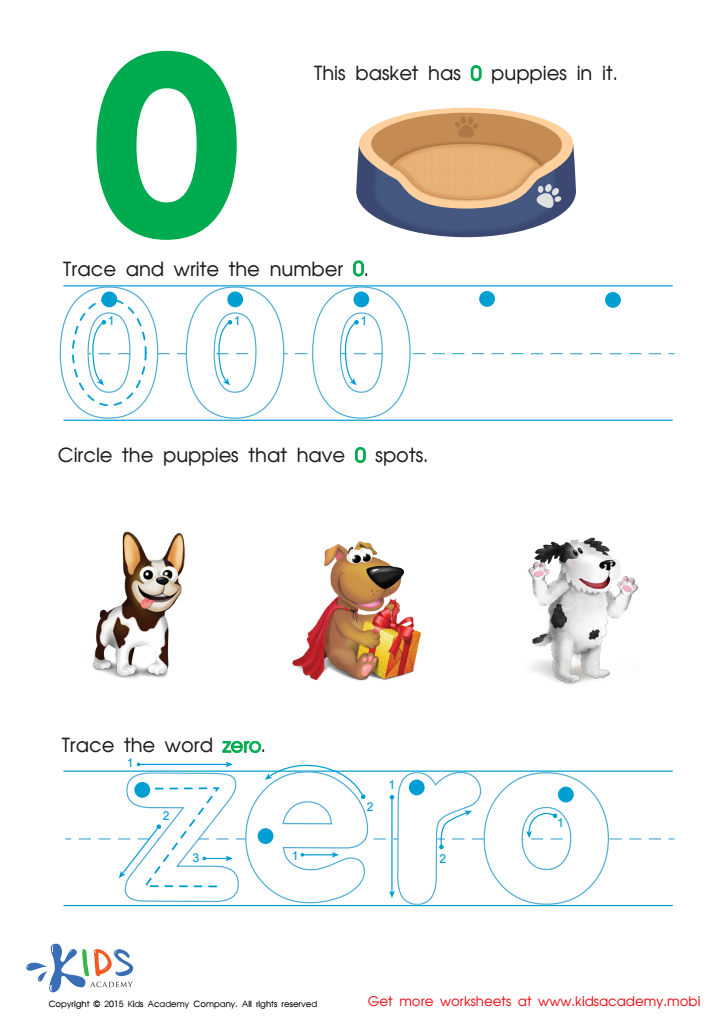
Trace And Write Number 0 Worksheet
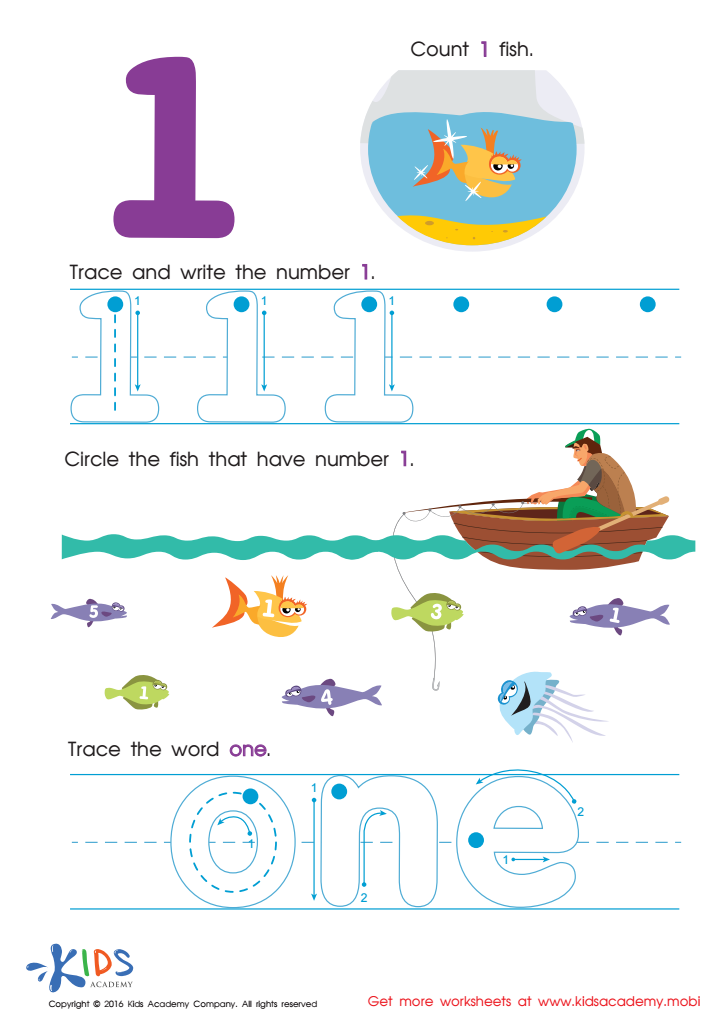
Learning to Write 1 Worksheet
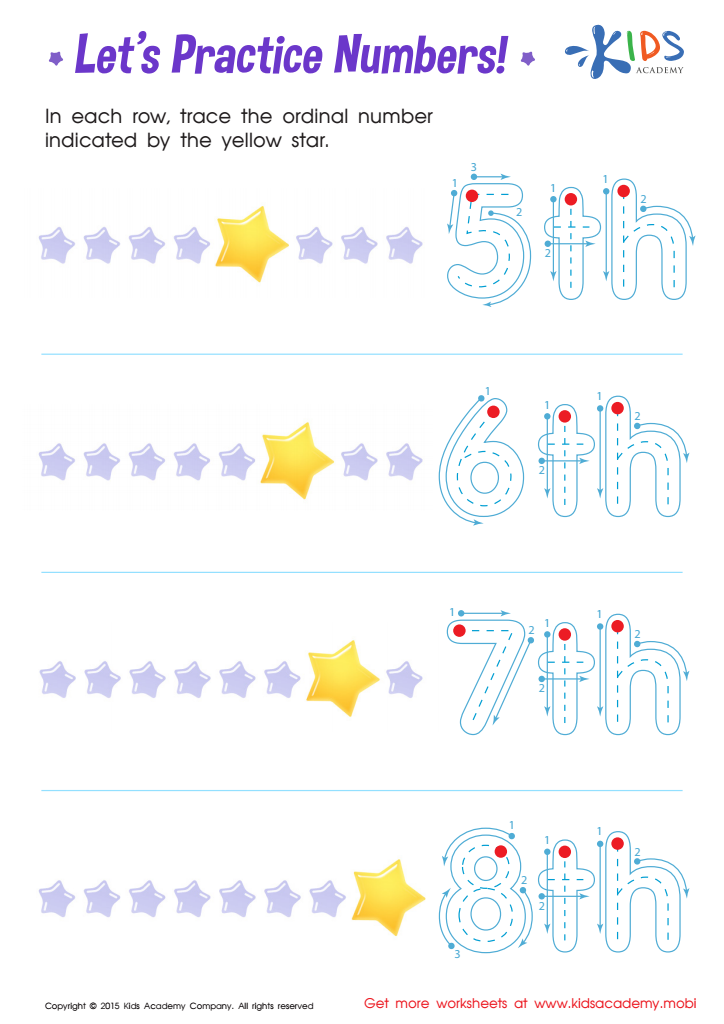

Count the Cherries and Trace the Number 10 Printable








Tracing numbers for children aged 3-8 plays a crucial role in early childhood education, laying the foundation for essential numeracy skills. During these formative years, children's brains are highly receptive to learning, and introducing them to numbers early ensures a strong start.
Firstly, tracing numbers enhances fine motor skills, enabling better control of writing instruments. This physical dexterity is not only vital for writing numbers but also for various other academic tasks. By mastering these skills early, children gain confidence and are less likely to struggle with writing in later years.
Secondly, it reinforces number recognition and sequence understanding. When children repeatedly trace numbers, they become familiar with their shapes and patterns, linking visual symbols to their cognitive concept. This familiarity is essential for later mathematical tasks, like counting, addition, and subtraction, forming a robust base for their future education.
Moreover, engaging in tracing activities promotes focus and attention to detail—skills that are beneficial across all areas of learning. Both parents and teachers should encourage tracing as it also fosters a child's sense of achievement and readiness for more complex tasks.
Hence, incorporating number tracing into early education bolsters children’s arithmetic confidence and excitement, equipping them with crucial tools for lifelong learning success.