Our Body and Health Worksheets for Ages 3-8
18 filtered results
-
From - To
Discover our engaging "Our Body and Health Worksheets for Ages 3-8," designed to introduce young learners to anatomy, health, and well-being. These visually appealing, interactive worksheets promote early science education by teaching kids about the human body, its functions, and the importance of healthy habits. Perfect for preschool and early elementary students, our resources encourage hands-on Learning, boost curiosity, and support knowledge retention. Explore fun activities that cover everything from basic body parts to personal hygiene, making learning about health exciting! Access our comprehensive collection today to help your child develop a strong foundation in understanding their body and maintaining a healthy lifestyle.
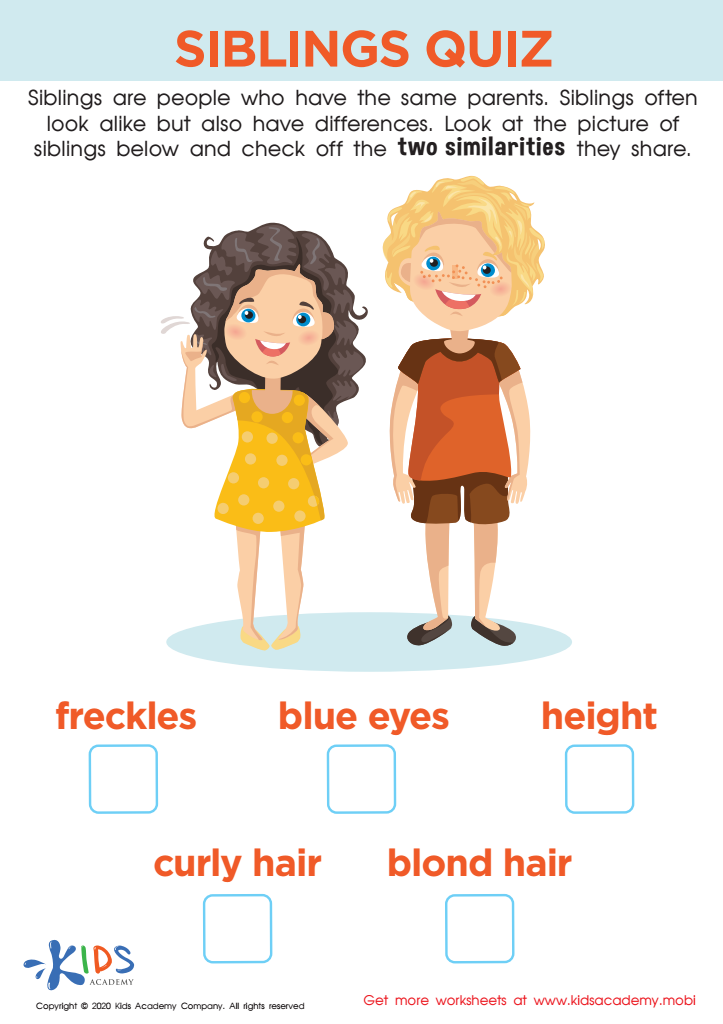
Siblings Quiz Worksheet
 Assign to My Students
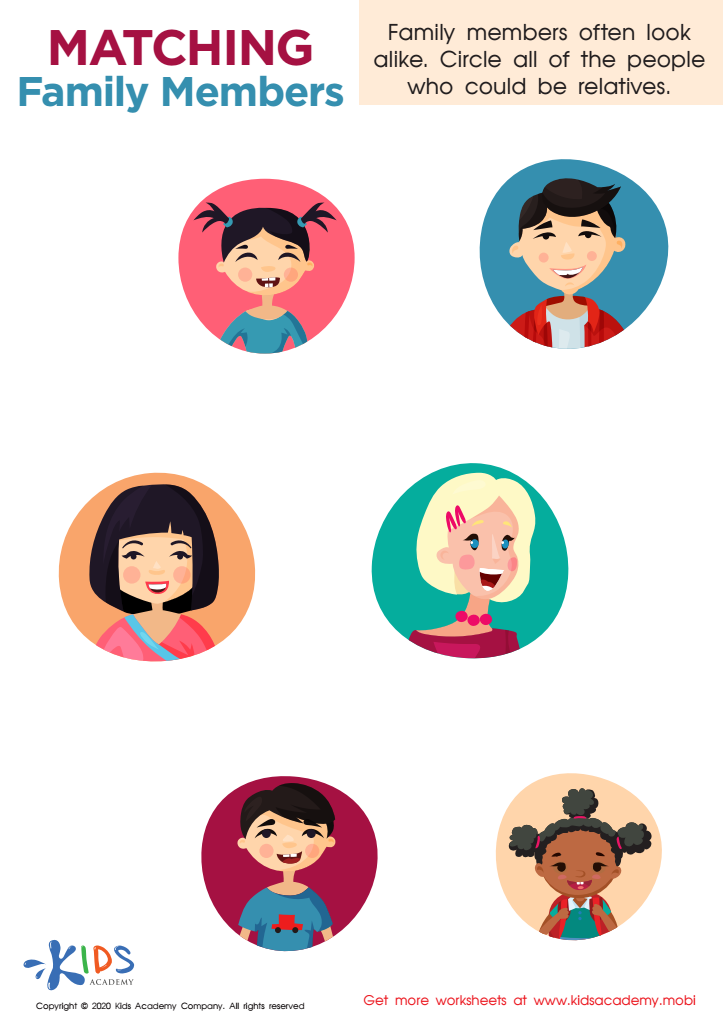
Matching Family Members Worksheet
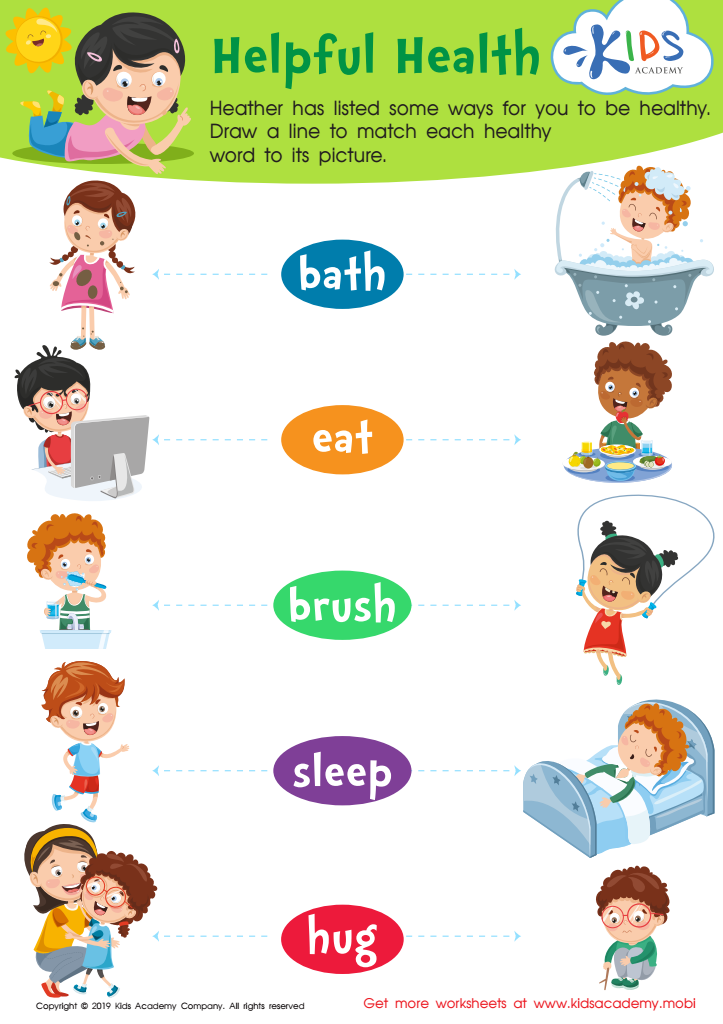
Helpful Health Worksheet
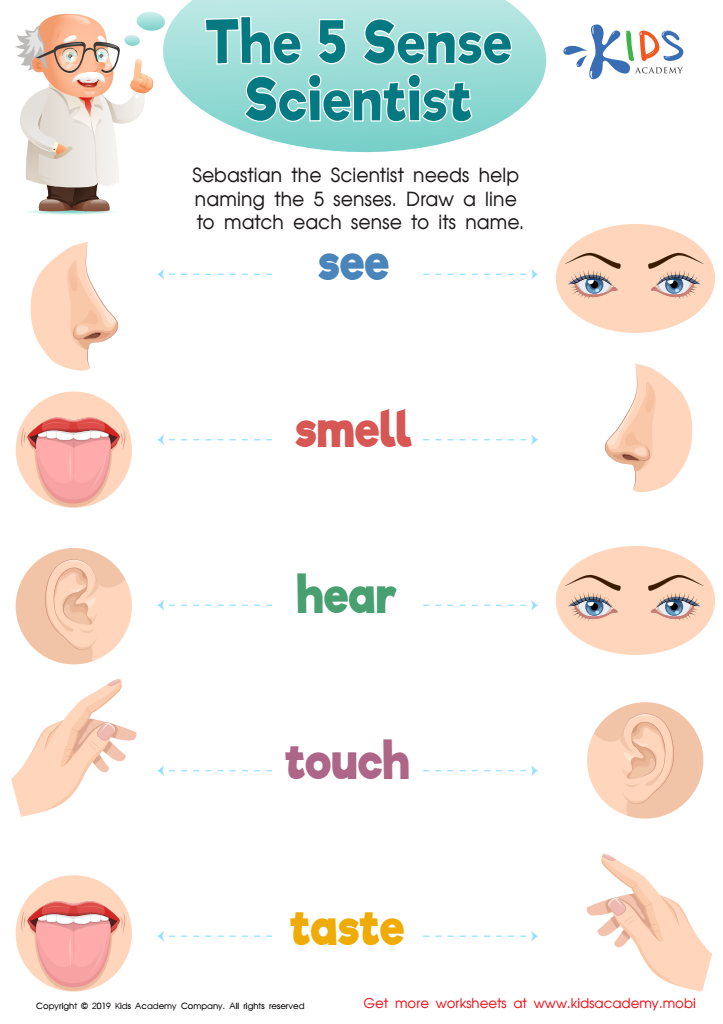
The 5 Sense Scientist Worksheet
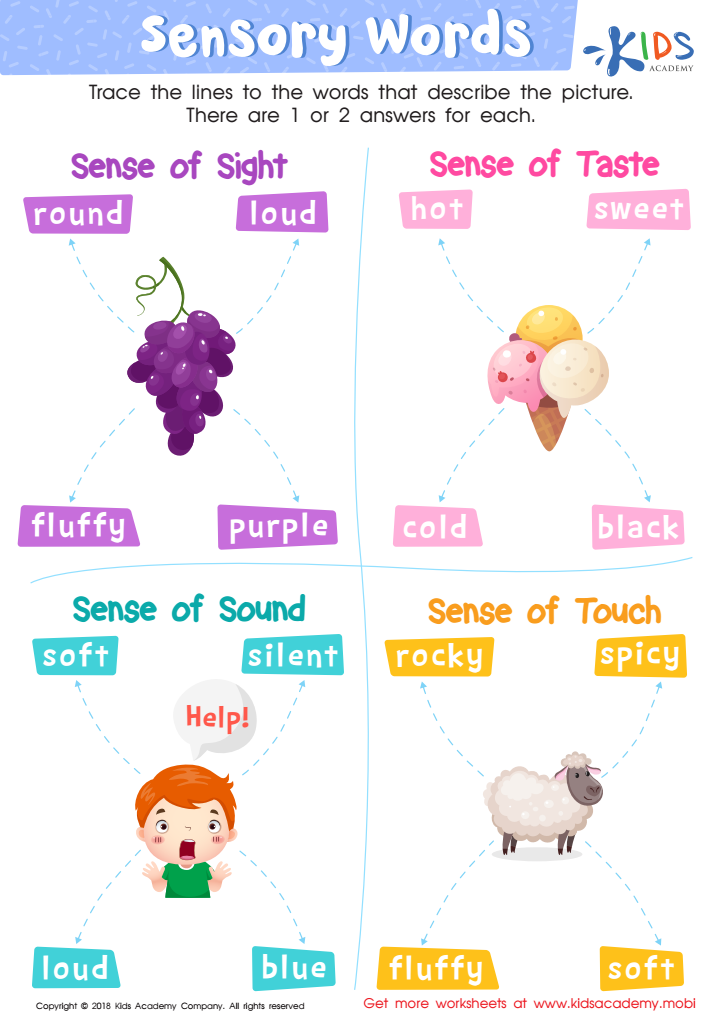
Sensory Words Worksheet
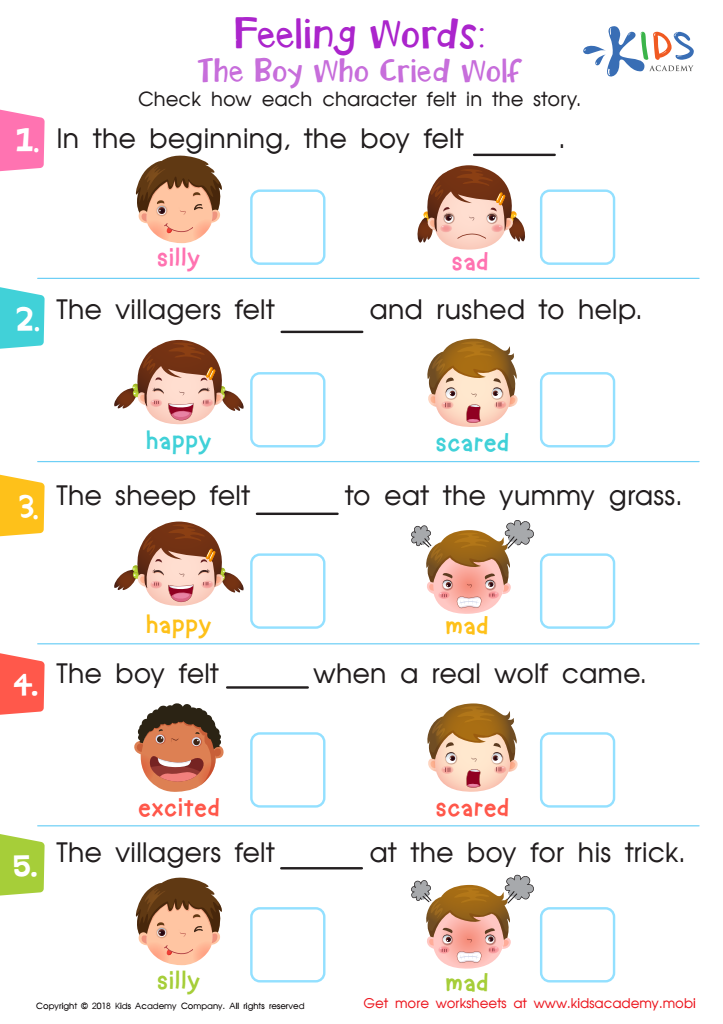
Feeling Words: The Boy Who Cried Wolf Worksheet
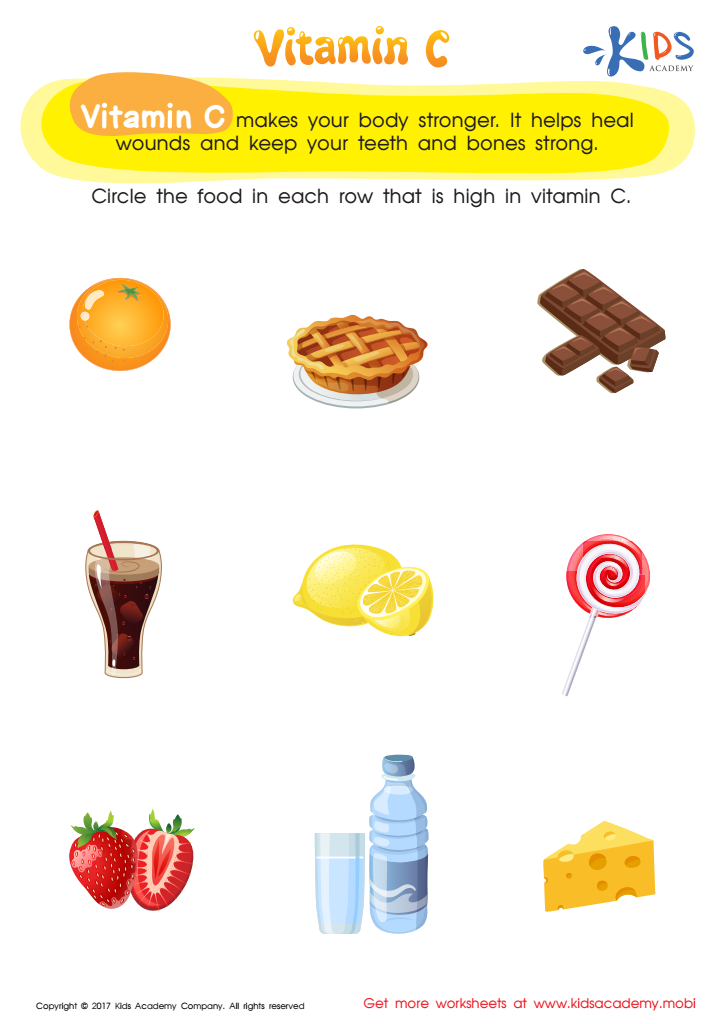
Vitamin C Worksheet
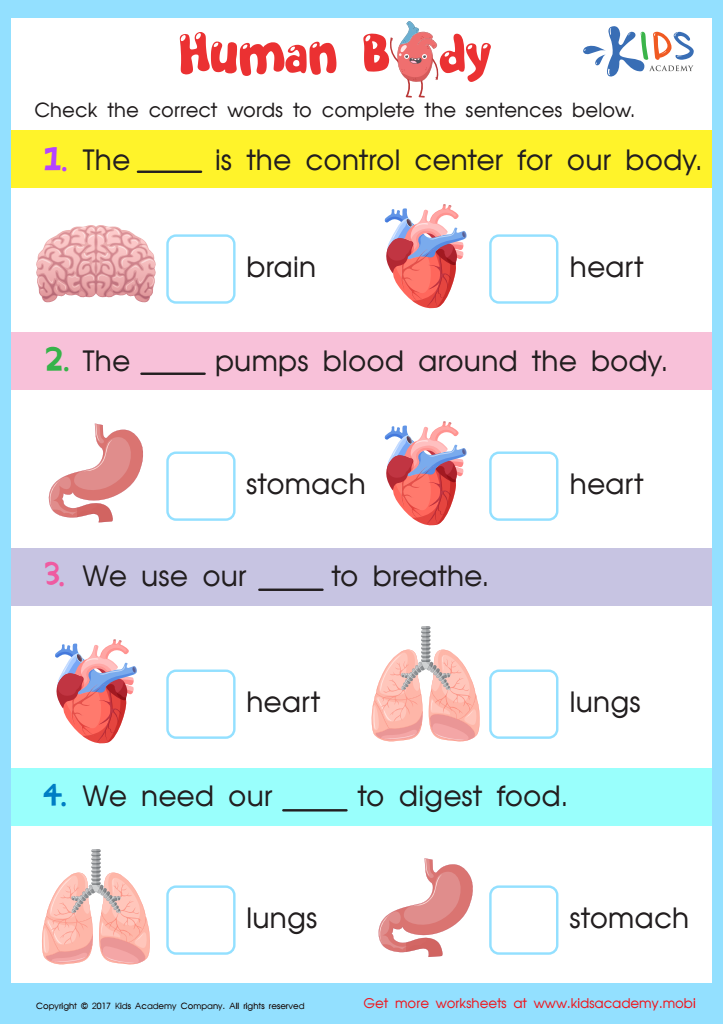
Internal Organs Worksheet
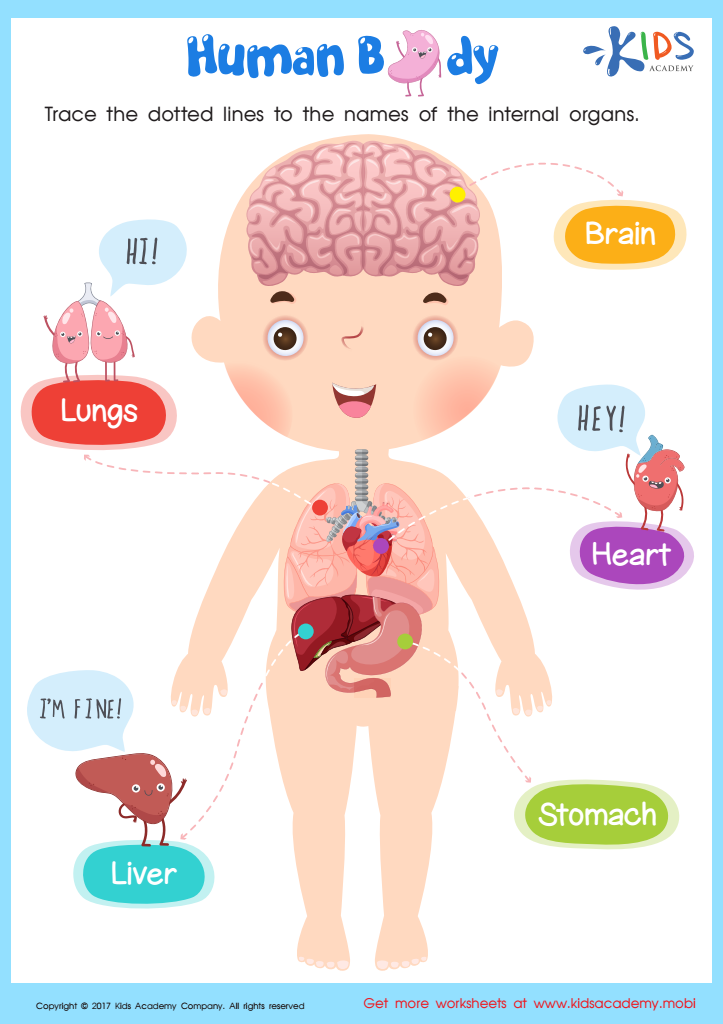
Human Body Worksheet
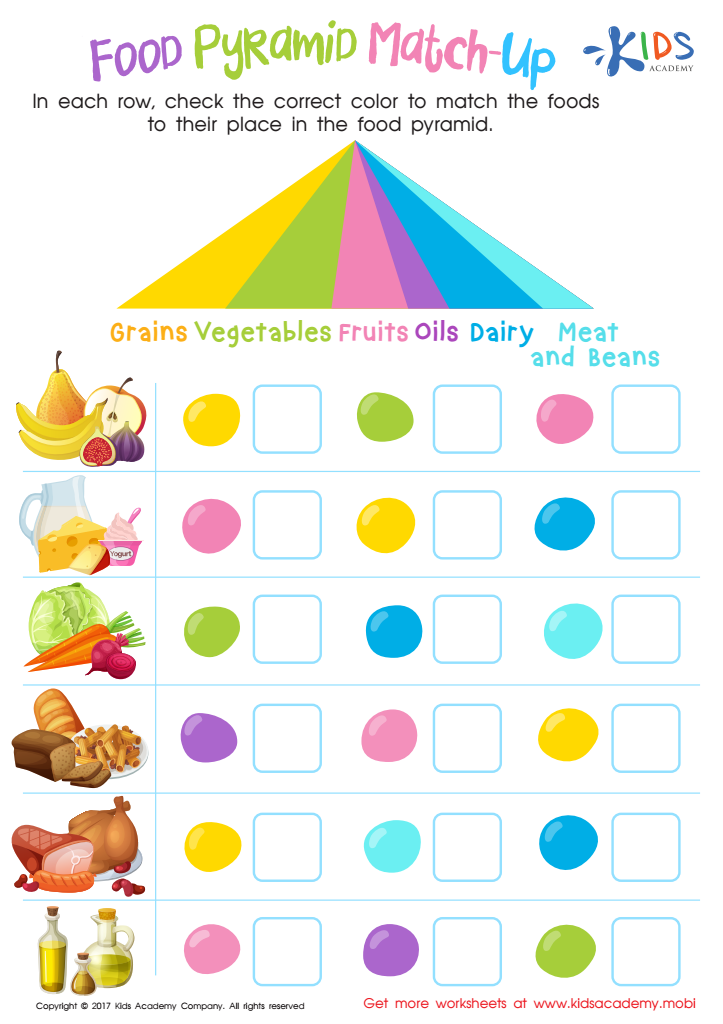
Health Food Worksheet
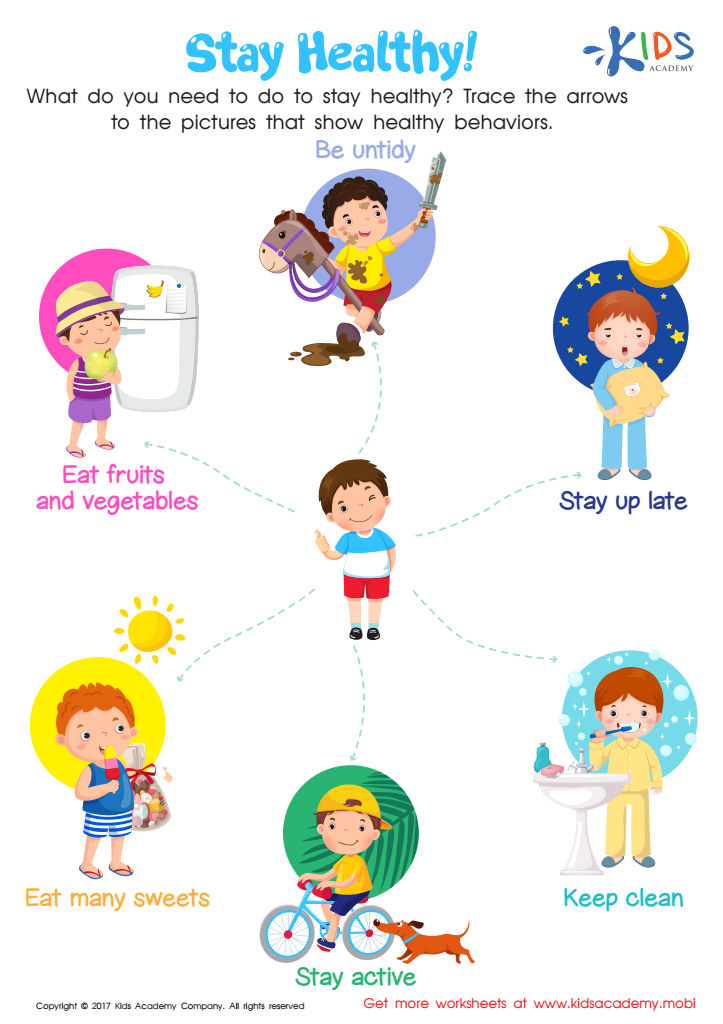
Healthy and Unhealthy Behaviors Worksheet
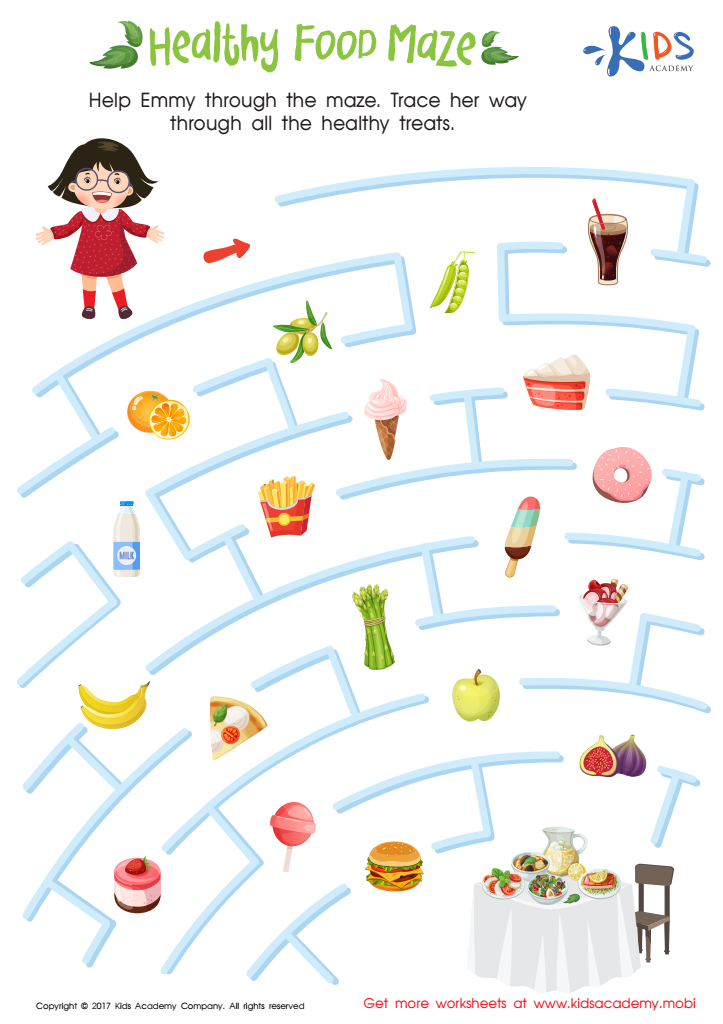
Healthy Food Maze Printable
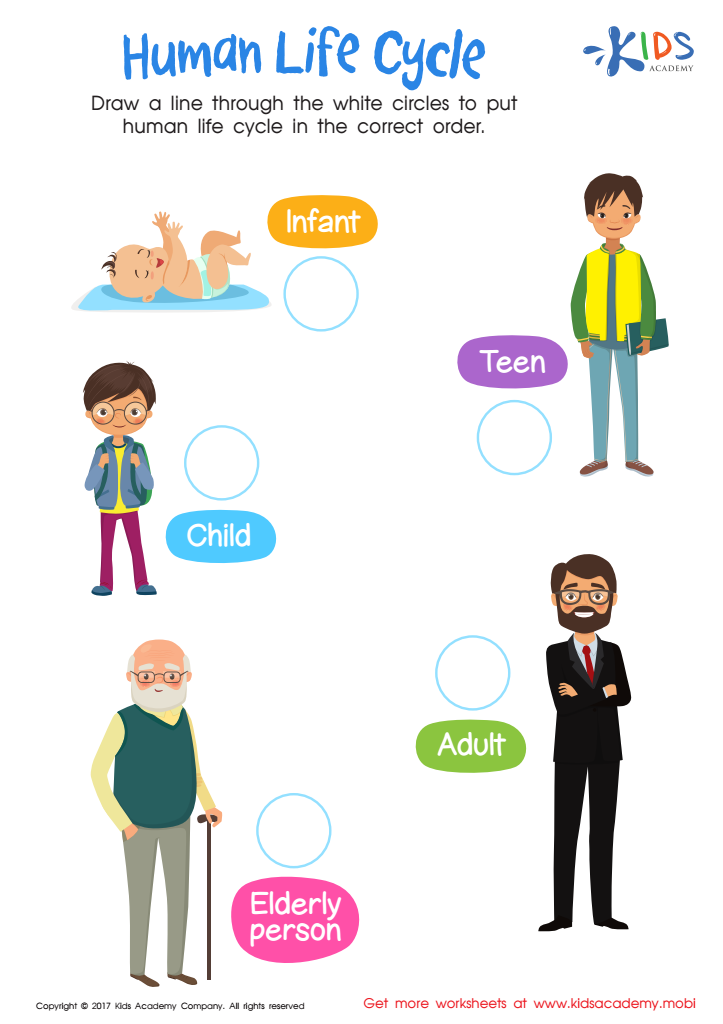
Human Life Cycle Worksheet
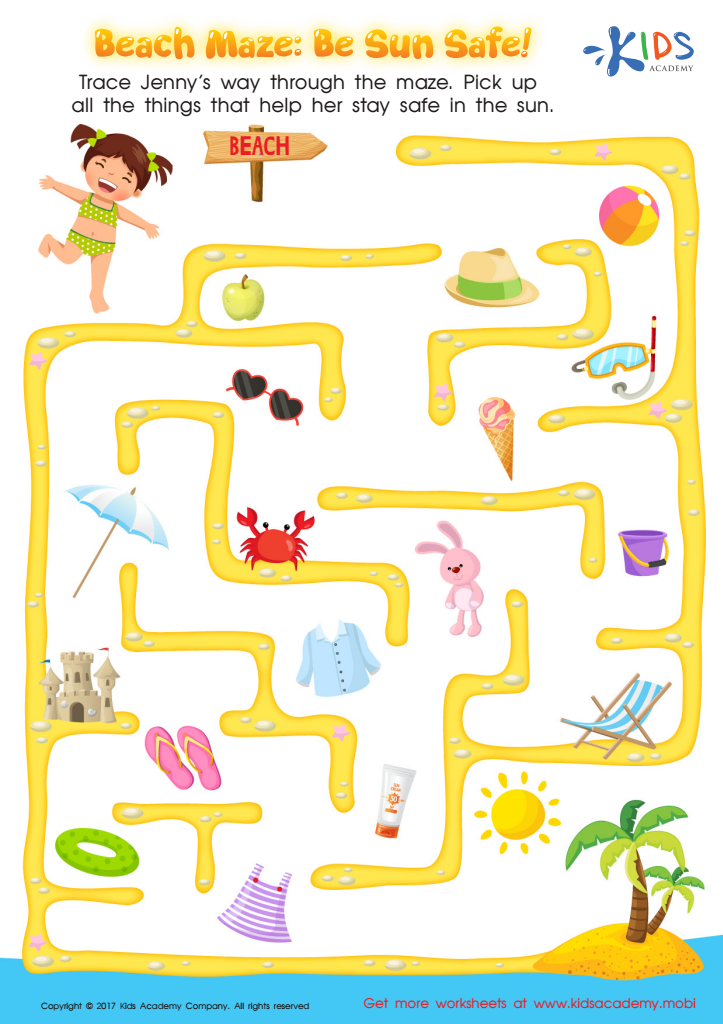
Beach Maze: Sun Safe Worksheet
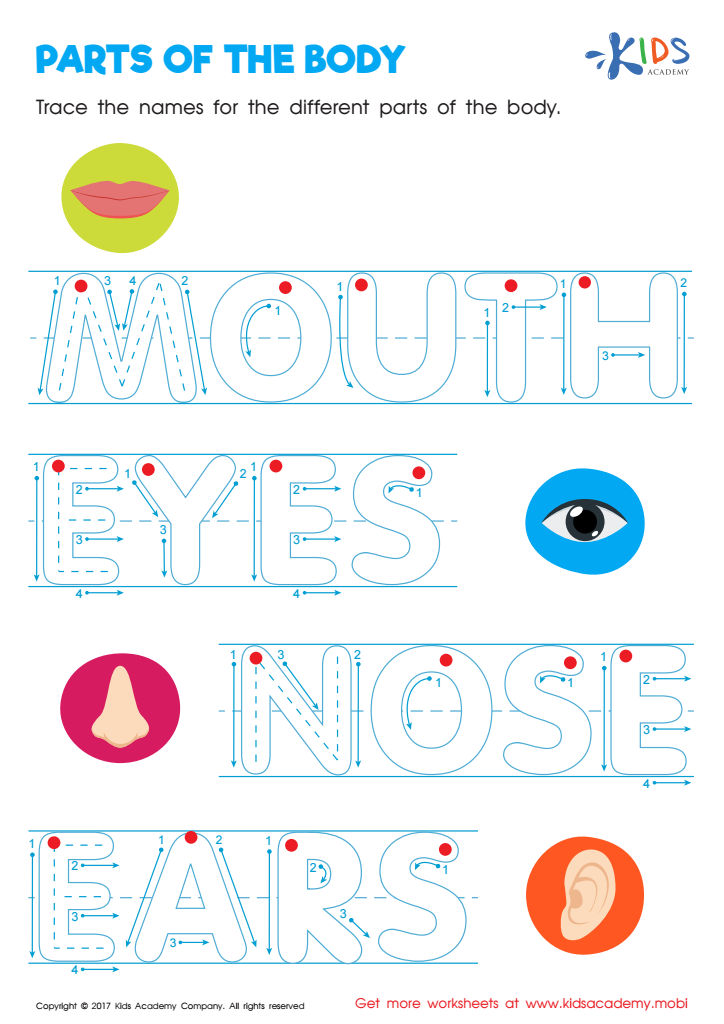
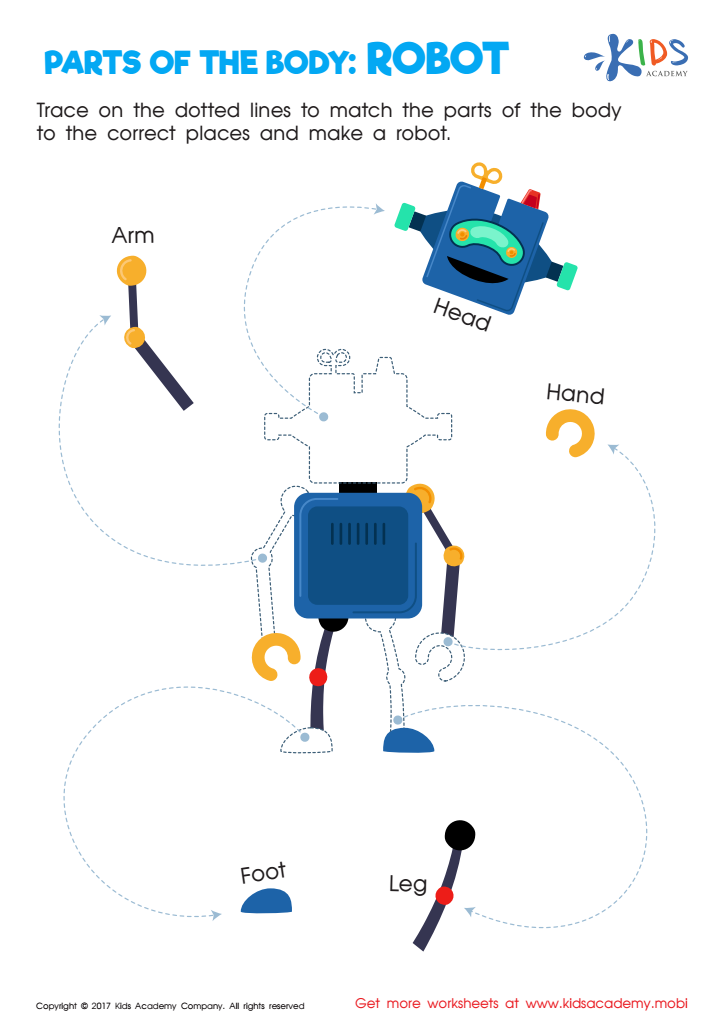
Robot Printable
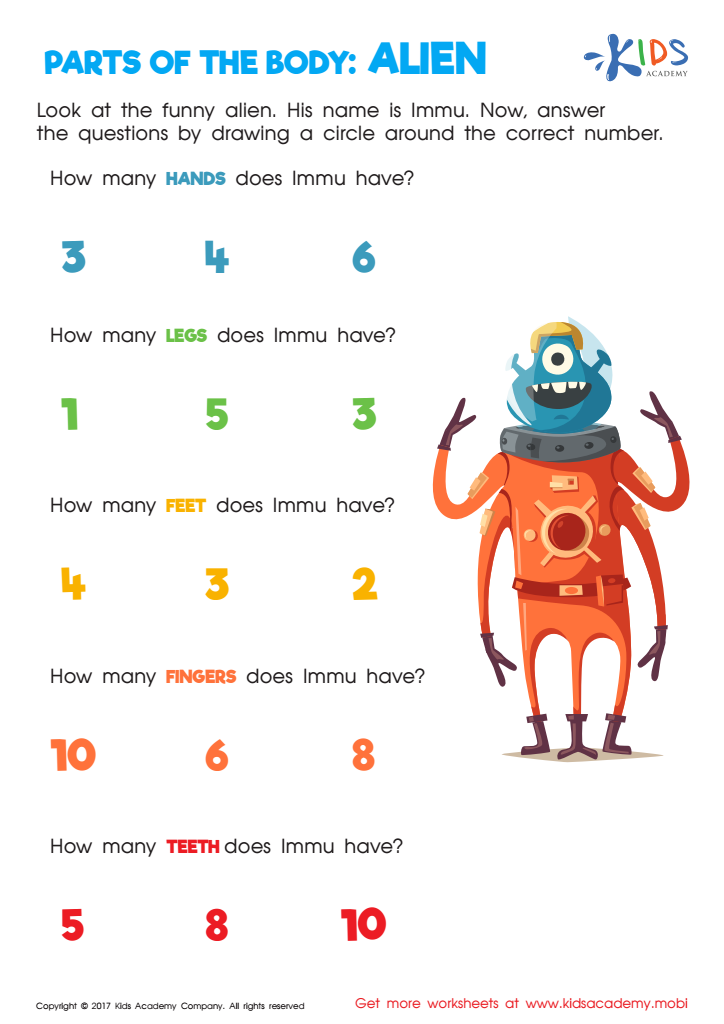
Alien Worksheet
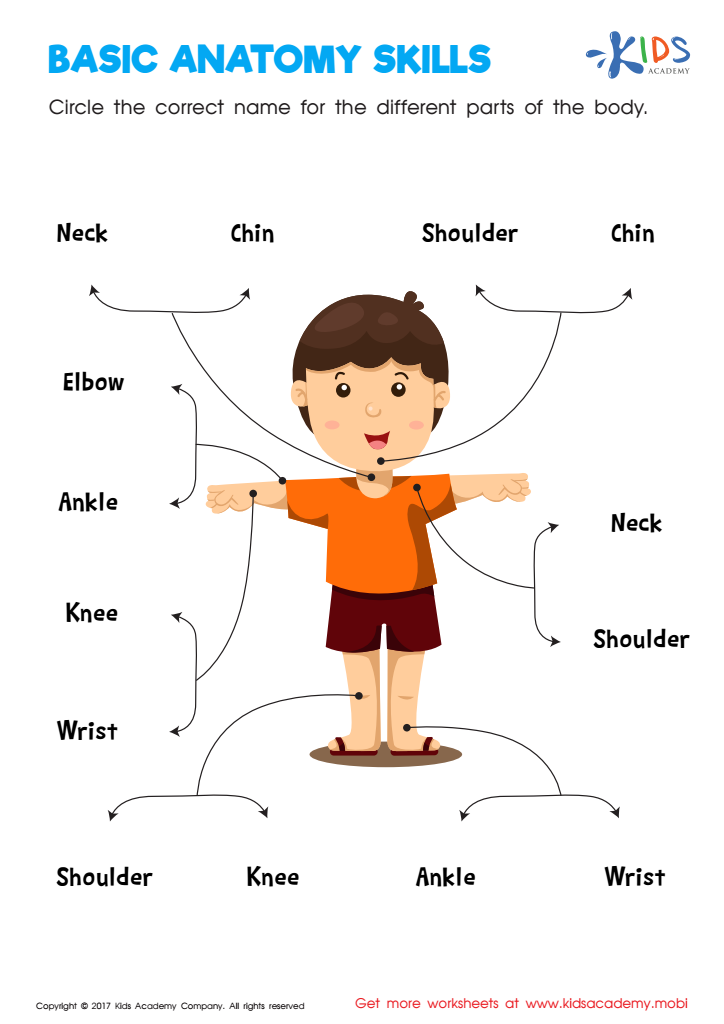
Basic Anatomy Skills Printable


Parents and teachers should prioritize teaching children about their bodies and health from ages 3 to 8 because this foundational knowledge supports lifelong well-being. During these formative years, children are naturally curious and eager to learn about themselves and the world around them. Understanding body awareness, nutrition, and healthy habits can set the stage for better lifestyle choices in the future.
Additionally, lessons about health can stimulate cognitive development; children who learn how to take care of their bodies are more likely to engage in physical activities, fostering motor skills and coordination. This age group is also particularly impressionable, making it essential to introduce concepts of self-care, hygiene, balanced diets, and the importance of regular exercise early on.
Teaching these principles can also promote emotional well-being; children who understand their bodily signals are better equipped to express feelings related to health, such as hunger or fatigue. Encouraging discussions about health fosters communication and trust between parents, teachers, and children, establishing a supportive environment for healthy choices. Ultimately, investing in health education at this stage can cultivate a generation of informed individuals who prioritize their well-being and make choices that positively impact their lives and communities.







