2D Shapes Worksheets for Ages 6-8 - Page 3
68 filtered results
-
From - To
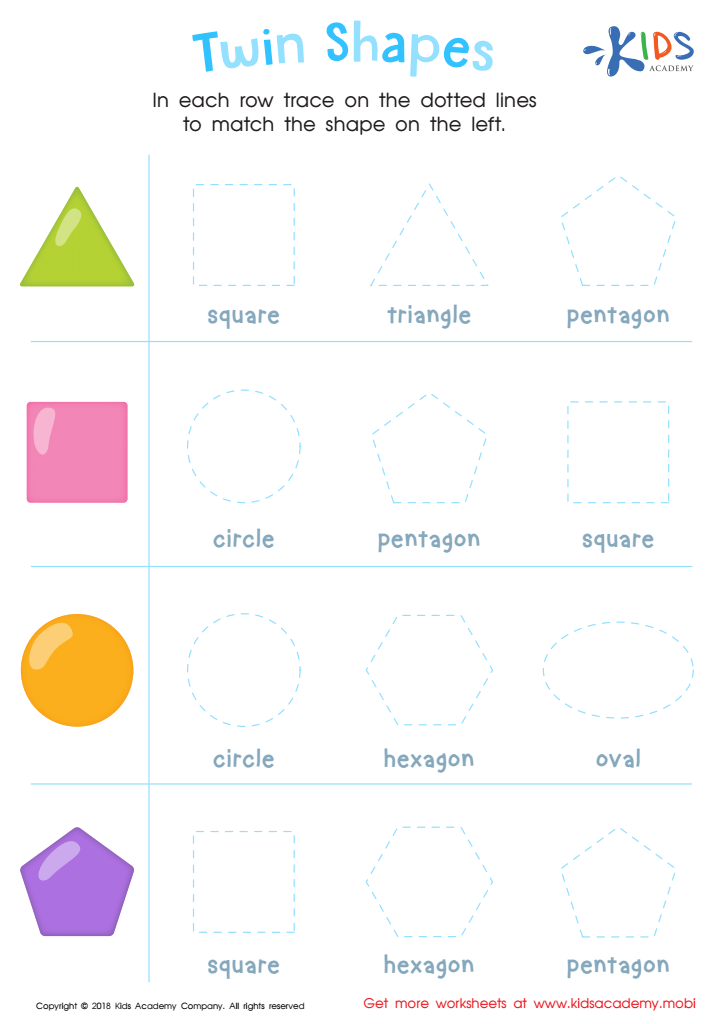
Twin Shapes Dot-to-Dot Worksheet
 Assign to My Students


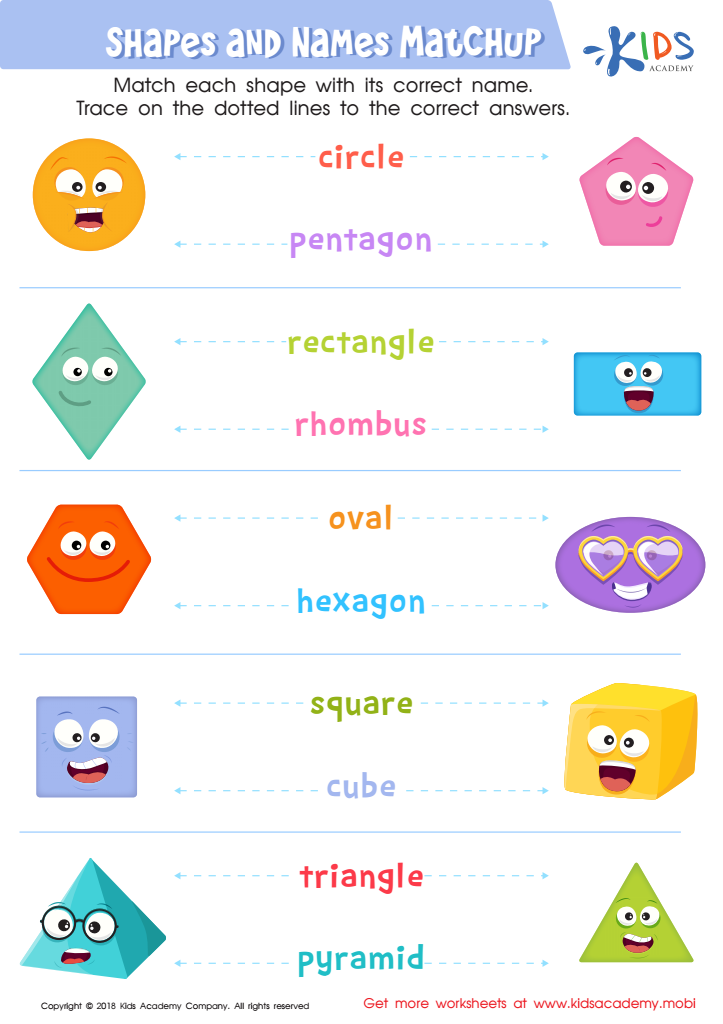
Shapes and Names Matchup Worksheet
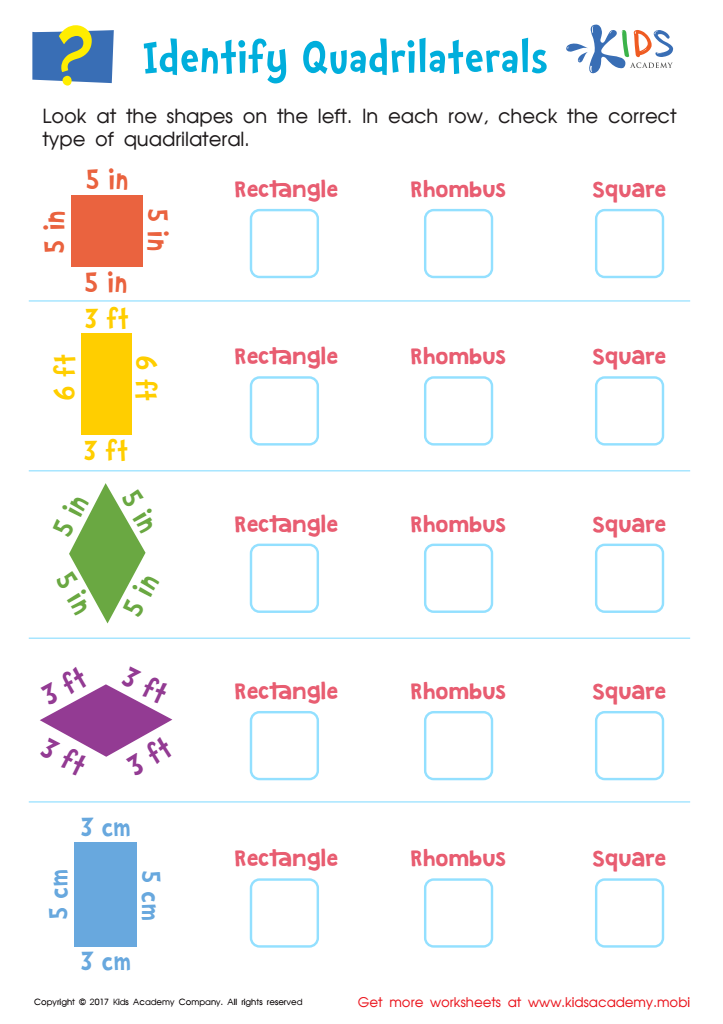
Identify Quadrilaterals Worksheet
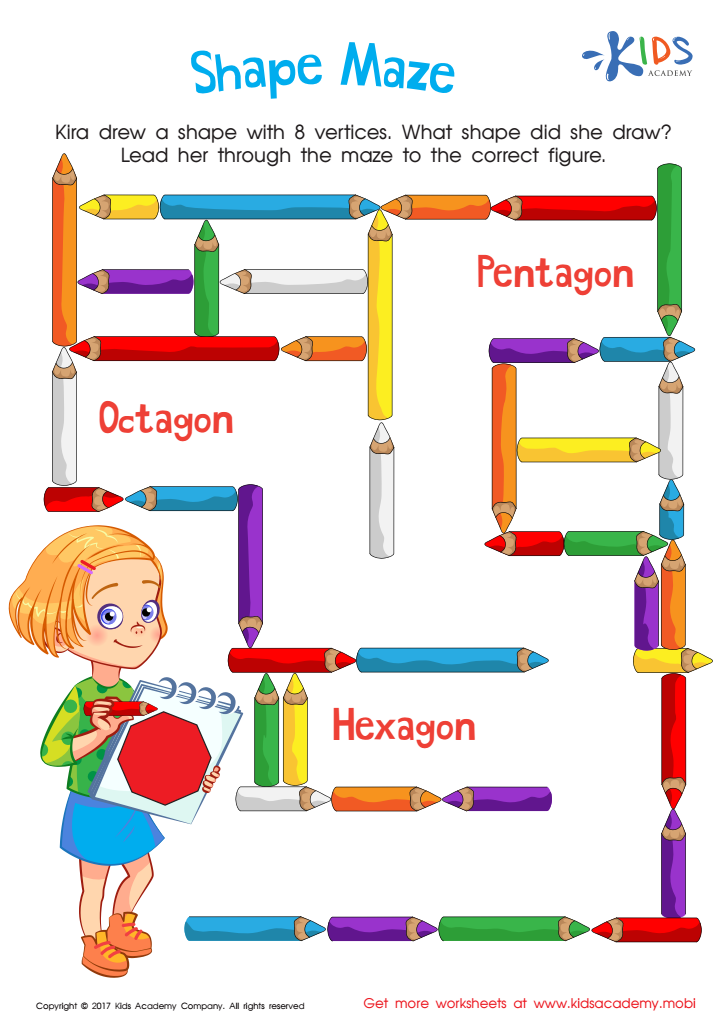
Shape Maze Worksheet
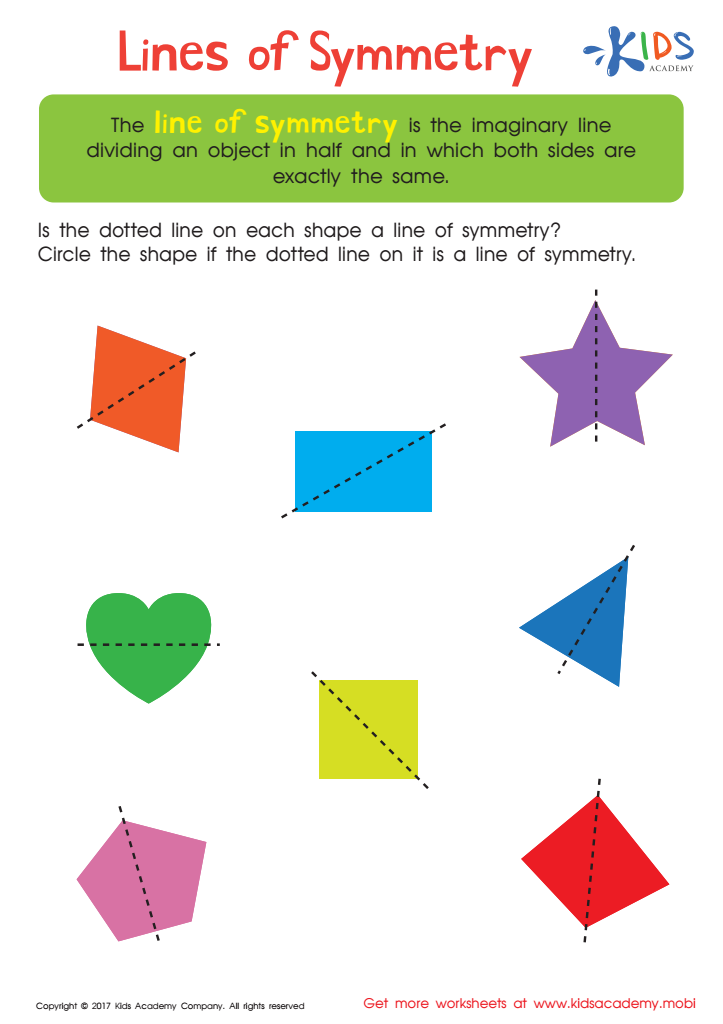
Lines of Symmetry Printable
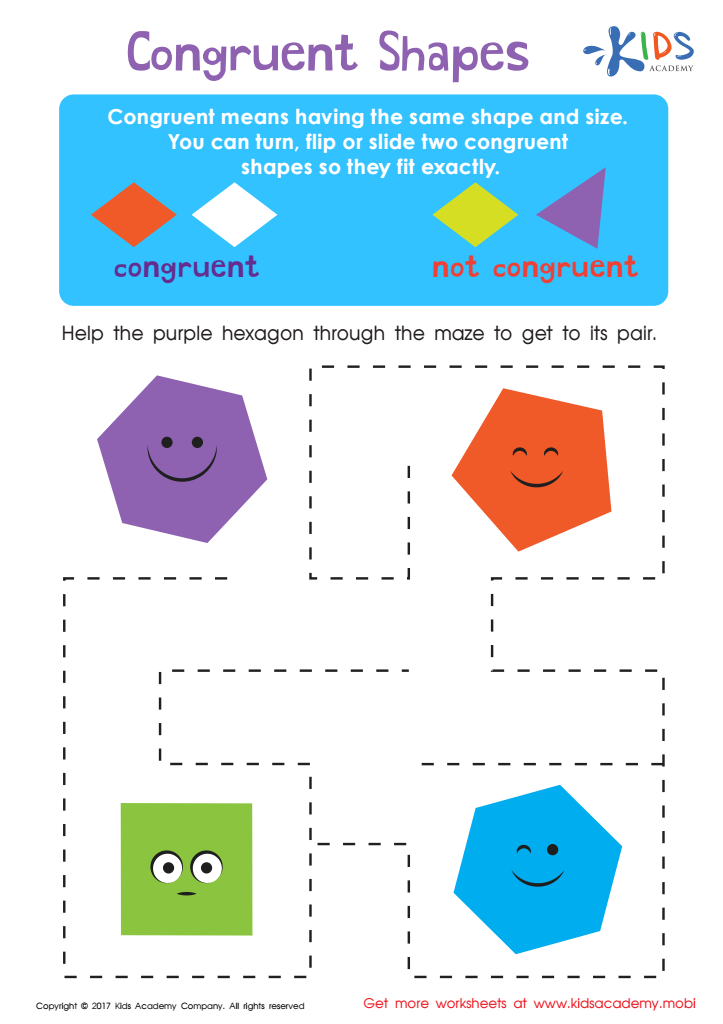
Congruent Shapes Worksheet
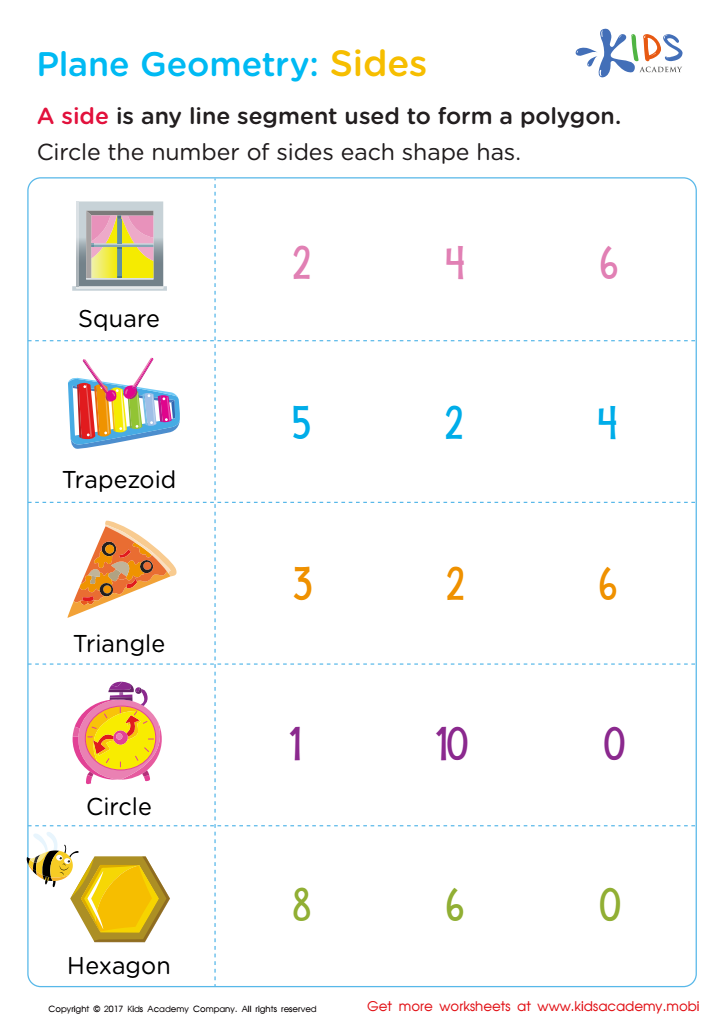
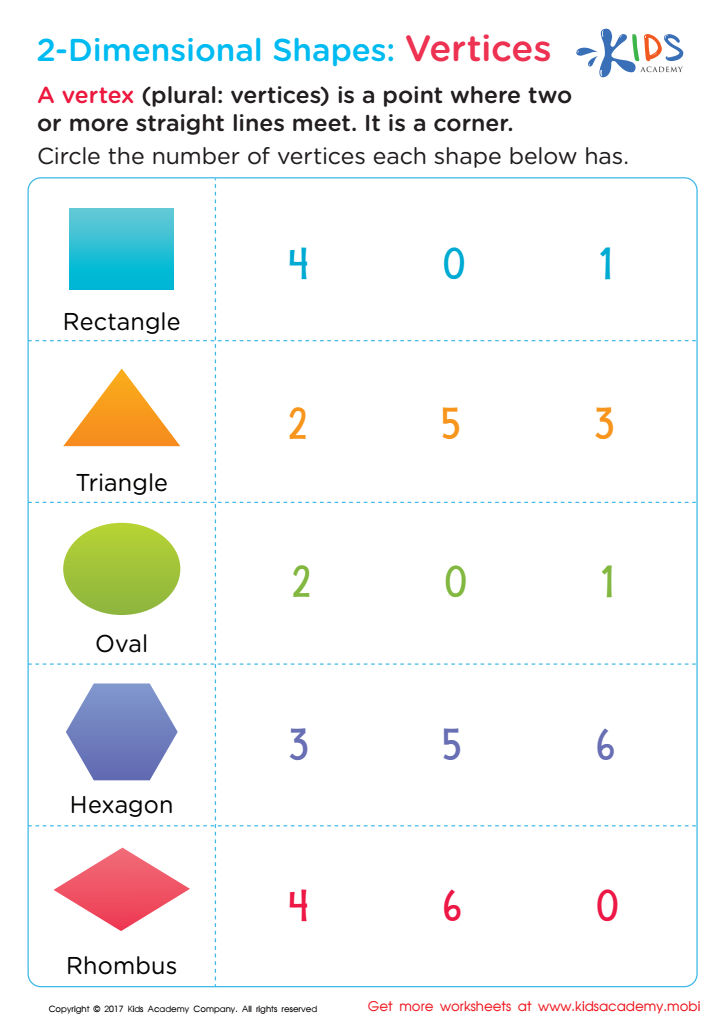
Two–Dimensional Shapes: Vertices Printable
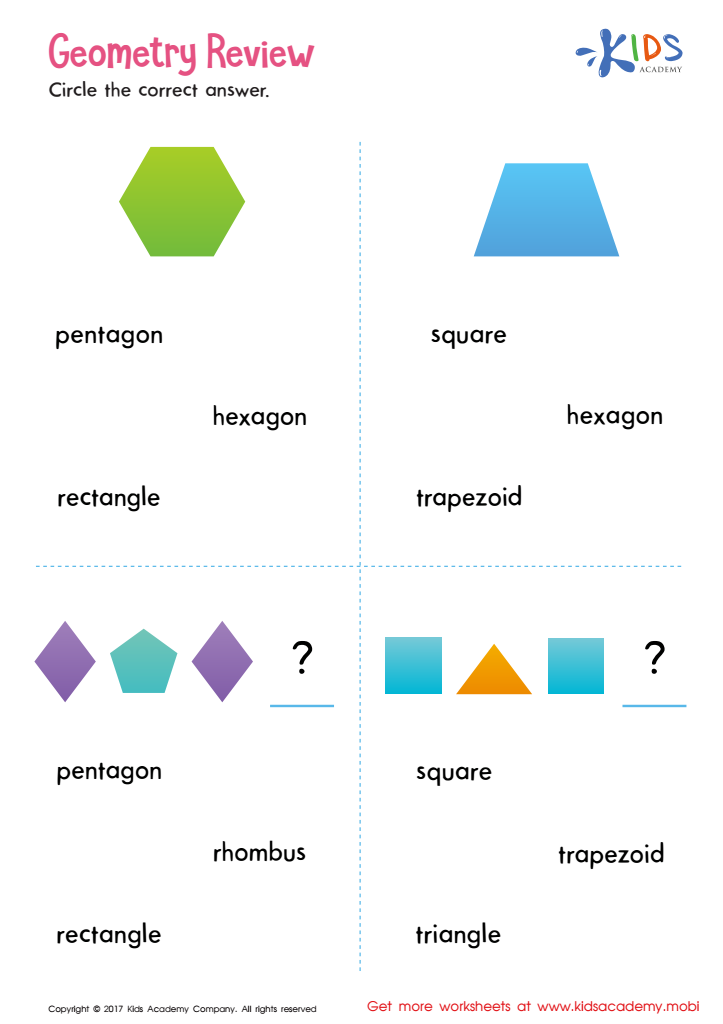
Geometry Review Printable
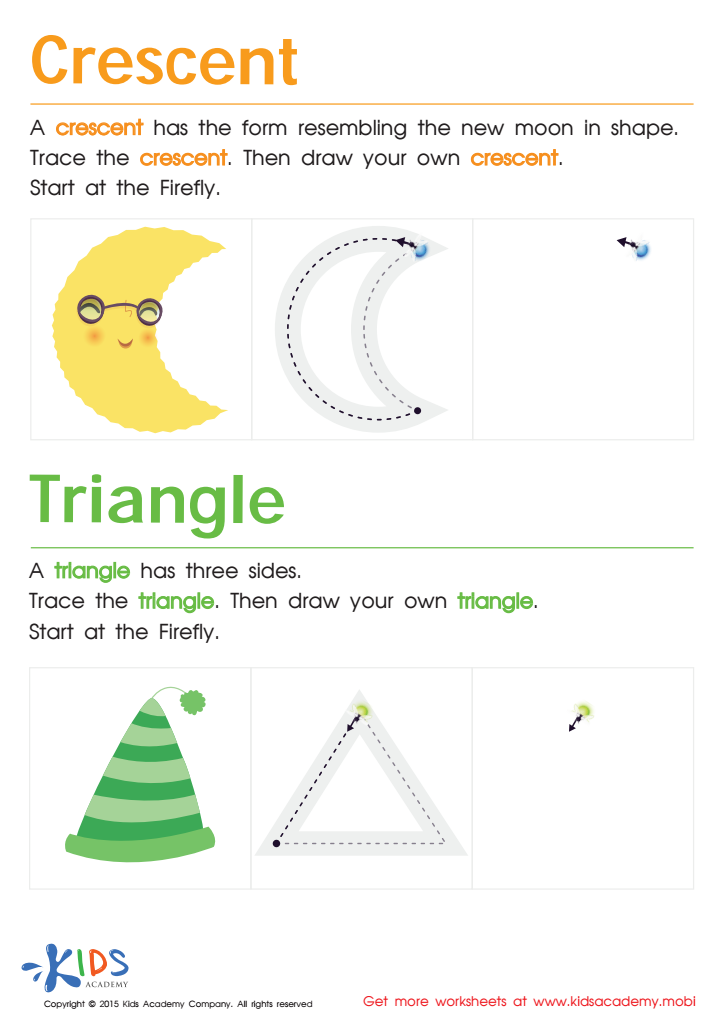
Learning to Draw Crescents And Triangles Worksheet
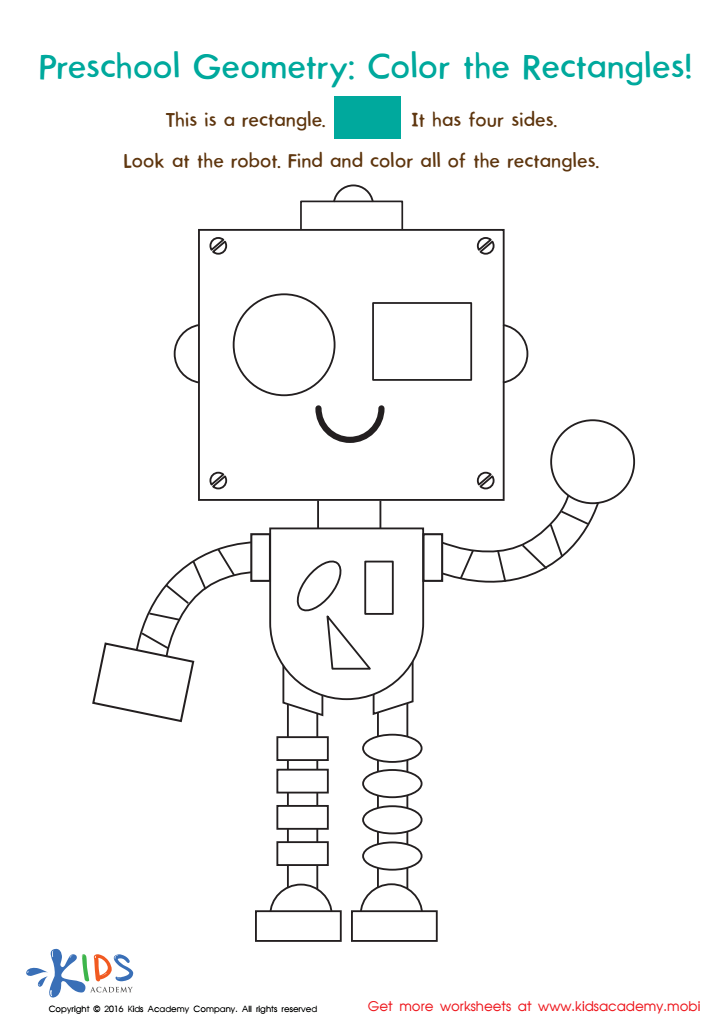
Geometry Worksheet
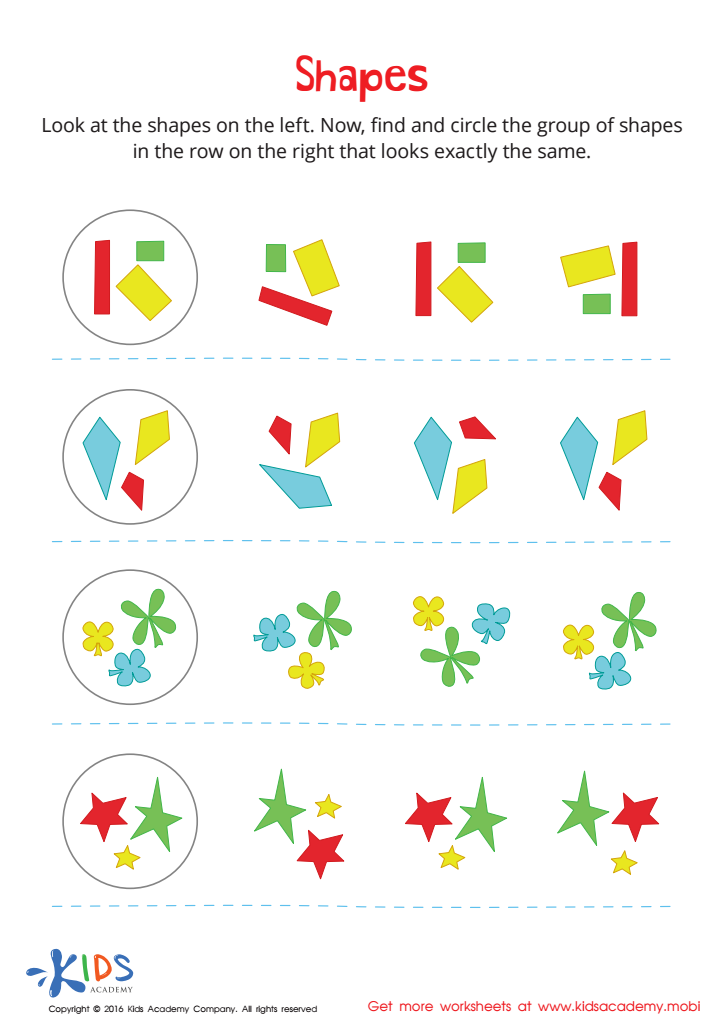
Shapes Worksheet
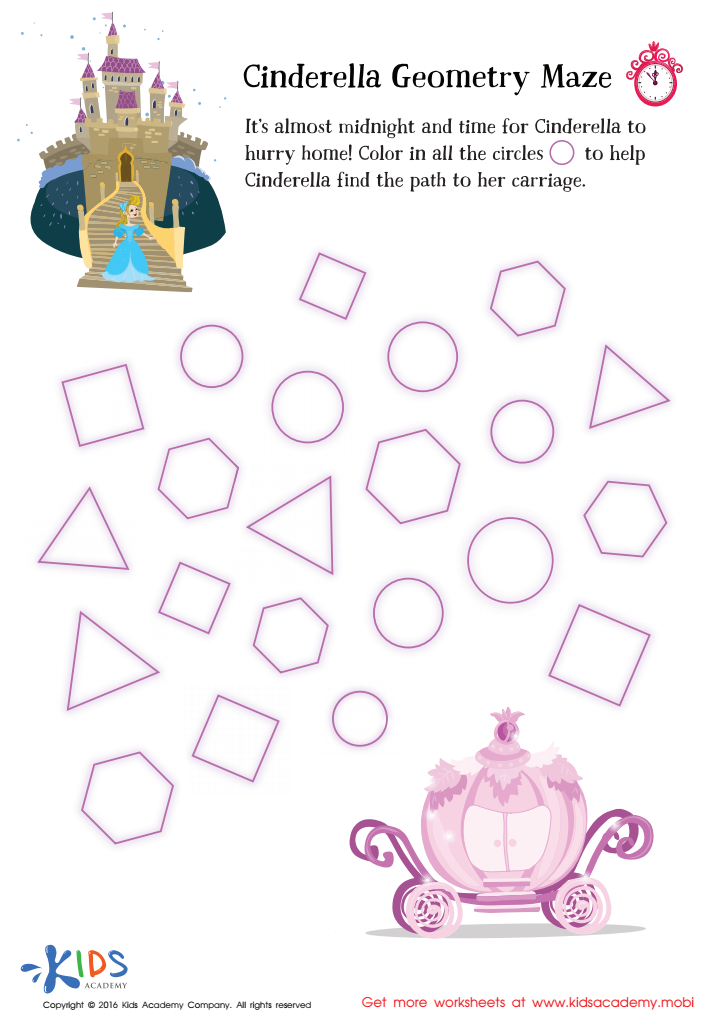
Cinderella Geometry Maze Worksheet
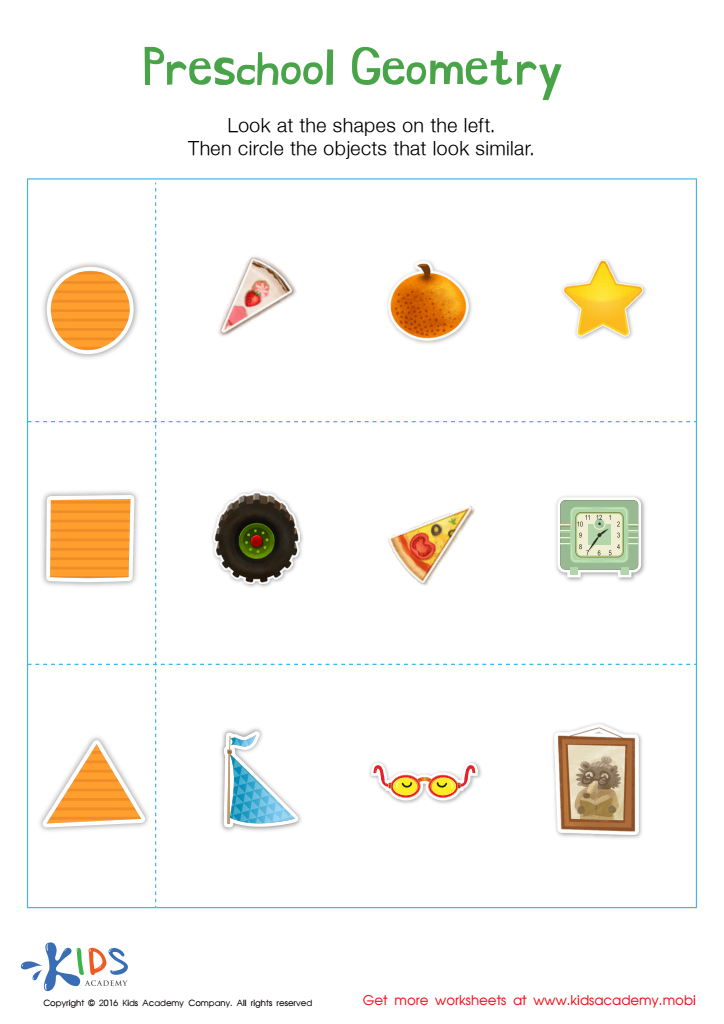
Preschool Geometry Match Up Worksheet
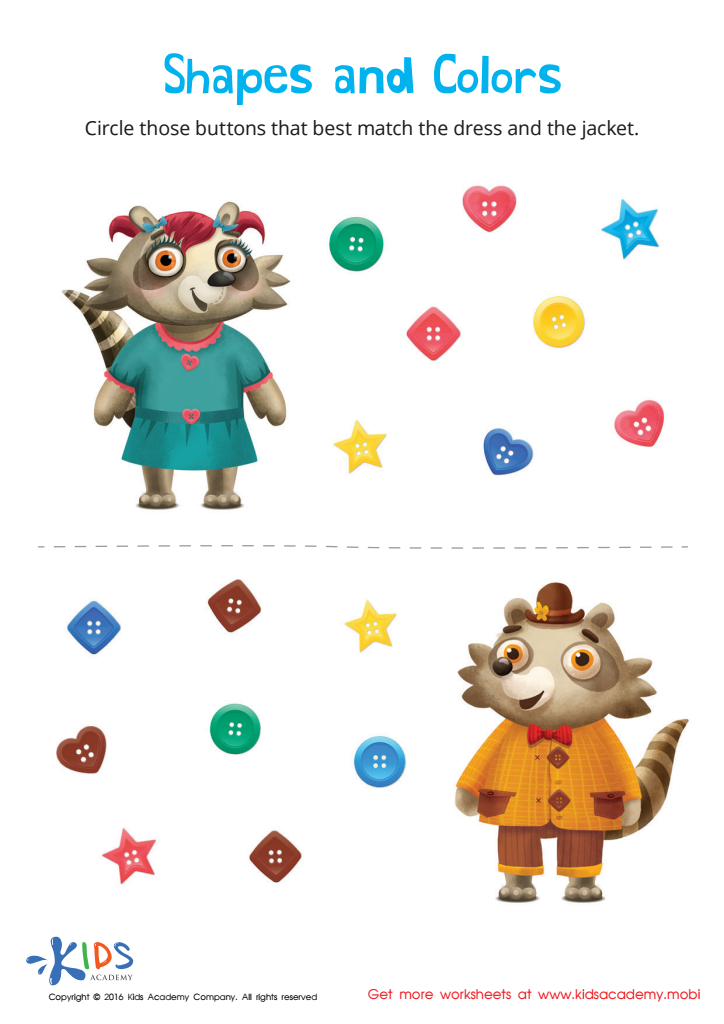
Matching: Shapes and Colors Worksheet
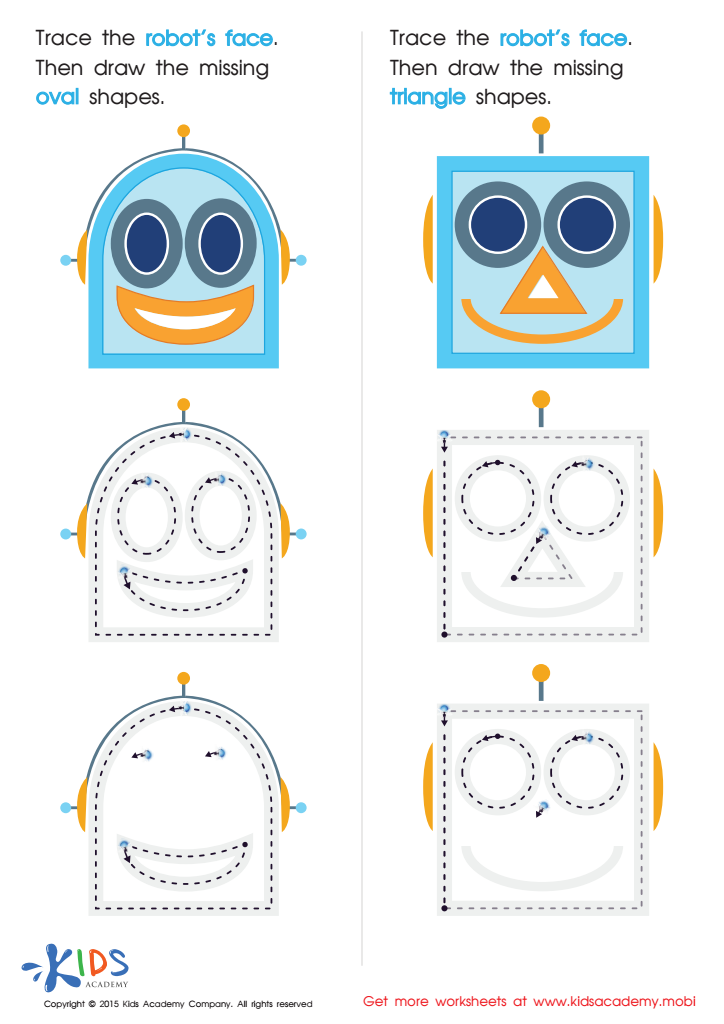
Drawing Ovals And Triangles with Fun Printable
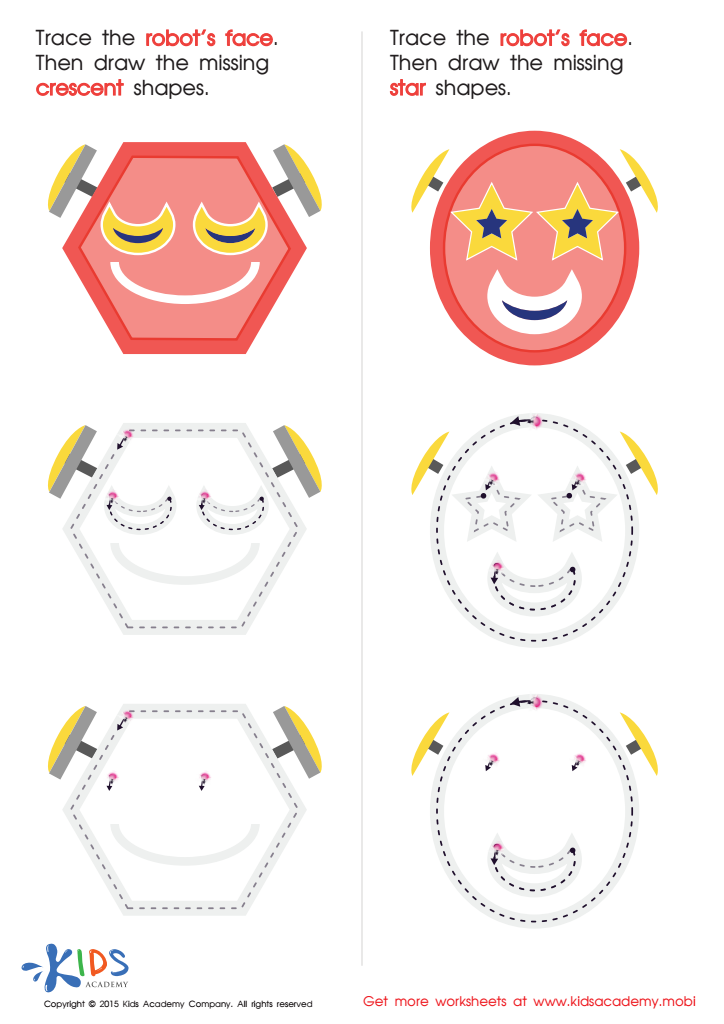
Composing a Robot's Face of Crescents And Stars Worksheet
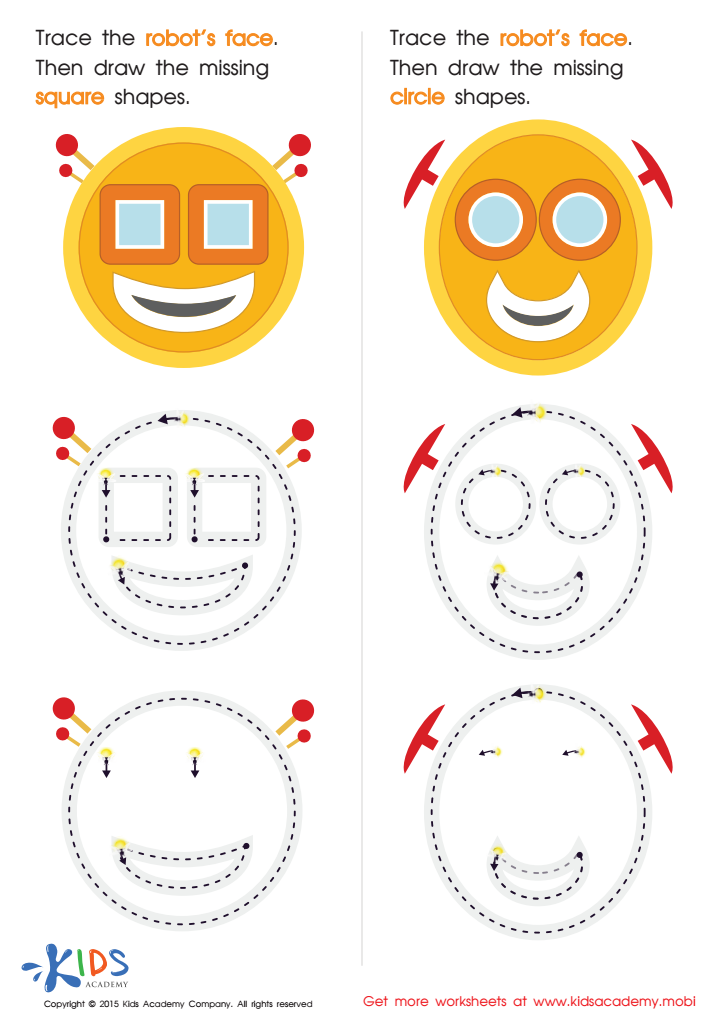
Practicing to Draw Circles And Squares Printable
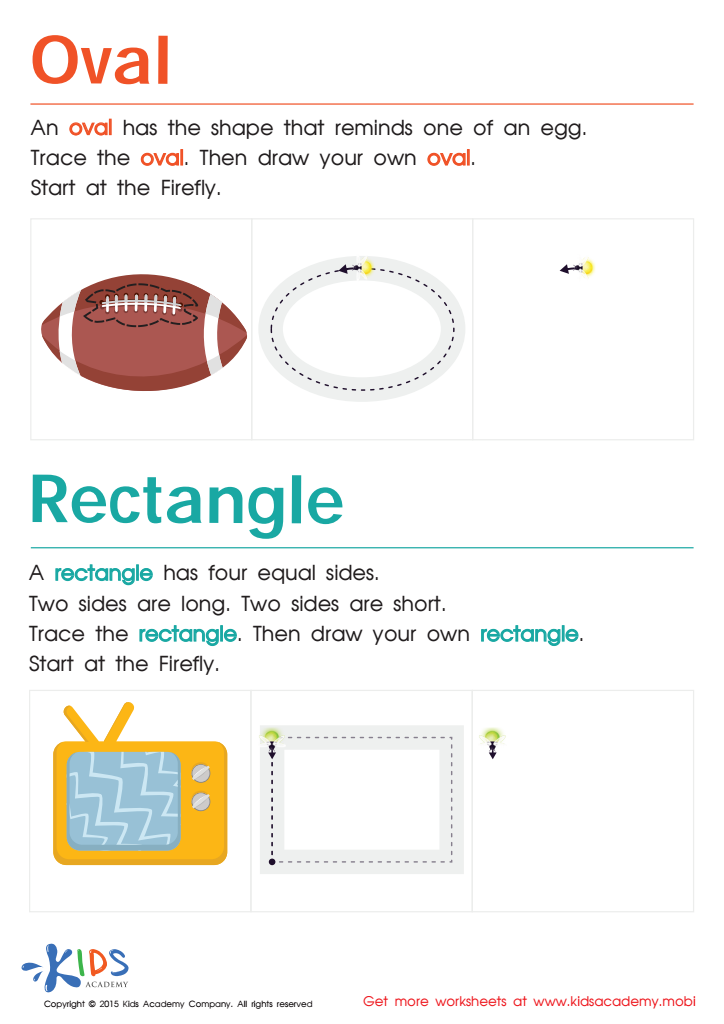
Easy Drawing of Ovals And Rectangles Worksheet
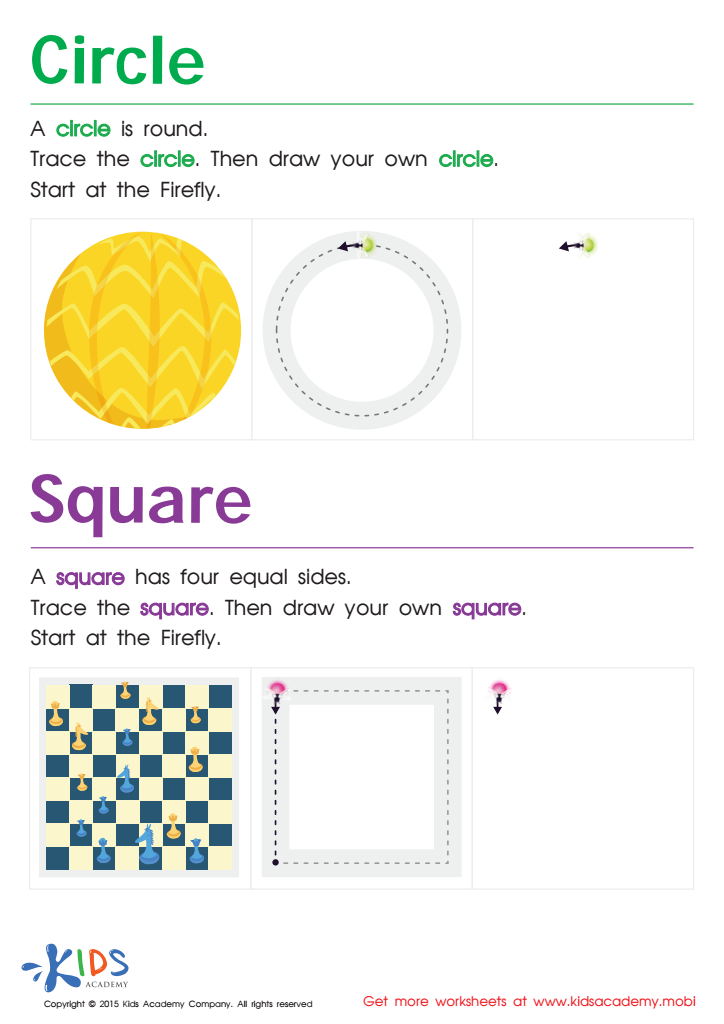
Trace And Draw a Circle And a Square Worksheet








Young children, especially those between the ages of 6 and 8, are at a critical stage of cognitive development. Introducing them to 2D shapes during this period offers several key benefits that parents and teachers should not overlook. Firstly, learning about shapes helps to build foundational skills in geometry, an essential branch of mathematics. Understanding shapes such as squares, circles, and triangles cultivates spatial awareness — a skill vital for more advanced math concepts and everyday problem-solving.
Moreover, identifying and analyzing 2D shapes enhances children's visual perception and memory, aiding their ability to recognize patterns and categorize information. This skill translates into improved reading and writing abilities as children learn to discern different letter shapes and word patterns.
Shapes are also foundational in developing fine motor skills. Activities like drawing, cutting, and arranging shapes improve hand-eye coordination, which is necessary for tasks such as writing. Recognizing shapes in their environment also deepens children's understanding of the world around them, enabling them to describe objects more accurately and appreciate the diversity in their surroundings.
Socially, discussing and working with shapes encourages cooperation and communication among peers during group activities. For these reasons, a solid grasp of 2D shapes sets the stage for educational success and well-rounded development in young children.