Extra Challenge Worksheets for Ages 6-9 - Page 18
478 filtered results
-
From - To
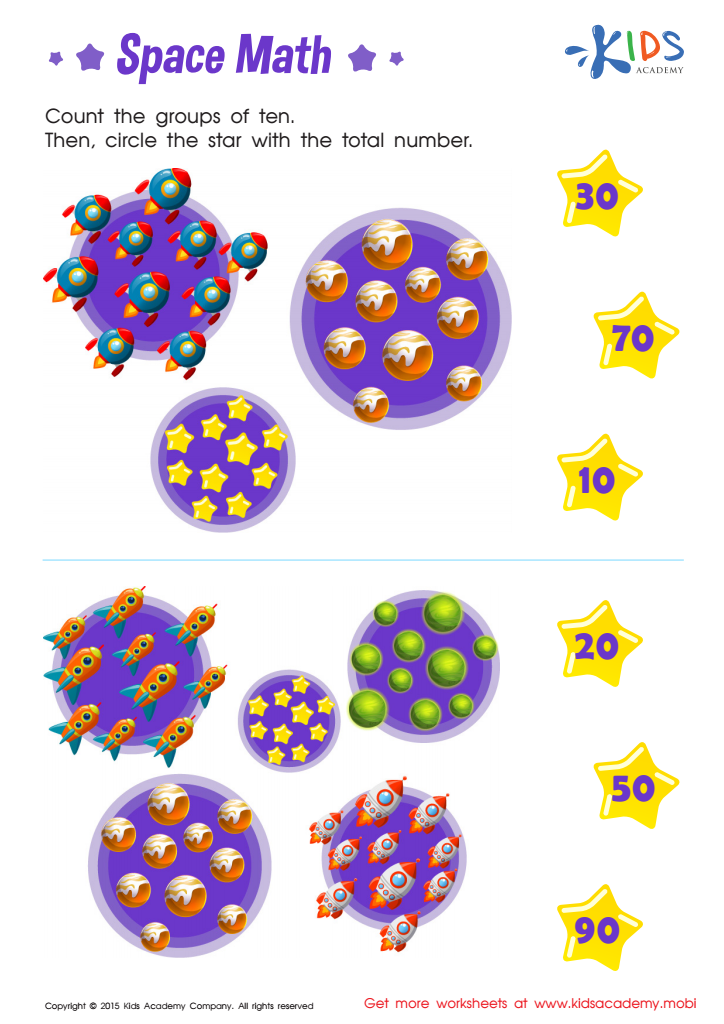
Learn dozens: Space math Worksheet
 Assign to My Students
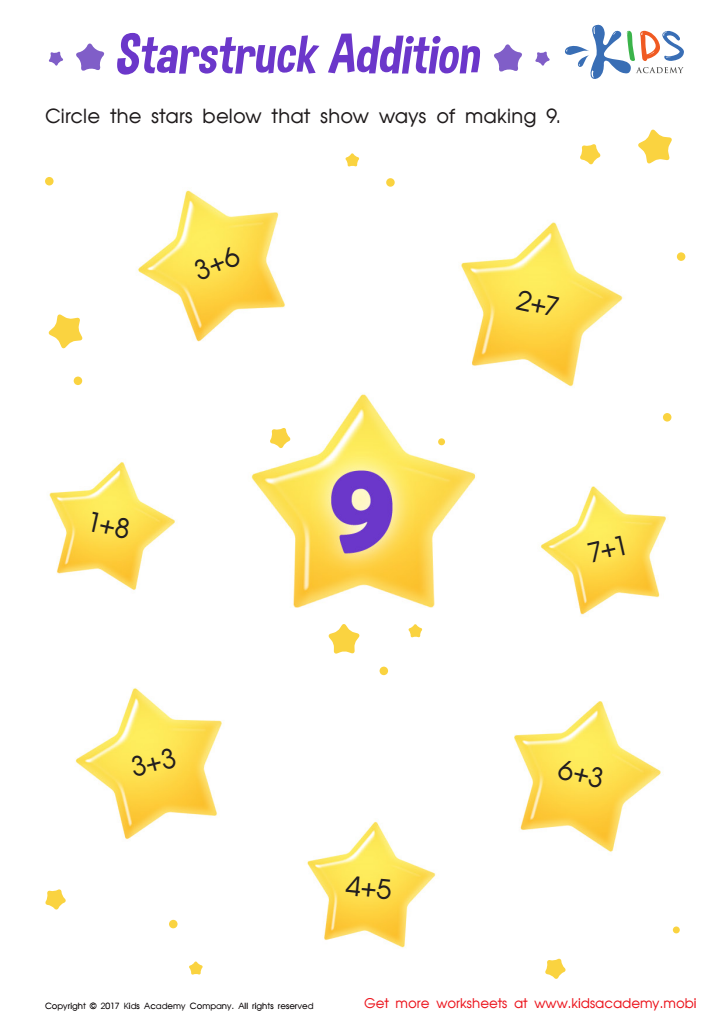
Starstruck Addition Printable
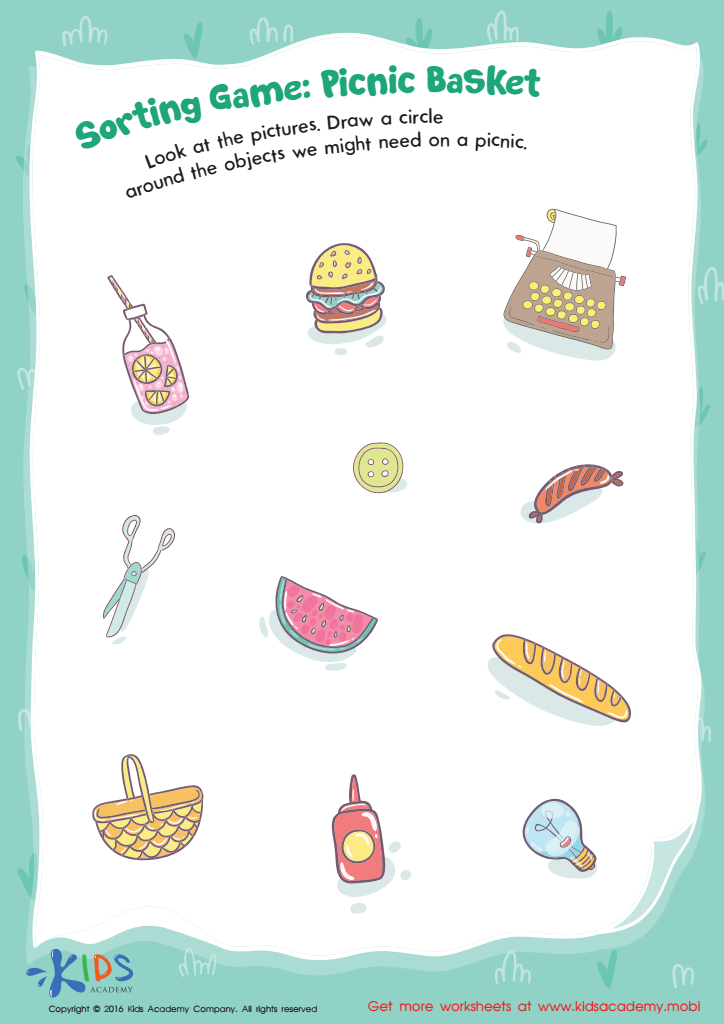
Picnic Basket Sorting Worksheet
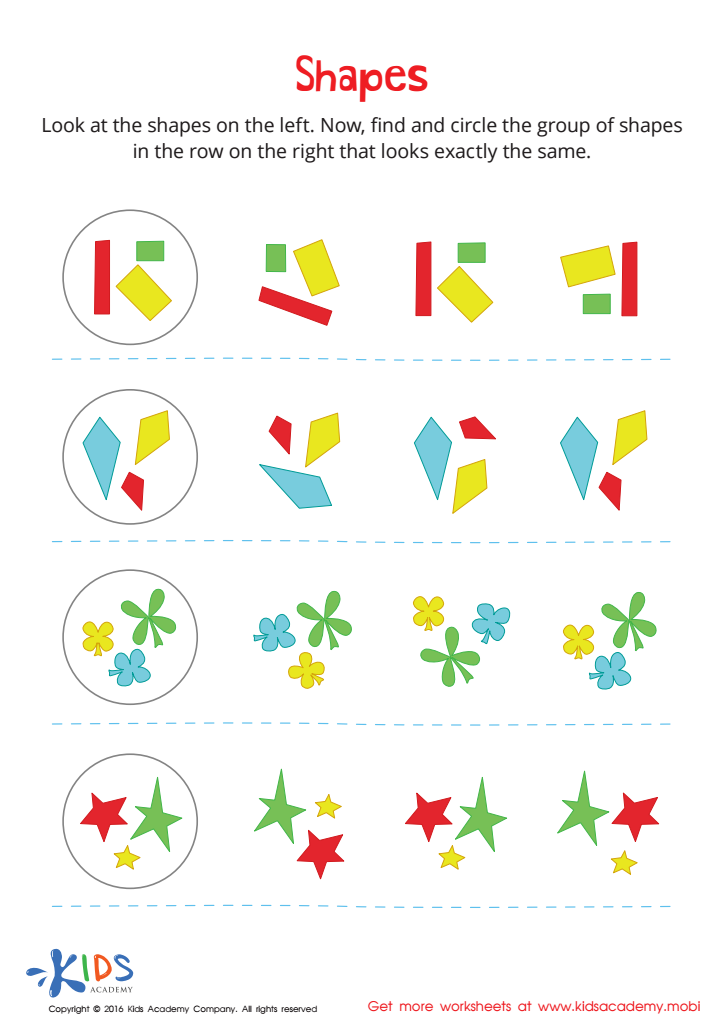
Shapes Worksheet
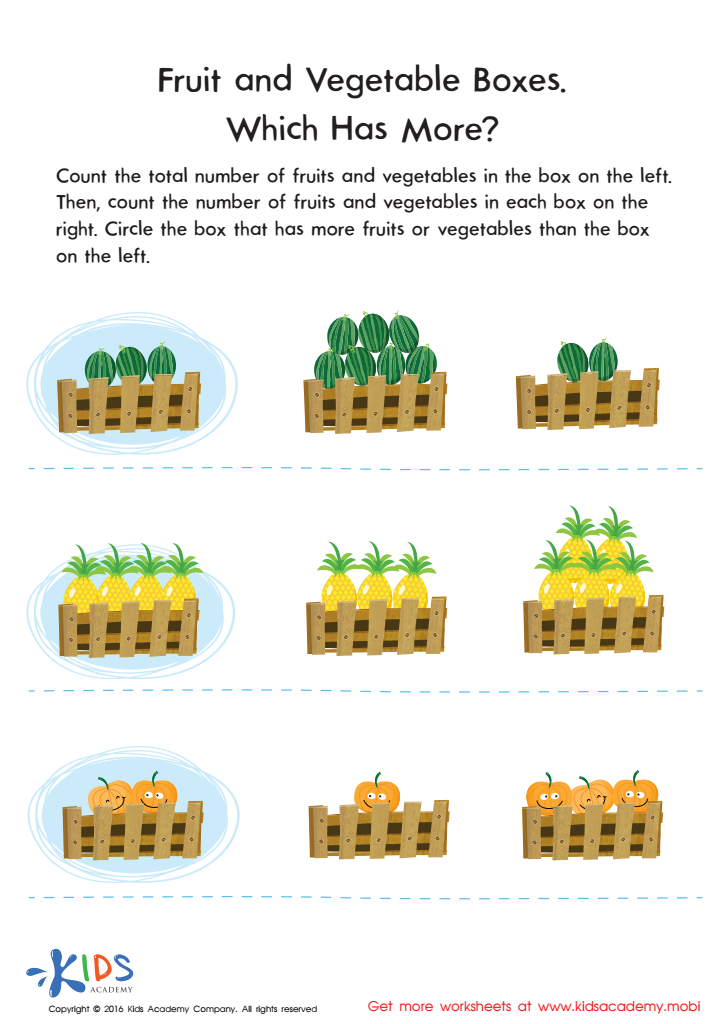
Which Has More? Size Worksheet
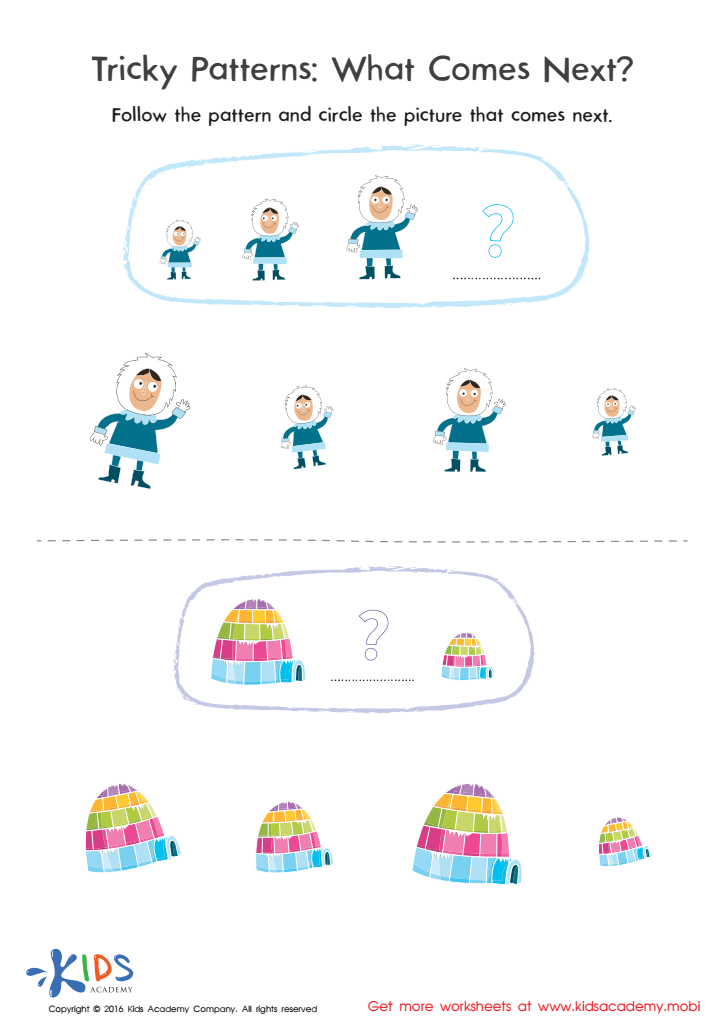
Tricky Patterns Size Worksheet
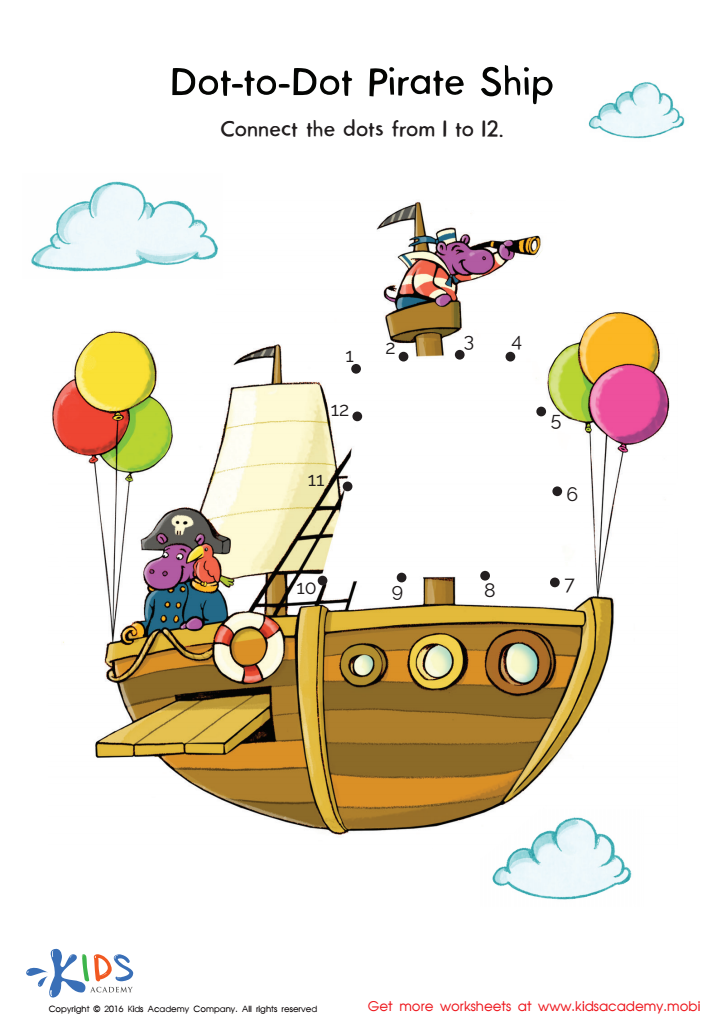
Pirate Ship Connect Dots Worksheet
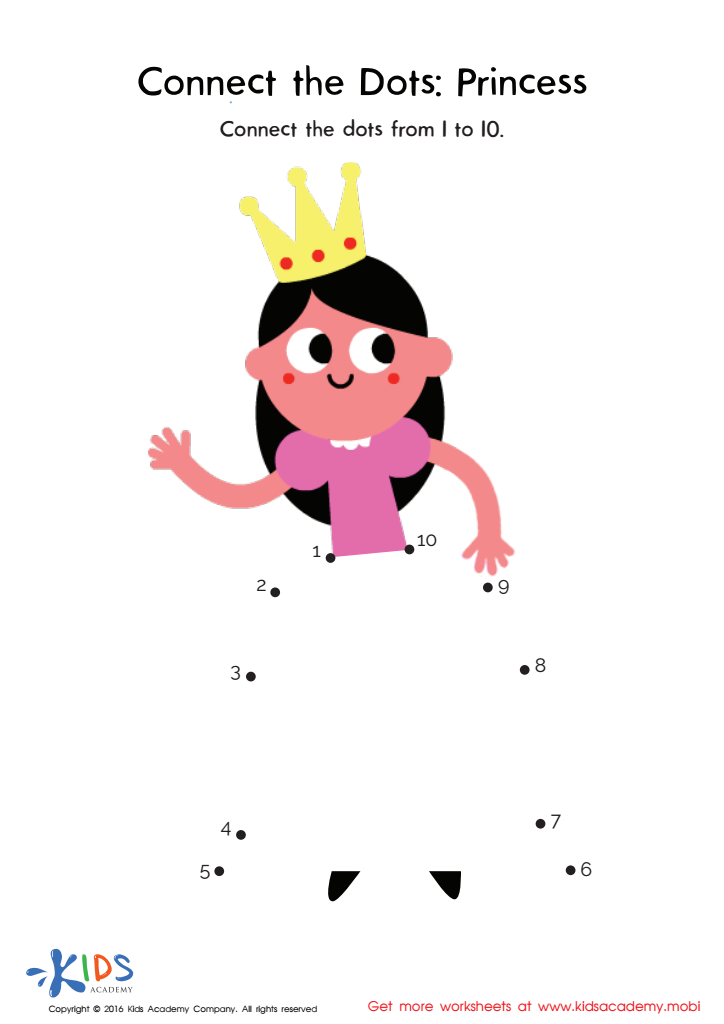
Princess Connect Dots Worksheet
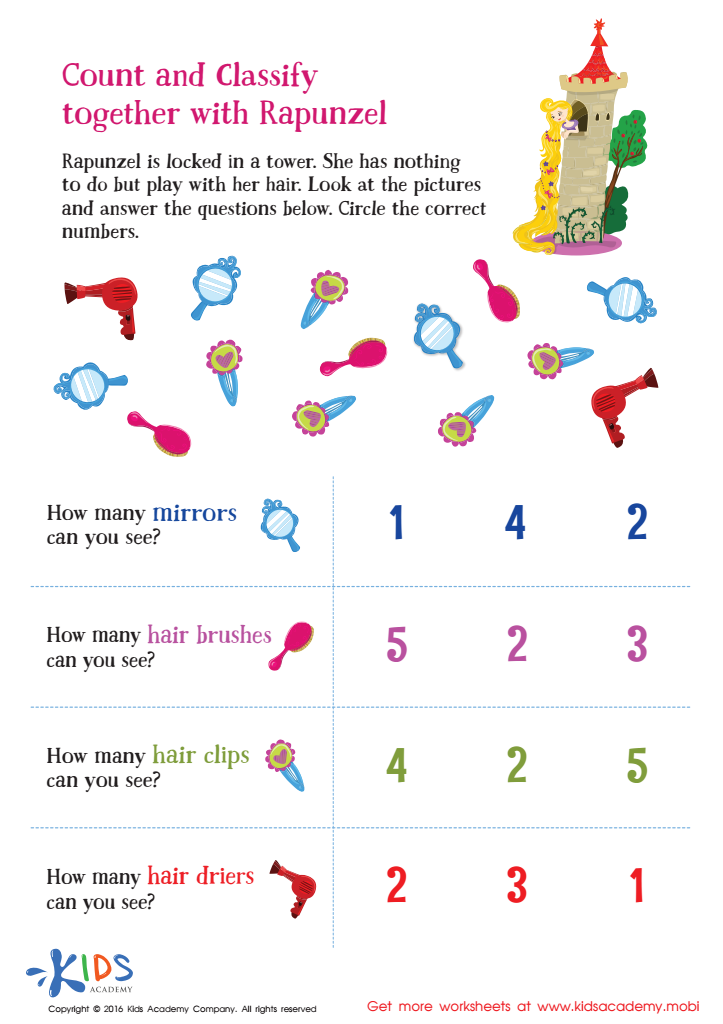
Fairy Tale Worksheet: Count and Classify with Rapunzel
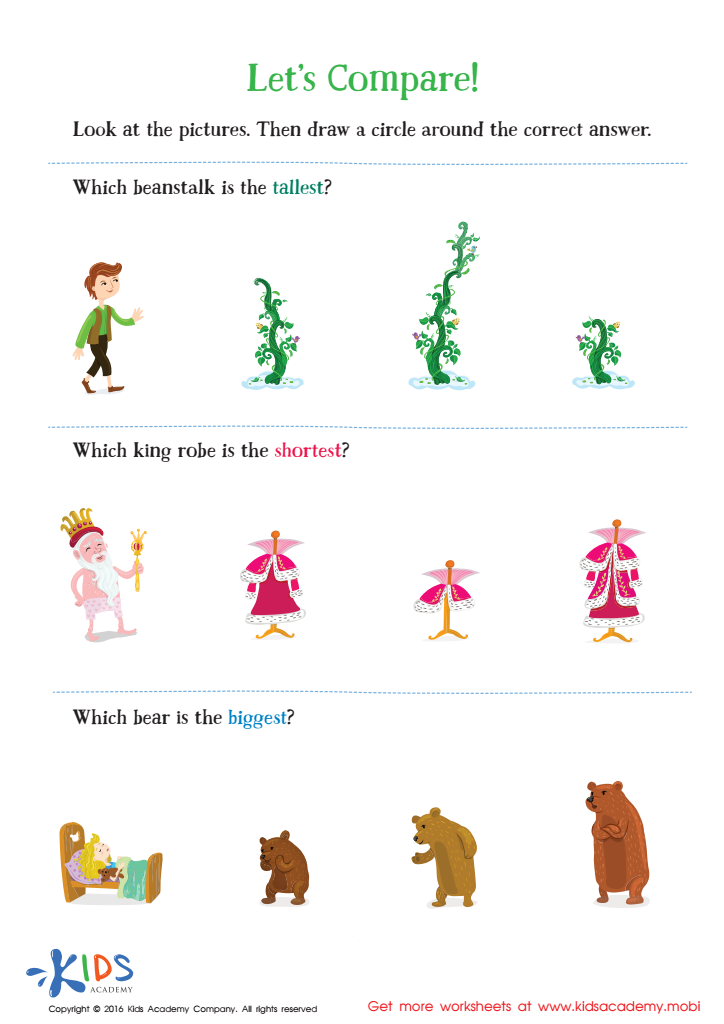
Fairy Tale Worksheet: Let's Compare
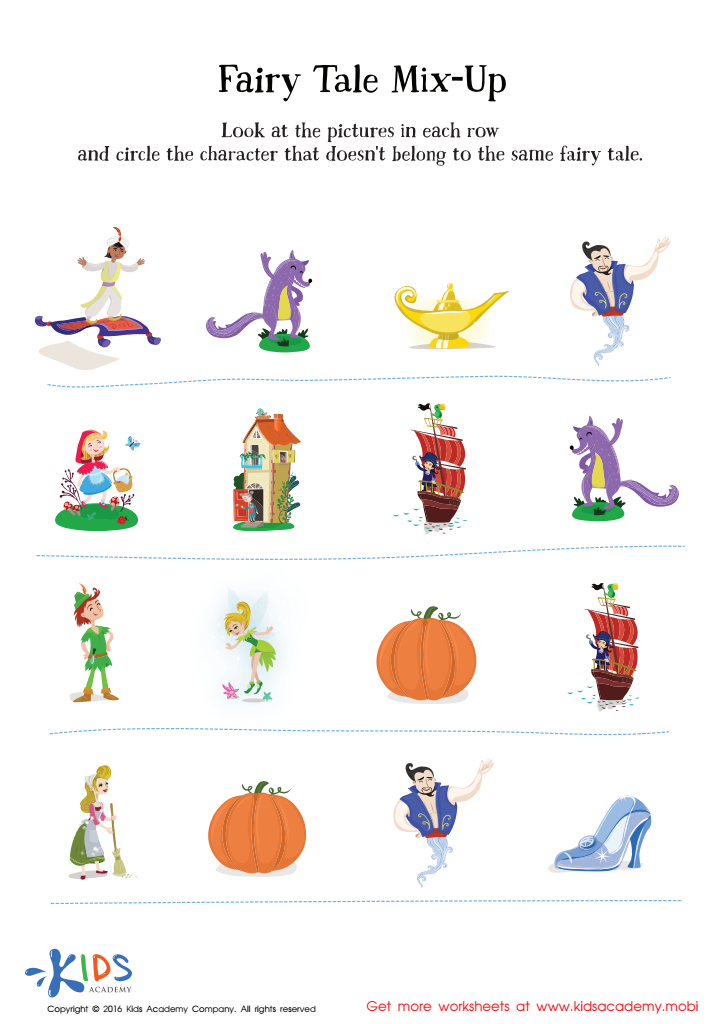
Fairy Tale Worksheet: Story Mix Up
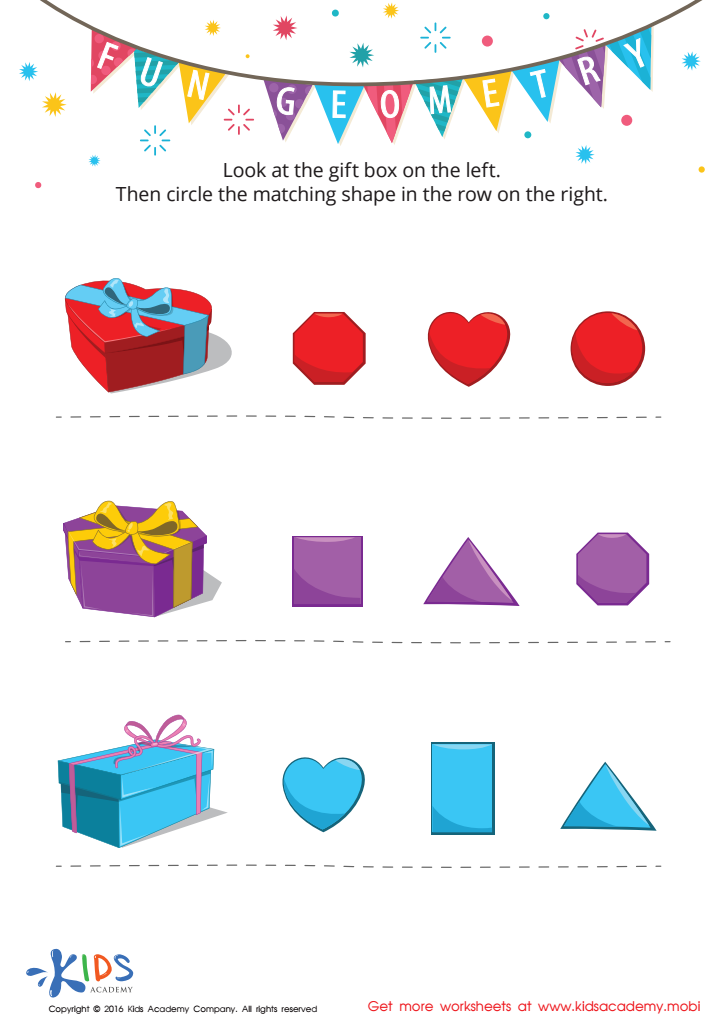
Fun Geometry Worksheet
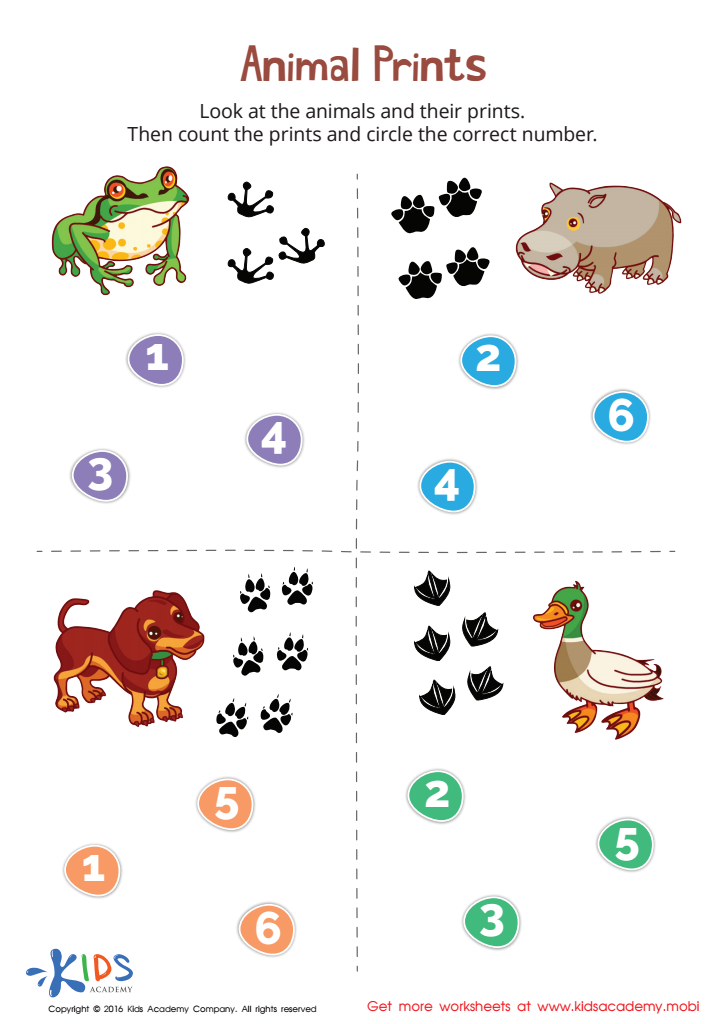
Animal Prints Match-Up Worksheet
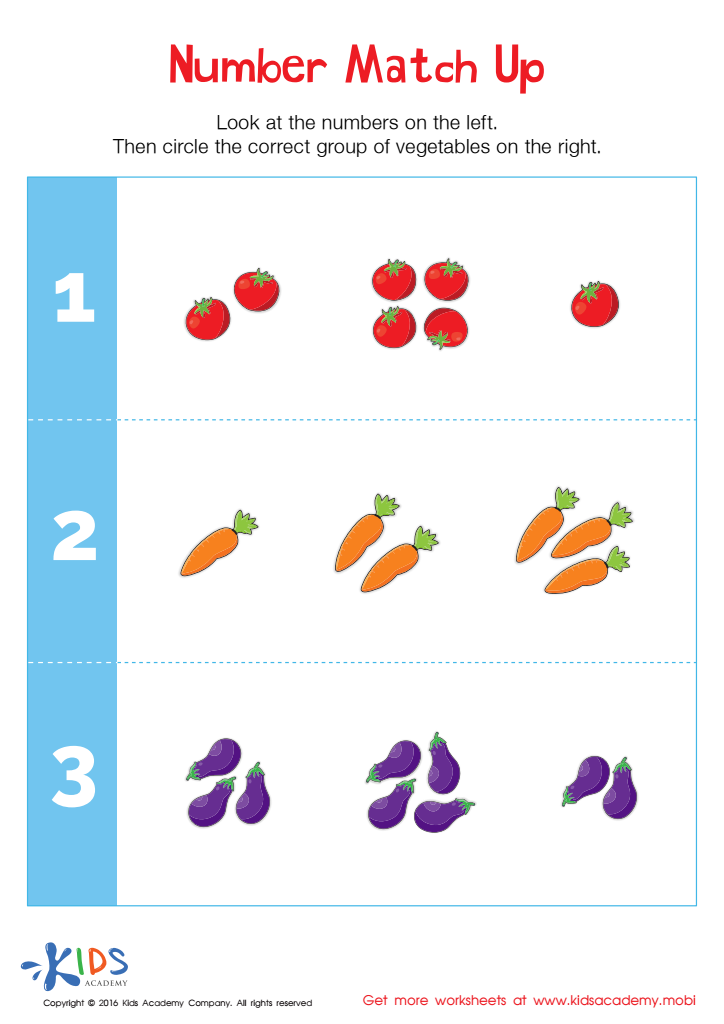
Number Match Up Worksheet
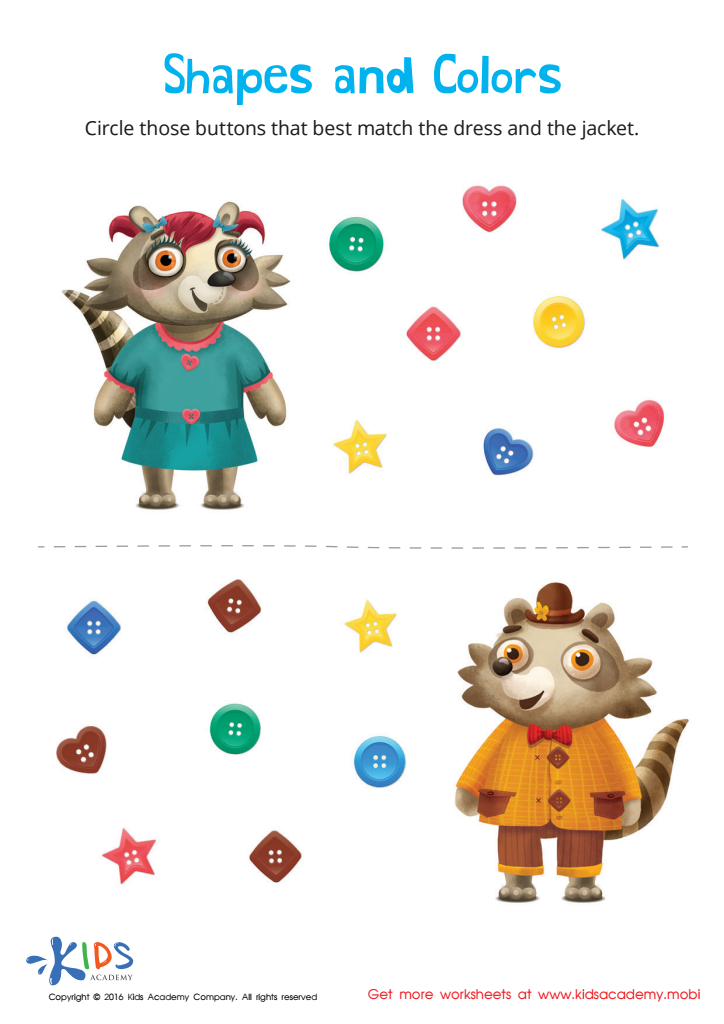
Matching: Shapes and Colors Worksheet
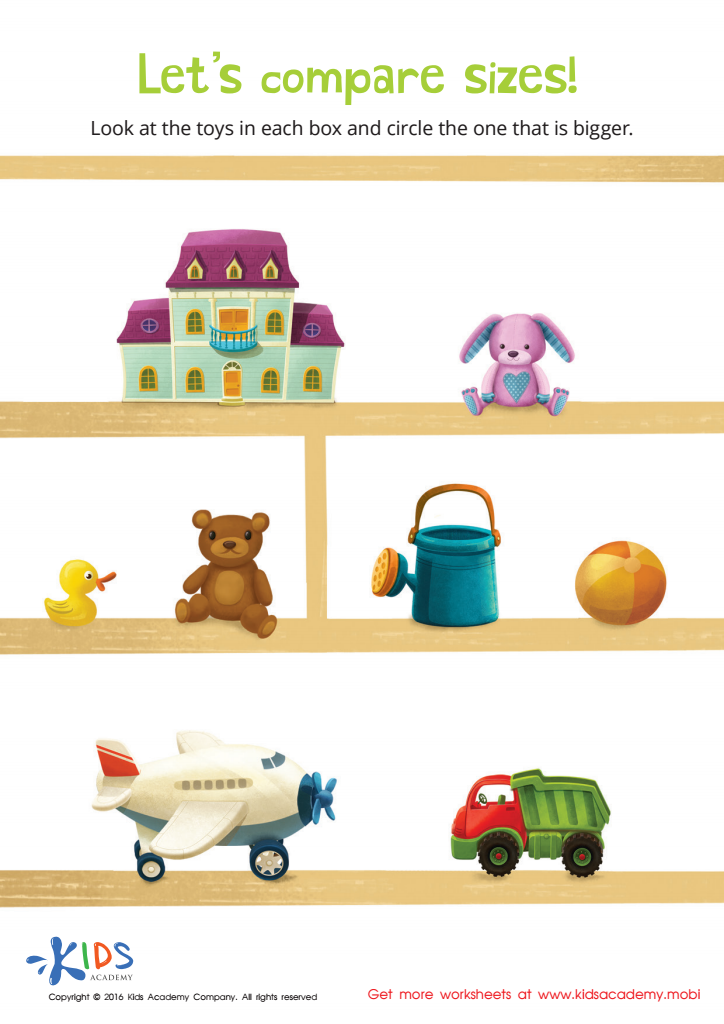
Classifying by Size Sorting Worksheet

Count and Match Vegetables 1 – 7 Math Worksheet
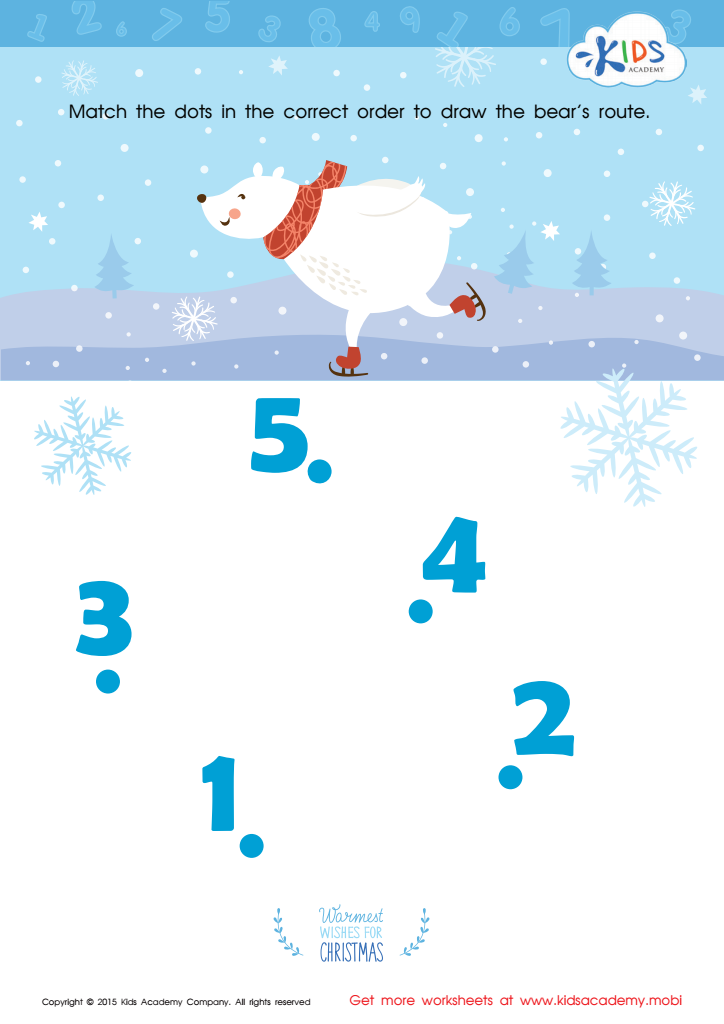
Drawing the Bear's Route by Number Worksheet
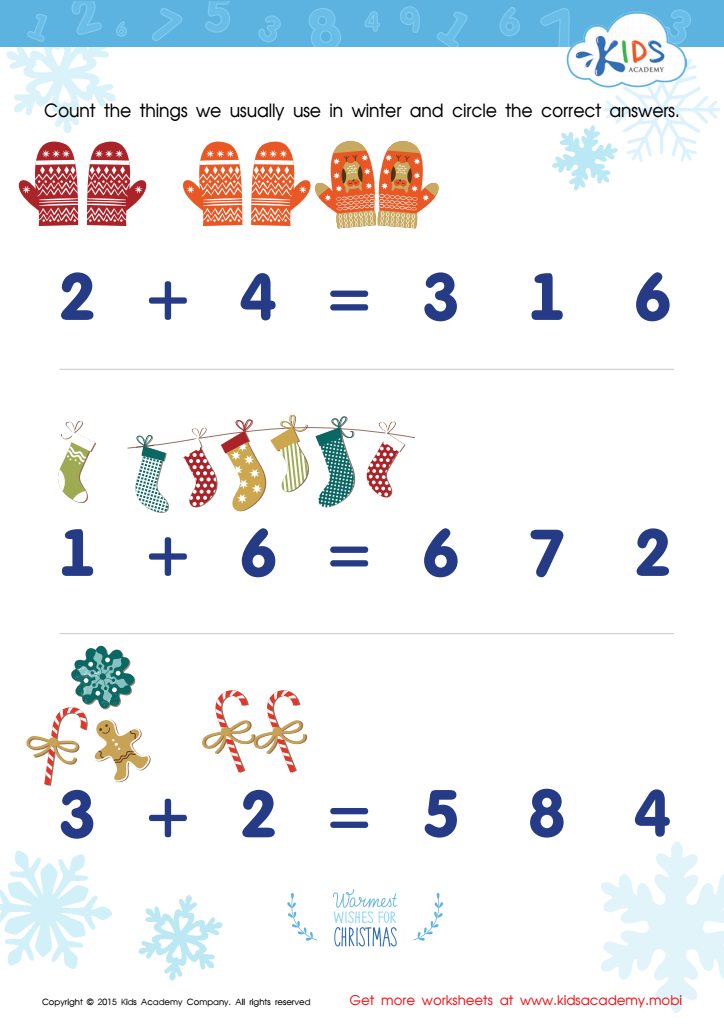
Count Winter Things Worksheet
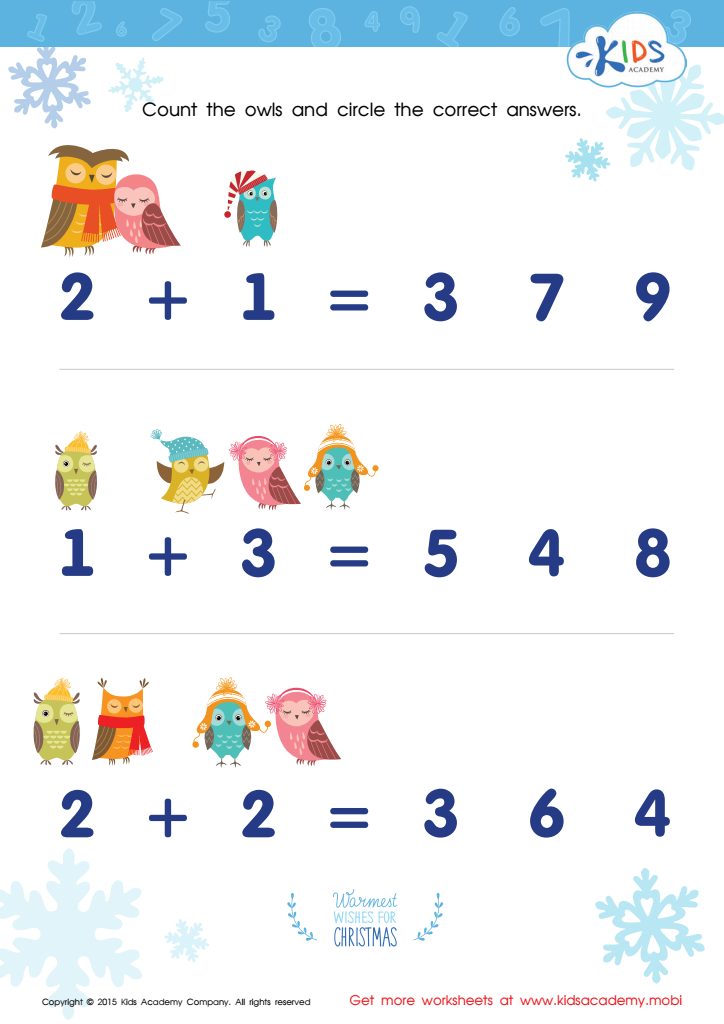
Count Little Owls Worksheet








The developmental stage of ages 6-9 is critical in fostering both cognitive and social skills in children. Extra challenges introduced, whether through puzzles, advanced reading, math problems, or physical games, provide the necessary stimuli to help develop problem-solving skills, creativity, resilience, and confidence.
At this age, children are incredibly curious and eager to learn. Structured extra challenges can help harness this curiosity effectively. For parents, these challenges mean that their children are receiving appropriate mental stimulation that can foster future academic and personal success. Strategies such as complex puzzles, memory games, and more in-depth storytelling enhance cognitive flexibility and encourage children to think outside the box, which is pivotal for critical thinking development.
For teachers, extra challenges allow opportunities to closely monitor each child's specific strengths and weaknesses, giving insights that can tailor future lessons to better address individual needs. Additionally, such activities often promote teamwork, patience, and perseverance—vital social skills essential for life-long learning and collaboration.
Ultimately, investing time and effort into providing extra challenges for children aged 6-9 empowers them to thrive not only academically but also emotionally and socially, setting a solid foundation for their future learning endeavors and overall personal growth.








